When I was a youngster, each fall my father would pack the family into the old jalopy and head to Holmes County, Ohio from Canton to view the leaves.
The trees were gorgeous, the pastoral vistas delightful. It was like stepping back in time once we crossed the county line. I suppose some people still feel that way today.
Like my father, I loved coming to Holmes County. The colorful leaves, the tangy Swiss cheese, the horse and buggies, and the images of a simpler life left a lasting impression on me, even as a juvenile.
The air was crisp and clean, the views splendid, the people quaint. With Mom a landscape artist, Dad kept pointing out scenes she could paint, as if Mom needed any help noticing.
Before entering the county seat, Millersburg, we always stopped at the same place. Dad would pull off to the side of the road by the golf course so we could all admire the giant, vibrant sugar maple tree that stood on the course near the highway. It was a stately fixture to be sure, aglow with yellow, orange and red leaves. Against the manicured green fairways, it was a picture of beauty.
Dad would pull out his pride and joy eight-millimeter movie camera and film away. He loved to show the home movies over and over again at family gatherings. I don’t need to view the old footage to recall the moment. The memories are as vivid as the leaves on that old maple.
Perhaps that’s because irony of irony I ended up spending my adult life here. I pass by the memorable spot frequently. The natural beauty is a nice reminder, especially in autumn.
I don’t have to pile in the car and drive 35 miles to see the living artistry. I just have to look out the window. With the leaves at their peak, the real life painting outside our door is ever changing.
Of course, I do like to tour the hills and valleys of our county to take in the complete show. I have my favorite routes.
I especially enjoy traveling around taking digital photographs on partly cloudy days. One minute everything seems dull, then the sun breaks through, and I can’t snap the camera shutter fast enough. My father would probably tell me to get a camcorder.
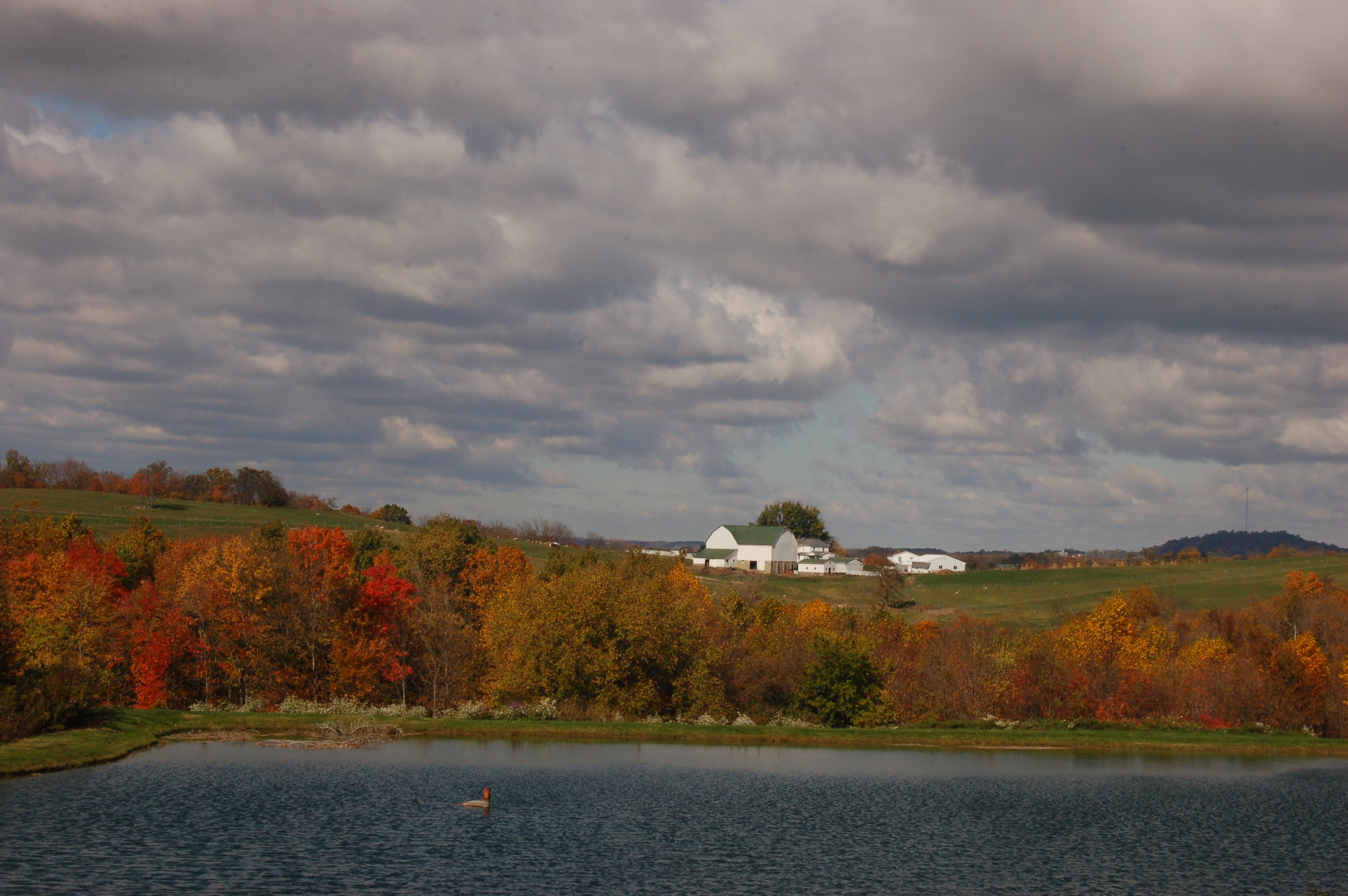
I love the brilliant fencerows dotted with burgundy ash, yellowy white oak, crimson red oak, sunny sassafras, and red, green, yellow and tangerine sugar maples. The hardwood rainbows highlight emerald hayfields and stands of brittle corn shocks.
I also enjoy occasional drives through the heavily forested Killbuck and Black Creek valleys. The steep hillsides are loaded with the same mixed hardwoods as in the eastern end of the county.
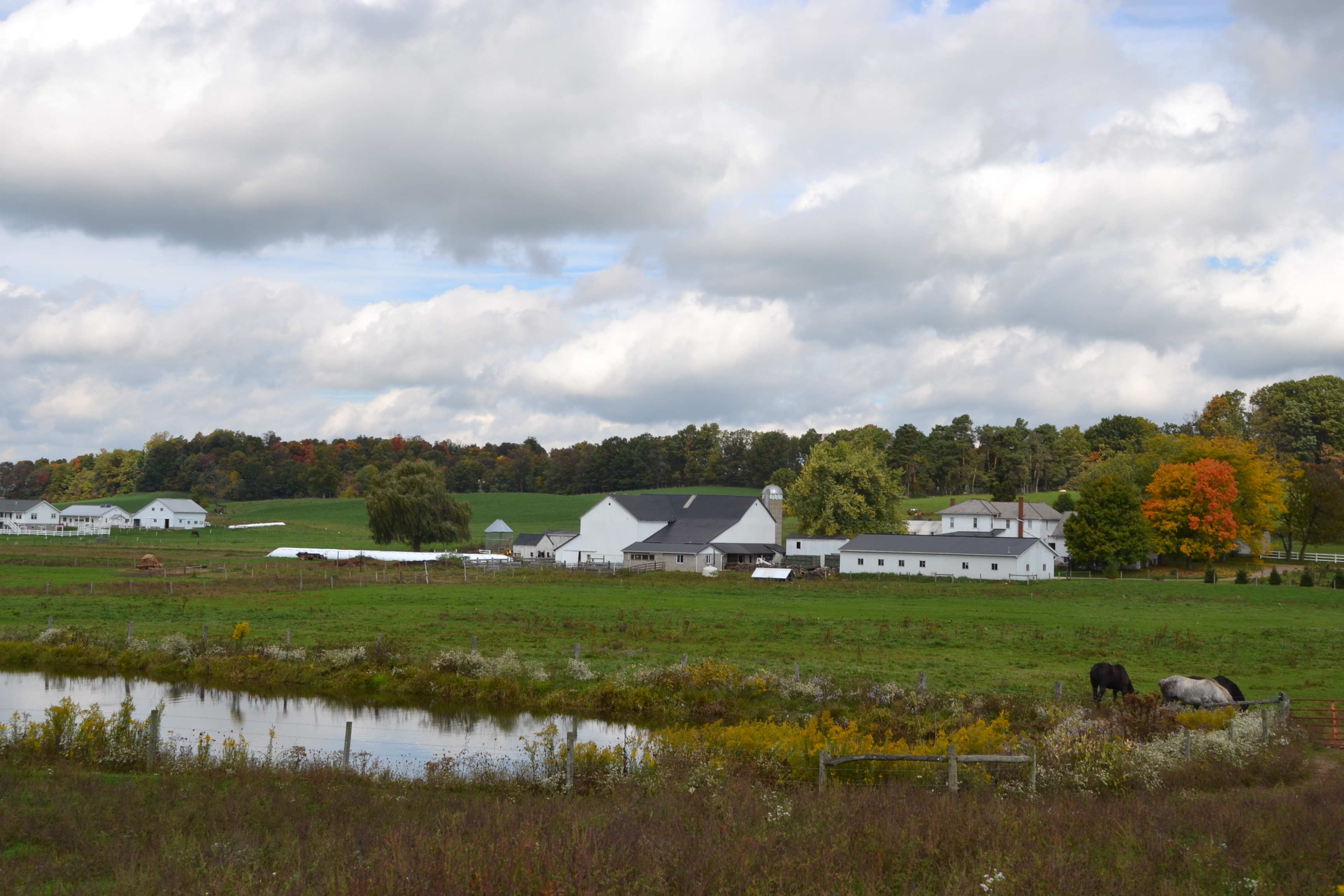
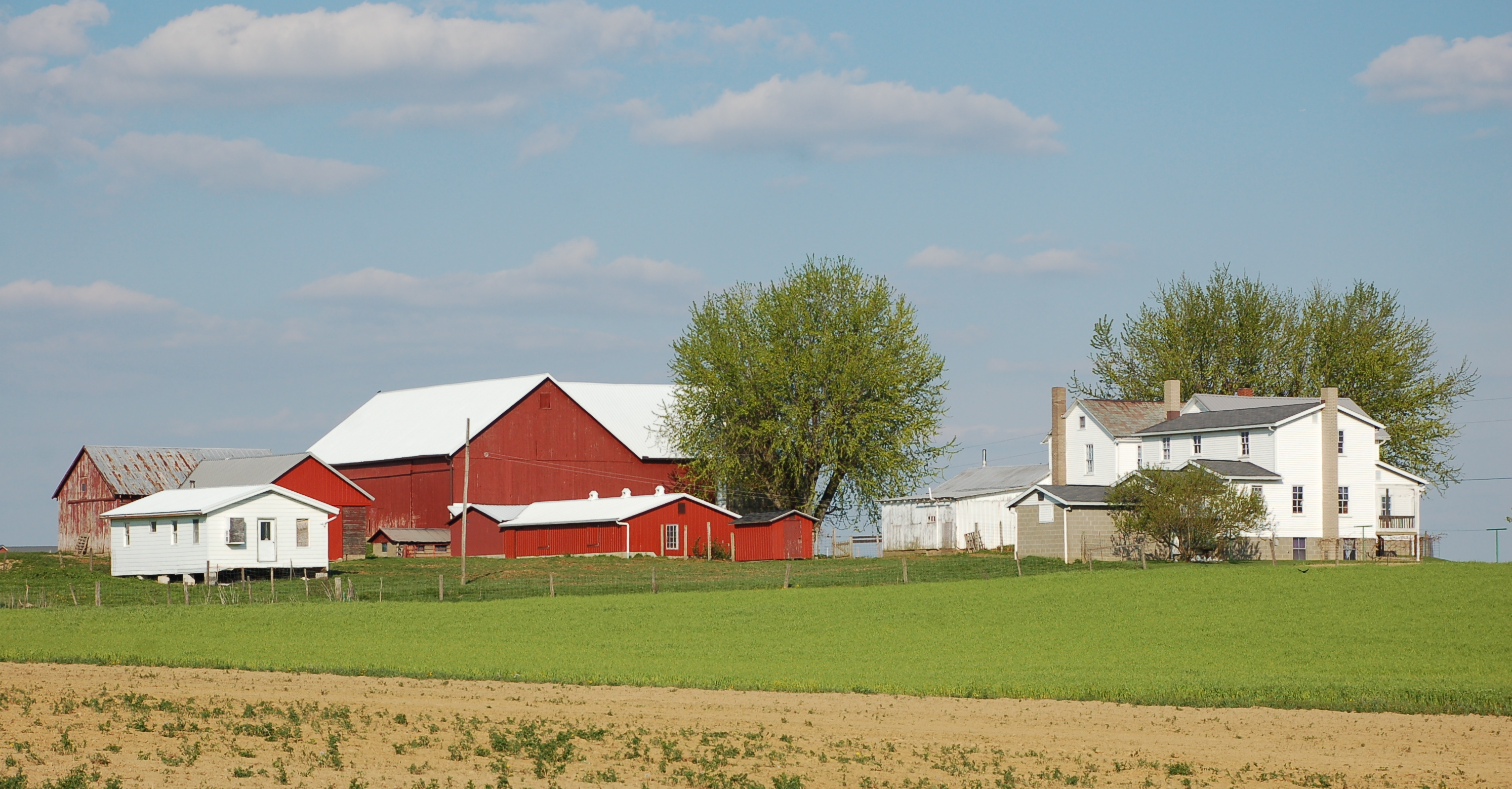
White clapboard farmhouses and weathered barns, surrounded by lush green lawns, lay at the feet of the dappled hills. More often than not chocolate soybean fields fill in the narrow bottoms.
Even with that much splendor, I still return to the side of the road by the golf course. Though the old tree my father loved is gone, time has matured others nearby.
Buoyed by the beauty and the memories, I snap a few shots of the delightful scenery. I am keenly aware of being in both the present and the past. Like the changing seasons, the ebbs and flows of life’s ironies have that everlasting effect.
Ohio’s Amish Country, particularly Holmes County, is a great place to be when the autumn leaves are at their finest. With its many stands of mixed hardwoods throughout the area, the colors can be spectacular if all the conditions are right.
The leaves are usually at their colorful peak by mid-October. Though the summer’s drought may have caused some trees to already change, they seem to be on a normal timetable for coloration. Now through the next two weeks will provide marvelous viewing.
Several great routes can be driven to see the rainbow of leaves. Just consider the rolling hills, rows of corn shocks, grazing cows, romping horses, Amish buggies and silvery streams as backdrops to the main event.
Simply traveling the main highways that lead into the Holmes County area and crisscross the county will guarantee beautiful scenery. That’s especially true in the fall.
State Route 39 cuts Holmes County in half east to west. In many places, the road roughly follows the terminal moraine of the Wisconsin Glacier. To the south, hillsides loaded with maple, oak, walnut, beech and hickory trees are steeper than their counterparts on the opposite side of the road. The glacier filled in the valleys on the north side 10,000 years ago, leaving a gently undulating geography, with rich soil that farmers pamper for excellent crops and lush pasturelands. Stands of woodlots and tree-studded fence lines create magnificent leaf viewing.
State Route 83 bisects Holmes County in half north to south. You will be dazzled by the vistas that change seemingly at every curve. Both north and south of Millersburg, the county seat, the route hugs the eastern edge of the Killbuck Valley. Impressive slopes with ample forests east and west nestle golden marshlands teeming with wildlife in between.
U.S. 62 runs diagonally across the county. From the northeast, pastoral views are aplenty, meandering through Amish farmland on each side. Because the wood industry surpassed agriculture as the number one employer in Holmes County a few years ago, trees are treasured and properly cared for.
Follow U.S. 62 from Millersburg southwest toward Killbuck and on to Danville in Knox County and you might think you are in the foothills of the Appalachian Mountains. In truth, you are. The road follows the area’s main waterway, Killbuck Creek, and then climbs the hills into the Mohican River watershed.
The lesser traveled state, county and township roads provide equal opportunity viewing when it comes to autumn leaves. State Route 520 from Killbuck through Glenmont’s seven hills and on to State Route 514 especially provides a pretty show if the timing is right.
In the east, State Routes 241, 515, 557 and 643 all are winding, hilly and gorgeous in the fall. Farmsteads with white houses and coffin red barns are the norm in any direction on these roads.
For those who desire more than just riding and looking, the area has plenty to offer. At the Wilderness Center off of U.S. 250 west of Wilmot, you can hike through prairie grass and virgin forests, and explore an education center, where there is fun for all ages.
Mohican State Park near Loudonville affords numerous trails with incredible overlooks to the steep Mohican River gorge. The greens of the thousands of white pines nicely compliment the colorful mixed hardwood forest.
For bicyclists, the Holmes County Trail offers 16 miles of lovely trials from Fredericksburg to Killbuck. Hikers are welcome, too. The trail runs along the Killbuck through the center of the county until it turns southwest toward Killbuck. The wildlife, birding and leaf viewing can all be consumed simultaneously. A note of caution, however. Horse and buggies also use the trail on one side while bikers and hikers are on the other.
Everyone has their favorite spot to view the changing leaves. You’ll enjoy finding yours.
This article appeared in Ohio’s Amish Country magazine.
Dr. Rev. Kenneth Walther showed some of the antiquities that will be on display at his church near Millersburg, OH.During October, Holmes County, Ohio area residents have a unique opportunity to view firsthand biblical antiquity items dating back to 2,000 B.C.
The church’s pastor for the past 15 years, the Rev. Dr. Kenneth Walther has arranged for multiple items representative of the first five books of the Bible to be viewed by the public and members of his congregation. All of the items are on loan from Ashland Theological Seminary in Ashland.
How was a church of 100 parishioners in Millersburg able to acquire such a collection, even on a loan basis? The answer is easy. In addition to serving as the pastor of the church, Walther is also an adjunct professor at the Ashland Seminary. He had taught Bible courses there for 33 years prior to his retirement in 2009.
“Really, the reason the artifacts are here is in conjunction with The Story Bible study project we are holding in the church through April,” Walther said. “The entire church, youth through adults, is studying the same scriptural passages each week.”
Walther said the antiquity items, which range from samples of parchment writing to clay vessels, are part of a 1,500-item collection at the seminary. He said he gives tours on a regular basis there.
“This was really a spontaneous idea,” he explained, “to give people a firsthand look at what some of the Old Testament Bible characters would have used in their everyday life.”
Items will be on display each Sunday in October at the church from 9 a.m. until 1 p.m. On Oct. 28, a special open house will be held where additional artifacts can be viewed between noon and 5 p.m. Walther will be available from 3-5 p.m. that same day to take questions.
Walther said the items span the lives of Abraham, Joshua, David and Solomon. He said the items represent three specific cultural areas, Cuneiform tablets from Mesopotamia, pieces from Egypt and artifacts from the land of Canaan.
“Mesopotamia is the land from where Abraham originated,” Walther said. “We have pieces of colored mummy wrapping from Egypt, and various practical items like jugs from Canaan.”
Specifically, Walther said, the display includes clay tablets from Ancient Mesopotamia, scribe boxes, stone inscriptions in hieroglyphics, and fragments of pottery from Egypt. Items from Canaan include water jugs, lamps, bowls, pilgrim flasks and a variety of cosmetic items that were used thousands of years ago.
Walther said the church decided to share both the study and the artifacts with the general public. He said people could participate in The Story, which is an international study, each Sunday.
“We will discuss the lessons including some of the objects during Sunday school, which begins at 9 a.m.,” he said. His sermon will expand on the themes presented each Sunday.
Walther said the seminary purchased all of the items from private collections and antiquities dealers. All items were obtained by those sources prior to the 1967 six-day war in Israel. Since then, he said, such items are prohibited from being taken from the country.
Walther said The Story is an attempt to introduce people to the Bible, history, and background and interpretation of the cultures of biblical times. He said study materials are available for entire families. The Story was written by scholars from various denominations and published by Zondervan Press.
“We even have a special New International Version Bible to accompany The Story materials that focus on particular events of the Bible,” Walther said.
He said the sampling of items on display at St. John’s Church provides a physical handle on the picture of the Bible. The church is located at 8670 state Route 39 west of Millersburg.
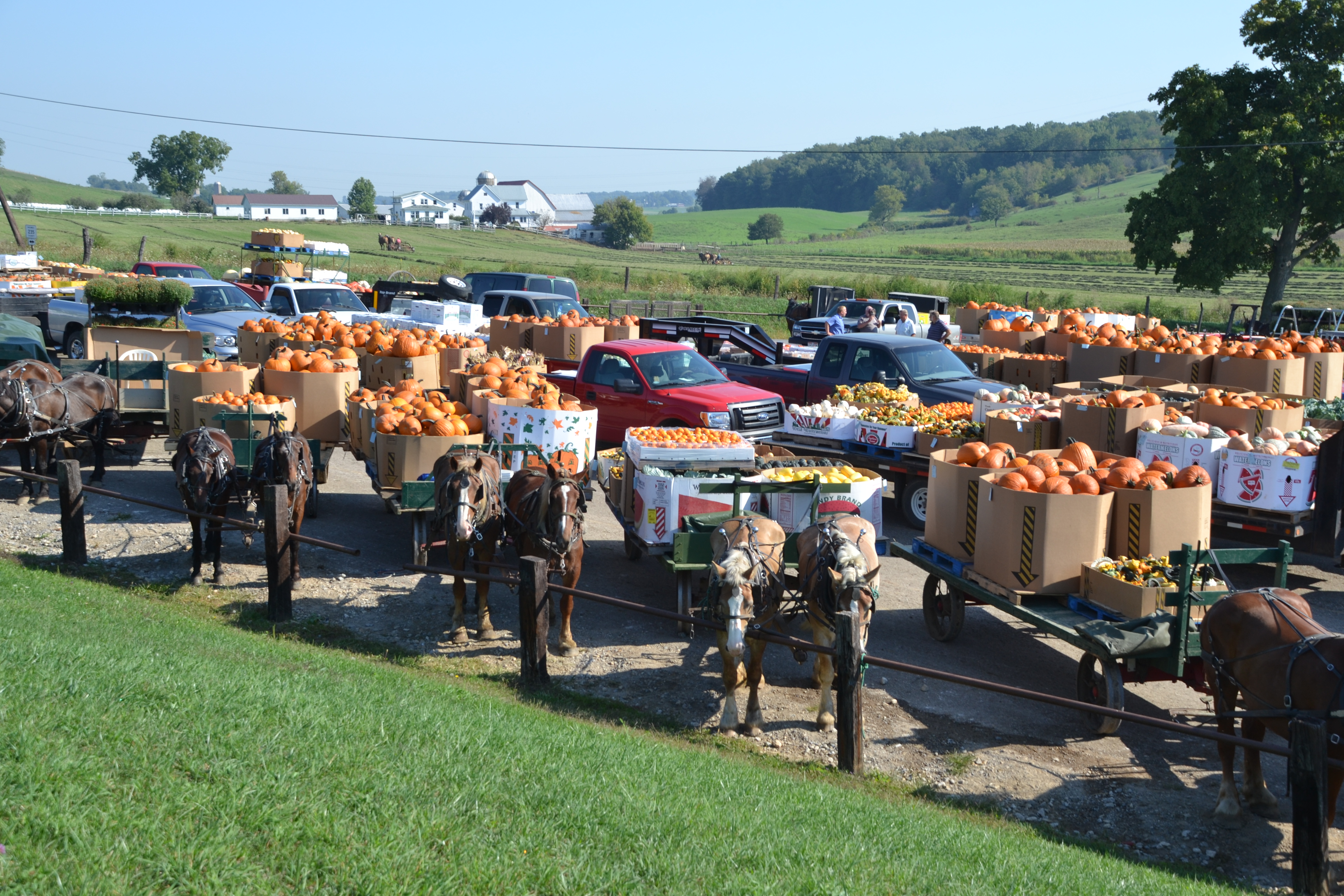
The lineup of produce waiting to be auctioned was colorful in more than one way.
By Bruce Stambaugh
For inspiration this time of year, I love to frequent the local produce auction located just two miles north of my home. It’s a carnival, traffic jam, town hall meeting, commerce hub and art museum all rolled into one.
I like to arrive midmorning just as the auction is about to begin. When it’s peak harvest time, the place is abuzz. Men, women and children seem to have caught the same exciting spirit. Trucks of all sizes back up to the loading docks to both deliver for the auction and to load produce purchased.
Vehicles of all sorts line up to empty and to load the produce and associated items. Box trucks, pickup trucks, and pickups with flatbed trailers, tractor-trailer trucks, tractors with loaded wagons, horse drawn wagons, vans, cars, carts and bicycles all congregate at the Farmers Produce Auction west of Mt. Hope, Ohio.
Their drivers are there for one of two reasons. They arrive to sell their fruits, vegetables and flowers or to buy them. A few of us, of course, show up to simply admire the proceeding. The exuberant energy and shining beauty are both contagious. The drive through auction creates an unusual traffic jam.
Amish men and teenagers steady their team of horses, standing patiently in line under the strengthening sun. Most have traveled miles with their cargos of colorful produce, neatly packaged and ready for the sale.
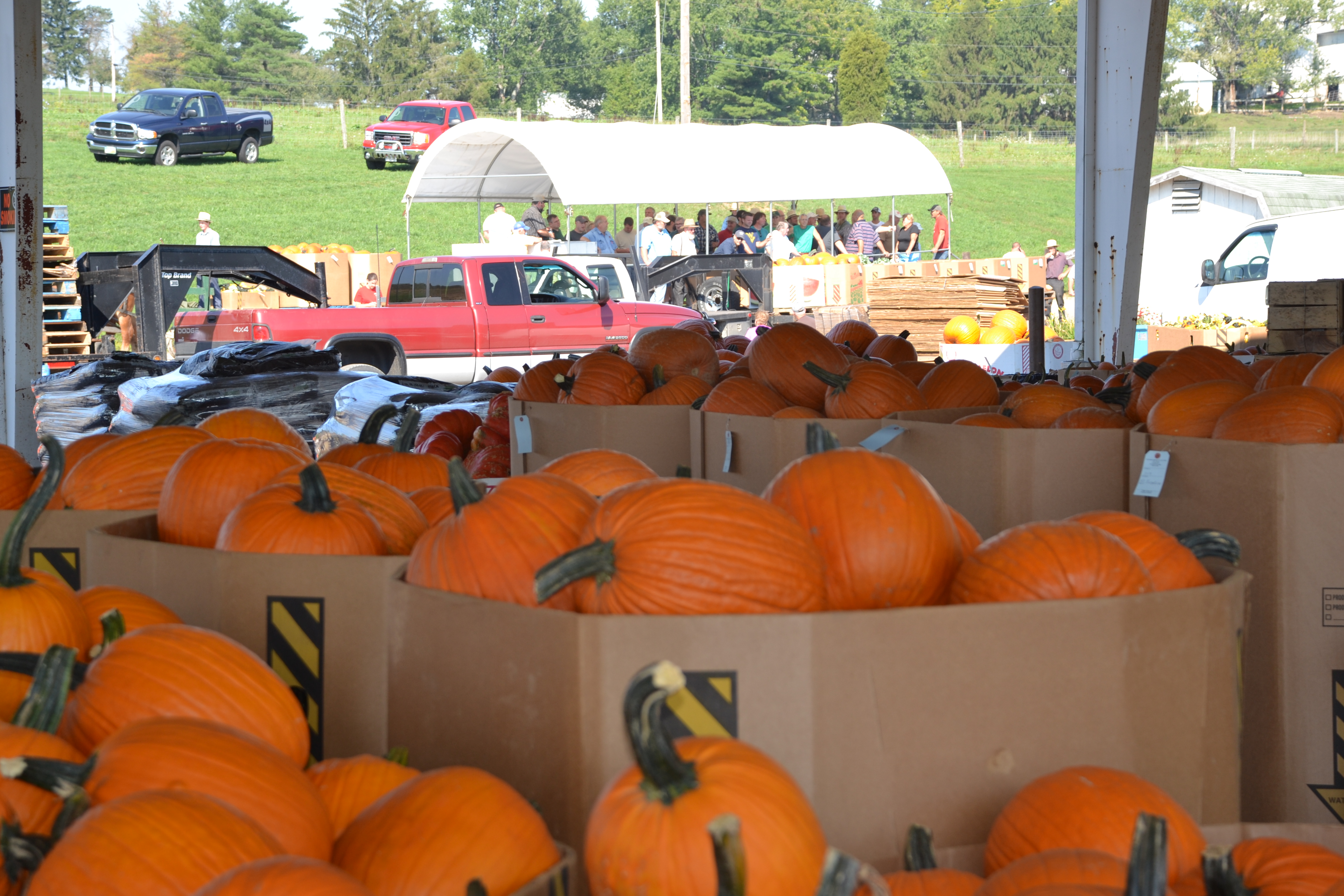
The assortment of trucks carries interesting payloads, too. The season’s last sweet corn and melon, huge boxes of the season’s first pumpkins, bright red and yellow peppers, and flat after flat of budding burgundy, gold and crimson mums are just some of the offerings. Buyers and sellers alike gathered around the auctioneer as bids were taken.
The syncopated rhythm of the auctioneer echoes from the open-sided building, announcing the sale’s start. Buyers quickly abandon the food stand and squeeze in to catch any bargain they can. The pace is quick, and if you snooze you lose. People pay attention.
The buyers themselves are a joy to watch. Young and old, male and female, they represent their own produce stand, local restaurants or a supermarket chain. This is their livelihood. They are daily regulars, and the astute auctioneer knows them well. A wink, a nod, a twitch and particular hand gestures signal bids and it’s on to the next lot. So much produce arrives each day that two auctions, one inside, one outside, are held at the same time.
Soon the drive through auction simultaneously begins outside. Double rows of boxed and packaged produce or flats of hundreds of flowers are sold straight from the wagon or truck on which they arrived. They pass by the canvas-covered auctioneer’s stand two-by-two until the last one is through.
Sellers know they have to be on time. Despite the disjointed configuration of vehicles, the sale runs efficiently, making buyers and producers both happy. To be first in line, one driver arrived at 6:15 a.m. for the 10:15 a.m. sale. That’s the dedication of effective and productive commerce in action.
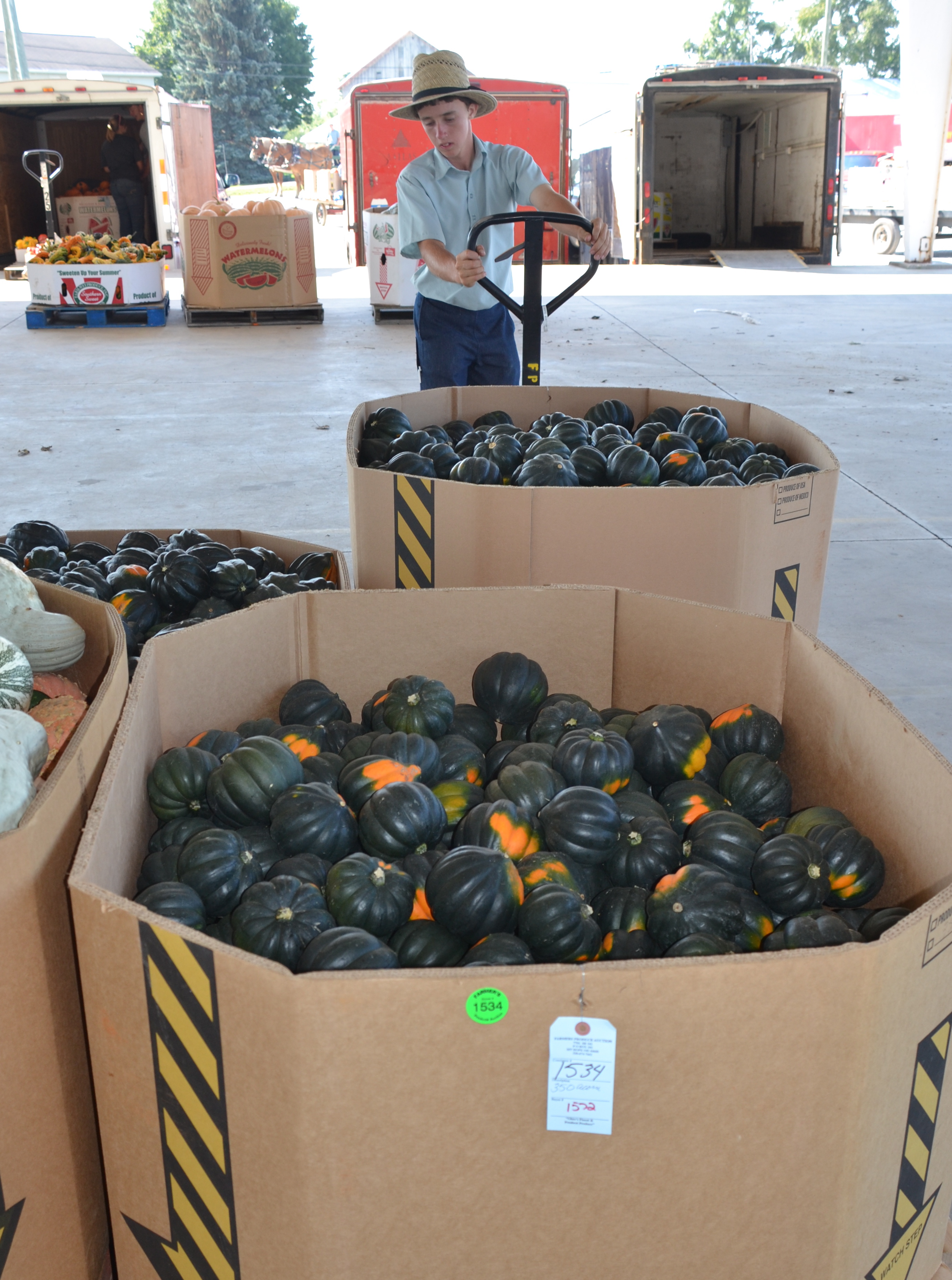
Amish teens help move the sold produce to staging areas until the buyers claim their purchases.Hand-printed tags on the purchased commodities tell the tale. The number in black indicates the producer. The red number is the buyer. As soon as the lot is sold, young men and boys transport the goods with tow motors to designated stations where the merchandise is parked until claimed. Once the buyer is all in, the purchased containers are loaded into his or her vehicle.
By lunchtime, teamsters mull their successes on the slow, rattling ride home. Truck drivers secure their load, and head to their predetermined destinations where the fresh goodies will be sorted, washed and prepared for consumption.
The fascinating organization, the polished production, the gregarious people and the artsy produce combine to create one rousing show. What an inspiring performance to start the fall.
Growers are taught how to package their produce to ensure both quality and higher prices.The produce is neatly lined up in rows as it arrives to be sold at the auction.The outside auction is done by selling the produce in double rows that slowly pass by the auctioneer’s stand.Seasonal decorative produce like these gourds and pumpkins add to the auction’s peak season success.Besides the Amish farmers, the auction employs several Amish men and women to help with the sale.
Given his many maladies and his age, Carl Maxwell, 77, of Berlin, Ohio, would have every right to simply give up on life. Instead, he has done just the opposite, and many people are the beneficiaries.
The list of all the good Maxwell has done in his life far exceeds his list of illnesses. Kidney dialysis three times a week, congestive heart failure, diabetes, quadruple bypass surgery on his heart, suffering four heart attacks, staph infections and skin cancer head the list.
Maxwell hasn’t let any of that stop him. If anything, they serve as incentives to live life to the fullest everyday. He does so personally and through several community organizations for which he volunteers.
“I love life,” Maxwell said. “I want to do everything I possibly can while I can.”
Carl MaxwellMaxwell has and is doing a lot by any measure. His accomplishments would be impressive for someone in excellent health.
Maxwell was a charter member of the East Holmes Lions Club and is a charter member of the newly established Berlin Lions Club. He served as president of the East Holmes club, and was recently presented the prestigious Melvin Jones Fellow award by Lions Club International.
“I’m especially interested in the sight aspect of Lions Club,” Maxwell said. Lions Clubs collect used eyeglasses and distribute them to needy people around the world.
Maxwell has served as either president or vice president of the East Holmes Fire and EMS District board since its inception in 2000. He is the at large member of the five-member board.
Maxwell, along with his wife of 53 years, Lorene, volunteer at Save and Serve Thrift Shop in Millersburg twice a week.
“On Tuesdays,” Maxwell said, “I cut rages with Paul Roth.” He and Lorene also help out as cashiers on Thursday evenings.
Maxwell has also taught Sunday school at several levels at Berlin Mennonite Church for many years.
“I like people,” Maxwell simply said.
If he did slow down, no one would question his decision. Maxwell goes for kidney dialysis three times a week in Wooster.
“Counting my time on the road,” he said, “each visit takes eight hours.” Maxwell is not complaining about that.
“I didn’t really want to do dialysis,” Maxwell said. “But I got out voted 5-1 on that.” His loving wife and four sons all wanted him to do the treatments. Maxwell drew the line there.
“I had an opportunity for a kidney transplant,” Maxwell said, “but I turned it down.” He said he felt someone younger than him should have a chance at the available kidney. “I couldn’t live with myself if I had taken a kidney that some 20-year old needed,” Maxwell said frankly. Carl Maxwell showed off his salmon and grey 1958 Buick.
Maxwell doesn’t spend all of his time volunteering. He also has some heart-felt hobbies in which he has invested much time and money. Maxwell, who once had 14 antique cars, now has three old cars and a 2002 Corvette, which he calls his “toy.” He occasionally drives it to his dialysis sessions.
At the peak of his car collecting days, Maxwell served for 16 years on the regional board of directors of the Antique Car Collectors of Canton. Maxwell also has the world’s largest collection of Sinclair Oil products and memorabilia, which was featured earlier this year in an international collection magazine. From old gas and oilcans to large advertising signs to refurbished gasoline pumps, Maxwell’s collection is clearly one-of-a-kind. He has gathered items from many states and even other countries.
That extensive collection stems from his life’s work. Carl Maxwell has two triple-check Sinclair Oil signs displayed at his barn. He said only a handful remain.
Maxwell worked 36 years for Holmes Oil, which originally distributed Sinclair products. He started as a truck driver, but after six years, he and Maynard Hummel became co-owners of the business. Maxwell sold his half interest in the business after 30 years.
“I have had an unbelievable life,” Maxwell readily shared. He credits two women for those experiences, his wife and his late mother, Edna Weaver Maxwell.
“I owe a lot to others, especially my wife,” he said. “She’s just been amazing.” He said Lorene has been an incredible help to him in his many times of need. Maxwell said he recognizes his physical limits and takes the time to rest so he can continue to keep his busy pace.
“I want to do everything I possibly can,” Maxwell said. “Life is still worth living, and it’s too short to be negative.” Carl Maxwell has collected Sinclair Oil signs, cans and even gas pumps.
This article appeared in the July 2, 2012 edition of the Bargain Hunter, Millersburg, OH.
Brian Miller, 17, of Apple Creek, OH checked out some bee hives before a recent meeting on beekeeping held near Mt. Hope, OH.
By Bruce Stambaugh
Beekeeping is on the rise, according to Dr. Jim Tew, recently retired bee specialist at The Ohio State University Extension Services in Wooster, Ohio. He just doesn’t know why.
A meeting held recently at the residence of Mark Miller near Mt. Hope, Ohio seemed to be proof of that. Men, women and children, many of them Amish, nearly filled the several rows of church benches set up in Miller’s spacious outbuilding where the beekeeping meeting was held.
Miller said beekeepers’ meetings like this one are held three times per year. He said there are two such groups in Holmes County, Ohio. They are geographically split into northern and southern groups, with U.S. 62 being the dividing line.
The meetings are held to keep area beekeepers informed about the latest information on beehive maintenance and keeping the bees healthy. They also lean on the informal approach to allow for extensive question and answer times. Dr. Jim Tew shared his expertise on beekeeping to a group of beekeepers in Holmes County, Ohio. Many of those in attendance were Amish.
Tew was asked to share his expertise on beekeeping. The gregarious and modest Tew kept the group relaxed with personal stories of his more than 40 years of beekeeping. He retired from the OSU Extension after 35 years.
The Alabama native told the group that beekeeping is extremely popular right now.
“But I don’t know why,” he said. He suggested one explanation could be that honeybee husbandry fits into the popular universal interest in providing a dependable, wholesome food supply. Honeybees scurried in and out of a hive across from Mark Miller’s residence near Mt. Hope, OH.
Related to that sustainability idea, Miller told the group, “I like the concept of producing our own bees here in Ohio.” Normally, purchasing commercial kits and commercially raised queen bees, which are essential for hives to thrive, starts bee colonies.
“Having meetings like this,” Miller said, “will help us toward that goal.”
Indeed, Tew indicated that when the Varroa destructor mites began to invade honey beehives in 1987, the industry took a huge hit. The killer bee scare followed that, and bee husbandry began to wane. Dr. Jim Tew showed the group a mite zapper that could help control destructive Varroa mites.
“It’s unnerving,” Tew said of the disease, officially called colony collapse syndrome. “Happily those initial dark days have gone away, and I no longer have any fear of all of my hives dying.”
He shared various ways beekeepers could help deter the mites and how to properly inspect hives for any possible problems. He said the most recent die off of bees made headlines because information spread rapidly on the Internet.
“This die off was not new,” Tew said, “though it may have a different cause.” He explained that there could be many causes for hives not thriving.
“Too many of us want to find one reason for a die off,” he said. “Each of you who keeps bees will have to talk amongst yourselves to determine what system to stop the mites works best.”
Miller said the meeting was not limited to those who live north of U.S. 62. In fact, 17-year-old Brian Miller came from Apple Creek to learn about bees. He just began keeping bees last year, and said his hives are thriving.
The Tri-County Beekeepers Association in Wooster awarded Brian Miller a $500 scholarship for an essay he wrote on “Why I love beekeeping.” He said the money enabled him to purchase needed beekeeping supplies and equipment to maintain and expand his hives.
Mark Miller, who began beekeeping in 2009, said he also received an award to help him get started.
“I was honored to receive the Don Meyers East Ohio Apiculture Project prize of $75,” he said. That amount helped him buy two hives and equipment to operate them.
Though he retired from his OSU Extension position, Tew continues in the bee business both personally and professionally. Besides keeping bees himself, he also serves as a state beekeeping specialist for his home state of Alabama.
He kidded the crowd by saying that he now has a 900-mile commute to work. In actuality, he travels to Alabama five times a year to complete his beekeeping responsibilities.
A typical springtime scene in the heart of Ohio’s Amish country near Mt. Hope, OH. By Bruce Stambaugh
We are fortunate to live where we do here in northern Ohio, especially in the Holmes County area. Our manicured farmlands, brushy fencerows, dense woodlots, numerous lakes and the wetlands of the Killbuck Valley provide an abundant variety of habitats that attract an equal abundance and variety of birds.
In our busyness, we should stop, look and listen to the free show that is all around us. The many birds, some just passing through, others that will make their summer home here, can fill our senses with amazing music, incredible color, and entertaining activity. No admission charge is needed. A Canada Goose and a lone gosling glide in the marshy Killbuck Valley north of Millersburg, OH.
Even before sunrise, the chorus of songbirds begins to warm up like a pre-concert symphony. Usually the American Robins are first to welcome the new dawn with their varying songs. Soon others like the Northern Cardinals and Song Sparrows join in. By first light, a cacophony of warbling fills the morning air. Everyday brings a new chorus.
Once the morning brightens, the birds mix a paint palette of colors into the recital. Now at their height of intensity for procreation purposes, the colors of the birds are positively stunning. Their appointed markings are a pleasure to behold.
A White-crowned Sparrow stopped for fuel on its way north.The male White-crowned Sparrow, with its alternating bold black and white stripes atop its head, could serve as a referee amid all the commotion and scramble for seeds at the backyard feeders. Instead, it is intent on fueling up for its long flight deep into the Canadian northlands.
Pairs of Cardinals forage for their breakfast of cracked corn and oil sunflower seeds. Like two teenagers in love, the bright red male feeds his adoring but duller mate in their courting ritual.
Rose-breasted Grosbeaks are regular visitors to backyard feeders.Without hesitation, the impressive Rose-breasted Grosbeak sallies onto the feeder hanging only inches from the kitchen window. Even in a brief glimpse it is easy to see how this bird got its name, its rosy breastplate all too obvious. The female, on the other hand, is awash in rich creams and browns, all for protection against hungry predators.
A female Baltimore Oriole enjoys frequent visits to the bird grape jelly feeder.The Baltimore and Orchard Orioles enjoy quick snatches of a grape jelly concoction housed in upside down bottle caps on the porch railing. A couple of quick gulps and they are gone, but never far away. Their liquid warbling says they’ll be back later for more.
The regal Red-headed Woodpeckers command attention from humans and aviary audiences alike. Without being bossy, they clear the feeders all to themselves. No doubt their brilliant red, white and black attire and their size have a lot to do with that. A male Red-headed Woodpecker visits the peanut butter suet feeder several times per day.
The Red-bellied Woodpeckers are bolder, both in sound and behavior, their iridescent red head stripes as flashy as strobe lights on patrol cars. Their noisy chatter serves as a warning siren announcing their arrival.
Even the little Black-capped Chickadees come dressed for the dinner party. Their tuxedo-like coloration is fresh and ready for the spring prom. They zip back and forth from tree branch to feeder, neatly holding the seed with their feet, while their tiny beak chisels for the main course, the sunflower heart. Even the little Chipping Sparrow is a joy to observe.
One hates to turn away from the aviary activity to see what might be passing overhead. An American Eagle, a Great Blue Heron, flocks of Mallards? It’s springtime in Ohio. All options are open in this intermingled habitat.
It is amazing what we can observe, especially when our feathered friends enter our life space. We just need to stop, look and listen.
One of the primary reasons I write is to inspire others. I enjoy writing about the everyday experiences of life, weather, history, human interaction, nature, and genuine kindness. I also enjoy illustrating my blog posts with appropriate pictures that I have taken, and am glad when comments are made about those as well.
When Sandra Madeira nominated me for the Very Inspiring Blogger Award, I was greatly honored. Thank you, Sandra. Nearly a year ago, Sandra embarked on a mission of her own, posting a daily writing tip. I have been following her writings from the other side of the big pond in London all year. Other than the crazy English spellings, like colour, realise and practise, I have found her offerings insightful, and inspiring, especially since she works fulltime and has a family to care for. She definitely deserved the award.
In addition to thanking the giver of the Very Inspiring Blogger Award, I also have to tell you seven random facts about me. This must be the bureaucratic part of the award. In no particular order, they are:
1. I always wanted to play third base for the Cleveland Indians.
2. Failing at that, the best I could do is buy tickets on the third base side of Progressive Field.
3. I do the severe weather spotting for the National Weather Service for where I live, which is in the middle of the world’s largest Amish population in Holmes County, Ohio.
4. Our house is built on an Amish farm.
5. I’m Mennonite, not Amish. They’re the ones with the beards. Oh, wait. I have a beard. Never mind.
6. I was a volunteer firefighter and emergency medical technician for 27 years in our rural county.
7. When I was young, I had long, blonde, curly hair. Look at me now.
The other element in accepting this fine award is that I get to nominate seven other bloggers for the same award. Again, in no particular order, they are:
Claire inspires through her amazing urban photography, spontaneous, real and truly inspiring.
Check out her blog, and you’ll see just how inspiring Carley Evans is.
I’ll put the disclaimer right up front. Mic Miller is a friend of mine. Nevertheless, I think you’ll find his insightful comments and photography very inspiring.
Inspiring pretty well states the purpose of Karen Chandler’s blog.
If Matt Posky’s commentary and drawings don’t inspire you, they’ll at least make you think.
Babak is a student studying in Amsterdam. Given his interests shared on his posts, you’ll find inspiration in many forms. To make that point, he was recently Freshly Pressed by WordPress.com, and that certainly is a good thing.
Check them all out, and thanks, again, to Sandra for thinking of me.
The sugar shack sits adjacent to the woods on Gary Miller’s farm west of Millersburg, Ohio. By Bruce Stambaugh
I had often heard about the sugar shack. A group of guys I knew, mostly from our church, had formed an informal co-op. The goal was to make and offer maple syrup, with the donated proceeds going to a scholarship program for students in rural Honduras.
My journalistic nosiness finally got the best of me, and I ventured out one chilly day when the sap was running strong. My intent was to write a story for a local weekly newspaper. What I discovered went far beyond what any feature story could represent. Here were a few good men who through sheer determination made this sweet enterprise work. They worked cooperatively out of a common desire to succeed, not out of individual or corporate profit. Indeed, there were no profits. The money collected through donations went to the scholarship program.
Tim Roth, left, and Paul Conrad stoke the fire of the sugaring evaporator system.This endeavor was borne of commitment, desire, effort, camaraderie, purpose, joy, ingenuity, and sacrifice, all with rewarding results. And to think that it all started with the landowner, Gary Miller, standing in the rain dreaming of making maple syrup. Miller never envisioned how far his idea would go.
“Three years ago,” Miller said, “I was standing in the rain under an umbrella boiling sap in an assortment of old used pans on my grill.” Miller lives on a small farm west of Millersburg, Ohio.
Miller shared his idea with his friends, and the sugar shack quickly became a reality. The structure itself was donated to Miller. A friend, Paul Conrad, had an old shed he told Miller he could have, and Miller’s sons moved it in seven different sections for him. Once on site, the building was reassembled, reusing the old lumber. Since then, its design and size has been tweaked and expanded.
That process set the tone for what was to come. Much of the equipment used by Miller and his friends has been refurbished as some part and purpose of the maple syrup operation. Paul Conrad, left, and Bobby Miller check one of the 400 taps in Gary Miller’s woods.
Indeed, when the sap is moving like it is now, so does this voluntary collection of Miller’s friends and family who assist with the project. They placed 400 taps in sugar, red and black maple trees.
“We are careful about how many taps we place in a tree,” Miller said. “We don’t want to stress them.”
Like most farming efforts, preparing for the sap harvest takes a lot of preparation, and can be an ongoing project. Recently a shed was built to store the chords of firewood needed to heat the boiling process. Of course the friends also helped split and stack the wood that fuels the fire that boils the sap on a homemade evaporator. True to form, the gregarious crew also put that together. Much of that ingenious system consists of recycled metal and other repurposed materials.
The wood stove that holds the fire that boils the sap belonged to Scott Sponsler, another friend. The stove was extended with metal from old toolboxes from a pick up truck that Miller owned. Miller had a fan rebuilt and some ductwork manufactured locally. Together they help distribute the heat generated by the wood stove. The heat evaporates the sap into syrup.
The sap enters the sugar shack from another recycled item, an old bulk tank rescued from an unused milking parlor. It is held up by a repurposed metal stand so the sap flows by gravity into a smaller holding tank inside the old wooden shed. Gary Miller explained how the sap is heated by running through a maze of troughs in order for it to become maple syrup.
From there, the sap runs into a customized sheet metal maze that allows the sap to be evaporated as it circulates up and down the four parallel troughs. After entering a second connected metal maze, the sap begins to change color. It is closer to the firebox and the pre-heated sap really begins to boil. Its darker color indicates that the moisture is being bubbled away.
Miller said that the sap isn’t officially maple syrup until its consistency is at least 66.9 degrees brix, as measured by a hydrometer. Miller said with this set up, it takes 51 gallons of sap to produce a gallon of syrup.
Miller and his friends make the syrup when the sap is running. He said warmer days and cooler nights are the best conditions to make the sap run. When the sap runs, so does this gang of close friends and family members. When the sap is running, his shack and the surrounding woods are very busy places indeed.
Scott Sponsler poured sap from the collection bucket into a 15-gallon container, which was hauled back with several others to the sugar shack via tractor.Before it is pumped into the elevated holding tank, the sap is gathered into 15-gallon containers from each tap bucket. The containers are carried on the back of a small tractor. In keeping with the pattern, the tractor was loaned, too.
All the free equipment and labor is only appropriate. Miller said the maple syrup that is produced is not for sale, although it does have a name, Smoke Pit Maple Syrup.
“This is not a commercial operation,” Miller emphasized.
Instead customers get to donate whatever they feel the syrup is worth. The money is used for an educational scholarship program in Honduras. Miller’s Sunday school class at Millersburg Mennonite Church is financially sponsoring the schooling of several children there.
Roy Miller, a retired Holmes County family physician, serves as the unofficial coordinator of activities. He even travels to Honduras several times a year and meets with the students, their parents and the local church leaders who oversee the scholarship program there.
With all that said, Gary Miller revealed the secret ingredient in the maple syrup production as far as he is concerned.
“It’s not about the syrup,” Miller said. “It’s about the fellowship.”
Indeed, laughter and kibitzing among the friends intermingle with the steam from the cooking sap in the cold, small shack. The steam and merriment waft together out into the cold air through the open doorways. The good-natured ribbing helps make the labor-intensive sugaring efforts all the sweeter.
In that initial visit, I was impressed with the care given to producing a quality product, and with the interpersonal interaction that makes this particular micro business the all around success that it is.
It was clear to me that two pure products are produced at the sugar shack. High quality maple syrup created for a great cause is the tasty finished product. Genuine, committed friendship that knows no bounds and has no earthly measure is the dividend.
Persons interested in obtaining some of the Smoke Pit Maple Syrup should contact Gary Miller at 330-763-0364. Gary Miller demonstrated how he checks the sugar content of the maple syrup using a hydrometer. This story appears in the current edition of Farming Magazine.
Fishermen leave the harbor at Fernandina Beach, FL. By Bruce Stambaugh
Vacation is one of my favorite words. Perhaps it’s because it’s one of those duplicitous words in the English language that can be used as either a noun or a verb.
I love to go on vacation. We will vacation at the beach. Either way, the end result is still the same. Vacation is vacation.
My wife and I are fortunate to be at a point in our lives where we can get away, if only for a few days, without much hassle. When friends invited us to share a house with them in sunny Florida for a week, we cleared our schedules and confirmed our reservations.
When you live in northern Ohio and it’s wintertime, there’s only one direction to go on vacation, and that is south. Clearly, I’m not a snow skier. At my age, I prefer the warmth to cold, and so do my old bones.Sunset at Siesta Key Beach, Sarasota, FL.
It’s more than climate that draws us away from our familiar digs, Holmes Co., Ohio, where up to four million visit annually. Most visitors to our area, however, choose spring, summer and especially fall to roam the bucolic Holmes County hills.
Our curiosity and desire for adventure draw us away from our own congenial vistas as much as anything. We love to explore new places as well as revisit familiar ones.
Our gracious Florida hosts planned plenty of interesting activities for us during our weeklong stay. Fortunately, we enjoy many similar activities as our friends. Like us, they prefer to pace themselves. It was vacation after all. No reason to rush.
I could bore you with a verbal slideshow of our trip. I’ll just say we had a great time, whether we were on the most beautiful beach in the country, which we were, or enjoying an enlightening and informative historical tour, which we did. The Florida House, Fernandina Beach, FL, is the oldest operating hotel in Florida.
Instead, I want to tell you about some of the people we encountered along the way. It happens wherever we go. I am fascinated and appreciate the kindness of pure strangers we encounter on our travels. Meeting new people is one of the vacation perks.
Sure, there are a few goofballs almost everywhere. But for the most part, we have found people to be absolutely engaging, matching the gorgeous scenery that surrounds them.
It is hard to single out any one person in Mt. Airy, North Carolina. Everyone we met seemed like a familiar character from Mayberry.
Captain Pajama Dave piloted our Beach Creek tour at Fernandina Beach, FL.The young and enthusiastic park ranger near Mt. Mitchell on the Blue Ridge Parkway was most helpful. He directed us to Asheville when we found the road unexpectedly closed.
The kind lady at the Venice Rookery who encouraged us to return at dusk to watch the hundreds of nesting egrets, herons and ibises settle in for the night was a pure gem. Even a non-birder would marvel at that experience.
Another amazing individual was our tour boat captain at Fernandina Beach, Florida. Captain Dave was as cordial and passionate about his lovely habitat as the history of the area was interesting. His trademark bright red Elmo pajama pants fit his personality and his passion for nature’s handiwork that he so eloquently pointed out.
The precocious Juniper.
Finally, there was 2-year-old Juniper, the petite and perky daughter of some friends in Charlotte. We had never met her. Yet by evening’s end, she wanted “Pruce” to read her one more book.
To paraphrase Dr. Seuss, Oh the places we’ve been and the people we’ve met. Together they make vacation a charmed word in our household.


 Like my father, I loved coming to Holmes County. The colorful leaves, the tangy Swiss cheese, the horse and buggies, and the images of a simpler life left a lasting impression on me, even as a juvenile.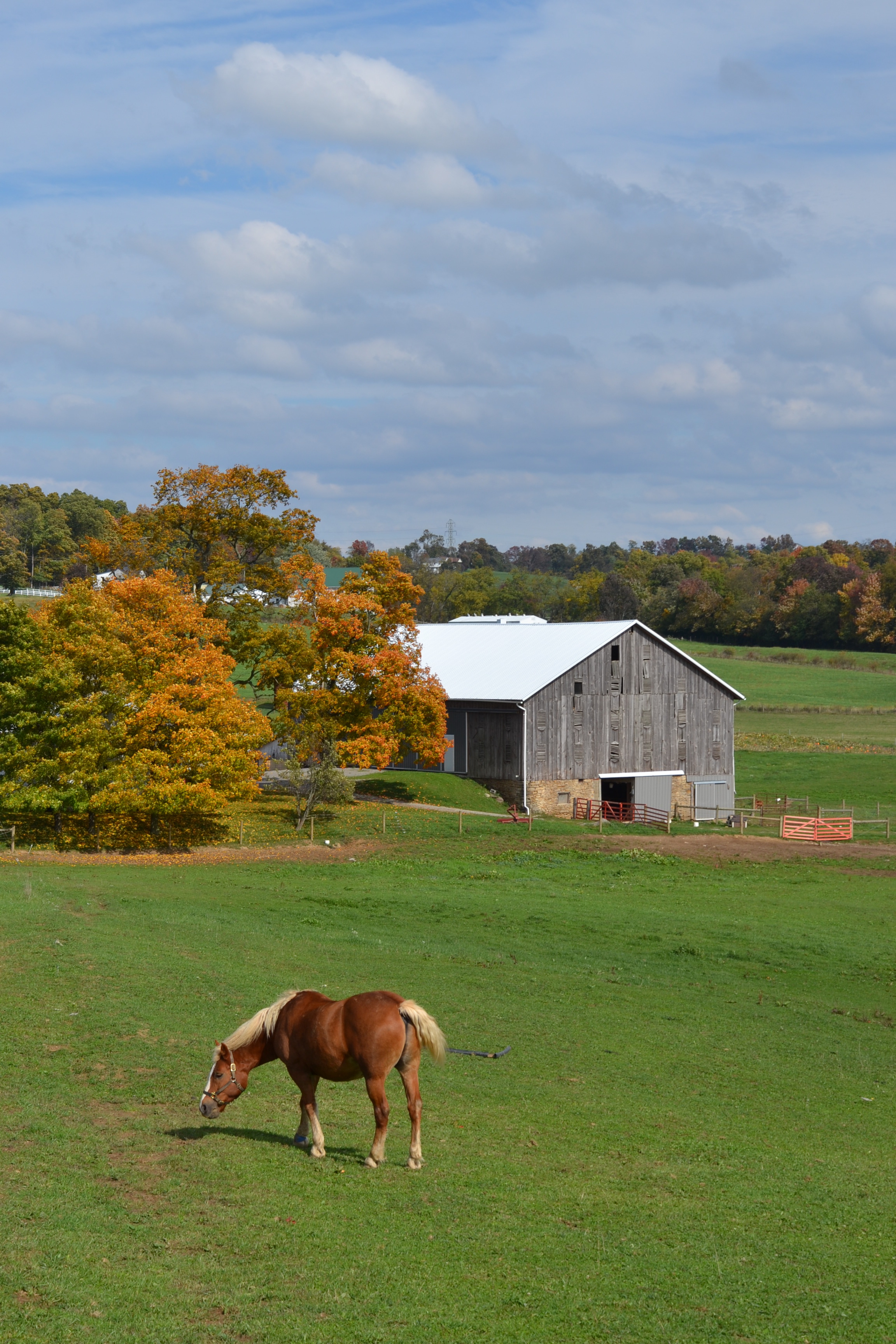

 Even with that much splendor, I still return to the side of the road by the golf course. Though the old tree my father loved is gone, time has matured others nearby.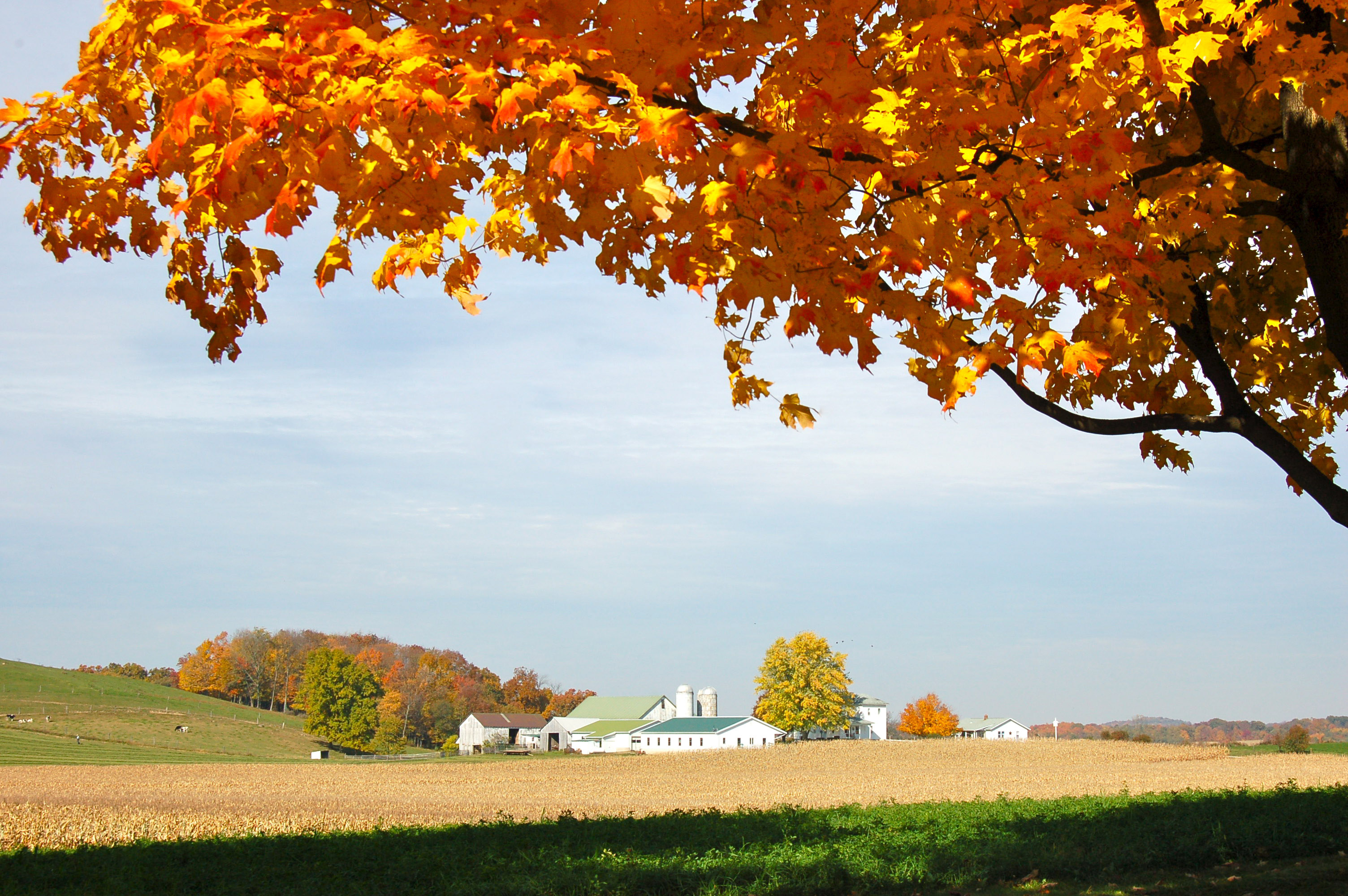
























 Roadkill Crossing
You must be logged in to post a comment.