The Snow Melt Begins

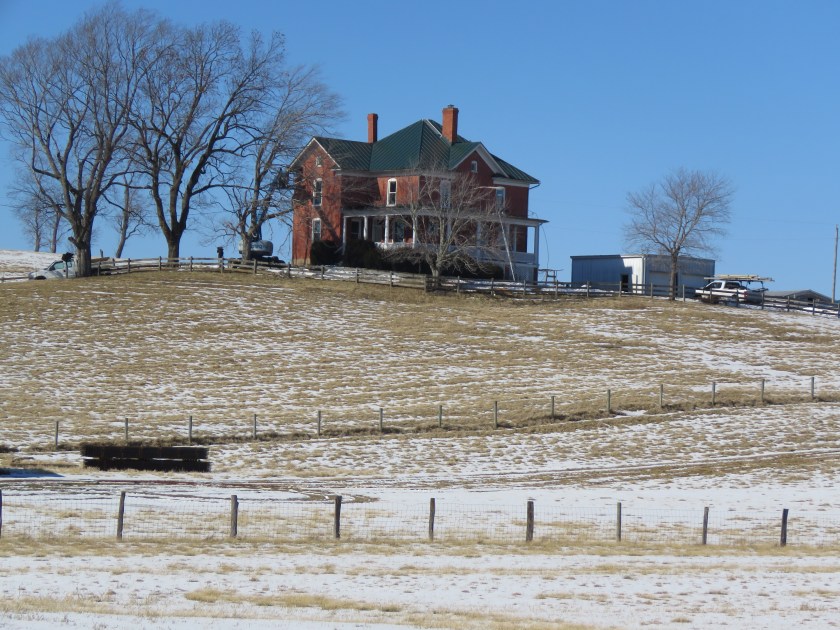
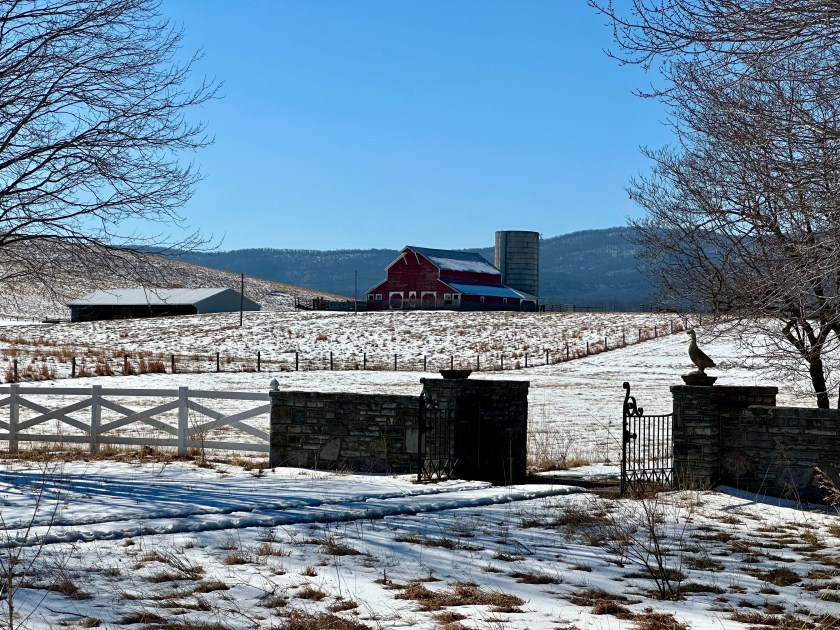
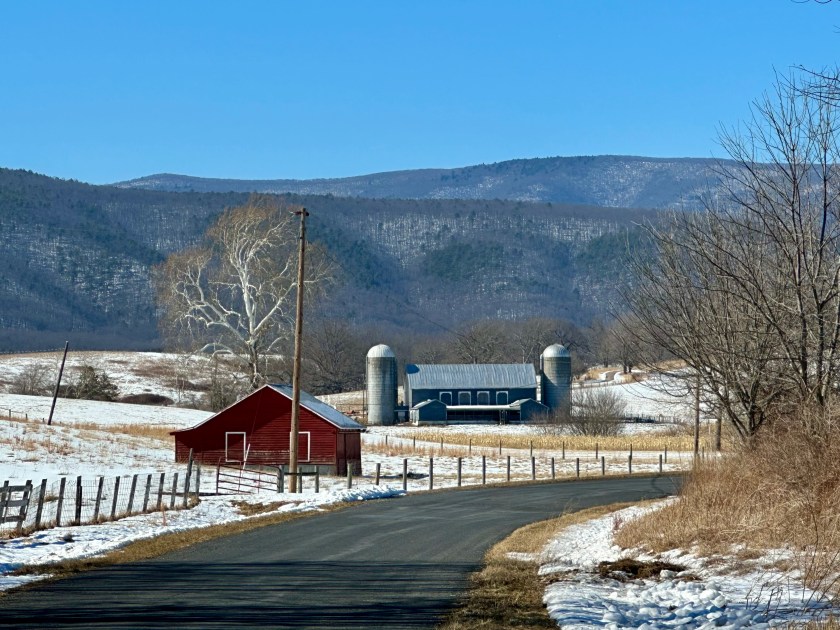
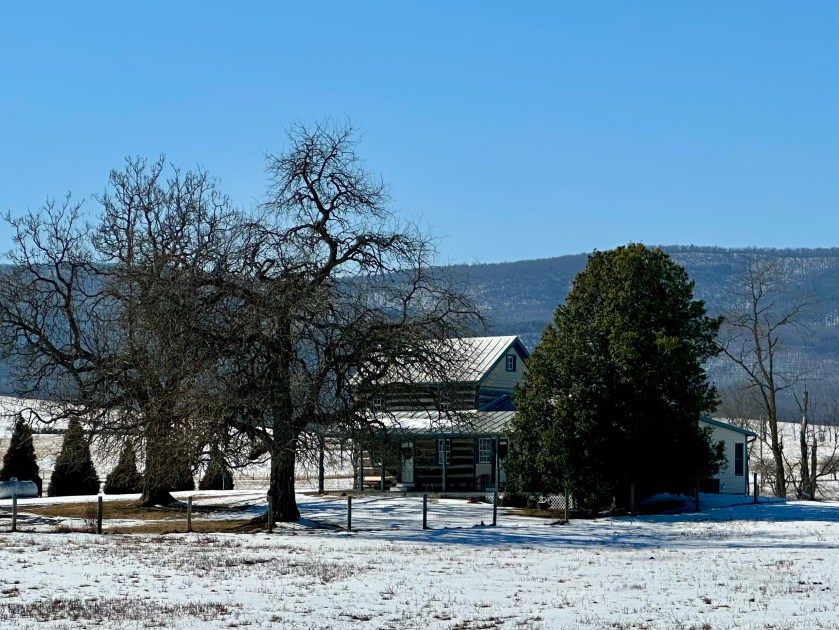
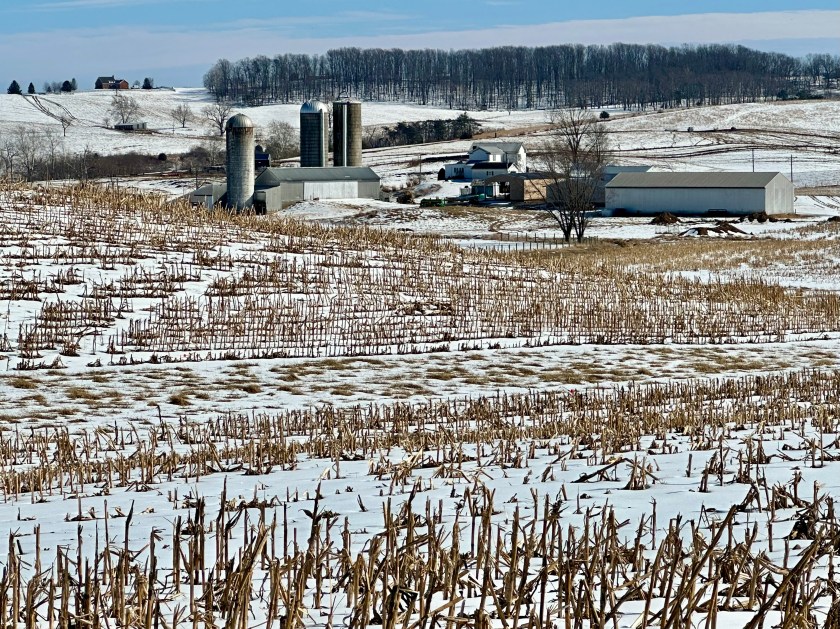
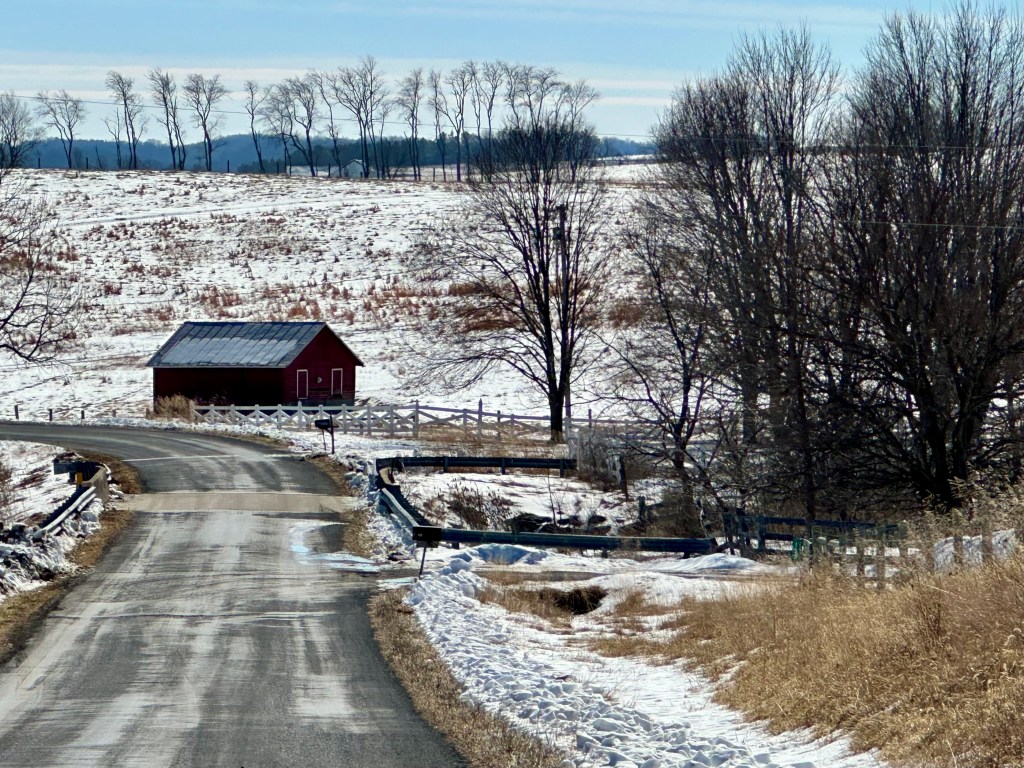
The daytime temperatures in Virginia’s Shenandoah Valley have been above freezing for the last few days. Consequently, the melting of several inches of snow that fell three weeks ago has begun.

I ventured out in the late morning recently to do some birding. However, I ended up taking more landscape photos because the birds weren’t as active as I’d expected.

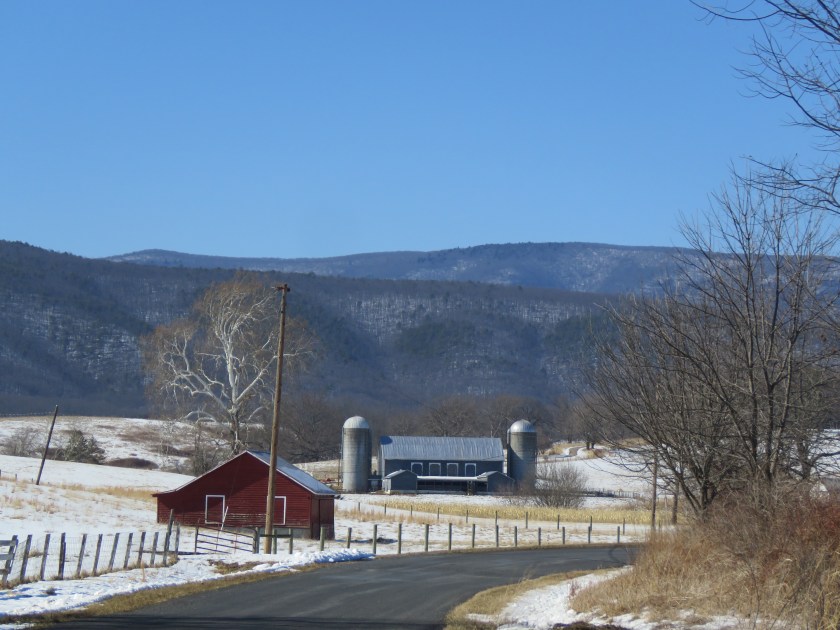
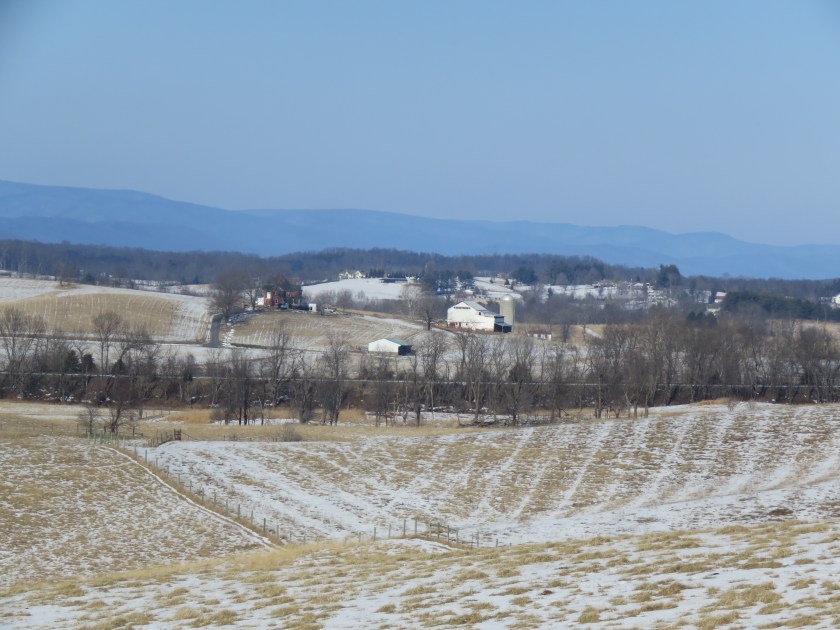
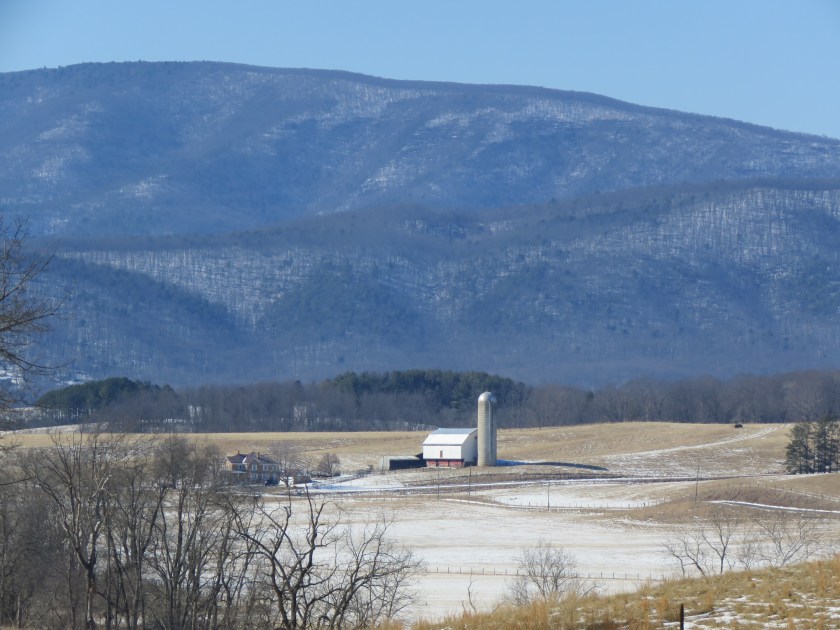
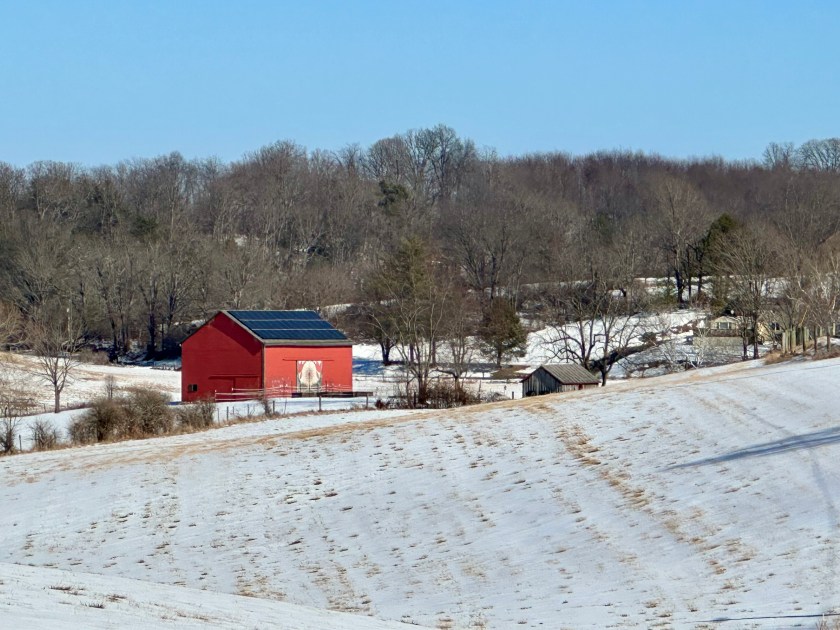
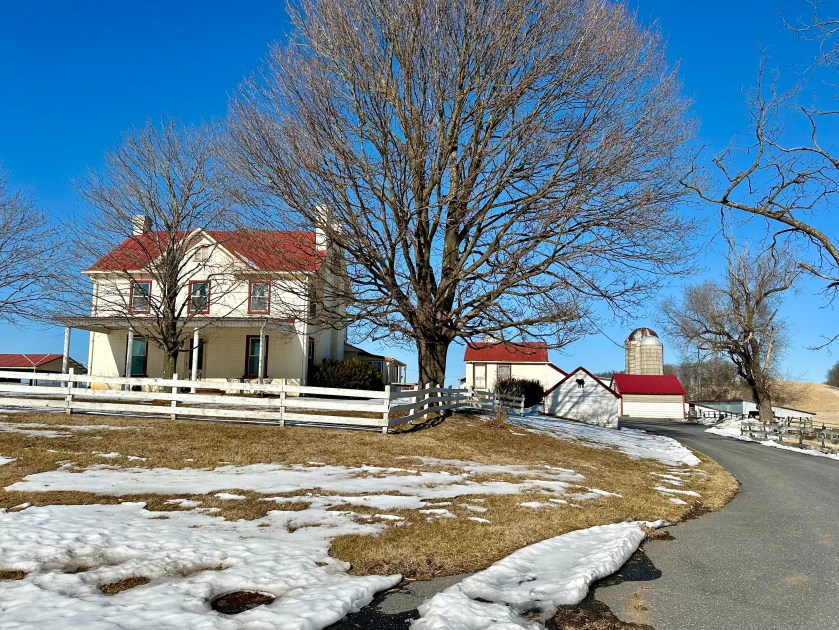
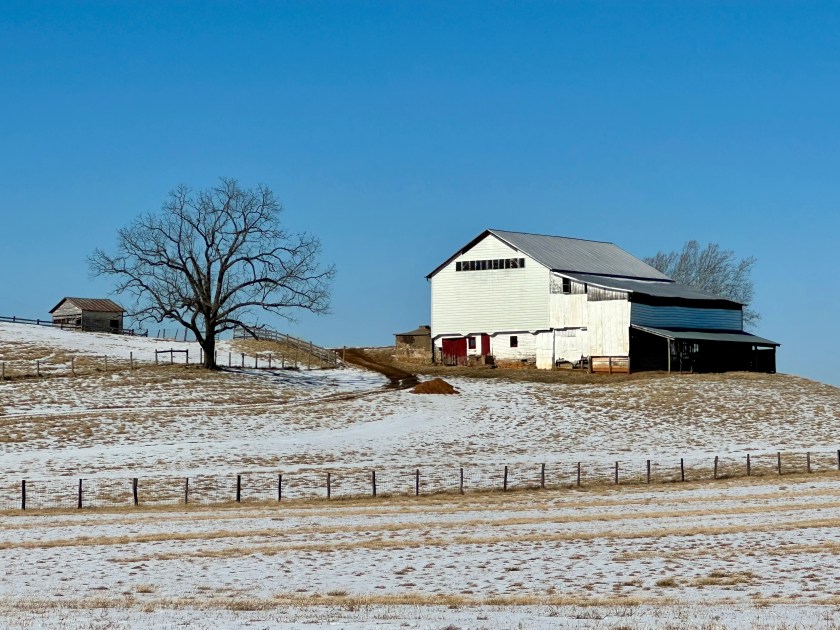
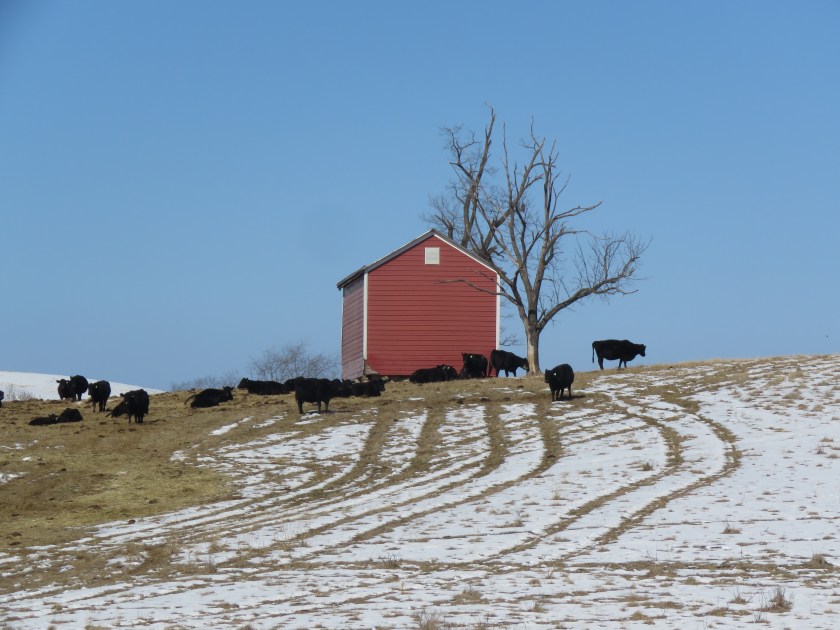
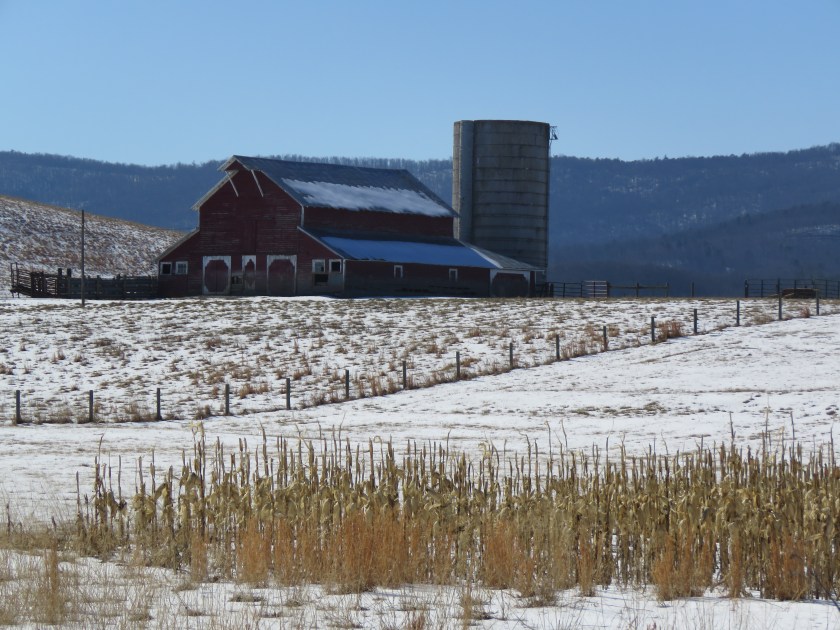
I found the topography southwest of Staunton especially captivating, with its rolling landscape, country estates along winding, narrow roads, and the snow-covered North Mountain range as a backdrop to the west. Beauty surrounded me in every direction.
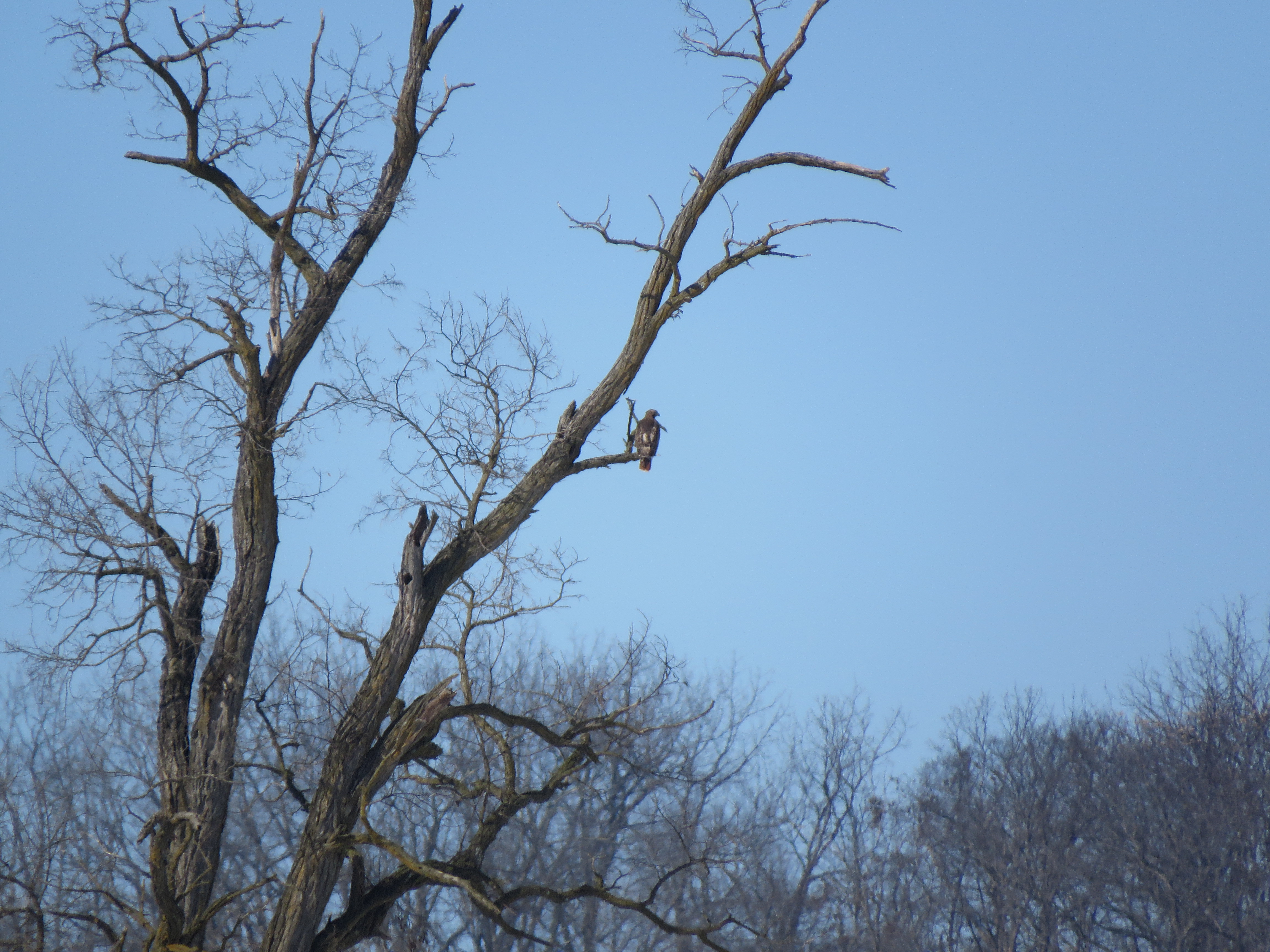
In one location, a Red-tailed Hawk perched on a limb, posture focused downward in hopes of spotting an unsuspecting rabbit, squirrel, or field mouse. In another, a light-phase Red-tailed Hawk soared in the afternoon sunshine, sailing on thermals rising from the warming farm fields below.

White-throated Sparrows and Song Sparrows fed along the exposed roadside grasses and road grit, but scurried for fencerow brambles as my SUV rolled by at pedestrian speed. In the rural areas, traffic was scarce, allowing me to take my time and enjoy the scenery all around me. I stopped several times in the space of a quarter mile to inhale the fresh air, absorb the warm sunshine, and scout for any birds.

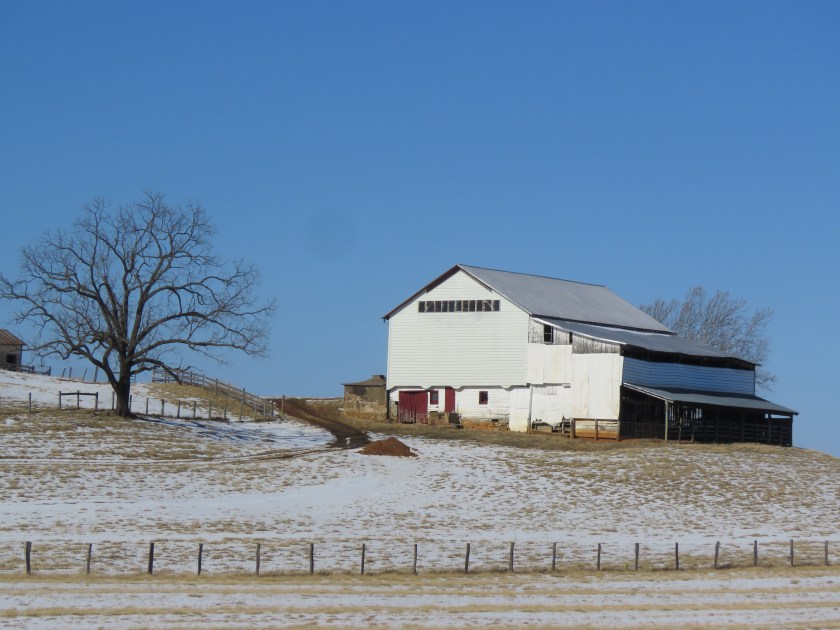
I marveled at the patterns in the diminishing snow. Polka dots of grasses surrounded by inches of snowy white speckled south-facing hillsides. Tractor tracks among corn stubble created abstract paintings. Farmsteads stood silent, as if in awe of the February thaw, painting their own Currier and Ives.

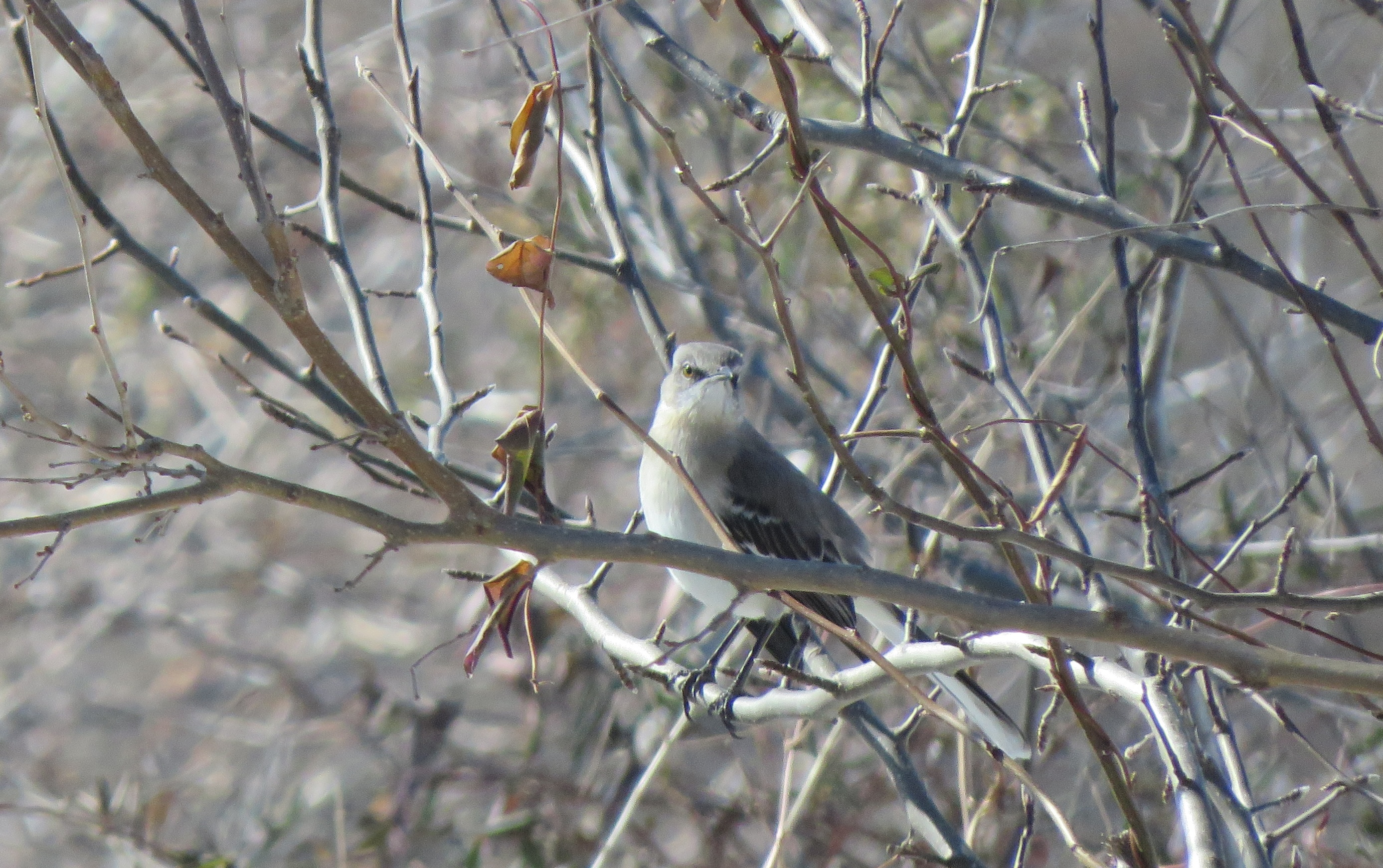
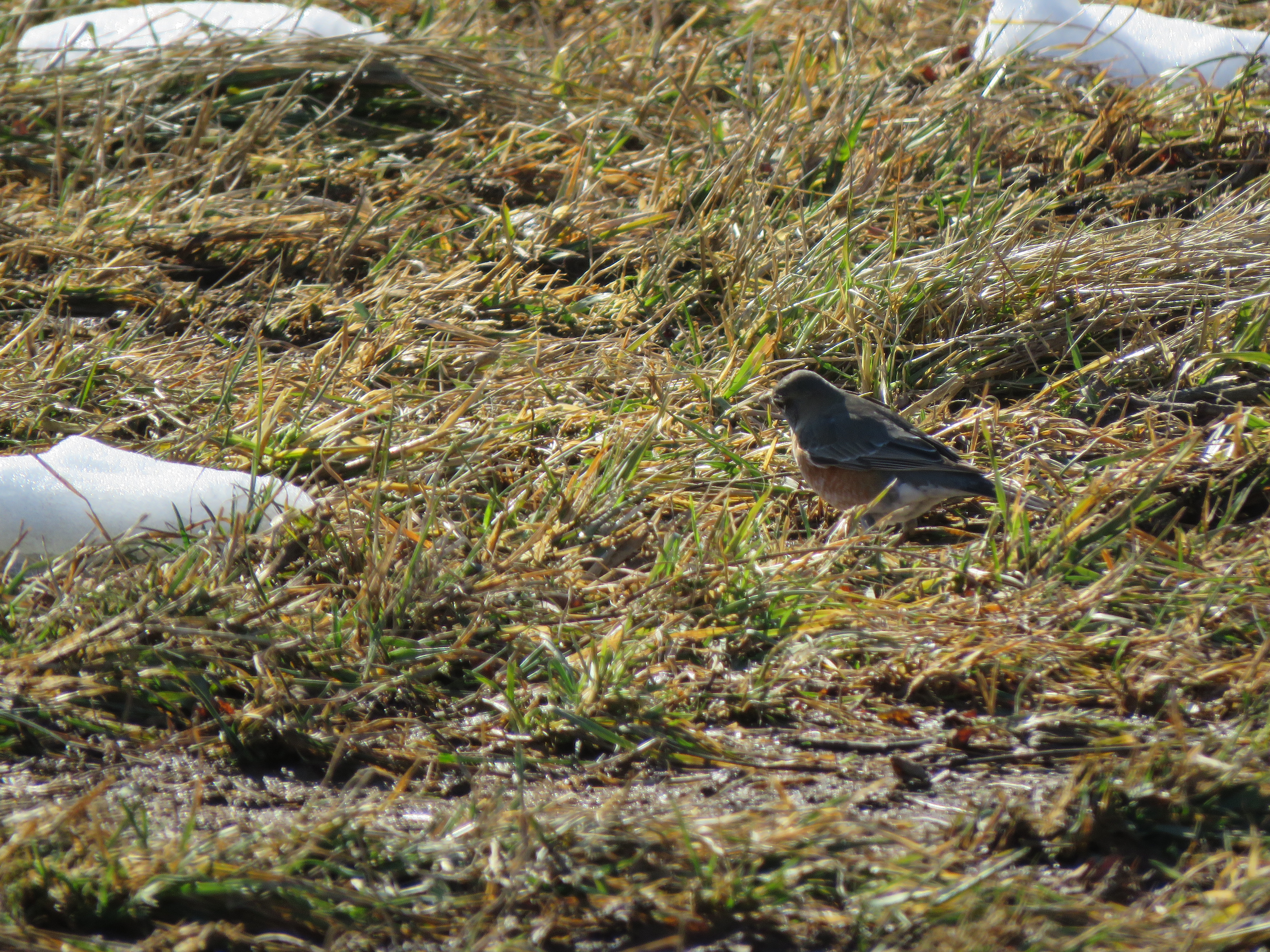
A Northern Mockingbird played hide and seek with me, playing hard to get. Darting in and out of roadside thickets, I managed a few photos of the tricky bird. American Robins launched from treelines to forage in the high grasses of pastures still dotted with snow.

Canada Geese gleaned for food in a wide-open pasture as the ice on a bordering creek gave way to the welcome warmth. I spooked a pair of Mallards enjoying pockets of open water when I stepped out of my vehicle. The geese ignored their quacking.
On the way home, I stopped at a city park along the North River where Long-tailed ducks had been reported. Instead, I found a few humans less interested in patterns in snow or waterfowl than me.

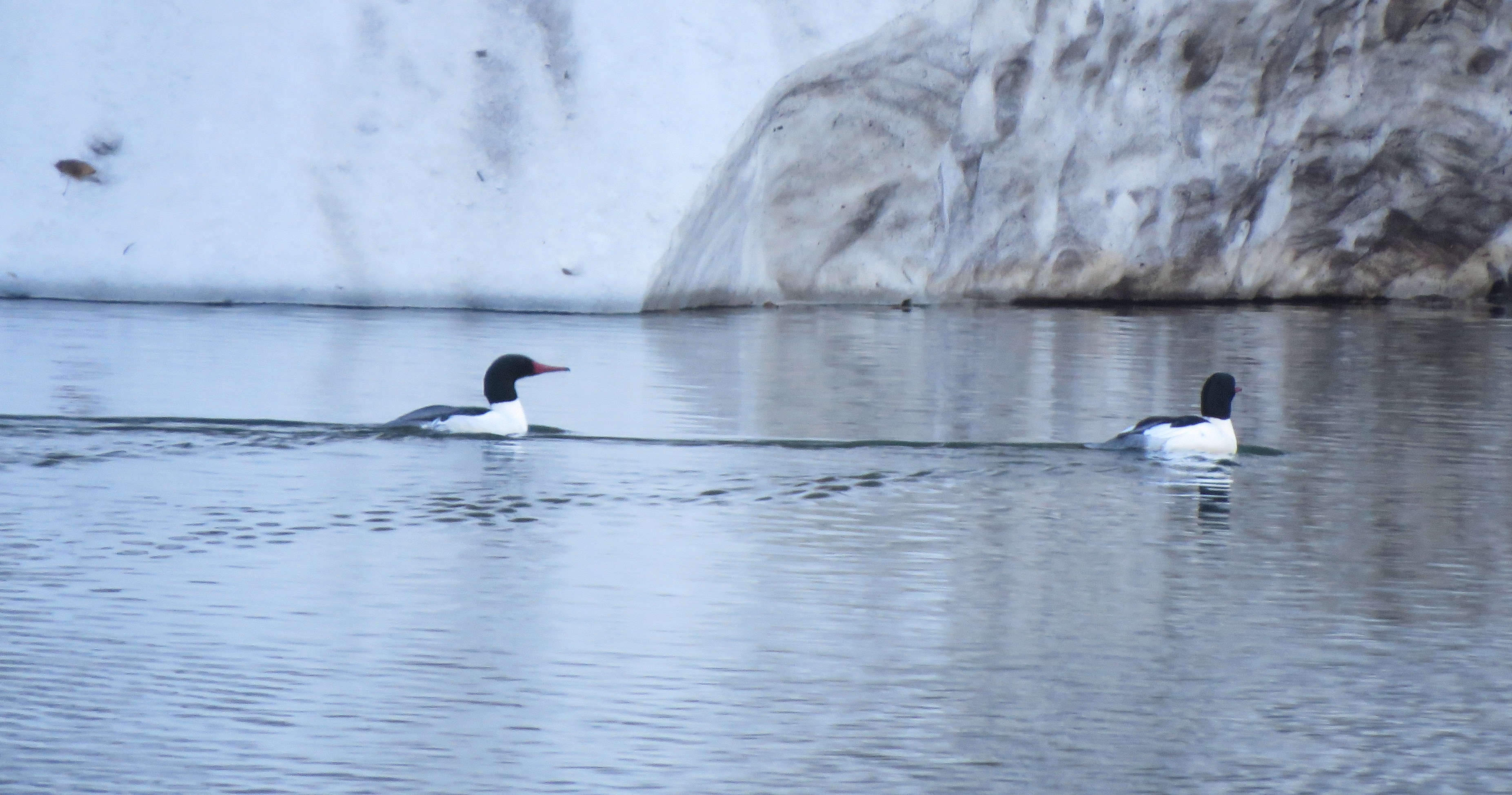
I walked across a footbridge to approach the riverside. At the other end, three seniors my age laughed and shrieked with one another, ignorant of the flock of Common Merganzers floating nearby. The birds quickly took flight.

On the way to my SUV, a trio of young boys threw sticks and pinecones at a small flock of Mallards foraging in the river’s shallows. I advised the youngsters that it’s wrong to disturb wildlife. They hung their heads until I passed by, and then continued their barrage. However, they fled when I turned around and stared at them.

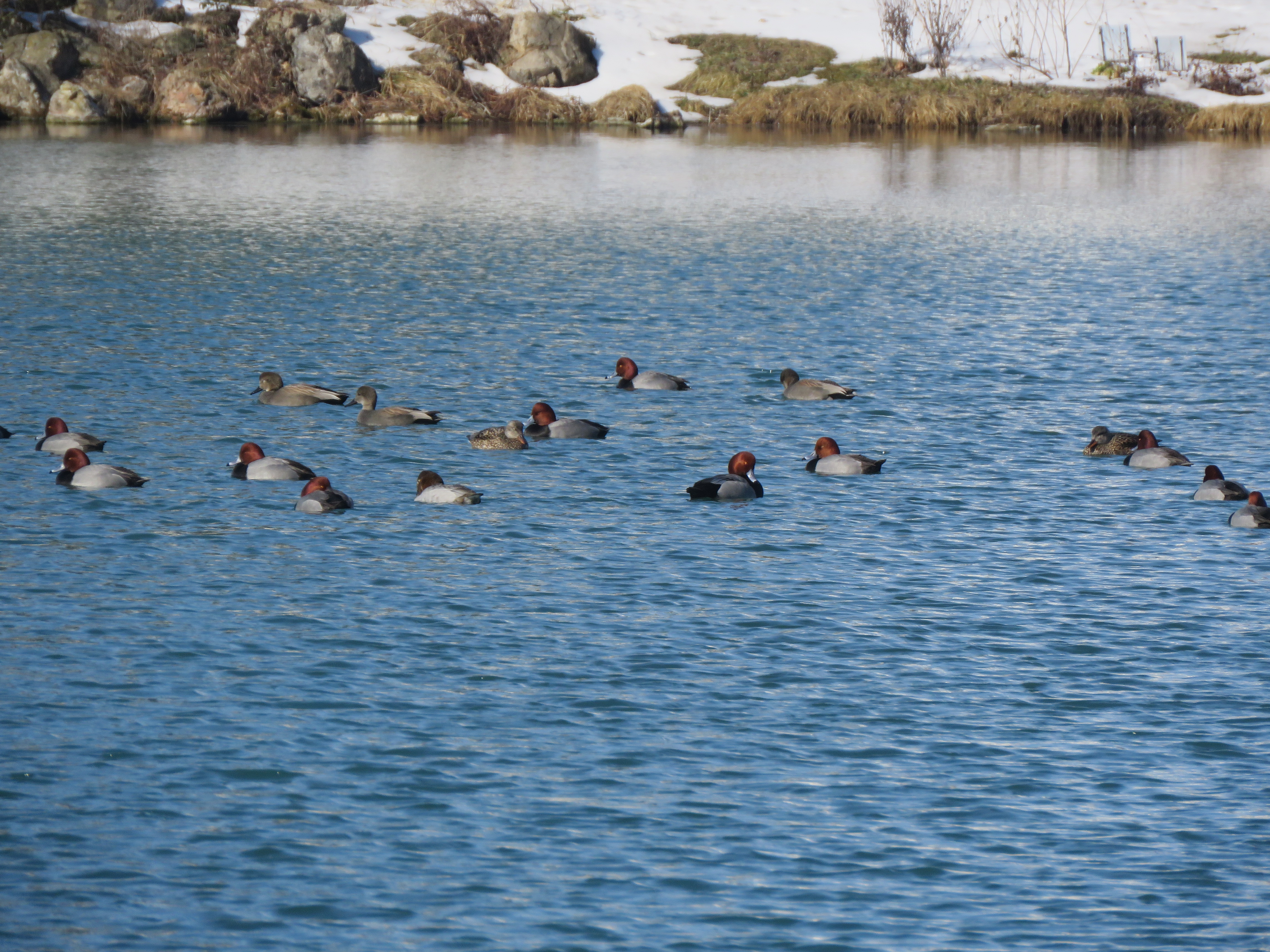
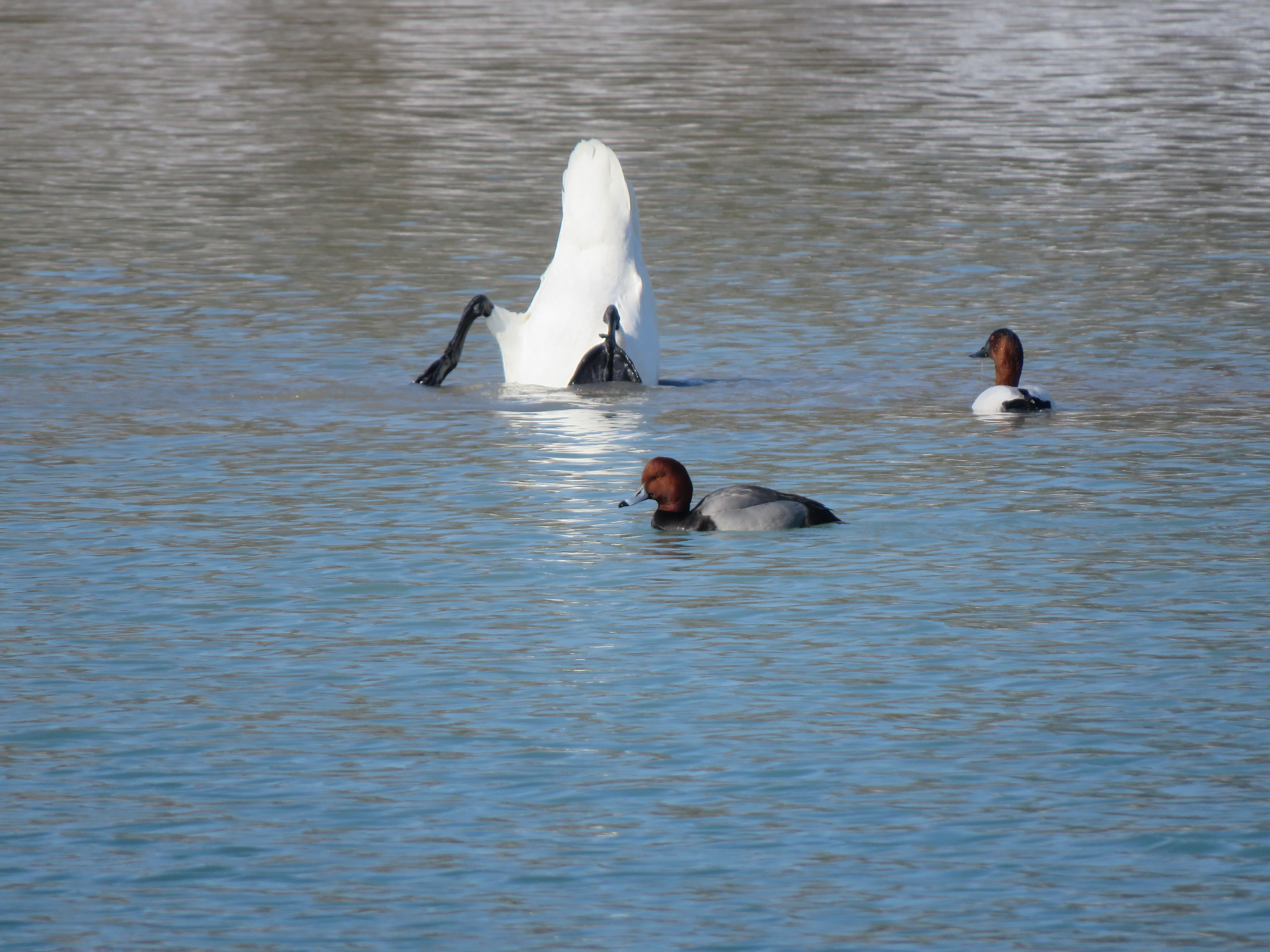
Ironically, the best birds were the closest to home. The thaw substantially diminished the ice on Silver Lake, and the waterfowl basked in the afternoon sunshine. Redheads, Canvasbacks, Buffleheads, and Pied-billed Grebes swam and dove for food.

Best of all, six Tundra Swans stood on the thinning ice, preening in the sun’s warmth. It was a glorious six hours spent in communion with Nature and all her blessings.
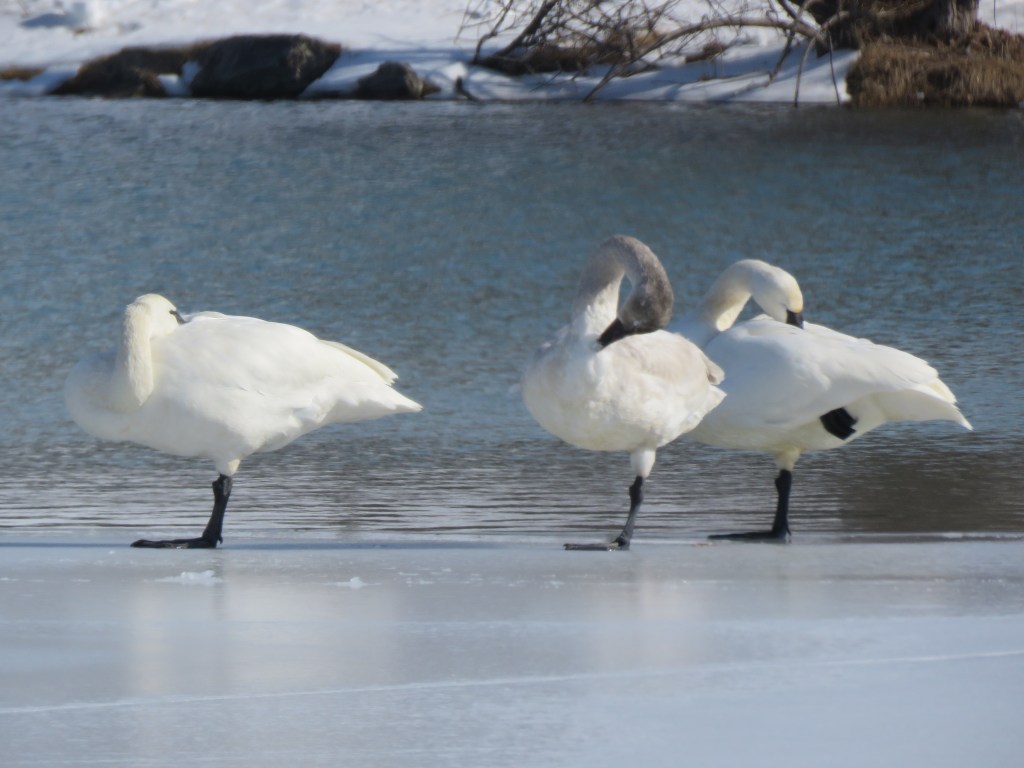
Preening Tundra Swans. Photo by Bruce Stambaugh

© Bruce Stambaugh 2026
Communing in Nature

A Day in Shenandoah National Park.

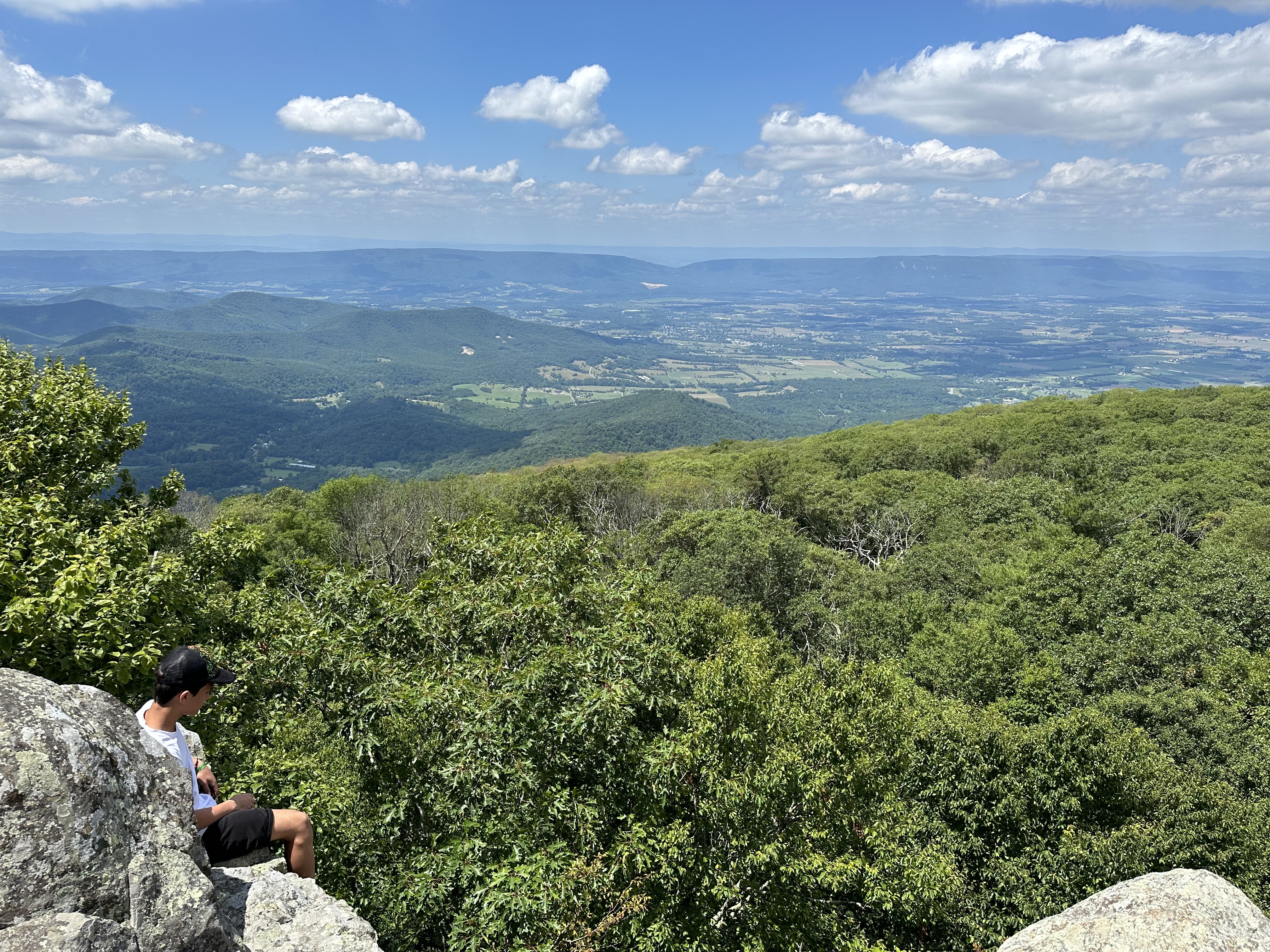
Viewing the Shenandoah Valley from an overlook in Shenandoah National Park.

Several recent studies have proved the obvious. Regularly spending time in and with nature dramatically enhances people’s mental health and appreciation for life.

That wasn’t news to me. Fortunately, I grew up in a family that spent time hunting, fishing, and vacationing in the great outdoors. I continued that pattern with my own family, minus the hunting. I prefer to shoot animals and everything else with cameras. It saves on taxidermy costs.

We moved to Virginia’s lovely Shenandoah Valley six years ago to be close to our grandchildren. Besides spoiling them, I also make regular trips to the nearby mountains. I multitask. On my hikes, I bird and photograph what I encounter.

Every outing, I discover new birds, wildflowers, and paths to explore. I often go alone, but I also enjoy sharing the fun with others. A group trip into the wild affords opportunities to explore nature together.

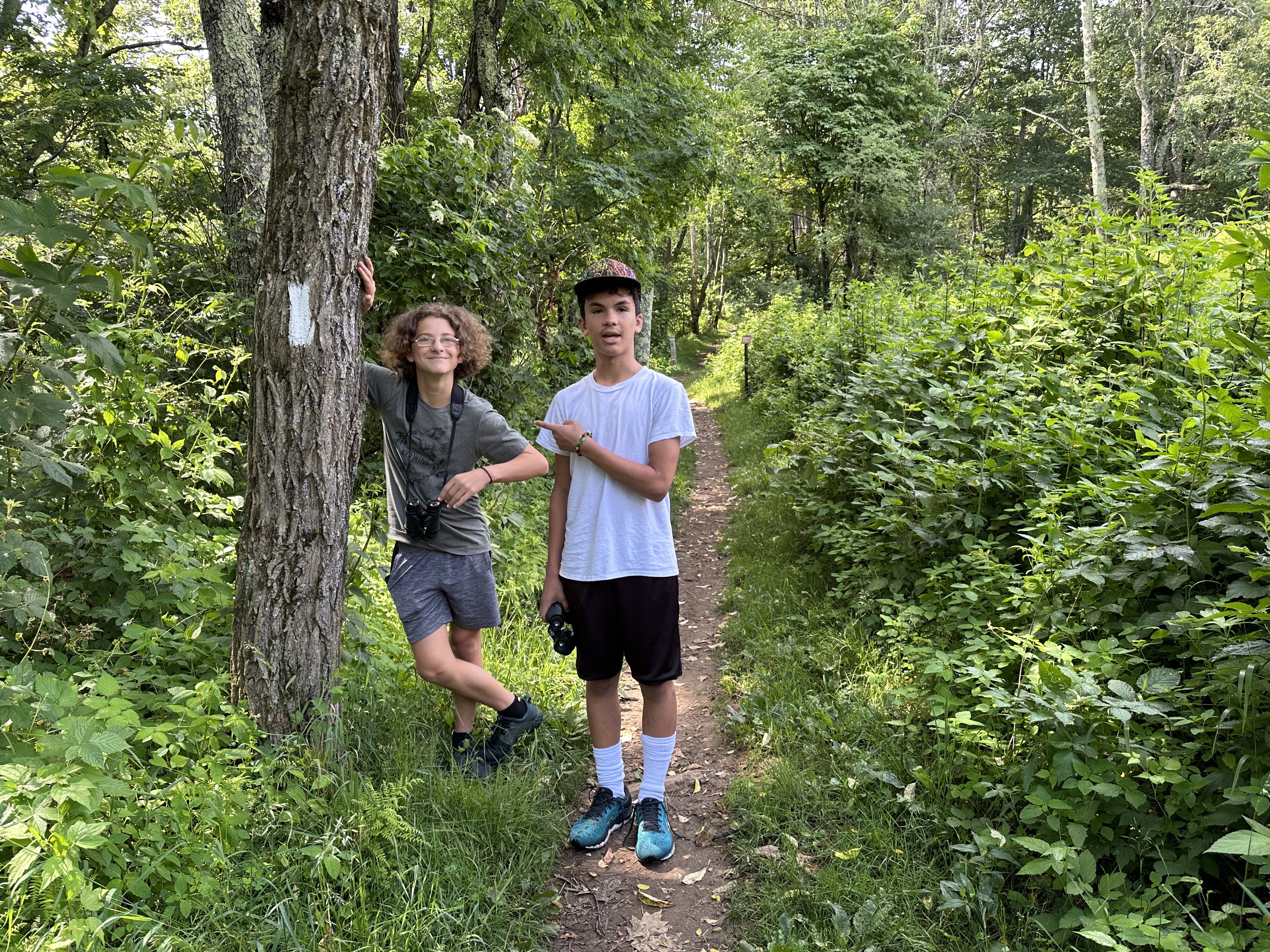
A recent outing to Shenandoah National Park with another senior friend and our teenage mentees from church allowed us to reengage with all the benefits of nature. I don’t know why the boys picked us, but we immediately hit it off. We all enjoy hiking and exploring, so the park was a natural destination for a day trip.

Once in the park, we veered off the famous Skyline Drive to Lewis Mountain Campground. I wanted to show the boys the only location in the park where Blacks were permitted during segregation. Even then, a few Whites complained that they should have access to the entire park.

At Big Meadows, we toured the exhibit of the park’s contentious founding at the Byrd Visitors Center. Not surprisingly, the youngsters showed more interest in the gift shop.

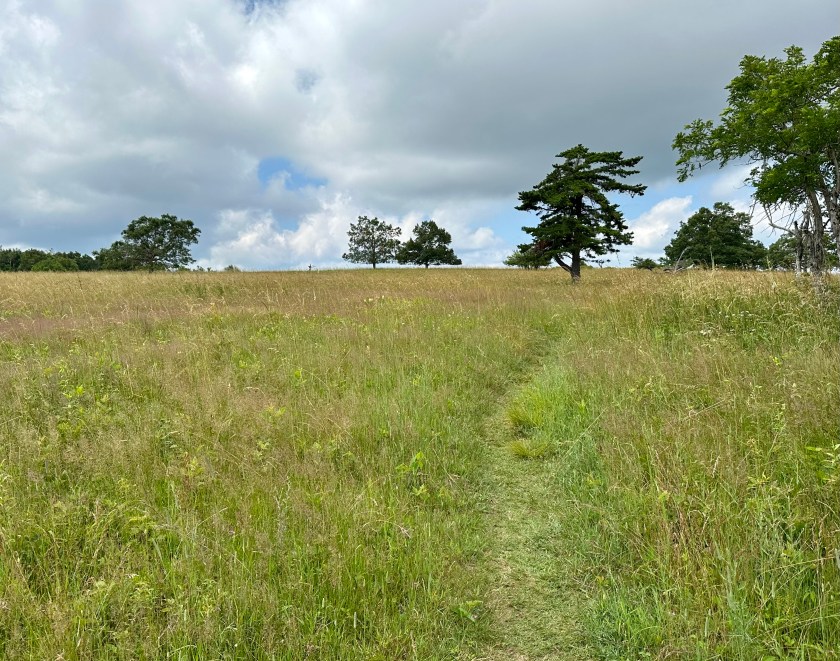
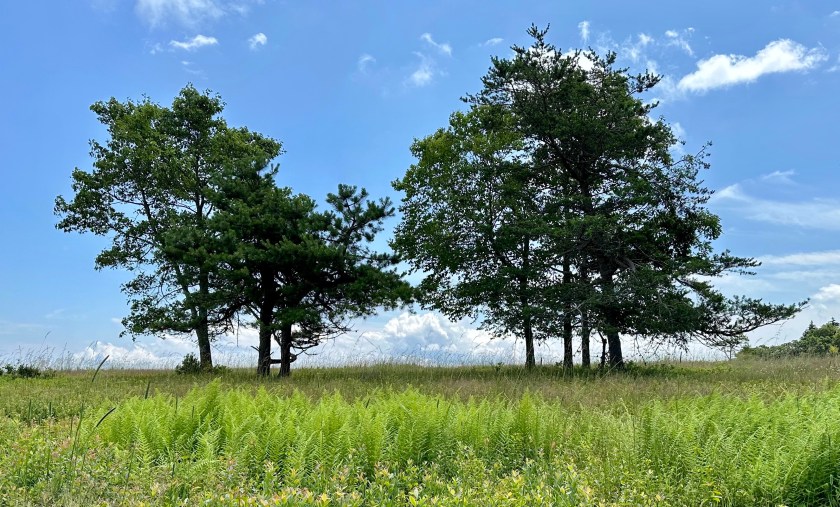
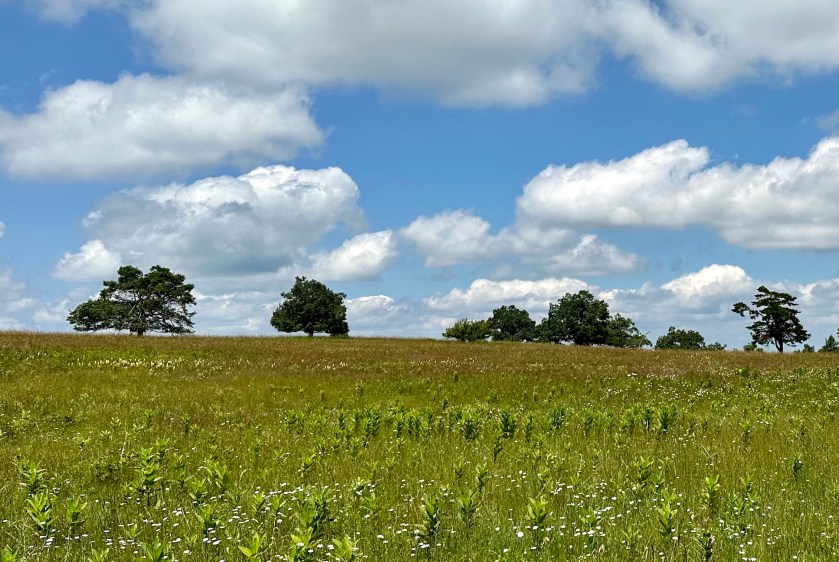
Then we got serious. We walked the southern parameter of the meadow. Its variety of habitats piqued their interest, from stands of trees to prairie grasses to artistic cairns. On the southernmost trail, the view of the Shenandoah Valley was spectacular.

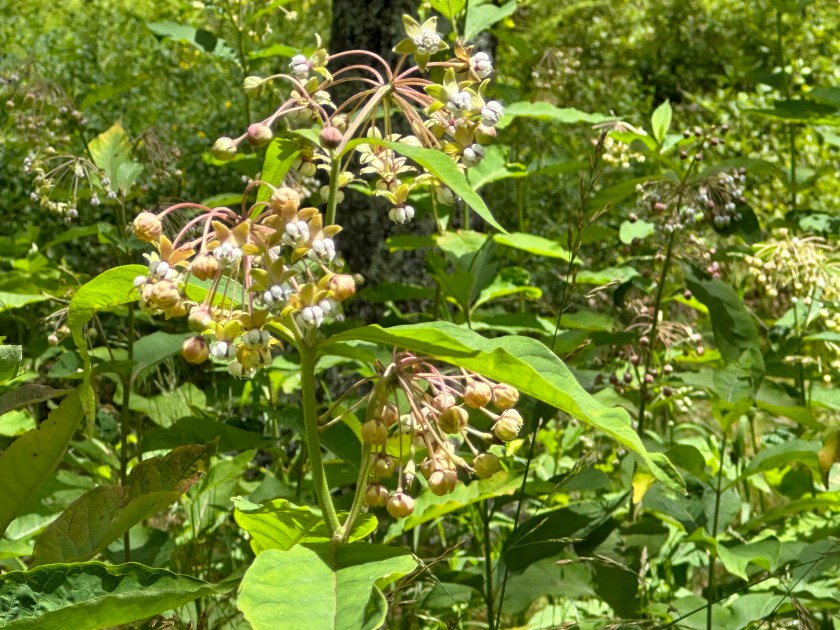
As we walked the cowpath-like trails, we encountered several bird species by sight and song and saw several butterflies that visited the wildflowers growing everywhere. Bright red wild columbines, vibrant woodland sunflowers, and common milkweed showed their colors and aired their fragrances.

Where the meadow met the forest, we spooked twin fawns. They only ran a short distance since they were foraging on shrub leaves. They seemed as intrigued with us as we were with them.

After a picnic lunch, we chose a short but magnificent trail. The Shenandoah Valley glimmered in the afternoon sunshine as we reached the summit and a massive rock outcropping. We basked in the comfortable, crisp 73 degrees of the Blue Ridge Mountains while the valley baked in the humid 80s.

It was good to commune with nature again, especially while sharing it with friends across generations. We breathed in cool, fresh air, were lulled by birdsong, enchanted by colorful flora and fauna, humbled by history, and energized by the needed exercise.

I was also glad we could personally verify the legitimacy of those extensive studies.

A memorial to those displaced when Shenandoah National Park was formed.

© Bruce Stambaugh 2023

Bluebells on the Bluebell Trail

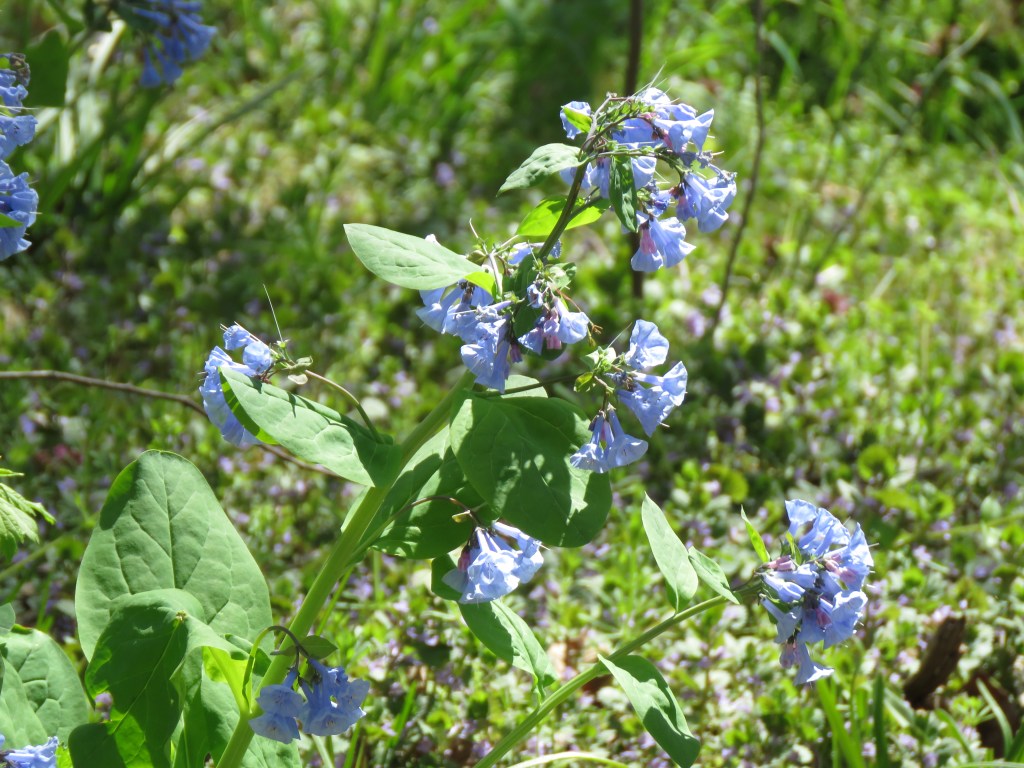
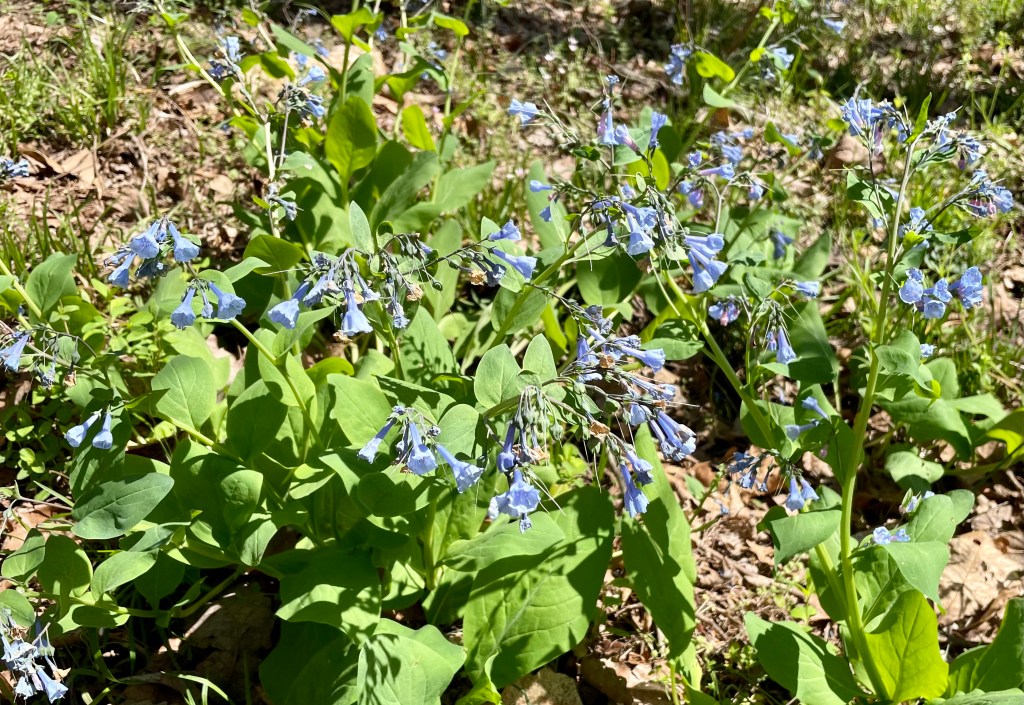
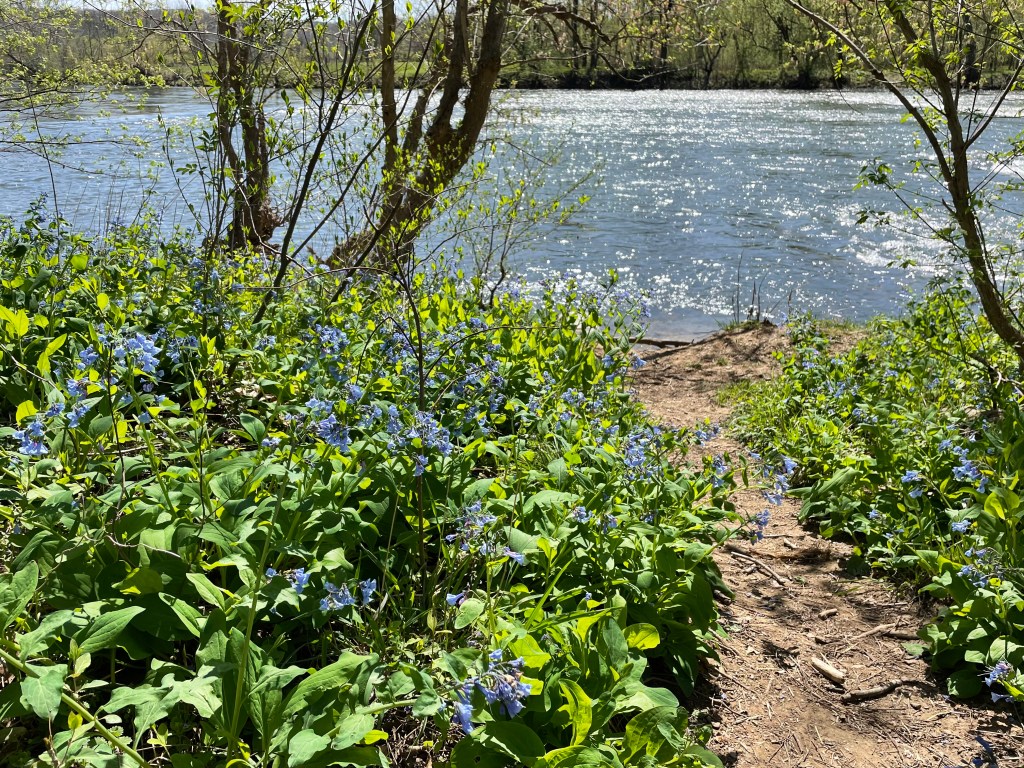
Virginia Bluebells beautified the space between the Bluebell Trail and the South Forth of the Shenandoah River in Shenandoah River State Park.

Friends told me that the Virginia Bluebells were at peak bloom along the Bluebell Trail in Shenandoah River State Park. I had to go see for myself.

The weather was perfect. Sunny skies and warm temperatures dominated the day. Both had been recent rarities in the Shenandoah Valley.

So, off I went, down what the Confederates called the Middle Road, to Timberville. From there, I took U.S. 211 east through New Market, up and across the Massanutten Mountain Range, and around the quaint town of Luray to U.S. 340.

A dozen miles later, I entered the park to find the empty entrance station. Due to staffing shortages, it’s an honor system to enter. You grab an envelope, place $10 in it, and deposit the fee into the slot. Hang the receipt from your rearview mirror, and you’re good to go.

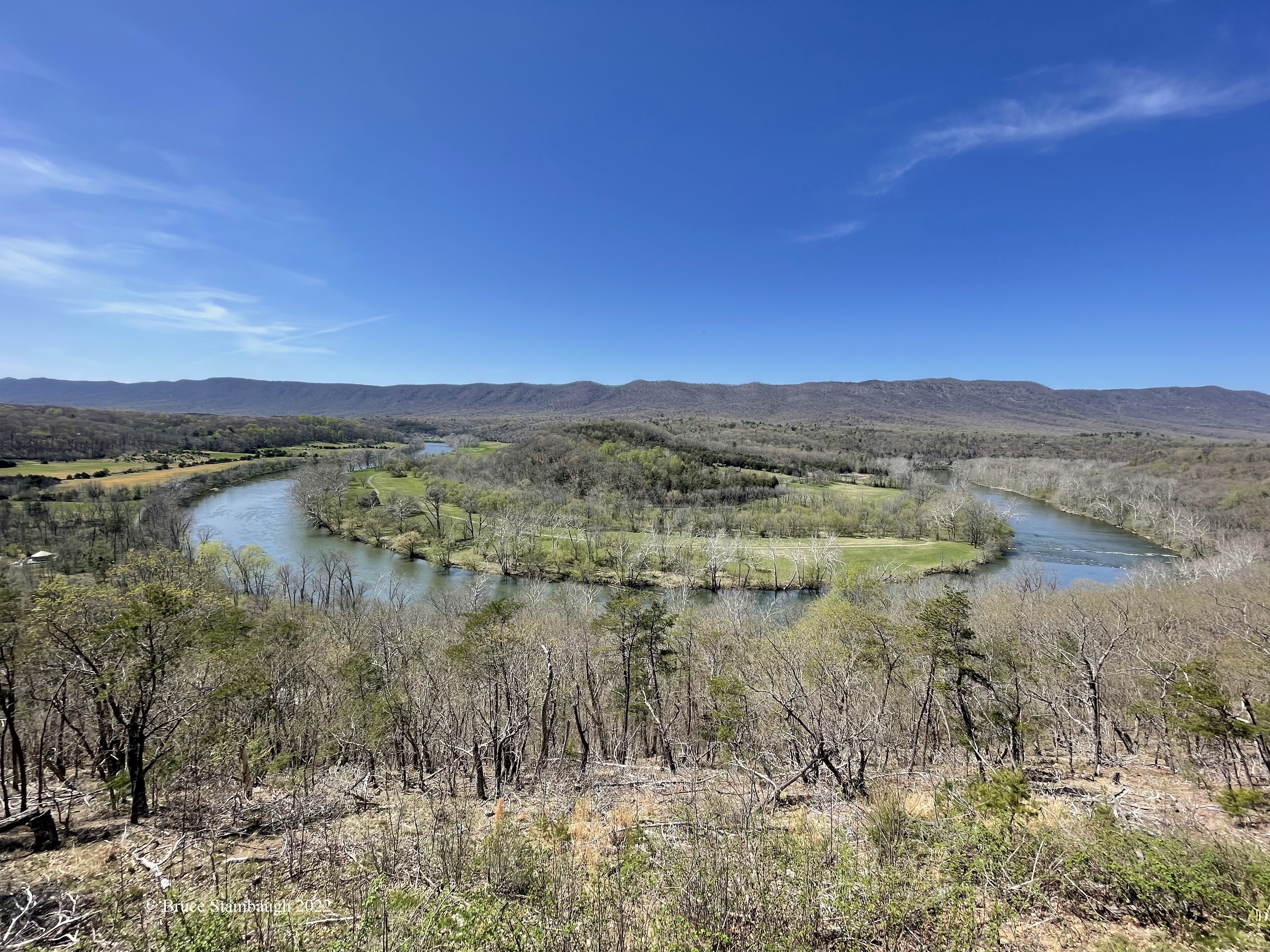
And what a splendid day it was. First, I stopped at Cullers Overlook for a fantastic view of the South Fork of the Shenandoah River, snaking its way north. Only a few more miles, and it converges with its twin, the North Fork of the Shenandoah River, at Front Royal. The majestic and historic Shenandoah River flows north to meet the Potomac River at Harper’s Ferry, West Virginia.

The South Fork of the Shenandoah River from Cullers Overlook, Shenandoah River State Park, Bentonville, Virginia.

As glorious as that view was, I didn’t linger long. I wanted to see the Bluebells. It was all downhill from there to the trailhead a half-mile away.

With camera and binoculars in hand, I eagerly set out on the mile-long trail. A swarm of insects greeted me only a few steps onto the earthen path. I had forgotten to pack the bug spray, so I raised my tolerance level and soldiered on.

Soon I began to pass folks who had a head start on me. They assured me that I couldn’t miss the lovely flowers as they headed to their vehicles. They were right.

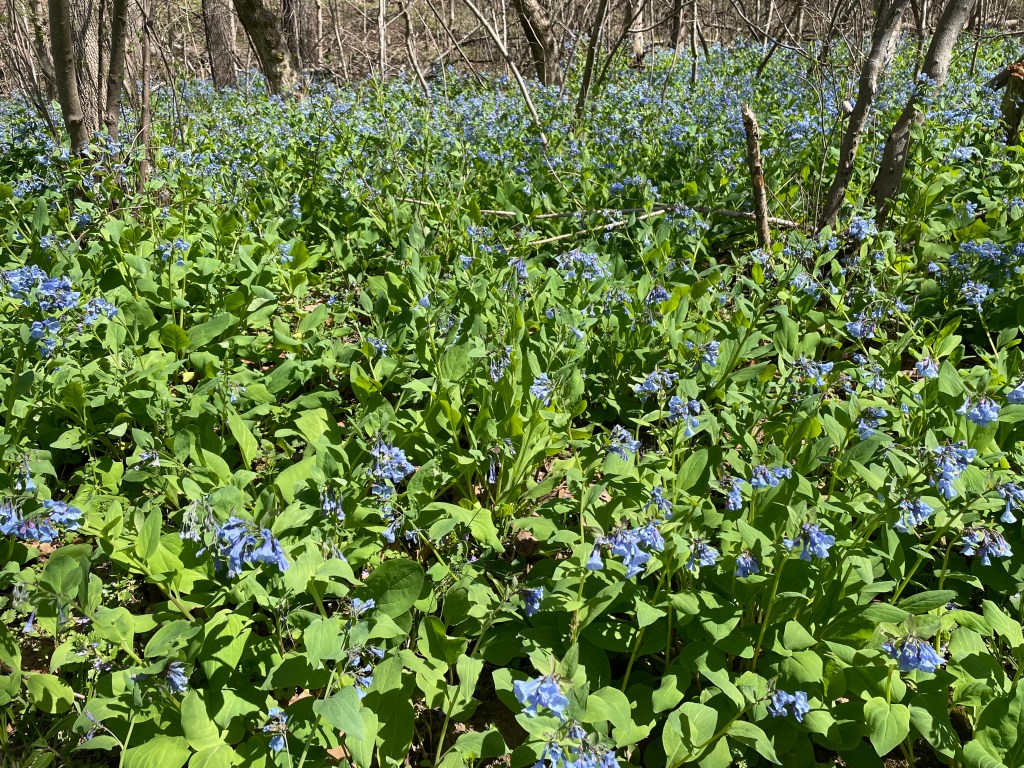
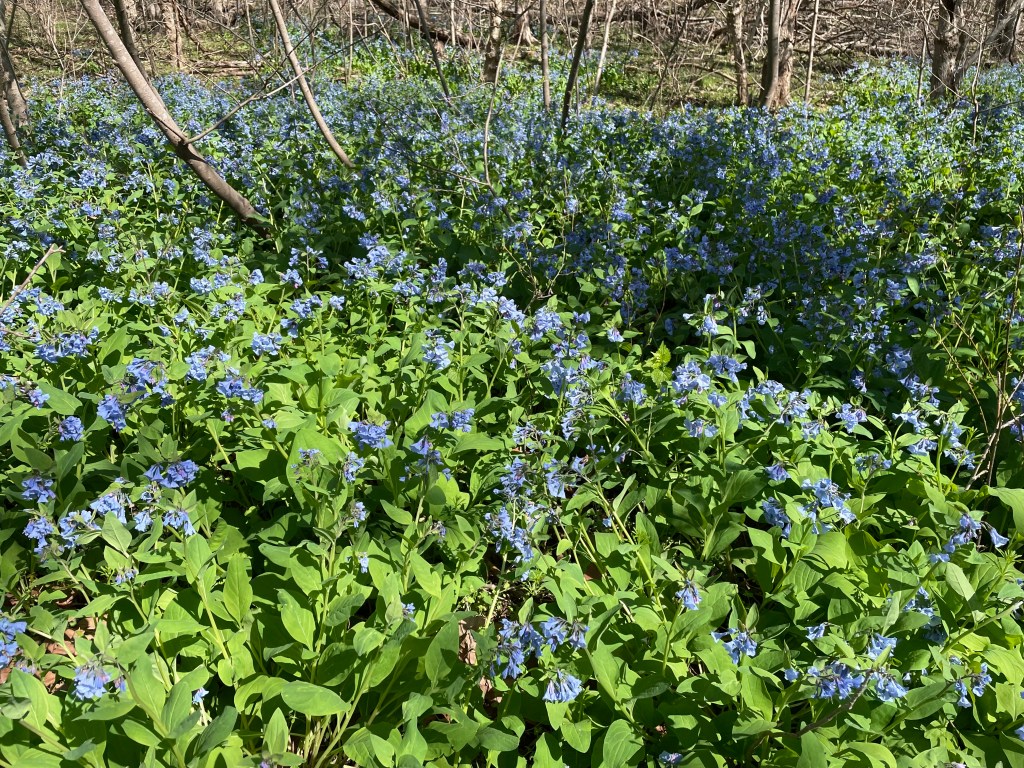
Once the trail straightened out, patches large and small of Virginia Bluebells spread across the forest floor like a blue and green carpet. They even lined the riverbank much of the time.

I had an ample selection of flower photo ops. Since I also enjoy birds, calls from high above told me that warblers and other songbirds were foraging for insects among the emerging leaves.

The hungry little birds moved fast and furious, fueling up for their continued flight north. To my surprise, my attention focused on more obvious winged creatures.

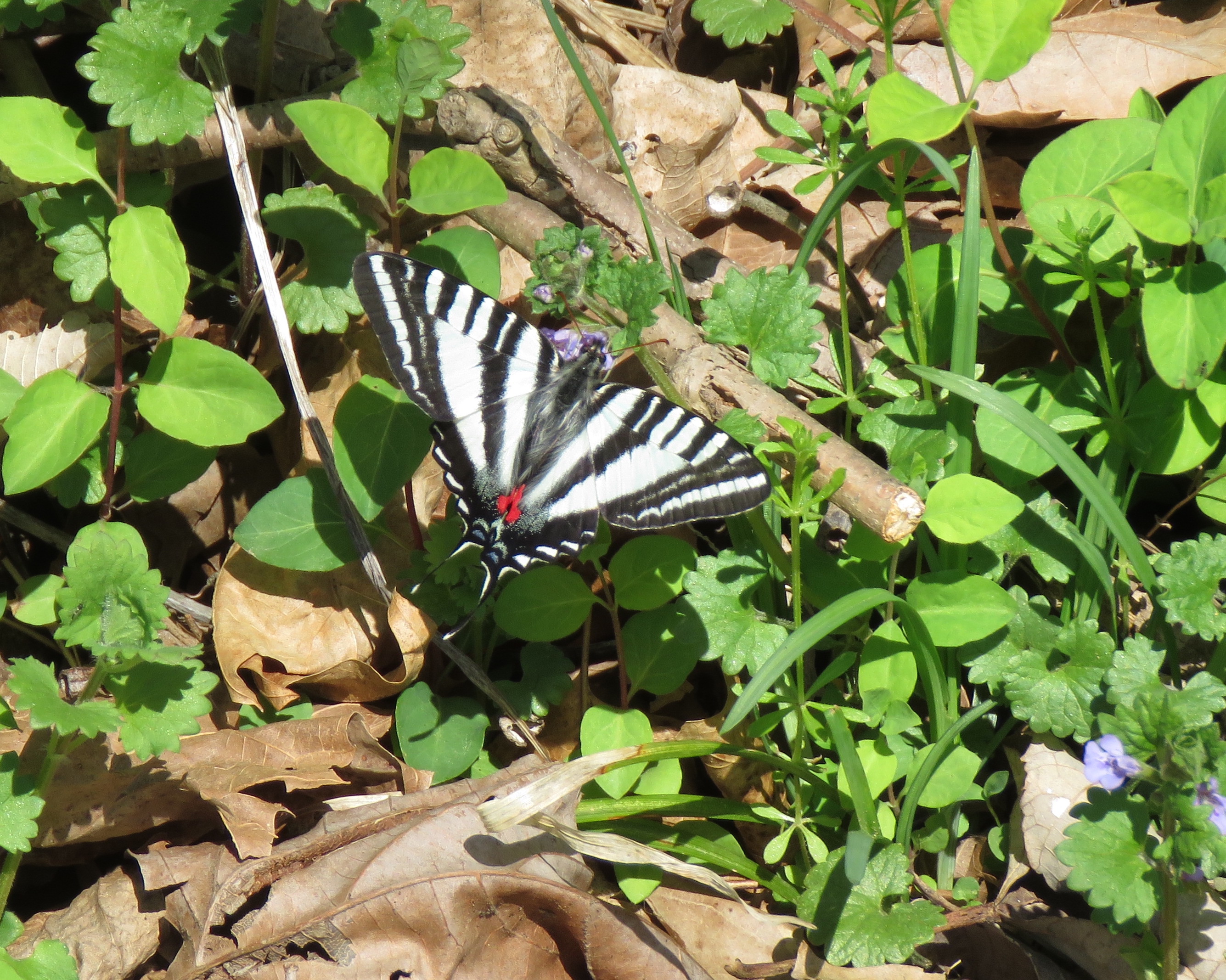
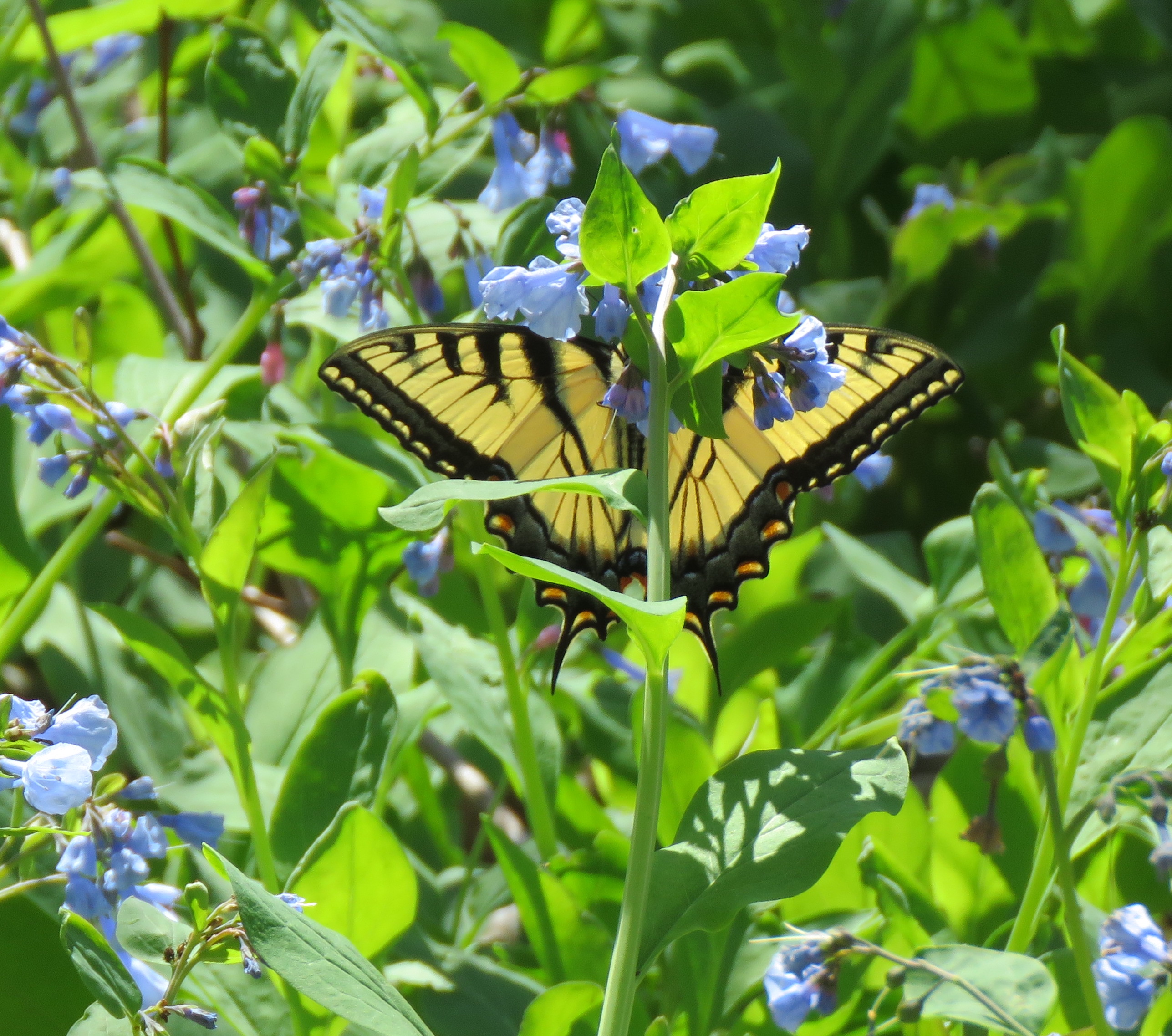
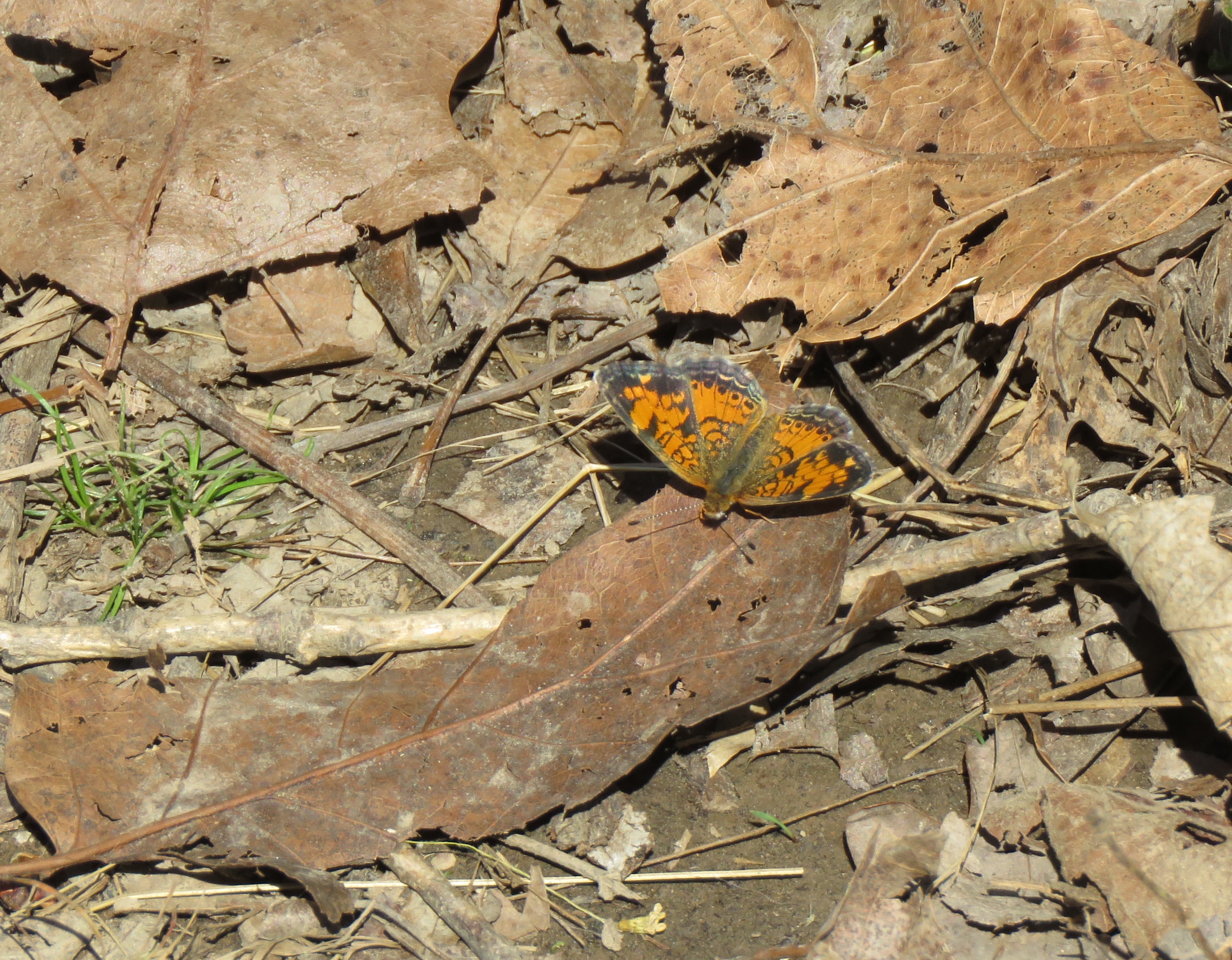
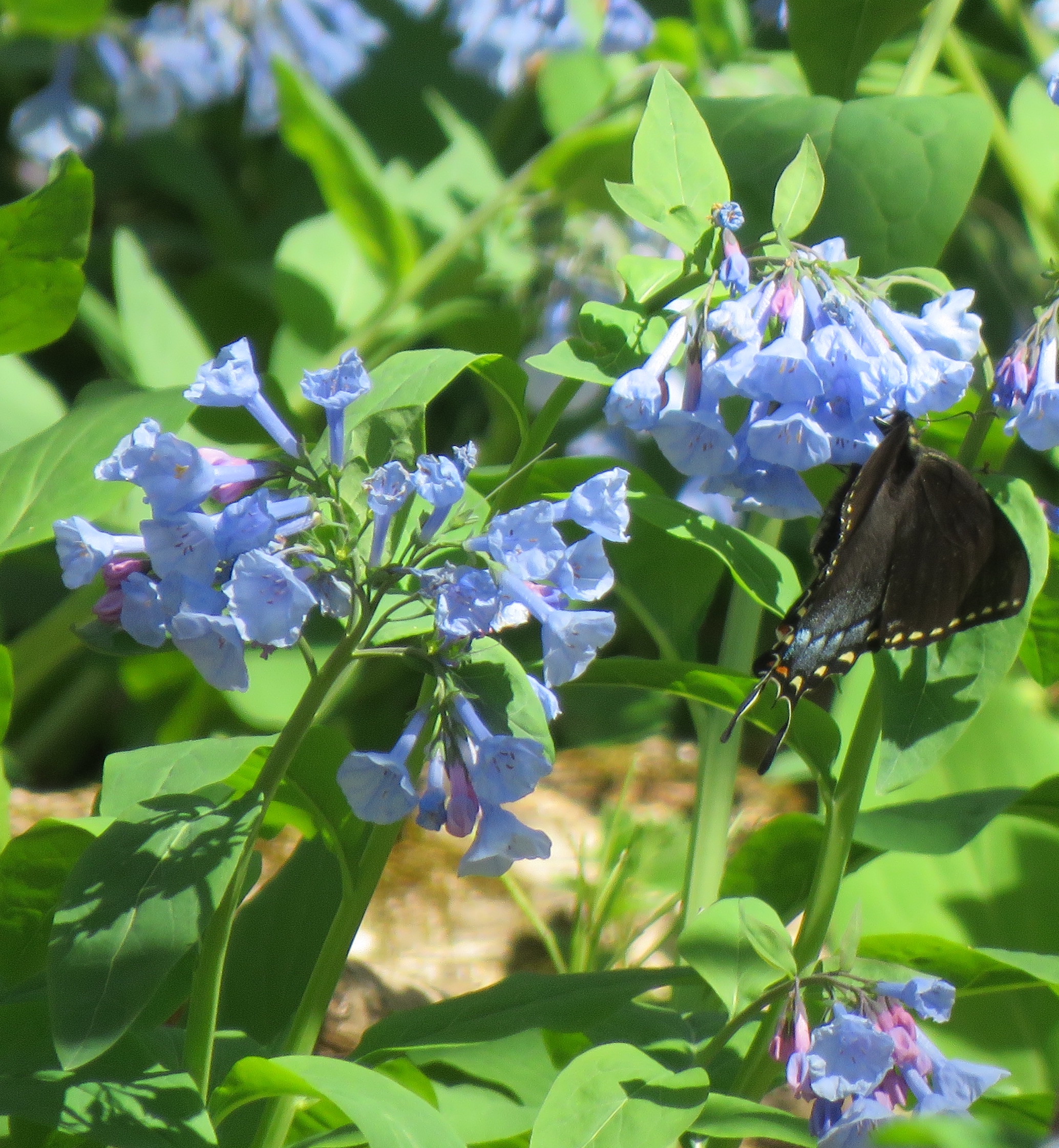
Several butterflies flitted all around the trees and flowers in irregular patterns. I soon learned to stay still and let the beautiful insects come to me. Several were puddling on the path wear they found damp spots. They extracted nutrients from the moistened soil. A few stayed in place long enough for me to get a few decent shots.

Of course, I kept passing other hikers, and a few bikers who surprised me from behind. The butterflies flew but often returned within camera range.

I didn’t see as many birds as I had hoped, but I counted the trip a success. Communing intimately with nature tends to fill you with joy and appreciation. By the time I left, my cup overflowed

© Bruce Stambaugh 2022

Bay Photos by Donna

Wildlife Photos From The Chesapeake Bay Region

ROAD TO NARA

Culture and Communities at the Heart Of India

K Hertzler Art

Artist and nature journalist in the Shenandoah Valley of Virginia.

Maria Vincent Robinson

Photographer Of Life and moments

Gabriele Romano

Personal Blog

Jennifer Murch

Art is the only way to run away without leaving home. -Twyla Tharp

Roadkill Crossing

Writing generated from the rural life

ANJOLI ROY

writer. teacher. podcast cohost.

Casa Alterna

El amor cruza fronteras / Love crosses borders