Farewell to the backyard garden pond

backyard garden pond
In its prime. © Bruce Stambaugh 2015

By Bruce Stambaugh

Our backyard looks and sounds a little different than it has in a long time.

We recently bid a fond farewell to our little backyard garden pond. She served us well all these years. It was time to let her go, and allow others to embrace her captivating charm.

I didn’t relish removing the little pond and all its accessories. The artificial pond brought us many genuine joys, far beyond any expectations we could have imagined.

When I retired as elementary principal in 1999, my faithful staff, amiable students and supportive parents presented me with a very special gift. They gave me a hand-hewn birdbath and a gift certificate for a garden pond, something I had wanted for a long time.

I brought the weighty birdbath home and plopped it where the sidewalk curves to the front porch. Surrounded by luscious bubblegum petunias, it enticed many a bird to sip and bathe in the summer sunshine.

I located the pond just steps away from our back porch. It was also easily visible from the windows at the rear of our home.

I’ve had two different ponds over the years. The first was a rubber lining placed in a shallow hole that I had dug out. I added a miniature waterfall constructed out of an assortment of rocks I collected from farm fields and local creeks.

I added goldfish, oxygenating plants, water lilies, snails and non-toxic chemicals to kill the algae and keep the water as clean as possible. Of course, I had to feed the fish and regularly clean the pond pump filters.

Unfortunately, destructive varmints also were drawn to the water feature. Several years ago, I awoke to find that the pond had been nearly drained.

I discovered that some ground moles had created shortcuts to quench their thirst. To prevent a reoccurrence, I switched to a hard plastic pond. In the end, it turned out to be a better option for everybody, pond critters included.

The waterfalls provided practical and esthetic pleasures. The birds loved it, bathing and drinking the refreshing water. The sound of water falling mesmerized anyone who graced our porch.

I enjoyed watching American Goldfinches bringing young to the pond for the first time. I added a heater to keep the falls going in the wintertime. A variety of birds took advantage of the much-needed water when their normal sources froze.

Birds weren’t the only animals attracted to the little pond. Over the years, raccoons, garter snakes, groundhogs, squirrels and even deer came to the pond.

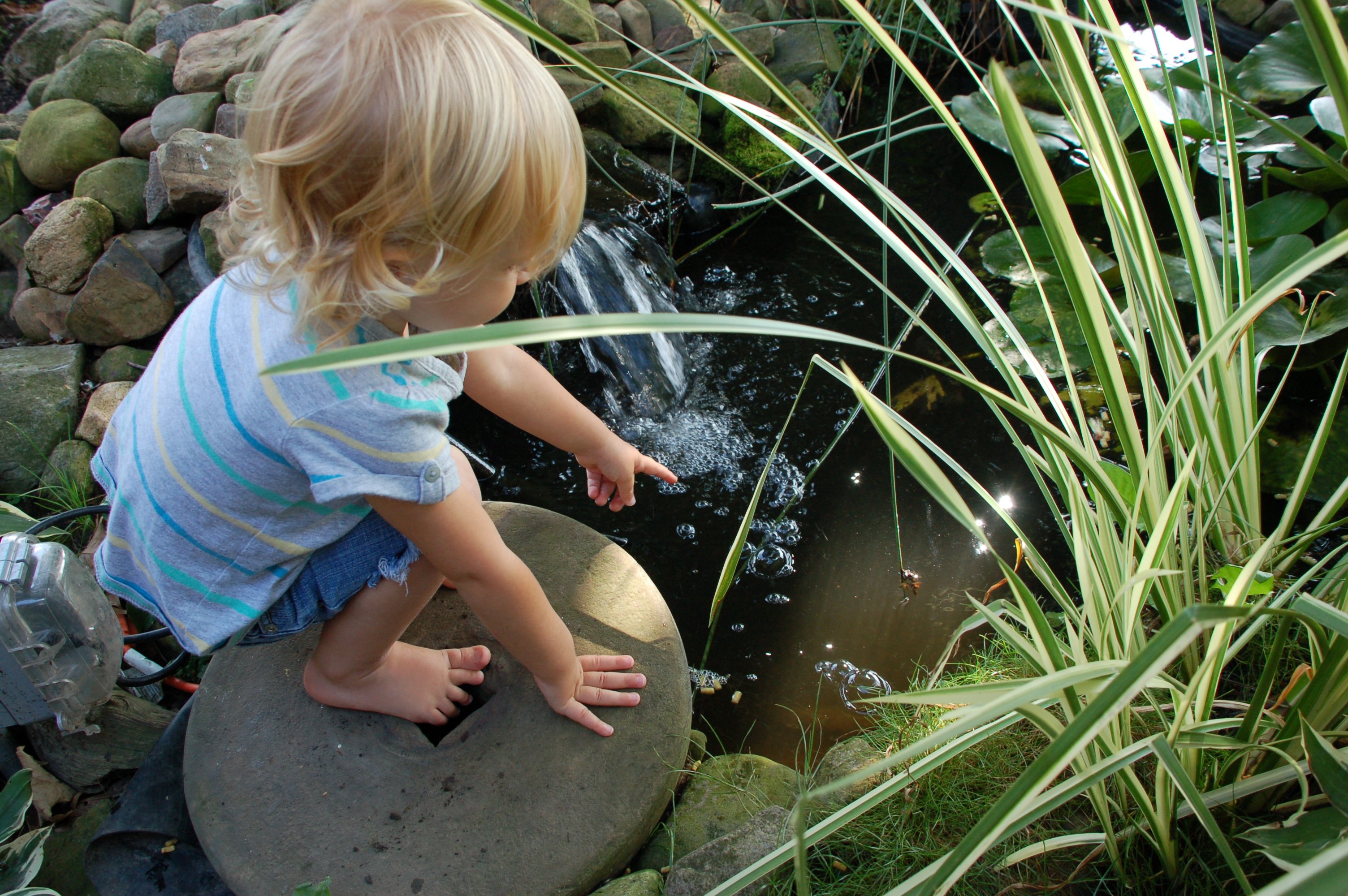
The grandchildren loved the pond, too. They couldn’t wait to feed the fish and count the frogs hiding among the lily pads and their pure white blossoms each time the grandkids visited. My wife and I will always cherish those fine memories.

As much as we loved the pond and its amenities, we needed to give it up. Given our situation, we simply couldn’t maintain the pond properly. A friend’s family is already enjoying its alluring magical sounds. It’s nice to know that another generation will continue the gratification that we received from the little water feature.

To keep a water source for the animals and birds, I relocated the sandstone birdbath from the front to the back and added a couple of others to keep it company. We transplanted hostas and placed several of the rocks leftover from the falls for some natural texture.

The birds have already discovered the water. I only hope the snakes and groundhogs don’t find it as desirable.

garden pond, birth baths
The new “pond.” © Bruce Stambaugh 2015

© Bruce Stambaugh 2015

Morning sunshine

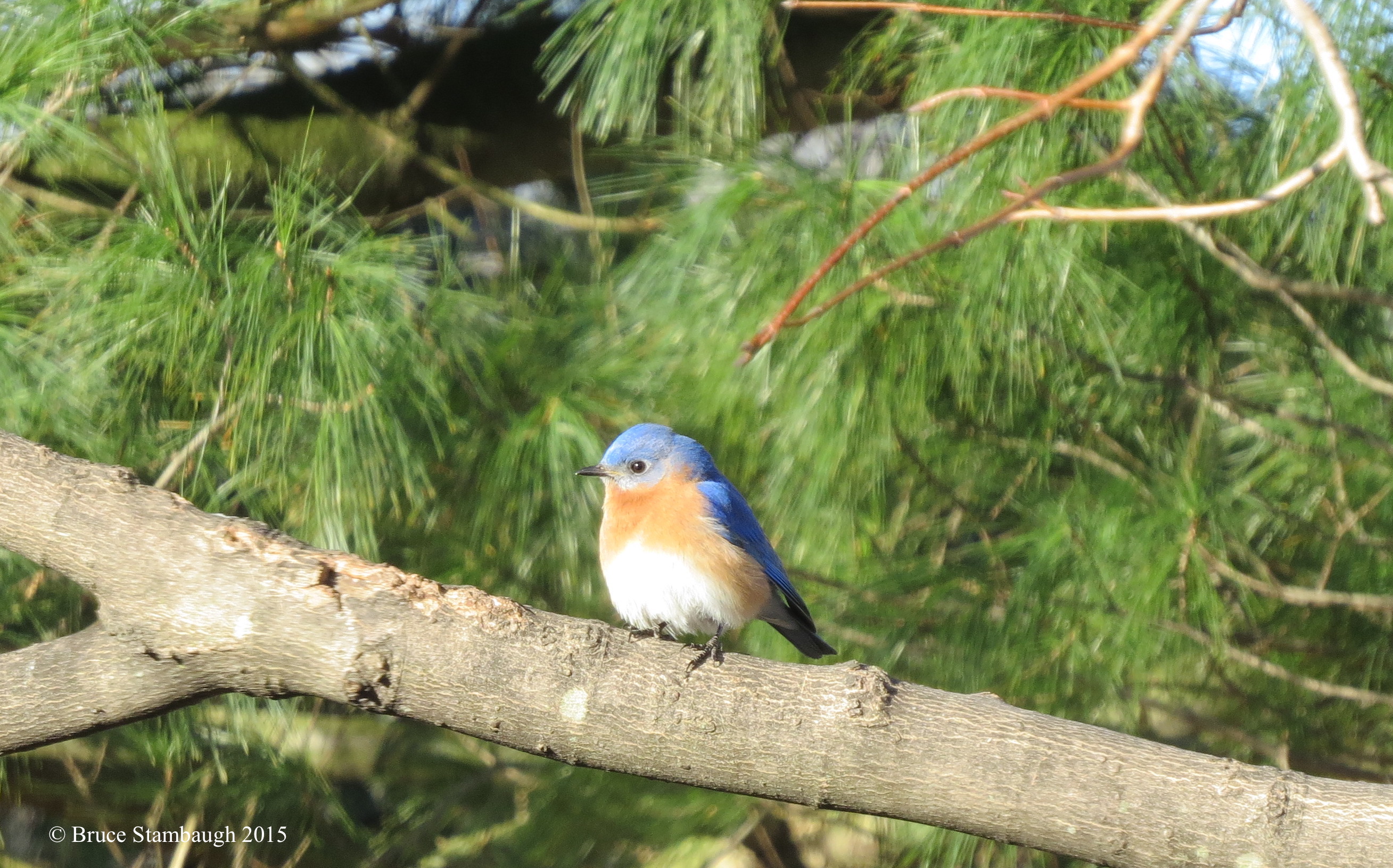
male eastern bluebird
Male Eastern Bluebird. © Bruce Stambaugh 2015

Though the air was still cold, the morning sun was shining brightly. This male Eastern Bluebird took full advantage of it, too. As it waited on a chance at the peanut butter suet feeder in our backyard, the beautiful bird soaked in the sunshine’s warmth.

The sun and the bird together brought morning sunshine to me. “Morning sunshine” is my Photo of the Week.

© Bruce Stambaugh 2015

Soaking in a Sunday afternoon’s sunshine

eastersunrisebybrucestambaugh
The day dawned bright and hopeful.

By Bruce Stambaugh

The day was an answer to prayer.

After the long, miserable, snowy winter, and the damp, cloudy and windy days of early spring, soaking in the warmth and calm of a sunny afternoon was just what was needed. And that’s just what I did.

After a light Sunday lunch, I poured a glass of mint tea and headed to the back porch. I wasn’t alone.

Because of the unfriendly weather, we had delayed rescuing all of the porch furniture from storage. I simply sat on the steps that face our little garden pond, and absorbed the soothing sun and so much more.

Since it was a Sunday, the usual hustle and bustle of work traffic on our busy county road was nil. Sounds of horse clops and

horseandbuggybybrucestambaugh
A horse and buggy wheel it up the road.
rolling wooden buggy wheels coursing along the unyielding macadam predominated, occasionally interspersed with vehicles motoring north and south.

That was the background noise. Around me the action took a more natural flow. Newly arrived Chipping Sparrows flitted from tree to greening grass, searching for seeds and nesting material, their sharp, delicate chipping joining the chorus of other birdcalls.

Downy Woodpeckers announced their arrival with an assured flutter of wings and their usual, perky chirp. Their herky-jerky head gyrations showed their cautiousness. Hunger quickly overcame their suspicions of me, and they clung wearily to the peanut butter suet feeder.

The much more brash male Red-bellied Woodpecker loudly barked out its presence as a warning to any other species that might have thoughts of feasting there. He clearly trumpeted that it was his turn, and he took it with me as an audience.

I didn’t realize I was doing such a good job of behaving myself until a female American Robin jumped out from beneath our porch deck. She bounced within inches of my feet and into the shade beneath the feeder that hangs in front of the kitchen window.

I sat as still as possible while she poked and pecked at the seed residue dropped by the perching birds onto the soft soil below. Then she hit the lottery. She snagged an earthworm, which she downed posthaste.

With that the robin bounded away, and then harshly scolded me as she winged it to a far limb on the old sugar maple 20 feet off. When she finished her lecture, she promptly flew away.

It was at that point that I noticed the dozen or so goldfish in the pond basking in the sun at water’s surface. All faced me, their mouths opening and closing as if to say, “Feed me. Feed me.”

This slideshow requires JavaScript.

I went to the little garden shed, grabbed a handful of fish food and plopped it into the water. The school scurried and splashed to get to the nutritious floating pebbles, then sank to the bottom to finish the meal.

The sun also brought out the resident green frog nestled into a cozy spot among the sprouting pond reeds. It picked off several insects while I sipped my tea. Bathed in abundant sunshine, the neighbor’s road horses grazed lazily on the new sprouts in the hillside pasture.

This slideshow requires JavaScript.

The first butterfly of the spring fluttered by and landed in the sun at the back of the porch. The Mourning Cloak was well-worn from its long flight north.

A male Cardinal called sweetly from a perch in front of the house. I eased around the corner and soon spotted it. He sat at the summit of one of the crimson maple trees in the front yard, singing his entire repertoire. Behind the house, the sun coaxed a small herd of deer into the alfalfa field.

The glorious sunshine had warmed my skin. The immerging springtime sights and sounds heartened me to the core.

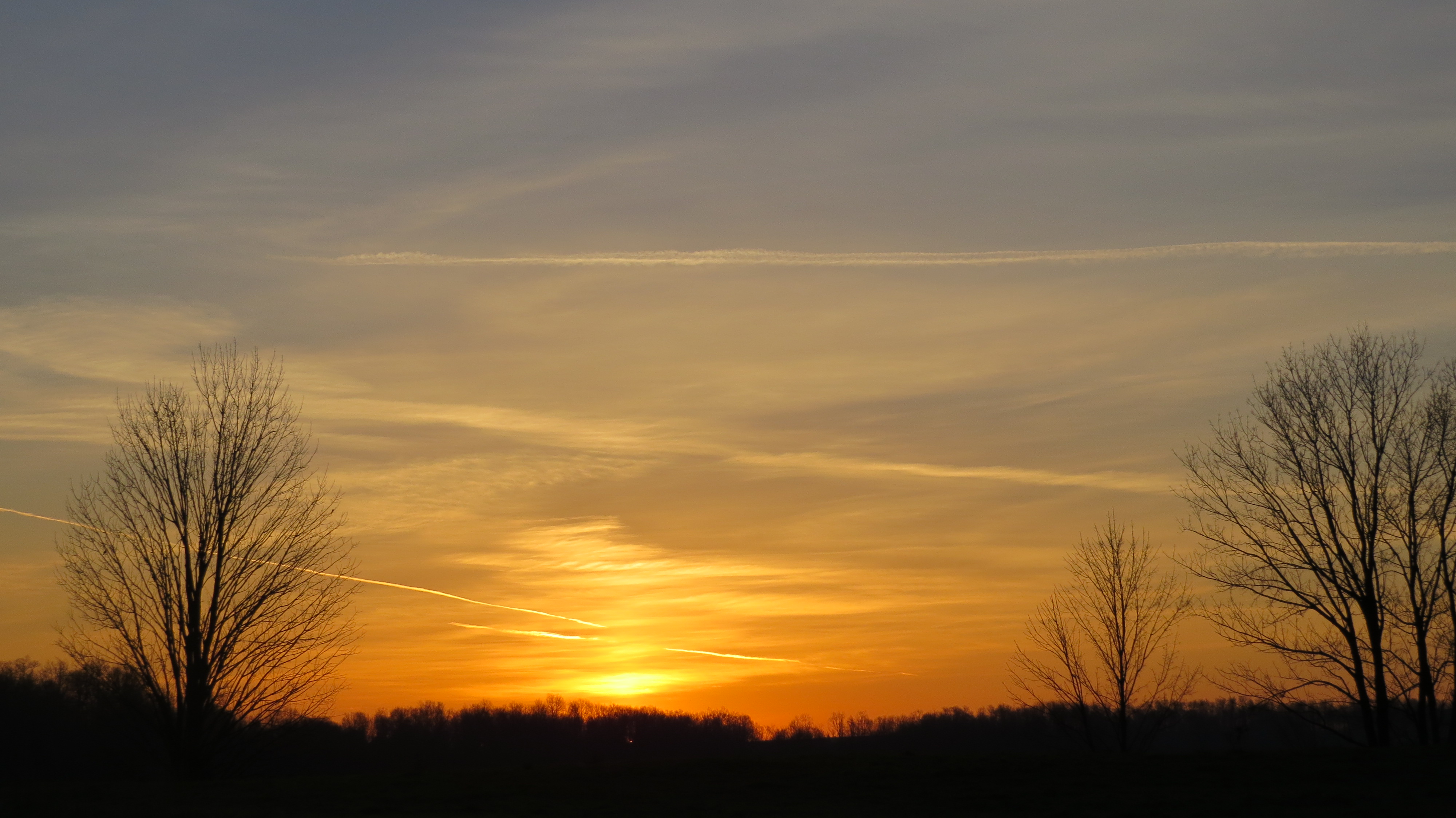
eastersunsetbybrucestambaugh
The day ended as glorious as it had begun.

© Bruce Stambaugh 2014

The little things of spring are spring

springinholmescoohiobybrucestambaugh
After a long, chilly and wet winter and early spring, true spring has arrived in Ohio’s Amish country.

By Bruce Stambaugh

Finally, it really is spring! I was beginning to think we would never receive its blessings.

I for one am certainly glad to embrace May. In Ohio, it’s the calendar’s conduit between a long cold, wet winter and early spring, like we have experienced this year, and summer’s usual balmy offerings.

Springtime has much to offer nature lovers. She is especially mesmerizing. Spring lulls you to sleep with her vivaciousness, her lusty beauty and verdant perfumes.

unfurlingleavesbybrucestambaugh
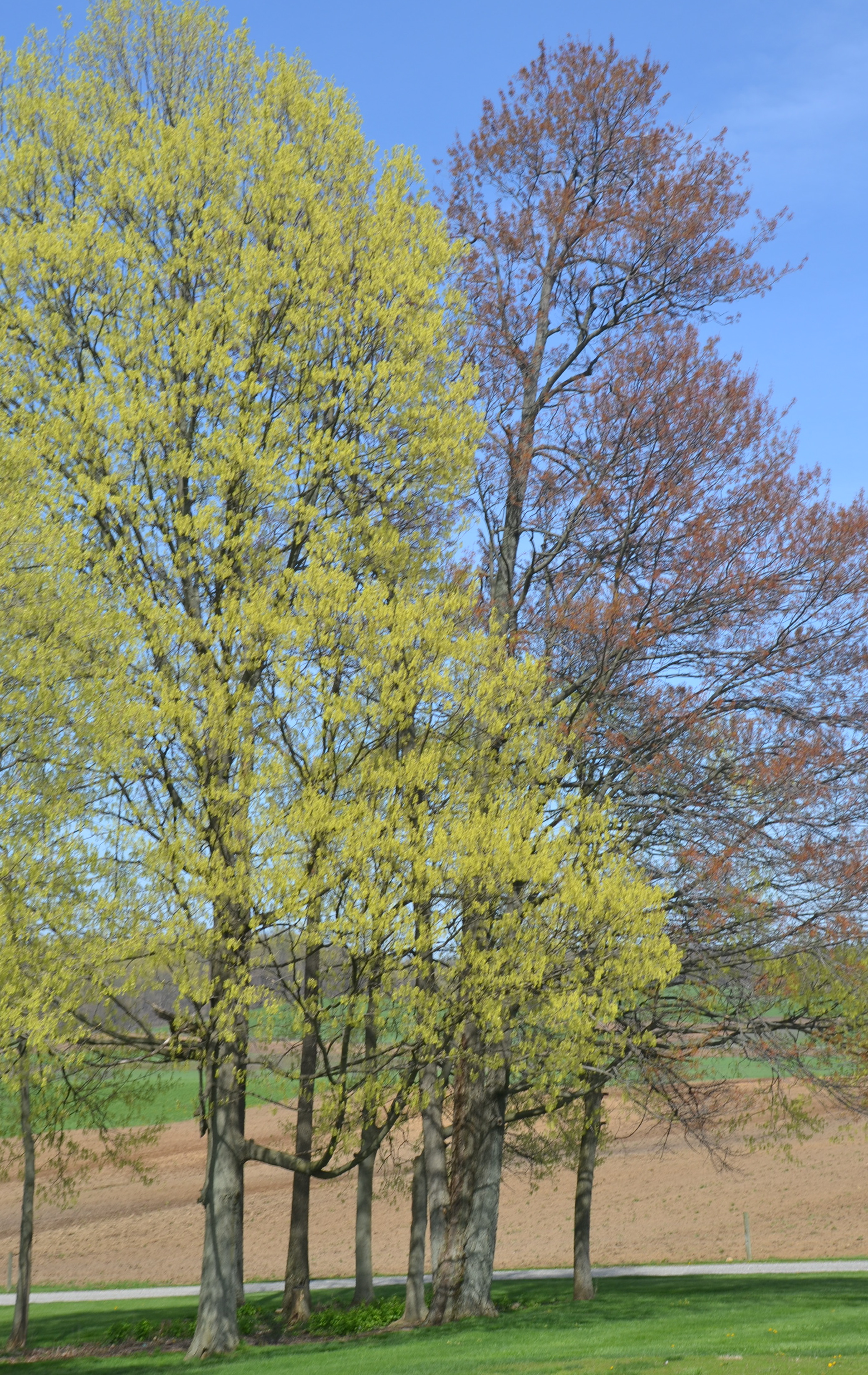
Once the weather warmed and the days brightened, the leaves of the deciduous trees quickly unfurled.
However, you have to be alert, or you could miss a few of her best offerings. In our hustle and bustle to catch up to what we think is important we may miss her most amiable samplings.

May is one of the main accomplices to this annual transition from hibernation to horticulture. The month has a lot to offer.
We have to pay attention though to absorb it all because the transforming processes evolve so quickly. One day we notice the maple tree buds swelling. The next, it seems, the full canopy has unfurled. How and when did that happen?

To grasp the full measure of spring requires the honing of all of our senses. For those poor souls with pollen or grass allergies, no reminder is likely needed.

Spring, and especially May, is anything but quiet. The spring peepers are the first to break loose. Their noisy outbursts are their celebrative acknowledgements that spring has arrived. The amphibious cacophony is music to our ears.

wildvioletsbybrucestambaugh
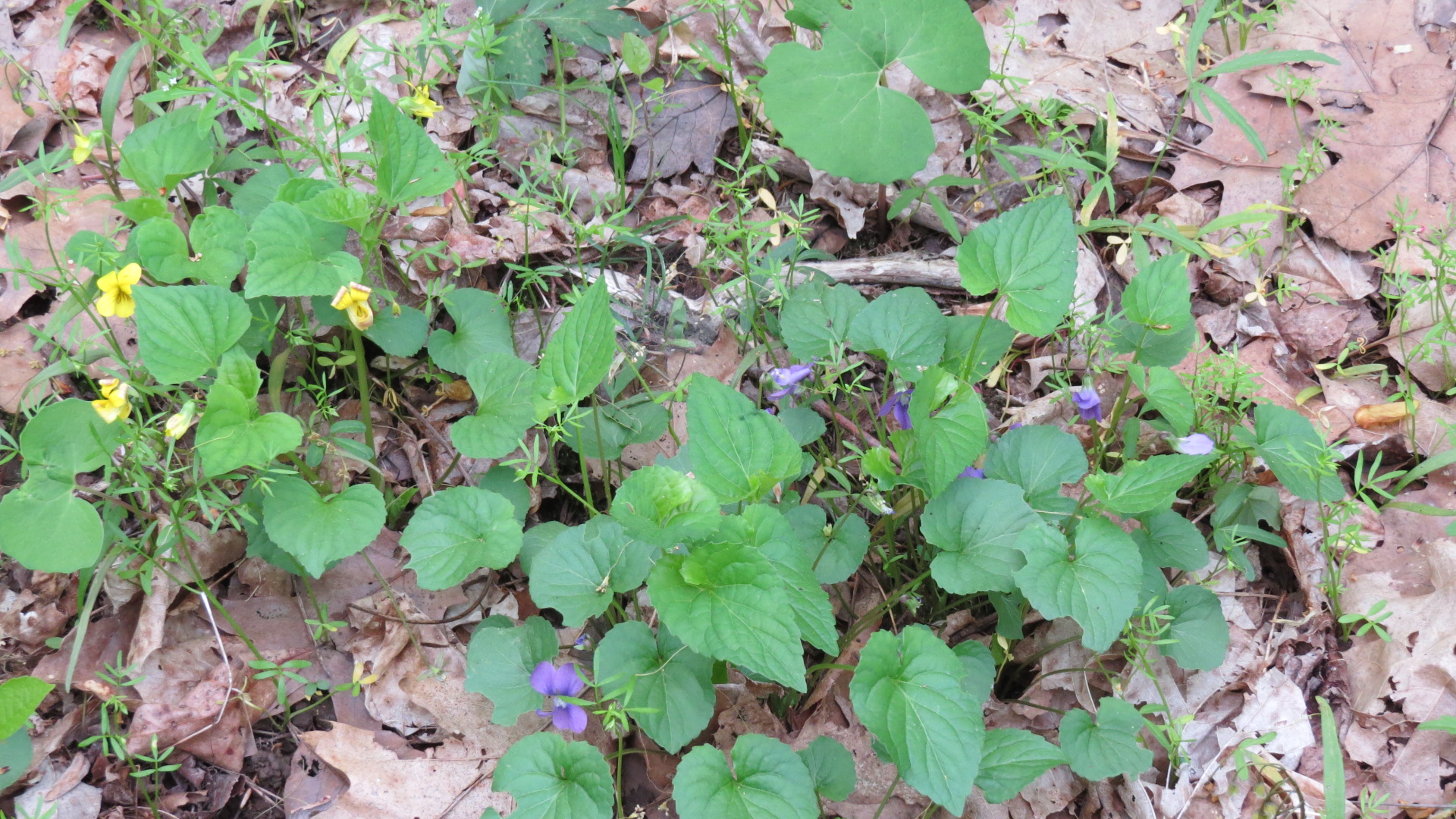
Wild yellow and purple violets are in full bloom now in Ohio’s woodlots.

Just one sunny spring day beckons buttery coltsfoot and dainty spring beauties. They brighten dusky roadsides and carpet forest floors and spacious yard-lots alike. Yellow and purple wild violets and lacy trilliums soon follow in all their grace and glory.

Clumpy lawns have already been mowed, evening the emerald patchwork from one neighborhood to the next until the prodigious dandelions appear and reappear. Try as you might, there is no obliterating them. Overnight, their yellowy blooms turn to silky seedpods, which succumb to certain spring gales and find a home just around the corner.

malebaltimoreoriolebybrucestambaugh
The beautiful sights and calls of the Baltimore Orioles fill the woods and neighborhoods in Ohio’s Amish country in and around Millersburg, OH.
For avid bird lovers, this is prime time for migrating birds, especially songbirds. A whole host of magnificently colored wood warblers, Golden-winged, Yellow-rump, and Black and White among them, pass through our area on their way north. A few, like the convivial Yellow Warbler and gregarious Baltimore Orioles, will stay to nest and brighten the days with their vigorous choruses.

American Robins have already chosen their first nesting spots, and not always in the choicest locations. Mud-based nests on door wreaths or porch lights are only temporary inconveniences to those who enjoy their early morning wake up calls without setting the alarm clock.

The sooty Chimney Swifts have returned and chatter as they snatch dinner with spring’s first batch of insects. American Goldfinches seemingly changed to their day glow yellow and contrasting black overnight.

magnoliainbloombybrucestambaugh
For once the magnolias bloomed without fear of a killing frost in northern OH.
Native shrubs and ornamental flowering trees light up the landscape with their rainbow of colors. One day the neighbor’s giant Magnolia is bursting in pink bloom. The next, her Cinderella gown morphs into a colorful comforter spread on the ground beneath.

Just like a fast moving thunderstorm, the rubies of spring don’t last long. Will we grant ourselves the privilege to gather them in?

It pays huge personal dividends to be alert and watch as spring magnifies the hills and hollows with sights and sounds and fragrances for all to behold. Spring is here. Let’s enjoy it before it’s gone.

© Bruce Stambaugh 2013

Frogs or birds? The choice was easy

Garden pond by Bruce Stambaugh
By Bruce Stambaugh

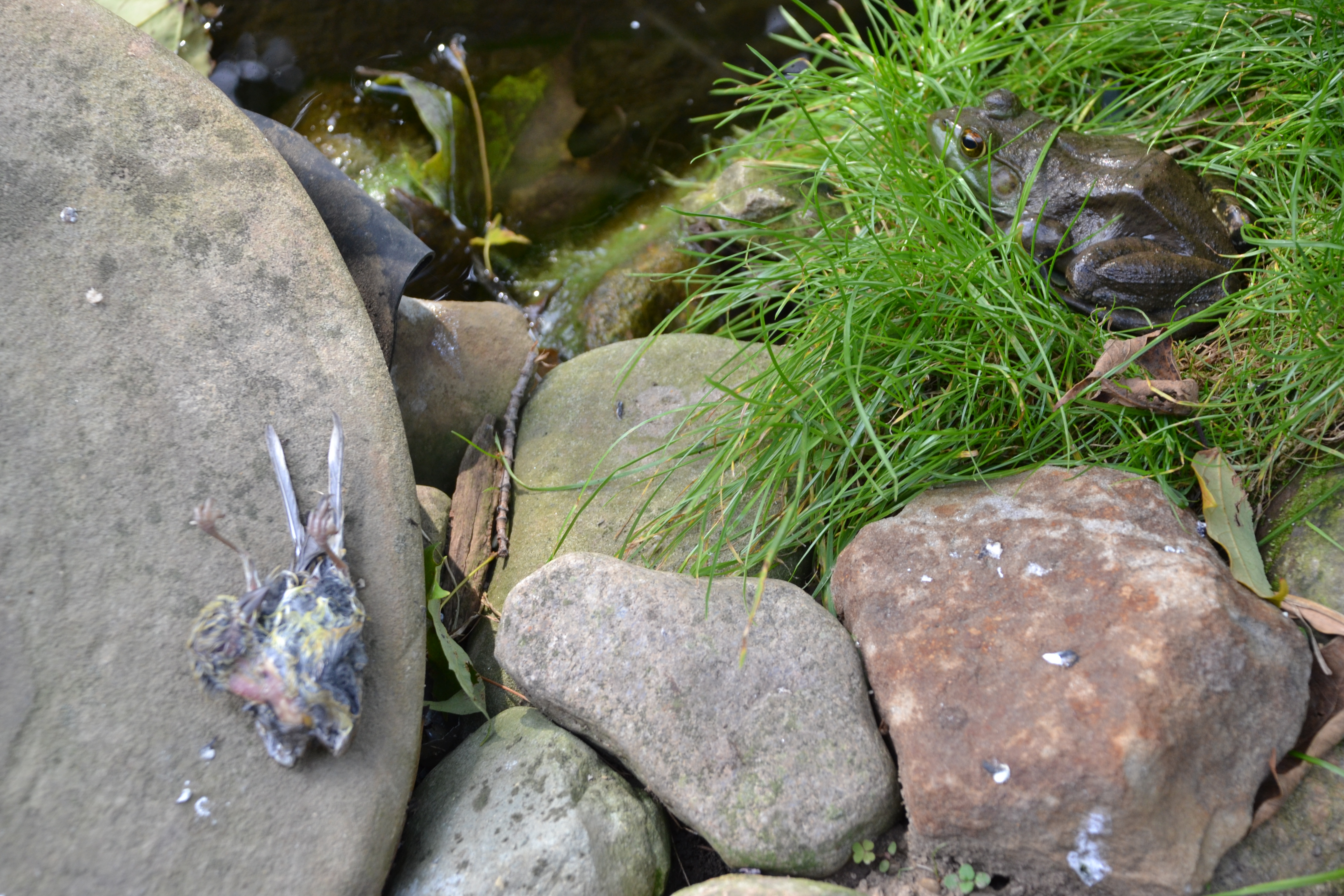
Well it happened. I finally had to remove the giant green frogs from my little garden pond. The reason? I found another dead songbird by the pond. The perpetrator left the evidence in plain sight and never bothered to leave the scene.

After what had happened this summer, I had no choice in the matter.

In July amid the hottest, driest weather of the summer, the grandchildren were here visiting from Virginia. They always ask to feed the goldfish in our garden pond.

Girl on grindstone by Bruce Stambaugh

As we approached the pond with fish food in hand, I spotted something rather suspicious. The largest of the green frogs that inhabit our pond was resting atop a balled up, wet and obviously dead House Finch on the rock pile near the little waterfalls.

The frog must have felt guilty because it jumped into the pond as soon as it spotted us. I let the kids feed the always-hungry fish while I investigated the crime scene. Of course, Davis, the inquisitive six-year old, wanted to see what I was looking at, too.

Cooling off by Bruce StambaughOnce I realized we had a killer frog on our hands, I diverted the kids’ attention by playing ball in the side yard. When I went to get the dead bird, it was gone. Had the frog come back for its dinner?

A few weeks later, I found a second House Finch floating in the pond. I contacted a naturalist friend about my discovery. She had heard of bullfrogs catching birds, but not green frogs. Either way, her conclusion was the same as mine. The big green frog was trouble.

Since the grandkids loved looking for the frogs as much as they did feeding the fish, I hated to transplant the amphibian. I decided to keep a close eye out for more evidence. I found it on September 25.

Bird and frog by Bruce Stambaugh
The dead American Goldfinch told me I needed to remove the largest frogs from the pond.

This time I discovered an American Goldfinch left on the sandstone grindstone where the grandkids stand to feed the fish. Just like the others, the Goldfinch had clearly been drowned with evidence of attempts to swallow it. Just inches away, minding its own business, the green frog sat unsympathetically on a soft patch of grass. At least I thought it was a green frog.

That was the last straw. I watched for an opportunity to catch the two largest green frogs and relocate them to a neighbor’s farm pond. I caught the docile female right away. The bigger male was a bit trickier. You know how men are.

Finally, I saw my opportunity. The wily frog was hiding beneath the floppy leaves of one of the hosta plants that border the pond. In a sneak attack, I captured the frog and quickly placed it in the minnow bucket with the other frog.

Mute Swan by Bruce Stambaugh

As I prepared to release the pair of frogs at my neighbor’s pond, a rather large Mute Swan swam straight for me, hissing all the way. The larger of the two frogs was more than happy to hide in shallow water. The female was content to enjoy the grassy shoreline.

I didn’t bother to say my farewells. I was patient catching the frogs. The agitated swan was another story. I didn’t want to painfully pay for my efforts with a nip by the aggressive and territorial waterfowl.

If this greedy green frog attempts to swallow one of these big birds, I think it will be in for an enormous surprise. And I think I’ll write a book.

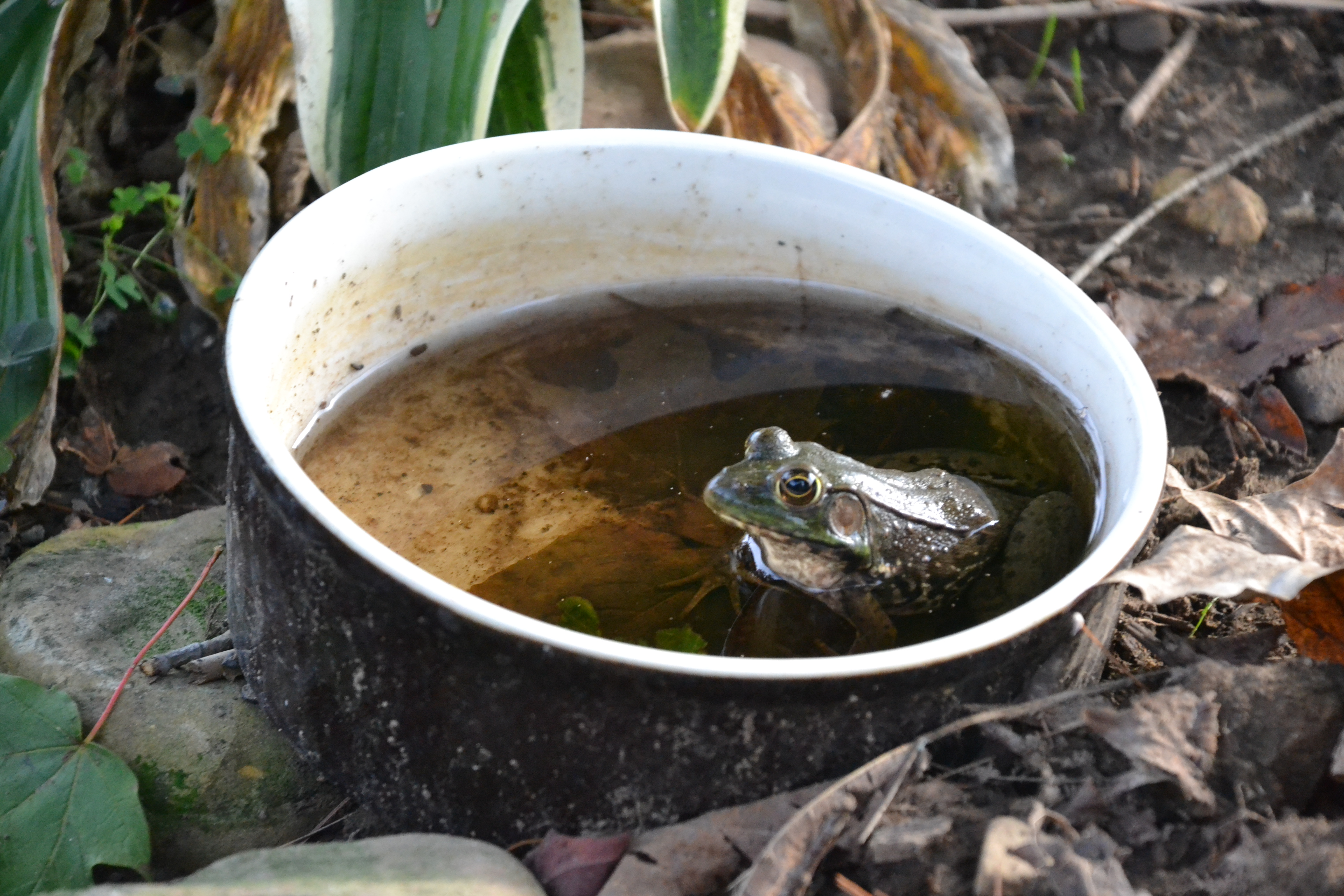
Upon further investigation, others more knowledgable on frogs than me identified the culprit that I had photographed as a bullfrog, not a green frog. My mystery was solved, and my frog facts greatly improved. The book’s plot just took a turn.

This column appeared in The Bargain Hunter, Millersburg, OH.

© Bruce Stambaugh 2012

Lunch on the porch includes more than just good food

Porch view by Bruce Stambaugh

By Bruce Stambaugh

Everyone needs a sanctuary. For my wife and me, our back porch is our quick retreat from life’s demands. A few short steps and we are in a special place. Over the years our back porch has given us many marvelous memories.

We recognize that we are fortunate to live where we do. Our home, built three decades ago off an Amish farm, is situated between Benton, Berlin and Mt. Hope, all in Holmes County, Ohio. Our back porch provides panoramic, inspiring scenes.
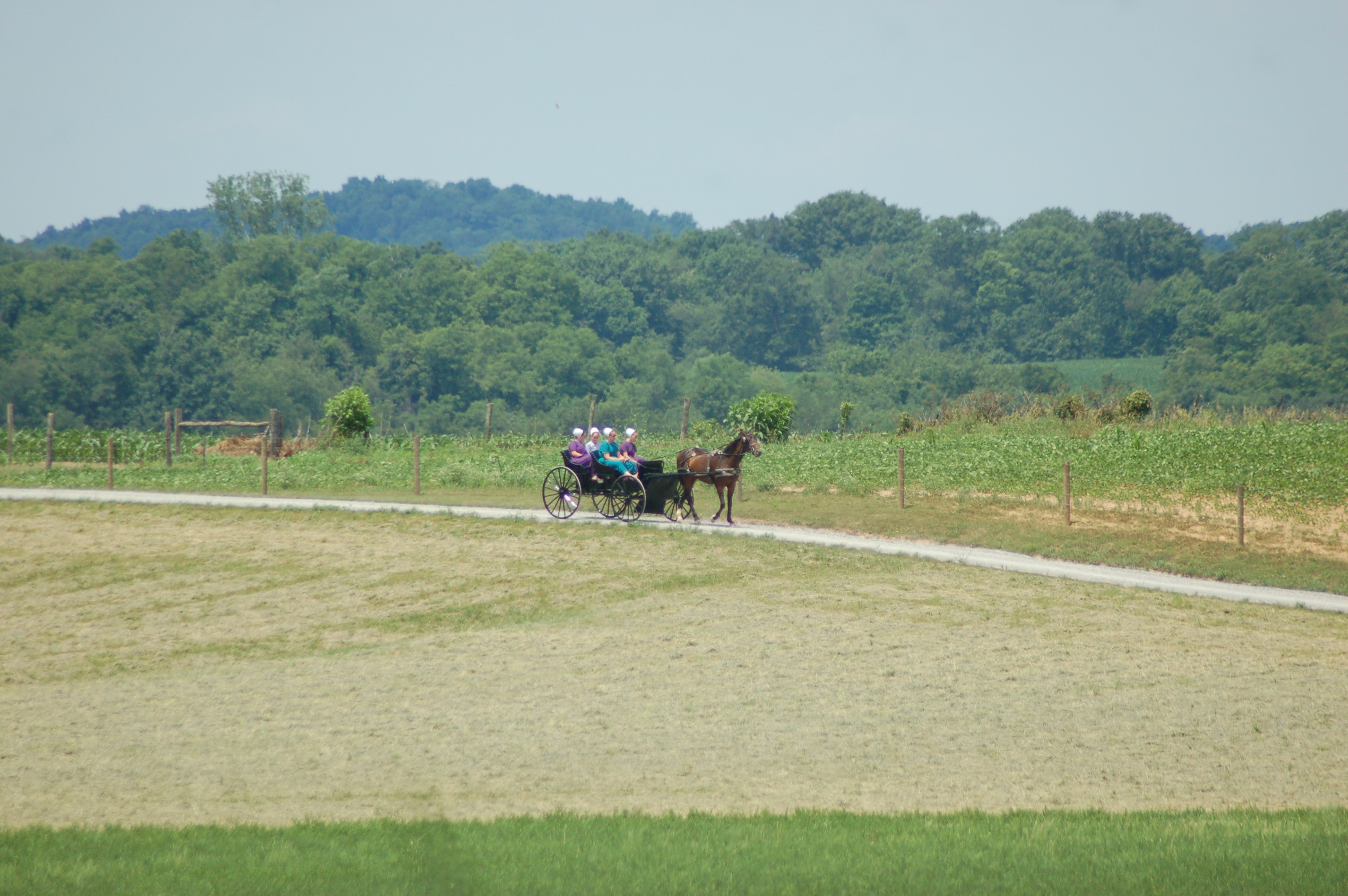
Girls in buggy by Bruce Stambaugh
The open-air porch was added to our modest home several years ago. We wanted a quiet place to relax during Ohio’s warmer climes. When the weather does cooperate, we especially enjoy lunches together there. It helps to have a wife who is a great cook. I’m no chauvinist, but I’m no chef either. Neva rules the kitchen and I reap the rewards and help clean up.

Lunch by Bruce Stambaugh
A recent lunch that we enjoyed on the porch.
Somehow the food tastes even better on the porch. One recent lunch featured her homemade butternut squash soup, sprinkled lightly with toasted bread crumbs. A fresh spinach salad with crasins and vinaigrette nicely complemented the soup.

A simple dessert of sweet cherries was washed down with fresh sweet peppermint tea, spiked with basil, giving the tea a sweet-tart taste. The mint was picked just minutes before being doused in boiling water. Other than the tea, no seconds were needed. A single course of each was plenty.
Mowing hay by Bruce Stambaugh
The house serves as a buffer between our busy highway and the backyard, minimizing the traffic noise. We love the quiet.

Well, perhaps quiet isn’t the proper word. Abundant backyard activity breaks any hint of silence. While we dined, we heard the undulating hum of a mower and the rattle of horse harnesses as our Amish neighbor completed his second cutting of hay before taking his own lunch break.

Downy by Bruce StambaughIn the meantime, the birds and wildlife kept us entertained as they also dined. With the porch open on the sides, it’s not unusual for birds to zip over our heads to the feeders. That is especially true for the acrobatic hummingbirds. Their feeder hangs from the edge of the porch near the kitchen window. It is fun to watch the territorial hummers chatter and chase each other away from their own version of lunch. They wouldn’t have to do that. There are several places to perch.

If we stay immobile, even the woodpeckers light upon the peanut butter suet feeder that dangles next to a hanging basket of flowers. The little downys, however, are the only ones that aren’t spooked off by our presence. Still, they nervously but needlessly chip and jerk their heads warily as they jab at the rich mixture, making sure we keep our distance.

Wildflowers by Bruce StambaughA green frog, one of six that inhabit our little garden pond, waits patiently for lunch to fly by. The green frogs that patrol our little garden pond adjacent to the porch patiently wait in the sun for their own lunch to fly by. When I hear a plop, I know they are as satisfied as we are.

Beyond the pond, monarch, swallowtail and red admiral butterflies partake in their own flowery buffet on the patch of ever-changing wildflowers. Along with volunteer sunflowers, the coneflowers, Black-eyed Susan’s, daisies, gaillardia and bachelor buttons paint a colorful palette in the shade of the canopy of pines and giant sugar maple.

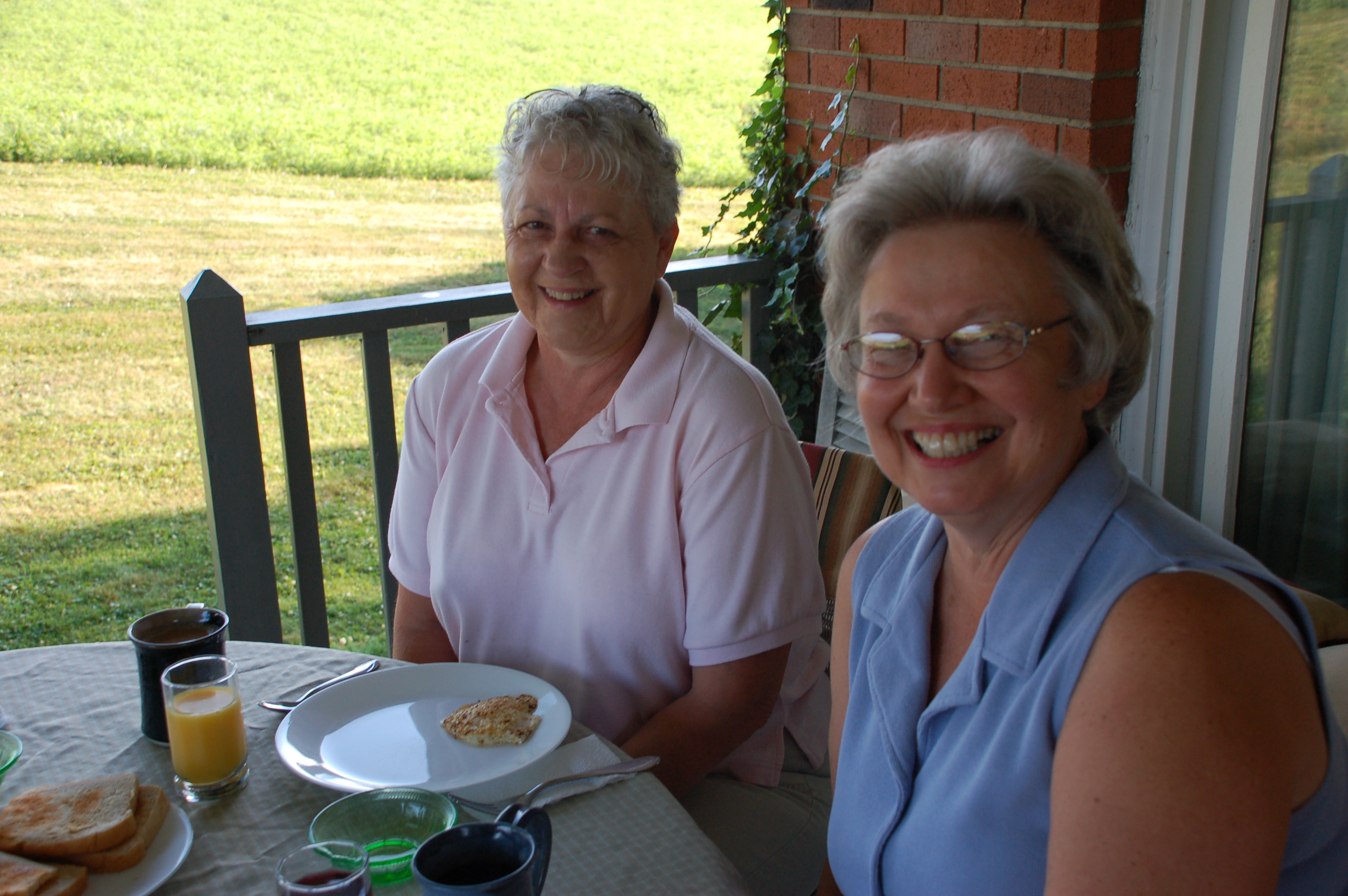
When human guests arrive, their smiles reveal their appreciation for our sanctuary. Added together these pure and pleasurable ingredients always make for enjoyable and hardy gatherings. I’m more than happy to share the recipe.

Guests by Bruce Stambaugh

© Bruce Stambaugh 2012

Enjoying spring’s aviary adventures

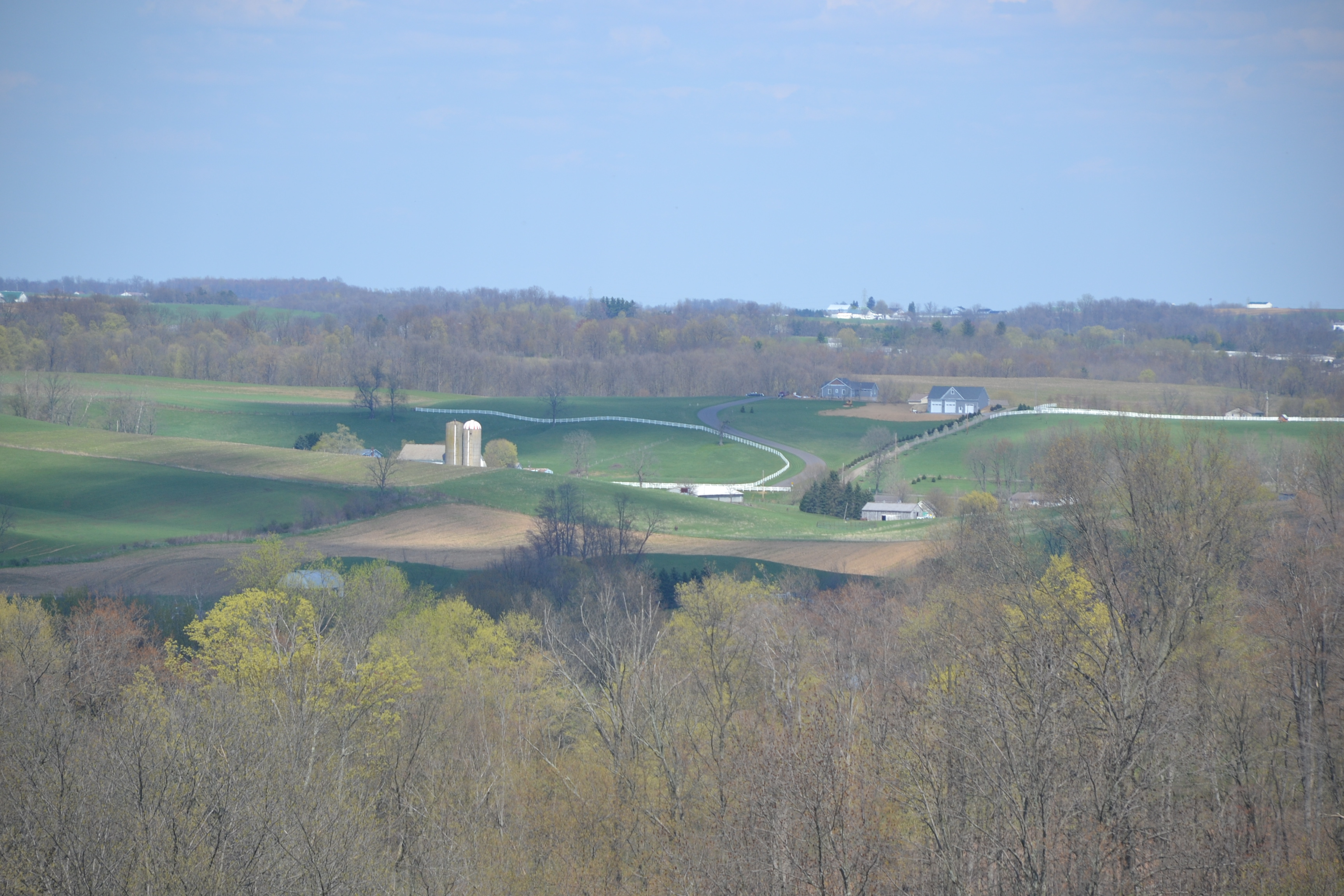
Amish farm by Bruce Stambaugh
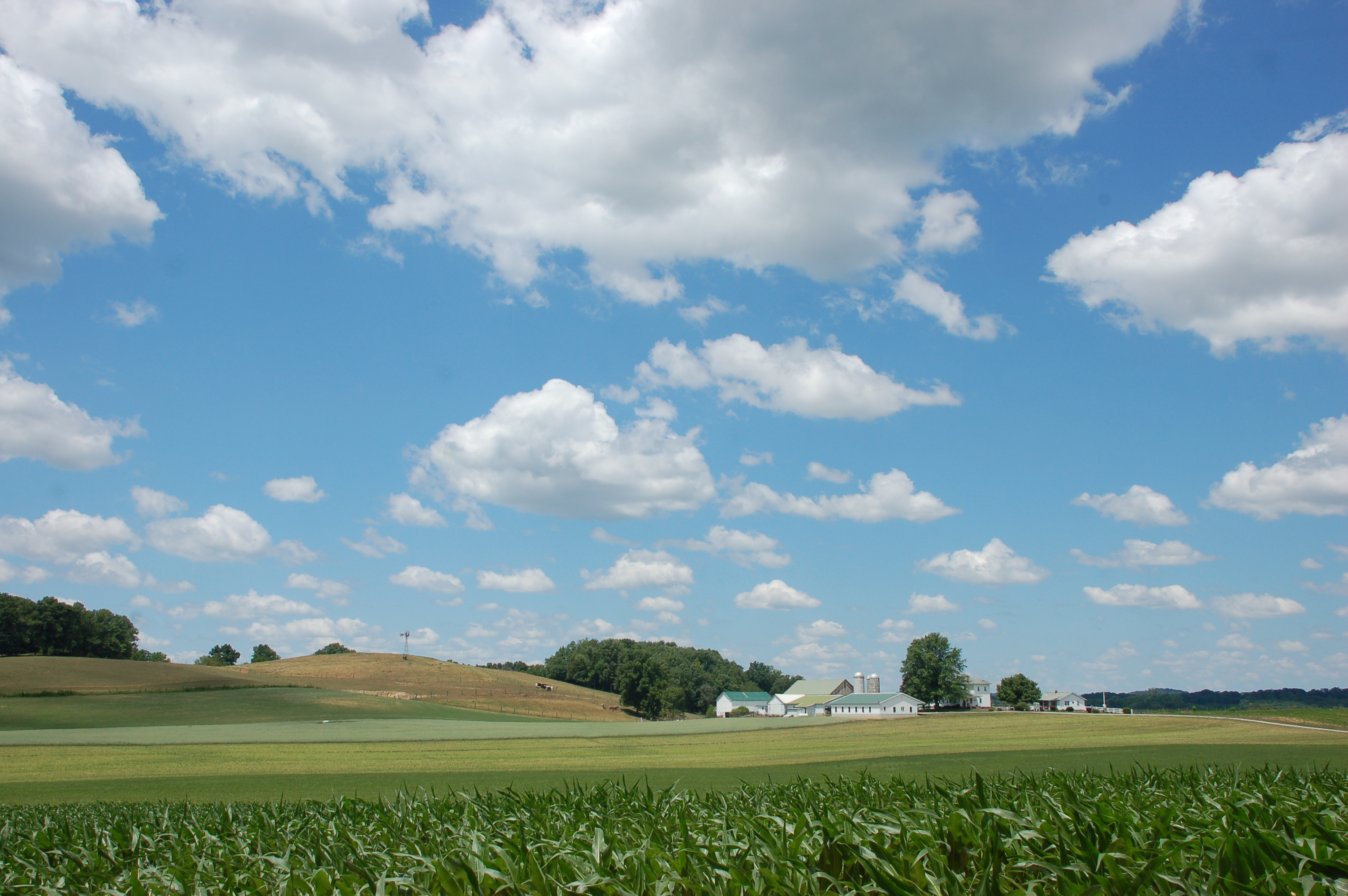
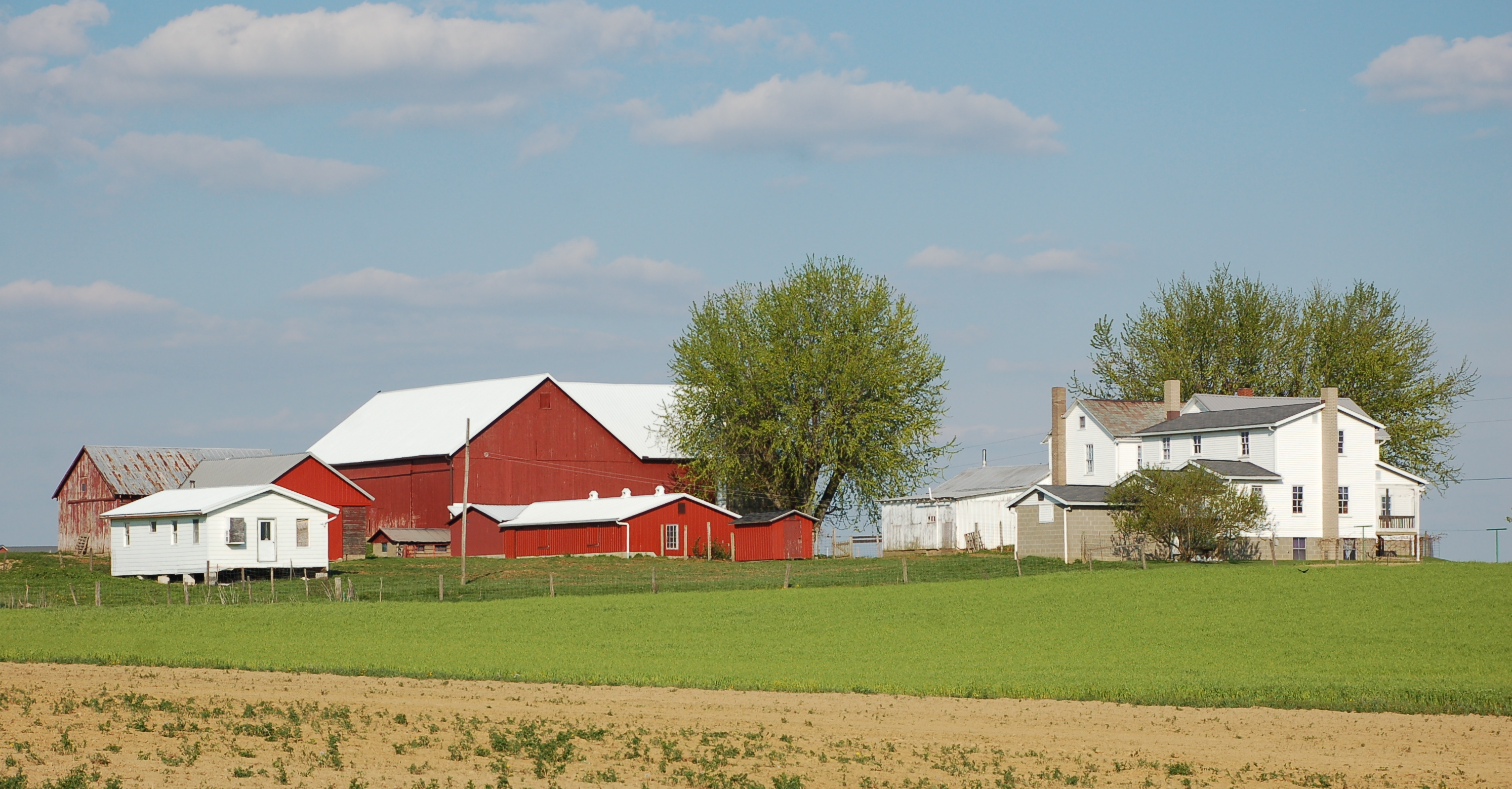
A typical springtime scene in the heart of Ohio’s Amish country near Mt. Hope, OH.

By Bruce Stambaugh

We are fortunate to live where we do here in northern Ohio, especially in the Holmes County area. Our manicured farmlands, brushy fencerows, dense woodlots, numerous lakes and the wetlands of the Killbuck Valley provide an abundant variety of habitats that attract an equal abundance and variety of birds.

In our busyness, we should stop, look and listen to the free show that is all around us. The many birds, some just passing through, others that will make their summer home here, can fill our senses with amazing music, incredible color, and entertaining activity. No admission charge is needed.

canadagoosebybrucestambaugh
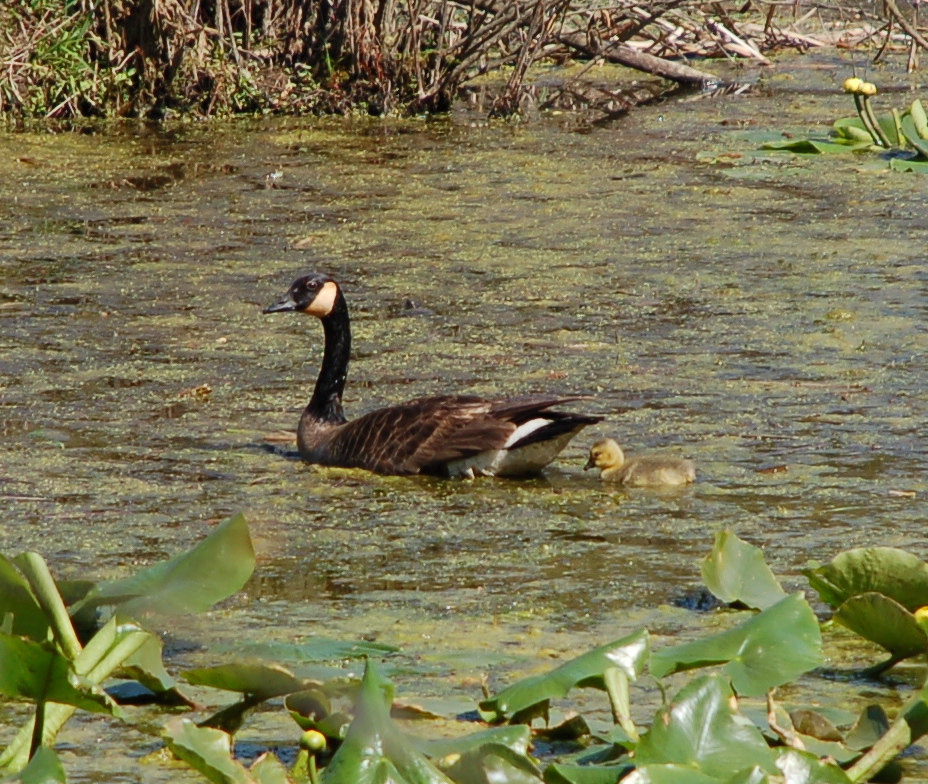
A Canada Goose and a lone gosling glide in the marshy Killbuck Valley north of Millersburg, OH.

Even before sunrise, the chorus of songbirds begins to warm up like a pre-concert symphony. Usually the American Robins are first to welcome the new dawn with their varying songs. Soon others like the Northern Cardinals and Song Sparrows join in. By first light, a cacophony of warbling fills the morning air. Everyday brings a new chorus.

Once the morning brightens, the birds mix a paint palette of colors into the recital. Now at their height of intensity for procreation purposes, the colors of the birds are positively stunning. Their appointed markings are a pleasure to behold.

White-crowned Sparrow by Bruce Stambaugh
A White-crowned Sparrow stopped for fuel on its way north.
The male White-crowned Sparrow, with its alternating bold black and white stripes atop its head, could serve as a referee amid all the commotion and scramble for seeds at the backyard feeders. Instead, it is intent on fueling up for its long flight deep into the Canadian northlands.

Pairs of Cardinals forage for their breakfast of cracked corn and oil sunflower seeds. Like two teenagers in love, the bright red male feeds his adoring but duller mate in their courting ritual.

Rose-breasted Grosbeak by Bruce Stambaugh
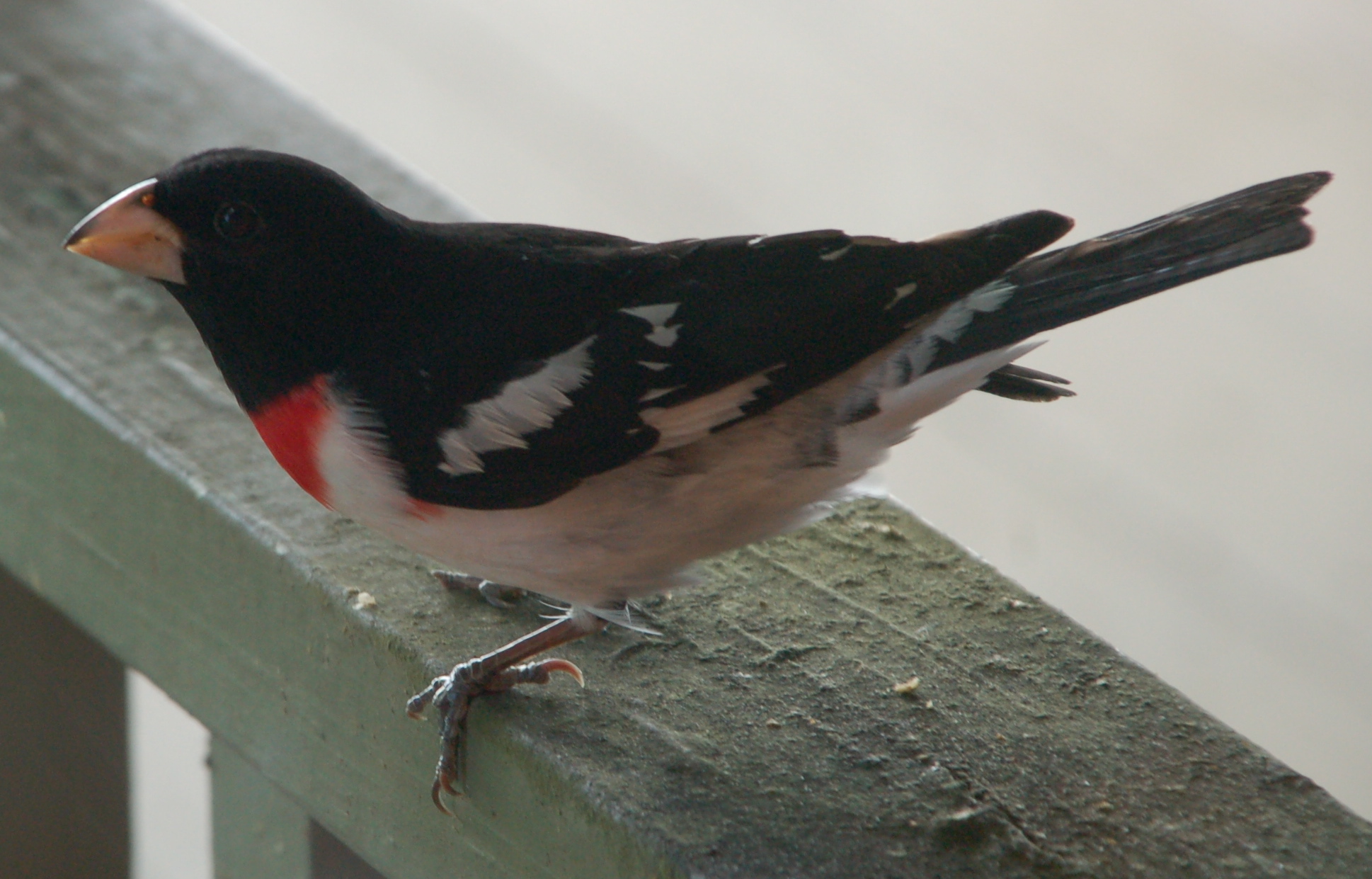
Rose-breasted Grosbeaks are regular visitors to backyard feeders.
Without hesitation, the impressive Rose-breasted Grosbeak sallies onto the feeder hanging only inches from the kitchen window. Even in a brief glimpse it is easy to see how this bird got its name, its rosy breastplate all too obvious. The female, on the other hand, is awash in rich creams and browns, all for protection against hungry predators.

Baltimore Oriole by Bruce Stambaugh
A female Baltimore Oriole enjoys frequent visits to the bird grape jelly feeder.
The Baltimore and Orchard Orioles enjoy quick snatches of a grape jelly concoction housed in upside down bottle caps on the porch railing. A couple of quick gulps and they are gone, but never far away. Their liquid warbling says they’ll be back later for more.

The regal Red-headed Woodpeckers command attention from humans and aviary audiences alike. Without being bossy, they clear the feeders all to themselves. No doubt their brilliant red, white and black attire and their size have a lot to do with that.

Red-headed Woodpecker by Bruce Stambaugh
A male Red-headed Woodpecker visits the peanut butter suet feeder several times per day.

The Red-bellied Woodpeckers are bolder, both in sound and behavior, their iridescent red head stripes as flashy as strobe lights on patrol cars. Their noisy chatter serves as a warning siren announcing their arrival.

Even the little Black-capped Chickadees come dressed for the dinner party. Their tuxedo-like coloration is fresh and ready for the spring prom. They zip back and forth from tree branch to feeder, neatly holding the seed with their feet, while their tiny beak chisels for the main course, the sunflower heart.

Chipping Sparrow by Bruce Stambaugh
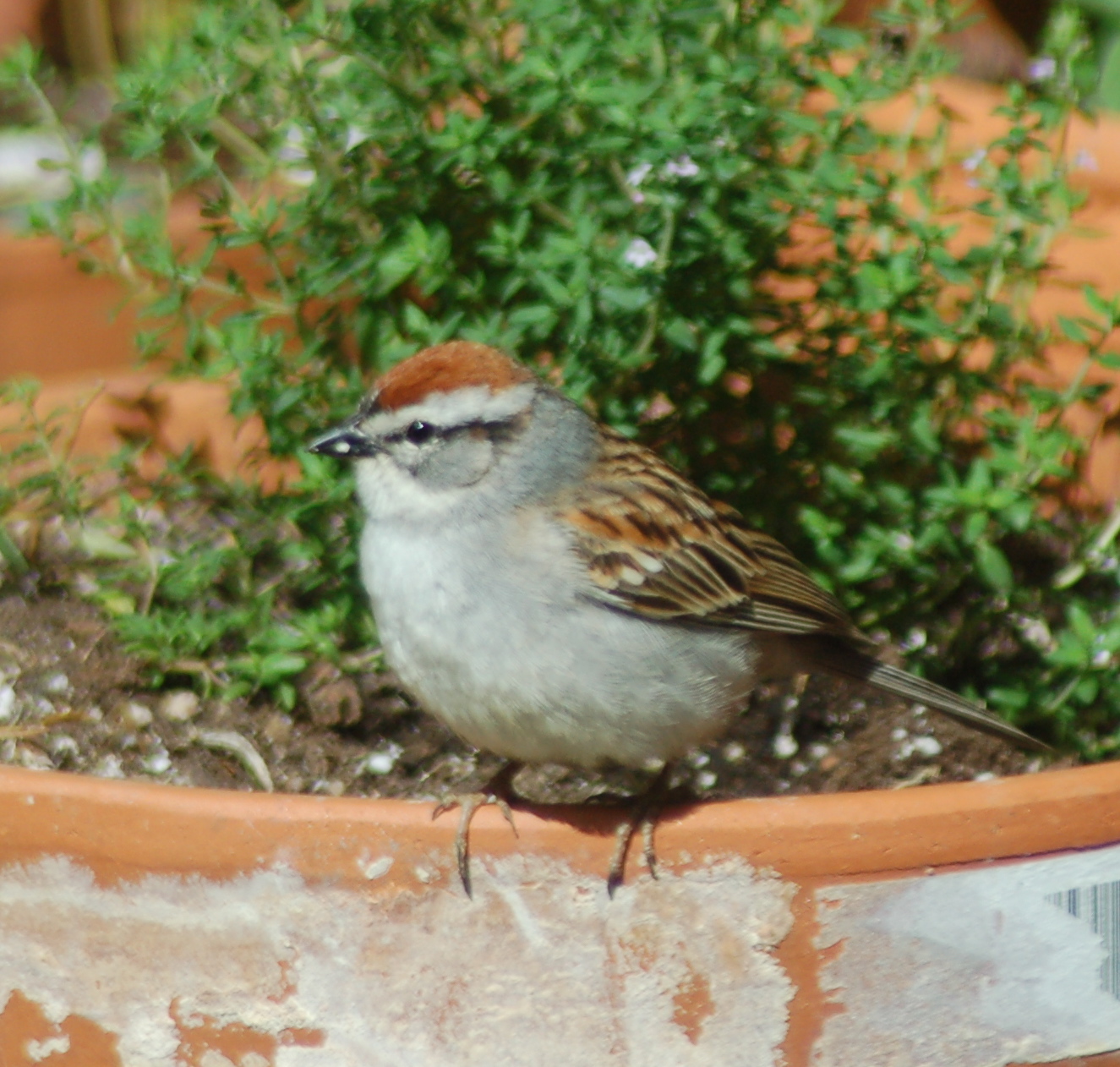
Even the little Chipping Sparrow is a joy to observe.

One hates to turn away from the aviary activity to see what might be passing overhead. An American Eagle, a Great Blue Heron, flocks of Mallards? It’s springtime in Ohio. All options are open in this intermingled habitat.

It is amazing what we can observe, especially when our feathered friends enter our life space. We just need to stop, look and listen.

© Bruce Stambaugh 2012

Rejuvenated in a familiar and changed place

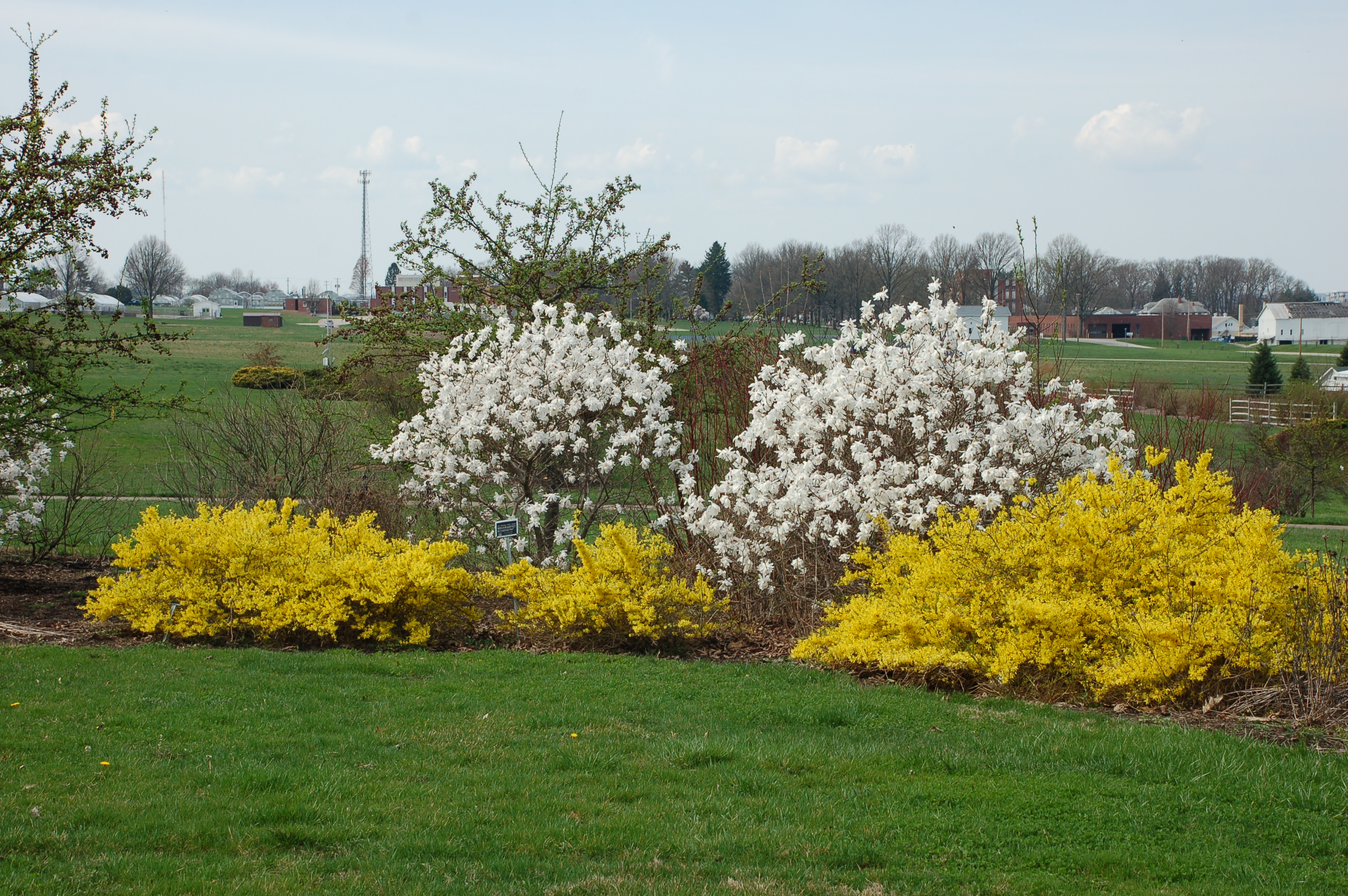
Flowering shrubs by Bruce Stambaugh
By Bruce Stambaugh

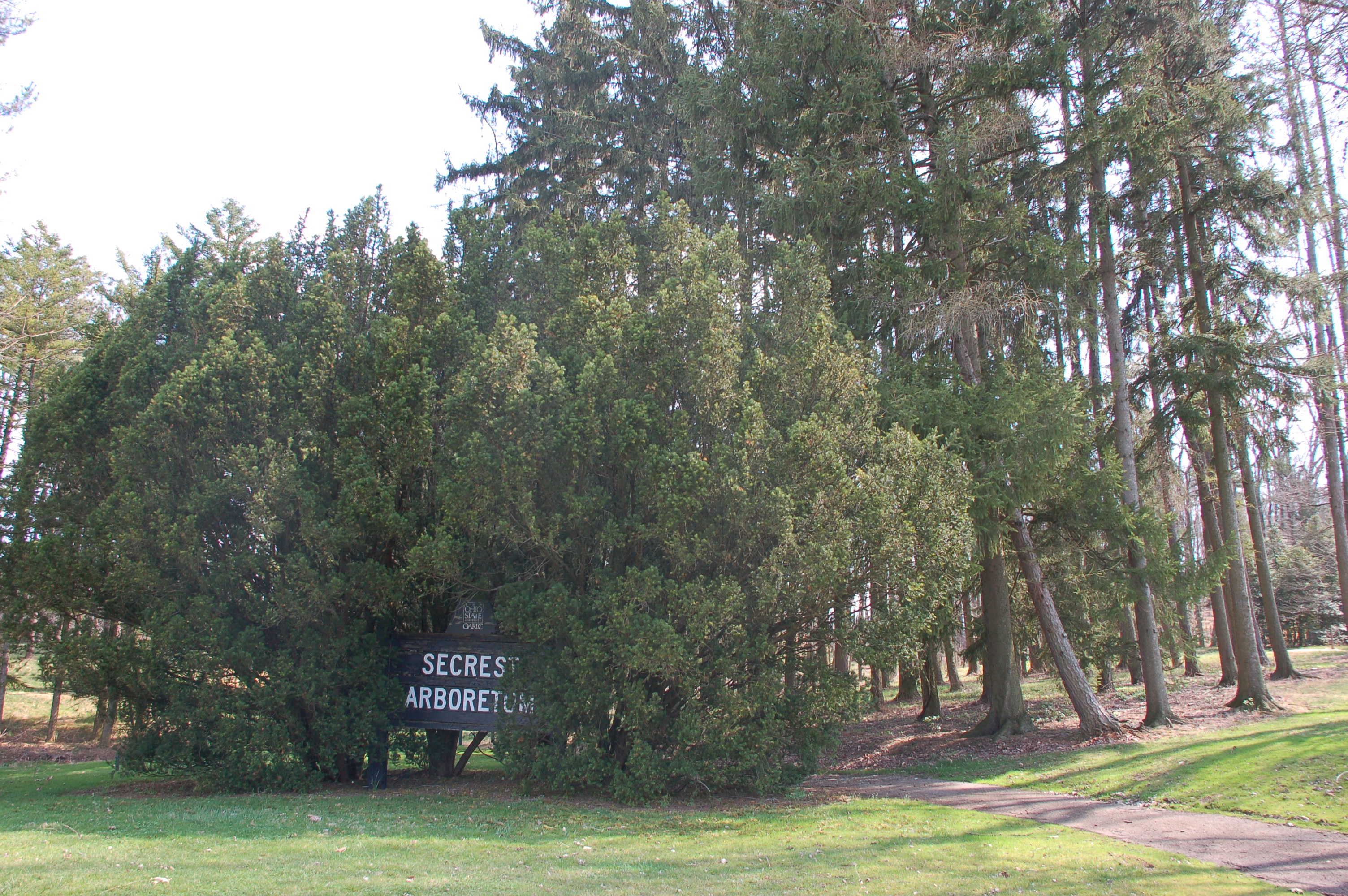
I hadn’t been to Secrest Arboretum in Wooster, Ohio since a tornado literally blew it apart September 16, 2010. In the midst of our recent summer-like weather, I decided it was time to reconnect.

Woodlots by Bruce StambaughLike so many others, I always had found the arboretum to be a place of blissful escape and rejuvenation. Its lovely woodlots, pristine gardens and peaceful settings have long served as a place of inspiration and retreat for many.

I knew why it had taken me so long to return to this little paradise. I didn’t want to relive those ugly memories, so opposite of what Secrest was meant to be.

Just an hour after the tornado hit late that summer evening, I had maneuvered in and around the devastation of the Ohio Agriculture and Research Development Center campus, where the arboretum is located. As a volunteer severe weather spotter, the Cleveland office of the National Weather Service had sent me there to photograph the damage as best I could.

I only had about a half an hour before sunset. Rescue crews were still combing buildings for possible victims who may have stayed late for work or study. Sporadic jerky flashes from searchlights sent eerie light beams through holes of broken buildings.

Focusing on my duty, I snapped as many pictures in the dim light as I could. That purposeful concentration was the only thing that stilled my emotions.

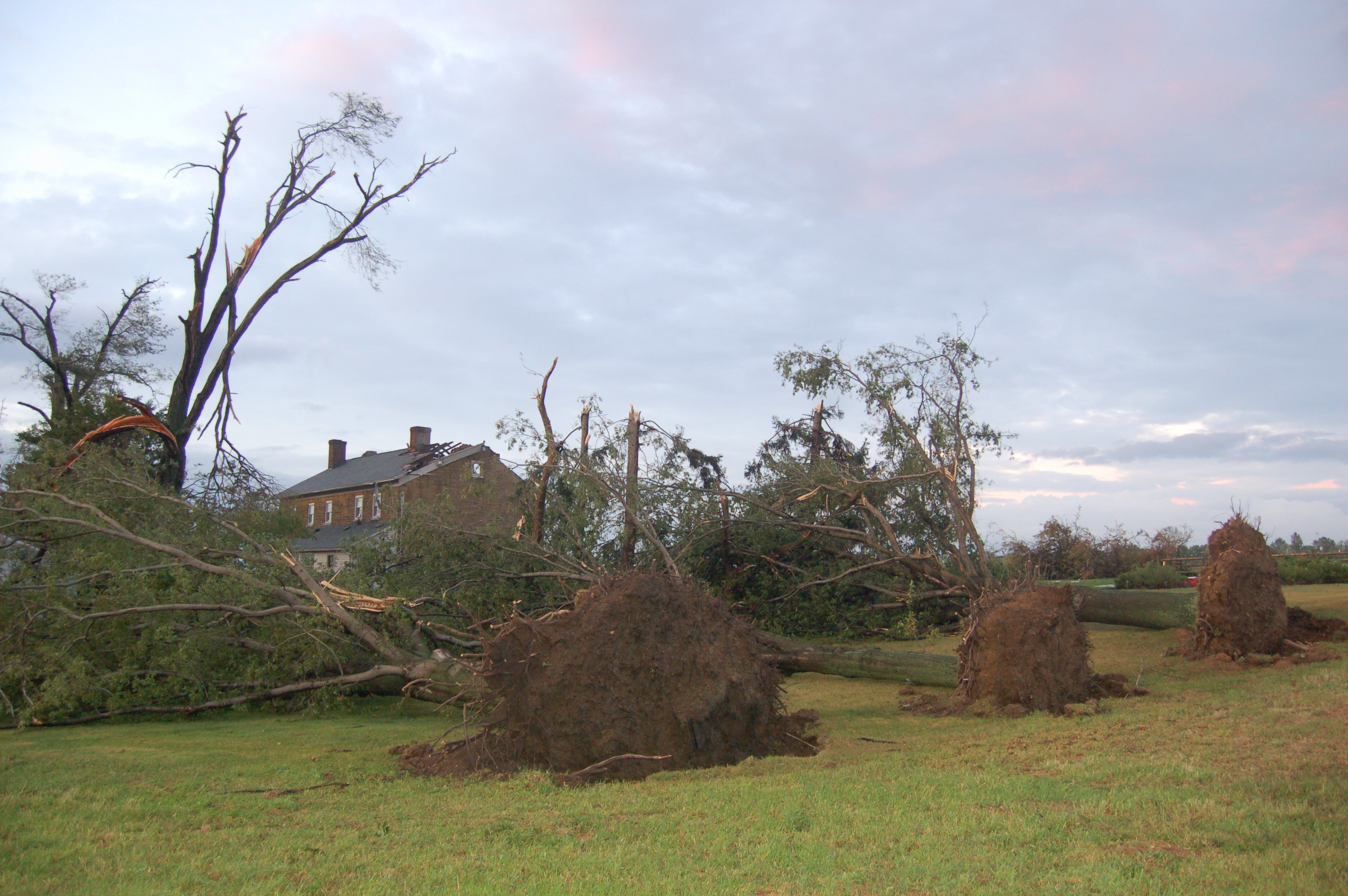
OARDC tornado damage by Bruce Stambaugh
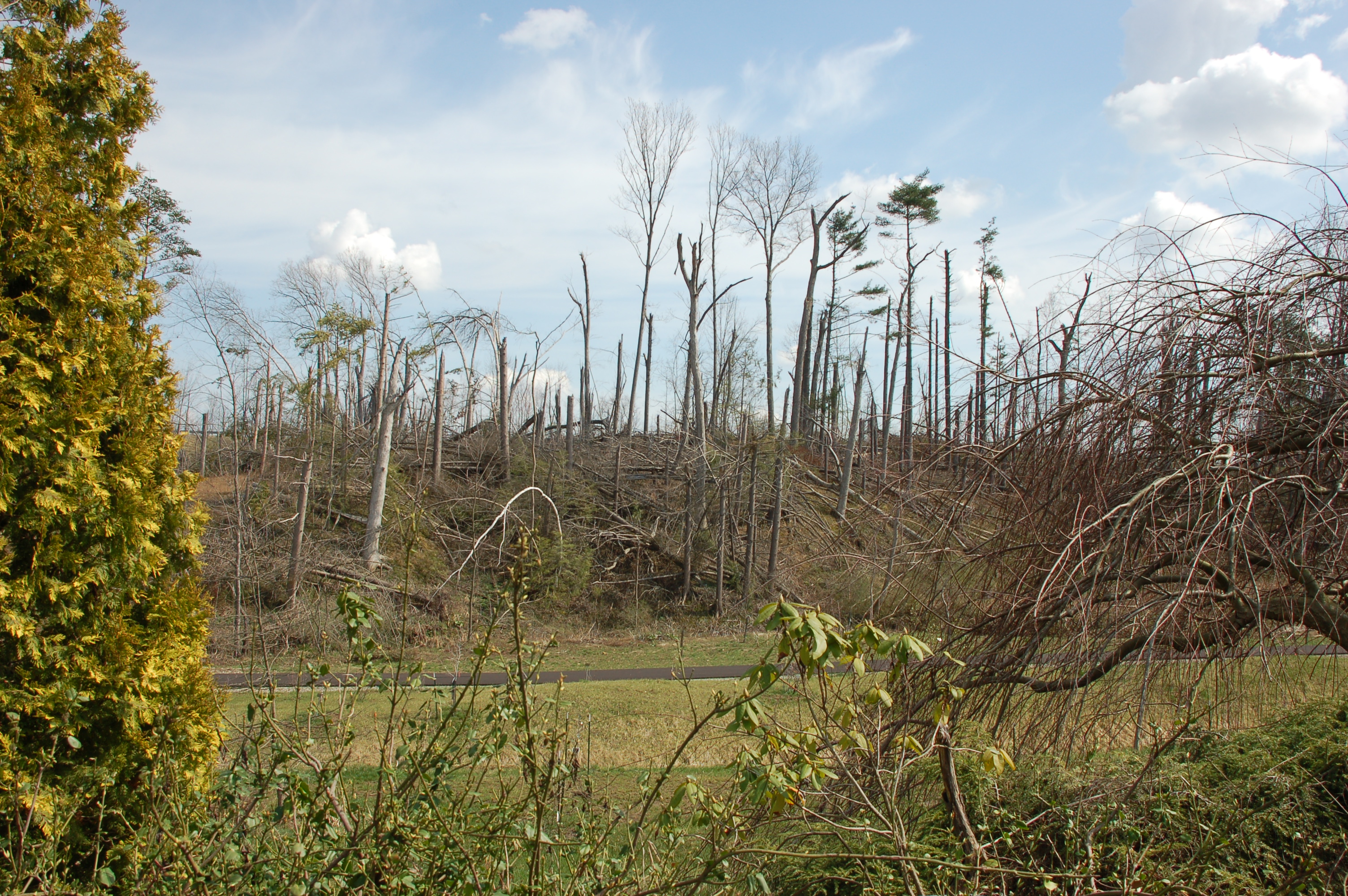
Tornado damage near the Barnhardt Rice House on the Ohio Agricultural and Research Development Center in Wooster, Ohio on the evening of Sept. 16, 2010.

Historic buildings were ripped apart. Vehicles had been smashed and tossed like toys. Giant, beloved trees were snapped, toppled and twisted. It was overwhelming to see this peaceful place resemble a war zone.

It was nearly dark by the time I had circled back to the famous and popular gardens. Trees that had stood as sentinels over the flora and fauna had been sheared off or completely twisted out of the ground.

I thought of the many good times past when we toured the gardens with family and friends, admiring the marvelous variety of plants, flowers and trees. Those memories made it all so heart wrenching.

Like thousands of others, researchers and visitors alike, I loved the place. The EF2 tornado stole that, too. I knew that restoration had begun almost immediately. But I wondered if Secrest would ever be the same.

Flowers and stump by Bruce StambaughBuoyed by the unusually warm weather, I laid aside my fears and drove in. As soon as I exited my vehicle, familiar sights and sounds were instantaneous. Young trees had been planted, some adjacent to the sawed-off stumps, testimonial tombstones to those once towering trees.
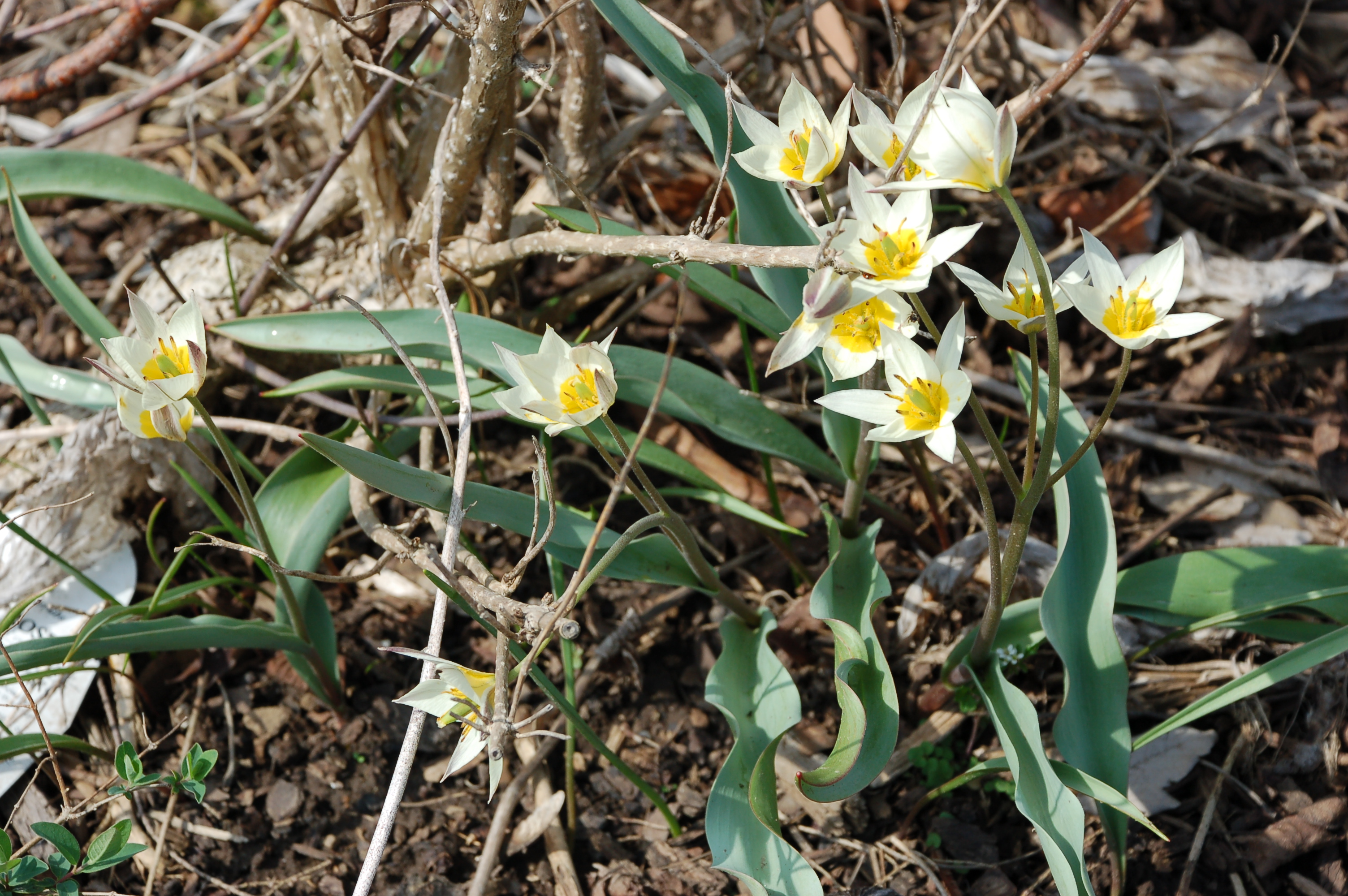
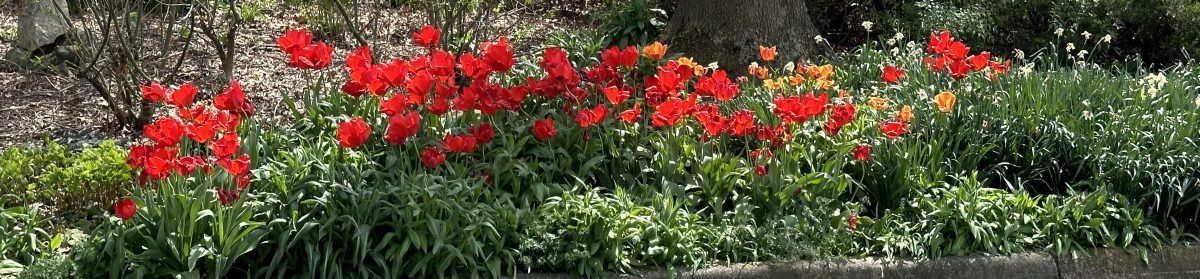
Exotic tulips by Bruce StambaughThe early onslaught of warm weather had coaxed the blossoming of many flowers and flowering trees. Crocuses, daffodils, hydrangea, forsythia, magnolia and even an exotic tulip were all blooming, some well ahead of schedule. Workers were busy trimming out last year’s dead growth while construction crews continued to repair, replace and expand the lovely gardens.

ricehousebybrucestambaugh
The Barnhardt Rice House is repaired and back in use.
It was a pleasure to walk the paved pathways to explore the remake. I wasn’t the only one to notice the fragrant flowers. Huge bumblebees and honeybees gorged on the nectar of the new blossoms. Mocking birds flushed from one bush to the next, staking out nesting preferences.

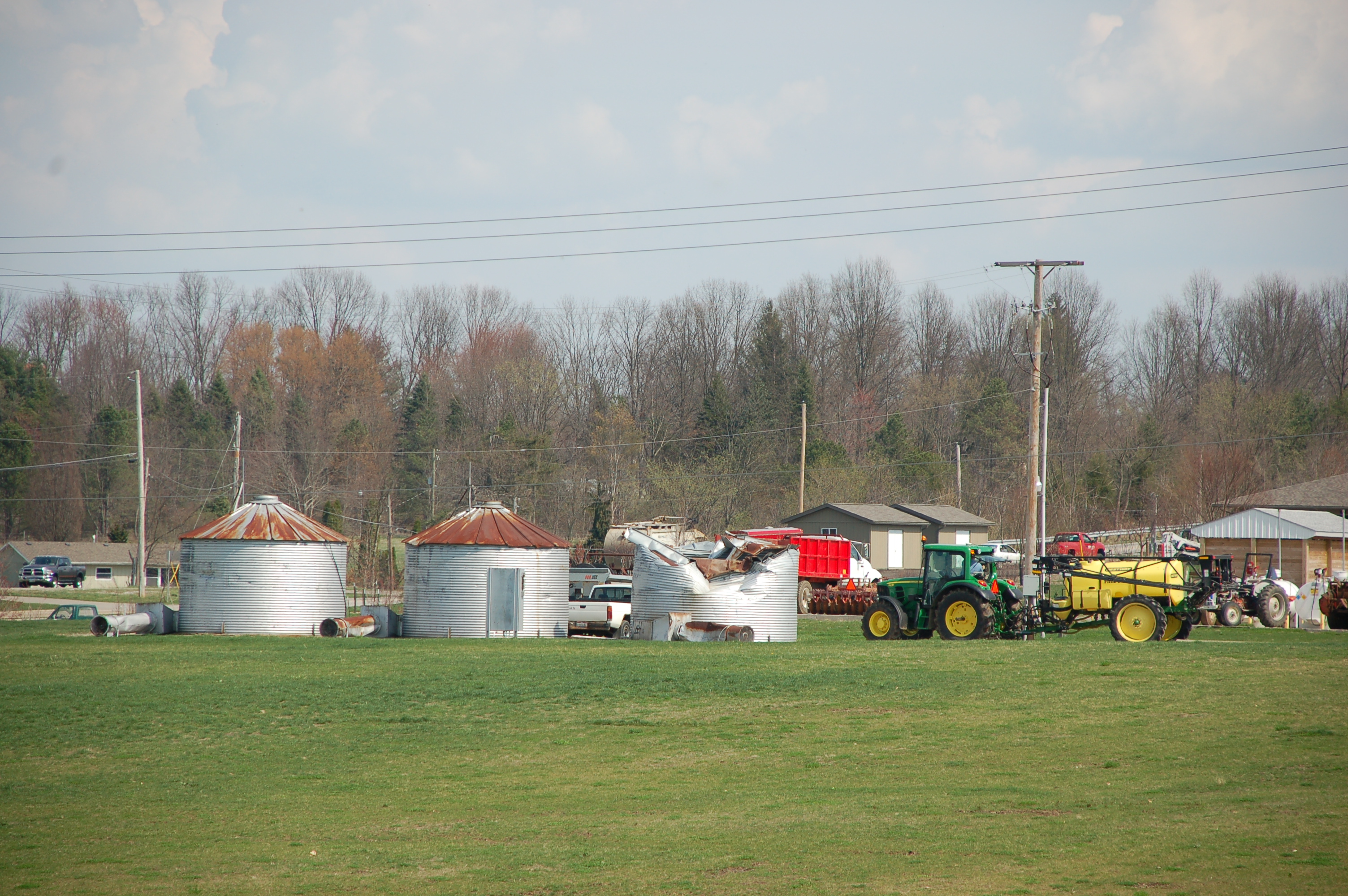
It was also nice to see some of the campus building restored, refurbished and back in use. Others, however, remained much as the tornado had left them.

Damaged silos by Bruce Stambaugh
Silos on the OARDC campus stand as they were after being hit by a tornado Sept. 16, 2010.

The restoration of Secrest Arboretum is a work in progress to be sure. In some sections, tornado twisted and toppled trees remain within eyeshot of the ongoing transformations.

The contrasts of nature’s stark fury and inspiring revival filled my soul. In the midst of this resurrection season, Secrest and I were both healing.

Restored and damaged by Bruce Stambaugh
While many areas of the arboretum have been restored, sections of large trees downed by the tornado remain.

Ornithology is for the birds

Wood Storks by Bruce Stambaugh
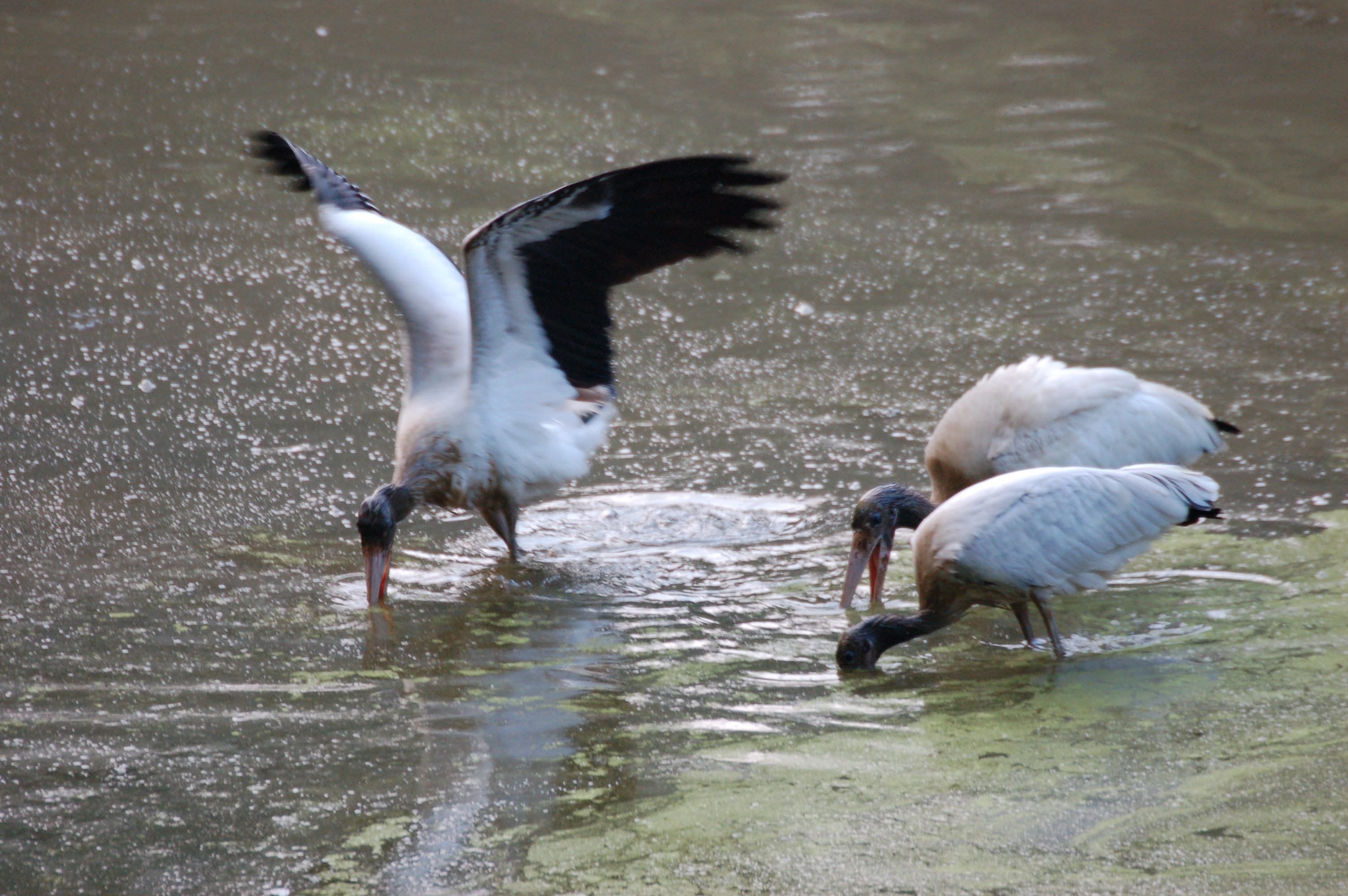
These Wood Storks appeared in a marshy area in Coshocton Co., Ohio in August 2008. They normally are coastal birds in the southern U.S.

By Bruce Stambaugh

More often than not, birders take it on the chin just for being birders. Compared to football, American or Australian, it’s not exactly a contact sport, at least in the physical sense.

Birding is, however, very popular worldwide. That might be because of the many amenities that bird watching affords, and those that it avoids, like unnecessary roughness.

Why is birding so universal? Let me count the ways.

Birding is fun. Birding can be enjoyed by all ages. Birding doesn’t require a lot of expensive equipment, though you can spend big bucks if you so choose. Birding can be free. The birds come to you.

Black Vultures by Bruce Stambaugh
The owners of this camper probably didn't expect to get this friendly with these Black Vultures.

Birding can be enjoyed year round. Birding is an inclusive activity. Birding can be enjoyed by persons of any age. In fact, it is not uncommon to find entire families enjoying the sport together.

Birding is addictive, turning that usually negative word on its head. Once you learn a little about birds, you intuitively want to know more.

Birding is interactive. Birds get to know you. You get to know the birds.

Green Herons by Bruce Stambaugh
I had the luxuary of observing this pair of young Green Herons from my back porch.

Birding can be done anytime anyplace, hiking, biking, sitting, traveling, on the beach, in the woods, on vacation, or while at work. All are good times to “bird.”

Birding not only introduces you to new species. You make new friends while enjoying an outing, too.

Birding is both personal and interpersonal. You make your own sightings, but immediately share the information with other birders to verify the identification. Others do the same for you. Birding it is both a sociable and a social sport. It is a whole lot more fun done with others than alone.

Birders by Bruce Stambaugh
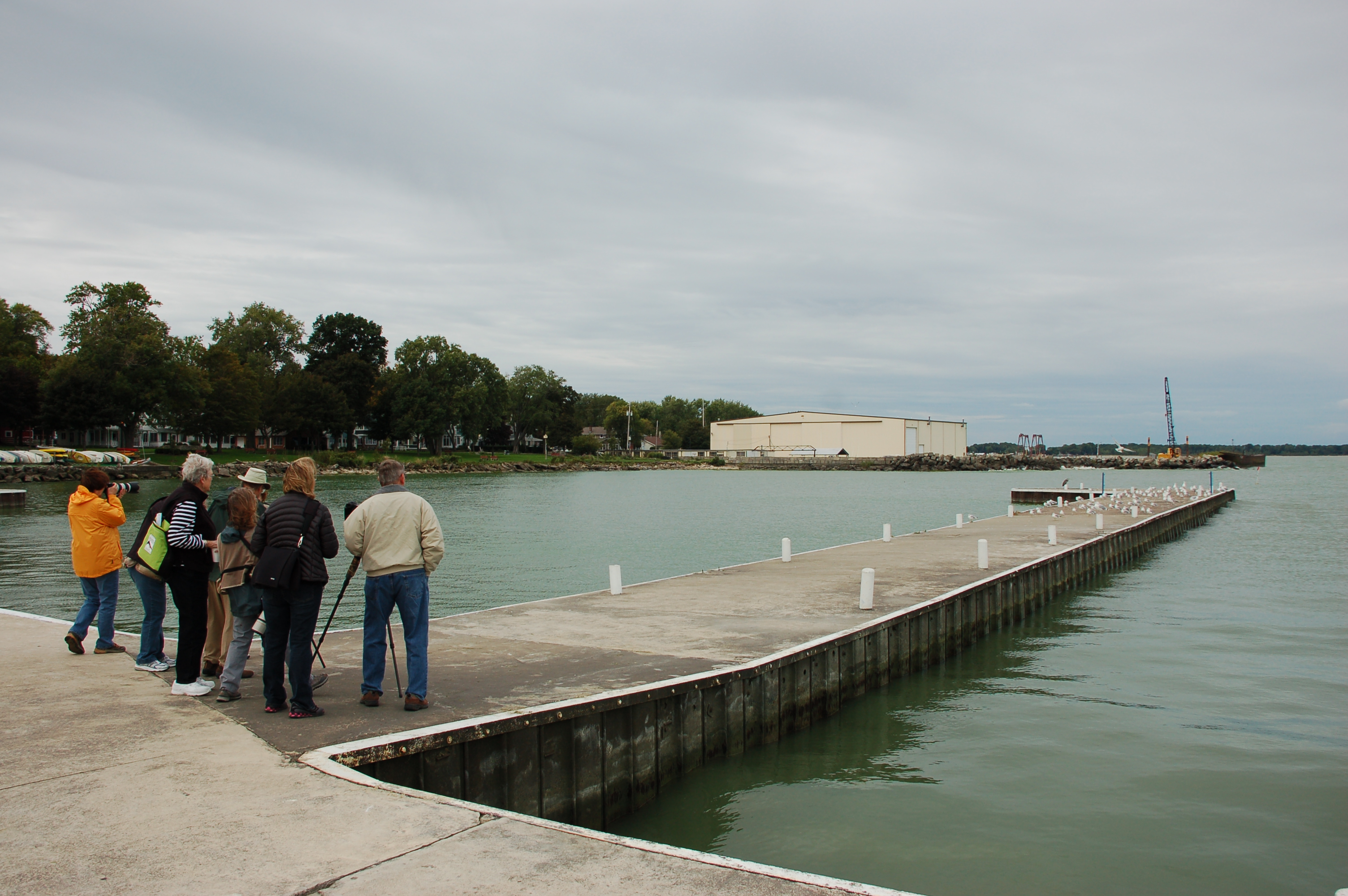
Birding is a social sport, best enjoyed in the company of other birders, whether novice or experts.

Believe it or not, birding can and does get competitive, but in a good way. Many birders compile a life list, an accounting of all the bird species they have ever seen, which includes when and where.

When a rare bird is spotted, birders shun selfishness. They call other birders or have it posted on a bird alert website. Soon scores of birders show up hoping to see the rarity for themselves.

White-winged Crossbill by Bruce Stambaugh
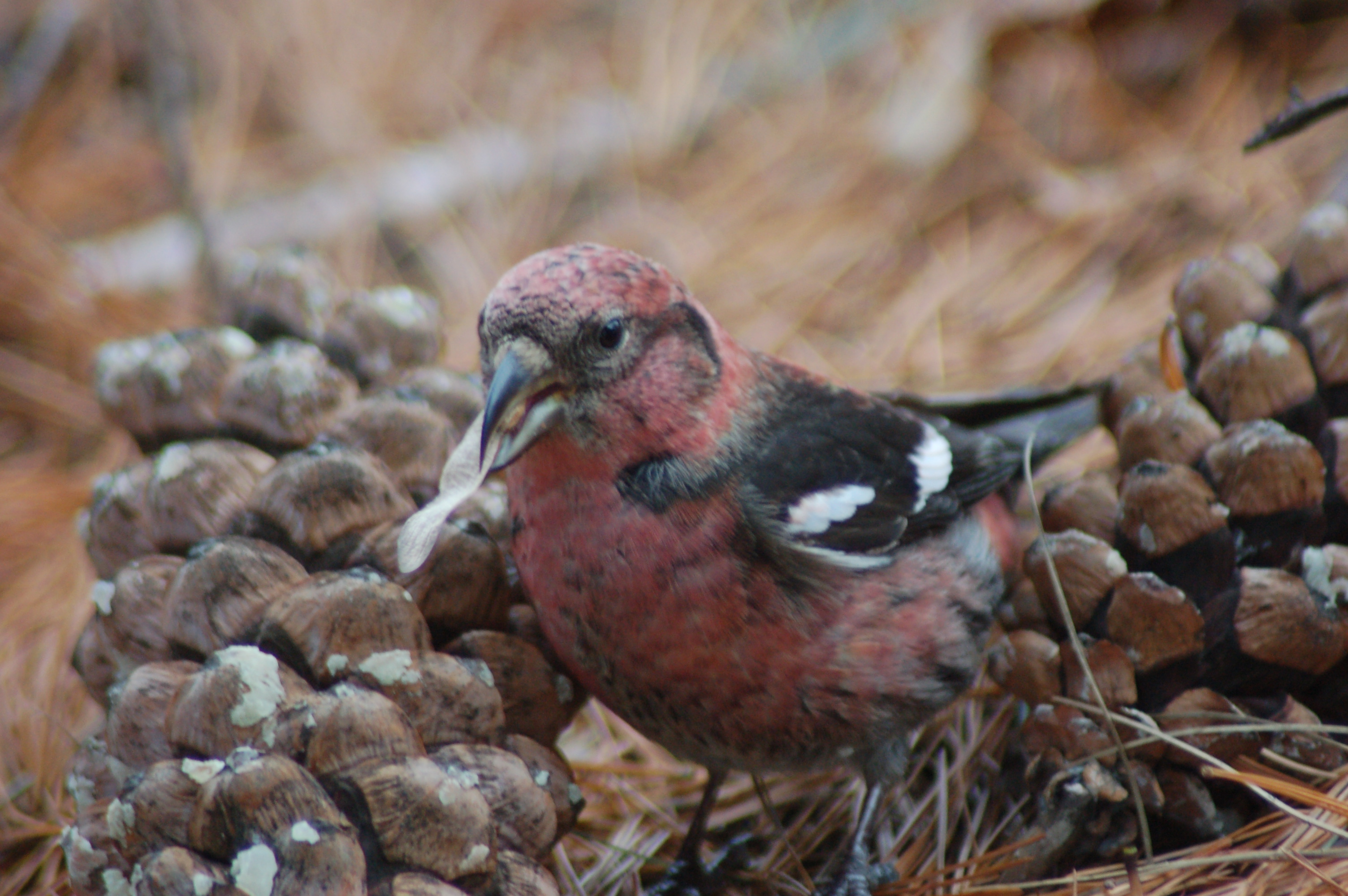
A flock of White-winged Crossbills spent a few days in the Holmes Co., Ohio area in March 2009. They migrated from pine grove to pine grove, including the one in my own backyard.

When a quartet of Wood Storks, birds usually found in Florida, appeared in Coshocton Co., Ohio awhile back, someone asked me if I had seen them. I hadn’t. They gladly gave me directions and I was ready to go. But I didn’t go alone. I filled my van with other birders, three generations who wanted to see the storks, too.

Birding leads to hospitality. You welcome birds by feeding them. You greet and meet other birders if you have a rare bird arrive, even having them sign their names and where they are from. That’s just common etiquette among birders.

Tree Sparrow by Bruce Stambaugh
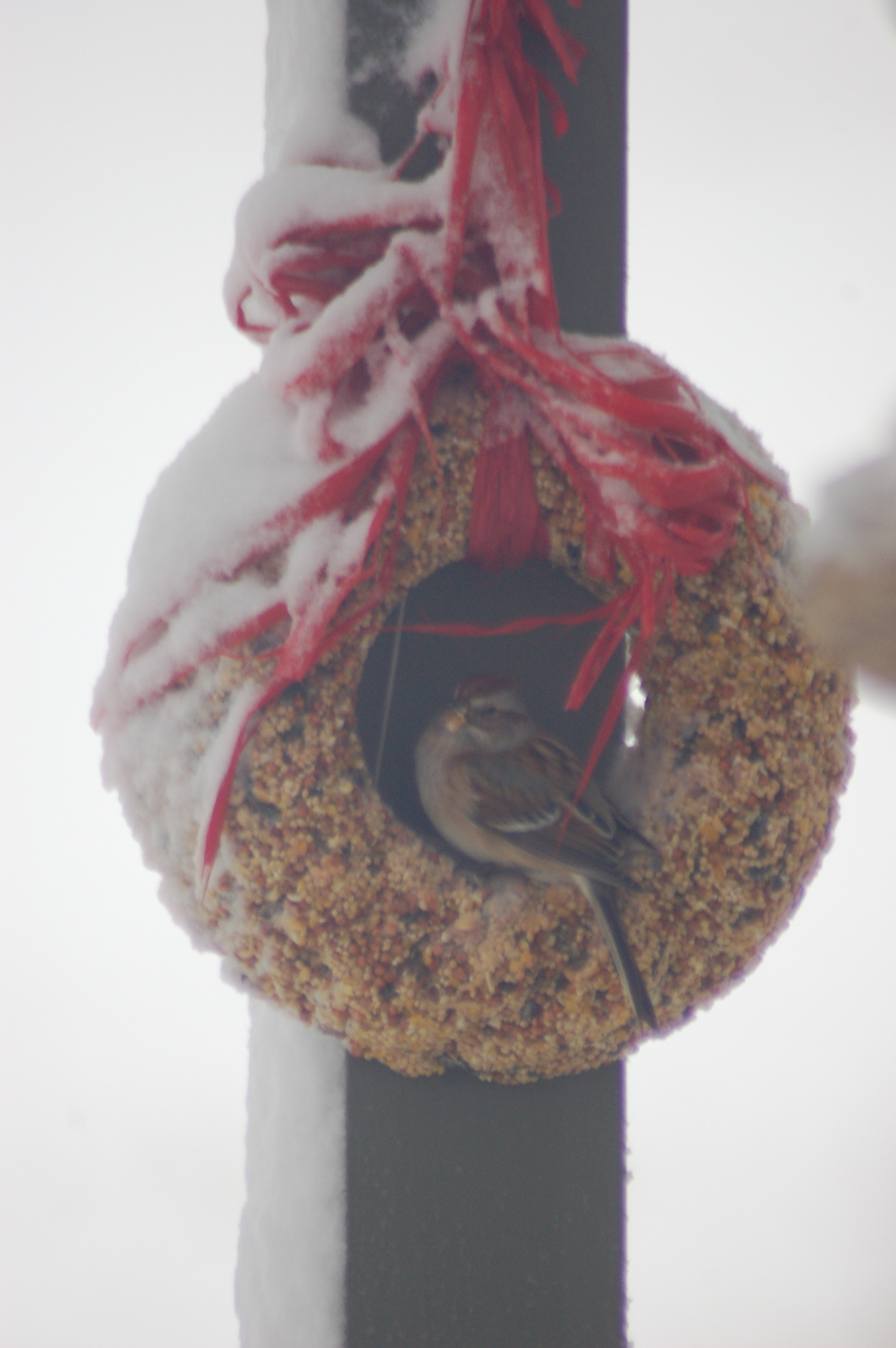
This Tree Sparrow found the perfect refuge from a harsh winter's storm.

Birding invigorates your senses. The range of songs and calls of birds are often heard before the birds are seen. The amazing array of bird plumage dazzles the imagination.

Birders are polite and follow directions. Hundreds of birders from 37 states and 10 countries attended the Midwest Birding Symposium recently in Lakeside, Ohio. A Lakeside resident was impressed that the birders actually stopped for stop signs.

Birders are clean and emphasize being green, preferring reusable water bottles to disposable plastic ones. Birders are nice to others and the environment.

Birders are teachers. They are happy to share what they know and see.

For the birds by Bruce Stambaugh
This vanity plate leaves no doubt about the hobby of this driver.

Ornithology is the scientific study of birds. Given all their positive characteristics, the study of birders could be labeled “civility.” Birders clearly are their own special flock.

An empty nest is a good thing

By Bruce Stambaugh

We humans can learn a lot from bird behavior.

A pair of Rose Breasted Grosbeaks had frequented a backyard hanging feeder filled with sunflower seeds for much of the summer. Time and again they ferried nourishment to their young somewhere deep in the woods. When they were ready, the young fledged and flew the coop. The nest was empty.

Rose Brested Grosbeak by Bruce Stambaugh
A male Rose Breasted Grosbeak at the oil sunflower feeder.

My wife and I knew early on in our child rearing that the day would come when our daughter and our son would both be gone. They would grow up and begin lives of their own. That’s as it should be.

The main role of parents is to raise your children the best you know how, imperfectly to be sure, and then let them go. They are adults. They can use their own wings to fly through this crazy world of ours.

Still, I have encountered parents who long for the days when their children were younger. They just can’t give them up, even though they are adults. The comments have not only come from newbie nesters, also known as helicopter parents, who hover over their college freshmen. Veteran parents whose “children” left long before our own also seem melancholy.

Empty nest by Bruce Stambaugh
No post about the empty nest would be complete without a picture of an empty nest, in this case a House Wren's nest in an Eastern Bluebird box.

Ideally, the child/parent relationship should go something like this. As infants, the children are totally dependent on the parents. As they grow and mature, they change from children to young adults, responsible for their own actions.

By their late teens, the kids may go off to college, like our children did, or simply leave home to begin life on their own. It is at this critical point in the family relationship cycle that parents need to freely release their offspring.

Unfortunately, given the current extended downturn in the global economy, jobs are harder to come by. The reality for some is that out of financial necessity adult children and sometimes grandchildren have had to move back in with parents and grandparents.

In the 16 years since our nest has been empty, my wife and I have had opportunities to travel without the constraints of busy teenagers’ schedules. More often, we have simply enjoyed our quiet times together. Of course we continue to interact with our grown children and the grandchildren as frequently as we can. But we have also learned to give them their own space.

Flower garden by Bruce Stambaugh
My wife gets many compliments on her beautiful flower gardens.

The empty nest has had another unexpected benefit. My wife and I have also rediscovered one another, and learned to enjoy our own hobbies and interests. Some we do as a couple. Others, like gardening for Neva and birding for me, we enjoy separately. We have gained individually and as partners.

I know humans have a higher calling than birds. Birds at least instinctively know that their role as parents is to sit on those eggs until they hatch, feed the chicks until they fly, teach them how to forage for food and to fear predators. After that, they are generally on their own.

For me, that’s where the comparison tilts to our advantage. We should strive for interdependence with our adult children, keeping in contact with them, always loving and communicating with them, without controlling or smothering them. Achieving that optimum goal can help combat the emptiness of the empty nest.

A healthy, nurtured interdependence between parents and adult children can result in the empty nest being a good thing for all involved, birds included.
Family by Bruce Stambaugh

Bay Photos by Donna

Wildlife Photos From The Chesapeake Bay Region

ROAD TO NARA

Culture and Communities at the Heart Of India

K Hertzler Art

Artist and nature journalist in the Shenandoah Valley of Virginia.

Maria Vincent Robinson

Photographer Of Life and moments

Gabriele Romano

Personal Blog

Jennifer Murch

Art is the only way to run away without leaving home. -Twyla Tharp

Roadkill Crossing

Writing generated from the rural life

ANJOLI ROY

writer. teacher. podcast cohost.

Casa Alterna

El amor cruza fronteras / Love crosses borders