Birds of Vacation

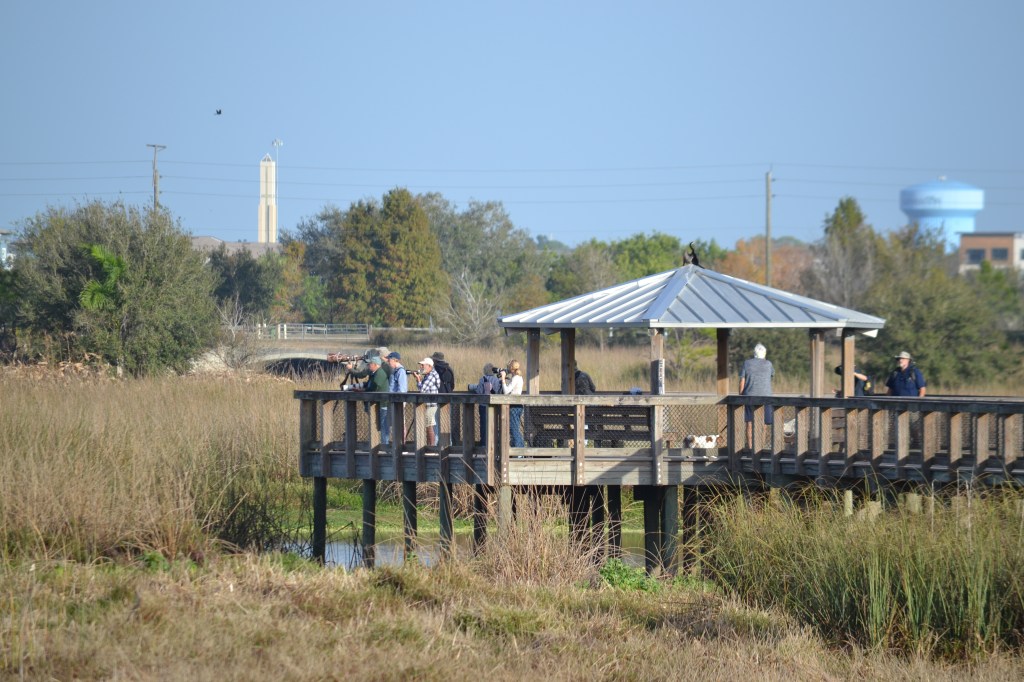
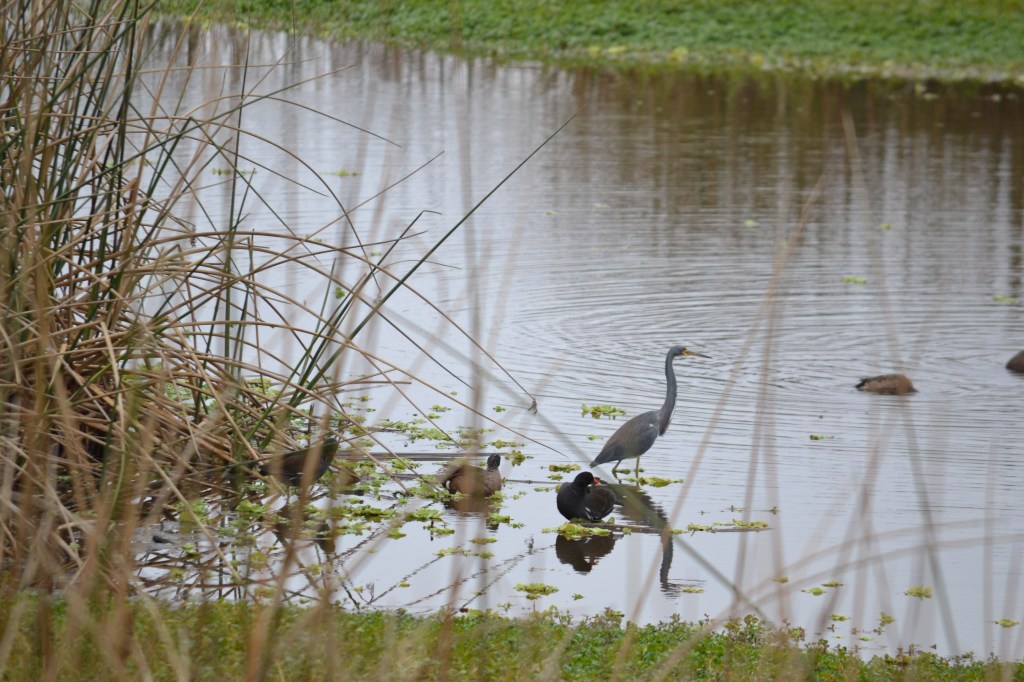
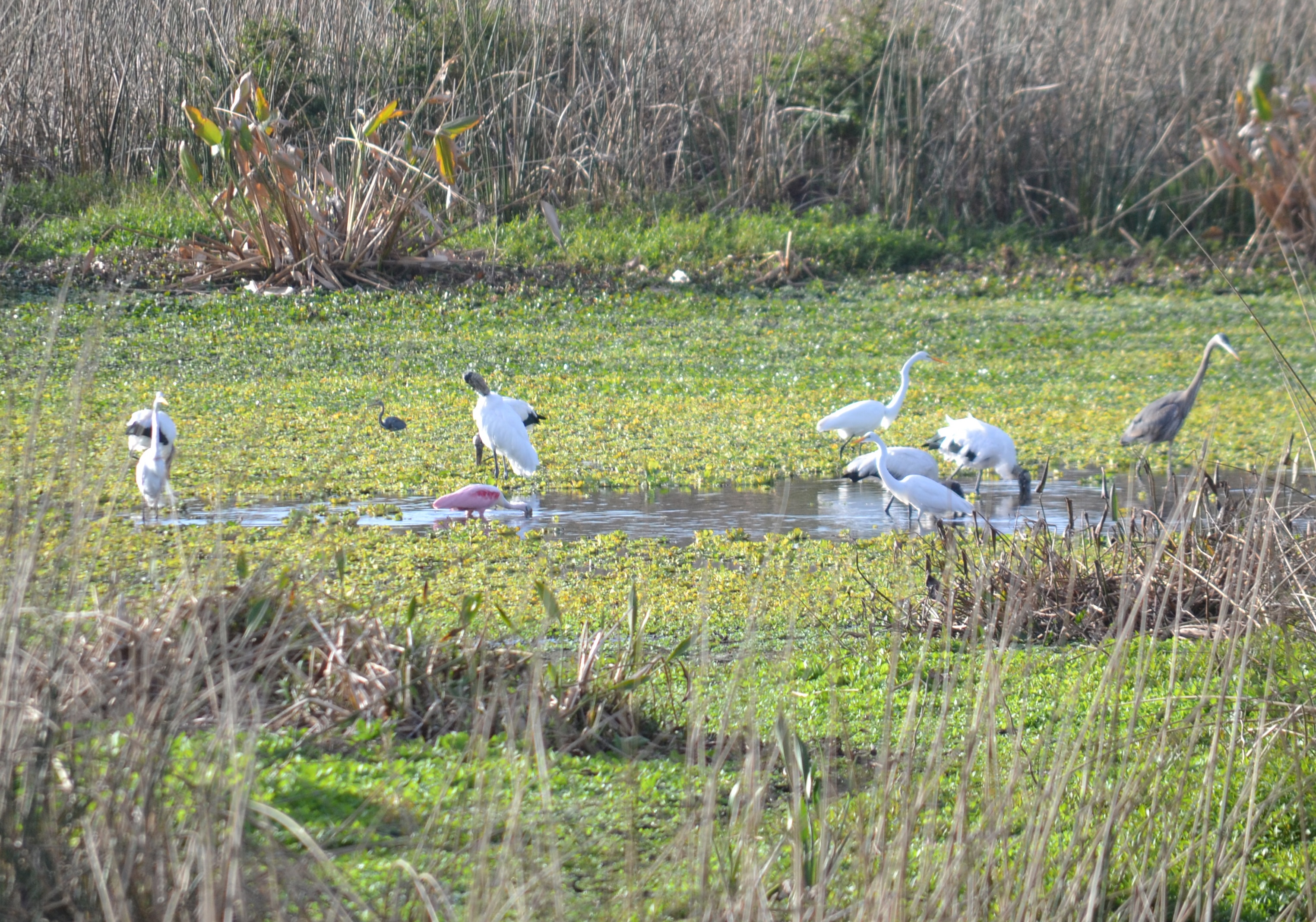
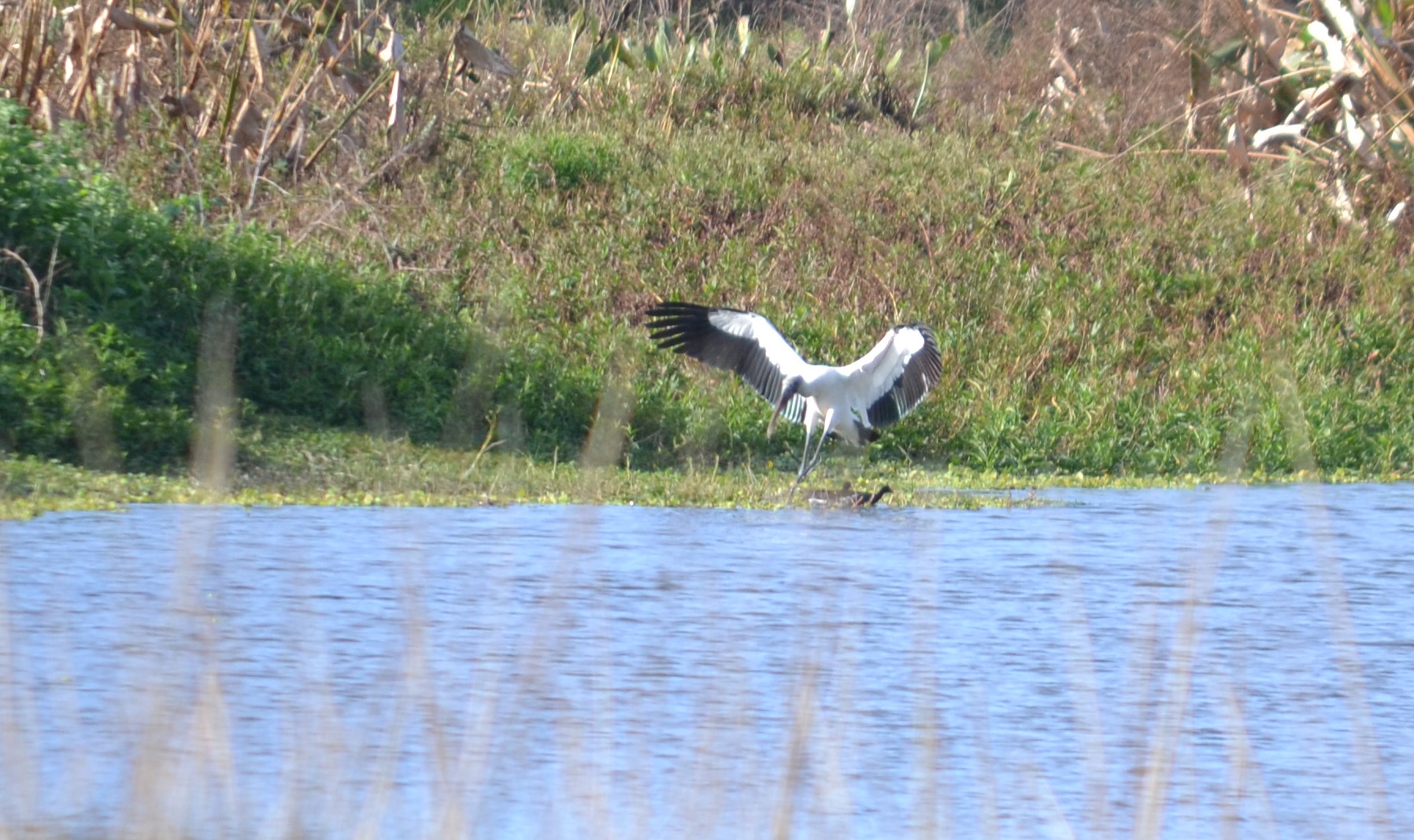
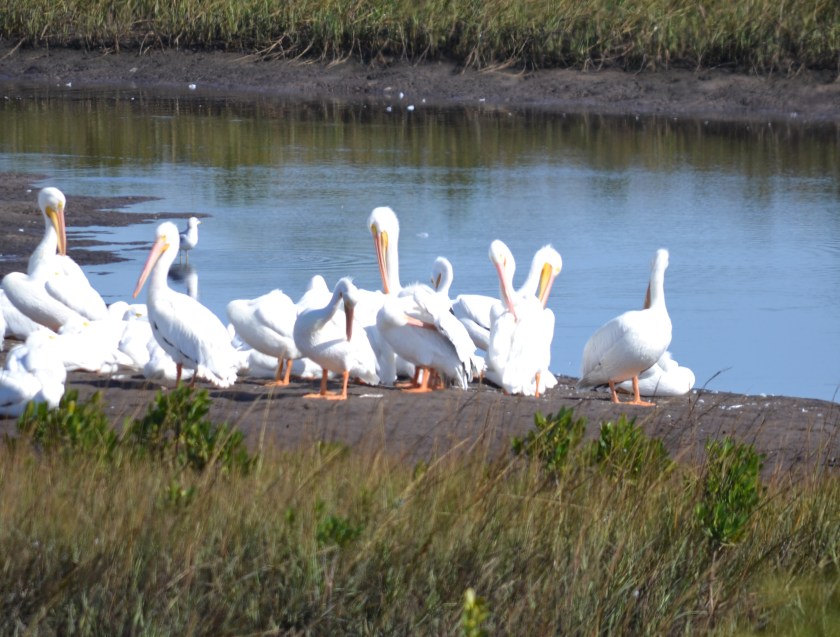
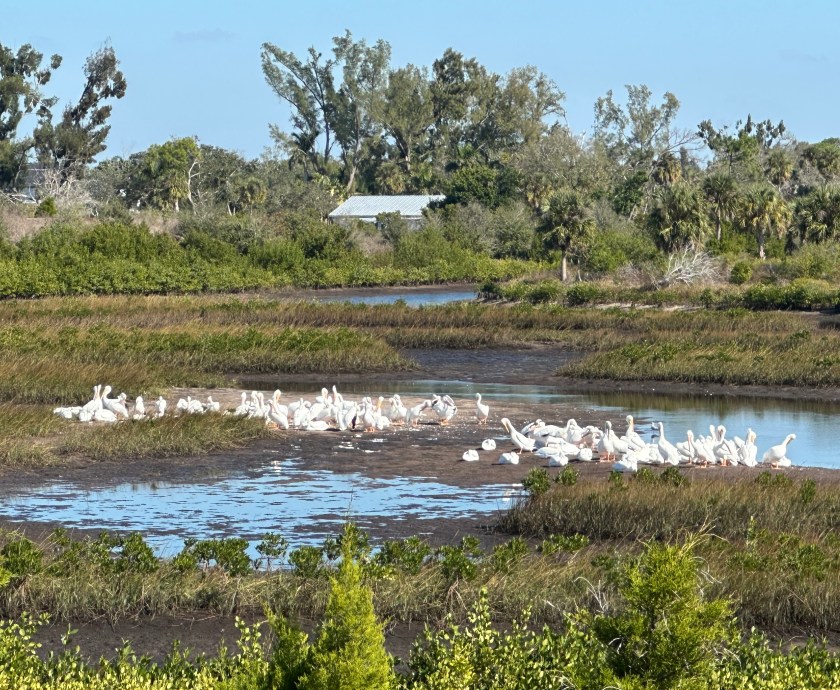
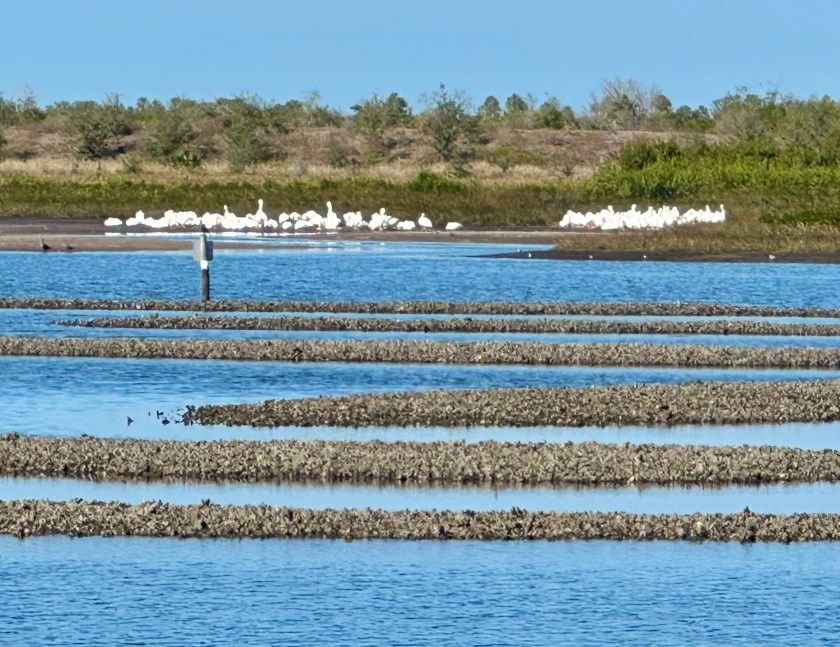
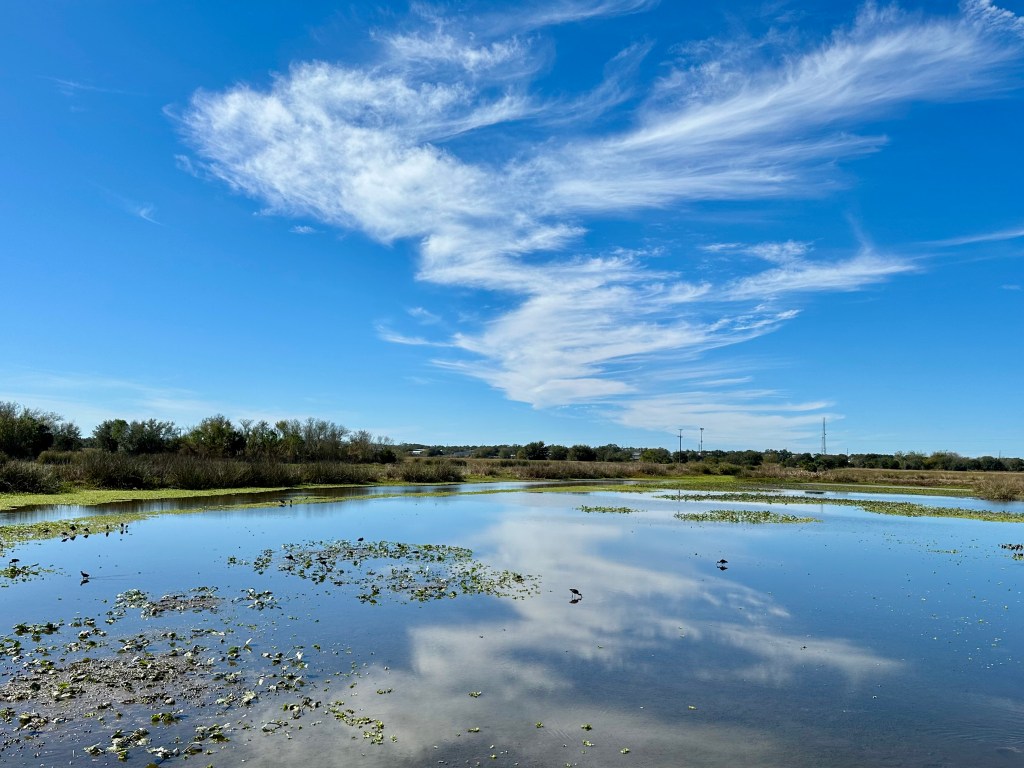
One of several large ponds at the Celery Fields, Sarasota, Florida. Photo by Bruce Stambaugh

I love birding. It’s one of my favorite hobbies, mostly because you can bird anywhere, anytime, including on family vacations.

My wife and I recently spent a week with our daughter’s family in Sarasota, Florida. That area is a birding paradise, with many parks, beaches, wetlands, and preserves that offer birding hotspots.

I knew I had to be considerate of what the others wanted to do. With three young adults, the beach would be a priority. So, I planned my bird-watching times accordingly so I could also spend time with family.

Since I preferred to bird in the morning, none of the others in our group of seven wanted to go with me, and I had no issue with going alone. I was sure to meet other birders on my outings.

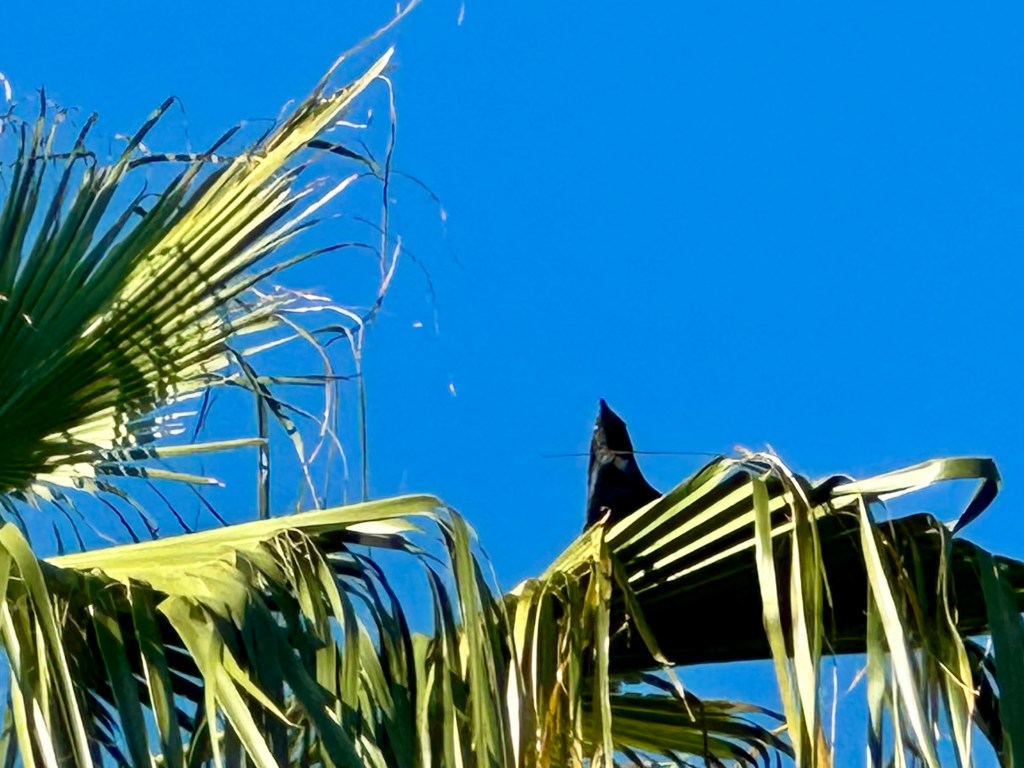
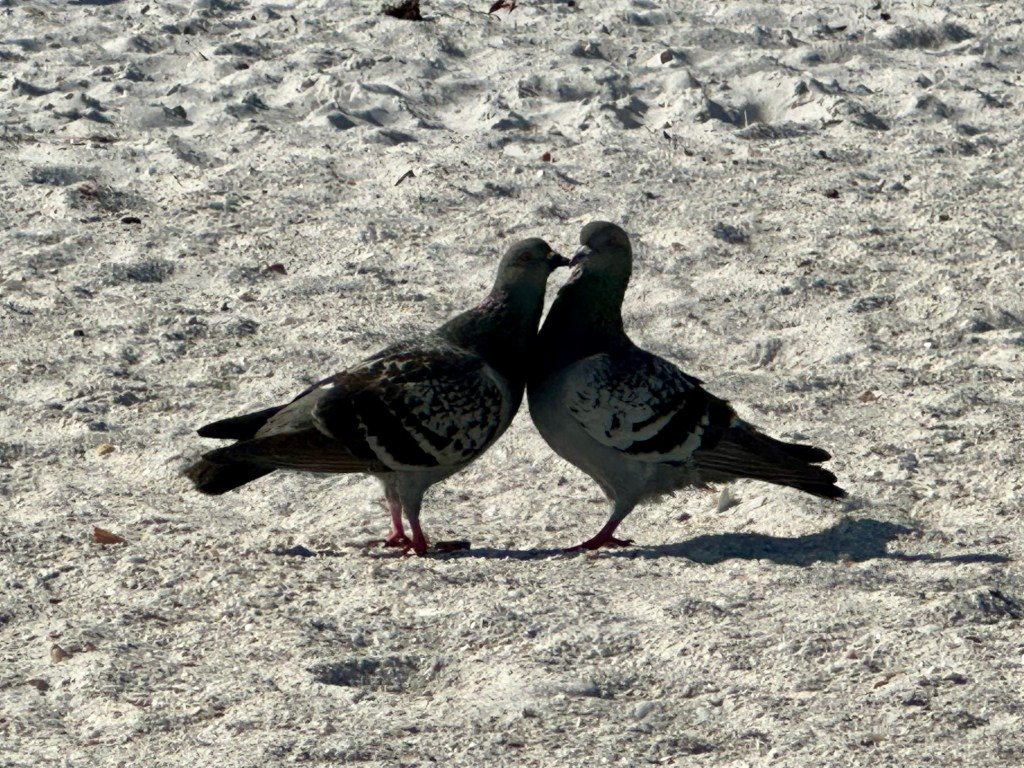
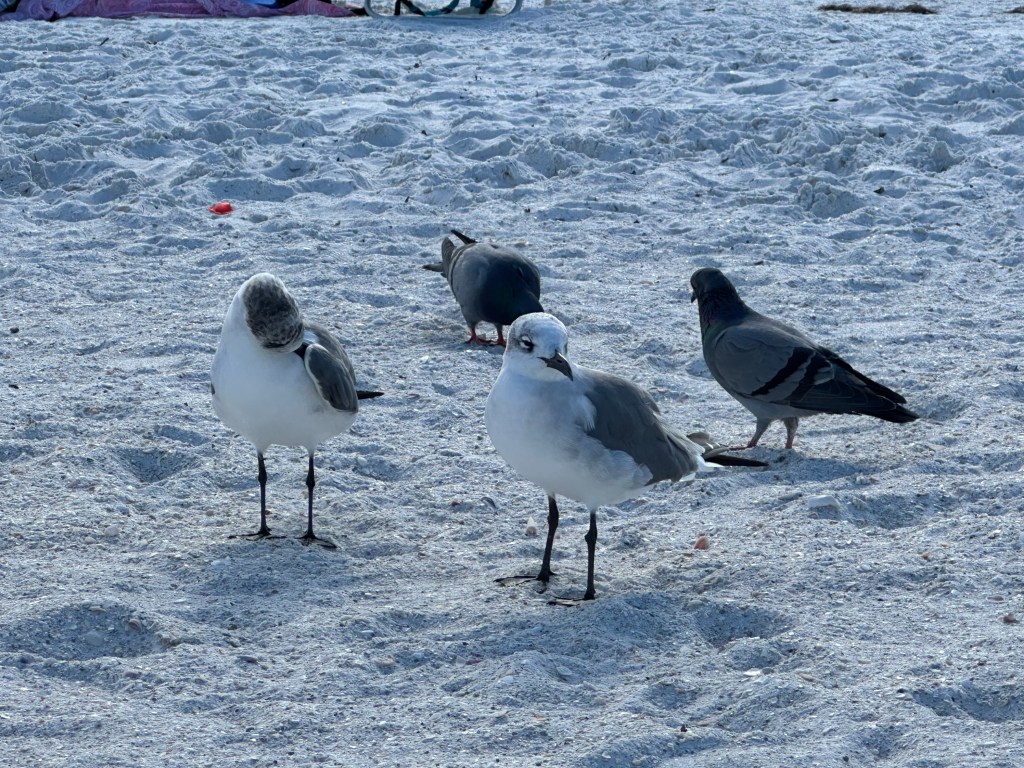
While the others sunned on the beach, I had my binoculars at hand to try to identify the gulls and shorebirds I encountered. Of course, I listened for and watched a few birds near the house we rented for the week.

The designated preserves and parks provided the best birding opportunities. I headed to the area’s best birding spot, the Celery Fields in Sarasota. The county-owned marshland got its name because 100 years ago, celery was actually cultivated in the 400+ acre plots.

Today, the Celery Fields are a multi-purpose property for residents and visitors in the Sarasota area. The Celery Fields serve as Sarasota County’s primary flood mitigation zone. The county recognized the importance of preserving wildlife habitat, and today has an Audoban Visitors Center run by a score of dedicated volunteers.

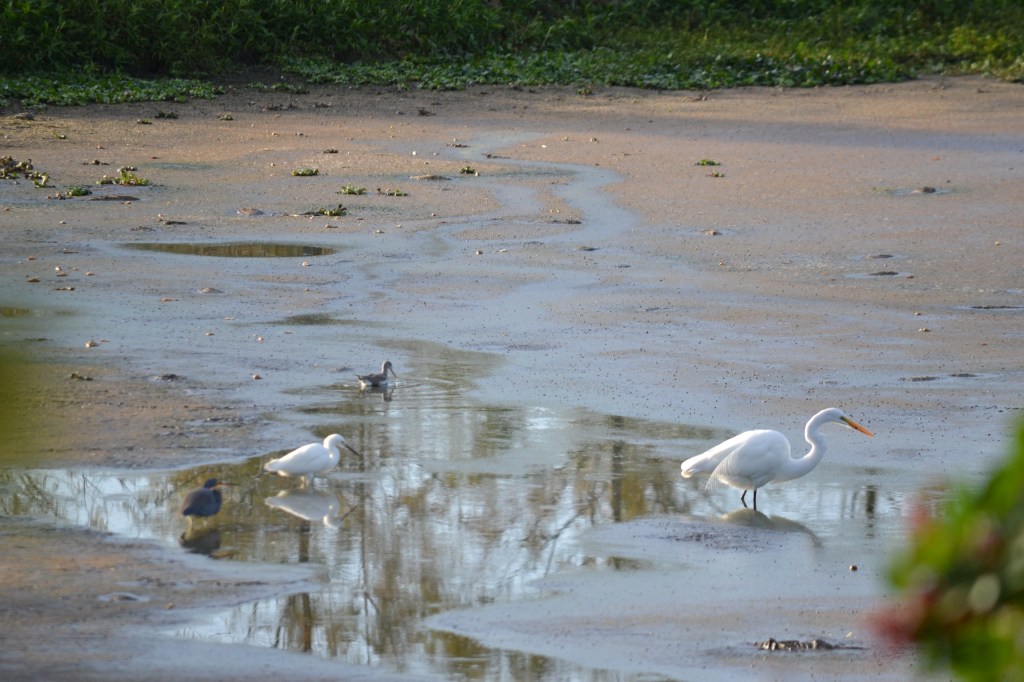
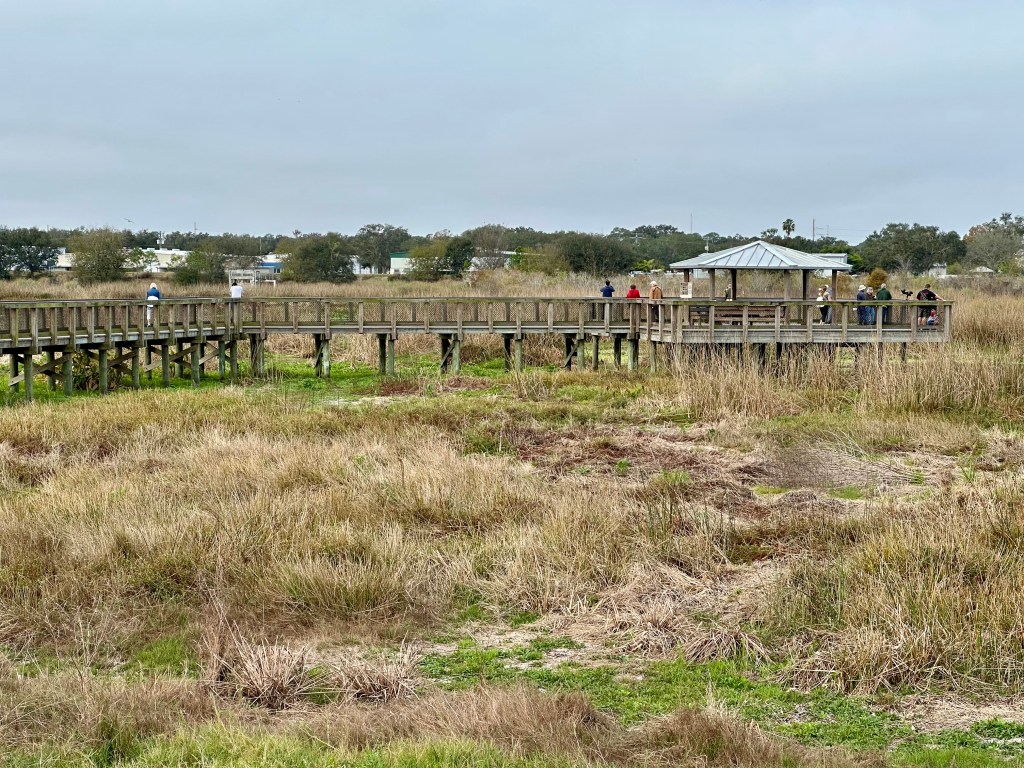
The different habitat areas of the Celery Fields.

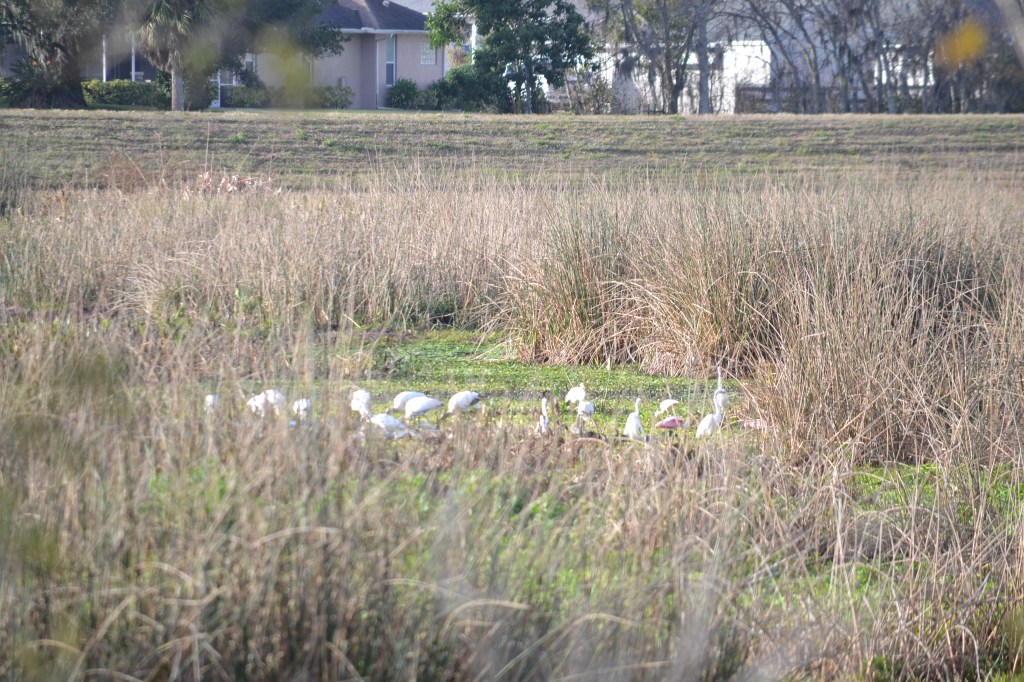
With areas of wetlands, mudflats, canals, ponds, a wide variety of marshland vegetation, and treelines, the Celery Fields attract several species of birds and wildlife. It’s a birding magnet for people like me.

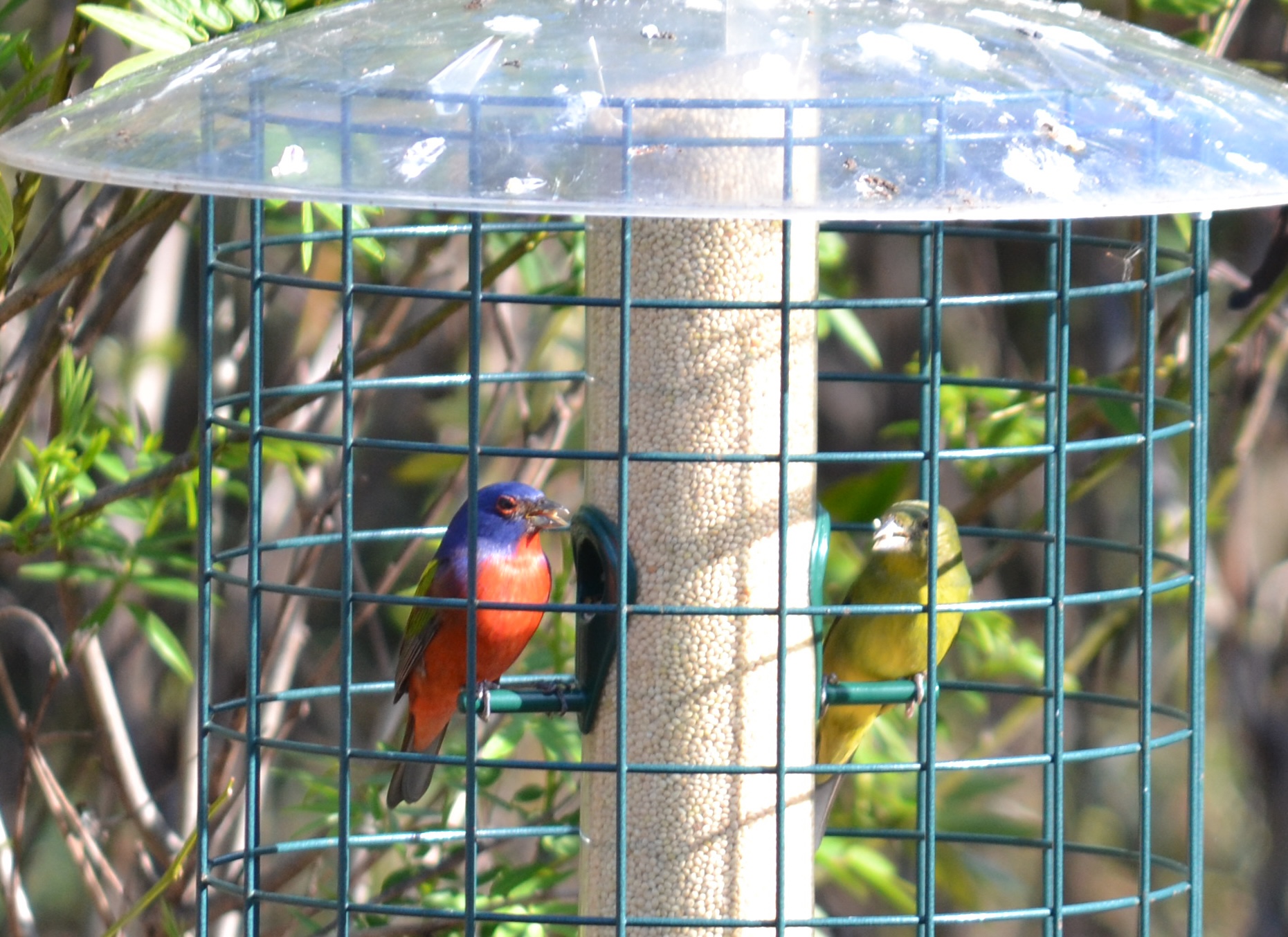
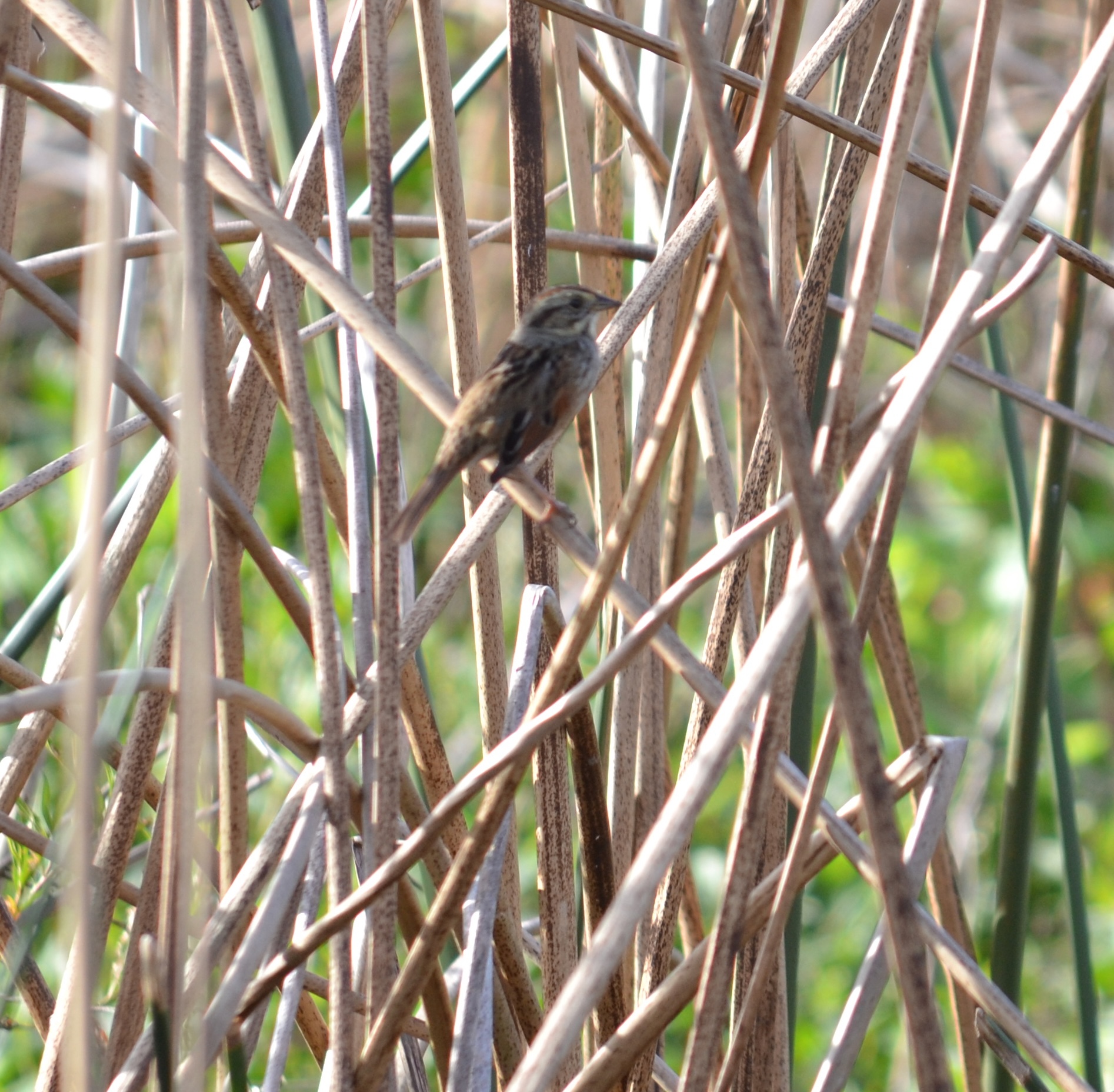
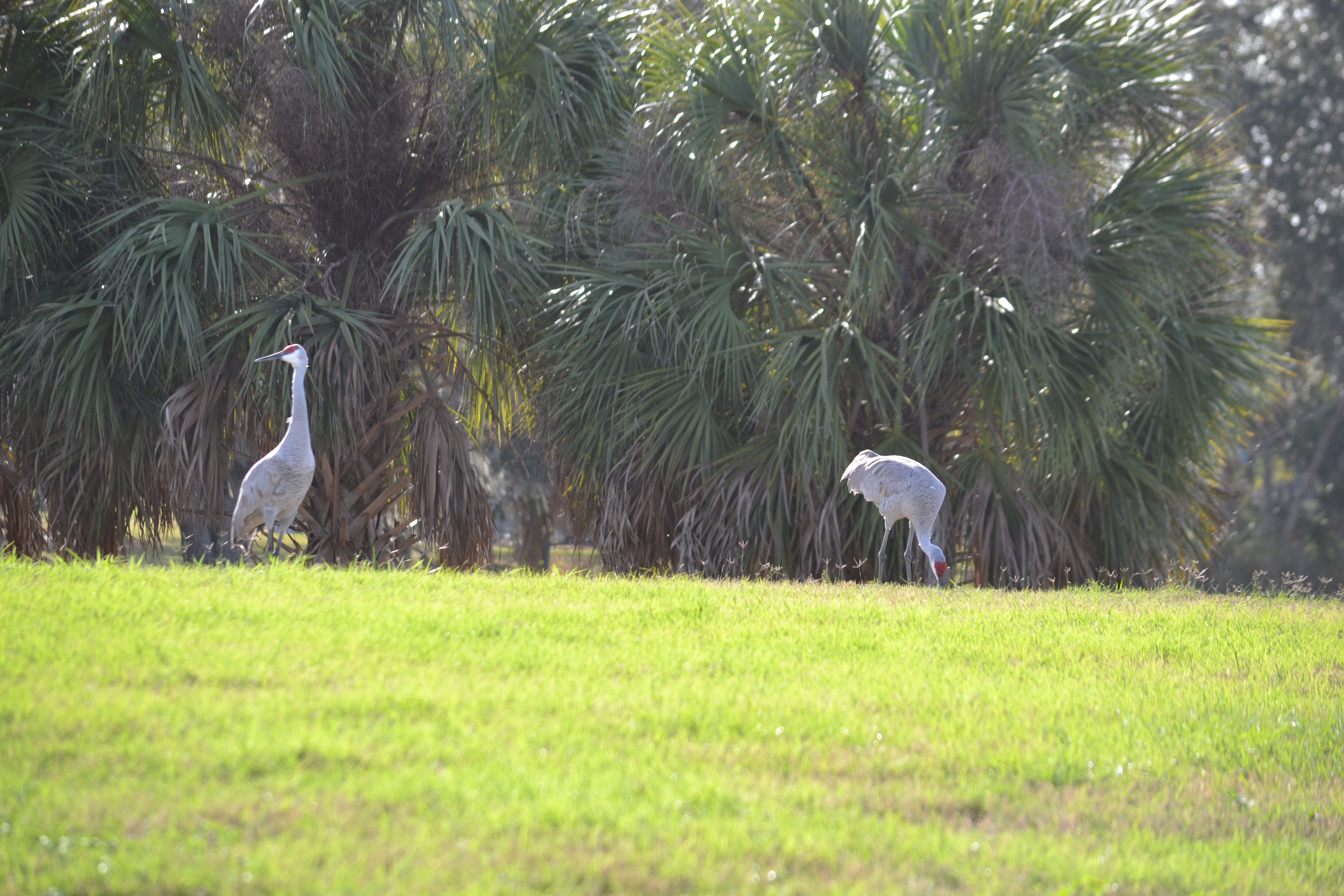
I visited the Celery Fields three times, aiming to see my spark birds, the gorgeous Painted Buntings, the social Sandhill Cranes, and the attractive Roseate Spoonbills. I got to see those and much more.

I also checked out two preserves along the coast near Bradenton. The first was small, and the other massive. Both had the kind of small trees, tropical vegetation, and wetlands that attract several species of birds.

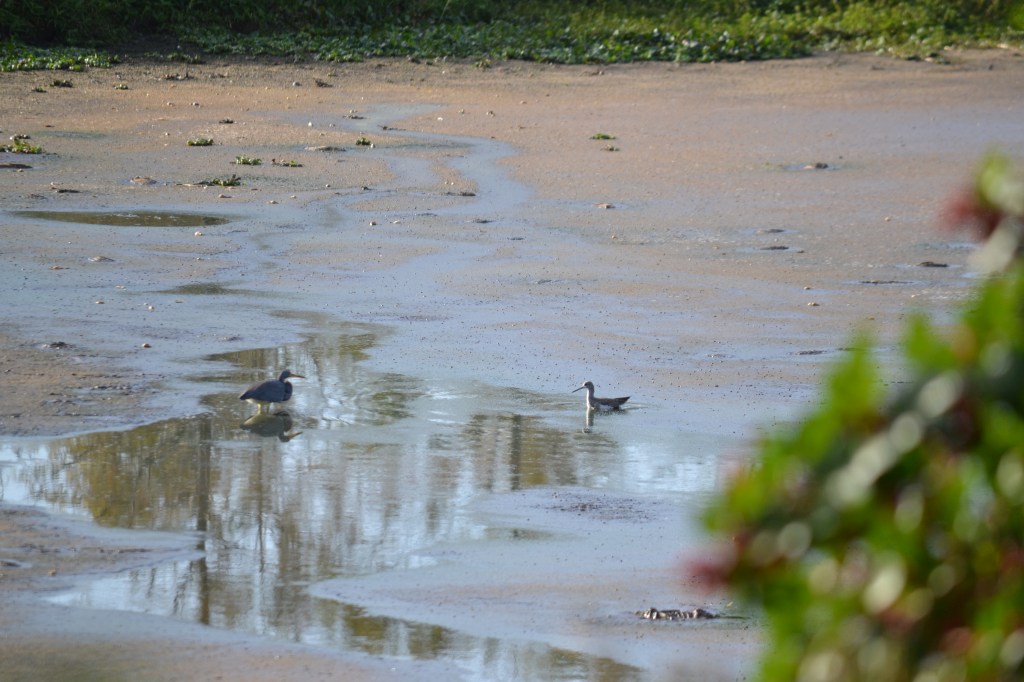
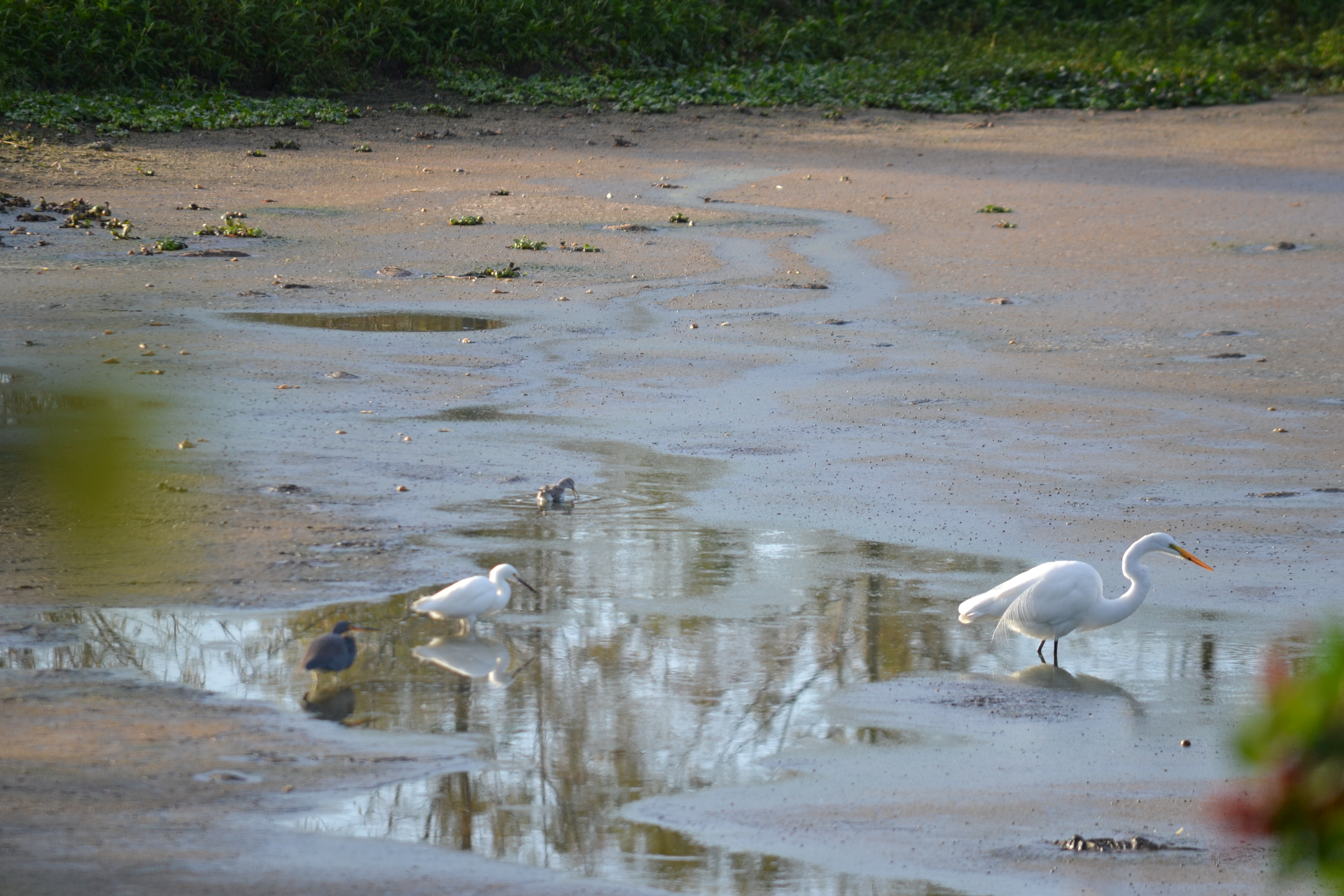
However, rainfall in Florida has been far below normal, and many areas of wetlands have dried up, forcing birds and other wildlife into small pools of water.

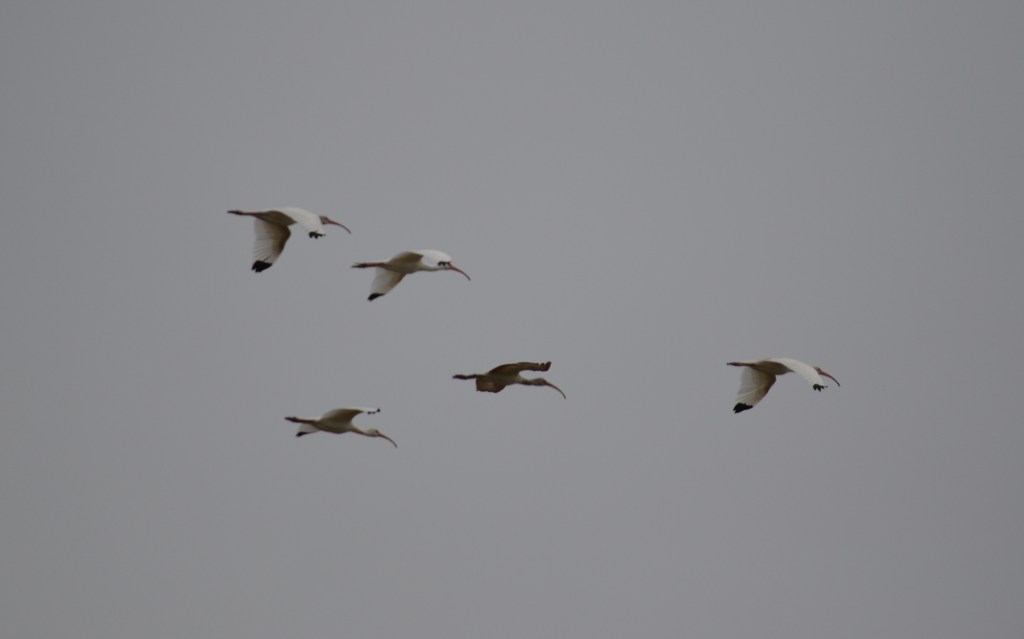
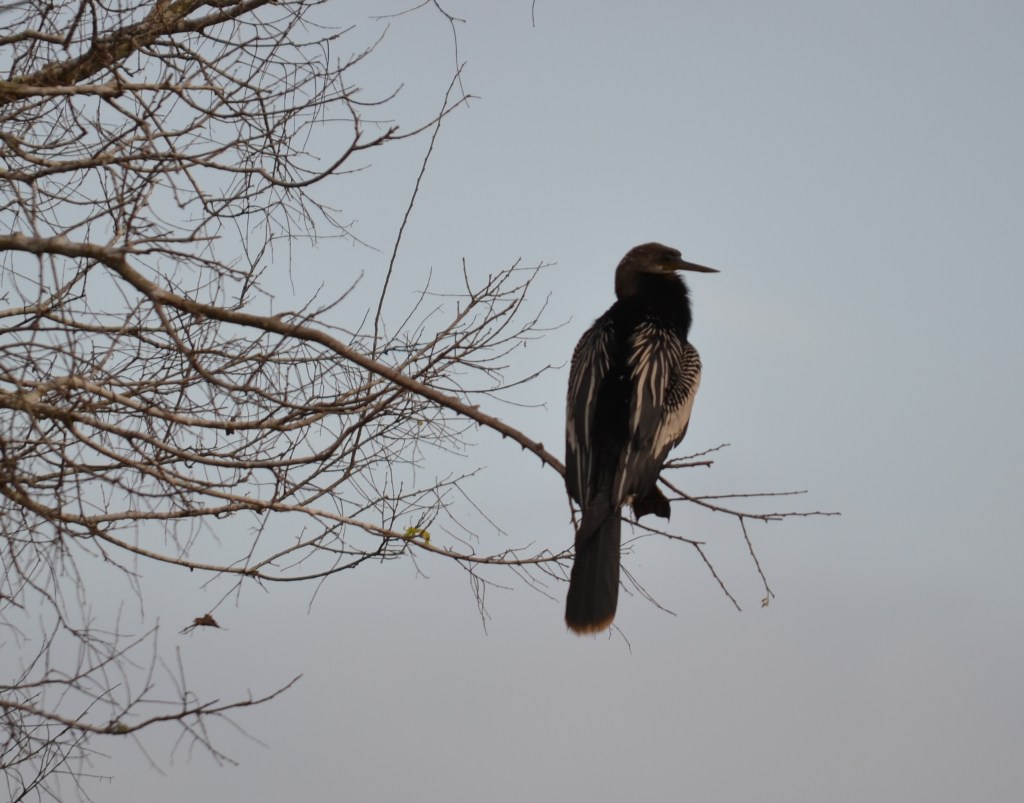
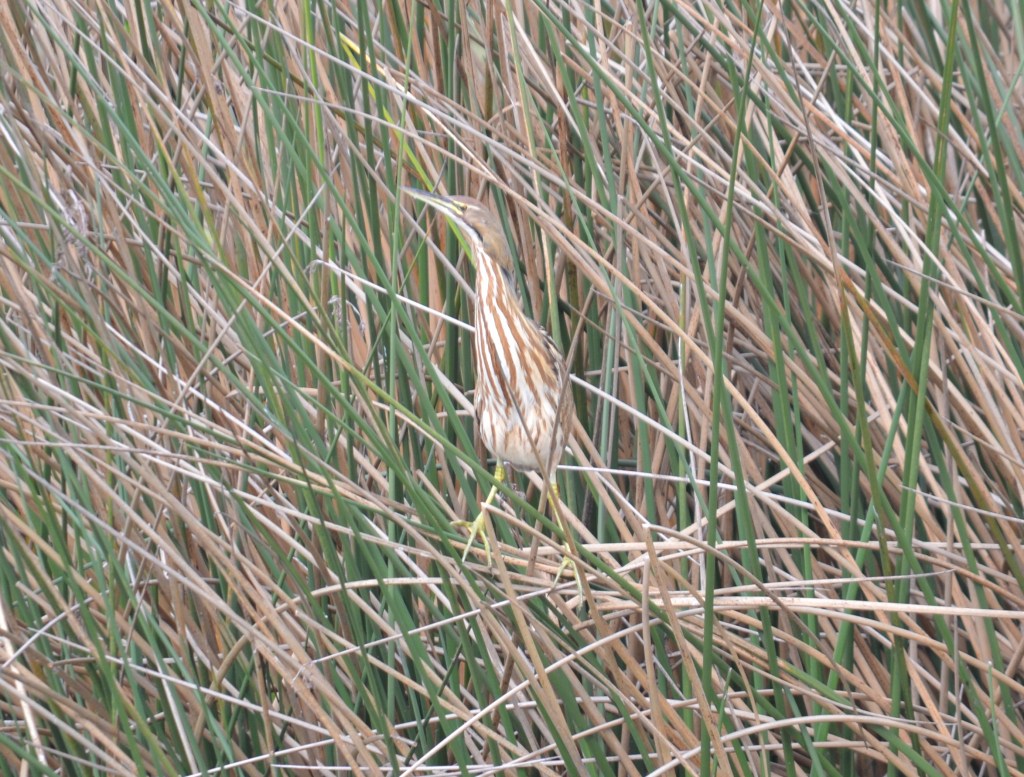
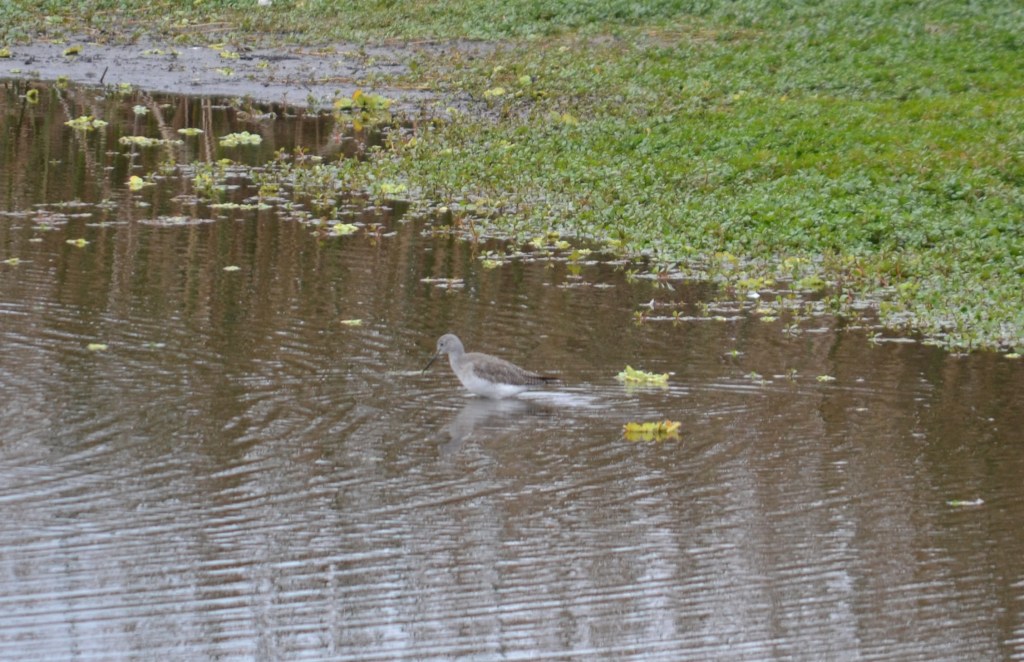
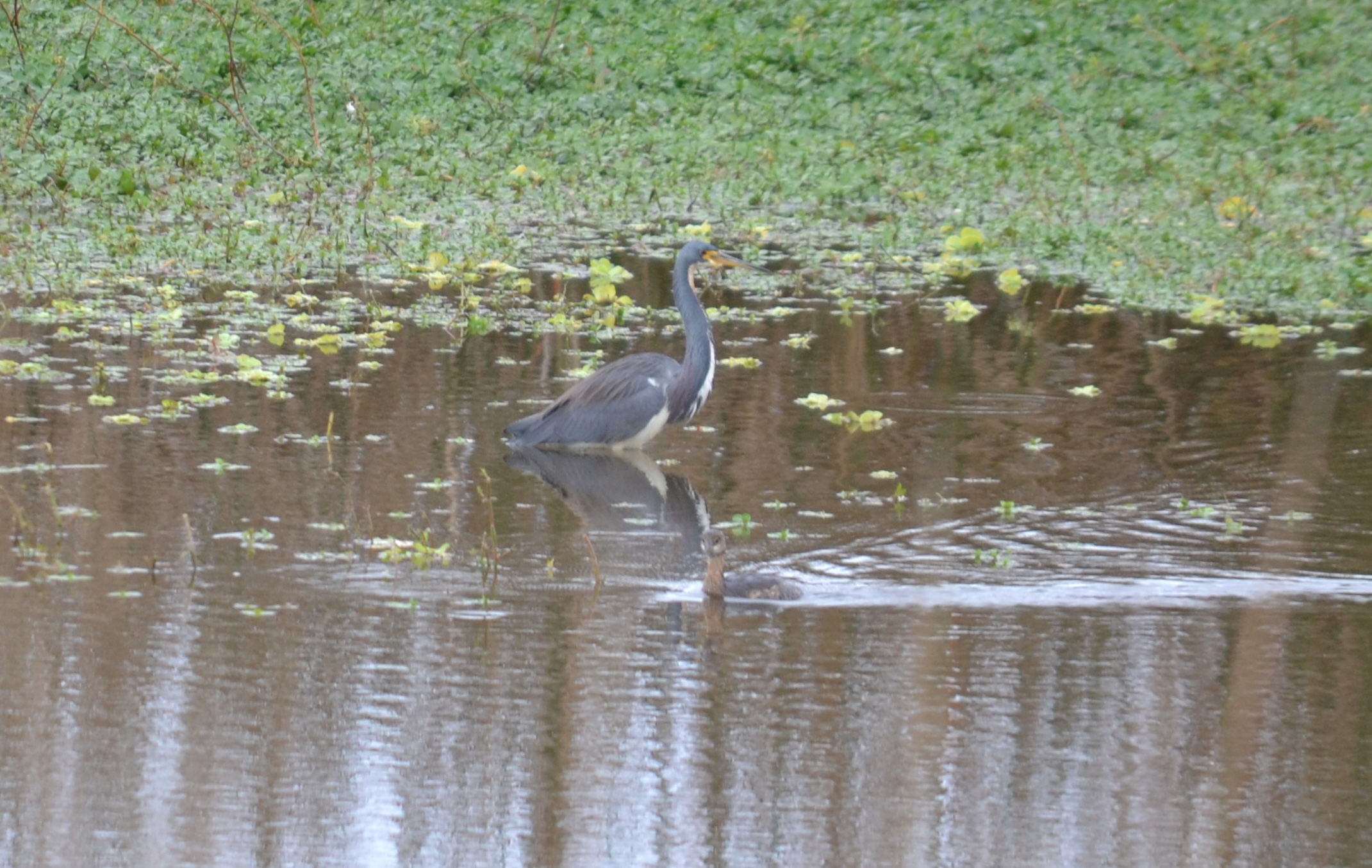
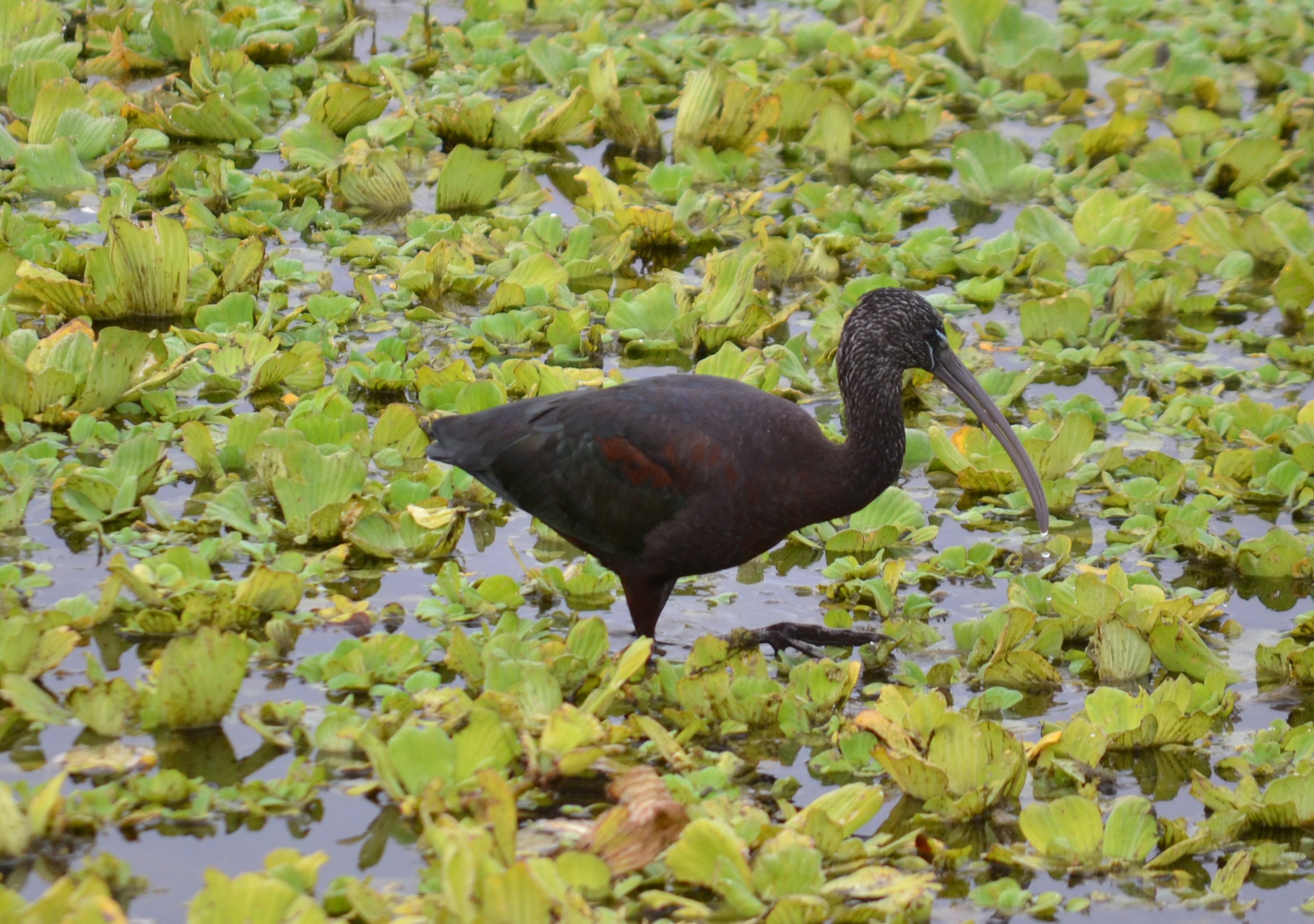
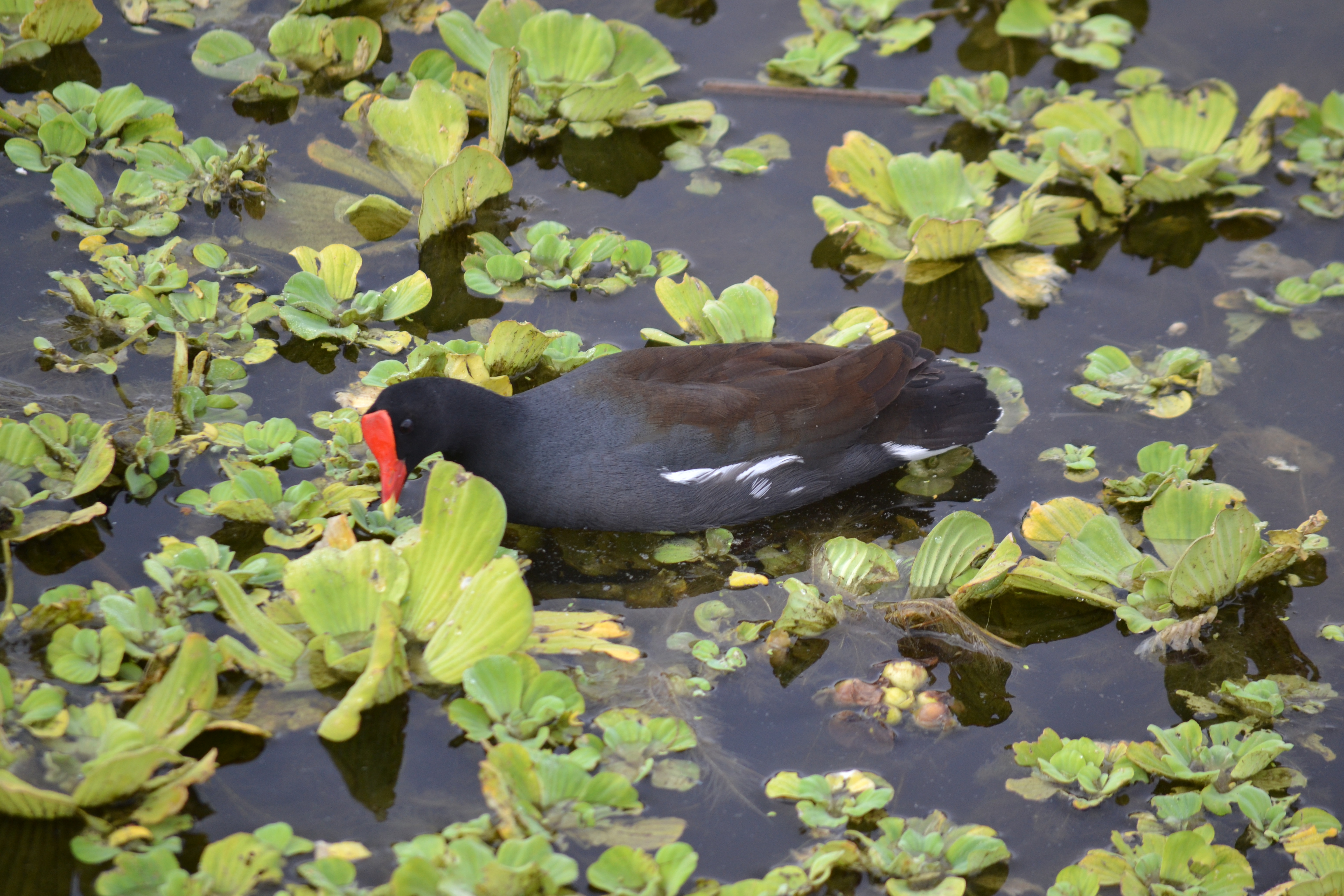
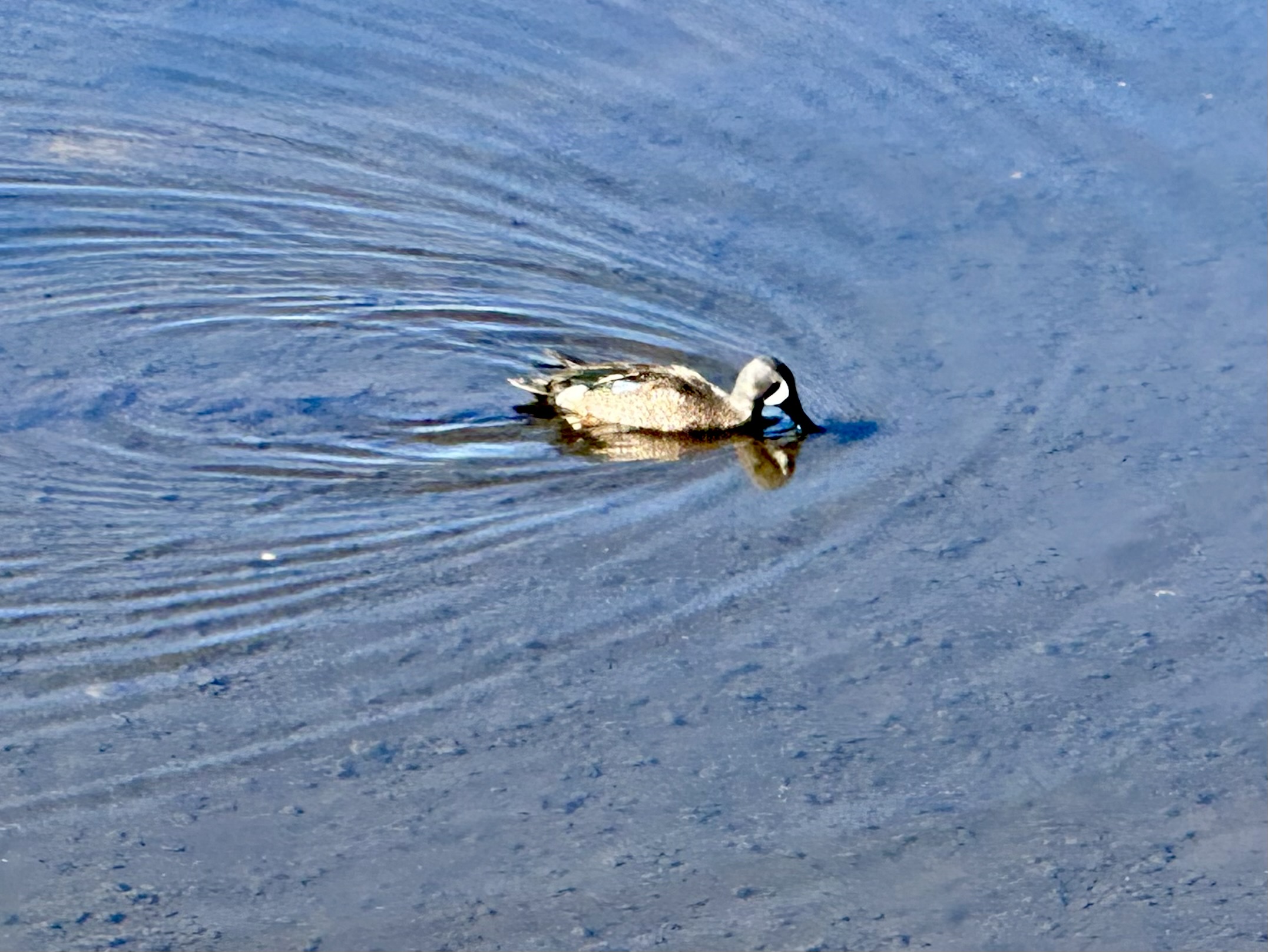
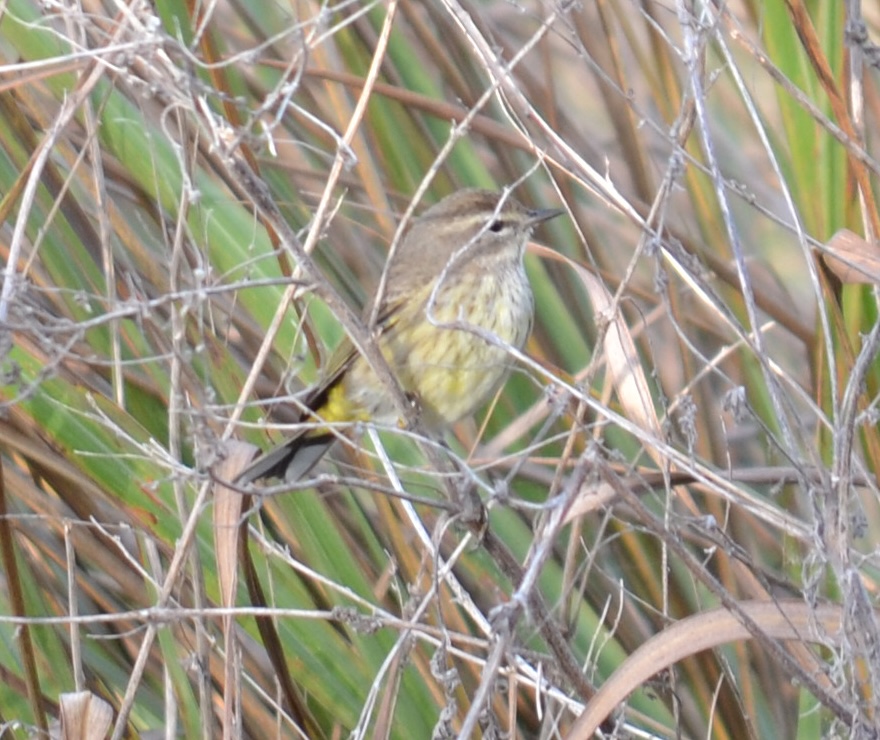
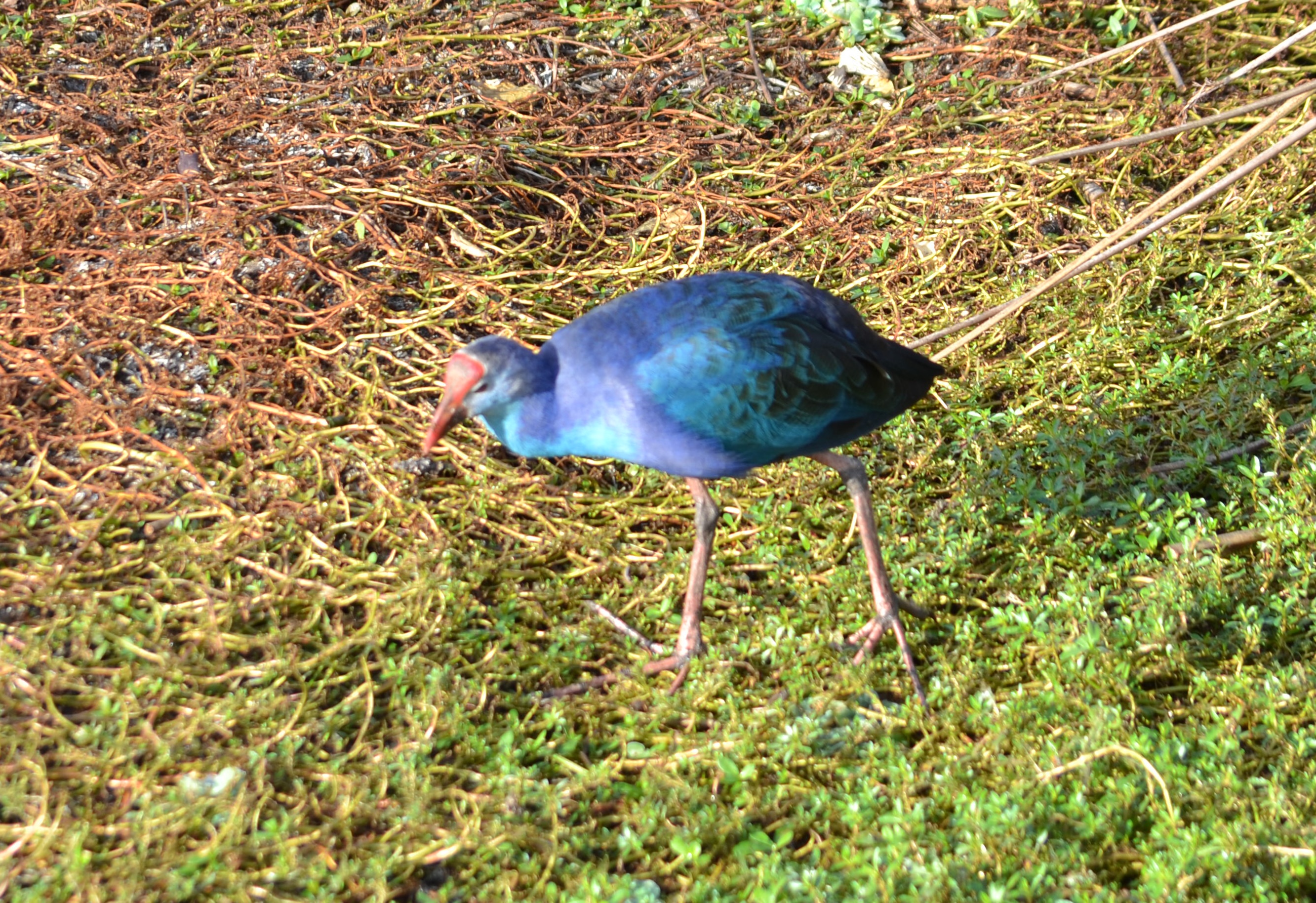
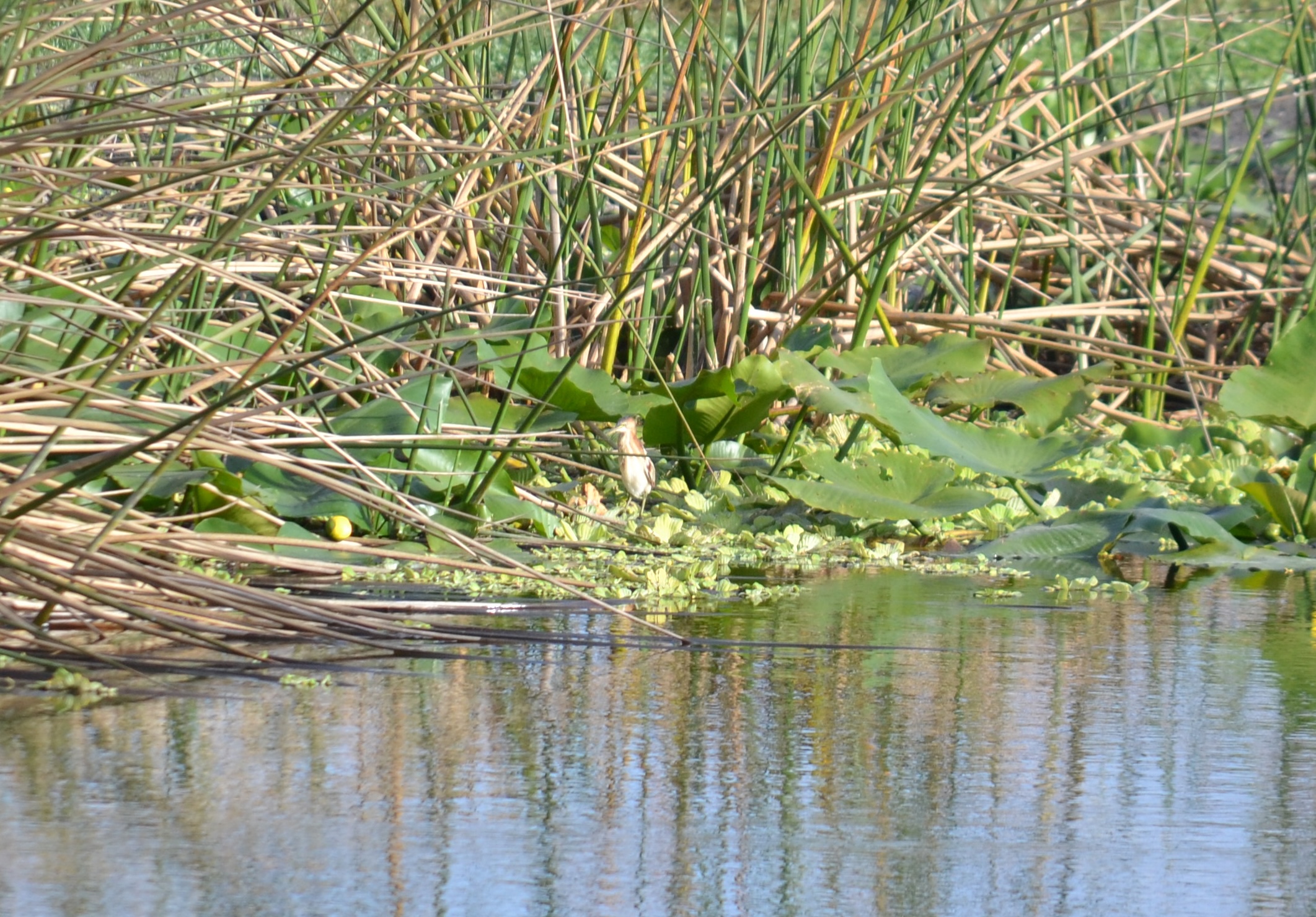
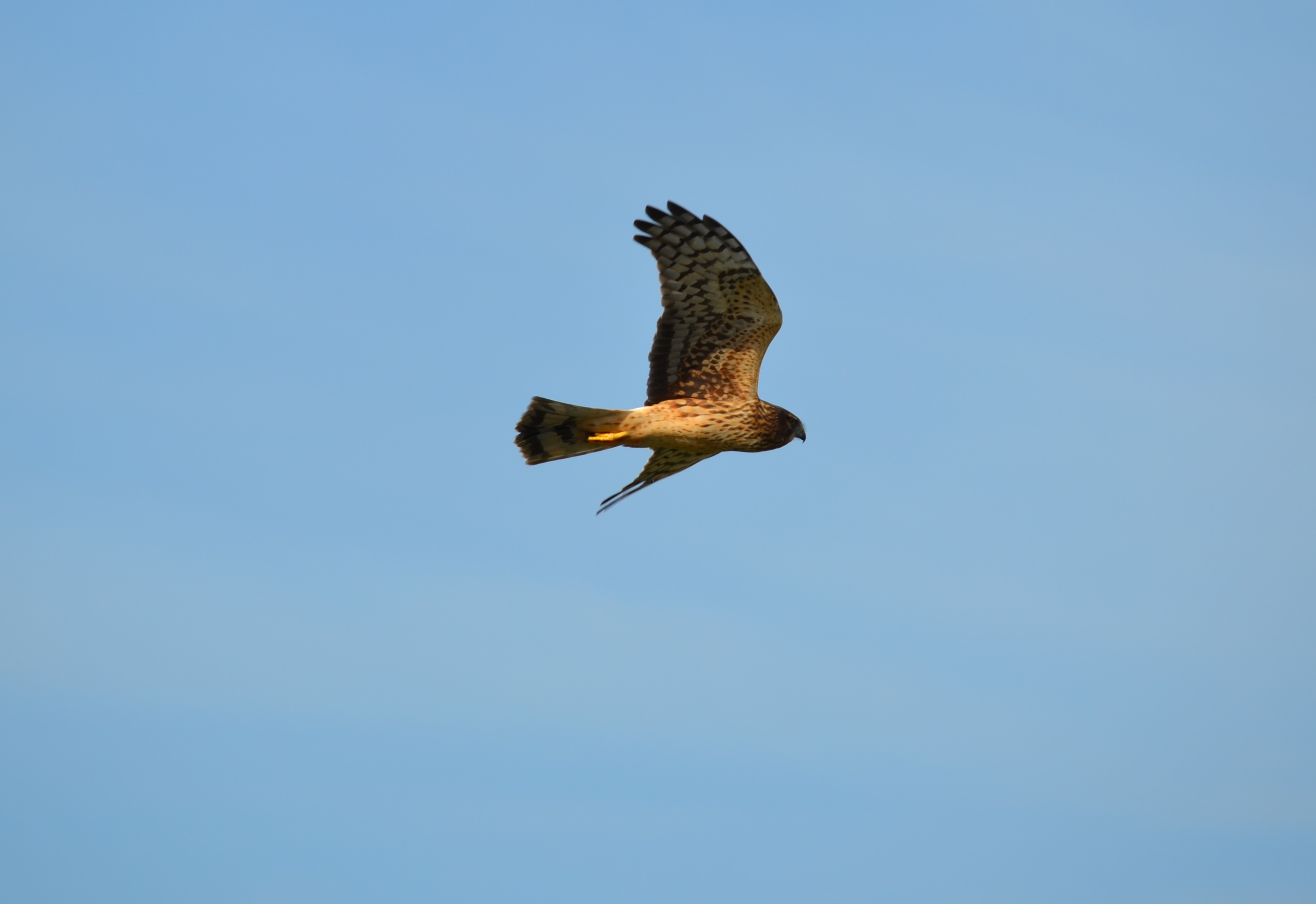
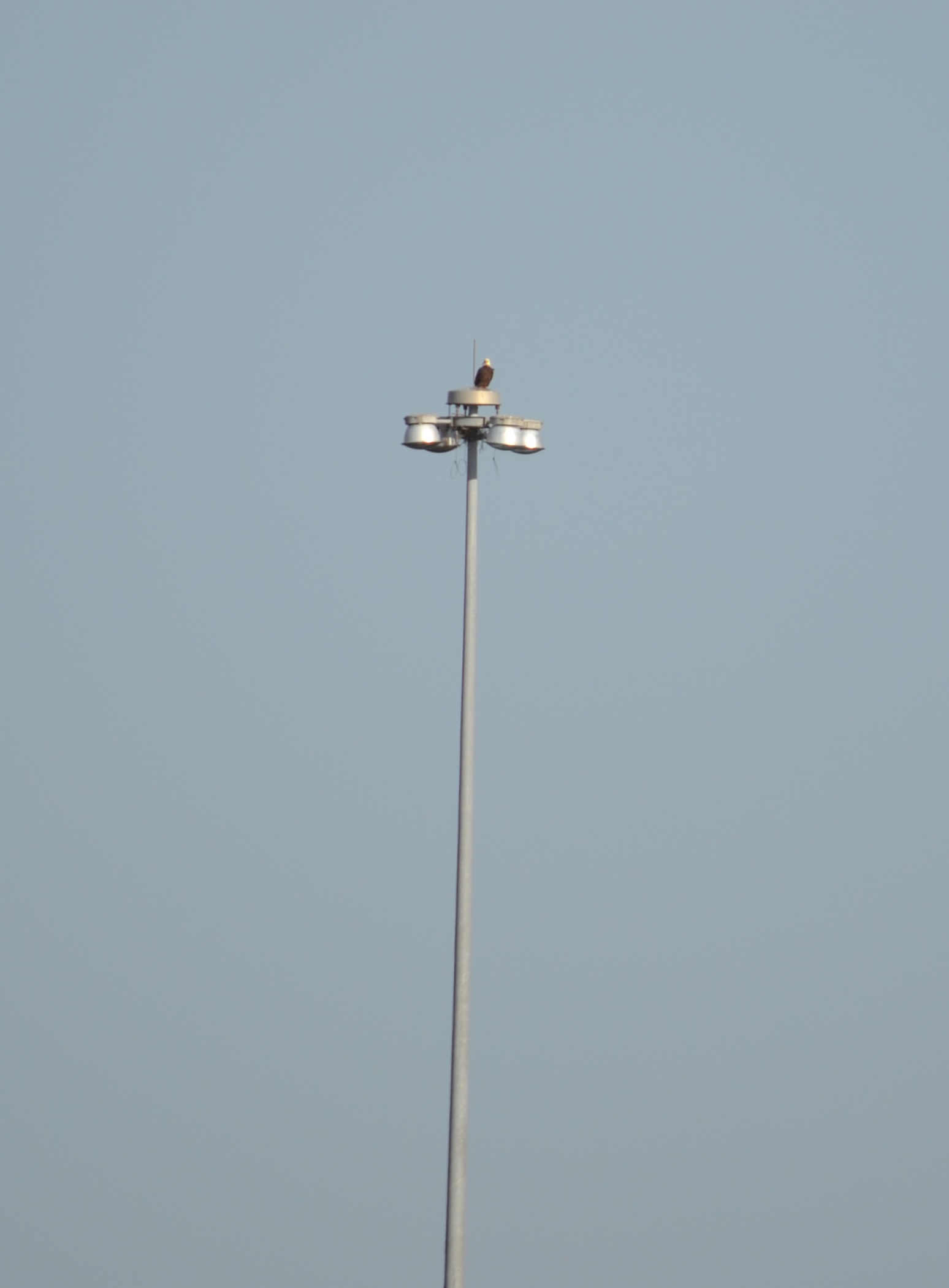
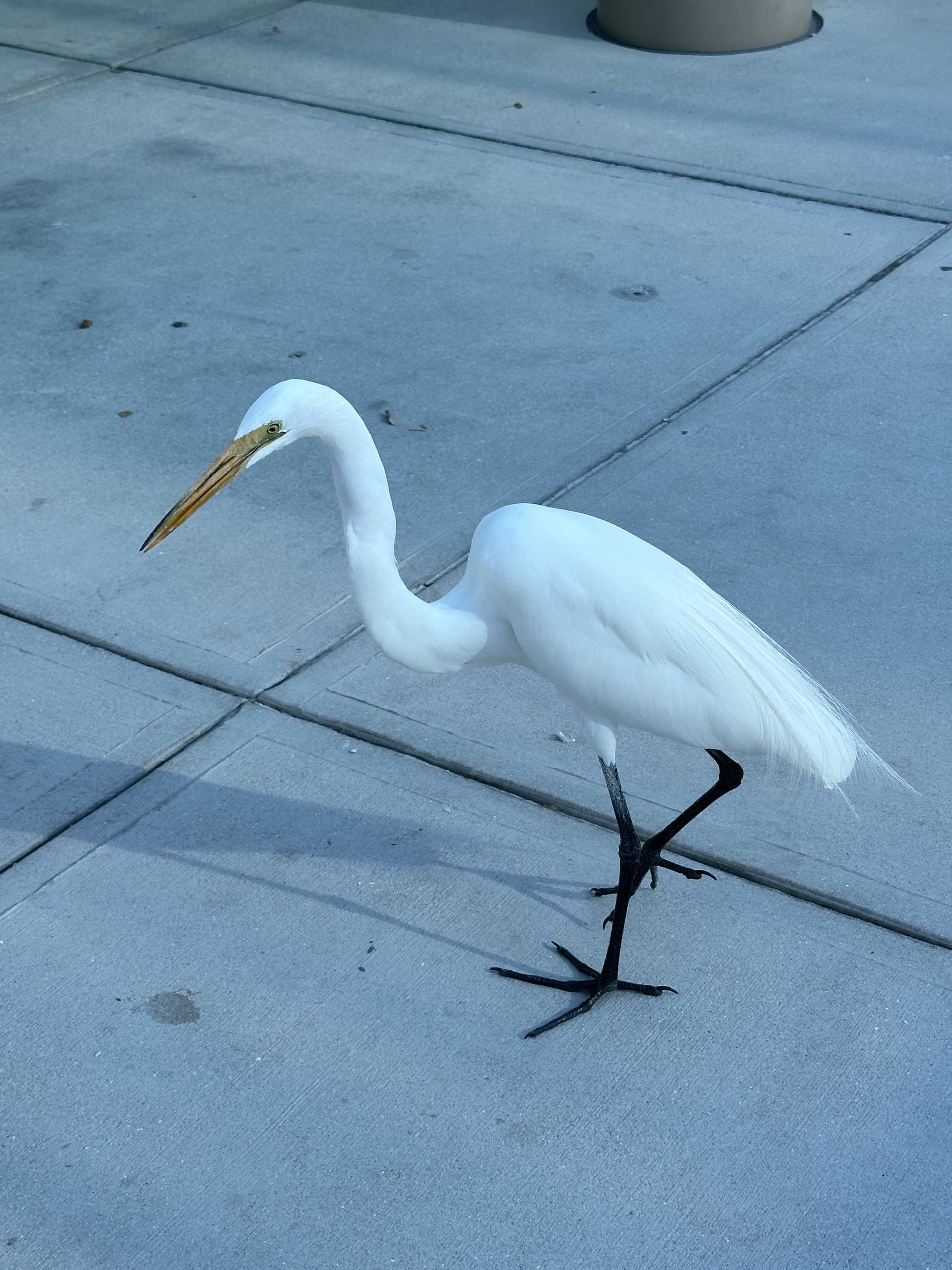
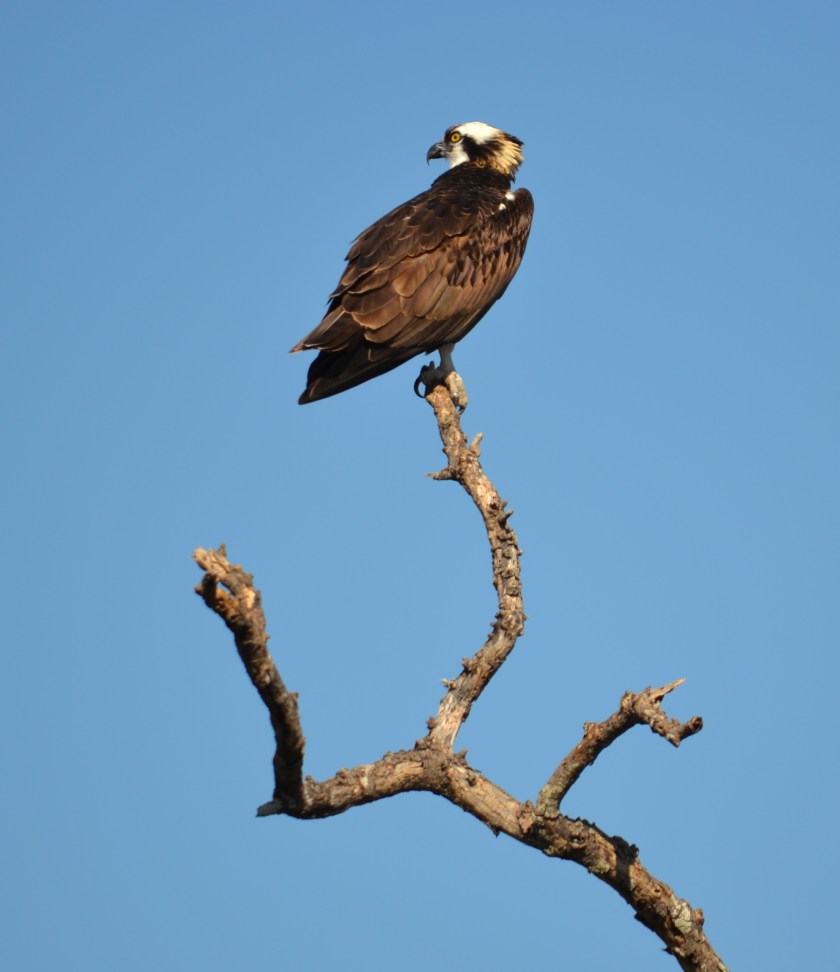
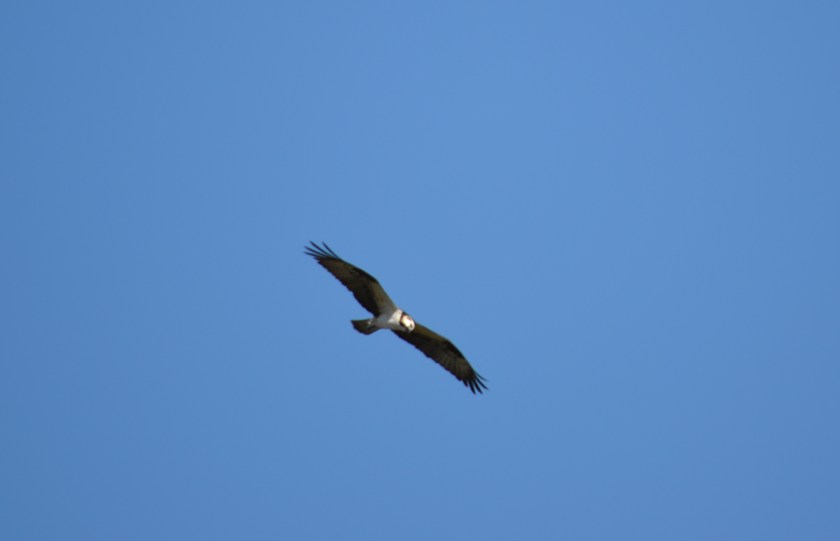
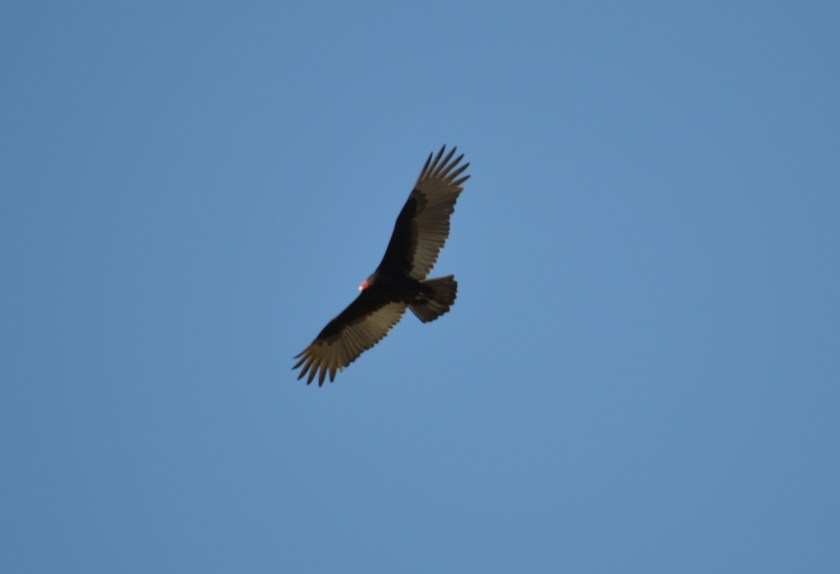
Still, I was able to see and photograph several bird species, and other animals, like an alligator and a snake. I’ll share those encounters in a separate post.

The Celery Field

The Celery Fields afforded the best opportunities to see a variety of wildlife up close via boardwalks, levees, and stone paths.

The place had changed significantly since my last visit years ago. An Audoban Visitors Center had been built to provide visitors with information and maps of the many walking and birding paths.

Bird feeders were strategically placed near the center, attracting several species of birds for a closer look. This included a handsome pair of Painted Buntings.

Volunteer naturalists were also available to answer questions and explain what was being seen. Ponds, canals, trees, bushes, and natural plants provided excellent habitat and cover for the birds and wildlife.
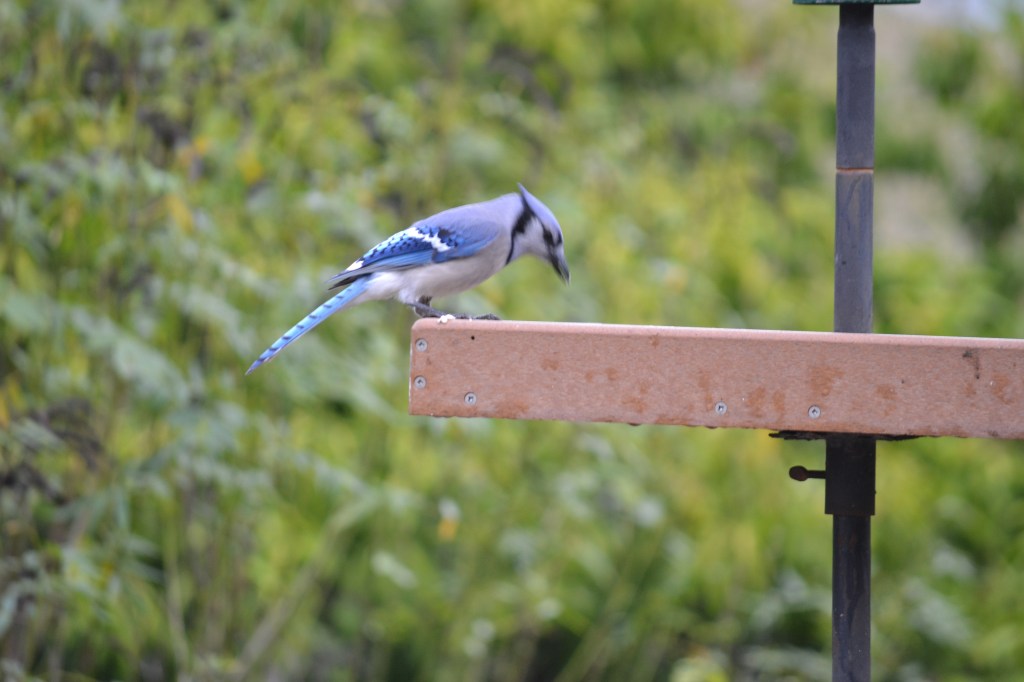
Beaches

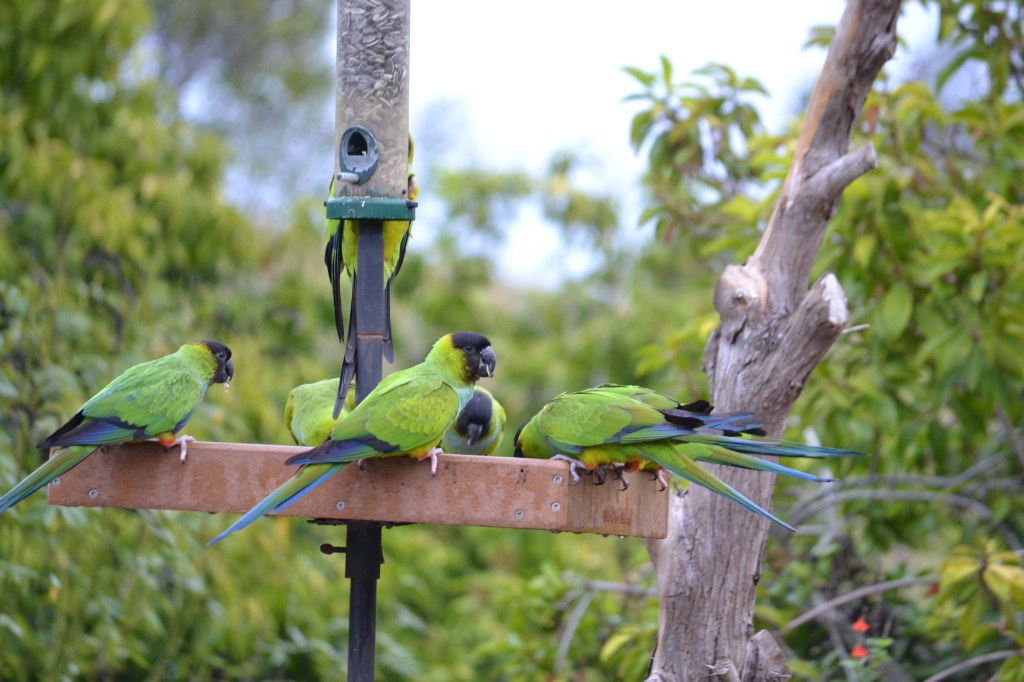
Since it was the holidays and the weather was sunny and warm, the beaches were crowded. Consequently, I only captured a few photos.
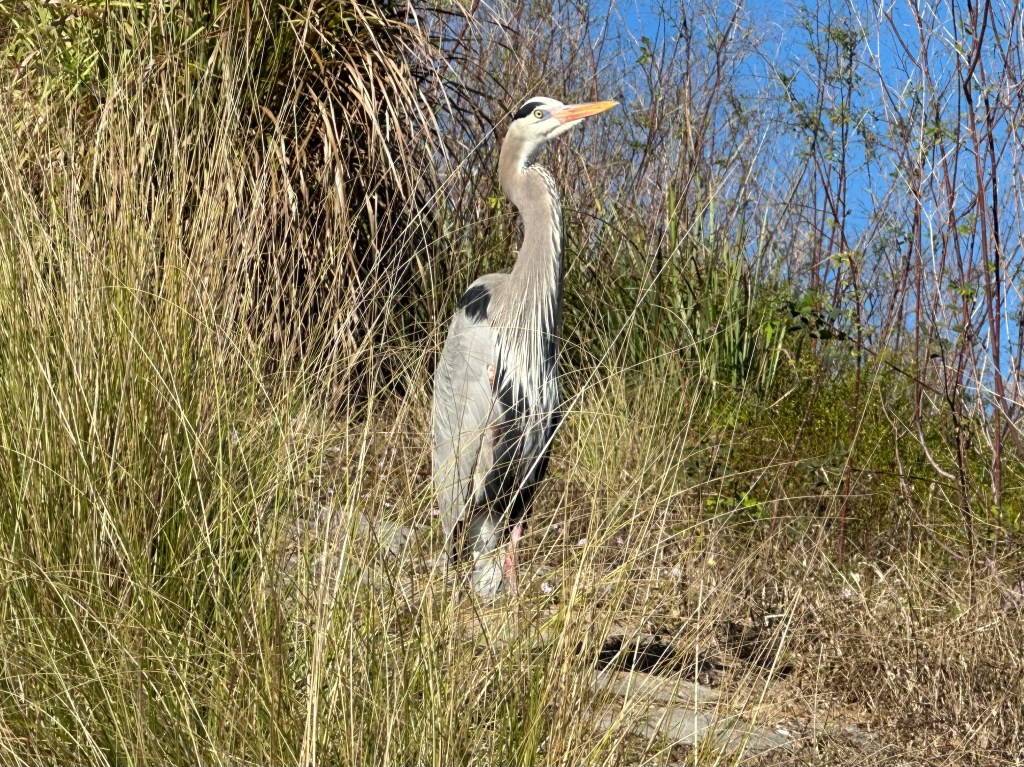
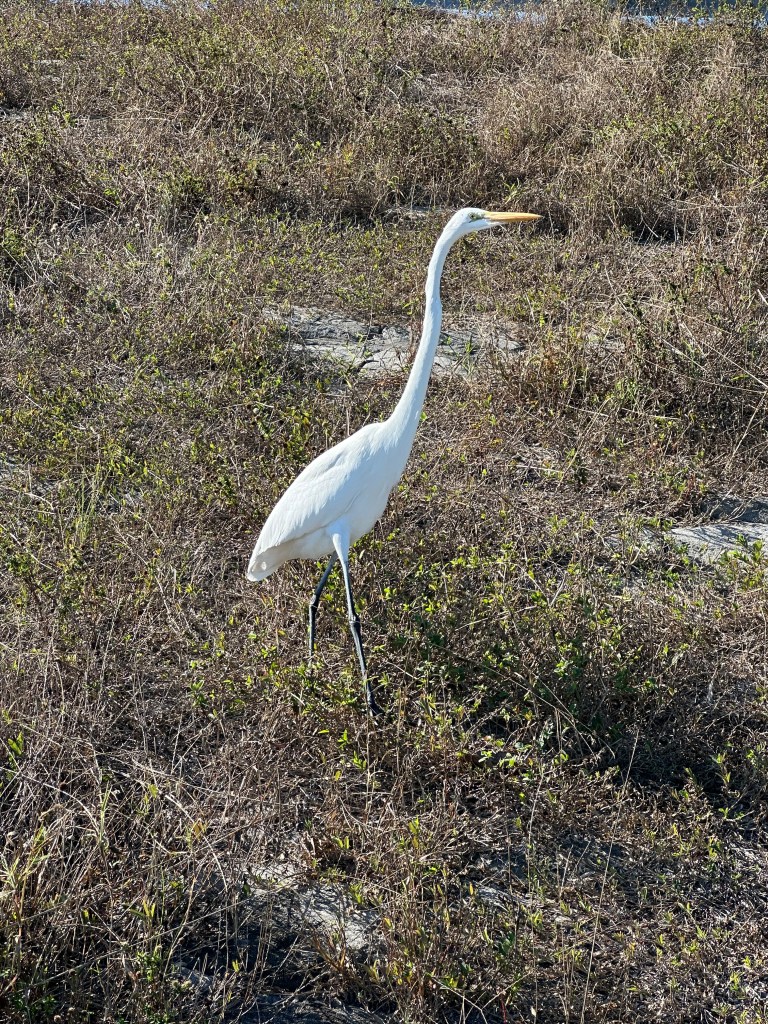
Please click on the photos to enlarge them.

The Preserves

I discovered the Ungarelli and Robinson Preserves after dropping off my oldest grandson at a golf course. Again, due to the lack of rain, the water levels at both places were very low, and some of the mudflats had hardened.

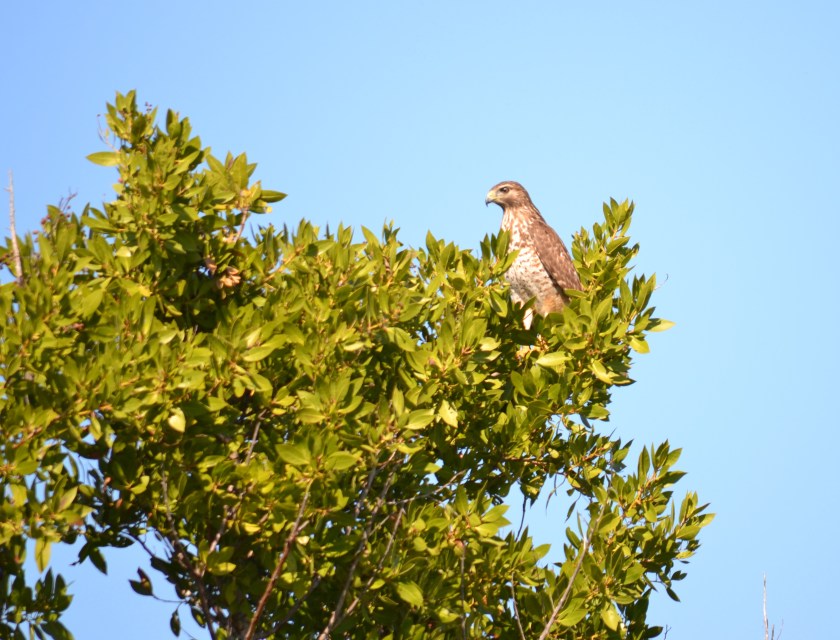
Still, bird species were plentiful, and the people I met were friendly and inquisitive about birds they saw but couldn’t identify. The binoculars dangling around my neck over my birding vest gave me away. It was a pleasure to help them learn about Rosate Spoonbills and Red-shouldered Hawks.

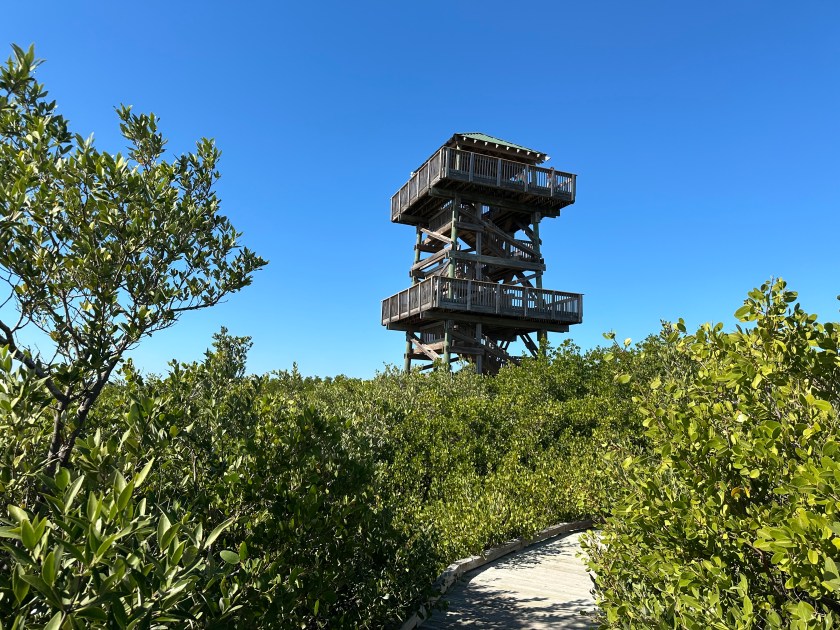
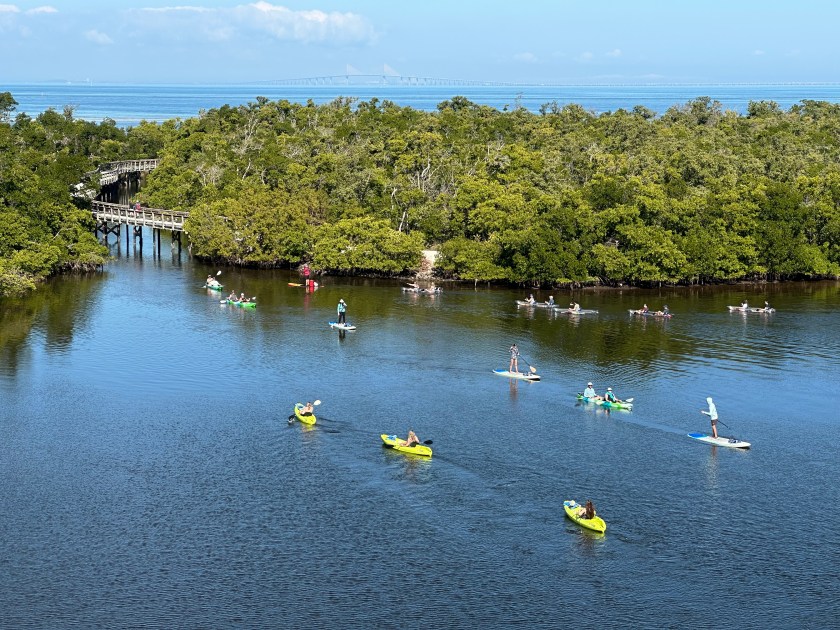
Like the Celery Fields, the Robinson Preserve was a multi-use facility. Kayakers, bikers, joggers, and dog walkers far outnumbered birders like me. That didn’t deter my enjoyment of the time spent there.

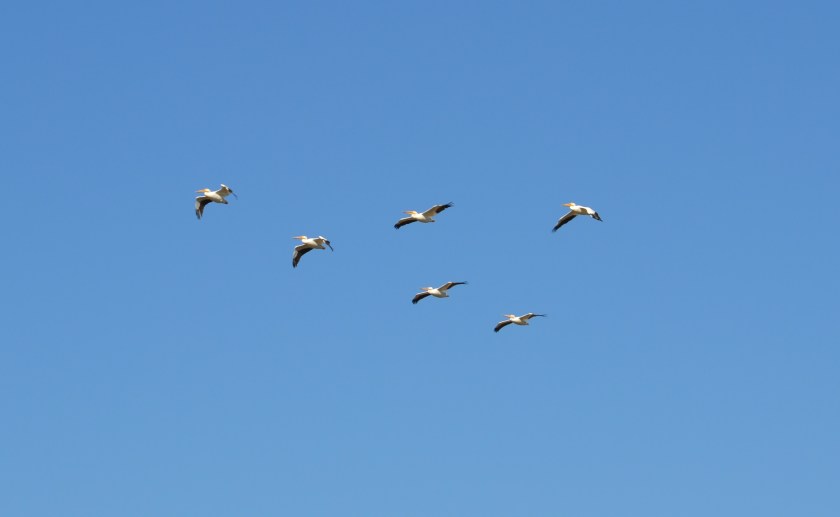
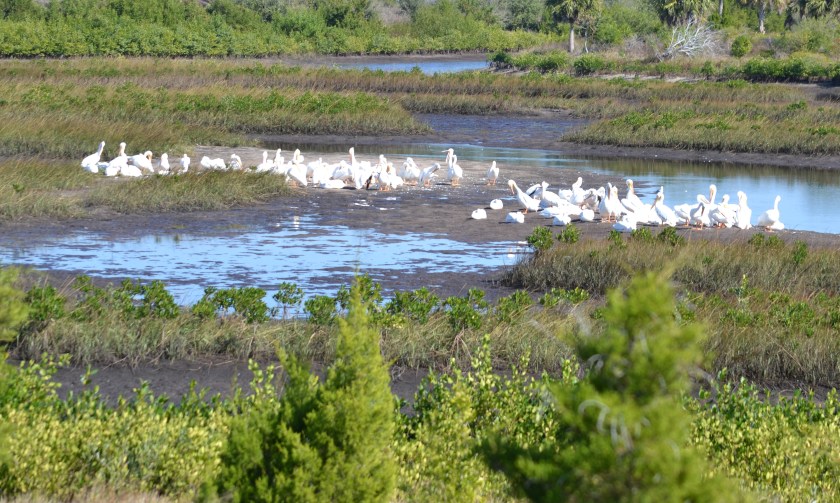
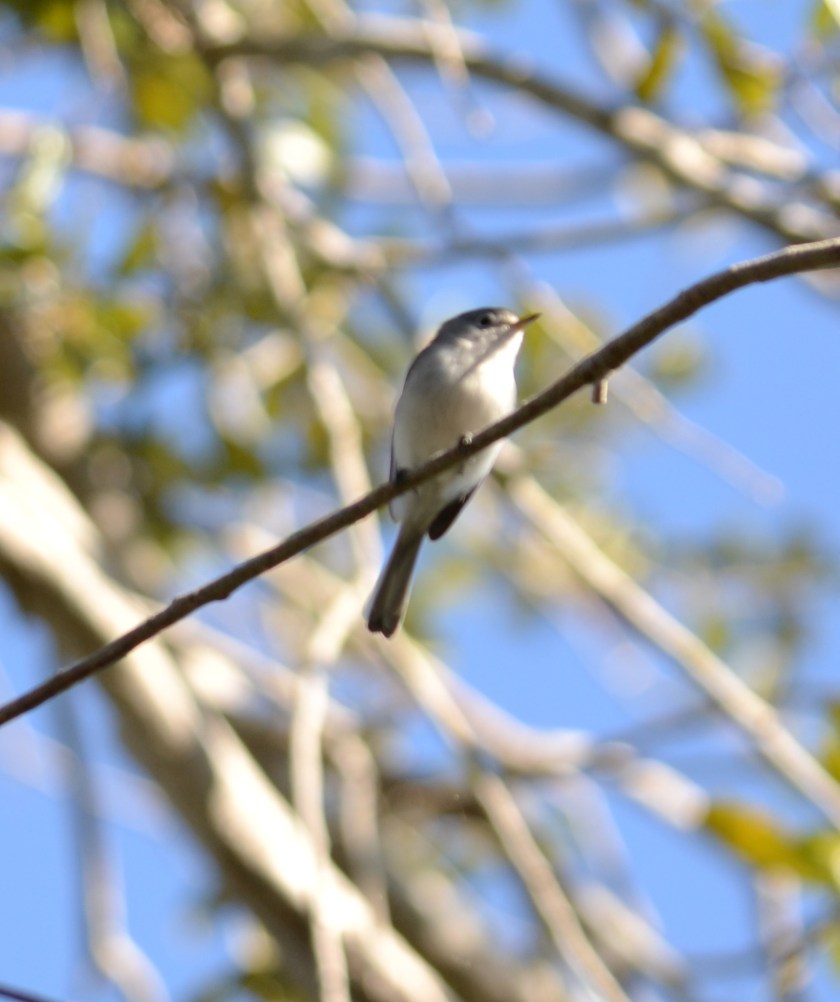
The highlight was discovering a large flock of American White Pelicans. I met a couple from Germany who equally enjoyed these fantastic birds. We watched as several pelicans flew into the flock, where many of them preened in the afternoon sunshine.
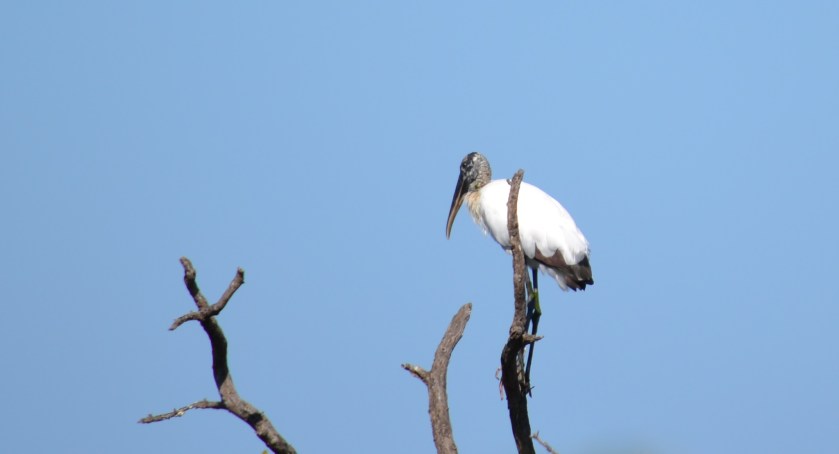
© Bruce Stambaugh 2026

What’s It Like to Go Birding?

A Red-headed Woodpecker. Photo by Bruce Stambaugh

There’s a certain intangible satisfaction in birdwatching. That’s especially true when I venture out into the hills and valleys of Rockingham County, Virginia, the third-largest county in the Commonwealth.

That contentment only escalates when I have the opportunity to bird with others. My experience with birding in small groups has consistently found a friendly camaraderie.

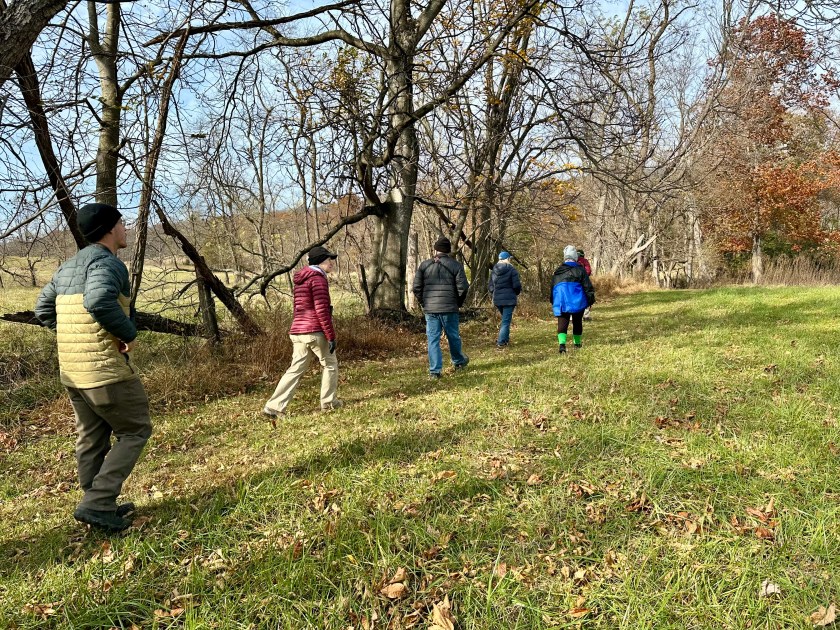
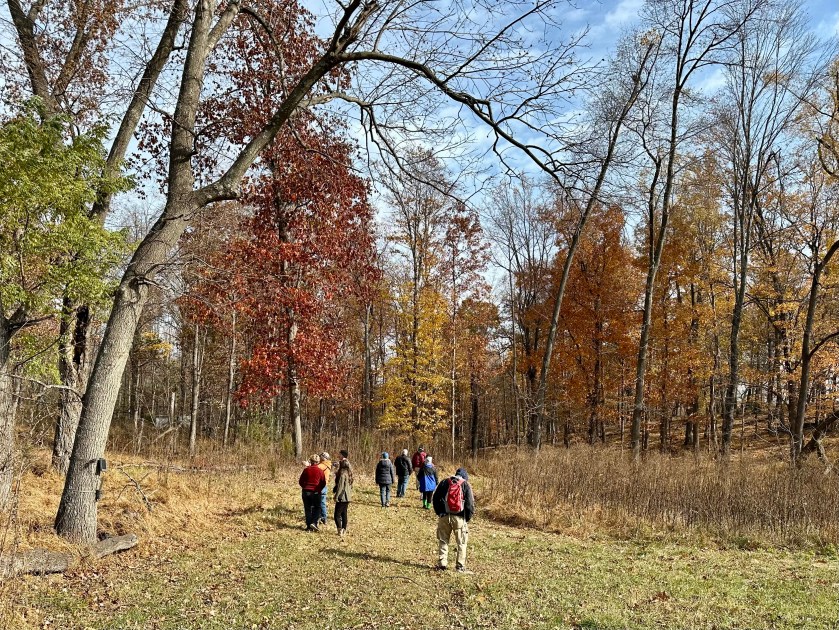
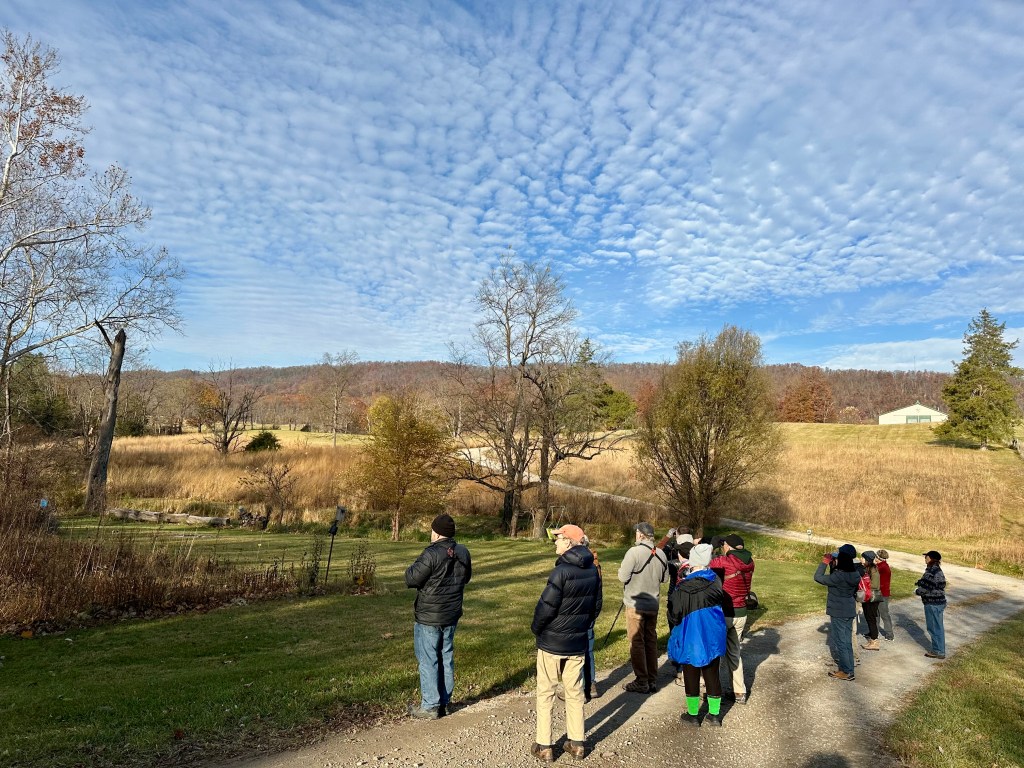
I recently participated in an outing on a certified wildflower farm in the western part of the county. The ages of the 16 members in the bird walk ranged from teenage to octogenarian. Among them were both novice and expert birders, which always enhances the quality of the field trip.

Most birders are patient and obey the unwritten rules of the sport. Conversations, usually about birds, are hushed so the chatting doesn’t interfere with the overall birding experience.

Birders help others find the bird. That is not always easy, so patience and communication are essential.

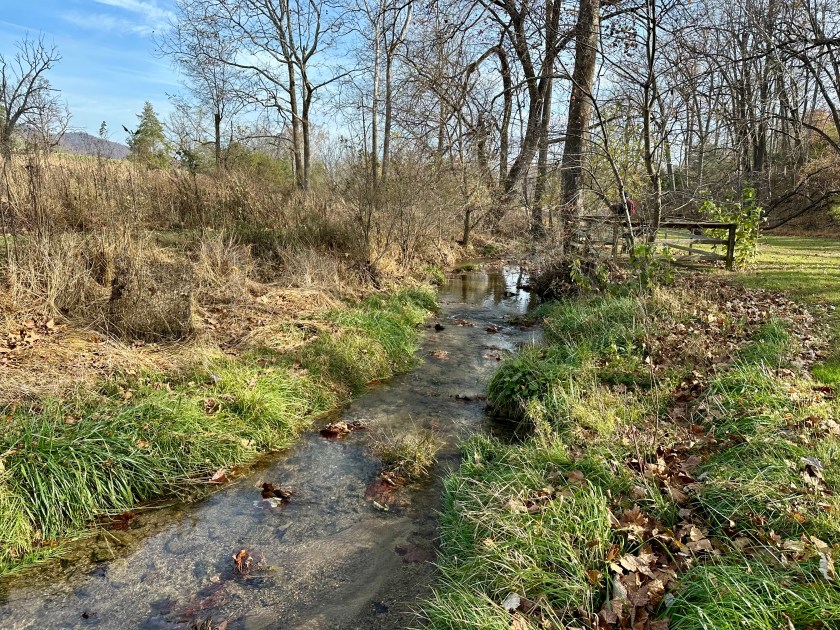
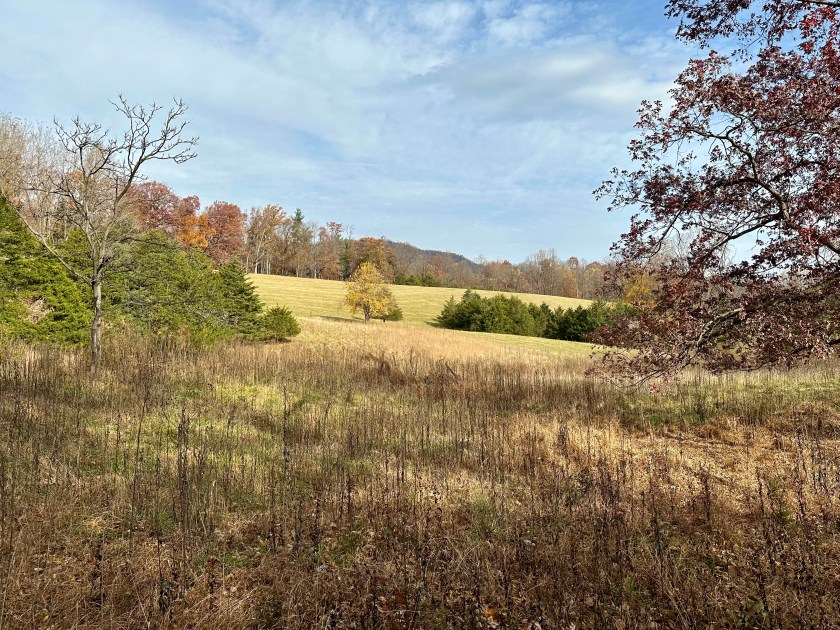
The day started in the 30s as we walked down the farmer’s recently graded half-mile lane towards the creek that splits his acreage. With two consecutive dry seasons, the native Indian grass had overtaken the native seeded wildflowers.

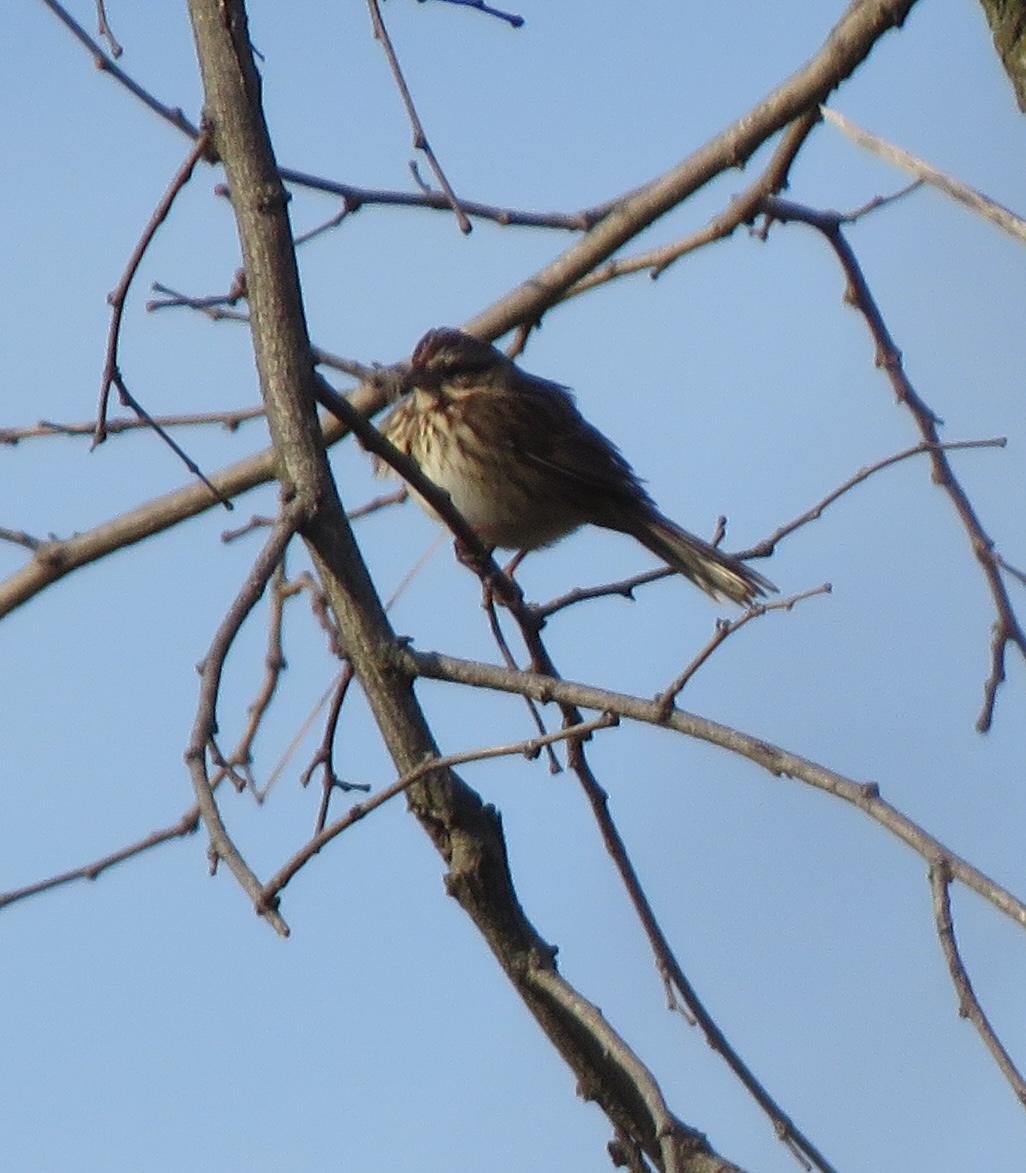
However, the grass provided excellent cover for the birds who use the dense grassy clumps for habitat. I was the last one to spot a field sparrow perched high on the six-foot-tall perennial. The birds feed on the rich seeds that form at the top of the grass’s yellow blades.

I only saw the bird that blended in with the tall prairie grass with the help of another birder, who was younger and had better eyes than I did. Using a tree in the far background, he lined me up and told me to follow the trunk down to just below the crest of the grass. Bingo. The bird was still there, posing.

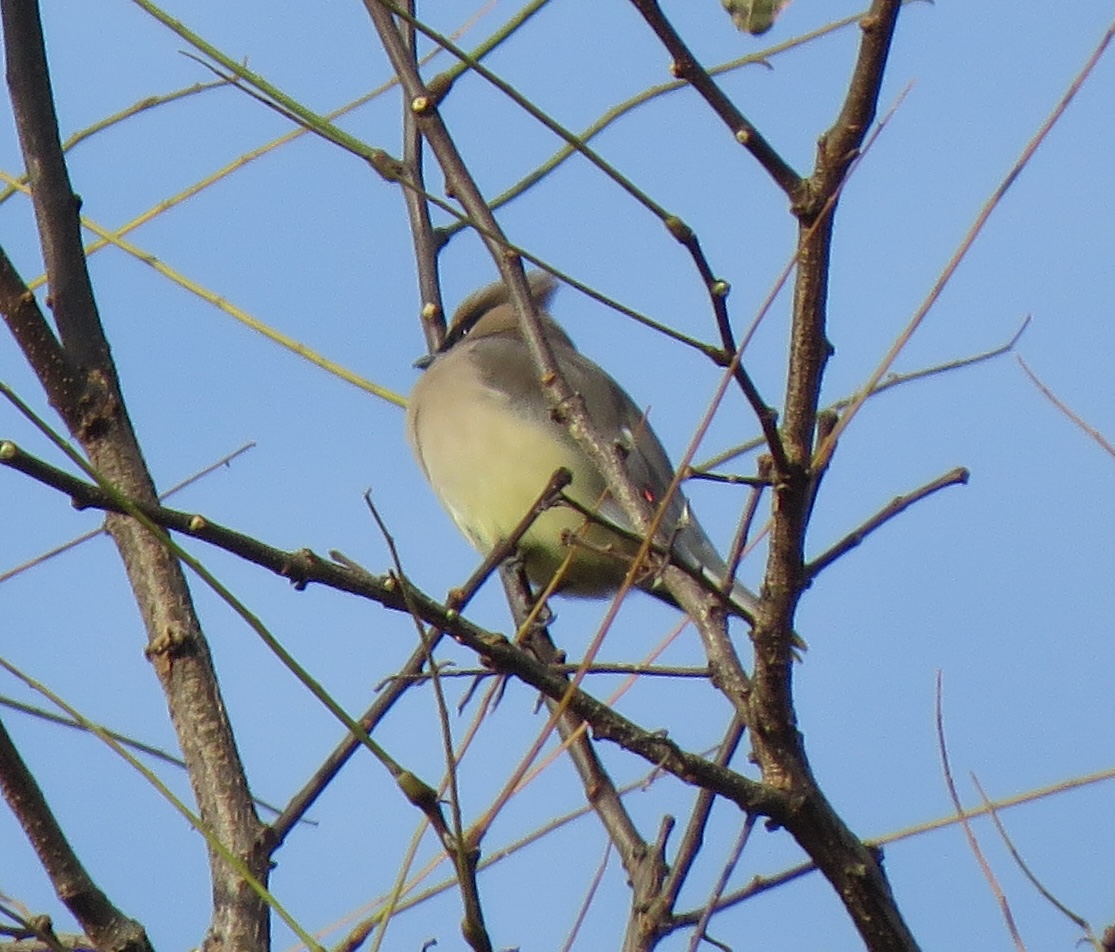
We continued down to the creek, where small flocks of Cedar Waxwings, Eastern Bluebirds, and several sparrow species gathered nervously in the large creek-side sycamore trees. Another birder speculated that the waxwings must be thirsty from devouring all of the cedar tree berries.

Nearby, a Red-headed Woodpecker, one of the birds I had hoped to see, flew to an old standing dead snag punctuated with multiple holes. It was clear that the Red-headed Woodpeckers preferred this tree for nesting.

The bird landed in the morning sun on the east side of the snag and quickly disappeared. Good birders are patient. In a matter of seconds, the regal bird appeared at the very top of the dead tree, and just like the Field Sparrow, posed for a photo op. I couldn’t have been happier.

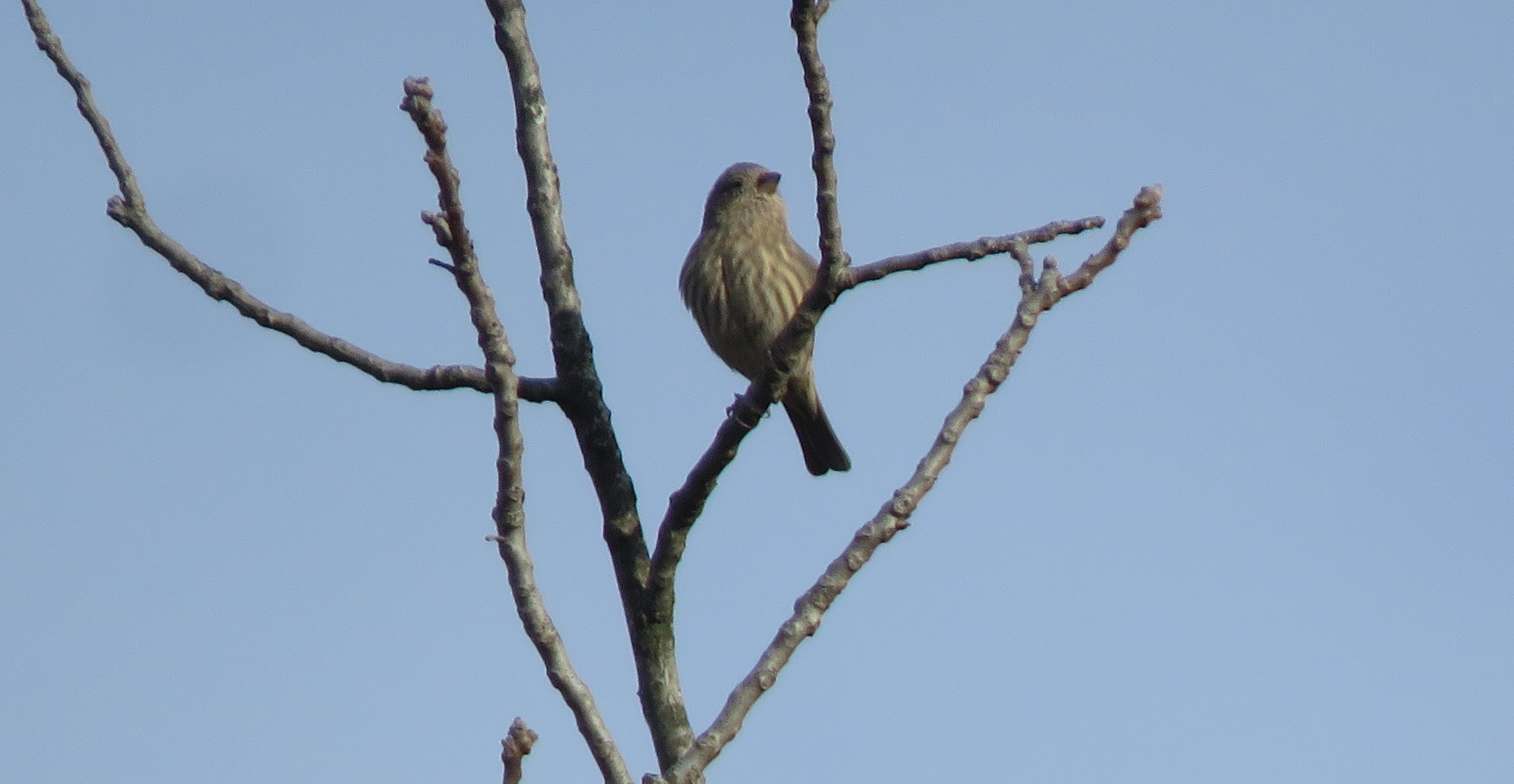
I turned around and a pair of Purple Finches perched on branches of the forested slope west of the Indian grass. They didn’t sit long enough for a photo, however.

Please click on the photographs to view them in full size.

We crossed the footbridge over the creek and trudged up hill and down, along the southern property fenceline. The wind had picked up, and the strong southerly flow kept the birds low and out of sight.

A few vultures, both Black and Turkey, took advantage of the strong winds and sailed overhead. A pair of Red-tailed Hawks joined them in the kettling, the gliding on the thermals around and around like an avian tornado.

At the top of the ridge, some of the birders broke off to return home or head to their workplace. The rest of us walked on, admiring the varying landscape, vegetation, and mix of deciduous and evergreen trees.

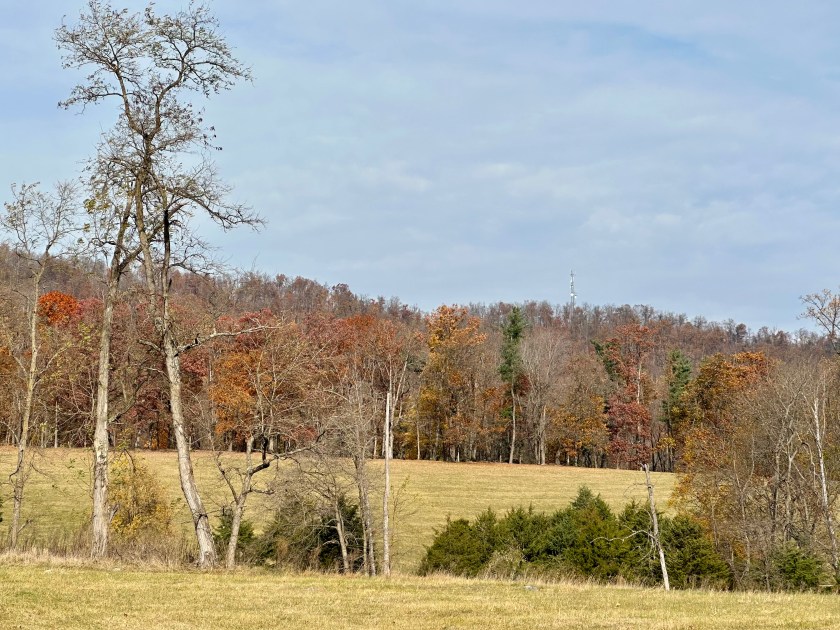
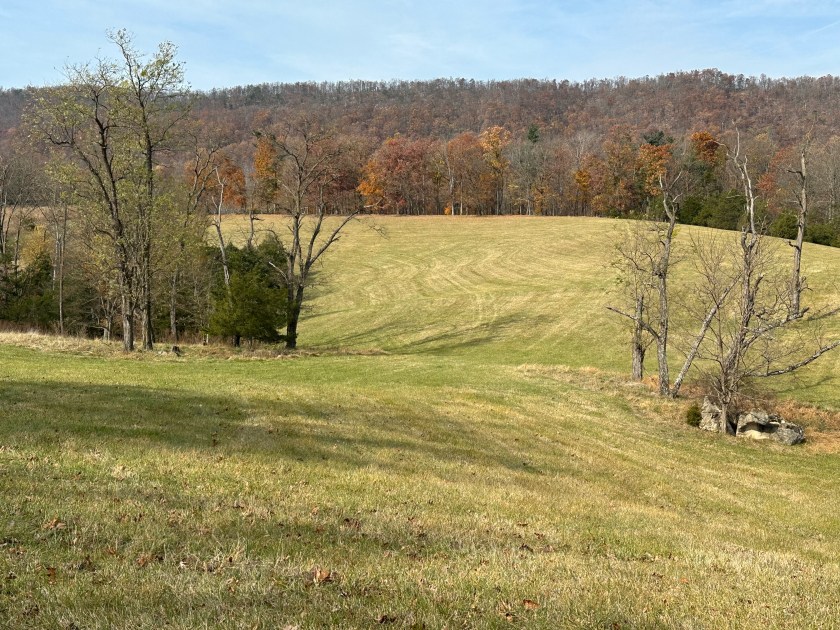
In less than a quarter of a mile, we had traversed through prairie grass, a few late-blooming flowers, grassy fields, and then into a second-growth woods. A Pileated Woodpecker’s deep-throated call echoed against the base of North Mountain.

After nearly three hours, we arrived back at the meeting place, tired but thrilled to be in the outdoors with gracious hosts and an excellent guide. In that time, we had seen or heard 33 species.

We were all pleased with that number for a chilly, windy day in Virginia’s Shenandoah Valley. Additionally, it was an excellent way to connect with nature and get some much-needed exercise, especially for those of us who are older.

Our birder group and the landscape we explored. Photo by Bruce Stambaugh

© Bruce Stambaugh 2025

Fall is for the birds

bird migration, Jacksonville FL
American White Pelicans wintering near Jacksonville, FL.

By Bruce Stambaugh

Fall is for the birds.

Now, I love autumn, and birding is one of my favorite hobbies. It’s just that bird seasons don’t quite match up with those designed by us humans.

When the calendar flips to August, fall bird migration season has officially begun. It ends come December.

Migration, of course, isn’t confined to only those months. Some shorebirds started their long journeys south in July. Many of them have a long ways to go. For example, pectoral sandpipers nest in the high Arctic tundra and winter throughout South America. Consequently, they need plenty of time to fly those thousands of miles north to south.

The start of migration varies significantly according to the numerous species. Besides shorebirds, different types of birds of prey, songbirds, and waterfowl all migrate.

warblers, Florida
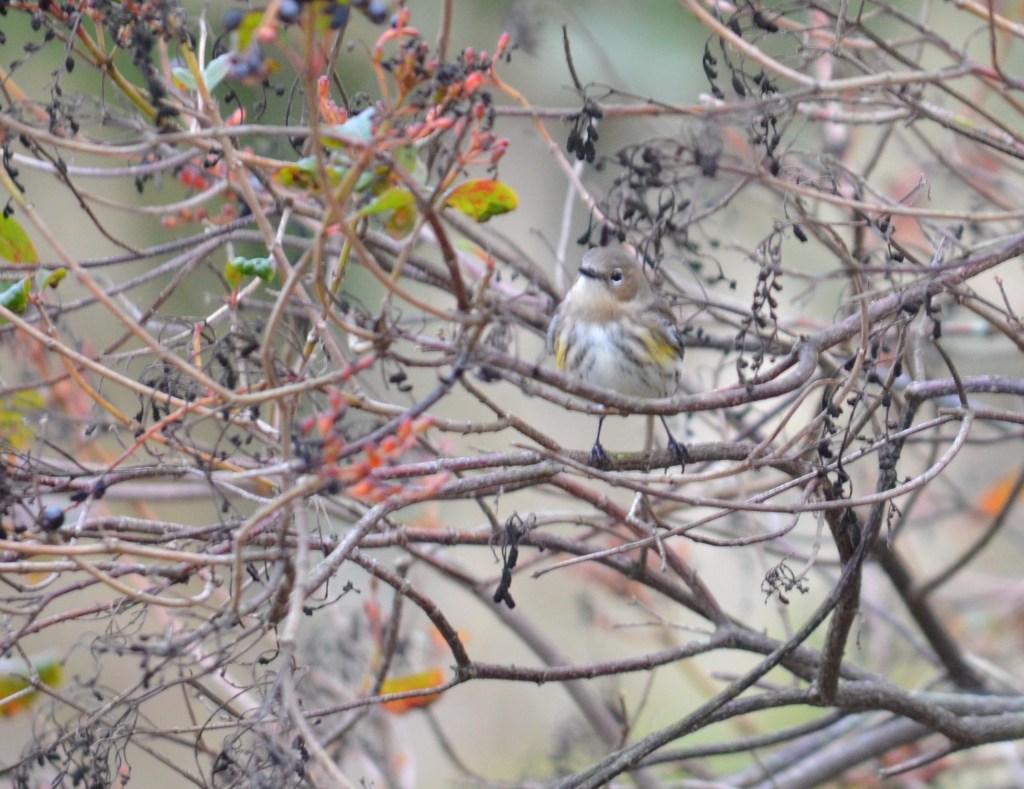
Yellow-rumped warbler in its duller fall colors.
Those four months are needed to allow all varieties of birds to complete their journeys. Winter in the bird world runs December through February. Spring is March, April, and May. That makes summer the shortest season with just June and July.

It’s not like the birds take notice or even care about months. They behave on natural instincts with recent research indicating that some birds can actually see the earth’s magnetic poles. Stars and the position of the sun in the sky also may motivate our avian friends to embark on their extended trips.

Some birds will migrate only short distances, say from mountainsides to the valleys below. Others migrate medium distances, moving just a few hundred miles south.

Not all birds migrate, however. Some, like American robins, often congregate in flocks once the nesting season is over. Sometimes extreme weather pushes them out of their normal range where they can find the necessary food supply to survive.

eastern bluebird, bird migration
Male Eastern Bluebird.
Other birds, like eastern bluebirds, will also group up for both warmth and safety. It’s not unusual in the throes of winter to find several bluebirds huddling for warmth in one bird box.

Fall and spring are the seasons most birders relish. They long for the opportunity to see birds that are only passing through the area. They may just get a glimpse of a rare and endangered bird like a Kirtland’s warbler, a bird that nests in the jack pines of northern Michigan and winters in the Bahamas.

In the spring, birds are in their brightest mating colors. The males are the most colorful. The females tend to be duller for practical reasons. They need to be subtler so as not to attract attention to their nests.

It’s just the opposite in the fall. With the breeding season over, the birds transform into less noticeable color schemes. They need to blend in with their surroundings as best they can to be less conspicuous to predators.

When it comes to living, birds need the same essential elements as the rest of us. Water, food, and habitat are crucial for birds to survive, whether nesting or on the move. Forests, fields, fencerows, dead trees, mudflats, marshes, ponds, and waterways all serve as vital habitat, depending on the bird species.

barn swallow, insect-eating birds
A barn swallow on its delicate nest in June.
Food is a primary motivator for those that migrate. Swallows and purple martins thrive on insects. That’s why they arrive in the spring and leave when the insect supply diminishes. Of course, they require appropriate shelter, too.

More than half of the 650 species of birds in North America migrate. With migration already underway, it’s why birders everywhere have their binoculars, spotting scopes, and cameras ready for action.

On behalf of birdwatchers everywhere, welcome to fall.

young birders, shorebirds
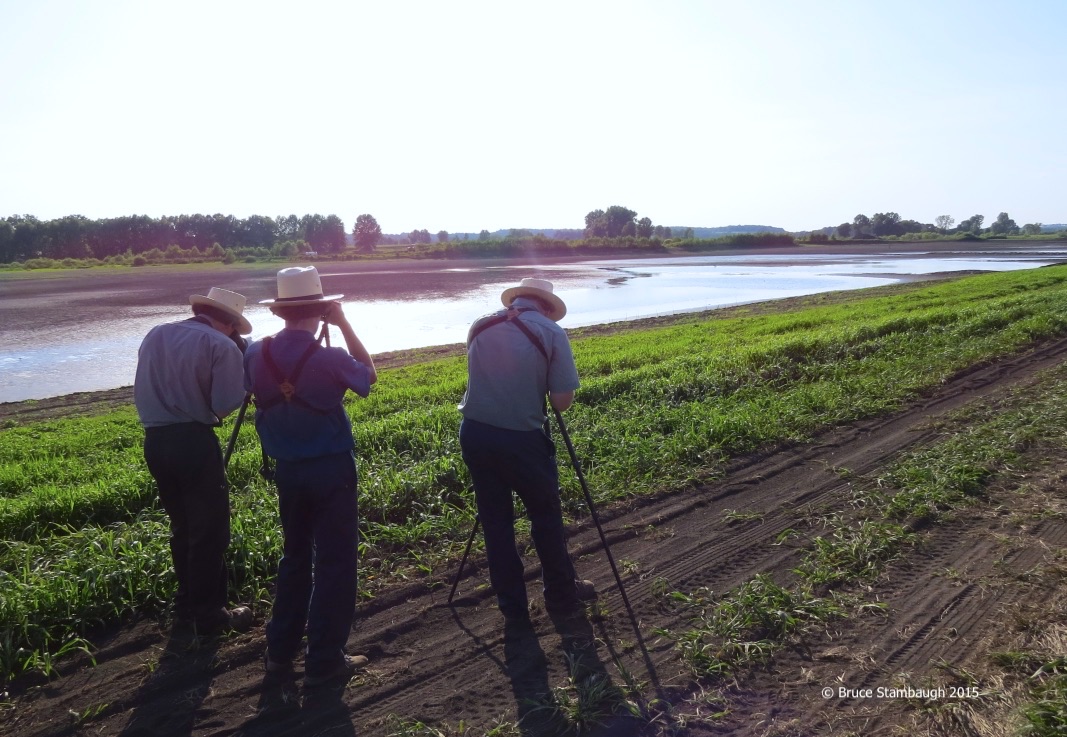
Young birders scope for shorebirds on mudflats.

© Bruce Stambaugh 2018

Beginning anew with feeding the backyard birds

tube feeder
Male Red-breasted Grosbeak and Male House Finch.

By Bruce Stambaugh

I knew when we moved from our home in Ohio’s Amish country to Virginia’s Shenandoah Valley that my backyard birding experiences would change. I just didn’t know how much difference there would be.

Our Virginia ranch home is one of nearly 500 in an established housing development west of Harrisonburg in Rockingham County. Mature trees, shrubs, and well-manicured lawns surround the many-styled houses. However, none of the vegetation is as dense as we had had in Holmes County.

Over the years, I tried to create an inviting habitat around our rural Ohio home for birds of all species, whether they nested or just needed the cover to approach the feeders. Neva complemented my efforts with beautiful flowerbeds all around the house. Birds, bees, butterflies, and other wildlife thrived.

a bird in the bush
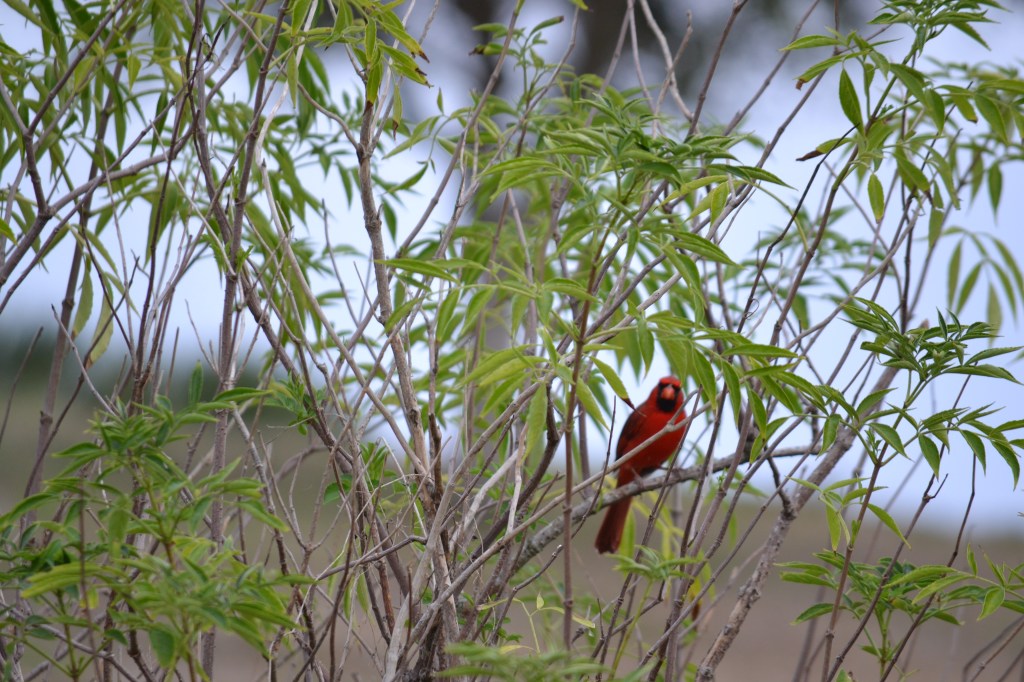
Male Northern Cardinal.
The wide variety of cover and available water and food sources for birds near our home enhanced the variety of species seen on or near our Holmes County abode. White-winged crossbills, bald eagles, yellow-bellied sapsuckers, pileated woodpeckers, various warblers, barn owls, long-eared owls, and screech owls were just some of the amazing birds we had seen in the 38 years we lived there.

I wondered what birds would find their way to our Virginia home. I hung birdfeeders and placed birdbaths in the front and backyards not long after moving in. Our one-third acre only had two red maples, one in the front yard and one in the back. Nearby properties held sycamore, white pine, wild cherry, pin oaks, sugar maple, mimosa, and various shrubs and flowerbeds. The closest stream was a half-mile away.

The rolling hills and broad valleys are reminiscent of those in Holmes County. But they are not the same, and I didn’t expect the birds to be the same because of that. They haven’t been.

I was thrilled when red-breasted grosbeaks and northern cardinals showed up at the feeders soon after I erected them last May. I had the ubiquitous house sparrows and house finches, too. But once the common grackles arrived with their new fledglings, the more desirable birds were crowded out. Even the bossy blue jays headed for cover. I took the feeders down for the summer.

I rehung the feeders in early fall, including the suet feeder, in hopes of attracting some woodpeckers and other suet-eating birds. Again, songbirds found the food quickly. The northern cardinals and house finches returned. A small flock of American goldfinches followed, too, along with mourning doves.

As the weather cooled, more birds arrived. A red-bellied woodpecker found the suet and often came early morning and late evening. A male downy woodpecker appeared irregularly. Dark-eyed juncos and white-throated sparrows scratched at offering on the ground below. I was especially ecstatic with the latter. Their melancholy song seems to linger in winter’s frosty air.

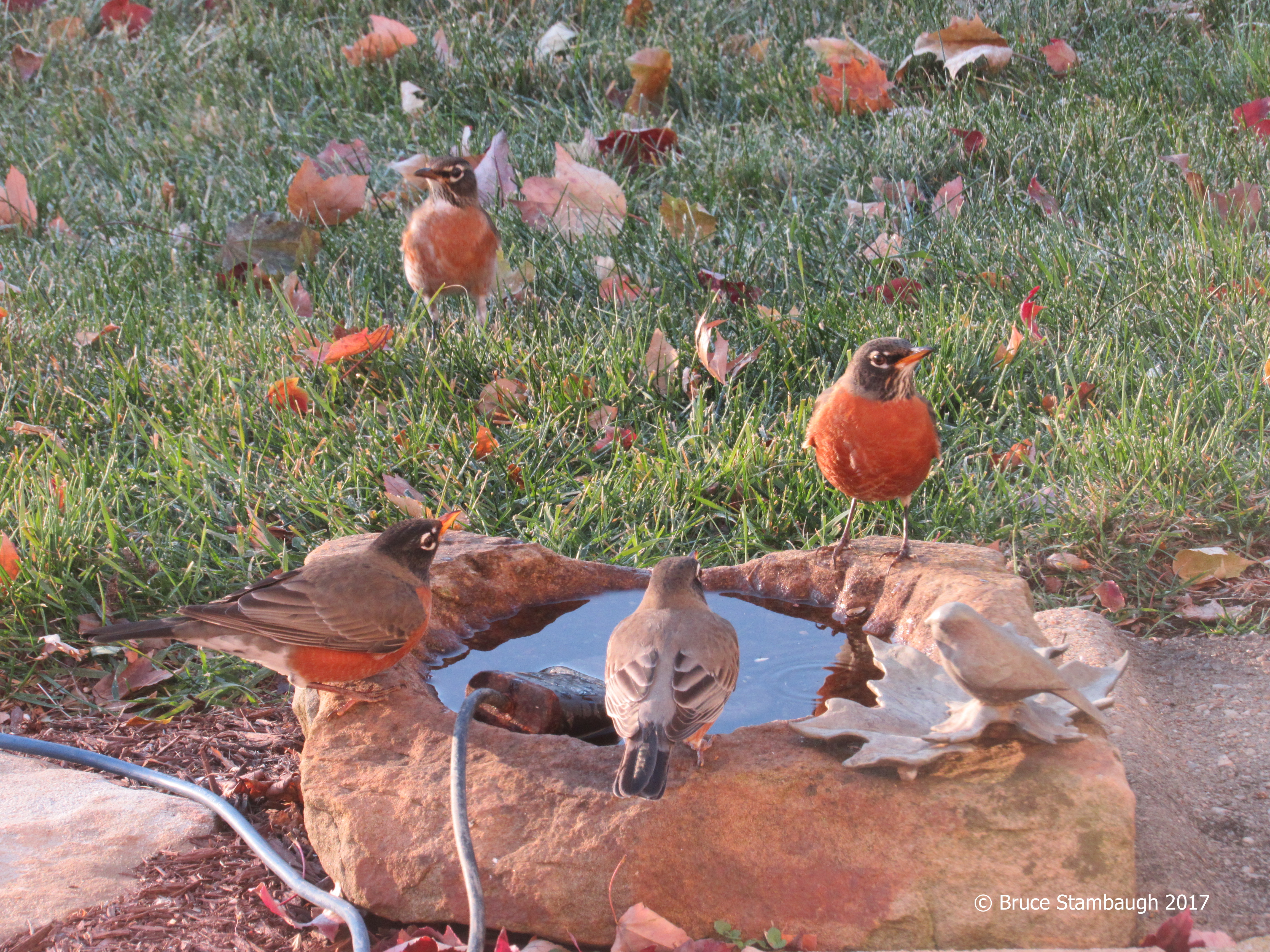
Other yard birds included flocks of American robins. Unlike Holmes County where robins seek shelter in dense woods or migrate altogether, robins in Virginia linger longer. They forage on berries, crabapples, and grubs they find in yards and beneath mulch in flowerbeds. The robins particularly enjoy the birdbath for drinking and bathing.

A troop of European Starlings replaced the grackles as the rascals of the feeders. They’re pretty birds, but they can devour four cakes of peanut butter suet in a day. The woodpeckers shared my disapproval.

My bird feeders may not have attracted the variety of birds we had in Ohio. I keep them up anyhow to enjoy the ones that do appear. It’s a pastime that both my wife and I find more than worthwhile.

robins, birdbath
Gathering around water hole.

© Bruce Stambaugh 2018

Pair of Pileateds

Pileated Woodpeckers, Bruce Stambaugh, birding,
Pair of Pileateds. © Bruce Stambaugh 2014.

When I hear that distinctive, penetrating squawk outside, I usually grab my camera and head to a window at the rear of our home in Ohio’s Amish country. A Pileated Woodpecker, or maybe two, is brashly announcing its arrival. As a birder, I have been fortunate to have Ohio’s largest woodpeckers coming to the feeder regularly year-round. They especially frequent the feeder in the summer when the parents bring a juvenile to the peanut butter suet feeder that hangs from the backyard sugar maple tree.

I have had all three birds near the feeder at the same time, but never on the feeder simultaneously. As you can see, I can no longer say that.

When I glanced out a window recently after hearing that call, I was pleasantly surprised to see both the male and the female on the feeder opposite one another. Even as an average birder, I knew this was a very rare event. Most birders long to even see a Pileated Woodpecker, much less have them as a yard bird. Pileateds are normally shy birds that keep to the deep woods. Why this pair feels safe in visiting my backyard, I don’t know. I’m just glad they do. I know I was extremely fortunate to have both the male and the female together in the same photo.

“Pair of Pileateds” is my photo of the week.

© Bruce Stambaugh 2014

Bay Photos by Donna

Wildlife photos from the Chesapeake Bay region

ROAD TO NARA

Culture and Communities at the Heart Of India

K Hertzler Art

Artist and nature journalist in the Shenandoah Valley of Virginia.

Maria Vincent Robinson

Photographer Of Life and moments

Gabriele Romano

Personal Blog

Jennifer Murch

Art is the only way to run away without leaving home. -Twyla Tharp

Roadkill Crossing

Writing generated from the rural life

ANJOLI ROY

writer. teacher. podcast cohost.

Casa Alterna

El amor cruza fronteras / Love crosses borders