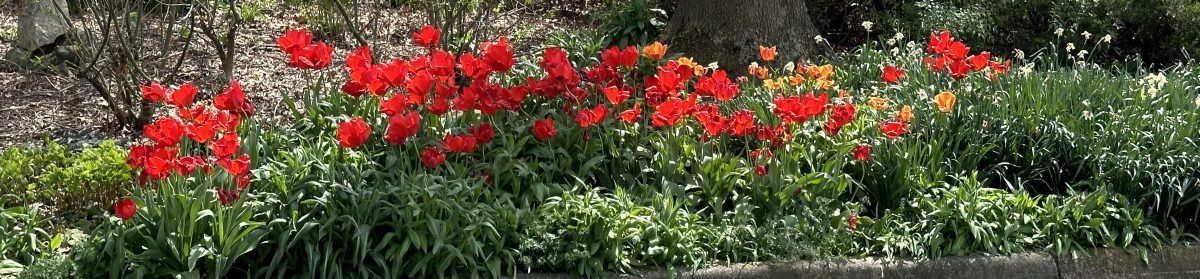
The gray, rainy day drove our little group into the local history museum. We enjoyed our 90-minute tour but were ready for a tasty lunch from one of the excellent restaurants in historic Fernandina Beach, Florida. We exited the museum and discovered the rain had stopped, at least for the moment. As I turned the corner of the old brick building to head to the car, these bright berries quickly caught my eye.
I loved the way the glistening raindrops, ready to drip, made the berries shine. Their fire engine red brightened the dull day.
A Bonaparte’s Gull landed in the salty water near where the grandfatherly gentleman stood focused on his seashell mission. The man didn’t notice the majestic bird still in its winter plumage. Instead, he gazed downward as the nearly calm ocean lapped at the shore.
Like so many other beachgoers, this human being searched for treasure. He pursued colorful shells, starfish, and shark’s teeth uncovered from their sandy hiding spots by the steadily moving waters.
The ocean glistened in the late morning sun, still not strong enough to fend off the cold north wind. That didn’t deter the gem hunters.
The joggers or walkers, often with a dog or two attached to leashes, also plied the sandy shoreline. The canines either forged ahead or got pulled along.
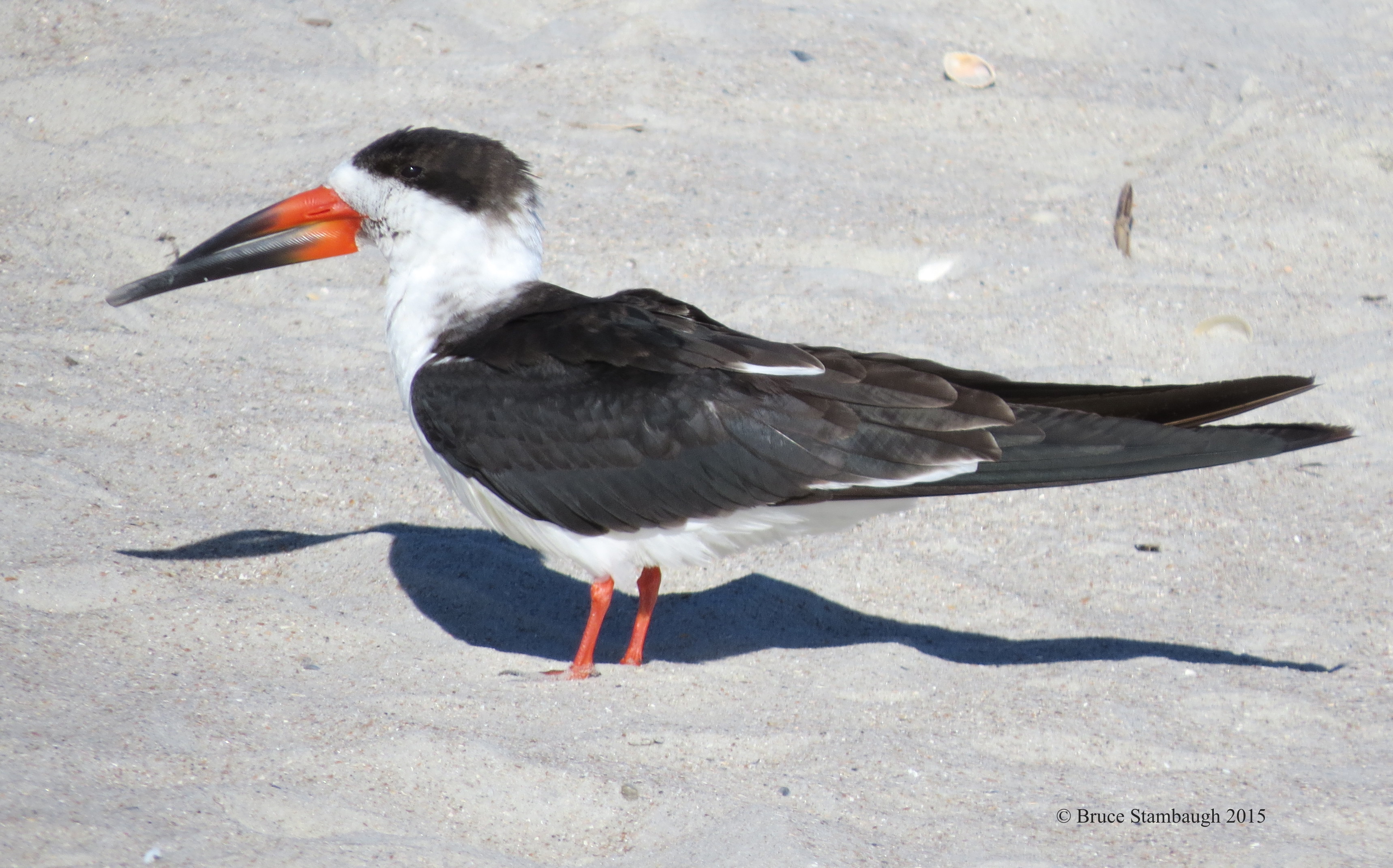
At sunrise, the Black Skimmers fed in their fashion, beaks skimming the water’s surface for seafood fare. Later they huddled on the warming sand, preening, resting, readying for their next expedition.
The magnificent Northern Gannets displayed a different approach. They flapped their long narrow wings, black tips contrasting sharply with the rest of their ivory feathers. The gannets sailed and circled. Once spotting their targets, they dived kamikaze-style into the ocean where they sat and swallowed their catch.
The Brown Pelicans mimicked the gannets in style but lacked the grace. The bulky birds sailed on the breeze until they spied their meal, then hurled themselves head first into the water. Their steam shovel-like bill had scooped in their prey before the birds righted themselves and downed the fish.
Trawlers trailed giant nets up and down the waters offshore snaring shrimp and fish. Scores of gulls, terns and gannets swirled madly behind the boat, hoping to catch any escaping seafood.
The ocean itself had split personalities. Sometimes tranquil, sometimes angry, the waters either licked or pounded at the shoreline depending on the ocean’s mood. If gale force winds accompanied high tide overnight, the gritty beach yielded.
What once was a gentle slope to the sea had had a makeover in the new moon darkness. The sunrise beachcombers had one, two or even three terraces to step down to the shore for their strolls.
Tiny Sanderlings scampered along the shore, too. Probing for nutrition, they zigzagged along the foamy sea edge as it ebbed and flowed.
Youngsters tossed a few gulls bits of bread. It didn’t take long for the boys to wish they hadn’t.
Shore fishermen cast their lines far out into the water, letting their live bait attract the fish they sought to reel in. Until then, they stuck the handle of the rod into a sturdy holder secured in the sand and took a seat.
Others only wanted to warm themselves in February’s sun, using the backs of their beach chairs for windbreaks. They read or were content just to be.
When the waves occasionally called their names, locals dressed in wet suits carried surfboards, waded into the water, and paddled out for the perfect wave. When they got a good one, they rode it until the curl collapsed.
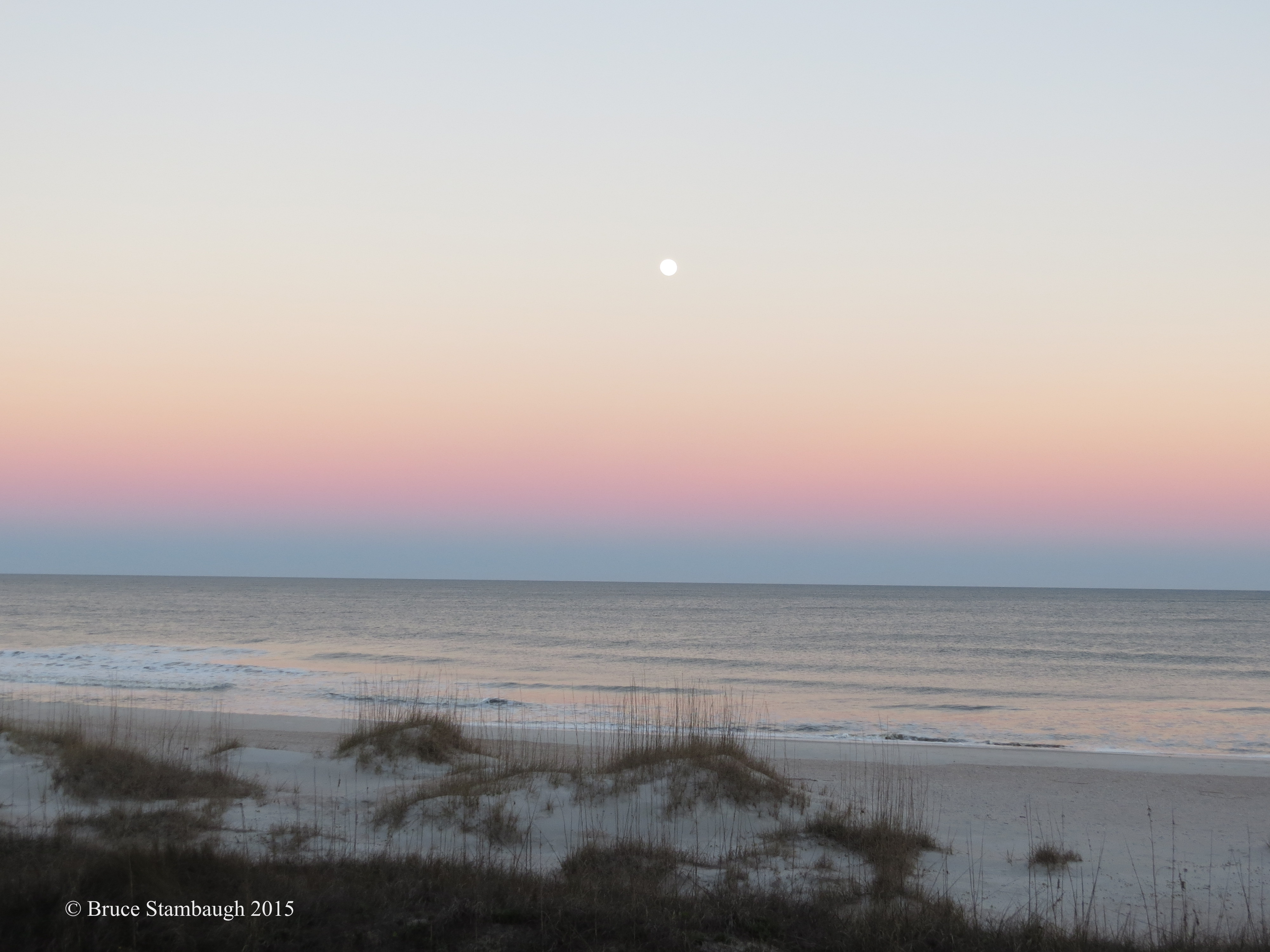
In dawn’s golden light, pods of dolphins coursed the waters for their breakfasts. Their bobbing dorsal fins foretold their way. They were mesmerizing to watch, a model of all activity along a winter’s beach.
I can’t exactly tell you when the weather bug hit me. All I know is that the weather just fascinates me.
Maybe it started when I was a youngster. A summer thunderstorm would force the neighborhood gang of kids onto our front porch. Rained out of our outdoor mischief, we passed the time oohing and ahhing at the vivid streaks of lightning dancing across the sky.
College invigorated my interests all the more. Geography courses answered questions I didn’t even know to ask. My weather appetite intensified.
After I had graduated, I took a teaching position at Killbuck Elementary School and joined the volunteer fire department after moving to the village in the valley. When I learned that the National Weather Service depended on first responders as severe weather spotters, I was elated. I took the required course to become a trained spotter. Doing so enabled me to combine two interests into one, firefighting and weather.
I keep an eye on weather forecasts for good reasons. The lives of others might depend on it. In today’s electronically connected world, I get the word out about potential severe weather through posts on social media just in case a few people don’t hear about the impending storm.
I likely won’t ever outgrow the desire to watch the weather. When the National Weather Service posts a storm watch near where I happen to be, I go into proactive mode watching various radar and severe weather pages on the Internet.
Thanks to technology, a spotter’s approach to watching for severe weather has significantly changed over the decades. Instead of going to the highest hilltop with the best vantage point and viewing from a vehicle, I can stay in the safety of my home. There I track the storm on my computer and by watching out the windows for rotating clouds, hail, and any flooding I can see.
Morning and evening, the local weather service office receives reports of new snow totals from dozens of snow spotters across the coverage areas. Doing so helps the professionals in evaluating their forecasts and even in issuing weather advisories. After all, frozen precipitation is the hardest type for career meteorologists to predict accurately.
Like many of the other community activities I’ve done in my life, being a weather spotter is a voluntary position. Knowing I am only one of many who help the weather service get the weather word out to citizens is all the pay I need.
Between tornadoes, blizzards, flash floods, damaging straight-line winds, and lightning strikes, I’ve seen a lot of wild weather in my lifetime. It may sound a little strange to say this, but I enjoy reporting what I find.
I suppose I do it both for the thrill and the necessity to relay what I have observed. Helping the official weather forecasters, even in some small ways, gives me great satisfaction.
I guess I’m just a weather geek at heart. I’ll gladly wear that badge of honor as I forge into the next snowdrift.
There can be no mistake about it. I enjoy meeting new people. Now, there’s nothing wrong with the guys and gals I already know. I like them, too, and the stories and friendships we share.
Of course, I love my family. They mean the world to me. I hope they think likewise.
I find there is just something personally memorable about meeting strangers who so willing and so easily engage in conversation. It might be the only one we have, and then we all move on. Then again, happenstance encounters might lead to endearing bonds. You never know unless you take a risk.
I’m glad for folks who feel the same way. Otherwise, life wouldn’t nearly be as sunny. To be sure, traveling takes away the home field advantage for everyone. We’re all standing on neutral ground.
The other is my intense yearning for learning. And the only way to satisfy that is to listen, look, read, ask and explore. Hopefully, I mind my manners in the process.
Travel enhances the desire to gain new understandings. It also has afforded plenty of opportunities to meet and know many fine folks. A few of them come to mind.
While visiting San Antonio’s world famous River Walk, I casually asked a local police officer where the best place to eat lunch was. He deferred, saying he wasn’t permitted to make recommendations.
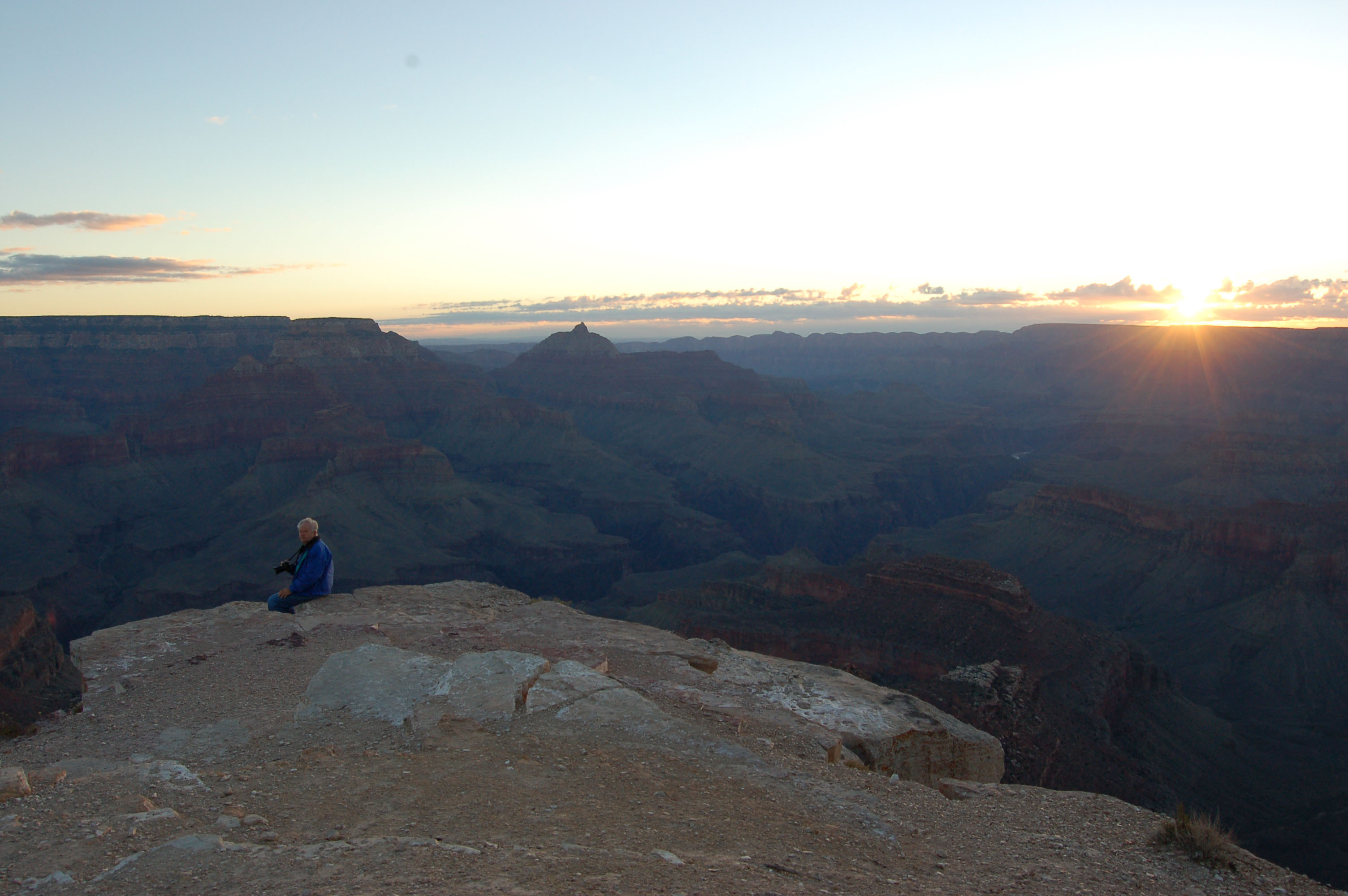
We found a young ranger equally helpful at Grand Canyon National Park. When he finished his talk, I asked him where the best place was to view the sunrise.
The wise young man looked around, leaned in and whispered, “Shoshone Point.” We weren’t disappointed the next morning.
When vacationing in Fernandina Beach, Florida, I kept seeing the same woman evening after evening taking photos of the sunset over the town’s harbor on the Intercostal waterway. We talked, shared about photography, and the next thing I knew Lea had invited me to her home for a camera club meeting.
More than 30 years ago, Neva and I attended a church conference in Bethlehem, Pennsylvania. We stayed in an old brick farmhouse of a very gracious guest. We hit it off right away, despite my lame attempts at humor. I especially loved Mary’s tasty and colorful meals. We’ve been friends ever since, even attending her wedding. Now we love her saint of a husband just as much as Mary.
At our house, winter is for the birds. Well, so are spring, summer and fall. We feed the birds that frequent our backyard year-round.
My wife and I enjoy watching the various bird species that visit at the assortment of feeders we put out for our feathered friends. Consider it our preferred entertainment.
The birds also take advantage of the little garden pond near the feeders. The water runs down the small waterfalls all year for the birds to bathe and drink. That’s especially important in the winter when most water sources often freeze.
But it’s the feeders that the birds flock to, excuse the pun, especially when the temperatures are extreme and the ground covered with snow. Natural food sources are often limited.
Dark-eyed Juncos prefer to scratch at cracked corn on the ground. Northern Cardinals are more versatile, feeding on the ground, from hopper feeders and will even perch on the oil sunflower feeders.
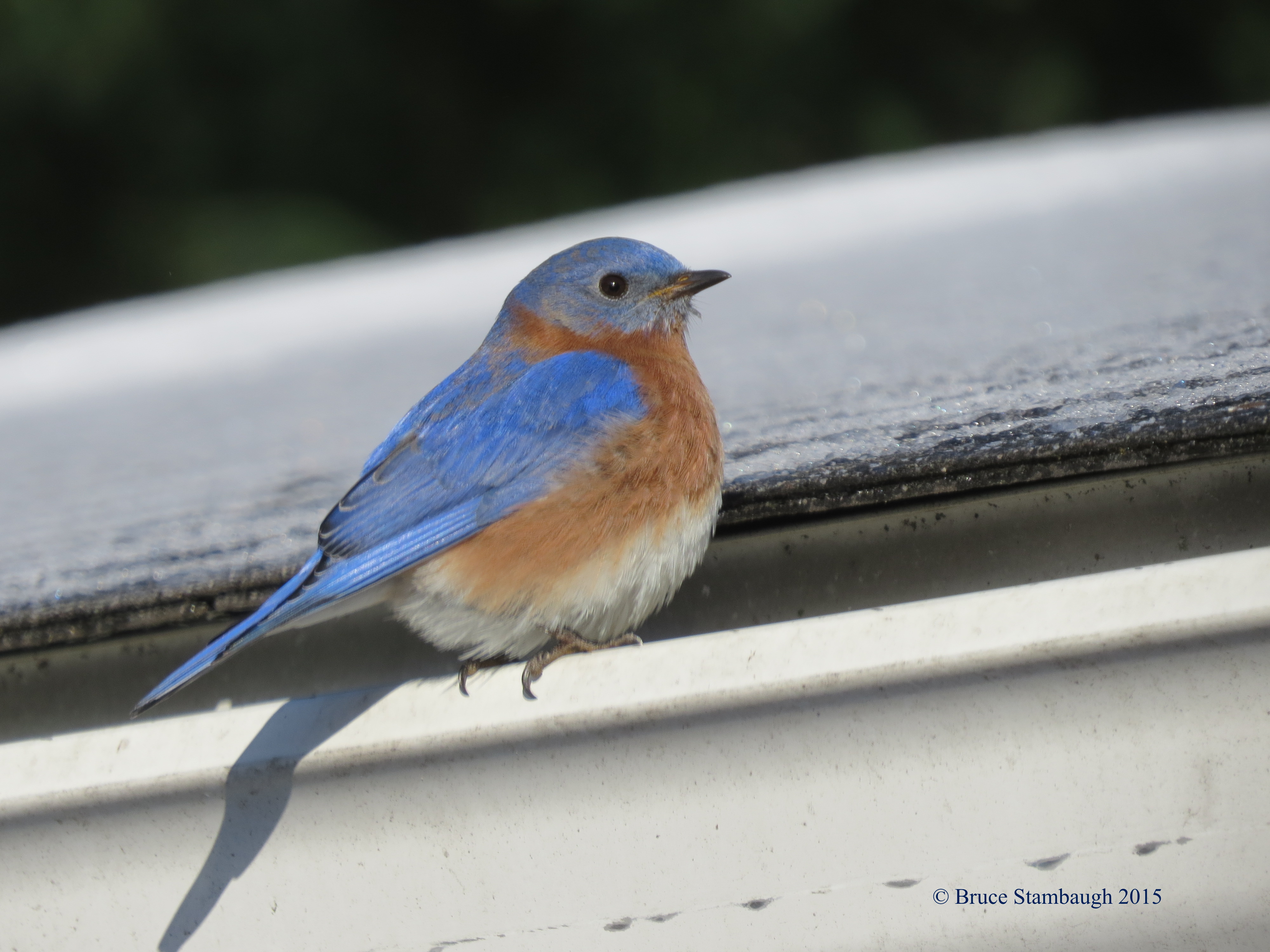
The faithful American Goldfinches prefer the chipped sunflower seeds from the tube feeder by the kitchen window. Eastern Bluebirds will join them.
Several kinds of woodpeckers visit the suet feeder, filled with peanut butter suet cakes. The sturdy wood and wire contraption hangs from a limb of the sugar maple tree that dominates the backyard.
We are fortunate to have nearly all of the kinds of woodpeckers that live in Ohio, Downey, Hairy, Red-bellied, Redheaded, and even Pileated. We’re particularly grateful for the latter.
Pileated Woodpeckers, Ohio’s largest woodpecker, are giant, usually secretive birds that often live and feed deep inside dense woodlots. We’re glad the ones that visit our backyard are an exception.
The desire to dine at our free buffet must overcome their instinct to be reclusive. Often we know when they are coming. Their harsh call warns all other birds that the big boy and girl have arrived, and to make way. The others regularly oblige.
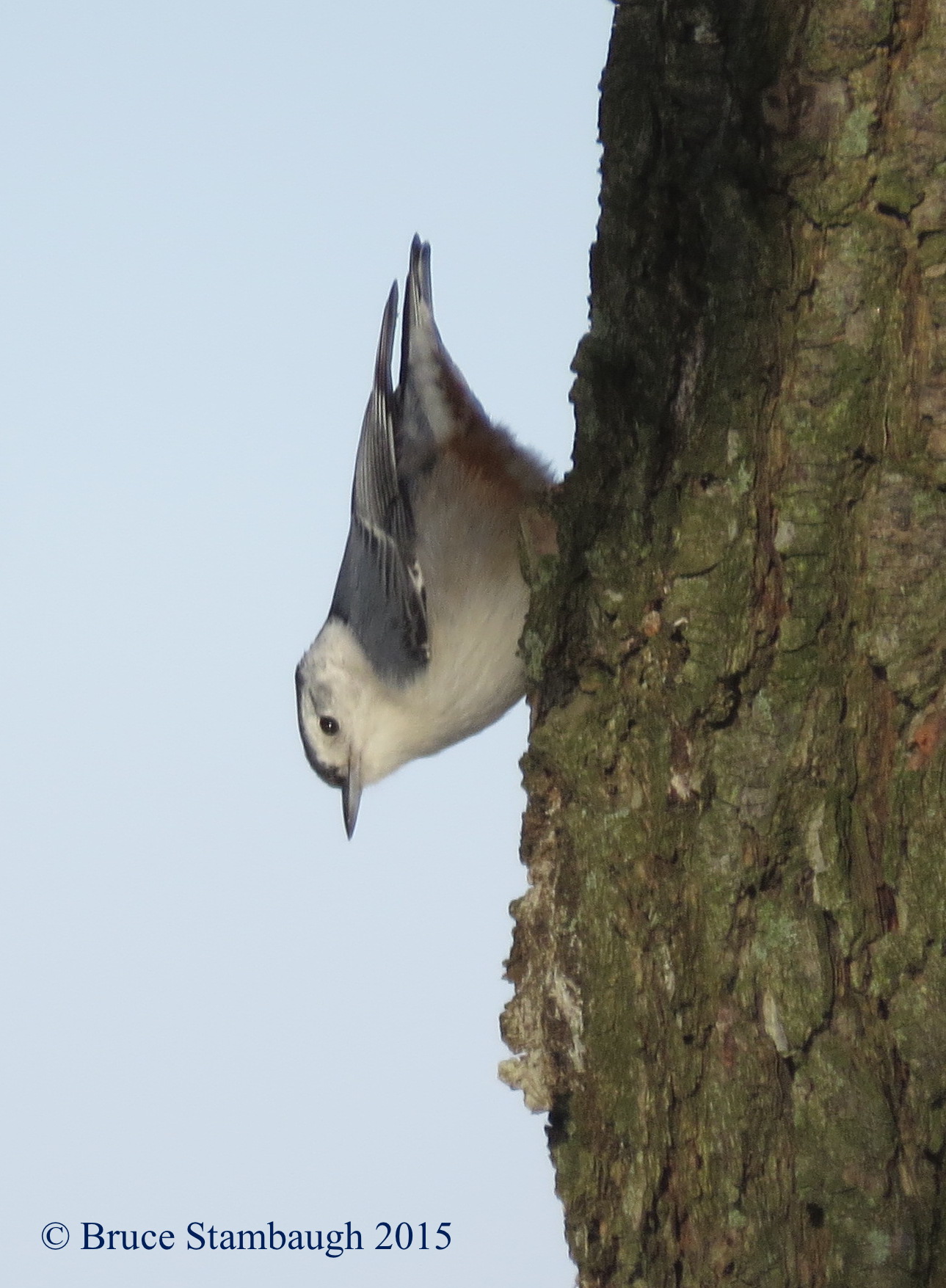
As big as they are, the Pileated Woodpeckers don’t seem that aggressive toward the other birds. Surprisingly, it’s the opposite. The smaller woodpeckers, Black-capped Chickadees, Tufted Titmice, and White-breasted Nuthatches play it safe until the Pileateds retreat.
I’m pleased that the big birds feel safe coming to our feeder every season. With the maple tree dense with leaves, the birds can easily hide. The huge woodpeckers even bring their fledglings to the feeder in the summer.
Without the leaves in the winter, the Pileateds are much easier to see. They always arrive from the south, usually landing on the same limb. They shinny down the big branch and flop over to the heavy-duty feeder.
Both the male and female are striking in their size, shape and coloration, a vivid red and contrasting white and black. Their thick, chisel-like bills taper to narrow, blunt points.
My wife and I are grateful for all of the beautiful birds that visit us, whether it’s once or daily. The Pileateds, however, are a most revered treasure.
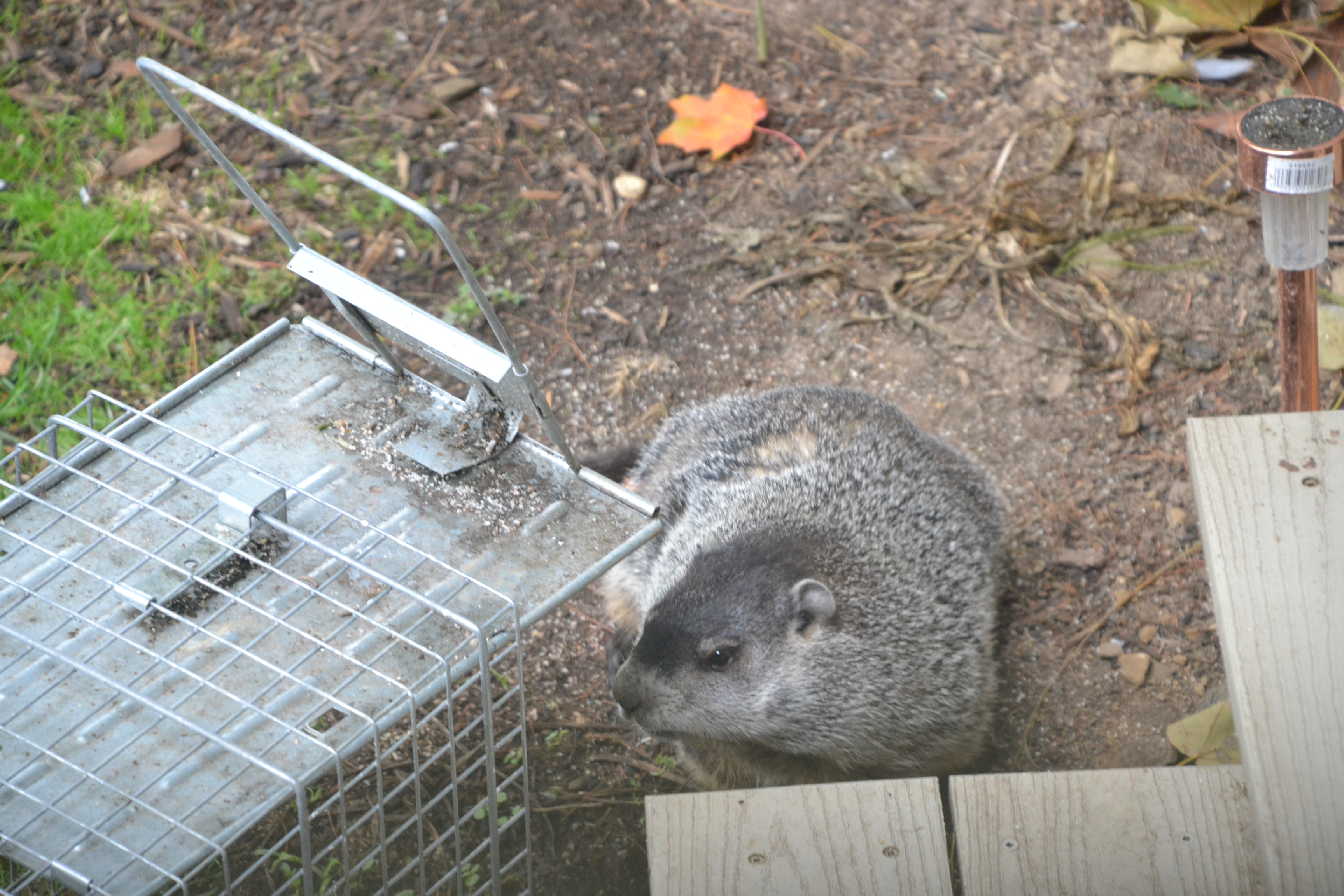
The 2014 version of Punxsutawney Phil. (Photo courtesy of the Pittsburgh Post-Gazette.)
By Bruce Stambaugh
Another Groundhog Day is upon us. What’s all this silliness about anyhow?
I’ve never entirely understood the ubiquitous clamor over this unofficial holiday. Even as a youngster, I remember watching the Today Show on television on Feb. 2. Willard Scott, the show’s weather guy, got so excited if the groundhog didn’t see its shadow. Folklore says that means spring will arrive sooner than the official date.
That’s just nonsense, of course. Wild animals have some sense of impending doom. I heard stories about deer fleeing the lowlands along the Killbuck Creek in Holmes Co., Ohio well ahead of the devastating flooding in 1969.
But a groundhog, or if you prefer woodchuck, whistle pig or land beaver, predicting when spring will really arrive? I don’t think so.
The town of Punxsutawney, Pennsylvania garners the most attention on Groundhog Day. The good folks of the hard-to-spell town have been hosting the official celebration of this hoax of a holiday ever since 1886.
I was surprised to learn the event had been going on that long. It’s gained in popularity since the release of the Hollywood movie of the same name in 1993. Since then, folks swamp the little west central Pennsylvania burg wanting to get a look at the four-legged weather prognosticator from Gobbler’s Knob.
I was also intrigued to learn that Groundhog Day was a carryover from traditions in Europe. Most of them were borne around a religious holiday called Candlemas, where clergy blessed candles that were distributed to parishioners.
The candles were lighted on February 2. If the candlelight was needed due to dreary weather, the populous took that as a sign that winter was waning.
Who were these kind but superstitious folks? Why Germans, of course. And what nationality predominated in swarming through Penn’s Woods in the pioneer days of our great country? Why Germans, of course.
In clearing the land for farming, they found groundhogs rather numerous. The four-legged varmint also happened to resemble an animal from their homeland, the hedgehog.
In fact, pioneer farmers in New England had a very practical saying. “Groundhog Day, half your hay.” In other words, if a farmer had used up more than half of the hay stored for the winter, lean times could be ahead for the livestock if winter lingered.
So it seems that I might have to ease up on the good folks in Punxsutawney. Why not have a little fun and make a little money in the process?
Having something to celebrate at winter’s midpoint may not be such a bad idea, after all. Given the day’s history, it does have a purposeful origin. As time and traditions both transformed, a case can be made that Candlemas morphed into Groundhog Day.
I don’t see either the day or the fuss going away anytime soon. We can thank the Germans for creating the tradition. We can thank the hyperventilating media for extending it.
I guess this just goes to show that even when you think something is a bit unusual, you can still learn from it if you keep an open mind. I won’t demean Groundhog Day again. Neither am I planning on celebrating it.
I will light a candle in the day’s honor. While I’m at it, I better check my supply of hay, too.
I’ve been known to exaggerate. Believe me, there is no exaggeration in this story.
The day dawned bright and cheery. An orange sunrise quickly transitioned into a rare cloudless January day in northeast Ohio.
I was glad for that. I had a wide variety of activities planned. However, I could not begin to imagine how an unforeseen incident would impact not just the day itself, but my life, too.
First and foremost on the agenda was to complete a final draft of yet another newspaper column. Lunch would be early since I had a 1 p.m. appointment in my hometown, Canton, Ohio.
I am fortunate that I married a woman who loves to cook. She rules the kitchen. I help where needed, usually cleaning up afterward. Not this Saturday.
I arrived at my appointment right on time. An hour later I was visiting with my friend and barber, Paul, who was recovering from a severe stroke at a rehab facility near where I had been.
I had a marvelous visit with Paul and his wife. It was great to have him on the road to recovery. Their congeniality energized me.
Despite my best attempts, I couldn’t locate the wayward warbler near Massillon. It should have been in tropical climes by now. With the sun shining brightly, I found the cold, sharp January air refreshing.
Next up was my third attempt to locate a Snowy Owl in Sugarcreek. Others had seen it only a few minutes after arriving. Not me. This visit was strike three for me.
I arrived at my final destination near dusk. The friendly property owner, who happened to be outside, graciously welcomed me. I asked his assistance in finding another rare bird near his home.
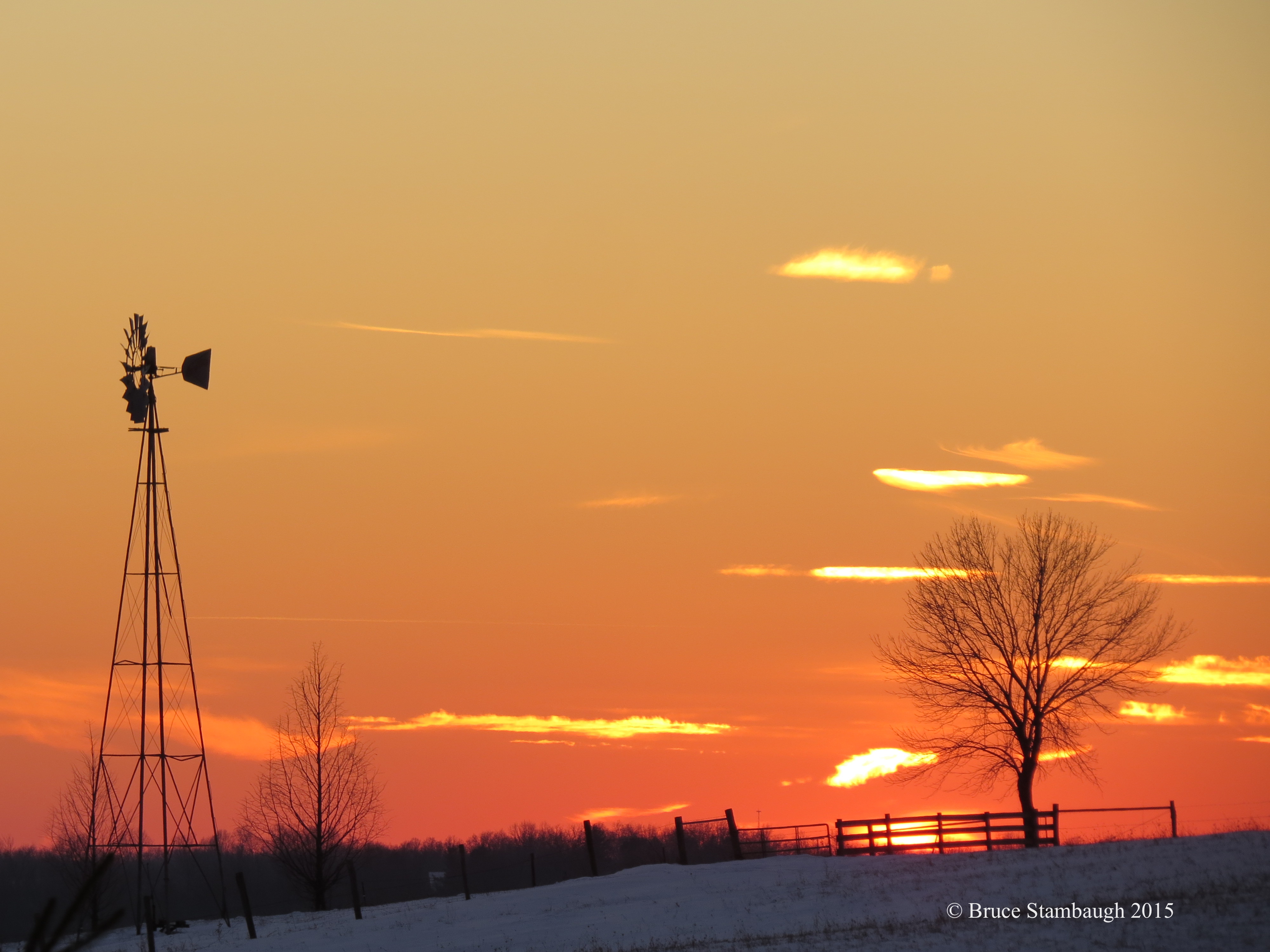
First though, the glowing sunset caught my eye. Even if I missed this bird, the view of the setting sun from this kind man’s backyard was stunning.
With the light growing dim, my new friend suggested we look for a pair of Short-eared Owls that he had seen on the farm just east of his home. Sure enough, there they were, majestically coursing the snow covered pastures for four-legged varmints. When one of the owls caught one, it buzzed by the other one instead of eating the critter. Was it showing off?
Back home, my wife, Neva, and I basked to the crackling of the fireplace while watching college basketball. It had been an eventful day.
Of course, none of these fulfilling proceedings would have happened if it hadn’t been for my wonderful wife. I failed to tell you that at lunch I choked on a piece of chicken.
Fortunately, Neva was nearby, and her instincts kicked in. With three thrusts of the Heimlich maneuver, the chicken dislodged, and I could breathe again.
Neva’s quick action enabled me to fully appreciate every moment of that day, and all that has transpired since then. Clearly, that is the very model of understatement.
Words are too cheap to express my utmost gratitude. Neva definitely saved the day and my life. There is simply no better way to put it.
Now, there are plenty of beautiful valleys in our area. For me to say I have a favorite sounds a bit selfish. It’s not. It’s personal.
To be sure, I don’t own the undulating acreage. I just enjoy it.
You can’t find a name for my favored hollow on any map. I’ve never heard anyone refer to it by name in the three decades my wife and I have lived here.
To call it a valley might even be a stretch. A quiet brook lazily meanders northwest through this productive, fertile ground. For the longest time, the land was all farmland. Farmsteads dotted hill and dale. More recently, a few residences have also popped up along the skinny township road that rises, falls and rises again east and west.
This is the sacred place where I take my physical and mental exercises. When the weather is decent, I love to walk this humble road over to Ivan’s farm.
I will continue to do so, but Ivan will no longer be there. As he fixed his lunch bucket for work one recent morning, he collapsed and was gone. He was only 65.
Ivan would bicycle by our home on the way to and from his job at a local business we can see from our home. Not long ago, he had turned the hard but satisfying task of farming over to his energetic son, whose wife was one of my former students.
As my wife and I entered the farm building where Ivan’s body lay at rest, friends and warm handshakes greeted us. We paid our last respects to this quiet, hard-working man, husband, father, grandfather, brother, friend.
Tears flowed as we bent to share our condolences with Ivan’s widow and family. In the Amish tradition, family members sit in rows of facing chairs as mourners quietly pass through, shaking hands left and right, nodding heads, sharing moments, memories, and sorrowful tears.
I marveled at the strength of the family, their genuine kindness and positive comments even in the face of their grievous loss. As I scanned the forlorn faces, I saw folks I had not seen for years. Our spirits mutually embraced without actually hugging one another.
When you live in a rural community for decades, you take for granted the integral connections of one family to another. Being among those assembled mourners, the closeness and goodness of our common kinship washed over me.
Ivan was a good man, a quiet man, a respected man, a man of peace. To a member, his family mirrors his pleasant disposition.
It seemed impossible that such sadness could hover over this lovely setting, home, family. And yet, it did. It does.
A different kind of beauty flooded my favorite valley. The loving grace of community responding to a stricken, grieving family surpassed that of the basin’s enchanting pastoral physical features.
Even in death’s darkness, the light radiated in my beloved valley.
I had a lot of time to think and reflect over the recent holidays. It wasn’t what I had in mind. In the end, it may have been what I needed the most.
Like so many other folks, I got the flu. Mine hit just before Christmas, not good timing with the family gathering for the holidays. We had a lot planned, too.
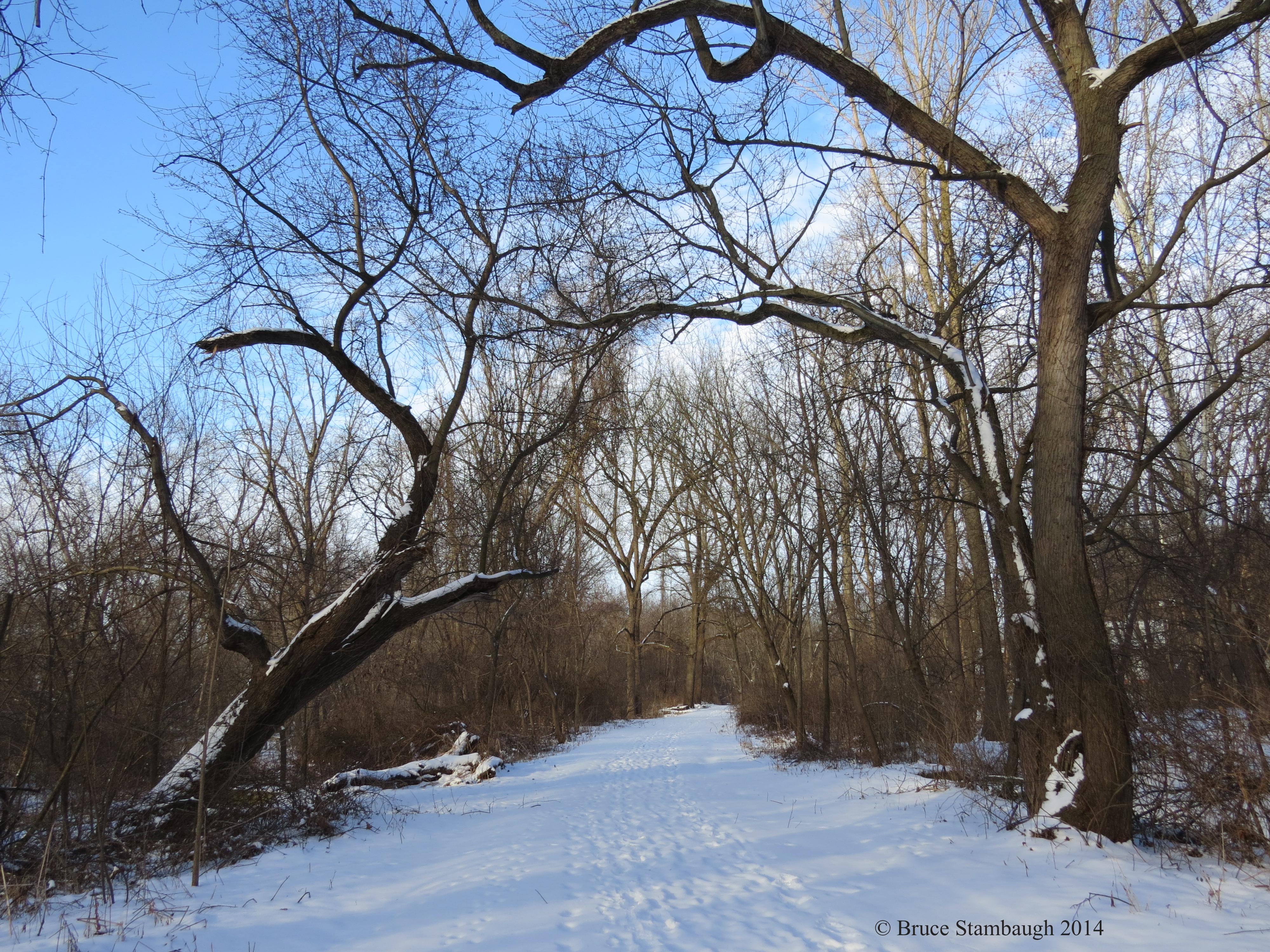
I’ve learned that plans sometimes have to change, whether we like them to or not. I isolated myself from the grandkids until I was no longer contagious and felt well enough to participate. Even then, I kept my distance and paced myself. When the chill subsided, I snapped a few photos from the house.
This current flu outbreak has been particularly bad, spreading fast and furious. I got my annual flu shot, but medical officials said this strain had mutated, rendering the vaccination no defense against the illness’s manifestations.
Sneezing and coughing were the first signs that all was not well. Then came the chills, aching and sore throat. Many people had fevers, too.
I pitied children and older folks. Both groups had little resistance to fight the flu’s harshest effects, fatigue, and fever. Unfortunately, some even died from this infectious infirmity.
Not only did this sickness spread rapidly, it stayed with people for days on end. Often, it morphed into other physical issues, like strep throat, sinus infection or laryngitis. This exponentially extended the time of sickness.
It respected no boundary lines either. People all around got sick. Health officials declared this influenza occurrence an epidemic. It certainly was in my family. The flu bug spanned three generations among my close relatives.
As I lay shivering beneath warm blankets, all I could think about was how lousy I felt. Then I heard of someone else getting sick, and I felt even worse. Not that it was my fault, but I felt bad for them.
It wasn’t until I reached the end stages of my round with the flu that I began to recognize just how thankful I was for life’s little things. Yes, I had missed some traditional gatherings with family and friends. But the times of solitude gave me opportunities to reflect on the good that had come into my life.
I appreciated the homemade Moravian ginger snap cookies paired with warm mint tea my wife fixed for me. That and the bubbling sodas and the clear, cold water kept me hydrated.
I found great comfort in those thoughtful gestures. They helped me heal. I wanted to return the favors.
When I discovered another person had the flu, I relayed what information my own doctor’s office had given to me. It was about all I could do. For once, my message was pretty short. Rest. Drink. Eat. Take your medication. Repeat.
Of course, you don’t have to get sick to be thankful for the random common occurrences that better and brighten your day. Just embrace and enjoy them as they occur. And don’t forget to say thank you.
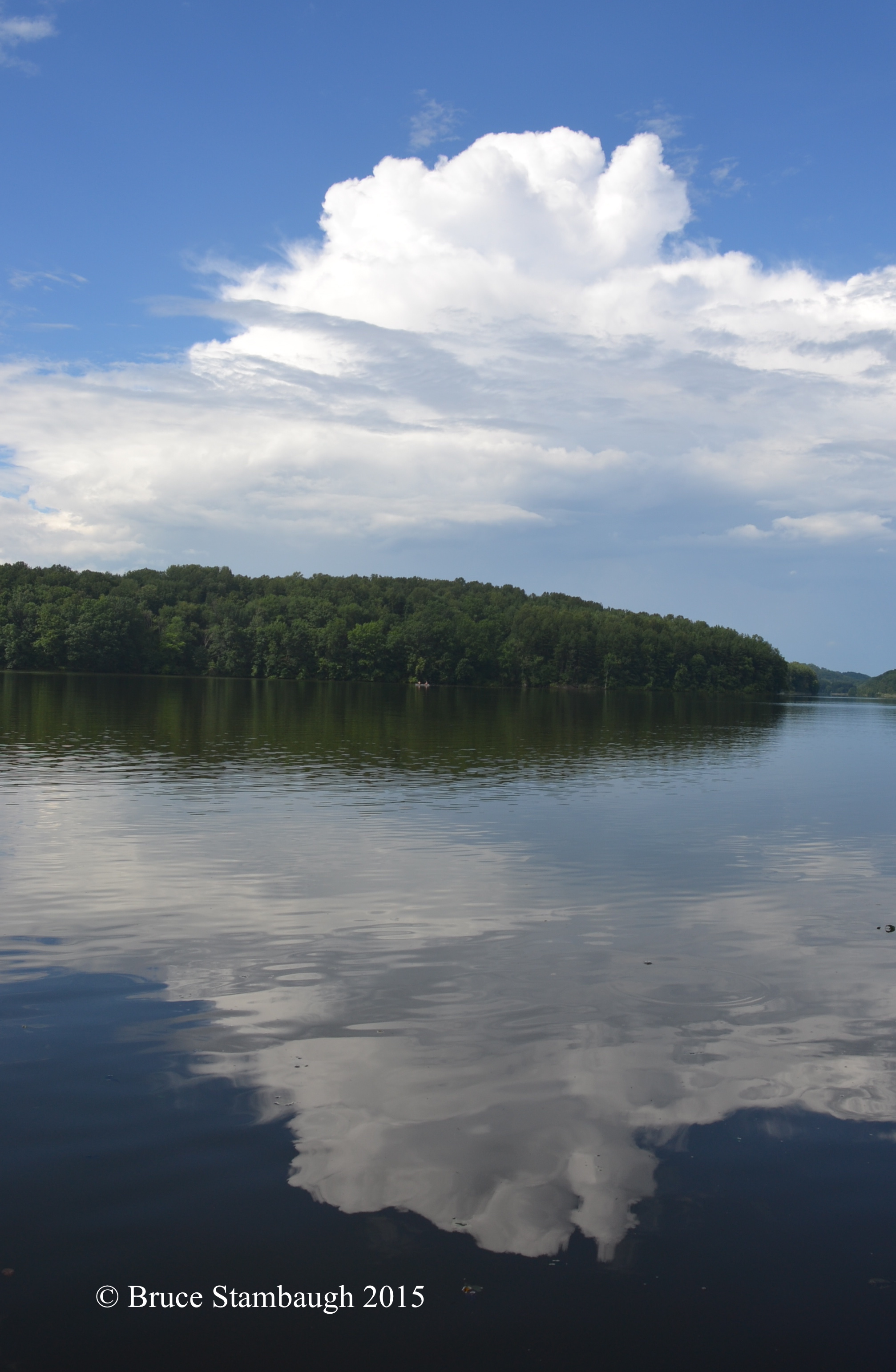
It’s not easy living in the third cloudiest location in the nation. Like it or not, that’s just what the residents of Northeast Ohio have to do.
That’s not good for people with Seasonal Affective Disease (SAD). Recurrent gray days negatively affect their daily outlook. Folks with SAD have to suffer through as best they can. I can’t imagine how they do it. It’s hard enough to wake to one gray day after the other without that affliction.
I speak from experience having been a Buckeye all my life. Strung together like a necklace of discolored pearls, these series of overcast, dull days, can get us all down if we let them. We shouldn’t.
I will be glib and say there is good news anyhow. Minute-by-minute, daylight is increasing. That’s little consolation to all those overcome by the seasonal dreariness.
Winter mornings in Ohio seem darker and colder than ever. A minute of daylight tacked on a day at a time isn’t all that inspiring, helpful or meaningful.
We can always hope for an Alberta Clipper to roll through with a few inches of snow and frigid temperatures. The passage of the front usually brings clear, crisp days.
Indeed, these dreary, damp, cold days are what they are. They don’t have to keep us from keeping on. We have to remember that each day is a gem of a gift to treasure all unto itself.
For me, that is an important reminder. The start of a new year means we enter winter’s hardest times. The season’s coldest temperatures, harshest weather, and often the worst storms are likely yet to come.
All things considered worse scenarios than depressing weather abound in this world. Can we look beyond our personal life space to see them?
A friend of mine has terminal cancer. He unabashedly asks others what they think about each night before they go to sleep. Do they believe they’ll awake in the morning? Are they ready to pass on?
Those are blunt, but necessary questions for each of us at any age, healthy or ill. At the end of another day, what do we contemplate? Can we accept dismal skies or broken relationships, or unsatisfying vocations?
Will we wake in the morning to a new day or a new world? None of us, regardless of our situations, knows. I do know this, however. Time is fleeting, gloomy skies or clear skies.
How will we use each day we are given to the benefit of others no matter our personal station in life? Will we let the weather get us down, or will we radiate sunshine that warms and enlightens others?
Regardless of where we live, that is always a challenge, isn’t it? I’m not one to make New Year’s resolutions. But at this stage in my life, I only want to be helpful to others, those in my household, my family, my community, and even strangers I encounter in my daily duties.
My personal challenge this New Year is not to let the gloomiest weather dim the day at hand. What’s yours?
















 Roadkill Crossing
You must be logged in to post a comment.