Insights about my enigmatic father

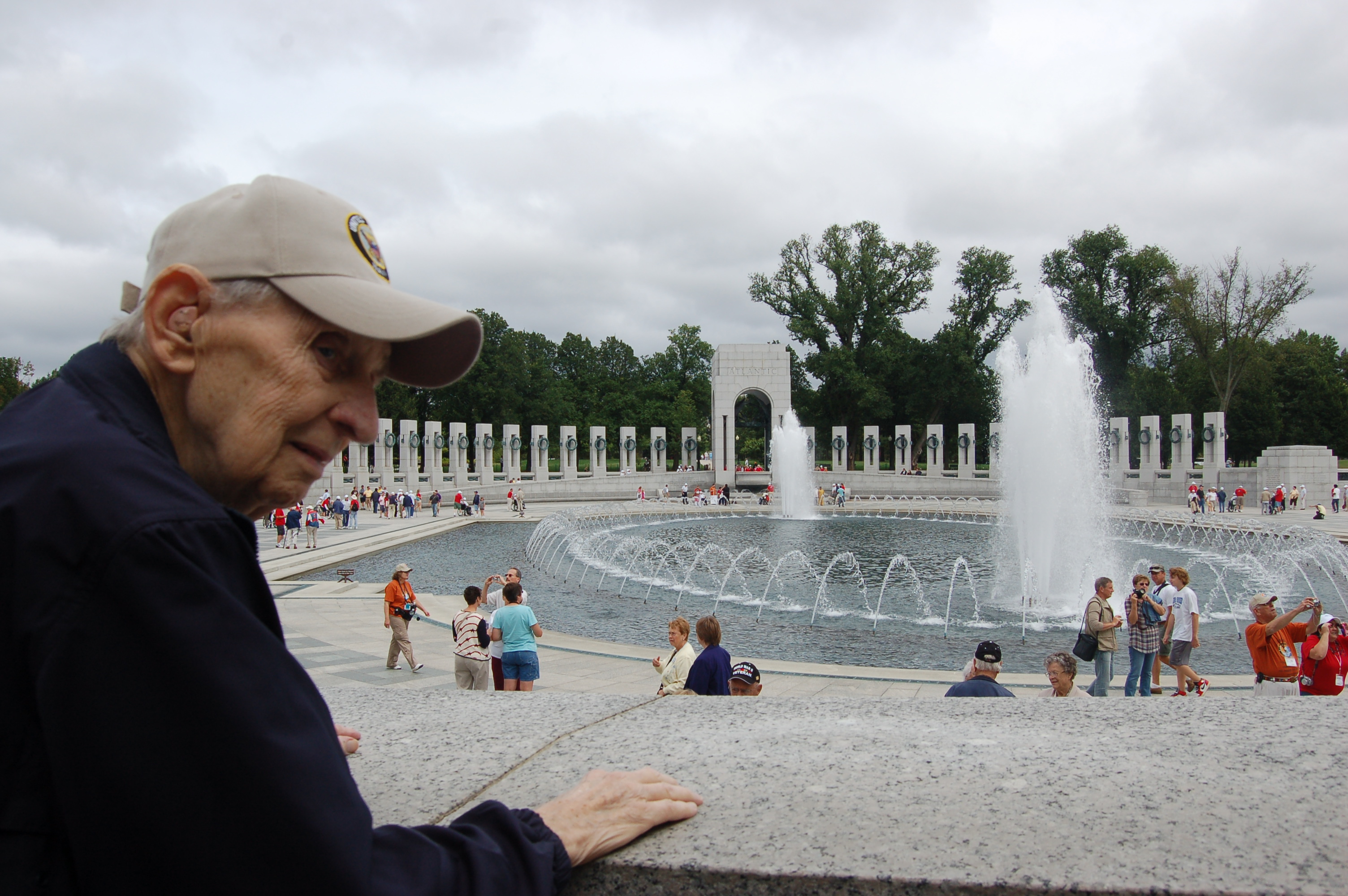
My father at the World War II Memorial three months before he died. Photo by Bruce Stambaugh

I don’t need a designated day to remind me of my late father. I see him in many of my machinations and manners. I walk, talk, and too often behave much as he did. I’m still working on that.

Understand me, though, that I loved my father unconditionally. It just took me too long to realize that I spent too much of my adolescent and young adult life trying to earn his affection when affection wasn’t his thing. I finally realized that Dad was already sharing his love in how he lived his life.

Dad had many interests. In his nearly nine decades of living, he squeezed in an array of activities. Unfortunately, assisting our dear mother around the house wasn’t high on his list.

My father had Ichabod Crane’s physique and Rip Van Winkle’s spirit. At six foot two inches in his prime, Dad was tall for his era. But his skinny build gave him a gangly appearance.

Dad was athletic and energetic, especially when it came to having fun. He loved to tell stories of dancing with Mom at Moonlight Ballroom in Meyers Lake Park in Canton. We played “Moonlight Serenade” at his memorial service as he danced into glory.

However, the only time I ever physically saw him dance was with Mom at a niece’s wedding. Though in their 80s, they glided across the floor as if they were 20.

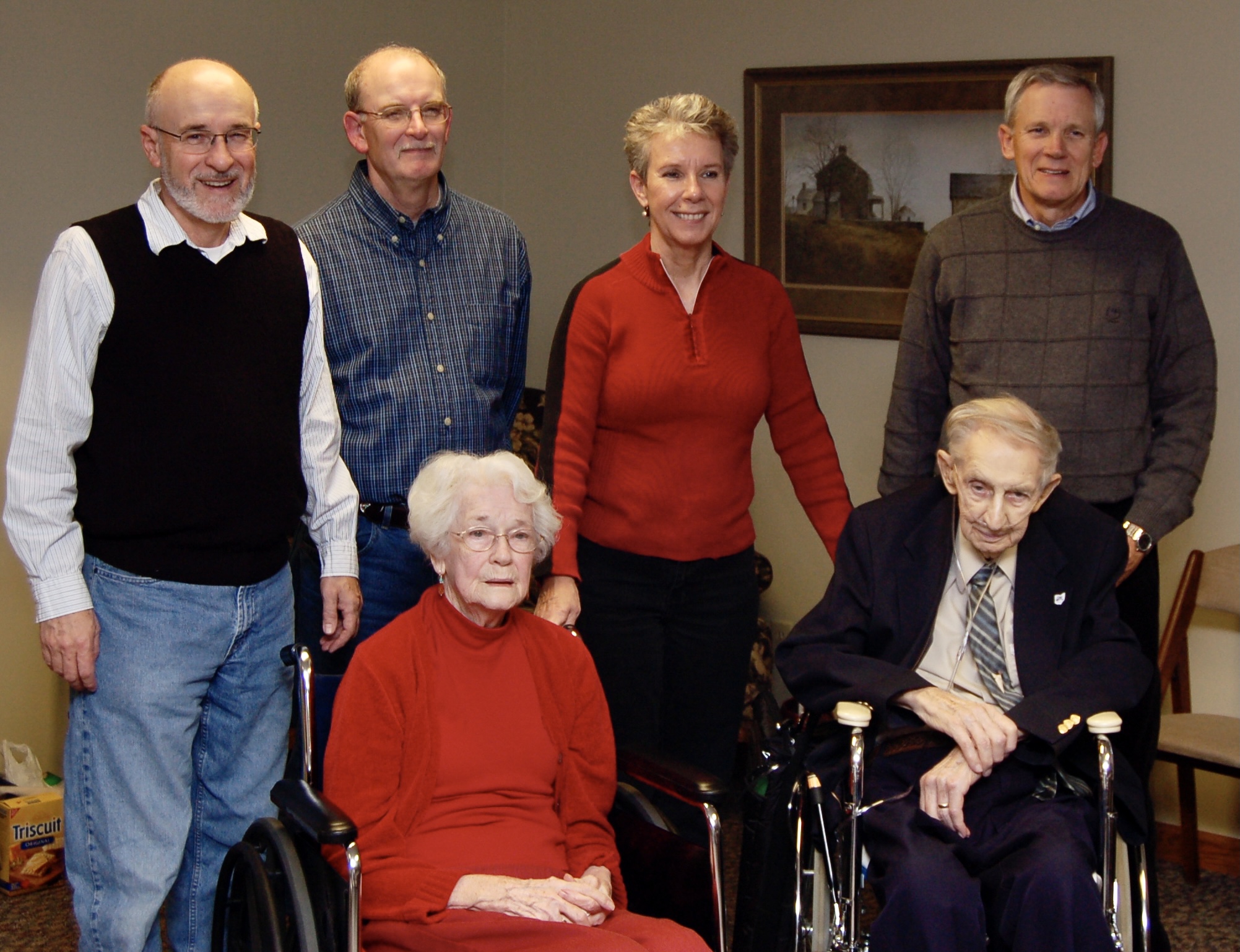
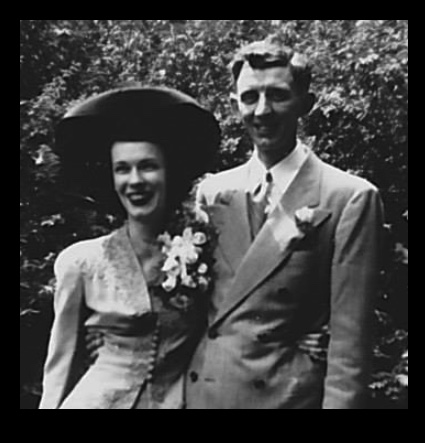
Top left: With our parents on Dad’s last Thanksgiving; Middle: Dad with my two brothers, sister and me before our other sister was born; Top right: Mom and Dad on their wedding day; Bottom: The home Dad helped build and where we all grew up.

Dad loved to tell stories. When we lived in Ohio, I would occasionally run into people who knew my father. Their complimentary comments often referenced Dad’s storytelling.

I always acknowledged that Dad was indeed a great storyteller and that some of those stories were actually true. I always smiled when I said it, though.

By profession, Dad was a project engineer. He helped build the red-brick bungalow where he and our mother raised their family. His pride and joy, though, was the inviting cottage he and Mom built at a lake in southeastern Ohio.

Although he couldn’t swim, Dad enlisted in the Navy in World War II. He did so because the Great Lakes Naval Base was only hours from home. However, he found himself in the engine room of the U.S.S. San Diego in the Pacific theater.

After the war, Dad worked on submarine missiles and was part of a team that designed a new gondola for the Goodyear blimp. Yet, projects around home went unfinished or were patch jobs. His favorite tool was duct tape.

Dad loved social gatherings. He took it upon himself to organize family reunions. He also once planned his high school class reunion and then forgot to go.

Dad and Mom visited us frequently in rural Holmes County, Ohio. His pretense was to see his grandchildren, but he spent his time scouring fields for arrowheads. In his excitement to show us what he had found, Dad tracked dirty footprints into the house.

Even as cancer overtook his body, Dad’s passion for life remained. He was ready to go but didn’t want to leave this life he loved.

Though unconscious, the Hospice nurse encouraged me to tell Dad that it was alright to let go. So, I did.

Dad’s reaction didn’t surprise me. Unable to speak or open his eyes, he just waved me away. I took it as an indication that he wanted to die on his terms and time. And that is what he did. Early the following morning, while the nurse left his side for five minutes, Dad took his final breath. I don’t need Father’s Day to remind me of my father, but I am thankful for the day and my dad nonetheless.

Dad gave a presentation to retirement home residents on his favorite topic, Native Americans. Photo by Bruce Stambaugh.

© Bruce Stambaugh 2021

It pays to be flexible in retirement

I thought retirement was going to be peaceful and calm. I was dreaming.

Take two recent back-to-back days, for instance. My wife and I could have gotten ulcers from our on-again, off-again schedules. Instead, we merely went with the flow as we have learned to do.

This particular Tuesday was packed. We skipped our morning Zoom yoga session in favor of hosting Neva’s first cousin and his wife for breakfast before they headed back to Ohio. Of course, Neva did her usual over-the-top hospitality thing.

We looked forward to their long-awaited in-person visit, their first in two years. But there was a problem. I host a Zoom writing group on the first Tuesday of every month at 10 a.m. I knew the lively conversation would last well beyond the Zoom meeting’s starting time. I had no choice but to excuse myself from the enjoyable party.

When I started the Zoom writing meeting, a couple of folks were already waiting to get in. Others arrived late. Since we were in three different states, we spent the waiting time catching up until everyone was present.

The meeting went well with lots of excellent readings and constructive comments. Though the two hours flew by, I was exhausted. Zoom tends to do that to me.

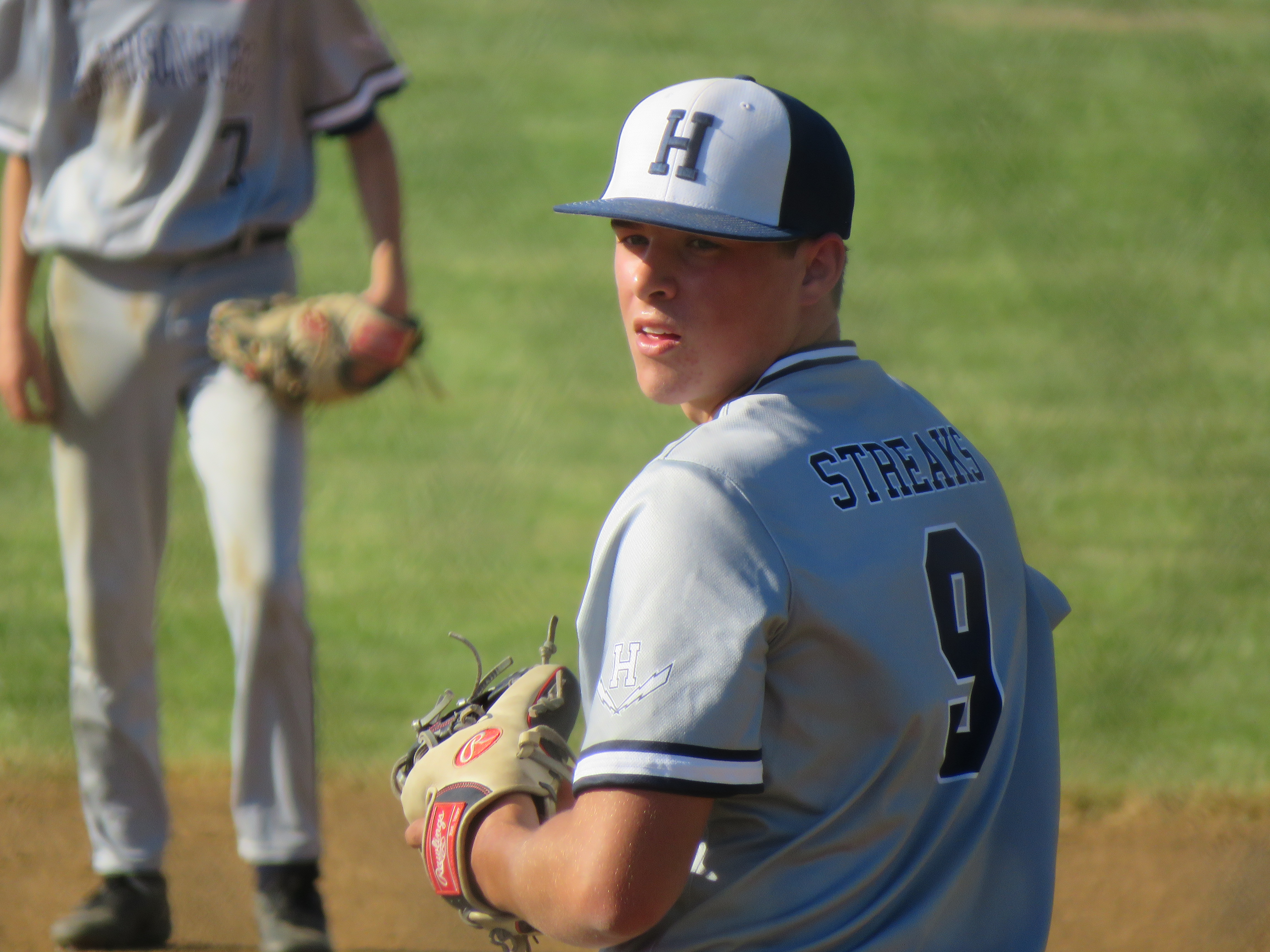
After a light lunch on the porch, I decided to mow the yard since the grass was tall and my afternoon was open. I had to finish by 3:30 p.m., though, so that I could go with my wife to pick up our middle grandchild at the middle school at 4 p.m. Nana was to drop me off at our daughter’s house on the way to taking the youngest grandchild to soccer practice.

From there, I was to ride with our daughter and her husband to watch their oldest play baseball in a neighboring town. However, that plan got altered and then totally scrapped when the home team changed the game start time to 7:30, not 6. It was one big “Never Mind.”

The next day wasn’t much better. All the hustle and bustle activities got squeezed into a late afternoon-early evening time frame. The plan was to host our daughter and whatever family members could attend for dinner.

Nana had made beef stew, and they would all eat and go to the high school for the first live band concert in more than a year. The middle grandchild would play the French horn with the high school band.

Because I had a previously scheduled appointment in town, I was to join them for the 6 p.m. concert after rushing home to enjoy the stew. The high school is just a five-minute drive from our home.

Of course, that all changed when we learned that the band concert started a half-hour later than initially scheduled. Consequently, Nana made a stew run to our daughters, and she and I ate a quick supper on the back porch.

We arrived at the football stadium just as the wind began to pick up. Band members, including our grandson, struggled to keep their sheet music from blowing into Pennsylvania.

To comply with school rules for large gatherings, each musician wore a face mask. So did audience members. Those playing wind instruments, like our grandson, tucked the mouthpiece underneath their masks and played on. Somehow, someway, they pulled it off.

My wife and I were duly impressed with the performance. Given the conditions, the students sounded great.

No matter the circumstances, we wouldn’t have missed any of those activities. In retirement, being flexible pays big dividends despite life’s frenzy.

© Bruce Stambaugh 2021

This June is a Gateway for All

We have all been waiting to exhale, especially this year, once June arrived. We had that same perspective a year ago, but we were wrong.

Last year the estimation was that summer’s warmth would lessen the spread of the coronavirus. Just the opposite happened. People gathered, and the virus spread.

This June appears to be different. The fact that nearly two-thirds of American adults have received at least one vaccination makes it so. That has resulted in the waning of the virus here in the U.S. However, other countries continue to struggle as new variants emerge, spread, sicken, and kill.

But in June 2021, a different feeling is in the air. June is that stepping stone into sunshine, smiles, and satisfaction. People in the U.S. are once again getting together, though some are doing so cautiously.

June is the gateway to summer. The summer solstice late on June 20 merely anoints the welcomed season.

June means longer and generally warmer days than previous months. With health restrictions significantly reduced or altogether eliminated, life in June just might help us all feel “normal” again.

Graduations, vacations, weddings, reunions, picnics, and Little League baseball games are a much better bet to occur with June’s arrival. Church congregations that met remotely are beginning to hold in-person services, some outside, others with controlled numbers assembled indoors.

I’ve always welcomed June from adolescence to this day. School often finished around Memorial Day, which turned us outdoor lovers loose. I still feel that way all those decades later.

But there is something sacred about this particular June. It’s more than just the freedom to move about, go swimming, fishing, hiking, or wearing T-shirts and shorts.

The pandemic isn’t over, but here in the U.S., it seems to be subsiding. Still, we are approaching 600,000 deaths in our great country and 3.5 million globally. Those are sobering figures.

I recall the wise advice of a farmer friend from the weeks-long drought that began in June 1988. Local hay crops had failed, and shipments of baled hay arrived from the Midwest. Many farmers bought the imported bales at exorbitant prices.

When they got it home, they discovered that the hay bales that looked good from the outside had more weeds than nourishment on the inside. I asked my friend if he had purchased any of the high-priced, weedy fodder.

I have never forgotten his reply. “My father once told me that when you see others running for something, you should walk.” So, no, he hadn’t.

Consequently, my wife and I will welcome June without much fanfare. We’ll follow our grandson’s traveling baseball team when we can. We will continue to be cautious about eating inside public places, preferring to dine at establishments that offer outside seating.

We have and will continue to visit vaccinated friends. We’ll use June to ease into renewing our travels, including seeing our son and his wife for the first time in two years.

I’ll continue to hike, but I will be careful to choose the days, watch the weather, and avoid weekends. I’m not a snob or prude. Crowded trails are not my thing.

When we do get out and about in June, we need to be cautious for practical reasons. Reports from many eastern states indicate that ticks are thick this year. Once back inside, check yourself, your children, and your pets. The physical effects of tick bites are devastating.

We can rightfully celebrate June’s arrival. But let’s continue to be alert and careful every step of the way.

© Bruce Stambaugh 2021
Memorial Day is for remembering

A Virginia man prepares his Memorial Day decorations.

Memorial Day is for remembering. As a septuagenarian, the bulk of my life is behind me. Memories fill my daily life, but especially so on this solemn weekend.

In the years between ages 21 and 51, I started my career as a public school educator. I met and married my energetic and valiant wife. Our daughter and son were born. I simultaneously served 27 years as a volunteer firefighter and emergency medical technician.

I consider those the best years of my life. That is true, not because of anything I did, but because of the people I met and interacted with in the communities where I lived, worked, and served.

To list all the folks would surely be impossible. So, I’ll share a few meaningful examples of those who helped me along life’s way.

Of course, I have to start with my parents, Dick and Marian. In the post-World War II era, men were the breadwinners, and women were for the most part housewives, teachers, nurses, or secretaries. That’s just how it was, and I am exceedingly glad those societal expectations are no longer the norm.

Dick and Marian Stambaugh at their 65th wedding celebration.

At 6 foot 2 inches, Dad cut an imposing figure for that era. But he lived like a child turned loose in the world. He loved our mother dearly, but he never saw the need to help much around the house.

Mom always had supper ready when Dad came home from work. After we ate, Dad would often go on some adventure, whether to tend the garden we had on a friend’s property two miles away or to a church softball game.

Mom took things in stride as best she could. None of us five kids ever doubted her love, but we sure tested her limits. Mom was as kind and sweet as she was stalwart and unafraid to have a necessary word or two with Dad or us when needed.

Dad served in World War II on the U.S.S. San Diego, a Navy light cruiser that saw action in 16 major Pacific battles. They never lost a man. Dad was proud of his service but seldom talked much about it. His father, Merle, served in the Army in France in World War I.

Grandpa was gassed by German forces and treated in a field hospital that kept no medical records. He suffered from those damaged lungs until he died at age 72. He never received the financial or medical help that he needed and consequently lived a hard life.

My wife’s parents, Wayne and Esther, took me in like the son they never had. I knew Wayne liked me right away because he ushered me to the barn to see the pigs on my first visit to the farm. My wife said it usually took suitors three trips before they got that introduction.

Family members weren’t my only influencers. I boarded with Helen, a kindly woman, the first year that I taught. We became lifelong friends. Never married, Helen graciously adopted our family as her own. Our daughter and son were the grandchildren she never had.

Many others guided me through life, too: teachers, friends, other family members, even strangers. I cherish the times they spent with me. They all revered the past, never feared the future but sensibly lived in and for the moment at hand. So should we.

You have your saints, too. Remember them we must, for that is what they would want us to do. It is what we all want once we are gone. It’s why we have Memorial Day.

Dad at the World War II Memorial in Washington, D.C., Sept. 12, 2009 as part of an Honor Flight.

© Bruce Stambaugh 2021
Mole Hill Sunset

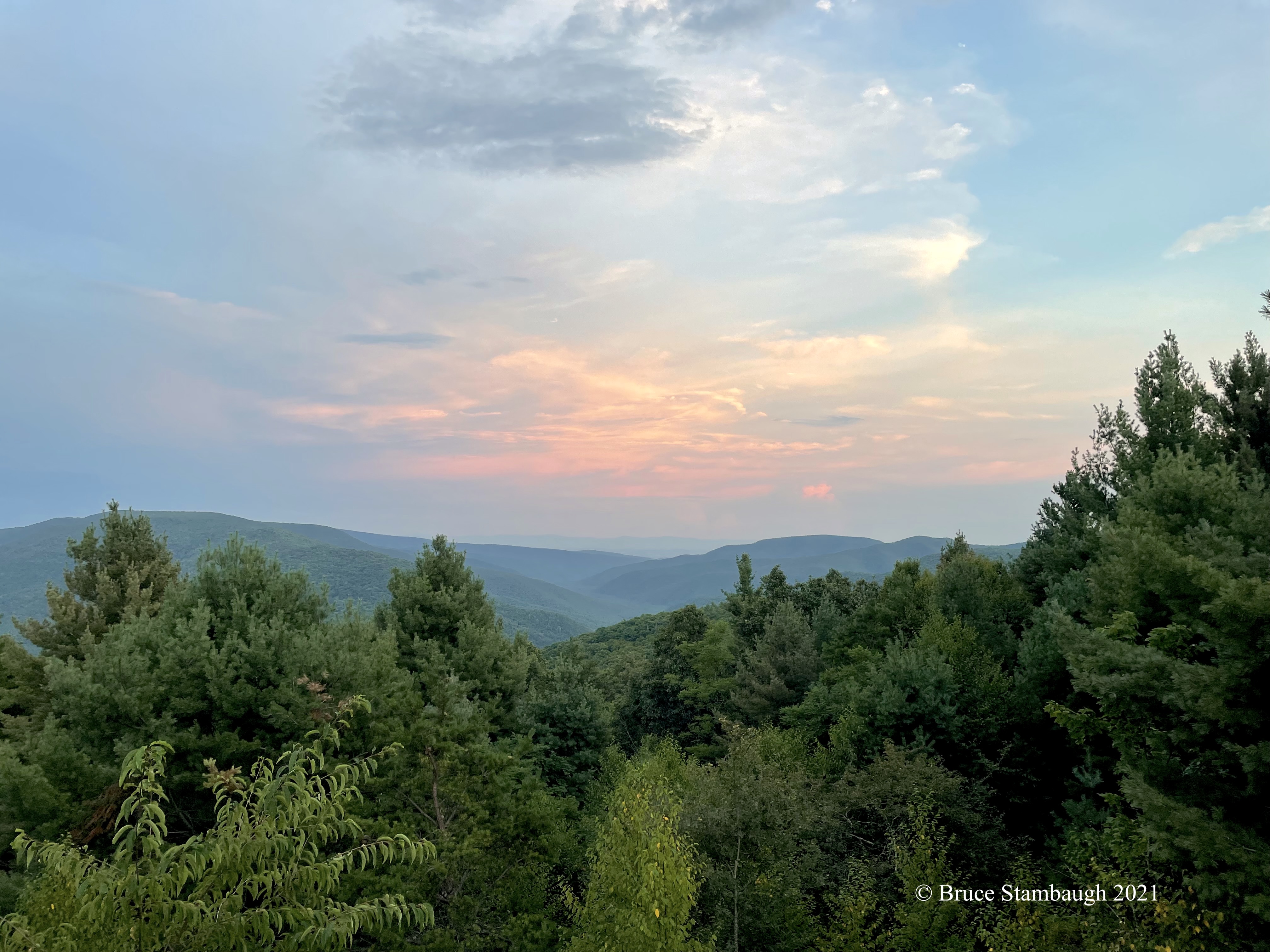
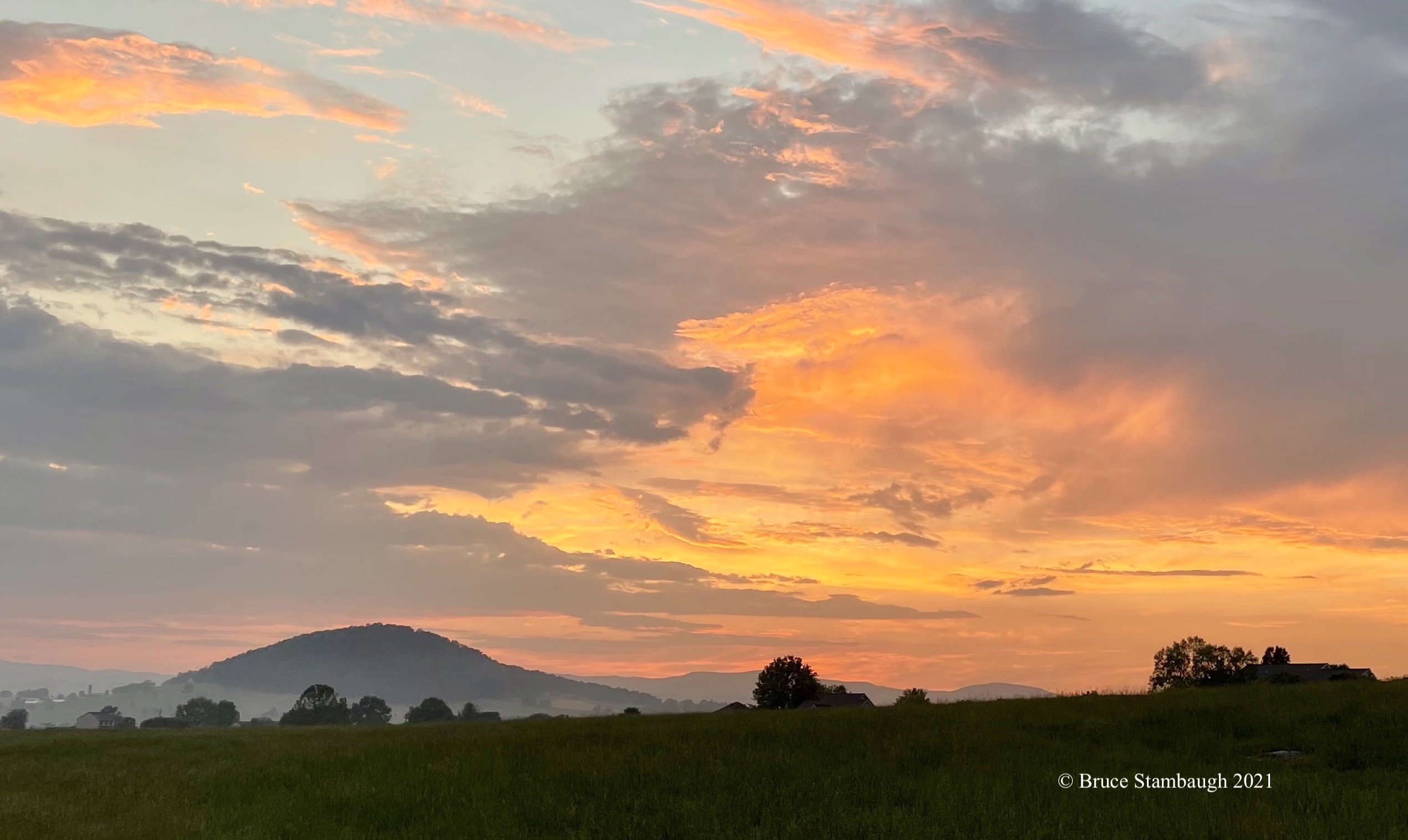
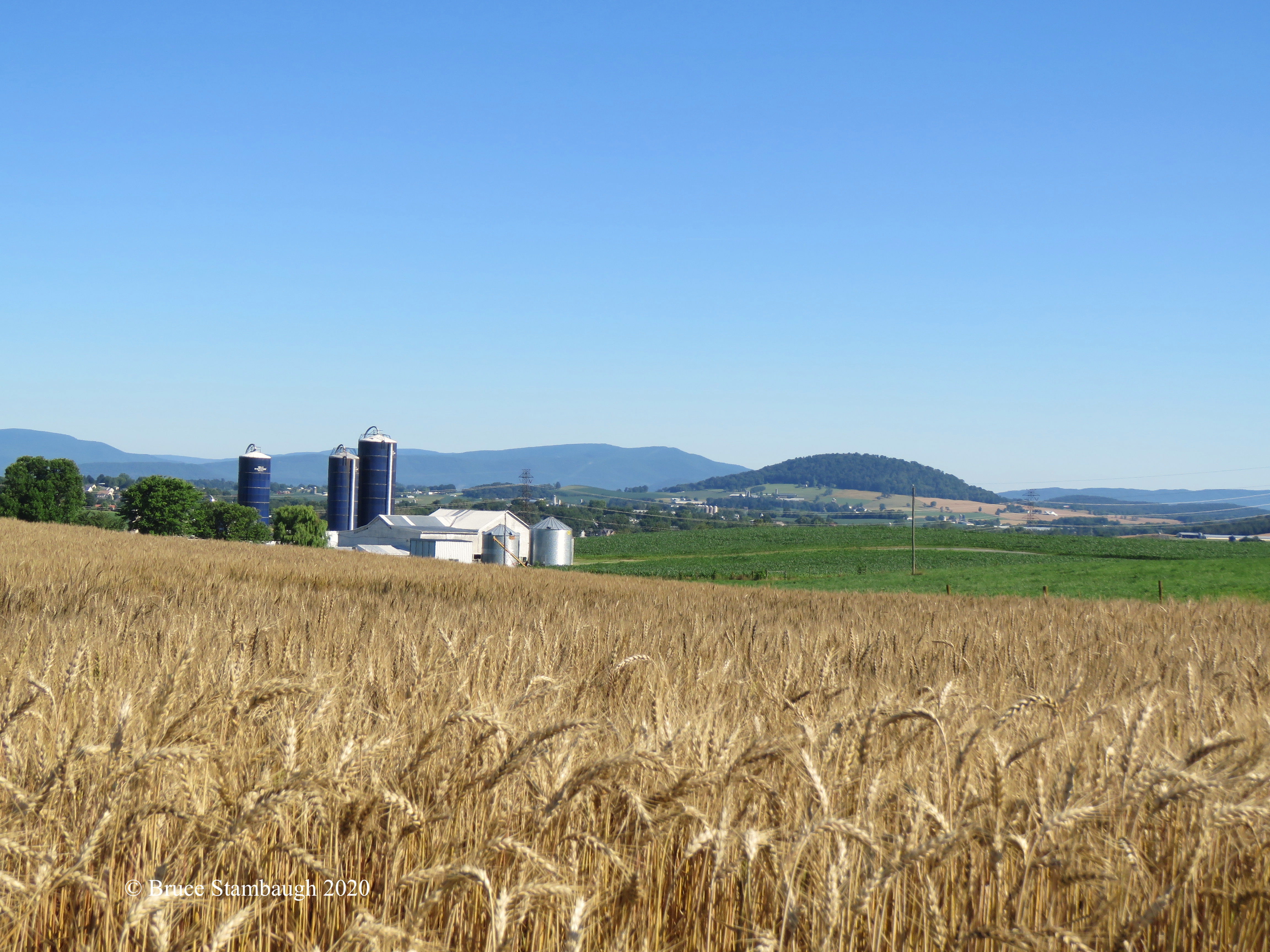
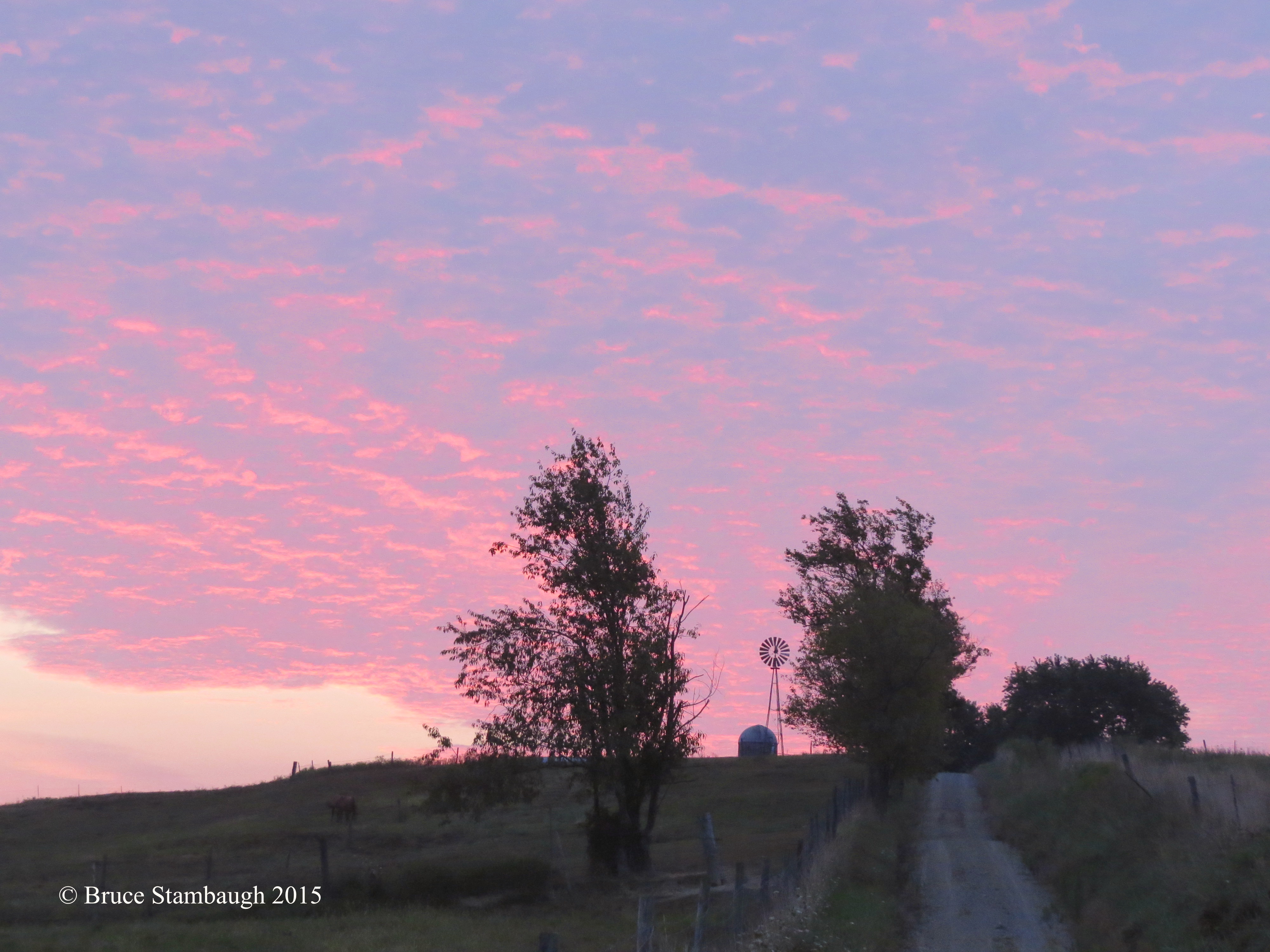
Mole Hill is a landmark in Shenandoah Valley’s Rockingham County. The forested nob is actually the remnants of a volcano’s core. That hasn’t deterred locals from farming and living around its base.

Mole Hill is properly named. The Allegheny Mountains in the western background dwarf it in comparison. Still, Mole Hill attracts birders, bikers, and sunset gazers alike.

This photo was taken about two miles east of Mole Hill near Harrisonburg, Virginia. With evening fog setting in, the fiery sky looked as if it had recently erupted from this local favorite hotspot.

“Mole Hill Sunset” is my Photo of the Week.

© Bruce Stambaugh 2021

Paying it forward creates multiple rewards

The horizon is the limit on paying it forward.

The bulletin board in the coffee shop caught my attention. I moved closer to read its contents.

I quickly discovered that this billboard that you often see in mom-and-pop establishments was no ordinary advertising venue. The notes posted on it were all different but had a common theme.

This public service space was a pay-it-forward board. Pay-it-forward is when a person pays for something for someone else, usually anonymously. Paying it forward can be contagious. Doing so often leads to others returning the favor for future customers.

The examples pinned to the café corkboard were self-explanatory.

“For a parent,” read one. “For an aspiring archeologist,” and “for a pharmacy technician,” read two others. The notes ran the gamut of the human experience, including medical workers for their efforts in fighting the pandemic.

Situated in a northern Virginia town close to the Appalachian Trail, through-hikers often frequented this café to refuel and refresh themselves. Generous donors recognized their likely needs and provided an opportunity for the trekkers to enjoy a prepaid lunch or latte. Individuals were free to take the specific note or envelope that fit their situation.

Other pay-it-forward messages were for National Park workers who spend their careers helping others enjoy the great outdoors. In this particular case, nearby Shenandoah National Park sprawls 105 miles along Virginia’s famous Blue Ridge Mountains.

The pay-it-forward bulletin board.

Regular visitors to the national park know that these dedicated park employees work hard for the money they earn. Many donate time helping out stranded motorists or searching for lost hikers.

I’m sure recipients appreciated the many kind gestures posted. I suspect that some may have also added their own pay-it-forward envelopes to the crowded board.

Last December, a pay-it-forward event that happened at a Dairy Queen in Brainard, Minnesota, received loads of media coverage. It became known as a chain of kindness.

Genuine benevolence began to flow during the lunch hour on December 3 when a man reached the drive-thru window and said that he wanted to pay for his lunch and the order for the car behind him.

That started a chain reaction of events that lasted into three days and involved 900 cars. Everyone kept paying for the vehicle behind them no matter what they had ordered. The Dairy Queen manager said that all of the kindness had energized her and her staff.

Paying it forward can be a spontaneous experience, too. During the devastating ice storm in Texas last February, the manager of an H.E.B. grocery store made an impromptu, impactful and gracious decision to pay it forward.

Customers seeking to stock up on food and household items to weather the storm and power outages packed the store. Suddenly, the store’s power went off. None of the cash registers worked without electricity.

Store employees asked all of the customers to come to the checkout counters. With shopping carts full, the lines of the crowded store were long. Customers expected an extended checkout when the line began moving.

Cashiers merely waved the customers through to the exit. People started crying when they realized what was happening. No one paid for anything.

In the parking lot, people helped one another load groceries into their vehicles. They, too, began paying it forward.

The grocery chain’s generosity didn’t stop there. H.E.B. donated $1 million in groceries to 18 Texas food banks.

Life offers a myriad of opportunities to pay it forward. As we go into this day and all the days ahead, let’s be alert for those unique chances to anonymously and graciously help others however and wherever we can.

Another beautiful sunrise, another day full of opportunities to pay it forward.

© Bruce Stambaugh 2021
Slow down for the rest of May

Enjoying the outdoors is one way

Hightop Mountain, Shenandoah National Park.

Don’t look now, but we are in the middle of May already. May always goes too fast for my liking.

Ideally, it would be nice to put a speed limit on each of May’s 31 days to slow their pace. Of course, that is a romantic pipe dream.

There is an antidote. We can each slow down, take our time, enjoy all that is around us.

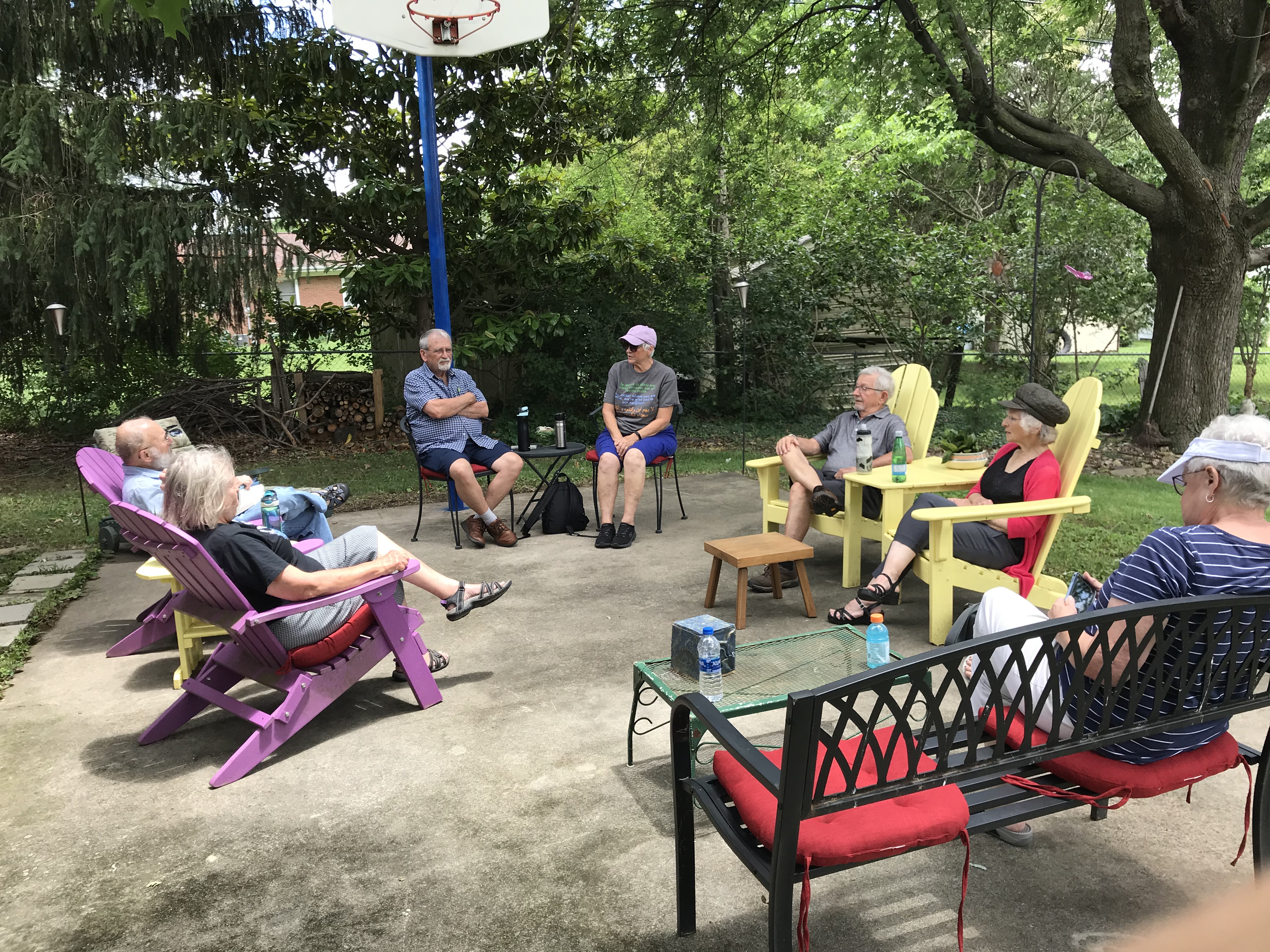
Here in the Shenandoah Valley, I am grateful to be part of a hiking group that helps me do just that. It’s a program primarily designed for retirees, so going slow is what we do.

The group generally hikes twice a month and almost always in the gem of the valley, Shenandoah National Park. Each outing is limited to a dozen hikers. The leader is a retired bank president who volunteers in the park by keeping trails open for hikers.

I can’t participate in every hike, but I try to do both hikes in May if I can. The leaves of the mountain forests have yet to unfurl, allowing many wildflowers and trees to bloom. Plus, hikers’ nemeses, heat, humidity, and insects, are scarce.

Our leader plans the hikes and reminds us to come ready for the cool mountain temperatures and bring plenty of water and a lunch. We often trek to a precipice that overlooks the rolling countryside that dominates the Shenandoah Valley.

Mosey might be a better way to describe our hikes. We usually take four or more hours to hike three to four miles roundtrip. Pokey we may be, but we indeed have a glorious time enjoying each other’s company and the beauty we encounter.

It’s not unusual for us to climb 1,000 feet or more in that distance and back down again. Along the way, we frequently stop to enjoy and photograph the floral display spread out for us like a colorful carpet on the forest floor.

On our latest trip, we enjoyed seeing both large and small-flowered white trilliums, patches of red trilliums, wild geraniums, yellow and blue violets, black haw bushes, and hawthorn trees in bloom. Wild strawberries blossomed low while towering tulip poplar buds opened high above.

To reach the summit of Hightop Mountain, we walked the Appalachian Trail (AT) that snakes its way the entire length of the national park. We meet other day hikers like us, section hikers, and through-hikers.

Section-hikers walk the AT one section at a time, returning multiple times later to do more hiking. Through hikers are the serious ones. Their goal is to hike the entire 2,500 miles of the AT.

Most start at the trail’s beginning in Georgia and hike north to its terminus in Maine. In doing so, they experience an unfolding of spring over and over from the south to the rugged northeast.

Our group tries to give way to these more experienced hikers, but they are often as curious about us as we are about them. They often share their trail names and hometowns, and off they go.

We then return to observing the songbirds singing and flitting all around us and the many varieties of wildflowers as we meander. At our age, we have no choice to simply take our time to be safe and to inhale both our surroundings and the refreshingly cool mountain air.

Perhaps that is a good lesson for all of us. Slow down. Take your time. Enjoy all you encounter, moment by moment, breath by breath. Maybe then the remainder of May will gladly join you.

Our lunchtime view with a through hiker.

© Bruce Stambaugh 2021
Women who influenced my life

A Mother’s Day tribute

One of my mother’s watercolors that she gave to me.

My four siblings and I were most fortunate. We had a loving, caring, creative, dependable mother. We will miss her always.

Though our dear mother died nine years ago, I can still hear her soothing voice. I can also hear her sterner vocalization, to put it delicately. We weren’t perfect children, after all.

She did her best to discipline us appropriately when we needed it. Unlike my ornery younger brother, I never tasted a bar of soap, however.

Mom’s lovely paintings showed her creative side. But she was a perfectionist. My brothers, sisters, and I discovered piles of both finished and unfinished paintings that Mom thought were less than her best. Many of those watercolors now accent walls in our homes and those of our adult children.

Mom’s self-esteem matured as she aged. She learned to drive at age 40 and loved her grandchildren with matronly devotion.

Mom also had no hesitation about putting Dad in his place when it was appropriate. The specific inflective tone that Mom used always got Dad’s attention. Unfortunately, like most males, it didn’t register in his memory bank.

Mom was a near mirror image of her mother, Birdie Pearl. Grandma Frith’s kind and gentle lilt revealed her Virginia roots every time she spoke. We loved to visit her on the job at a local bakeshop, where each lucky grandchild left with a yummy sugar cookie.

Grandma Frith enjoying a boat ride.

Grandma Frith visited us for Sunday lunch every third week. We had to share her with Mom’s two sisters and their families, who lived nearby. Grandma Frith sat quietly at family gatherings, contented to watch her 17 grandchildren run wild. She was a stately woman indeed.

I also remember my grandfather’s mother, whom we called Mom. Like Grandma Frith, her curly silvery hair bespoke simple eloquence. The yellowy square homemade noodles of her chicken potpie were positively delicious. The chickens and eggs came right out of the coop behind the old rickety house.

Nostalgia, though, can’t rule my admiration for caring, gracious mothers. My wife and my daughter serve as prime examples, though I likely am prejudiced. These are two energetic women on missions. They leave no stone unturned in their quest for truth, justice, and their energy to get things done. Others often are the beneficiaries of their drive, desire, and creativity.

It’s been four years since we moved to the Shenandoah Valley to be close to the grandkids. We have enjoyed watching them grow. And grow they have. All three will soon be taller than Nana.

I have equally enjoyed observing the interaction between their mother and father. I am glad that our dynamic, expressive daughter has adopted and implemented different parenting approaches than what my wife and I used.

Ours weren’t wrong. I just wish we had been more patient and took more time to ask and listen to our children when they were children. Our daughter and her husband have a good handle on that with their active trio.

I also see new life and vibrancy in the mother that I love most, my wife. It took us a little while to settle into our Virginia setting, but Neva took her magic gift of hospitality to a new level once we did.

Neva smoothly shifted into high gear during the pandemic. She sewed, cooked, fed, washed, ironed, drove, delivered, and brightened the lives of grandkids, old friends, strangers, family, and neighbors.

I am grateful for caring mothers everywhere who have helped mold lives young and old, including mine. Faith poured into loving action does that.

Nana and our granddaughter icing cookies.

Arboretums equal beauty

Now is the time to enjoy them

Edith J. Carrier Arboretum, Harrisonburg, Virginia.

Now is the time to get outdoors. Nature is in all of her rejuvenated glory.

No matter where you live, there are likely plenty of opportunities to explore and enjoy the blossoming beauty. It could be the mauve of your neighbor’s crabapple tree. It could be a local park, where multiple options abound. Maybe it’s your own backyard.

The location is insignificant. All of nature is coming alive right now in the Northern Hemisphere. But as the daffodils have shown, this beauty won’t last. Enjoy it while it’s here.

When a friend invited my wife and me to see their magic garden in full bloom, we didn’t hesitate. We had been there before and knew what a treat it would be.

Our friend Mary guided us through the glorious garden filled with various vibrant flowers, all native to the Shenandoah Valley. A pastel pallet of creeping phlox that lined the sidewalk and driveway served as our greeters.

As we wound our way around the house and down into a lovely shaded area, blooming azaleas and cultivated wildflowers popped into view. Mary’s husband Glenn sat on a bench surrounded by Virginia bluebells and their smaller imitators lungworts. Their spangled leaves accented the dainty pink and blue blossoms.

The vivid colors of our friends’ personal arboretum.

Mary and Glenn made us feel at home in their little slice of paradise on earth. I’m sure that’s the case for everyone who visits. They are as welcoming as their heavenly arboretum.

The previous day Neva and I had visited the noted Edith J. Carrier Arboretum on the James Madison University campus in Harrisonburg, Virginia. A free wildflower tour happens every Wednesday when the wildflowers bloom.

Our guide led us around the pond into the woods, frequently stopping to point out the various wildflowers and blooming trees. Of course, the Virginia bluebells stole the show.

Not to be outdone, the deep burgundy of the toad trillium nicely contrasted with their white cousins nearby. Redbuds, both pink and white, provided a pretty umbrella for the gentle, steady rain.

Late-blooming spring beauties and buttery daffodils with orange trumpets caught our attention. The last of the white-petaled bloodroots had to be impressed with the Dutchman’s britches dancing in the raindrops.

The deep red pawpaw buds were still tight, waiting for warmer and sunnier days to open. Several in the group told stories of the delicious pawpaw fruit. Others had their doubts.

Wild blue phlox and lungwort tried their best to distract the visitors from admiring the rose azaleas. Warblers and woodpeckers achieved that goal for me.

We saw and learned about scores of other flowers, plants, shrubs, and trees in the conservatory. Something is always blooming there in the springtime. You can drown in wildflowers.

Back in Ohio, the Wilderness Center at Wilmot and the Secrest Arboretum at the OARDC in Wooster were always my favorite places to visit, especially in the spring. Wildflowers, ornamental trees, and birds and butterflies kept me busy for hours.

Of course, just traveling hiking and biking trails this time of year is a real treat. Different flowers seem to appear daily, along with the migrating and resident songbirds.

My friend and author Julie Zickefoose said it succinctly, “There is so much living to be done in spring when everything is so beautiful.” I couldn’t agree more.

You likely have your favorite places to visit in the spring to view the wildflowers and enjoy the colorful birds. Even if it’s your own backyard, get out and enjoy the glorious show.

A springtime floral display in Harrisonburg, Virginia.

© Bruce Stambaugh 2021

April is a character

In a family of months

Redbuds in full bloom.

I’ve known a few characters in my lifetime. I bet you have, too.

By character, I mean a unique individual who enjoys life outside the expected societal norms. Every family, workplace, and even church seems to have at least one individual who fits the profile.

I’ve learned that you don’t have to be human to be a character either. Our long-departed rat terrier Bill fit that category.

Bill’s personality far outsized his small frame. He once jumped up to try a catch a Canada goose that flew low over our Ohio home.

Other non-human characters include our backyard blonde squirrel and a pair of mallard ducks that frequent our neighborhood.

Just being blonde and a squirrel is character enough. When other squirrels approach, Blonde rapidly flips her beautiful golden tail to defend her territory. Satisfied that all is clear, she stretches out on the cool grass in the shadow of the maple, relishing in her most recent victory.

The ducks are a different story. Even though our suburban home’s closest water sources are swimming pools, this pair flies around the neighborhood, landing on rooftops. From there, they scout out nearby birdfeeders and go house to house foraging for breakfast, lunch, and supper.

Characters, however, don’t have to be living beings or animals.

Take our Julian calendar, for example. Months have dynamic personalities, too. April earns head of the class and not necessarily for alphabetical reasons.

Among her 11 siblings, April can often be a bit obnoxious. That’s especially true when it comes to weather.

April showers bring much more than May flowers. April’s repertoire dishes out tornadoes, snow, frost, floods, 80 degree days, and more. Sometimes only hours separate those diverse conditions.

No matter where you live in the United States or Canada, April can be a stinker. She doesn’t rely only on April 1 to fool you. One day, it’s 15 degrees above average. The sun is shining in a clear blue sky, while songbirds fill the warm air with luxurious melodies. The sound of lawnmowers echoes far and wide.

The next day the fog is so thick the sun can’t even breakthrough. Soon the wind picks up, and storm clouds race across the landscape, pelting rain, hail, and producing winds that exceed the speed limit. It would be justifiable if the weather service issued an arrest warrant for April for perpetrating days like this.

It’s not that we don’t expect variety in the weather. It is spring, after all. But it would be pure pleasure to know it’s safe to store the ice scrapers and snow shovels for at least a few months.

I have anecdotal evidence of such events. One early April day, 20 inches of heavy, wet snow brought much of Ohio to a halt. Volunteer fire departments ferried medical workers to and from hospitals.

On April 3 and 4, 1974, massive and deadly tornados hit Xenia, Ohio, and many other locations in more than a dozen states. Holmes County was in the path of the storm, too.

The sky turned pea green, and everything grew still. The tornado never touched down, but instead, tattered and torn objects from Xenia drifted to earth. People found checks and personal effects from 150 miles southwest.

April continues to be a Jekyll and Hyde. Just as our redbuds were about to bloom pink and bold, back-to-back days of 20-degree mornings deadened their potential pink beauty. I hope they can recover from their frigid encounters.

April is a character, all right. She still has time to repent, however.

Creeping phlox and a lone blue anemone.

© Bruce Stambaugh 2021

Bay Photos by Donna

Wildlife Photos From The Chesapeake Bay Region

ROAD TO NARA

Culture and Communities at the Heart Of India

K Hertzler Art

Artist and nature journalist in the Shenandoah Valley of Virginia.

Maria Vincent Robinson

Photographer Of Life and moments

Gabriele Romano

Personal Blog

Jennifer Murch

Art is the only way to run away without leaving home. -Twyla Tharp

Roadkill Crossing

Writing generated from the rural life

ANJOLI ROY

writer. teacher. podcast cohost.

Casa Alterna

El amor cruza fronteras / Love crosses borders