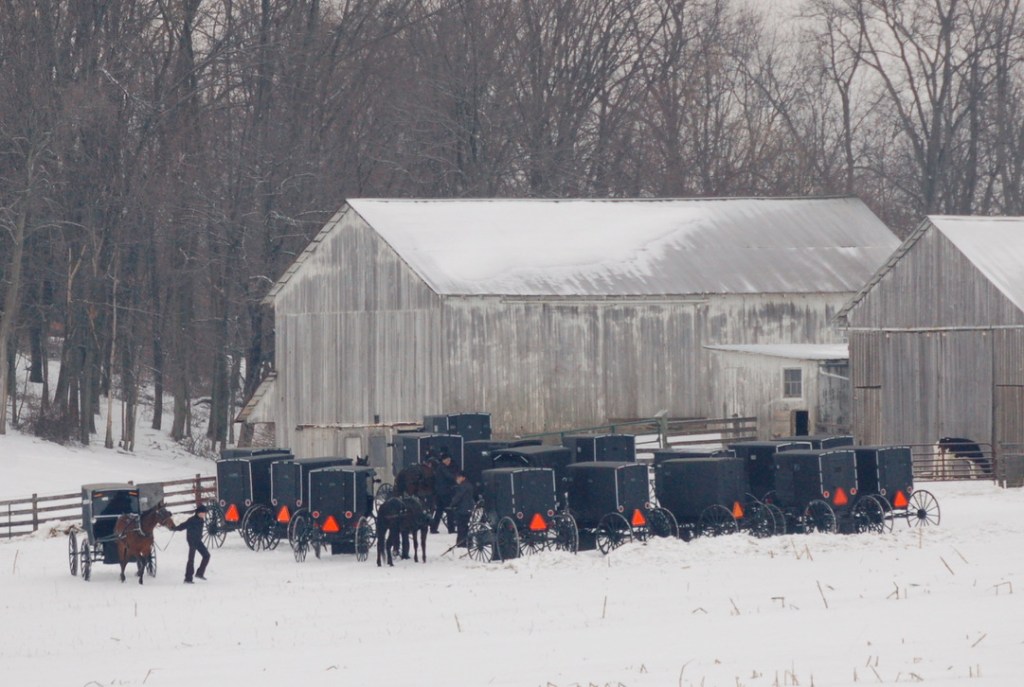
Holidays all done,
Save two in one, Old Christmas
With Epiphany.
© Bruce Stambaugh 2026

Holidays all done,
Save two in one, Old Christmas
With Epiphany.
© Bruce Stambaugh 2026
I love birding. It’s one of my favorite hobbies, mostly because you can bird anywhere, anytime, including on family vacations.
My wife and I recently spent a week with our daughter’s family in Sarasota, Florida. That area is a birding paradise, with many parks, beaches, wetlands, and preserves that offer birding hotspots.
I knew I had to be considerate of what the others wanted to do. With three young adults, the beach would be a priority. So, I planned my bird-watching times accordingly so I could also spend time with family.
Since I preferred to bird in the morning, none of the others in our group of seven wanted to go with me, and I had no issue with going alone. I was sure to meet other birders on my outings.
While the others sunned on the beach, I had my binoculars at hand to try to identify the gulls and shorebirds I encountered. Of course, I listened for and watched a few birds near the house we rented for the week.
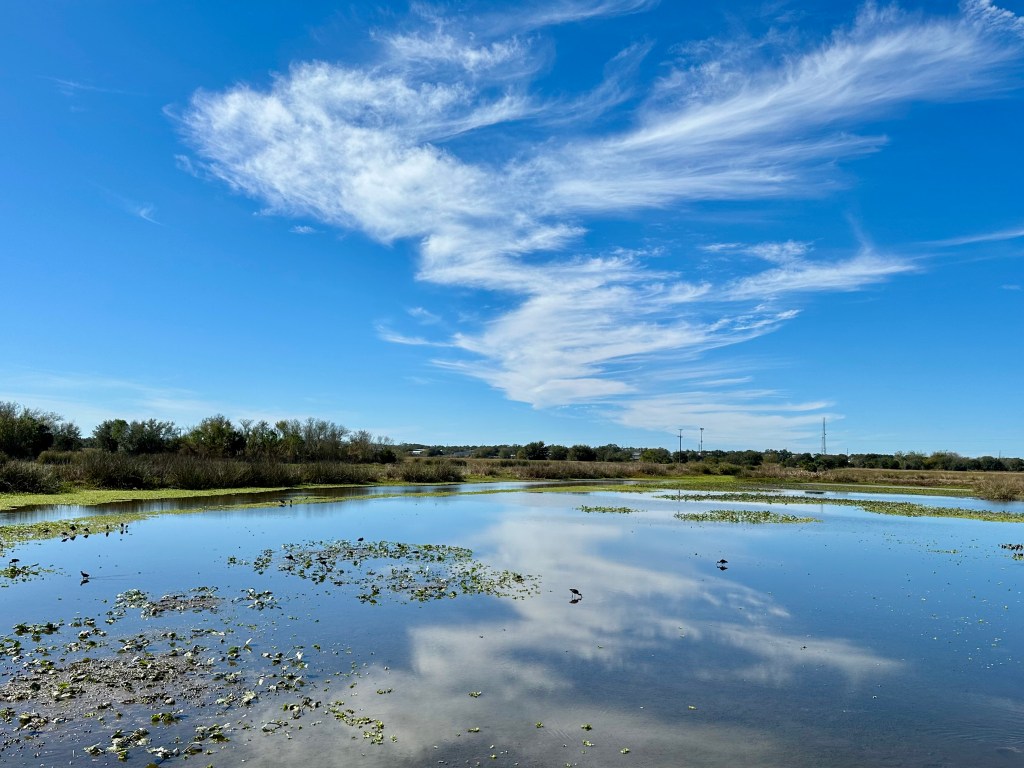
The designated preserves and parks provided the best birding opportunities. I headed to the area’s best birding spot, the Celery Fields in Sarasota. The county-owned marshland got its name because 100 years ago, celery was actually cultivated in the 400+ acre plots.
Today, the Celery Fields are a multi-purpose property for residents and visitors in the Sarasota area. The Celery Fields serve as Sarasota County’s primary flood mitigation zone. The county recognized the importance of preserving wildlife habitat, and today has an Audoban Visitors Center run by a score of dedicated volunteers.

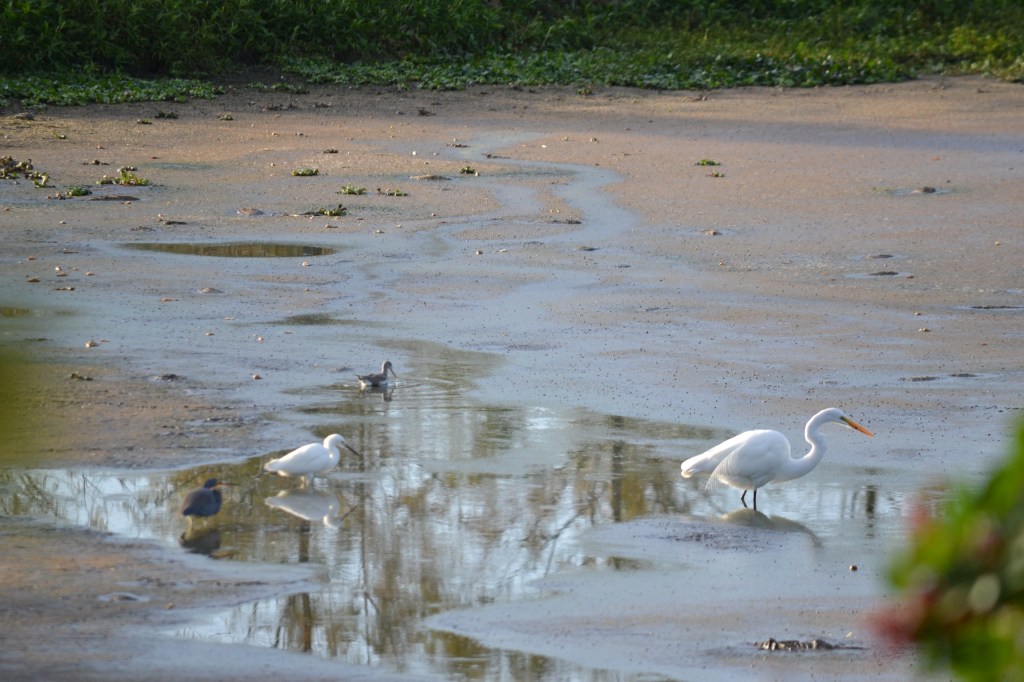
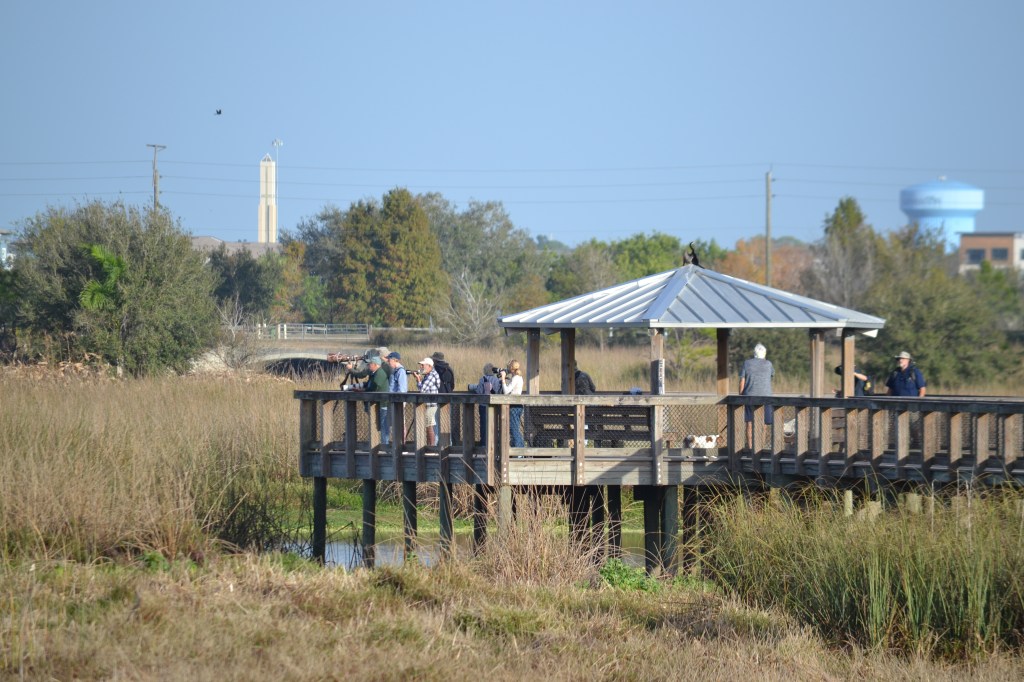
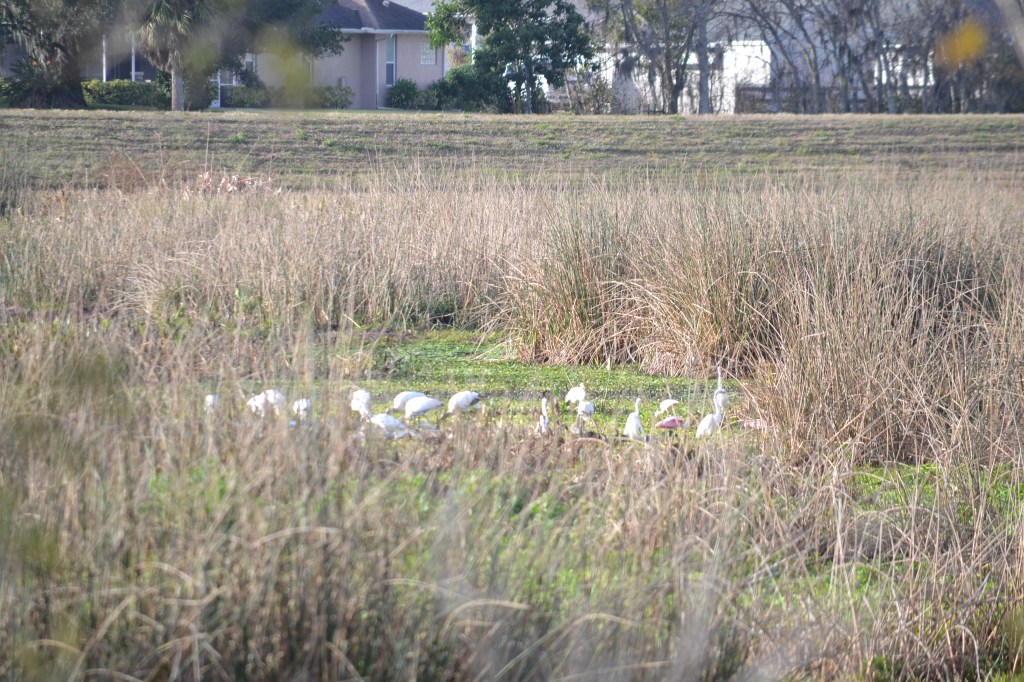
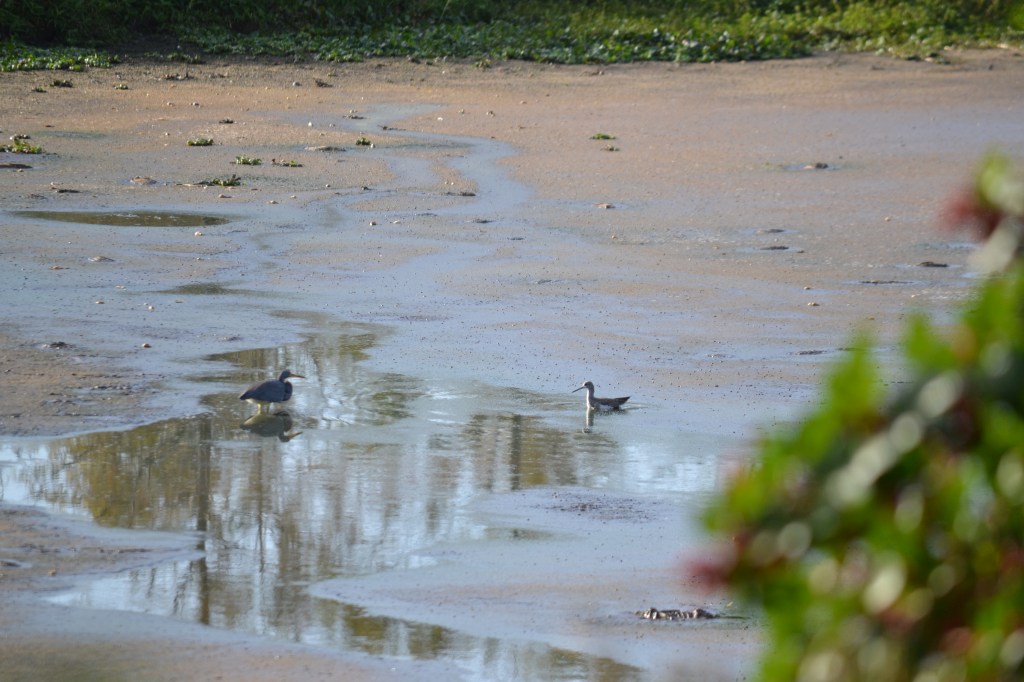

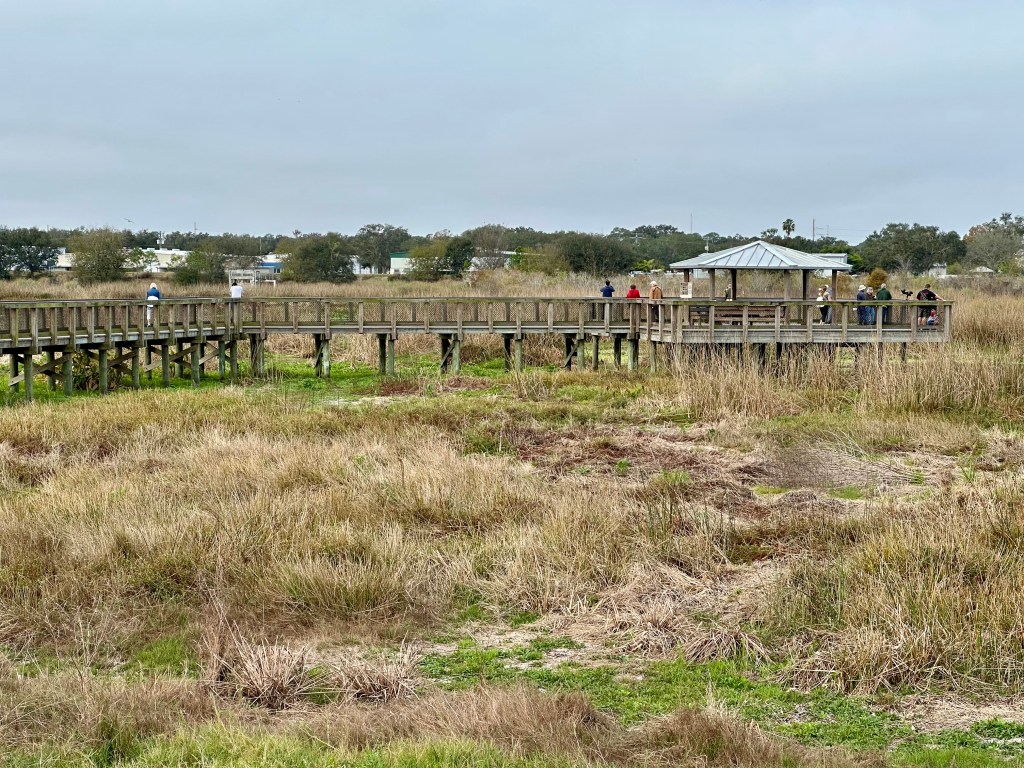
The different habitat areas of the Celery Fields.
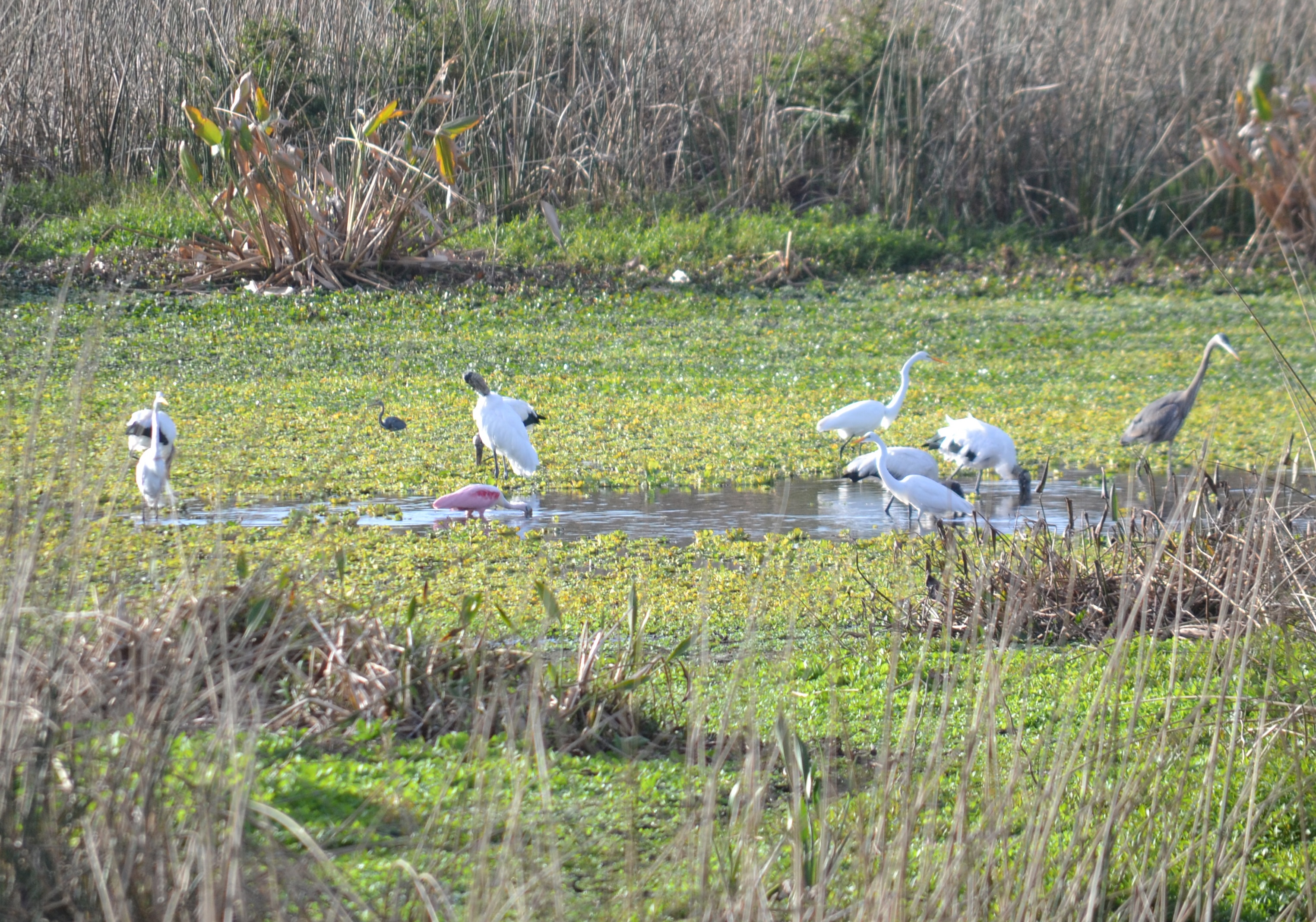
With areas of wetlands, mudflats, canals, ponds, a wide variety of marshland vegetation, and treelines, the Celery Fields attract several species of birds and wildlife. It’s a birding magnet for people like me.
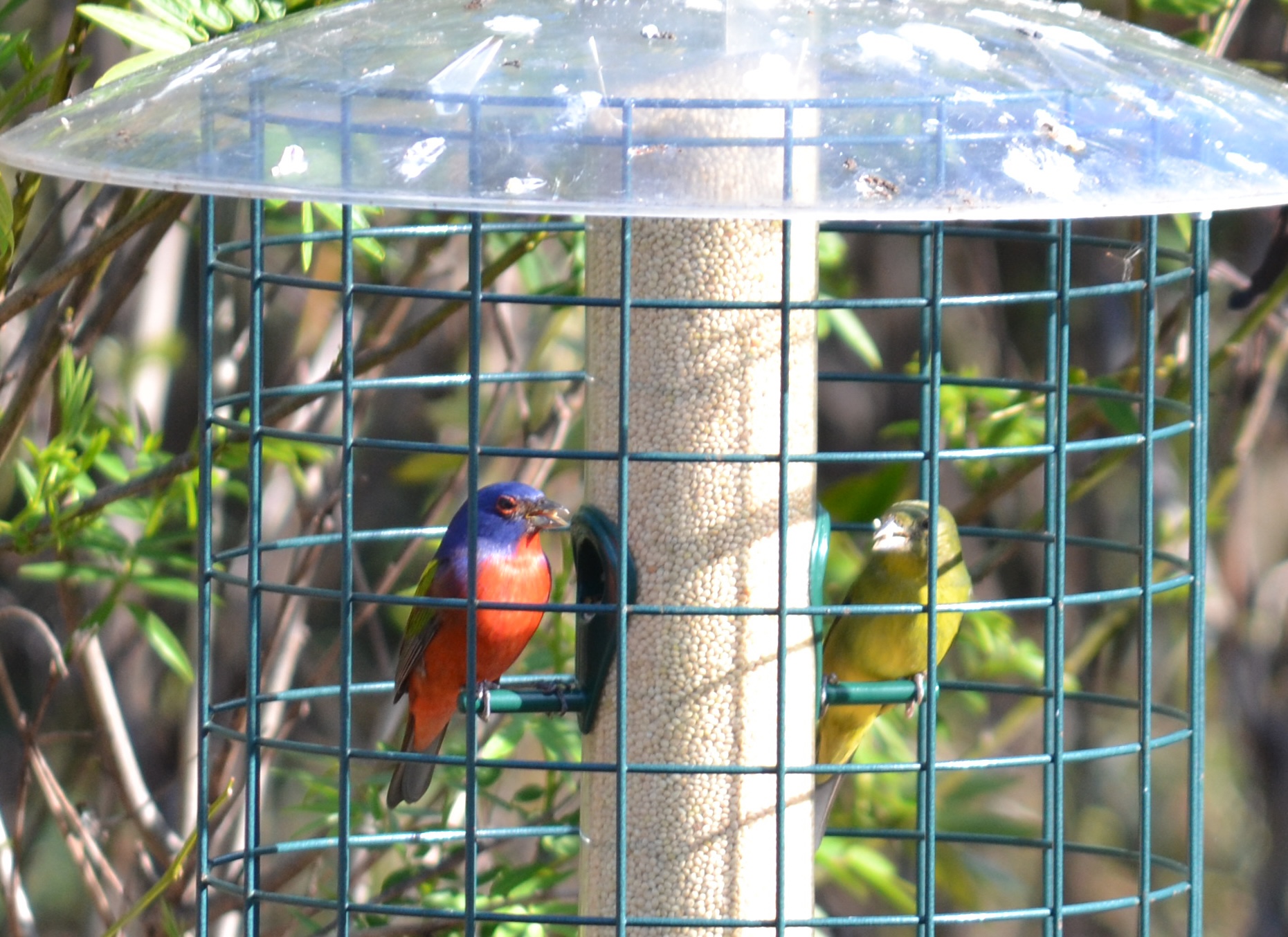
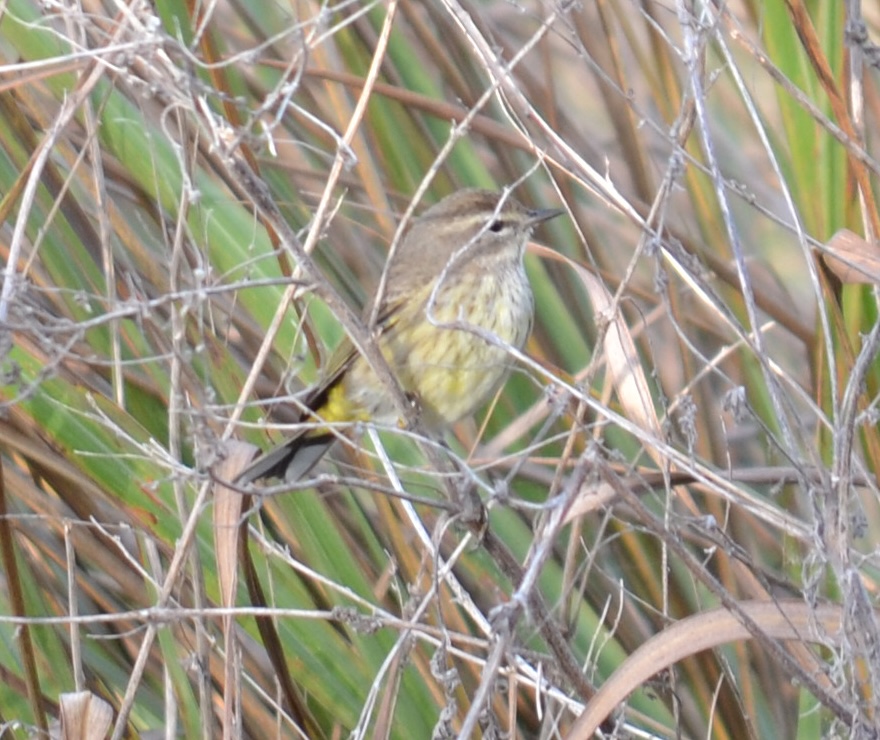
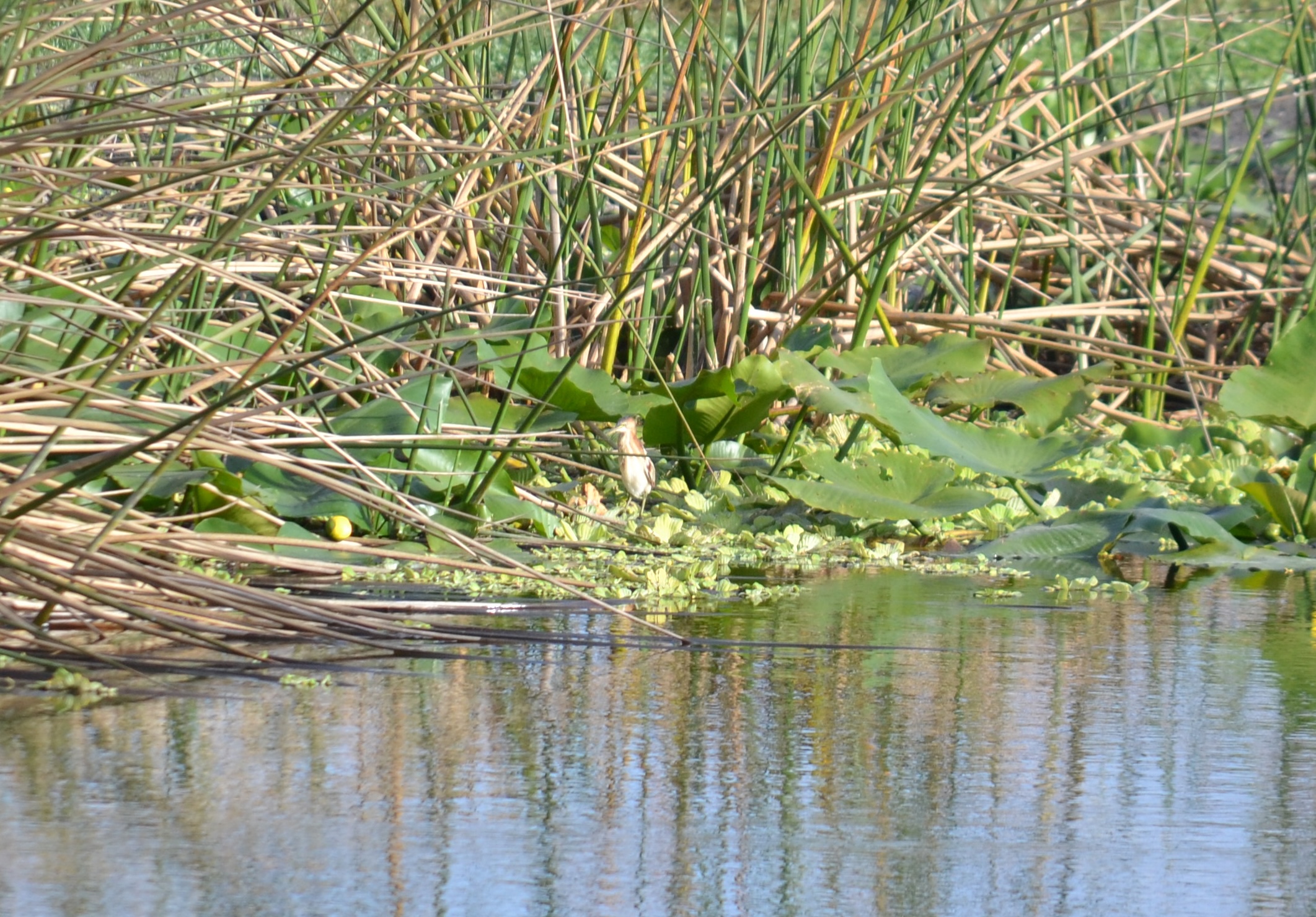
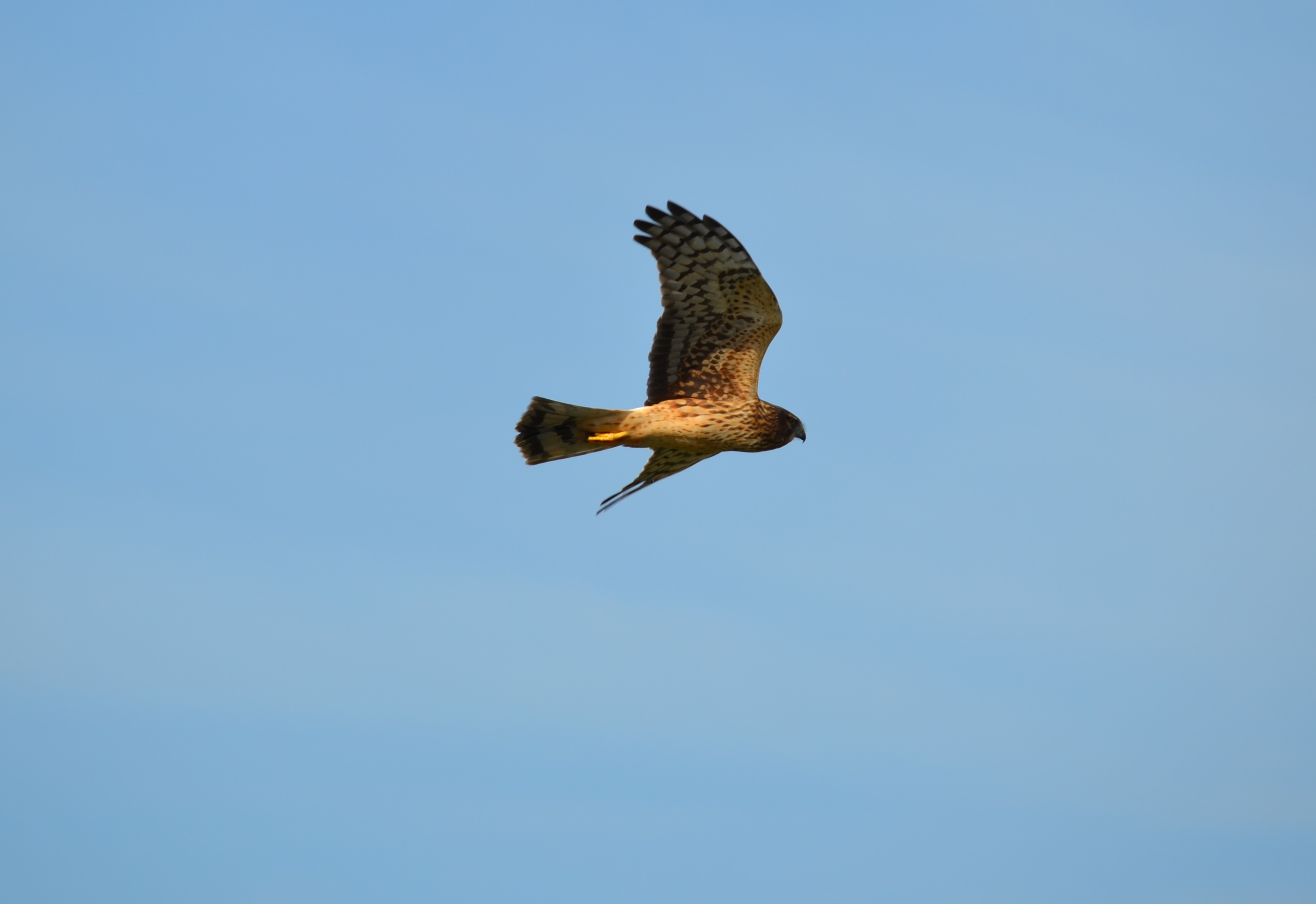
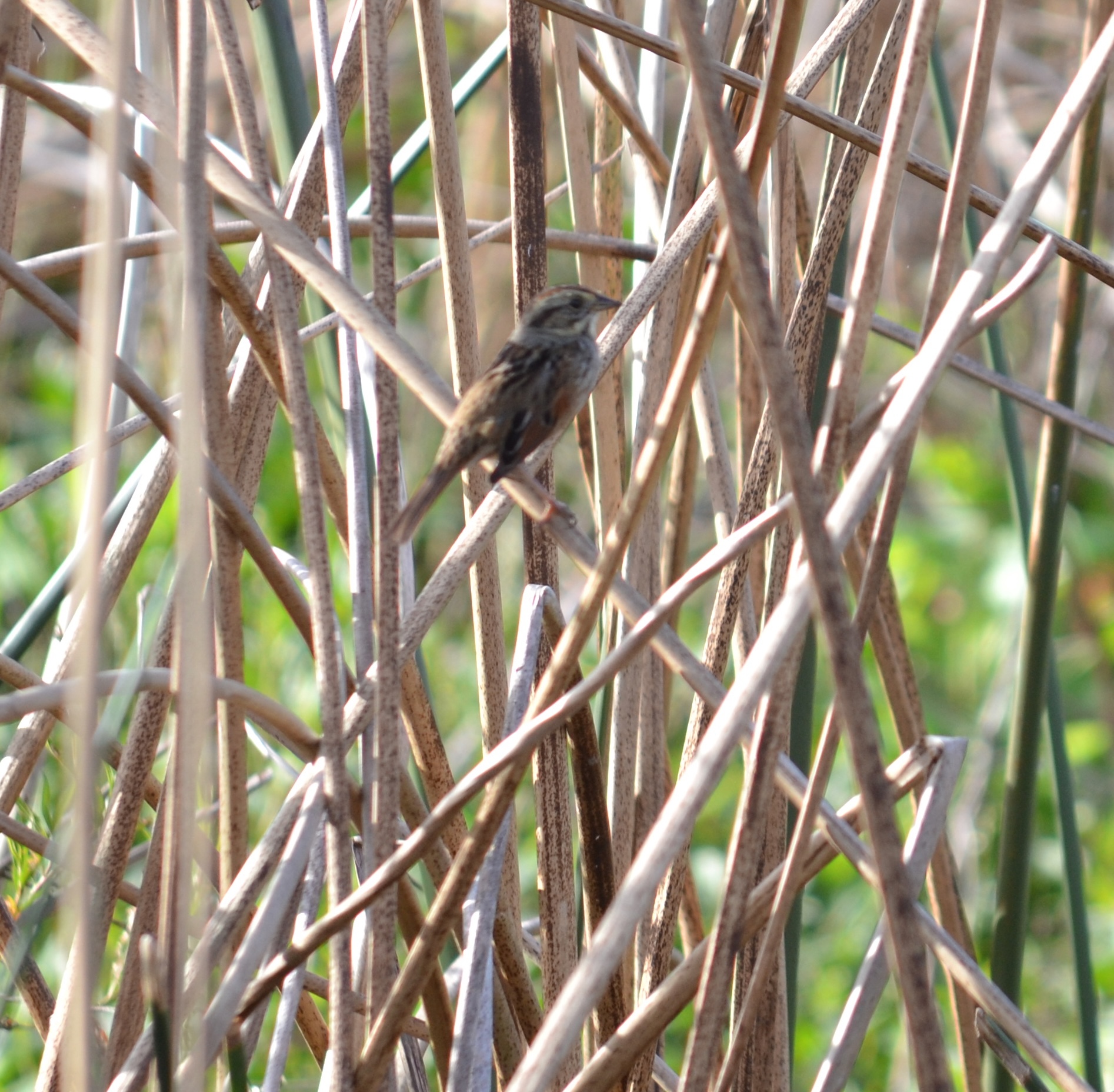
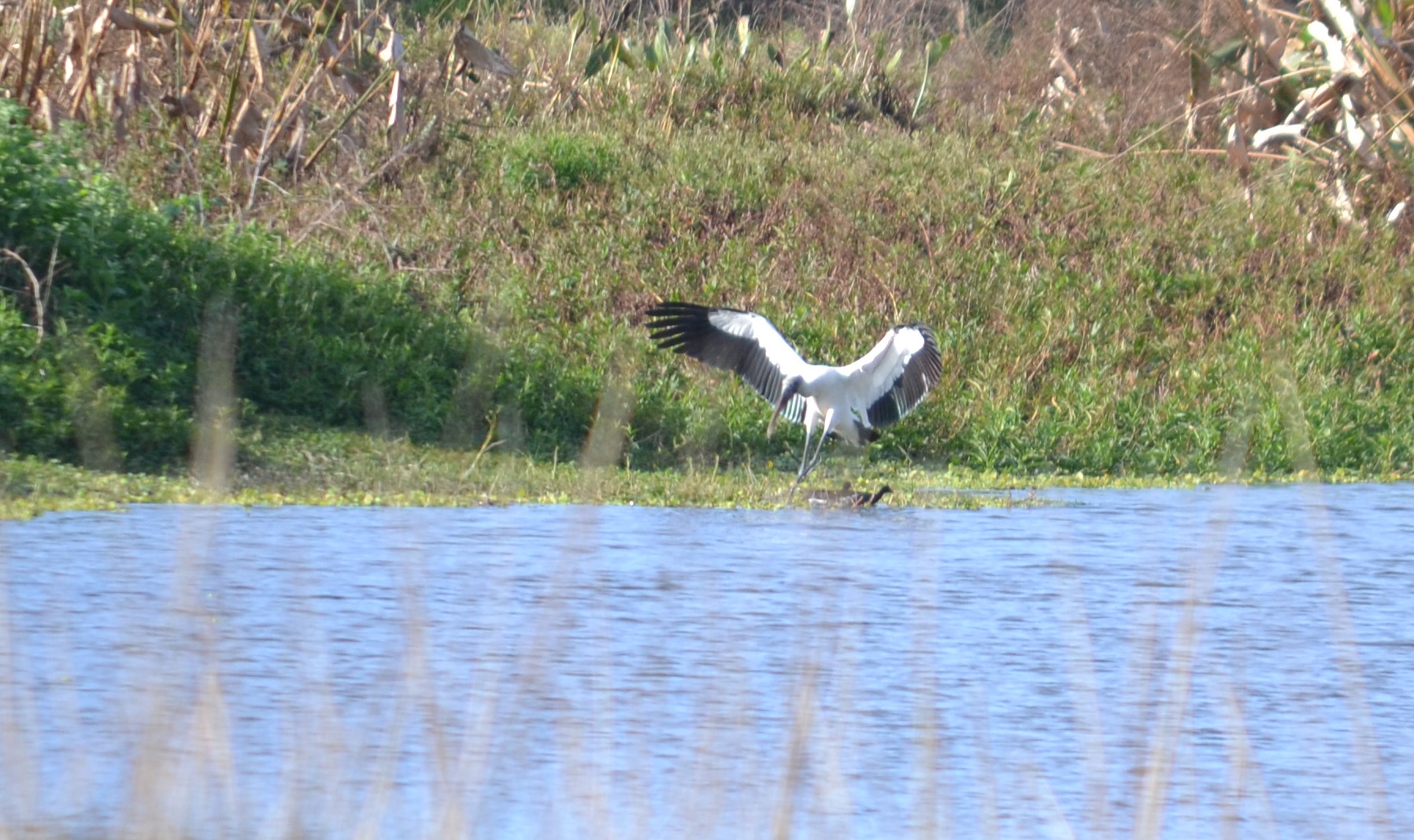
I visited the Celery Fields three times, aiming to see my spark birds, the gorgeous Painted Buntings, the social Sandhill Cranes, and the attractive Roseate Spoonbills. I got to see those and much more.
I also checked out two preserves along the coast near Bradenton. The first was small, and the other massive. Both had the kind of small trees, tropical vegetation, and wetlands that attract several species of birds.
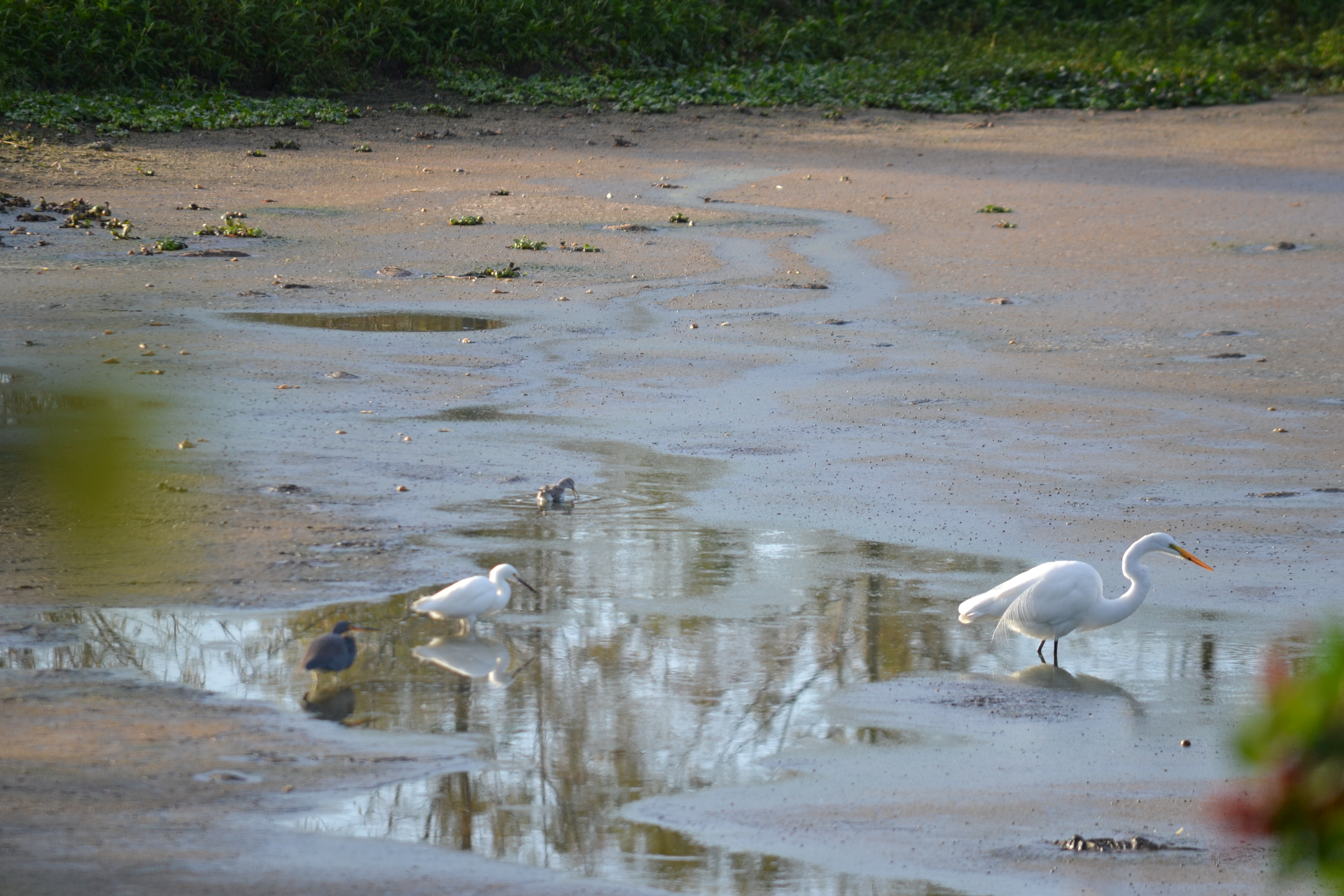
However, rainfall in Florida has been far below normal, and many areas of wetlands have dried up, forcing birds and other wildlife into small pools of water.
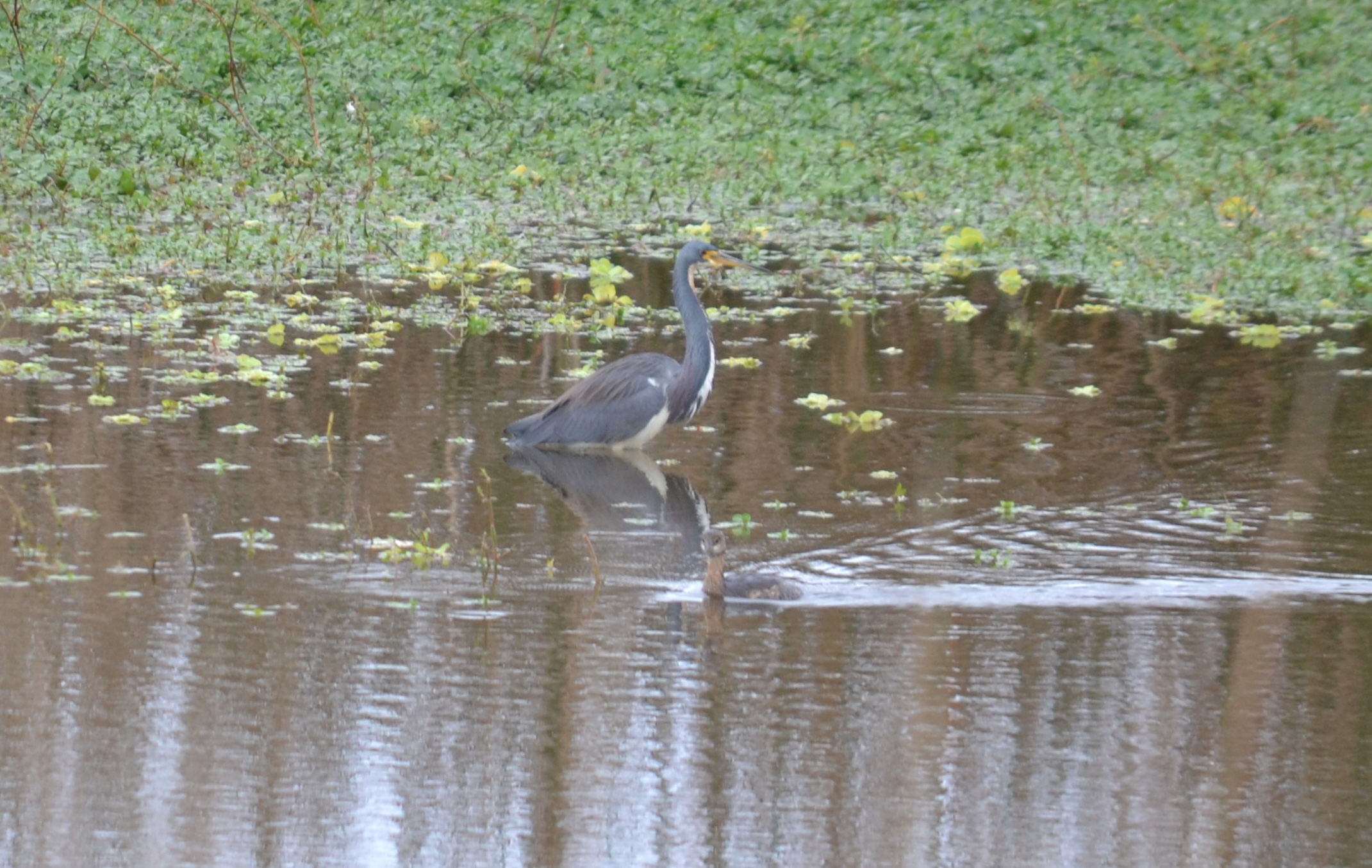
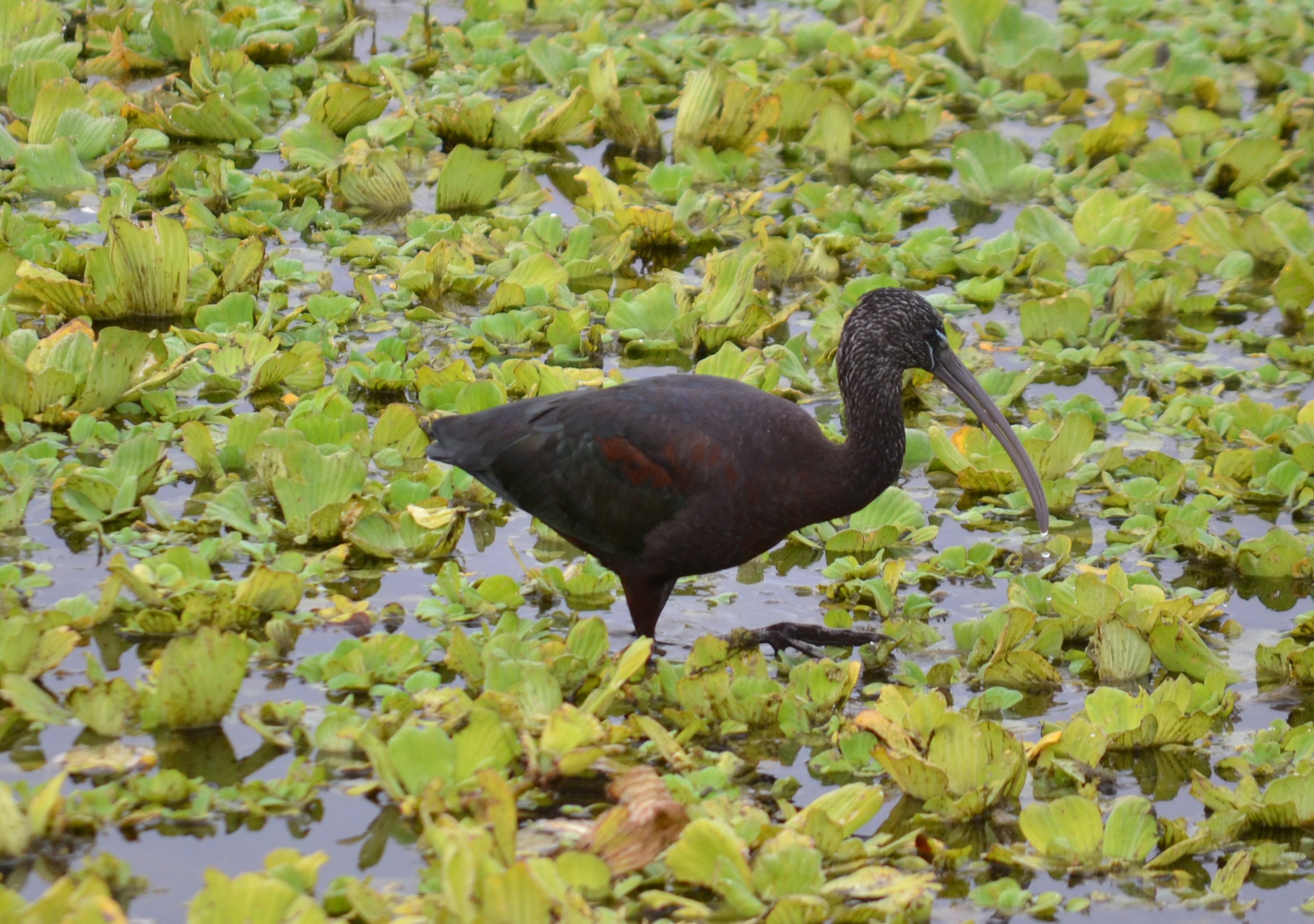
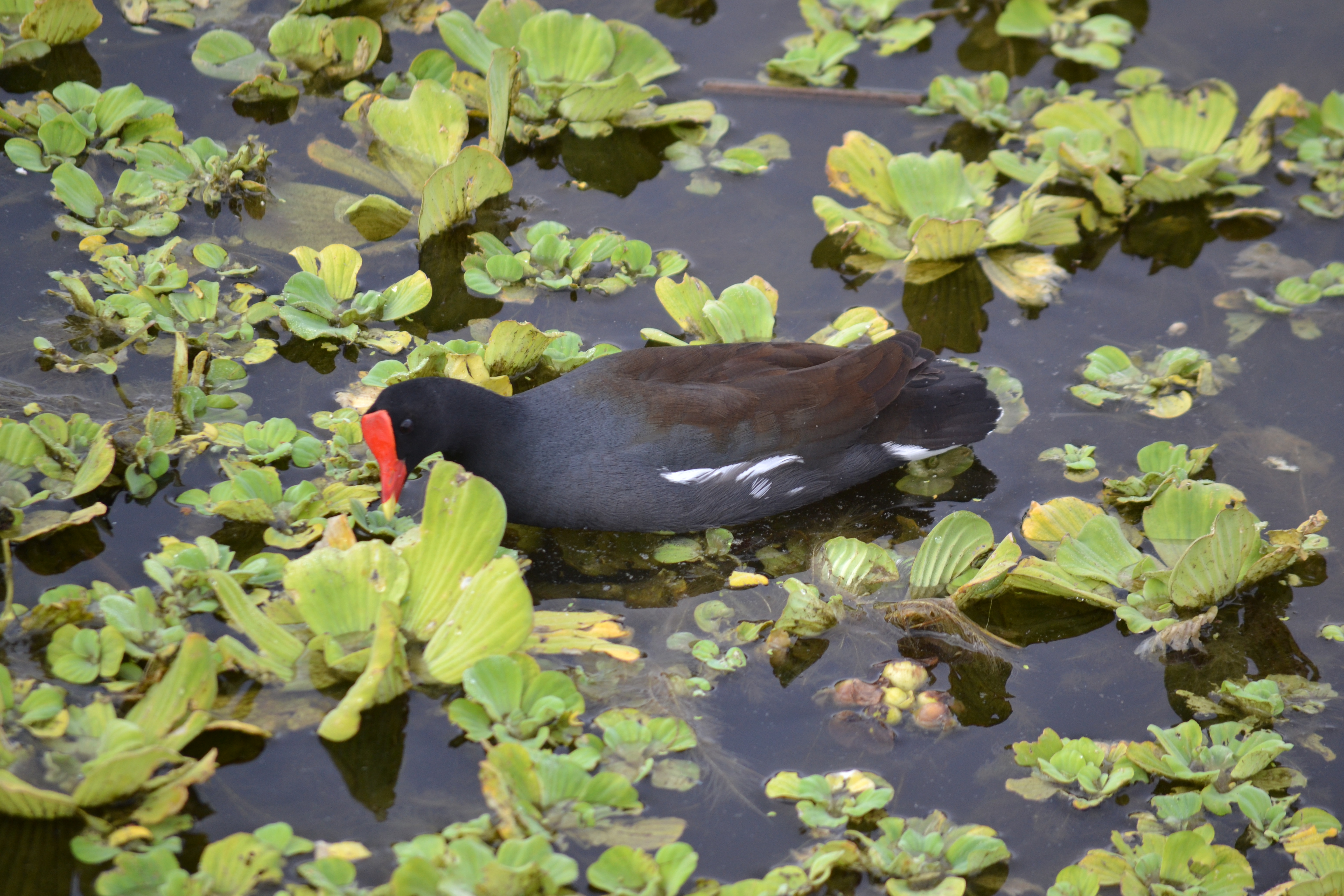
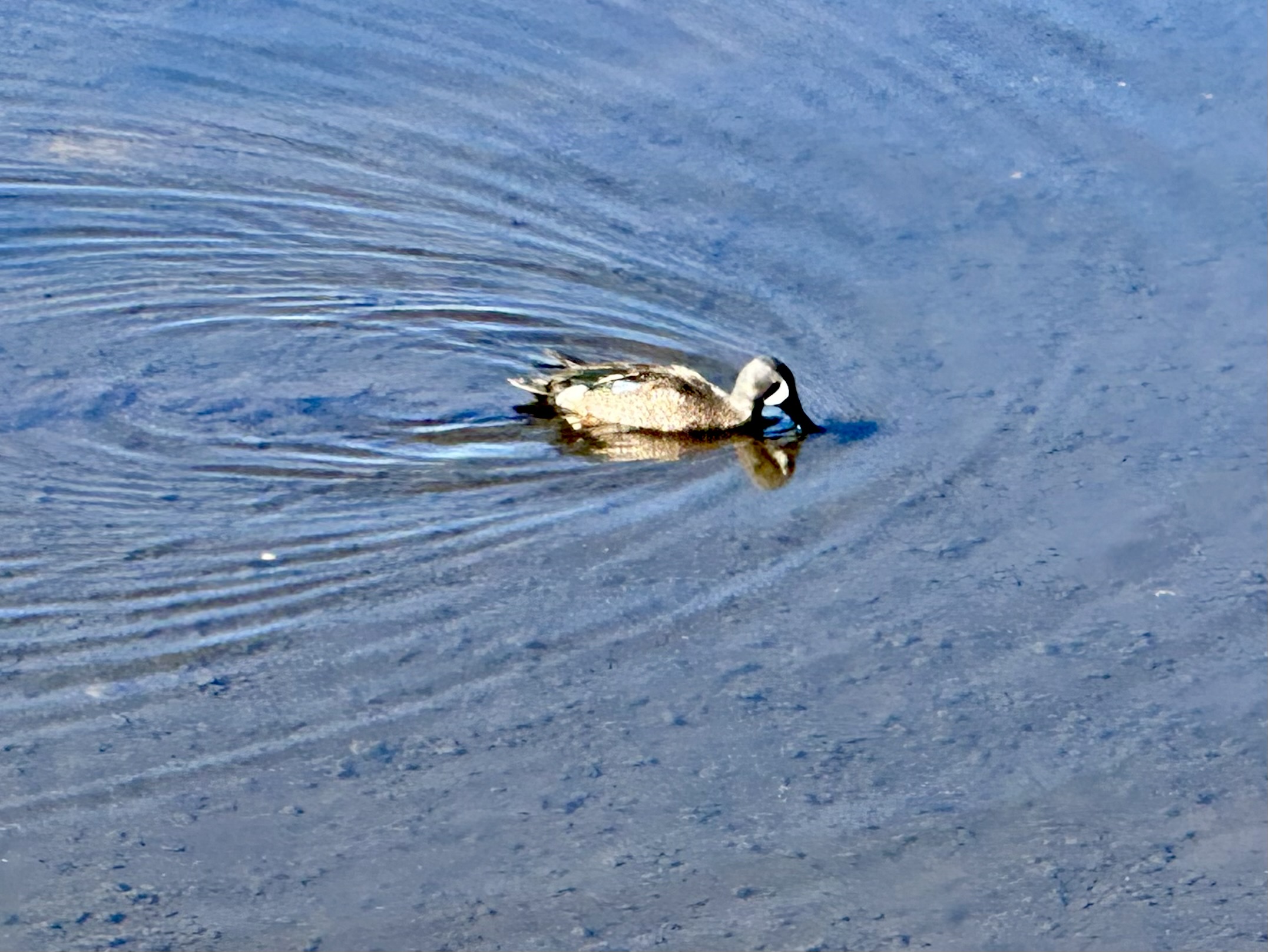
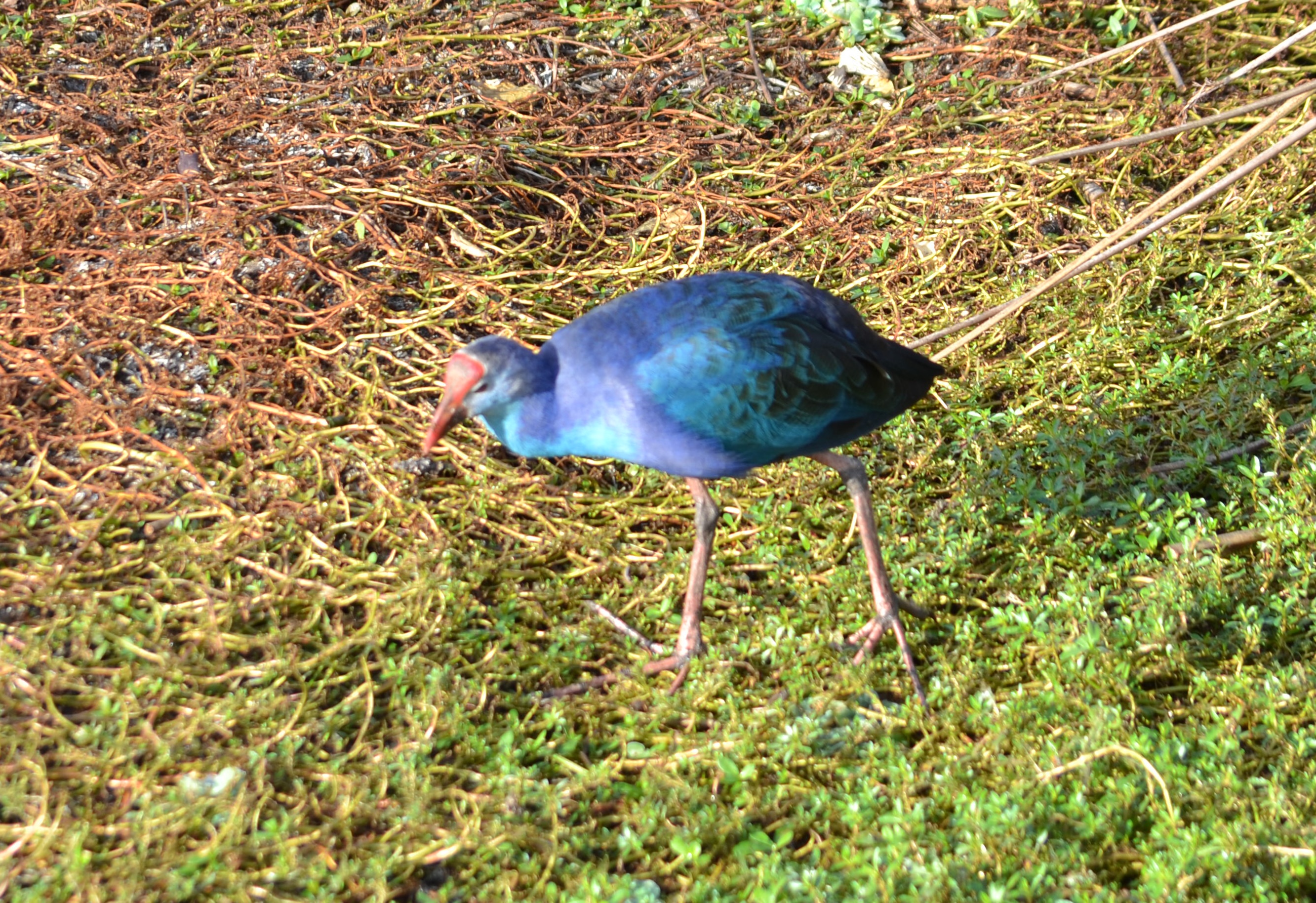
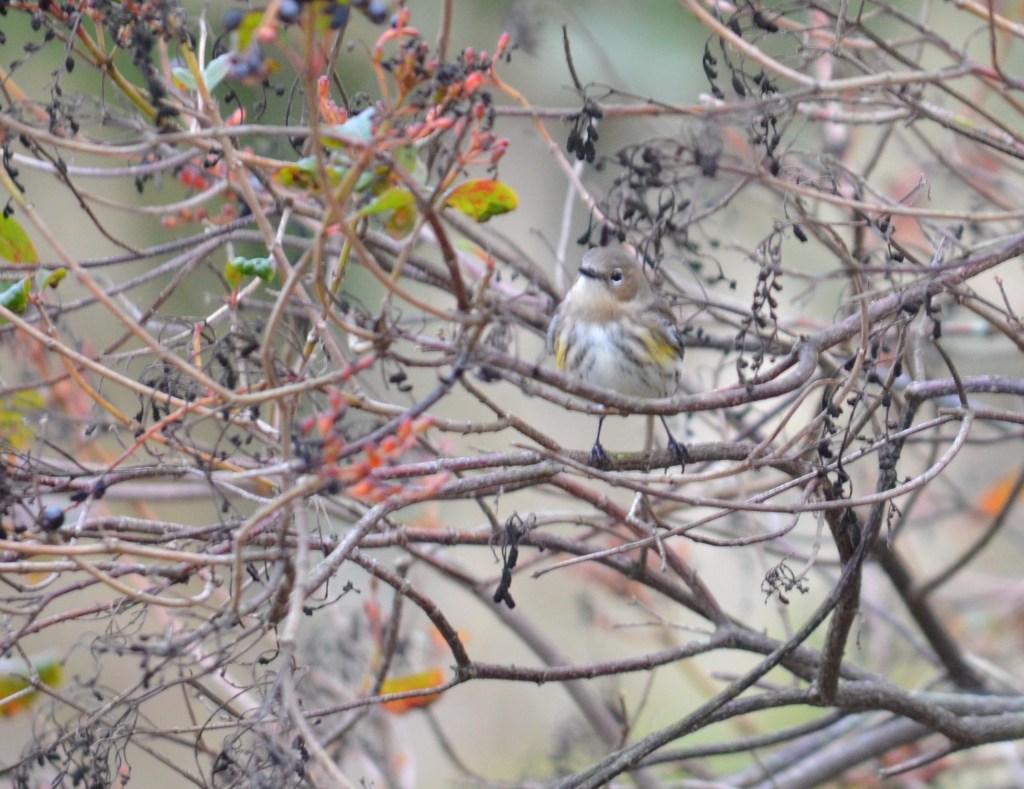
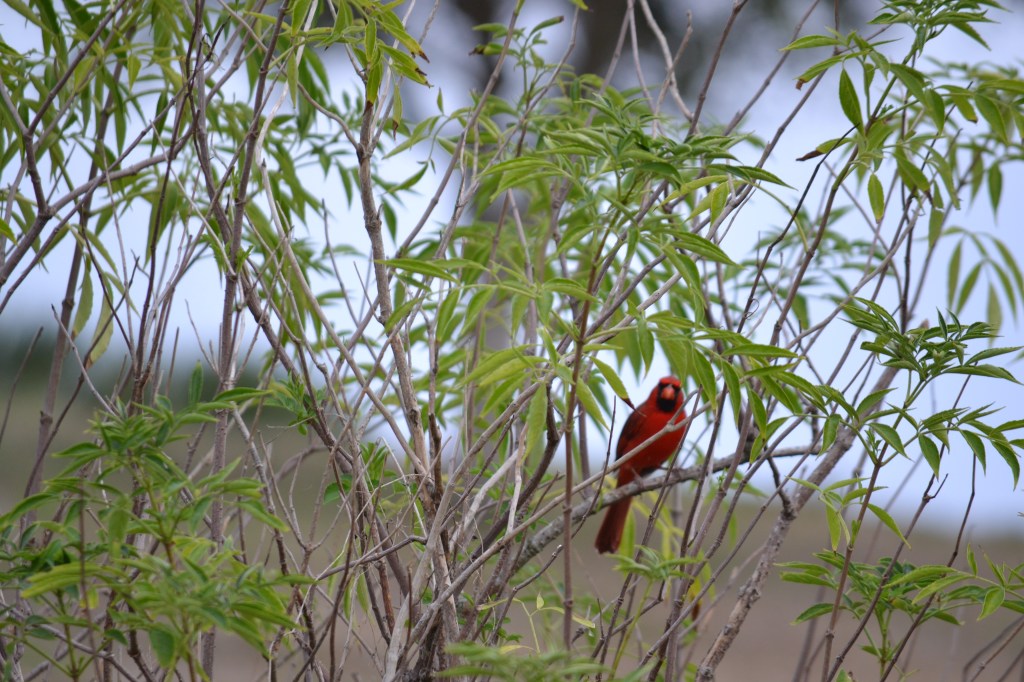
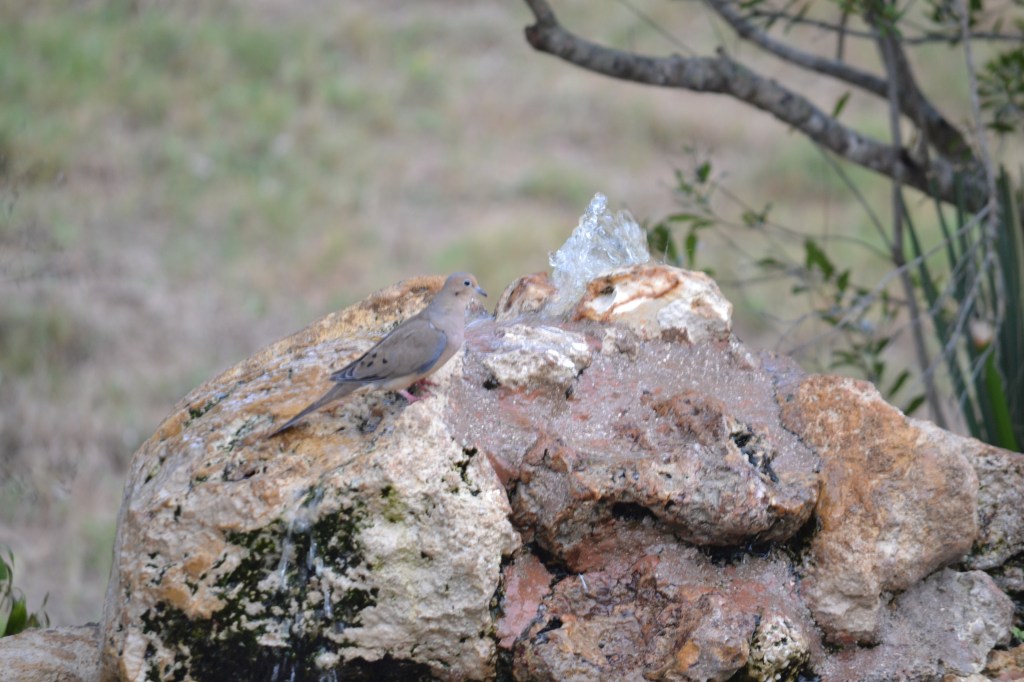
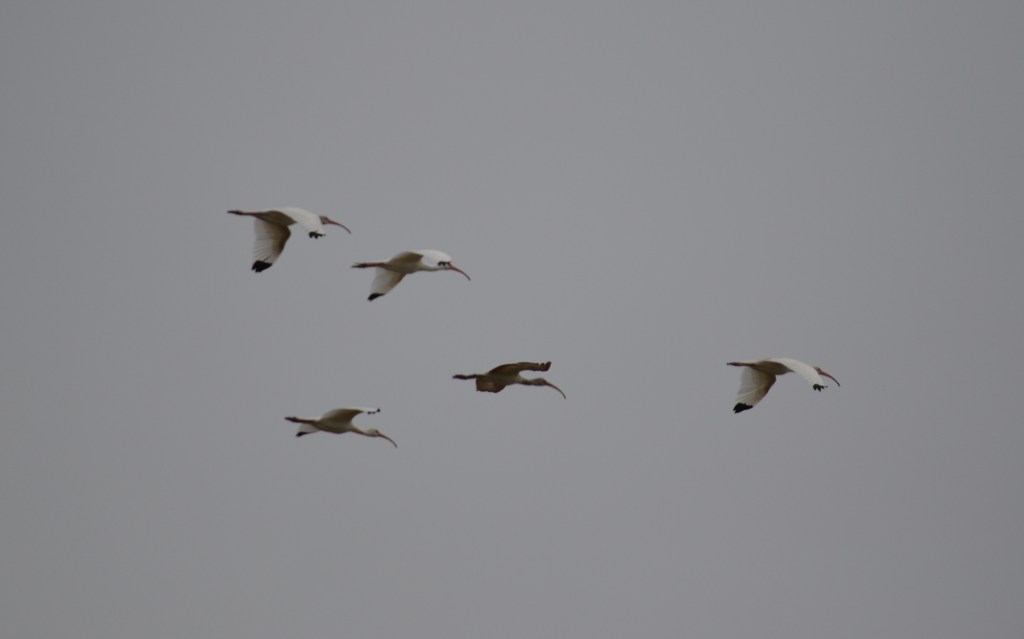
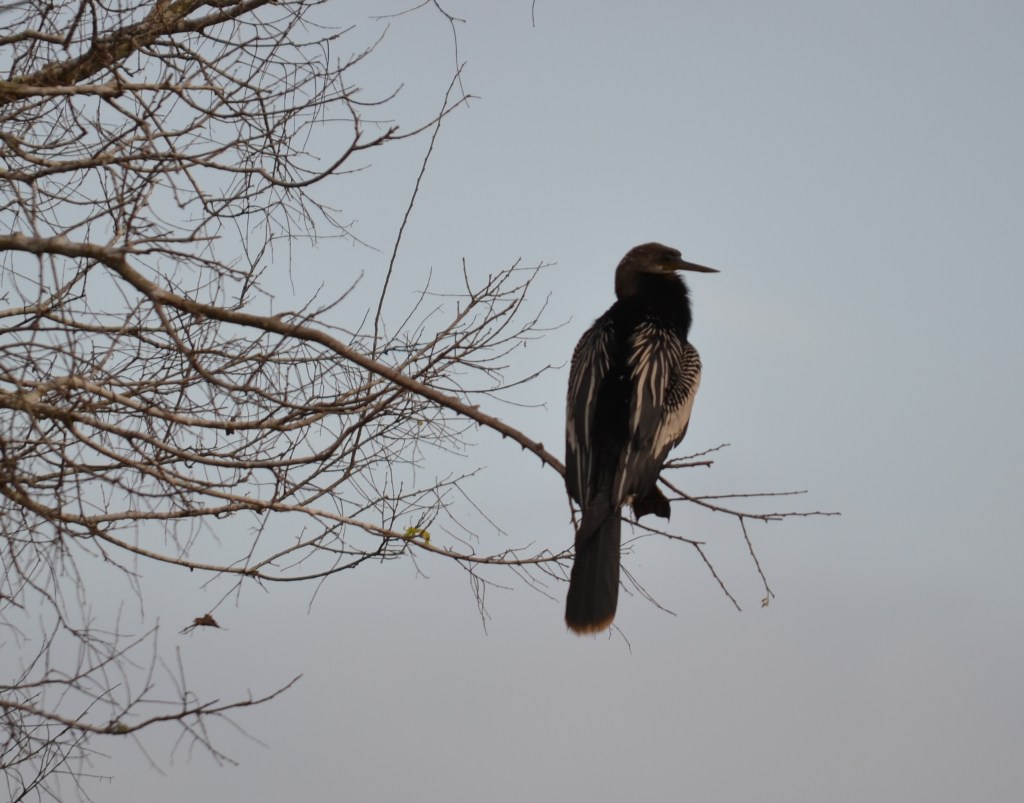
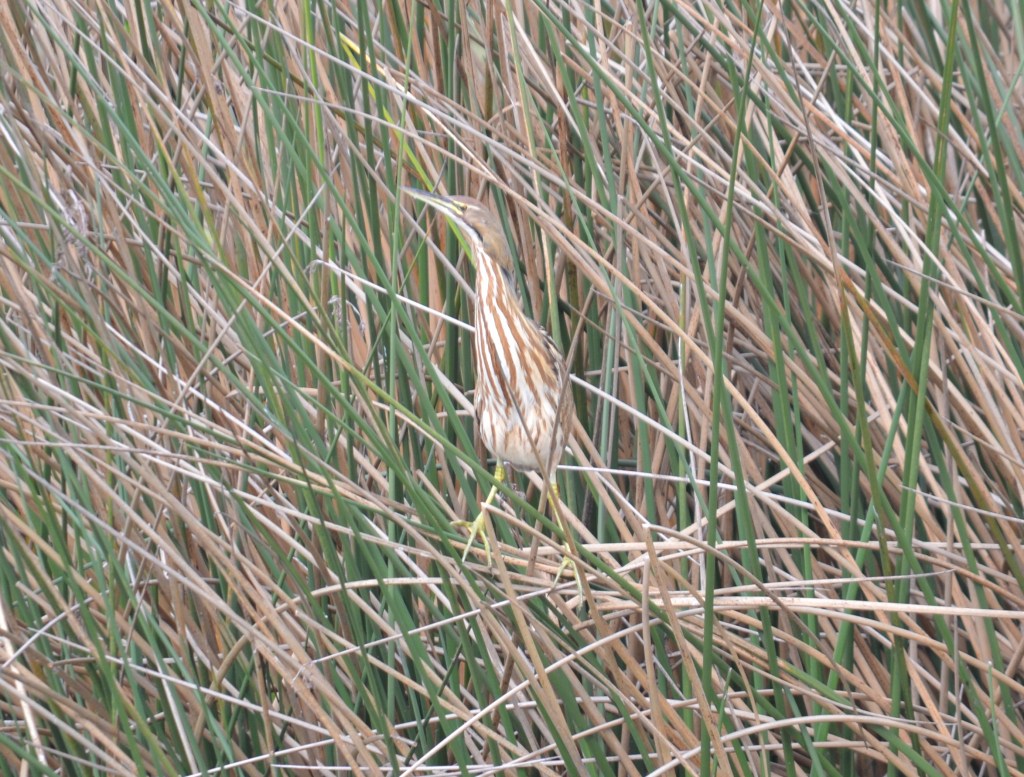
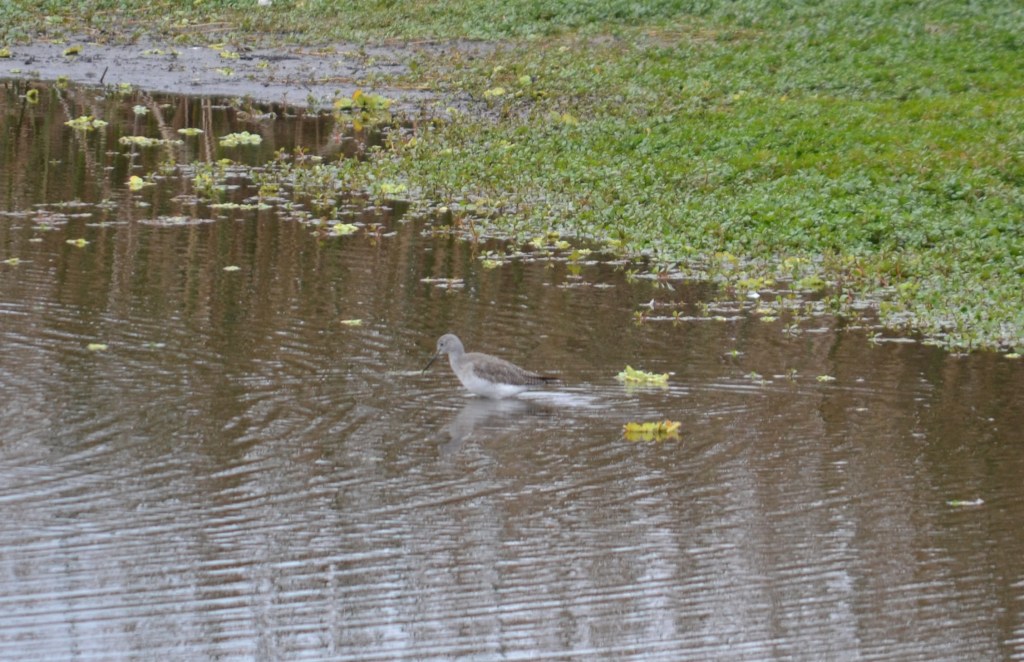
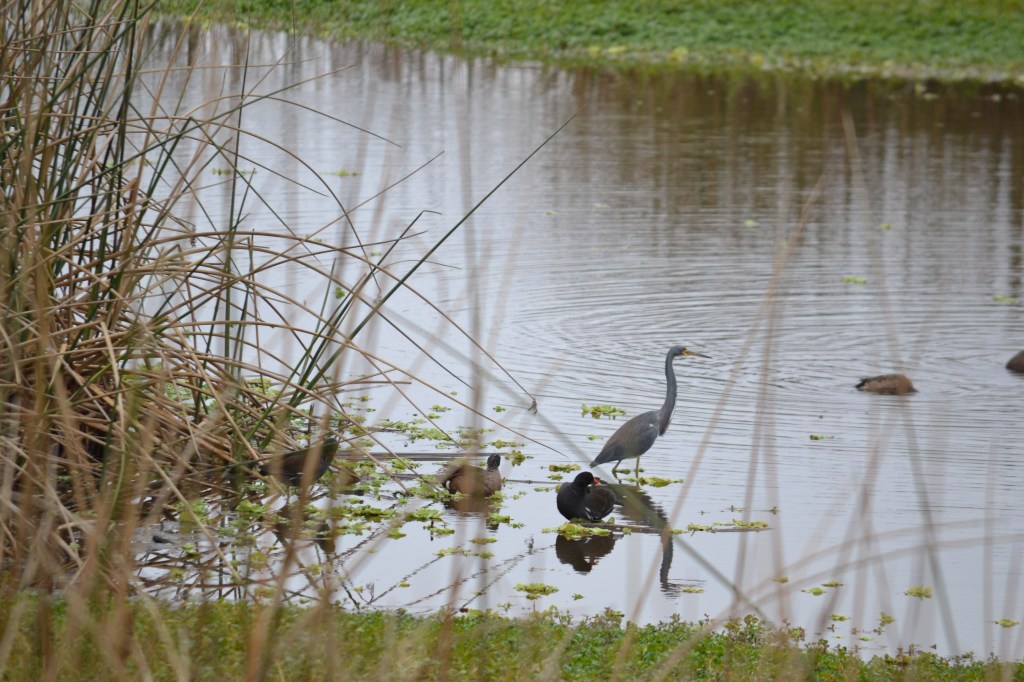
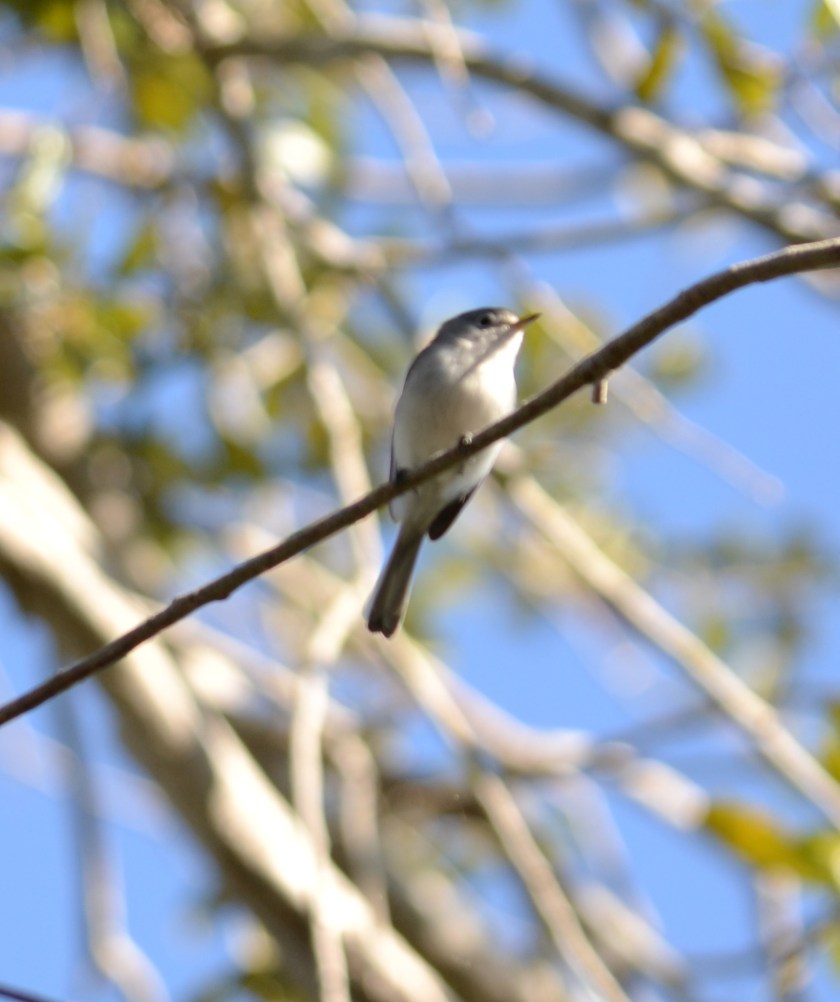
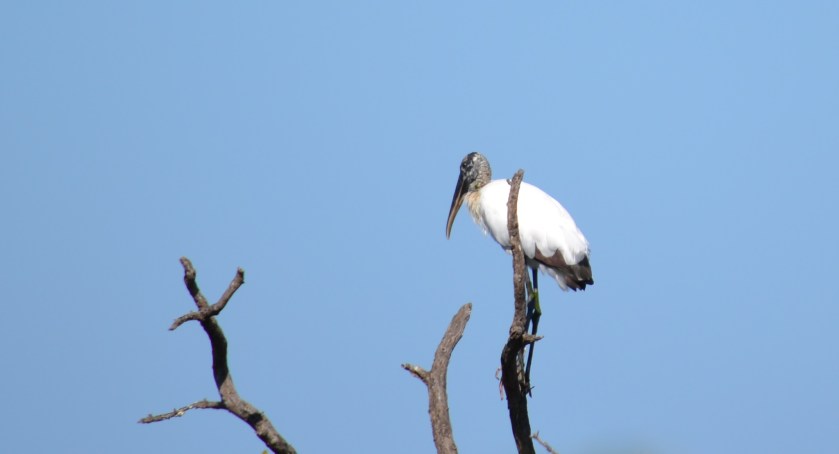
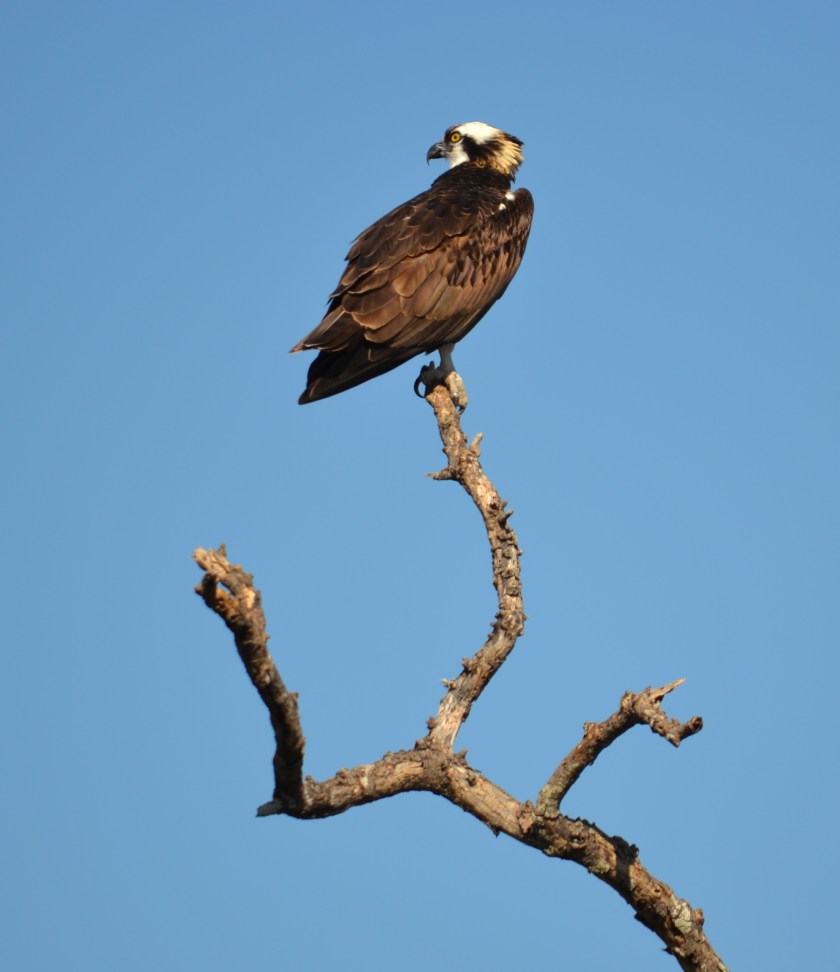
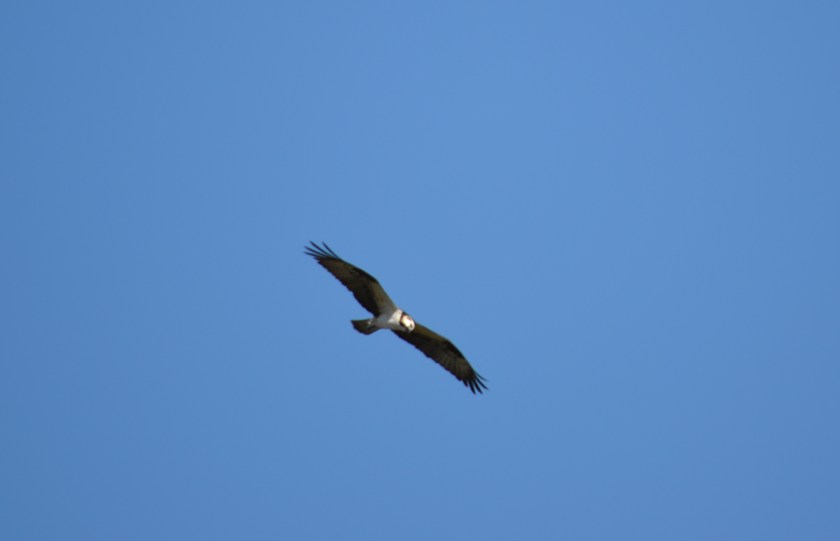
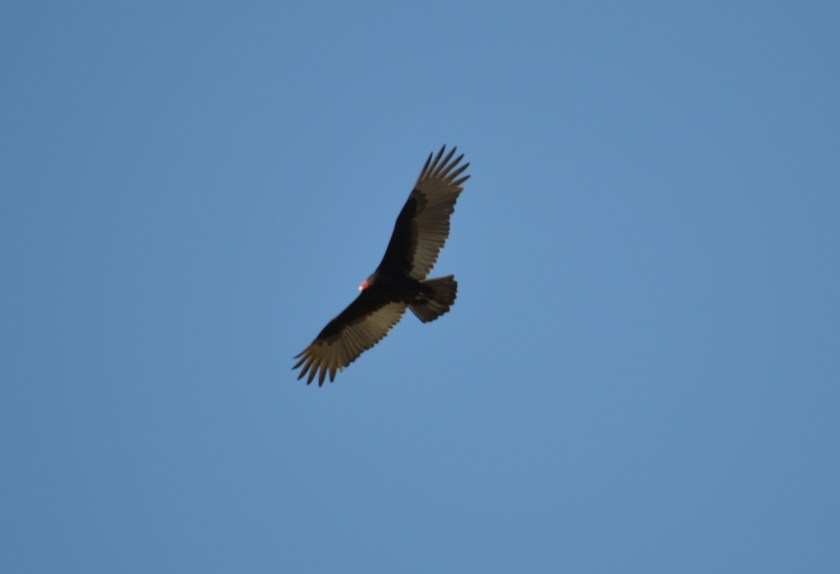
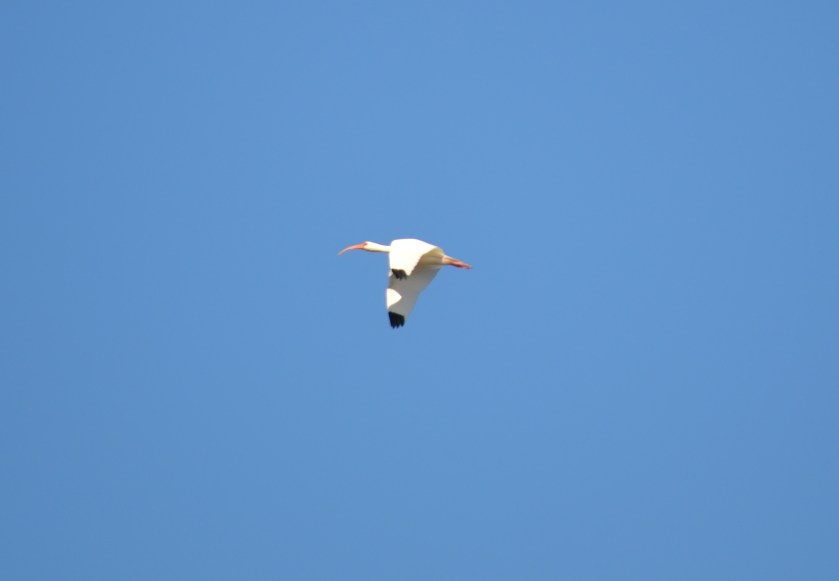
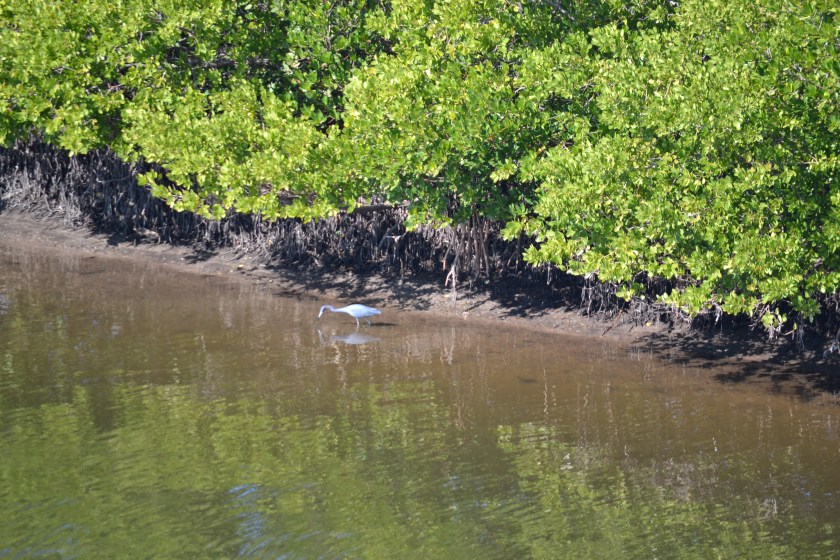
Still, I was able to see and photograph several bird species, and other animals, like an alligator and a snake. I’ll share those encounters in a separate post.
The Celery Field
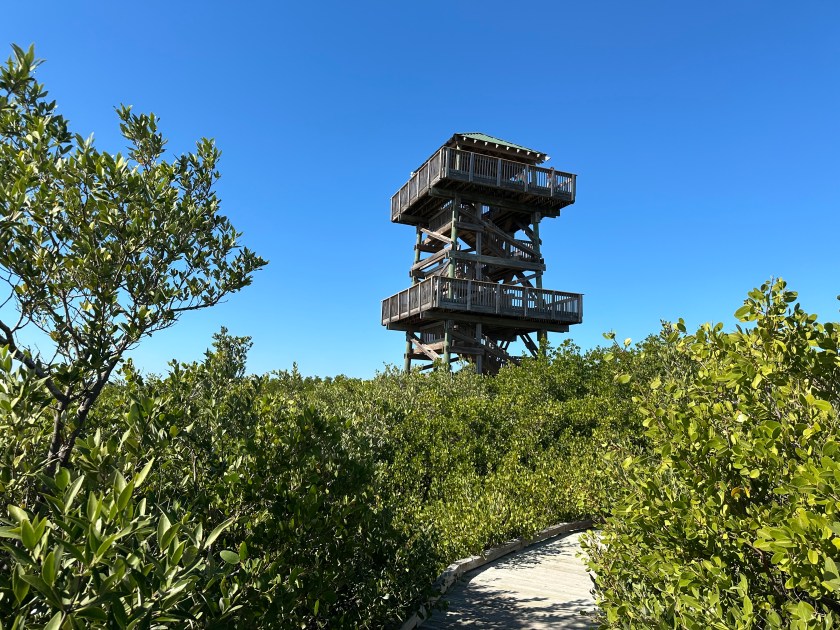
The Celery Fields afforded the best opportunities to see a variety of wildlife up close via boardwalks, levees, and stone paths.
The place had changed significantly since my last visit years ago. An Audoban Visitors Center had been built to provide visitors with information and maps of the many walking and birding paths.
Bird feeders were strategically placed near the center, attracting several species of birds for a closer look. This included a handsome pair of Painted Buntings.
Volunteer naturalists were also available to answer questions and explain what was being seen. Ponds, canals, trees, bushes, and natural plants provided excellent habitat and cover for the birds and wildlife.


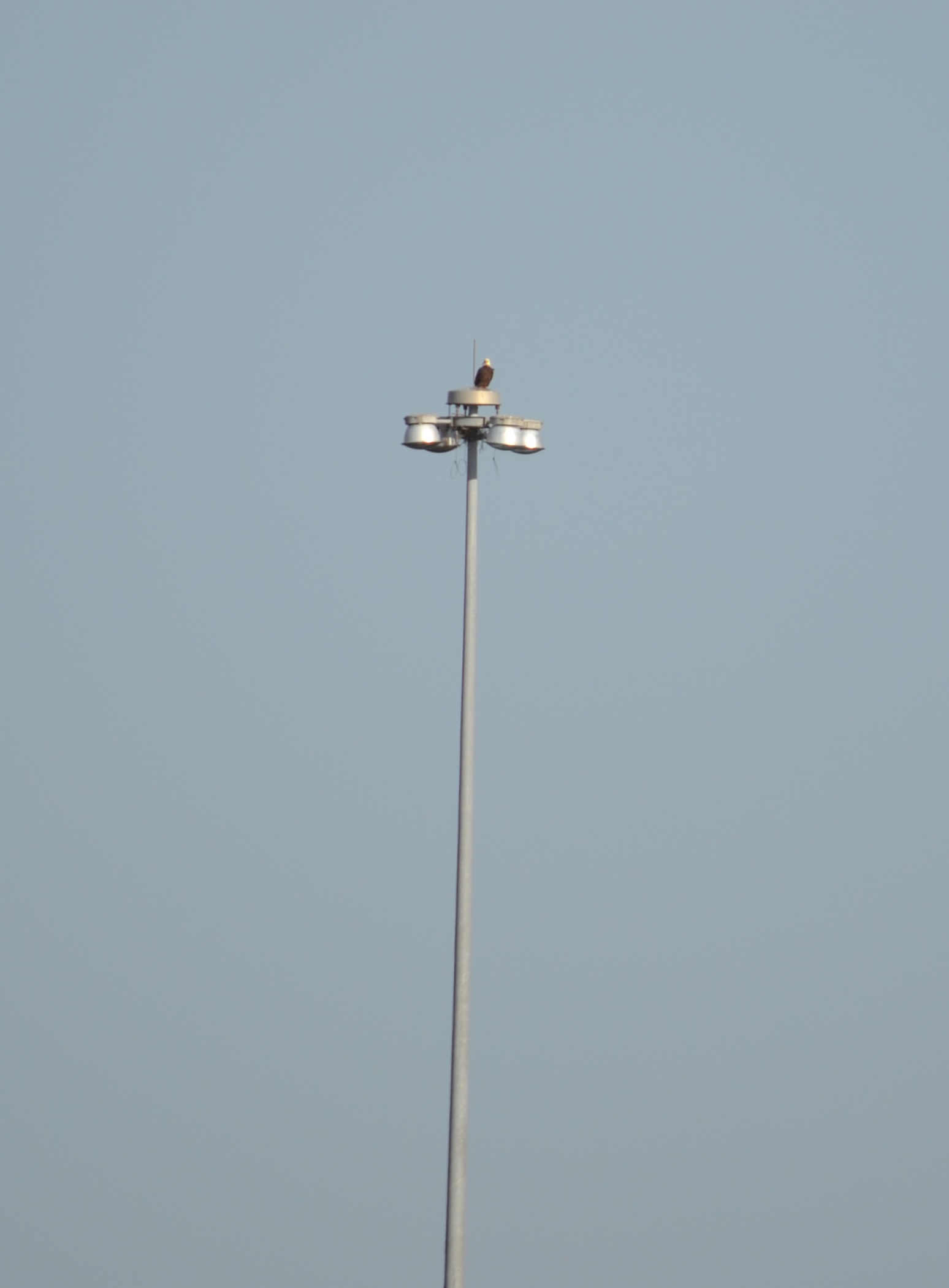
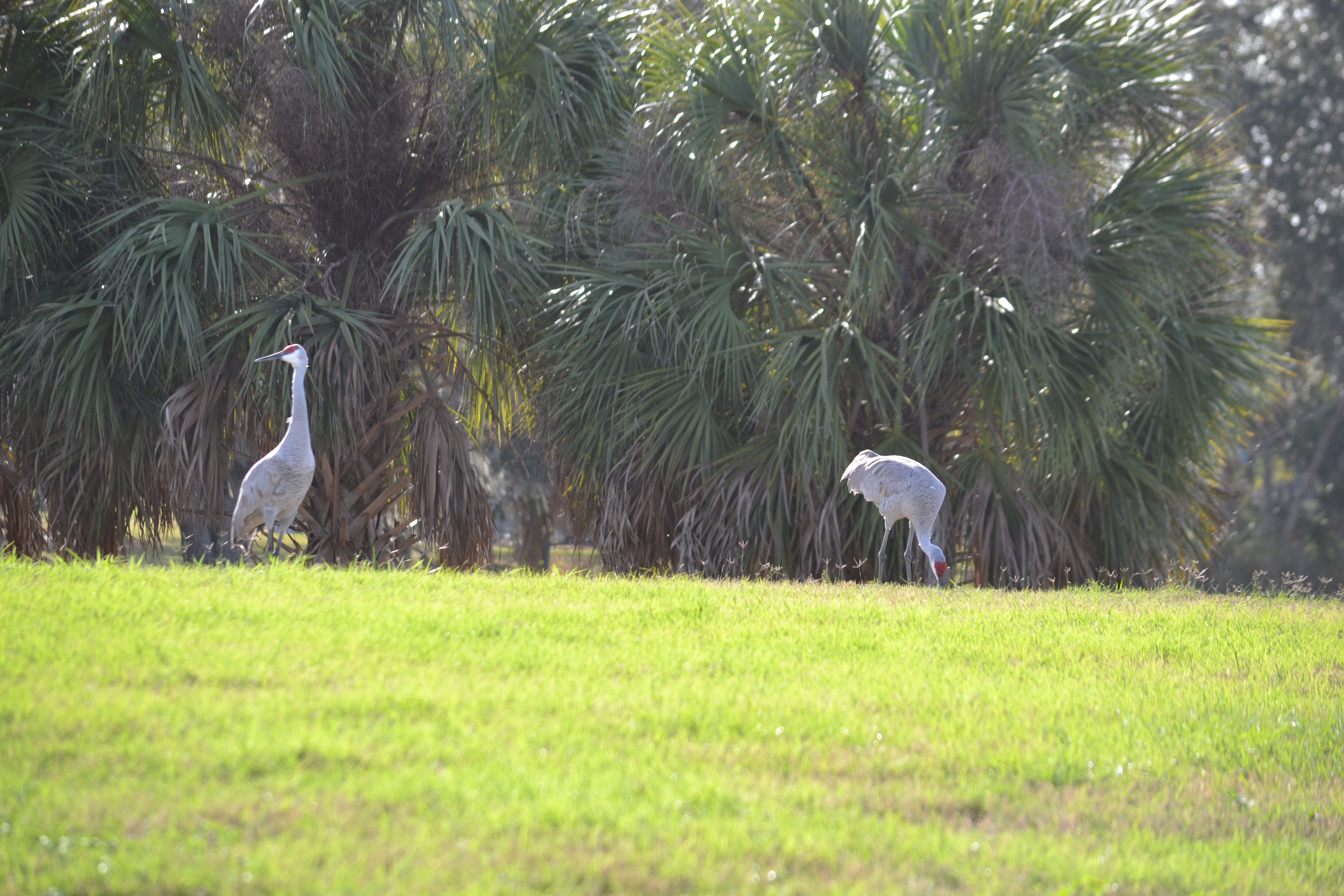
Beaches
Since it was the holidays and the weather was sunny and warm, the beaches were crowded. Consequently, I only captured a few photos.
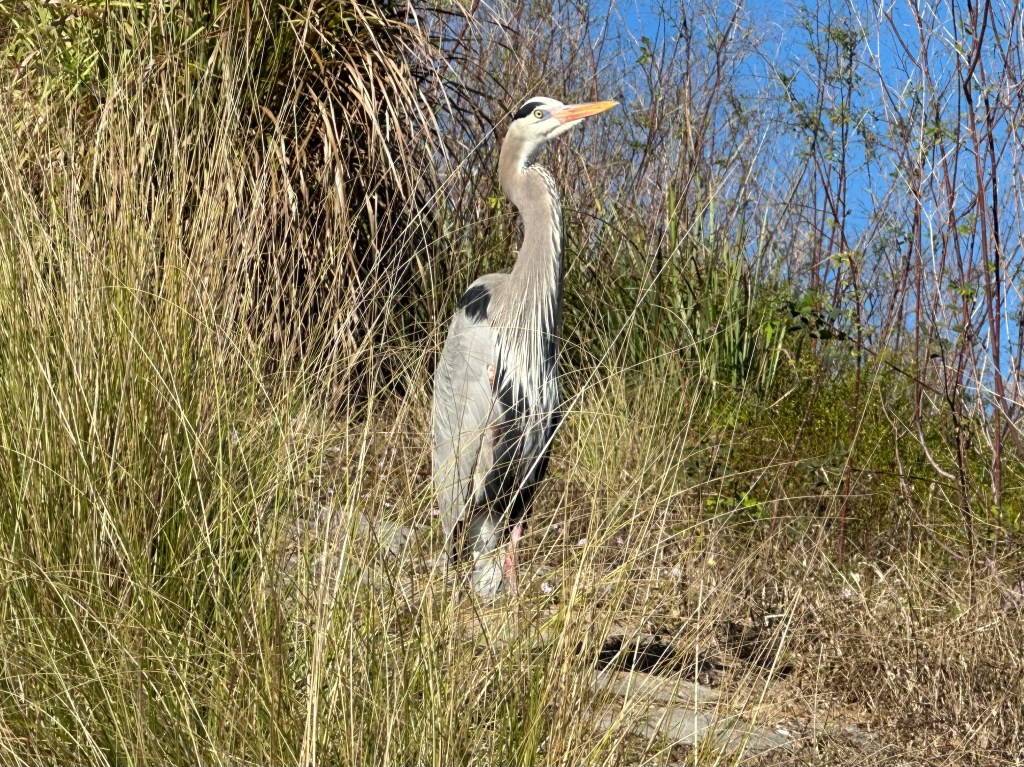
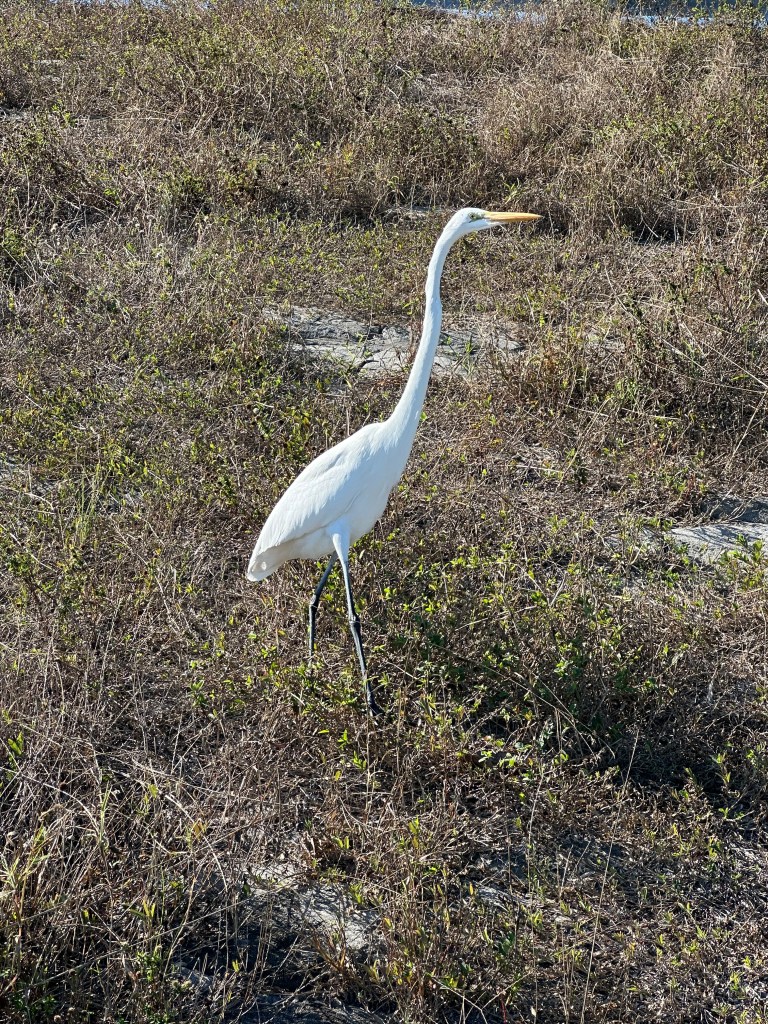
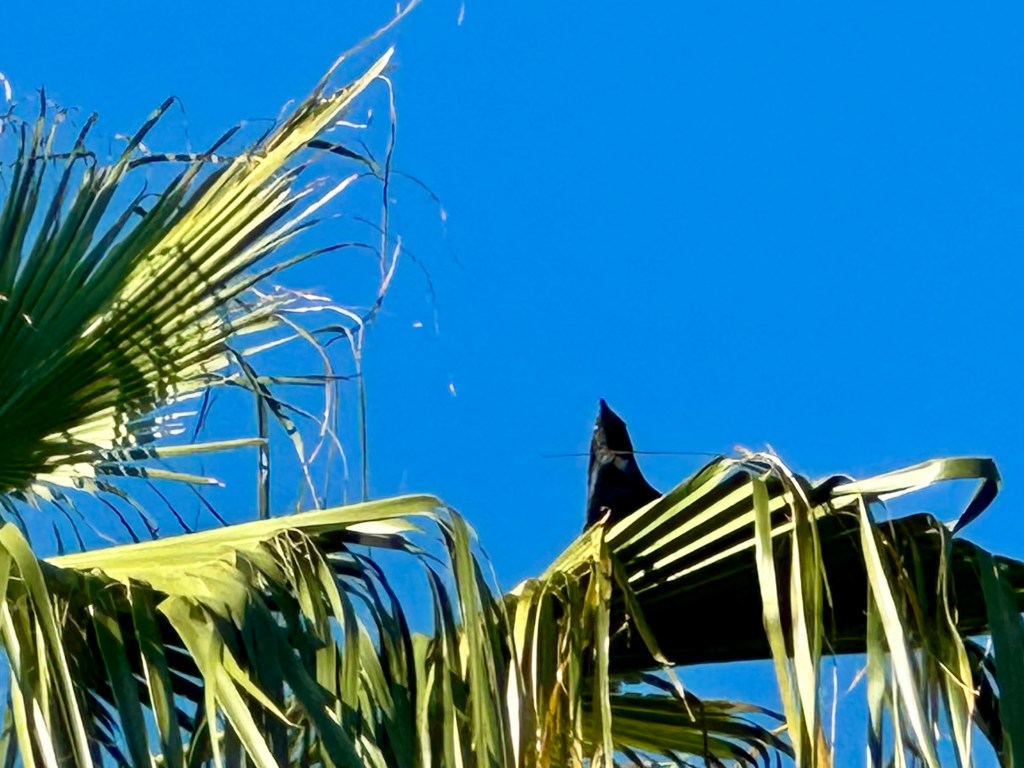
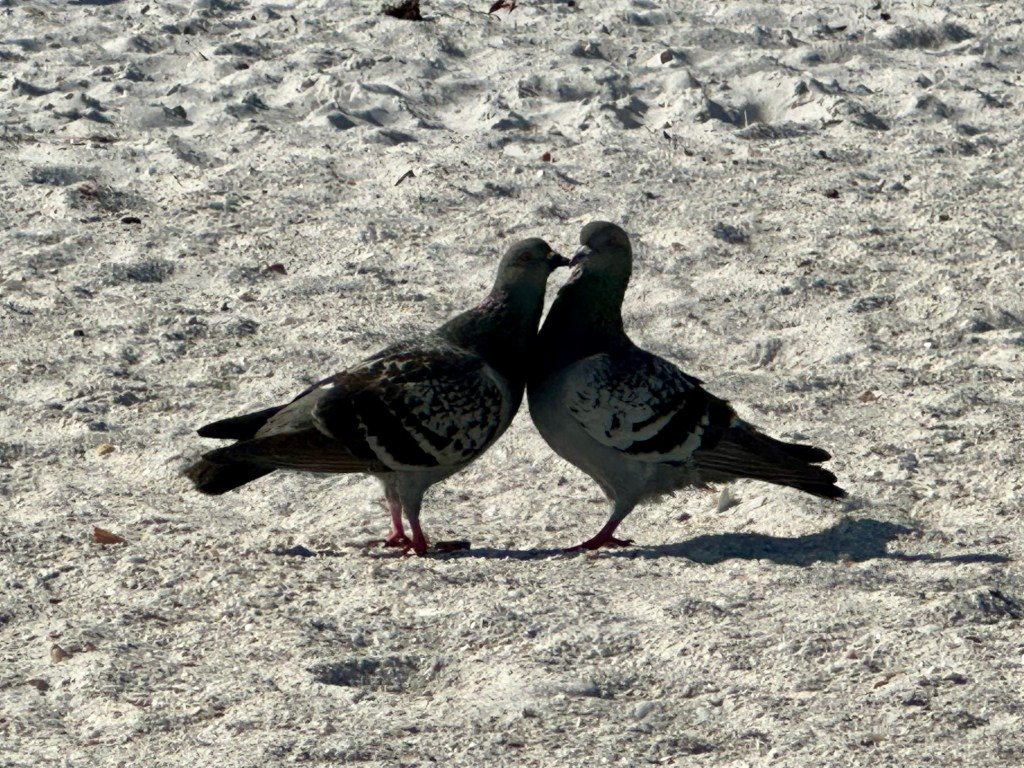
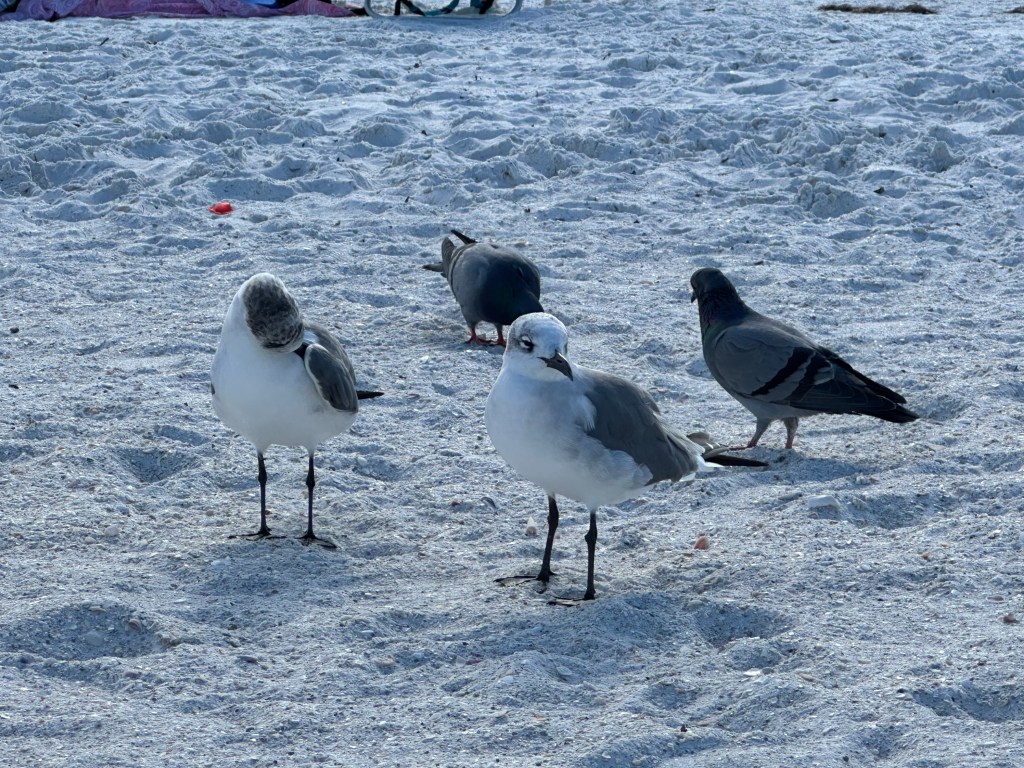
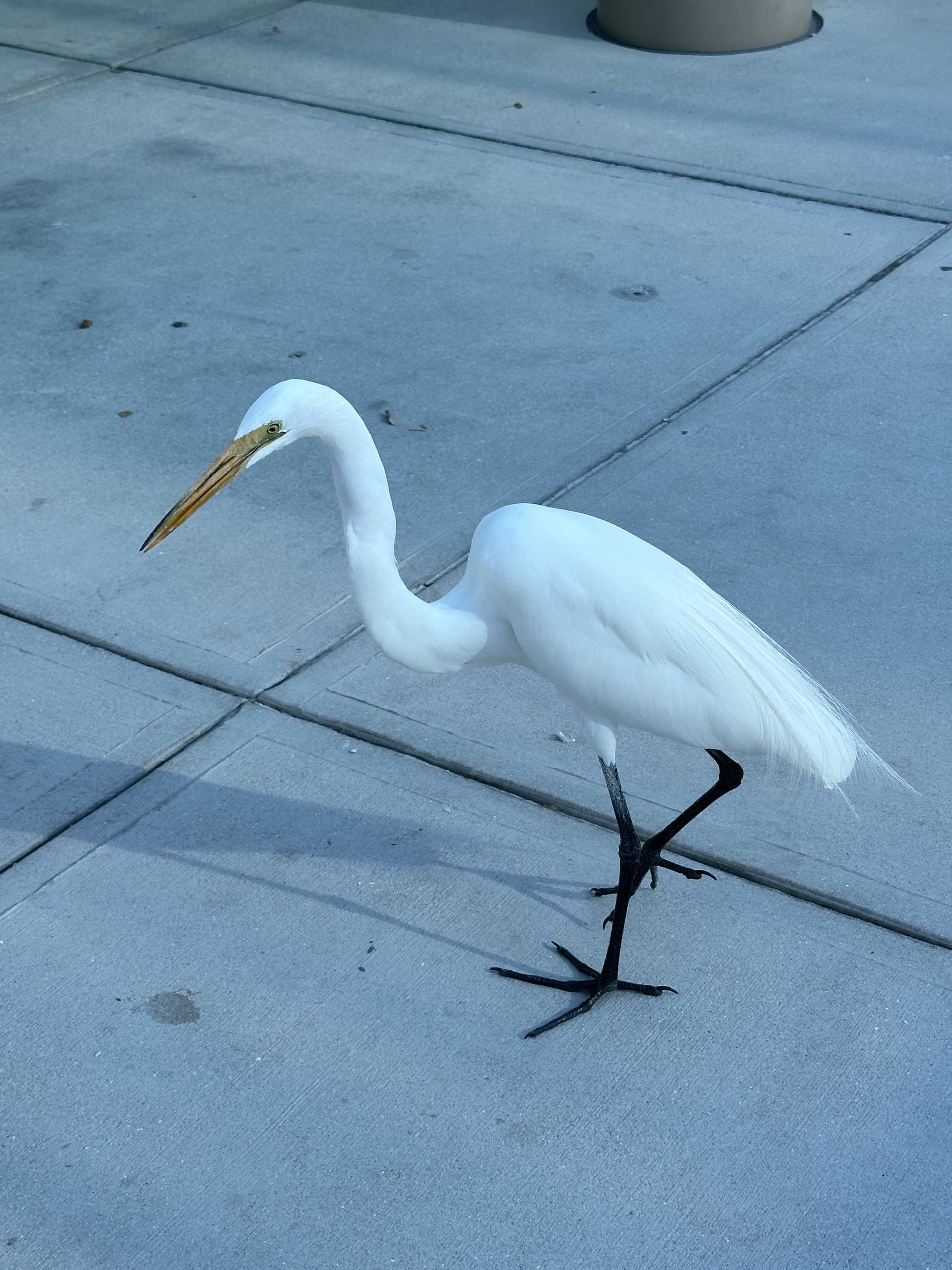
Please click on the photos to enlarge them.
The Preserves
I discovered the Ungarelli and Robinson Preserves after dropping off my oldest grandson at a golf course. Again, due to the lack of rain, the water levels at both places were very low, and some of the mudflats had hardened.
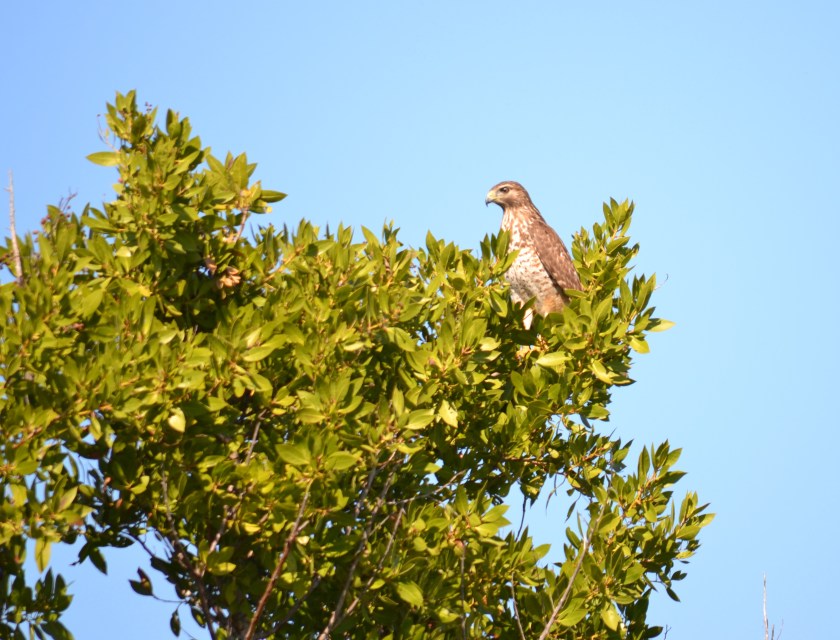
Still, bird species were plentiful, and the people I met were friendly and inquisitive about birds they saw but couldn’t identify. The binoculars dangling around my neck over my birding vest gave me away. It was a pleasure to help them learn about Rosate Spoonbills and Red-shouldered Hawks.
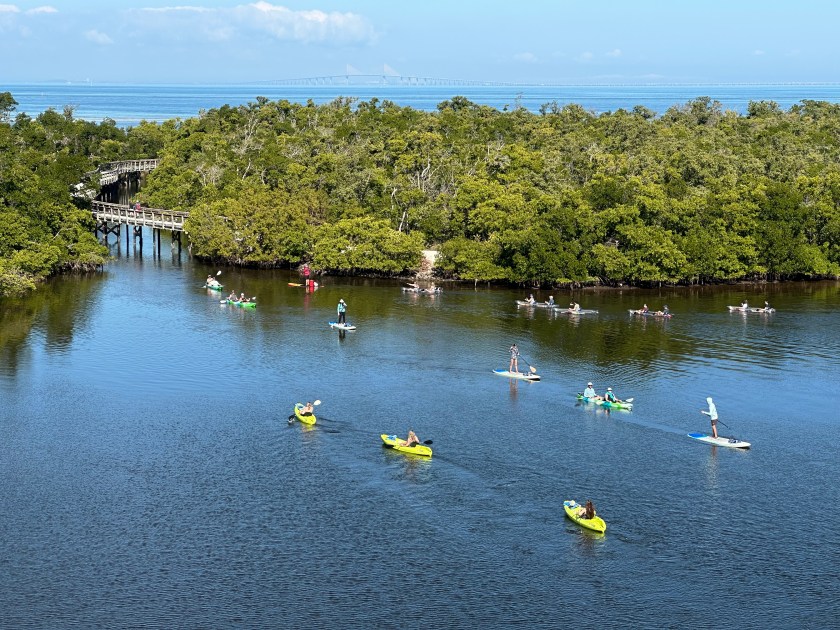
Like the Celery Fields, the Robinson Preserve was a multi-use facility. Kayakers, bikers, joggers, and dog walkers far outnumbered birders like me. That didn’t deter my enjoyment of the time spent there.
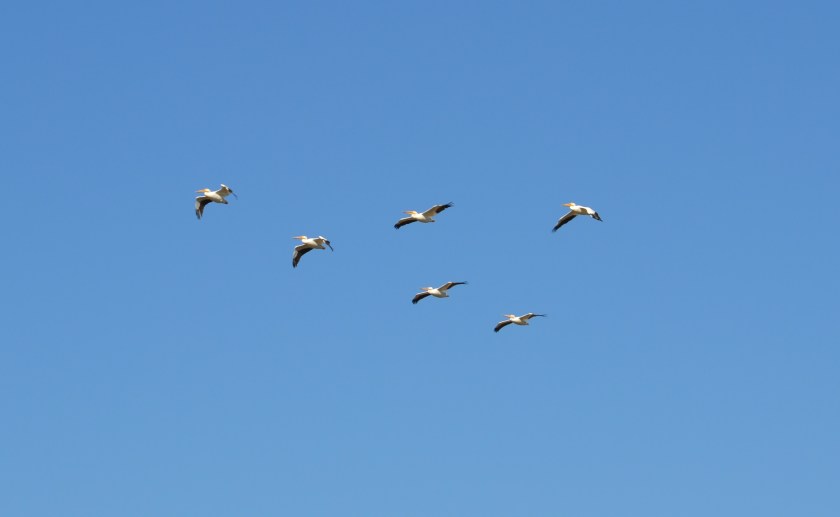
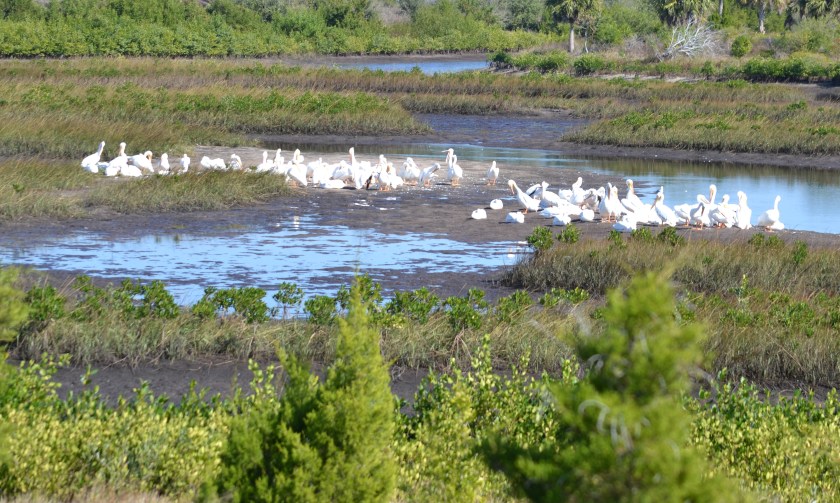
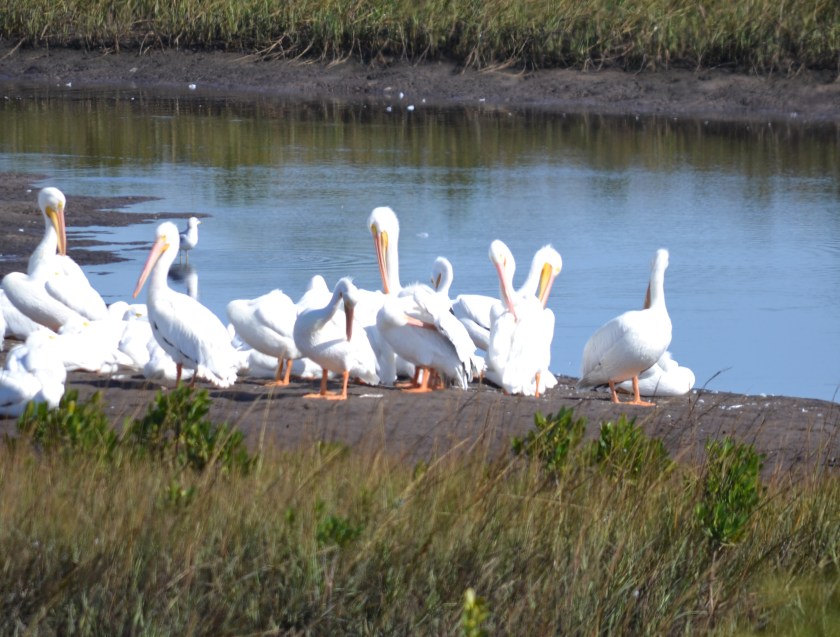
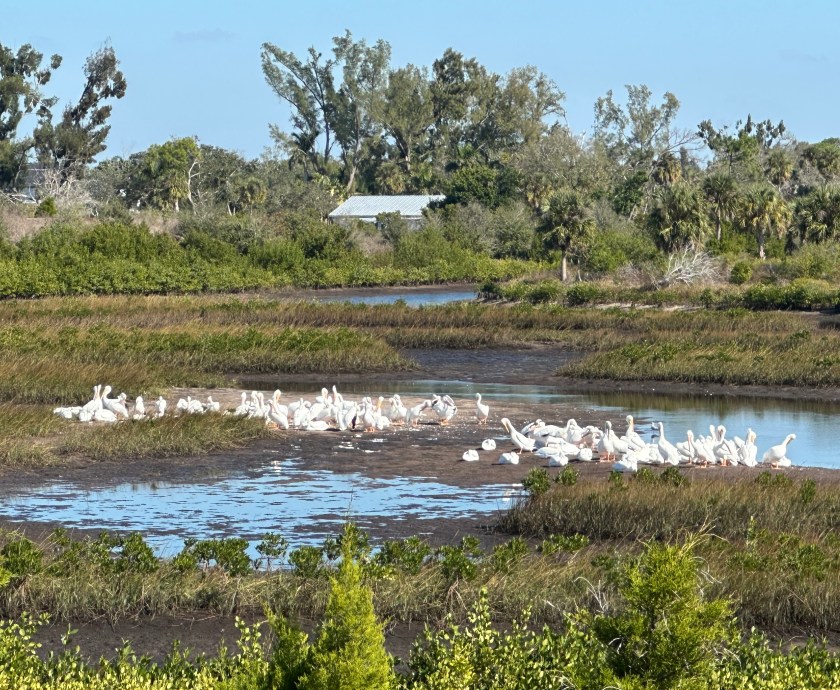
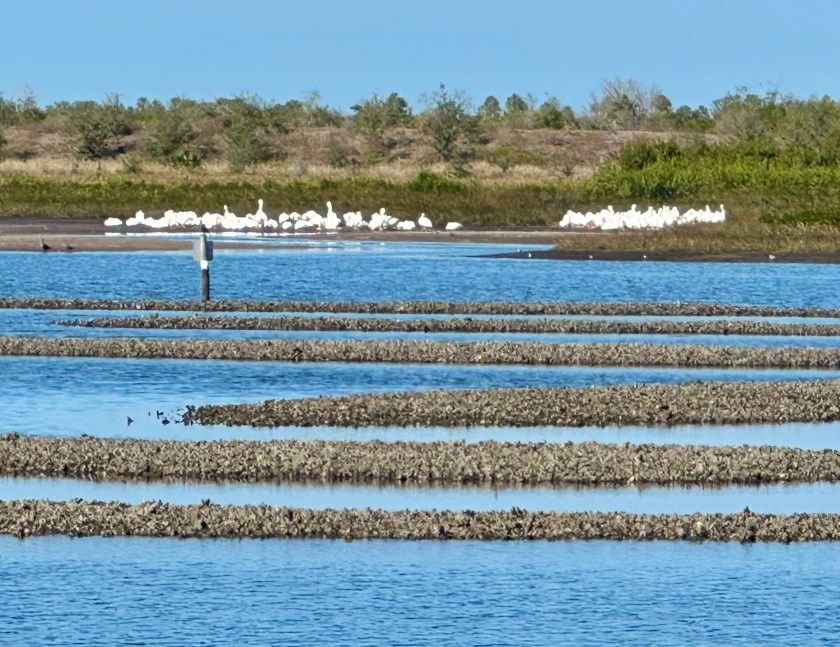
The highlight was discovering a large flock of American White Pelicans. I met a couple from Germany who equally enjoyed these fantastic birds. We watched as several pelicans flew into the flock, where many of them preened in the afternoon sunshine.
© Bruce Stambaugh 2026

© Bruce Stambaugh 2026
We live in a crazy world that seems to grow crazier by the day. But we must not let the chaos get to us. We need to carry on as best we can. For me, photography is one outlet that shuts out the din of the world’s madness against itself.
I enjoy photographing the wonder all around me, the serendipitous joy that springs upon me. By capturing those affectionate moments, I can share them with others, including you.
Staying in the present moment allows me to see things that others might just pass by. Consequently, I took thousands of photos this year. My photos feature people, insects, birds, trees, mountains, flowers, sunsets, sunrises, boats, planes, and a sundry of other subjects.
I have chosen to select one image for each month to review 2025. I hope each photo speaks to you the way they all did to me. Here then is 2025 in photos. Enjoy.
January
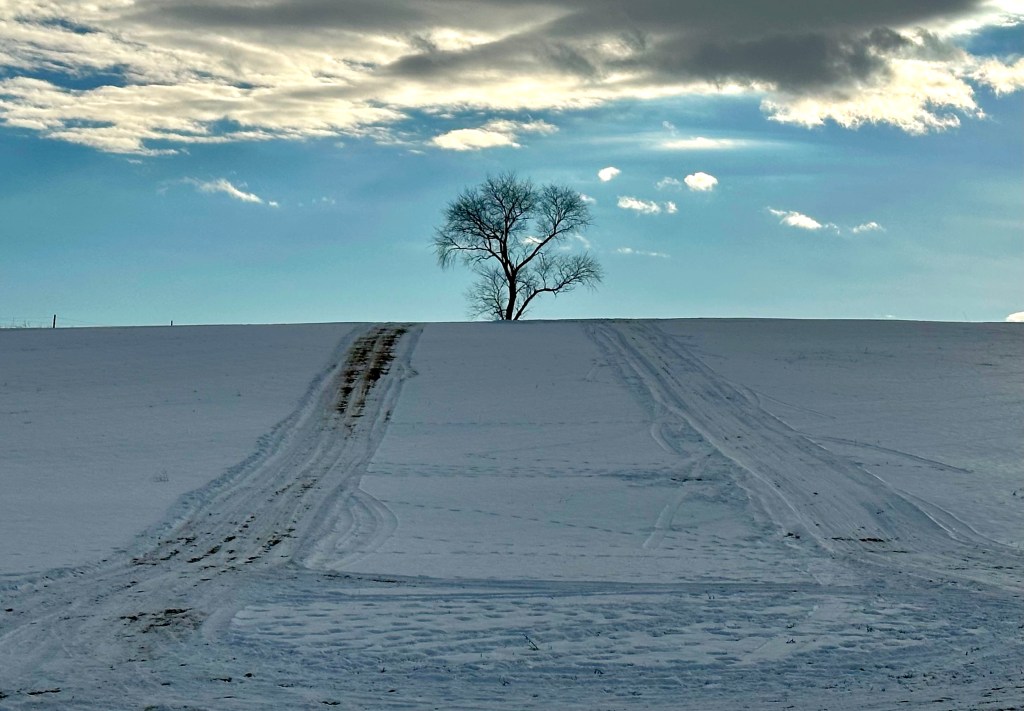
It’s only appropriate to begin this photo series with a snowy scene in January. This lone tree stood beneath the hovering clouds and was perfectly centered by the farm equipment tracks in the snow. The cerulean sky provided an excellent backdrop, like blue ice in a glacier.
February
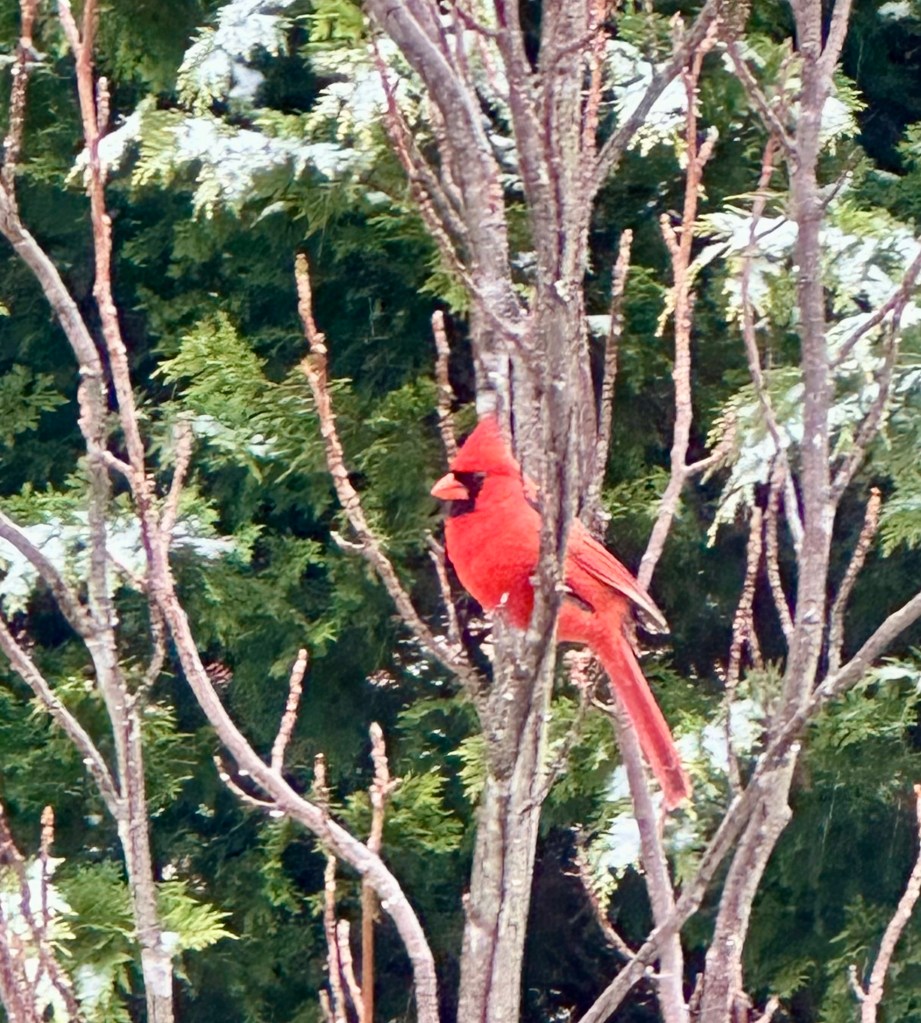
Is there anything more stunning than a bright red male Northern Cardinal in the midst of winter? Against evergreens laden with a skiff of snow, the bird shows even more colorfully. It’s just one of the reasons I love watching, feeding, and photographing birds.
That’s especially true when they grace your backyard with such natural beauty.
March
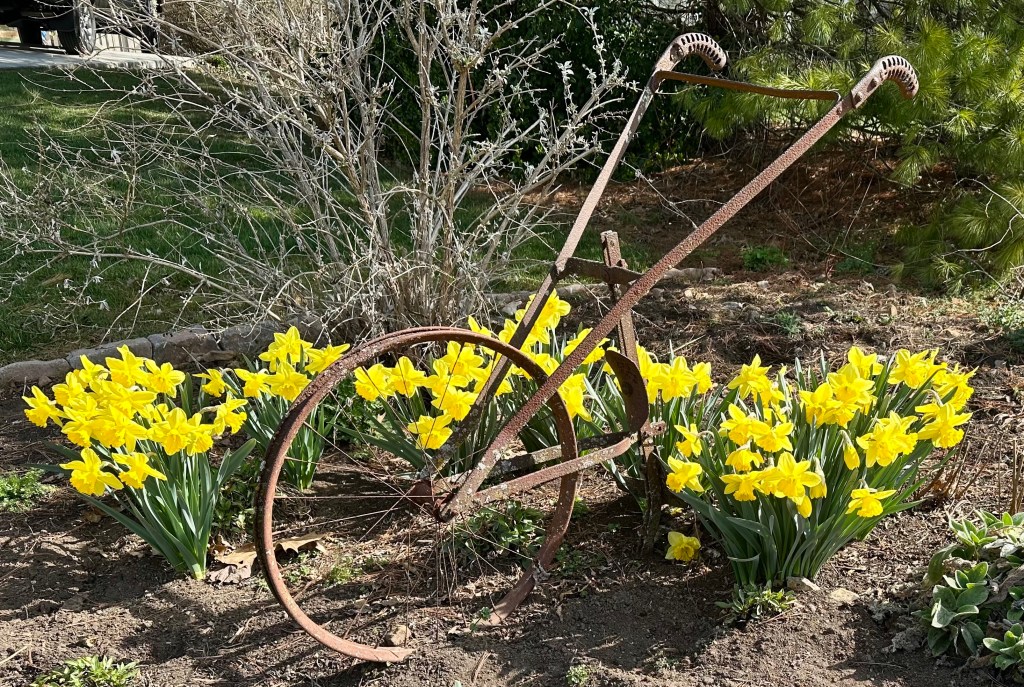
I enjoy walking in our suburban neighborhood of nearly 500 homes any time of year. Besides the required exercise, I encounter many photographic moments. This neighbor had the foresight to plant daffodil bulbs around an old hand cultivator, once used to till garden soil, which helped control the weeds.
Emerging from winter, the buttery yellow of the blooms added a splash of color that complemented the old, rusting implement.
April
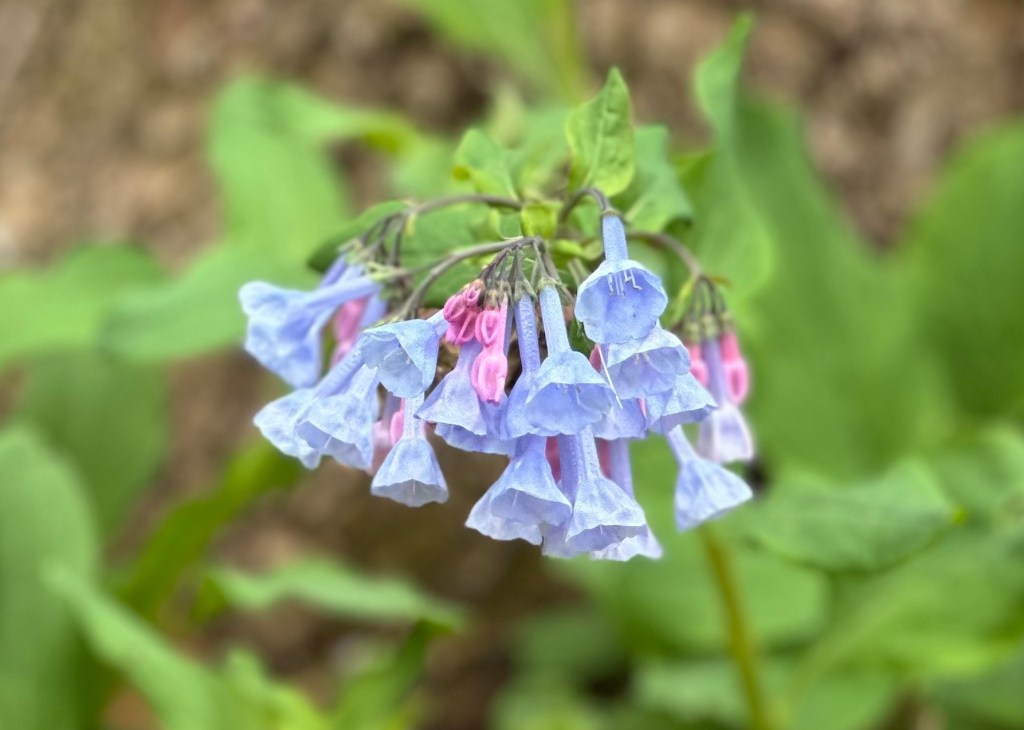
Though not the state flower, Virginia Bluebells should be. They are native to the state and are its namesake. Besides that, the flowers are simply beautiful. Their pink buds turn to azure blue blossoms, and they are a welcome sight wherever they bloom in spring.
May
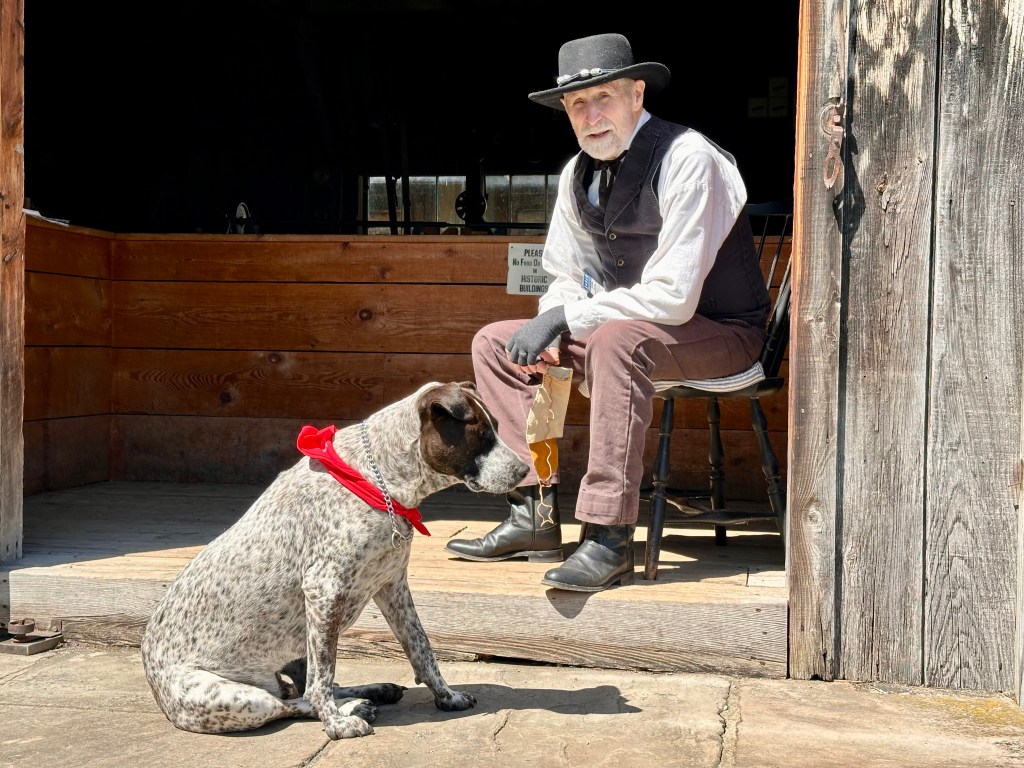
I captured this photo at a historic village in Mumford, New York. Since it was Mother’s Day, the Genese Country Village and Museum had people in period clothing doing demonstrations and providing information about their particular station.
While walking by a barn, I caught this man and his dog sitting in the morning sunshine. The darkness of the barn’s interior made them stand out all the more.
June
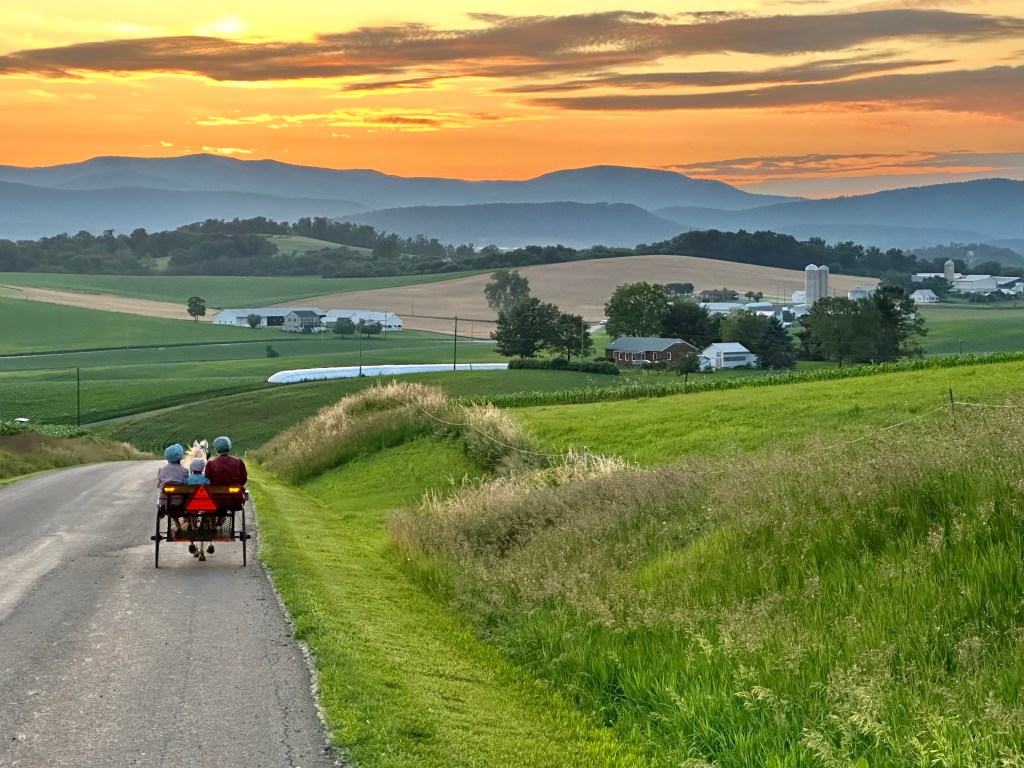
I’m a sucker for sunsets. With its fluffy-cloud days, June is often a good time to watch for glowing evening skies. June 20th was one such day. It just happened to be the summer solstice, when the sun would be at its northwestern-most point in the evening sky.
I headed to my favorite photo spot, the western slope of a local landmark, Mole Hill. Mole Hill is a prominent mound in Shenandoah Valley’s Rockingham County. You can see miles south, west, and northwest from the extinct volcanic core.
On the way there, I saw a pony cart tied to the trunk of a walnut tree at the peak of Mole Hill Road. I didn’t think much of it until I heard the distinct sound of hoves hitting the pavement. I turned and saw an Old Order Mennonite young woman and two girls in an open cart behind a blond-maned pony heading my way.
Knowing they would not want their photo taken, I waited until the cart was well past my location before I snapped the shutter. The setting sun illuminated the pony’s mane and the seeded heads of the tall grass north of the roadway.
With the evening quickly cooling, a light fog began lifting out of the river valley below the Allegheny Mountains that mark the boundary between Virginia and West Virginia.
The combination of the golden sky, the glowing clouds, the darkened mountains, the mist, the farmsteads, and the rolling valley floor created a once-in-a-lifetime scene. It felt like a holy moment, and I was thrilled to capture it for others to see.
July
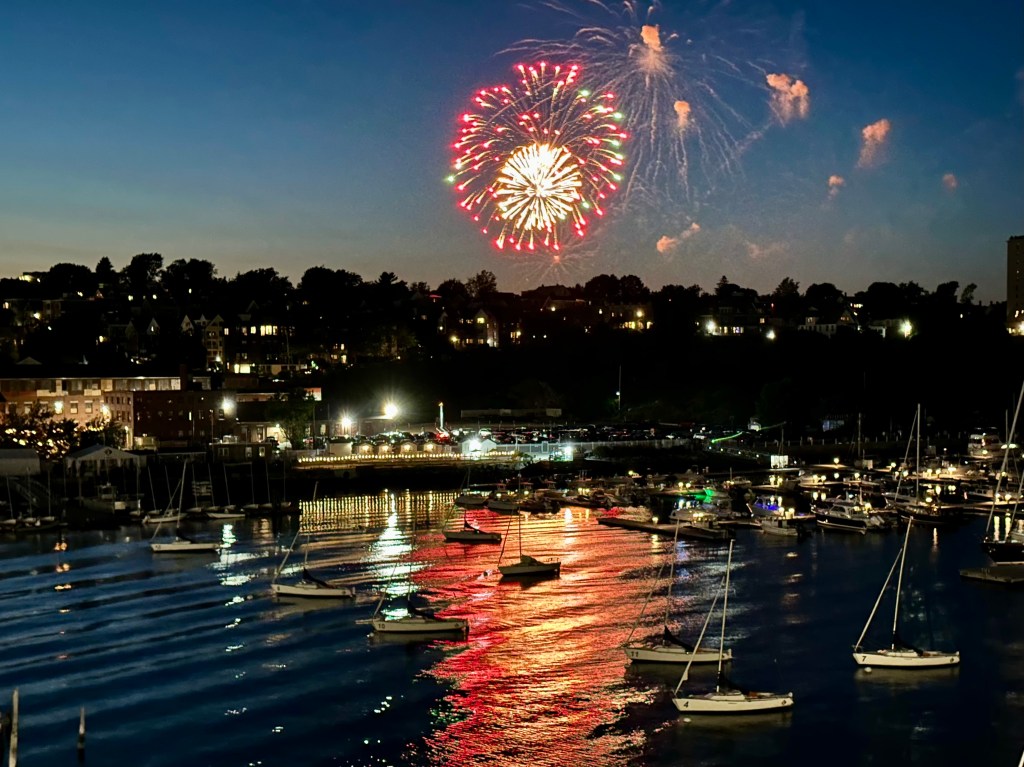
In the United States, July literally always starts out with a bang. July 4th is Independence Day, and it just so happened that the cruise ship my wife and I were on docked in Portland, Maine, on that hallowed day.
Fortunately, the ship’s starboard side, where our cabin was, faced the city’s harbor. We had a front-row seat to all the explosive colors reflected in the water. It was a fun way to close out our trip.
August
Like many other locales in the nation, August was a hot, humid, and all too dry month. Still, people ventured out, keeping their routines and schedules despite the withering temperatures.
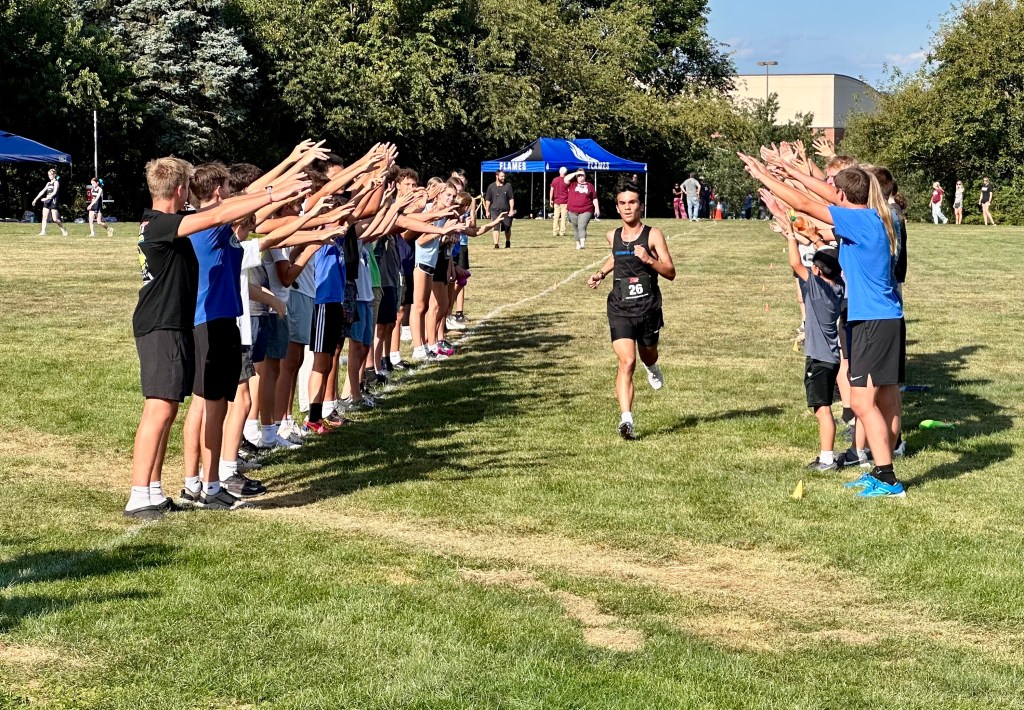
That was true for all kinds of outdoor sports. This photo shows the proud moment of the young man I mentor, far outpacing all the other high school runners in a cross-country meet. I wasn’t the only one who was pleased. Daniel’s classmates created a human gauntlet to welcome him as he approached the finish line.
September
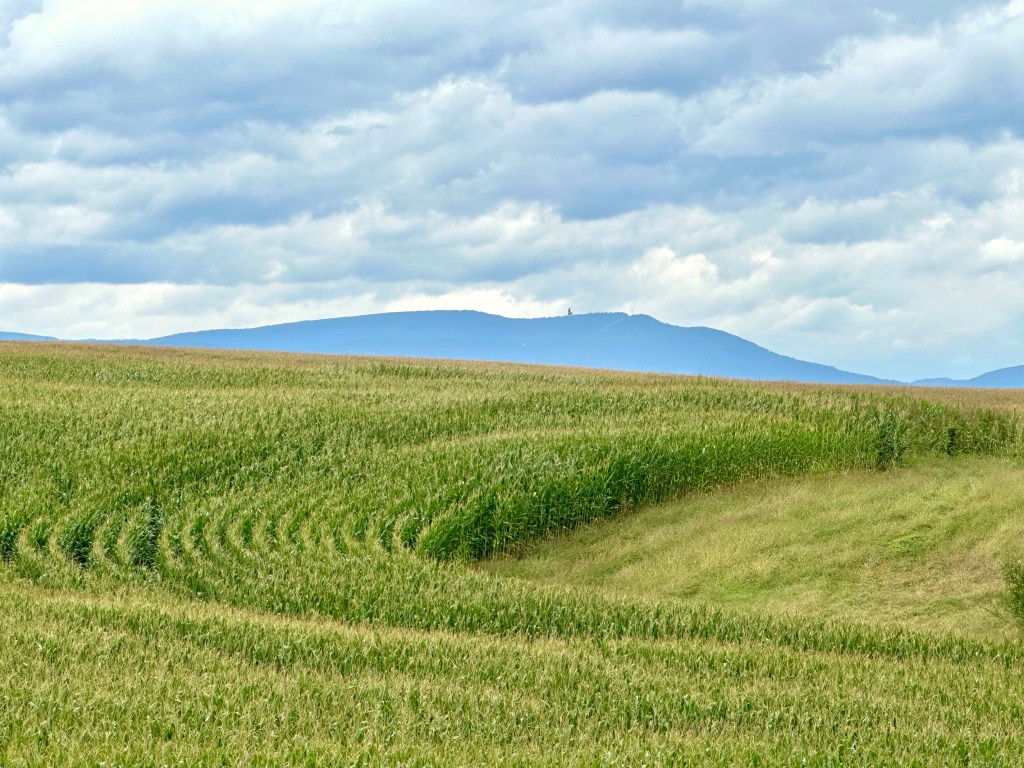
This September in Virginia’s lovely Shenandoah Valley was fabulous. After a hot, humid summer, September ushered in cooler temperatures and revealed the magnificent colors of her topography and vegetation, both natural and cultivated.
This was the view I saw as I exited my vehicle at a country store near the quaint town of Dayton. How could I not take this shot?
From the area’s fertile soil, curving rows of field corn and rolling contours led the eye to the Allegheny Mountains to the northwest and the cruising cumulus clouds above. Come harvest, it was a bumper crop of corn.
Though I didn’t see it at the time, an American Crow is near dead center in the pastoral photo.
October
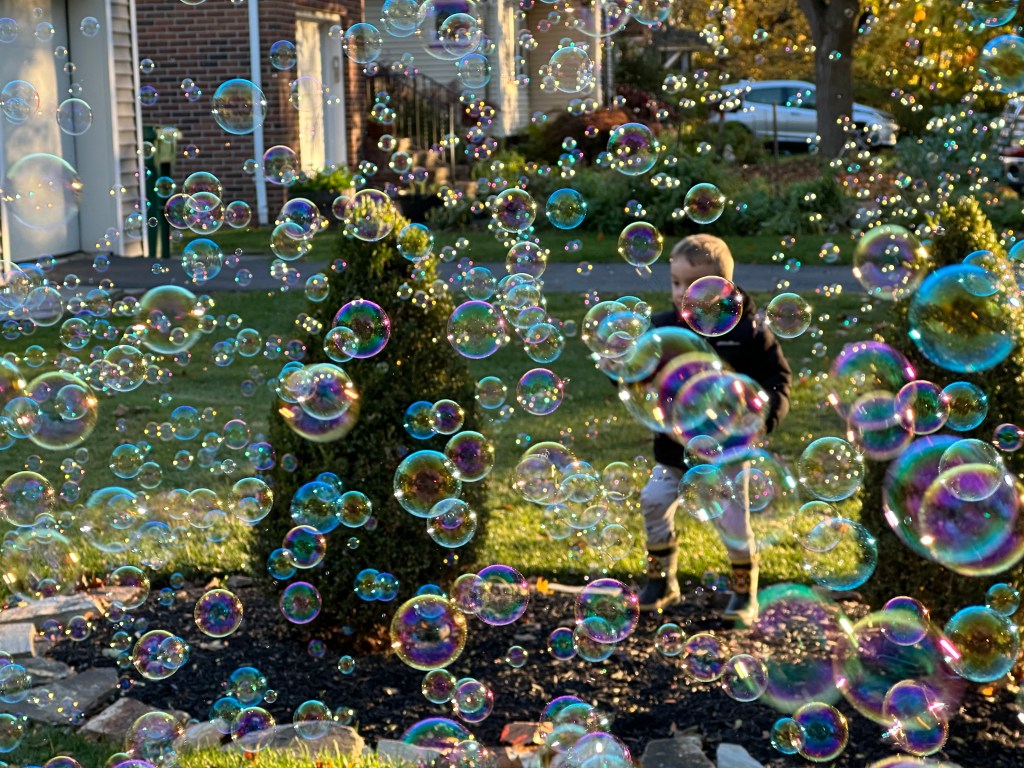
Our three-year-old grandson loves Halloween. He also loves bubbles, so his folks bought him a bubble machine. Teddy wanted to show off how the bubble maker worked when we visited him and his parents the week of Halloween.
When Teddy ran behind the bubbles, the sharply slanting sun highlighted the multi-colored, windblown bubbles. The various-sized bubbles and their proximity to my camera created a moment I can’t forget. It was one of my favorites of the year.
November
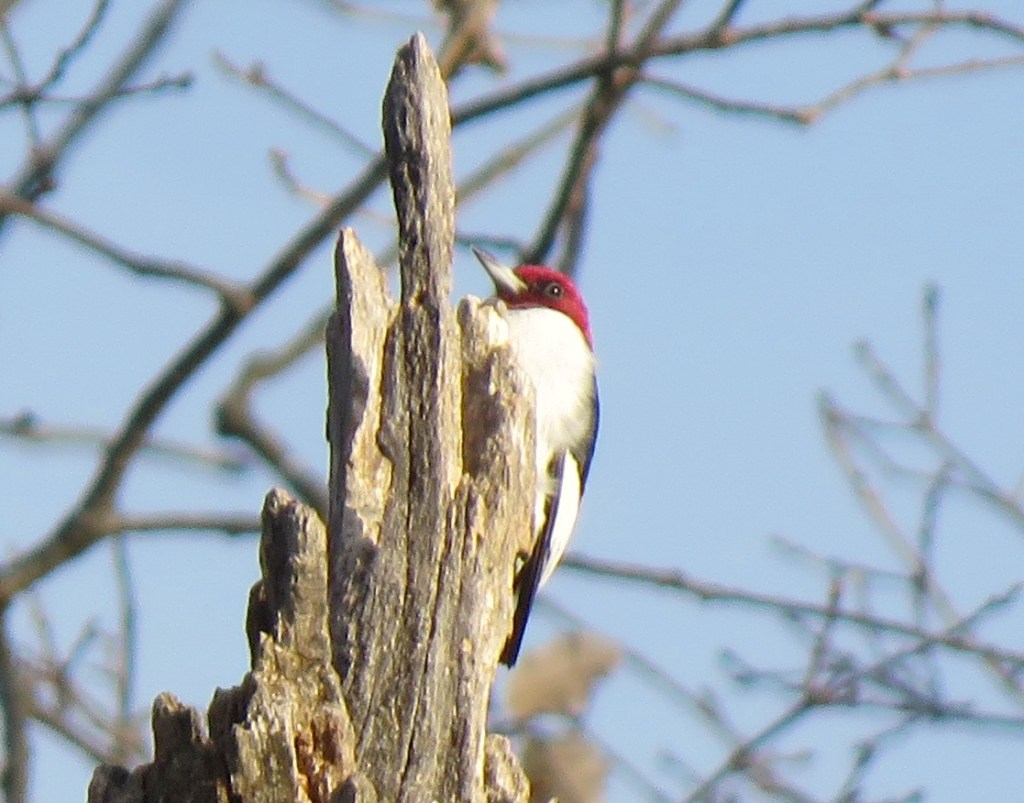
When a Red-headed Woodpecker poses for you, you have to take the shot. Of course, I am always ready with the camera when the moment arrives.
December
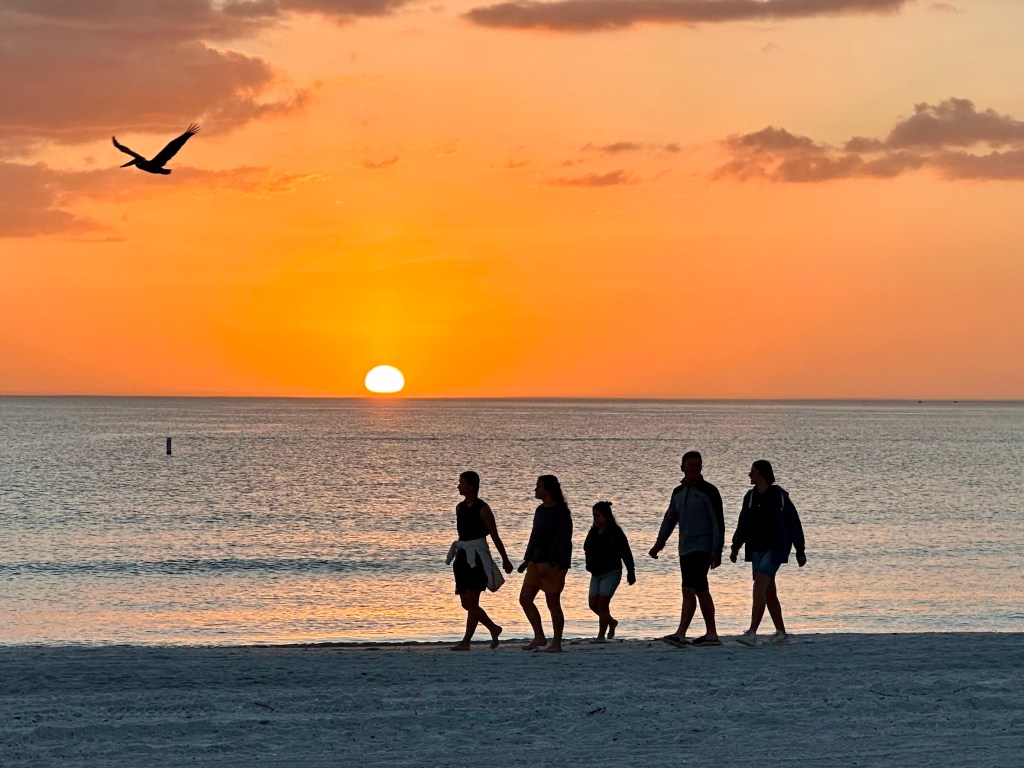
My wife and I spent Christmas week in Sarasota, Florida, with our daughter and her family. We wanted to devote holiday family time together somewhere warm. I’m happy to say the weather was perfect. With two college-aged grandsons and a teenage granddaughter, we hit the beach a few times.
After basking in the warm sunshine during the day, we returned a couple of times for the sunset. When the clouds didn’t cooperate, we settled for golden sundowns.
In this photo, a Brown Pelican appears to be leading the way home for this family walking along North Lido Beach. Sometimes the photo paints the picture for you. Plus, it’s only appropriate that we let the sun set on 2025.
I hope you and yours have a joyous and safe New Year.
© Bruce Stambaugh 2025

Once again, our three-year-old grandson led the way. He loves Halloween, and while visiting him and his parents in Rochester, New York, we attended several trick-or-treat events in the greater Rochester area.
The one at the Tink Park in Henrietta, where this photo was taken, was a highlight. We had trouble keeping up with young Teddy, who was excited to see the trail of scores of candle-lit pumpkins that wound through the woods. Teddy wasn’t scared a bit.
As you can see, Teddy used his flashlight to beckon us onward. Based on his full Halloween bucket, Teddy hit several trick-or-treat stands before we walked the pumpkin gauntlet.
Little Teddy’s enthusiasm lit the way to Halloween before we had to return to Virginia.
Happy Halloween!
© Bruce Stambaugh 2025

With kudos to my three-year-old grandson, we spotted these cotton candy clouds hovering over Lake Ontario near Rochester, New York.
A local apple orchard held a trick-or-treat night. We arrived right before sunset and were surprised to see the sun finally break through at the end of a rainy, cloudy day.
The setting sun reflected cotton candy pink off the roiling atmospheric rain-makers as we entered the orchard. Thousands of Halloween revelers traipsed over the soggy grounds, collecting candy here and there among the rows of trees still laden with deliciousness.
© Bruce Stambaugh 2025

An old barn stood down over the hill at the end of a recently harvested cornfield. The roof of this old barn peaked out from autumn’s warm palette that surrounded it. The lovely scene was near Friendsville, Maryland.
© Bruce Stambaugh 2025

It’s been a dry, dull fall here in Virginia’s Shenandoah Valley. The usual brilliant fall colors of trees and shrubs were only tinged with color, then mostly withered to brown and have fallen to the ground. Only patches of colors have shown brightly instead of entire neighborhoods or mountainsides.
In our recent coming and goings north and back south through the Appalachian Mountains in Virginia, West Virginia, Maryland, and Pennsylvania, much is the same. Dry fields and forest, and mere spots of color could be seen.
This farmstead south of Friendsville, Maryland, was the exception. Autumn’s warm hues of the deciduous tree leaves surrounded all the buildings, with a splash of green thrown in by the evergreen.
I was grateful the morning sunshine highlighted this lovely scene.
© Bruce Stambaugh 2025

You must stay alert while driving the winding, undulating secondary roads in Rockingham County, Virginia, situated at the geographic center of the Shenandoah Valley.
You wind around through forests, past agricultural fields, hilltop homes, abandoned buildings, in valleys with steep hillsides, and suddenly find yourself cruising along a straight stretch of roadway along a ridgeline. There’s always something to see.
On a recent outing with a friend, we emerged from a small valley onto a ridge with farm fields on either side that quickly sloped away from the road. I slowed when I spotted the orange of the pumpkins waiting to be harvested. Then I noticed the view.
The southern section of the town of Broadway peeked out above the treeline beyond the farmstead. In the distance, the Massenutten Mountain range stood steadfast against the cloud-studded cerulean sky.
I had to stop and capture that October moment.
© Bruce Stambaugh 2025
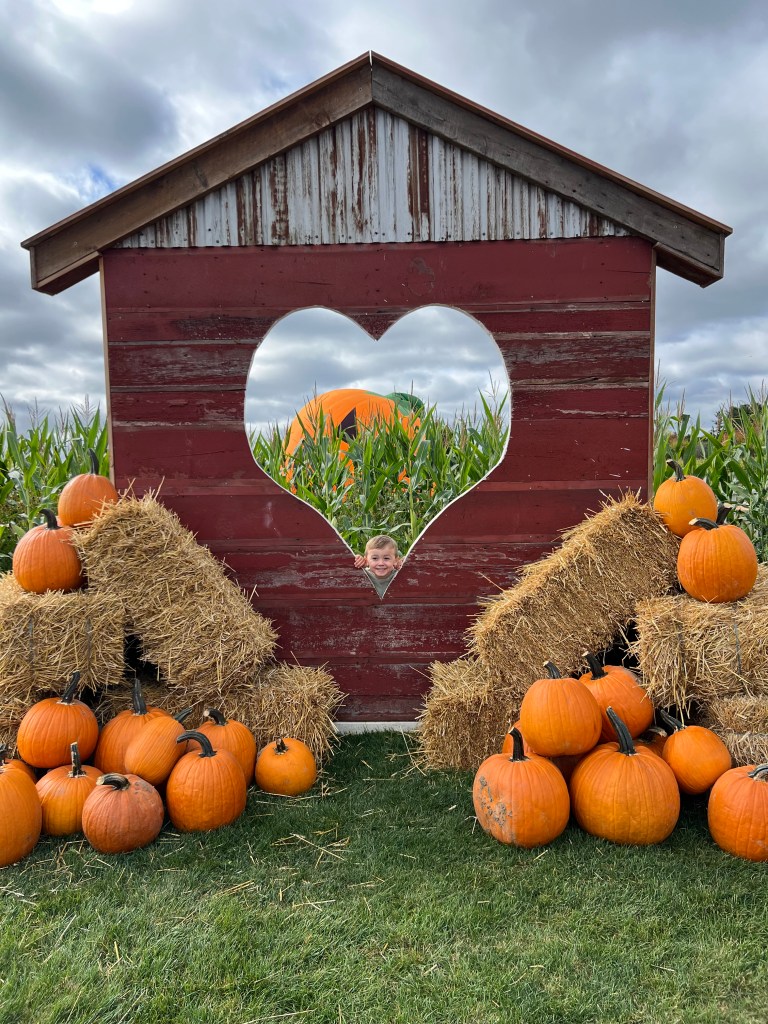
Our three-year-old grandson, Teddy, invites you to welcome in the Fall season, or if you live in the Southern Hemisphere, Spring. The Autumnal Equinox occurs at 2:19 p.m. EDT on Monday.
Welcome to Autumn!
© Bruce Stambaugh 2025
Wildlife Photos From The Chesapeake Bay Region
Culture and Communities at the Heart Of India
Artist and nature journalist in the Shenandoah Valley of Virginia.
Photographer Of Life and moments
Personal Blog
Art is the only way to run away without leaving home. -Twyla Tharp
Writing generated from the rural life
writer. teacher. podcast cohost.
El amor cruza fronteras / Love crosses borders
 Roadkill Crossing
You must be logged in to post a comment.