One basic principle in photography is to “look the other way.” In other words, when everyone else is looking at the obvious photo opp, look around. You just might find something even more enjoyable.
That’s precisely what happened on a recent outing to photograph another glorious sunset. Before the sun disappeared behind the Allegheny Mountains that mark the Virginia/West Virginia boundary line, I turned to look east to find this lovely scene.
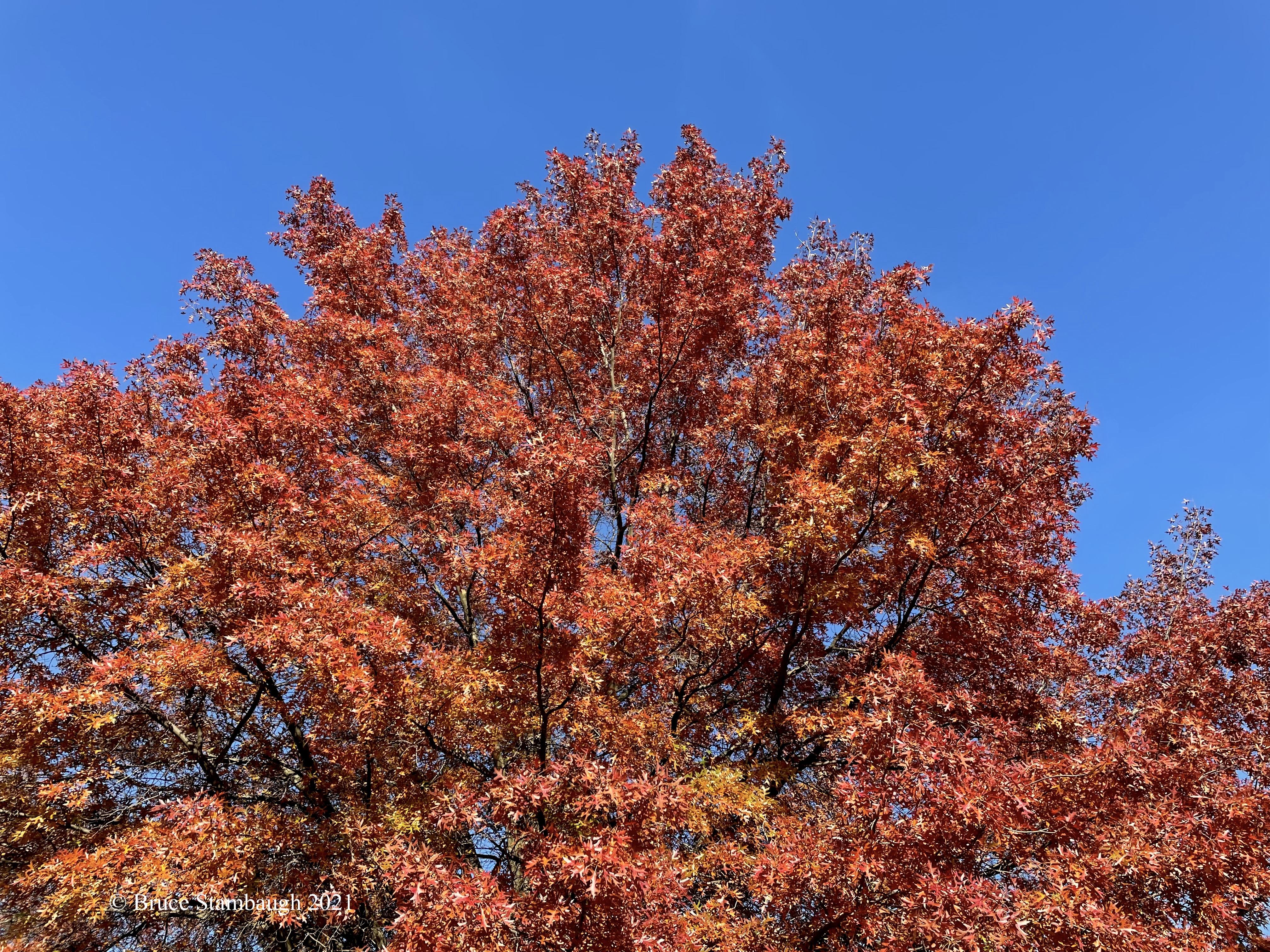
The sharply slanting rays of photography’s golden hour bathed the already russet leaves of the stand of oaks around this home. This photo is the way I shot it, with no tweaking needed.
Whether alone or in a crowd, it always pays for a photographer to look the other way.
Like the last sliver of the moon, November is waning. December is upon us as if we needed a reminder.
After our crazy hot and dry summer and warm and pleasant October, November serves as a buffer between those golden memories and the chilly days ahead. She is readying us for whatever winter brings.
November likes to use her weather arsenal at every opportunity. The recent early blasts of cold weather have already been a one-two punch signaling that winter will soon officially be here.
November clearly understands her convoluted purpose. I recall summer-like weather early in the eleventh month. I sweated on a modest hike in a nearby state park.
Silver Lake, Dayton, Virginia, lived up to its name in November.
A few days later, I was photographing horses romping in the snow. November loves to tease us that way intermittently.
I have fond memories of family Thanksgiving gatherings where the football team of cousins played outside after we stuffed ourselves. I’m sure our parents gladly traded the precious peace for grass-stained blue jeans. Then again, I recall scurrying our young son and daughter from the car to the safety of grandma and grandpa’s farmhouse to avoid cold, stinging raindrops.
Weather, of course, isn’t the only transition from fall’s fairer days to winter’s worst. Every avenue of communication assaults us with seasonal offerings.
TV commercials full of holiday cheer and gift suggestions have aired for weeks. Radio stations blend in secular Christmas songs with hip-hop.
Don’t even get me started on the mail. Sales flyers, myriads of requests for year-end donations, and open enrollment options for us Medicare folks fill our mailboxes. Social media ads and email blasts join the sales conspiracies.
Every time my wife and I head out, we notice more Christmas trees set up in homes along our various routes. A few folks have even jumped the season and decorated their outdoor trees and shrubs with holiday lights. Stringing them up in fair weather is one thing. Turning them on well before Christmas is another.
My energetic wife has joined the efforts. Our battery-operated candles already adorn the windows of our modest ranch home.
November’s gradual trend towards crisp, cold air clears the atmosphere, allowing the stars, planets, and constellations to sparkle. Of course, you have to bundle up to enjoy the celestial show, but it is more than worth it.
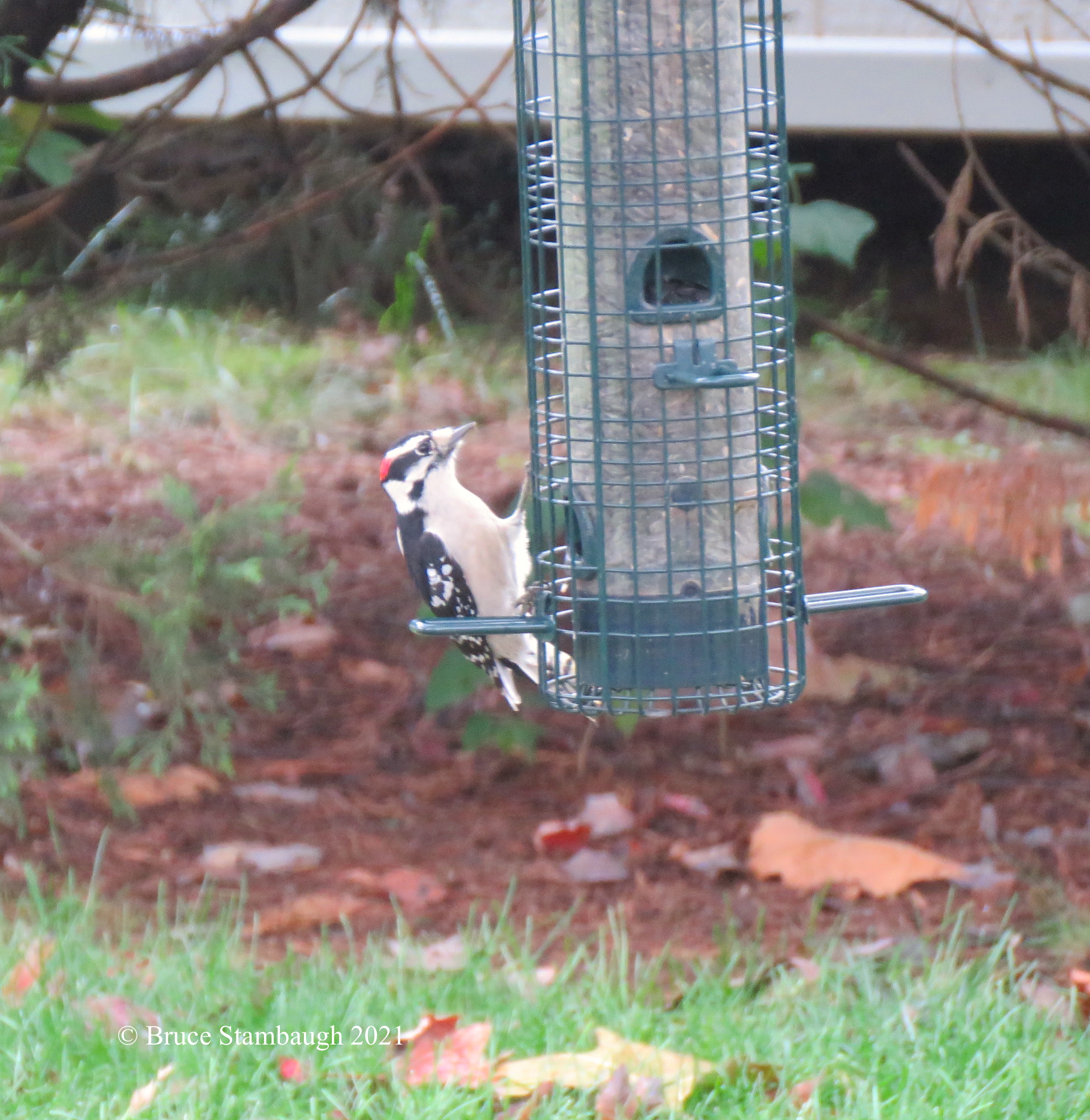
I’ve had my birdfeeders up for weeks now, and I am still waiting on that first rarity. Until the purple finches, pine siskins, or evening grosbeaks appear, I’m content with the regulars, but not the pesky, intruding squirrels.
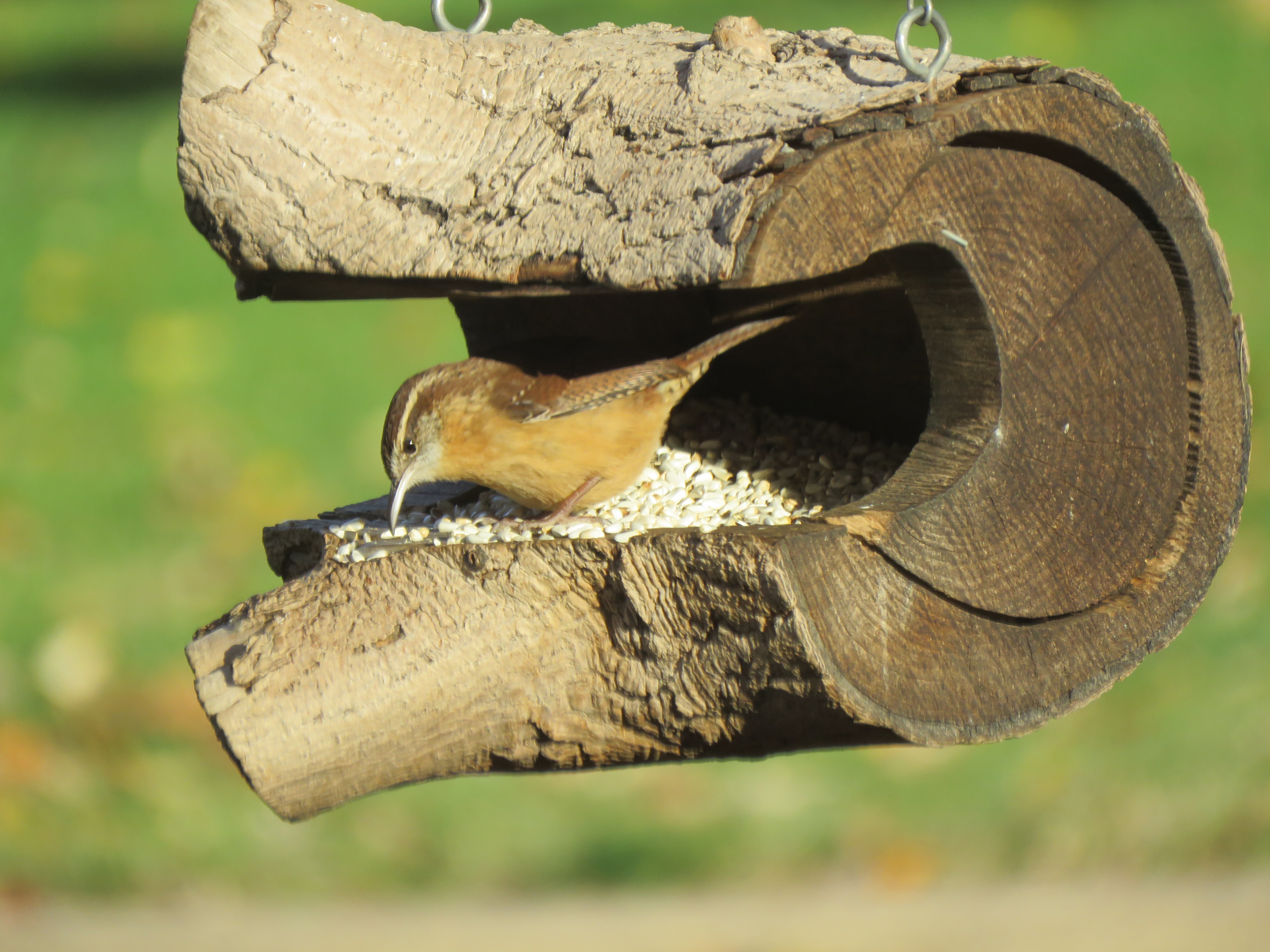
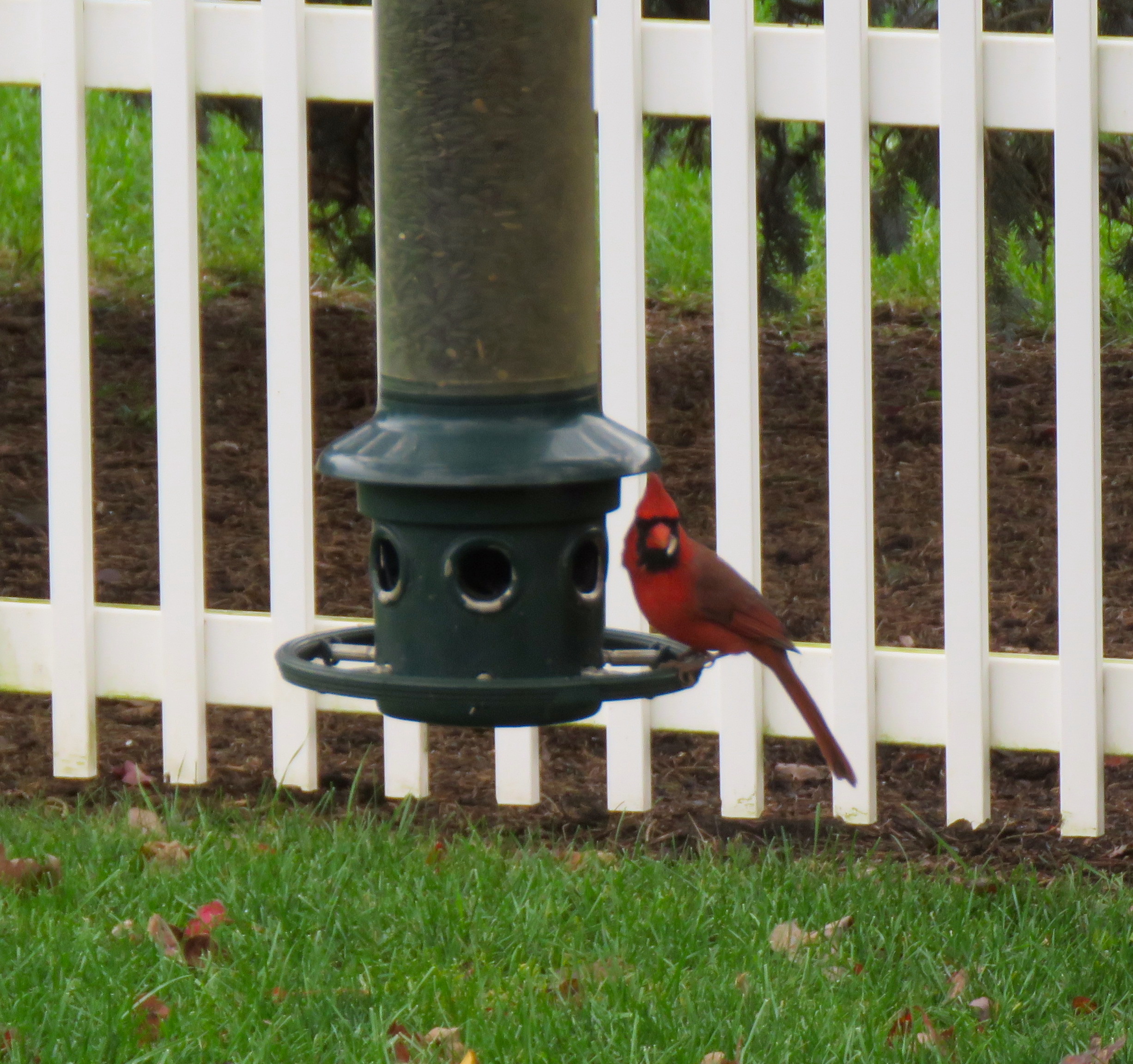
I still enjoy the house finches, Carolina wrens, blue jays, white-breasted nuthatches, Carolina chickadees, tufted titmice, and pairs of northern cardinals. I do keep a sharp eye out for a few stray cats that aim for a carryout feathered meal.
A small flock of American robins recently began to start each day at the heated backyard birdbaths. With the steam rising from the warmed water into the cold air, all the splashing resembles an avian spa.
Soon we will flip the wall calendar to its last page. We’ll scramble to find the 2022 calendars that we bought or that arrived in one of those large manilla fundraising envelopes.
As much as I love the rebirth of spring, the warm days of summer, and October’s many golden hours, I accept November’s transitional role. Dormancy is a necessary part of life.
As an Amish farmer friend of mine recently told me, “Winter is waiting in the wings.” Indeed it is.
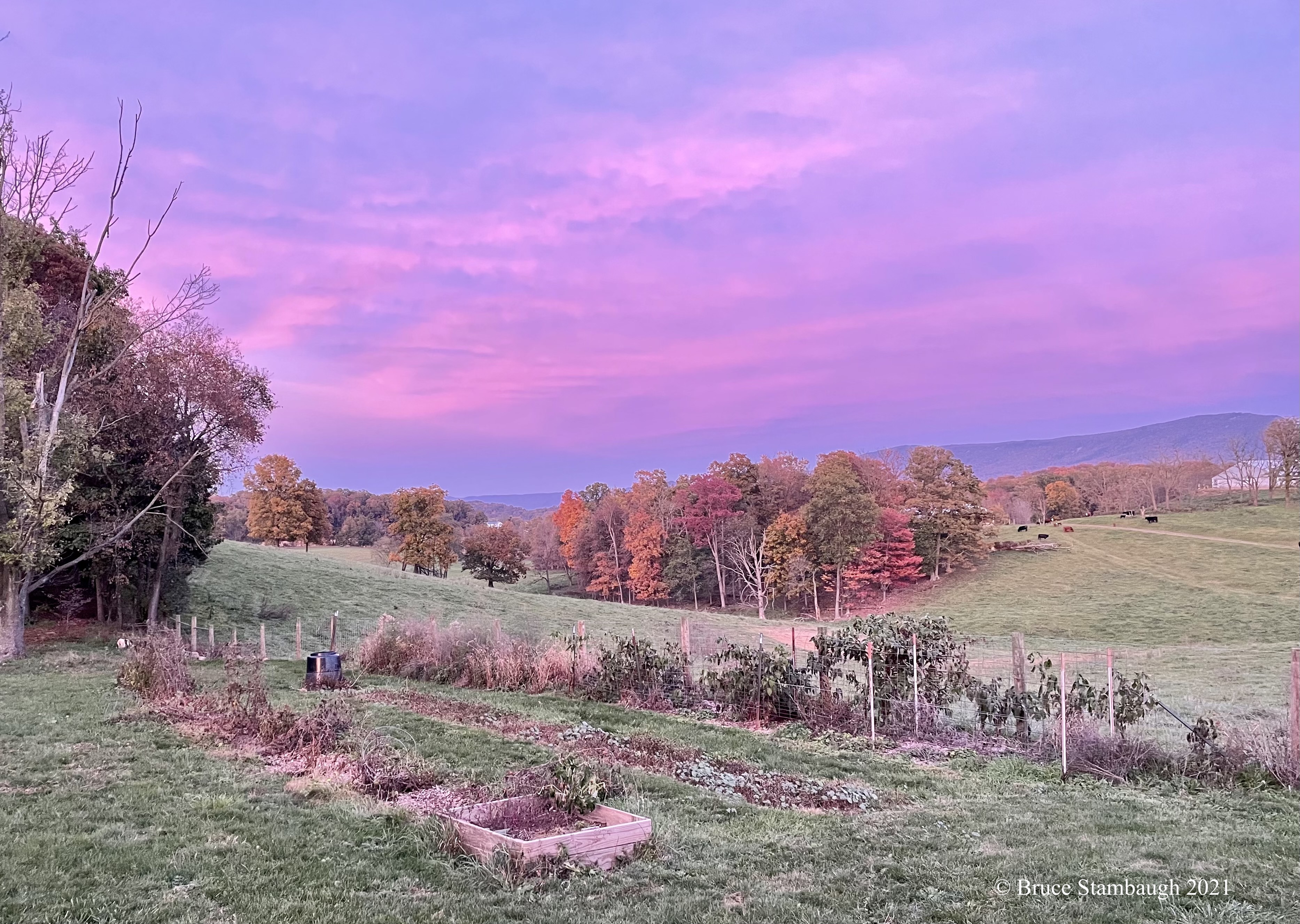
My wife and I were sitting around a roaring campfire with friends when the clouds to the north began to reflect the rays of the setting sun. I slipped away from the genial conversation and snapped this photo at the peak of the lavender sky above this glorious autumn landscape.
From that point on, the conversation freely flowed, the radiant fire grew warmer, shaking off the evening chill. It was an evening to remember, most grateful for the all-sensory experiences.
A killing frost serves as the end of the growing season. Much like the coloring of the leaves this year, the initial freeze was a month later than the average date.
We had our first frost of the season last week here in the Shenandoah Valley. For good measure, the next several mornings were equally frosty.
Consequently, the leaves seemed to reach their peak color and then came tumbling down like rain showers. When a breeze stirred, it poured orange, red, yellow, and crimson.
Trees in the mountains to our west and east seemed to show their duller shades still. Here in the valley, it was a different story.
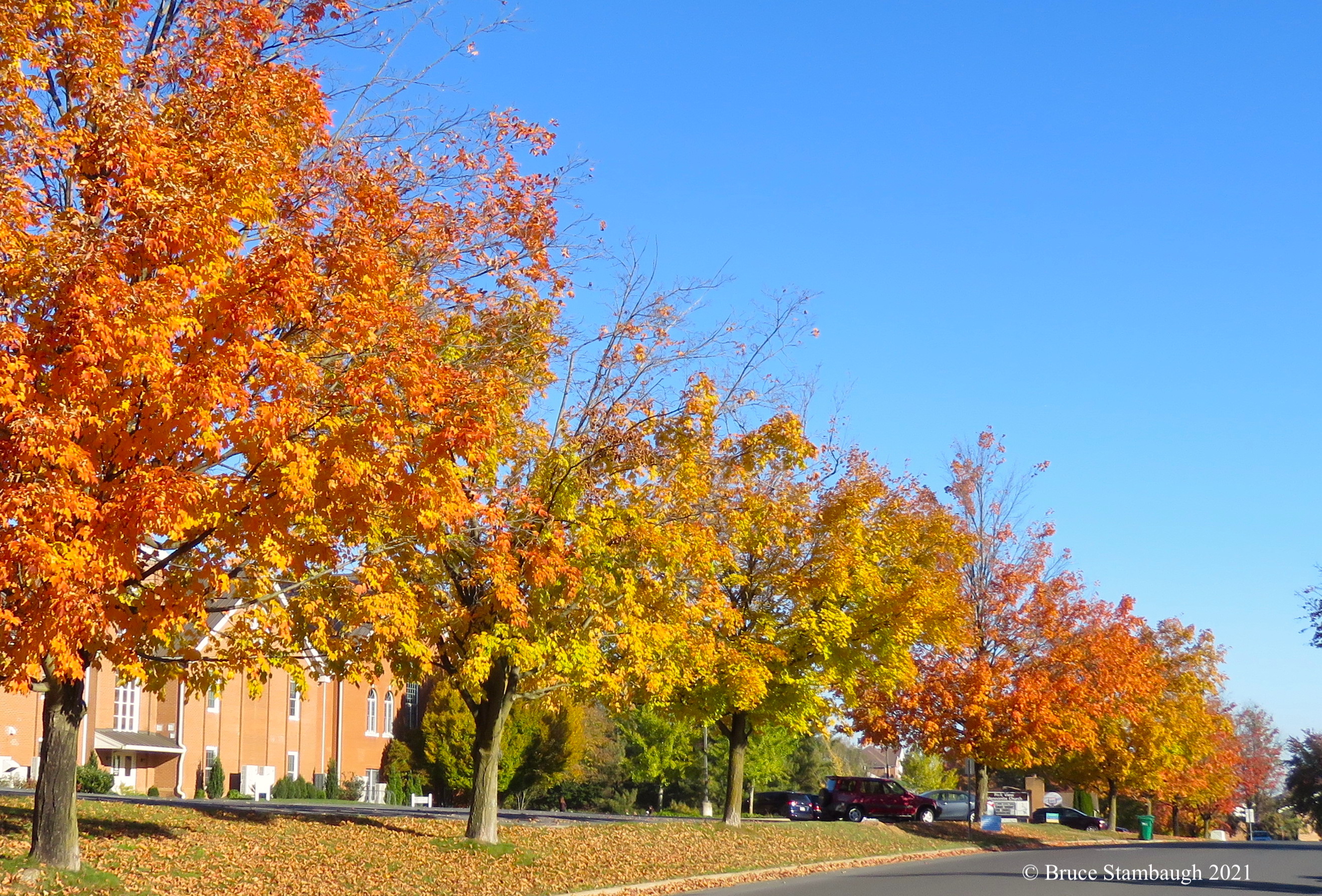
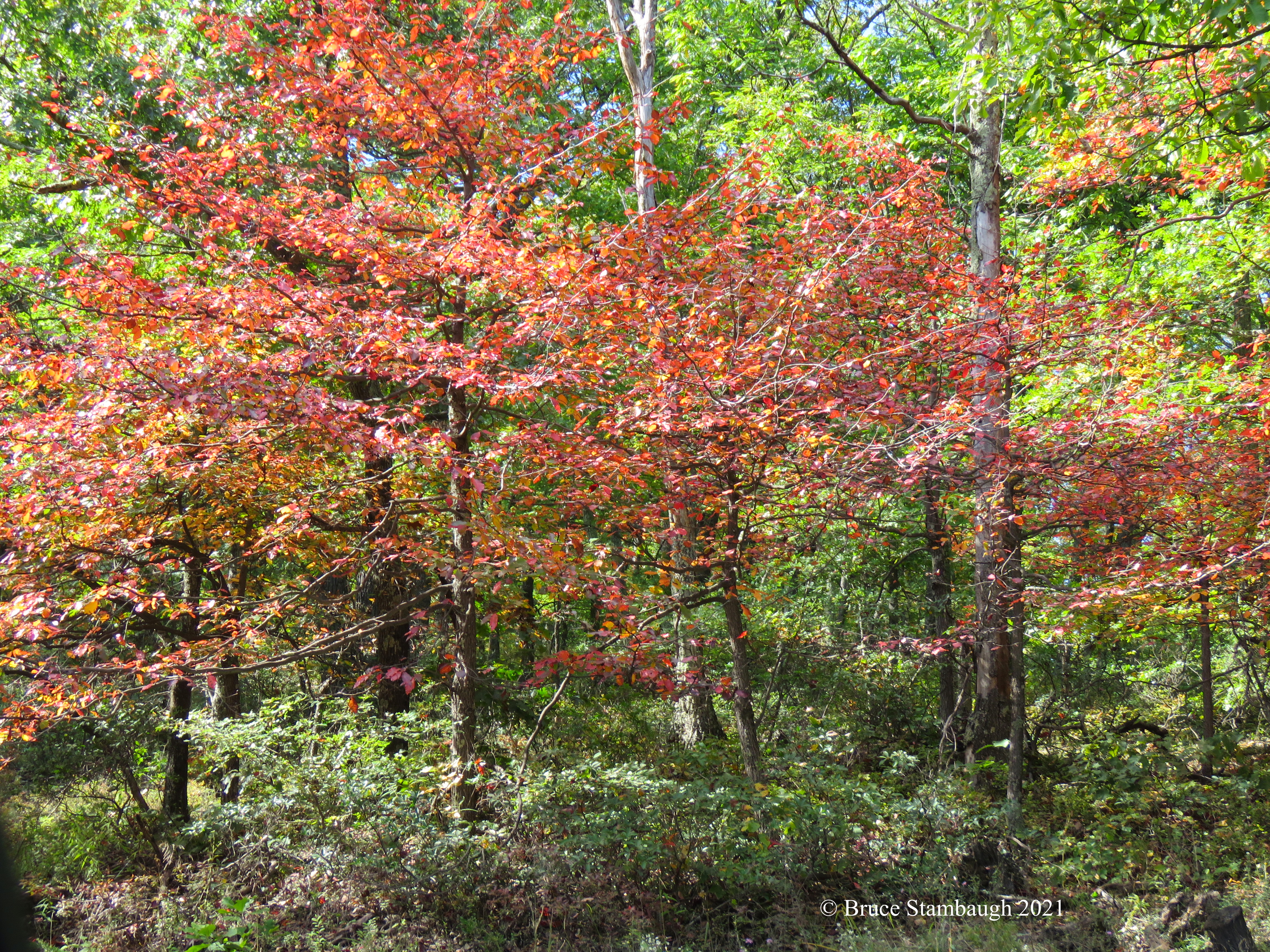
Trees in residential areas glowed the brightest. One particular neighborhood took the prize. Perhaps the combination of the sun’s angle, the slope of the hillsides, and the species of trees created the showiness.
Regardless of the reasons, I was thrilled that I happened upon the scene at just the right time. For days, these trees kept their composure by wearing their chlorophyll masks.
Then, as if by magic, the trees began to turn, which is too trivial of a term. Many of them glowed. In the low slant of the morning and even sunshine, the colors simply took your breath away.
A short walk around our daughter’s neighborhood enabled me to capture multiple photos of fall’s glory. I felt honored to be in such lovely company.
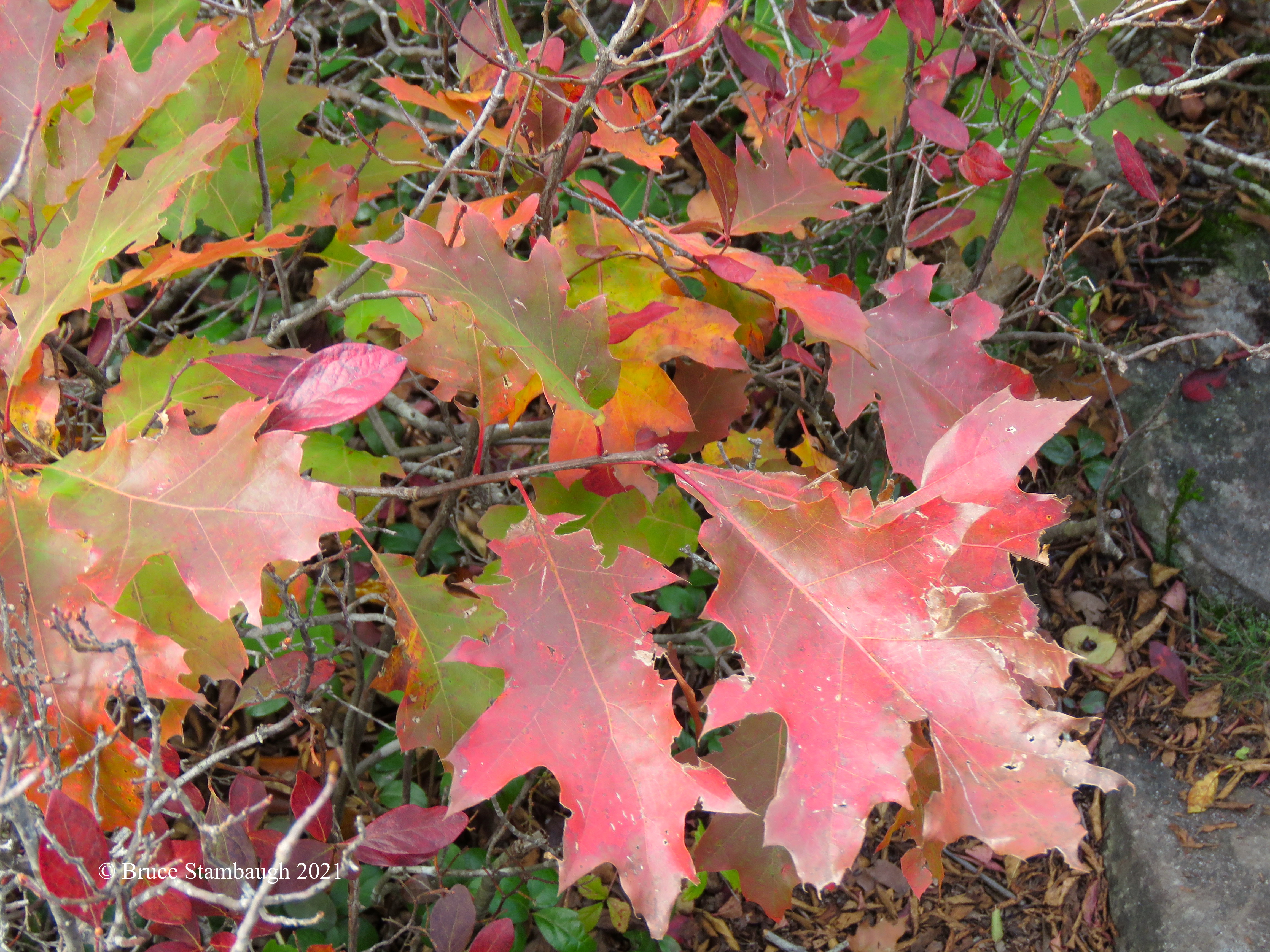
The same was true where we lived five miles away. Sugar maples and red maples especially glowed brilliant hues of reds, yellows, and fading greens. The plentiful variety of oaks retreated to their reddish russets.
That same day, I came across a poetic quote by naturalist and writer John Burroughs. He penned: “How beautiful the leaves grow old. How full of color are their last days.”
Those wise words hit me hard. As a septuagenarian heading toward yet another birthday, Burroughs phrasing echoed through my soul. The poet’s quote seemed especially apt for this time of year, for this time of my life.
Here we are at the physical boundary of November’s purpose: separate fall from winter gradually so humans can fully prepare for life’s necessary hibernation ahead. The series of frosts simply put their exclamation mark on that fact.
All these years of appreciating the changing leaves, I had never thought of them in Burroughs’ terms. Yes, they are pretty when they finally turn their natural colors. There’s much more to his pair of poetic lines than science and common sense.
When I read Burroughs’ insightful lines, I nearly wept. His two simple yet powerful sentences touched me with depth, truth, and stark reality.
More than that, Burroughs poetic description serves as a metaphor for our own lives, should we be so fortunate to live into our Golden Years. Perhaps I finally understood what the phrase “our Golden Years” meant.
This year the leaves precisely fulfilled Burroughs words and meaning as he wrote them. If we bothered to notice, we became the benefactors of this annual wonderment.
None of us know when, like those lovely leaves, we will fall from the tree of life. It is incumbent on us to fulfill our purpose here on God’s good earth every day.
Do we see the wisdom that shines beautifully from those whom we too often label “old?” Do we see how full the color is in their last days? Do we understand that someday we will be them?
If not, let us pause to notice the flourishing lives they lived and say thanks.
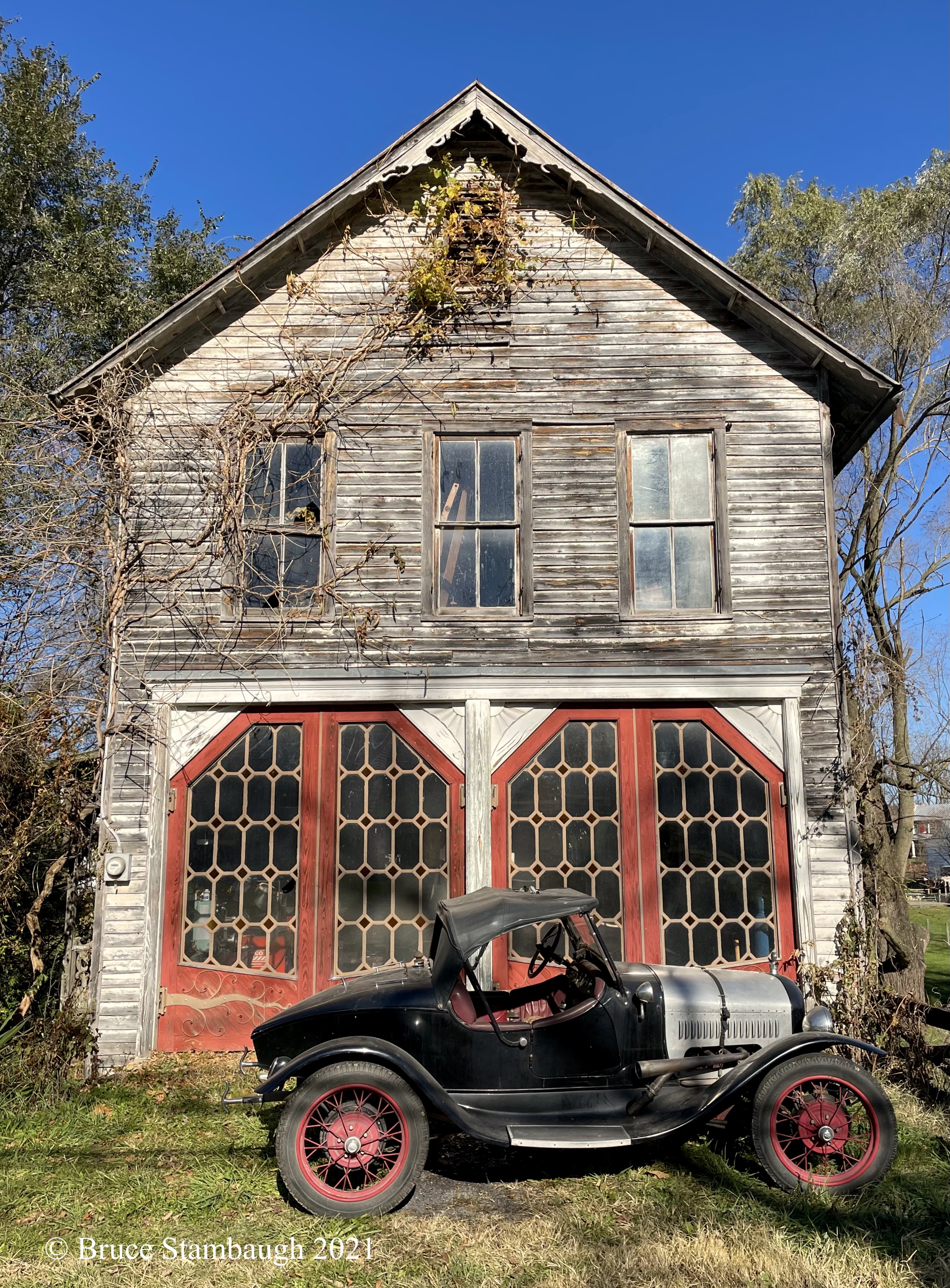
I came across this intriguing scene yesterday in a rural Virginia town. The car’s owner appeared from his residence across the street, so I asked permission to take photos of the old hot rod and building. He said he didn’t mind and continued toward the old structure’s entrance.
I asked him what kind of car it was. “A Model T,” he replied. Before he could take another step, I asked him about the building. He kindly told me that it had housed an insurance company’s office many years ago. When I further asked about the front doors, the man said he had installed those for better access to his workshop.
I loved how the color of the door fronts nearly matched the pink wheels of the Model T hot rod. And the shapes of the windows merely added to the building’s character.
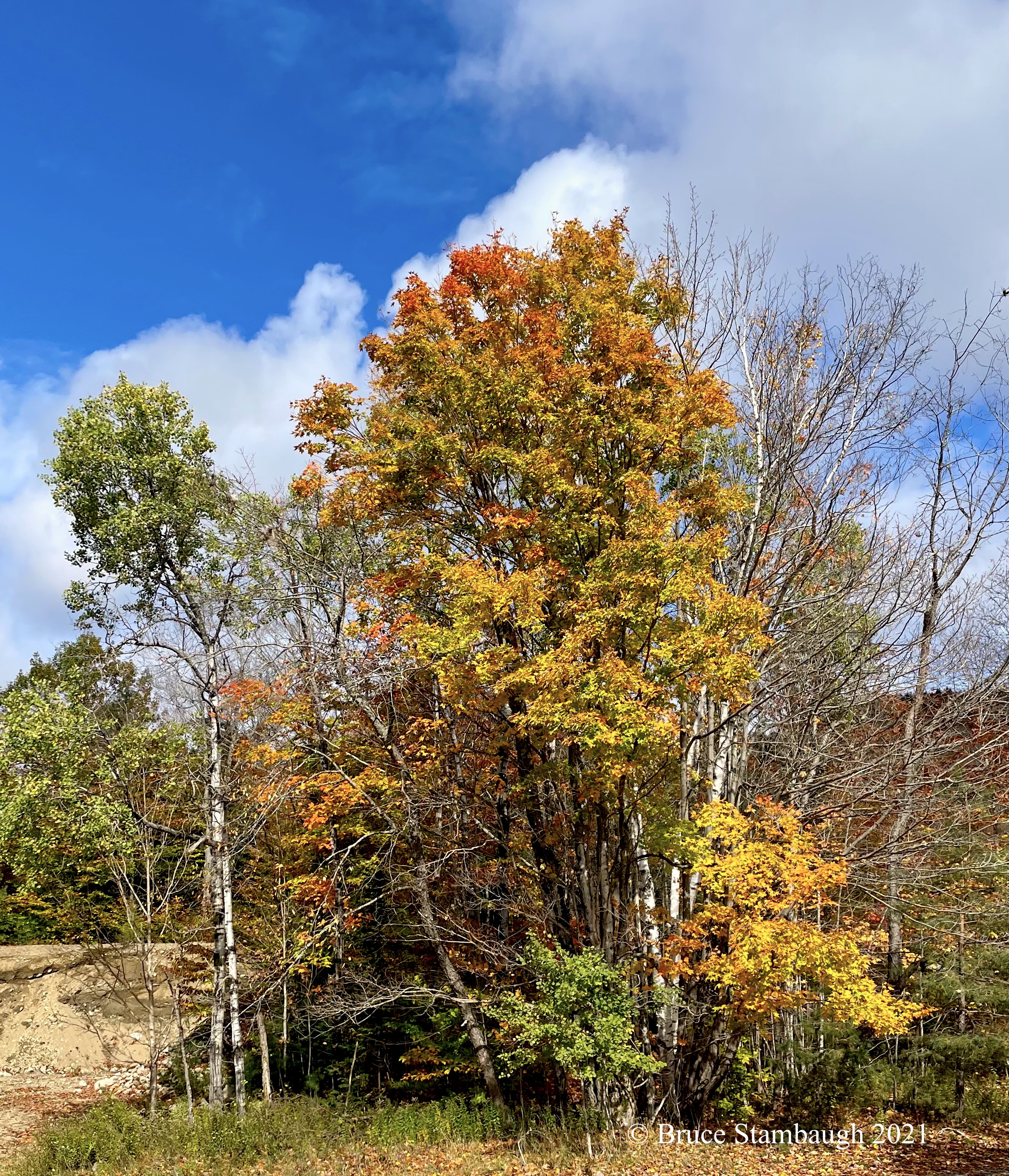
Even beyond peak, the colors were bright in spots in the Adirondack Mountains.
Believe it or not, fall is half over already.
For a while, we thought summer would never end with the oppressive heat and humidity and the lack of sufficient rain in many regions of the U.S. and globally. But clearly, autumn has now settled in for the duration.
The first widespread frosts and snows for the northern climes have yet to occur. Tinder dry conditions in the western U.S. began early in the summer and continued far into fall. Thankfully, a record-breaking rainstorm helped put an end to much of the drought.
The primary anticipated autumn event for us humans is the changing of the leaves, which has turned out to be much later than usual. In many places, it has also been much shorter in duration than in previous years.
Fall is a favorite season for us photographers. The migrating birds, the changing leaves, the glorious sunsets and sunrises, and the autumn bounty of flowers create plenty of photographic opportunities. Plus, the weather is cooler and generally more pleasant.
I watched weekly updates from the qualified rangers at Shenandoah National Park, my go-to place for taking pictures. The reports kept saying the peak had yet to arrive.
Fall foliage maps created by tourist bureaus offered hope even though green seemed to be the dominant color within my range of vision. When one such map showed the adjacent counties west of us in West Virginia to be near peak color for leaves, I headed out.
Once over the first range of the Allegheny Mountains, I could see that the map and reality didn’t jibe. That didn’t deter me. It was a beautiful day, so I headed to Dolly Sods Wilderness, a noted photographer’s spot. I had never been there, and I wanted to get a lay of the place, if nothing else.
I was pleasantly surprised that the mountaintop wilderness preserve provided many colors, despite the lack of large deciduous trees. I snapped away and enjoyed my short stay.
A few days later, my wife and I drove north to upstate New York to visit our son and his wife and then turned east to the Adirondack Mountains, another new venue for me. We took four days on mostly state routes through Virginia, West Virginia, Pennsylvania, and the Empire State.
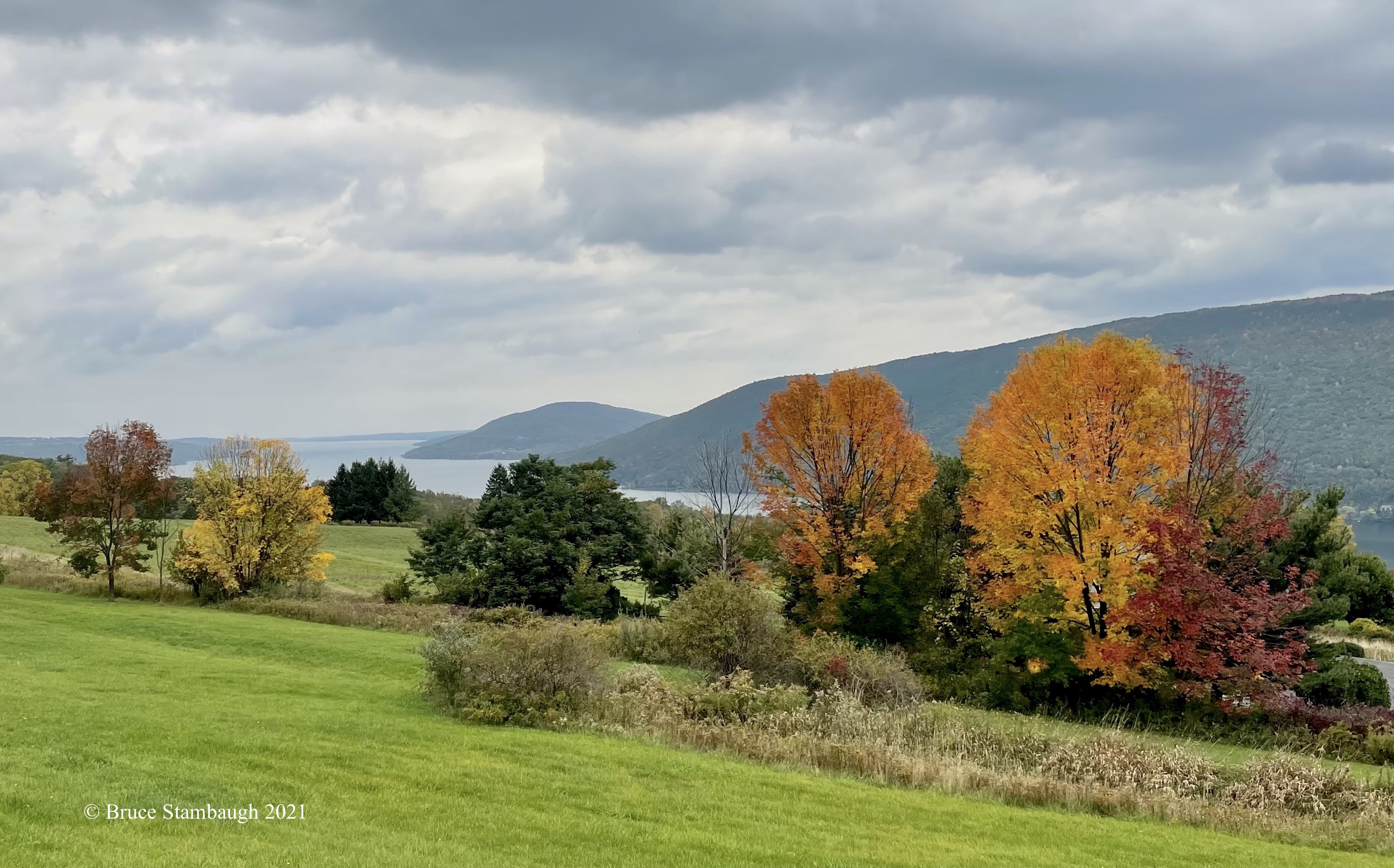
Though it was typical peak leaf-peeping time, the colors on the maples, ash, hickories, and others mainly remained green or dull in color. In the Adirondacks, we were a bit late but saw splashes of brightness between multiple rainstorms.
On our trip home, only in central Pennsylvania did we see the expected reds, yellows, golds, crimsons, and oranges of the fall. Since we were on the interstate, we enjoyed the views without being able to stop for photos.
The leaves have finally begun to turn here in the Shenandoah Valley. Spots of colors dot cityscapes, landscapes, hillsides, and mountain forests. But as multiple cold fronts moved through with winds and rains, many leaves came tumbling down.
Like usual, nature had some life lessons to teach us. Natural wonders happen in their own time.
We learned or were reminded to be patient. The leaves did turn like we knew they would, just not when we had expected.
We learned to look for the beauty in whatever we found. It could be a single speckled leaf lying on the ground or a spider’s web adorned with morning dew drops like dazzling pearls on lacy strings.
We learned, too, to be grateful for all the beauty around us, not just in colorful leaves.
The rainbow of colors at Dolly Sods Wilderness in WV.
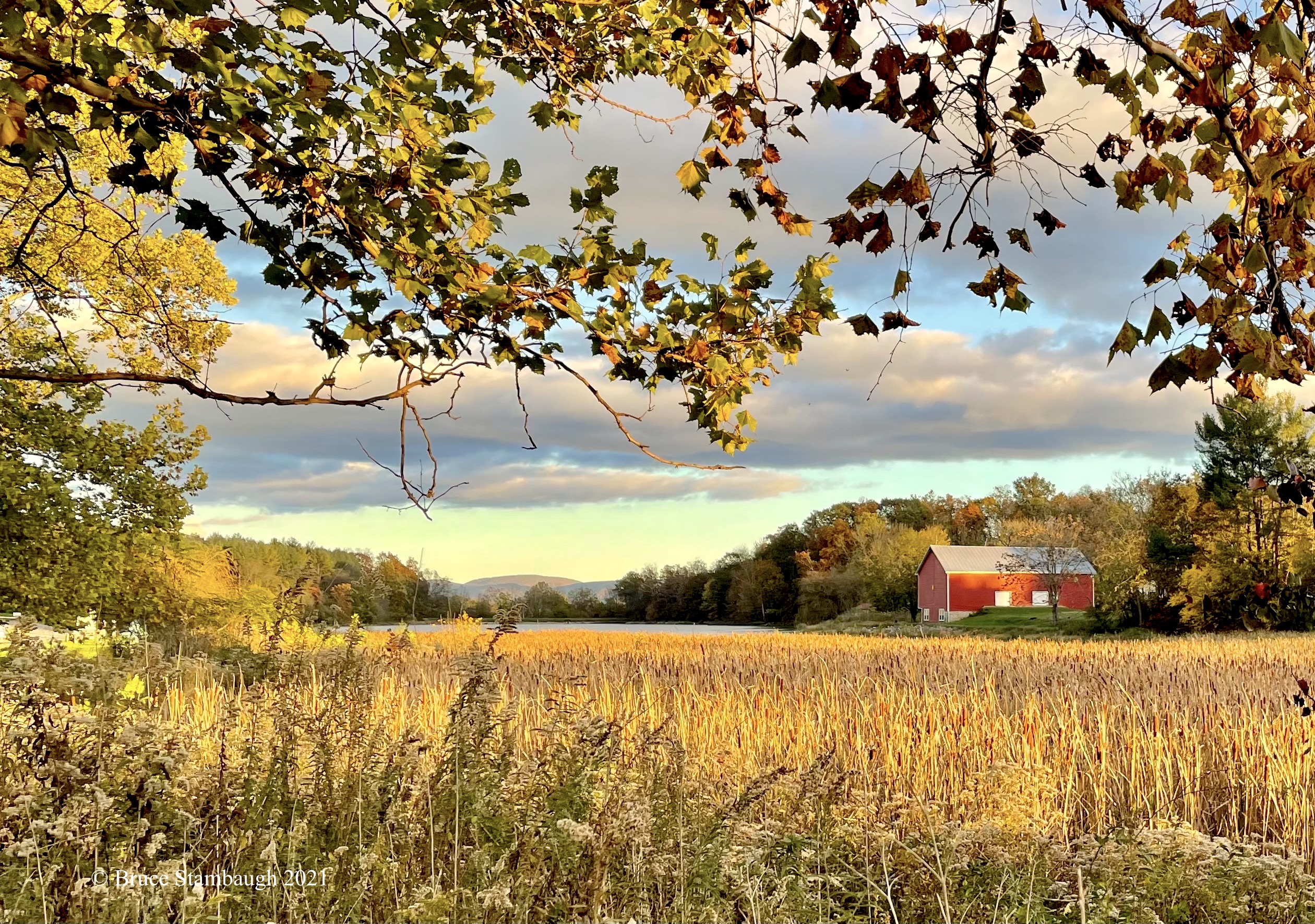
One of the lessons of photography is patience. I drove to Lake Shenandoah a few miles east of Harrisonburg, Virginia, yesterday hoping to capture a photograph of the evening sun shining on the red barn, with a beautiful reflection in the lake. As you can see, that’s not the shot I got.
Clusters of clouds blocked the late afternoon sun. Plus, a steady west wind rippled the shallow lake, eliminating any possibility for the anticipated reflection. I got in my car and started to head home when the sun broke through.
I quickly parked my vehicle and decided to head to the south trail. I kept looking back, and just as I walked beyond a tall sycamore tree, the lighting seemed perfect. I scooched down to properly frame the photo. The light bathed the cattails in the foreground and just kissed the red barn enough to have it pop among the russet colors. In addition, a sliver of the lake showed and far beyond the Blue Ridge Mountains in the Shenandoah National Park.
Patience doesn’t always pay off, but in this case, it certainly did pay dividends.
After visiting the mountains of West Virginia, and traversing the highways and byways through West Virginia, Pennsylvania, and New York in search of brilliant fall colors, I finally found some. This in-transition soybean field is a mile from our home in the Shenandoah Valley.
As you can see, the trees still aren’t very colorful, but the various shades of yellow intermixed with the verdant green of the soybean leaves caught my attention. Set beneath the cottony clouds and the cerulean sky, the scene nicely framed the farmstead.
I recently browsed through the myriad of old photos on my computer and made a startling but joyous discovery. October and our grandchildren go hand-in-hand.
I didn’t realize how much time we had spent with our grandchildren in October. That may not seem odd, but we lived in Ohio when they were born in Austin, Texas.
That’s where the October and grandkids began. We traveled to Texas multiple times in the decade that our daughter and son-in-law lived in the Austin area.
As I scrolled through the October photos, the grandkids just popped out at me. Being their grandfather, I know I am prejudiced. But a neutral person perusing the images also would have noticed the excessive number of grandkids’ photos.
That discovery made sense for our granddaughter, the youngest of the three. She was born in October, and of course, Nana had to be there for her birth and days after. I joined them as I could since I was still working some.
There are happy shots of all of us taking turns holding Maren like a precious commodity. That’s because she was. All newborns are. So, yes, there are a lot of baby pictures of Maren. She’s still very photogenic.
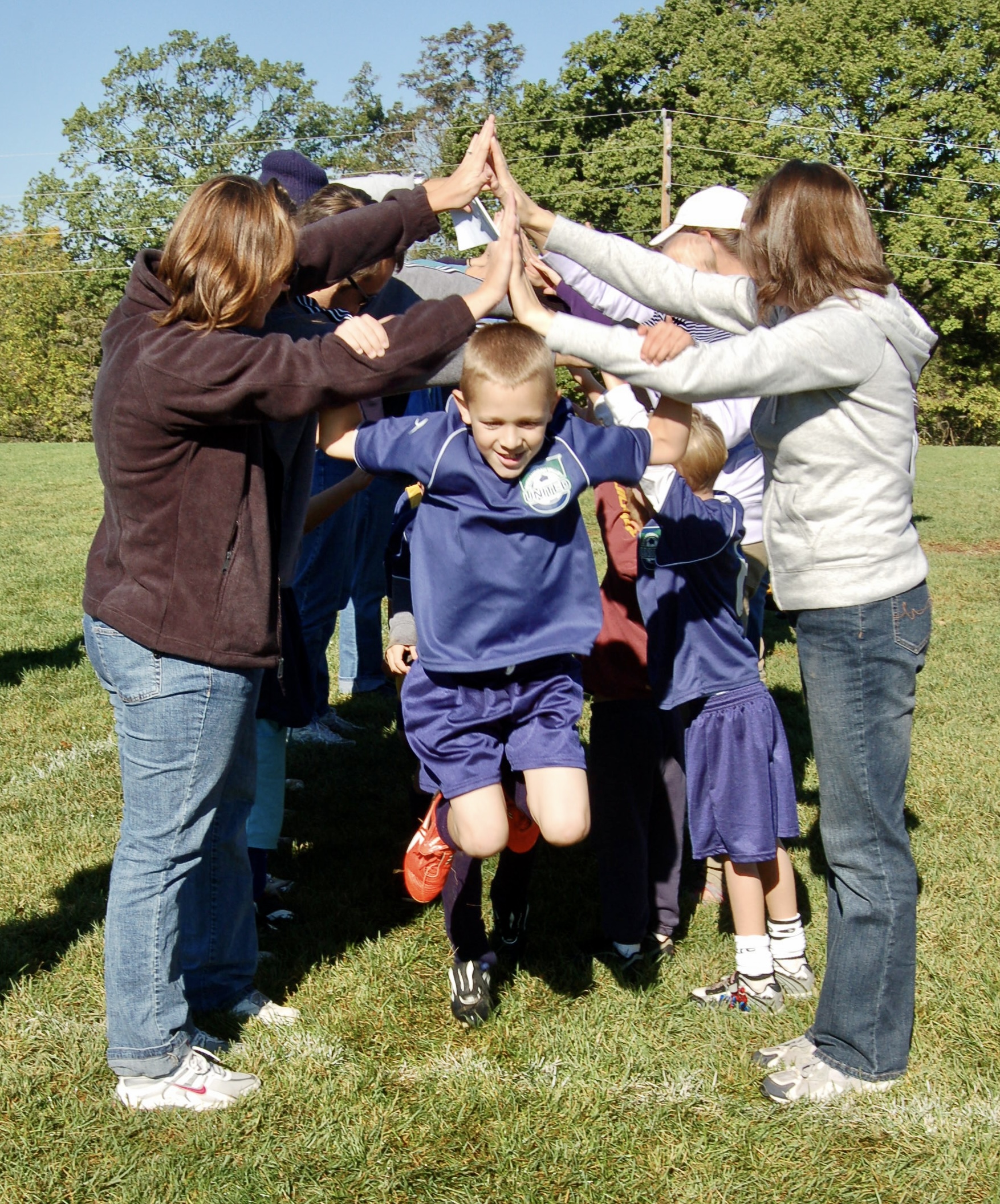
The boys played soccer, and their sister soon became a real fan. Maren attended her first soccer game a week after she was born. Despite the persistent Texas wind, Maren barely made a peep, wrapped in warm coverings and coddling of her loving mother.
Near the end of that October, Maren was dedicated at the little church the family attended. You know I was there to record it all, meaning we flew to Texas twice in the same month. It was one of the perks of semi-retirement.
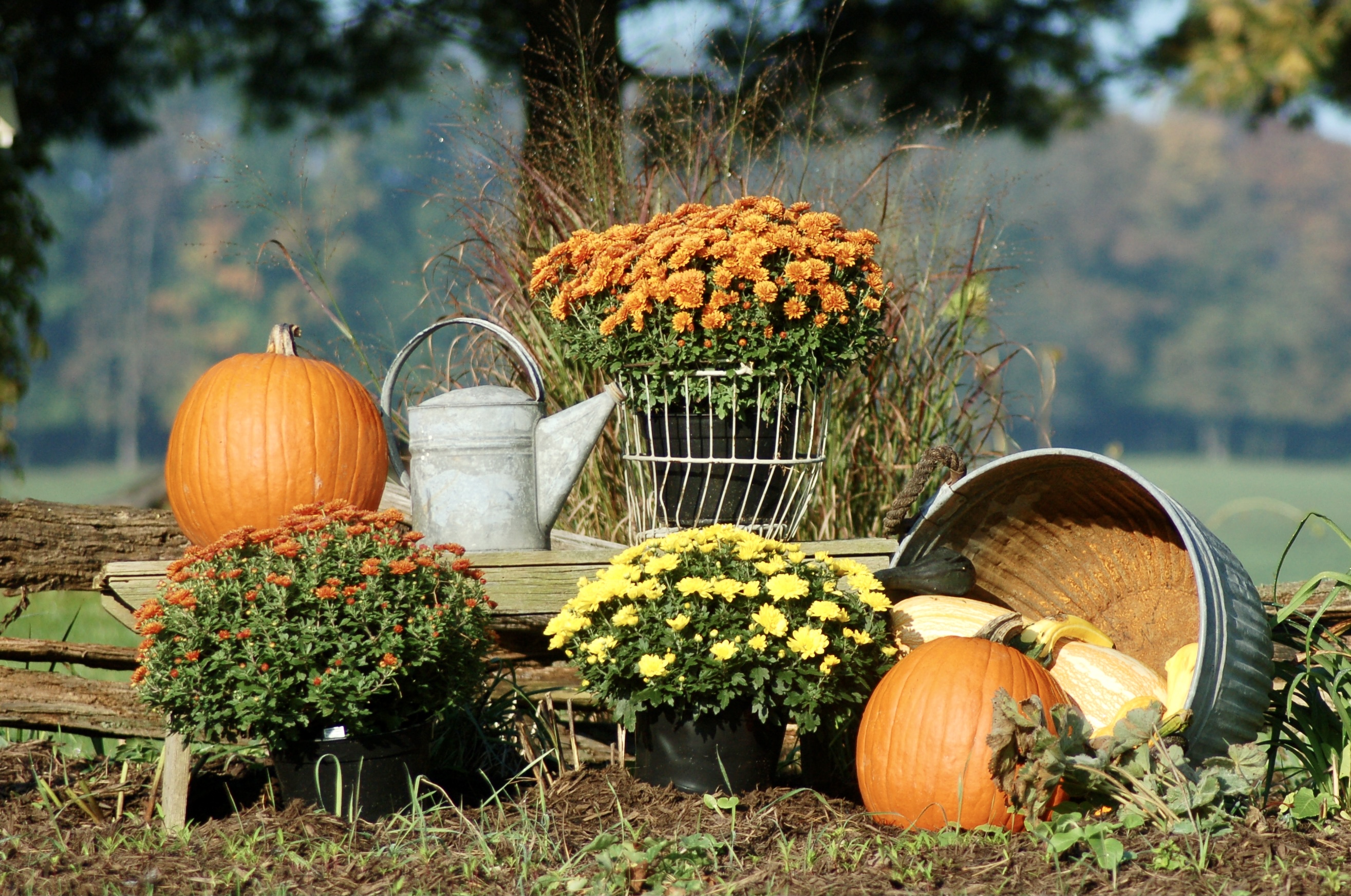
While in Texas, I captured their Halloween adventures. Maren’s first foray as plump baby pumpkin took the honors. Her brothers stood guard, ensuring she wouldn’t roll away. We also shot a family photo with varying results.
In subsequent years, scarecrows, spidermen, and other noted characters made their late October appearances in later photos. Who doesn’t want their pictures taken while all dressed up?
Once our daughter’s family moved to Virginia’s Shenandoah Valley, our connections became frequent and not always in October. We seldom missed celebrating Maren’s birthday in person, however. Her first birthday was a real bash.
Photos of doing October homework, playing video games, and Evan, Davis, and Maren watching their mother coach her women’s college volleyball teams. The three became regular gym rats.
Some of the funniest photos weren’t Halloween costumes. Capturing a mechanical bull bucking the boys to the ground ranked high on the list.
Once we also moved to Harrisonburg, Virginia, photographing the grandkids became much more accessible. Still, October seemed a photographic month.
There’s Maren in her great-grandmother’s wedding dress, enjoying treats after browsing a bookstore, and of course, more volleyball. At age nine, Maren preferred pumpkin pie to a birthday cake. To avoid craters in the filling, she blew out a single candle.
Shots of the grandkids run the gamut of their lives. Concentrating on Lego assemblies, playing with the family dog, cookouts, chopping firewood, participating in a relative’s wedding, playing in the spirit band, and baking with Nana were just a few of the grandchildren memories recalled thanks to the photos.
I also have a shot of two of the grandchildren sitting at a bar. There was no room in the restaurant, but the food was just as tasty seated on a stool.
That’s how much I love my grandchildren, especially in October.



















 Roadkill Crossing
You must be logged in to post a comment.