It’s celebration time for both Canada and the United States of America.
July 1 celebrates the anniversary of the Canadian Confederation, which occurred on this date in 1867. Next Tuesday, July 4, the U.S. celebrates the Declaration of Independence, adopted and signed in 1776.
In both countries, picnics, fireworks, parades, barbeques, carnivals, and concerts punctuate each national holiday. So, Happy Canada Day and Happy Fourth of July.
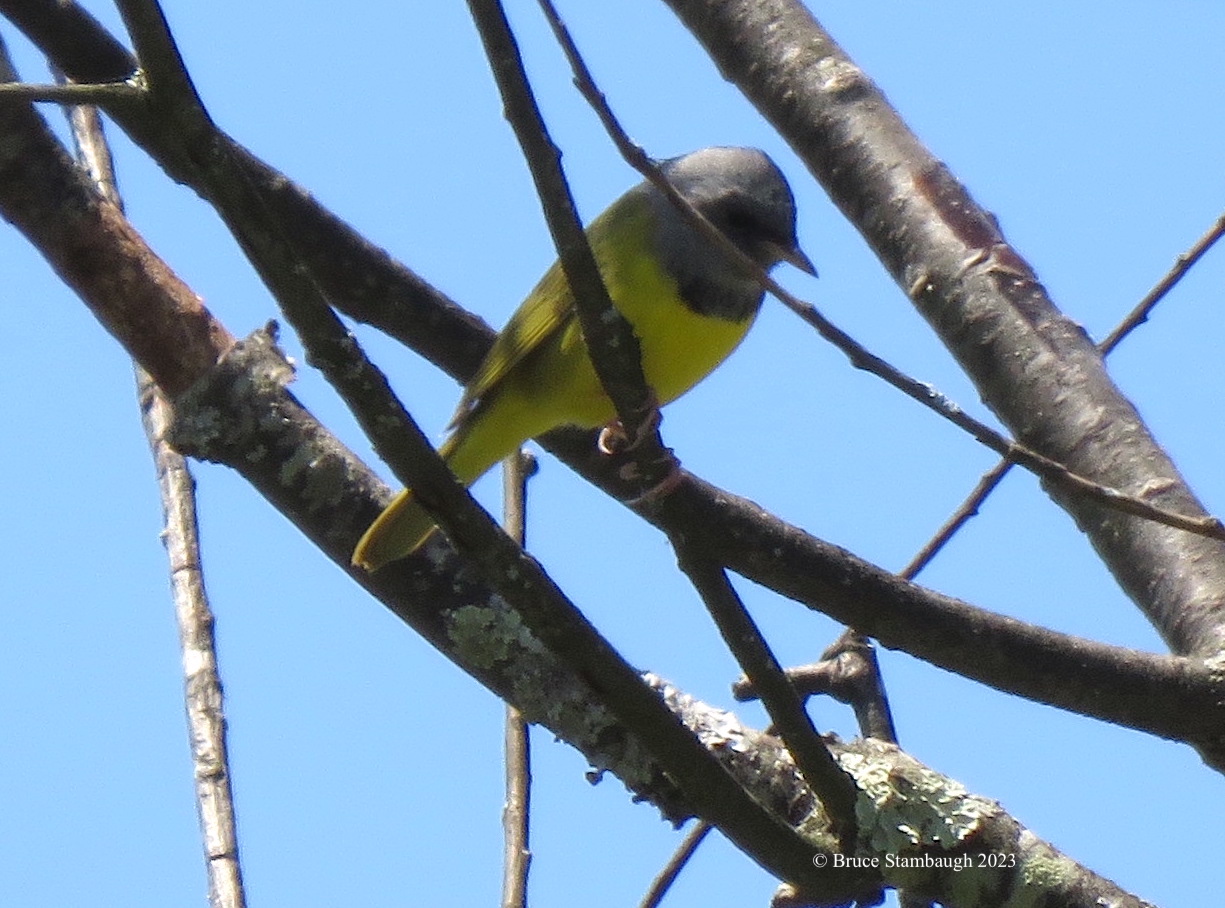
I couldn’t believe my eyes. I had heard a Mourning Warbler singing before, but I had never seen one. I always attributed that to their habitat and skulking behavior. It could have been my poor eyesight, however.
Mourning Warblers tend to stay closer to the ground than the one I spied 15 feet high in a dead wild cherry tree. They favor low brushy habitats, not bare tree limbs. Yet, here it was, and I was pretty happy to be able to capture a few photos before this beautiful bird with a lovely song dropped into the underbrush and out of sight.
Most Mourning Warblers nest in boreal forests in states and Canadian provinces well north of Virginia. However, there is a small area in the Allegheny Mountains along the boundaries of Virginia and West Virginia, where they also breed.
When I learned that other birders had spotted Mourning Warblers near Reddish Knob, a mountain summit on the Virginia/West Virginia border, I decided to go for the bird. The drive to that area is less than an hour from my home in the Shenandoah Valley.
Other birders had the same idea. The bird was easily heard, and with six pairs of eyes, the target bird was soon spotted. However, I didn’t expect it to be so out in the open. But I had to act fast. Mourning Warblers seldom sit still. As you can see, this bird was already looking down and dropped out of sight right after I snapped this photo.
I was grateful for the help of the other birders, who were equally happy that I was able to get the photographs I desired. The Mourning Warbler was only one of several bird species I saw that day, but it was the best.
After celebrating our grandson’s first birthday, my wife and I headed west along the Lake Ontario shoreline. We stopped a couple of times to bird at state parks and were pleased with the few warblers, flycatchers, and a Northern Harrier we saw.
Yellow Warbler.
Marsh Wren.
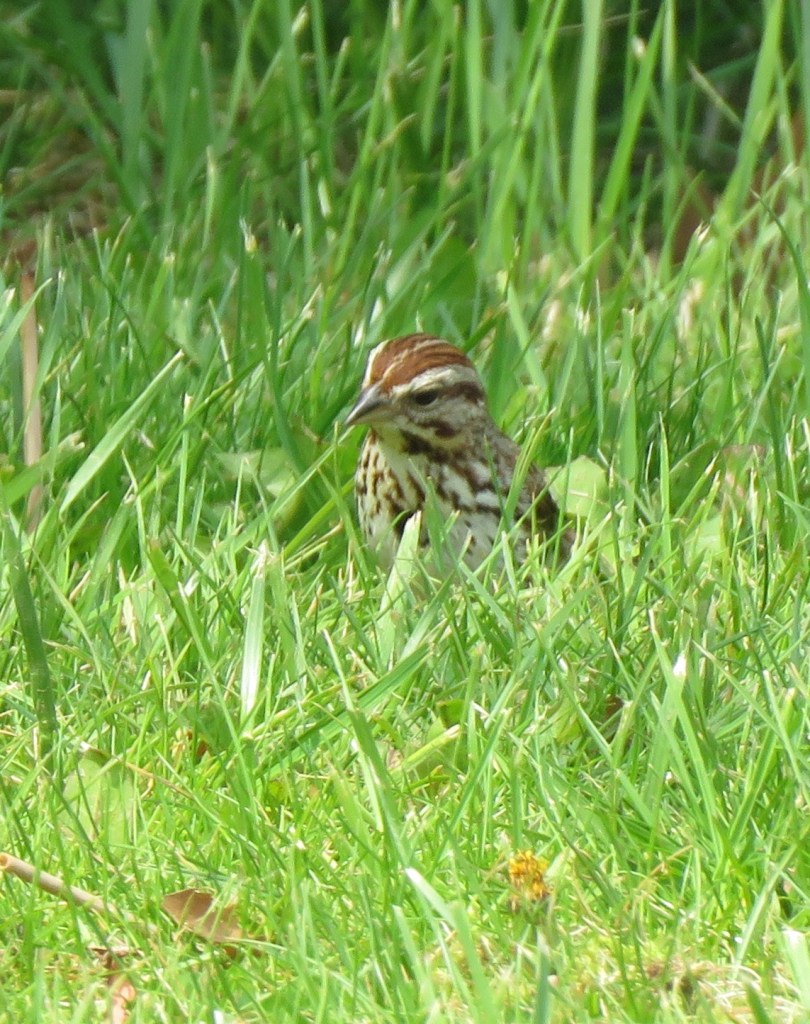
Song Sparrow.
Male Northern Cardinal.
Eastern Kingbird.
Great Crested Flycatcher.
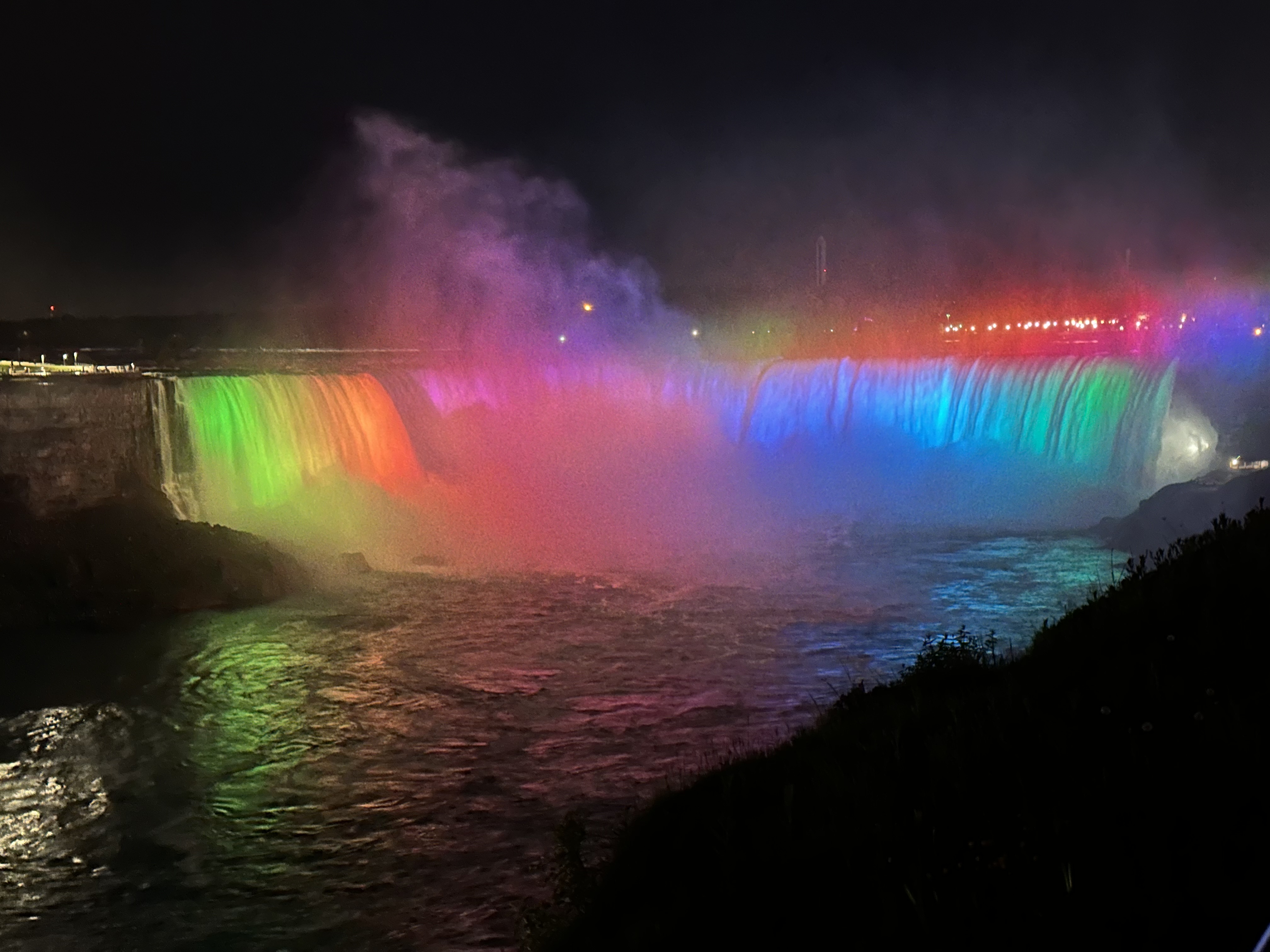
Then it was on to Niagara Falls, Ontario. We had been to the Canadian and American sides of the falls before. However, I had never seen the light show that lit up the falls after dark. I especially wanted to view the falls illuminated with rainbow-colored lights.
After a nice dinner, we walked down to the falls after dark. We didn’t have to wait long. The first lights, though, were light-colored and then pastel. The evening air was getting chilly, aided by the wind-blown mist from the falling waters.
Please click on the photos to enlarge them.
At exactly 9:30 p.m., we got a pleasant surprise. A colorful fireworks show lit the night sky on the Canadian side directly across from the American Falls. As soon as they finished, the lights changed to vivid colors that kept changing from gaudy green to brilliant blue to the ripest red.
At 9:45, my wish came true. Both the Horseshoe Falls and the American Falls flashed all the rainbow colors. I was happy as a 10-year-old. Satisfied with my photos, my wife and I walked hand in hand back to the motel, ready for a good night’s sleep.
The Dry River spills over Slab Road, Dayton, Virginia.
I appreciate the simplistically specific way of naming roads in Rockingham County, Virginia. The roadways are numbered, of course, but the colloquial names are what people know. Slab Road is a prime example.
Hardly a half mile long, Slab Road connects two main county roads. Between the two is the Dry River, often devoid of water. A solid cement slab serves as the roadbed that crosses the riverbed from bank to bank. Thus, the unusual but appropriate name for a public road.
After some recent rains, the river flowed steadily over the slab, forming a mini-waterfall. I wanted to gather some rocks for a water feature I was assembling for our backyard birds. The high water limited my search to the south side of the slab. While collecting a few stones, I couldn’t help but notice the beauty of the evening sun filtering through the trees and reflecting off the smooth surface of the now not-so-dry river.
The need for a few flat rocks drew me to this inspiring scene that warmed my soul during this day’s golden hour.
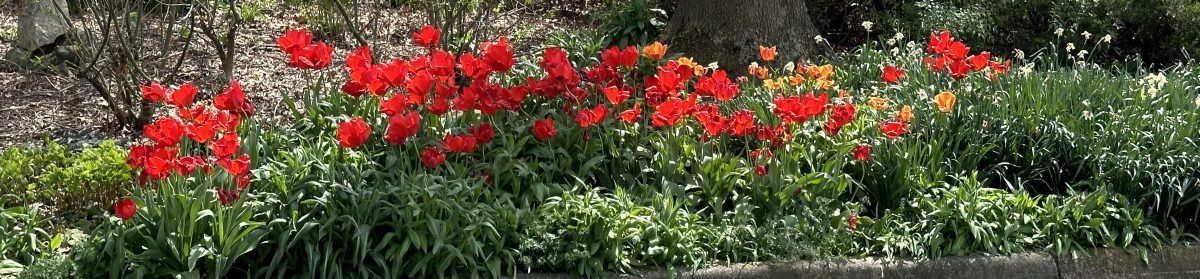
Don’t let those lovely calendar images of spring fool you. The gorgeous photos of tulips, daffodils, dogwoods, and any other flowering plant or tree may last all month in the picture hanging on your wall. But you better hurry outside to see them before they rudely disappear.
That’s Spring in a nutshell. It can be as fickle as the weather because the weather, especially in the age of rapid climate change, affects when things bloom and for how long. Throw in a heavy frost or two, and the blossoms’ purposes are lost until next year.
I don’t mean to be sounding doom and gloom. After the long, dark, and in many places, cold and snowy winter, we celebrate Spring’s arrival. But we need to get out and enjoy it while we can. We can easily take the many blooms and fragrances for granted until they are gone.
I’m as guilty of that as anyone. The older I get, the colder I get. Consequently, I avoid being outside too long on blustery, chilly days. I know. My age is showing.
I’ll admit that I’m a fair-weather kind of guy. I need the sun to keep me warm no matter how many layers of clothing I wear. Still, I love taking in the rapidly changing spring scenes. The leaves start to unfurl once the blossoms fade. Depending on the species and the weather, it is not long until the plant or tree leaves are in their fullness. As the leaves mature on some plants and trees, they darken into a rich green.
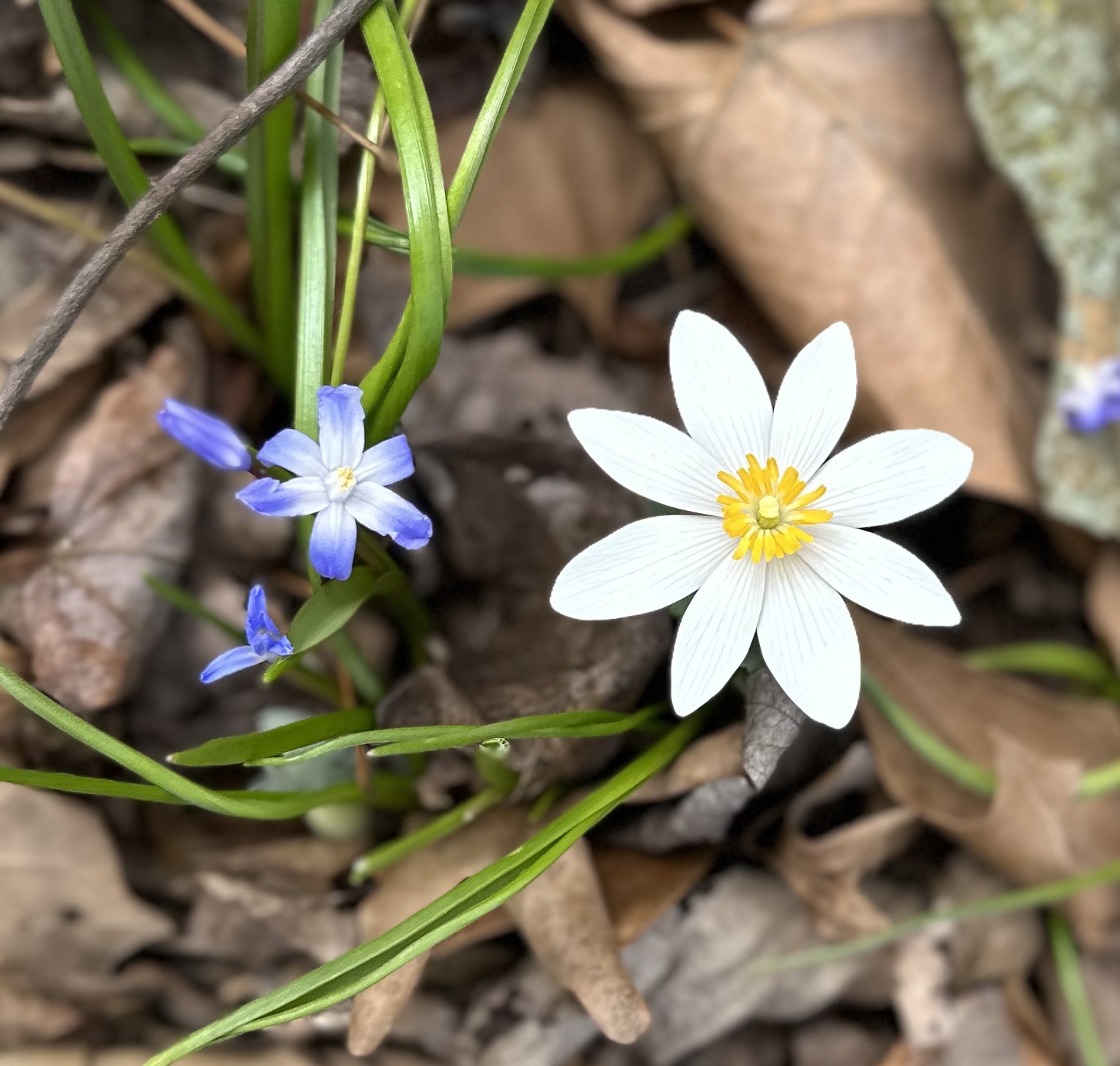
We are fortunate here in Virginia’s Shenandoah Valley. The first spring blossoms show themselves in the forests in late winter. Witch Hazel blooms can easily be overlooked. The white snowdrop petals are easier to see against the burnished leaf litter.
This year, February and March traded their weather. Varieties of daffodils and crocuses bloomed early and stayed late. As Spring progressed and the weather cooled, they became the exception. Pockets of the Glory of the Snow, Spring Beauties, Bloodroot, and Coltsfoot soon joined them.
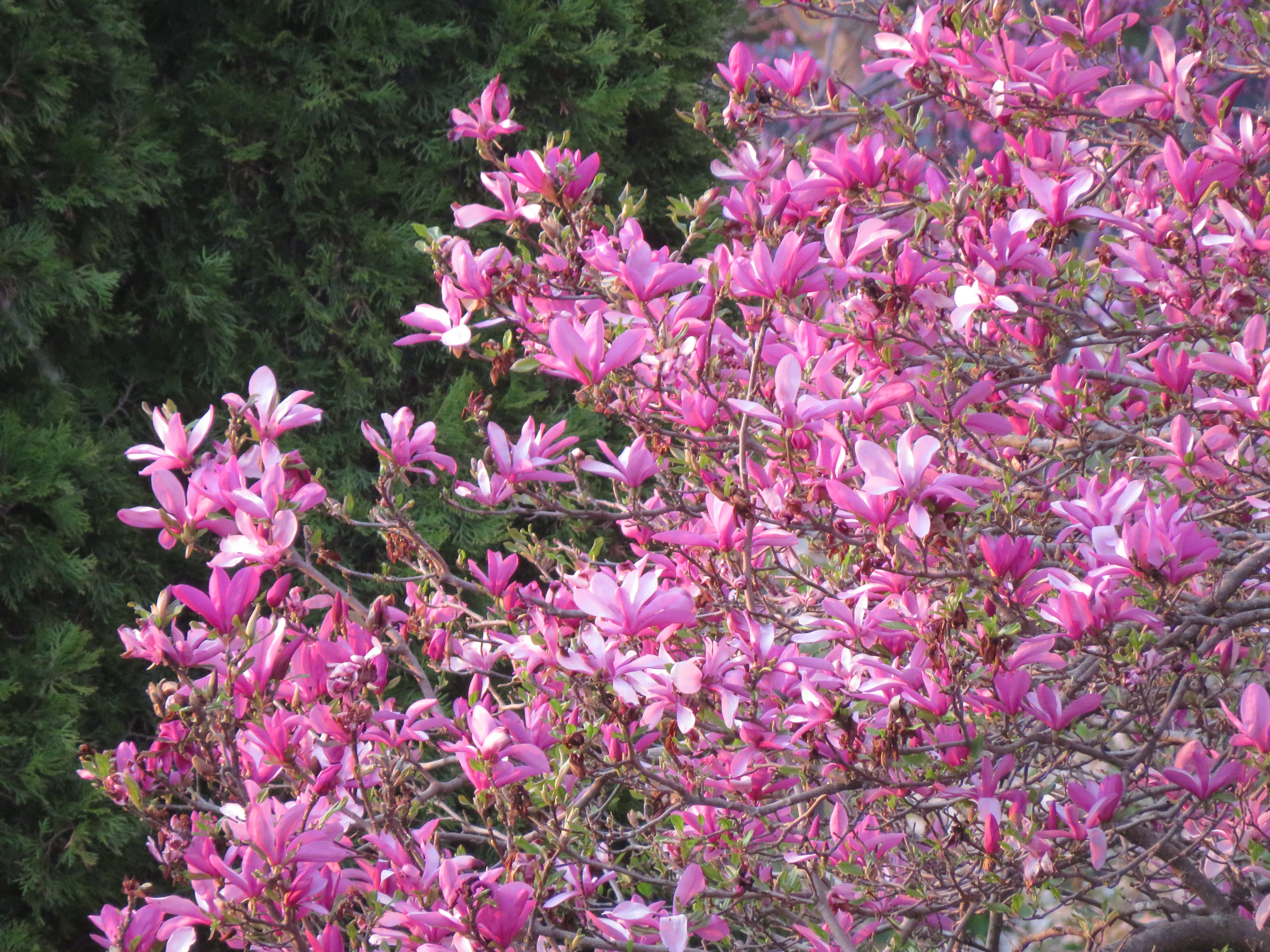
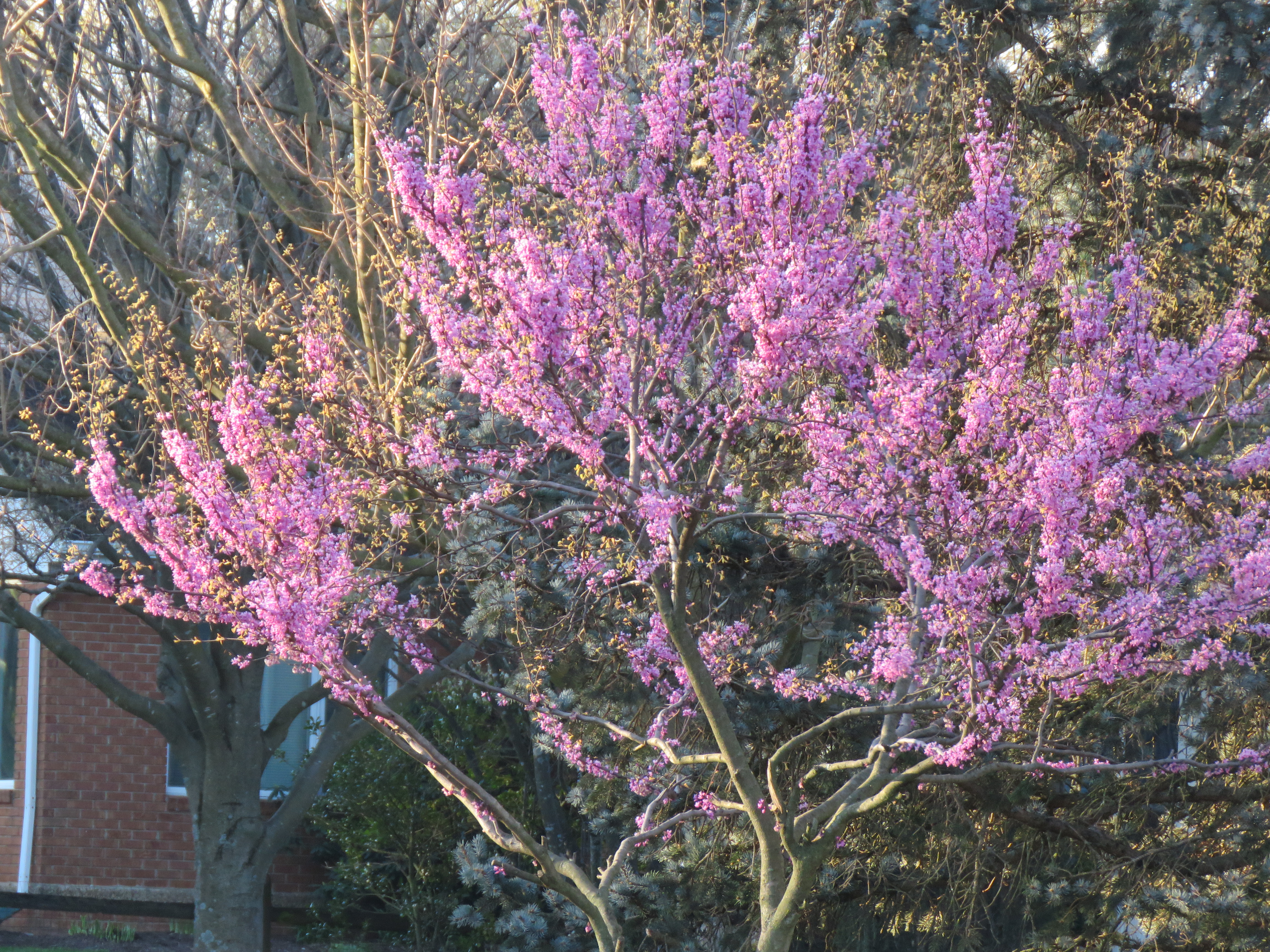
The Redbud trees were gorgeous unless back-to-back freezes nipped their pretty pink blossoms. The impatient leaves soon pushed the petals to carpet the ground. Even the maples were in a hurry to begin their chlorophyll duties.
Soon neighborhoods, roadsides, and forests were ablaze with color in April. The azaleas, rhododendrons, Virginia Bluebells, tulips, wild geraniums, and poppies put on a show. The pollinators buzzed high and low.
So, here we are in May. The dogwood blossoms have faded, while their leaves stand ready, awaiting touches of sunshine and rain. They need both.
Together let’s pledge to get out and enjoy whatever is blooming in our neck of the woods. If we wait too long, we’ll only have the calendars to remind us of what we missed.
Whenever I go birding, I inevitably discover many other curiosities to photograph. Such is the life of a retired senior citizen.
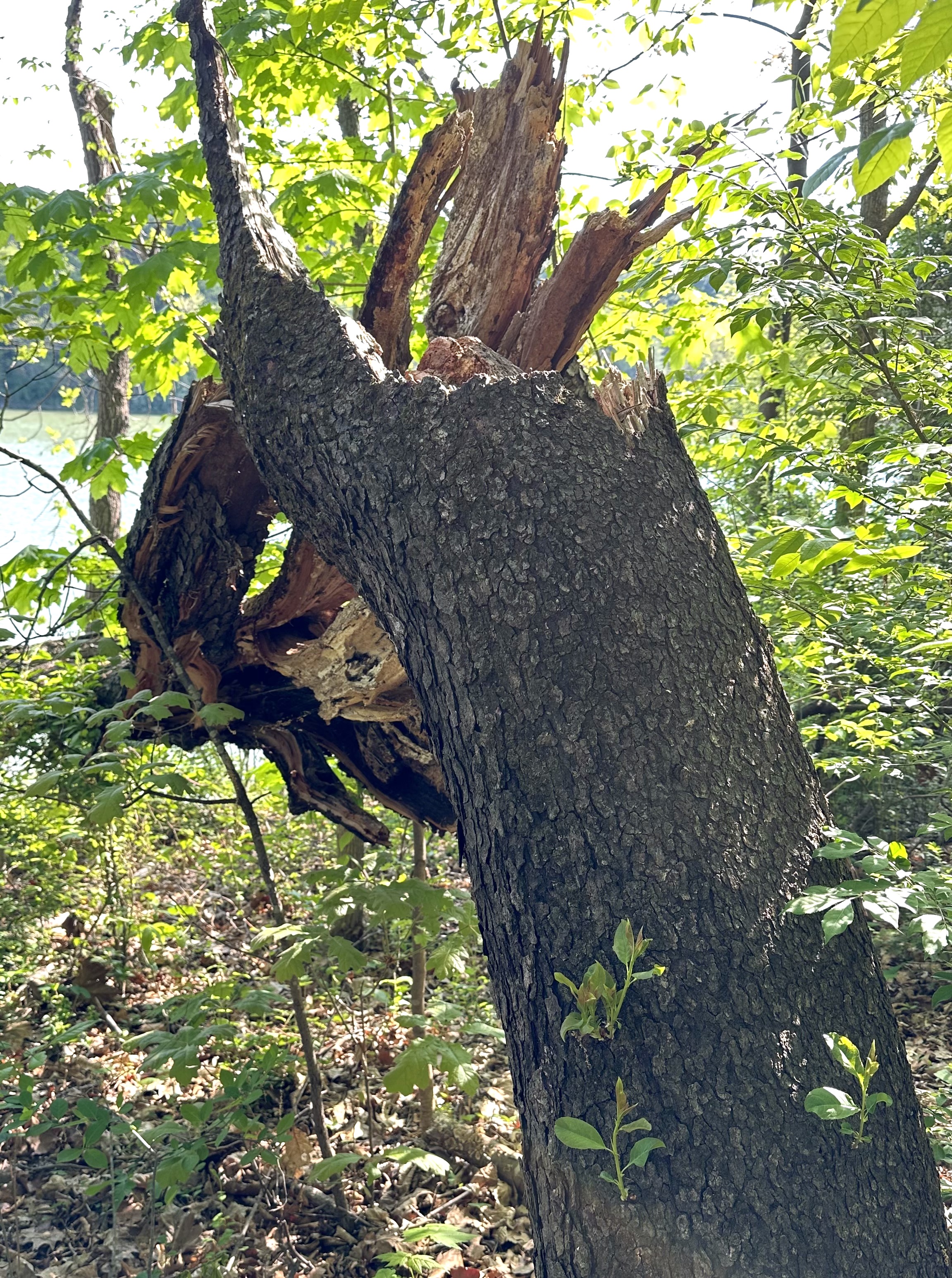
On my most recent outing, I came upon this wild cherry tree that had been struck by lightning sometime last year. I hated to see the stately tree destroyed since it was one of only a few in this small state park. All kinds of wildlife depended on its flowers and berries for sustenance.
Since the tree is about halfway around the lake, pictured in the background, I usually pause my hiking for a rest here, admiring the beauty of the tree’s bark and splintered wood. This time, however, I noted something fascinating. Tender shoots of new branches were growing from the tree trunk, as seen in the foreground of the determined hardwood.
Such is nature’s way of producing life, where we humans see only demise. There is a lesson to remember here: No matter your situation, never give up.
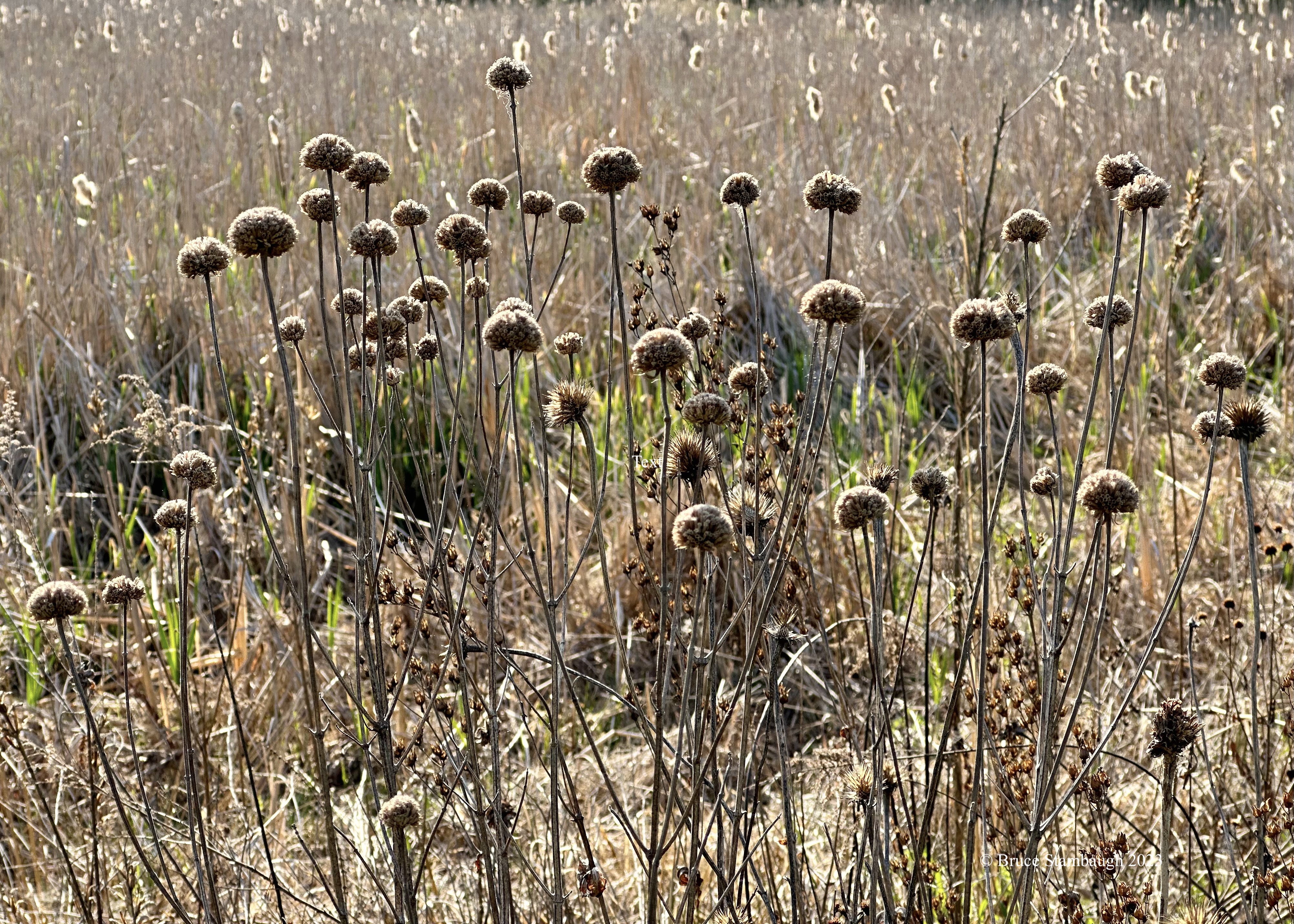
The cones of last summer’s Black-eyed Susans stand naked before fluffy cattails.
On a recent birding expedition to a local lake, I spotted these spent heads of last summer’s crop of Black-eyed Susans. The buttery petals had fallen off or been eaten by birds or insects, and several hungry bird species had devoured the nutritious burnished seeds in the center of the wildflowers.
The morning sun kissed the bulbous cones, creating a two-toned effect. It was a fun find.
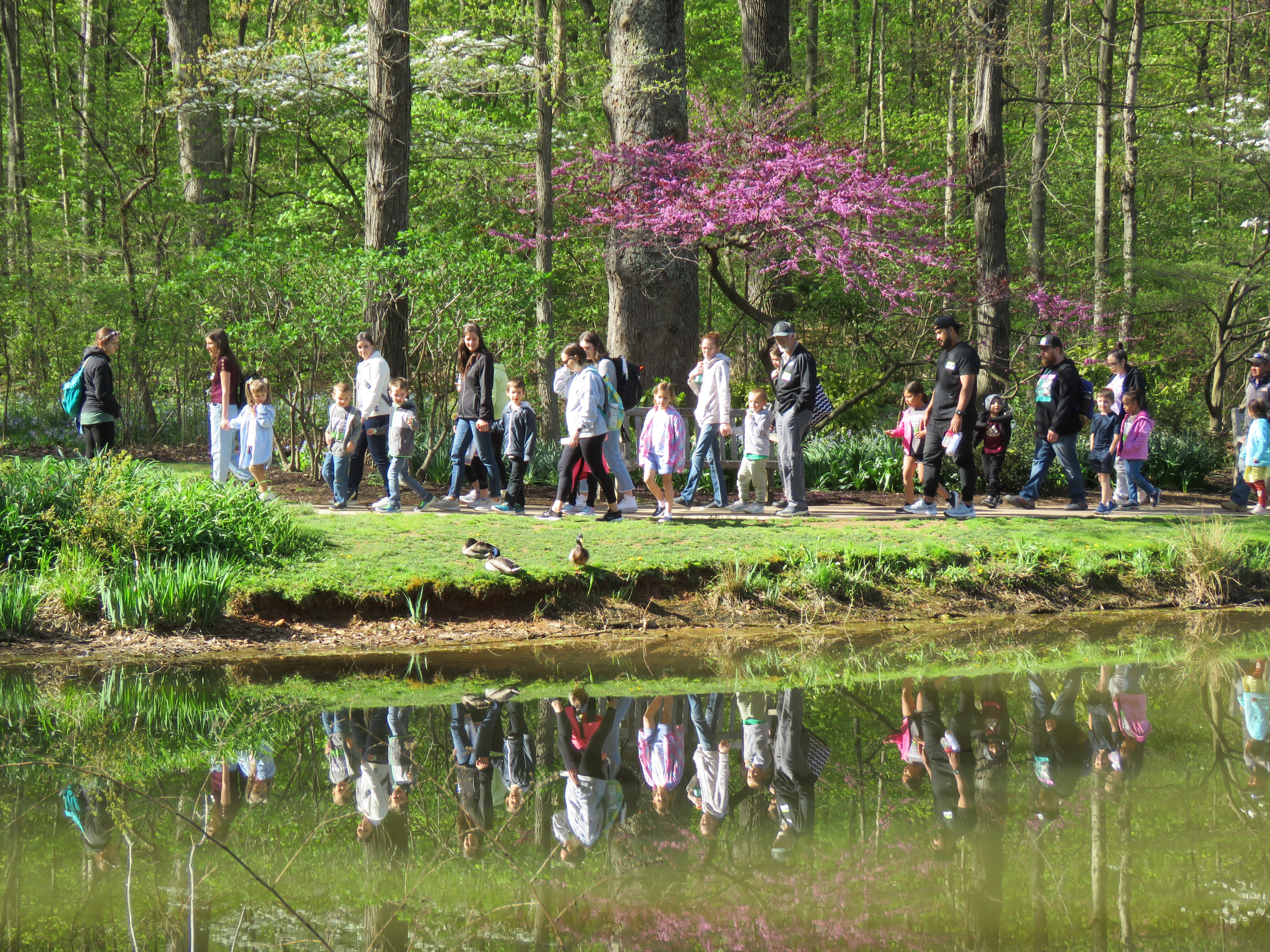
Students, parents, and teachers visited a local arboretum.
Every year since 1970, April 22 has been observed as Earth Day. It’s a day to recognize humankind’s responsibility to respect the planet on which we all live.
The marking of this day found 20 million Americans striving for cleaner air, water and conservation of the land and its natural resources. The movement eventually led to the creation of the Environmental Protection Agency and the passage of several U.S. environmental laws.
In 1990, Earth Day went global, with 200 million people in 141 countries coordinating to improve the environment in their various locales. It lifted environmental issues onto the world stage.
So, here we are 53 years later, still striving to care for our precious planet. What plans do you have to commemorate Earth Day?
A redbud tree at peak bloom in Harrisonburg, Virginia.
Redbud trees are in full bloom in the Shenandoah Valley and across the entire Appalachian region. The mountain drives are gorgeous right now.
Redbuds are one of the earliest blooming trees, and they grow in all sorts of conditions. They are one of my favorite trees, especially in bloom.
That’s because there is more to their beauty than meets the eye. The unique way the individual blossoms form is the secret. Clumped together, it’s not easy to see. Get up close, and focus carefully. You can see that each separate flower closely resembles a hummingbird.
Not convinced? Perhaps the photo below can help you see the pink little hummingbirds. I hope you have a chance to check out this phenomenon in person.

















 Roadkill Crossing
You must be logged in to post a comment.