I had just finished photographing some early evening scenes along the Lake Erie shore in Lakeside, Ohio, when I came upon this brilliant red barn right next to the Historic Lakeside Hotel. Its beauty stunned me. How the sun highlighted the barn’s red color and white trim also grabbed my attention. I loved how the green leaves of the tree limb intersected and nicely contrasted with the bright red. More than that, my wife and I have vacationed every summer at Lakeside Chautauqua since 1987, and I couldn’t recall ever seeing this barn.
I have thousands of photos from this beautiful gem of a town. The surprise of finding this barn, once seemingly hidden, but revealed by the combination of fresh paint and good timing made it my Photo of the Week.
From sunrise to sunset, the area around Lakeside, Ohio’s dock is where the action is.
By Bruce Stambaugh
There’s never a rainy day at Lakeside, Ohio, making it the perfect summer vacation spot for all ages.
Sure, it rains at Lakeside. It’s in Ohio after all and on the shallow, sometimes precarious south shore of Lake Erie. That doesn’t mean the weather puts a damper on vacationing visitors, some who come from California and other foreign countries.
The weather, no matter how fierce, can’t quash Lakeside’s infectious community spirit. Sunshine or downpour, you can witness Lakesiders being Lakesiders wherever you go in the little resort town populated with quaint cottages and genial folks.
If it does rain, which it did on more than one occasion during our latest week in the Chautauqua on Lake Erie, no one dismays. Plenty of great activities await, with gaggles of polite people to encounter.
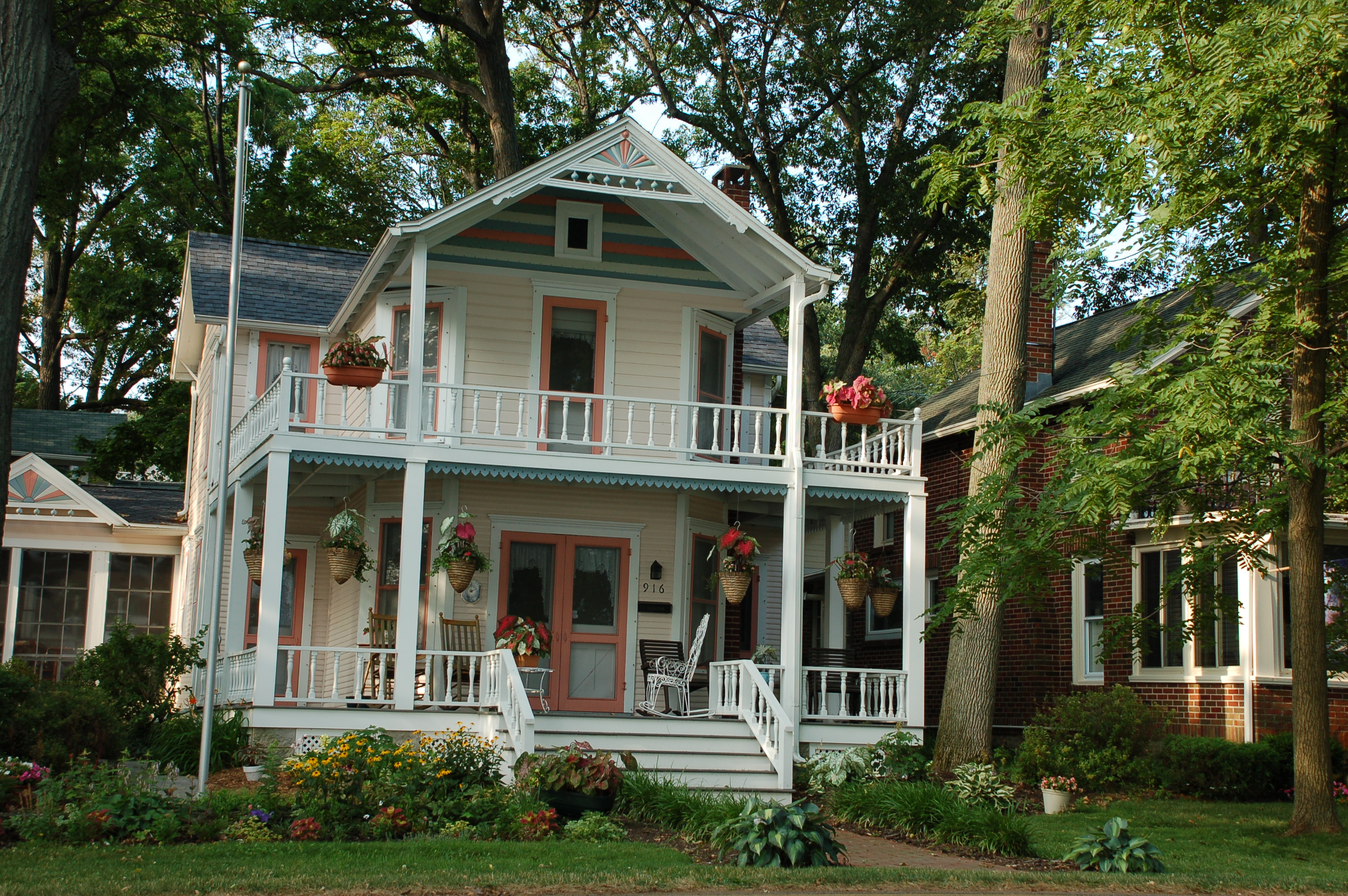
Steamboat style cottages dot the streets of Lakeside, Ohio.
The new splash park is a cool hit with youngsters on a hot summer’s day. If the weather denies them that chance, you can likely find them sitting on one of the many inviting front porches that distinguish Lakeside cottages and homes.
A wise, gray-haired grandma centers a wicker loveseat, arms embracing grandchildren. They read aloud, do word games, Sudoku, or tell family stories, true and otherwise.
If three generations can’t enjoy a rousing round of miniature golf under the canopy of old-age hardwoods, the family won’t grow bored. They might turn to board games, Scrabble, chess, checkers, or Monopoly.
Thanks to its Chautauqua pillars of religion, education, arts and entertainment, and recreation, Lakeside is known for many engaging activities. Since 1928, shuffleboard has topped the sporting list historically.
Tennis, too, has its fair play at Lakeside. Families, couples, teams, and playing partners ply clay and paved courts for fun and competition.
Should it storm, chairs soon form a tight ring around antique dining room tables, cards are shuffled, and the competitive spirits are expended differently. Instead of power drinks to keep them going, homemade sweet tea and lemonade hit the spot.
Colorful flowerbeds hug the shoreline at Lakeside.
Super Moon over Lakeside.
The Lakeside dock is the place to be.
The Wooden Boat Show brought out both lots of boats and people.
The Lakeside waterfront, centered by the pavilion, is where the daytime action is.
The Plein Air Arts Festival drew many artists and admirers.
A Farmers’ Market is held twice weekly at Lakeside.
The view from Hotel Lakeside is lovely.
Hotel Lakeside.
Swimming at Lakeside.
Kids enjoyed the new Splash Park at Lakeside.
Sunset swims are a good way to complete a day at Lakeside.
Around the two-mile jogging trail that rings Lakeside’s boundary flows a steady stream of fitness. If the weather is too ugly to brave, brainpower replaces muscle power through summer reading or a spirited round of dominoes with family, friends and visitors.
The Lakeside dock is the centerpiece of the summer sun worshippers. Young swimmers, sailors, fishing generations and sun soakers congregate to do their things. In the event that the dock is closed due to inclement weather or northerly gales that swamp the cement pier with crashing waves, alternative plans are made with few complaints.
The handful of Lakeside’s eclectic restaurants and niche cafes, where scores of high school and college students earn a summer’s wage, offer plenty of fare and latitude to accommodate all. Patience whets the appetite for homemade donuts and refreshing ice cream.
Even on the sunniest of days, hundreds of folks hungry for other kinds of food are filled to capacity by the rich stories offered by the weekly chaplains. It’s as cerebral as it is churchy.
Weather-resistant, creatively designed indoor activities abound for children, while adults pick and choose between lectures, programs and displays. Nearly every week, some sort of special community function is offered.
Evenings bring out a large portion of the town’s population for a medley of performances in historic Hoover Auditorium. Others linger dockside basking in the glow of another inspiring sunset, sometimes only minutes after the end of an all-day rain.
Rain or shine, there really are no rainy days at Lakeside, Ohio.
Watching the sunset from the dock is part of the Lakeside tradition.
People collect all kinds of things when they travel. Post cards, plates, jewelry, T-shirts and mugs are popular items. Souvenir shops in any touristy locale confirm that.
Me? I collect hats, more out of necessity than sentimentality. Given my lack of hair, I call it BPS (Bald Protection Syndrome). At least I have a practical use for my hat hobby.
BPS is the only way I can explain my obsession with hats. Baseball caps, golf caps, air-cooled hats, even a cowboy hat, define my collection.
It dawned on me that my assortment of hats really represents a segment of my personal history. I look at a hat, and I can usually recall where I bought it or in some cases, like the cowboy hat, who gave it to me.
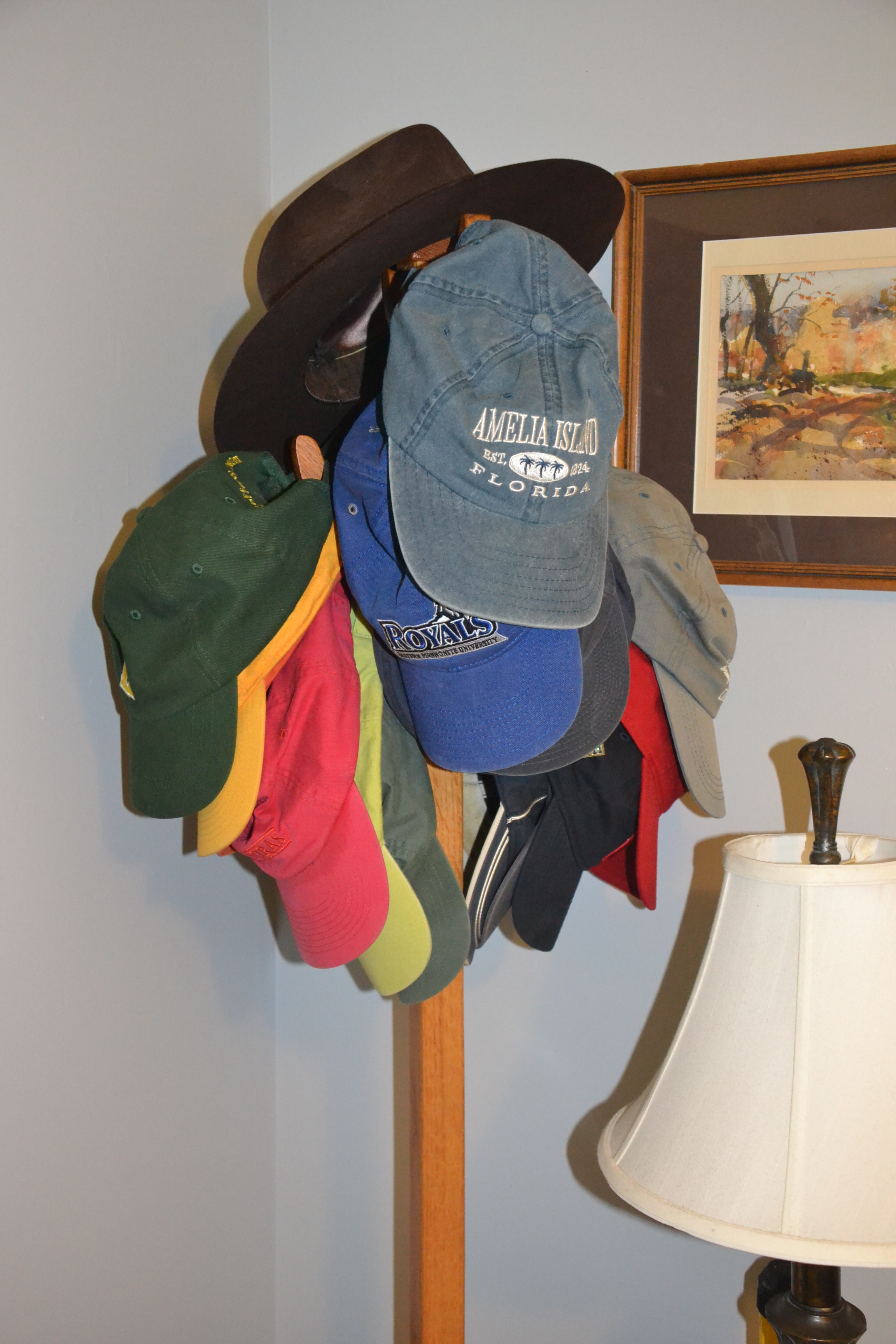
Not a spot to spare on my hat rack.The hats hang on an oak hall tree that a dear friend made for me. The hall tree stands in a corner beside my bed. The hats are the first things I see in the morning and the last at night, keeping the memories fresh in my mind.
The brown, broad-brimmed, pressed velvet Stetson cowboy hat occupies the pinnacle of the hat holder. That’s no coincidence. My daughter and her family gave it to me as a present several years ago when they lived in Texas. I wear it only on rare occasions.
I collect hats the way Imelda Marcos saved shoes. Each peg of the faithful hat rack is full of hats and memories. The hats come in different shapes and colors, but most are ball caps. All generate vivid recollections.
I have too many from a favorite vacation spot, Lakeside, Ohio. I don the bright yellow hat with a big blue block letter “L” on the front most often.
Perhaps some of my favorite hats are the ones I acquired while participating in some special activity. I have a handsome brown cap with the sun rising over the profile of a mountain, all stitched in white. I got that one at the state park where I once hiked and birded in Arizona.
Another hat I wear a lot is the one I received for attending a birding symposium. It should come as no surprise that the hat features a bird on the front.
Still another hat I obtained in Arizona and bought especially for birding is a lightweight, broad-brimmed, air-cooled canvas hat. I only wear it when it’s hot or when we go to the beach with the grandkids.
Two hats in my collection have extra-special meaning to me. I purchased both in Honduras. One is bright red with orange lettering that spells out the name of the poor Central American country.
I’m happiest in hats.The other Honduras hat is black with a red rooster on it, which is very apropos. As unstable as the Honduran government is, I think the roosters actually run the country. They are everywhere and don’t bother to wait for the sun to rise to announce their presence.
The pride and joy sports hat in my collection is bright red with a raised deep blue block “C” on the front. I wear it when I attend Cleveland Indians games to show my support for the often-hapless team. Wearing it may also reveal other blemishes in my character.
Some people collect stamps, others coins or antiques or teacups. I collect hats. Each one has a story and a special meaning.
Vacation season is here. More travel, more memories, and more hats ahead.
During the course of a year, I take a lot of photographs, thousands to be exact. My son says I take too many, especially of the same thing. But I snap away for several reasons. My mother gave me her artsy eye to see the beauty in the world around me. She painted landscapes. I take pictures. Shooting pictures is also a way to document the year. In addition, I enjoy sharing the pictures I take, either through this blog, in magazines, on websites, or simply printing them out for people to enjoy.
With that introduction, this is my 2012 in review. With so many pictures, I didn’t want to bore you. Instead, I chose a picture a month, kind of like a calendar in reverse. I hope you enjoy my selections.
Happy New Year!
Bruce
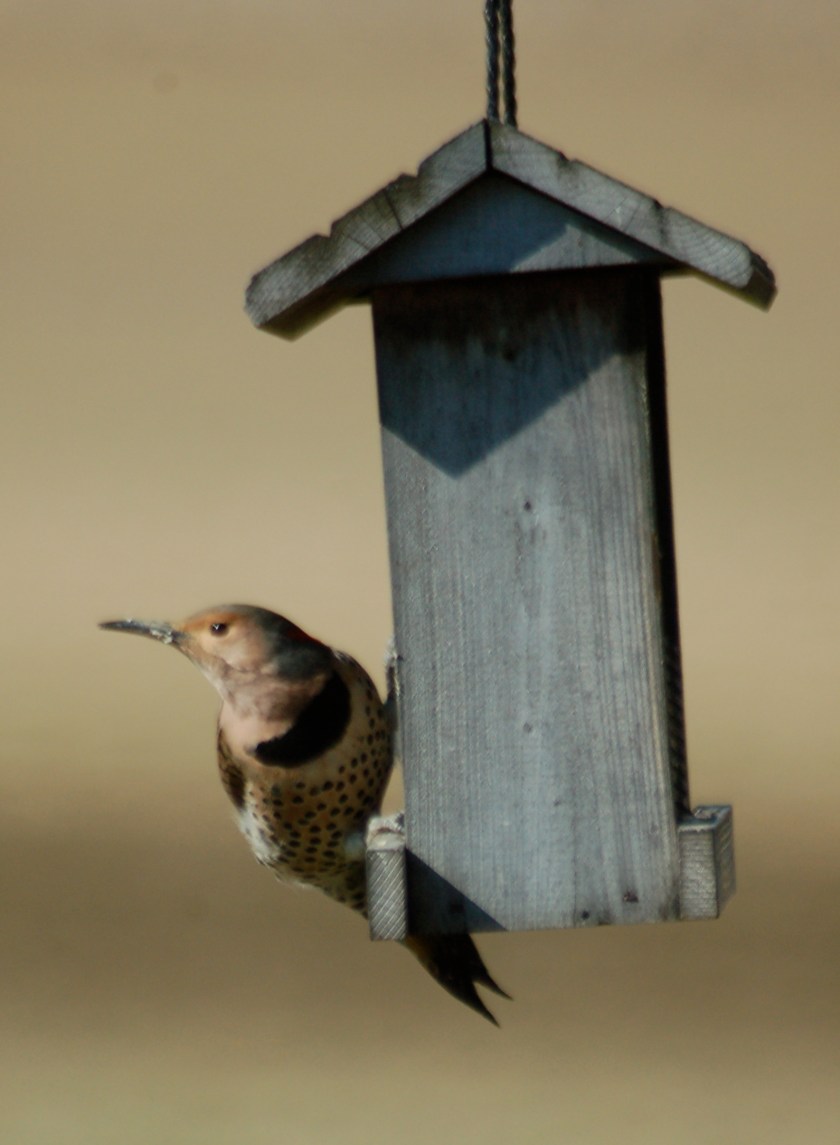
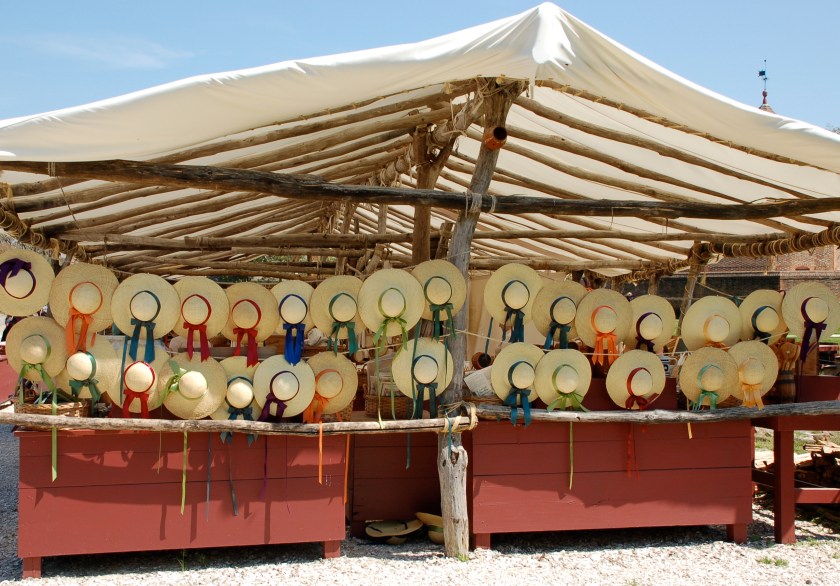
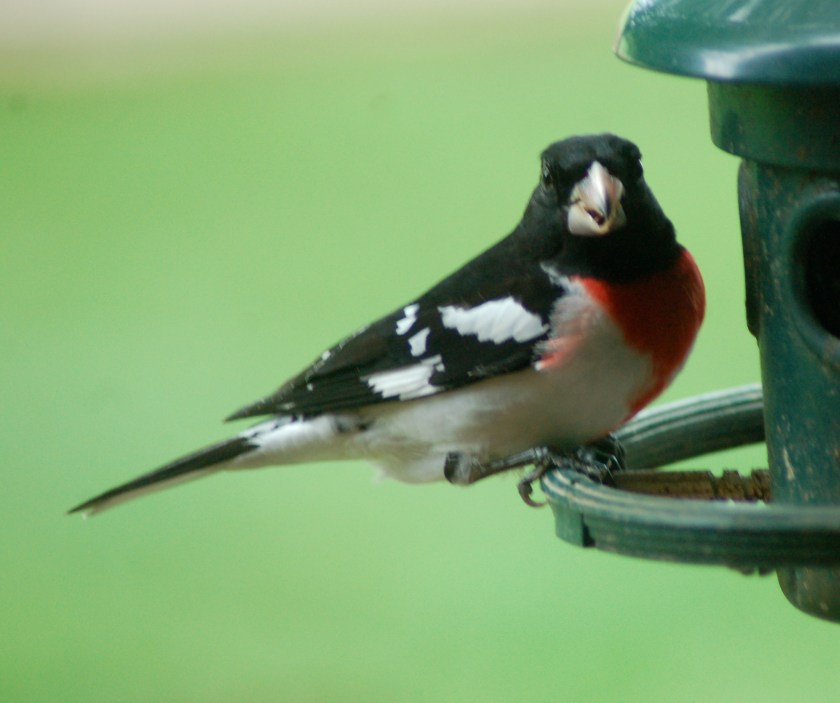
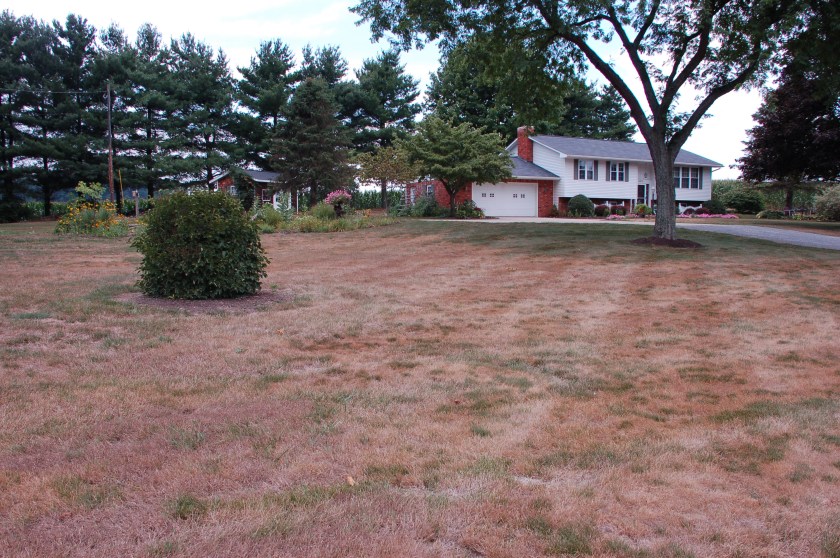
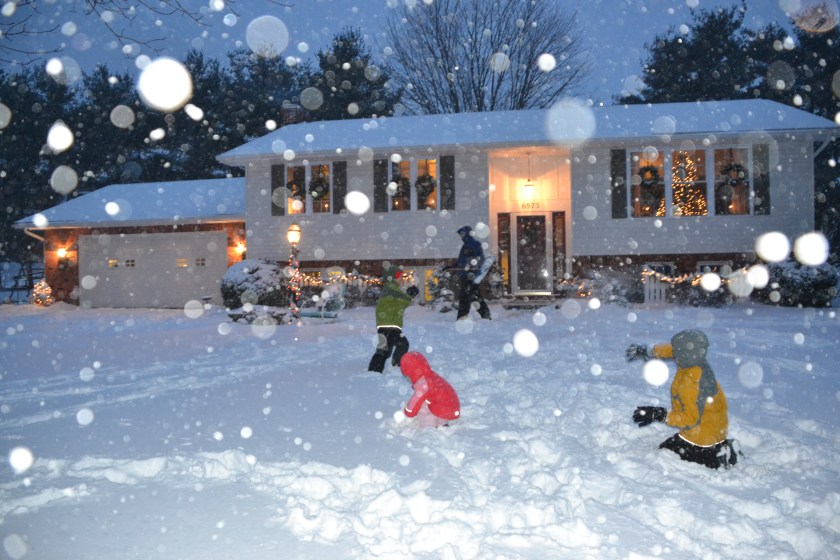
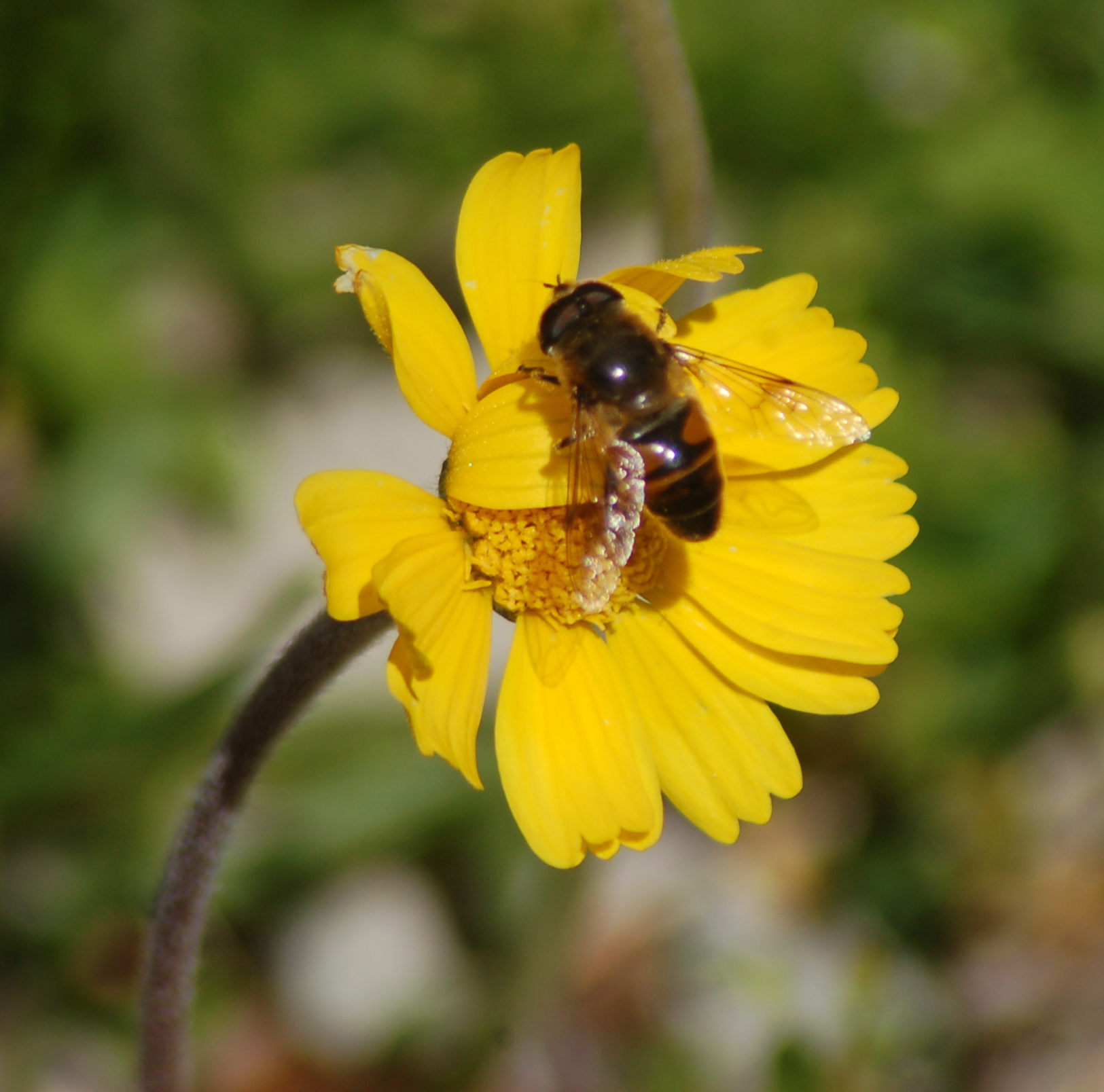
Enjoying a beautiful sunset on America’s number 1 rated beach, Siesta Key, Sarasota, FL, was a great way to begin the year.I love birding. This Northern Flicker posed perfectly for this shot in Feb.My wife and I celebrated our 41st anniversary in March by visiting Williamsburg, VA. These hats caught my eye.Lakeside, OH is one of my favorite vacation spots. When the Lakeside Daisies are blooming, which they did two weeks early this year, the town is even prettier. These daisies only bloom on the Marblehead Peninsula, and this bee enjoyed the small patch of these special flowers on April 29.I feel very fortunate to have Rose-breasted Grosbeaks frequent my backyard feeders. This male seemed fearless as he gorged on oil sunflower seeds in early May.I enjoyed capturing our grandchildren’s initial reaction to the surf at Sunset Beach, NC in early June.The end of July was the peak of the summer’s drought in Ohio’s Amish country, where my wife and I live.Summer fog is not unusual in Ohio’s Amish country. I often take my camera along on my morning walk, and I was glad I had this late August morning.A young Amish girl checked out the colorful balloons at the neighbor’s produce stand during their Customer Appreciation Day at the end of Sept.Laundry drying against the colorful leaves in mid-Oct. in Holmes Co., OH created a contrasting shot.The silhouettes of the corncrib and tree against the Thanksgiving Day sunset made a stunning image.Watching our grandchildren and their parents play in the snow the day after Christmas was as magical as the snow itself, and a wonderful way to end 2012.
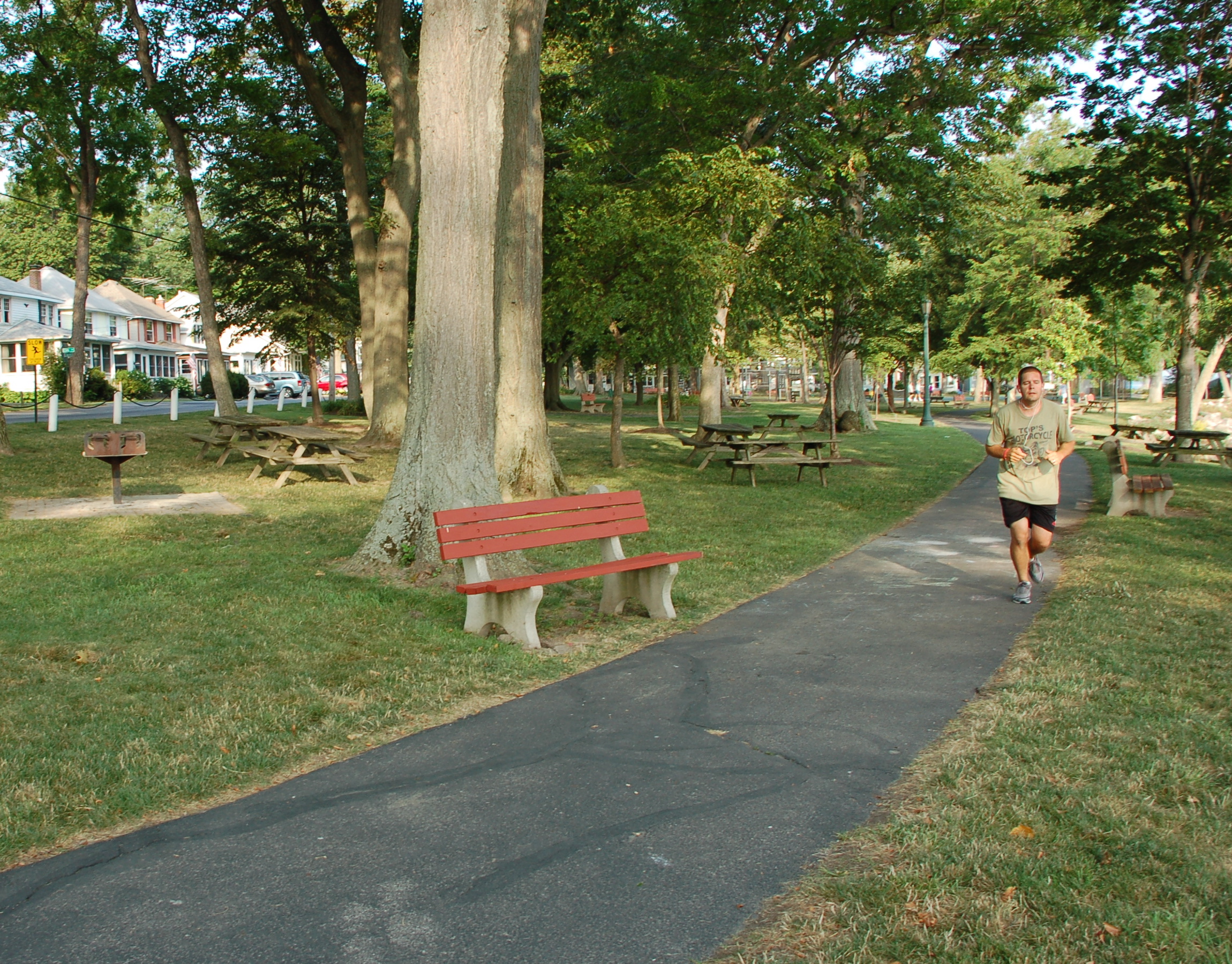
Perry Park, located at the east gate of Lakeside, Ohio, is a beautiful place to rest, relax, read a book, jog, play tennis or just enjoy the peace and quiet.
By Bruce Stambaugh
After the week we had had, my wife and I needed a respite. The most logical place for that was Lakeside, Ohio, our favorite place to relax.
We had begun our annual weeklong stint at the Chautauqua on Lake Erie. Early the second morning we received a call to return home. Neva’s mother was gravely ill.
The call wasn’t unexpected. We quickly packed up and returned home. Neva joined her sister in watching over their elderly mother, Esther Miller. Esther died the next evening at age 90.
Expected or not, a death is still a death. All of the grieving emotions overwhelm family members in different ways and at different times. Time seems to stand still. All the while, the necessary preparations need to be completed. They tend to take their toll on already frayed feelings.
My wife and her sister met with the funeral home director about the services. They met with the pastor to plan the funeral. Next day, they cleaned out their mother’s room at the retirement home.
The family arrived at the church well ahead of the visitation time to set up pictures and meaningful memorabilia, followed by the greeting of mourners and the funeral itself. Afterwards, we hosted the immediate family for an evening meal at our home.
As you can imagine, it was all very draining mentally and physically. We needed a break.
Neva and I held a one-sentence discussion. There could be no doubt that the best place to renew and recharge was to return to our beloved Lakeside. The next morning we were on our way.
Despite the sweltering heat, it was good to be back at Lakeside with its lovely cottages, inviting dock, marvelous entertainment and multiple activity options.
With its shaded parks and marvelous vistas, Lakeside’s location on Lake Erie makes it idyllic. Really, though, Lakeside is more about people than anything else. From staff to strangers to long-time acquaintances, everyone is family at Lakeside.
A television reporter once did an expose on this special town. He wasn’t unfamiliar with the resort. He had vacationed there as a youngster.
The reporter knew how friendly Lakesiders could be. To prove his point, the reporter casually walked into a cottage without knocking and asked for lemonade. He wasn’t quizzed as to who he was or why he had barged in. Nor was he told to get out. No. Without a second thought, the homemaker poured him his icy drink.
On our recent extended weekend retreat, my wife and I had a similar experience. After finishing a very informative walking tour of Lakeside, one of the other participants invited us and another couple to tour her newly remodeled cottage. She didn’t even know us, and yet showed us every corner of her beautiful place. That’s just the way people are at Lakeside.
At the end of our visit of this lovely summer home, I realized that the kind lady didn’t even know our names. We made our introductions as we profusely thanked her.
What nicer place than Lakeside is there to sit back and forget your worries? You can read a book, play dominoes, go for a lovely morning walk, or just enjoy the view while eating a refreshing ice cream cone. If you’re at the right place at the right time, you just might get an unexpected tour, too.
That’s just how Lakeside and its gracious summer citizenry are. They invigorate you just when you need it the most.
The column appeared in the Bargain Hunter, Millersburg, OH.
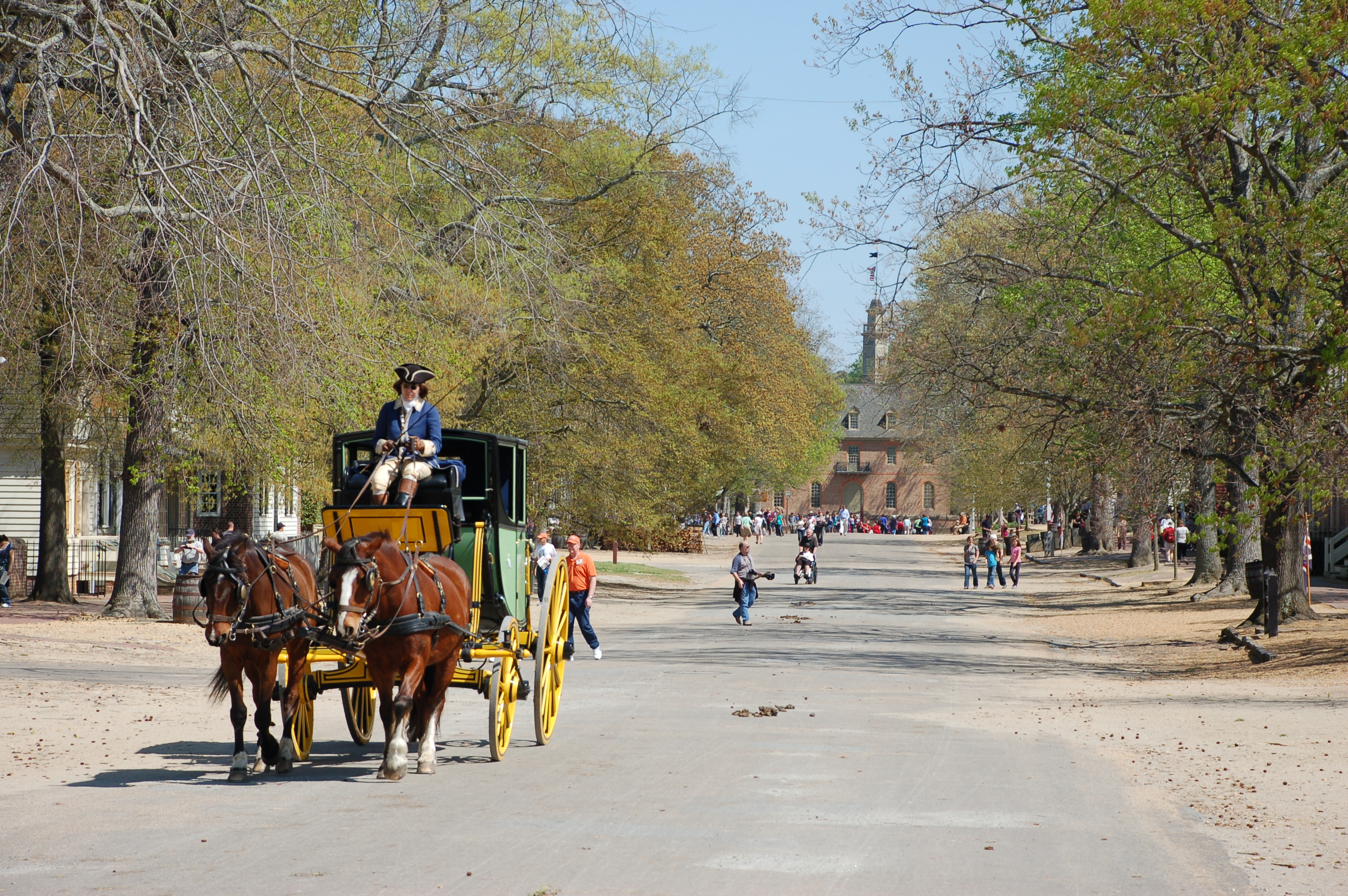
Many of the tenets of our democratic republic were formed in Williamsburg, VA along D.O.G. Street.
By Bruce Stambaugh
Watching starbursts of fireworks from five miles above the earth was an unexpected treat.
My family and I were flying back from vacation late on July 3, 1988. Our hour-long flight path took us along the southern shores of Lake Michigan and Lake Erie. Shortly after we were airborne, the sky began to pop with burst after colorful burst of fireworks.
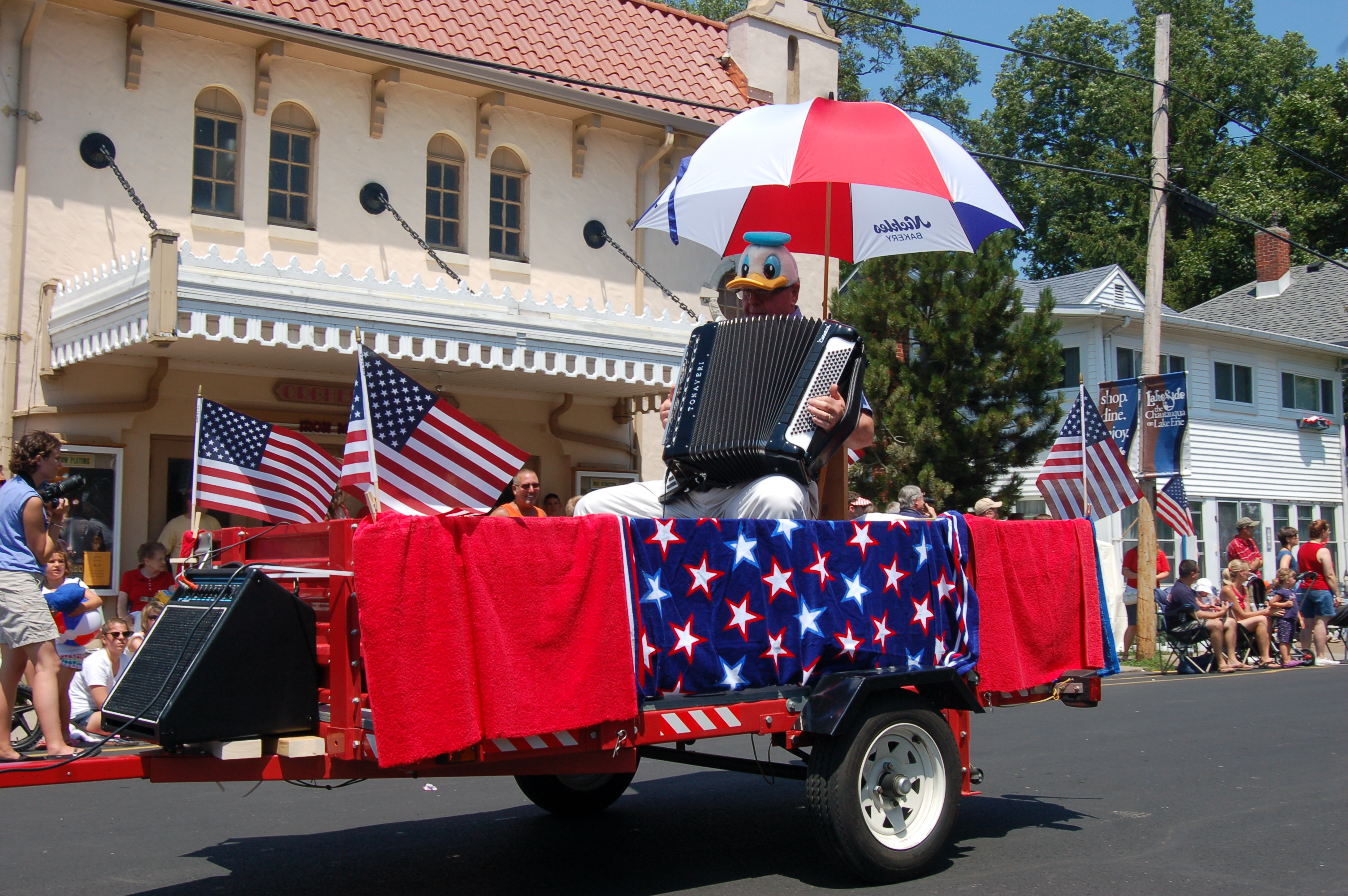
Parades are just part of the annual Fourth of July celebrations in the United States.All along the route towns large and small expressed their jubilation for America’s Independence Day holiday with pyrotechnic displays. From high above I imagined the various sparkling bursts reflecting the broad diversity of folks that comprise this great country. Necks craned skyward, people from many cultures, races and religions in urban parks, county fairgrounds or on their own back porches had to also be admiring their local kaleidoscope of explosions.
As the last sparks flickered, I had to wonder then, as I wonder now, if the real meaning behind the celebratory fireworks is fully understood. As they picked up their chairs and folded their blankets to return home, what were they thinking? Was it just another fireworks display or did they truly comprehend the meaning of the day?
Those are questions that needed to be asked then just as they need to be asked today. Remembering our historic roots helps us to focus on where we are now and where it is we need to be going tomorrow. Homes like this one in Lakeside, OH will be decorated for the Fourth of July all across the U.S.
As we celebrate another Independence Day in the United States, here are a few historical facts that cannot be changed, though some have tried to distort the truth. The Continental Congress actually declared its independence from Great Britain on July 2, 1776. The revolutionary document, penned by Thomas Jefferson, was signed July 4, 1776, making the radical pronouncement official.
At great risk to their fame, fortune and reputations, these bold men, and they were all men, set down the groundwork of a new nation. That foundation was based on one essential notion, freedom.
A few years later that central idea wove its way into the heart of the U.S. Constitution in the form of the first 10 amendments commonly called the Bill of Rights. They itemized specific freedoms, including the freedom of religion, the freedom of speech, and the freedom to gather, among others.
The people of the American colonies wanted to shake the hold of Great Britain’s rule and run their own lives. This great document announced a new form of government for all peoples. Without it, anarchy would have ruled.
Since its initial adoption the Constitution of the United States has been amended to appropriately represent rights and freedoms for all of the country’s peoples, regardless of gender, race or creed as the population and society’s mores have evolved. To be sure, that evolution has had its civil rough spots to say the least.
From our present perspective, it can be easy to think that some things always were. “In God We Trust,” for example, was added to our coins and currency in 1864 at the end of the Civil War. The phrase “under God” in the Pledge of Allegiance was not added until 1954 during the McCarthy communism scare era.
The altitude at which we enjoy the July 4th fireworks isn’t terribly important. The attitude of appreciation and a clear understanding and application of how and why our basic freedoms exist, however, are essential for appropriate social discourse.
As the fireworks explode in honor of this July 4th, what will you revere about Independence Day? Religious freedom was the primary moving force for Amish immigrating to the United States, where their amber waves of grain still roll today.
Daisies in full bloom at the Lakeside Daisy Nature Preserve near Marblehead, OH. By Bruce Stambaugh
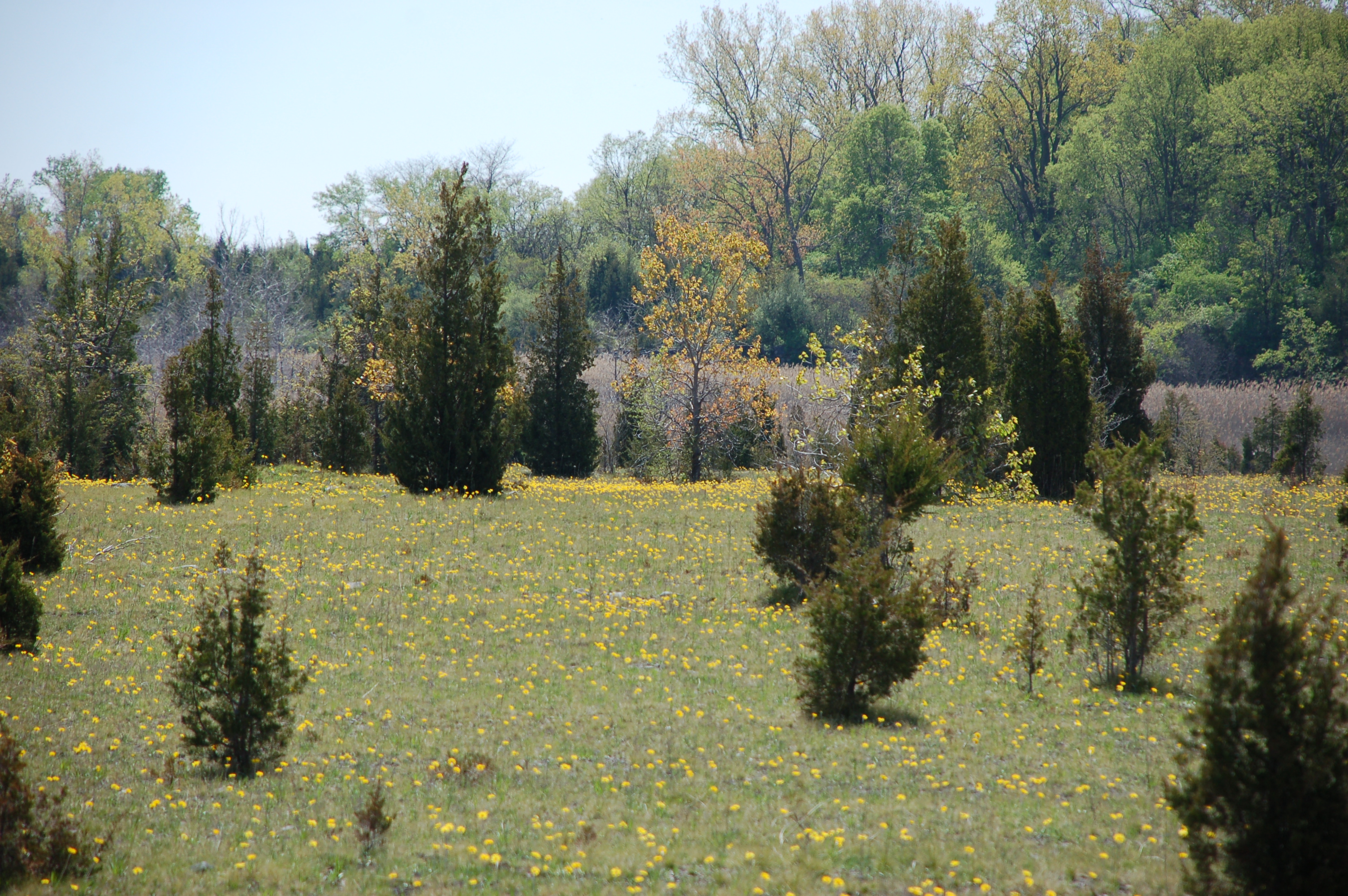
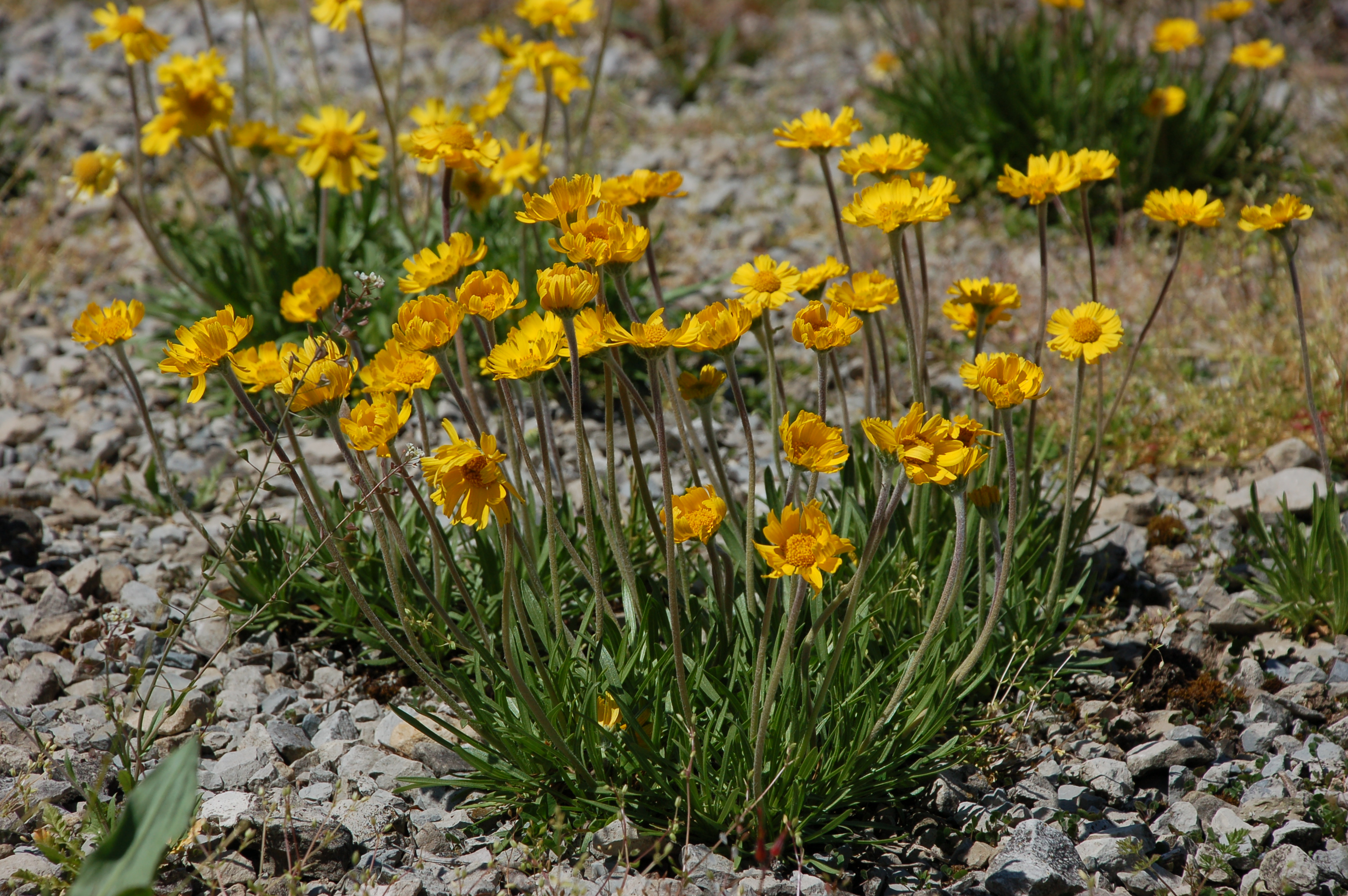
The Lakeside daisies are in full bloom. That may not sound like earth-shattering news. But apparently due to the unusually warm winter here in Ohio, the daisies, like most other flowers, plants and trees, are blooming early. Plus, if you are a lover of all things nature, and especially wildflowers, you don’t want to miss this yellowy exhibition.
The Lakeside daisies are particularly special. They only bloom in a limited number of locations on or near the Marblehead Peninsula in northwest Ohio. In addition, their buttery blooms only last a week before they begin to fade. If you want to see them in person, you had better make tracks to the Lakeside Daisy Nature Preserve near Marblehead. My wife and I were there Sunday, and the preserve was a splash of yellow against the dull limestone gray ground.
The daisies growing in a small patch inside Lakeside were beautiful, too. They’re located right along the Lake Erie shore at the east end of Lakeside near Perry Park. A bee enjoys one of the daisies in a clump of Lakeside daisies in a small preserve in flower’s namesake, Lakeside, OH.
Unfortunately it looks like the blooms will be gone before Marblehead’s annual Daisy Days scheduled for Mother’s Day weekend. Naturalists will lead walks through the preserve, so you can still learn a lot about the lovely little flower even if they aren’t blooming.
The Lakeside daisy (Hymenoxys herbacea) has been listed as an endangered species by Ohio since 1980. If you can’t make it to see this beautiful flower in person, enjoy the photos I took Sunday. If you look closely, you’ll notice some of the petals on the flowers are already starting to wilt.
Greg Miller is a nice guy. Anyone who even remotely knows Greg would easily agree with that statement. Greg Miller
Though raised just a mile south of where my wife and I have lived for 32 years near Berlin, Ohio, I really never got to know him until recently. Greg had long grown up and started his own adult life before we moved here. His mother continues to live in the same house, and still meticulously adorns her property annually with a wide assortment of lovely flowers.
Others have known Greg much longer and better than I have. But just from the few conversations that I have had with him, I can attest that Greg is the kind of guy everyone would welcome as a friend.
I had heard of Greg well before I got to know him. He was one of three birders about whom Mark Obmascik wrote his 2004 book “The Big Year.” When Hollywood turned the book into a big screen movie of the same name, Greg was ecstatic, and rightly so. Not everyone has a book written or a movie made about a life accomplishment.
By his own description, Greg is a computer programming geek by trade and an avid and expert birder by desire. Greg transformed that hobby into nearly an obsession when he spent much of 1998 doing a Big Year. A Big Year is when a birder observes or hears as many North American bird species as possible.
That year Greg surpassed the coveted 700 mark, as did two other men. The story of the extreme efforts of those three birders inspired both the book and the recently released movie.
Greg gave a touching keynote address at the Midwest Birding Symposium in Lakeside, Ohio in mid-September. He spoke to an audience of nearly 1,000 for an hour using no notes, speaking directly from his heart. Greg had the crowd spellbound relating his personal, touching story.
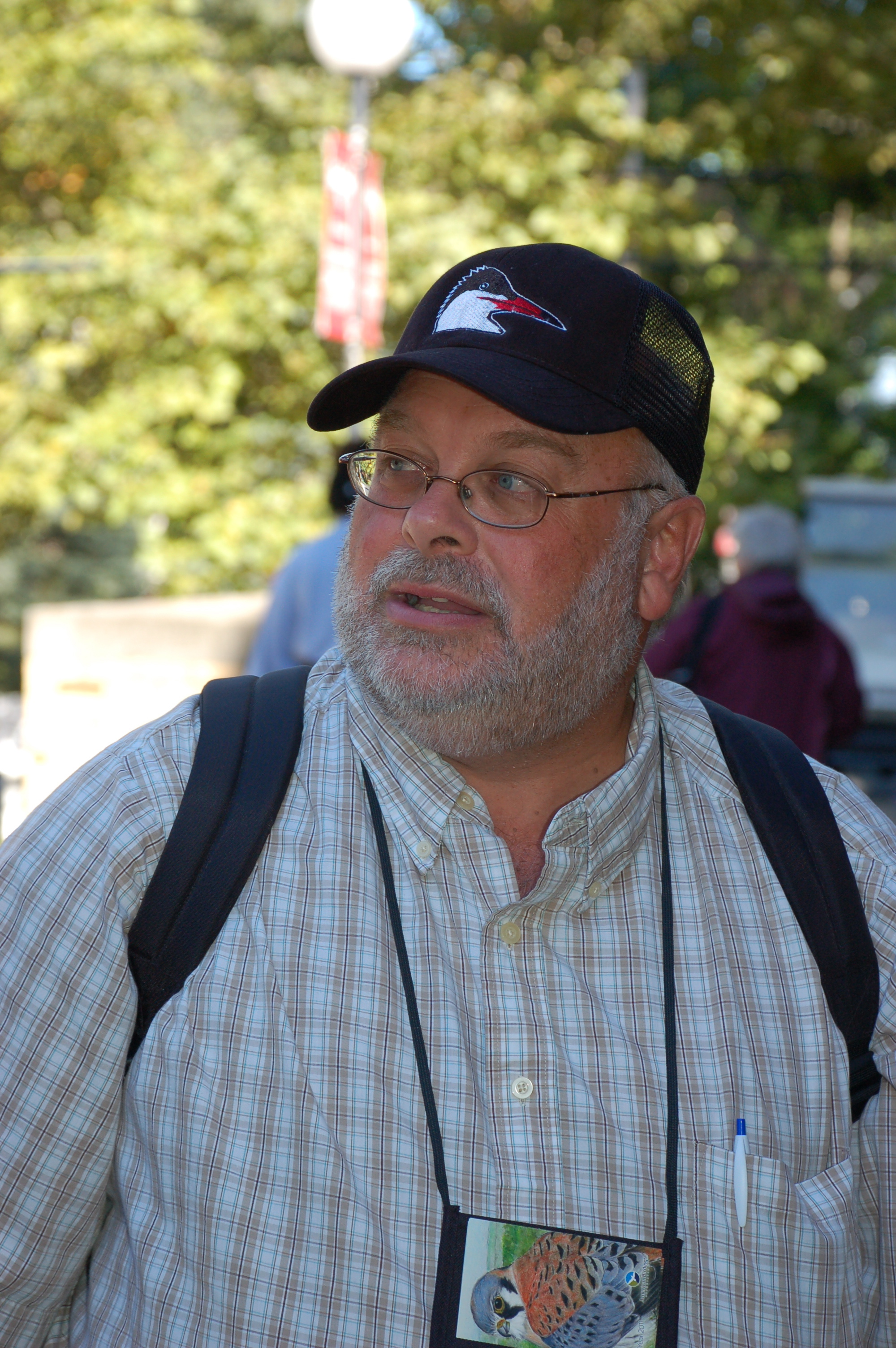
I was greatly moved when early in his talk Greg cited the influence of his kind parents, especially his father, in generating his interest in birding. Greg said he couldn’t remember seeing his first bird or getting his first pair of binoculars. Birding was simply a part of his heritage, thanks to the quiet, patient guidance of his late father, who himself was a man of integrity. Kevin Cook and Greg Miller at the Midwest Birding Symposium held at Lakeside, Ohio in September.
Greg told the crowd how his father taught him to see the bird, and then lift his binoculars to his eyes to observe the bird’s details and to verify the species. Years later, Greg showed movie star Jack Black, who played Greg in the movie, the same birding technique.
Greg served as the birding consultant for the movie. He spent three weeks on-site with the crew. Greg couldn’t get over that the cast and crew were as enamored with him as he was in awe of them.
Greg is not perfect. He would be the first to tell you that. Greg has encountered and endured some of life’s pitfalls, like the rest of us humans. Now, however, he is basking in the glow of notoriety, racing to speaking engagements all across the country as if he were chasing after the rarest of birds.
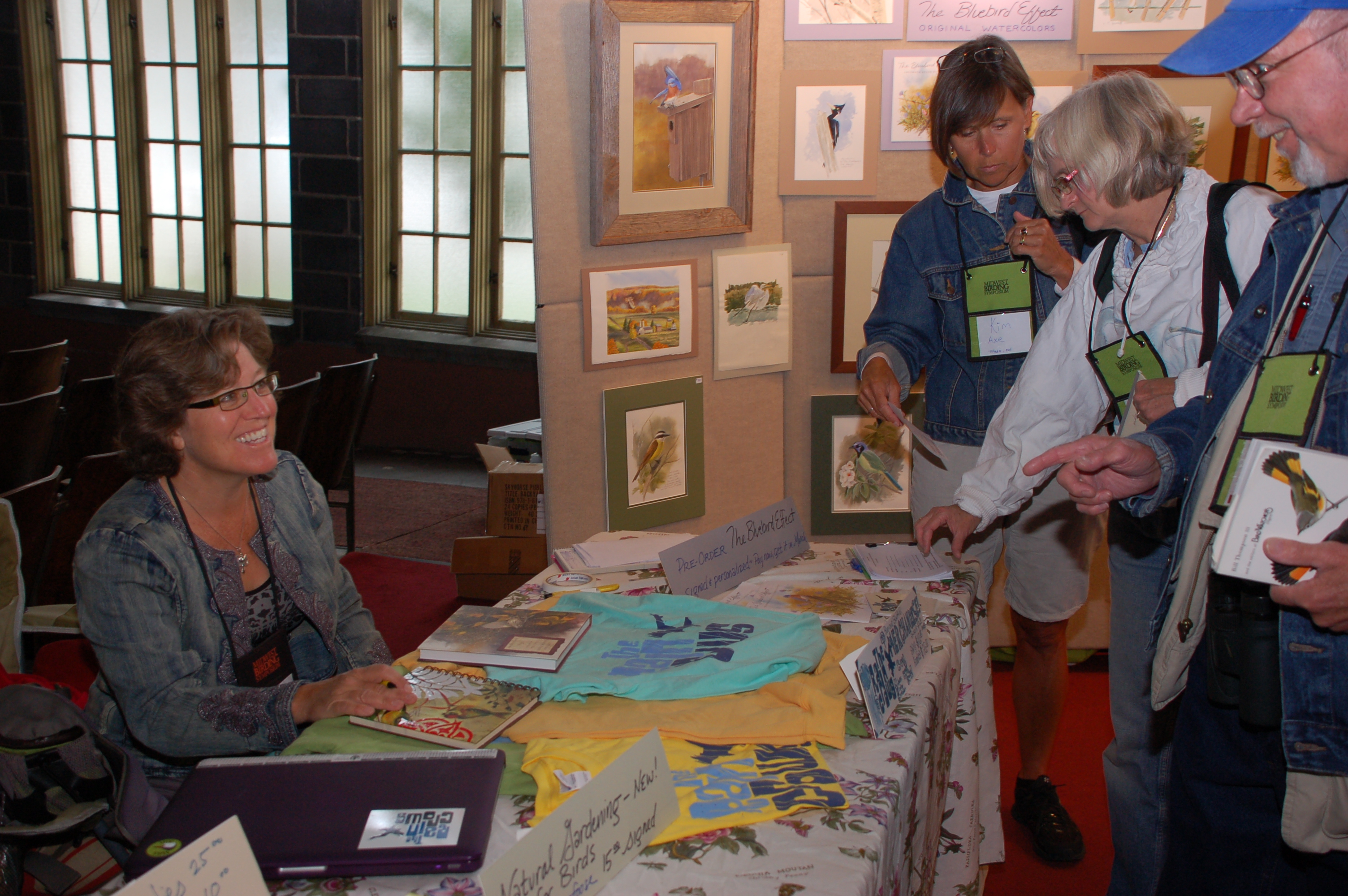
Good for him. Through it all, Greg has remained Greg. He has not lost the sense of whom he is nor how he got to be where he is. That alone speaks volumes of just how nice a guy Greg Miller really is. Author and illustrator Julie Zickefoose greeted some of her admirers at the Midwest Birding Symposium at Lakeside, Ohio in September.
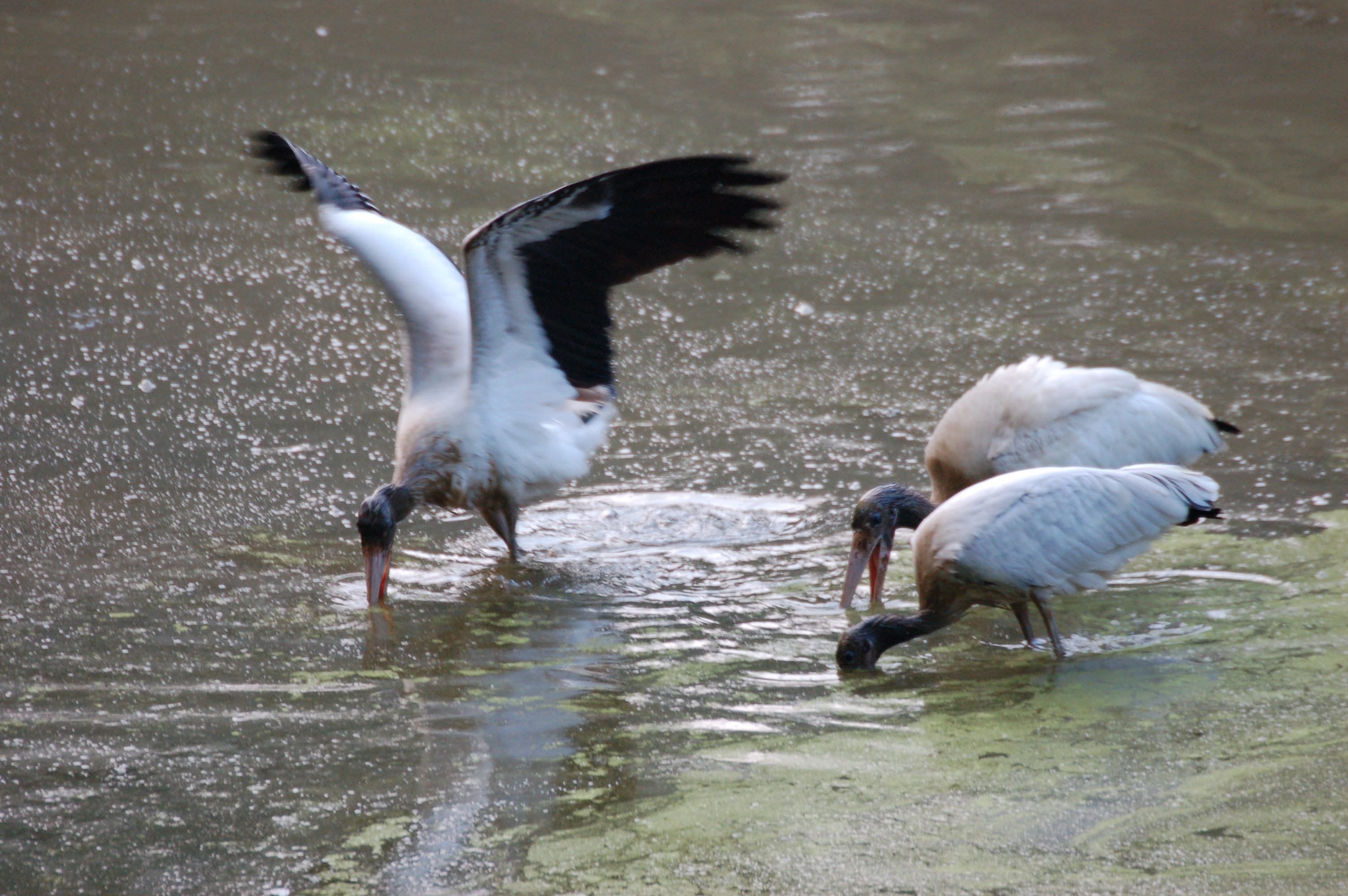
These Wood Storks appeared in a marshy area in Coshocton Co., Ohio in August 2008. They normally are coastal birds in the southern U.S. By Bruce Stambaugh
More often than not, birders take it on the chin just for being birders. Compared to football, American or Australian, it’s not exactly a contact sport, at least in the physical sense.
Birding is, however, very popular worldwide. That might be because of the many amenities that bird watching affords, and those that it avoids, like unnecessary roughness.
Why is birding so universal? Let me count the ways.
Birding is fun. Birding can be enjoyed by all ages. Birding doesn’t require a lot of expensive equipment, though you can spend big bucks if you so choose. Birding can be free. The birds come to you. The owners of this camper probably didn't expect to get this friendly with these Black Vultures.
Birding can be enjoyed year round. Birding is an inclusive activity. Birding can be enjoyed by persons of any age. In fact, it is not uncommon to find entire families enjoying the sport together.
Birding is addictive, turning that usually negative word on its head. Once you learn a little about birds, you intuitively want to know more.
Birding is interactive. Birds get to know you. You get to know the birds. I had the luxuary of observing this pair of young Green Herons from my back porch.
Birding can be done anytime anyplace, hiking, biking, sitting, traveling, on the beach, in the woods, on vacation, or while at work. All are good times to “bird.”
Birding not only introduces you to new species. You make new friends while enjoying an outing, too.
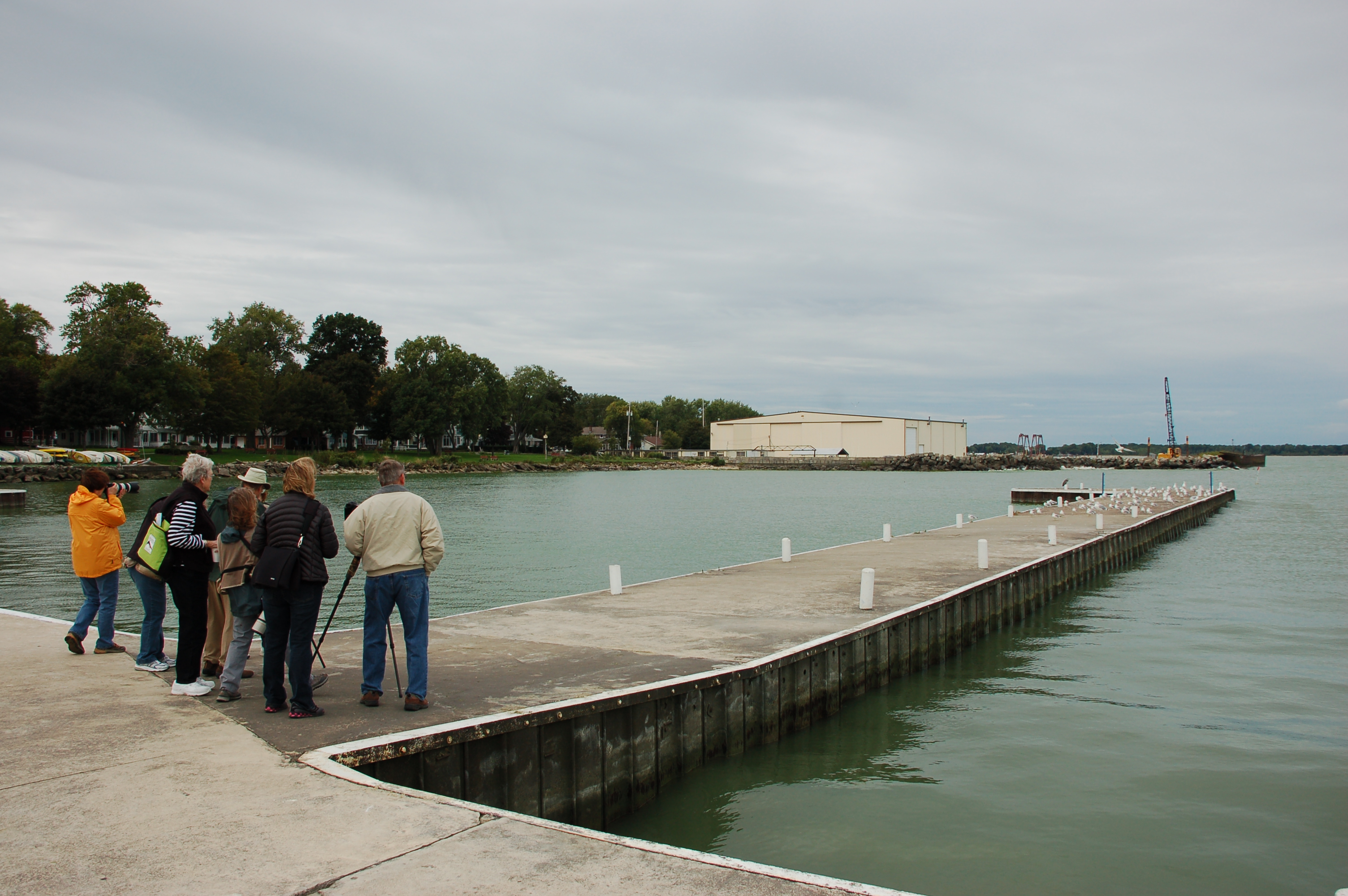
Birding is both personal and interpersonal. You make your own sightings, but immediately share the information with other birders to verify the identification. Others do the same for you. Birding it is both a sociable and a social sport. It is a whole lot more fun done with others than alone. Birding is a social sport, best enjoyed in the company of other birders, whether novice or experts.
Believe it or not, birding can and does get competitive, but in a good way. Many birders compile a life list, an accounting of all the bird species they have ever seen, which includes when and where.
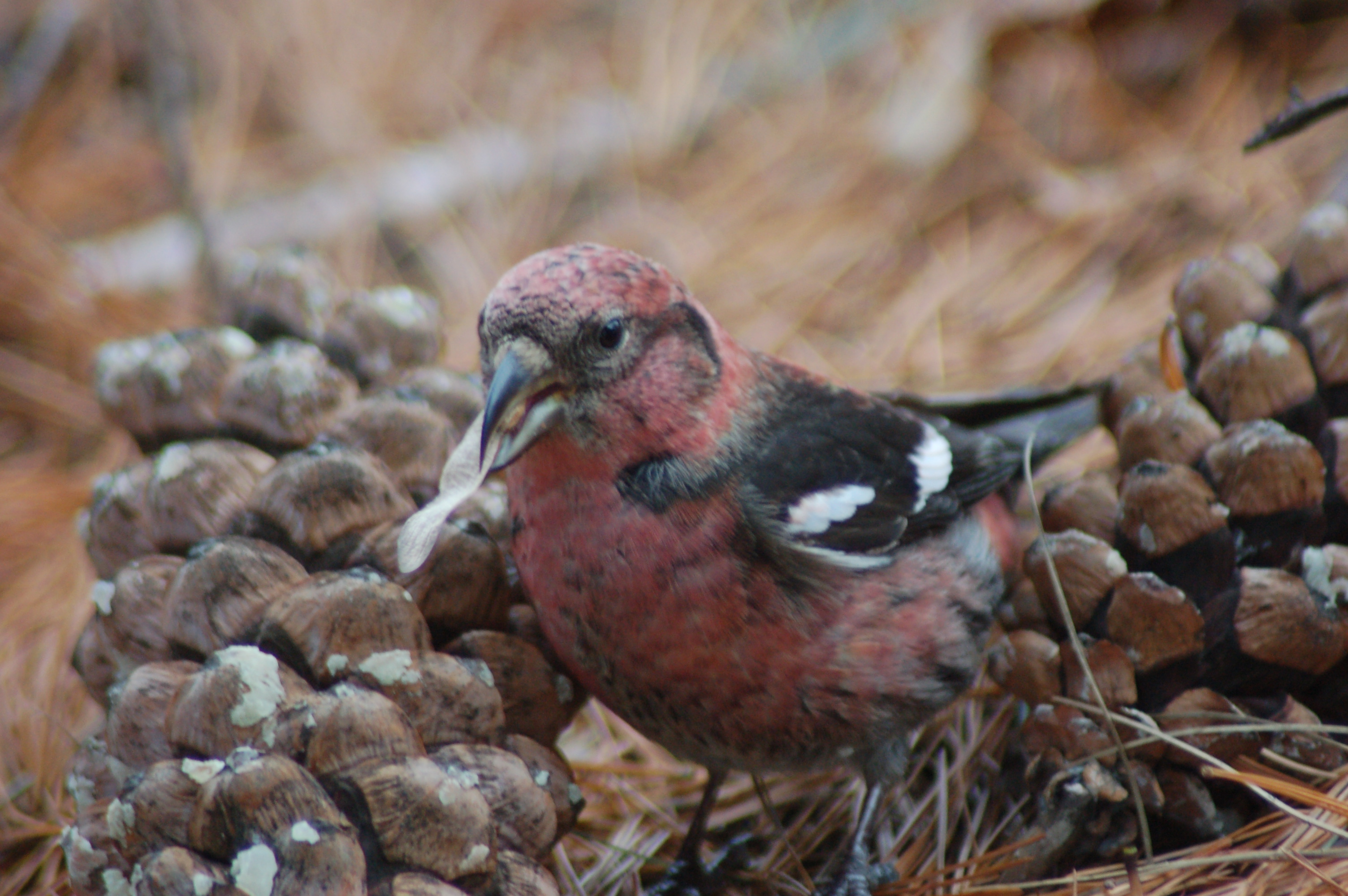
When a rare bird is spotted, birders shun selfishness. They call other birders or have it posted on a bird alert website. Soon scores of birders show up hoping to see the rarity for themselves. A flock of White-winged Crossbills spent a few days in the Holmes Co., Ohio area in March 2009. They migrated from pine grove to pine grove, including the one in my own backyard.
When a quartet of Wood Storks, birds usually found in Florida, appeared in Coshocton Co., Ohio awhile back, someone asked me if I had seen them. I hadn’t. They gladly gave me directions and I was ready to go. But I didn’t go alone. I filled my van with other birders, three generations who wanted to see the storks, too.
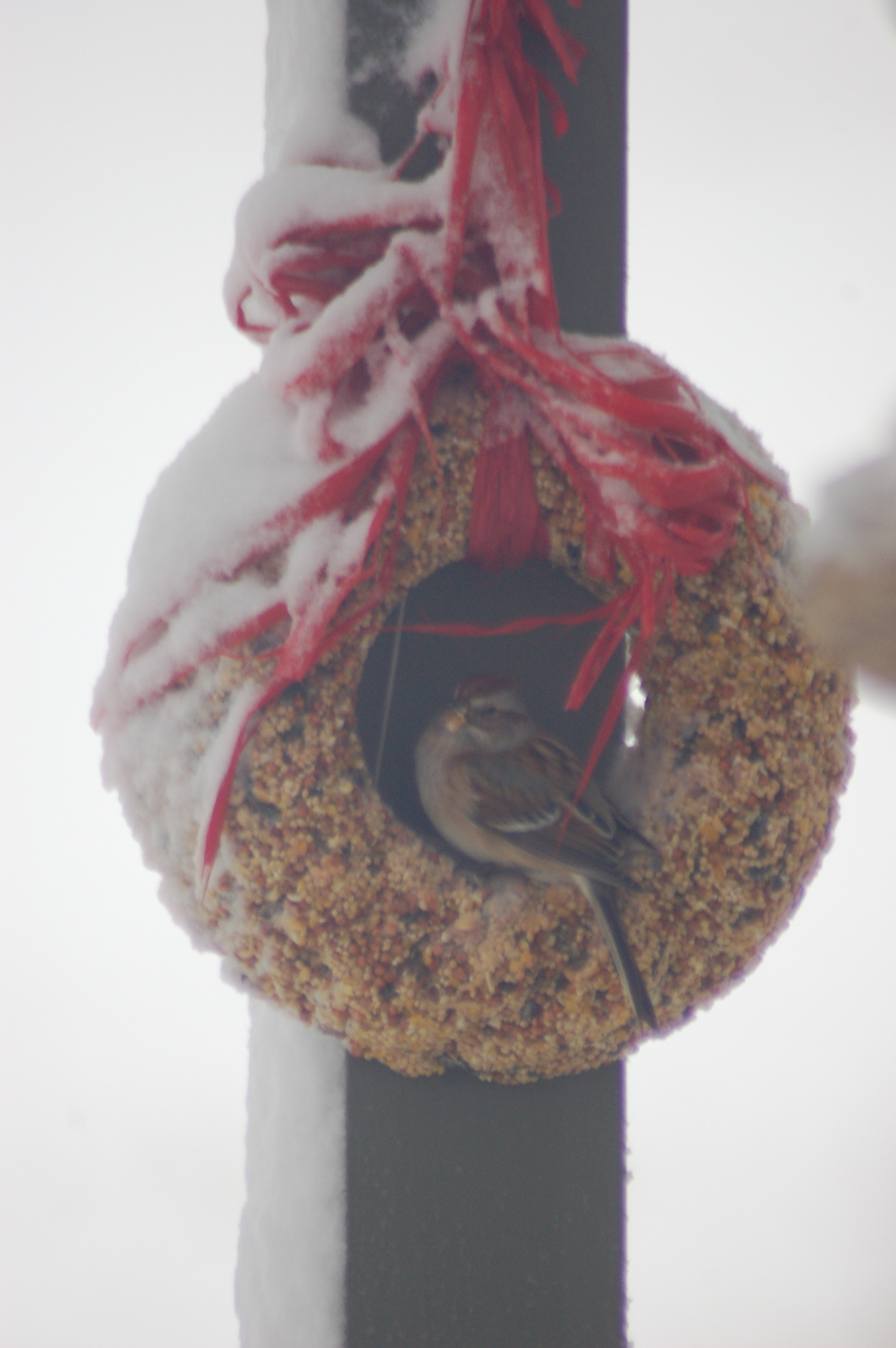
Birding leads to hospitality. You welcome birds by feeding them. You greet and meet other birders if you have a rare bird arrive, even having them sign their names and where they are from. That’s just common etiquette among birders. This Tree Sparrow found the perfect refuge from a harsh winter's storm.
Birding invigorates your senses. The range of songs and calls of birds are often heard before the birds are seen. The amazing array of bird plumage dazzles the imagination.
Birders are polite and follow directions. Hundreds of birders from 37 states and 10 countries attended the Midwest Birding Symposium recently in Lakeside, Ohio. A Lakeside resident was impressed that the birders actually stopped for stop signs.
Birders are clean and emphasize being green, preferring reusable water bottles to disposable plastic ones. Birders are nice to others and the environment.
Birders are teachers. They are happy to share what they know and see. This vanity plate leaves no doubt about the hobby of this driver.
Ornithology is the scientific study of birds. Given all their positive characteristics, the study of birders could be labeled “civility.” Birders clearly are their own special flock.
Large vegetable gardens like this one are everpresent in Ohio's Amish country.
By Bruce Stambaugh
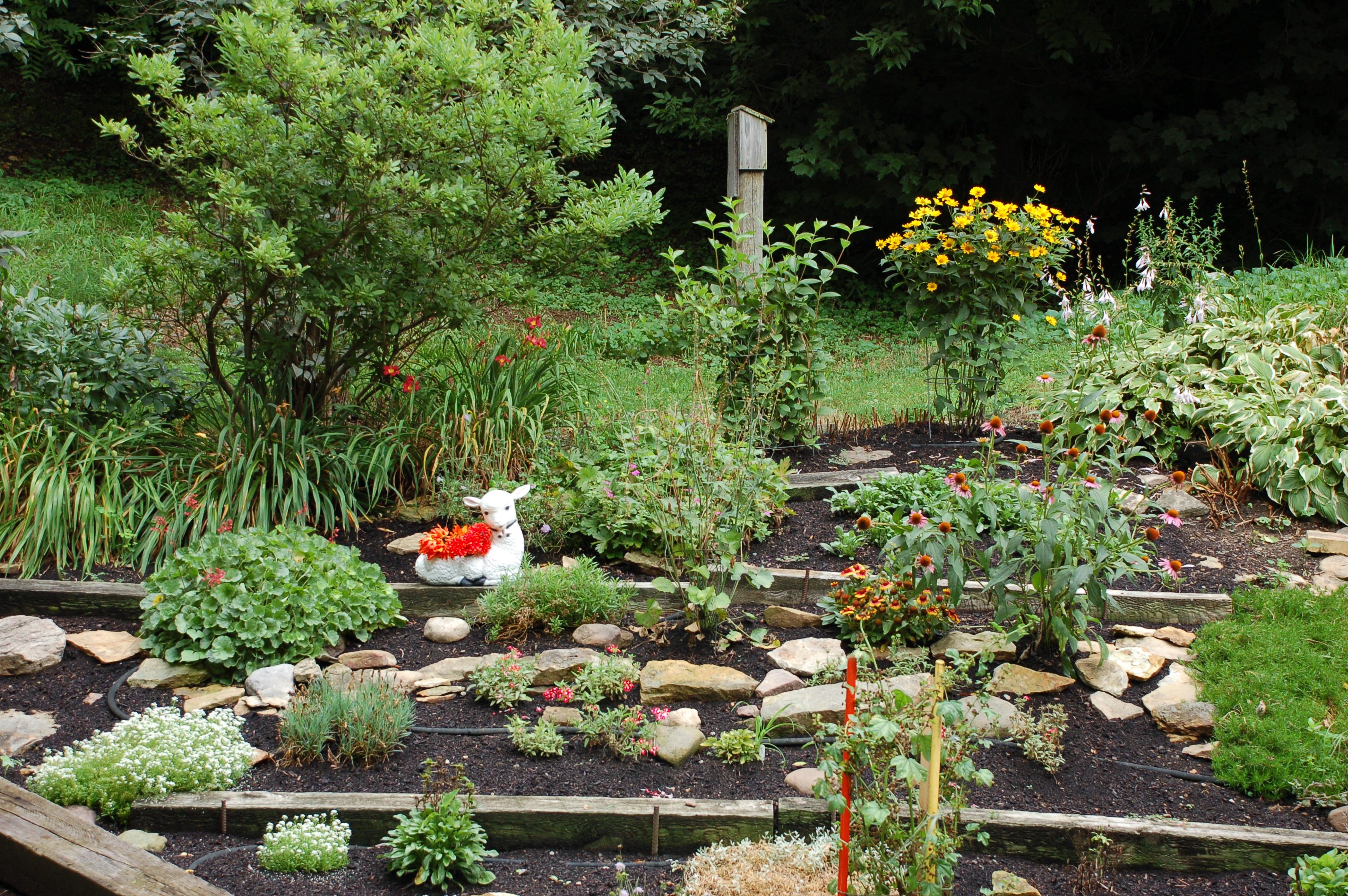
Creative rock sculptures mirror the Hollyhocks in a Lakeside, Ohio garden.
I’ll make my confession right up front. I am not the most authoritative person to write about gardening.
Still, I like to think that I am observant enough to recognize a good garden when I see one. Whether vegetable, rock or flower, all gardens require much manual effort to keep them manicured and productive.
Growing up in the suburbs of a northeast Ohio blue-collar city, our father loved to garden. He saw it as a way to be out in the fresh air and to simultaneously save money by growing our own food. With five children, it was the practical thing to do. For efficiency’s sake, he recruited his offspring to help cultivate, plant, nurture and reap the garden harvest.
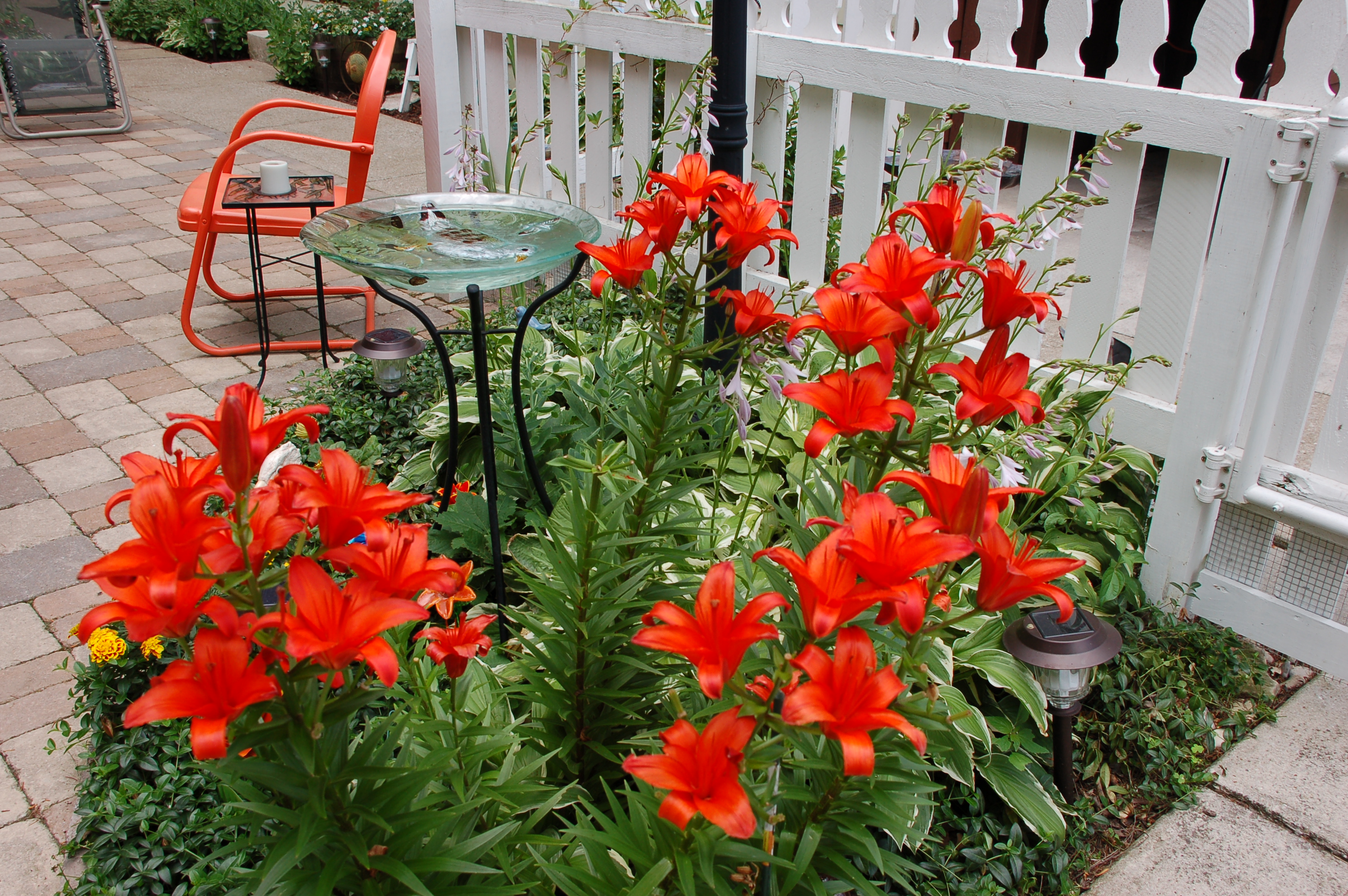
Rock gardens add esthetics to any property.These lilies would brighten any yard.
Our lovely mother would prepare in season feasts that included sweet corn, new potatoes, green beans, cucumbers and beets. She also canned and froze food for the cold winter months ahead. If we had had a bumper crop, we would set up shop in a busy business parking lot and sell sweet corn out of the car’s trunk.
Mom also propagated lovely flower gardens around the parameters of our small piece of suburban property. Mom used her artistic eye with the floral color selection to nicely accent the cherry red brick exterior of our post-war bungalow.
Home canning is back in vogue in rural, suburban and urban settings.
Those pleasant memories returned with the current onslaught of the harvest season in gardens all across the country. Television shows, newspaper stories, Internet blogs and even high-end glossy magazines feature how to properly prepare and preserve your garden gleanings.
Having a plot of garden is almost assumed when you live in one of Ohio’s richest agricultural counties. Don’t be fooled though. Contrary to what some might think, gardening is not confined to rural areas. People garden in suburbs and cities, too.
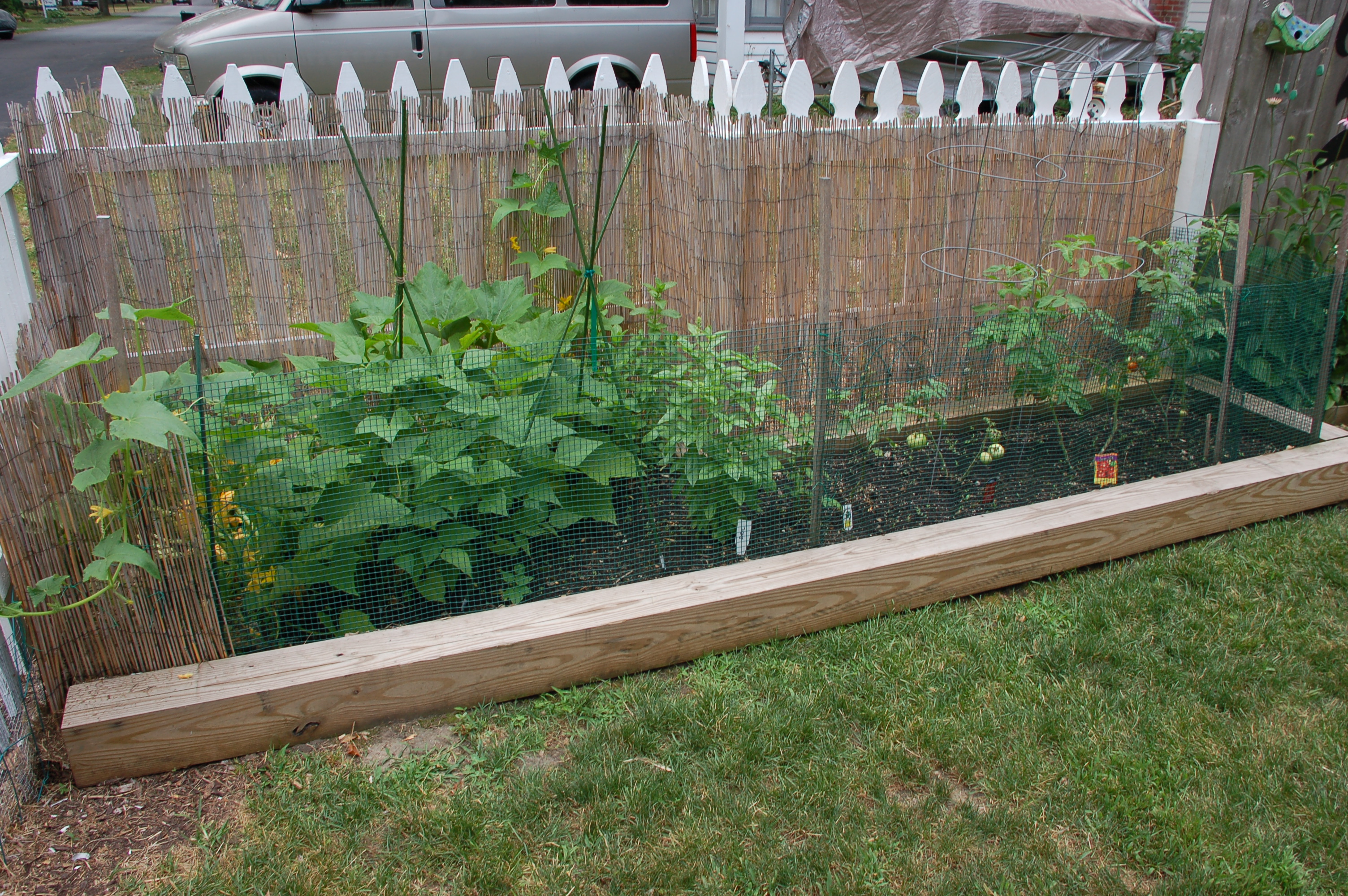
Even small backyard plot provides fresh herbs and vegetables.
With the advent of the organic, all natural craze, and the tough economy, gardening appears to have made a universal comeback. Whether you have an acre or simply a few pots of herbs sitting on an apartment balcony, gardening is good.
Caring for tender plants, watering them, protecting them from weather’s extremes and pesky insects is worthwhile work with tasty rewards. I see it as a way to get us back to our roots, reconnected to the soil from which and on which all life depends.
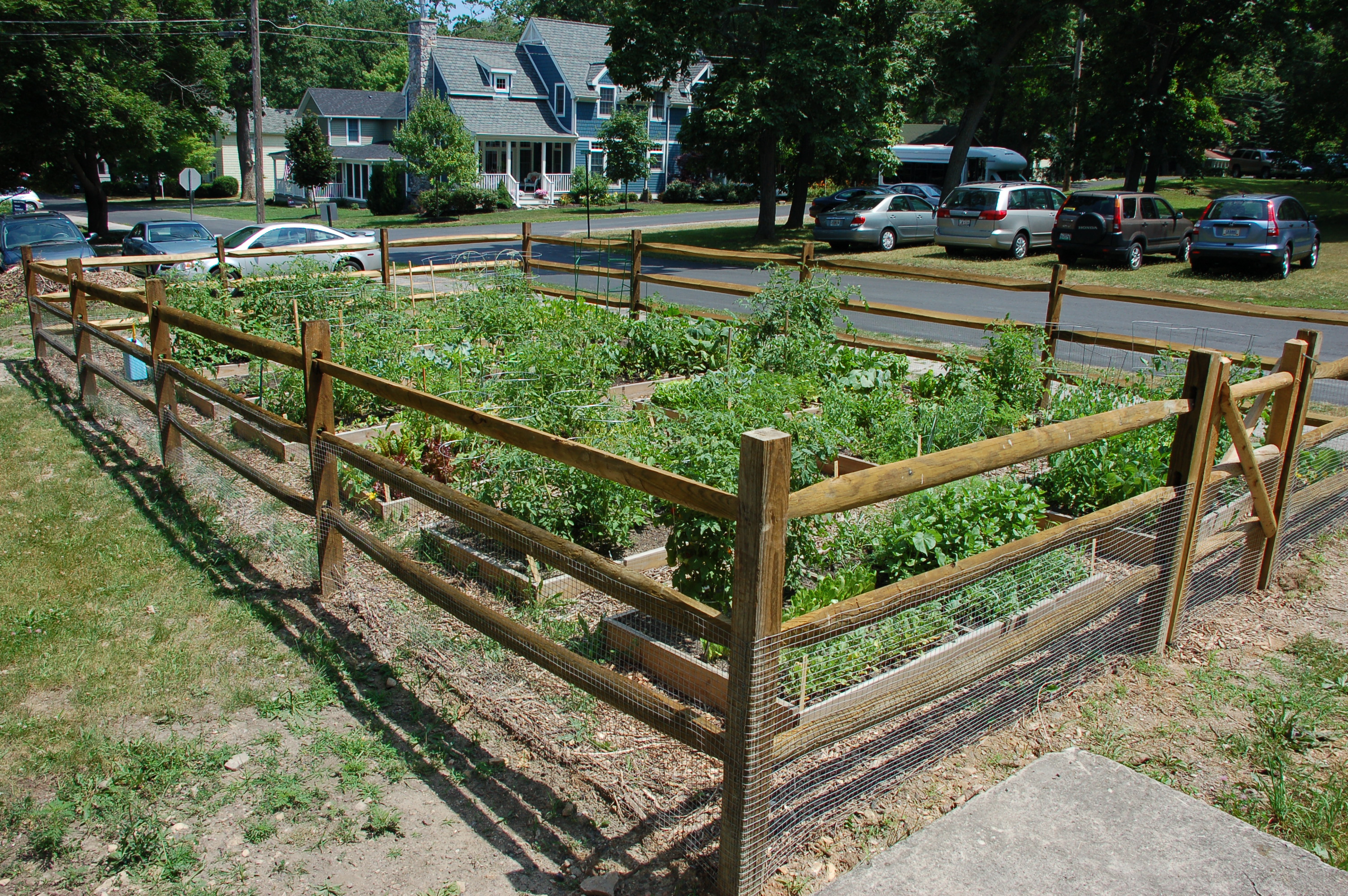
A community garden in Lakeside, Ohio.
If we are mindful, we will recognize that gardening provides a solid base that can lead to other returns as well. Cooperative gardens, sponsored by both church and civic organizations, have sprung up across the country. Besides those who garden, the abundant produce often helps the less fortunate, the homeless and the needy.
An acquaintance told me how his parents would load up their battered family pickup with the excess of their giant two-acre garden, head into town and end up on the wrong side of the tracks. There they would park the truck and hand out the fresh, healthy produce to whomever needed it.
They repeated the routine throughout the growing season. The thankful recipients were so moved by the family’s generosity that they offered to help plant and maintain the garden the next growing season. Their grateful offer was accepted, and new trust and friendships were born.
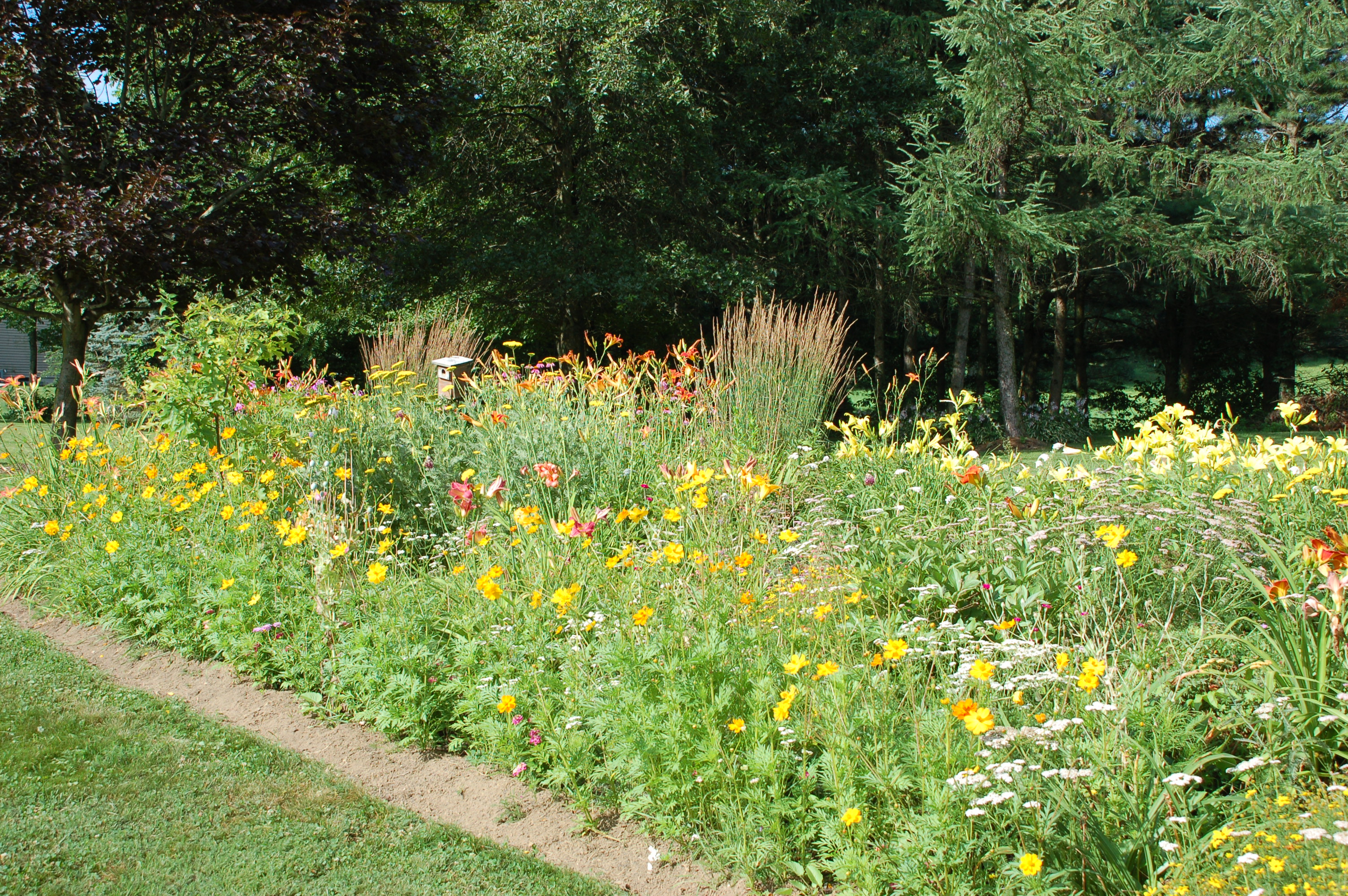
If properly planned and planted, flower gardens can brighten a property throughout the growing season.
Gardens connect us to the soil that yields our sustenance. If we are proactive, they also open our lives to much more than delicious food. Gardening doesn’t get any more satisfying and splendid than gathering two crops from one planting.




























 Roadkill Crossing
You must be logged in to post a comment.