Spring’s arrival doesn’t guarantee spring weather

Amish buggy, first day of spring
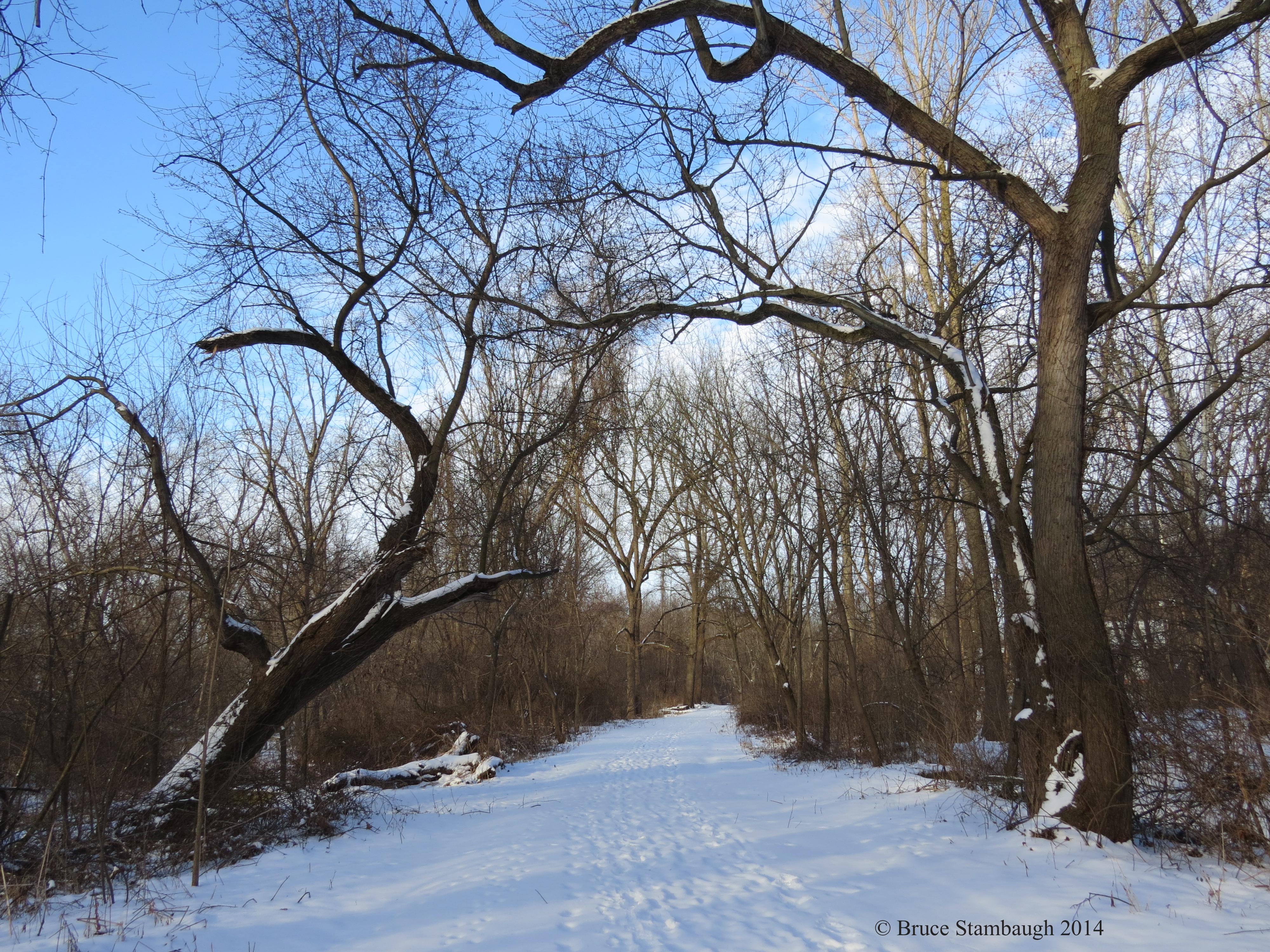
First day of Spring 2014. © Bruce Stambaugh

By Bruce Stambaugh

Spring has arrived, finally. Didn’t we say the same thing last year at this time?

A year ago after a long, cold, snowy winter, we looked forward to spring’s promise. It was long in coming.

Well, here we are a year later, virtually in the same situation. We’ve endured an even more brutal winter with record-breaking extreme temperatures, dangerous wind chills, and snowstorm after snowstorm.

East of the Mississippi River, it was a winter of biblical proportions. Where three or more gathered, complaints, exasperations, and unmentionable utterances about the lousy weather could be heard far and wide, even in church.
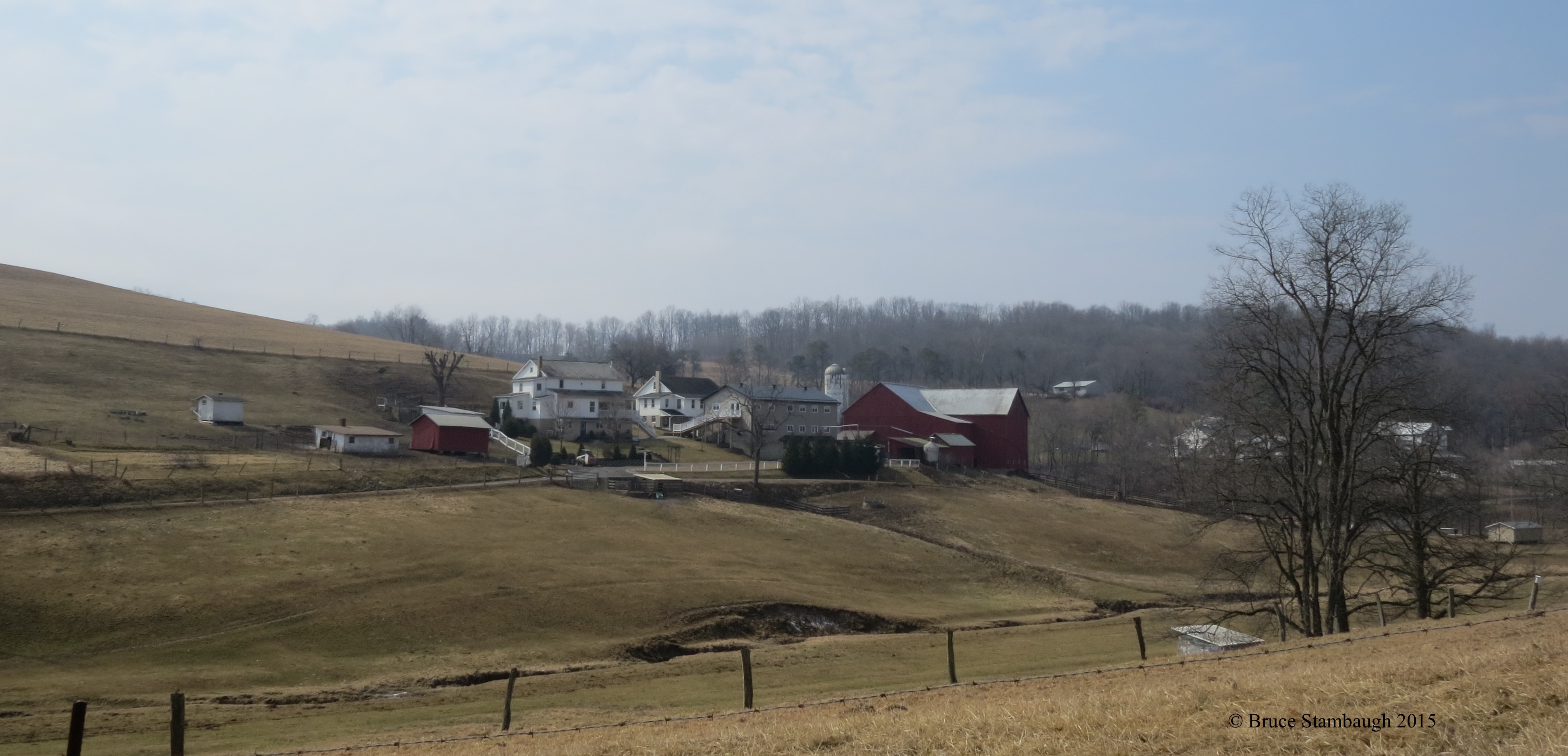
Amish farm, early spring
Waiting on spring. © Bruce Stambaugh 2015
Schools closed or delayed opening for a multitude of reasons a multitude of times. Local businesses suffered financially.

Even when it wasn’t snowing, the long string of gray days coupled with the dark, frigid ones weighed heavy on people’s spirits. It got so bad that rumors circulated in the statehouse that the all-knowing and all-seeing state legislature was ready to adopt a new motto for Ohio. “I can’t take it anymore” had its second committee reading when Old Man Winter’s grip finally loosened.

Thanks to the second consecutive polar vortex, snow, ice, cold and stinging winds affected folks not used to such stuff. Winter reached far into the southeastern United States.

Snowbirds got their feathers frosted a time or two. Wind chill advisories reached all the way to the southern tip of Florida. Even Key West wasn’t spared.
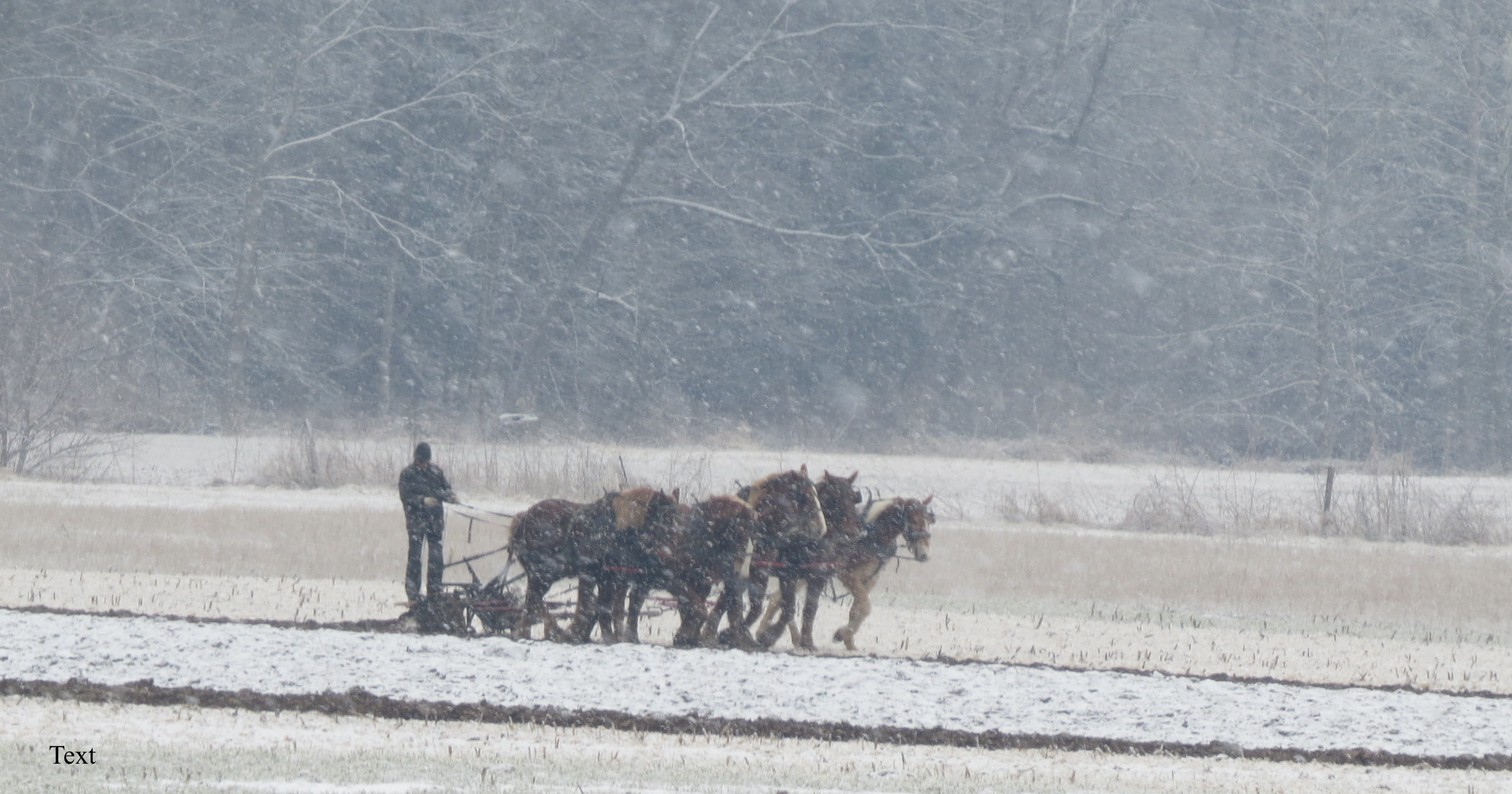
Amish farmer, plowing
Plowing the snow. © Bruce Stambaugh 2015
With the air temperature in the 40s and the winds blowing off of the ocean at gale force, it was cold. Floridians aren’t asking for or expecting any sympathy cards, however.

It is prudent to focus on the passing of the vernal equinox and hope upon hope that the spring weather of 2014 will not repeat this year. My farmer friends need no reminder.

Spring a year ago lasted as long as the frigid winter had. Fields were unapproachable, and crops couldn’t be planted on schedule, not even by horse drawn machinery.

The first cutting of hay for some farmers didn’t happen until early June. I think that was when the last of the snowplow glacial piles finally melted. That’s how cold and wet April and May were a year ago.
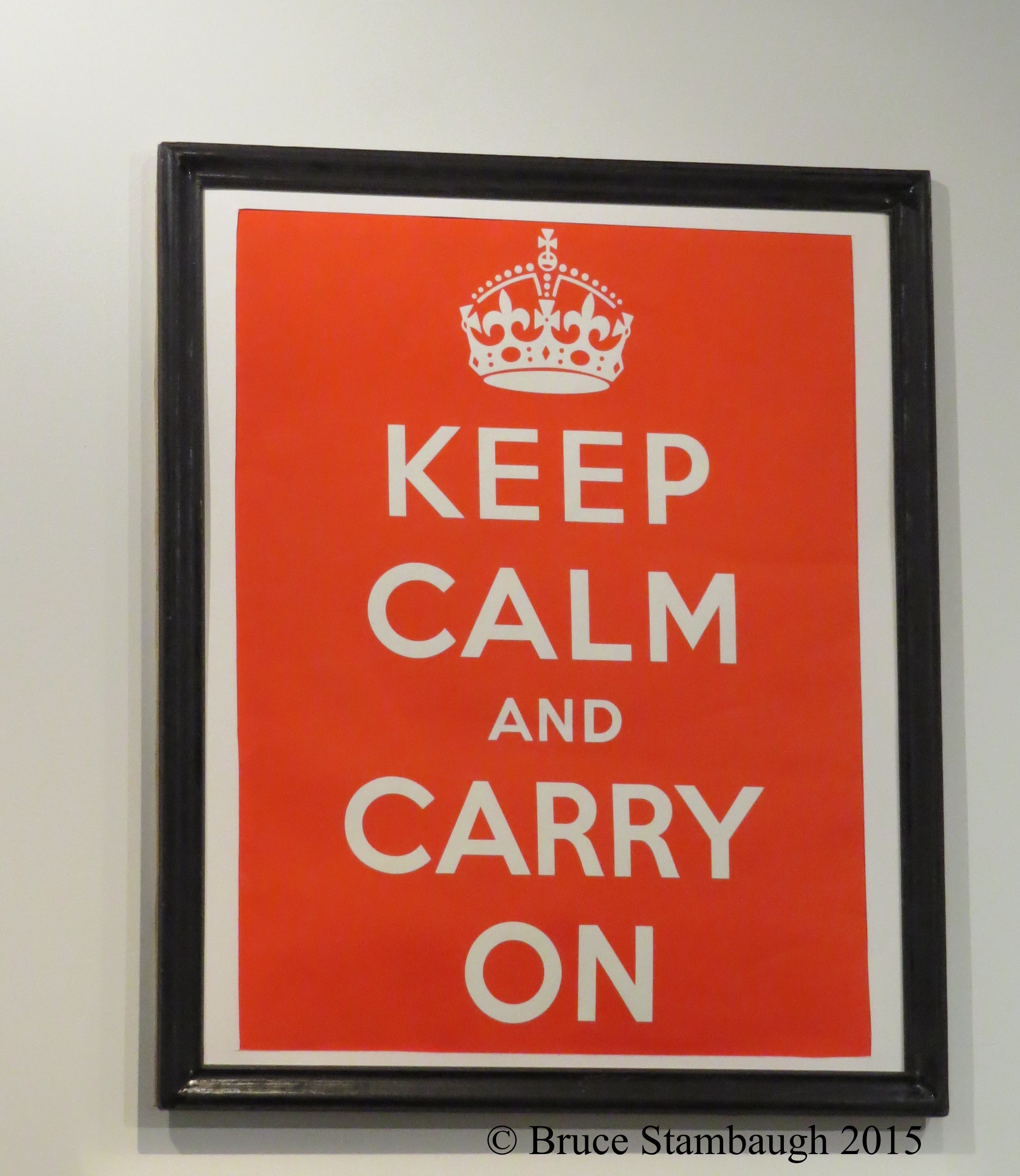
Keep calm sign
© Bruce Stambaugh 2015
Let’s hope that there is no replication of that weather pattern this year. Everywhere this winter’s weather pounded, good people are ready for a regular, normal springtime. Nobody can blame them.

It’s nice to see sunrises and sunsets straight east and west morning and evening. I’ll enjoy their slow inch north, and hope that clouds, precipitation, and cold fronts don’t weaken the sun’s warming influence.

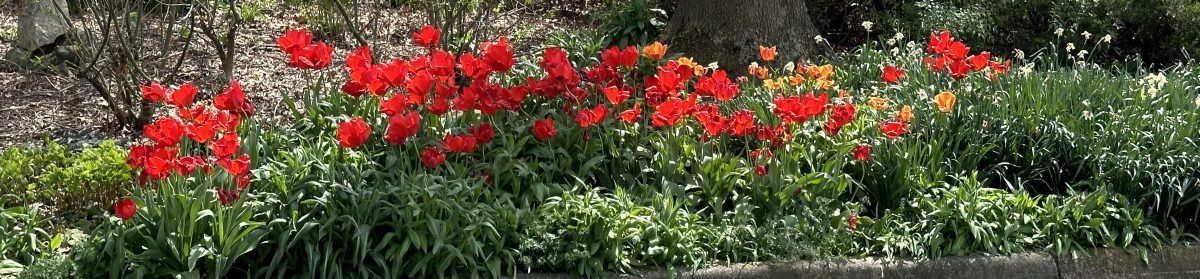
Spring will arrive. Forsythias and azaleas have already reached their peak where frost and ice briefly ruled in the south. Crocuses have already bloomed in southern Ohio. Our turn will come.
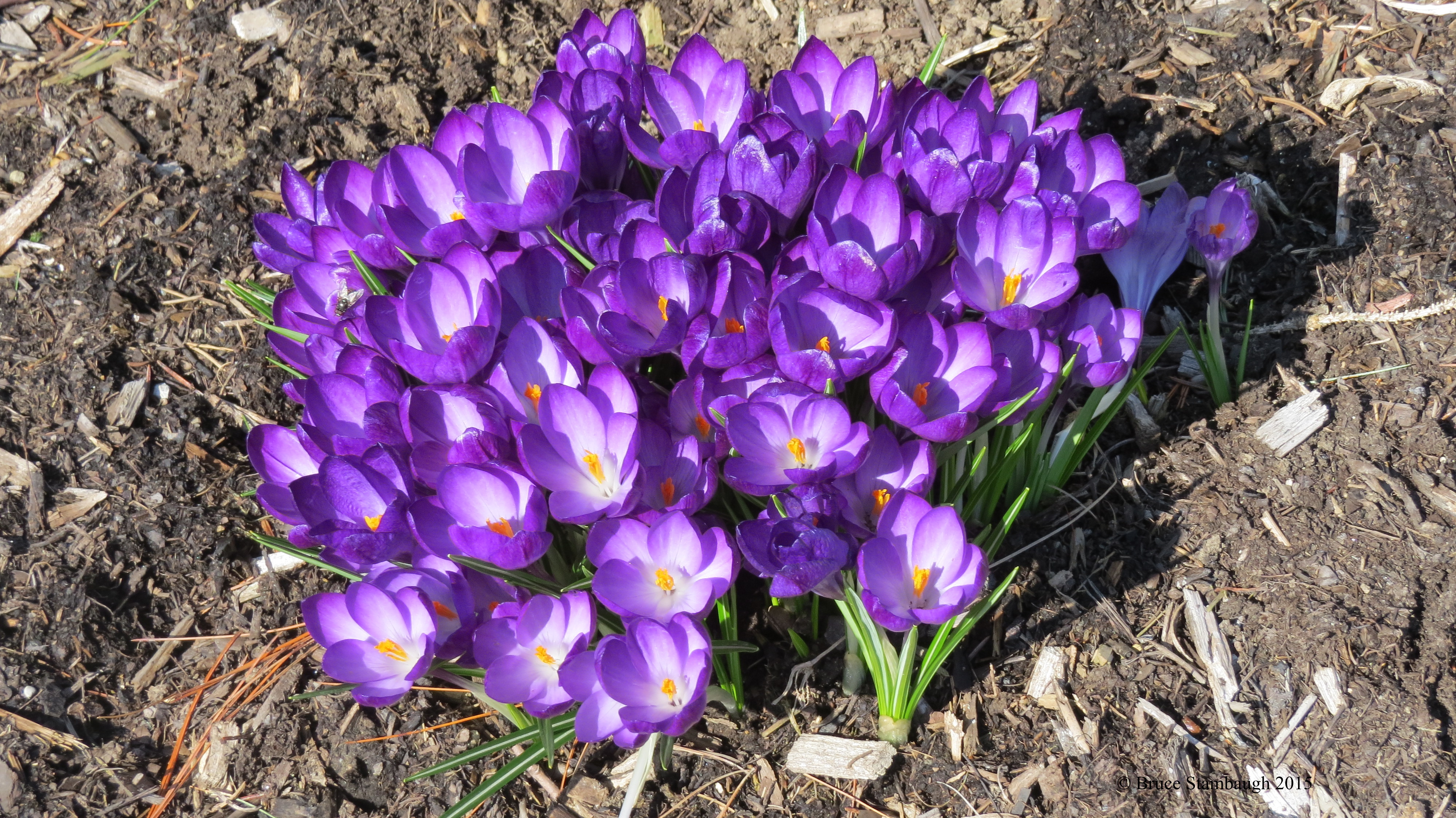
crocuses
Crocuses. © Bruce Stambaugh 2015
I’ll keep my excitement subdued when the buttery daffodils trumpet their glory. I have too many memories of enjoying their sunny spirit one day, and watching them droop from the weight of heavy, wet snow the next.

I hope that doesn’t happen again this year. I also hope that spring behaves itself and brings us the weather we should get.

I realize that severe thunderstorms, hail, lightning, tornadoes, frost and flooding are all part of that package. I also know that daylight will linger longer, and temperatures will gradually warm to near normal.

To get there, however, we’ll simply have to be patient and hope that fairer weather will prevail.
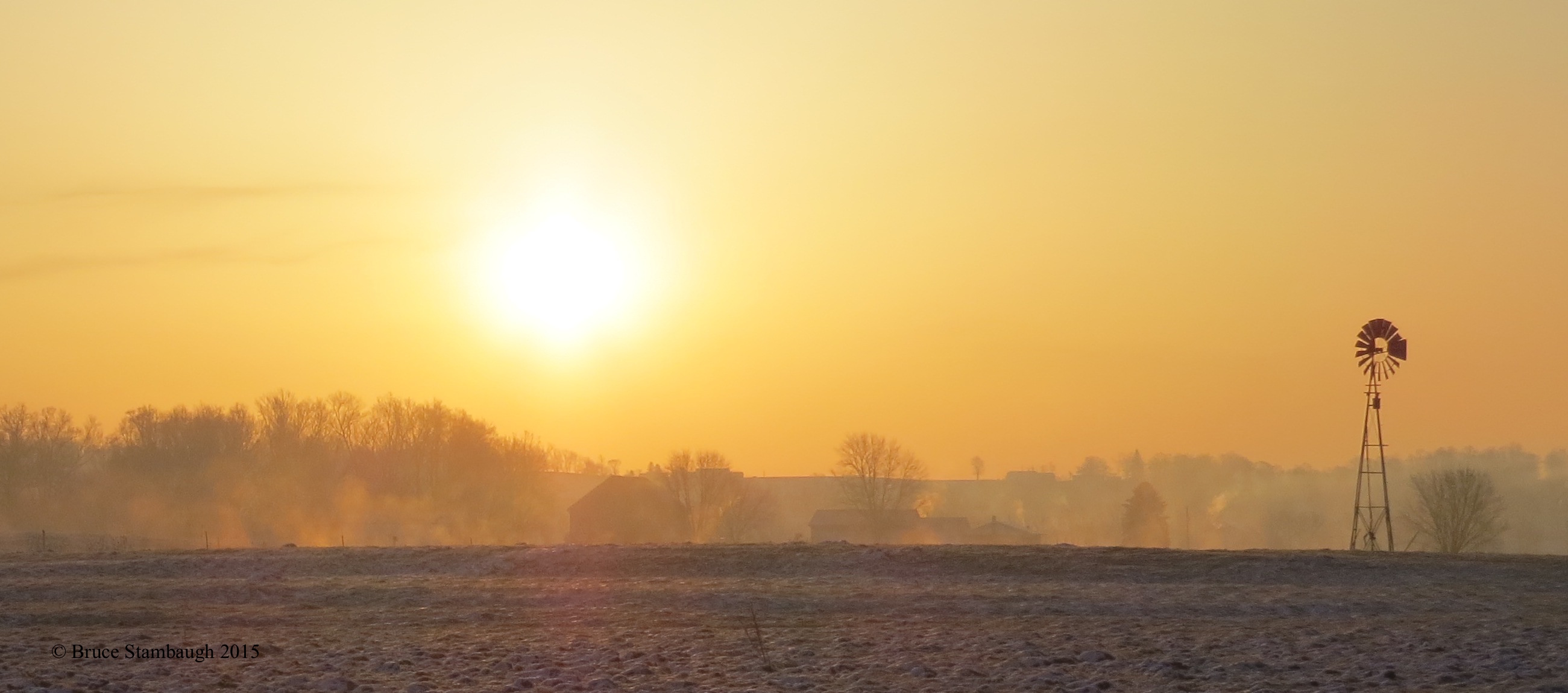
rural sunrise, foggy sunrise
Foggy sunrise. © Bruce Stambaugh 2015

© Bruce Stambaugh 2015

In words and deeds, a President humbly true to his faith

Jimmy Carter, Rosalynn Carter
With Jimmy and Rosalynn Carter. © Bruce Stambaugh 2015

By Bruce Stambaugh

Humility, service, love, family and faith are vital pillars of any stable community. My wife and I enthusiastically witnessed these highest of human qualities at a little Baptist church in Plains, Georgia.

We knew we wouldn’t be the only ones who would want to hear Jimmy Carter teach Sunday school. When the former president is scheduled to teach, the tiny congregation of 30 swells to 10 times that amount, sometimes more.

The good folks at Maranatha Baptist Church know what to do. They are ready for the ensuing onslaught. So are the authorities.

When we arrived at 8:30 a.m. at the modest church that damp, gray Sunday morning, a police dog checked every vehicle entering the property for bombs. Though we were plenty early, a line of people already stretched from the front door, down the cement sidewalk to the parking lot.

By now, former President Carter has developed quite the reputation as a teacher, humanitarian, and world-renowned peacemaker. At age 90, he and his equally gracious wife, Rosalynn, are still putting their faith into action.

Noble Peace Prize, Jimmy Carter
Jimmy Carter’s Nobel Peace Prize medal. © Bruce Stambaugh 2015

My wife and I joined the queue to enter the red brick building. A stern looking woman popped onto the church’s front porch to announce the procedures for entering. She spoke loudly and resolutely so everyone could plainly hear the specific instructions to make everything go as smoothly as possible.

Secret Service agents greeted us inside the door. We emptied our pockets onto a table and removed our coats. Another officer checked everyone with a wand for any suspicious objects.

We sat in a pew about two-thirds of the way back from the pulpit. Promptly at 9 a.m., the same drill sergeant like lady walked to the front of the church and introduced herself as “Miss Jan.”

Miss Jan spent the next 45 minutes kindly but firmly going over all the rules of conduct. Included were not standing or clapping for the president and no photography during the class or worship. We could take pictures during Jimmy’s brief introduction.

Miss Jan continued, “If you want your picture taken with the President and First Lady you must stay for both the Sunday school and the worship.”

After a brief break, Miss Jan, who had taught the Carter’s daughter, Amy, in elementary school, had us all bow our heads for a prayer. When she said, “Amen,” Jimmy Carter surprised the congregation when he rose and began addressing the crowd. He and his Secret Service guards had quietly sneaked in during the prayer. We hung on his every word.

Miss Jan kept watch over the assembled. She occasionally hugged or bent down to shake the hand of a Secret Service agent, as if she were welcoming them back to a family gathering. The affection they shared was for more than themselves. Their common assignment of protecting the president they loved and admired expressed their uniform devotion.

Jimmy Carter, Sunday school
Jimmy Carter was making a point during the introduction section of the class. © Bruce Stambaugh 2015

The topic was loving God and your neighbor. Jimmy humbly shared how organizations he supports, like the Lions Club, Habitat for Humanity, and The Carter Center in Atlanta, help him put this charitable concept into global deeds for peace and human rights.

Jimmy used the word “humble” several times, pronouncing it the old-fashioned way, without the beginning “H” sound. It modeled his southern, gentlemanly hospitable manner.

After the service, Miss Jan resumed command, dismissing us by rows to have our pictures taken with Jimmy and Rosalynn. When she came to our row, I told her she must have been an excellent teacher. Miss Jan winked, smiled, and quietly thanked me.

Miss Jan had instructed us not to either shake hands with the Carters or to talk to them so that everyone could get through the process as quickly and efficiently as possible. When the lady taking the photo with my camera clicked the shutter, Rosalynn whispered to Neva that the flash hadn’t gone off.

That was so thoughtful of her. The picture was fine, just like Jimmy and Rosalyn Carter, and Miss Jan, too.

The communion cup of love, faith, family, humility, and service generously overflowed in Plains, Georgia. We were grateful to have been partaken.

Jimmy Carter quote, Bruce Stambaugh
A quote from Jimmy Carter’s inauguration. © Bruce Stambaugh 2015

© Bruce Stambaugh 2015

This baby boomer is aging gracefully or not

fishing, baby boomers, retirement
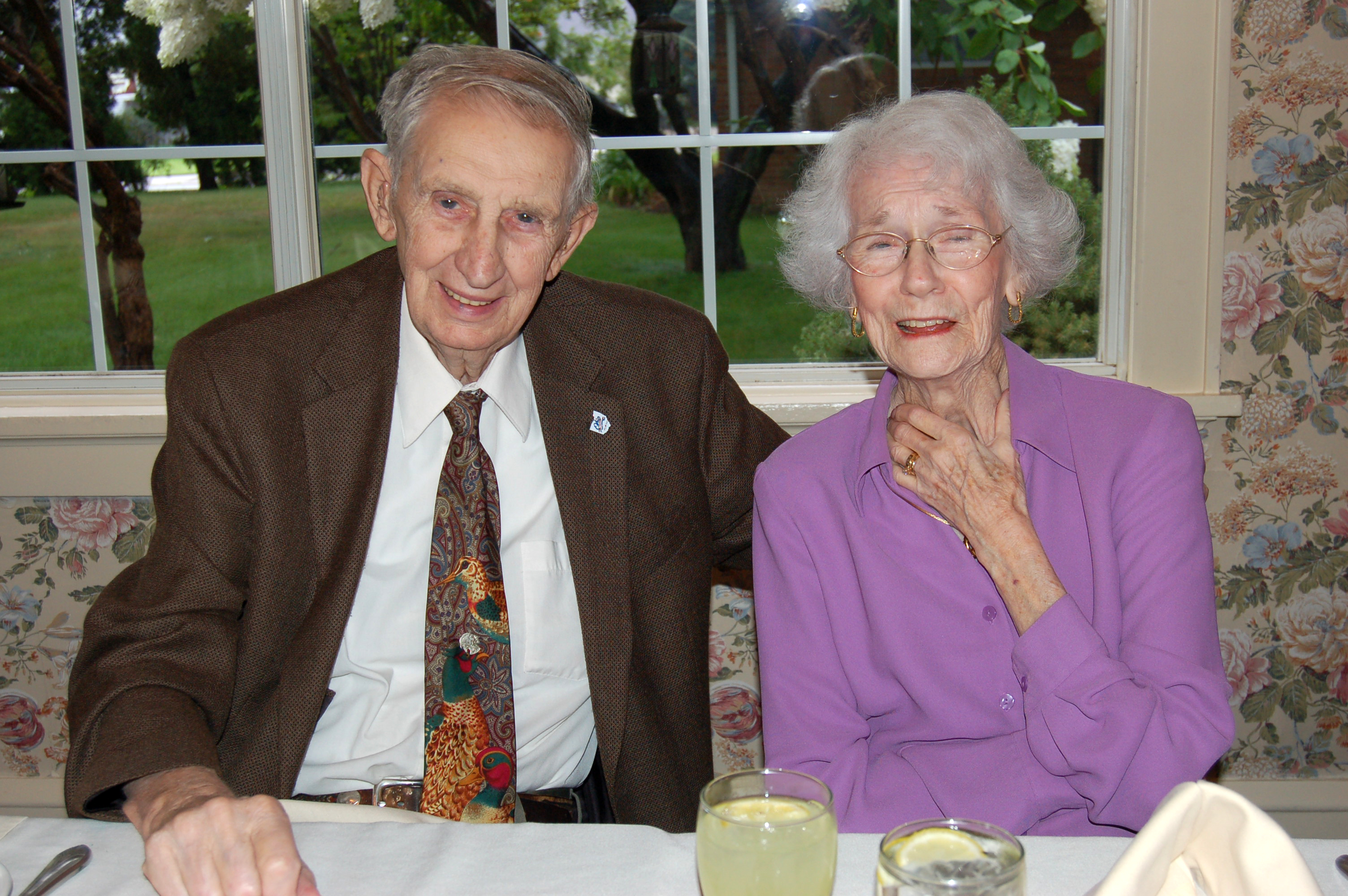
Baby boomers like this couple can relax with hobbies like fishing, if they can get out of the chair to reel in their catch. © Bruce Stambaugh 2015
By Bruce Stambaugh

My wife and I and two other couples, all baby boomers, sat around the table playing dominoes. Besides the antics of the game, we laughed at the anecdotal stories we shared about our particular infirmities.

None in the group of six was sick. We just chuckled at our ailments brought on by our aging.

Beyond the stories of goofiness and crazy interactions, a common theme arose. Though we all agreed that we still thought young, clearly, we weren’t teenagers anymore. In fact, we were all grandparents.

While laughing at our gradual frailties, the game almost became secondary to our gathering. And yet, I felt a certain relief that it wasn’t just me that was feeling his age.

Keep in mind that those of us in the baby boomer generation had the reputation for thinking ourselves invincible, clutching college degrees and armed with an ironclad arrogance that we could somehow save the world. Now that I need help buttoning my shirts, I know that mindset was a bit over the top.

grandkids, creativity
It’s nice for some of us boomers to practice our creativeness with our grandchildren. © Bruce Stambaugh 2015
The lack of dexterity is probably my biggest frustration. I have the hardest time picking up small items from flat surfaces.

Fortunately, I have a very understanding wife who at least saves her chuckling about my dilemma until she is out of earshot. At my age, that isn’t too far.

My hearing seems to be fading fast, although I’ve had two different doctors check it with the same results. I’m right on the border of needing hearing aids.

I’m holding off with the purchase. Man that I am, I prefer to cup my hand up to my good ear to hear conversations. Besides, the hardest frequency for me to detect is that of my wife’s voice.

I’ve had bifocals for years now and get along just fine. My good optometrist ensures me that all is well physically with my eyes. I’m glad for that, as long as I can remember where I put my glasses.

pills, pillbox, medication
My pillbox. © Bruce Stambaugh 2015
Memory was probably the number one issue discussed around the game table that night. There was universal agreement that our recollections were slipping. We all confessed to walking from one room to another room to retrieve an item, only to forget what we were after once we got there. Misery loves company.

To help me keep track of what medications I have to take and when, I use something at which I recently scoffed. I fill a pillbox, four slots per day, with my medications. None of the spaces goes empty.

Filling my personal pharmaceutical dispenser has an ancillary benefit besides organizing my pills. Every time I restock the thing I realize another week has passed. It works better than a calendar.

The table talk revealed that I was fortunate compared to others. I usually have no problem sleeping. Other seniors wish they could, or require machines to keep them from inadvertently holding their breath at night.

Of course the evening I wrote this, I couldn’t sleep. See what I mean?

I won’t mention the gray hairs, or in my case, baldness that foretells our age. I only see the wrinkles and crows feet on the faces of others. Mine is smooth as a baby’s.

Officially defined as the years after retirement, the Golden Years usually begin at age 65. Now that I’ve crossed that demarcation, I feel a little tarnished.

I’ll age as gracefully as I can. After all, I need all the grace I can get.

kayak, sunset, Bruce Stambaugh
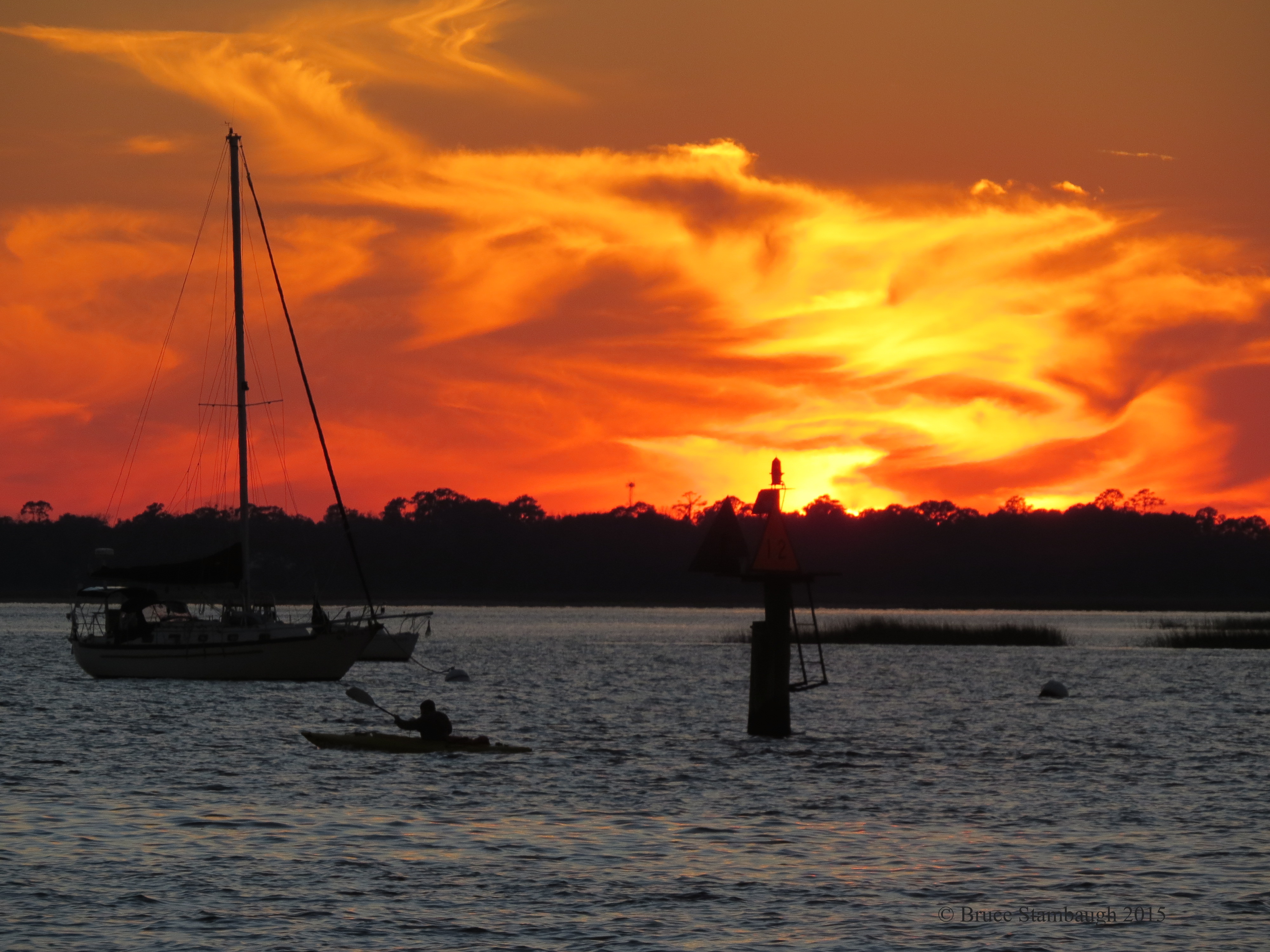
The sun is setting on the baby boomer generation as they paddle into retirement. © Bruce Stambaugh 2015

© Bruce Stambaugh 2015
Seaside musings help while away winter

breakfast on the beach
Snowbird breakfast. © Bruce Stambaugh 2015

By Bruce Stambaugh

A Bonaparte’s Gull landed in the salty water near where the grandfatherly gentleman stood focused on his seashell mission. The man didn’t notice the majestic bird still in its winter plumage. Instead, he gazed downward as the nearly calm ocean lapped at the shore.

Like so many other beachgoers, this human being searched for treasure. He pursued colorful shells, starfish, and shark’s teeth uncovered from their sandy hiding spots by the steadily moving waters.

The ocean glistened in the late morning sun, still not strong enough to fend off the cold north wind. That didn’t deter the gem hunters.

The joggers or walkers, often with a dog or two attached to leashes, also plied the sandy shoreline. The canines either forged ahead or got pulled along.

Click on photos to enlarge them.

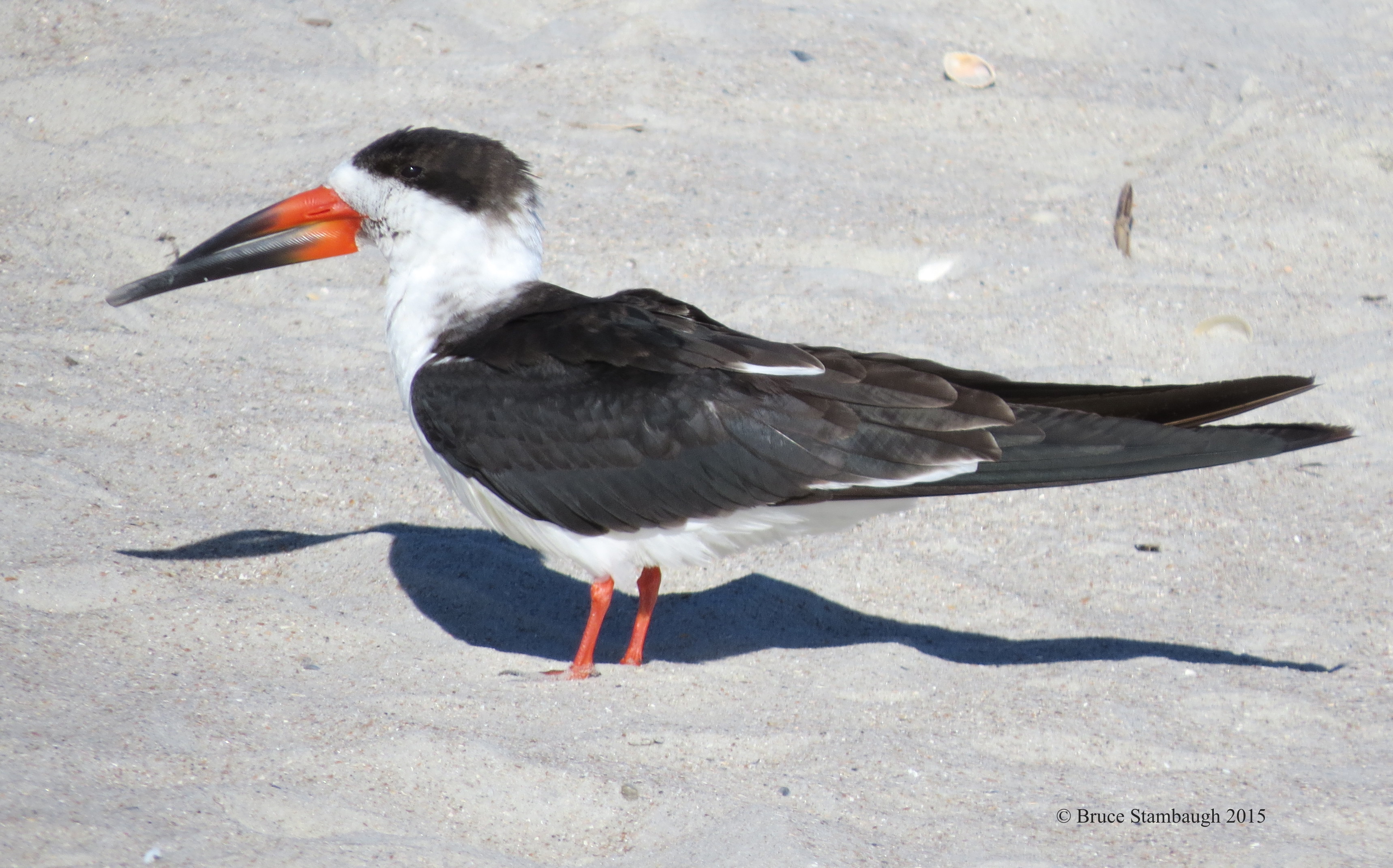
At sunrise, the Black Skimmers fed in their fashion, beaks skimming the water’s surface for seafood fare. Later they huddled on the warming sand, preening, resting, readying for their next expedition.

The magnificent Northern Gannets displayed a different approach. They flapped their long narrow wings, black tips contrasting sharply with the rest of their ivory feathers. The gannets sailed and circled. Once spotting their targets, they dived kamikaze-style into the ocean where they sat and swallowed their catch.

The Brown Pelicans mimicked the gannets in style but lacked the grace. The bulky birds sailed on the breeze until they spied their meal, then hurled themselves head first into the water. Their steam shovel-like bill had scooped in their prey before the birds righted themselves and downed the fish.

Trawlers trailed giant nets up and down the waters offshore snaring shrimp and fish. Scores of gulls, terns and gannets swirled madly behind the boat, hoping to catch any escaping seafood.

The ocean itself had split personalities. Sometimes tranquil, sometimes angry, the waters either licked or pounded at the shoreline depending on the ocean’s mood. If gale force winds accompanied high tide overnight, the gritty beach yielded.

What once was a gentle slope to the sea had had a makeover in the new moon darkness. The sunrise beachcombers had one, two or even three terraces to step down to the shore for their strolls.

Black Skimmer. © Bruce Stambaugh 2015
Helicopters shuttled to and fro from a nearby Naval base just the way a pair of Ospreys zipped and hovered above the beach. The main difference was the birds weren’t practicing. For the Ospreys, a successful hunt meant survival.

Tiny Sanderlings scampered along the shore, too. Probing for nutrition, they zigzagged along the foamy sea edge as it ebbed and flowed.

Youngsters tossed a few gulls bits of bread. It didn’t take long for the boys to wish they hadn’t.

Shore fishermen cast their lines far out into the water, letting their live bait attract the fish they sought to reel in. Until then, they stuck the handle of the rod into a sturdy holder secured in the sand and took a seat.

Others only wanted to warm themselves in February’s sun, using the backs of their beach chairs for windbreaks. They read or were content just to be.

When the waves occasionally called their names, locals dressed in wet suits carried surfboards, waded into the water, and paddled out for the perfect wave. When they got a good one, they rode it until the curl collapsed.

In dawn’s golden light, pods of dolphins coursed the waters for their breakfasts. Their bobbing dorsal fins foretold their way. They were mesmerizing to watch, a model of all activity along a winter’s beach.

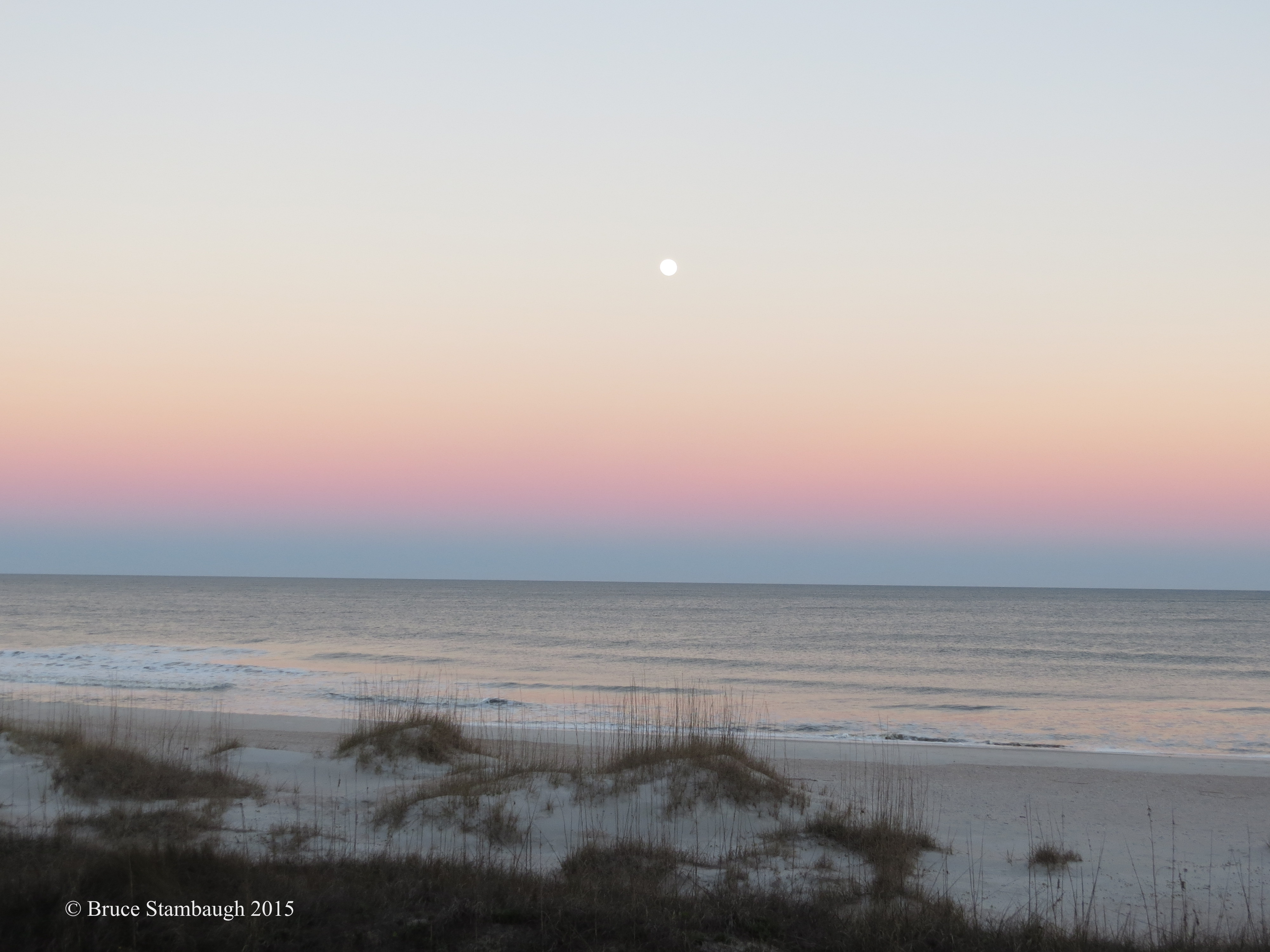
full moon, Belt of Venus, Atlantic Ocean
A full moon rises above the Belt of Venus on the eastern horizon of the Atlantic Ocean caused by the sunset on the western horizon. © Bruce Stambaugh 2015
© Bruce Stambaugh 2015

Any kind of weather suits me just fine

snowy woods, winter woods
Snowy woods. © Bruce Stambaugh 2015

By Bruce Stambaugh

I can’t exactly tell you when the weather bug hit me. All I know is that the weather just fascinates me.

Maybe it started when I was a youngster. A summer thunderstorm would force the neighborhood gang of kids onto our front porch. Rained out of our outdoor mischief, we passed the time oohing and ahhing at the vivid streaks of lightning dancing across the sky.

College invigorated my interests all the more. Geography courses answered questions I didn’t even know to ask. My weather appetite intensified.

After I had graduated, I took a teaching position at Killbuck Elementary School and joined the volunteer fire department after moving to the village in the valley. When I learned that the National Weather Service depended on first responders as severe weather spotters, I was elated. I took the required course to become a trained spotter. Doing so enabled me to combine two interests into one, firefighting and weather.

fall clouds, dappled clouds, dappled sky, cumulus clouds
Dappled sky. © Bruce Stambaugh 2015
Both my school days and my volunteer firefighting days ended years ago. However, my obsession with the weather continues.

I keep an eye on weather forecasts for good reasons. The lives of others might depend on it. In today’s electronically connected world, I get the word out about potential severe weather through posts on social media just in case a few people don’t hear about the impending storm.

I likely won’t ever outgrow the desire to watch the weather. When the National Weather Service posts a storm watch near where I happen to be, I go into proactive mode watching various radar and severe weather pages on the Internet.

Thanks to technology, a spotter’s approach to watching for severe weather has significantly changed over the decades. Instead of going to the highest hilltop with the best vantage point and viewing from a vehicle, I can stay in the safety of my home. There I track the storm on my computer and by watching out the windows for rotating clouds, hail, and any flooding I can see.

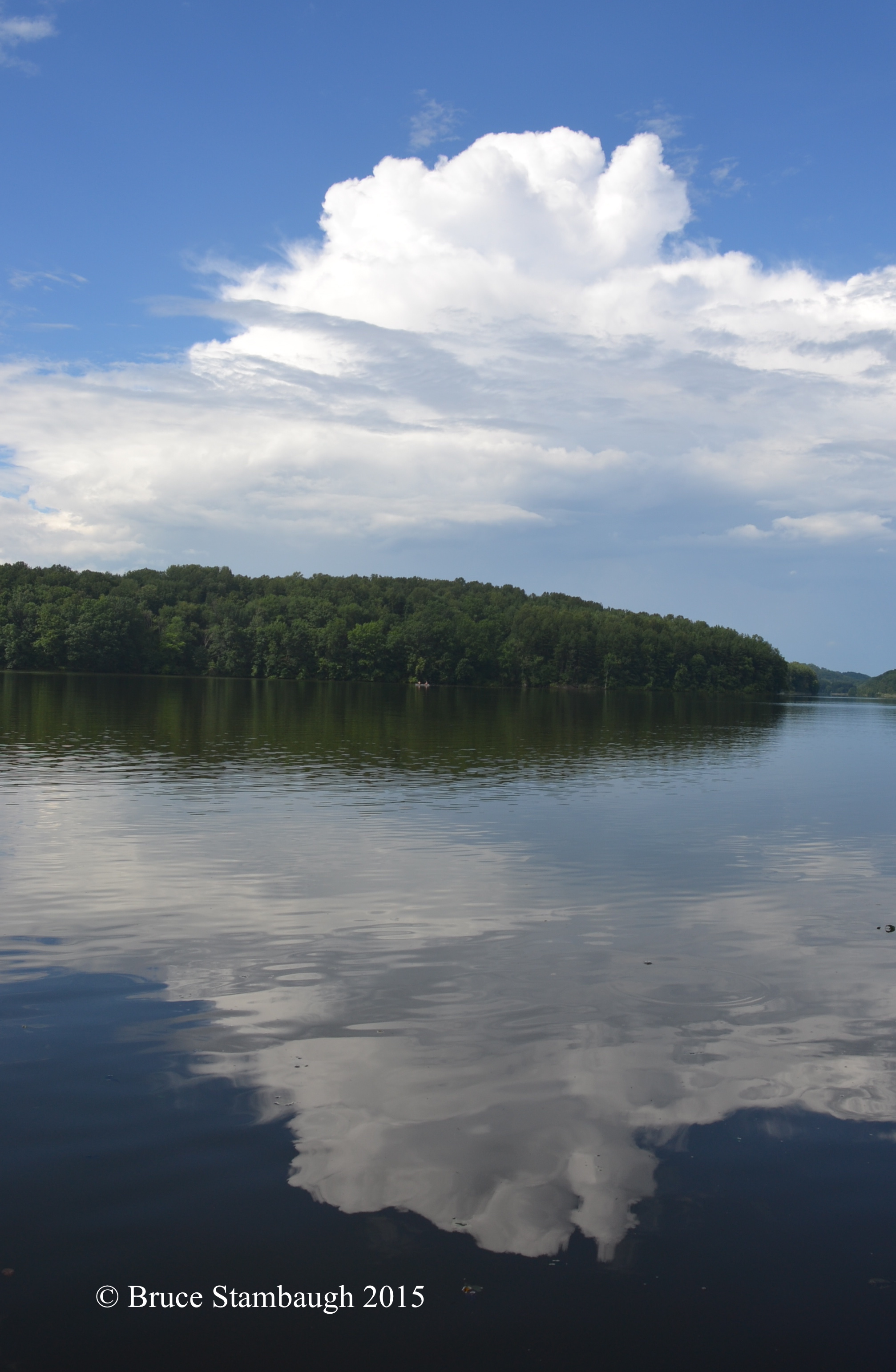
cumulonimbus clouds, storm clouds, cloud reflections
Cloud reflections. © Bruce Stambaugh 2015
It’s a little different story in the winter. Spotters help out the National Weather Service by measuring the snow the old-fashioned way, using a ruler. Of course, the measurement has to follow protocol. Spotters measure snow depths that accumulate on a board elevated above the ground.

Morning and evening, the local weather service office receives reports of new snow totals from dozens of snow spotters across the coverage areas. Doing so helps the professionals in evaluating their forecasts and even in issuing weather advisories. After all, frozen precipitation is the hardest type for career meteorologists to predict accurately.

Like many of the other community activities I’ve done in my life, being a weather spotter is a voluntary position. Knowing I am only one of many who help the weather service get the weather word out to citizens is all the pay I need.

Between tornadoes, blizzards, flash floods, damaging straight-line winds, and lightning strikes, I’ve seen a lot of wild weather in my lifetime. It may sound a little strange to say this, but I enjoy reporting what I find.

I suppose I do it both for the thrill and the necessity to relay what I have observed. Helping the official weather forecasters, even in some small ways, gives me great satisfaction.

I guess I’m just a weather geek at heart. I’ll gladly wear that badge of honor as I forge into the next snowdrift.

wheat shocks, striaght line wiind damage
Wheat shocks toppled by straight line winds from a severe thunderstorm. © Bruce Stambaugh 2015
© Bruce Stambaugh 2015

Introducing a few of the people I’ve met along life’s path

gathering of friends, Fernandina Beach FL
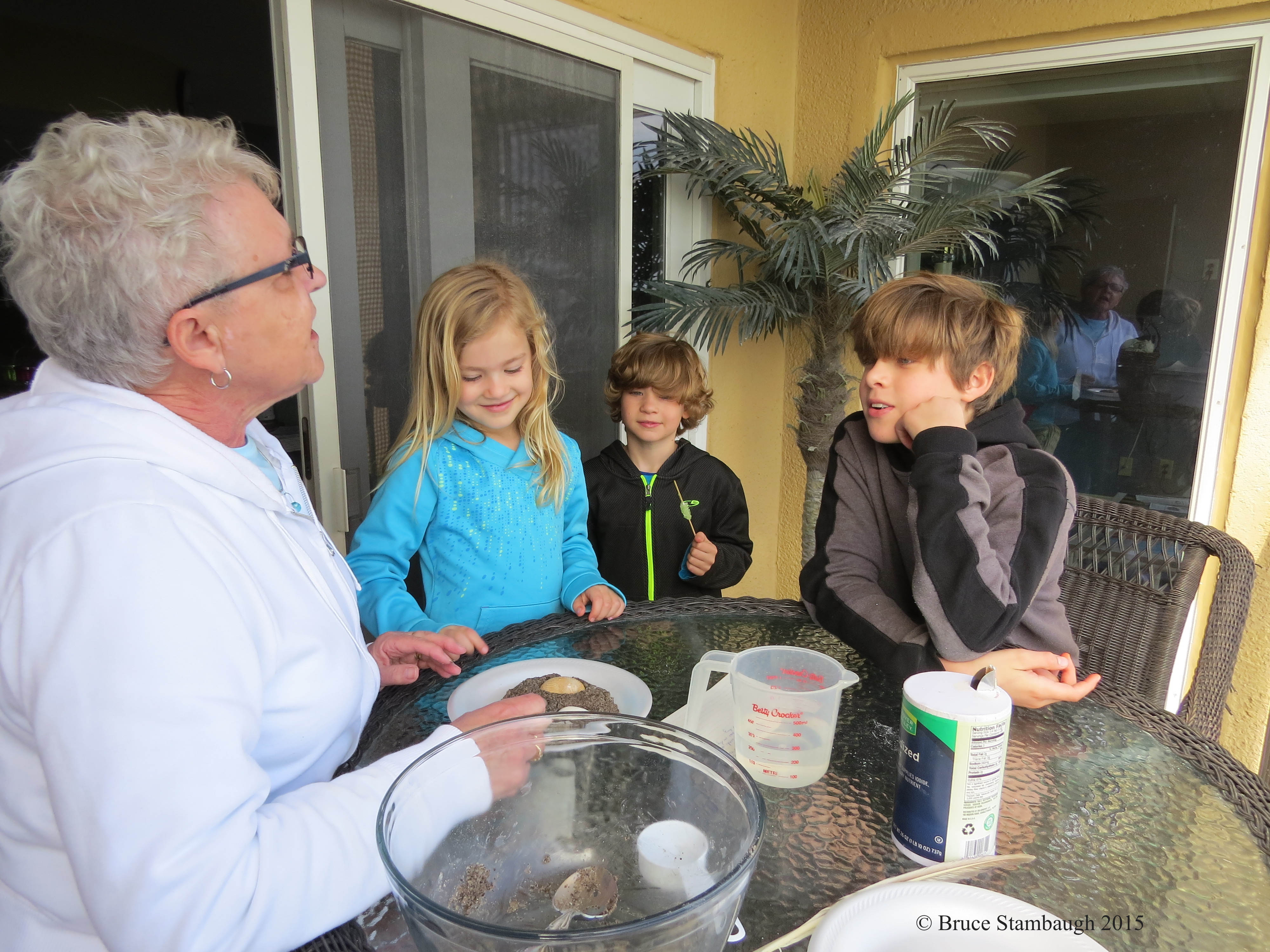
We recently gathered with friends in Fernandina Beach, FL. © Bruce Stambaugh 2015

By Bruce Stambaugh

There can be no mistake about it. I enjoy meeting new people. Now, there’s nothing wrong with the guys and gals I already know. I like them, too, and the stories and friendships we share.

Of course, I love my family. They mean the world to me. I hope they think likewise.

I find there is just something personally memorable about meeting strangers who so willing and so easily engage in conversation. It might be the only one we have, and then we all move on. Then again, happenstance encounters might lead to endearing bonds. You never know unless you take a risk.

I’m glad for folks who feel the same way. Otherwise, life wouldn’t nearly be as sunny. To be sure, traveling takes away the home field advantage for everyone. We’re all standing on neutral ground.

Dick Stambaugh, Marian Stambaugh, Bruce Stambaugh, parents
My late parents, Dick and Marian Stambaugh. © Bruce Stambaugh 2015
I attribute my willingness to smile and greet others to two factors. One was my gregarious father, who knew no strangers. He enjoyed exploring nature and history, and the fear of asking was never a fault. Tact, however, didn’t seem to be in his repertoire. People liked him anyhow.

The other is my intense yearning for learning. And the only way to satisfy that is to listen, look, read, ask and explore. Hopefully, I mind my manners in the process.

Travel enhances the desire to gain new understandings. It also has afforded plenty of opportunities to meet and know many fine folks. A few of them come to mind.

While visiting San Antonio’s world famous River Walk, I casually asked a local police officer where the best place to eat lunch was. He deferred, saying he wasn’t permitted to make recommendations.

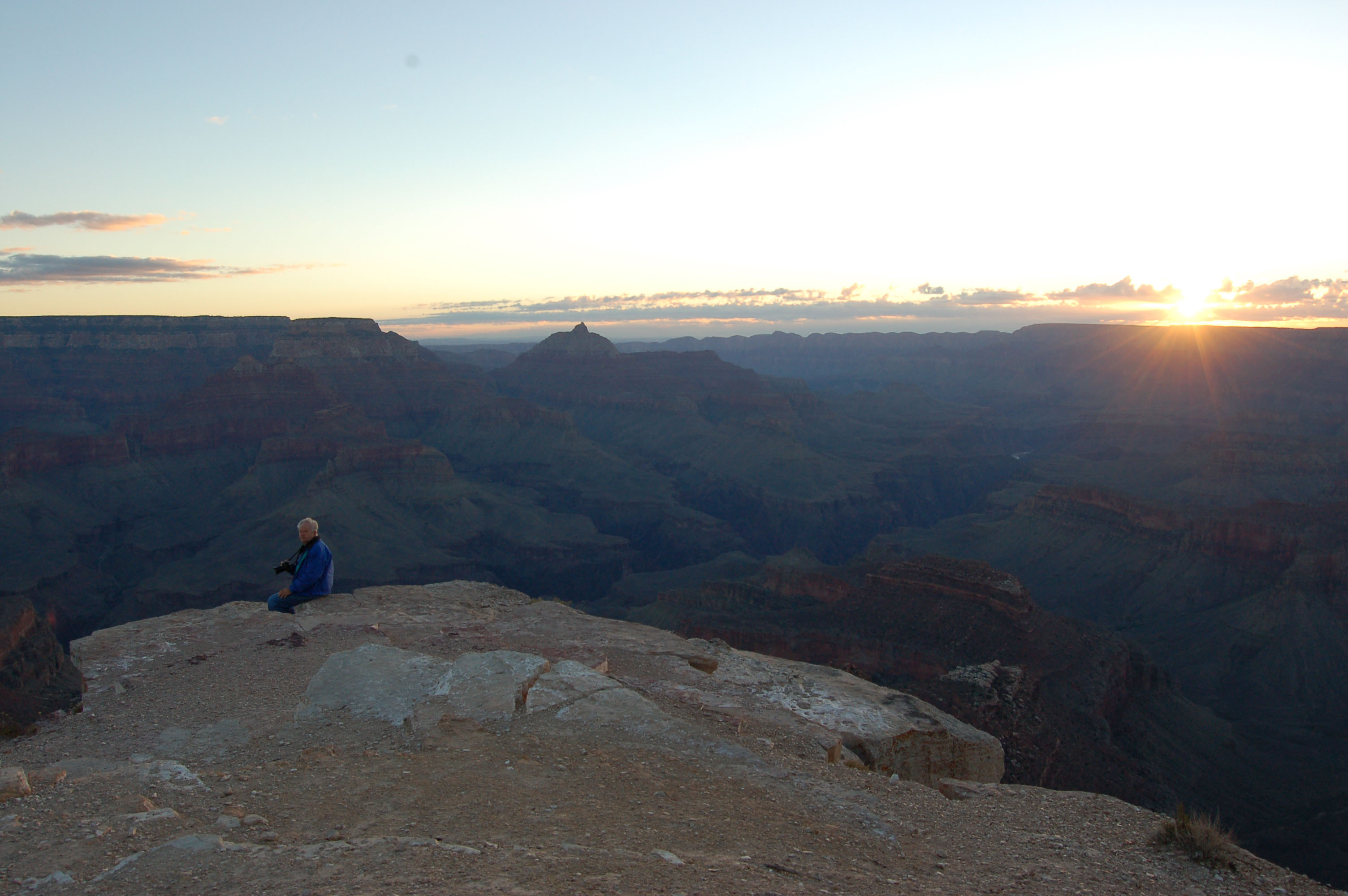
sunrise, Grand Canyon
Sunrise at Shoshone Point, Grand Canyon, AZ. © Bruce Stambaugh 2015.
I reworded my question. “Where are you going to eat lunch?” I asked. He told me, and we waved to each other as he walked in.

We found a young ranger equally helpful at Grand Canyon National Park. When he finished his talk, I asked him where the best place was to view the sunrise.

The wise young man looked around, leaned in and whispered, “Shoshone Point.” We weren’t disappointed the next morning.

When vacationing in Fernandina Beach, Florida, I kept seeing the same woman evening after evening taking photos of the sunset over the town’s harbor on the Intercostal waterway. We talked, shared about photography, and the next thing I knew Lea had invited me to her home for a camera club meeting.

photography, Fernandina Beach FL
My friend Lea being Lea. © Bruce Stambaugh 2015
I can tell we’re going to be photographic comrades for a long time.

More than 30 years ago, Neva and I attended a church conference in Bethlehem, Pennsylvania. We stayed in an old brick farmhouse of a very gracious guest. We hit it off right away, despite my lame attempts at humor. I especially loved Mary’s tasty and colorful meals. We’ve been friends ever since, even attending her wedding. Now we love her saint of a husband just as much as Mary.

photography, friends
Impromptu photo situations are my favorite with friends. © Bruce Stamaugh 2015
Several years ago, Neva and I met Sharon, a nationally syndicated columnist, at a book signing in Toledo of all places. We hit it off right away and have been communicating and encouraging one another’s writing ever since.

These are but a few examples of the many, many kind people we have met along life’s meandering path. I’d run out of ink if I mentioned everyone.

Besides, you know who you are. Thanks so much for being our friends.

© Bruce Stambaugh 2015
Winter is for the birds, big and small

male pileated woodpecker, pileated woodpecker feeding
Male Pileated Woodpecker feeding. © Bruce Stambaugh 2015
By Bruce Stambaugh

At our house, winter is for the birds. Well, so are spring, summer and fall. We feed the birds that frequent our backyard year-round.

My wife and I enjoy watching the various bird species that visit at the assortment of feeders we put out for our feathered friends. Consider it our preferred entertainment.

The birds also take advantage of the little garden pond near the feeders. The water runs down the small waterfalls all year for the birds to bathe and drink. That’s especially important in the winter when most water sources often freeze.

But it’s the feeders that the birds flock to, excuse the pun, especially when the temperatures are extreme and the ground covered with snow. Natural food sources are often limited.

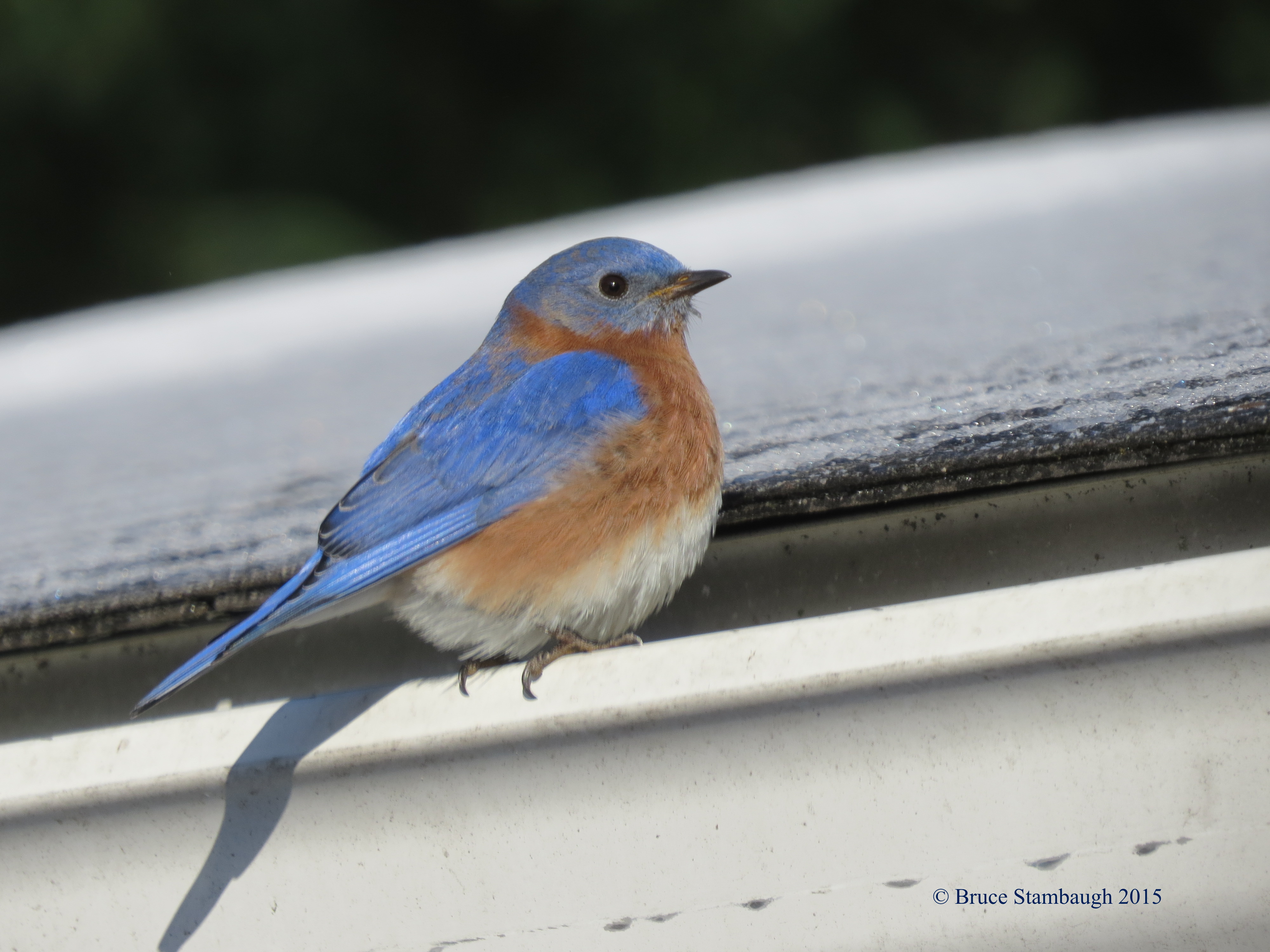
Eastern Bluebird, bluebirds, Bruce Stambaugh
Male Eastern Bluebird. © Bruce Stambaugh 2015
The feeders help out the birds and bring color and fun activity to our backyard. To meet the various needs of species big and small, a variety of feed stocks an assortment of feeders.

Dark-eyed Juncos prefer to scratch at cracked corn on the ground. Northern Cardinals are more versatile, feeding on the ground, from hopper feeders and will even perch on the oil sunflower feeders.

The faithful American Goldfinches prefer the chipped sunflower seeds from the tube feeder by the kitchen window. Eastern Bluebirds will join them.

Several kinds of woodpeckers visit the suet feeder, filled with peanut butter suet cakes. The sturdy wood and wire contraption hangs from a limb of the sugar maple tree that dominates the backyard.


We are fortunate to have nearly all of the kinds of woodpeckers that live in Ohio, Downey, Hairy, Red-bellied, Redheaded, and even Pileated. We’re particularly grateful for the latter.

Pileated Woodpeckers, Ohio’s largest woodpecker, are giant, usually secretive birds that often live and feed deep inside dense woodlots. We’re glad the ones that visit our backyard are an exception.

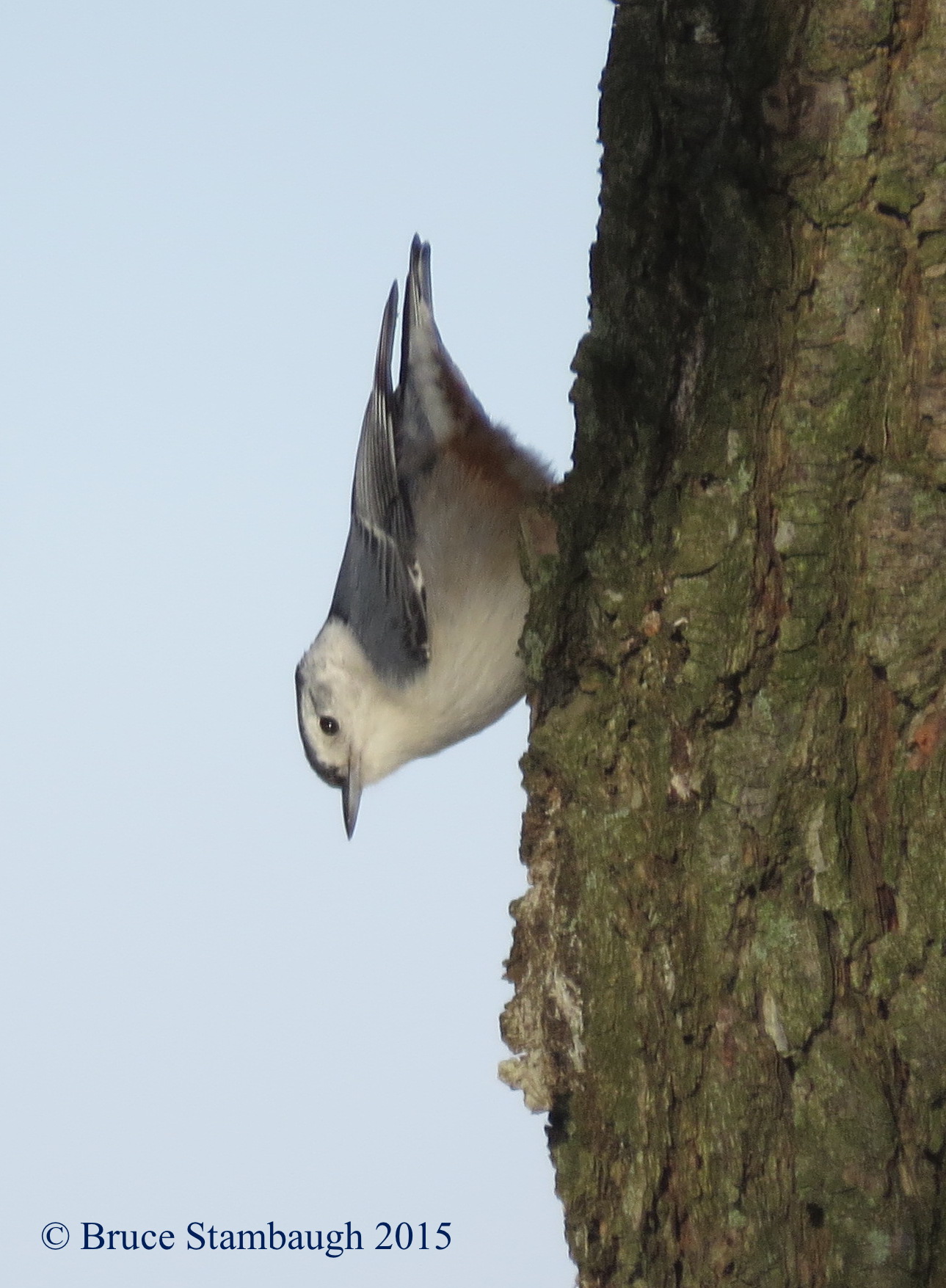
white-breasted nuthatch, Bruce Stambaugh
White-breasted Nuthatch. © Bruce Stambaugh 2015
For the last couple of years, a pair of these incredible birds has regularly visited our backyard suet feeders. We live in the country. Nearly 200 trees and shrubs populate our little slice of land. The small grove apparently is enough to satisfy the Pileateds.

The desire to dine at our free buffet must overcome their instinct to be reclusive. Often we know when they are coming. Their harsh call warns all other birds that the big boy and girl have arrived, and to make way. The others regularly oblige.

As big as they are, the Pileated Woodpeckers don’t seem that aggressive toward the other birds. Surprisingly, it’s the opposite. The smaller woodpeckers, Black-capped Chickadees, Tufted Titmice, and White-breasted Nuthatches play it safe until the Pileateds retreat.

I’m pleased that the big birds feel safe coming to our feeder every season. With the maple tree dense with leaves, the birds can easily hide. The huge woodpeckers even bring their fledglings to the feeder in the summer.

Without the leaves in the winter, the Pileateds are much easier to see. They always arrive from the south, usually landing on the same limb. They shinny down the big branch and flop over to the heavy-duty feeder.

Both the male and female are striking in their size, shape and coloration, a vivid red and contrasting white and black. Their thick, chisel-like bills taper to narrow, blunt points.

My wife and I are grateful for all of the beautiful birds that visit us, whether it’s once or daily. The Pileateds, however, are a most revered treasure.

Ohio's smallest and largest woodpeckers feeding together, female Downy and female Pileated. © Bruce Stambaugh 2015
Ohio’s smallest and largest woodpeckers feeding together, female Downy and female Pileated. © Bruce Stambaugh 2015

© Bruce Stambaugh 2015

What’s all the fuss about Groundhog Day?

Punxsutawney Phil
The 2014 version of Punxsutawney Phil. (Photo courtesy of the Pittsburgh Post-Gazette.)

By Bruce Stambaugh

Another Groundhog Day is upon us. What’s all this silliness about anyhow?

I’ve never entirely understood the ubiquitous clamor over this unofficial holiday. Even as a youngster, I remember watching the Today Show on television on Feb. 2. Willard Scott, the show’s weather guy, got so excited if the groundhog didn’t see its shadow. Folklore says that means spring will arrive sooner than the official date.

That’s just nonsense, of course. Wild animals have some sense of impending doom. I heard stories about deer fleeing the lowlands along the Killbuck Creek in Holmes Co., Ohio well ahead of the devastating flooding in 1969.

But a groundhog, or if you prefer woodchuck, whistle pig or land beaver, predicting when spring will really arrive? I don’t think so.

The town of Punxsutawney, Pennsylvania garners the most attention on Groundhog Day. The good folks of the hard-to-spell town have been hosting the official celebration of this hoax of a holiday ever since 1886.

I was surprised to learn the event had been going on that long. It’s gained in popularity since the release of the Hollywood movie of the same name in 1993. Since then, folks swamp the little west central Pennsylvania burg wanting to get a look at the four-legged weather prognosticator from Gobbler’s Knob.

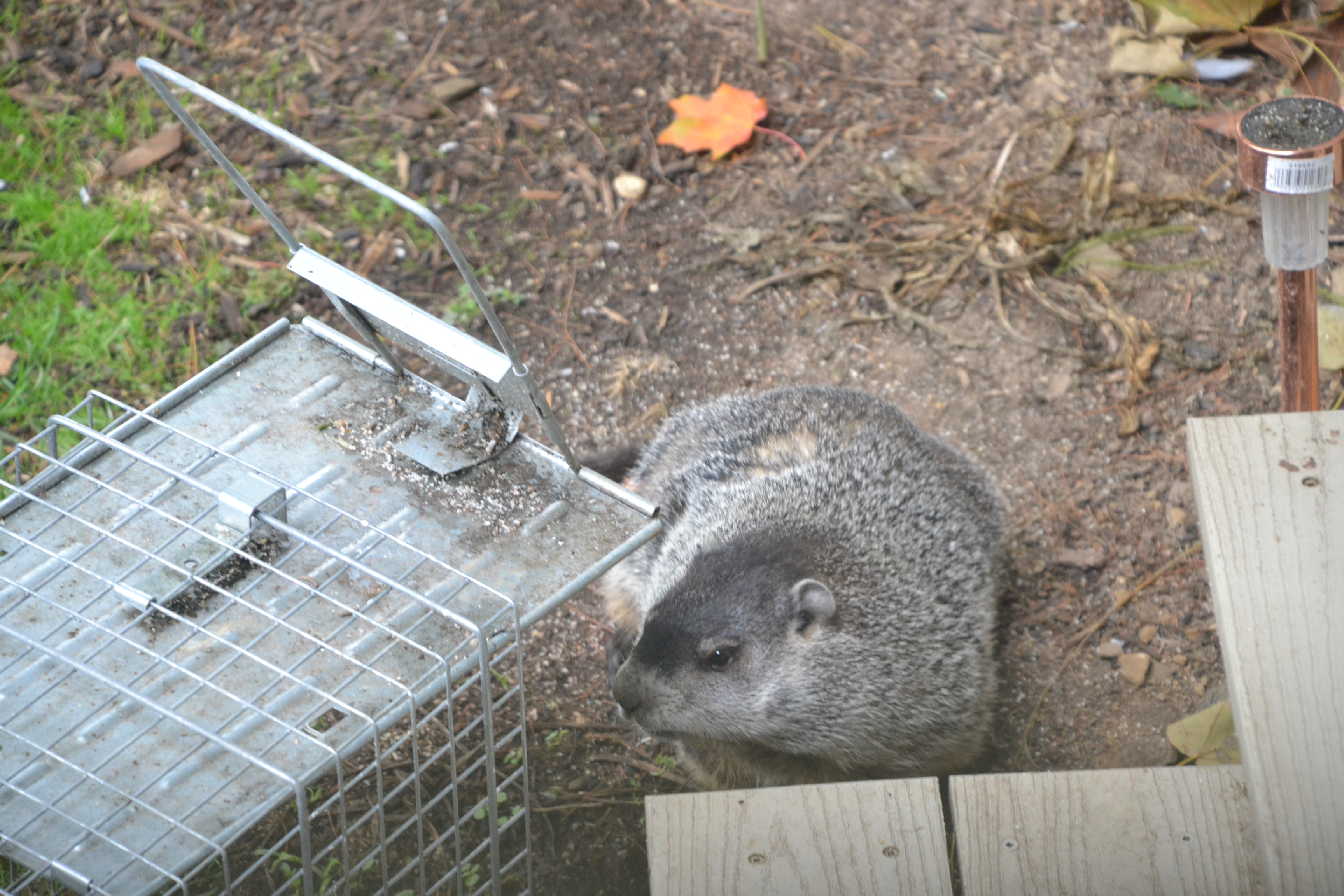
groundhog, Bruce Stambaugh
Having dug a hole under our back porch, this groundhog seemed to ponder whether it should enter the baited trap set for it. It didn’t. © Bruce Stambaugh 2015
Townspeople couldn’t be happier to host the throngs of curious visitors for their festival. They gladly take their money for food, lodging and trinkets. I guess in the dead of winter, people will do about anything to break cabin fever.

I was also intrigued to learn that Groundhog Day was a carryover from traditions in Europe. Most of them were borne around a religious holiday called Candlemas, where clergy blessed candles that were distributed to parishioners.

The candles were lighted on February 2. If the candlelight was needed due to dreary weather, the populous took that as a sign that winter was waning.

Who were these kind but superstitious folks? Why Germans, of course. And what nationality predominated in swarming through Penn’s Woods in the pioneer days of our great country? Why Germans, of course.

In clearing the land for farming, they found groundhogs rather numerous. The four-legged varmint also happened to resemble an animal from their homeland, the hedgehog.

In fact, pioneer farmers in New England had a very practical saying. “Groundhog Day, half your hay.” In other words, if a farmer had used up more than half of the hay stored for the winter, lean times could be ahead for the livestock if winter lingered.

So it seems that I might have to ease up on the good folks in Punxsutawney. Why not have a little fun and make a little money in the process?

Having something to celebrate at winter’s midpoint may not be such a bad idea, after all. Given the day’s history, it does have a purposeful origin. As time and traditions both transformed, a case can be made that Candlemas morphed into Groundhog Day.

I don’t see either the day or the fuss going away anytime soon. We can thank the Germans for creating the tradition. We can thank the hyperventilating media for extending it.

I guess this just goes to show that even when you think something is a bit unusual, you can still learn from it if you keep an open mind. I won’t demean Groundhog Day again. Neither am I planning on celebrating it.

I will light a candle in the day’s honor. While I’m at it, I better check my supply of hay, too.

shadows, winter
Long winter shadows. © Bruce Stambaugh 2015

© Bruce Stambaugh 2015

A day in the life and near-death of me

Pileated Woodpeckers at dawn
The Pileated Woodpeckers beat all the other birds to the feeders on my memorable day. © Bruce Stambaugh 2015

By Bruce Stambaugh

I’ve been known to exaggerate. Believe me, there is no exaggeration in this story.

The day dawned bright and cheery. An orange sunrise quickly transitioned into a rare cloudless January day in northeast Ohio.

I was glad for that. I had a wide variety of activities planned. However, I could not begin to imagine how an unforeseen incident would impact not just the day itself, but my life, too.

First and foremost on the agenda was to complete a final draft of yet another newspaper column. Lunch would be early since I had a 1 p.m. appointment in my hometown, Canton, Ohio.

I am fortunate that I married a woman who loves to cook. She rules the kitchen. I help where needed, usually cleaning up afterward. Not this Saturday.

I arrived at my appointment right on time. An hour later I was visiting with my friend and barber, Paul, who was recovering from a severe stroke at a rehab facility near where I had been.

I had a marvelous visit with Paul and his wife. It was great to have him on the road to recovery. Their congeniality energized me.

snowy trail
The Audubon’s Warbler I was in search of was nowhere to be found. © Bruce Stambaugh 2015
Next I went in search of a couple of rare birds reported in the area. On the way, a small flock of American Robins flew across the road in front of me and landed in a crabapple tree loaded with fruit as orange as the birds’ breasts. I imagined the birds devoured the aged apples.

Despite my best attempts, I couldn’t locate the wayward warbler near Massillon. It should have been in tropical climes by now. With the sun shining brightly, I found the cold, sharp January air refreshing.

Next up was my third attempt to locate a Snowy Owl in Sugarcreek. Others had seen it only a few minutes after arriving. Not me. This visit was strike three for me.

I arrived at my final destination near dusk. The friendly property owner, who happened to be outside, graciously welcomed me. I asked his assistance in finding another rare bird near his home.

First though, the glowing sunset caught my eye. Even if I missed this bird, the view of the setting sun from this kind man’s backyard was stunning.

With the light growing dim, my new friend suggested we look for a pair of Short-eared Owls that he had seen on the farm just east of his home. Sure enough, there they were, majestically coursing the snow covered pastures for four-legged varmints. When one of the owls caught one, it buzzed by the other one instead of eating the critter. Was it showing off?

Back home, my wife, Neva, and I basked to the crackling of the fireplace while watching college basketball. It had been an eventful day.

Of course, none of these fulfilling proceedings would have happened if it hadn’t been for my wonderful wife. I failed to tell you that at lunch I choked on a piece of chicken.

Fortunately, Neva was nearby, and her instincts kicked in. With three thrusts of the Heimlich maneuver, the chicken dislodged, and I could breathe again.

Neva’s quick action enabled me to fully appreciate every moment of that day, and all that has transpired since then. Clearly, that is the very model of understatement.

Words are too cheap to express my utmost gratitude. Neva definitely saved the day and my life. There is simply no better way to put it.

winter sunset
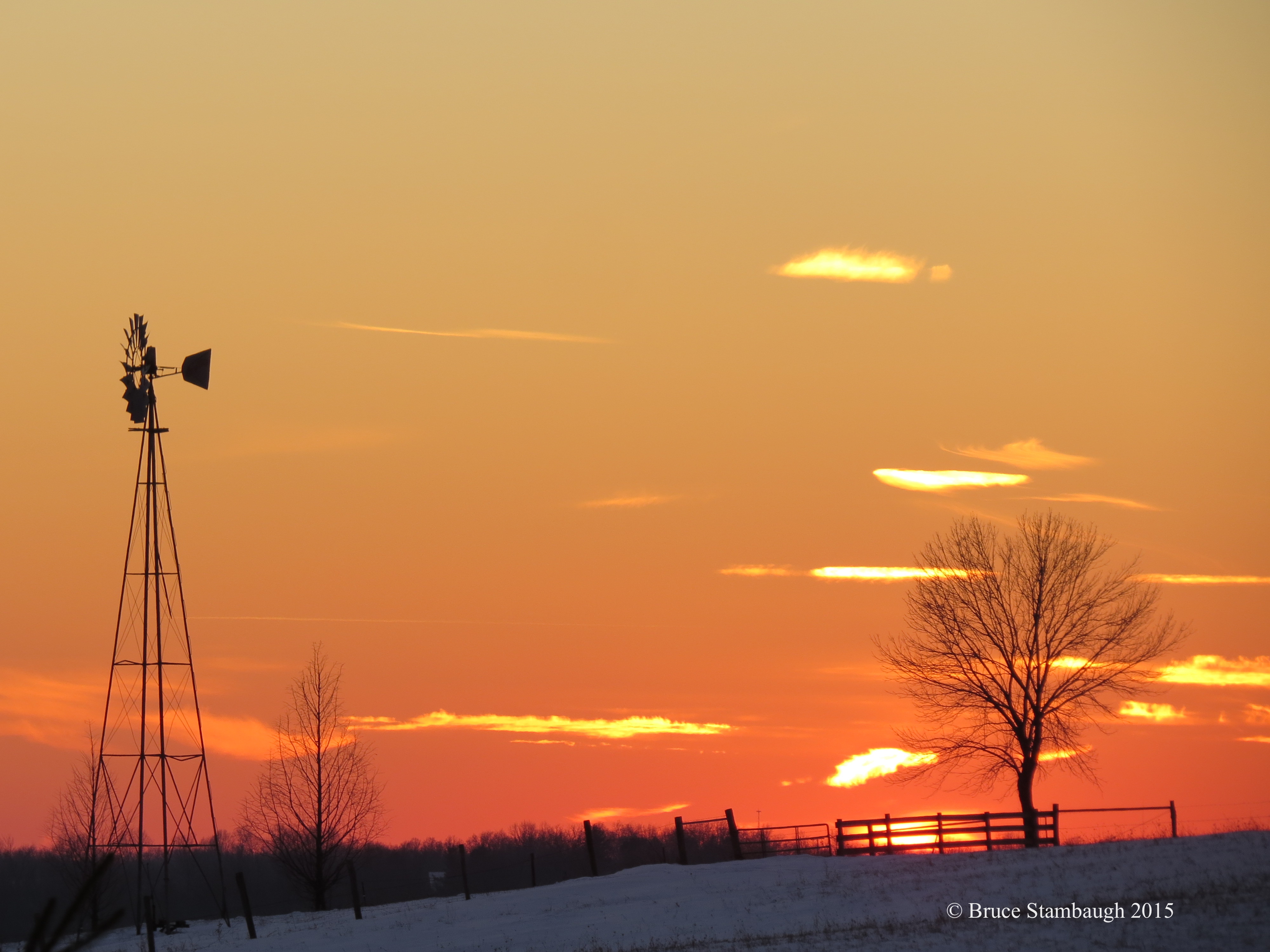
The magnificent sunset on my eventful day. © Bruce Stambaugh 2015

© Bruce Stambaugh 2015

Sadness fills a beautiful, peaceful valley

Rock Doves, pigeons, barn roof
Pigeons roost atop Ivan’s barn. © Bruce Stambaugh 2015

By Bruce Stambaugh

Sadness has come to my favorite valley.

Now, there are plenty of beautiful valleys in our area. For me to say I have a favorite sounds a bit selfish. It’s not. It’s personal.

To be sure, I don’t own the undulating acreage. I just enjoy it.

You can’t find a name for my favored hollow on any map. I’ve never heard anyone refer to it by name in the three decades my wife and I have lived here.

Amish school, one-room school, Drushel Knoll School
Drushel Knoll School. © Bruce Stambaugh 2015
An Amish one-room school, Drushel Knoll, might come the closest to naming this wide-open expanse of land surrounded by wooded hills. Drushel was a pioneer landowner where the school sits. The knoll is nothing more than a rise in a sweeping pasture.

To call it a valley might even be a stretch. A quiet brook lazily meanders northwest through this productive, fertile ground. For the longest time, the land was all farmland. Farmsteads dotted hill and dale. More recently, a few residences have also popped up along the skinny township road that rises, falls and rises again east and west.

This is the sacred place where I take my physical and mental exercises. When the weather is decent, I love to walk this humble road over to Ivan’s farm.

Amish school children, scholars walking
Students walk to the Amish school in the valley. © Bruce Stambaugh 2015

I will continue to do so, but Ivan will no longer be there. As he fixed his lunch bucket for work one recent morning, he collapsed and was gone. He was only 65.

Ivan would bicycle by our home on the way to and from his job at a local business we can see from our home. Not long ago, he had turned the hard but satisfying task of farming over to his energetic son, whose wife was one of my former students.

As my wife and I entered the farm building where Ivan’s body lay at rest, friends and warm handshakes greeted us. We paid our last respects to this quiet, hard-working man, husband, father, grandfather, brother, friend.

Tears flowed as we bent to share our condolences with Ivan’s widow and family. In the Amish tradition, family members sit in rows of facing chairs as mourners quietly pass through, shaking hands left and right, nodding heads, sharing moments, memories, and sorrowful tears.

summer sunset, Ohio's Amish country
The pond behind Ivan’s barn reflected a beautiful summer sunset. © Bruce Stambaugh 2015
Wife, children, grandchildren, brothers, sisters, aunts, uncles, cousins, neighbors, friends, all expressed grace in the Amish manner, through their quiet, reverent presence. It was a communion of sorts, tears for wine, a gathering of steadfast people its bread.

I marveled at the strength of the family, their genuine kindness and positive comments even in the face of their grievous loss. As I scanned the forlorn faces, I saw folks I had not seen for years. Our spirits mutually embraced without actually hugging one another.

When you live in a rural community for decades, you take for granted the integral connections of one family to another. Being among those assembled mourners, the closeness and goodness of our common kinship washed over me.

Ivan was a good man, a quiet man, a respected man, a man of peace. To a member, his family mirrors his pleasant disposition.

It seemed impossible that such sadness could hover over this lovely setting, home, family. And yet, it did. It does.

A different kind of beauty flooded my favorite valley. The loving grace of community responding to a stricken, grieving family surpassed that of the basin’s enchanting pastoral physical features.

Even in death’s darkness, the light radiated in my beloved valley.

Amish farm, walking
My grandsons check out birds on the fence and phone line on a summer’s morning walk. Ivan’s farm is in the background. © Bruce Stambaugh 2015

© Bruce Stambaugh 2015

Bay Photos by Donna

Wildlife photos from the Chesapeake Bay region

ROAD TO NARA

Culture and Communities at the Heart Of India

K Hertzler Art

Artist and nature journalist in the Shenandoah Valley of Virginia.

Maria Vincent Robinson

Photographer Of Life and moments

Gabriele Romano

Personal Blog

Jennifer Murch

Art is the only way to run away without leaving home. -Twyla Tharp

Roadkill Crossing

Writing generated from the rural life

ANJOLI ROY

writer. teacher. podcast cohost.

Casa Alterna

El amor cruza fronteras / Love crosses borders