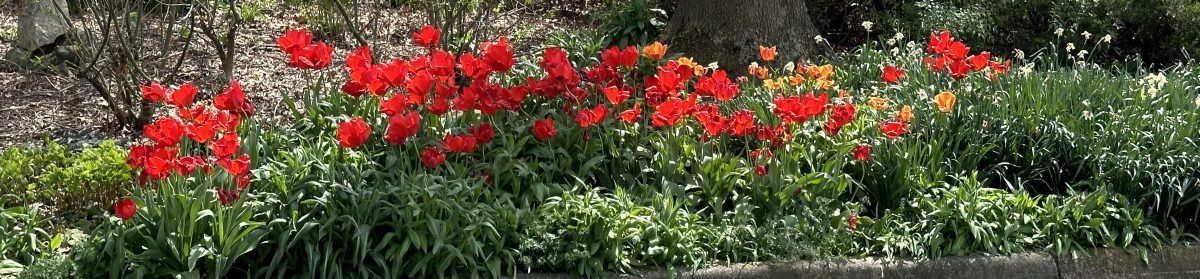
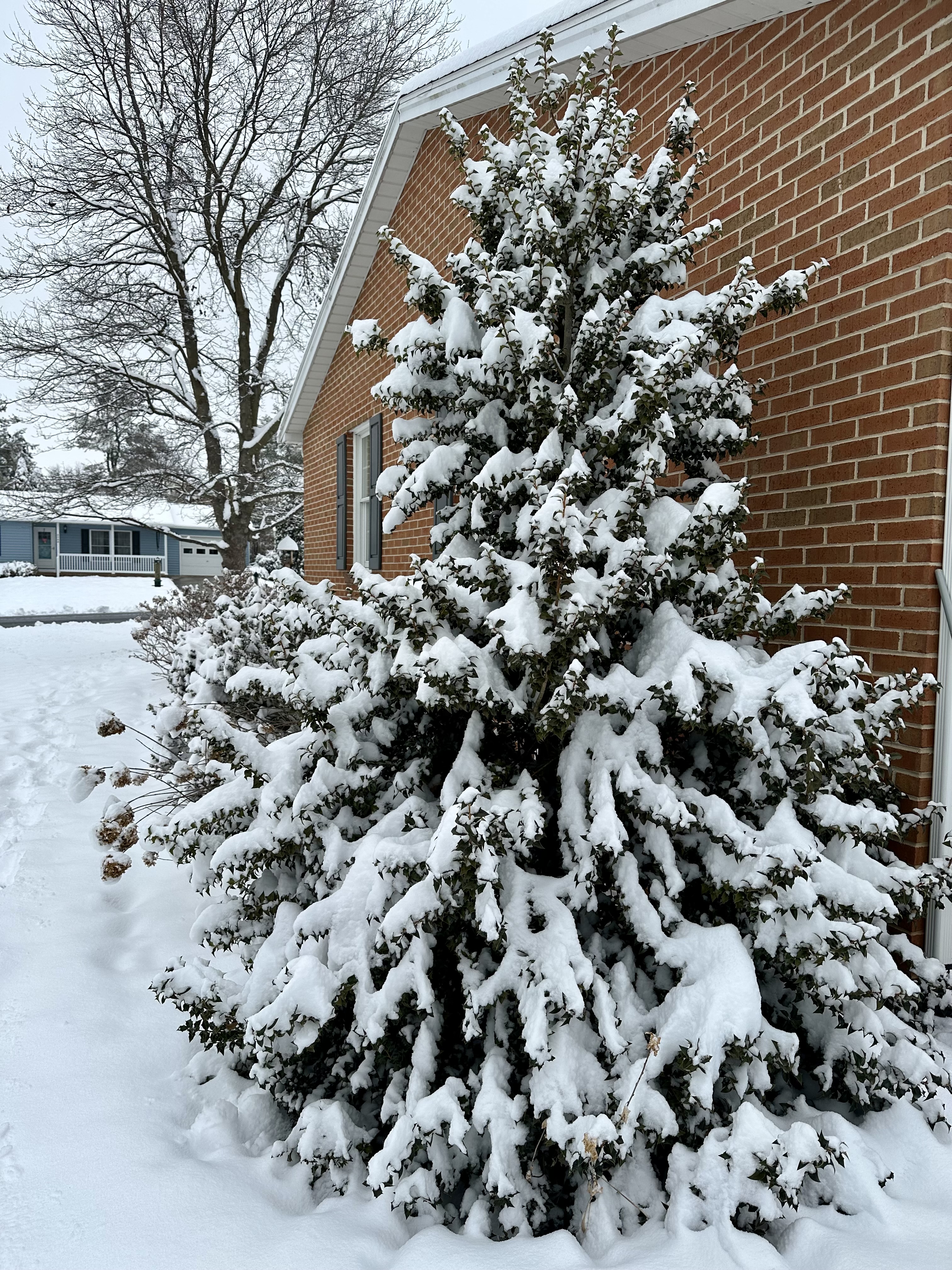
One of these is not the same as the others. Photo by Bruce Stambaugh
Our across-the-street neighbors have lovely flower gardens for all who pass by to enjoy. Since their house faces south, the winter sun, when it shines, warms the front yard.
This, in turn, encourages flowers to bloom when the days warm into the 50s and 60s, like they have for the last few days. I went over to photograph the Snow Drops and discovered that a lone Hyacinth had joined dainty white flowers in showing off its lavender beauty.
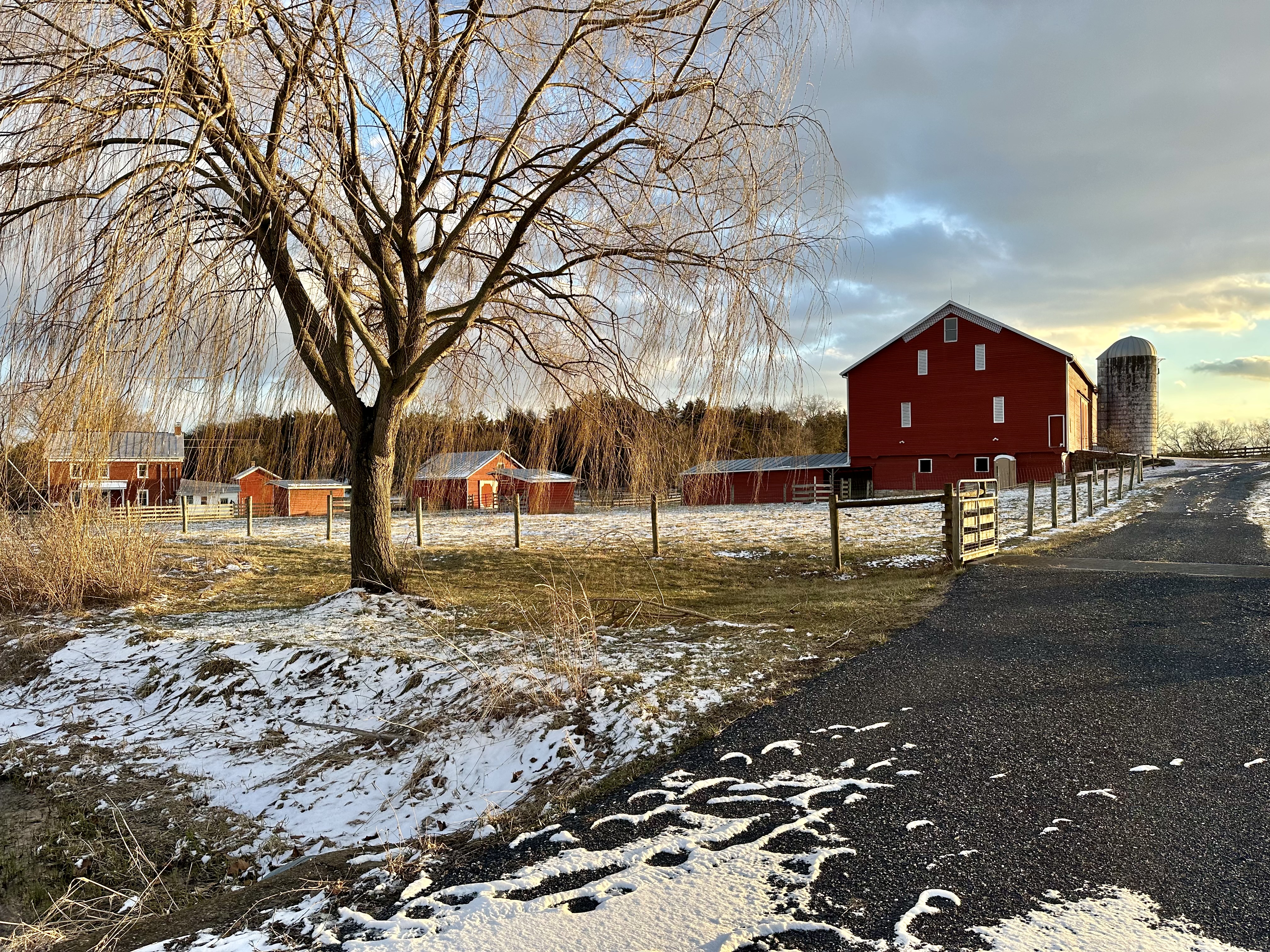
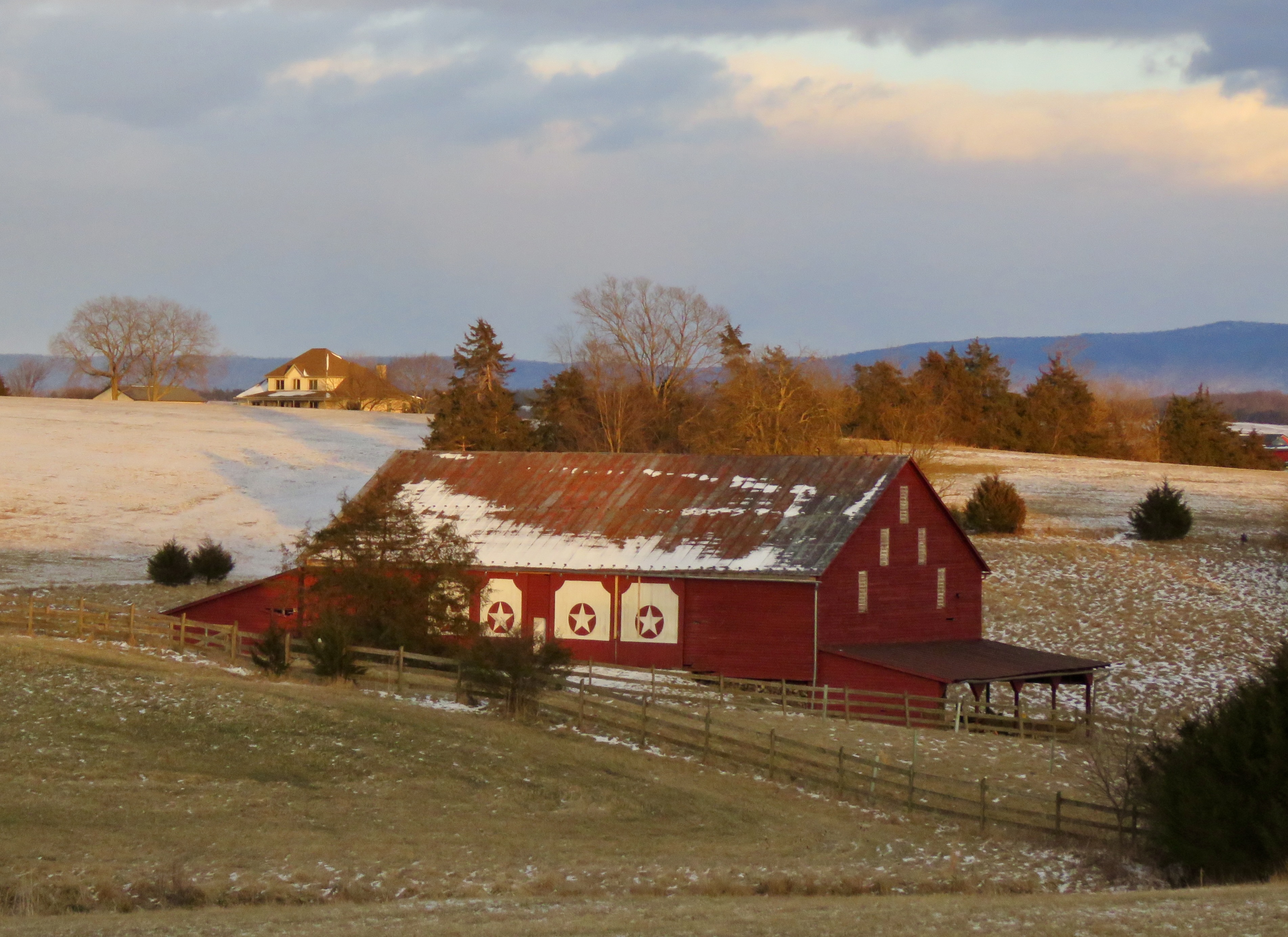
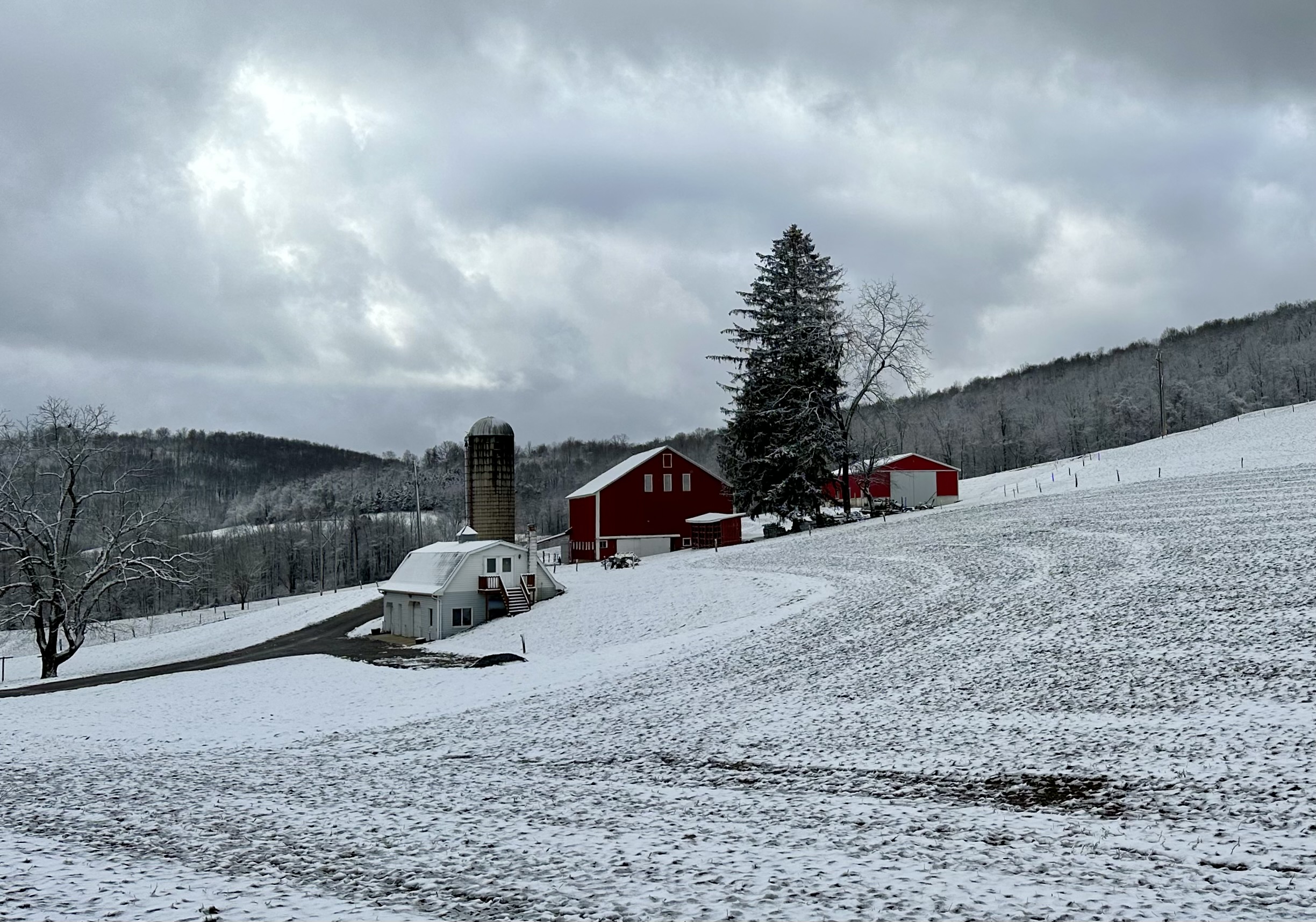
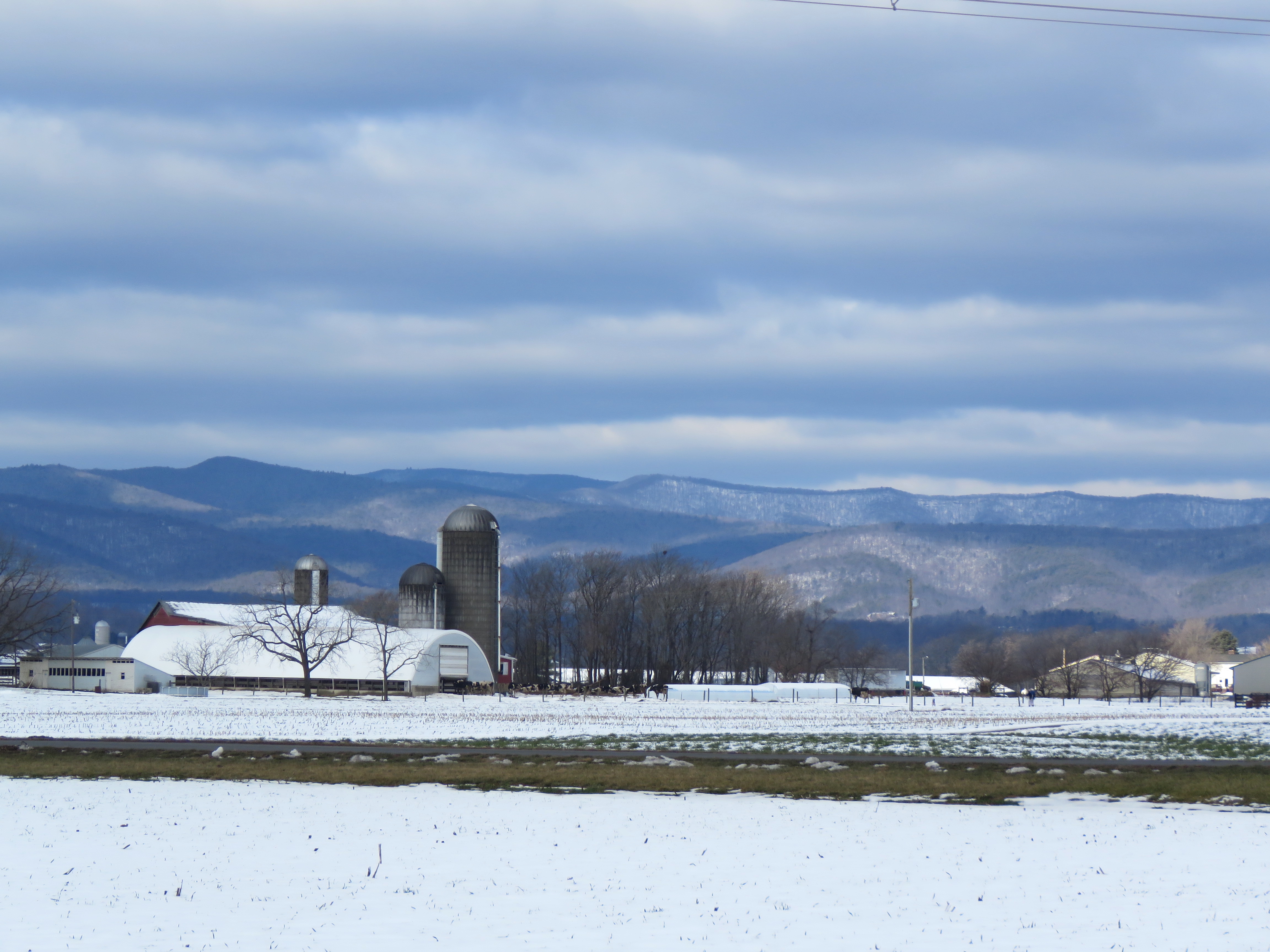
Barns have always intrigued me. The various sizes, shapes, colors, conditions, purposes, and settings combine to make photogenic captures. Wintertime is no exception.
Our 18-year-old grandson came to our house the other day for a surprising reason. He had texted my wife, his Nana, to ask if she would teach him how to sew.
Imagine that—a senior in high school requesting to sew. We weren’t surprised. We moved from our native Ohio to Virginia’s Shenandoah Valley for reasons like this. Helping our daughter and her family has become our primary purpose in retirement.
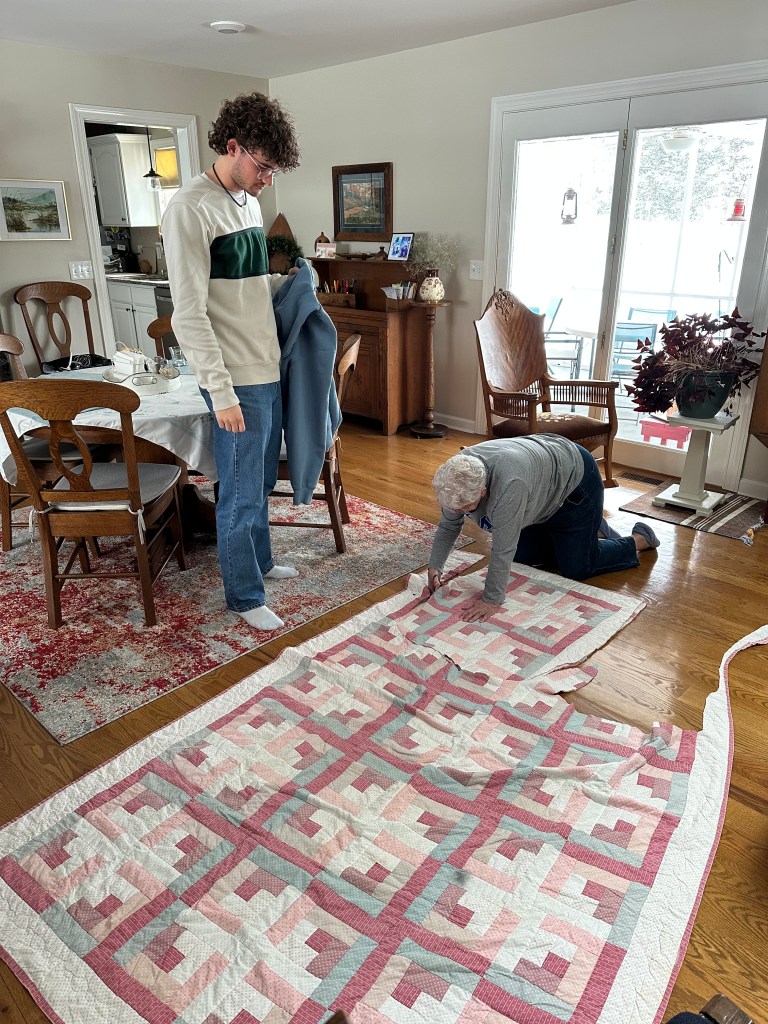
Our grandson had a specific plan. Inspired by a video he saw on YouTube, Davis wanted to make a hoody out of an old quilt. Fortunately, my thrifty wife had a few on hand, including the quilted bed covering she made that Davis’s mother used at bedtime growing up.
First, they cut up the quilt using a favorite hoody Davis brought along as a pattern. They had that job done in minutes.
This young man had never sewn before. Nana showed him the basics and let him rip. Davis was determined, and he fixed his focus on the task at hand. No music played through smartphones, headsets, or earbuds as a distraction.
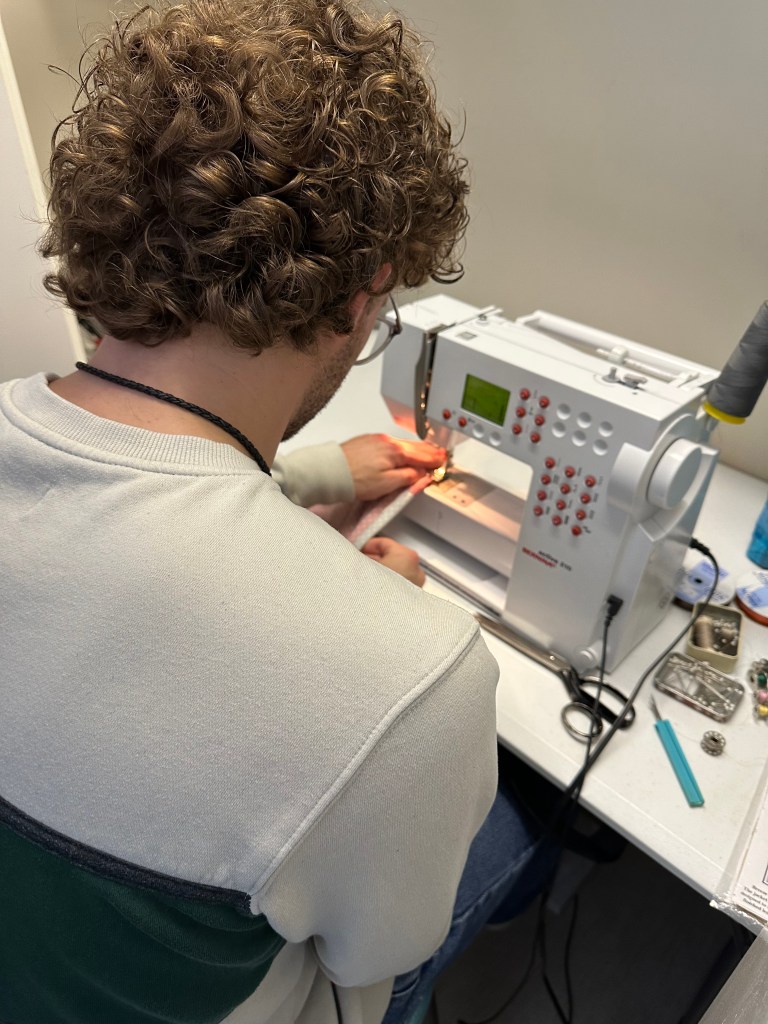
Davis sewing. Photo by Bruce Stambaugh
He carefully and cautiously bent over Nana’s machine and sewed one, two, or three stitches at a time, gaining confidence as he went. That was Davis’s best approach since he was stitching three layers of material together.
Curious and confident, Davis is also practical. He took his time sewing the sleeves, hood, and extra-large front pocket onto the main body of the hoody.
He diligently sat at the machine for twice the time Nana would have completed the task. But her look of satisfaction revealed a deep pleasure and grandmotherly pride in our grandson and the joy of being asked to help.
I occasionally popped in and out of the room, digitally documenting the entire process. Once finished, Davis’s smile of accomplishment matched Nana’s. I realized I was grinning, too.
The next day, Davis sent another text to Nana. He wanted to shorten the colorful hoody, so he returned to her sewing machine and perfected his dream in just a few minutes. He was pleased as punch.
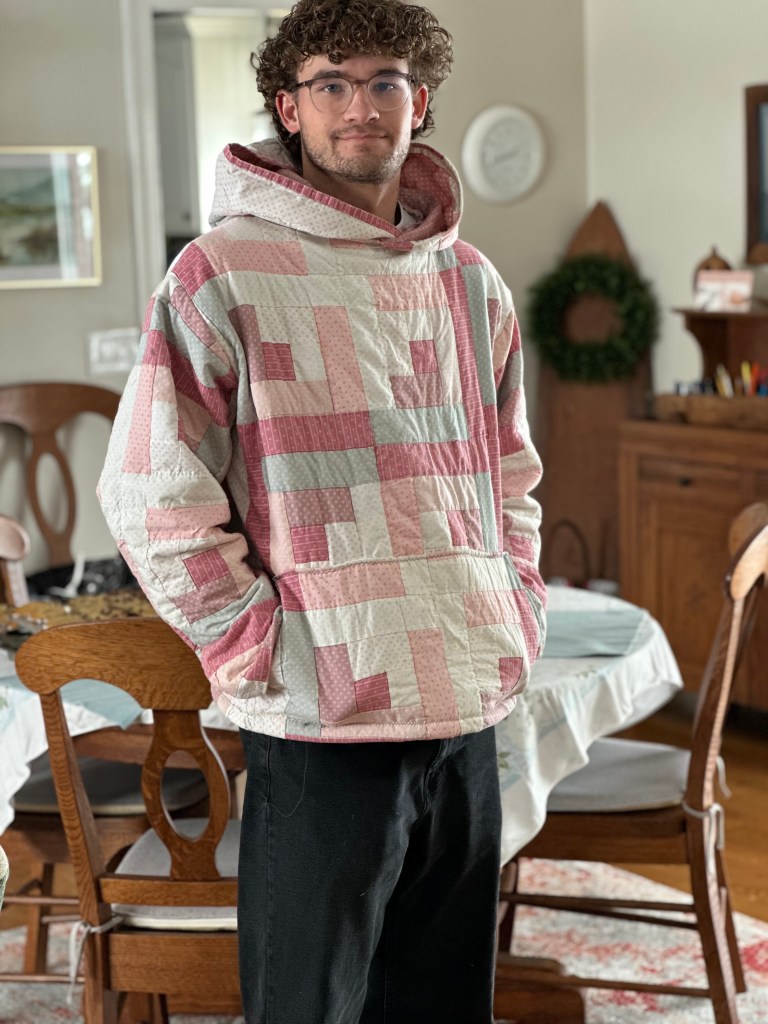
The finished product after alteration. Photo by Bruce Stambaugh
When Davis went to school the next day, his friends admired and desired his homemade mauve, pink and white hoody. They wanted him to make them one, too.
As far as I know, he didn’t take any orders. Completing this project and basking in the glow of achievement and admiration was more than sufficient for this young man.
My front yard birdfeeders are all on or under the red maple tree just outside my office window. That allows me to keep a keen eye on the comings and goings of the birds that frequent the feeders.
The birds really flock to the feeders before and during a snowstorm. The mix of birds includes the ground-feeding White-throated and White-crowned Sparrows and Dark-eyed Juncos. American Goldfinch, Purple Finch, and House Finch dominate the squirrel-proof hanging tube feeders. They also will feed on the ground, savaging for any seeds that drop from the feeders overhead.
If the army of European Starlings arrives, chaos ensues. The desired birds yield to the noisy and aggressive Starlings. That includes the dependable Northern Cardinals, which brighten the scene with their attractive colors. The female’s red-tinged olive feathers keep her camouflaged during nesting time, while her mate stands out in his all-red coat.
As brightly colored as the black-masked male Northern Cardinals are, they are fairly skittish and passive compared to other birds, like the Carolina Wrens and especially the Starlings.
The male Northern Cardinal in the photo waited on a branch above the feeding frenzy, awaiting an opportunity to fuel up undisturbed. That allowed me to capture the brilliant red in the falling snow.
My wife and I moved to Virginia’s lovely Shenandoah Valley seven and a half years ago. We wanted to be close to our three grandchildren, who were approaching their active teen years. We thought watching them play soccer, baseball, and volleyball and perform in concerts and recitals would be fun—and it has been.
But the weather has been irregular, to say the least. Now, our Virginia home is no farther south than Cincinnati, Ohio. So, we knew winters would be cold and snowy from time to time, but usually, the snow didn’t last long. The valley would get six inches of snow, and it would be gone in two days, thanks to the clear blue skies and warmer temperatures.
For the most part, that is what the winters have been like until this year. We might as well have stayed in Ohio, where we sometimes received lake effect snow from strong northerly winds blowing off Lake Erie even though we lived 75 miles south of Cleveland.
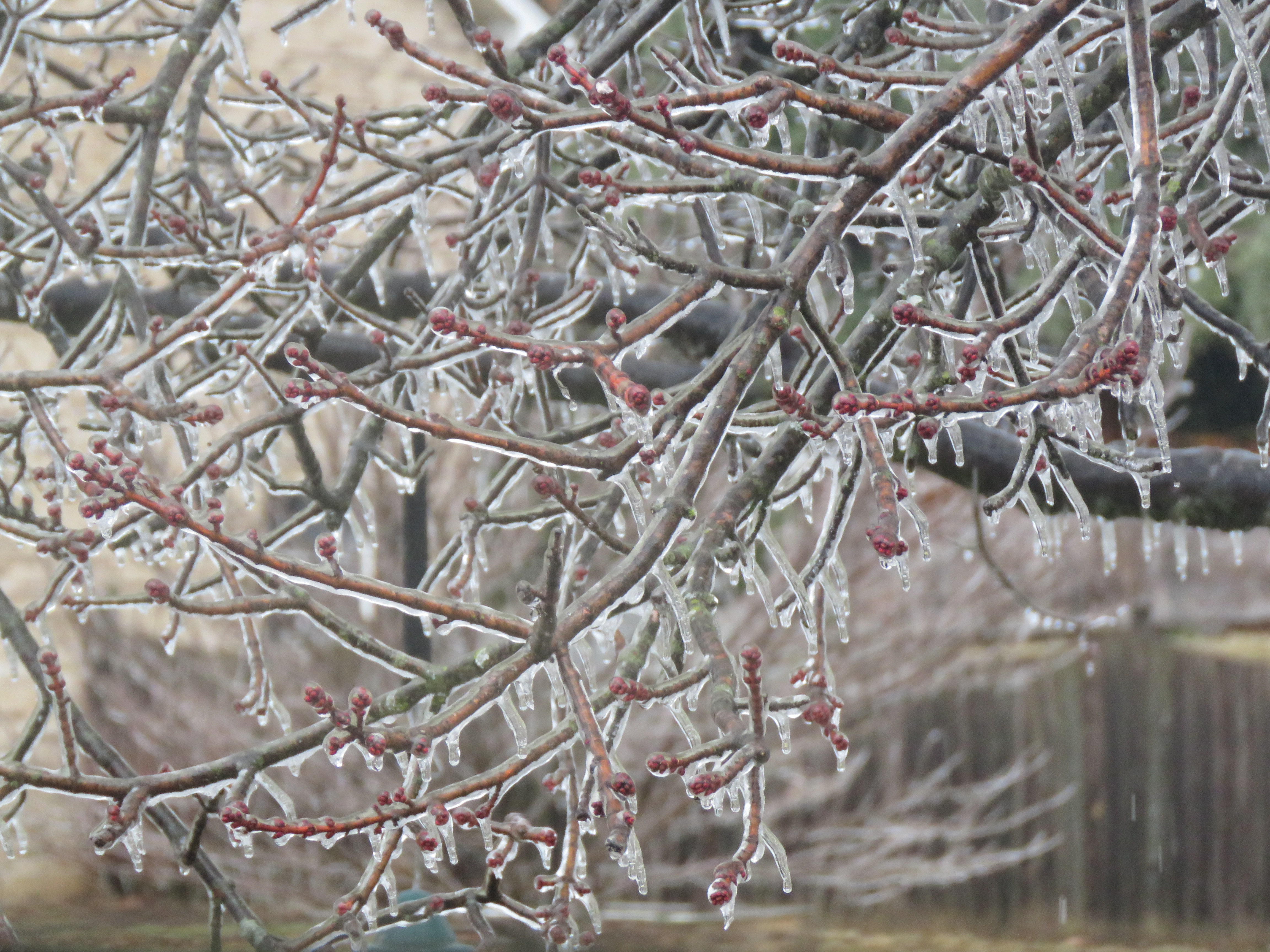
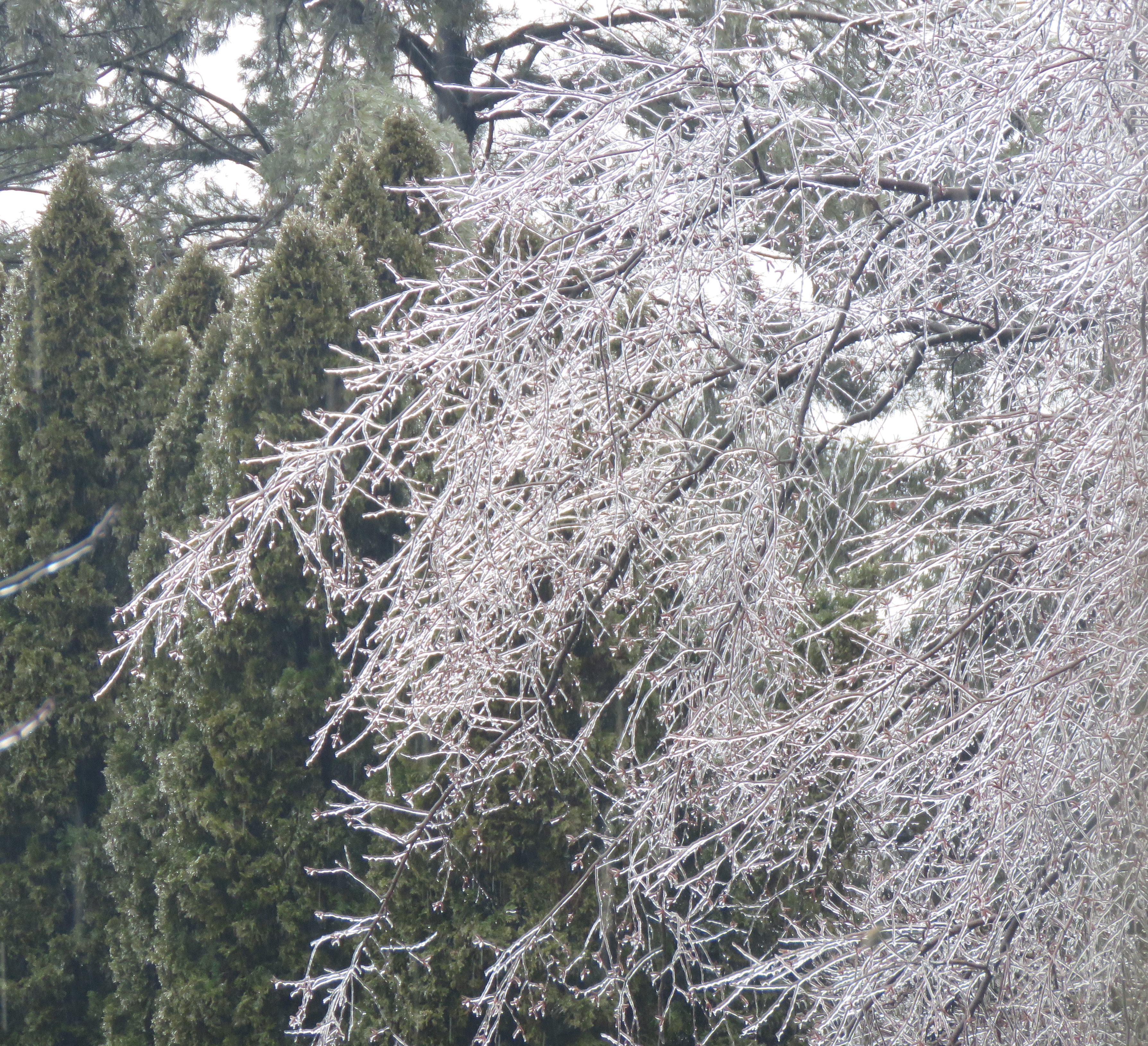
The winter here has produced multiple snowstorms that deposited snow ranging from one inch to seven inches. Some areas in the county had even more. We have also had two rounds of freezing rain that brought down large tree limbs and closed schools and businesses. And there’s still more winter weather to come.
Mind you, I am not complaining. I am just stating facts and perhaps a little frustration. Still, I greatly enjoy the beauty the blankets of snow create. I hope that joy is reflected in the photos.
Given this weather, though, we could have visited Upstate New York to play with our fourth grandchild, Teddy, a very curious two-and-a-half-year-old. I think we’ve had more snow than Teddy.
At least the birds have beenfaithful in visiting our birdfeeders and birdbaths.
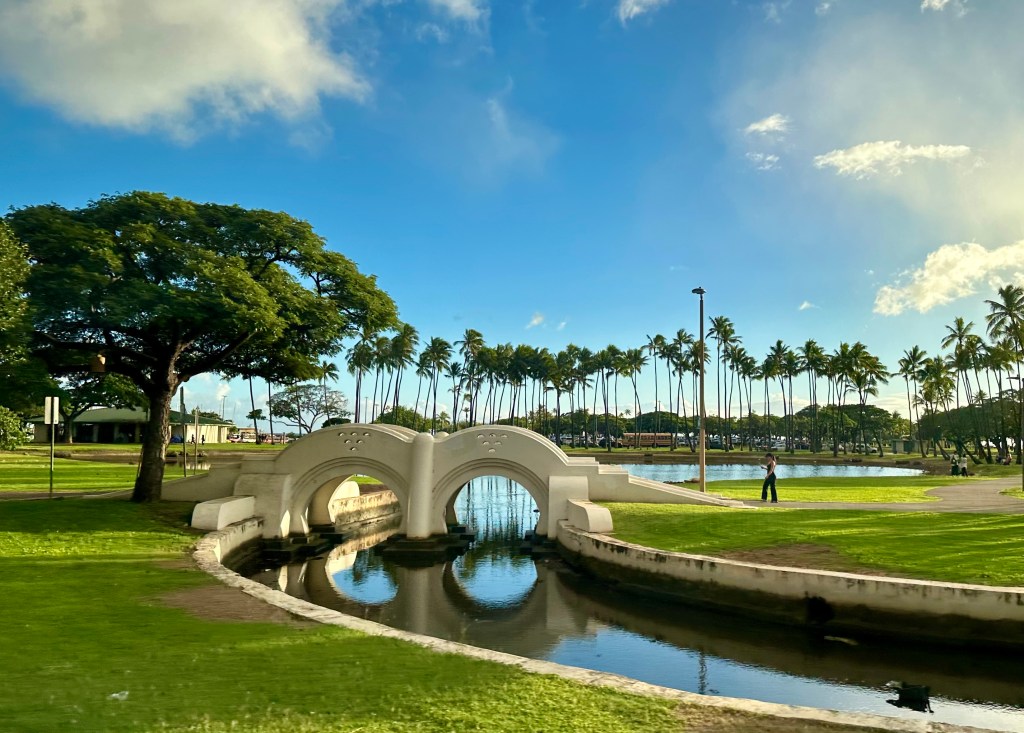
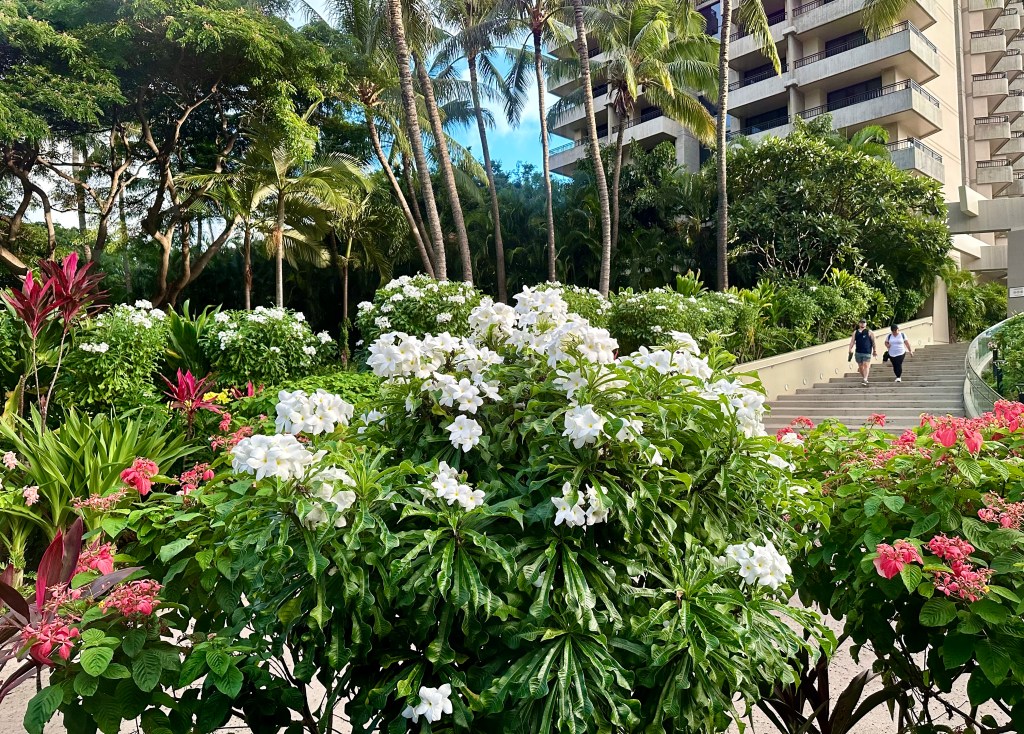
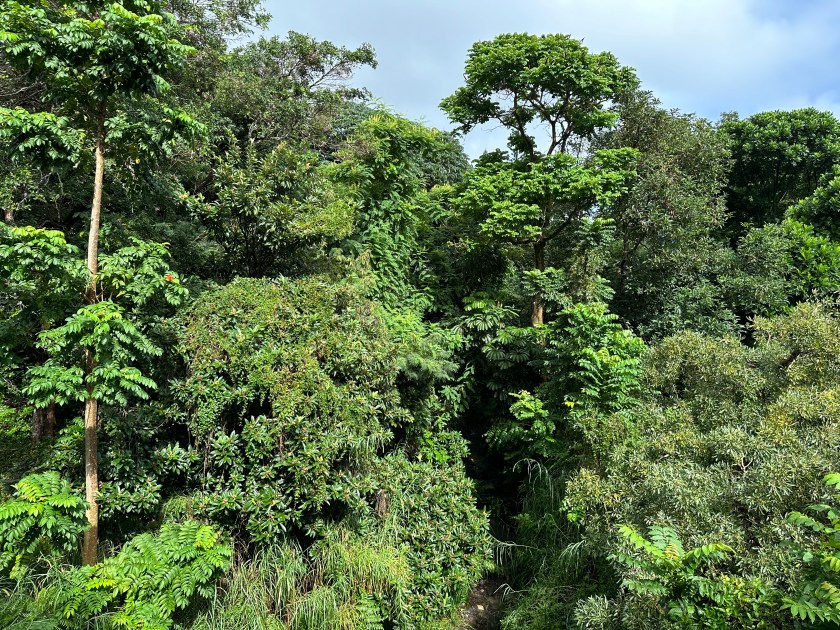
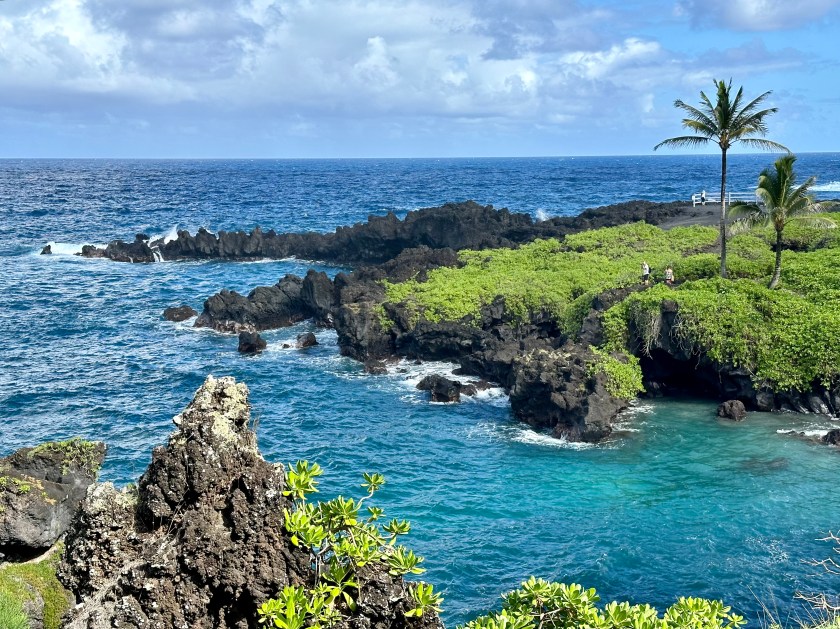
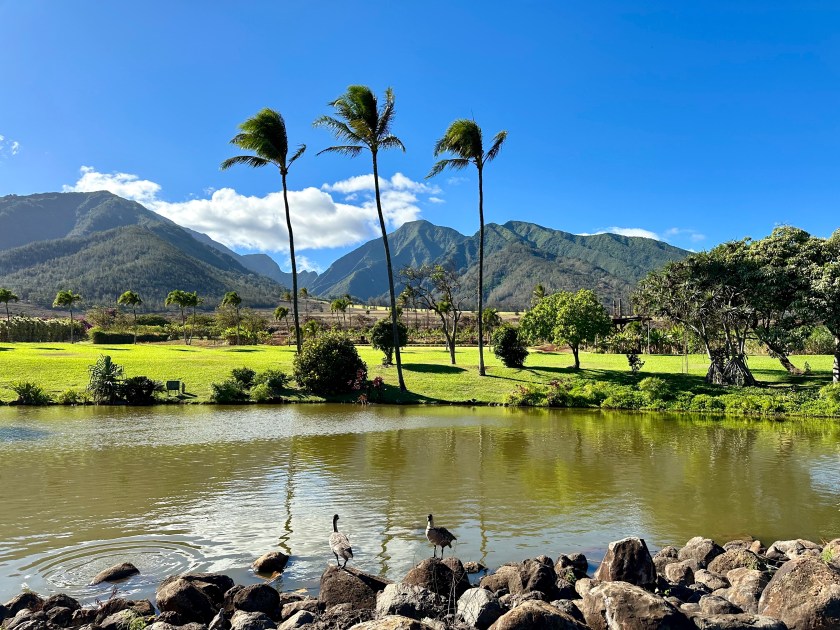
Hawaii preserves its lush vegetation with city, county, and state parks. Photo by Bruce Stambaugh
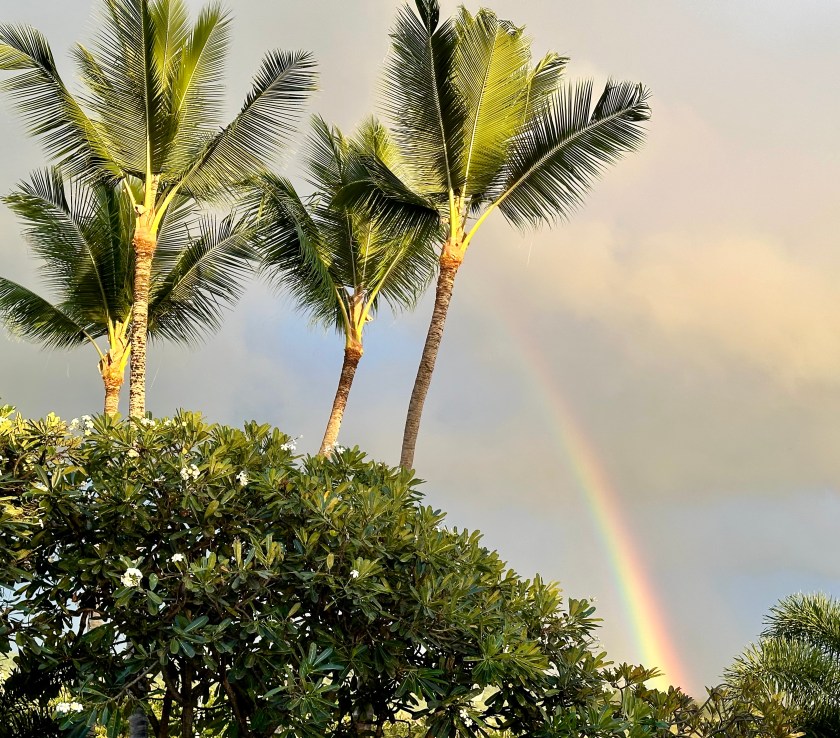
Turquoise waters, large, rolling waves crashing into coves with hidden pristine beaches, majestic palms, and friendly, inclusive residents who love their history and land are reasons enough to visit Hawaii.
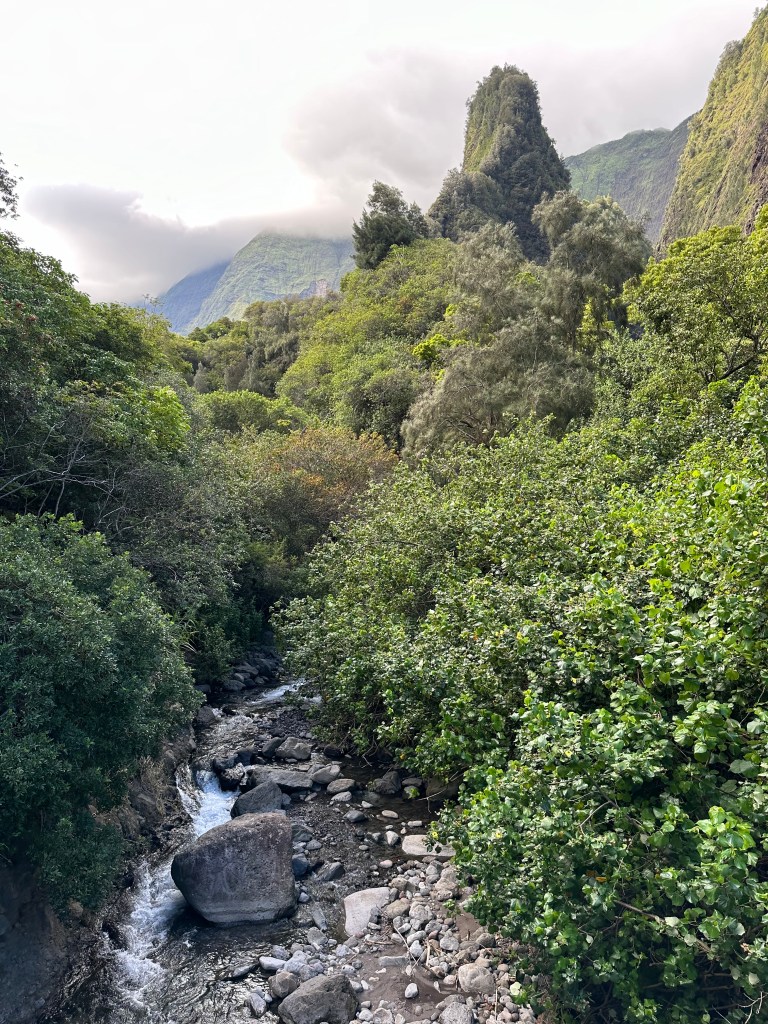
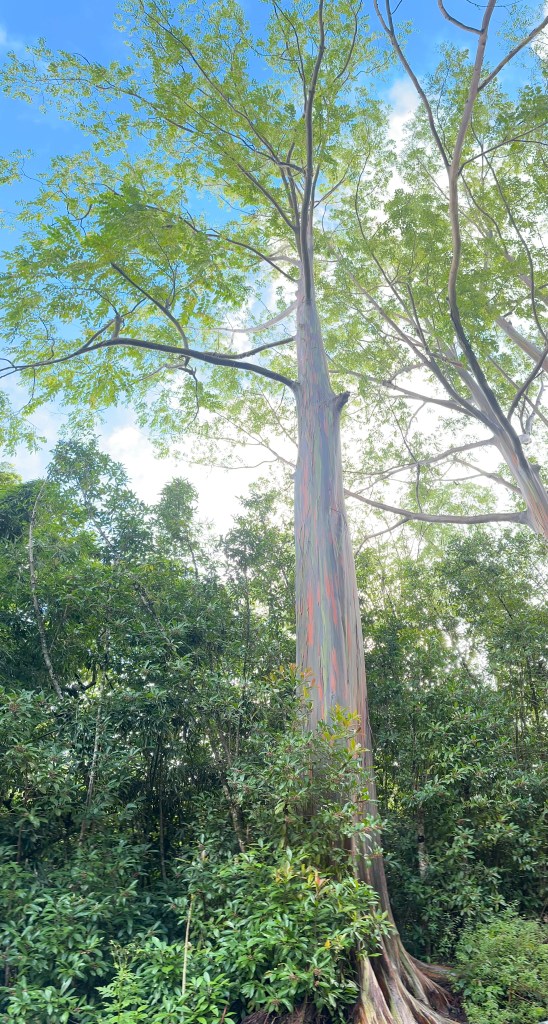
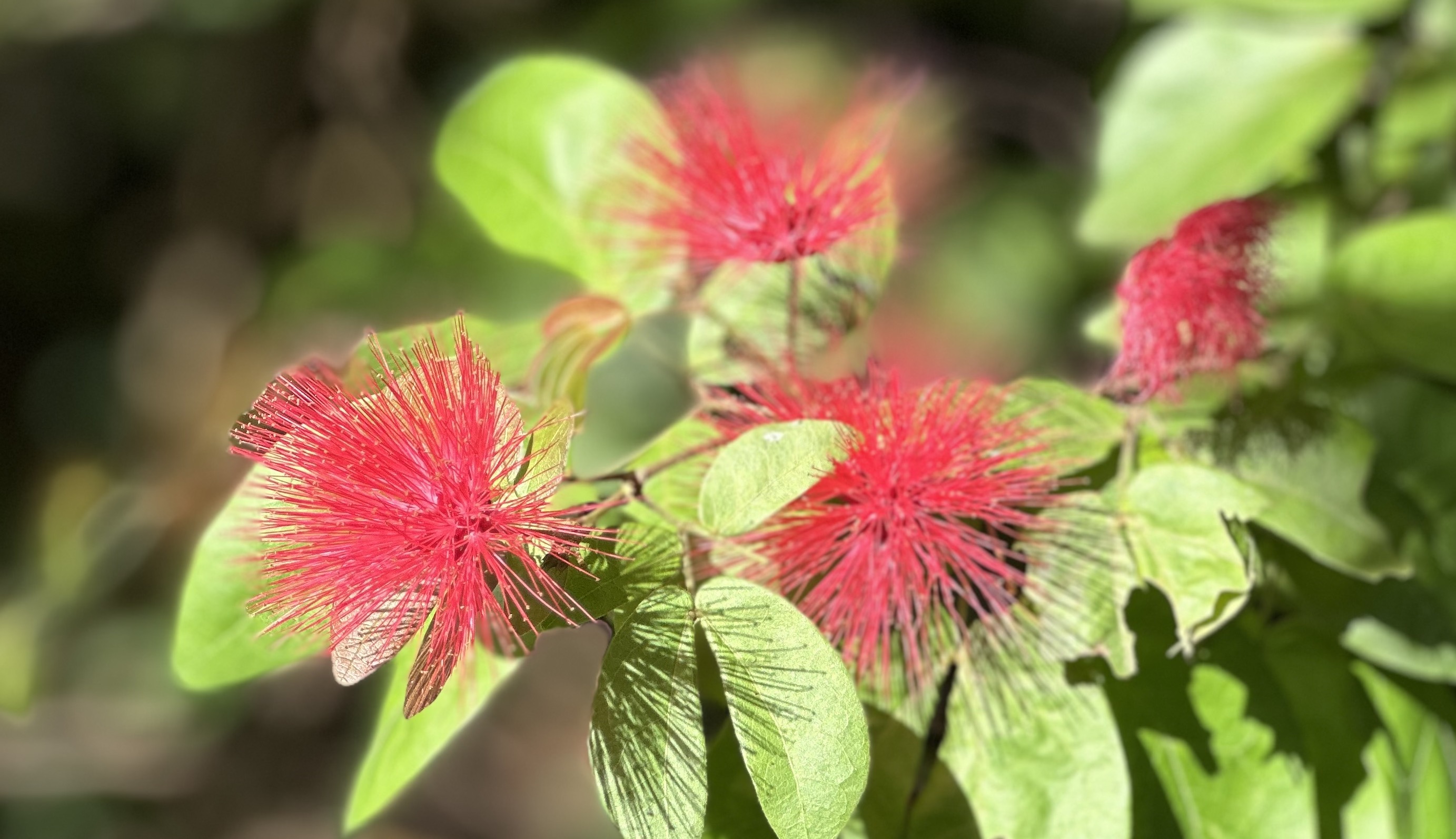
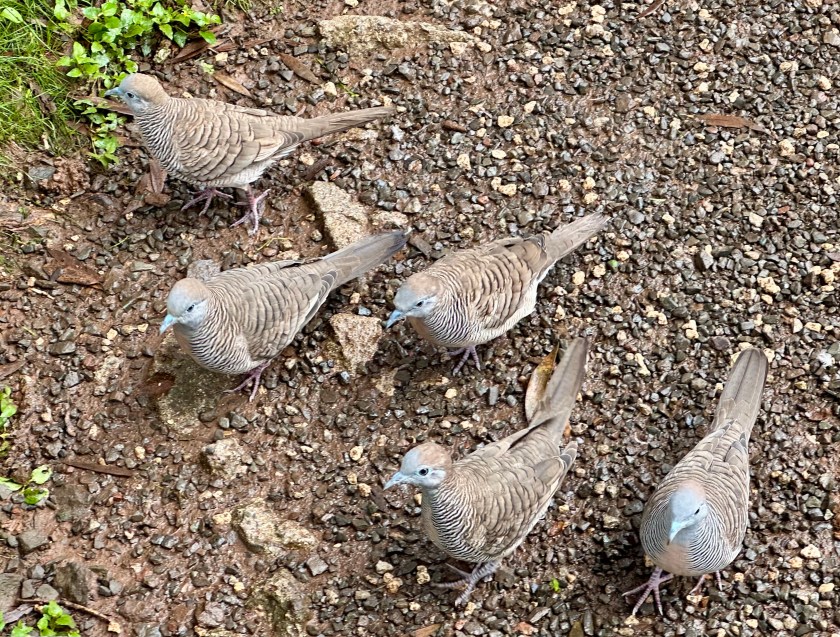
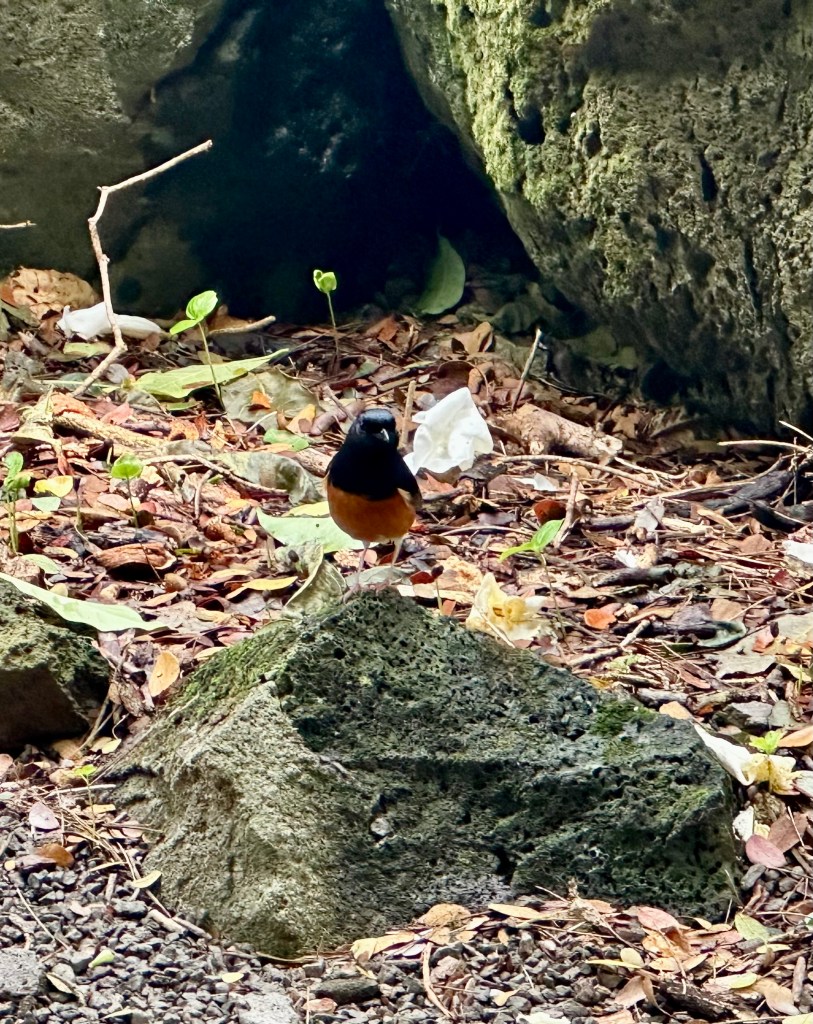
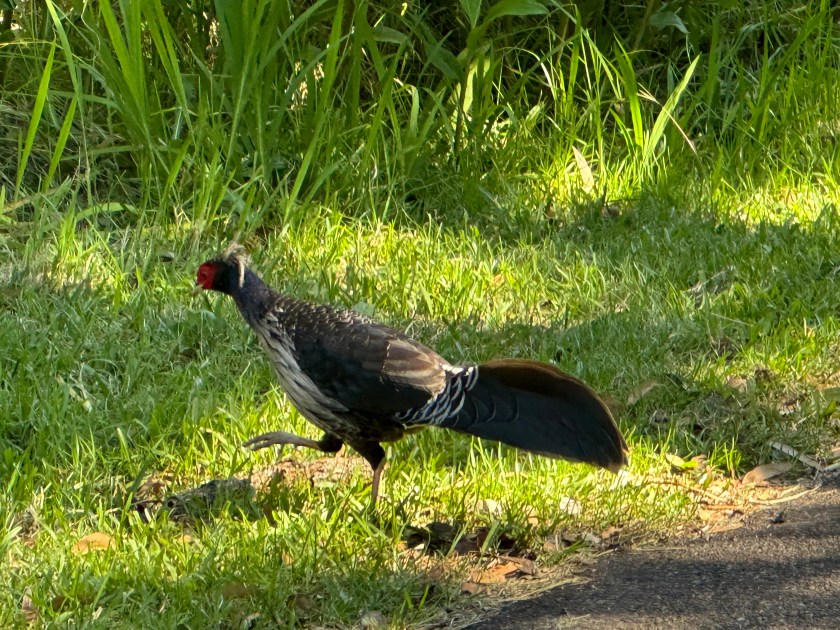
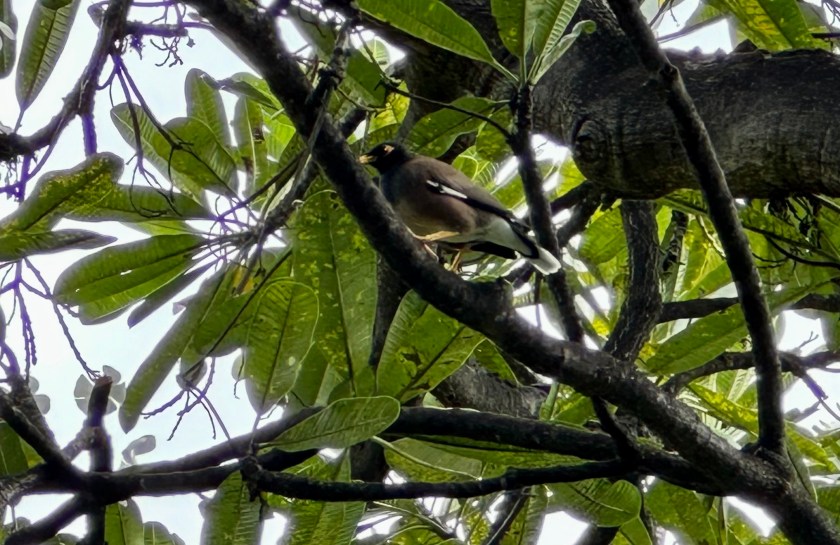
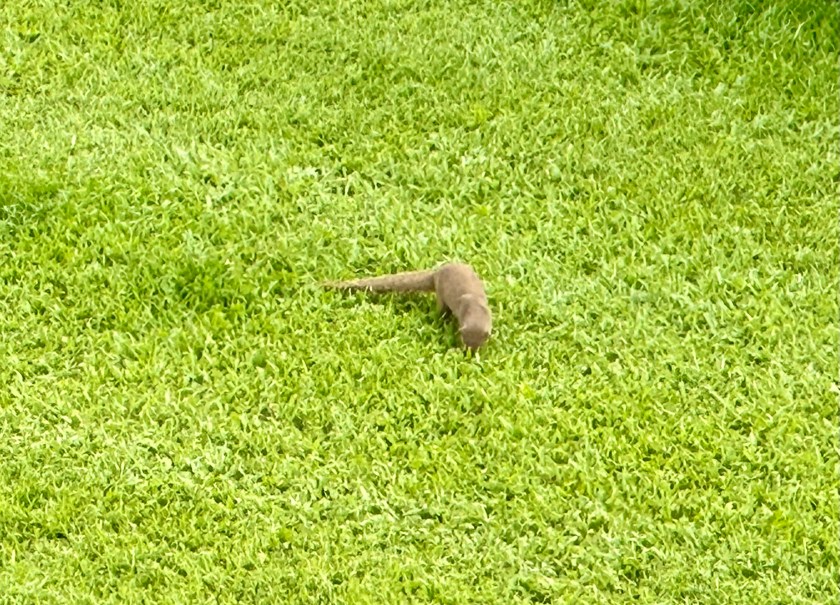
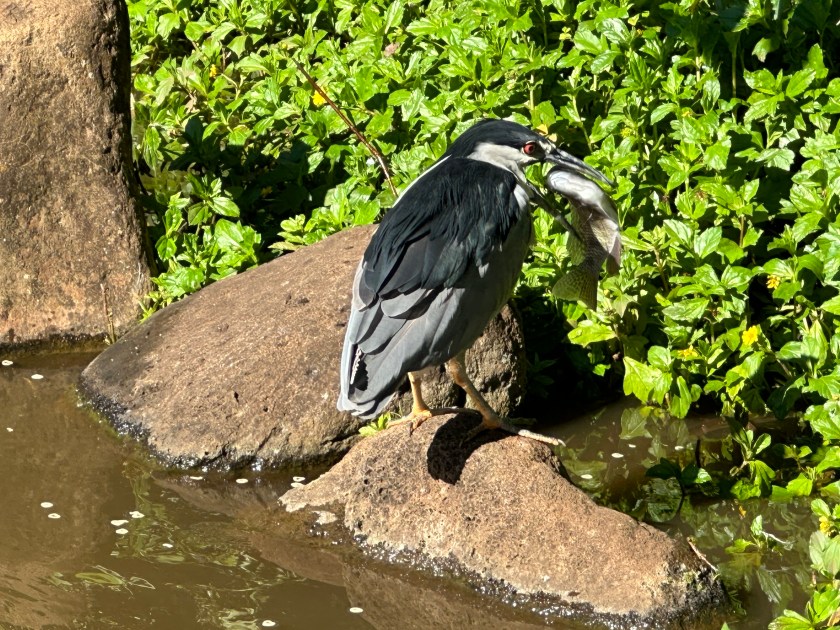
However, our 50th state’s flora and fauna also stand out, as I discovered on a recent trip there. The vegetation, flowers, and wildlife ignited my senses, and I snapped over 1,200 photos. It was that beautiful, and I only visited three islands: Oahu, Kona, and Maui.
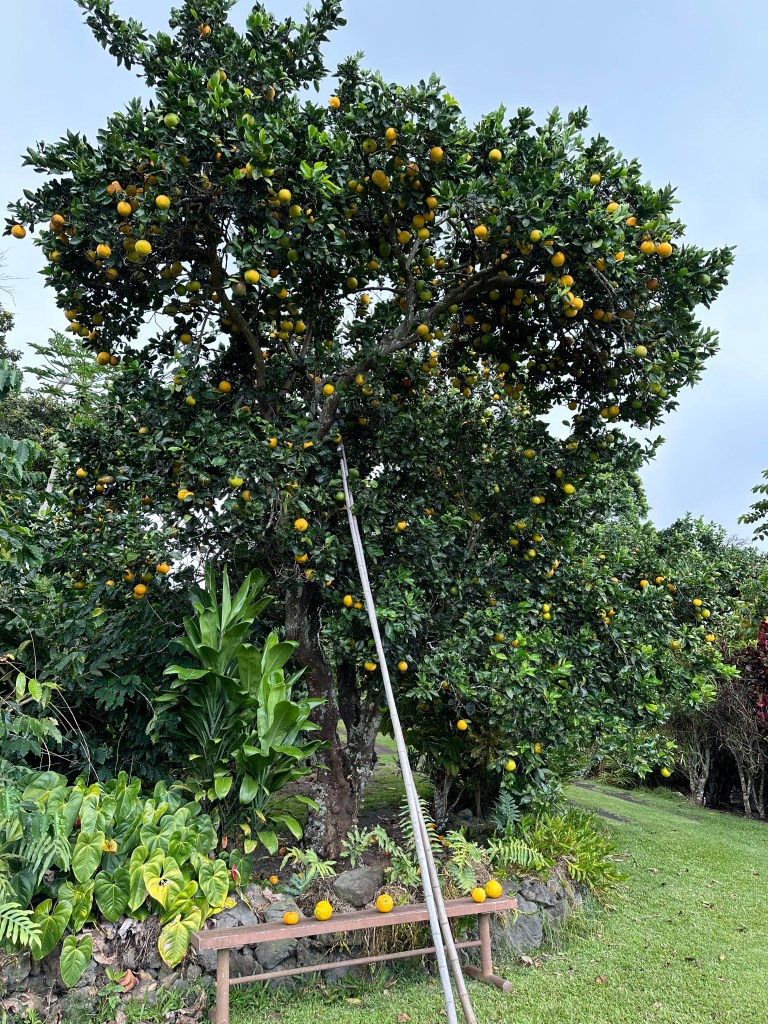
You don’t need to be a botanist to appreciate the abundance of lush plants, trees, and flowers on the 132 Hawaiian islands. Hawaii’s wildlife thrives in these varied tropical habitats.
As an avid but amateur birder, I focused on birds. However, since I was on a group tour, my opportunities to do much bird watching were limited. I listened to and looked for birds as much as possible in my free time at the various stops on every excursion.
I was most impressed with how Hawaiians honor sacred lands by caring for them through public parks, wildlife preserves, and national parks. The lack of trash along roadsides, sidewalks, beaches, and in rainforests proved this point.
In the capital city of Honolulu, flowers were ubiquitous. They bloomed in neatly manicured flowerbeds, bushes, hedges, and trees, and native flowers filled vases inside nearly every building we entered.
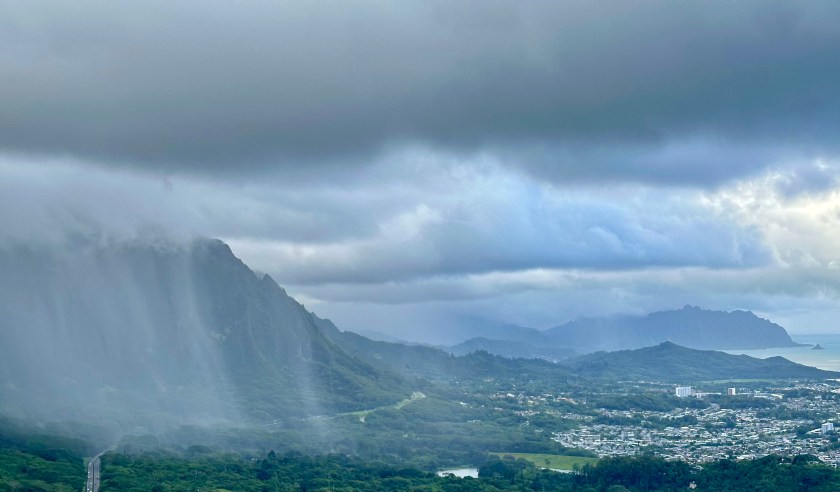
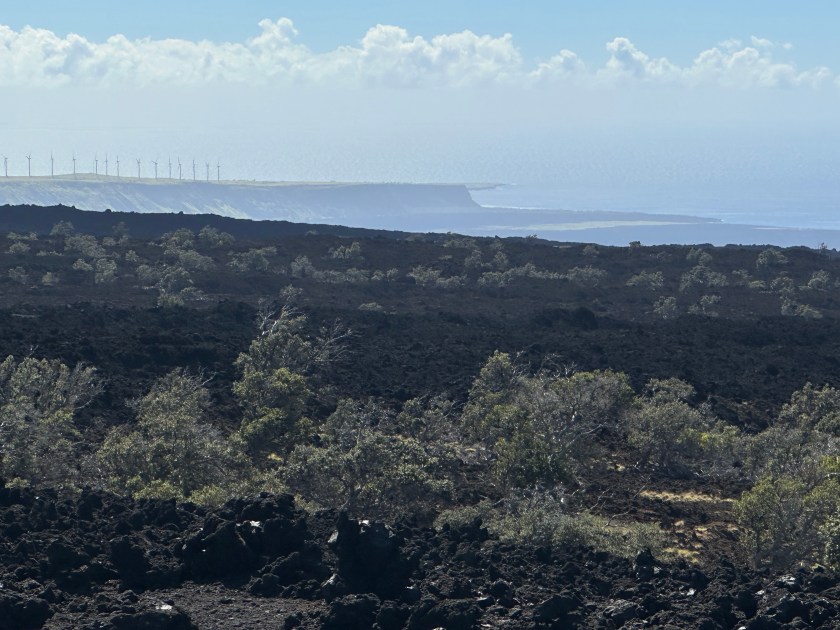
However, the countryside was where the flora and fauna ruled. Thanks to frequent tropical rains, dense rainforests grew on the windward sides of these mountainous islands. Since the clouds had spent their moisture, only scrubby trees, bushes, and grasses grew on the leeward slopes. There was that much difference in the annual rainfall.
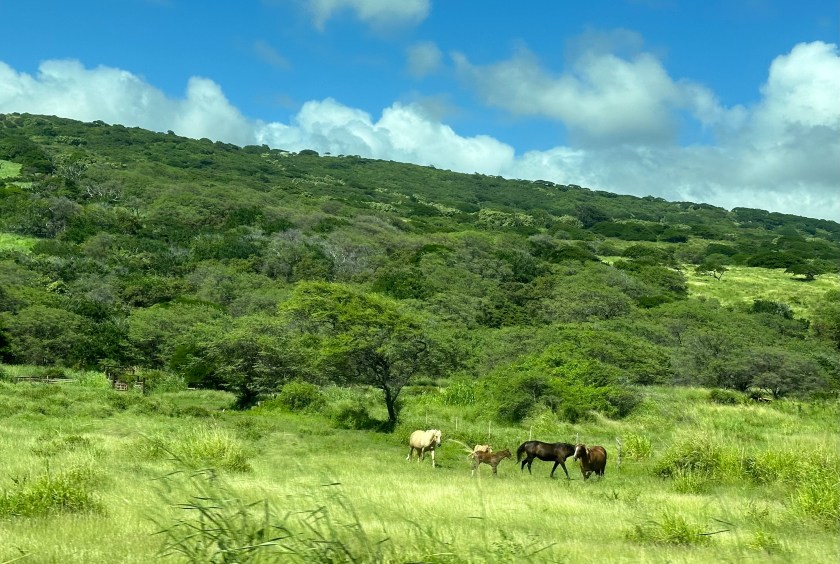
The transition between lush and barren was usually pronounced. However, in some rural locations, ranchers fenced off large, sloping pastures dotted with scrubby trees where cattle, cows, and horses congregated.
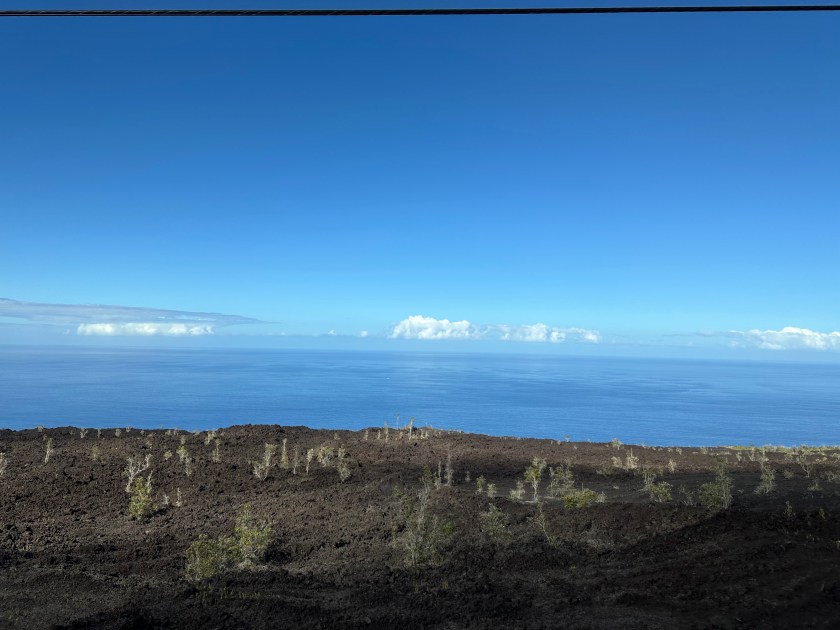
Ancient and recent lava flowed to the sea down the mountainsides, disrupting most plant growth. Still, grasses poked through, helping to break down the rock with assistance from winds and rain.
Lush foliage covered steep, sharp mountains while a half mile to the coast, shorebirds waded for any morsel they could snag. That’s the natural consequence of life on the tip of a submerged volcano that would tower over all land-based mountains, including Mount Everest. Animals and birds flourished all around Hawaii Volcanos National Park.
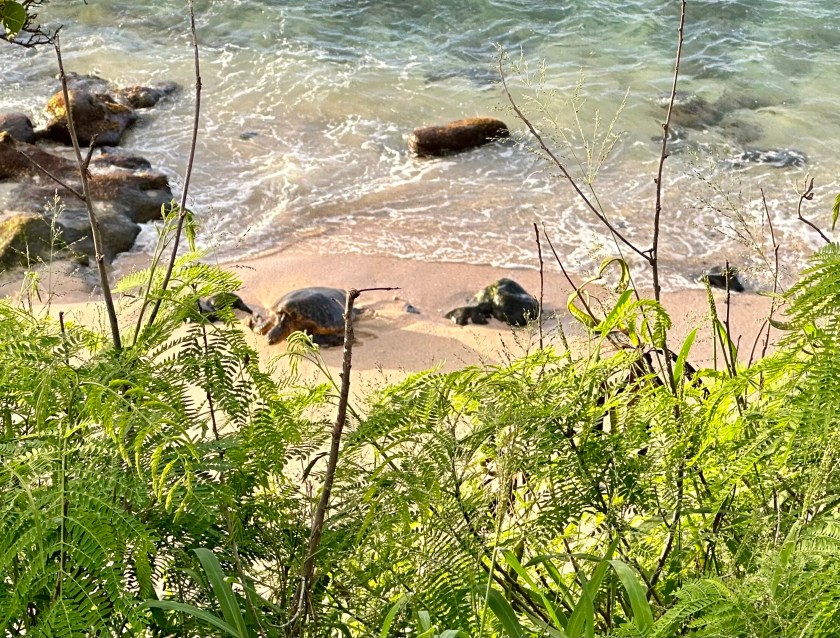
As the vegetation types changed, so did the animal life. In the adjacent ocean waters, manta rays cruised the shorelines for food, and giant Green Sea Turtles basked on sunny beaches to warm themselves.
At a historical coffee plantation, songbirds darted from tree to tree, singing and calling high above the shaded coffee bushes. Years ago, I experienced similar scenes multiple times in Honduran coffee farms.
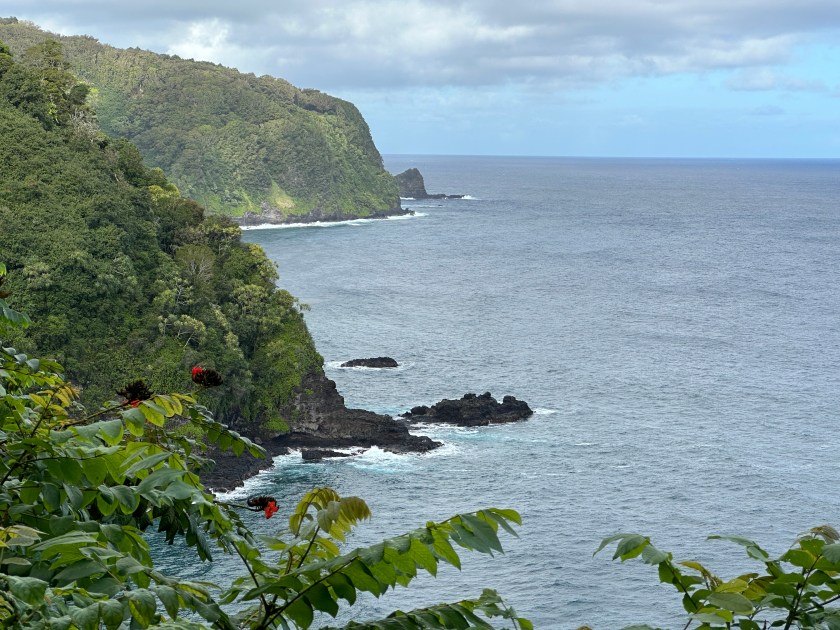
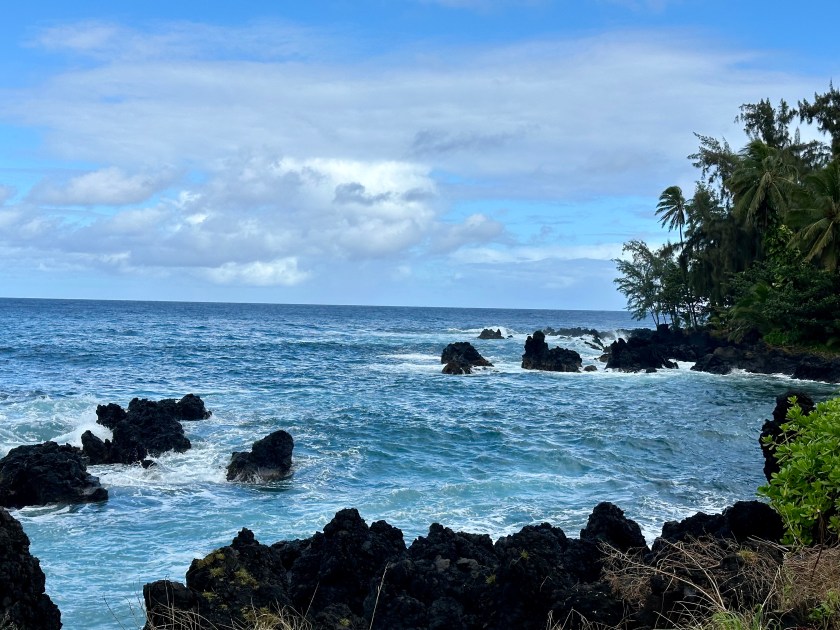
The last full day on Maui proved the most thrilling for scenery and fauna. Driving the Road to Hana and back will do that. Steep mountainsides filled with 50 shades of green surrounded majestic waterfalls, and sharp-angled cliffs dove into inviting waters.
Hidden coves with fine black or white sand beaches held their secrets. Crashing waves instantly transformed into a brilliant white froth that quickly disappeared.
I spied a colony of terns that spend most of the year out to sea fishing. They claimed an old, rugged lava rock that protruded above the sea’s surface, providing a handy, protected nesting sight. Behind me, a small flock of finches waddled through the park’s manicured grasses.
I would be negligent not to mention the free-range hens and roosters roaming the islands. Like many other island animals and plants, they are not native but are now part of the culture.
In my few days in this island paradise, nature’s flora and fauna overwhelmed me with joy. Surrounded by such enchanting environments, who wouldn’t be?
A black sand beach along the Road to Hana. Photo by Bruce Stambaugh
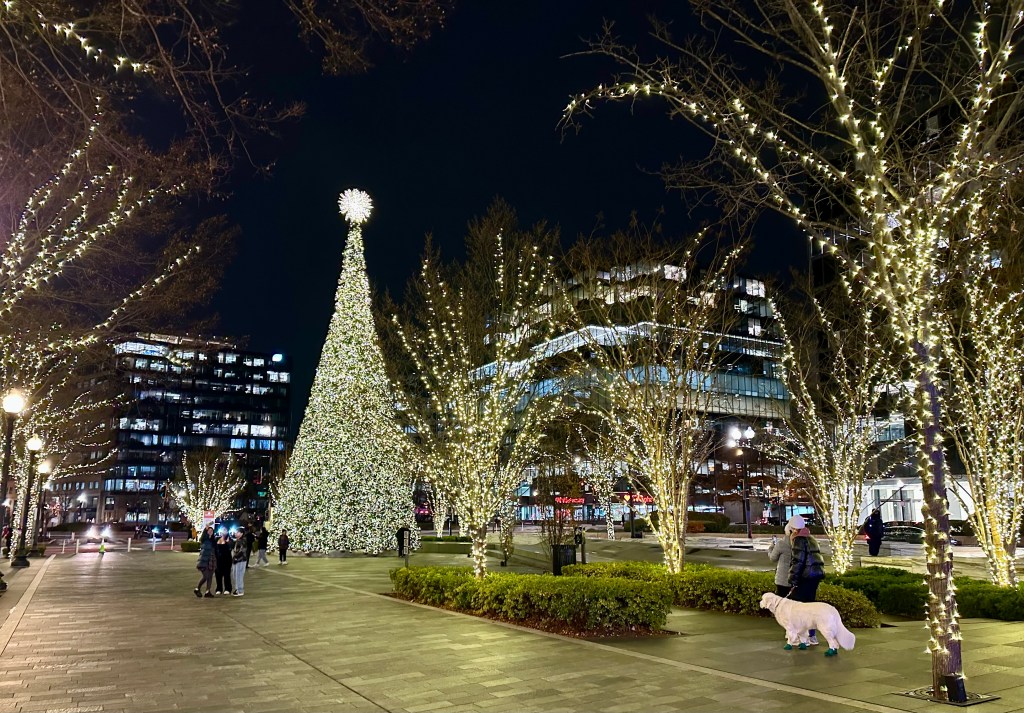
The Park at CityCenter, Washington, D.C. Photo by Bruce Stambaugh
The man sat on the little padded bench in the entrance to the cafe where my family and I had lunch. He was one of dozens of homeless people we had seen during our extended holiday weekend gathering in Washington, D.C.
He sat there silently, bent over from age, the biting cold, and the exhaustion of living on the streets. His hair, scraggly full beard, and disheveled clothes told that tale. I kept glancing at this poor fellow as we waited in line to order.
Our family has established a tradition of meeting in our nation’s capital for the holidays. Our son, his wife, and their toddler son fly in from Upstate New York while our daughter, her family, my wife, and I each drive the two hours to Washington, D.C.
It’s a joyous time together, especially since we see our youngest grandson infrequently. We gather at a hotel and plan out our long weekend together. We try to accommodate everyone in the places we visit and activities we do.
If weather permits, we like to walk to our destinations. If it’s too far or too cold, we ride the Metro.
As we walk, I enjoy observing the people we pass. Everyone always seems to be in a rush, hurriedly stepping along. Several are on their phones, perhaps chatting with spouses, friends, or coworkers.
Others use earbuds to tune out the sounds of the city, the sirens, and the traffic, listening to music, news, or podcasts. Their desire is escape, and they avoid any personal interaction with others.
Then there are the many homeless people, some squatting on cold sidewalks, begging for any amount of money. Some held hand-made signs that were hard to read, scratched onto any piece of cardboard they could find. I seldom saw passersby drop even coins into their containers.
I usually stroll right by them without any acknowledgment that they exist. I do, however, tend to look at them, and most of them notice, hoping I’ll stop with a dollar or two. I prejudicially rationalize that I don’t know what they’ll do with the money.
Still, I don’t feel good about not helping, but there are so many. I can’t help them all. My guilt fades as I walk farther away until I encounter the next one and the next.
Now, here was this lone man. He and I were in the same space. How could I help him? Was this my chance to make a fleeting, spontaneous, compassionate gesture?
My son nudged me back into the moment. I ordered a cup of soup for my wife and a bowl for myself, took my number to our table, and waited for the food. I poured two cups of water from the jug’s spigot near our table. While we waited, I told my wife about the man in the doorway.
The soups soon arrived with a bonus I didn’t expect. A delectable-looking roll accompanied our steaming soups. As soon as I saw that tantalizing butter-glaze, brown-crusted dinner roll, I thought of the man. My innate empathy kicked in.
I hoped he was still there. I grabbed the roll on its napkin and hurried to the entrance across the black-and-white checkered tile floor. I fixed my eyes on the door.
There he still sat, frozen in the same hunched position. Only this time, I indeed saw him for the human he was. His left pant leg hung loose and empty, and a metal crutch slung over what remained of his left thigh. That new insight had me wondering even more about this man. How did he lose the leg? Was he in Vietnam?
I bent down and eased the roll forward into his blank stare. He looked up, and we locked eyes.
“Do you want some food?” I asked.
“Are you sure?” he queried, his voice quivering. Surprised at this response, I merely nodded my head in affirmation.
The man reached out and took the offering with his right hand. He immediately extended his left hand with a $5 bill threaded through his grimy fingers. I surmised someone had recently given him the currency without considering that the money might be his. Plus, he could have purchased more than a roll for that amount.
Stunned, I waved off his humble offer, backed away, and retreated to my table without asking him if he needed anything else. I didn’t even ask his name.
Giving up the roll was not a great sacrifice. Since I am gluten-intolerant, I couldn’t eat it anyway, so it was a small act of kindness, nothing more. Empath that I am, I would have given him the roll even if I could eat gluten.
Still, I felt unsettled for not engaging with him more. I also wished I had offered the man something to drink, even a tiny glass of the cool, clear water.
Only then would our fleeting communion have been complete.
























 Roadkill Crossing
You must be logged in to post a comment.