My wife and I moved to Virginia’s lovely Shenandoah Valley seven and a half years ago. We wanted to be close to our three grandchildren, who were approaching their active teen years. We thought watching them play soccer, baseball, and volleyball and perform in concerts and recitals would be fun—and it has been.
But the weather has been irregular, to say the least. Now, our Virginia home is no farther south than Cincinnati, Ohio. So, we knew winters would be cold and snowy from time to time, but usually, the snow didn’t last long. The valley would get six inches of snow, and it would be gone in two days, thanks to the clear blue skies and warmer temperatures.
For the most part, that is what the winters have been like until this year. We might as well have stayed in Ohio, where we sometimes received lake effect snow from strong northerly winds blowing off Lake Erie even though we lived 75 miles south of Cleveland.
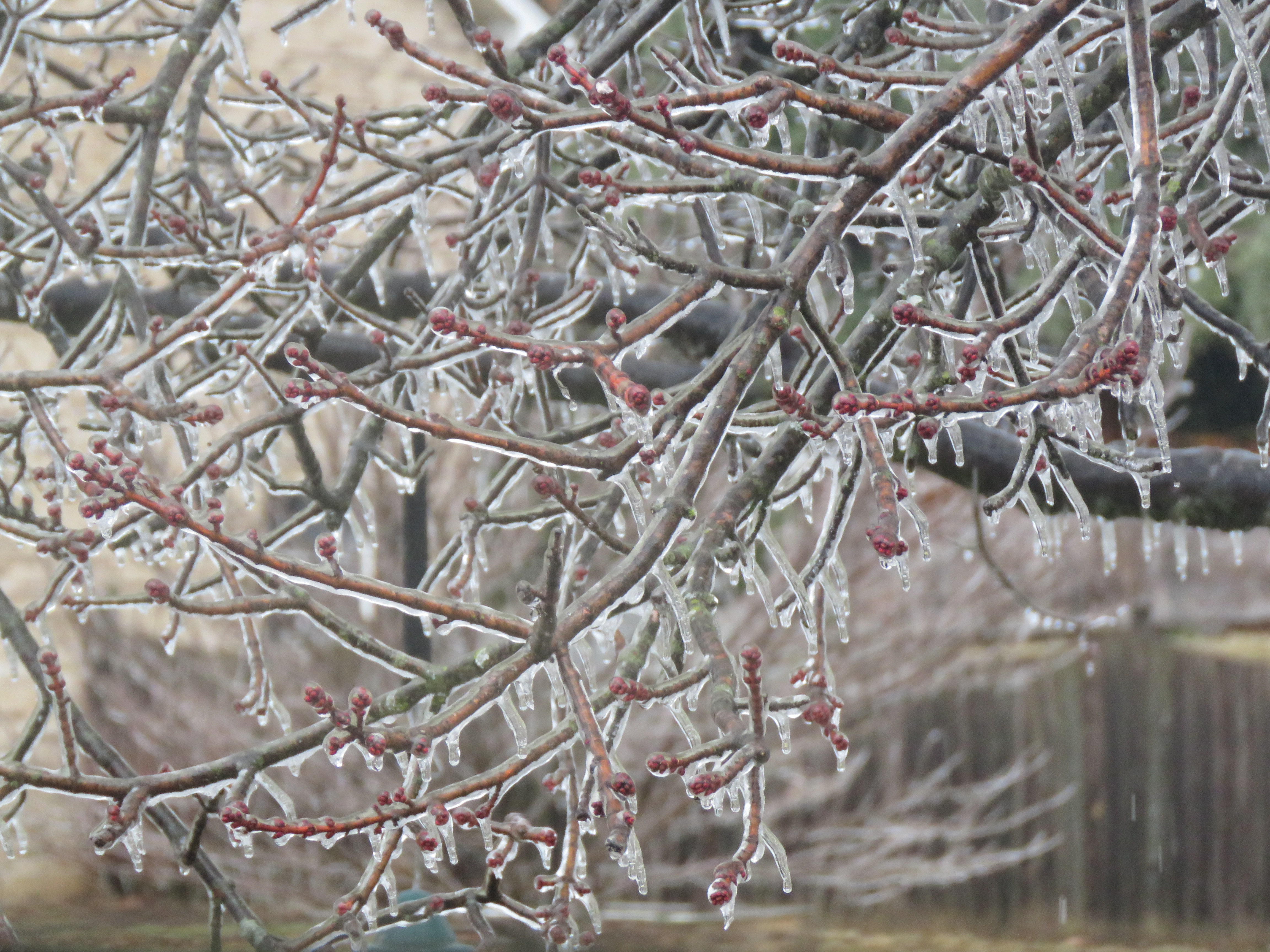
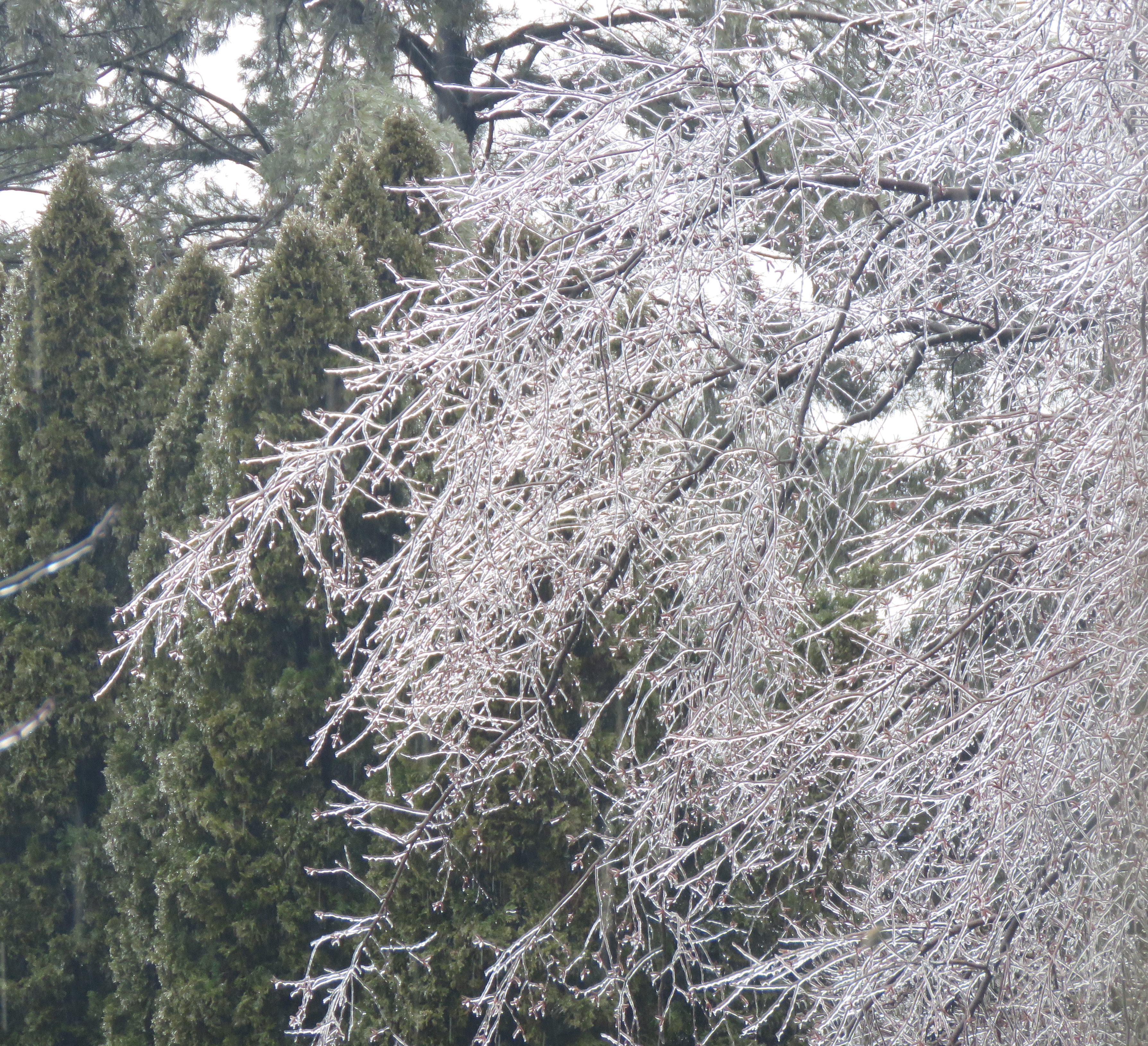
The winter here has produced multiple snowstorms that deposited snow ranging from one inch to seven inches. Some areas in the county had even more. We have also had two rounds of freezing rain that brought down large tree limbs and closed schools and businesses. And there’s still more winter weather to come.
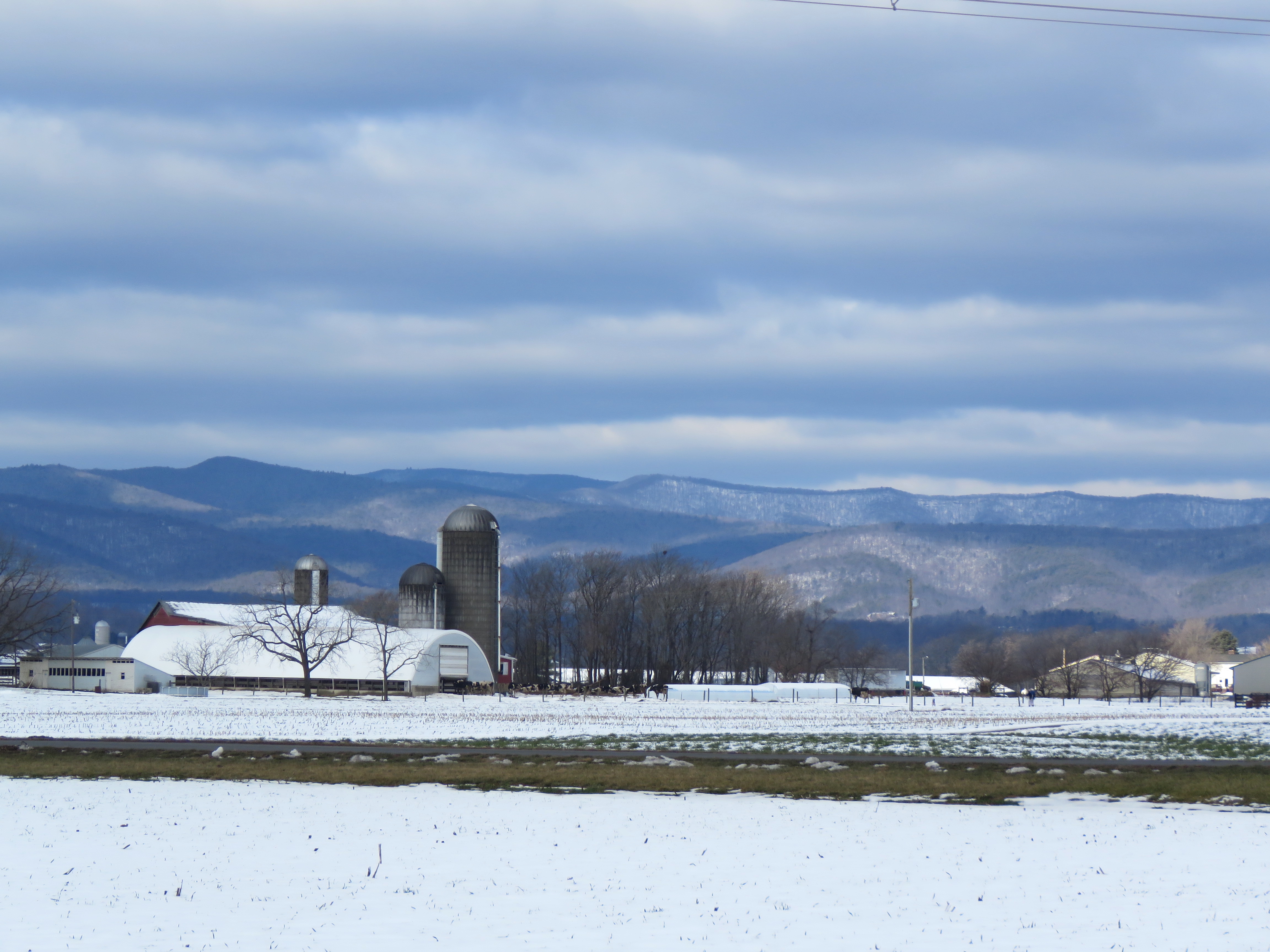
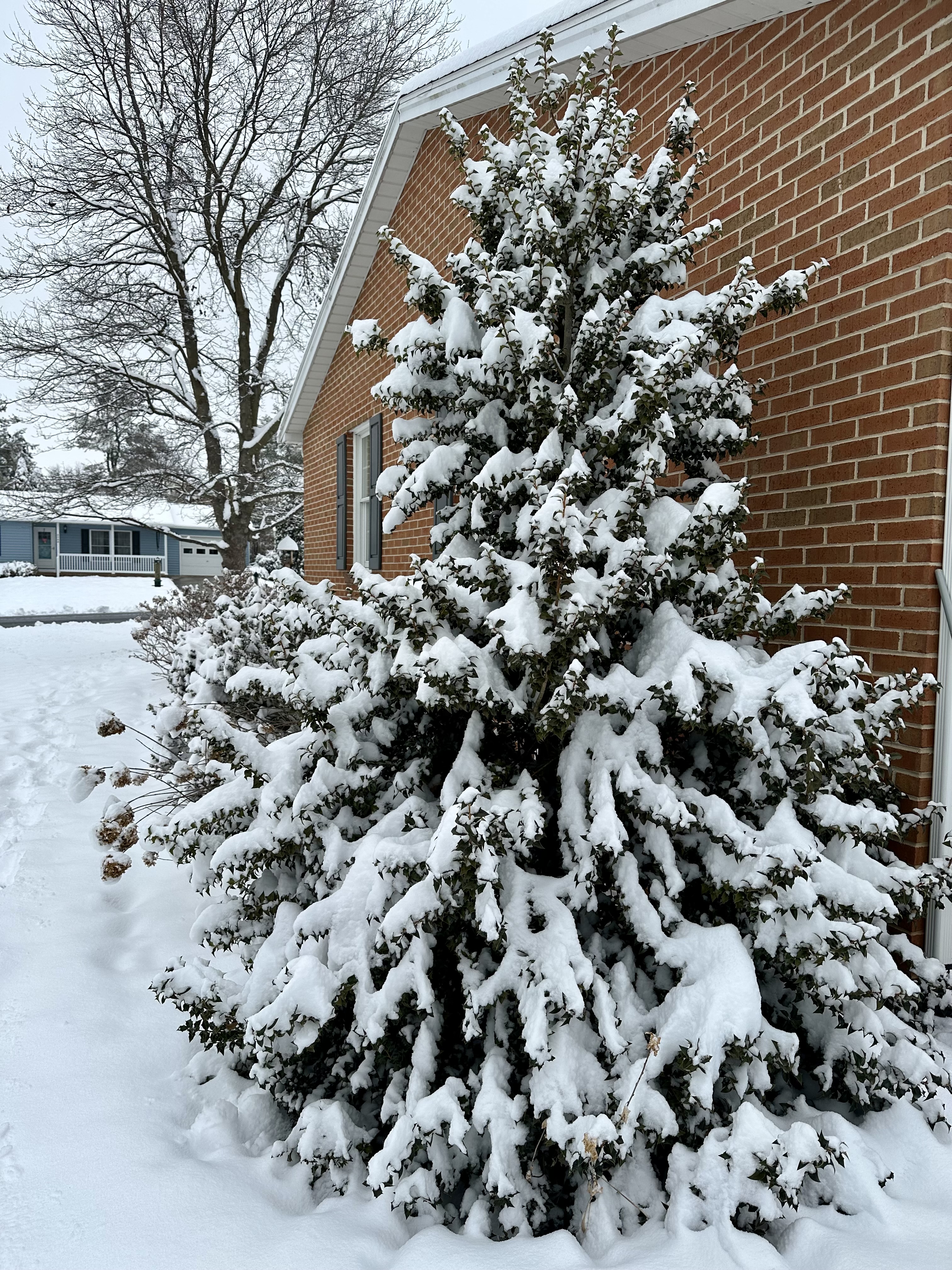
Mind you, I am not complaining. I am just stating facts and perhaps a little frustration. Still, I greatly enjoy the beauty the blankets of snow create. I hope that joy is reflected in the photos.
Given this weather, though, we could have visited Upstate New York to play with our fourth grandchild, Teddy, a very curious two-and-a-half-year-old. I think we’ve had more snow than Teddy.
At least the birds have beenfaithful in visiting our birdfeeders and birdbaths.
March snow in the mountains.
March is famous for its variable weather. After all, the familiar saying, “In like a lion, out like a lamb” references the month of March.
There’s a good reason for that. It’s easy to imagine our log cabin ancestors being more than ready for spring after enduring snowstorm after snowstorm. However, pioneer-era folklore was based more on hope than meteorological compilations.
They professed that if March began with yet more lion-like elements, then it had to end with gentler, calmer, warmer, more welcoming weather. Who could blame them?
It’s only natural to want more appealing weather than another cold spell. In animalizing weather, it’s much safer to deal with a lamb than a lion, especially if you were a 19th-century settler with a bad case of cabin fever.
Likely, there was more to it than that. Those hardy people believed in a balance of life. Aristotle’s “moderation in all things” was their mantra. So, they logically applied that theory to the weather as well. If March was harsh in the beginning, it should be mild by month’s end.
Unfortunately, the weather doesn’t work that way. We take what we get, and given what we have gotten in the past, March’s weather could be a doozy. A lot of factors come into play.
Welcome to March, 2013.
Shoveling.
During the storm.
A foot.
Snow bed.
Building the snowman.
Those expressions!
March’s normal weather, whatever normal is these days, has historically played hijinks with global societies. March is known to deliver every variety of weather in its 31 days, and not always where or when you might think.
My family has personal experience with March’s fickleness. Seven years ago, we traveled from Ohio to Virginia’s Shenandoah Valley to babysit our three grandkids, then ages eight, six, and three. Their parents went on a much-needed vacation to Florida.
Shortly after we arrived, a strong cold front moved through the eastern U.S. causing chaos. While Florida froze, the storm dumped a foot of heavy, wet snow on us. Babysitting was never so much fun as we frolicked in the winter wonderland. Sled riding, building snow forts, and snowmen filled much of our time.
When we returned home a week later to Holmes County, Ohio, the weather was dreamy. Under sunny skies, Amish farmers were plowing fields with horses. Now those seem like the good old days. When we arrived home.
It’s easy to be nostalgic about March. I always thought of the third month as the bridge between winter and spring. Hoes and rakes replaced sleds and ice skates. The snow on the daffodils never lasted long.
It’s much harder to face the reality of the Marches of the 21st century. Now, severe storms are occurring more frequently and are much stronger than in previous times.
More than a hundred years of industrialization have drastically changed global climate patterns. Tropical areas that usually receive regular rains have been drought-stricken, resulting in catastrophic wildfires. Think Australia and California.
Globally, the last 10 years have produced nine of the warmest years on record. In fact, this January was the warmest ever. That could explain in part why many skiers, ice skaters, and ice fishermen far and wide had to feel abandoned by the nearly winterless winter weather.
That said, March will still be March. It just might be wilder than in olden years. Our forebearers rhymes may have had some wishful reasoning to them. The reality in the early 21st century may deliver more dramatic climatological results.





 Roadkill Crossing
You must be logged in to post a comment.