Snow on Shenandoah Mountain

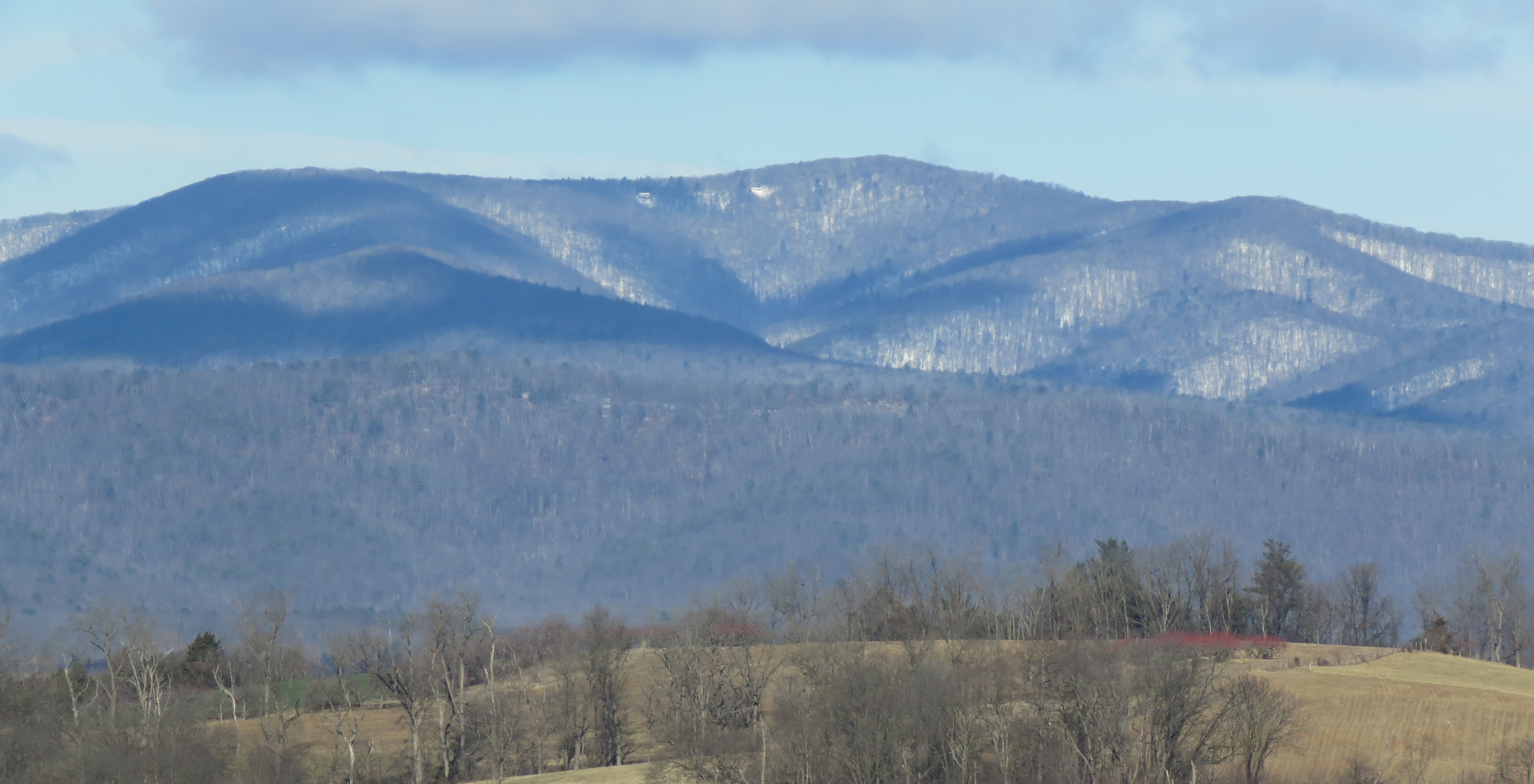
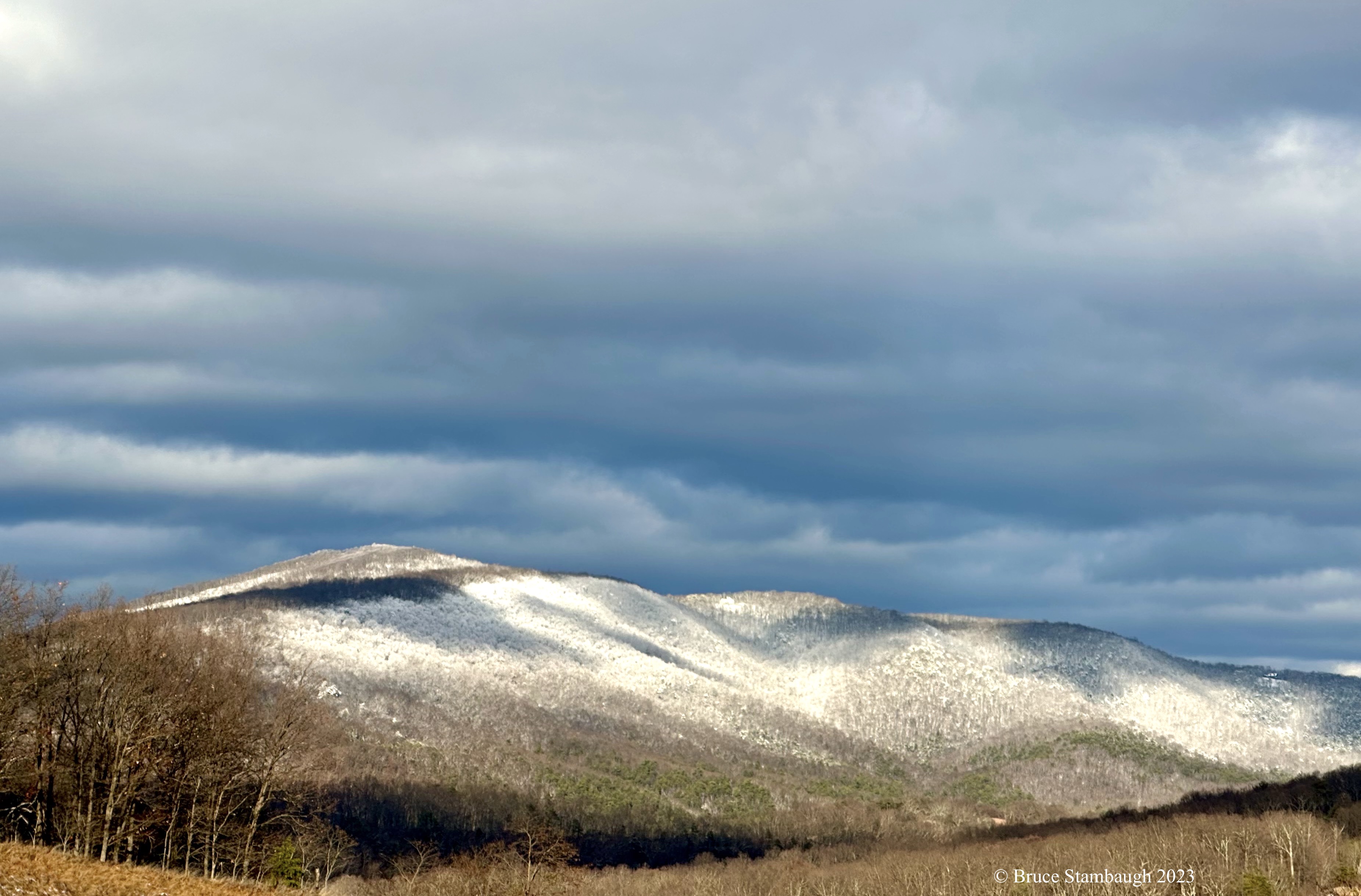
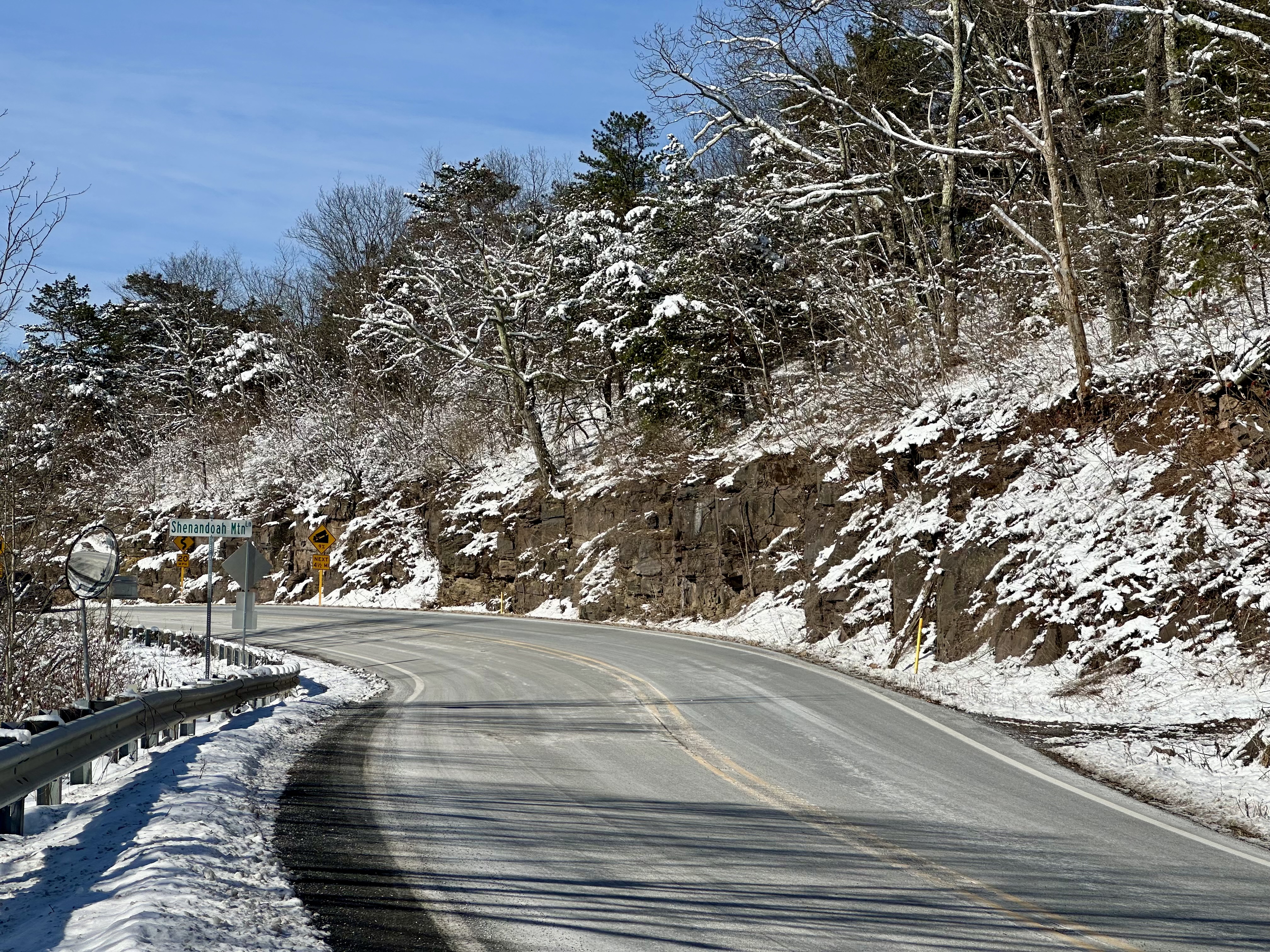
Shenandoah Mountain as seen from the rolling valley. Photo by Bruce Stambaugh

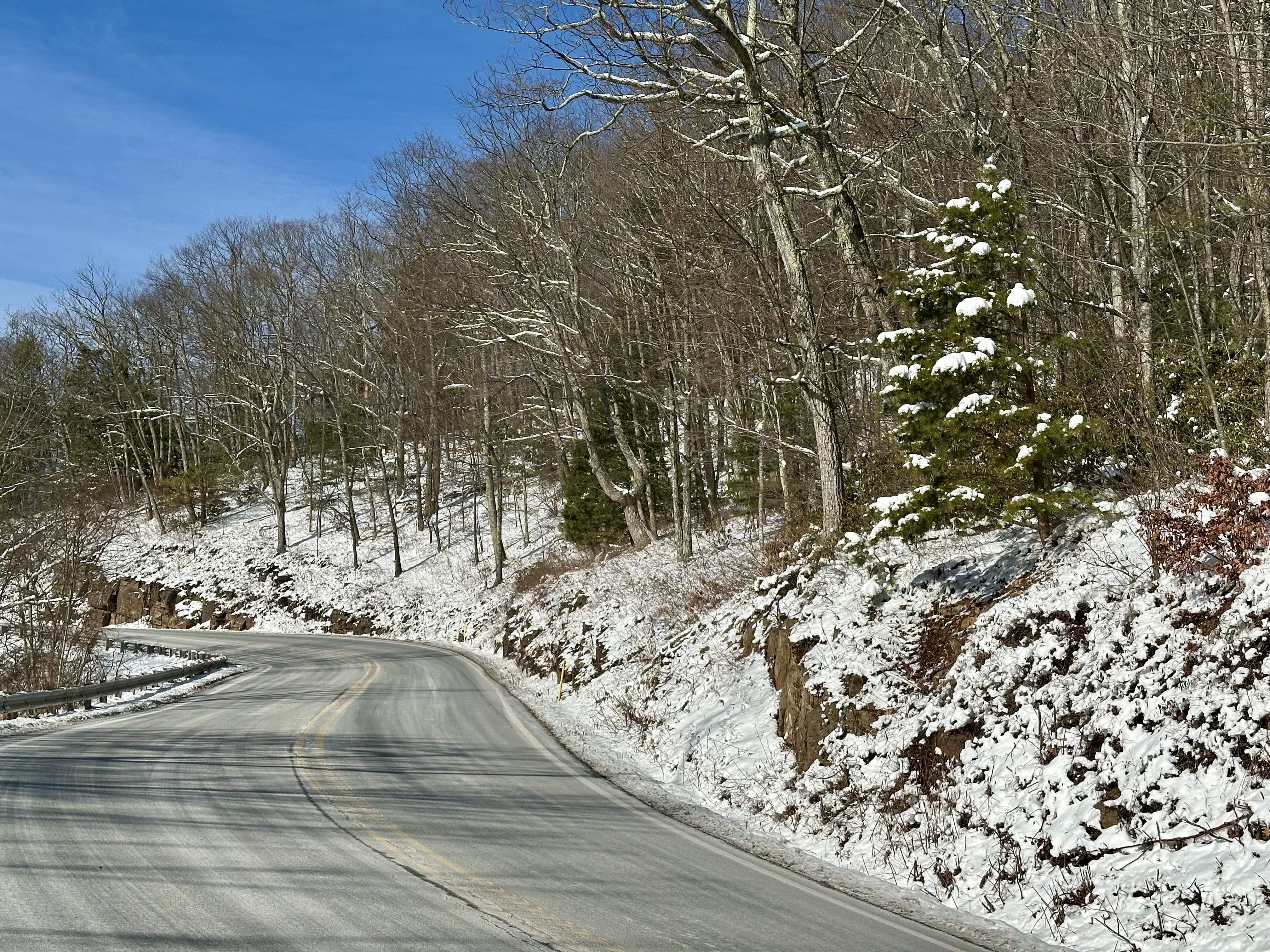
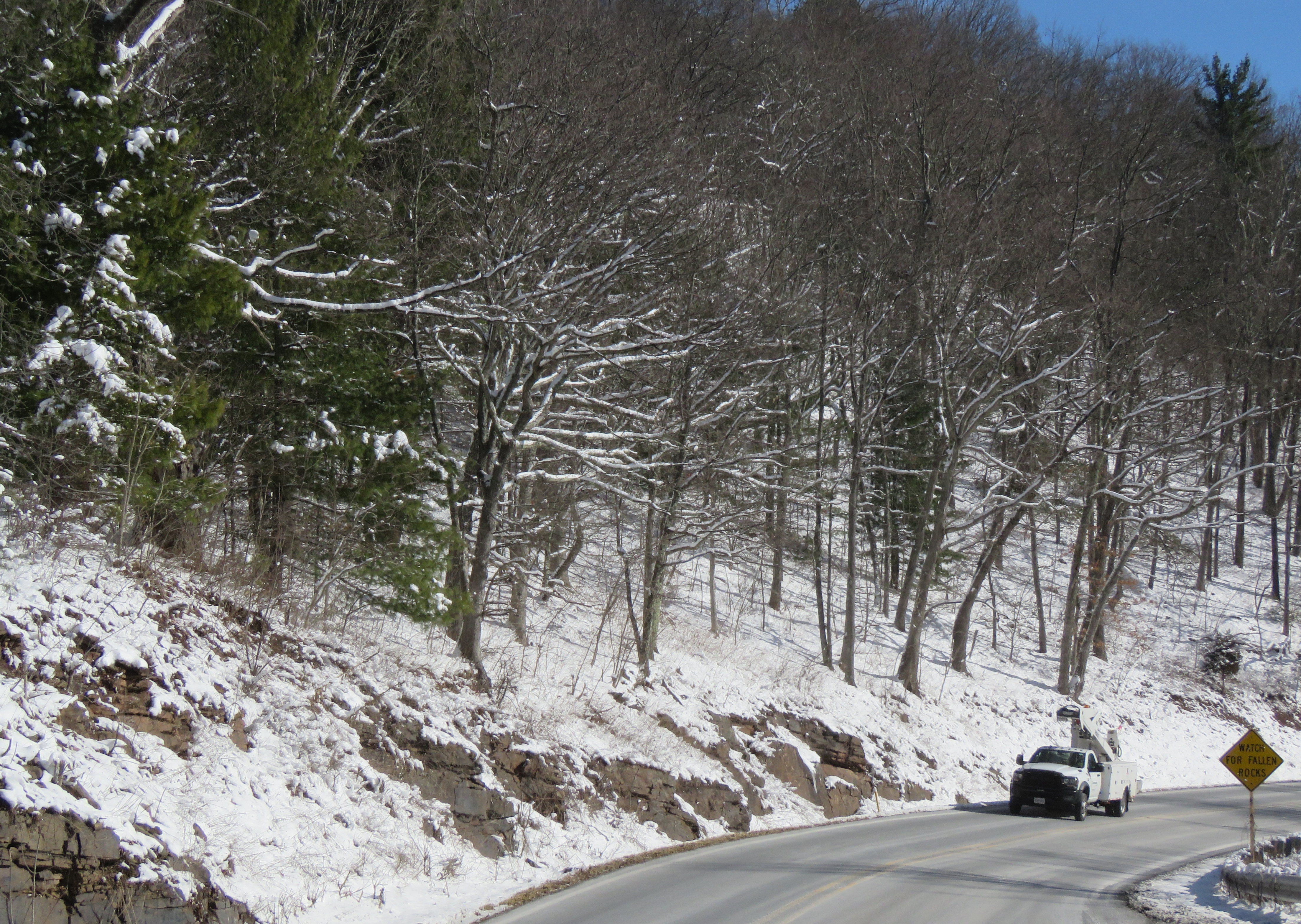
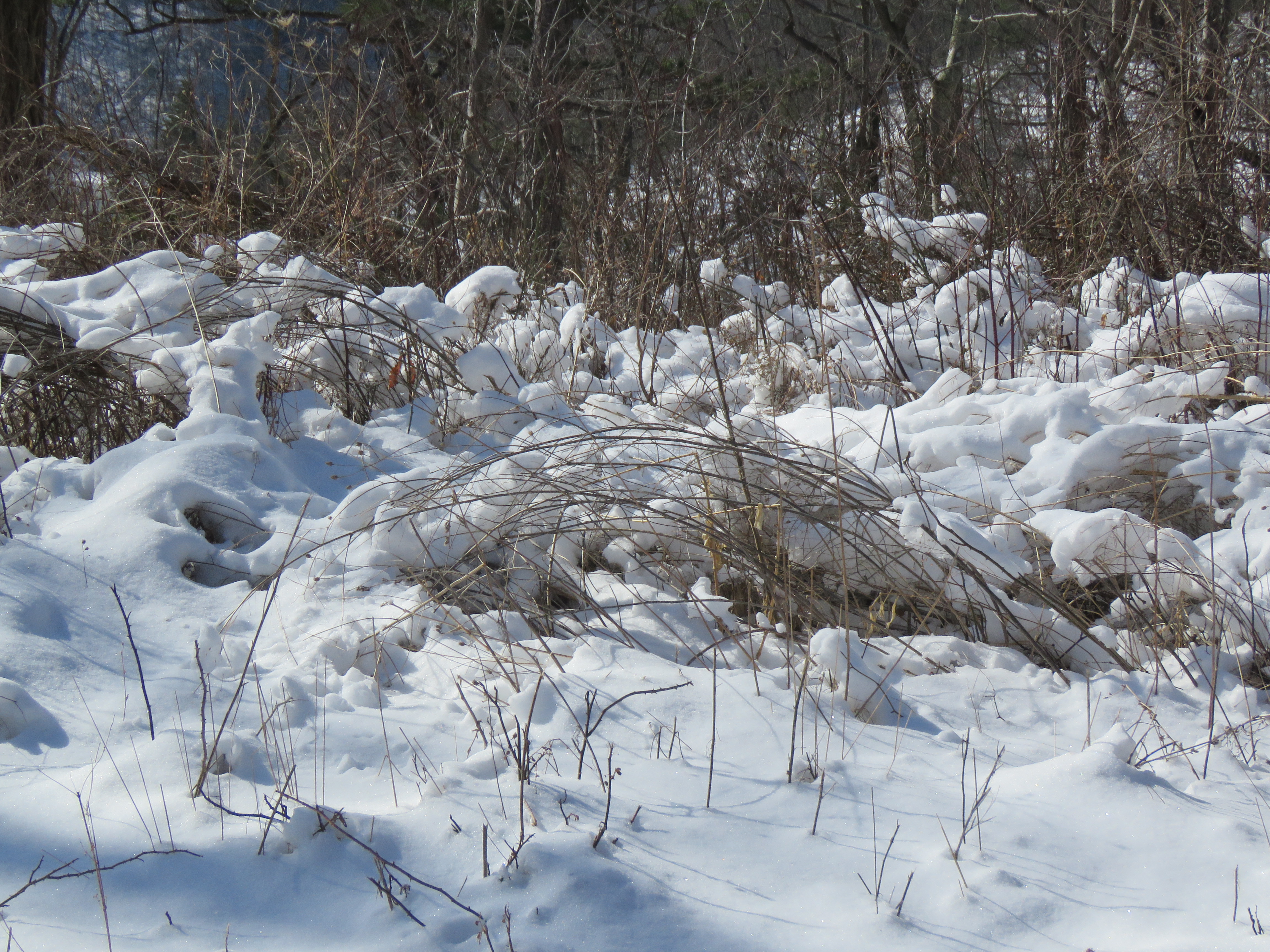
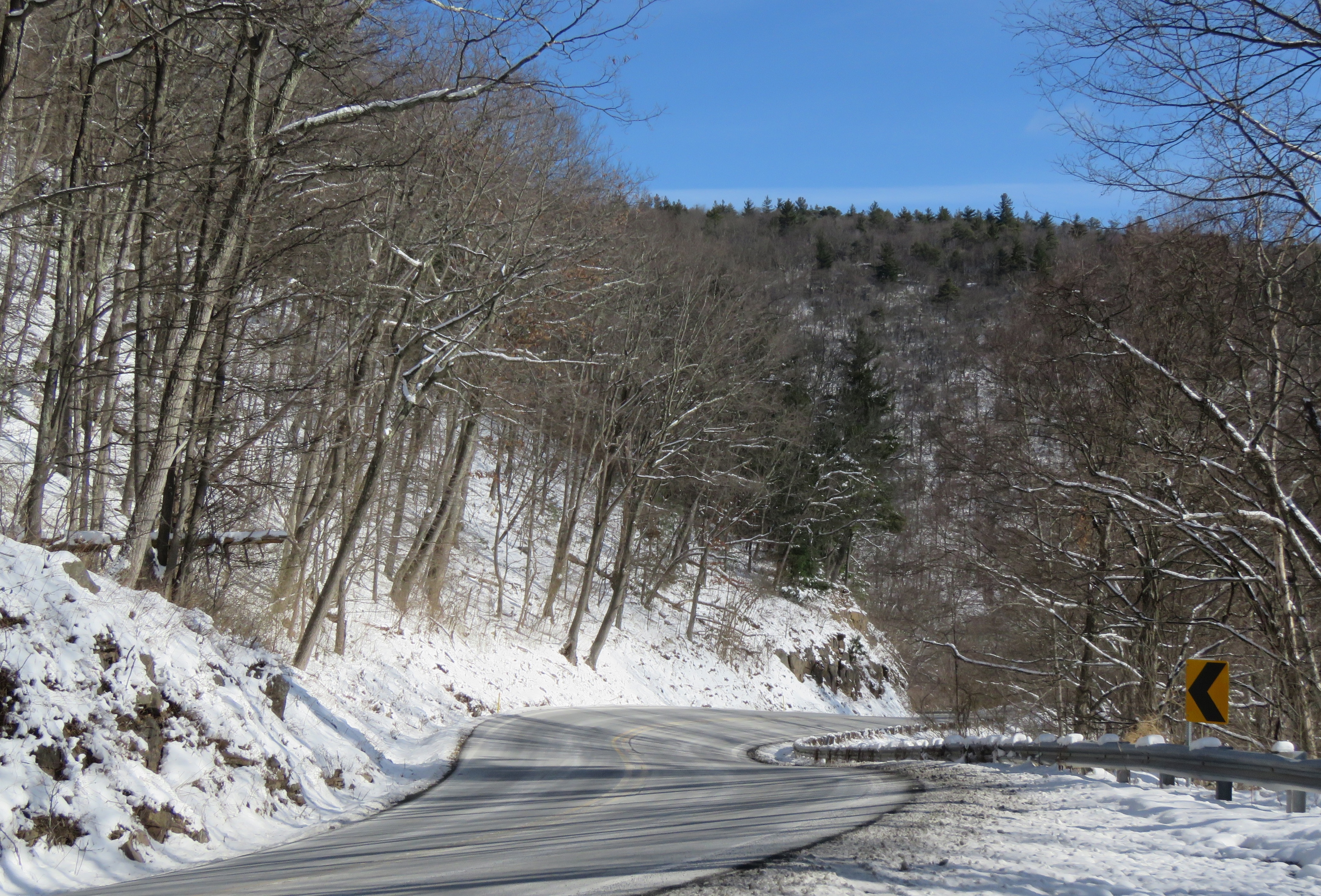
On Shenandoah Mountain, a miles’ long ridge that marks the boundary between Virginia and West Virginia, the snow glistened in the bright sunshine of a recent morning.

Far below, a majority of the snow cover in Rockingham County in Virginia’s Shenandoah Valley had melted into the moisture-starved landscape. A few days later, it snowed again.

In the eight and a half years my wife and I have lived here, the serene winter scenery has drawn my admiration. Too often, though, snow still clung to the winding, switchback road to Shenandoah’s summit. So, I admired from a distance.

However, I took advantage of the glorious day and ventured out, hoping that days after the heavy snow fell, US 33 would be bone dry all the way to the West Virginia line. That’s just the way I found it.
Please click on the photos to enlarge them.

Shenandoah Mountain is a much-revered landmark to locals on either side of the famed mountain. The mountain is actually an entire range that runs southwest to northeast for 73 miles. The undulating ridge ranges from 3,500 to 4,397 feet in altitude at Elliott Knob.

Not to be confused with Shenandoah National Park at the eastern end of Rockingham County, Shenandoah Mountain serves as the eastern front of the Appalachian Mountains. It is a substantial part of the George Washington National Forest in both Virginia and West Virginia. Its extensive biodiversity includes alpine vegetation, flowers, and wildlife, which attract hikers and birders from afar.

In the wintertime, I marvel at the contrast between the snow and the charcoal-colored stands of forest, dotted occasionally by the dark green of tall, twisted pines. The storied mountain draws me like a magnet.

As I drove up the curvy highway, the snow depth increased as I climbed higher and higher. I noted safe places to pull off for photos on the way back down. Though the sun shone brightly, the wind blew steadily. It was 29 degrees when I started the climb, and 19 at the peak. I was surprised that the wind rustling through the bare trees made the only sound I heard.
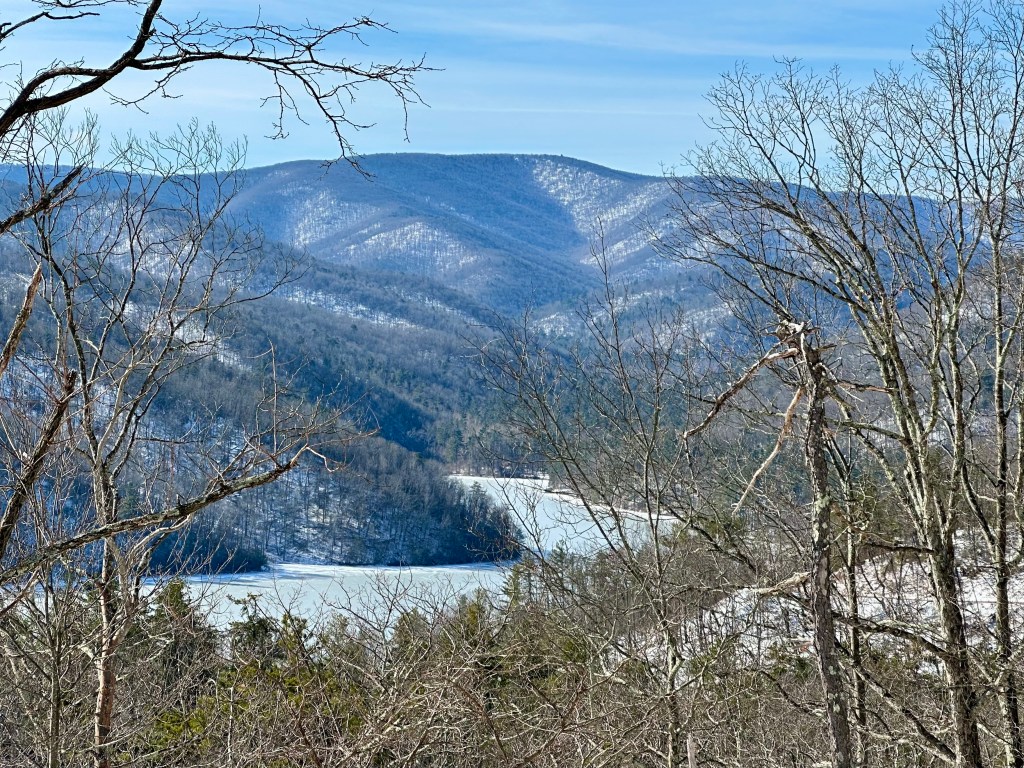
Switzer Lake viewed from US 33. Photo by Bruce Stambaugh

I expected more snow as I looked at the multiple mountain ranges of the Appalachians in the Mountain State’s interior. But apparently, this latest storm dumped an upslope snow, meaning most of the snow fell on the western slopes of the mountains as the winds blew eastward.

On the way back down to the valley, I stopped a few times where the state had made short breaks in the guardrails. At those spots, I pulled my vehicle completely off the road to capture a few photos. One man even slowed, lowered his window, and asked if I needed help. I thanked him and assured him I was fine.

Surrounded by all this beauty and quietude, how could I be otherwise?
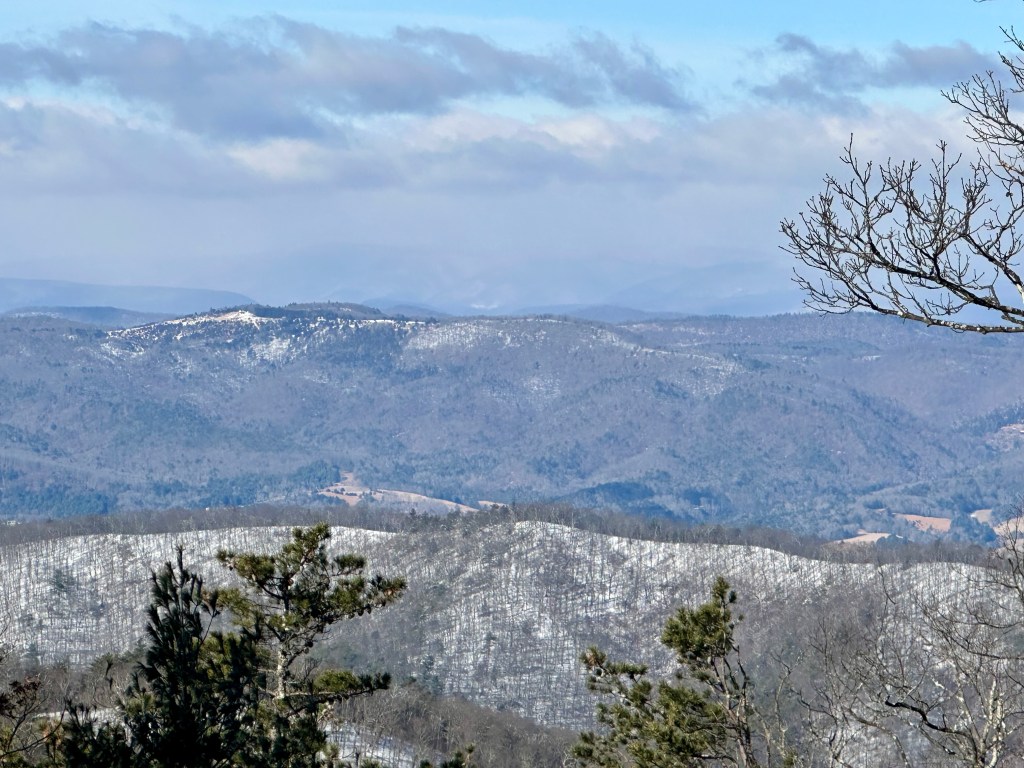
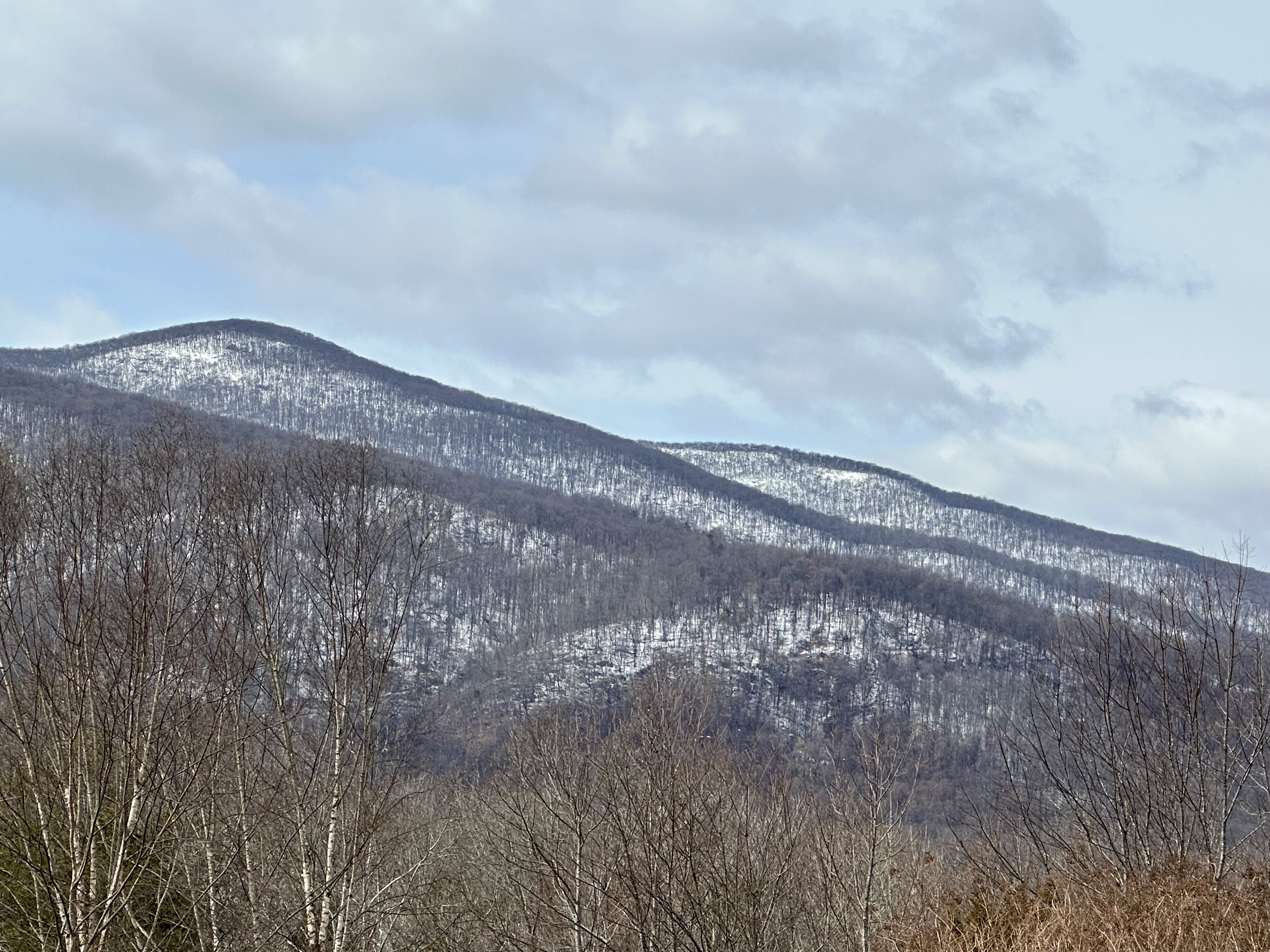
The Appalachian Mountains in West Virginia, viewed from Shenandoah Mountain.
Photo by Bruce Stambaugh

© Bruce Stambaugh 2026

Snow on the Mountains

A view of the snow-covered West Virginia mountains.

My wife and I spent a wonderful long weekend visiting family and friends in Ohio. With a powerful cold front sweeping across the country, I suspected our return trip might be dicey since we had to travel through several mountain ranges to return to our home in Virginia’s Shenandoah Valley.

To avoid slippery roads, we waited until the warnings and advisories for heavy snow expired before setting out. That still gave us time to arrive home before dark as long as the roads were clear. Fortunately, they were.

The snow appeared as soon as we began to climb in elevation east of Morgantown, West Virginia. The tall, dark, barren trees sprouted from a light snow covering. The beauty would only increase as we progressed southeast.

A snowy scene near Oakland, Maryland.

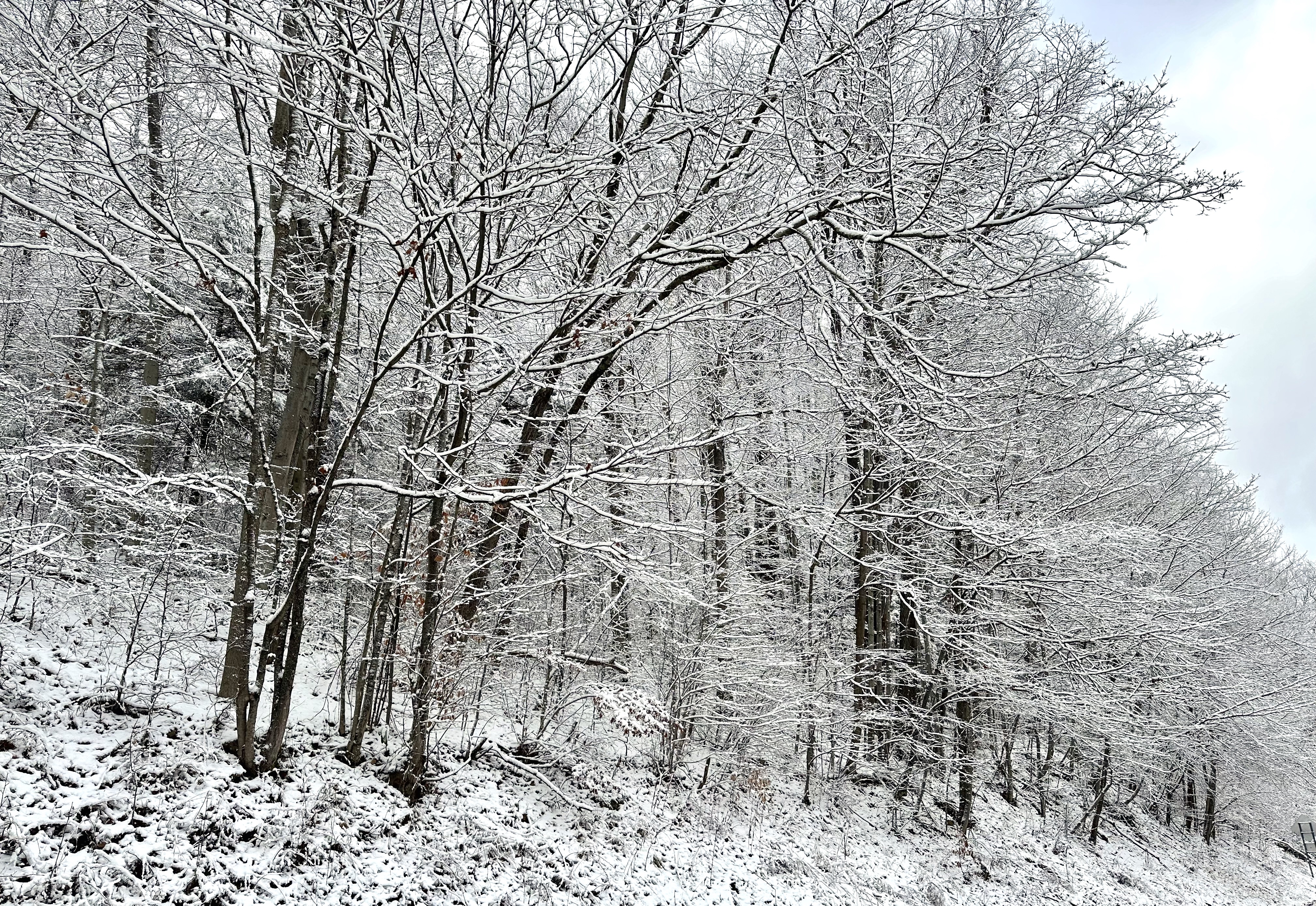
The highways in Maryland traverse mountains that appear all scrunched together. The effect is that you are riding across the mountaintops without ever descending into deep valleys. There, the storm had frosted entire woodlots with powdered sugar. Inches of snow stuck to the tree branches and trunks and covered the forest floor and adjoining farm fields. It was gorgeous.

I stopped several times for photos. However, we saw numerous scenes without a safe place to pull over. Those images will have to remain pleasant memories.

Please click on the photos to enlarge them.

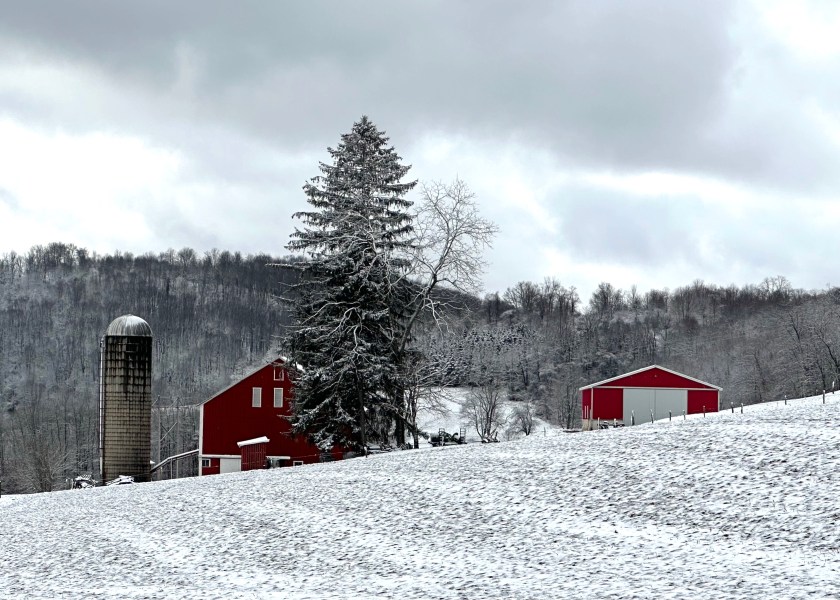
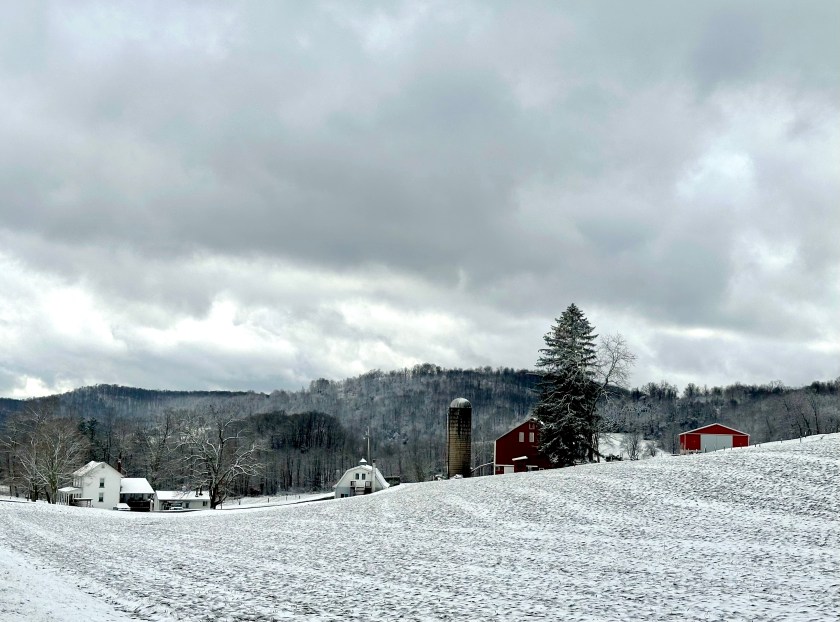
Since I couldn’t stop along the narrow, winding state route, I chose several county roads for photos. I didn’t have to go far. It was like we had driven into a black-and-white movie from the 1950s. Forboding dark clouds enhance that effect.

We continued our trek south and east into West Virginia. The snowy, panoramic landscape became wide open once we hit Corridor H, U.S. 48. We took advantage of highway overlooks for thrilling shots.

Please click on the photos to enlarge them.

In Maryland and West Virginia, giant windmills swooped their massive blades round and round. Despite their distance from us, the noise shocked me when I exited the vehicle for photos.

The valleys became more expansive, and the mountains steeper as we continued east. As the National Weather Service predicted, areas above 2.000 feet in elevation received the heaviest snow. The lowland had little to no snow at all.

A sunlit mountainside near Baker, West Virginia.

The farther east we traveled, the more frequent the breaks in clouds, which allowed the late afternoon sun to break through. The contrast between the sunlit and shadowed snow created lovely shade and color contrasts.

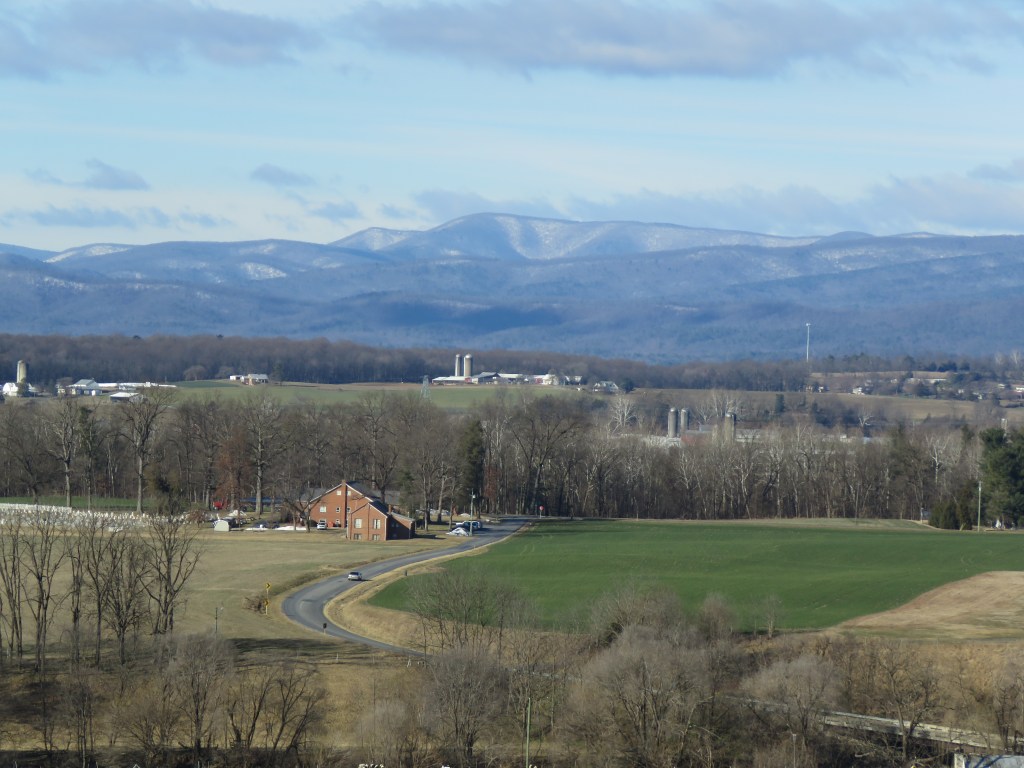
As we entered our beloved Shenandoah Valley, snow had all but disappeared. Only the higher ridges remained white. The morning photos of friends on social media showed the comeliness of the snowfall in the valley, with the snow-covered old-age mountains as a beautiful backdrop.

Still, we were happy to have seen the snowy sights and thankful for cleared highways, and to be home.

Cattle grazed beneath the snow-covered Allegheny Mountains near Lost City, West Virginia.

© Bruce Stambaugh 2023

Bay Photos by Donna

Wildlife Photos From The Chesapeake Bay Region

ROAD TO NARA

Culture and Communities at the Heart Of India

K Hertzler Art

Artist and nature journalist in the Shenandoah Valley of Virginia.

Maria Vincent Robinson

Photographer Of Life and moments

Gabriele Romano

Personal Blog

Jennifer Murch

Art is the only way to run away without leaving home. -Twyla Tharp

Roadkill Crossing

Writing generated from the rural life

ANJOLI ROY

writer. teacher. podcast cohost.

Casa Alterna

El amor cruza fronteras / Love crosses borders