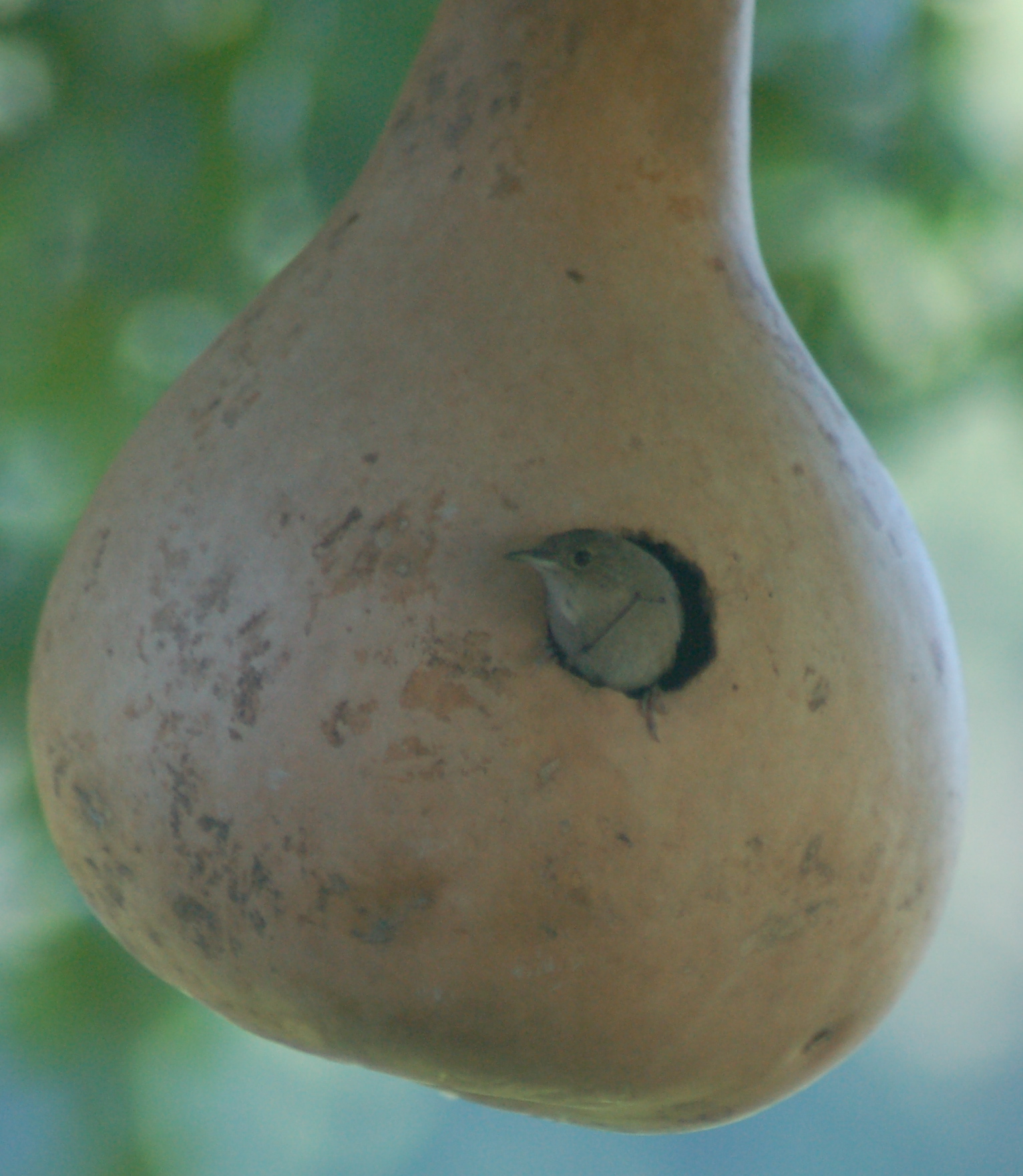
Warbling mother wren,
fledglings rattle from gourd house.
Satisfaction reigns.
Bruce Stambaugh
July 29, 2011
Warbling mother wren,
fledglings rattle from gourd house.
Satisfaction reigns.
Bruce Stambaugh
July 29, 2011

By Bruce Stambaugh
I have never written an interactive column or blog until now.
With the onslaught of the recent blast of extreme hot and humid weather that affected the country from The Great Plains states to the Outer Banks to Maine’s rocky coast, I heard and saw a lot of comments about the heat.
Some can’t and shouldn’t be repeated, much less printed. I took the prudent approach and attributed the more lewd orneriness to heat stroke.
Here are a few of the ones that can be shared. It was hotter than a firecracker on the Fourth of July. It was hotter than a pistol. It was hotter than two goats in a pepper patch. It was hotter than a cat on a tin roof. Not the most imaginative offerings I know.
Others focused on an end result retort about the oppressive heat. It’s so hot the chickens are laying hard-boiled eggs. It’s so hot I can fry eggs on the sidewalk. It’s so hot that the trees are creeping around looking for shade. These platitudes seem a little more comprehensible.
The interactive part of the post comes in here. Perhaps you have your own heat related ditty. If so, I invite you to complete the headline with your own personalized version or post it in the comments section.
With the lengthy duration of this very hot weather, there can be no doubt that summer has arrived in all its glory in Ohio and across the nation. The National Weather Service was proactive in advising the public about heat related conditions, and offered suggestions on how to avoid heat exhaustion and heat stroke. Both are serious illnesses with their own specific symptoms.

I felt for people who had to work outside. I was pleased to learn that many such workers were asked to begin work earlier in the coolness of the morning so they could finish up before the really extreme heat of the late afternoon. Some shops simply shut down for a day to save their workers from the oppressive conditions.
Those who had to labor out in the elements soldiered on, improvising ways to stay cool. Construction and landscape workers removed their T-shirts and wore colorful bandanas around their heads for protection from the sun and to soak up the sweat.
Even though the National Weather Service warned the public with Heat Advisories and Excessive Heat Warnings, people still got sick. Unfortunately, several people nationwide died from difficulties brought on by the incredible heat. Most were elderly, who are the most susceptible to heat related health problems.
Taking the proper precautions can help avoid complications from being overheated. Keeping hydrated, taking needed breaks, and staying out of the direct sun as much as possible are the safest measures.

Besides the silly sayings, I didn’t really hear a lot of complaining about the heat. Perhaps the memories of the long, cold, wet winter and spring came to mind, and people just bit their lips and endured as best they could.
Much as I preferred not to be, I was out and about on the hottest days of the year. When I stepped from the refreshing and safe air conditioning into the outside elements, the heat overwhelmed me. It felt like I was walking into an oven. Getting back into the car after an hour’s meeting was no fun either.
I’m not complaining mind you. I’m just reporting. It was hotter than…?

By Bruce Stambaugh

I’ll make my confession right up front. I am not the most authoritative person to write about gardening.
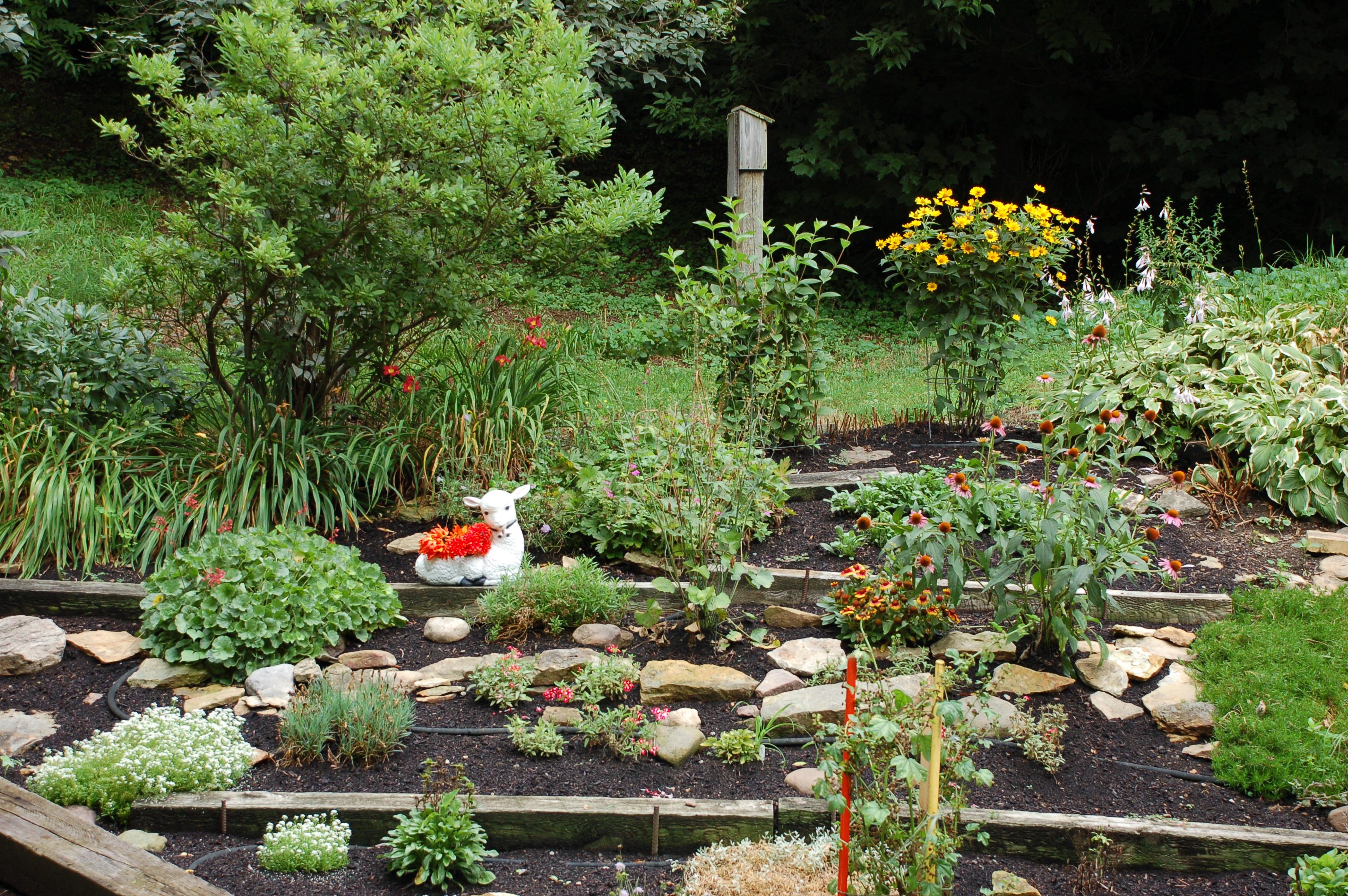
Still, I like to think that I am observant enough to recognize a good garden when I see one. Whether vegetable, rock or flower, all gardens require much manual effort to keep them manicured and productive.
Growing up in the suburbs of a northeast Ohio blue-collar city, our father loved to garden. He saw it as a way to be out in the fresh air and to simultaneously save money by growing our own food. With five children, it was the practical thing to do. For efficiency’s sake, he recruited his offspring to help cultivate, plant, nurture and reap the garden harvest.
Our lovely mother would prepare in season feasts that included sweet corn, new potatoes, green beans, cucumbers and beets. She also canned and froze food for the cold winter months ahead. If we had had a bumper crop, we would set up shop in a busy business parking lot and sell sweet corn out of the car’s trunk.
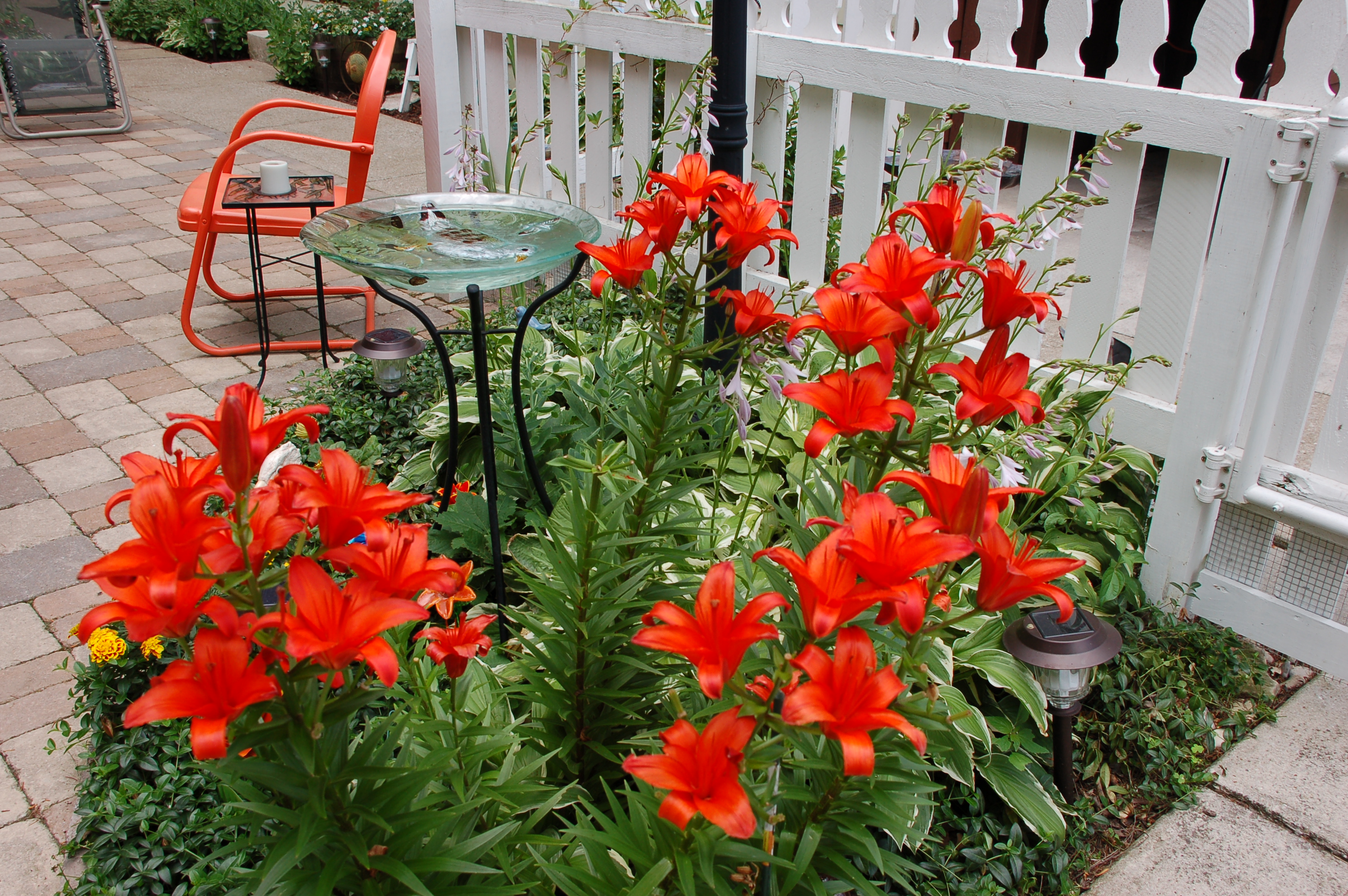
Mom also propagated lovely flower gardens around the parameters of our small piece of suburban property. Mom used her artistic eye with the floral color selection to nicely accent the cherry red brick exterior of our post-war bungalow.

Those pleasant memories returned with the current onslaught of the harvest season in gardens all across the country. Television shows, newspaper stories, Internet blogs and even high-end glossy magazines feature how to properly prepare and preserve your garden gleanings.
Having a plot of garden is almost assumed when you live in one of Ohio’s richest agricultural counties. Don’t be fooled though. Contrary to what some might think, gardening is not confined to rural areas. People garden in suburbs and cities, too.
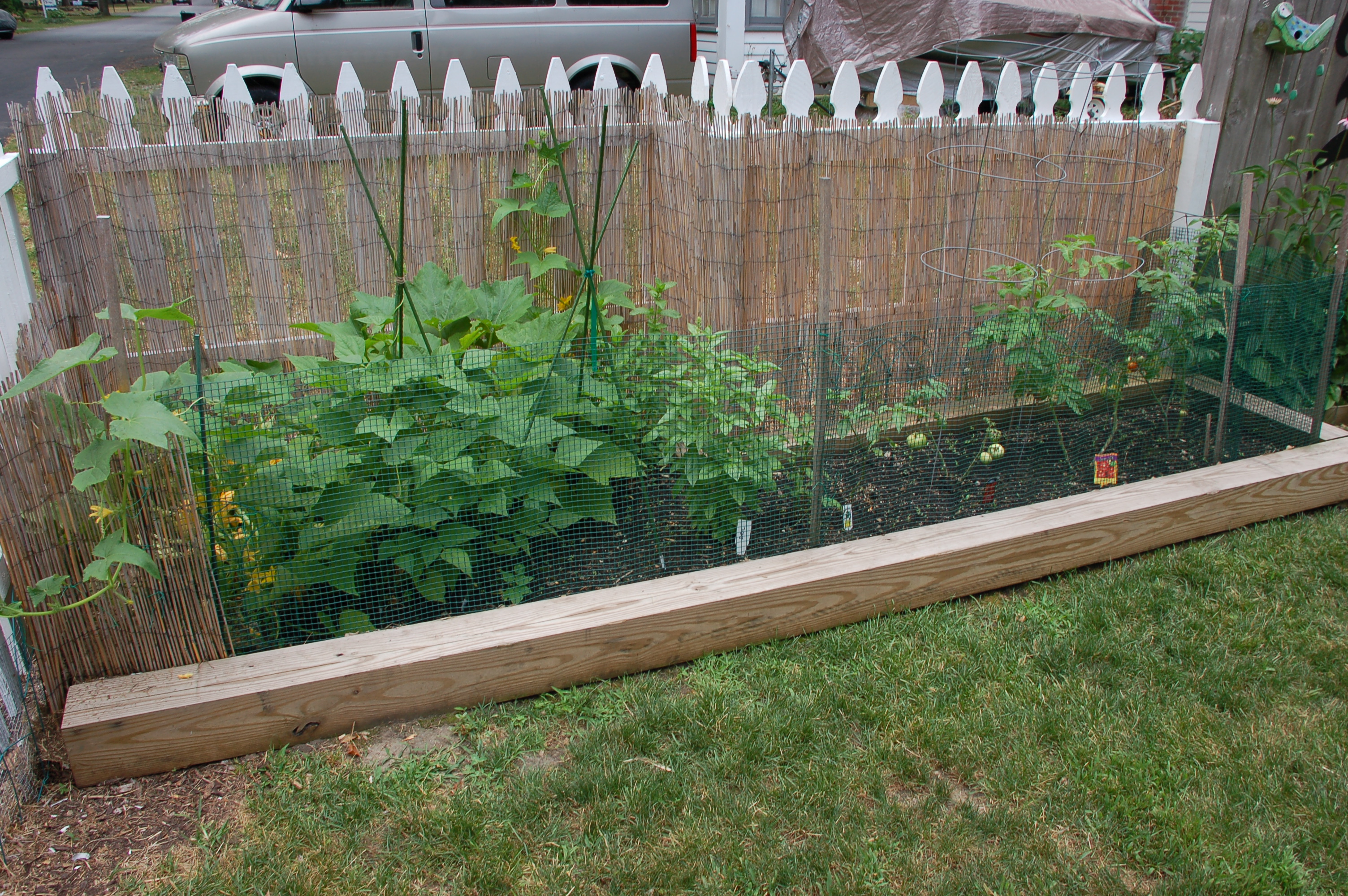
With the advent of the organic, all natural craze, and the tough economy, gardening appears to have made a universal comeback. Whether you have an acre or simply a few pots of herbs sitting on an apartment balcony, gardening is good.
Caring for tender plants, watering them, protecting them from weather’s extremes and pesky insects is worthwhile work with tasty rewards. I see it as a way to get us back to our roots, reconnected to the soil from which and on which all life depends.
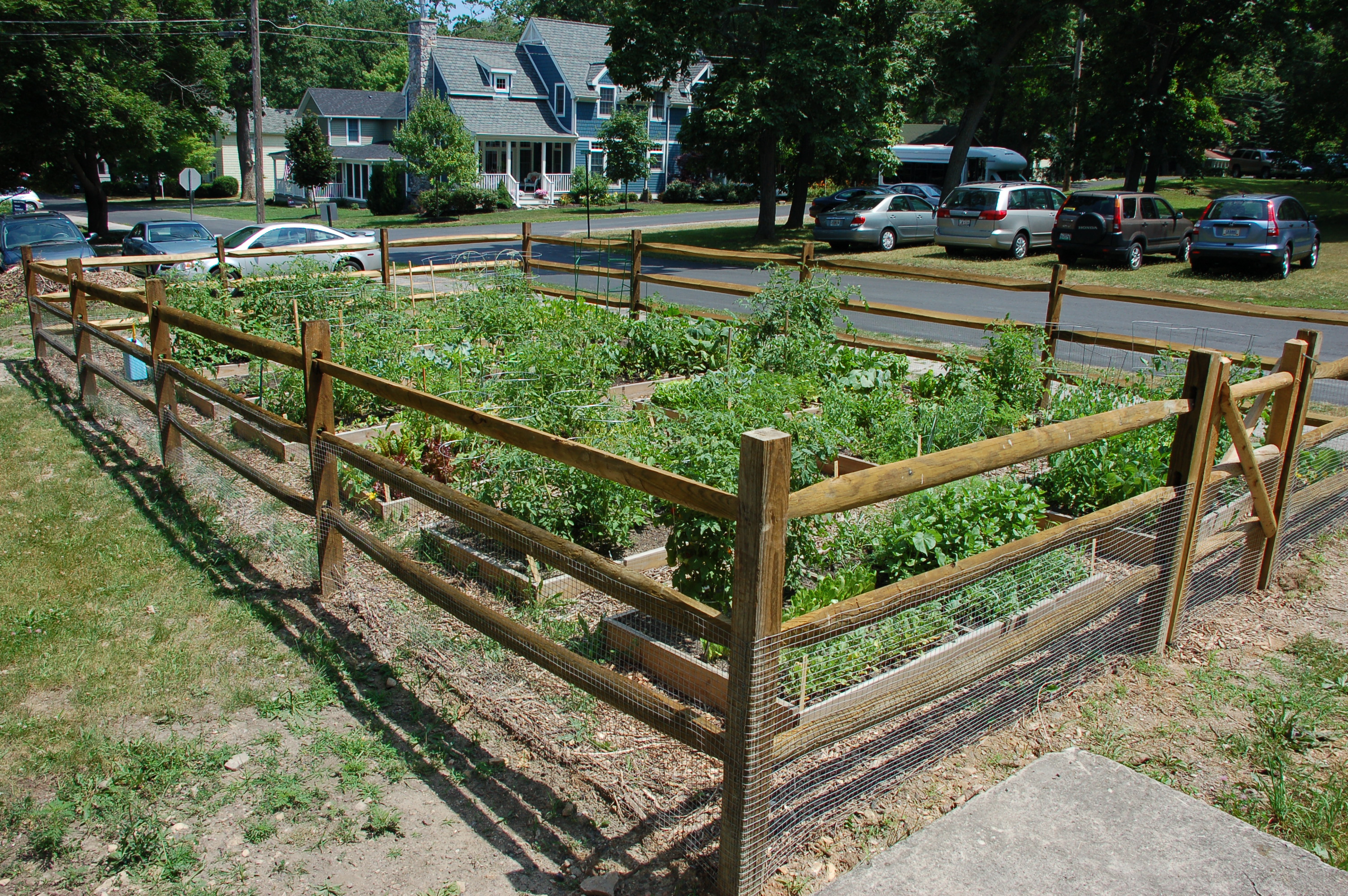
If we are mindful, we will recognize that gardening provides a solid base that can lead to other returns as well. Cooperative gardens, sponsored by both church and civic organizations, have sprung up across the country. Besides those who garden, the abundant produce often helps the less fortunate, the homeless and the needy.
An acquaintance told me how his parents would load up their battered family pickup with the excess of their giant two-acre garden, head into town and end up on the wrong side of the tracks. There they would park the truck and hand out the fresh, healthy produce to whomever needed it.
They repeated the routine throughout the growing season. The thankful recipients were so moved by the family’s generosity that they offered to help plant and maintain the garden the next growing season. Their grateful offer was accepted, and new trust and friendships were born.
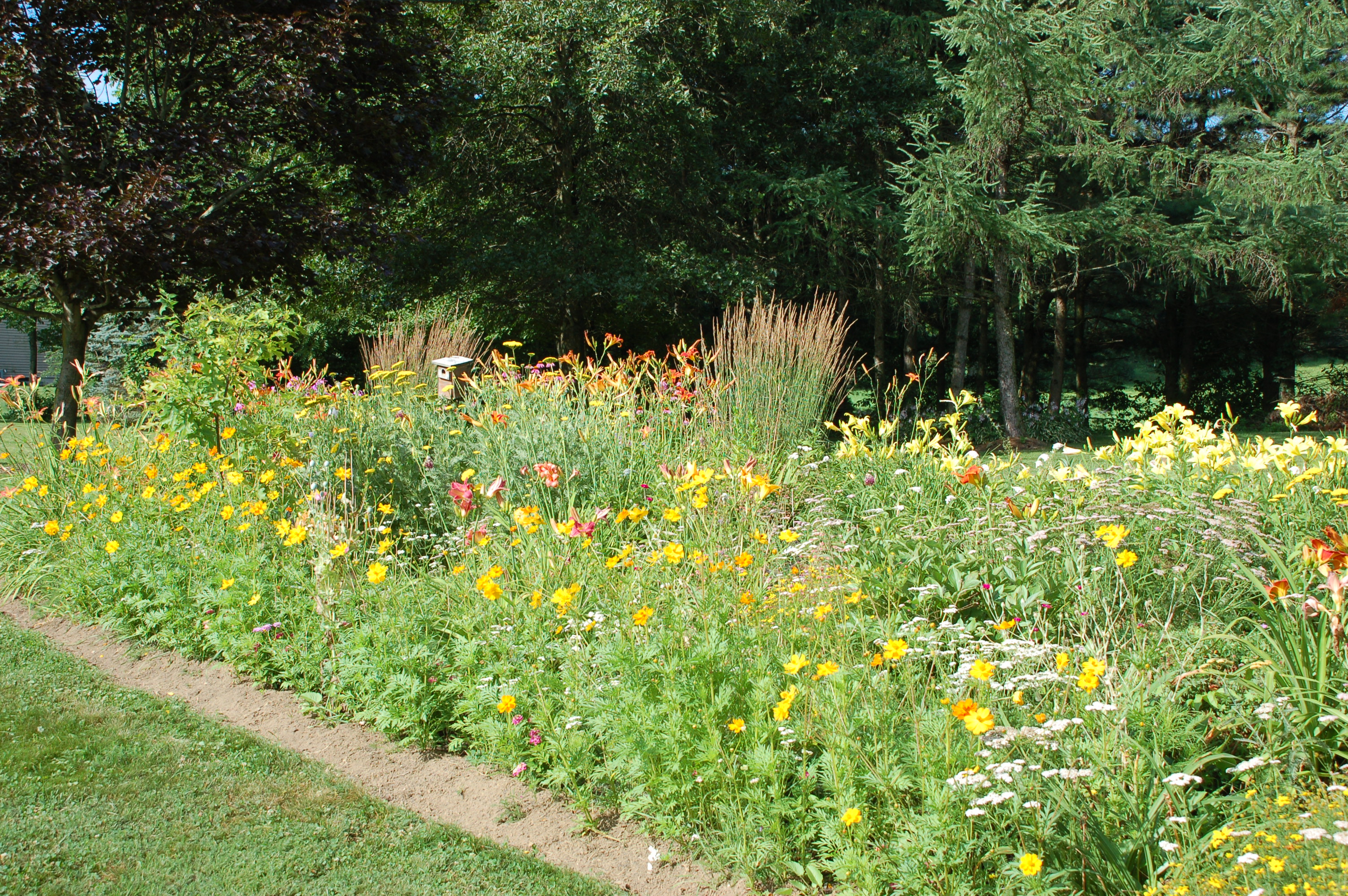
Gardens connect us to the soil that yields our sustenance. If we are proactive, they also open our lives to much more than delicious food. Gardening doesn’t get any more satisfying and splendid than gathering two crops from one planting.

By Bruce Stambaugh
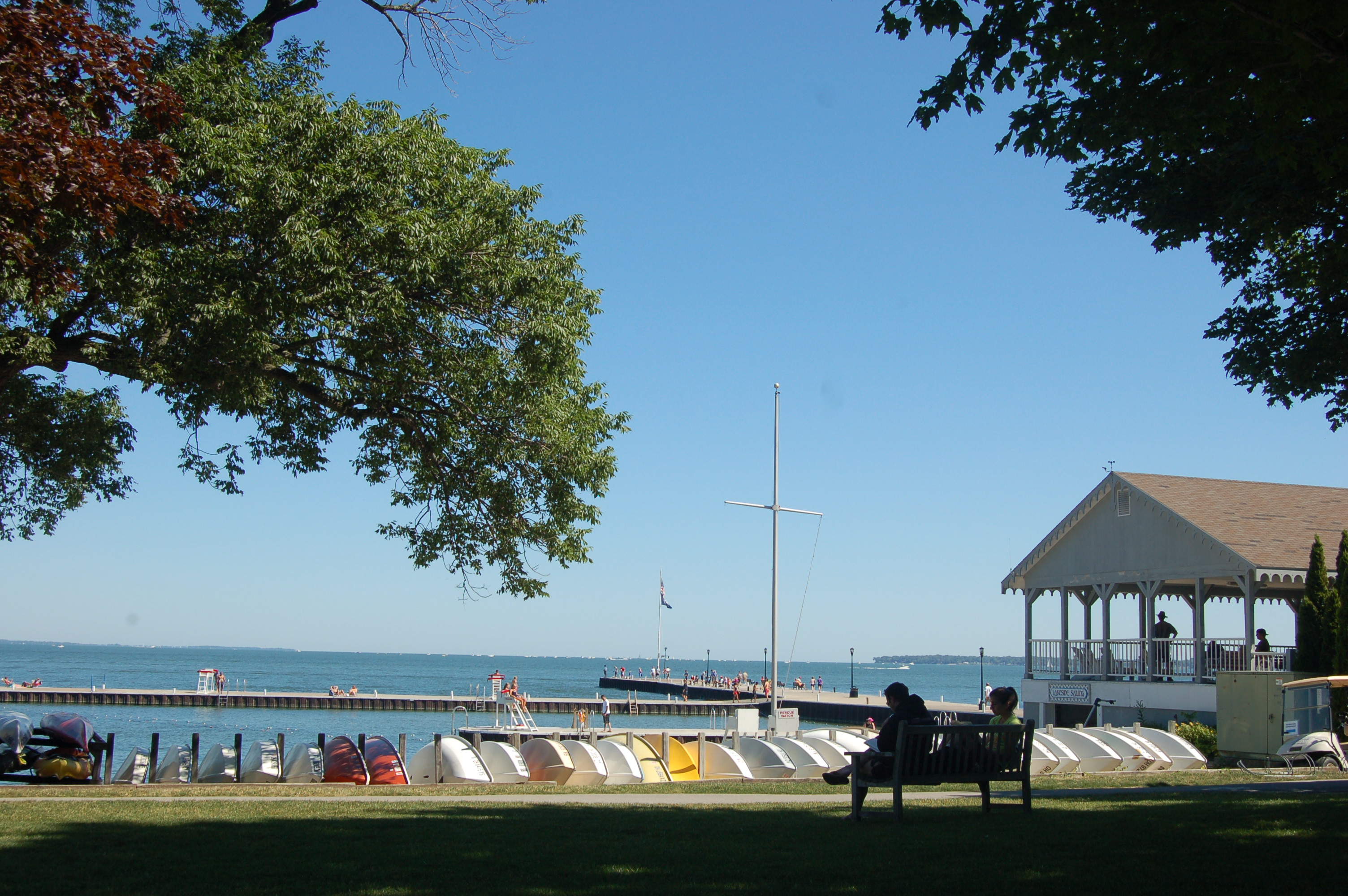
I overheard a mother tell her pouting adolescent daughter, “There are no sad faces at Lakeside. It’s a rule.”
The mother’s demonstrative point was clear. There was too much fun to be had at Lakeside, Ohio for anyone of any age to be gloomy. It’s a main reason my wife and I return year after year for a week’s vacation.
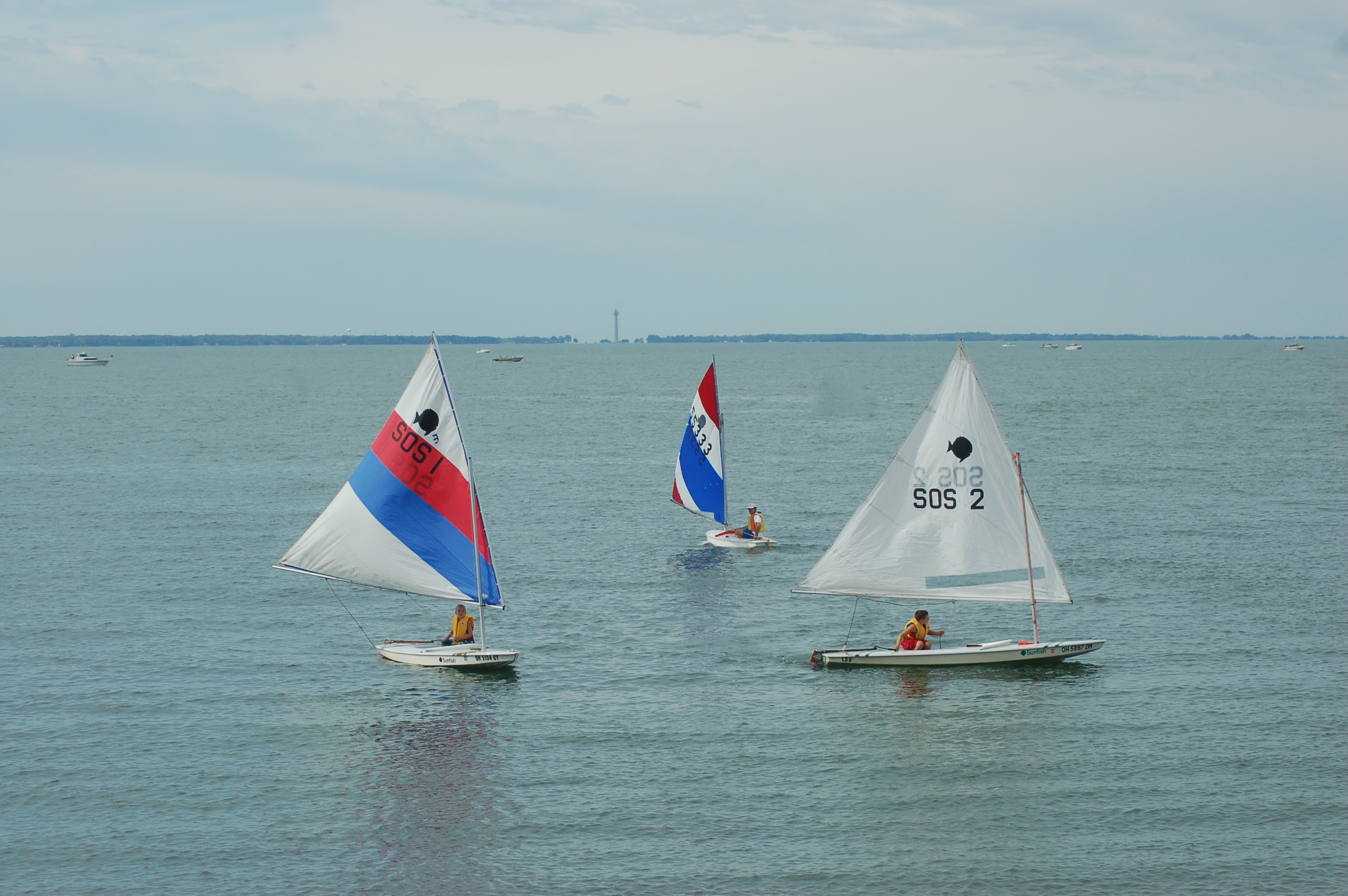
Indeed, Lakeside offers plenty to do. Adults and children alike can choose from a sunup to sundown selection of activities in which to participate. They range from sailing lessons to garden walks and talks to wellness classes.
The fact that the resort town is built on the shores of Lake Erie helps expand the variety. Lakesiders can pick from activities in the categories of religion, education, arts and entertainment, recreation and planned events. It’s all part of the entrance fee.
Visitors can recline with a good book under one of the many towering hardwoods that line the rocky shore and multi-task. Waves crash the hard shore, boats sail by and elations echo from playgrounds, the dock, the beach and front porches.
Lakeside’s unadorned concrete dock is the focal point for daytime fun. Swimming, fishing, tanning, strolling all are legitimate forms of relaxing.
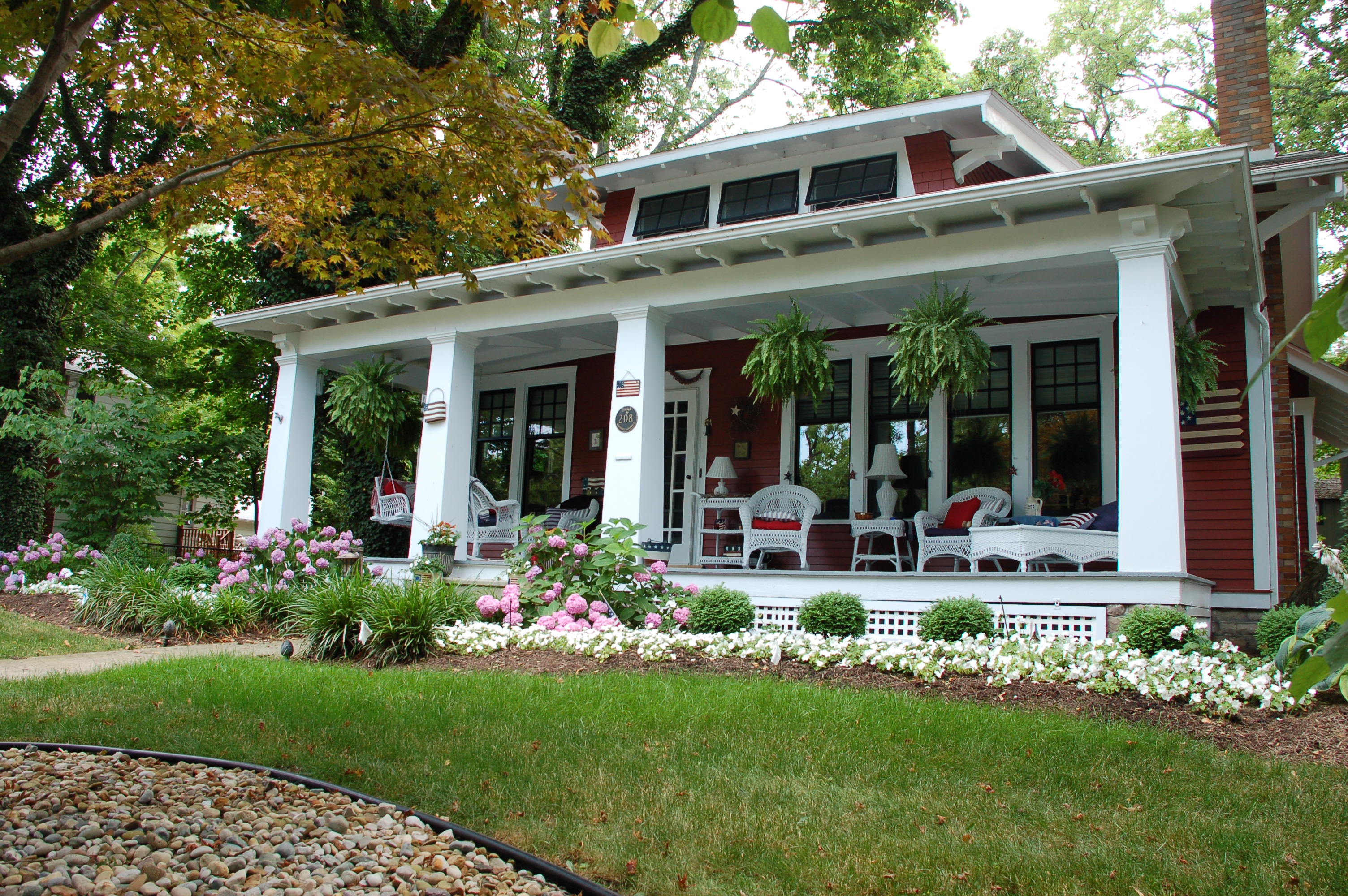
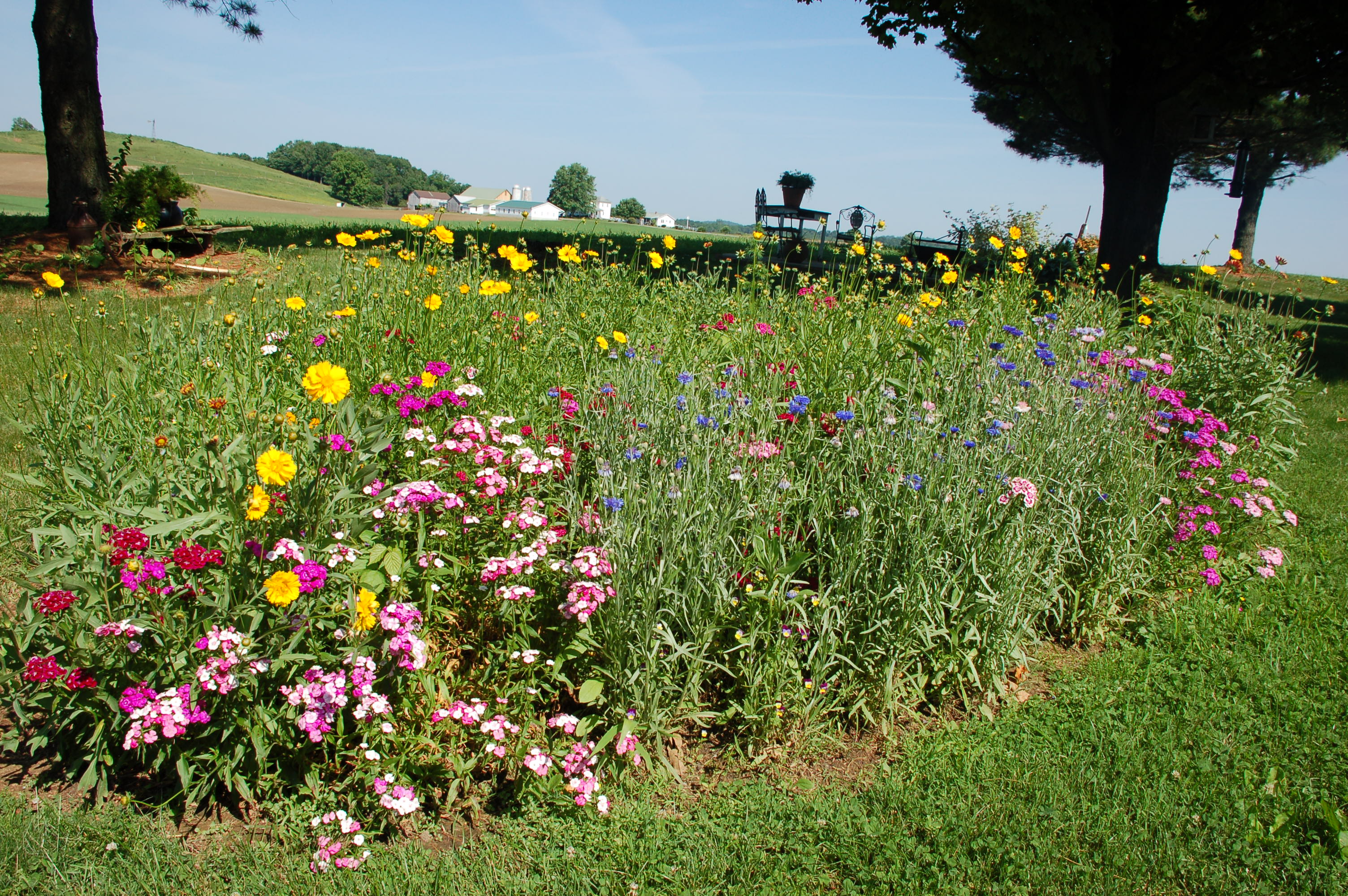
Others prefer a leisurely walk along the tree-lined streets, enjoying the appealing cottages, many with inviting floral gardens. Some cottages date back to the town’s beginning in 1873. Most are seasonal family retreats that have served as a summer getaway for generations. A few hundred hardy souls call Lakeside home year-round.
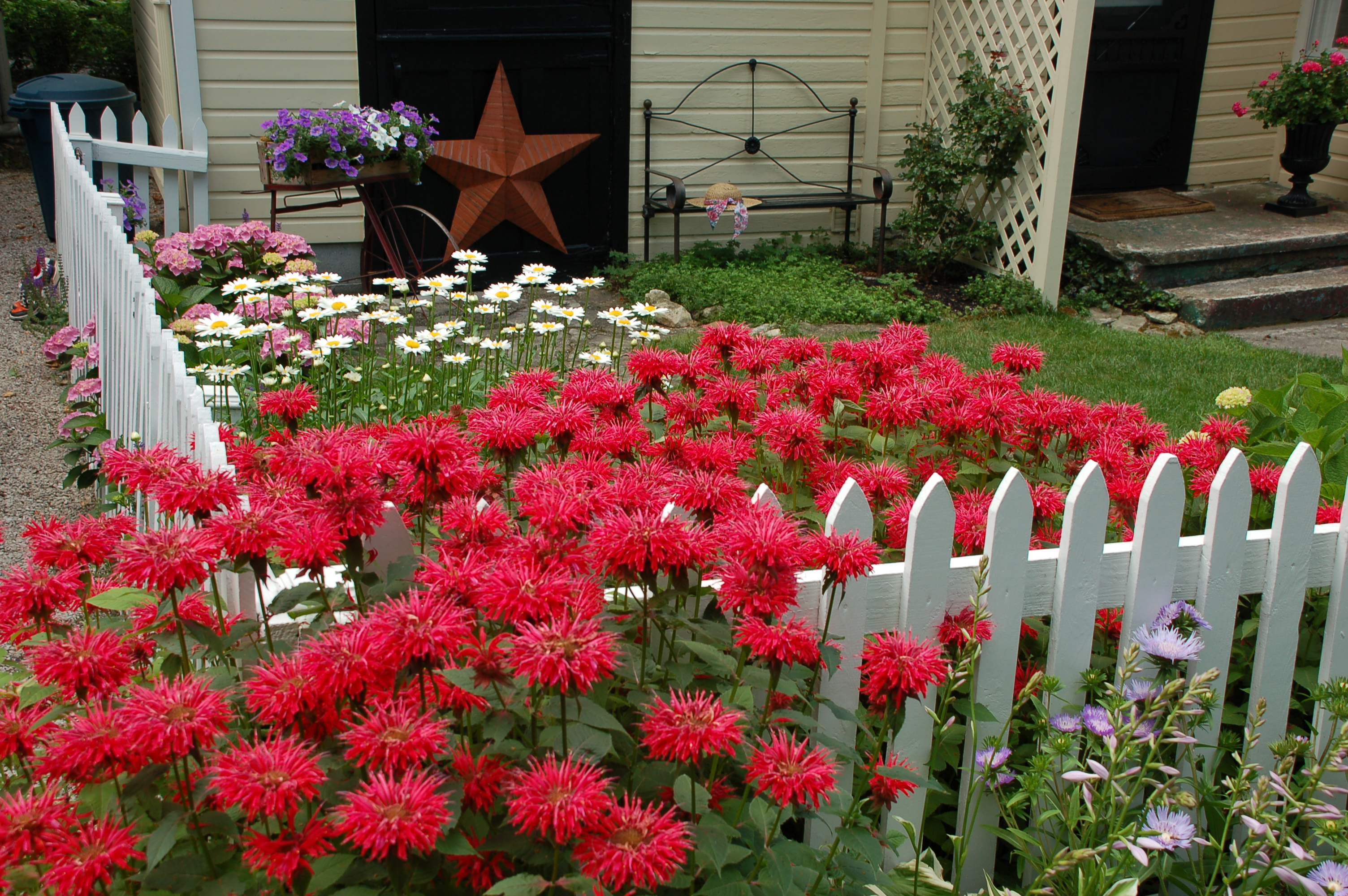
The old-growth hardwoods that predominate the parks and properties of Lakeside bring beauty, birds and relief from stifling summer days. Flower gardens, maintained by the help of many volunteers, are a trademark of Lakeside.
The bustling but small business district offers a break from the boredom of relaxation with an assortment of various shops. Candy, homemade donuts, ice cream, refreshing drinks and toys all offer refuge from the strain of having too much fun.
In the evening, variety shows running the gamut of entertainment usually draw a nice crowd. The magnetic dock also attracts toddlers, teens and seniors to watch the nightly disappearance of the sun behind Catawba Island.
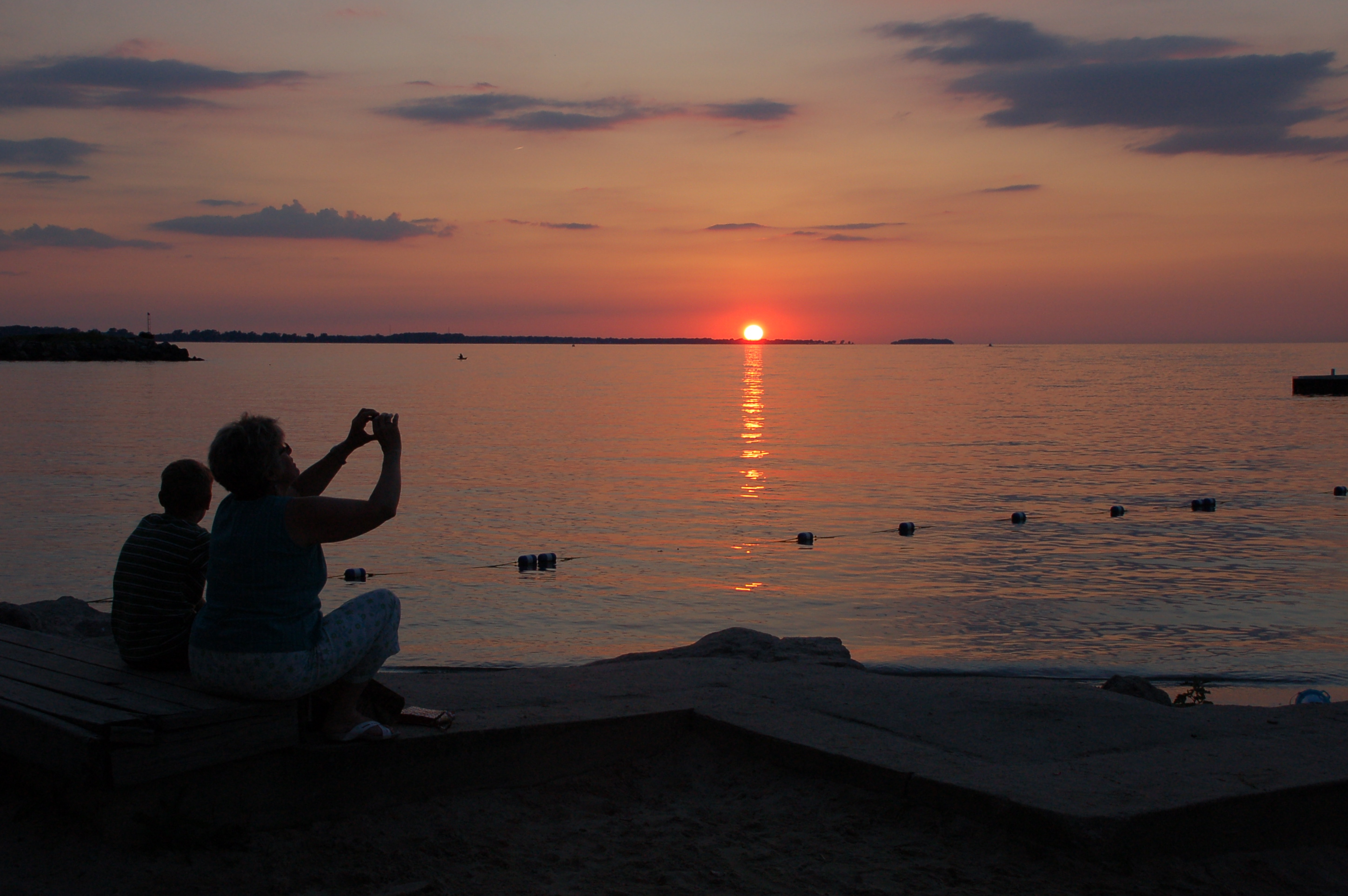
As nice as all that is, the greatest asset of Lakeside is its friendly people. Lakeside is a family-centered, safe place to be.
Merchants routinely leave goods unsecured in front of their storefronts overnight with no theft of inventory. Pedestrians, bicyclists, skateboarders, golf carts and dogs walking their owners have the right of way over motorized vehicles.
The strictest parents casually set their children free to roam inside the gated community with no fear of harm whatsoever. Passersby walk up onto a porch, ask what game is being played, and are invited to join the fun.
Lakeside rightfully bills itself as the Chautauqua on Lake Erie. However, occasional discordant human interactions will naturally occur when 6,000 in-season visitors multiply the regular population tenfold. Still, two-way radios are the closest things to weapons that outfit the town’s entire security staff.
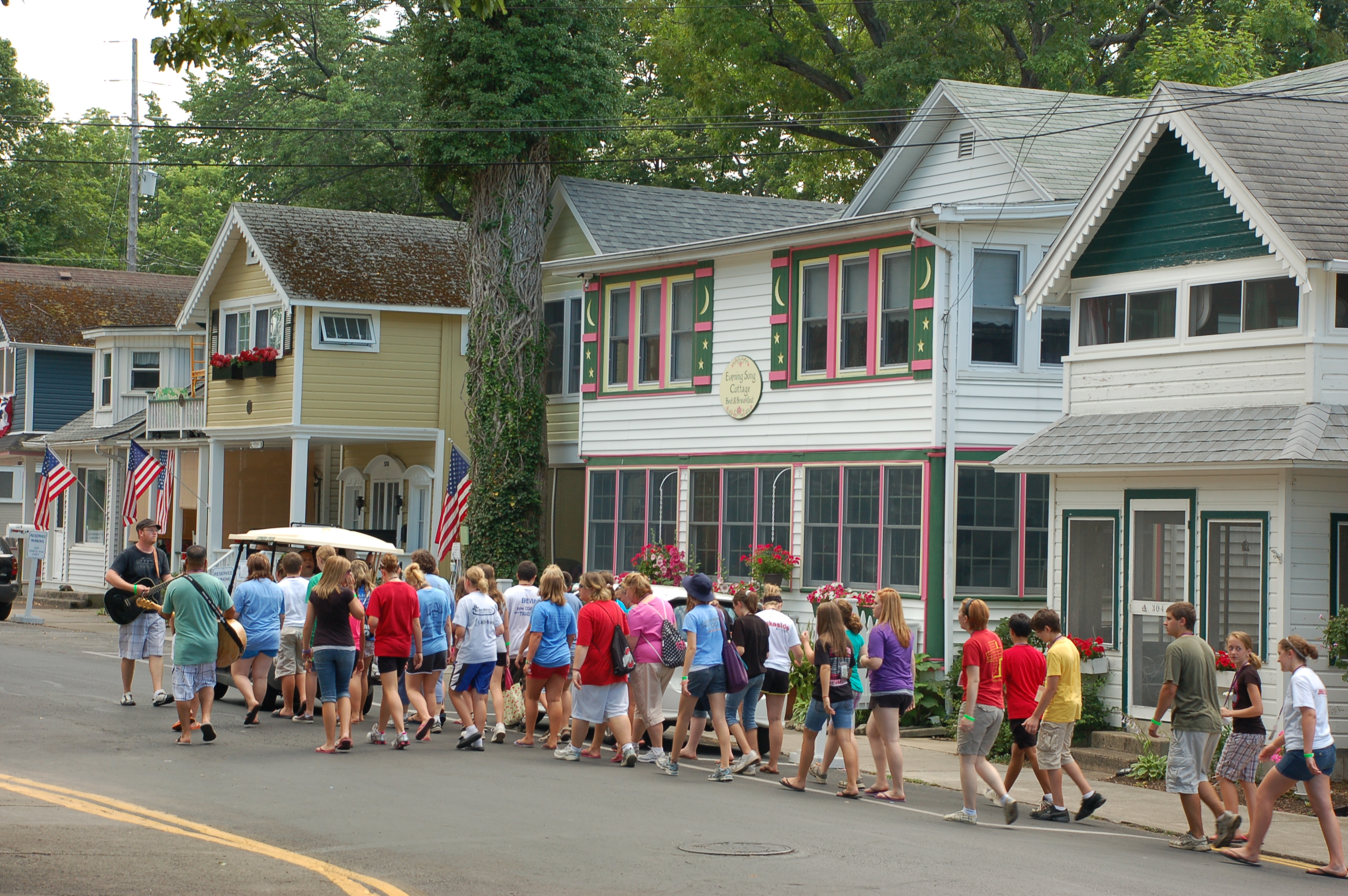
Youth groups roam the streets serenading local residents, not ransacking their homes. At an impromptu lemonade stand, a grandfather sings and plays a Gibson to attract customers.
Whether they arrive for a day or the summer, Lakesiders all come to relax and have fun. With all there is to do in the resort town, everybody gets their way.
Like the lady said, there are no sad faces in Lakeside. That is a valuable virtue for any town.
By Bruce Stambaugh
The days we have long awaited are at hand. After a winter that wouldn’t quit, and a spring that seemed more like November threefold, these desired days have sprung upon us as if a seasonal switch suddenly had been flipped, albeit belatedly.
Like much of the northern part of the country, Ohio spent the first five months of 2011 snowed in, flooded out, and shivering. Officially northeast Ohio had recorded a grand total of six sunny days between Jan. 1 and May 1.
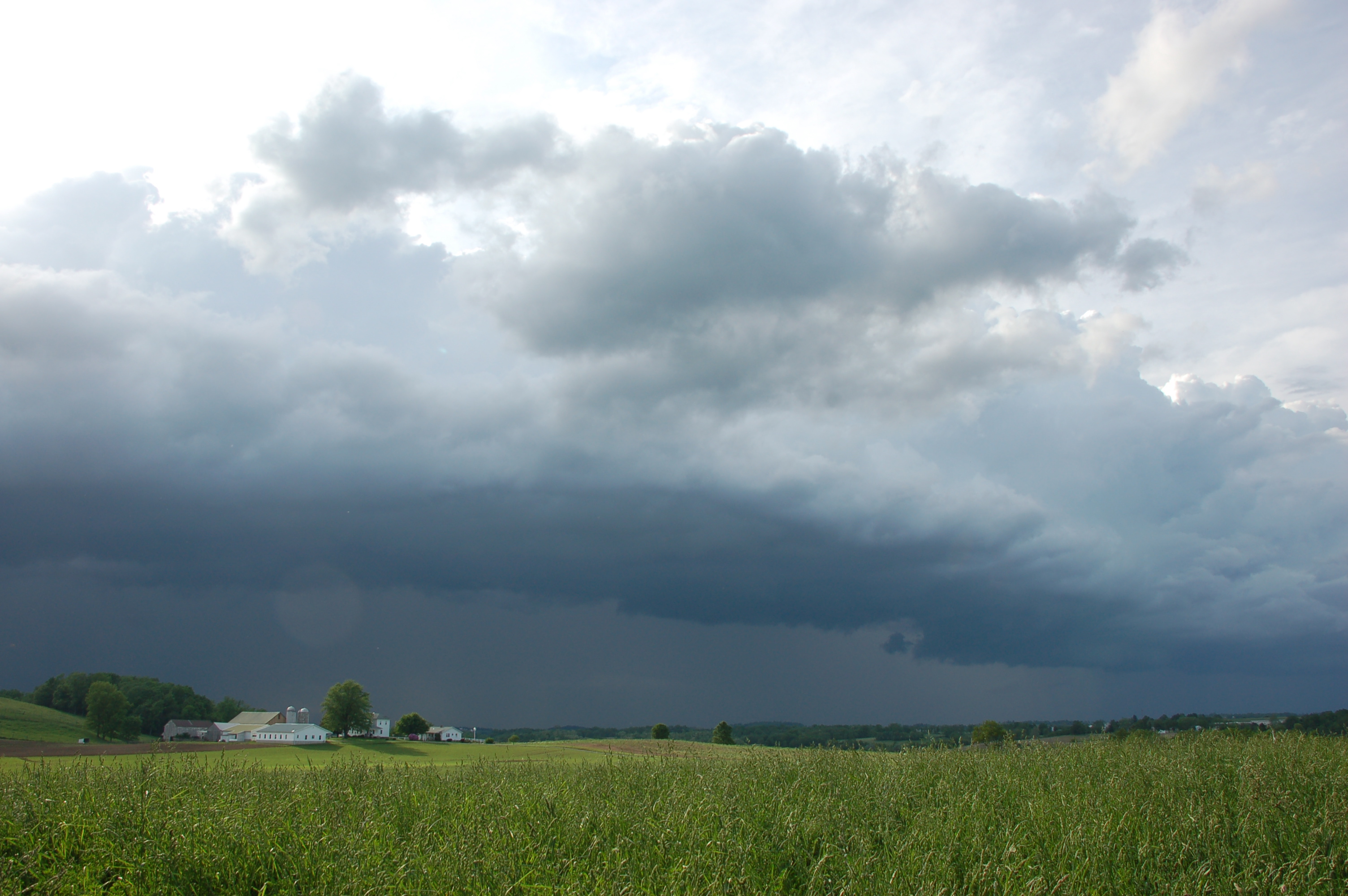
The predominance of the gloomy, damp and cold days translated into depressed spirits and confined activities. But even as the days of May warmed and trees and flowers budded and bloomed, human outdoor activity remained restricted by wave after wave of heavy rainstorms.
Though we were mostly spared the severe weather that other parts of the country received, outside work and play remained limited. Now all that is behind us. The rich warm days of summer are here, and it is marvelous to inhale and embrace their arrival.
The anxious anticipation for sunnier, warmer days ended seemingly overnight. Farmers all across America’s breadbasket couldn’t wait to get into their fields, though many had to due to the saturated soil. Even teams of workhorses labored extra hard to break the soggy earth.
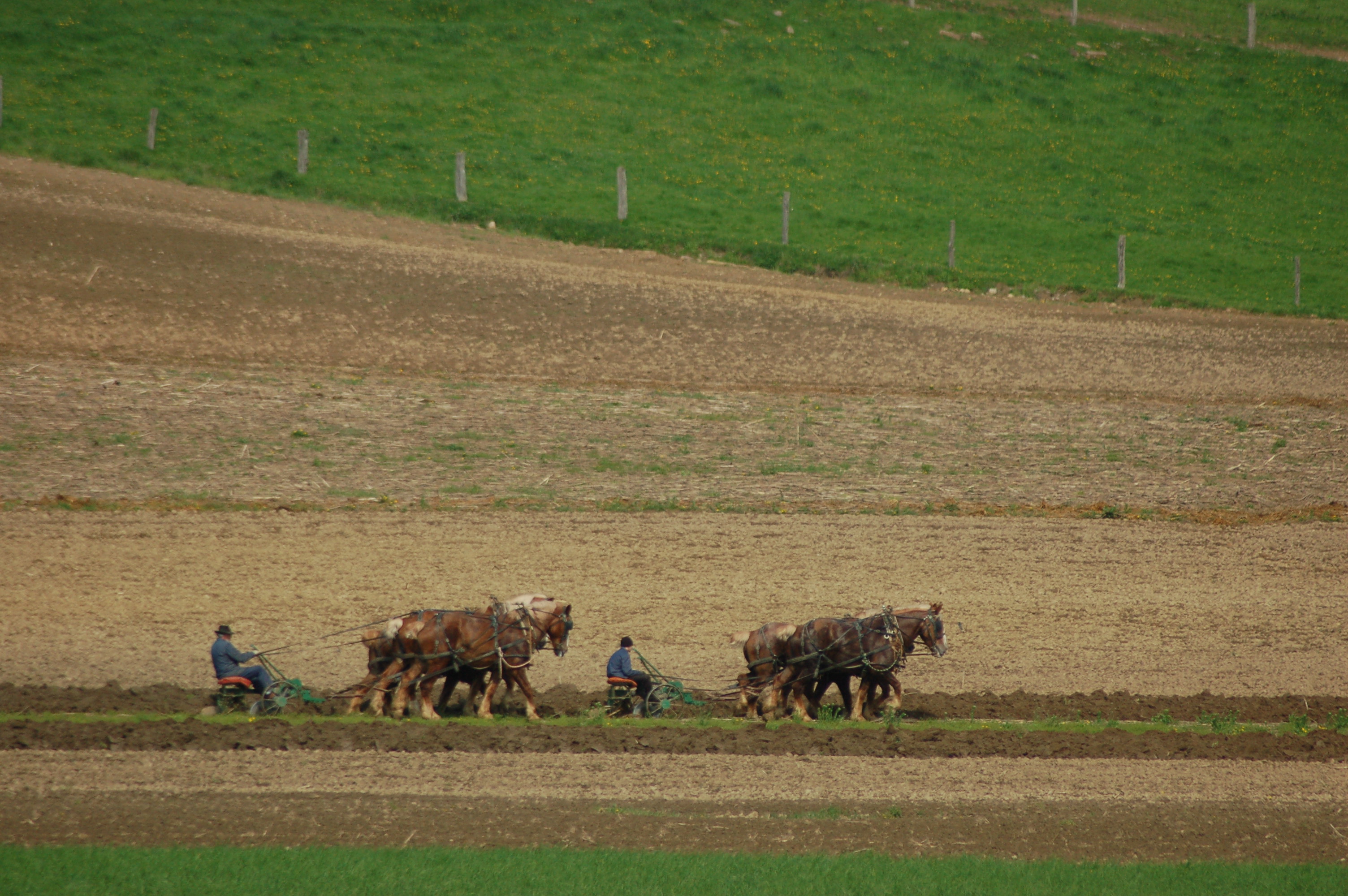
One week wood ducks floated on temporary lakes. The next the waterfowl were gone, replaced by plowed, harrowed and planted fields. That’s what a string of sunny days accompanied by strong warm southwest breezes can do to excess moisture.
Contractors and landscapers worked sun up to sundown to make up for lost time in pouring footers, building, excavating, and planting annuals. Commerce was renewed.
Motorcycle clubs and bicycle enthusiasts basked in the opportunities to wind their way all across rural byways. Children rode up and down lanes in pony carts and four-wheelers alike.
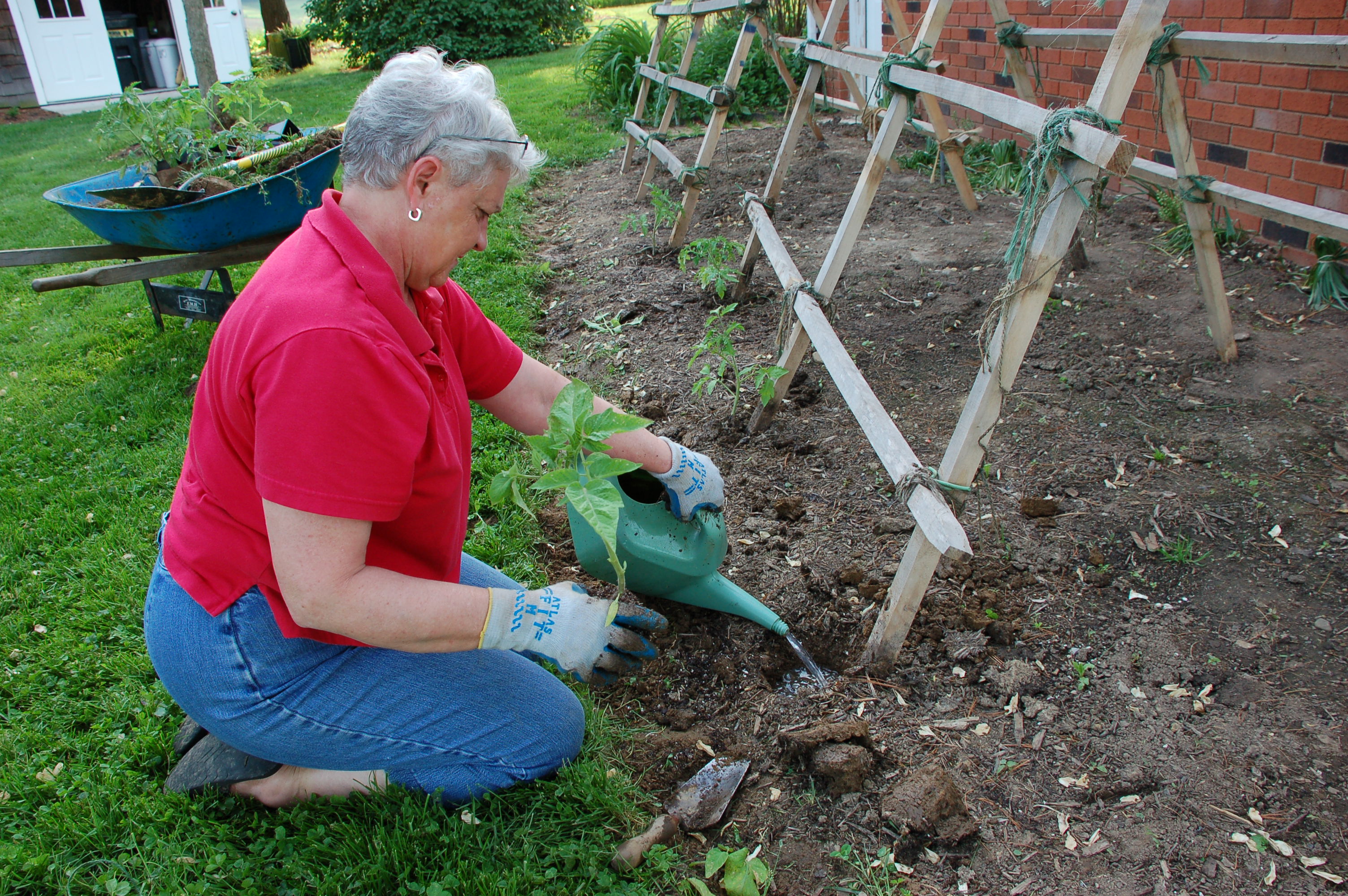
Gardeners finally could set their vegetable seeds and plants. In some locales, cooperative groups gathered to make the pleasant process all the more so and speedier.
Teenagers plunged without complaint into chilly lake waters just because they could. The outboard motors of both boaters and fishermen hummed in unison at the freedom to finally be able to play.

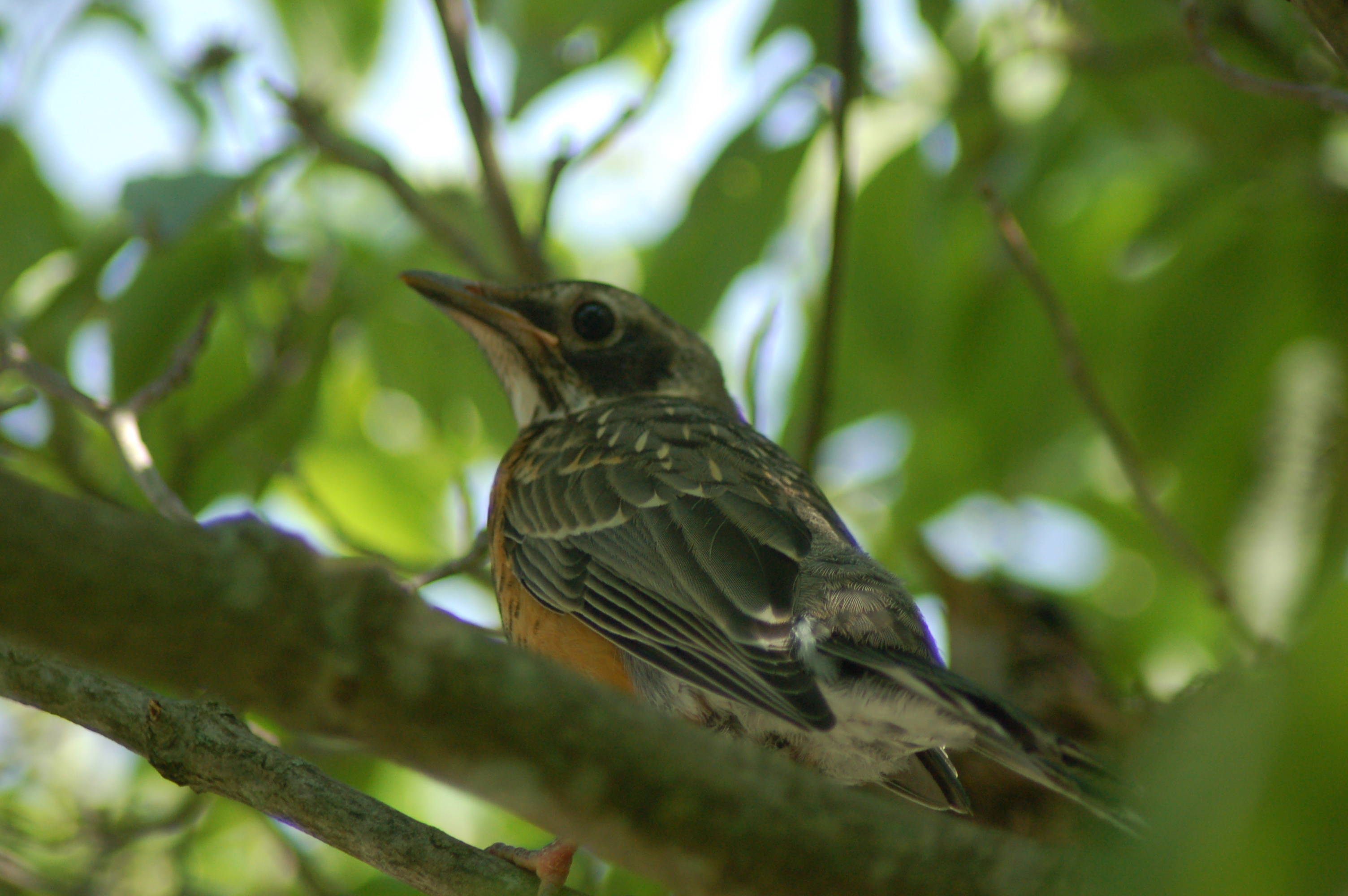
Backyard birds coaxed their fledglings out of their secure nests and into the environs of the real world. Often they paused to collectively sun themselves like gaggles of bathers at the beach sans the bikinis.
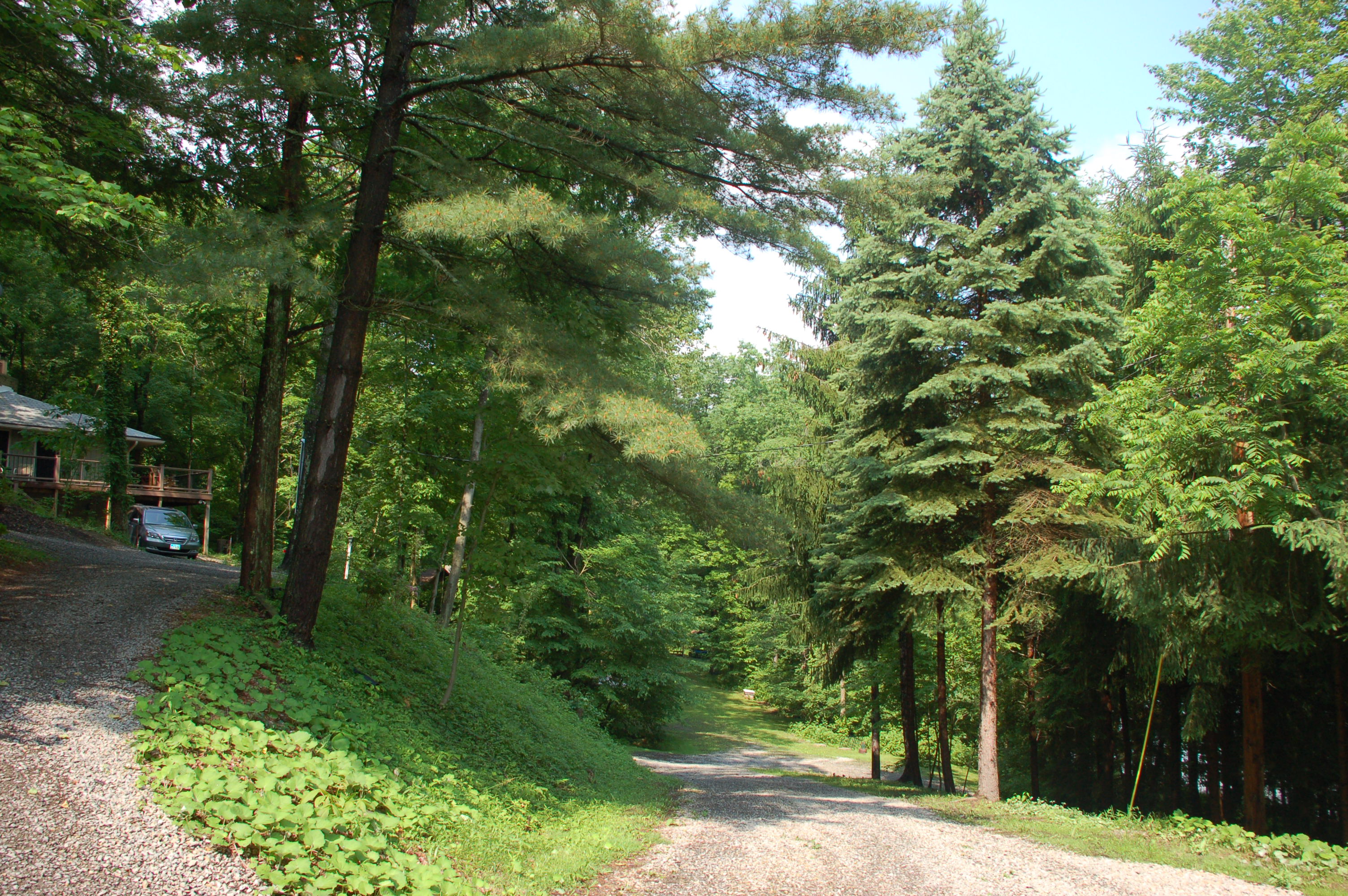
The deciduous trees unfolded their canopy without delay, painting the landscape green on green. Soon the leaf cutters were hard at work thinning the verdant crop.
Irises, lilacs, peonies, poppies and roses created fragrant rainbows in every neighborhood. Azaleas and rhododendrons revealed their lovely petals just as the dogwoods dropped theirs.

Sitting on the airy deck of our woodland cottage in southeast Ohio, a single butterfly exactly symbolized the temporal jubilance. An impressive yellow and black tiger swallowtail zipped erratically through forest openings forged by gravel roadways and power line cuts.
The butterfly darted unpredictably from shade to sun repeatedly among the emerald lushness. The butterfly improvised its quixotic dance back and forth all afternoon and well into the evening hours. I never saw it land.
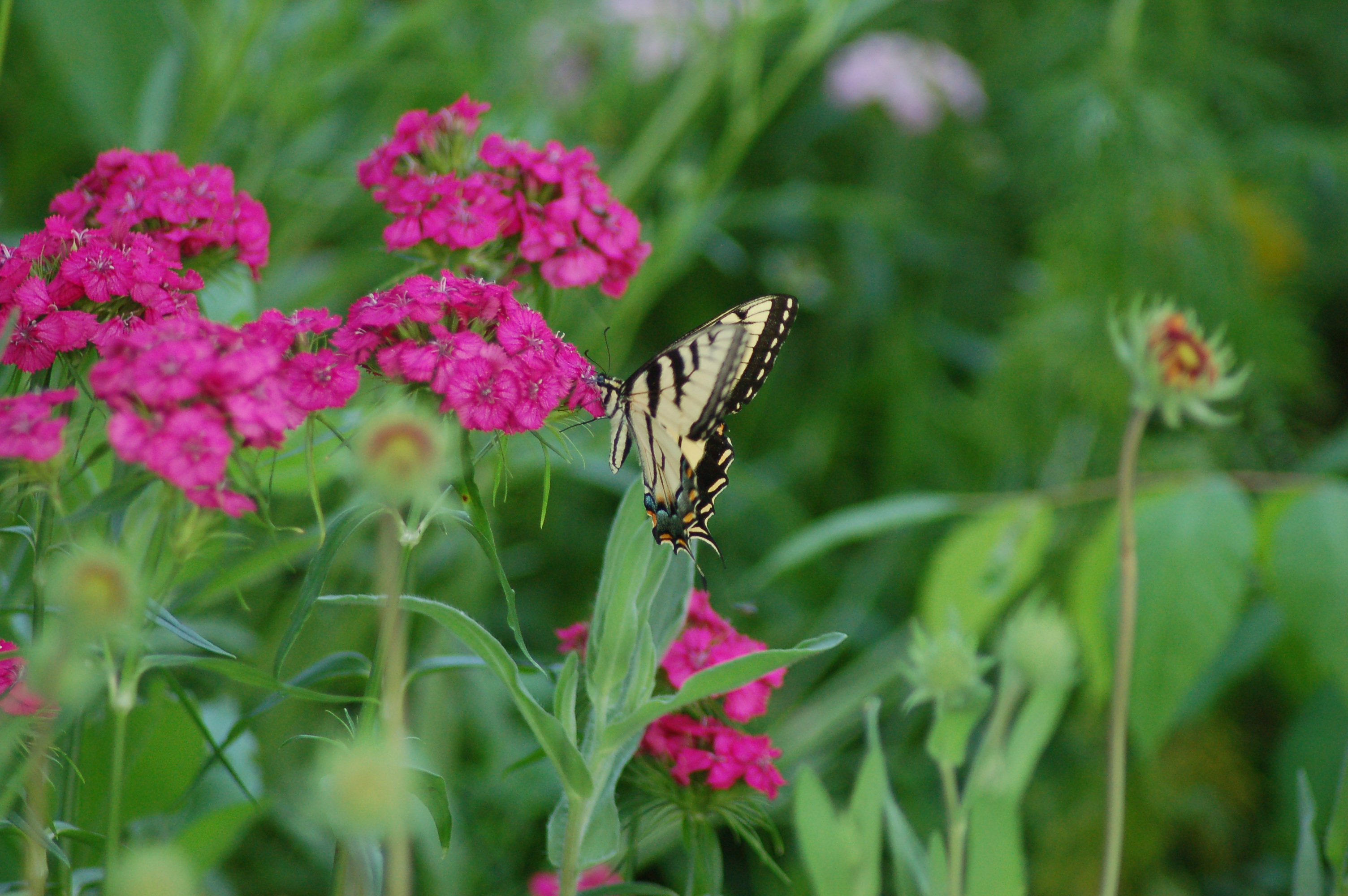
These are the days we have longed for, hoped for, prayed for. Like the innocent butterfly, let us rejoice and be glad in them, dancing a celebrative dance as if our sole purpose was to simply extol life’s goodness. Perhaps it is.

By Bruce Stambaugh
During his last visit to Ohio, my Virginian grandson, Davis, asked me a simple yet rather analytical question, befitting the inquisitive four-year-old, left-handed boy.
Davis and I were outside filling birdfeeders near the little garden pond positioned a few feet away from the back porch and just outside our kitchen window. Davis approached the pond’s edge, lined with mostly flat rocks scavenged from the neighbor’s farm fields.
“Poppy,” Davis queried, “Why do you have a pond?”
The bluntness of the simple question gave me pause. I straightened up, and thought long and hard before I answered him. The tone and intensity of his uncomplicated question told me that Davis really wanted to know.
As I contemplated my answer, Davis waited patiently, searching for the resident frogs and trying to count the darting goldfish. His long, strawberry blonde curls bounced with even the slightest move.
I was impressed with his youthful inquisitiveness. His question piqued my own consciousness regarding the purpose of the pond. I gave Davis the long answer.
I told him that when I retired as a principal, the staff and students at one of my schools gave me a gift certificate to build a garden pond. Apparently, I had let it slip that the pond was one thing I wanted to create once my school days were completed.
Of course, all that was probably too much information for Davis to process. Perhaps it mimicked a politician’s answer to a reporter’s intrusive direct question. Davis looked at me with his big blue eyes and repeated, “But why?”
I changed tactics. I gave him the words I figured he knew and that I loved.

I told Davis that the pond attracts life. I itemized a quick catalog of what I meant. The birds I enjoy watching, squirrels, rabbits, deer.
“Deer?” Davis quizzed long and slow, head tilted, hands thrown into the air.
I explained that although I had never actually seen deer drink there, I had found their hoof marks in the mud and snow around the oblong pool. We stepped away, and soon a chipping sparrow flitted to the gurgling little waterfall for a refreshing sip.

I could almost see Davis’ gears churning beneath those flowing locks. I knew the inquisition would continue.
“Why do you have goldfish?” Davis asked next.
I lovingly touched his curly head and simply said, “So you and your brother can feed them.” Davis looked up at me and smiled, as if he sensed the patronization.
“The fish help keep the pond clean,” I continued. “They eat things that float in the water.” I prayed he didn’t ask for their scientific names.
My grandson’s pointed question helped me step back and appreciate my little garden pond all the more. I enjoy its abundant life, the alluring sound, the attractive and useful greenery in and around the pond, along with the attraction of fur and feathered wildlife year-round.
Those intrinsic pleasures more than compensate for the necessary regular maintenance required to keep the pond in a habitable state. Now, whenever I clean the pump filters, watch birds revel in the water and hear the frogs croak late at night, I’ll remember Davis’ clear question, too.
I know why I have a little pond with a miniature waterfall, brilliant orange goldfish and complementary water plants. “Because I like it,” which is what I should have told Davis in the first place.

When the French lilacs
start to bloom in Ohio
frost is a good bet.
Bruce Stambaugh
May 3, 2011
By Bruce Stambaugh
I’m glad I have a window with a view in my home office. That view is forever changing, sometimes subtly, sometimes dramatically.
When our daughter flew the coop 13 years ago to marry the love of her life, her mother and I converted her bedroom into our home office. The room was just the right size to meet our workplace needs. The cheery double window to the outside world was an added bonus.
My work area occupies the space right beside the window on the east side of our east-facing home. My wife’s computer desk is to my right. The window affords me some periodic and necessary breaks from the long-term sitting I do at the computer.
I’ve seen a lot over all the years peeking out that office window. Keep in mind our house is built on an Amish farm on a very busy county road that cuts through the heart of the world’s largest Amish population.

The surface of County Road 201 routinely carries an amazing array of cargo. If I were to create a catalog of the movements north and south along the road, I would have a pretty thick document.
The booklet’s index would include several categories. A random representation of the locomotion I’ve witnessed would include canoes atop buggies, bicyclists, strings of antique cars, wagon trains, tractor-trailer parades, tractors pulling wagon loads of people sitting on lawn chairs, speeding motorcycles and dedicated joggers.
Of course, not everything I have seen has buzzed by on the highway. We rejoice when we see our neighbors readying their equipment to head out for their work away from home jobs. Given the economy, that surely is a happy sight.
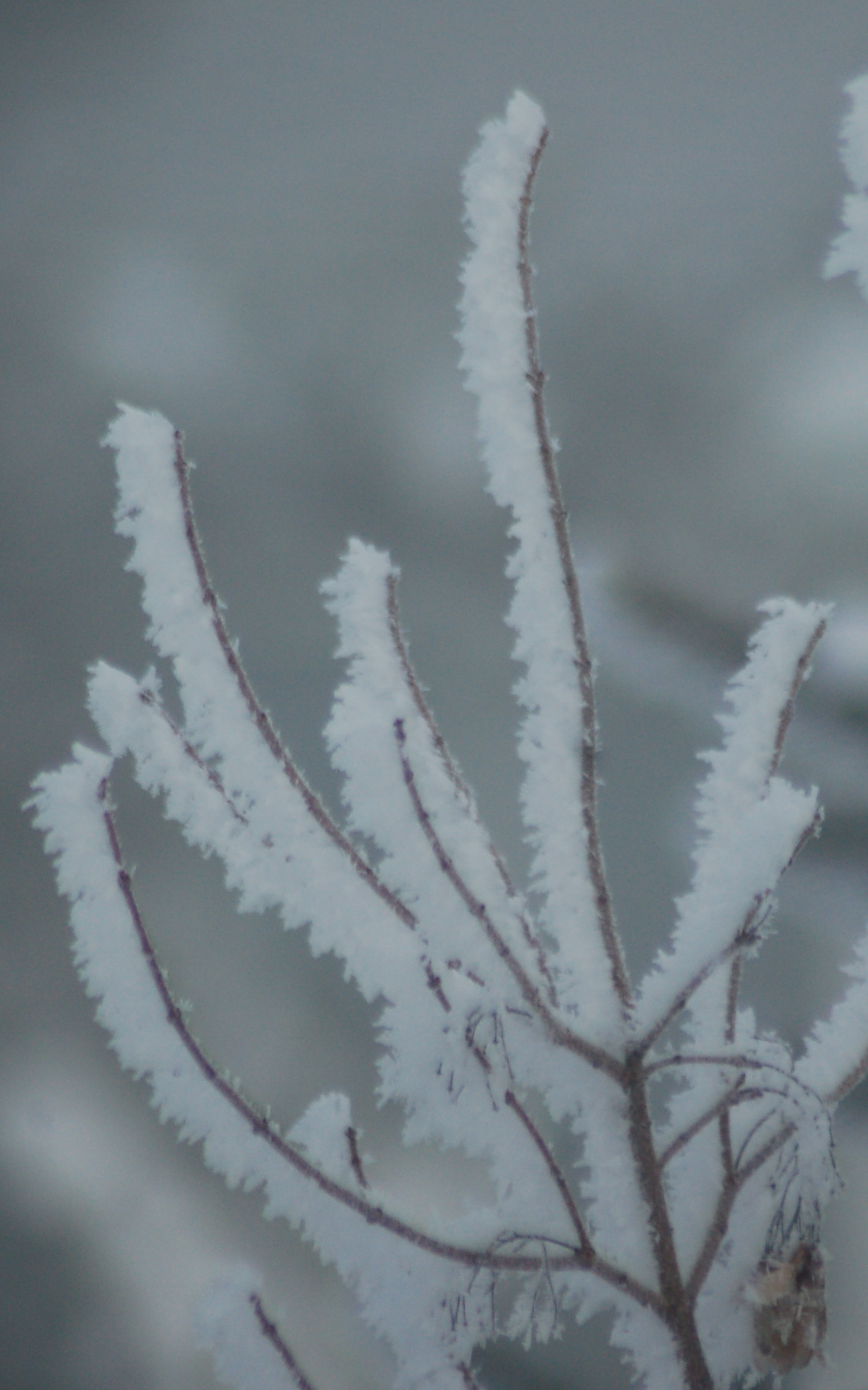
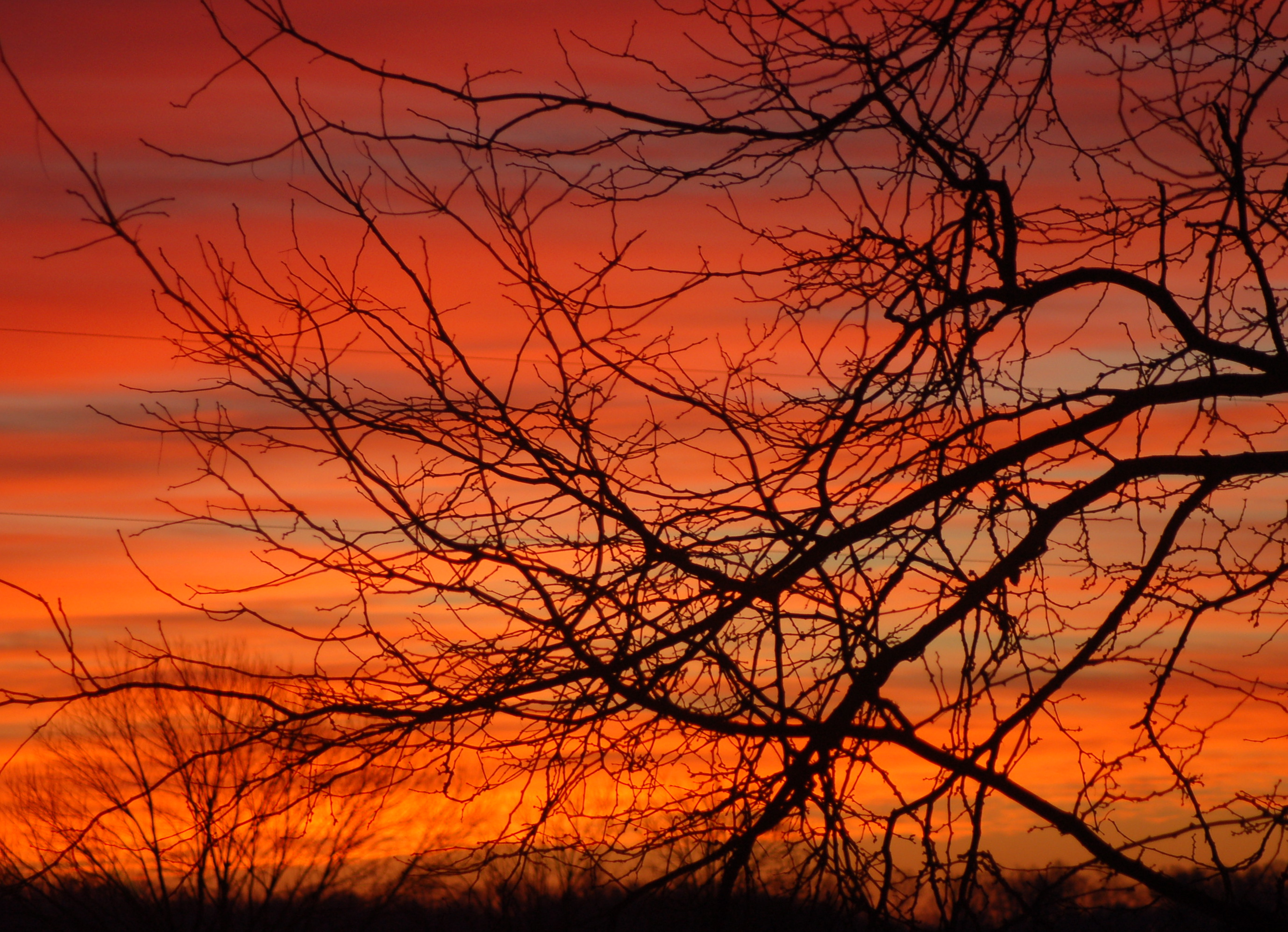
Some of the prettier things we’ve observed through the window include incredible sunrises, spiny hoar frost stuck to everything it touched, and triple rainbows. I have watched as golf ball sized hail covered the ground. Blinding snow squalls prevented me from seeing the roadside mailbox.
I have seen some rather ugly images out that window, too. Auto accidents and insensitive people pitching litter from passing vehicles make that unpleasant list.
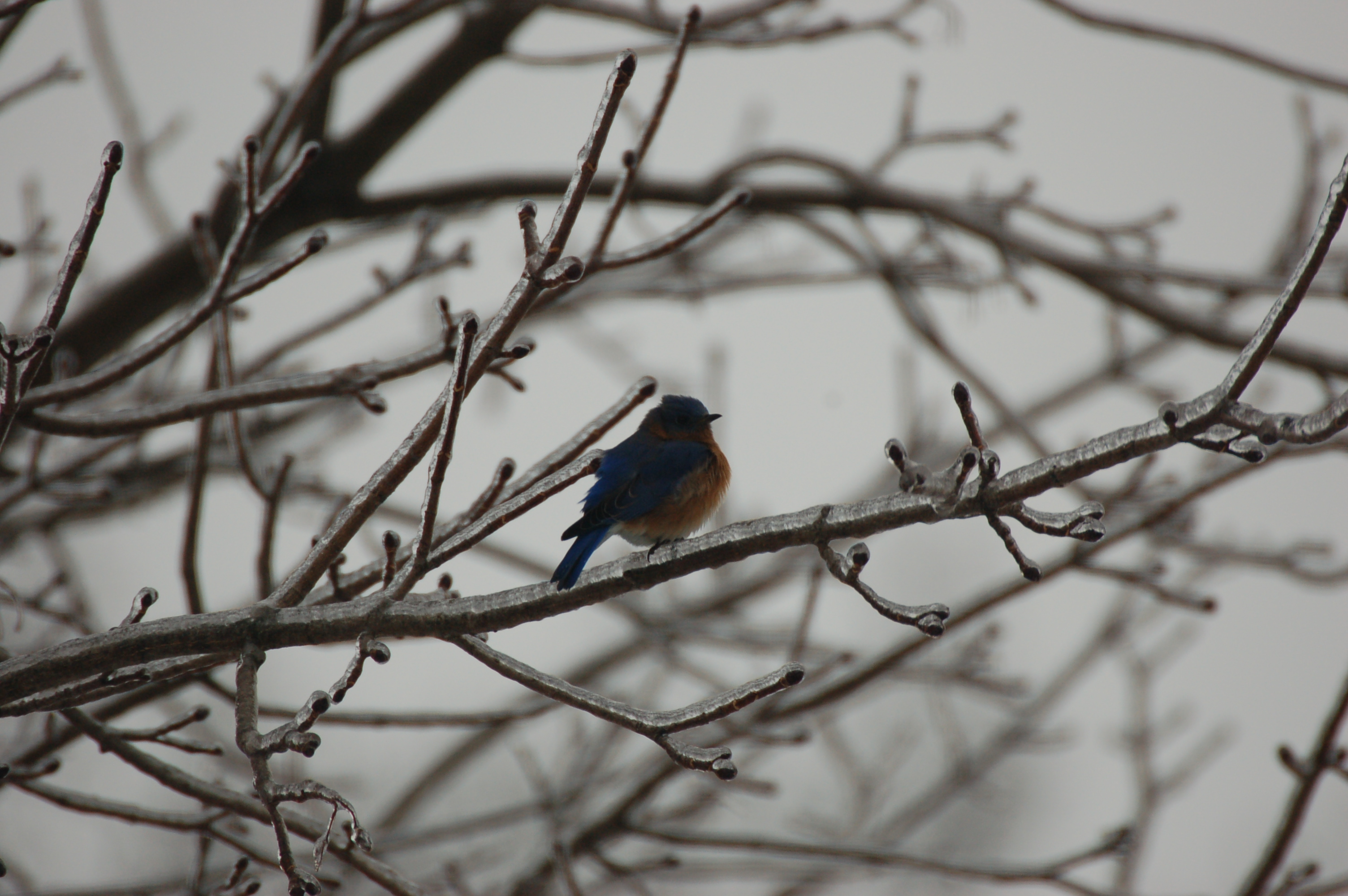
My favorite observations, however, are the animals I see. And just like the highway bill of lading, I have watched a variety of wildlife engaged in assorted activities in every season. Eastern Bluebirds have perched atop the lamppost positioned along the front sidewalk. Deer scurried for cover by taking a shortcut through the front yard.
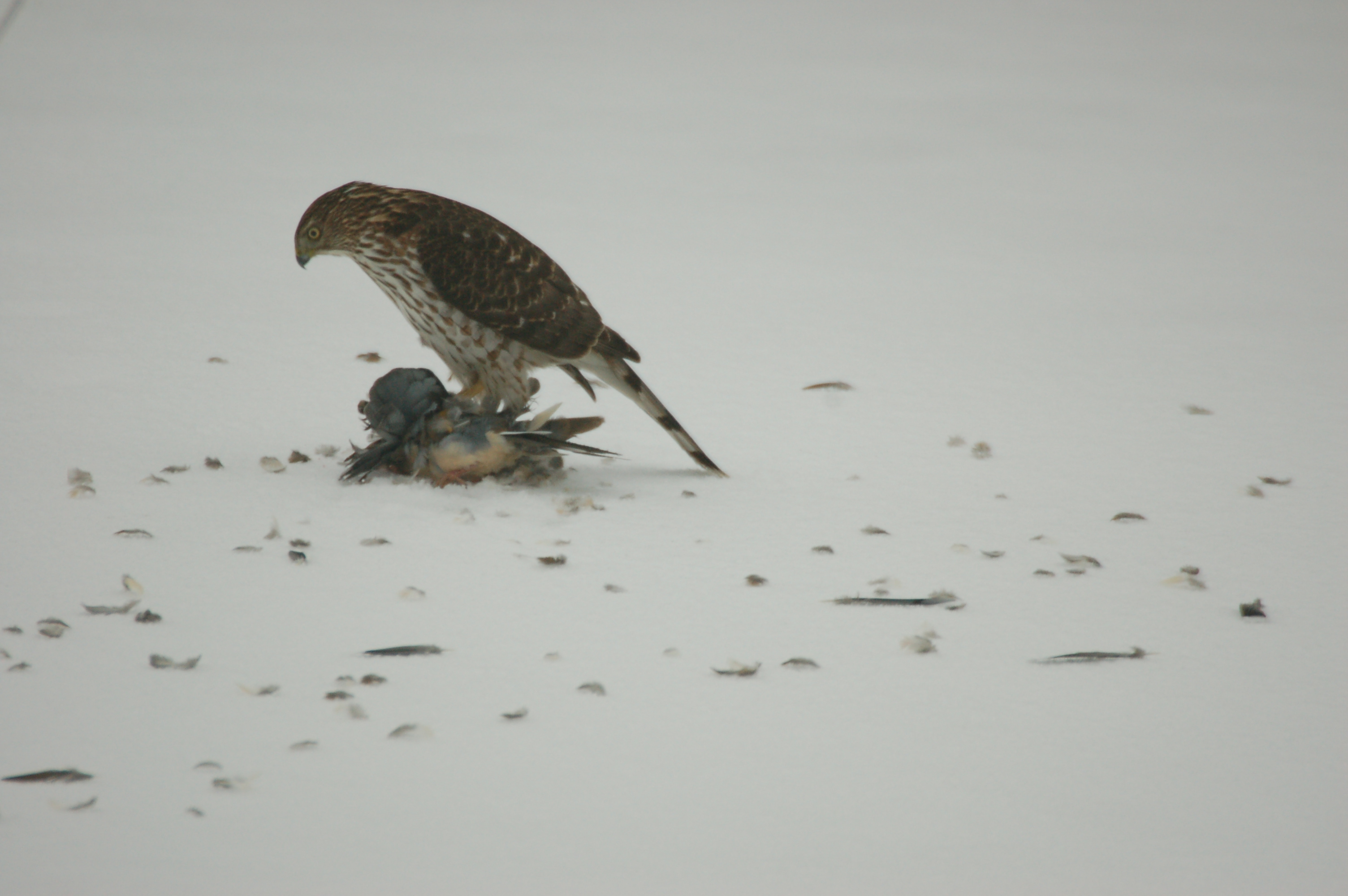
After one of last winter’s heavy snows, I spied a Cooper’s Hawk pinning its Mourning Dove breakfast to the ground, feathers scattered in a broad oval around the crime scene. I shot lots of pictures through the window for evidence just in case the assault ever got called into court.
Recently, a curious flash drew my attention away from the computer, through the window to the greening yard. A Red-tailed Hawk had swooped down to claim a fox squirrel that had been run over on the road earlier that day.
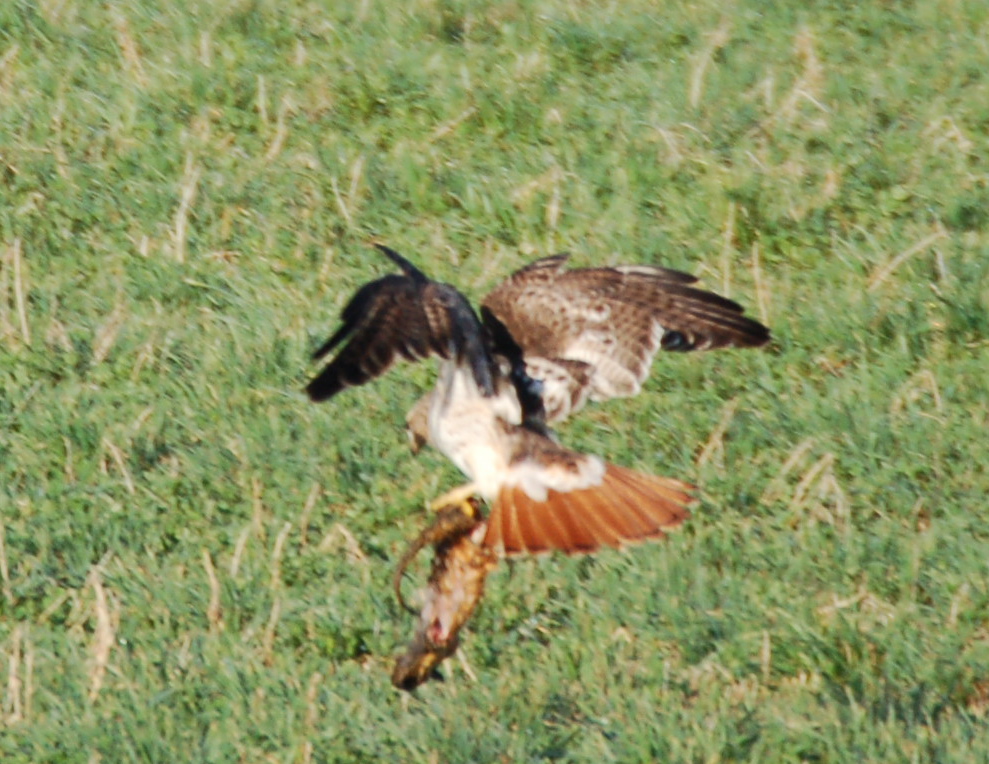
As the hawk tried to roost in one of our Norway maple trees, it dropped the flattened rodent. Try as it might, the hawk could not fly away with its fortunate find.
Finally, the frustrated hawk left still hungry. I took pity on the poor dead squirrel, went outside and placed the mutilated carcass at the base of the tree trunk.
The next morning I discovered the squirrel was gone. Though curious as to what had happened to it, I was really thankful that was one incident I didn’t have to view out my window.

Tonight, just above the horizon
in the western sky
less than an hour after sunset,
planets Jupiter and Mercury
are only a piece of pie apart.
Bruce Stambaugh
March 14, 2011
By Bruce Stambaugh
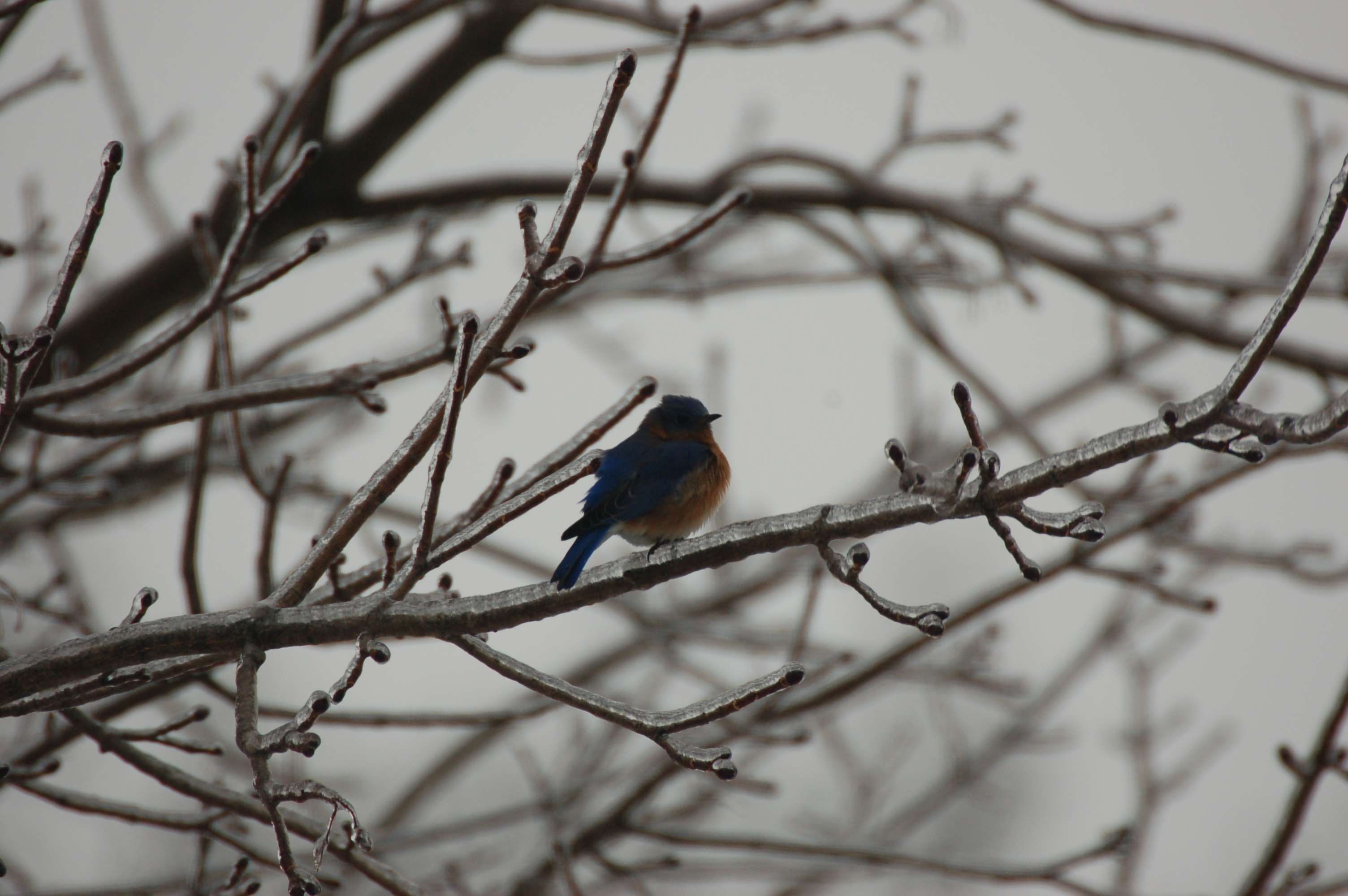
As I write this, I’m looking out the ice-splattered window watching it snow an inch an hour. The trees are once again encrusted with a layer

of crystal clear, weighty ice. The poor boughs of the evergreens are again bowed to the ground.
The rest of the landscape is covered with inches of yet more snow. Fierce, brisk northwest winds stymied the snowplow operators and sent them back to the garage in disgust and for safety’s sake.
I am always glad when the calendar flips to March. To me, March is a Jekyll and Hyde month, the last of winter, and the first of spring.
In truth, March in northeast Ohio is the month with the potential for all four seasons. It doesn’t always work out that way of course.
When the calendar reads March, I know winter’s icy grip is loosening, if only by time. If we are patient, though, spring will eventually win out.
Tired of winter and ready for spring, I opened my digital photo files and reviewed recent March memories. The visual variety brought a smile to my face even as noisy gusts whipped the snow outside harder still.

The first pictures showed exactly what the day at hand already had. Snow blanketed the landscape, but the sky was clear. The next few days revealed similar scenes. The snow remained, but so did the sunny skies. Horses romped in the snow and the days ended with picturesque sunsets.
By the middle of the month the deep snow cover gradually melted down, and green, grassy patches peeked through. People went jacketless and our first crocus bloomed on St. Patrick’s Day. The lovely lavender petals contrasted nicely with the spiky green leaves and the rich, brown ground of the flowerbed.
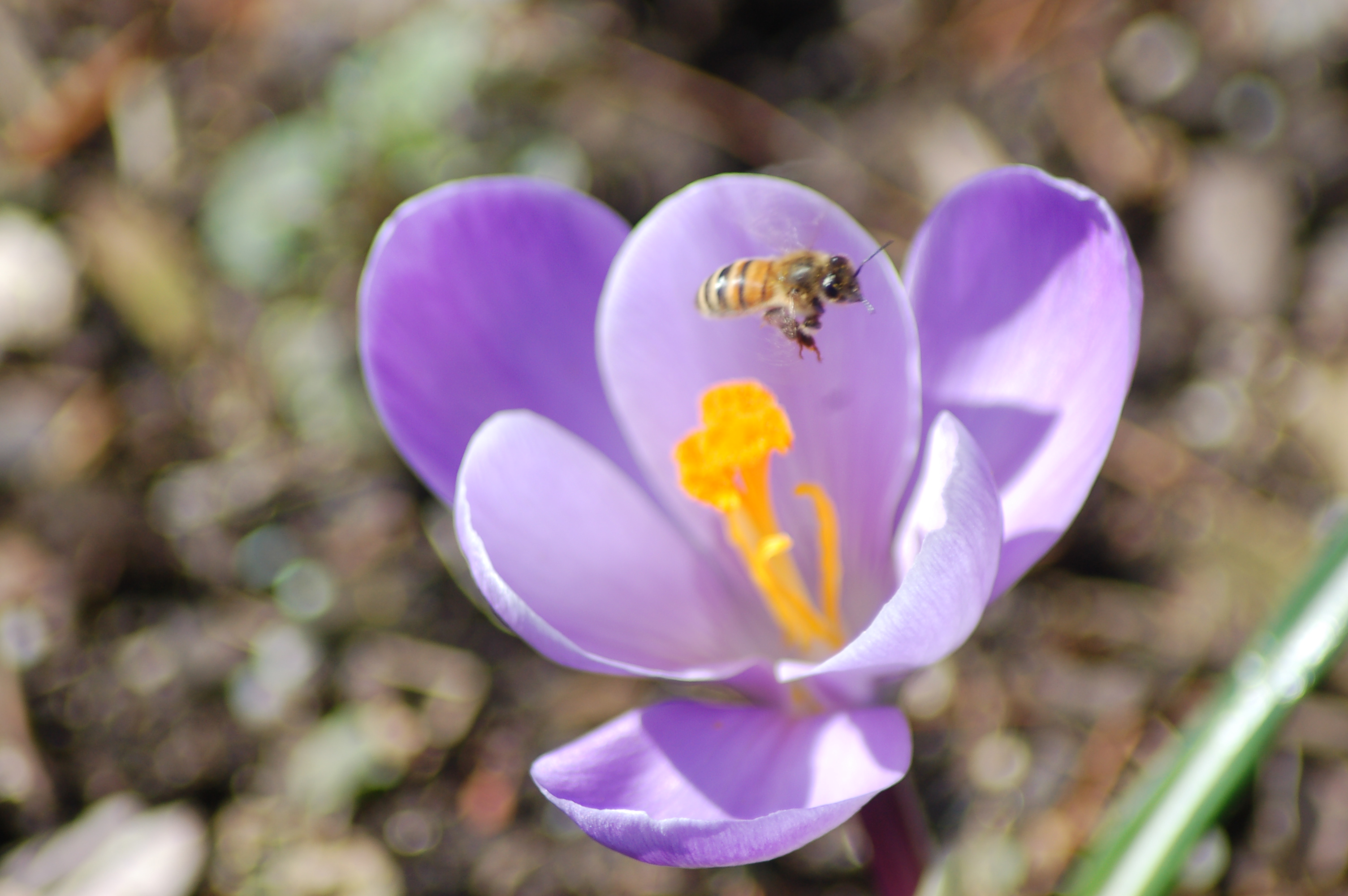
The next day, I photographed a honeybee gorging pollen. This scene really instilled hope.
There were more flashy sunsets and a picture of a thin crescent moon that looked just like a smiley face grinning at us in the early evening sky. We had one like that last month, too, but it was too cold to enjoy from the out of doors.
A couple of days later the frogs from my little garden pond emerged to bask in the warmth of the bright sunshine. And more flowers bloomed equally vibrant.
Just when you begin to fall in love with March, she can deliver some nasty punches. Tornado season begins in earnest and in the past we have had some powerful thunderstorms in March. They often are followed by cold and snow. A friend used to say that it always snowed during regional basketball tournament time.
Sure enough, five days after the frogs contentedly sunned themselves, our first daffodils showed their pretty yellow faces. The next day they drooped sadly, covered in heavy wet snow.

If there is an upside to such an early spring snow, it’s in the comfort that it won’t last long. As proof, my Amish neighbor was plowing his long field one row at a time at month’s end.

A sudden windy gust awakened me from my vernal dreaming. It was then that I noticed a familiar but long absent resonance. In the middle of this latest blizzard, a Song Sparrow sang as if the daffodils and crocuses already were blooming.
That subtle sound of music renewed fervent hope that winter and spring would soon change places.
Wildlife Photos From The Chesapeake Bay Region
Culture and Communities at the Heart Of India
Artist and nature journalist in the Shenandoah Valley of Virginia.
Photographer Of Life and moments
Less Noise. More Meaning
Art is the only way to run away without leaving home. -Twyla Tharp
Writing generated from the rural life
writer. teacher. podcast cohost.
El amor cruza fronteras / Love crosses borders


You must be logged in to post a comment.