Heading down Route 66

grandcanyonbybrucestambaugh
The Grand Canyon, one of the many destinations made more accessible by U.S. Route 66.

By Bruce Stambaugh

U.S. Route 66 is legendary. Built in 1926, the highway that connected Chicago with Los Angeles helped to open up the western United States, especially after World War II.

Officially tabbed “The Will Rogers Highway,” the concreted, two-lane road became so popular that it quickly took on another moniker, “the Mother Road.” The highway enabled many Americans to access locales they had only heard of or dreamed about.

Many took to the famous road to visit historic sites, national parks, or tickle their toes in the southern California surf. Hundreds of service oriented businesses, restaurants, gas stations, motels and the like, grew once sleepy towns into expanding cities.

After Bobby Troup took a trip from Pennsylvania to the west coast on the road, he penned a now iconic song about his experience. “Route 66” is still a familiar song.

Today tourists from around the world travel as much of the original route that remains, too. They want to relive what life was like before the road was decommissioned as a U.S. highway in 1985. The establishment of the Interstate Highway System spelled doom for the romanticized route and the cities and businesses through which U.S. 66 traversed. Radiator Springs, the fictional town in the movie “Cars,” is used as an example of how the Interstate Highway System affected so many small towns across the southwest.

I have traveled on only a few sections of the famous route. My late father, however, had a very personal and memorable connection to U.S. 66. It was the road he and two other sailors drove home following their discharge from the Navy at the close of World War II.

I remember Dad telling me about a restaurant owner in Texas who helped them out. As they drove east along U.S. 66, Dad and his traveling companions kept seeing billboards for a restaurant that advertised serving “the largest steak in Texas.”

Of course the trio decided to check out the claim. Still dressed in their Navy whites, they had little money. Glad for their service to country, business owners often gave them discounts or even free food at places where they stopped.

This restaurateur was no exception. Never one to be bashful, my father approached the restaurant’s owner, and told him they had seen his many billboards along the road. Dad point blank asked him if his largest steak claim was true.

Impressed with their enthusiasm and their military service, the owner gave all three men a free steak dinner. Dad said it was indeed the largest steak he had ever eaten.

So why am I telling you all this about a road that doesn’t exist anymore? I blatantly used this nostalgia to make a simple, metaphoric point. I’m beginning my own journey on 66. I’ll soon be that age. Our birthdays are important after all. We only have them once a year.

Since I was a kid, I have wistfully declared that I would live to be 100. I had no way of knowing that of course. It was just my way of saying I enjoy life, and want to live it as vibrantly, as long, as well, and as purposefully as possible.

I feel very fortunate indeed to have completed nearly two-thirds of the way to that century mark along life’s bumpy highway. I don’t know if I’ll reach that lofty milestone or not, but I am going to give it my all trying. I still have a lot of living to do.

This year I’ll travel down my own personal Route 66. For in the masterful words of the beloved American poet Robert Frost, “I have miles to go before I sleep.”
cathedralrockbybrucestambaugh
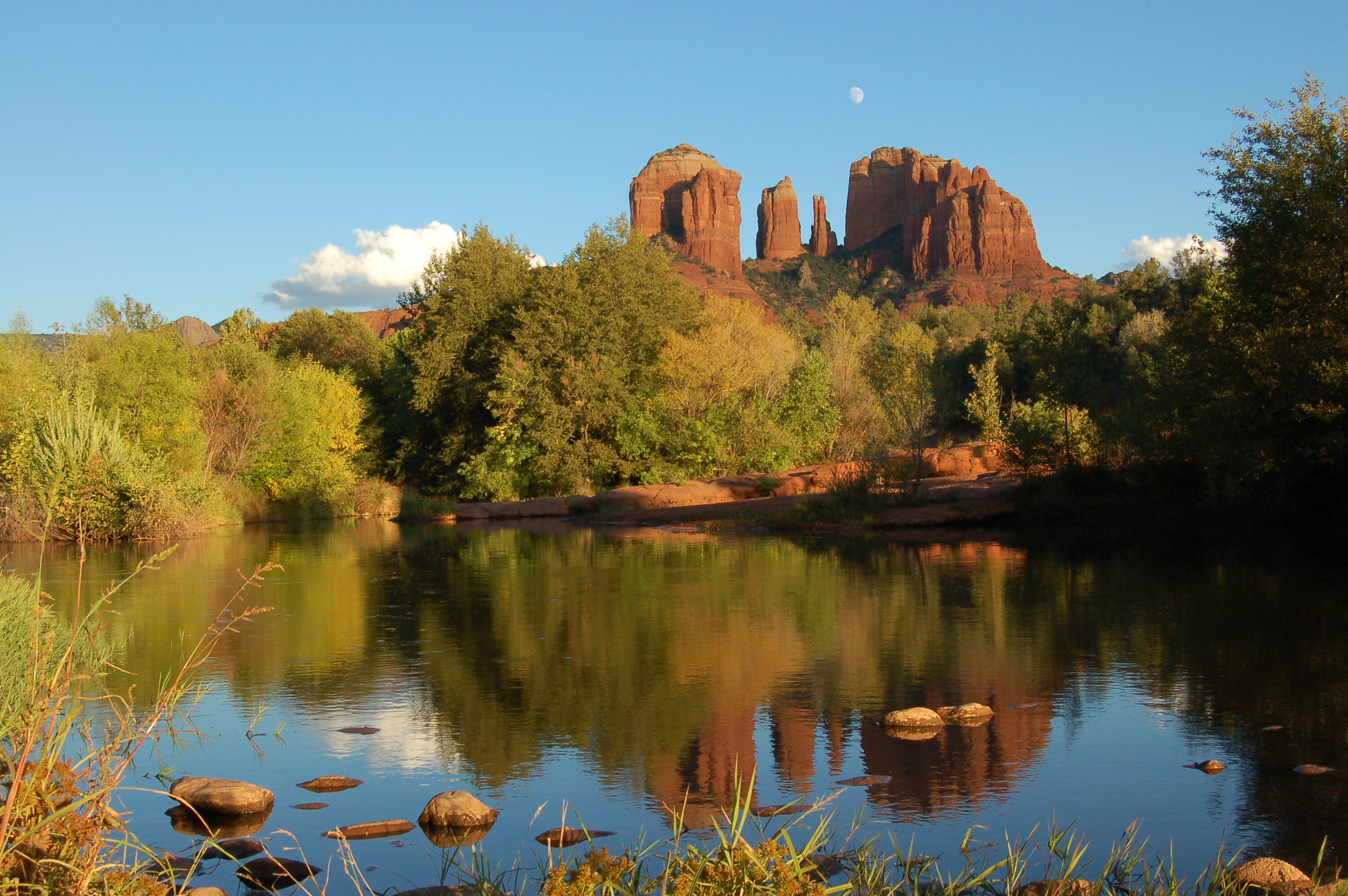
Cathedral Rock from Oak Creek Crossing, Sedona, AZ.

© Bruce Stambaugh 2013

Finding gratitude from on high

fromjeffersonrockbybrucestambaugh
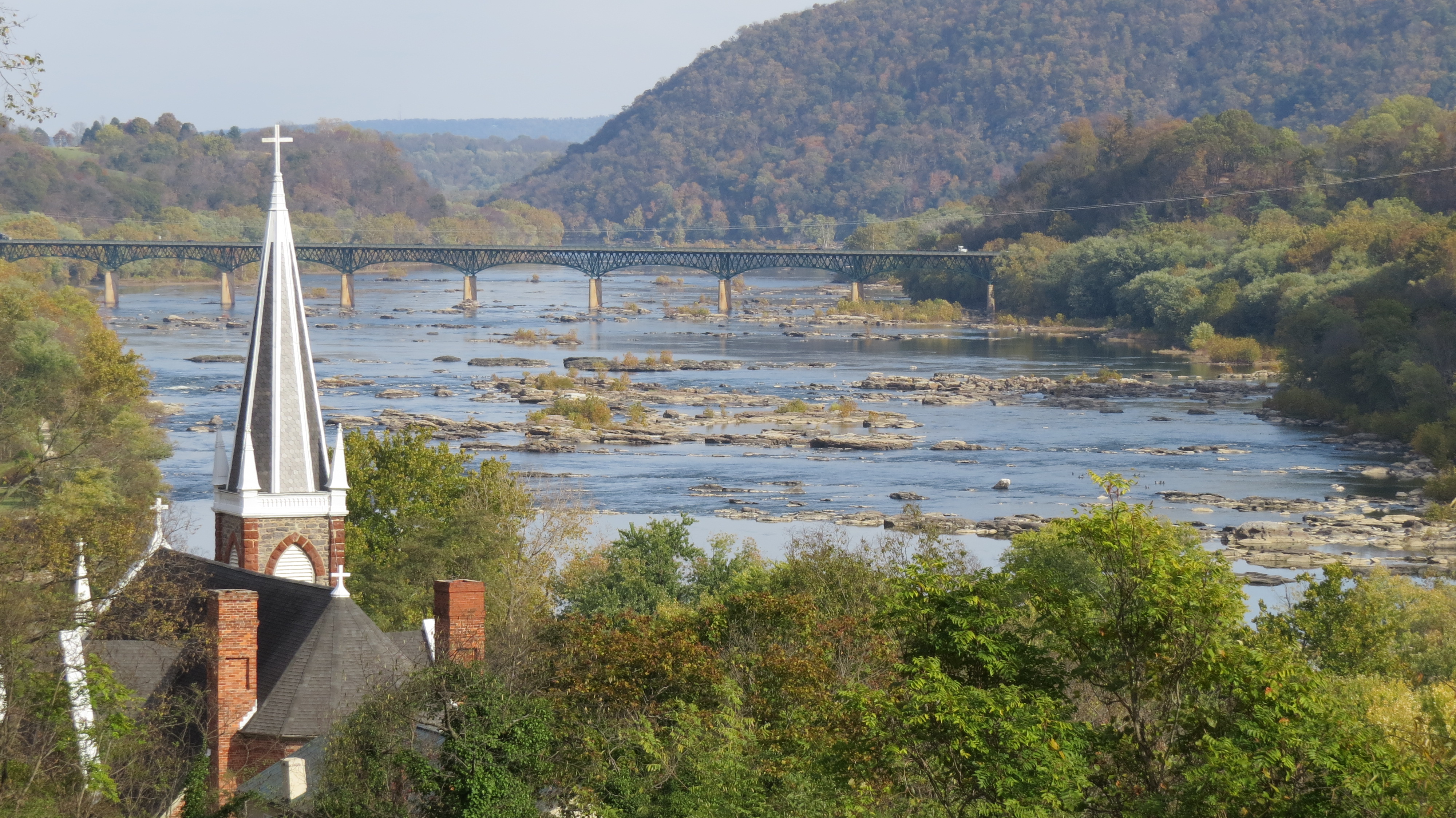
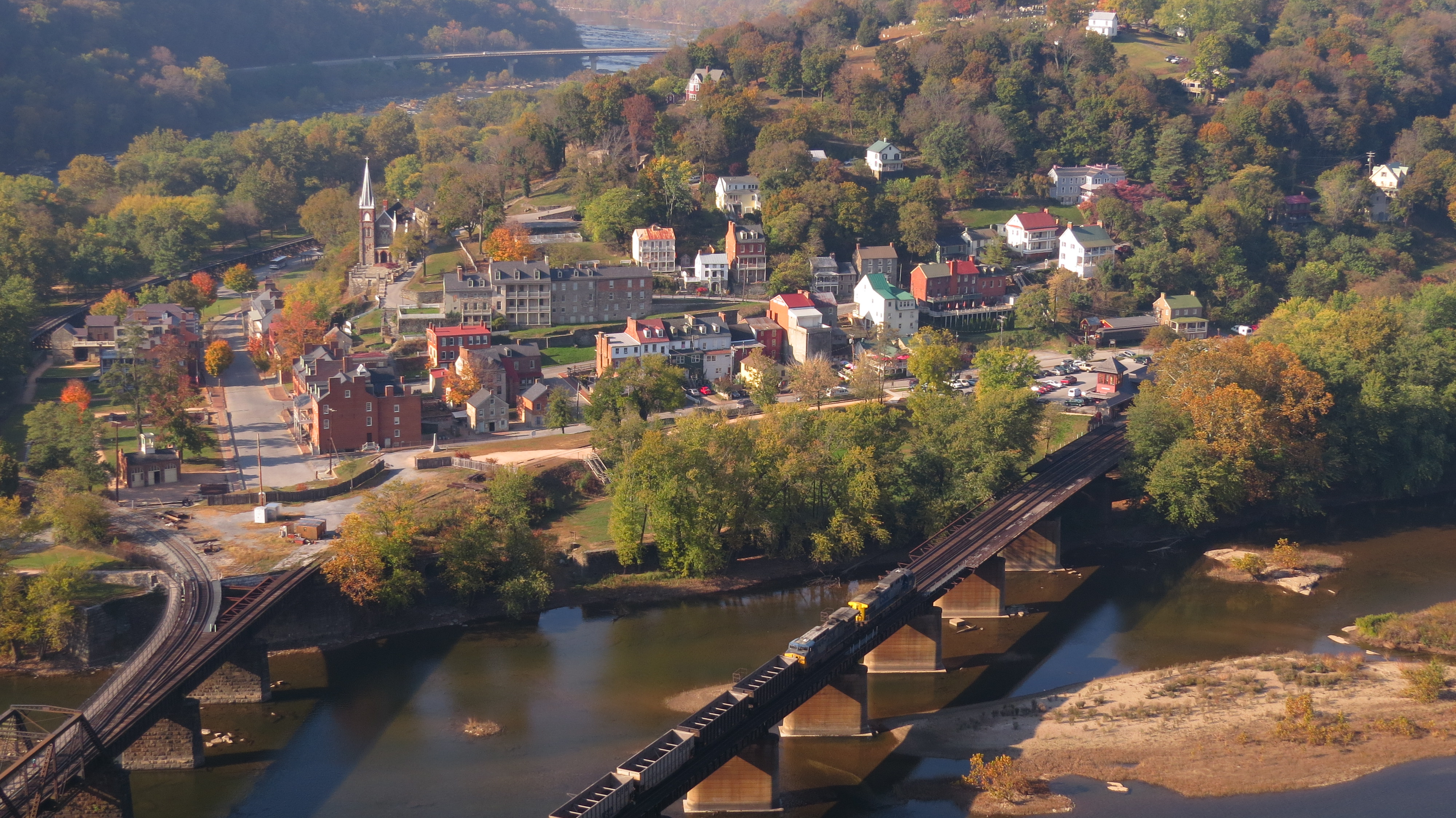
The view from Jefferson Rock of the confluence of the Shenandoah and Potomac rivers.

By Bruce Stambaugh

There are times when a life experience far exceeds our expectations.

I had just such an encounter recently on a junket my wife and I made to Harpers Ferry National Historic Park in extreme eastern West Virginia. This tiny, old town had played a small but important part in our country’s big history.

On a precipice 800 feet above the confluence of the Potomac and Shenandoah rivers, more flowed together for me than two charming waterways. I had previously seen scenic shots of historic Harpers Ferry from this vantage point in Maryland, and had fancied a few of my own. I departed with more than picturesque photos.

The beauty of the bright morning itself was stunning. I basked in the warmth of the morning sunshine looking down on history. The strengthening sun drenched the charming village in a golden wash. It was a map come alive where famous Americans had all made important imprints on our country’s checkered history.

confluencebybrucestambaugh
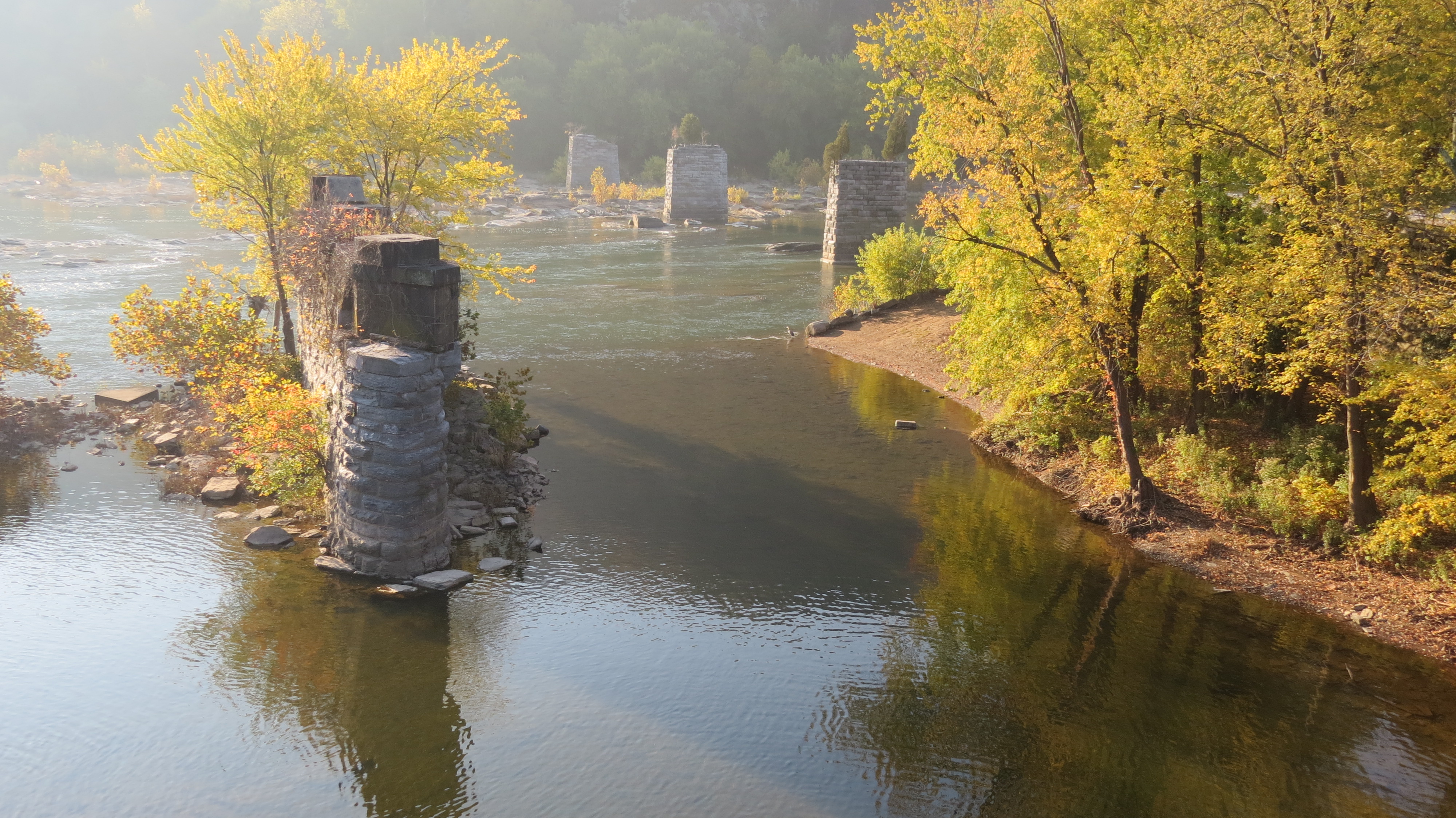
A Great Blue Heron preened in the morning light at the confluence of the Potomac and Shenandoah rivers.

The three-mile hike from Harpers Ferry to the overlook was exhilarating. A hint of haze hung above the surface of the churning rivers on the cool morning.

My goal was to arrive at the scenic overlook opposite the town as the day’s sun rose above the Appalachian foothills. I crossed the footbridge, a part of the Appalachian Trail, which paralleled the bridge of the railroad tracks. The tracks split at the town and followed the two majestic rivers, one south, the other west.

Once across the Potomac, its melodious rapids singing all the while, the Appalachian Trail followed the river and the old C & O Canal east. I walked west along the towpath to the trailhead that led up the rocky, forested hillside.

I couldn’t imagine how soldiers, Confederate and Union alike, had muscled heavy artillery up these steep slopes. Massive rock outcroppings protruded everywhere beneath the hardwood forest. The rich greens of mountain laurel and cedars complemented the coloring leaves of the mixed deciduous trees.

I arrived at the overlook in less than an hour. The view, as Thomas Jefferson once declared, “was perhaps one of the most stupendous scenes in Nature.”

As I sat on the cool rocks I looked down on the spot where John Brown had made his ill-fated raid in 1859. I envisioned Jefferson, George Washington, Robert E. Lee, Thomas “Stonewall” Jackson and all the others who had made their lasting marks there striding along the slanting, narrow streets.

Harpers Ferry was a strategic town in the Civil War since it housed the federal arsenal. Both armies occupied the town intermittently during the war. It was the sight of the largest surrender of United States troops in the Civil War.

Behind me birds of the forest searched for breakfast amid golden, backlit leaves. Carolina Wrens, chickadees, cardinals, robins, Tufted Titmice, White-breasted Nuthatches and Brown Creepers scavenged the forest floor and trees.

A Black Vulture sailed west above the Potomac just off of the cliff. A Red-shouldered Hawk, its black and white striped tail fanned out, glided east. Beneath me a freight train rumbled through the tunnel, across the bridge and whistled past the old station.

I had gone up to the sheer cliff for some pictures. I came down with a renewed spirit of gratitude for all that has transpired and will transpire in my life, in our lives.

Together we have a lot for which to be grateful this Thanksgiving.

harpersferrywvbybrucestambaugh
Harpers Ferry, WV from the Maryland Heights overlook.

© Bruce Stambaugh

Making an all too obvious discovery

germanvalleybybrucestambaugh
The overlook on U.S. 33 near Gap, WV, is one of our usual stretch stops on the way to VA from OH.

By Bruce Stambaugh

I don’t know why my wife and I couldn’t see it. It took the wisdom of our daughter to realize what was happening with her trio of kids, our three grandchildren.

My wife and I live in Ohio. Our grandchildren live in Virginia. We visit them when we can, and they return the favor when their schedule allows, which isn’t nearly often enough from Nana and Poppy’s point of view.

We understand their situation. At ages nine, seven and four, Evan, Davis and Maren are busy, busy, busy. This time of year, of course, their days are mostly filled with attending school.

Their summers are nearly as clogged, only with Little League baseball for the boys. The season seems to last and last, especially when it is extended with tournaments.

Along with their other grandmother, we did do a beach vacation with them in June, which we greatly enjoyed. But that’s not quite the same as being at their home or they being at ours.

Let’s just say that the ability to pile into the van with their parents and head northeast to visit us is rather limited. Which leaves us with one option. If we want to see our grandchildren other than in summer and at Christmas, we have to go visit them.

It only makes sense after all. Our schedules are much more flexible than theirs are. So we go when we can or when we are needed. Lately, it’s been more of the latter than the former.

newhomebybrucestambaugh
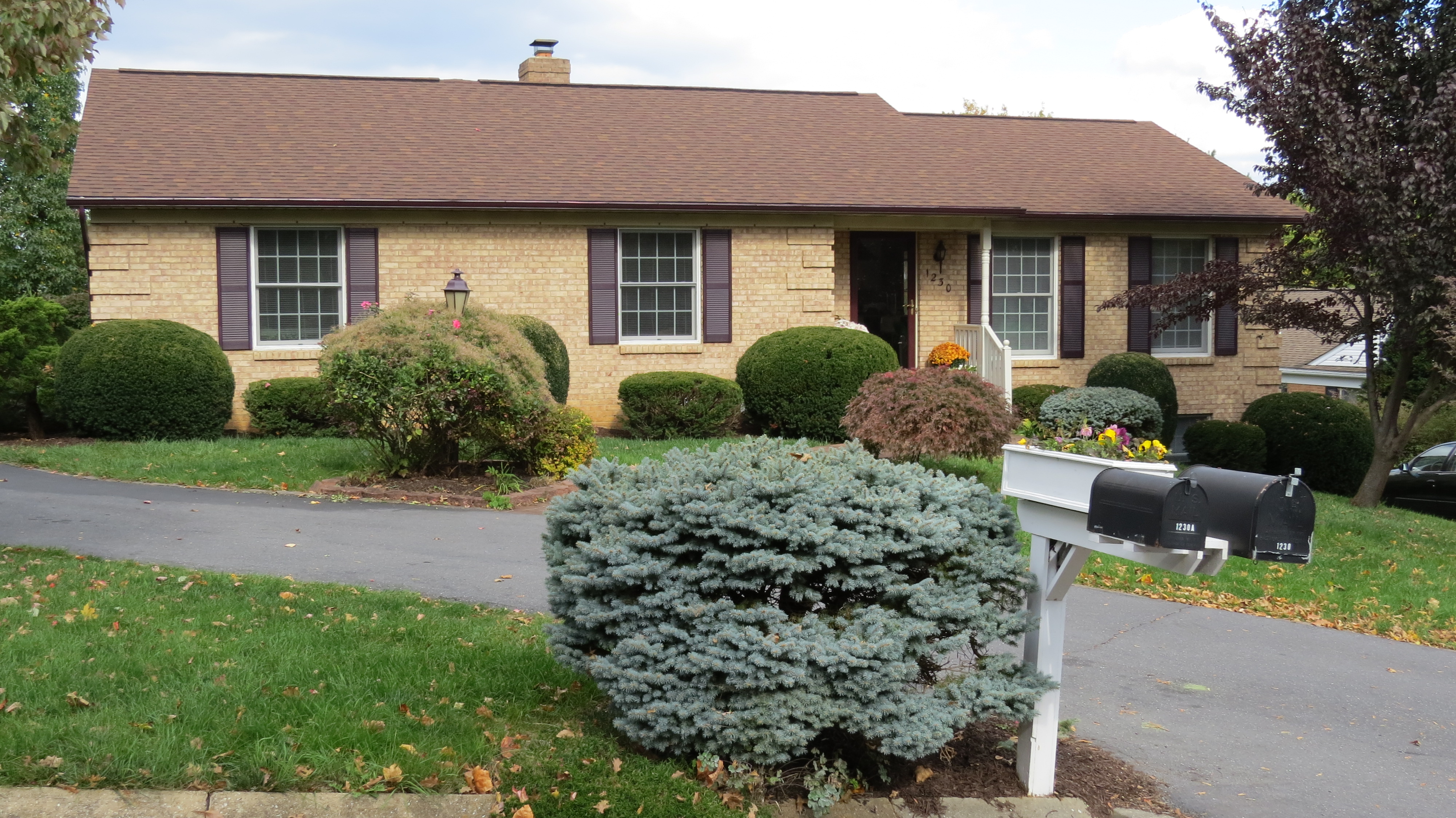
The grandkids’ home in VA.
What a year it has been for our daughter and her family, too. After a three-year search for a new home, they finally found a lovely place that mostly suited their family’s needs. It is located in the same general area of town as where they had rented.

What a plus that was for them, too. The boys didn’t have to change schools, and there was no major adjustment to a new neighborhood. The new neighbors might have to adjust to them, however. They are one of the few families with young children in their stable neighborhood.

The problem was that our arriving always seemed to signal a red flag for the grandkids. The sign was plain as day to them. When Nana and Poppy, or one or the other arrived, a new wind blew. Mom or Dad or both were about to exit the scene.

The kids saw the consequences and reacted as children do. For whatever reasons, we didn’t get it. We do now.

watchingthegamebybrucestambaugh
Our grandkids watch most home volleyball games and few away games like this one at nearby Bridgewater College, Bridgewater, VA.
Our daughter and her husband are as busy as their children. Our son-in-law has his professional career with the nearby university, and our daughter helped coach the university women’s volleyball team, not to mention her many duties at church.

On top of all of that was the unexpected purchase and remodel of the house. Throw in the transition of the youngsters, and the arrival of the senior division of the Ohio cavalry for babysitting appearances, and you get the picture.

So there it was. When Nana and Poppy arrived, something drastic was in the works in the lives of our three grandchildren. Kids being kids, they each showed their youthful angst through various bold behaviors. Nothing serious, mind you, just disconcerting.

The solution is straightforward. Nana and Poppy simply need to visit and enjoy time with the entire family, no babysitting, no rule changing, just plain family fun.

That’s the ideal role for Nana and Poppy for which all can be thankful.

helpingnanabybrucestambaugh
Granddaughter Maren helped Nana make baked oatmeal for the volleyball team.

© Bruce Stambaugh 2013

A special Halloween pie, and it’s not pumpkin!

jackolanternapplepiebybrucestambaugh
A Jack-O-Lantern apple pie that my wife baked was absolutely delicious.

My wife, Neva, loves to cook, plain and simple. However, she likes to spice things up a little from time to time, and that doesn’t necessarily mean adding a lot of zing to the food she creates.

Neva baked up a special treat for the grandchildren while we were visiting them recently at their home in Harrisonburg, VA. Using her usual recipe, Neva made a wonderful apple pie especially for the Halloween holiday. She added a Halloween theme to it by cutting a Jack-O-Lantern face into the top crust. The revealed slices of apples added a spooky look to the delicious pie.

I thought you might like to have the recipe. The pie is too good not to share. Once you taste it, you’ll discover that this Halloween will be all treat and no trick.

Bruce Stambaugh

Neva’s Apple Pie

Ingredients:
4 large cooking apples, about 2 lbs., which equals 6 cups of sliced apples
1 tablespoon of lemon juice
2/3 cup of granulated sugar
1/2 cup of light brown sugar, firmly packed
3 tablespoons of flour
1 teaspoon of ground cinnamon
A dash of nutmeg
A dash of allspice or ground cloves
Pastry for a 2-crust, 9 inch pie
2 tablespoons of butter

Preparation:
Peel, quarter, and core apples. Cut into 1/4 inch slices to equal 6 cups. Toss with the lemon juice in a bowl.

In a separate bowl, combine granulated sugar, brown sugar, flour, cinnamon, nutmeg, and ground cloves. Pour over the apples and toss to coat the apples.

Place one pie pastry into a 9 inch tin or pan. Pour in the mixed ingredients, and place the second pie pastry over the top. Crimp the two crusts together, and cut out the Jack-O-Lantern face to suit.

Preheat oven to 425 degrees. Place the pie in the oven and bake for 40 minutes.

Enjoy!

© Bruce Stambaugh 2013

A bittersweet Amish wedding

churchbenchwagonbybrucestambaugh
The day after the wedding, only the lonely church bench wagon marked the spot where the bittersweet wedding had taken place. Out of respect for the Amish, no pictures were taken prior to or during the wedding.

By Bruce Stambaugh

The cool morning’s haze hung in the low, sweeping valley, kissing everything animate and inanimate with thousands of moist droplets. The sun, just now slipping above the distant hillsides, began to undo the dew.

An Amish church bench wagon stood alone, a silvery silent phantom in the dampened alfalfa field. A week earlier the wagon likely went unnoticed. It had been brought there to supply some of the seating for the hundreds of guests who attended a very special wedding.

The bride, a good friend and neighbor, was the happiest, most excited young woman about to be married that I had ever met. Only a year earlier this same 34 year-old had adamantly proclaimed to my wife that she would never get married.

Life events change things above and beyond our poor power to anticipate or comprehend them. We can only accept them.

Months earlier, the groom was suddenly a young widower with six children, teenager to toddlers. When the life of a wife and mother is taken at 34, a huge, horrible hole is created. Now, through a series of miraculous happenings, the modest, stalwart man was about to take a new bride.

It clearly was a bittersweet wedding. In fact, the bride used that as the theme in the invitations, throughout the preparations and the wedding itself. She went out of her way to include the children and their grandparents in this transition.

amishhomesteadbybrucestambaugh
The home of the new bride and groom and their family.

If ever there was a model for the positive blending of families, this wedding was it. There were tears of joy for the new couple, for the young children who would once again have a mother, and for the new groom, who would no longer have to worry about how to care for his family while holding down a fulltime job.

Step by step, it all came together. Even the minister had to wipe away a tear or two as he preached his sermon in his native Pennsylvania Dutch. During his animated sermon, he spoke reverently to the children, all dressed in matching gold shirts and dresses. He shared personally and passionately with the bride and groom on the incomparable commitment they were making.

In the Amish community, weddings and the meal that follows are a crowning celebration. They are a commitment for a lifetime to each other and the community. Surrounded by hundreds of family and friends, my friend followed her heart, and filled that family’s aching emptiness.

The reception was held across the narrow township road from the bride’s parent’s home. A large white tent had been erected to accommodate the reception goers. Usually the wedding party sits in the eck, or corner, while the guests enjoy their meal at long decorated tables.

This was no ordinary Amish wedding. The guests were afforded a glimpse of how life would be in this newly established household. Centered at the back of the tent was a huge, antique dining room table. Around it sat the bride, the groom and his six children. The bride fed one toddler while the groom fed another.

This marvelous couple had only been married a few minutes, and already they were modeling the family way. I had to wipe away a few tears of my own.

Just as the joy of this marriage warmed the spirits of the wedding guests, the strengthening sun quickly melted away the dewdrops around the church wagon. It was an honor and a blessing to have witnessed both.

silverliningbybrucestambaugh

© Bruce Stambaugh 2013

Autumn is upon us in more ways than one

foggymorningbybrucestambaugh
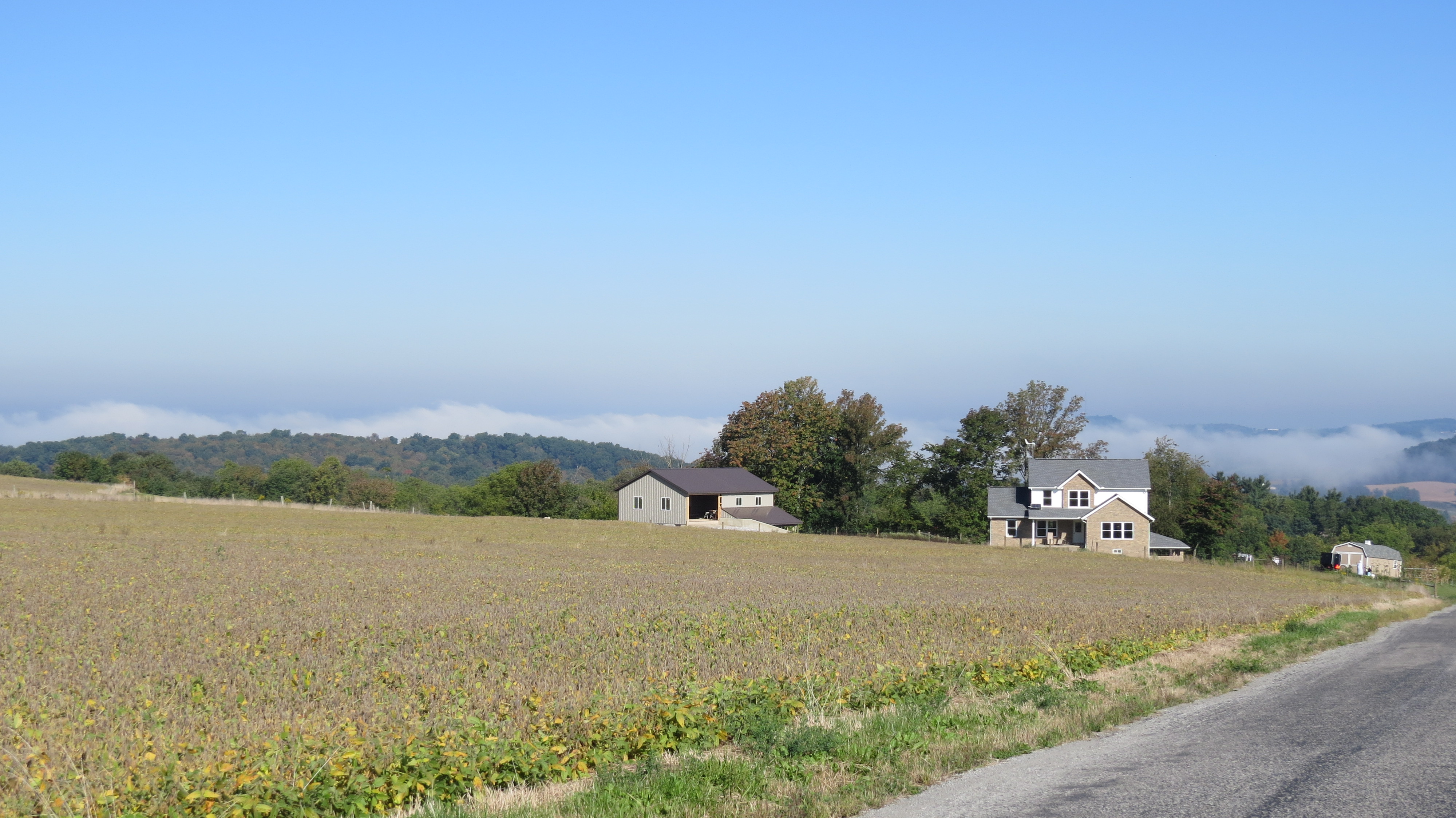
Foggy morning.

By Bruce Stambaugh

Fall is definitely in the air here in northern Ohio. The telling signs of autumn are everywhere.

A drive through our luscious countryside or a leisurely hike or ride along the Holmes County Trail or just a peek out a window all sing the same song. Fall has arrived.

The leaves have begun to change. Dense morning fog magically gives way to bright, sunny days, only to reappear the next morning to begin the misty process anew. The days cool, warm and cool again in alluring rhythm.

I marvel at nature’s humor.

I bask in the warmth of the morning sun high on a rural road. To the west, residents have to feel socked in. A thick, cottony cloud stretches the full length of the Killbuck Valley. The morning’s colder, heavier air spreads the wet blanket over the precious marsh teeming with its mix of migrants and year-round residents.

foginthevalleybrucestambaugh
Fog in the valley.

Fields of golden rod and patches of wild daisies bring a warming brilliance to the once verdant landscapes. The lessening sunlight and cooler temperatures tell the foliage it’s time to morph into the secreted richer colors. Once emerald stalks fade fast from a sickly yellow to a dormant brown even before the first frost of the season.

Wildlife sense nature’s urgings, too. Small flocks of Eastern Bluebirds, still flashing their azure brilliance, congregate, searching for both sustenance and winter cover. A few Cedar Waxwings still buzz from the tops of their favorite playgrounds, while the chatty Chimney Swifts have already checked out for the season.

changingleavesbybrucestambaugh
Changing leaves.
Despite having access to calendars and electronic device reminders, humankind seems to be in denial. Men and women clad themselves in t-shirts and shorts as if it were still July. Are they naïve or hopeful that fall will imitate summer? I’ll give them the benefit of the doubt.

No matter my activity, I dress in layers or carry extra apparel with me. I suspect it’s more me than the weather. I’ve noticed that the older I get the colder the days seem, even though the temperatures remain near their seasonal norms.

Further reflecting tells me that I am entering the October of my life as well. Transitioning from the long summer of busy workdays mingled with family meals and overlapping activities have evaporated like those morning mists. My good wife seems to have made the adjustments better than me.

waningmoonbybrucestambaugh
The waning Harvest Moon.
I enjoyed my career as an educator. In the 30 years of serving youngsters and cajoling adults, I learned a lot. I embraced my second career in marketing and writing with equal zeal.

Now reality is finally setting in for me. My parents are gone. My wife’s parents are gone. Friends from the Greatest Generation are fading fast, not to mention acquaintances from my own generation. I must ready to face the fall.

This certain transition hasn’t been easy. At times I have emotionally struggled with entering life’s October time. Yet facts are facts. My diminished hearing, loss of nimbleness and achy knees tell me that my autumn has arrived, too.

However long I have, I want to live life out with zest, energy and productivity. Fall is in the air. The harvest full moon is waning.

Whatever your age, together let us greet each day with a song and a smile. Let us celebrate the goodness that surrounds us regardless of whatever circumstances or personal season we encounter.

© Bruce Stambaugh 2013
A commitment to community

fullyinvolvedbybrucestambaugh
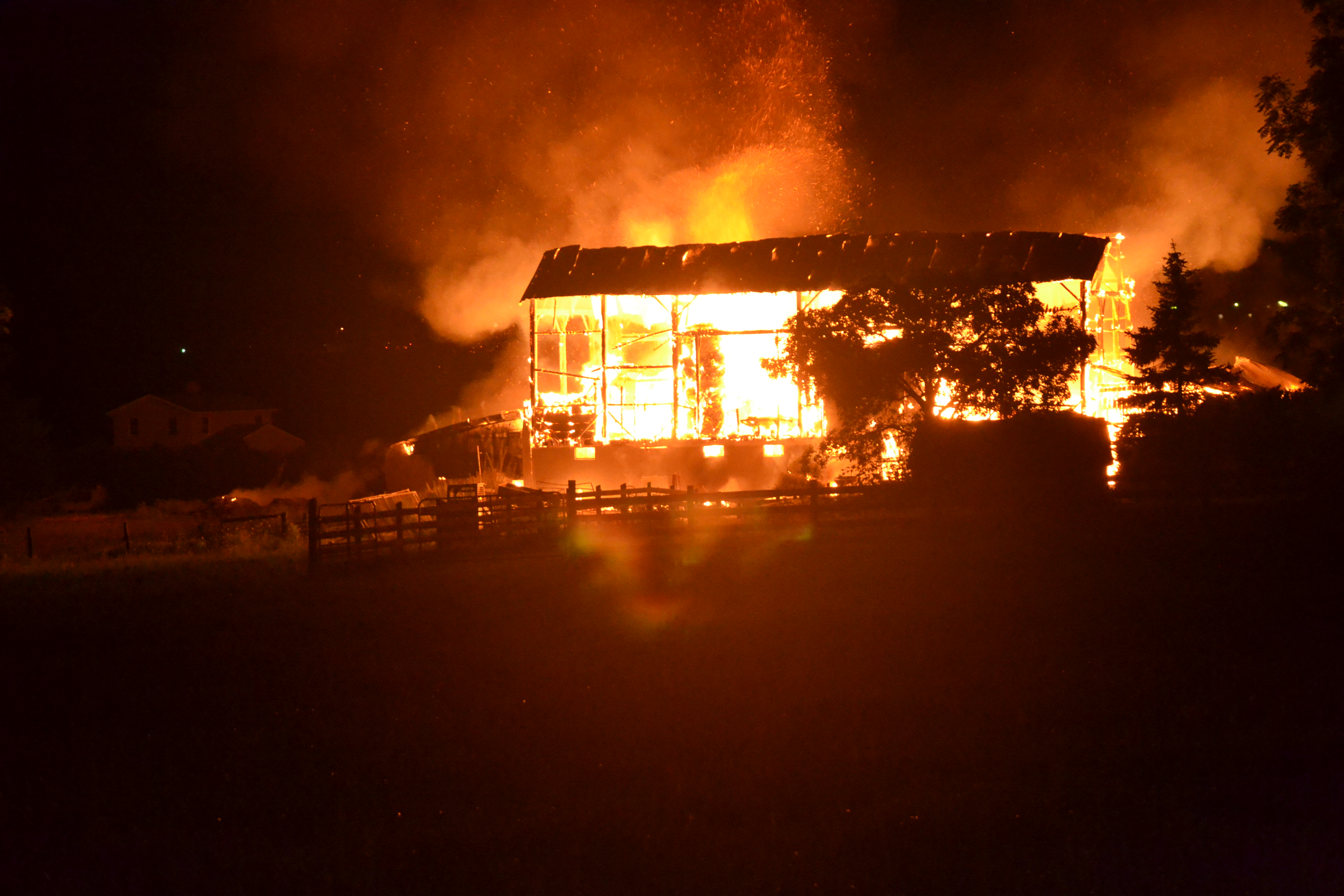
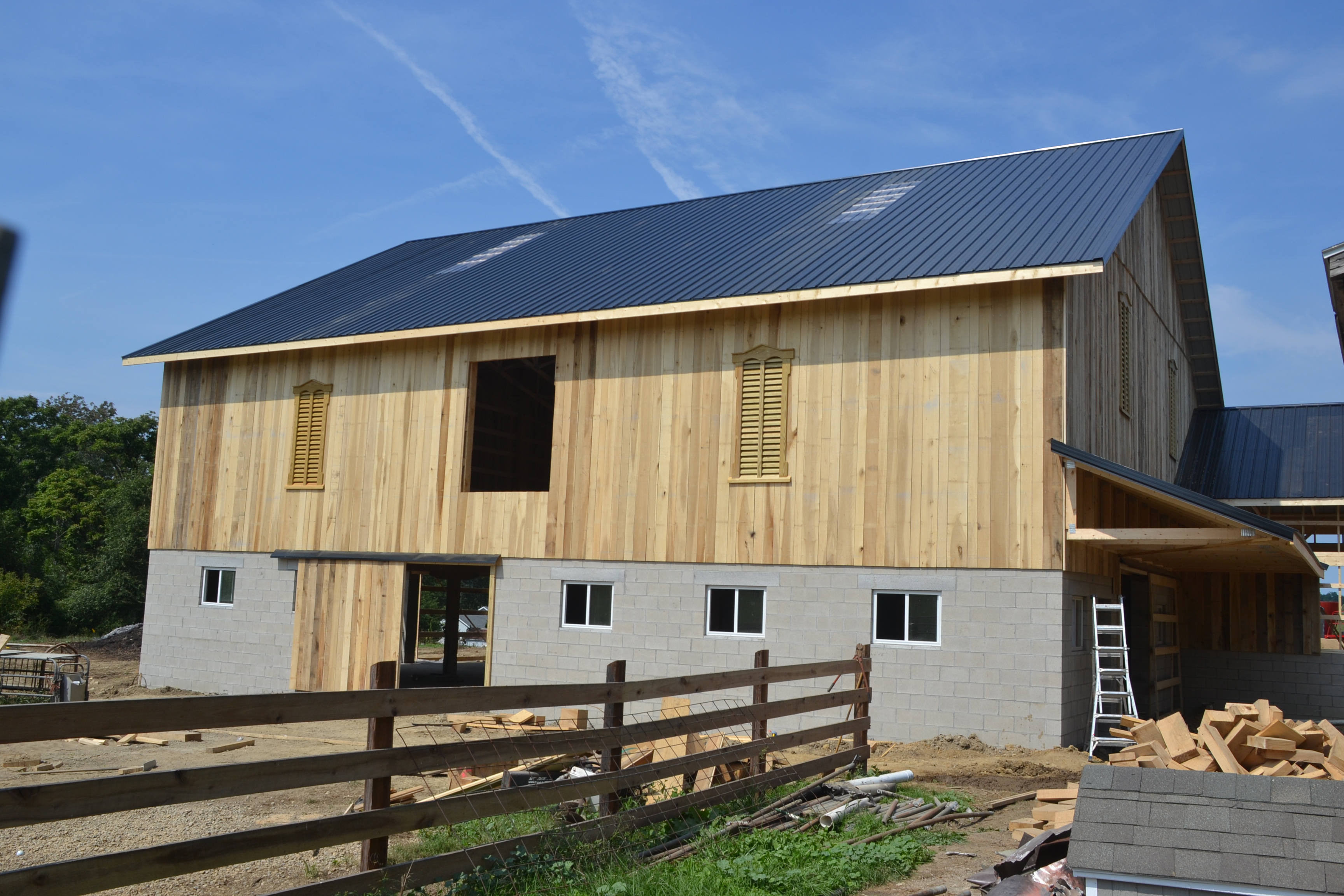
Fire fully involved the barn in minutes.

By Bruce Stambaugh

The middle-aged man sat in the van watching what he really wanted to do. His physically weak condition didn’t allow him to help rebuild the barn that had burned a month earlier.

I knew this man, and knew his heart was with these good people, people from across the community who came together to help resurrect the barn. My friend’s presence moved me as much as the corporate act of mutual aid that we witnessed.

Though he couldn’t help, my friend wanted to be there for support, for community, to keep the connection with his people. His presence was his help. Everyone knew about the fire that had destroyed the old bank barn. There was nothing firefighters could do that night other than to protect the adjacent buildings, which they did successfully.

Only three days before the barn raising, the clarion call went out, one phone message to another, for help. The result was a swarm of activity that began at sunrise and lasted until the job was nearly completed. This was not only how the community worked. It was the community.

barnraisingbybrucestambaugh
Three hours after the work had begun the barn was fully framed.

My friend knew this. He viewed his vicarious participation as imperative.

He didn’t need to tell me this of course. In our decades of living here in this place, we knew the unwritten, modest code of conduct. When your neighbors need help, help them.

It is the way this community operates, has operated, will operate. It is who we are and how we survive. Without one another, we are nothing. No man is an island indeed.

Old Order and New Order Amish worked side-by-side, hammer by hammer, board by board, with one another. Conservative Mennonites, Mennonites, and probably a few Baptists and Presbyterians were in the mix, too. All hands were on deck, no membership cards needed.

One man served as the coordinator for constructing the structure back into a barn. One body, estimated at about 300 men, women and children, made it happen. The process was beautiful to behold, a community in action.

With the foundation and floor previously completed, the framing of the barn began before sunup. By 8 a.m., the trusses were already being set. No orders needed to be barked. Spontaneous crews simply flowed in precision without cue, and the building arose. It was mind-boggling, astounding and inspiring.

Bearded men, clean-shaven men and teenage boys, proving themselves worthy, massed over the 50 by 60 foot frame. Seated on church benches, youngsters and women, their bonnets bleached whiter by the day’s brightness, watched and waited their turn.

By noon, the siding and roof were nearly completed. Hearty meals of homemade meatloaf, mashed potatoes and gravy, and plenty of side dishes and luscious desserts refueled the crews for the afternoon.

Even the weather cooperated for stepping casually across the peek of the roof. Clear blue sky, no wind to sway the balance, no humidity to dehydrate efficient work all made for perfect construction conditions.

In practicality, such a coordinated effort helped cut the cost of rebuilding for the owner. In a broader sense, such a coordinated effort reaffirmed that in a cooperative community no tragedy is too great to overcome.

Though he couldn’t help lift a board, my friend participated in this most sacred and iconic act. To the passersby who stopped to take photographs, it was a special treat to behold.

For those who knew what really transpired, like my friend, it was much more than a delight. It was communion.

newbarnbybrucestambaugh
By evening work on the main barn had been completed.

© Bruce Stambaugh 2013

Life lessons from Uncle Jack

bubblegumpetuniasbybrucestambaugh
From the front porch.

By Bruce Stambaugh

After lunch, I took a glass of my wife’s incredible lemonade and a fresh baked chocolate chip cookie out onto the front porch to warm myself in the noontime sun. It was one of those perfect September days, fluffy white clouds sailing in blue sky, driven by a steady, cool northwest wind.

In front of me bumblebees and honeybees and Clouded Sulphur butterflies worked the patch of Sweet Williams and splay of fragrant Bubblegum Petunias. Under such a spell, my mind wandered back to similar days, days of my youth when our grandfather would come calling.

Even if we weren’t outside, we knew Grandpa Merle had arrived. We could hear our Uncle Jack, who always accompanied our grandfather, long before they entered our brick bungalow in suburban Canton, Ohio.

brickhousebybrucestambaugh
The brick house where I was raised.

Jack’s speech was loud, unintelligible, and inarticulate. We knew though that Jack was a good soul stuck in a damaged body. Jack had suffered a traumatic, life-threatening head injury as a young child. He and my father, Jack’s only brother, were seriously injured in an automobile accident 90 years ago.

Their grandfather had taken them for an impromptu Sunday afternoon drive in 1923 in his brand new car on a lovely summer’s day, like the one I was enjoying. Just one block from returning home, a drunk driver hit their car, killing my great grandfather instantly. The other driver was uninjured, and never charged for causing the crash.

Both my father and Jack suffered serious injuries. Back then trauma medical treatment was limited. Fortunate to be alive, Jack’s injuries were permanent, leaving him mentally retarded. Our father was less injured, and recovered more quickly.

The accident devastated my father’s family. To say raising Jack became difficult wouldn’t do the situation justice. With no social or educational support available in those days, caring for Jack became tedious and demanding, and eventually frayed my grandparents’ relationship.

Less than a decade later, they were divorced, and grandpa spent the rest of his life discouraged, wrought with the pressure of raising Jack alone. He worked long and hard to make a go of life for them both.

His grandchildren were his safety net. He and Jack often visited us on Sunday afternoons. The five of us grandkids greeted them with a mix of eager anticipation and reverent reserve. Grandpa Merle usually brought candy, perhaps to sweeten the harsh reality of Jack’s presence.

unclejackbybrucestamaugh
Uncle Jack in 1990.
Because of his brain damage, Jack had some unique physical idiosyncrasies that could be construed to be bothersome. Besides his boisterous incoherence, Jack slapped himself frequently. When he sat, he generally crossed his legs, the top one wiggling nervously like an out of control metronome.

I don’t remember any of us ever being afraid or even ashamed of Jack. We managed to get the gist of what he was saying and knew he meant well.

I wish others had had the same view. Because of his quirky antics and loud manners, Grandpa Merle had to be careful where he took Jack. Out of fear and ignorance, some people were really mean to him.

As I look back on it, I realize that despite his social and mental limitations Uncle Jack had much to teach us. Tolerance toward others, acceptance of people as they are, and compassion for the less fortunate were just a few of the life lessons Jack imparted.

I also recall that Jack liked pink petunias and white, fluffy cloud days.

Miss Maren doesn’t miss a beat in Amish country

summerfunbybrucestambaugh
Aunt Meena and Miss Maren playing a game of tag.

By Bruce Stambaugh

As we headed down the last of eight mountain passes toward her home in the beautiful Shenandoah Valley in Virginia, my three-year old granddaughter, Maren, asked a gem of a question.

We were listening to a child’s musical CD when she picked up on the words “miss you.” Typical of inquisitive three-year olds, Maren asked a profound question. “Does ‘miss you’ mean you will be glad to see him again?” she asked. As I glanced in the rearview mirror, her expressive eyes twinkled the answer. I smiled, and simply replied, “Exactly, Maren!”

That type of interaction had occurred several times in the four days my wife and I had hosted Maren. It was her first time away from her parents and her two older brothers. She passed the separation test with flying colors.

Neva and I had planned several activities that would keep her and her very active mind occupied while away from her familiar surroundings. As it turned out, we need not have worried about filling in the time.

It’s not that Maren didn’t miss her family. It was more like discovering the freedom of being an only child with no one to interrupt her magical control over Nana and Poppy.

From the time she left her home with Nana, Maren knew what she was doing and soaked up every minute of her trip. She was in such a hurry to get to our place that she preferred to snack instead of taking the time to stop for lunch.

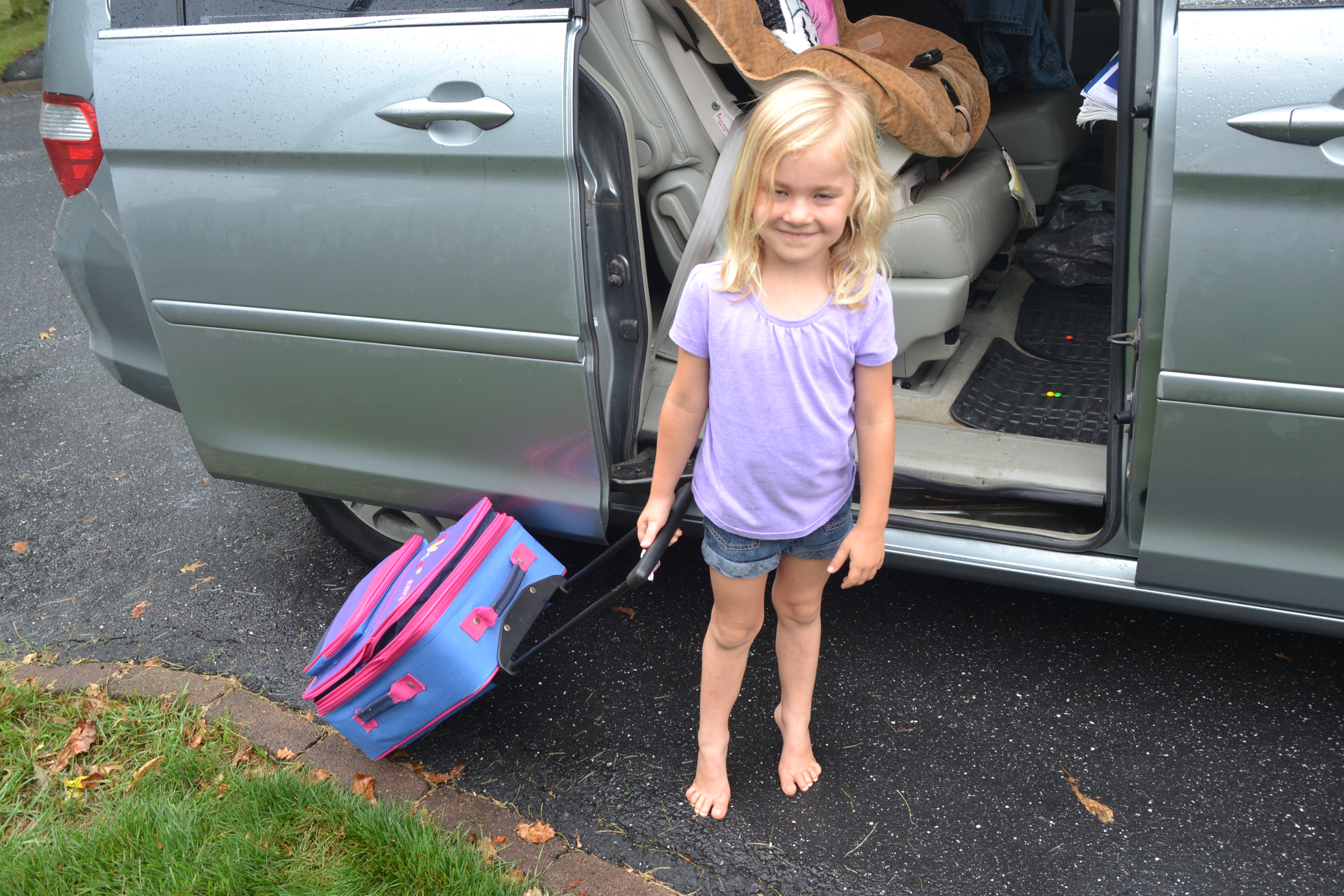
When she arrived at our home, Maren insisted on getting her own suitcase out and rolling it into her bedroom. Maren smiled and laughed and played the entire time. There wasn’t a hint of homesickness.

Maren decided to sleep in her little bed with a multitude of stuffed animals. Now this is the same bed and room where Maren refuses to sleep when she visits with her parents. Maren has a reputation for not sleeping through the night. She did at our house, one night for nearly 12 hours.

Besides the various activities we had in mind for her, Maren had her own plans. She enjoyed several swinging sessions on the hammock sans her brothers, and helped Nana make apple sauce.

Maren’s favorite pastime was to feed the goldfish in our little garden pond and to look for the lone green frog. Maren equally relished filling the many birdfeeders I have hanging in the backyard.

While dining on the back porch one evening, Maren said, “You have a lot of bird feeders,” and proceeded to count the five that she saw. I reminded her of the small suet feeder on the other side of the porch. She said matter-of-factly, “Oh yes. That makes six.”

Maren also enjoyed her own private playtime. She did puzzles, rode her scooter and looked at books.

photobymarenbybrucestambaugh
Photo of our garden shed taken by Maren.
Maren was fascinated with my cameras, and asked if she could take some pictures. How could I say no? Most of her shots were spot on.

Like her brothers when they were her age, Maren loved the horse and buggies that clopped by our home. She especially enjoyed the one with the blaring boom box.

Too soon, however, it was time to head home. As much fun as she had had, Maren was glad to see her mommy and daddy, and her brothers again.

The lyrics of the song we had heard coming down that last mountain resonated. We miss you, Maren, very much.

arrivinghomebybrucestambaugh
Although she really enjoyed her stay with us, Maren was happy to be home.

© Bruce Stambaugh 2013
The cottage tradition continues

sunsetoverthelakebybrucestambaugh
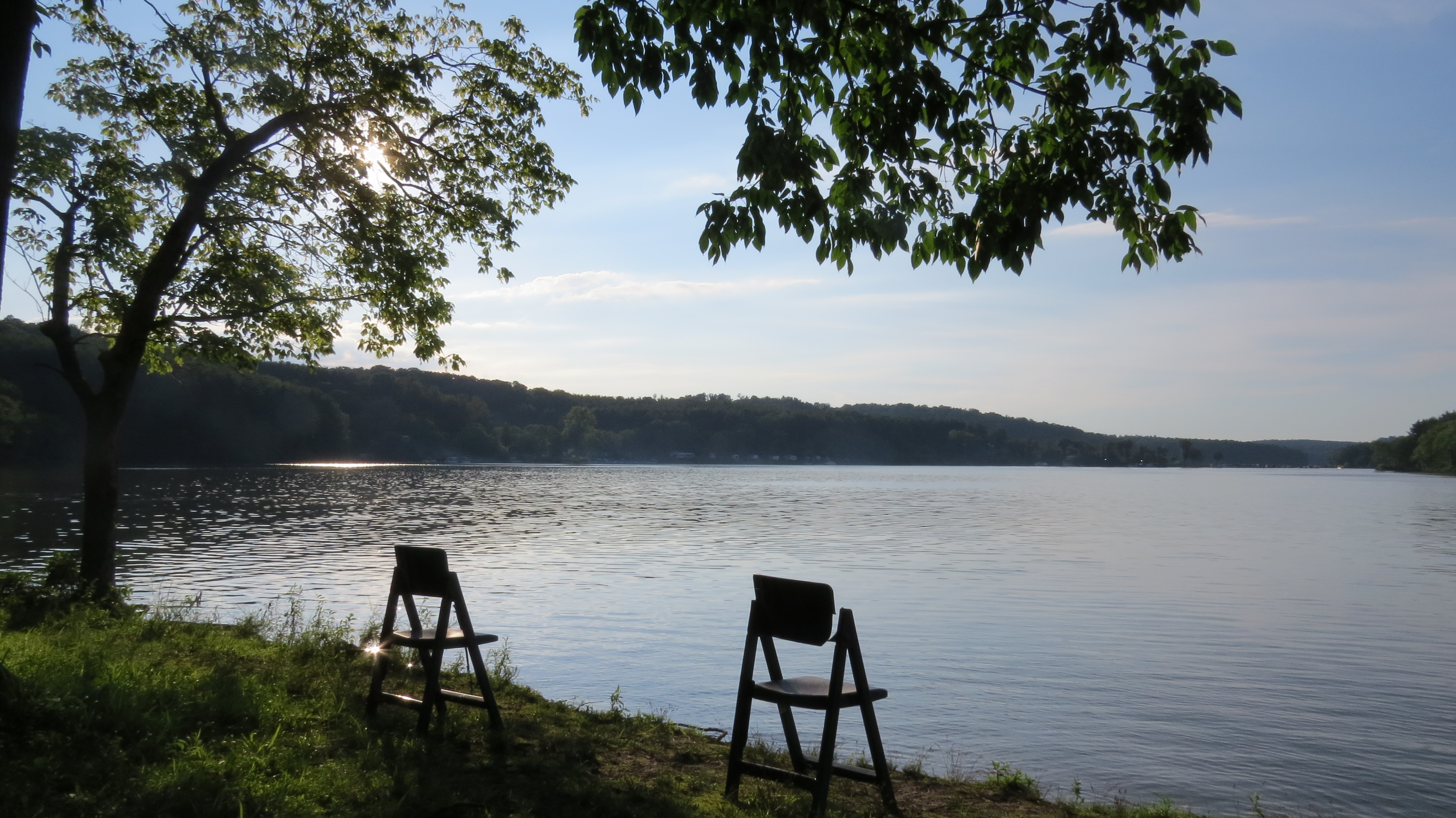
Shoreline in the evening.

By Bruce Stambaugh

The smoke from the evening campfire rose up and over the cottage my parents had built three decades ago. Stars and planets were beginning to twinkle through the broken canopy of the mixed hardwoods that clung tight to the steep hillside.

Through the thicket down the hill, the lake shimmered with the evening’s last light. All was still except for the crackle of the fire and a few katydids.

We humans broke the spell with inquisitive conversation. The couple with whom my wife and I shared this pleasant woodsy setting was new to the cottage neighborhood. For them, it was a dream come true to own a cottage an hour from home where they could find peace and quiet away from his busy construction work.

briarhillfireplacebybrucestambaugh
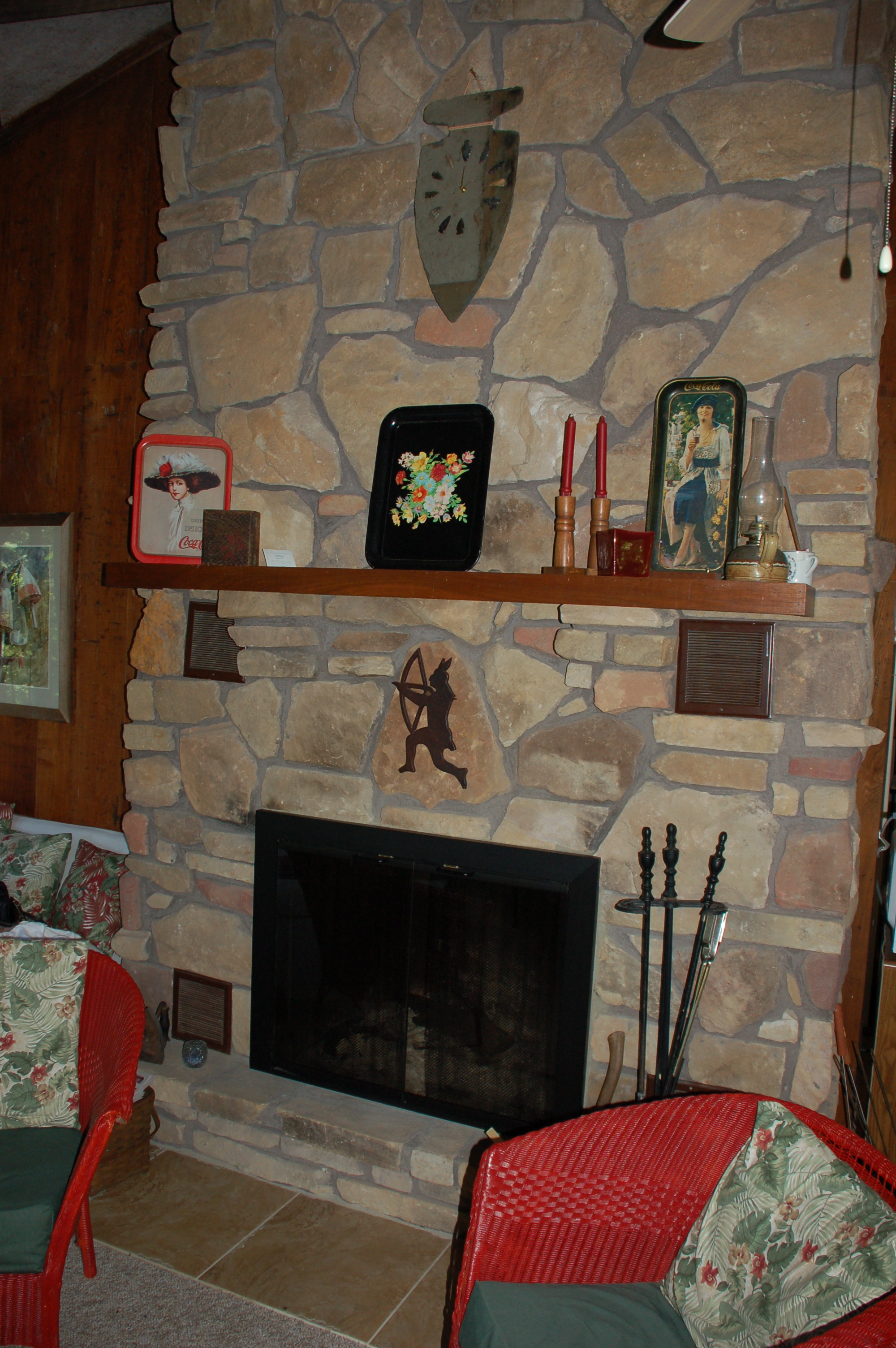
The Briar Hill fireplace that is the centerpiece of the cottage.
My father had made it clear that he wanted the cottage to stay in the family after he was gone. To honor that desire more than fulfilling my own dream, my wife and I purchased the cottage the year before my father died in December 2009. It has been a labor of love and restful retreat ever since.

Dad had had cottage fever for a long time. When a small building lot became available 50 years ago on his favorite fishing lake, he bought it for $500. I think he actually had to borrow the money to complete the deal. That’s how passionate Dad was about making his dream come true.

Design and construction of the cottage followed a decade later. Contractors laid the foundation, and built the massive sandstone chimney, which is the cottage’s centerpiece. Its earthy colored stone came from the Briar Hill scrap pile in Glenmont, Ohio.

There was nothing fancy about the cottage in either its style or structure. Basically a 24 by 24 foot square building, our artist mother realized setting the cottage on the lot diamond-like would enhance the view from inside and out. It was a most excellent decision.

deerinthewoodsbybrucestambaugh
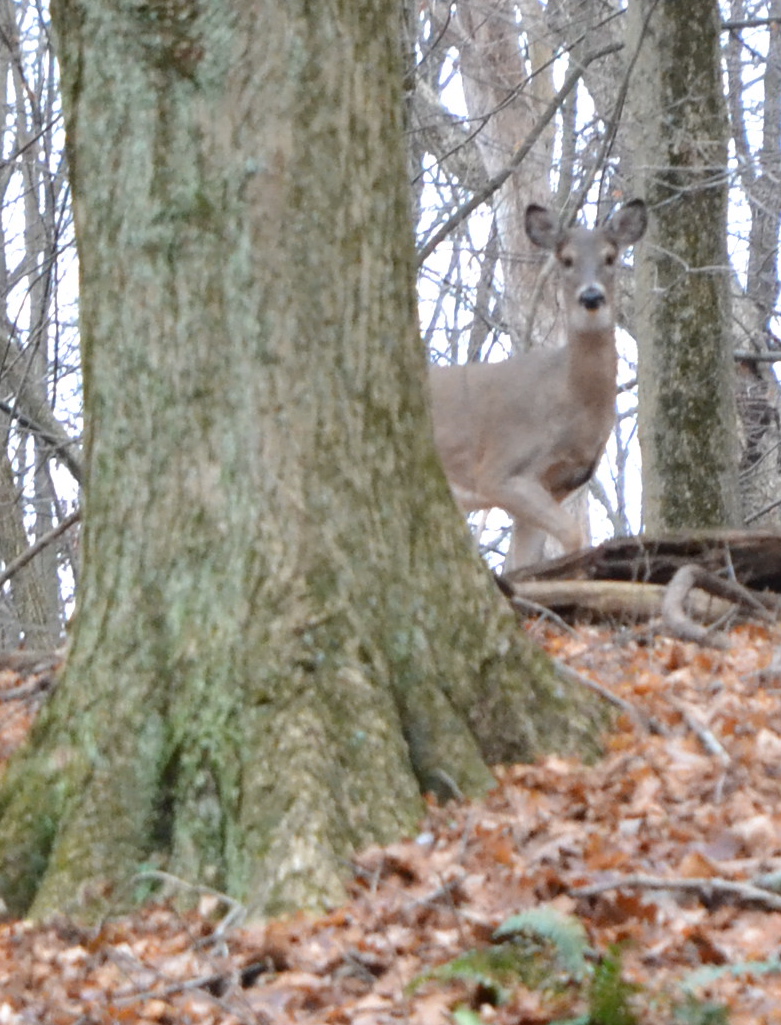
Deer often pass close to the cottage.
After it was framed, Dad was determined to finish out the cottage on his own. In other words, he had lots of help from friends, family and hunting and fishing buddies.

Dad was way ahead of his time. He repurposed as much of the building materials as he could in the cottage. That included some white oak lumber he obtained on the cheap, and had planed smooth. It became the porch held up by beams he had salvaged from the old roller coaster at Meyer’s Lake Park in Canton, Ohio.

To Dad’s delight, many family gatherings were held on that porch. The problem was that Dad only saw the cottage as it originally was, not as it really was as it aged.

The porch, for example, began to deteriorate, despite Dad’s patching efforts to keep it repaired. As our families expanded with grandchildren, Dad’s organized gatherings became smaller and as tenuous as the porch itself.

When we bought the cottage and began the remodeling process, the first thing to go was the old porch. Dad wasn’t too happy with me. While he and Mom were still mobile, my wife and I gave them a tour of the refurbished cottage on what was to be Dad’s last Father’s Day.

hillsidecottagebybrucestambaugh
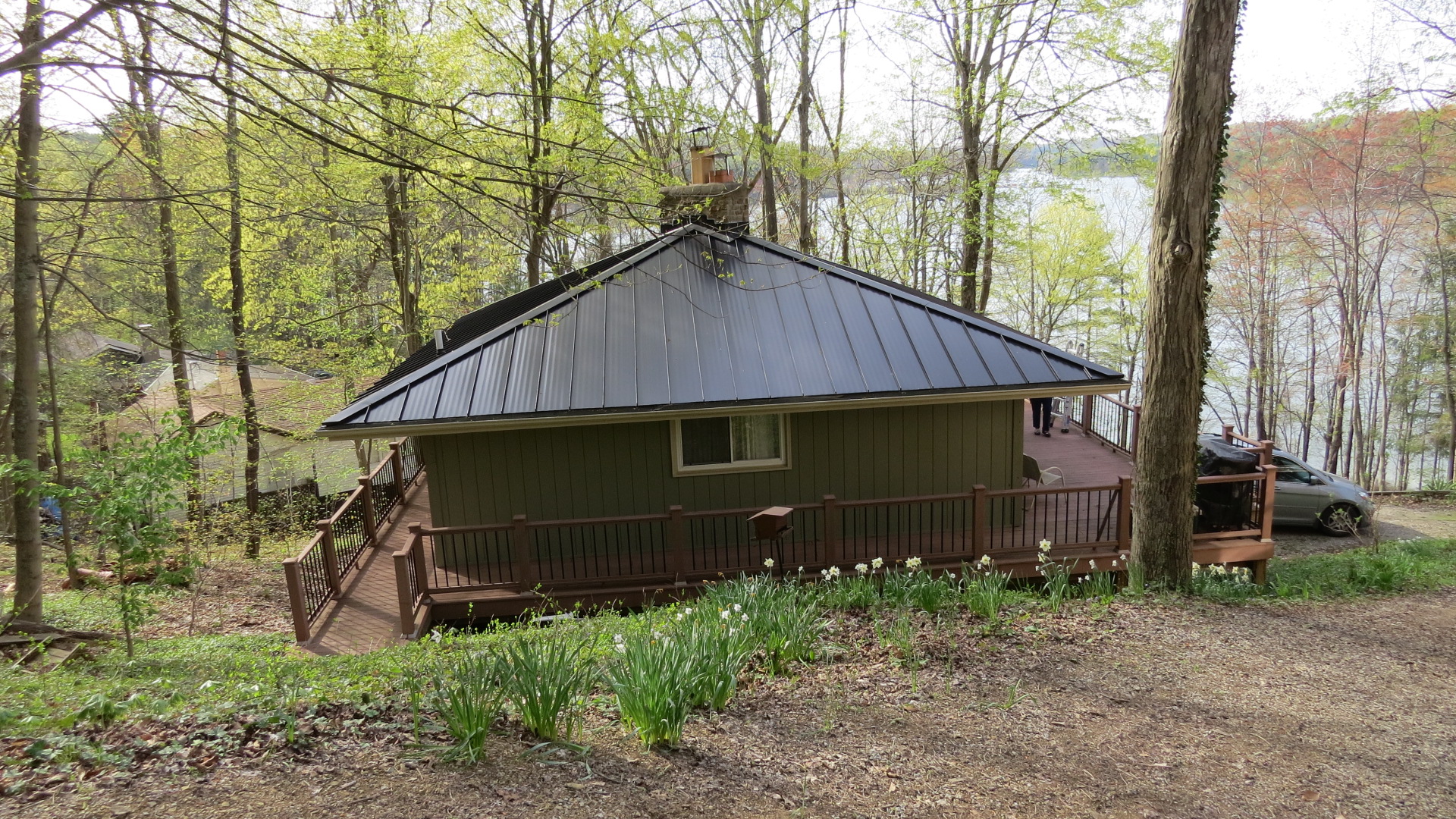
A view of the cottage from the campfire circle.

Today we use the place as a get away to renew our spirits and connect with nature. Just like Dad, we particularly enjoy hosting others.

Like our new neighbors, we wanted Dad’s cottage dream to continue. Gazing upon that heavenly host of constellations, I think I saw Dad winking his approval.

campfirecirclebybrucestambaugh
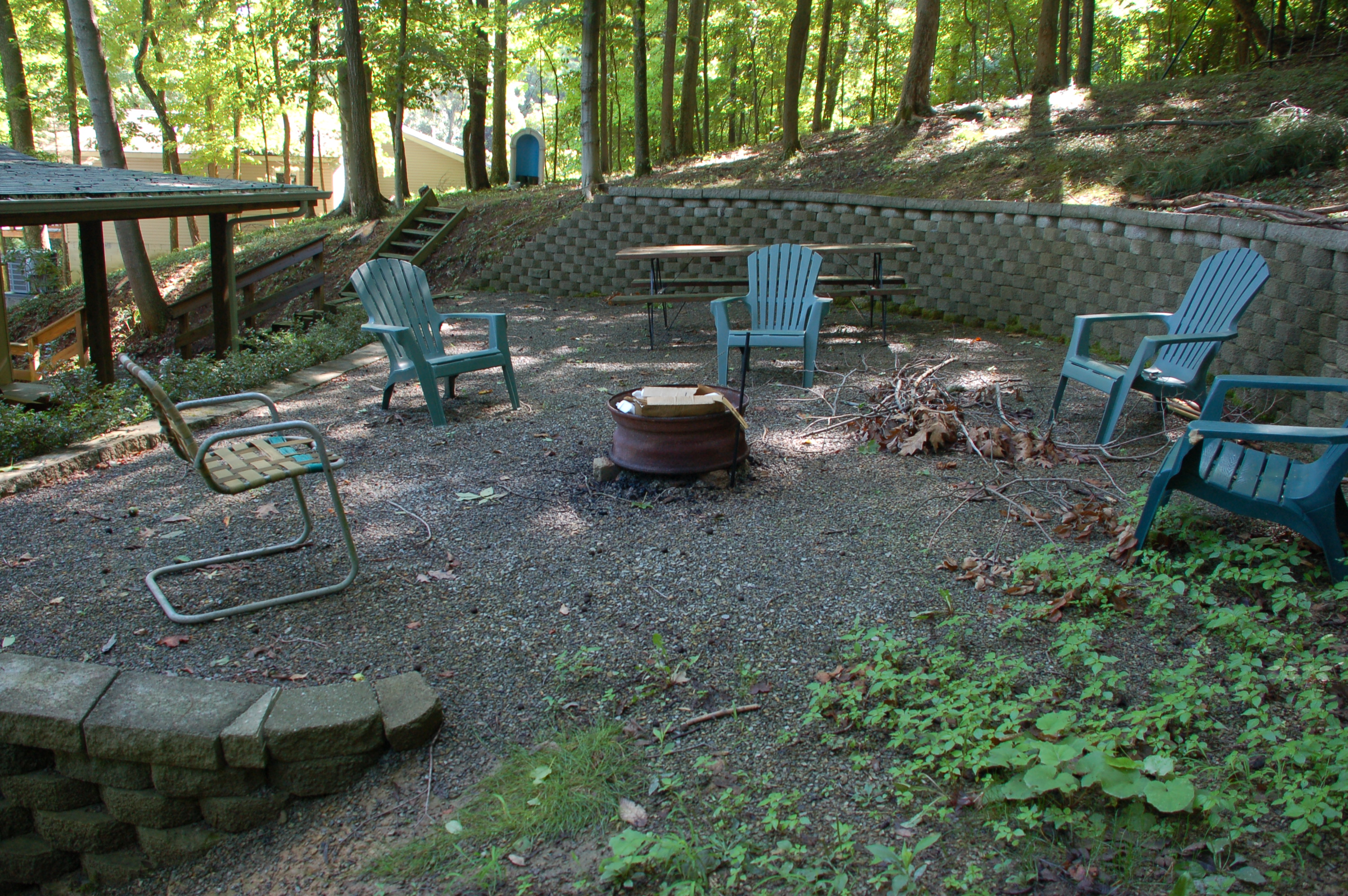
The campfire circle hosts many enjoyable conversations on summer evenings.

© Bruce Stambaugh 2013

Bay Photos by Donna

Wildlife Photos From The Chesapeake Bay Region

ROAD TO NARA

Culture and Communities at the Heart Of India

K Hertzler Art

Artist and nature journalist in the Shenandoah Valley of Virginia.

Maria Vincent Robinson

Photographer Of Life and moments

Gabriele Romano

Personal Blog

Jennifer Murch

Art is the only way to run away without leaving home. -Twyla Tharp

Roadkill Crossing

Writing generated from the rural life

ANJOLI ROY

writer. teacher. podcast cohost.

Casa Alterna

El amor cruza fronteras / Love crosses borders