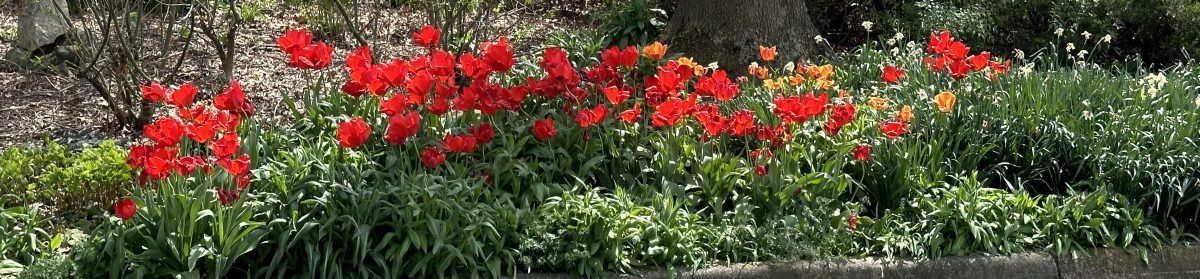
Patience is the key
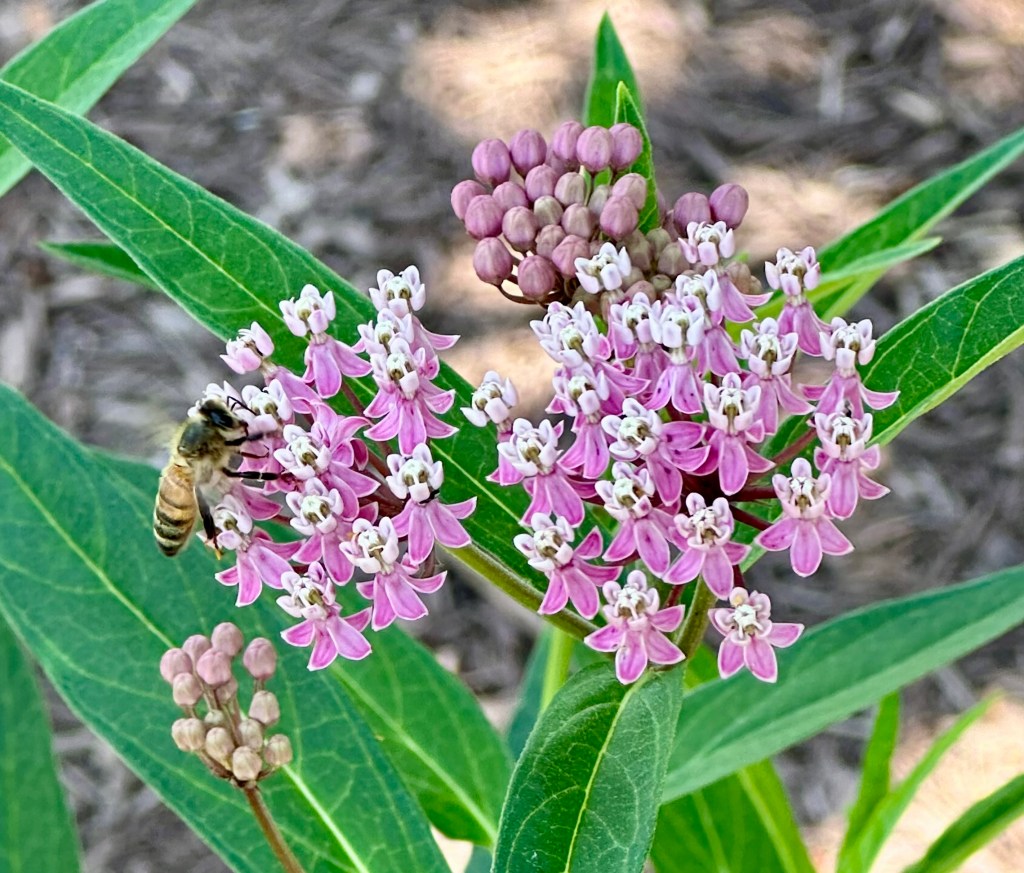
Finding fruition takes effort and patience. The latter is often the harder of the two.
Four years ago, I planted four swamp milkweed plants in our backyard, hoping to attract Monarch butterflies. In the first year, the seedlings sprouted tender, green shoots. Then, to my surprise, they disappeared.
It didn’t take me long to discover why. No sooner than the greenery emerged, a pair of neighborhood rabbits nibbled the fresh green leaves and stems. A three-foot wire-mesh cage around each plant promptly put a halt to that.
In the second year, the two biggest plants bloomed beautiful and fragrant blooms that only honeybees, bumblebees, and other insects enjoyed. I never saw a single butterfly, including Monarchs, even approach the flowers.
As fall arrived, I let the dried-up stalks stand. In February, I trimmed them back, hoping new branches would appear with spring’s arrival. I also learned that some birds used the thread-like insides of the old stalks for nest building. I smiled when American Robins tugged and tore long pieces and flew off.




The next two springs brought the same results. Beautiful flowers bloomed in June, but no Monarchs arrived. I enjoyed the flowers and insect pollinators, but grew mildly frustrated that none of my favorite butterflies came to the flowers.
This summer, I realized my blindness. The swamp milkweed was more useful to the orange and black-viened butterflies during fall migration.
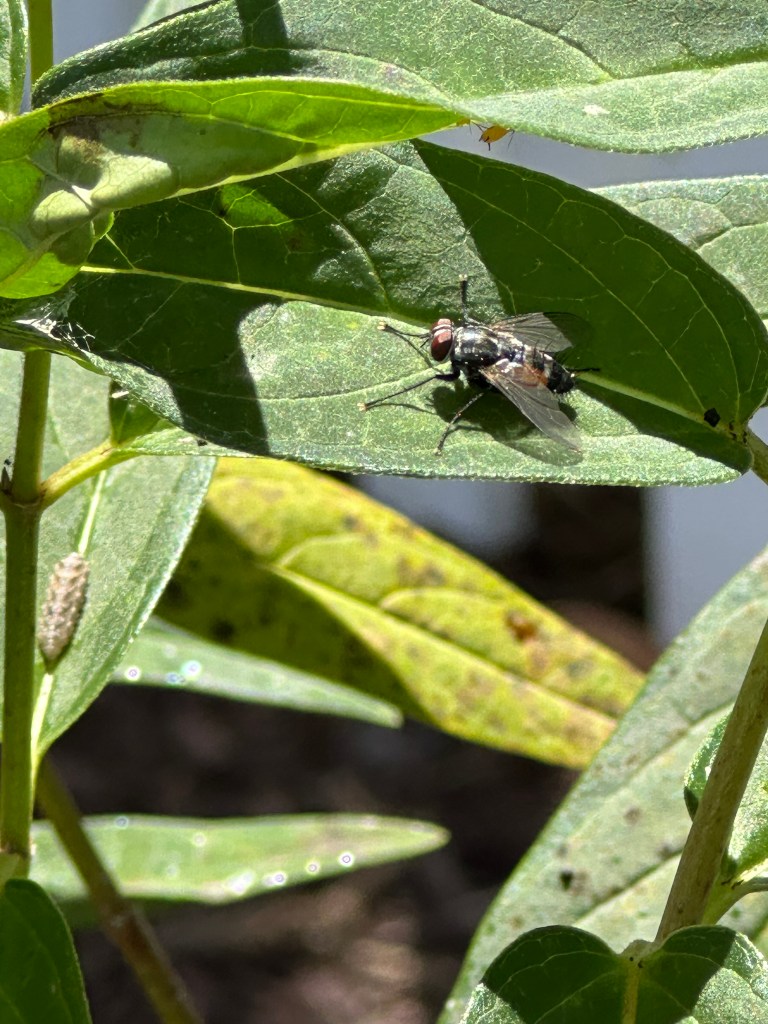
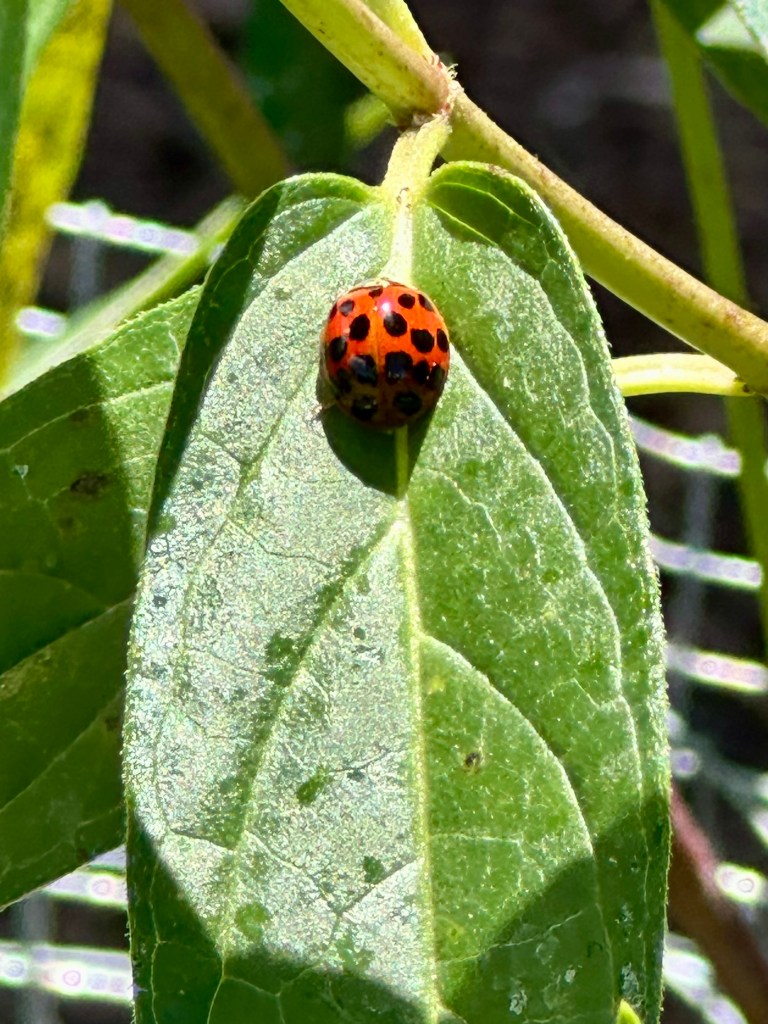
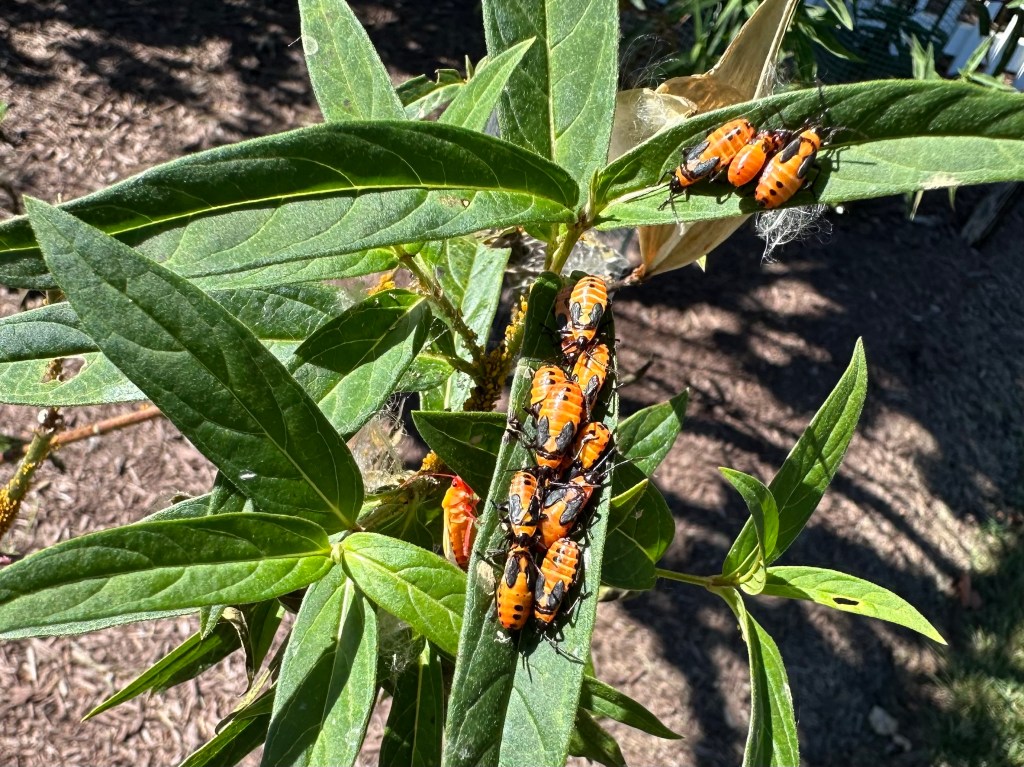
The mature plants produced flowers, which developed into pods and yielded seeds covered in silvery silk. Large and small milkweed bugs outnumbered the many different insects on the plants.

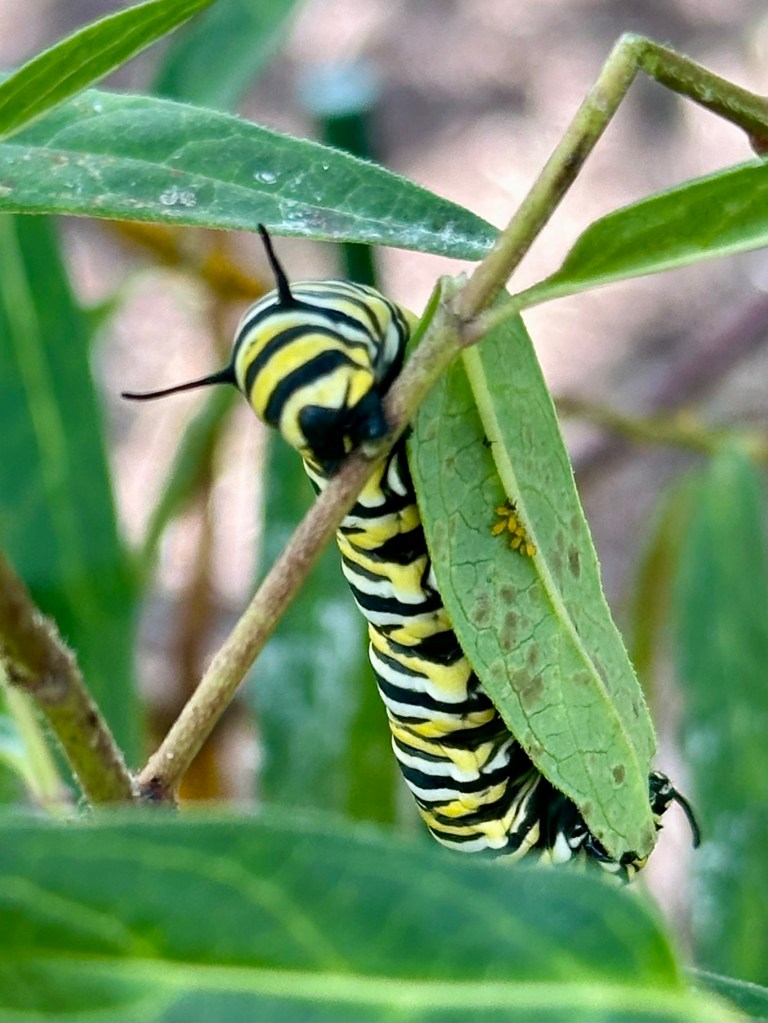
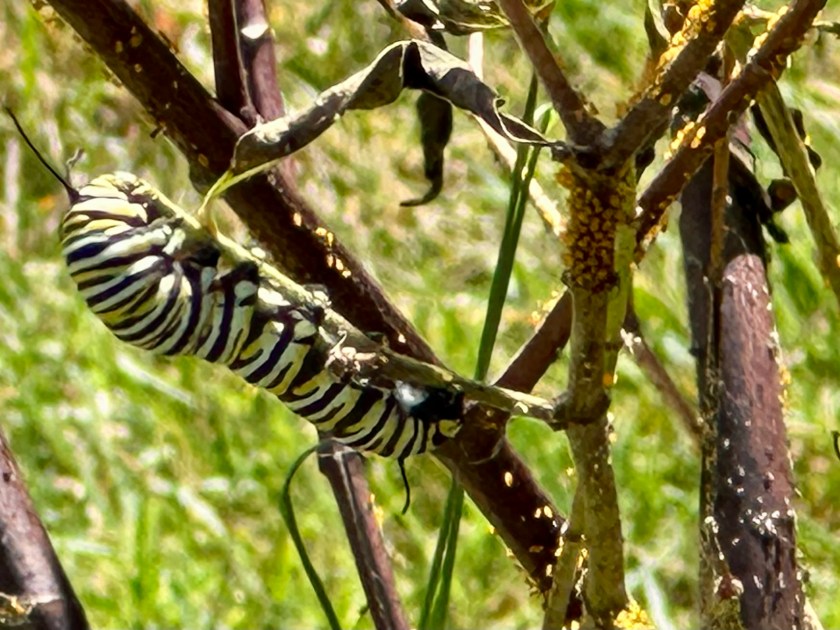


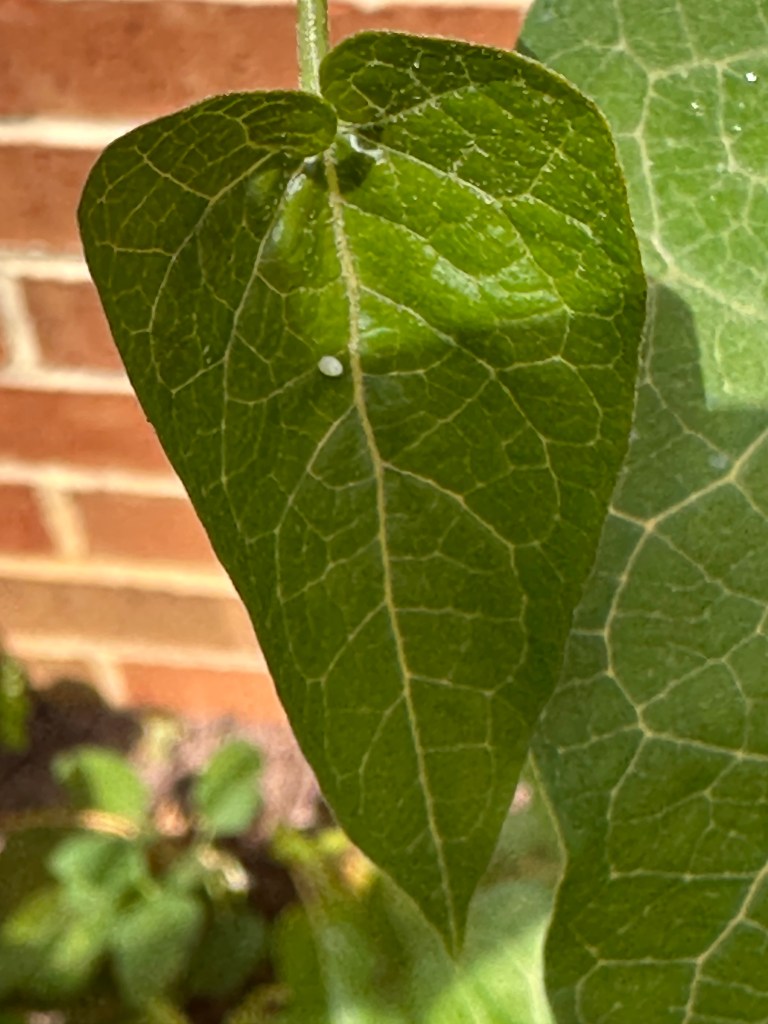
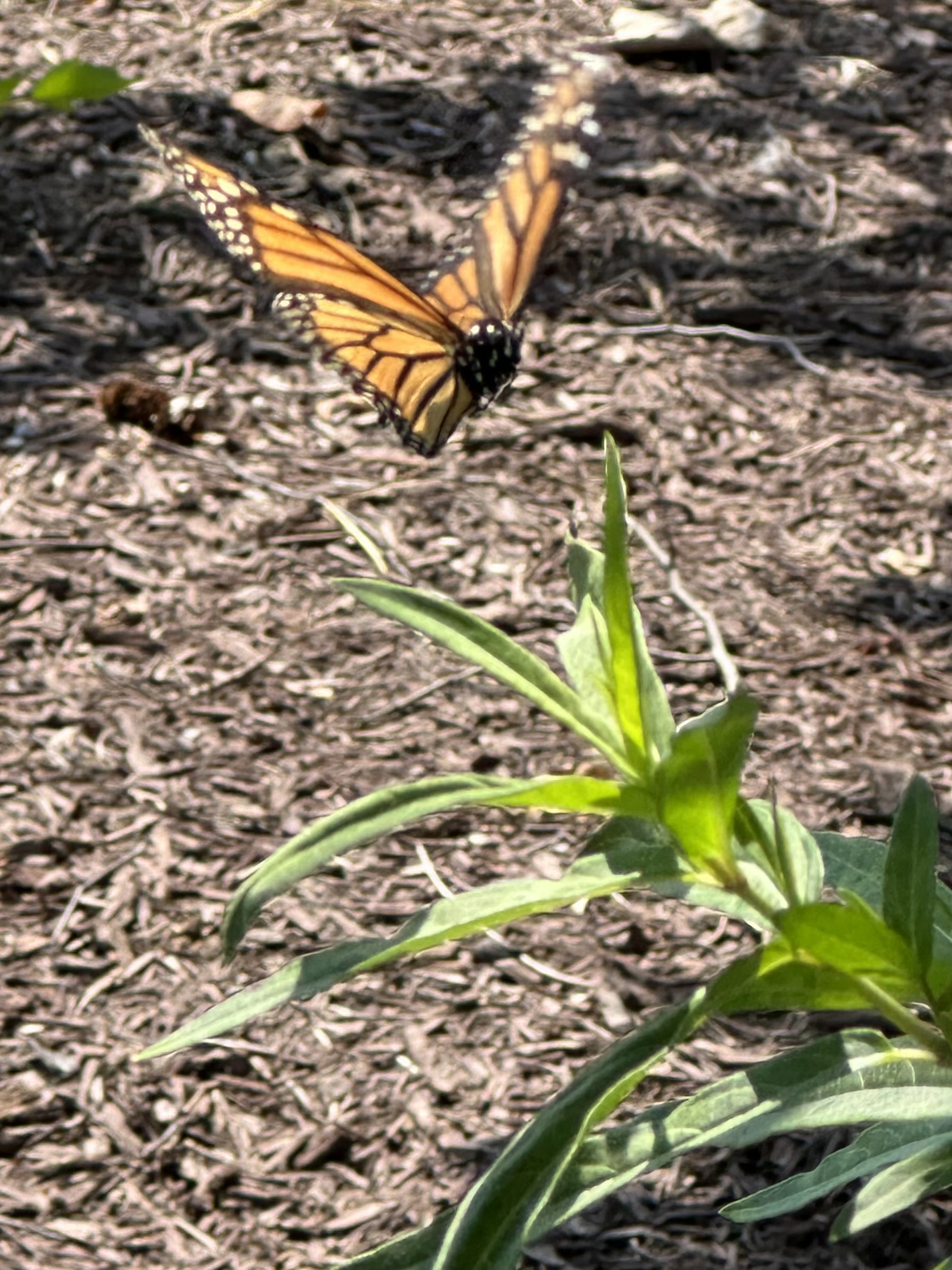
In mid-August, migrating Monarchs began flitting around the milkweed plants. They landed on the plants just long enough to deposit eggs on the leaves’ undersides. Joy filled my soul.
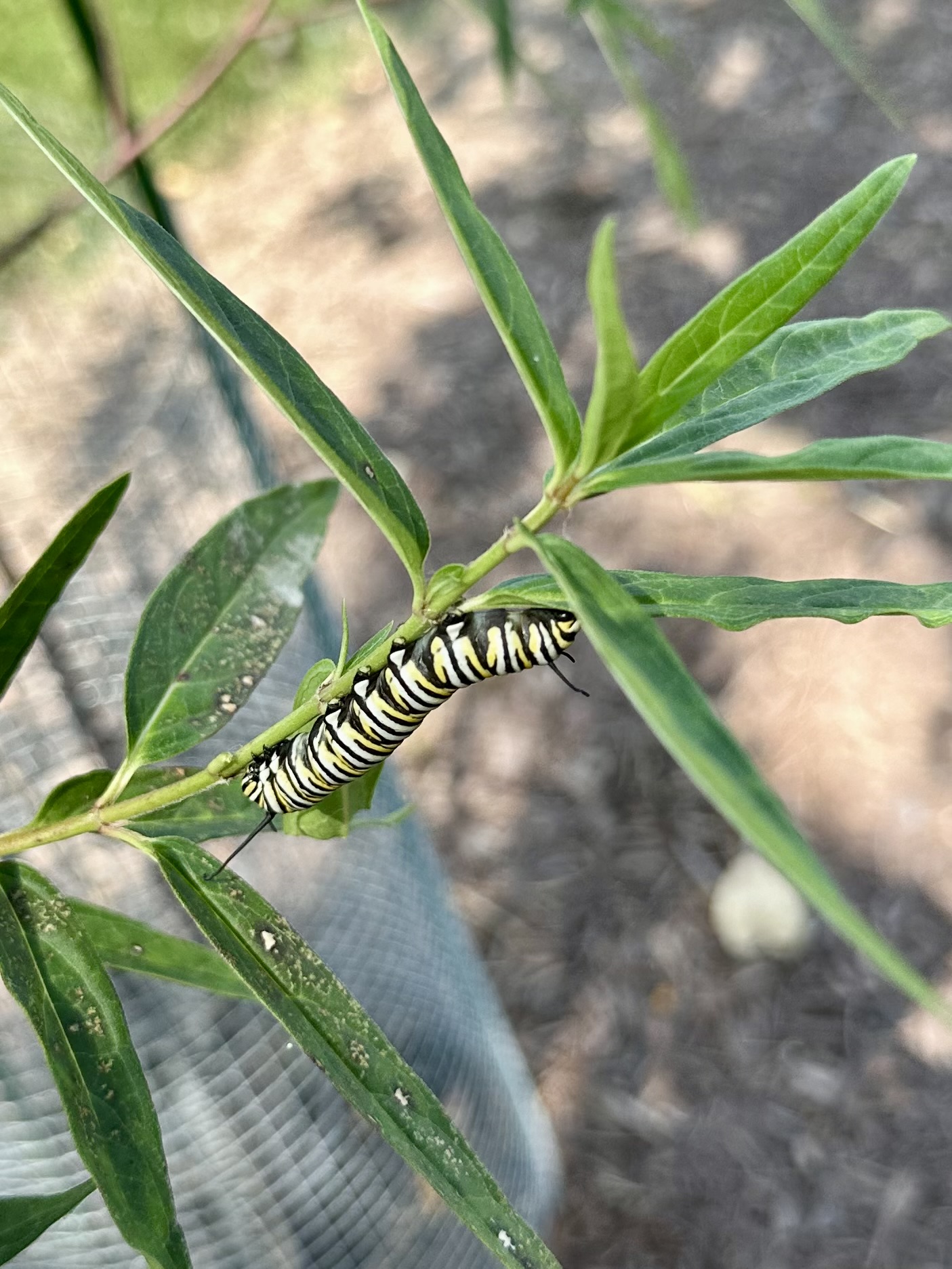
In a matter of days, small greenish-yellow, white, and black striped caterpillars appeared and began munching on the leaves. More Monarchs repeated the process, and more and more caterpillars emerged. It didn’t take long for them to grow, inches long, in preparation for forming a mint green chrysalis. I counted 14 on the plants one afternoon.
Other insects on the Swamp Milkweed

Soon, a new generation of Monarchs would continue their journey south, overwinter in the central Mexico mountains, and fly back north, stopping along the way when it was time to lay the eggs on more milkweed plants.
In my desire to see Monarchs on the milkweed flowers, I had only envisioned one aspect of the amazing life cycle of these beautiful, useful butterflies. I was ecstatic to find a dozen caterpillars chomping on the milkweed leaves. When ready, they would then crawl off somewhere to form a chrysalis, ensuring the next generation.
Patience proved critical to fulfill my desire to help propagate the Monarch butterflies.

© Bruce Stambaugh 2025

















 Roadkill Crossing
You must be logged in to post a comment.