At winter’s end, it wasn’t much of one

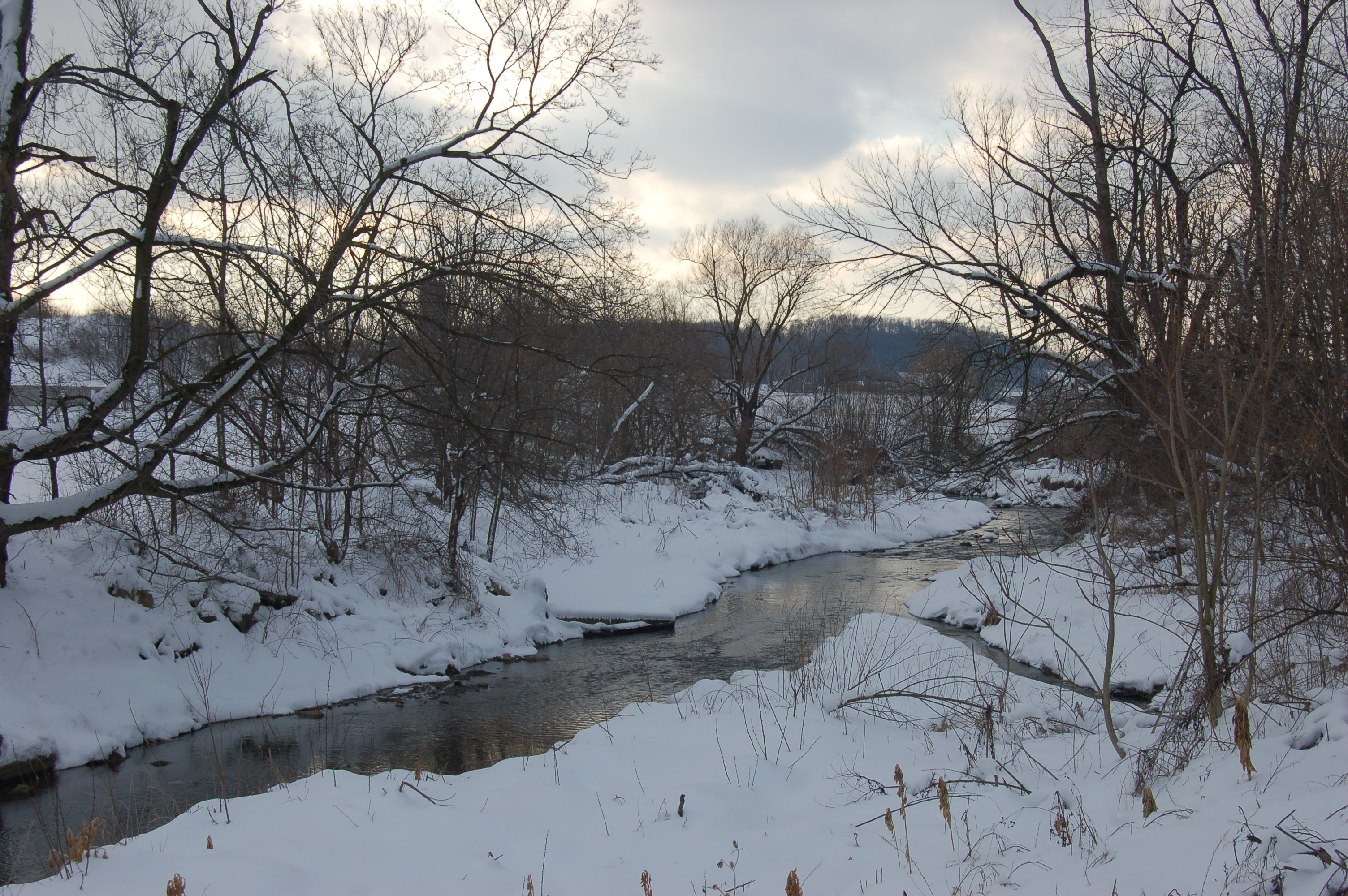
Cold creek by Bruce Stambaugh
By Bruce Stambaugh

Here we are at winter’s end. Spring officially arrives March 20.

In reality, winter here in our area has hardly been winter at all, especially when compared to the past two. In case this mild winter has dulled your memory, the winters of 2009-2010 and 2010-2011 were bears, both fit more for polar bears than humans.

All of Ohio, and much of the Midwest for that matter, got dumped on. We measured snow by the foot instead of inches. Schools were closed, factories shut, roads declared impassable.
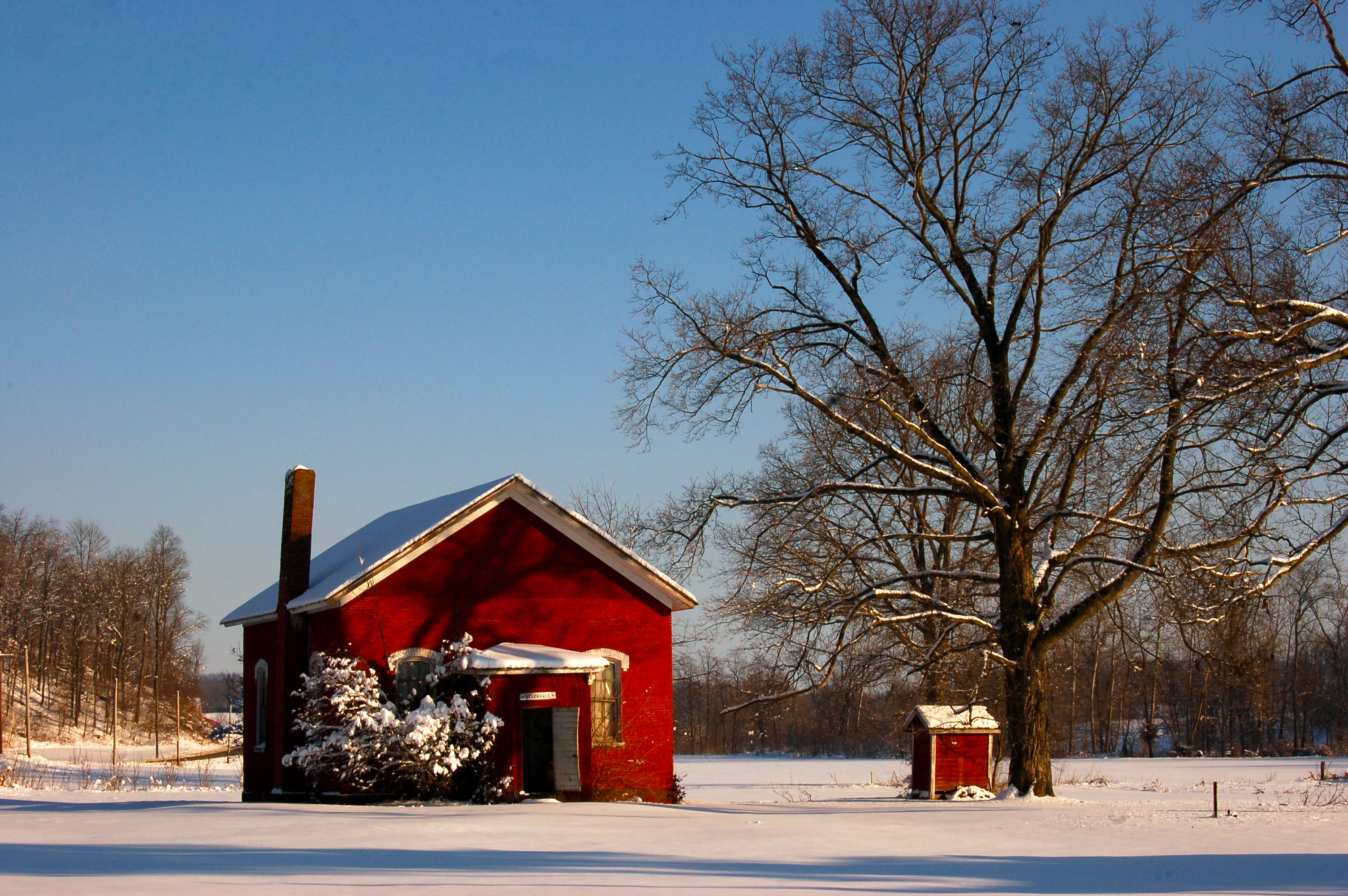
Patriotic snow by Bruce Stambaugh
Several snowfall records were set all across the Great Lakes region. They were winters of which children can only dream, and adults refer to, accurately or imaginatively, as snows like “when I was growing up.”

The snows were relentless. Once the snow from one big storm was cleaned up, another and sometimes bigger snow buried us again. Those winters never seemed to end. They began in November with below normal temperatures and above average precipitation and lasted into April.

Frozen crocus by Bruce StambaughEven the springs that followed were damp and cold. It really wasn’t until we had reached June in northeastern Ohio that spring’s fair weather had begun in earnest.

This winter, on the other hand, was indeed a different story. Old man winter never really showed his face. Yes, we had snow, but only a few times did it deposit enough to measure in inches, and even then, it was often a half an inch here and a quarter of an inch there.

Records were broken for precipitation this winter. The moisture was mostly rain, driven along by strong winds.

Those who cherish the winters of the previous two years had to hate this one. Snow skiing, ice skating, sled riding were all shelved for the most part. In Wisconsin, the vehicles of desperate ice fishermen sunk into a lake because the ice was so thin.
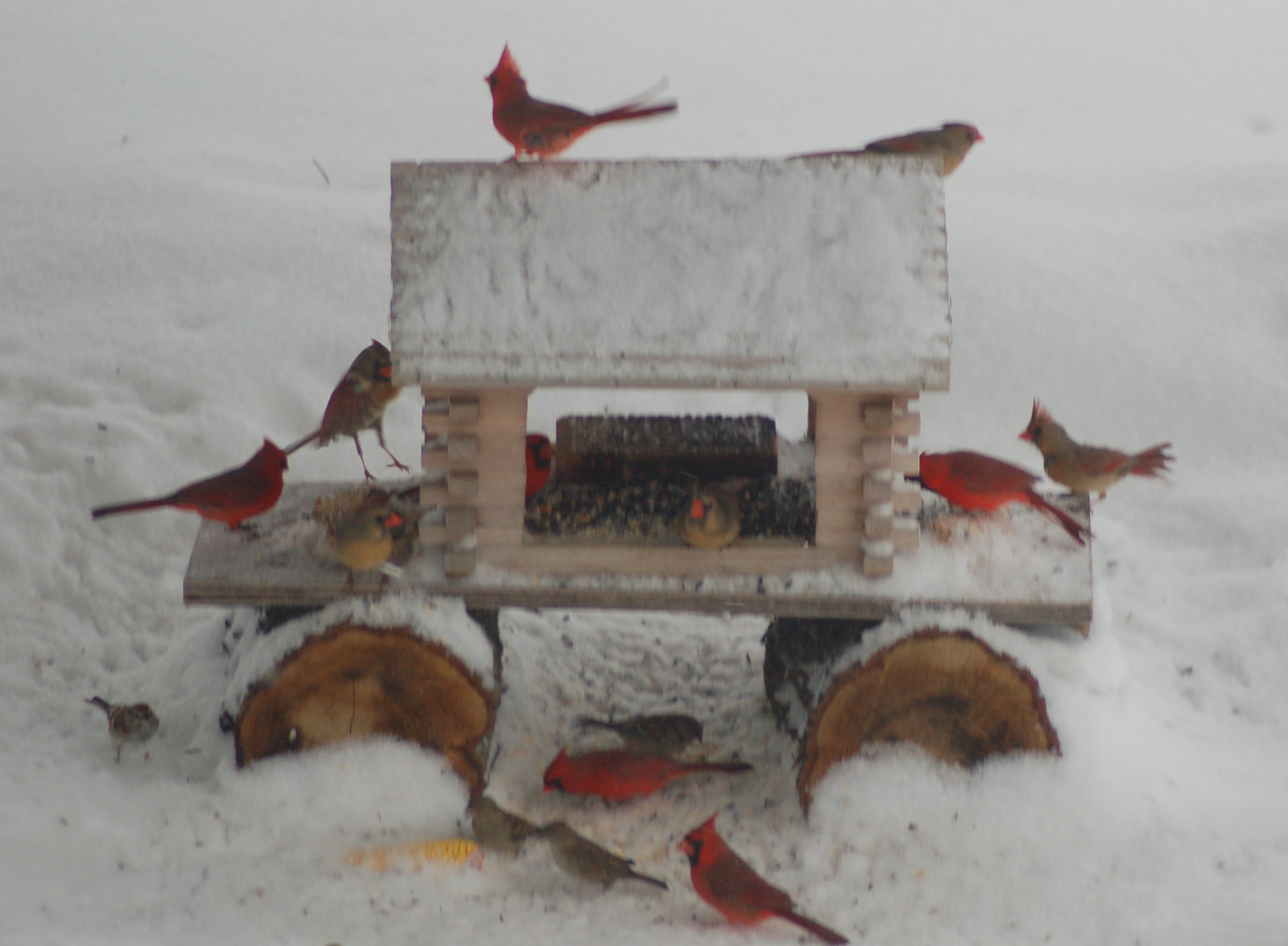
Birds galore by Bruce Stambaugh
The previous two winters brought birds galore to backyard feeders. This year, the birds were far and few between, preferring their natural foraging to human offerings. Sure the usual faithfuls appeared, but not in the numbers or frequency of harsher winters.

earlycrocusesbybrucestambaughThis winter was so mild that the first crocuses bloomed in February instead of March. The long slender stems of the weeping willow trees showed their pencil yellow early too. I even heard of one woman who planted sweet potatoes in February.

All the rain kept the dull, ugly brown of dormant yards at bay. Instead, lawns stayed some shade of vibrancy all winter long. From the looks of things, moles may have enjoyed the winter most of all. Their unsightly mounds dotted the prettiest of landscapes indiscriminately throughout the area.

Busy bee by Bruce StambaughAt my age, I was ready for an easygoing winter, although a weeklong cold snap would have been nice to help keep the insects in check. I’m fearful of the buggy consequences of not having a sustained cold spell. Perhaps the flycatchers, swifts and swallows will thrive if such an outbreak does occur.

I hear people saying that we may pay for the mild winter with a cold and snowy spring. That could happen, although the National Weather Service has forecast a warmer and wetter than normal March through May.

We’ll have to wait and see. In the meantime, we can rejoice that winter’s end is near, and that spring, whatever she may bring, is at hand.
Anticipating spring from on high

buggyandsnowbybrucestambaugh
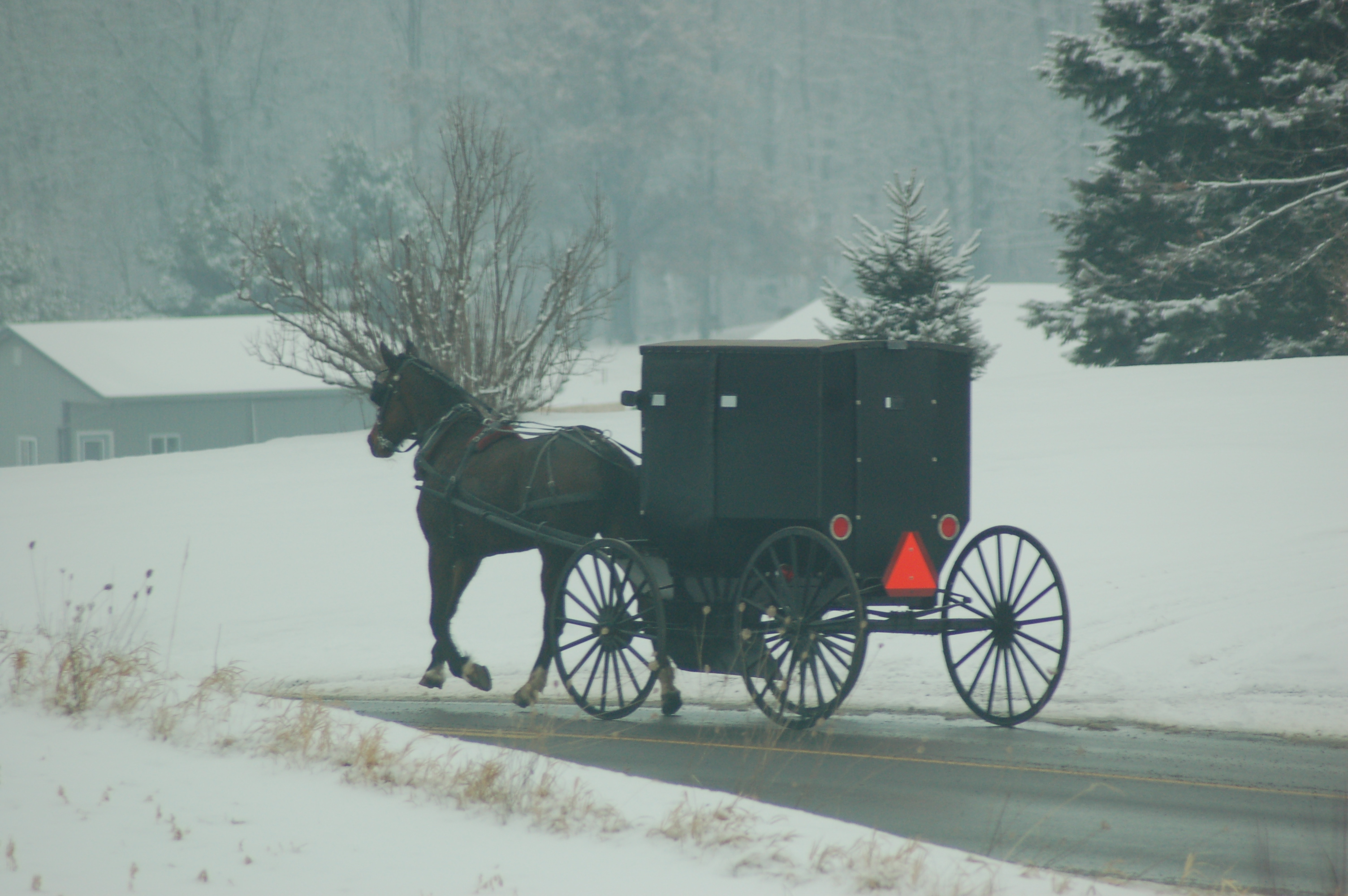
Horse and buggies braved the weather no matter what it was.

By Bruce Stambaugh

I don’t know about you, but I am more than ready for spring. It’s been a long, long winter.

True, this year residents of Ohio’s Amish Country avoided the huge snowstorms of last winter, and overall we didn’t compile as much snowfall as last year. Instead, ice, as in freezing rain ice, predominated the snows. The nasty combination made the lesser snow amounts just as slippery and difficult to maneuver in as the previous year’s foot-deep accumulations.

Ice sparkles by Bruce Stambaugh
Ice sparkled in the morning sun.

Last fall, my wife and I made a major decision that we thought prudent. We had our home’s original windows and spouting replaced. Since the house was built in the mid-70s, both were overdue to be changed.

After all, building materials had greatly improved in the last three decades. Windows were manufactured to be tighter and more energy efficient. Spouting became seamless long ago. It was time we caught up.

With our rural property full of trees, and a dense deciduous thicket not far to the south and west, leaves and pine needles tended to clog our gutters and downspouts year-round. It’s amazing how much debris gets blown around long after the trees have dropped their foliage.

If a storm was forecast during any season, I would trudge to the garden shed, take down the eight-foot wooden ladder, grab the stepladder, and head to the roof to clean the gutters and downspouts. I used the bigger ladder to access the garage roof, and leaned the stepladder next to the stubby brick chimney to climb onto the house roof.

I really didn’t mind this labor-intensive exercise. Heights never bothered me either. I enjoyed my periodic roof excursions. The views were great. I could see the neighbor’s faded white barn a mile to the east. Belgian workhorses and chestnut buggy horses intermingled in the pasture with the Holsteins.

The north afforded the best scenery, a panoramic landscape of hills and valleys miles away. I peered over roof’s edge at the back of the house to spy on the school of goldfish swimming carefree in the little garden pond.

As I aged over the 31 years in this home however, I realized my balance wasn’t what it used to be. With safety in mind, I decided to quit the climbing and go for the new gutters with leaf guards.

The guards installed were u-shaped channels with tiny perforations that would allow the water to enter but nothing else, not even the thin, burnt orange pine needles. I was more than contented with this overdue addition until winter’s initial ice storm.

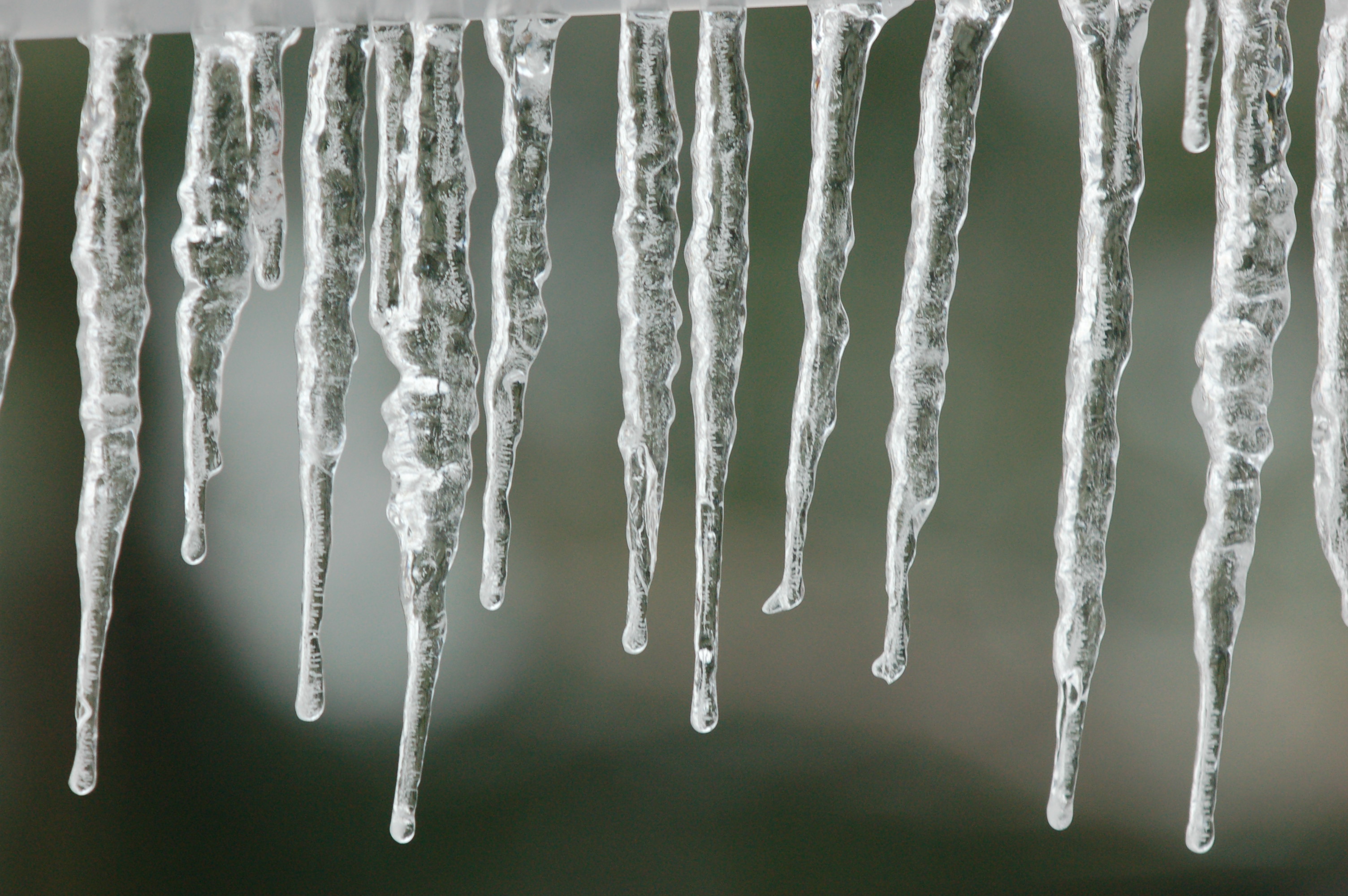
Icecycles by Bruce Stambaugh
Ice cycles hanging from the spouting were the first signs of potential problems.

The first glaze of ice sealed the pinholes of the gutter guards. With the freeze and thaw, freeze and thaw cycles of the storms, thick layers of ice easily accumulated on the new gutters. Ice cycles dangled the full length of the gutters on the front and back of the house.

When I realized what was happening, out came the ladders again, and back up on the treacherous roof I went. Given the series of storms with their mixed bag of precipitation that we experienced, I kept handy the rubber mallet and metal scraper needed to break loose the stubborn ice.

Icy gutters by Bruce Stambaugh
Ice clogged the gutters more than once this winter.

If for no other reason than saving my own neck, I for one will be glad when the vernal equinox says goodbye to winter and hello to spring. Just to be safe, I probably won’t put the deicing tools away until June. It is Ohio after all.

Dreaming of spring while dealing with reality

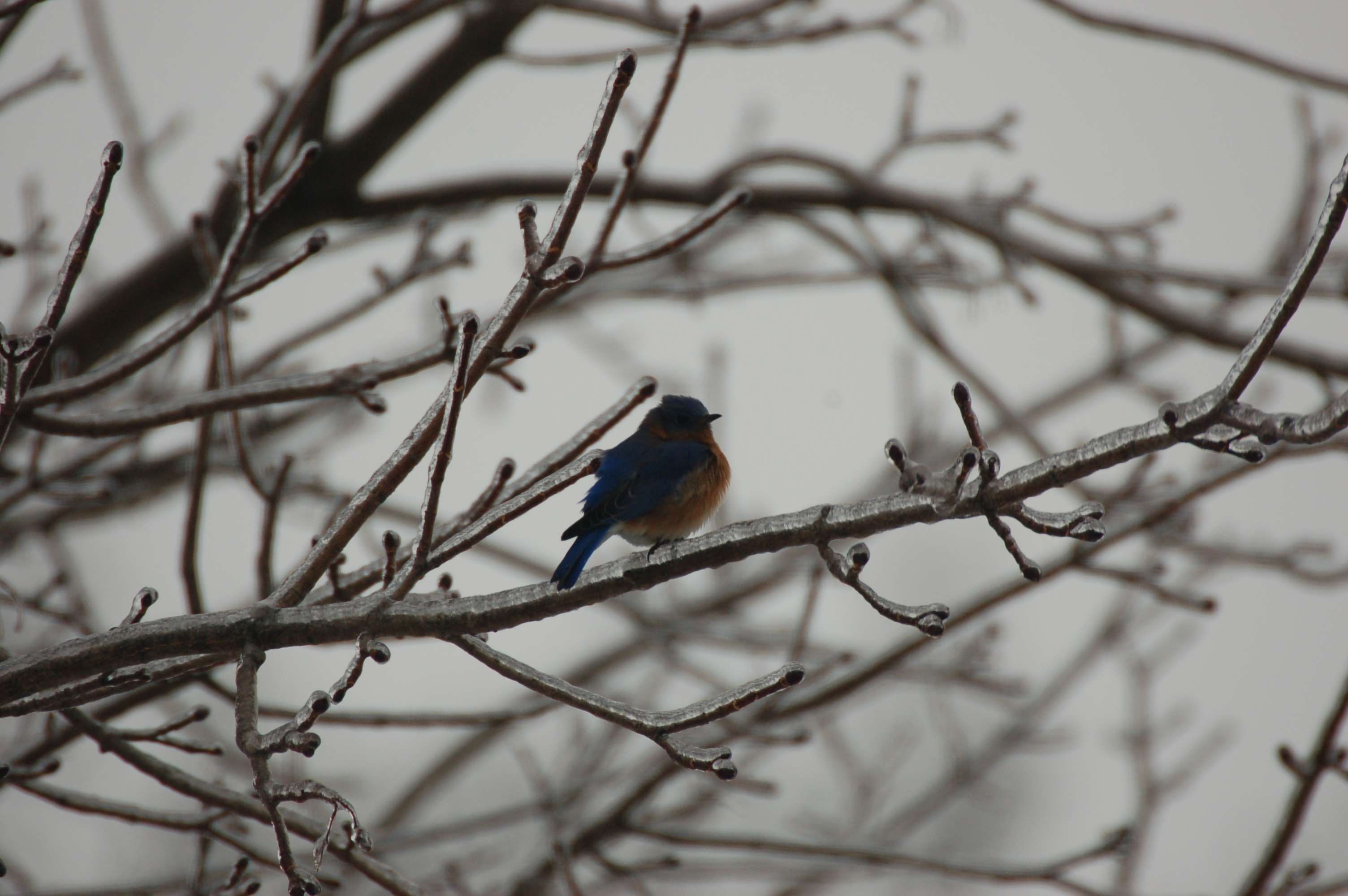
Bluebird on ice by Bruce Stambaugh
An Eastern Bluebird perched on an ice encrusted maple limb.

By Bruce Stambaugh

As I write this, I’m looking out the ice-splattered window watching it snow an inch an hour. The trees are once again encrusted with a layer

Icy window by Bruce Stambaugh
A northwest wind plastered ice against the window panes before the heavy snow began.

of crystal clear, weighty ice. The poor boughs of the evergreens are again bowed to the ground.

The rest of the landscape is covered with inches of yet more snow. Fierce, brisk northwest winds stymied the snowplow operators and sent them back to the garage in disgust and for safety’s sake.

I am always glad when the calendar flips to March. To me, March is a Jekyll and Hyde month, the last of winter, and the first of spring.

In truth, March in northeast Ohio is the month with the potential for all four seasons. It doesn’t always work out that way of course.

When the calendar reads March, I know winter’s icy grip is loosening, if only by time. If we are patient, though, spring will eventually win out.

Tired of winter and ready for spring, I opened my digital photo files and reviewed recent March memories. The visual variety brought a smile to my face even as noisy gusts whipped the snow outside harder still.

Horses play in the snow by Bruce Stambaugh
Horses played in the snow.

The first pictures showed exactly what the day at hand already had. Snow blanketed the landscape, but the sky was clear. The next few days revealed similar scenes. The snow remained, but so did the sunny skies. Horses romped in the snow and the days ended with picturesque sunsets.

By the middle of the month the deep snow cover gradually melted down, and green, grassy patches peeked through. People went jacketless and our first crocus bloomed on St. Patrick’s Day. The lovely lavender petals contrasted nicely with the spiky green leaves and the rich, brown ground of the flowerbed.

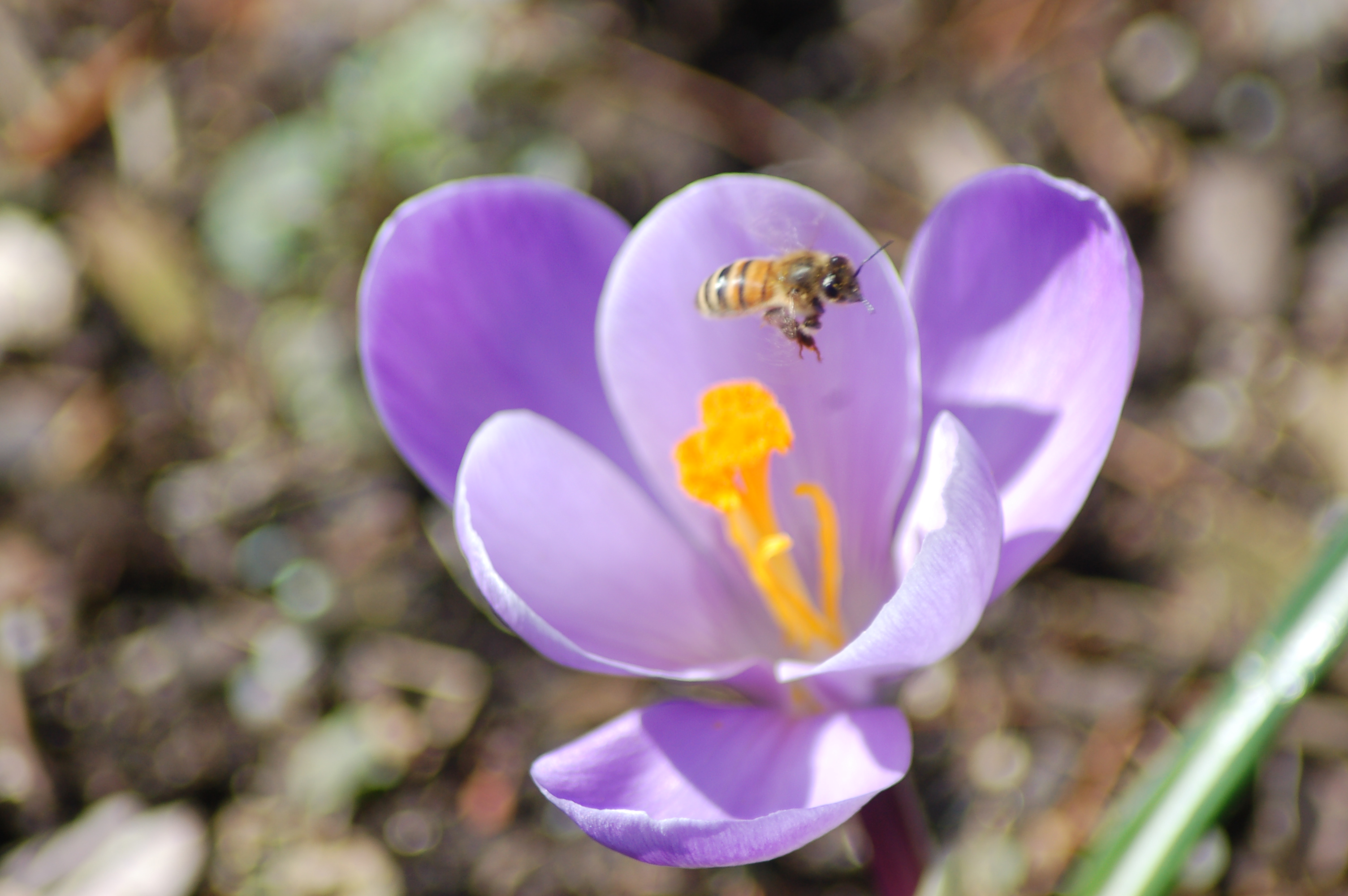
Honey bee by Bruce Stambaugh
A honey bee enjoyed the crocus.

The next day, I photographed a honeybee gorging pollen. This scene really instilled hope.

There were more flashy sunsets and a picture of a thin crescent moon that looked just like a smiley face grinning at us in the early evening sky. We had one like that last month, too, but it was too cold to enjoy from the out of doors.

A couple of days later the frogs from my little garden pond emerged to bask in the warmth of the bright sunshine. And more flowers bloomed equally vibrant.

Just when you begin to fall in love with March, she can deliver some nasty punches. Tornado season begins in earnest and in the past we have had some powerful thunderstorms in March. They often are followed by cold and snow. A friend used to say that it always snowed during regional basketball tournament time.

Sure enough, five days after the frogs contentedly sunned themselves, our first daffodils showed their pretty yellow faces. The next day they drooped sadly, covered in heavy wet snow.

Drooping daffodils by Bruce Stambaugh
Daffodils drooped by the heavy snow.

If there is an upside to such an early spring snow, it’s in the comfort that it won’t last long. As proof, my Amish neighbor was plowing his long field one row at a time at month’s end.

Song Sparrow by Bruce Stambaugh
A Song Sparrow sang from a secluded perch.

A sudden windy gust awakened me from my vernal dreaming. It was then that I noticed a familiar but long absent resonance. In the middle of this latest blizzard, a Song Sparrow sang as if the daffodils and crocuses already were blooming.

That subtle sound of music renewed fervent hope that winter and spring would soon change places.

Getting ready for winter

Martins Creek by Bruce Stambaugh
A series of heavy snowfalls hit Ohio's Amish country last winter.

By Bruce Stambaugh

Like it or not, winter is right around the corner. We have already tasted some of winter’s appetizers, snow, temperatures in the teens, and, of course, shortened daylight.

Fortunately here in Ohio’s Amish Country, the snow didn’t amount to much, and the skinny temperatures quickly moderated. Once winter arrives officially next week, that could change. We could have a snow-filled winter like last year, or worse yet, one like 1977 and 1978 when snowdrifts reached 20 feet or more.

Living in Ohio all my life, I have found it helpful to mentally and physically prepare myself for the inevitable. Whether it is prolonged or only stays awhile, the weather will get cold, and it will snow from time to time.

Snowbirds arrive in Pinecraft, FL by Bruce Stambaugh
Snowbirds arrive via bus in Pinecraft, FL.

Those who dislike that harsh reality and who are in a position to do so flee south or southwest to warmer climes. At least the snowbirds hope they will be warmer. Last year proved otherwise. It frosted in Florida and snowed deep in the heart of Texas.

Snow deep in the heart of Texas by Bruce Stambaugh
It even snowed in Austin, TX last winter.

All of us can’t escape the onslaught of winter’s harshness. Some of us don’t want to. Others are involuntarily stuck here to fend for themselves.

I have fond childhood memories of the benefits of winter, like ice skating, sledding, flinging snowballs and digging snow tunnels. Most of them likely were indeed in the throes of winter. But I do remember delivering newspapers in a glorious Christmas Eve snow.

I also recall hustling our young son and daughter into my in-laws’ farmhouse amid stinging, sideways snow, howling winds, and frigid wind chills. There are times when Ohio winters are at their absolute worst in December.

We then anticipate January and February to be utterly horrible. And low and behold they might turn out to be meek and mild, not to mention mucky.

Whether we stay or whether we go, winter, regardless of the weather, will arrive. We might as well get ready for it.

Snow covered cornshalks by Bruce Stambaugh
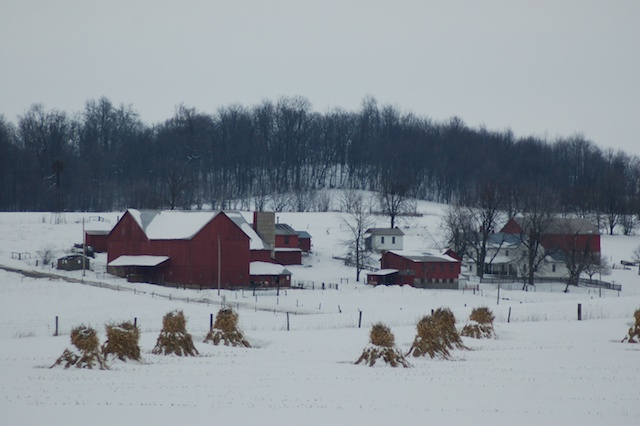
A typical snowy scene in Ohio's Amish country.

In many ways, we already have. The tomato trellises we erected last spring have long been coaxed out of the ground and stored in the garden shed, thanks mostly to one of our kind, strong young neighbors.

The birdfeeders have been cleaned, filled and hung, and the backyard birds, and a couple of mooching fox squirrels, have already been taking advantage of the freebies. Actually, I am the one that is grateful. Watching the birds, and squirrels, rabbits and occasional deer, enjoy the cracked corn, oil sunflower seeds and suet mixes is my winter’s entertainment.

White breasted nuthatch by Bruce Stambaugh
A white-breasted nuthatch at my kitchen window feeder.

In truth, I feed the birds year-round. With winter’s approach, I merely increase the number and style of feeders to accommodate the various feeding habits of my feathered friends.

Of course, I can’t neglect the vehicles that transport us from place to place during the winter weather. I make sure each is winterized and ready to endure whatever winter has to throw at us.

The woodpile is stacked high and wide, ready to feed the hungry fireplace. I’d rather be shunning the cold elements in front of a warm fire than on the outside shoveling them. Who wouldn’t?

Winter is nigh. Are you ready?

A practical way to give thanks

By Bruce Stambaugh

It was only appropriate that for a full week after the first snow of the year that we experienced a perfect Indian summer here in Ohio.

The extended summer-like days, which seemed to actually improve chronologically until the rains came, served as a picturesque bridge between a superb fall and an inexplicit winter yet to come.

We can only wonder what winter will be like. Will it be as harsh and record breaking as the last? We hope not. Clearly we have no say in the matter.

Snowfall in Ohio's Amish country by Bruce Stambaugh
Snowfall in Ohio's Amish country totaled three feet in February 2010.

Every fall the National Weather Service issues a long-term guesstimation of what winter will bring. But even the scientists hedge their prognostications on percentages, casino like.

In the end, we have no choice but to take what we get. Hushed by the holiday clamor, a certain question lingers unspoken. Will we appreciate what we receive? In truth, that question can and should be applied far beyond the realm of weather.

I remember well the winter of 2004-2005 when the infamous ice storm nailed our area. The accumulating ice snapped giant trees, brought down power lines, halted commerce, interrupted communications, and thinned traffic to emergency purposes only for days.

Those of us who were on the electrical grid were hit hard. Fortunately, an Amish friend saved my family and me with the use of a generator to at least keep the gas hot water heat on. Without the generator’s assistance, the pipes in our home would have frozen and burst, causing extensive damage. Thankfully that did not happen, due to the unconditional generosity of my friend.

All the while, with our communication to the outside world cut, thousands upon thousands of people were caught in the wake of a horrific earthquake and subsequent tidal waves that killed scores of people.

In sorting through an overflowing basket of mishmash the other day, I came upon some handwritten notes I had made about the catastrophe. Apparently, I did so while listening to a battery-operated radio. In reviewing my scribbling, I was reminded that the inconvenience of living without electricity for five days paled in comparison to the plight of millions of fellow human beings halfway around the world.

A sampling of my jottings, dated Dec. 26, 2004, relived the calamity: Banda Ache, 60-foot wave, two miles inland, 30 mph, eight-12 feet deep flood; deaths, 200,000 in Indonesia alone, 400,000 injured; no system to alert people in Indian Ocean rim; 9.3 magnitude earthquake, the world’s deadliest tsunami. Unfortunately, those initial notations proved accurate.

Once power was restored the horrible scenes unfolded on television. I was appalled for the victims, thankful for my family that we had only lost power and a few trees in the yard. Compared to the widespread wreckage and unbelievable totals of death and injuries of so many innocents, we had been fortunate.

Tracks in the snow by Bruce Stambaugh
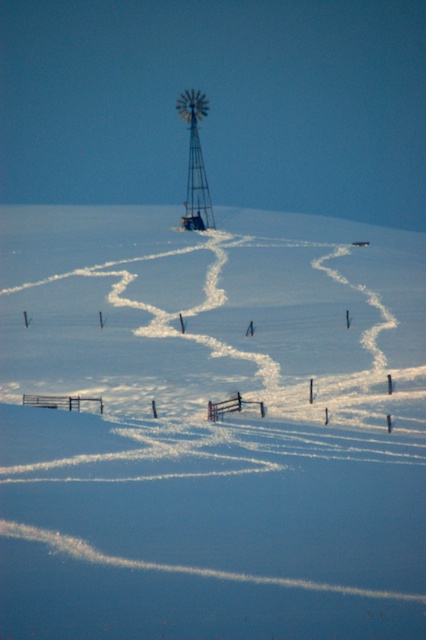
Horses made serpentine tracks in the heavy snow last Feb. in Holmes County.

Since then, infinite natural and man-made disasters, including the sluggish global economy, have occurred. Others will likely continue to develop as time progresses. Nevertheless, as we begin this holiday season in North America, we still have so much for which we can be thankful no matter our personal situation.

This Thanksgiving perhaps we can express our gratitude by simply helping the less fortunate. We may not have to look clear to the Indian Ocean rim for those opportunities either.

Maybe, just maybe, a proactive generosity can be an Indian summer bridge to brighten someone else’s rainy day life. That would be a practical, productive and prudent Thanksgiving.

The winter that wouldn’t end

By Bruce Stambaugh

The winter that seemingly would not end finally has. I hope.

Spring is now within sight. The vernal equinox officially arrives on Saturday, March 20 at exactly 1:32 p.m.

That milestone won’t guarantee that winter won’t quit. But it’s nice to know that if it does show its frosty face again, the odds are in our favor that a late winter sting won’t hurt us like the series of heavy snows we incurred in January and February.

For a while there, it seemed like everything had come to a freezing halt. It would snow. The road crews worked hard to free the highways of their slippery burden, and just when you thought it was safe to travel again, it snowed again.

During a normal winter in the western Appalachian foothills of Holmes County, Ohio, a couple of feet of snow are spread over several months. This winter we recorded more than three feet of snow in February alone.

With the weight of this winter still upon us, it seems spring has been a long time in coming. It was magnificent to get an early peek at what lies ahead with the recent string of sunny, warm weather here in Ohio’s Amish country.

It’s truly amazing what warmer weather does. I only had to step outside to fully appreciate the preview of spring.

The backyard birds filled the air with their choruses. Robins came out of hiding in the thick woods to begin scouting out their nesting territories. The resident Song Sparrow, which became reclusive in winter and played it low to the ground, perched high in a crimson maple, tilted its head back and cut loose.

Over the course of just a couple of days, the blanket of snow vanished altogether. Even the huge piles of plowed snow were greatly humbled by the bright sun and balmy temperatures.

If ever there were a perfect example of cause and effect, the melting snow would be it. The ground was so saturated from the abundant moisture that Mallards swam the temporary pond in my neighbor’s grain field.

Flower petals pushed through the mushy earth, as if reaching for the inviting sun. The daffodil heads swelled, readying for their brilliant birth. In our flower gardens, Johnny Jump Ups were the first to bloom.

Life stirred in my little garden pond, too. The mountain of snow that once surrounded the poor pool did a glacial retreat. The caretaker pair of bullfrogs ventured out in search of any wayward insects, and to bask in the sunshine’s warmth.

The school of goldfish revived. The largest broke water as I cleaned out the gunk from the pump. I don’t know if it was showing off or begging for food. The pump filters were so clogged with slime it was a wonder water still flowed over the little waterfalls.

I couldn’t help but notice doors and windows open in homes, shops and cars alike as I ran errands. Shoot, those with convertibles were driving around like it was July. After this cold, snowy winter, I couldn’t blame them. It felt like it.

People personally expressed their relief that an end to this nonstop winter seemingly had arrived. They appeared more congenial to the point of being jovial.

For those who longed for an old-fashioned winter, you got your wish. Let’s hope those that hunger for a perfect spring get theirs, too.

Competing in the winter Olympics, Texas style

By Bruce Stambaugh

I have had a long infatuation with the winter Olympics. This year was no exception. In fact, instead of just watching on television, I actually got to compete.

Coupled with the fatigue of the seemingly endless Ohio winter and the desire to visit our Texan grandchildren, my wife and I scheduled a trip to the Lone Star State right in the middle of the winter Olympic games. We were especially eager to see our four-month-old granddaughter, Maren. She was just a week old when I last saw her.

Just what does this have to do with competing in the winter Olympics? Plenty. Given the crazy weather of this weird winter, it didn’t snow in Vancouver, British Columbia, where the Olympics were hosted. But it did snow deep in the heart of Texas.

Of course, like everything else in Texas, it snowed big. At times, the snowflakes were huge. In a location where snow is seldom seen, the accumulation reached up to four inches.

The school kids were ecstatic. When they arrived home from classes, the Texas Winter Olympics were on. The entire neighborhood joined in one event after the other. The only qualifying necessities were to dress warm and have as much fun as possible. The rarity needed to be enjoyed while it lasted, since the snow likely wouldn’t linger in the south central Texas clime.

And have fun we did, including Maren. However, she wisely chose to serve as the beautiful, babbling, blue-eyed commentator from the warmth and safety of her parent’s home.

I felt like a kid again. Often, when the grandkids visited Nana and Poppy in Ohio’s Amish country in the winter, we seldom had snow. Now we were in their southern home territory, and the snow was perfect for any and every kind of wintry game.

The gathered Olympians participated in sledding, snowball throwing, snowman building, and of course the ever popular snow tasting contest. The results, which required no sophisticated judging, were measured in enjoyment rather than technical point calculation.

The lead sledding team, kindergartner Nola and her energetic father, Michael, won that event hands down. They were the only ones on the block with a sled. Even then, they had a rather short slope to navigate, another neighbor’s diminutive front yard.

To no one’s surprise, the snowball throwing drew the most participants and thus was gauged a Texas-sized success. The awards were meted in smiles and laughter rather than shiny medals. Evan, our nearly six-year-old grandson, won the artistic award for creating the most symmetrical snowballs. They were perfectly round and hand-packed hard.

The ever-daring three-and-a-half year old grandson, Davis, ate more snow than he threw. He said it tasted better than ice cream. You never know what those lefties will say.

As for the snowman contest, Poppy was in the lead for most of the way until he realized that the large rolled up snowball was more of a load than he should be pushing. His back disqualified him, and he had to call in reinforcements to complete the job.

Not surprisingly, Davis was a good helper. However, true to form, he wanted to eat the carrot rather than use it for the snowman’s nose.

Next day, when the snow quickly disappeared with Vancouver-like temperatures, the Texas Winter Olympics were declared closed, at least temporarily. With this strange winter weather, it could snow again in Texas. Vancouver could only hope.

Davis and Evan
My grandsons with their Texas snowman. Davis and Evan are on the left.

Winter is for the birds

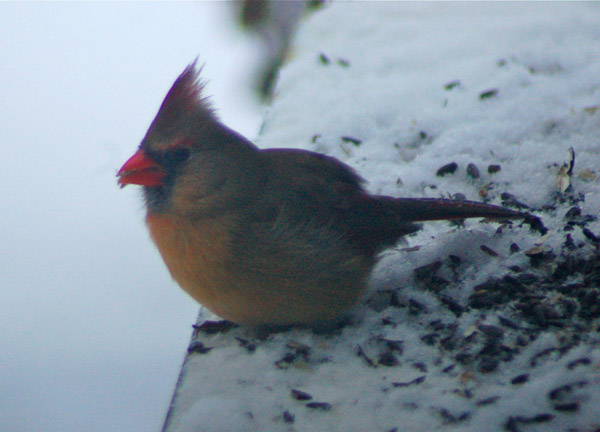
Female Cardinal

By Bruce Stambaugh

I am of the opinion that winter is for the birds. I mean that literally.

Watching the backyard birds enjoy the variety of foodstuffs at the feeders is my winter’s entertainment. The various kinds of feeders are stocked with an assortment of options for the birds to devour, and are placed for safe access by the birds and convenient observation by me.

In the feeding frenzy, the birds put on quite a show.

Several kinds of birds enjoy the spoils of the tube feeder filled with sunflower hearts. The feeder hangs in front of the kitchen window and can accommodate six birds at a time, if all goes well. However, just like people, birds get greedy and guard their territory, even though there is plenty for everybody.

The American Goldfinches seem to be the best behaved, often feeding in families around the feeder’s cardinal ring. It’s named that so that cardinals can enjoy the seeds, too. Cardinals normally prefer a flat surface or the ground for feeding. But occasionally the bright red males and reddish tinged olive females will take advantage of their namesake.

Despite their bright coloration and moderate size, cardinals tend to be skittish creatures and fly off at the first hint of trouble. A few of the cardinals prefer the cracked corn that is spread at the base of the sugar maple. But so does the feisty Song Sparrow, which easily scares off the bigger bird. Using its clawed feet, the Song Sparrow jump kicks at the seed, even though it wouldn’t have to. Hereditary habits are hard to change.

Other sparrows show their faces as well, especially if the ground is snow-covered. The pretty Tree Sparrow, with its distinctive yellow bottom bill, joins the feast along with the showy White-crowned Sparrow. The latter is one of the few species that sings in the winter. Their beautiful tune can warm even the coldest day.

The real fun begins when the acrobatic nuthatches, Chickadees and Tufted Titmice arrive, which they often do simultaneously. I am fortunate to have both White-breasted and Red-breasted Nuthatches, a first for me, coming to the feeders. They are the only birds that move headfirst down the trunk of a tree.

These birds take full advantage of the menu offered at the feeders. If the black oil sunflower seeds aren’t available, they might enjoy some extra protein that the suet provides. Or they might savor a hulled peanut.

All these birds give way when the bully Blue Jays appear. They loudly announce their arrival, and scatter the other birds with their arrogant intrusion. The jays gulp down a gullet full of seeds before flying off with their meal.

An even bossier bird is the Red-bellied Woodpecker. It wants to dine alone while partaking of the smorgasbord offerings, especially enjoying the peanuts. But they can be finicky, too. The next trip in the same bird may hit the ear corn.

Perhaps my favorite visitors are the Eastern Bluebirds, normally not noted as feeder birds. They do enjoy the brilliant holly berries right from the bush out front, but they also have been seen imbibing at the suet and sunflower feeders.

There are times, though, when the birds just don’t show up at all. It’s then that I know that perched nearby is the neighborhood Cooper’s Hawk, which loves a songbird lunch.

Occasionally I know that the swift hawk has enjoyed my feeders, too, at least indirectly. A pile of House Finch feathers atop the snow provides the proof.

Female Red-bellied Woodpecker

Behold winter in rural Ohio

By Bruce Stambaugh

On the coldest day of the young year, winter gave us an icy gift to salve our longings for warmth. The landscape in rural northeast Ohio glistened with delight.

Some call it a quirk of nature. Others know the weather phenomenon as hoar frost. Most ignore the verbiage and science and just enjoy the beauty while it lasts. Like any other meteorological event, nature has a recipe for hoar frost, but it’s more bureaucratic than tasty.

The National Weather Service describes hoar frost as a deposit of interlocking crystals formed by direct sublimation on objects, usually those of small diameter freely exposed to the air, such as tree branches, plants, wires, poles, etc. The deposition of hoar frost is similar to the process by which dew is formed, except that the temperature of the frosted object must be below freezing. It forms when air with a dew point below freezing is brought to saturation by cooling.

No doubt the younger generation would have a one-word answer for that gobbledygook: whatever. Besides, like a double-chocolate layer cake, hoar frost is much better consumed than defined. Only you use your eyes rather than your mouth, unless you happen to be out and about when the icy icing is spread.

On this particular Sunday morning, many people were. They reaped both the benefits and the drawbacks of passing through Creation’s cold kitchen as the raw rarity was being concocted.

Witnesses, who preferred to remain anonymous, said they bundled up for a brisk walk or buggy ride to church. Brisk is a bit too bland. It was downright frigid, five degrees below zero just after sunrise. What a sunrise it was, too, dark one minute and light the next. The sun seemed to skip the formalities and simply bounded over the cloudless horizon, exceedingly anxious to warm up the frozen countryside.

Instantly invisible sunbeams awakened a million diamonds across the snowscape. It was as if the snowy blanket had turned completely into a sparkly sequined gown. But that was only the appetizer for this organic, outdoor brunch.

Everything, and I do mean everything, was covered with a breathtaking whiteness, fresher than the day itself. Evergreens were transformed ever white. The bare deciduous trees were plastered trunk to tip as if they had been spray-painted. Dazzling is too tame of a word to describe the scene, which suddenly grayed.

The snow ceased gleaming as quickly as it had started. The brilliance diminished considerably. Drawn to the window by this abrupt turn of events, I quickly saw the reason for both the diminution and the hoar frost itself. A huge, elongated ice cloud had obscured the sun, but only temporarily.

This ghostly mass had risen from the creek bottoms and deposited its pretty icy prickles as it went. Indeed, it was on the move. Those pedestrians or buggy-goers who had no choice but to pass through the crystallized cloud went in one foggy door wearing black and out the other as ashen apparitions. Hoar frost coated brown horses and men’s beards alike.

Eventually the sun won out, even in the super cold air. The ice fog just vanished, evaporated into nothingness. As the morning continued to warm, the frozen saturation succumbed, falling like sheets of snow.

The bright morning sun had burned off a lingering mist, revealing a glistening glaze affixed to every animate and inanimate object in its path, while diamonds danced on the endless blanket of snow. Behold the unfolding glories of winter in Ohio.

Contact Bruce Stambaugh at brucestambaugh@gmail.com.

Hoar frost defined
Hoar frost on display
Bay Photos by Donna

Wildlife Photos From The Chesapeake Bay Region

ROAD TO NARA

Culture and Communities at the Heart Of India

K Hertzler Art

Artist and nature journalist in the Shenandoah Valley of Virginia.

Maria Vincent Robinson

Photographer Of Life and moments

Gabriele Romano

Personal Blog

Jennifer Murch

Art is the only way to run away without leaving home. -Twyla Tharp

Roadkill Crossing

Writing generated from the rural life

ANJOLI ROY

writer. teacher. podcast cohost.

Casa Alterna

El amor cruza fronteras / Love crosses borders