All about Amish buggies

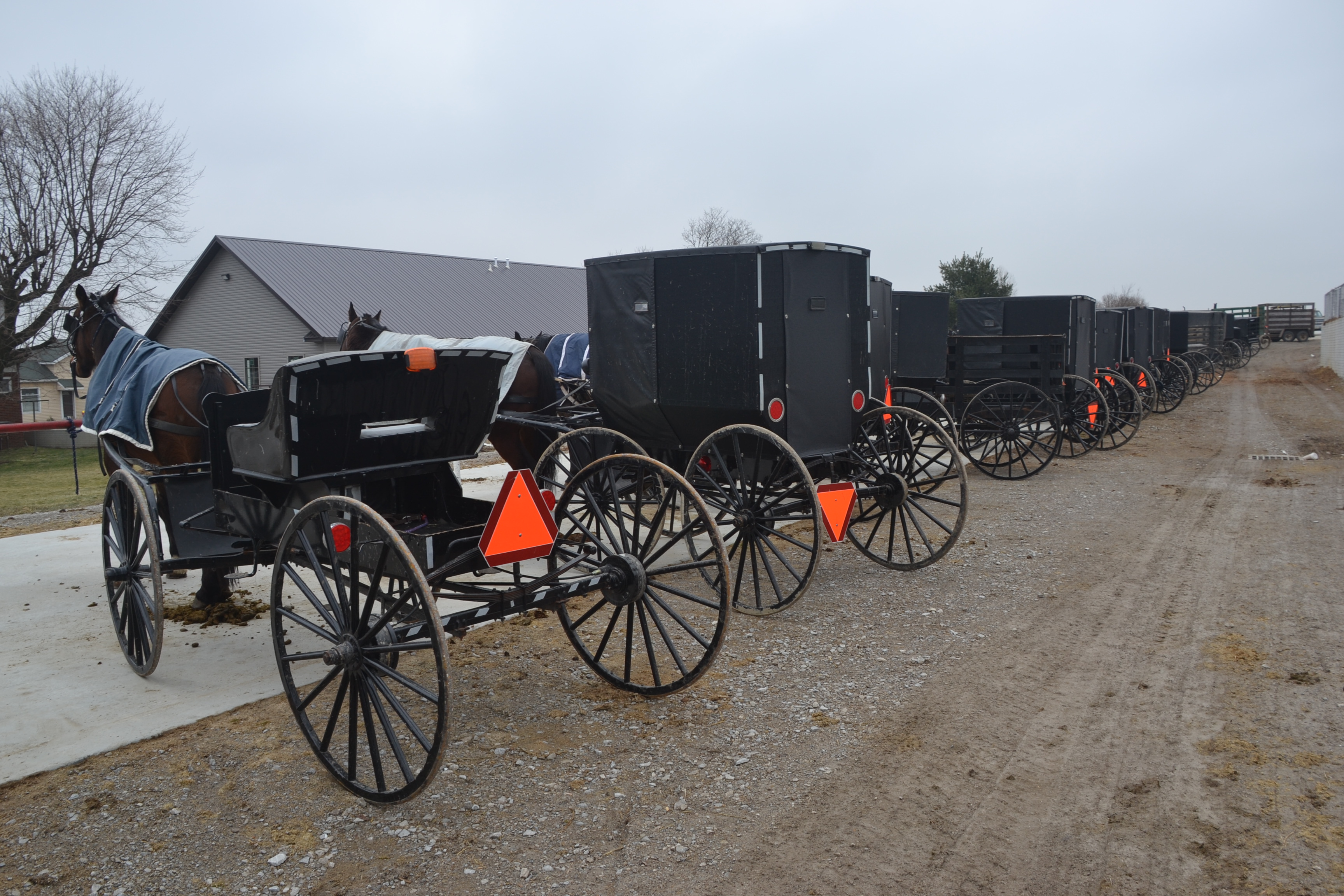
buggylineupbybrucestambaugh
An assortment of buggy styles were tied up at a local auction barn.

By Bruce Stambaugh

Amish buggies in Ohio’s Amish Country may be all black, but they definitely aren’t all the same. The nondescript, unobtrusive color merely keeps them uniform and modest.

Even if they all are black, a closer look reveals that there are many differences in buggies. These variances are especially true for buggies owned by younger Amish men. Particular attention is paid to the kind of accessories included on their buggies. After all, a buggy can last for 30 years if it is well maintained.
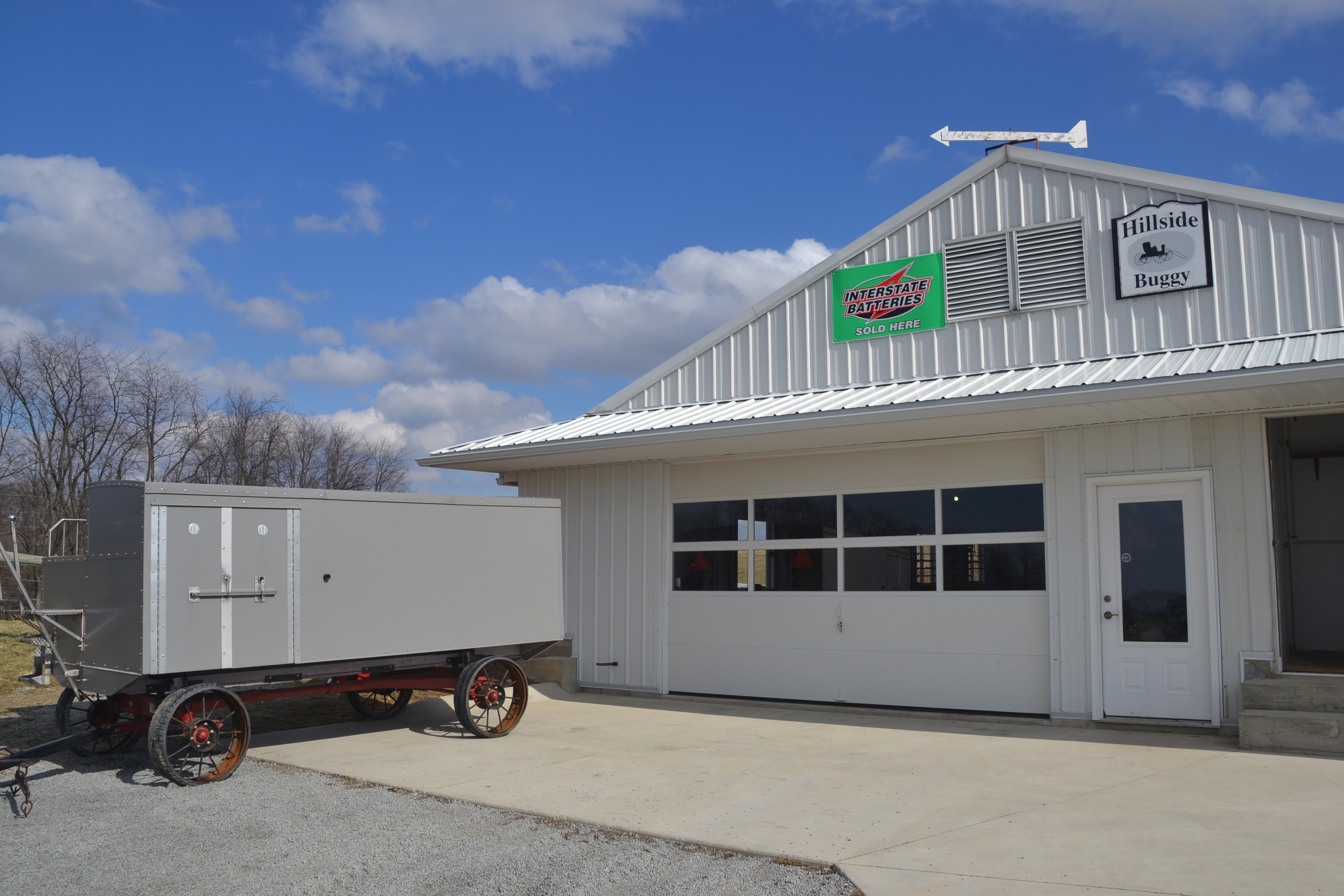
buggyshopbybrucestambaugh
An Amish bench wagon stood outside an Amish buggy shop near Berlin, OH. The wagon is used to carry the church benches from one location to another. Since the Amish do not have church buildings, they take turns hosting church for the 100 or more members and their children. Shops like this one are cleared out and cleaned in preparation for church service.
At least two-dozen buggy shops are sprinkled around the Greater Holmes County area. That way the Amish do not have to travel far to order a buggy or have one repaired. That concept is maintained in all aspects of the Amish lifestyle.

Demand for new buggies is high. Most buggy shops reported a year’s wait for a new buggy. Depending on the size of the shop and the kind of buggies being built, buggies are produced at the rate of no greater than one per week. Buggy repairs are worked in accordingly. Should a buggy be damaged in an accident or lose a wheel, for example, it would receive priority status.

Most buggy shops are family operations. A father and his son or sons may run the shop, assisted by an apprentice or even wives and daughters. This way the trade can be passed from generation to generation.

buggyworksbybrucestambaugh
Amish buggies are built one at a time. The buggy in the foreground still needs to have its black vinyl coated cloth skin attached, and painting completed.

Because each buggy is custom-built one at a time, assembling a buggy is a prolonged process, taking as long as a year to complete. To build a sturdy, useful buggy, shop owners and workers need a variety of skills. They must be a carpenter, welder, upholsterer, painter and mechanic all in one.

According to Menno Schlabach, owner and operator of M & S Coach near Berlin, buggies start with a wooden base. Reinforced with metal braces, a wood framed structure is attached. The sides and tops are covered with a grained, vinyl coated black cloth.
“With 150 church districts in the area, customization of each buggy varies a great deal,” Schlabach said.
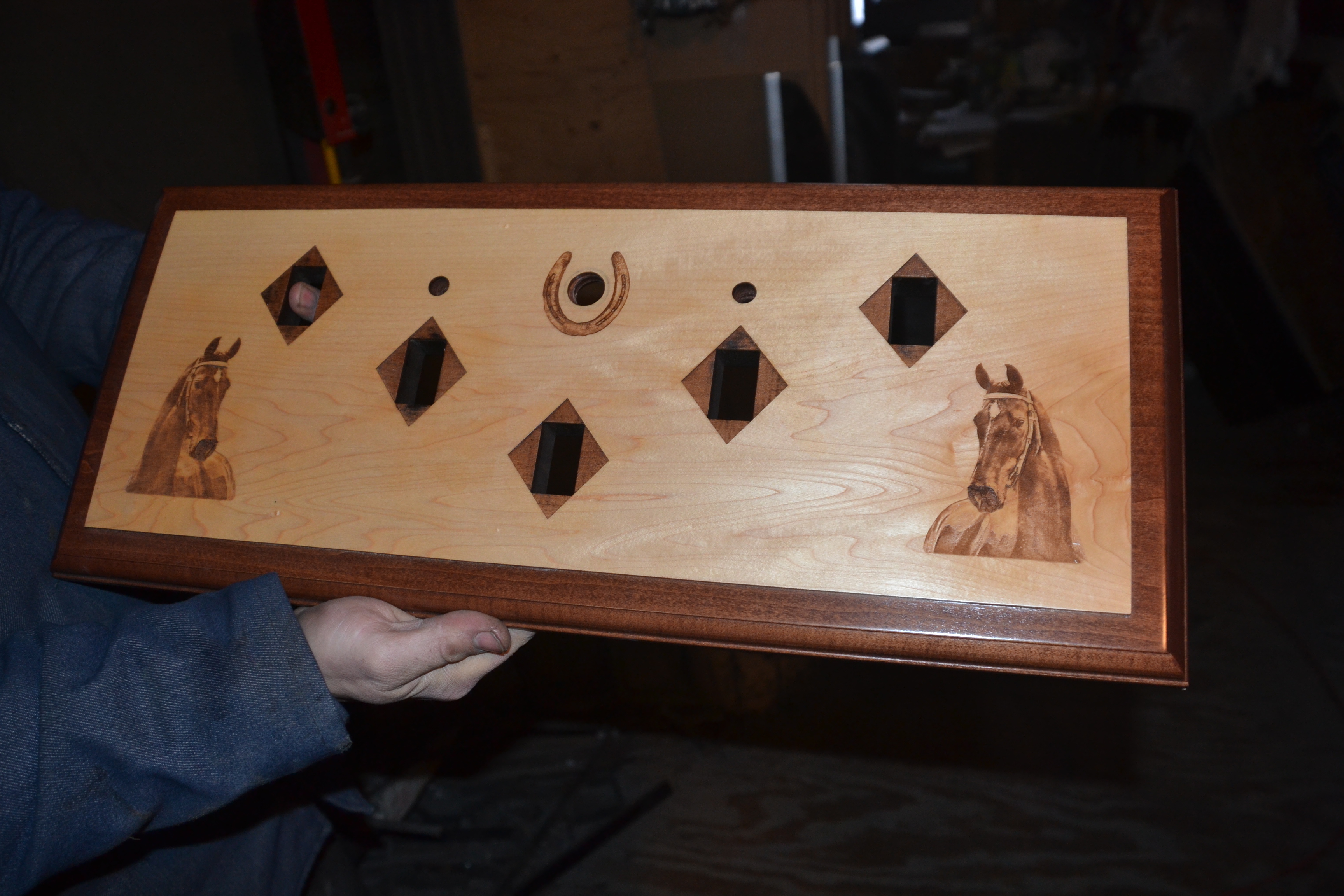
buggydashboardbybrucestambaugh
This wood inlaid dashboard is typical for young Amish men to have installed in their first buggy. The levers that operate lights and even a hand-powered windshield wiper fit through the cutout holes.

Indeed, it is the customization that allows the customer to put personal preferences into the new buggy to give it character. That process also slows the construction. With all the various options, Schlabach said it takes an average of 150 hours to build a new buggy.
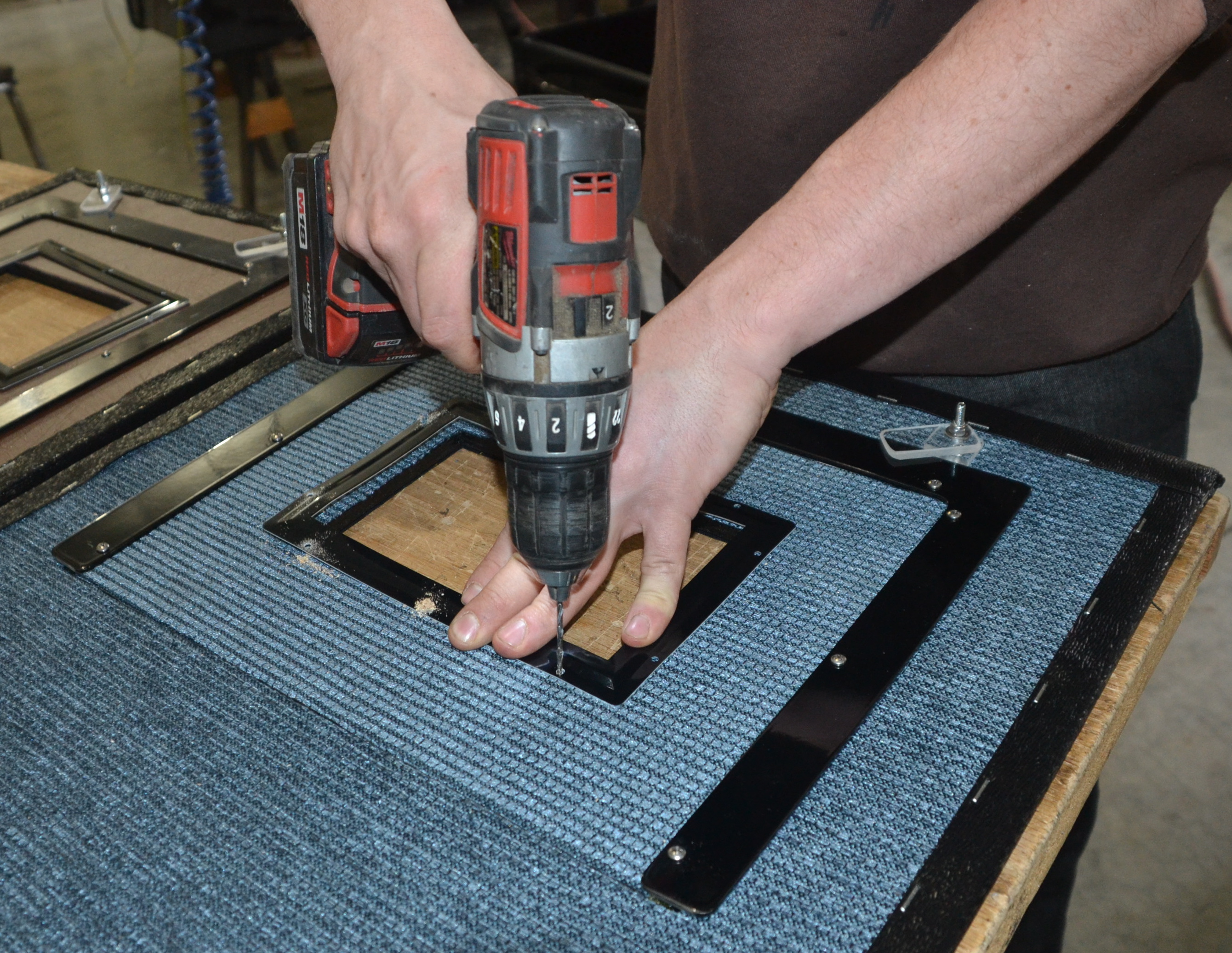
finishingtouchesbybrucestambaugh
A worker installed a window in the door of a new buggy.
Some buggies have curtain doors that roll up, while others have sliding doors on the side and a hinged door in the back for easier access. Other buggy accessories include shelves for storage, switches, battery compartments, mirrors, window sizes and shapes including the choice of glass or Plexiglas or no glass at all, shapes and cushioning of seats, manually operated windshield wipers, brakes, upholstery and a variety of lighting options. Even the materials of the wheels and shafts vary.
Dashboards seem to be the telling tale of the owners’ preferences. Some are intricately made using inlaid or exotic wood. The dashboards are mounted on the inside of the front piece of the buggy. They generally house switches for exterior and interior lights and turn signals.

buggylightsbybrucestambaugh
Buggies in the Greater Holmes County, Ohio area are usually well-lighted and marked with a slow moving vehicle reflector, reflective tape, and rear amber blinking light.
Even the exterior lighting is customized. Just like cars, buggies have headlights and taillights. Most also have amber warning lights on the top rear of the buggy. Running lights along the sides of the buggies help drivers see at night. Marker lights positioned on the front and sides of buggies are other accessories that give the buggy its individual distinction. Only buggies owned by Swartzentruber Amish, the lowest Amish order, still use kerosene lanterns for visibility.

The style of buggy is determined by its purpose. A two-wheeled cart is the simplest of all buggy types and is used for quick, local trips. The hack is the Amish equivalent to a pick up truck. Sometimes called buckboards, a hack is a four-wheel buggy that is designed for hauling livestock and other bulk items. Some driver compartments of hacks are covered, while others are open.
The most common buggy type is the surrey. They are built with a bench seat and a storage area in the back that also has an option for two small flat seats along the insides. The side seats can be removed to increase storage. Usually children use those rear seats.

buggyshaftsbybrucestambaugh
Most parts of buggies are made locally, including these shafts that connect the horse to the buggy. The shafts are made and bent at a specialty shop near Mt. Hope, OH.

Surreys come covered or open. Covered buggies are called top buggies. The family version of a surrey has two bench seats and four openings for access, plus some storage space in the rear with a door or curtain that rolls up.

buggywheelbybrucestambaugh
The Amish like to keep things as local as possible. The wheel, spokes, axel and brakes were all made within 15 miles of this buggy’s owner’s home.
The newest buggy version is the mini-surrey, which can actually hold more passengers than a regular top buggy. Affectionately called a minivan by some Amish, the mini-surrey serves the same purpose. The side seats behind the front bench comfortably hold two adults or several children on each side.

The cost of new buggies varies depending on the type and size of the buggy and the kind and amount of accessories included. A new cart could cost $1,500 while a new, well-equipped mini-surrey could run up to $7,000.

With a horse for an engine, the buggy’s driver steers with a set of reins instead of a steering wheel. Still, the purpose of a buggy is the same as a motorized vehicle. It transports its passengers from one place to the other, just at a much slower speed.
Buggies may be black. But they are an important element that helps keep the Amish culture moving in every way.
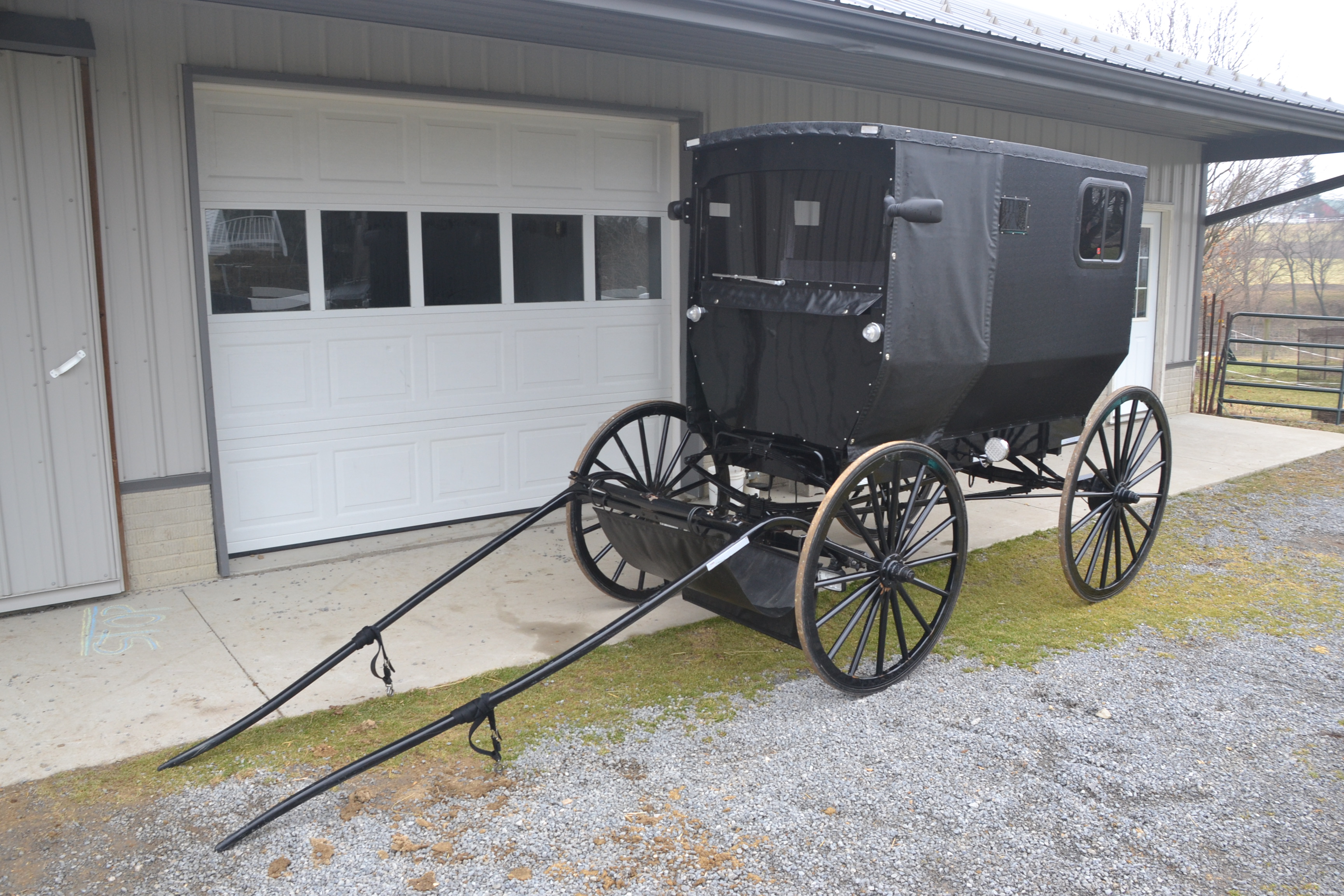
amishminivanbybrucestambaugh
The newest style buggy seen is the Holmes County area is the Amish mini-buggy, affectionately called the Amish minivan.

© Bruce Stambaugh 2013

My 2012 in pictures

During the course of a year, I take a lot of photographs, thousands to be exact. My son says I take too many, especially of the same thing. But I snap away for several reasons. My mother gave me her artsy eye to see the beauty in the world around me. She painted landscapes. I take pictures. Shooting pictures is also a way to document the year. In addition, I enjoy sharing the pictures I take, either through this blog, in magazines, on websites, or simply printing them out for people to enjoy.

With that introduction, this is my 2012 in review. With so many pictures, I didn’t want to bore you. Instead, I chose a picture a month, kind of like a calendar in reverse. I hope you enjoy my selections.

Happy New Year!

Bruce

sunsetsiestakeybeachbybrucestambaugh
Enjoying a beautiful sunset on America’s number 1 rated beach, Siesta Key, Sarasota, FL, was a great way to begin the year.
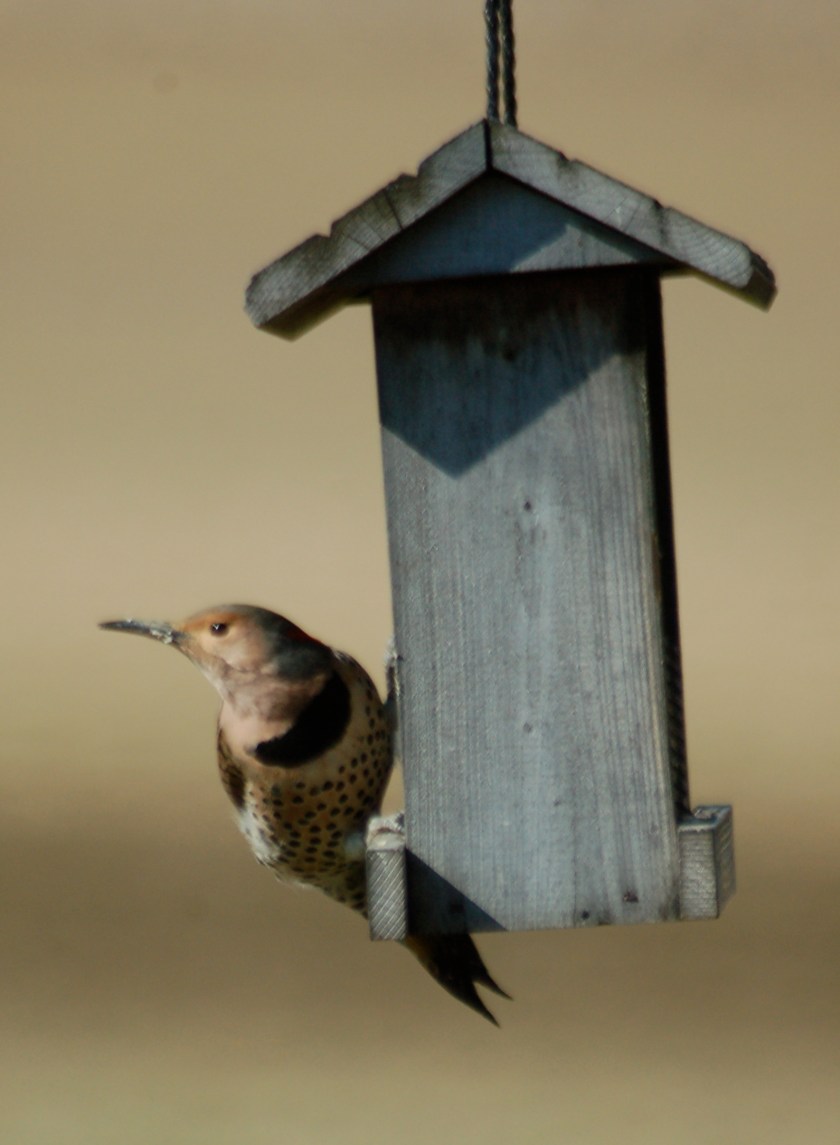
northernflickerbybrucestambaugh
I love birding. This Northern Flicker posed perfectly for this shot in Feb.
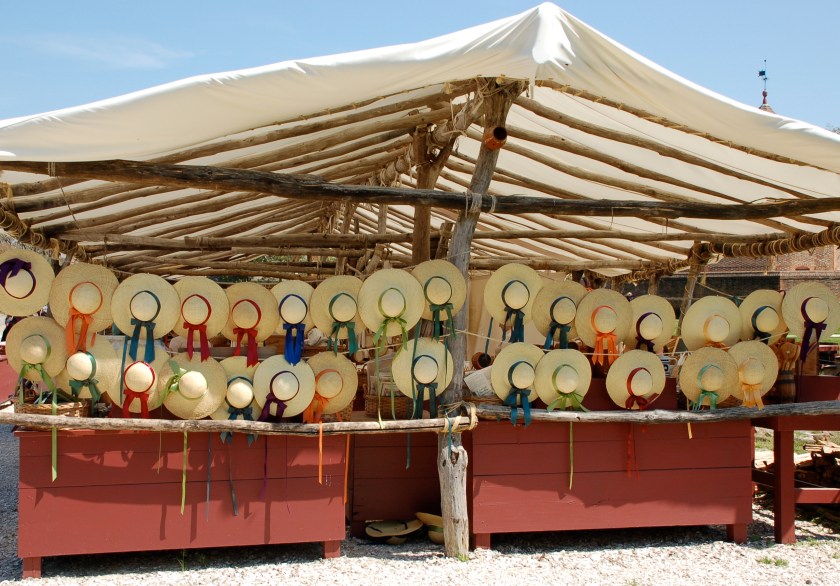
williamsburghatsbybrucestambaugh
My wife and I celebrated our 41st anniversary in March by visiting Williamsburg, VA. These hats caught my eye.
lakesidedaisybybrucestambaugh
Lakeside, OH is one of my favorite vacation spots. When the Lakeside Daisies are blooming, which they did two weeks early this year, the town is even prettier. These daisies only bloom on the Marblehead Peninsula, and this bee enjoyed the small patch of these special flowers on April 29.
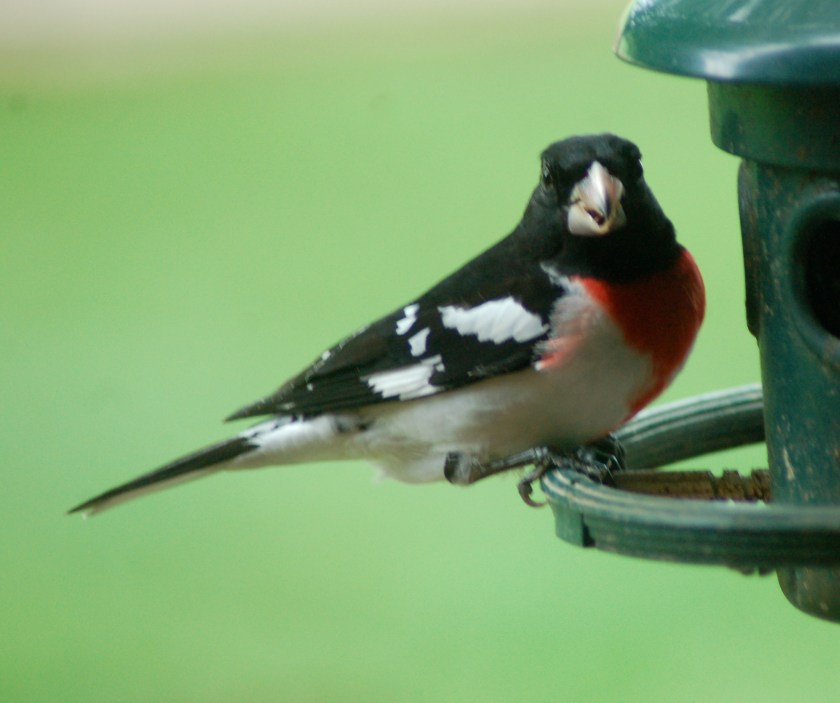
rosebreastedgrosbeakbybrucestambaugh
I feel very fortunate to have Rose-breasted Grosbeaks frequent my backyard feeders. This male seemed fearless as he gorged on oil sunflower seeds in early May.
familyvacationbybrucestambaugh
I enjoyed capturing our grandchildren’s initial reaction to the surf at Sunset Beach, NC in early June.
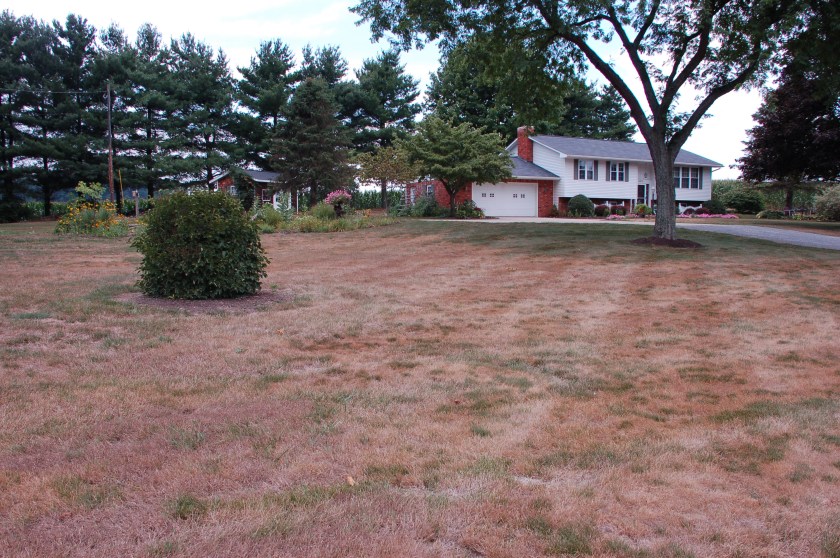
droughtbybrucestambaugh
The end of July was the peak of the summer’s drought in Ohio’s Amish country, where my wife and I live.
sunburstbybrucestambaugh
Summer fog is not unusual in Ohio’s Amish country. I often take my camera along on my morning walk, and I was glad I had this late August morning.
amishballoonsbybrucestambaugh
A young Amish girl checked out the colorful balloons at the neighbor’s produce stand during their Customer Appreciation Day at the end of Sept.
fallcolorsbybrucestambaugh
Laundry drying against the colorful leaves in mid-Oct. in Holmes Co., OH created a contrasting shot.
novembersunsetbybrucestambaugh
The silhouettes of the corncrib and tree against the Thanksgiving Day sunset made a stunning image.
snowfallbybrucestambaugh
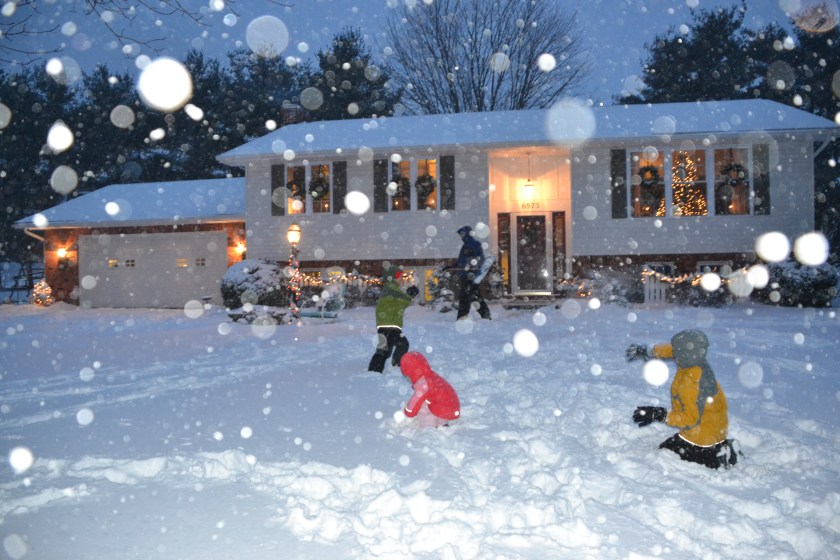
Watching our grandchildren and their parents play in the snow the day after Christmas was as magical as the snow itself, and a wonderful way to end 2012.

© Bruce Stambaugh 2012

More delicious reasons to visit Ohio’s Amish country

Strawberry pie and ice cream by Bruce Stambaugh
The delicious homemade strawberry pie and ice cream will again be offered free to all those who attend Homestead Furniture’s Strawberry Summer Fest, June 14-16 at Mt. Hope, OH.

By Bruce Stambaugh

People visit the world’s largest Amish population for many reasons. Nostalgia for the way things used to be, the friendly, plain folks, the delicious, affordable food, and the neat, quilt-patch farm fields often top the list.

Free pie and ice cream by Bruce Stambaugh
This youngster was pretty pleased with his free homemade strawberry pie and ice cream.

On June 14, 15, and 16, two more reasons will emerge. Visitors can enjoy free homemade strawberry pie and ice cream made on the spot at Homestead Furniture in Mt. Hope, Ohio.

The expansive furniture store, which specializes in customizing hardwood and upholstered furniture, will hold its 12th annual Strawberry Summer Fest on those three days. On average, the store serves up 350 pies and 150 gallons of machine-cranked ice cream over the three-day gathering, which draws hundreds of people from several states.
Strawberry pie by Bruce Stambaugh
The Strawberry Summer Fest is held each year to help welcome in summer. According to Homestead Furniture’s sales manager Todd Reese, the store chose strawberry pie and ice cream as symbols of the season to share with customers old and new.

Cortona dining table by Bruce Stambaugh
The Cortona dining room table is just one example the exquisite furniture design and built by the craftsmen at Homestead Furniture.
Besides the free food, Homestead Furniture will also hold a drawing for gift cards to the store. Prizes total $1,750. Of course, Homestead Furniture will offer special sales prices on all of its hardwood, upholstered, and leather furniture, excluding custom orders. Their only other sale is in October.

In fact, the Mt. Hope merchant’s annual Sundown Sale will be held on Friday, June 15. Most businesses in town, from the hardware store to the fabric store, will be open until 8 p.m. The merchants also have a special drawing.

Homestead Furniture by Bruce Stambaugh
Homestead Furniture, Mt. Hope, OH is a busy place during its annual Strawberry Summer Fest.

Homestead Furniture will be open from 8:30 a.m. to 8 p.m. on June 14 and 15, and 8:30 a.m. to 5 p.m. on June 16. The store is located at 8233 SR 241, just north of Mt. Hope.

Mt. Hope is located 35 miles southwest of Canton, 50 miles south of Akron, and 75 miles south of Cleveland in the heart of Ohio’s Amish country.

Ice cream by Bruce Stambaugh
Employees at Homestead Furniture in Mt. Hope, OH make homemade ice cream five gallons at a time over the three day event.

© Bruce Stambaugh 2012

Walking with grandsons

Amish oak shocks by Bruce Stambaugh

“Hold my hand, Poppy.”
The sweetest words ever heard
on my daily stroll.

Bruce Stambaugh
August 19, 2011

Harvesting more than produce from your garden

Amish garden by Bruce Stambaugh
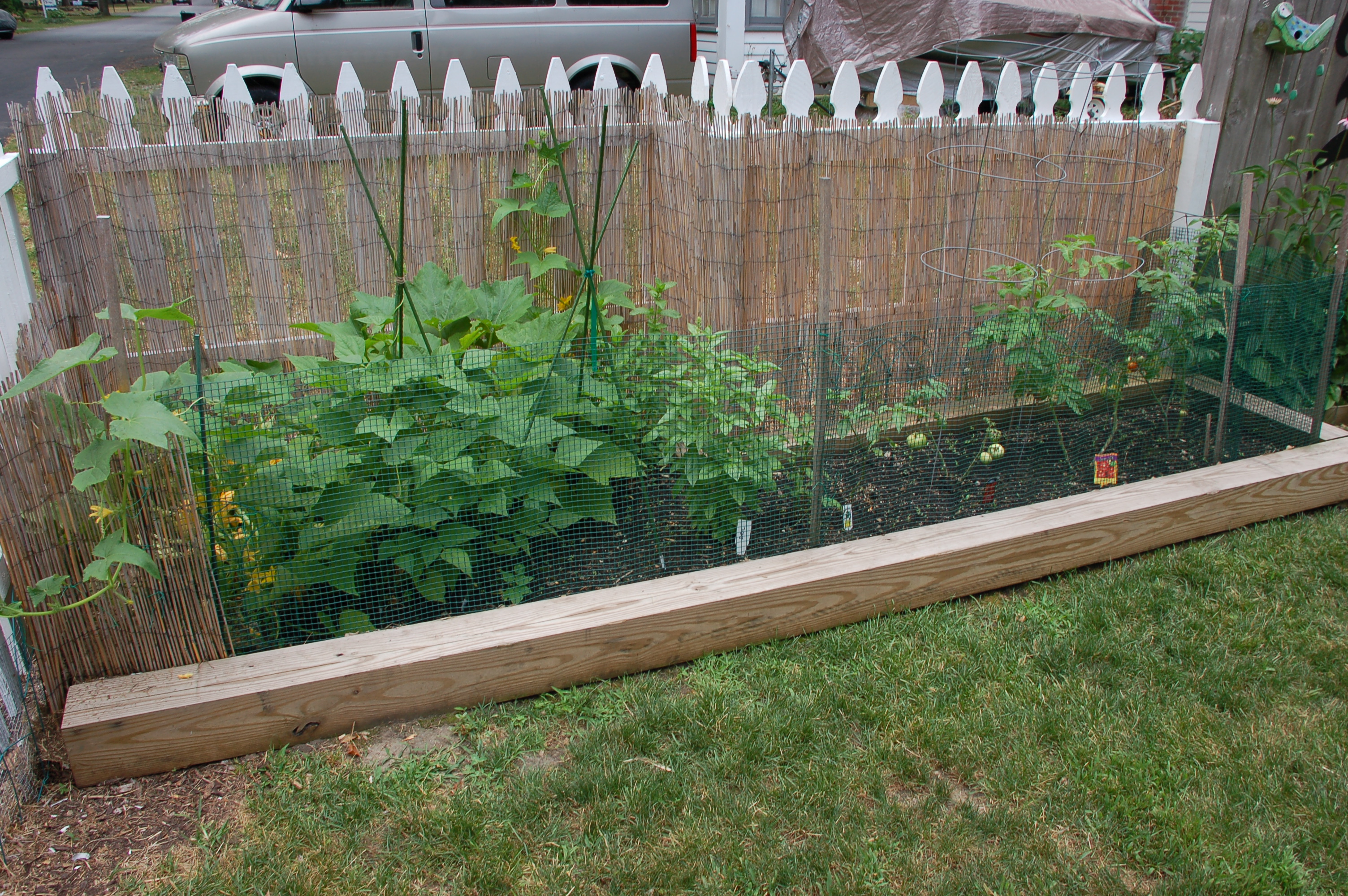
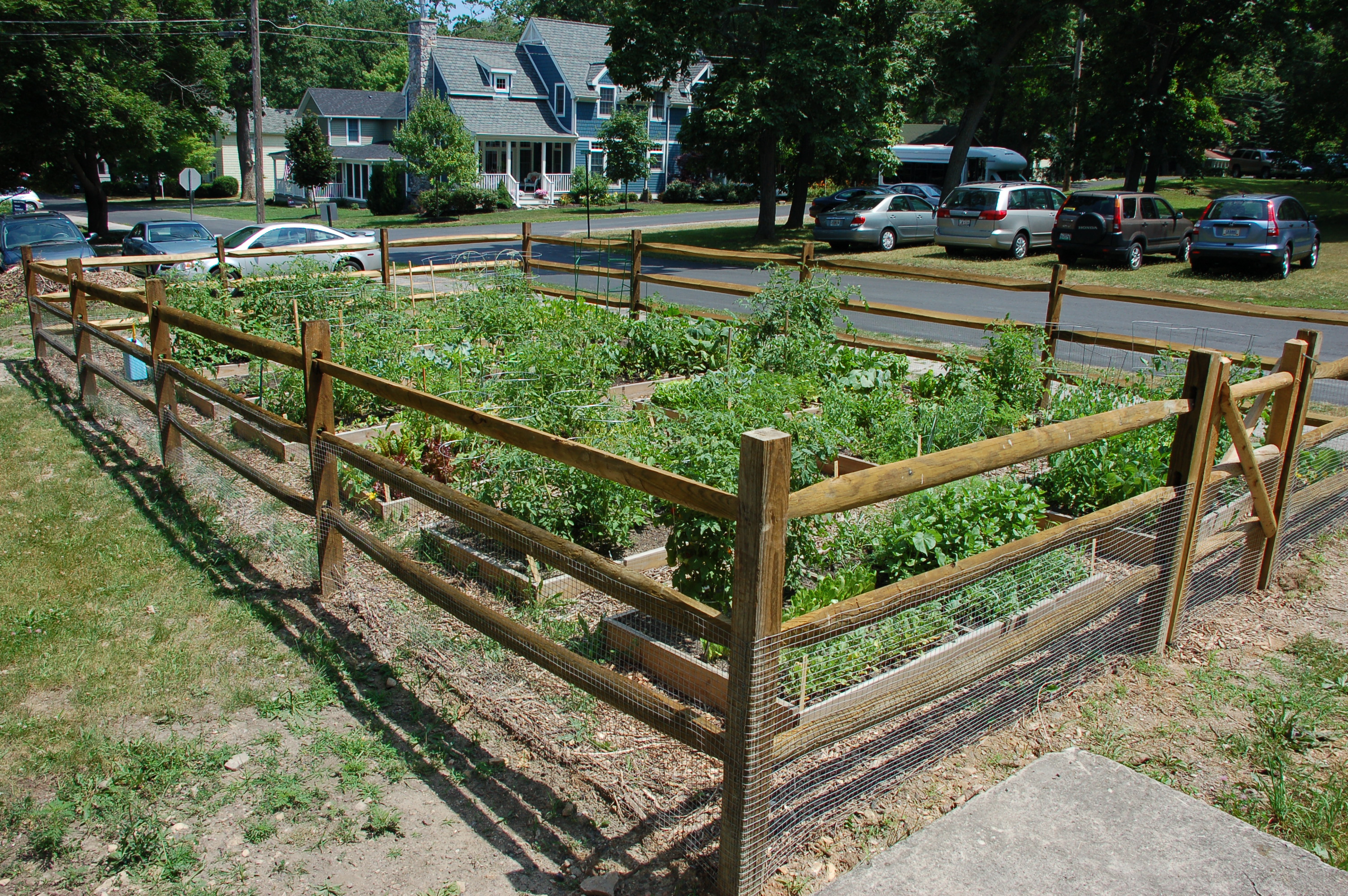
Large vegetable gardens like this one are everpresent in Ohio's Amish country.

By Bruce Stambaugh

Lakeside rocks and flowers by Bruce Stambaugh
Creative rock sculptures mirror the Hollyhocks in a Lakeside, Ohio garden.

I’ll make my confession right up front. I am not the most authoritative person to write about gardening.

Still, I like to think that I am observant enough to recognize a good garden when I see one. Whether vegetable, rock or flower, all gardens require much manual effort to keep them manicured and productive.

Growing up in the suburbs of a northeast Ohio blue-collar city, our father loved to garden. He saw it as a way to be out in the fresh air and to simultaneously save money by growing our own food. With five children, it was the practical thing to do. For efficiency’s sake, he recruited his offspring to help cultivate, plant, nurture and reap the garden harvest.

Rock garden by Bruce Stambaugh
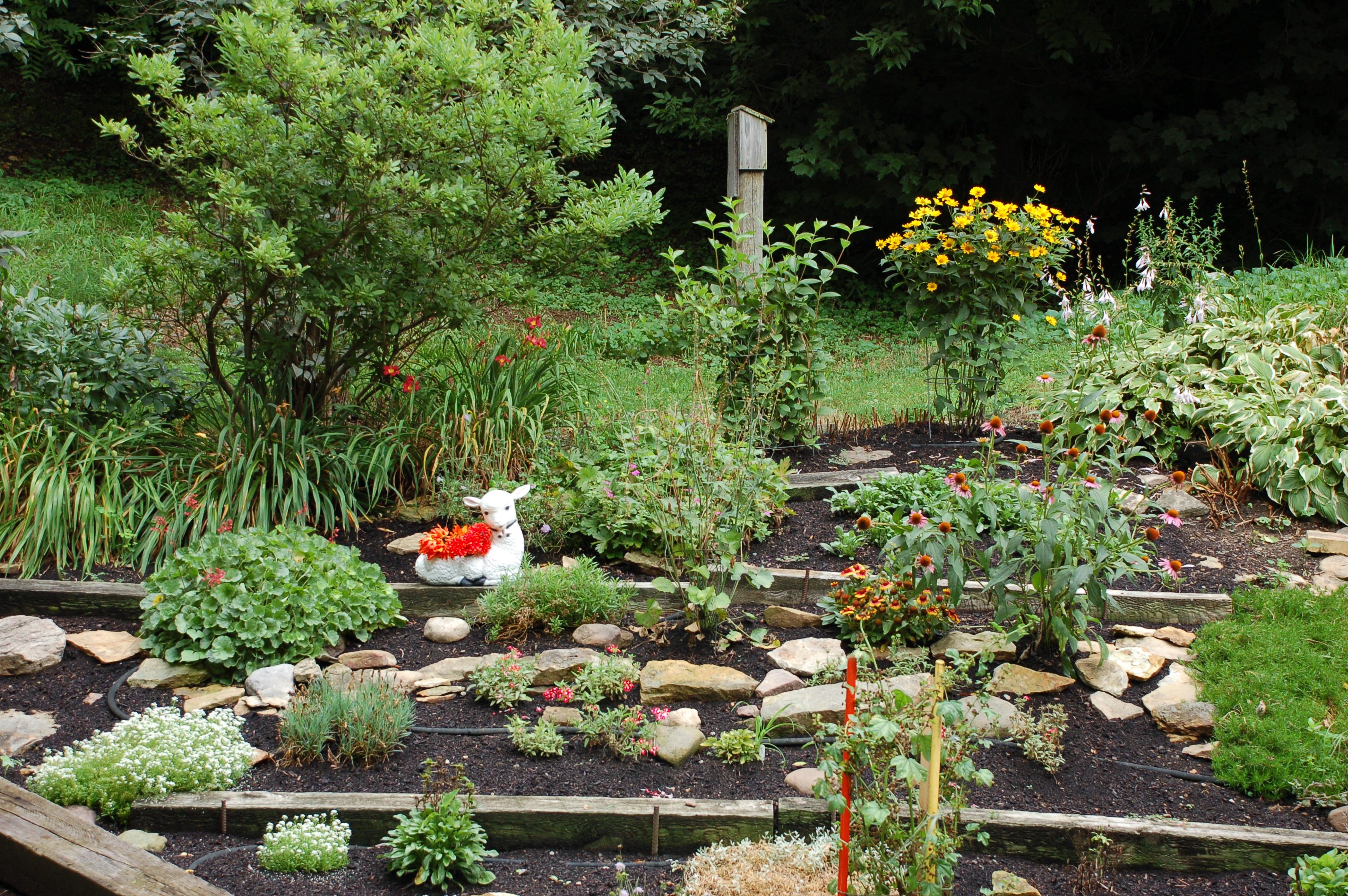
Rock gardens add esthetics to any property.
Bright lilies by Bruce Stambaugh
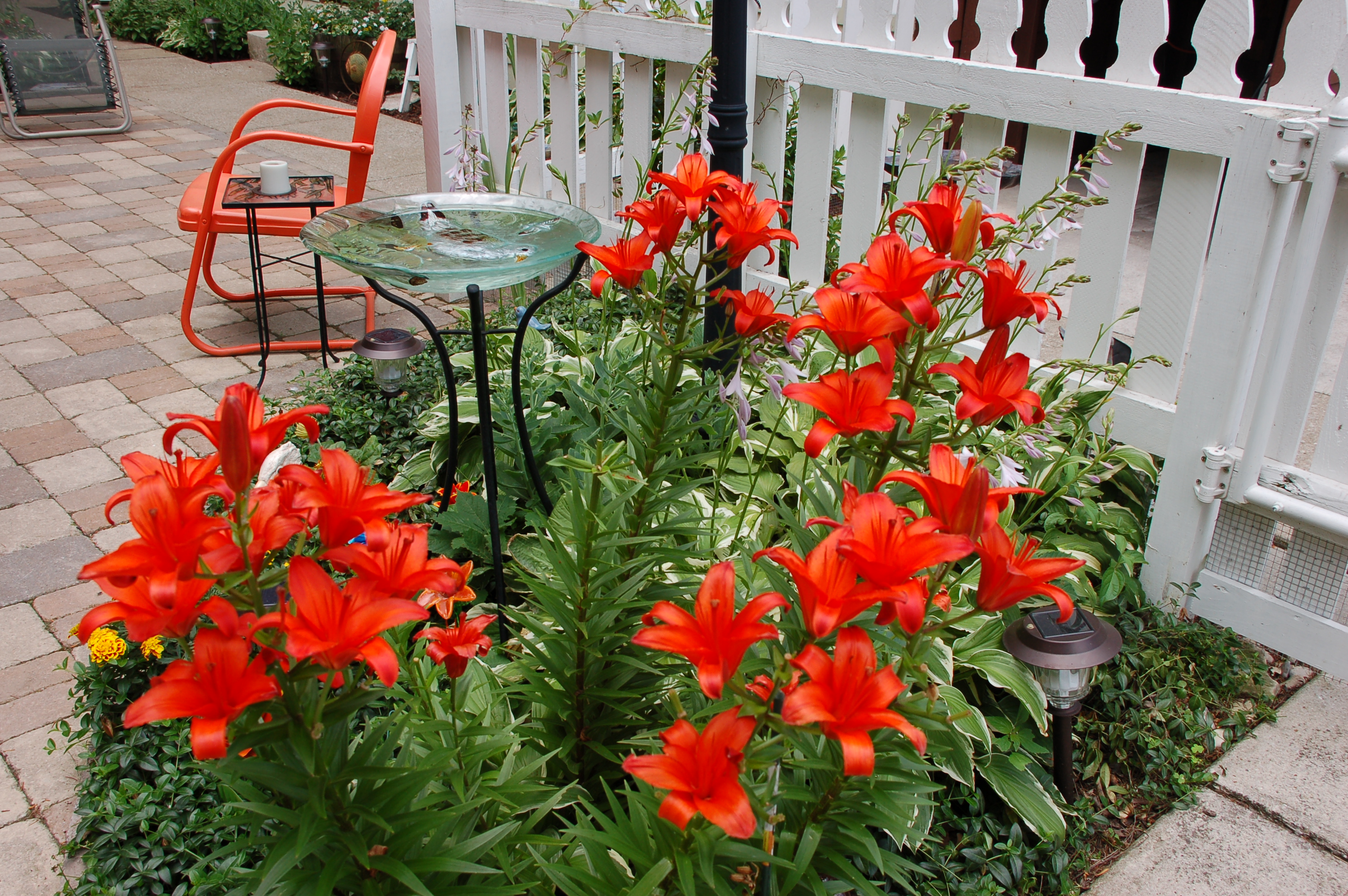
These lilies would brighten any yard.

Our lovely mother would prepare in season feasts that included sweet corn, new potatoes, green beans, cucumbers and beets. She also canned and froze food for the cold winter months ahead. If we had had a bumper crop, we would set up shop in a busy business parking lot and sell sweet corn out of the car’s trunk.

Mom also propagated lovely flower gardens around the parameters of our small piece of suburban property. Mom used her artistic eye with the floral color selection to nicely accent the cherry red brick exterior of our post-war bungalow.

Home canned goods by Bruce Stambaugh
Home canning is back in vogue in rural, suburban and urban settings.

Those pleasant memories returned with the current onslaught of the harvest season in gardens all across the country. Television shows, newspaper stories, Internet blogs and even high-end glossy magazines feature how to properly prepare and preserve your garden gleanings.

Having a plot of garden is almost assumed when you live in one of Ohio’s richest agricultural counties. Don’t be fooled though. Contrary to what some might think, gardening is not confined to rural areas. People garden in suburbs and cities, too.

Herb garden by Bruce Stambaugh
Even small backyard plot provides fresh herbs and vegetables.

With the advent of the organic, all natural craze, and the tough economy, gardening appears to have made a universal comeback. Whether you have an acre or simply a few pots of herbs sitting on an apartment balcony, gardening is good.

Caring for tender plants, watering them, protecting them from weather’s extremes and pesky insects is worthwhile work with tasty rewards. I see it as a way to get us back to our roots, reconnected to the soil from which and on which all life depends.

Lakeside community garden by Bruce Stambaugh
A community garden in Lakeside, Ohio.

If we are mindful, we will recognize that gardening provides a solid base that can lead to other returns as well. Cooperative gardens, sponsored by both church and civic organizations, have sprung up across the country. Besides those who garden, the abundant produce often helps the less fortunate, the homeless and the needy.

An acquaintance told me how his parents would load up their battered family pickup with the excess of their giant two-acre garden, head into town and end up on the wrong side of the tracks. There they would park the truck and hand out the fresh, healthy produce to whomever needed it.

They repeated the routine throughout the growing season. The thankful recipients were so moved by the family’s generosity that they offered to help plant and maintain the garden the next growing season. Their grateful offer was accepted, and new trust and friendships were born.

Flower garden by Bruce Stambaugh
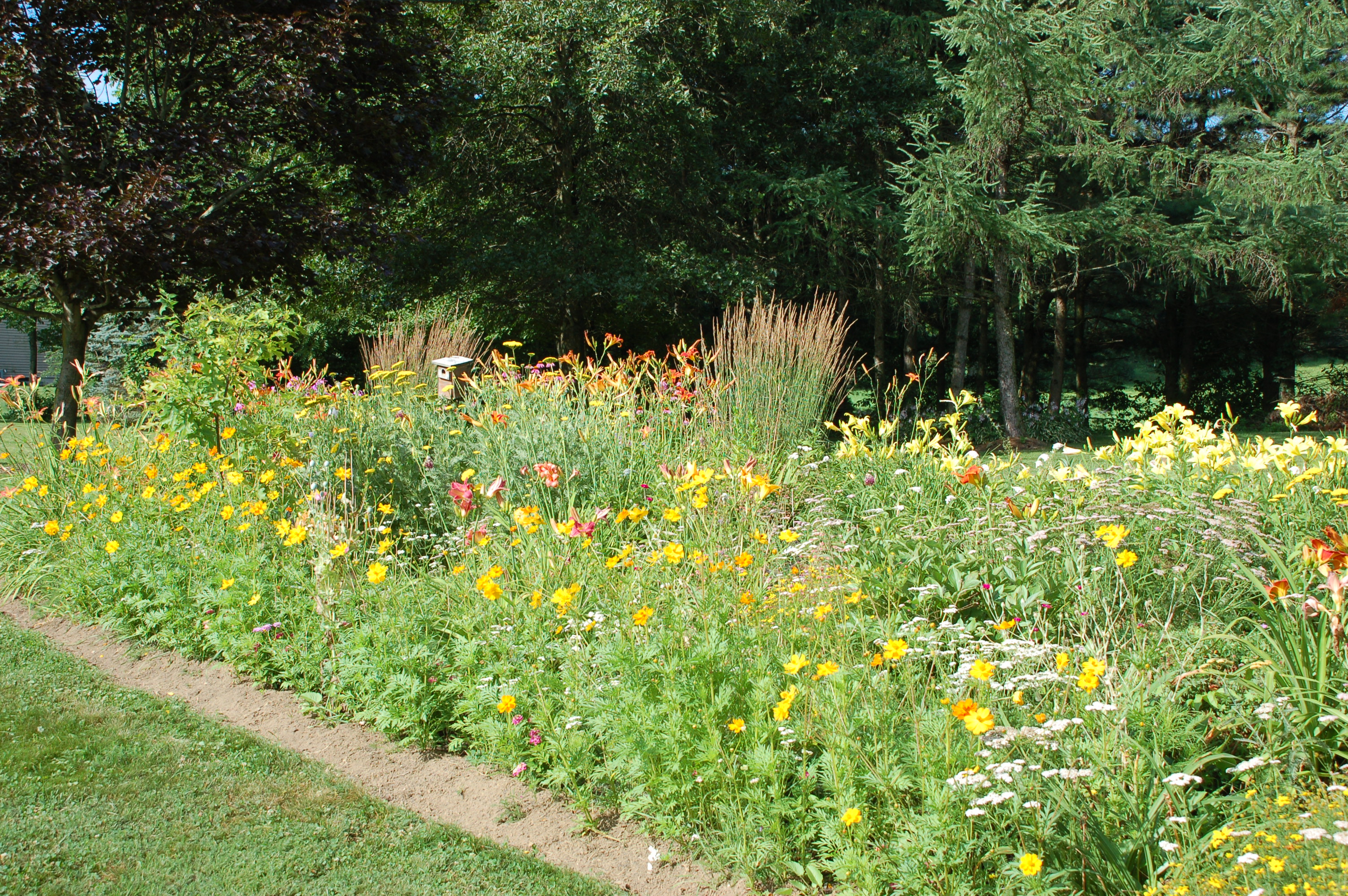
If properly planned and planted, flower gardens can brighten a property throughout the growing season.

Gardens connect us to the soil that yields our sustenance. If we are proactive, they also open our lives to much more than delicious food. Gardening doesn’t get any more satisfying and splendid than gathering two crops from one planting.

Lakeside flower garden by Bruce Stambaugh
An award-winning flower garden at Lakeside, Ohio.

The pleasure and perils of driving in Amish country

Red barn white house by Bruce Stambaugh
A typical scene in Ohio's Amish country.

By Bruce Stambaugh

Driving in Amish Country is usually pleasurable and relaxing until the unexpected happens. A couple of recent experiences served as reminders of both the dangers and the benefits of traversing the winding, hilly highways in Holmes County.

A friend of mine, Glenda, and I recently each experienced amazingly similar situations only days apart. We each came away from our separate but comparable incidents feeling bathed in the beauty of humanity’s best behavior.

Glenda was on her way to her office when she came upon a buggy accident only seconds after it had happened. The buggy was crumpled, the horse lay injured in the roadway, and a young Amish woman was seriously hurt.

Glenda said everything happened in a whirl. Someone called 911 while she tended to Katie, the injured buggy passenger. Others came to settle the horse, releasing it from the tangled wreckage, getting it to a safe place and calling a vet.

The ambulance arrived, and transported Katie to the hospital. Glenda continued on the way to her office, wondering how the young girl would be.

Open buggy by Bruce Stambaugh
The Amish enjoy riding in their open buggies on pleasant days.

The following Sunday evening it was my turn. A friend had just arrived at our home for a visit when we heard a muffled crunch, followed by curdling screams of despair. We rushed to the front of our home to watch a horse bolt away, harnesses wildly whipping along the pavement.

A young Amish woman was slumped on the ground in front of a damaged buggy. Blood gushed from her forehead. John, our visitor, was a registered nurse and rushed to the girl’s aid. My wife retrieved towels from the house to help control the girl’s bleeding, and I called 911 on my cell phone.

Neighbors who had also heard the girl’s cries came running from every direction to help. Some brought blankets. Others lit flares to warn approaching traffic of danger on the other side of the hill. John continued to control the bleeding, and reassured the girl, whose name was Ellen.

A wave of bicycles all ridden by young Amish girls glided over the hillcrest. They had been with Ellen at a gathering, and retraced their path when they recognized her runaway horse. They came to see what had happened to their friend.

A few minutes later a pickup rolled up and out jumped Ellen’s parents and siblings. Someone had told them about the accident and they arrived to console their daughter. In addition, a passerby had corralled the horse and taken it to a neighboring farm. All this and the ambulance had yet to arrive.

Fortunately, Ellen was alert and with the bleeding stopped, she became more coherent and said the horse simply spooked. Unlike the accident Glenda happened upon, no other vehicle was involved.

Once the rescue squad arrived, treated and transported Ellen, the scene quieted dramatically. Our neighbors offered a flat trailer to haul away the damaged buggy. It was loaded and transported home. In a few minutes, the pickup returned the borrowed trailer.

The scene soon cleared after that, and we returned to visiting with John as if nothing had happened. Yet much had.

In both trauma situations, good citizens arrived to do what they could. What could have been very tragic instead turned humanitarian spontaneously.

As these two examples reveal, the beauty of driving in Amish Country isn’t always found in the scenery. The compassion of its citizens can outshine any pastoral vista.

A window with an ever-changing view

Ohio sunrise by Bruce Stambaugh
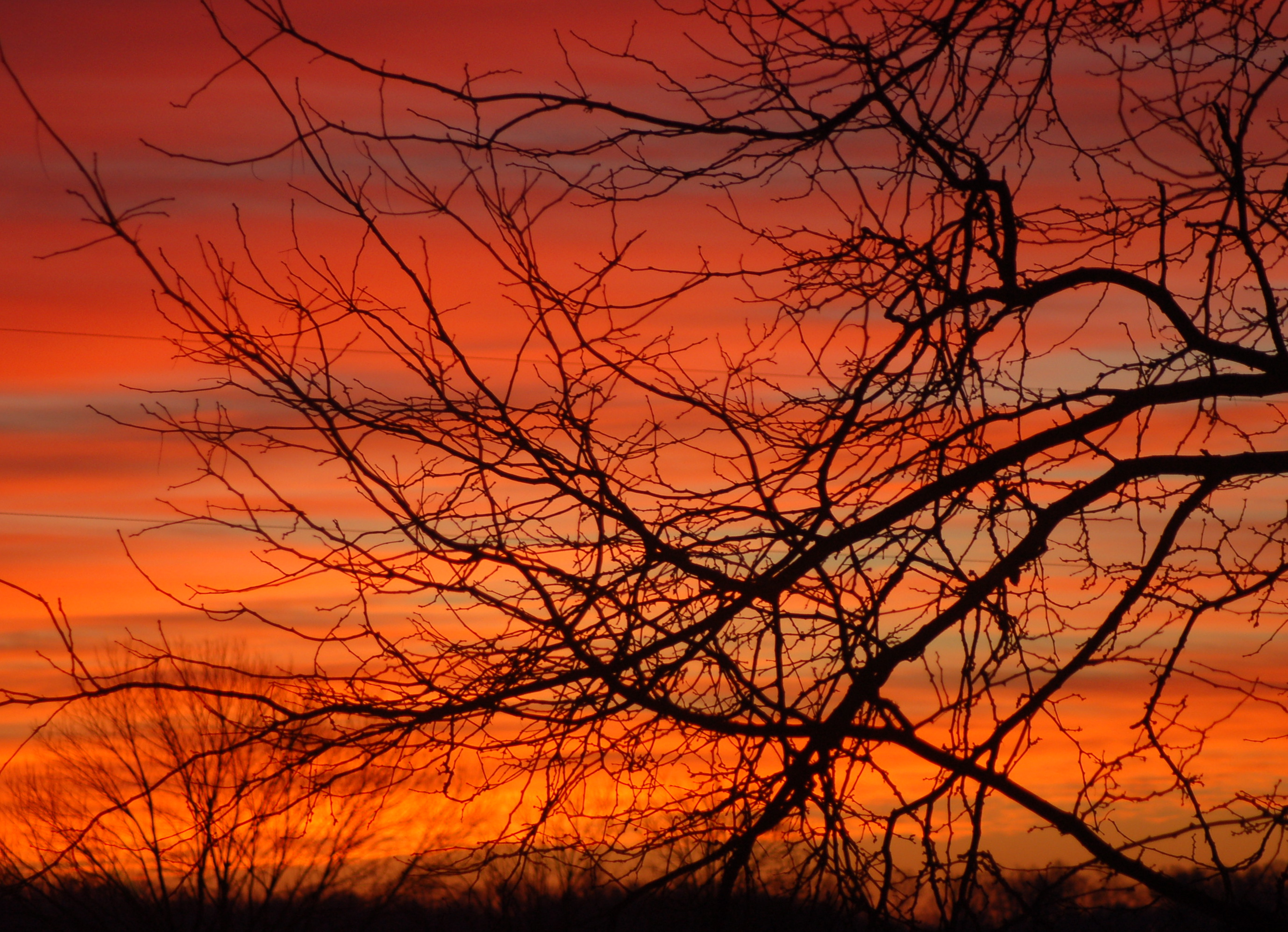
One of the many spectacular sunrises I've seen through my office window.

By Bruce Stambaugh

I’m glad I have a window with a view in my home office. That view is forever changing, sometimes subtly, sometimes dramatically.

When our daughter flew the coop 13 years ago to marry the love of her life, her mother and I converted her bedroom into our home office. The room was just the right size to meet our workplace needs. The cheery double window to the outside world was an added bonus.

My work area occupies the space right beside the window on the east side of our east-facing home. My wife’s computer desk is to my right. The window affords me some periodic and necessary breaks from the long-term sitting I do at the computer.

I’ve seen a lot over all the years peeking out that office window. Keep in mind our house is built on an Amish farm on a very busy county road that cuts through the heart of the world’s largest Amish population.

Horse and buggy on CR 201 by Bruce Stambaugh
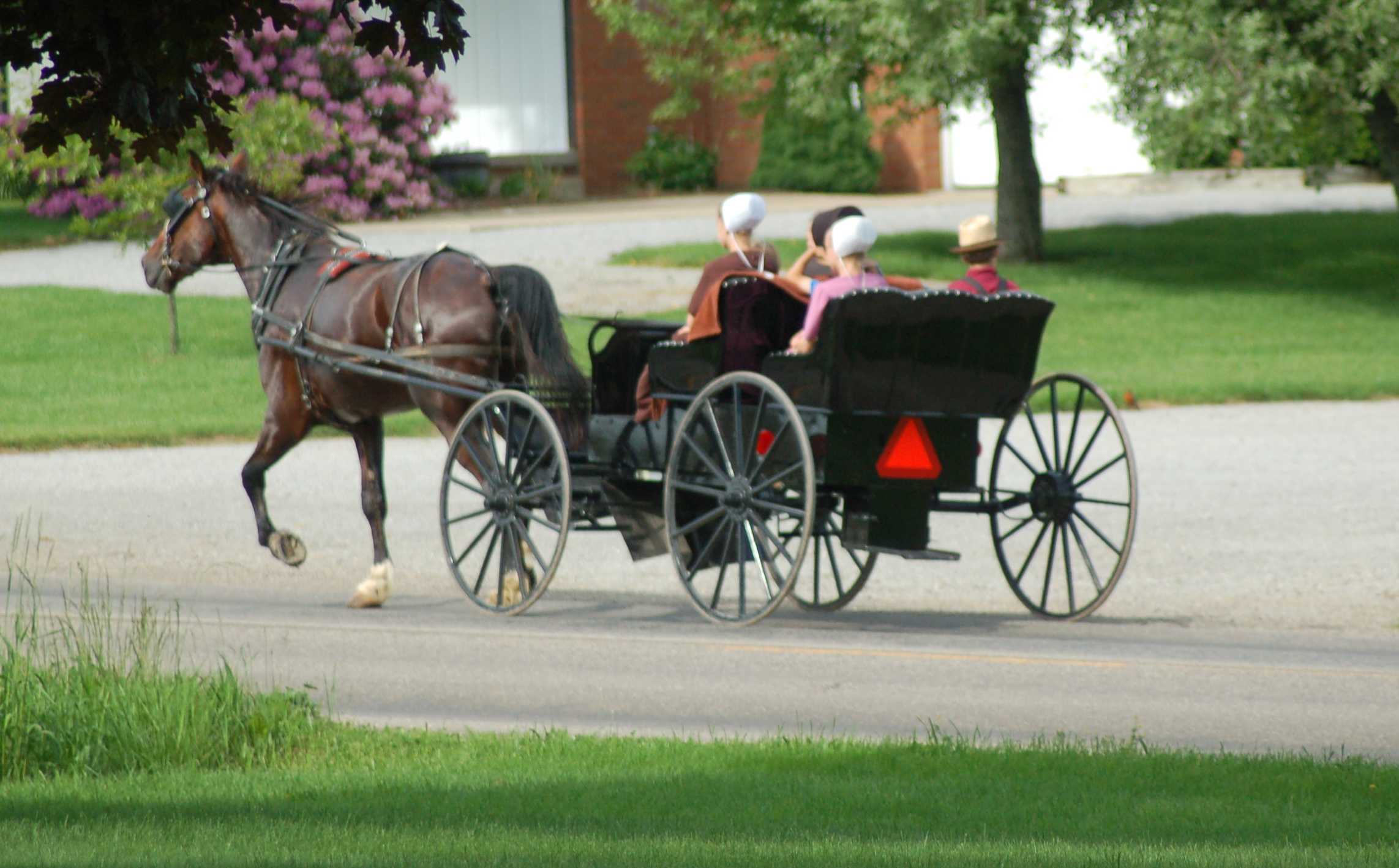
Horse and buggy traffic is common along Holmes County Road 201.

The surface of County Road 201 routinely carries an amazing array of cargo. If I were to create a catalog of the movements north and south along the road, I would have a pretty thick document.

The booklet’s index would include several categories. A random representation of the locomotion I’ve witnessed would include canoes atop buggies, bicyclists, strings of antique cars, wagon trains, tractor-trailer parades, tractors pulling wagon loads of people sitting on lawn chairs, speeding motorcycles and dedicated joggers.

Of course, not everything I have seen has buzzed by on the highway. We rejoice when we see our neighbors readying their equipment to head out for their work away from home jobs. Given the economy, that surely is a happy sight.

Hoar frost by Bruce Stambaugh
Hoar frost stuck to twigs on a dogwood bush.

Some of the prettier things we’ve observed through the window include incredible sunrises, spiny hoar frost stuck to everything it touched, and triple rainbows. I have watched as golf ball sized hail covered the ground. Blinding snow squalls prevented me from seeing the roadside mailbox.

I have seen some rather ugly images out that window, too. Auto accidents and insensitive people pitching litter from passing vehicles make that unpleasant list.

My favorite observations, however, are the animals I see. And just like the highway bill of lading, I have watched a variety of wildlife engaged in assorted activities in every season. Eastern Bluebirds have perched atop the lamppost positioned along the front sidewalk. Deer scurried for cover by taking a shortcut through the front yard.

Cooper's Hawk by Bruce Stambaugh
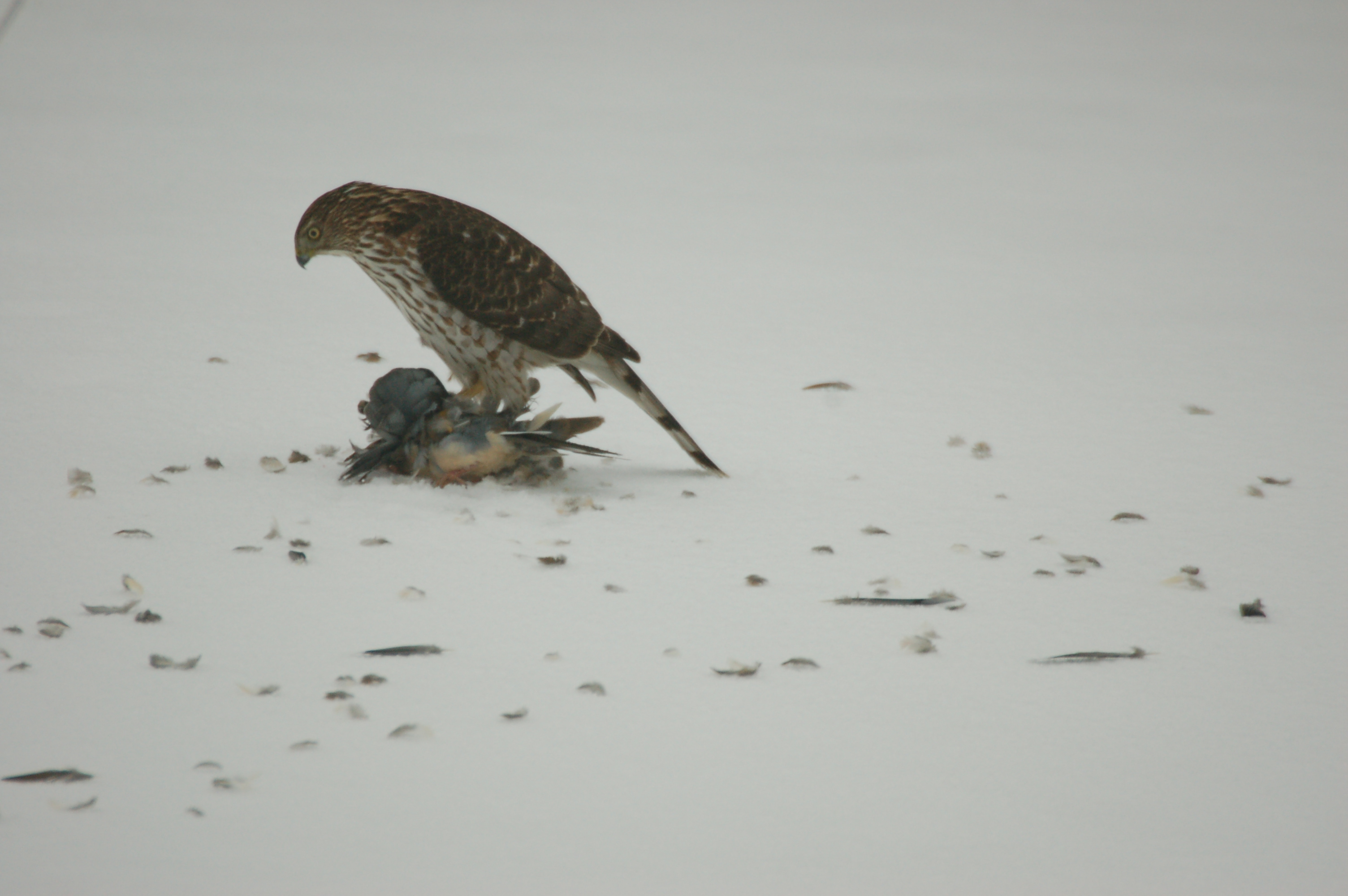
A Cooper's Hawk pinned its catch, a Mourning Dove, to the snowy ground.

After one of last winter’s heavy snows, I spied a Cooper’s Hawk pinning its Mourning Dove breakfast to the ground, feathers scattered in a broad oval around the crime scene. I shot lots of pictures through the window for evidence just in case the assault ever got called into court.

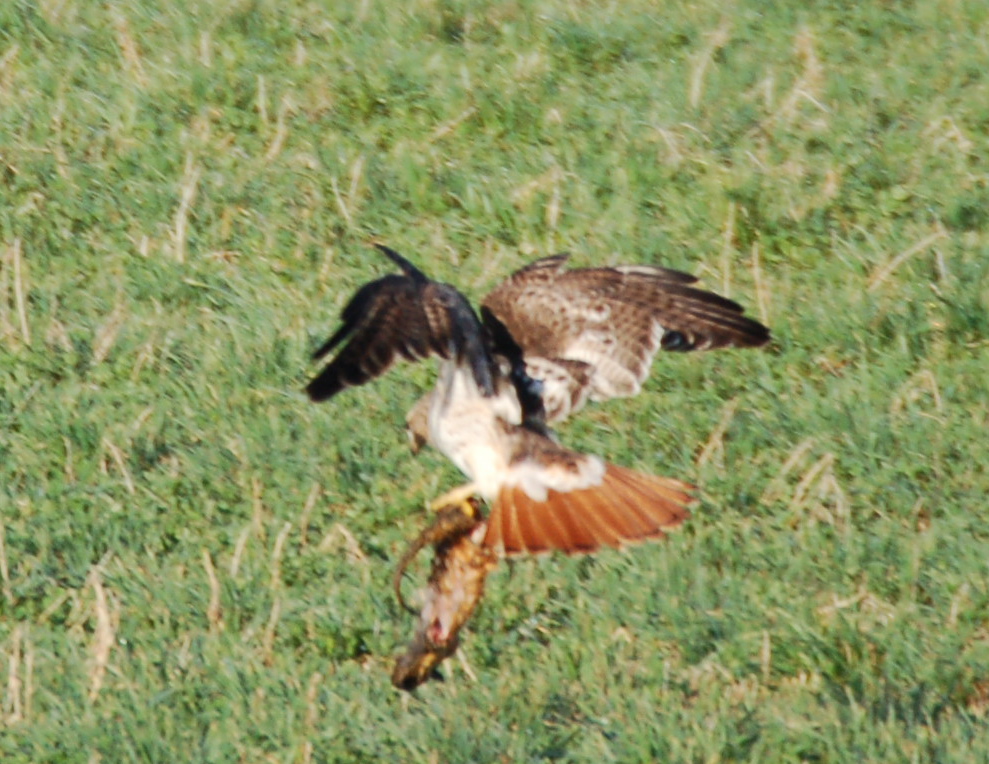
Recently, a curious flash drew my attention away from the computer, through the window to the greening yard. A Red-tailed Hawk had swooped down to claim a fox squirrel that had been run over on the road earlier that day.

Hawk and squirrel by Bruce Stambaugh
The dead fox squirrel was simply too heavy for the Red-tailed Hawk to lift for any distance.

As the hawk tried to roost in one of our Norway maple trees, it dropped the flattened rodent. Try as it might, the hawk could not fly away with its fortunate find.

Finally, the frustrated hawk left still hungry. I took pity on the poor dead squirrel, went outside and placed the mutilated carcass at the base of the tree trunk.

The next morning I discovered the squirrel was gone. Though curious as to what had happened to it, I was really thankful that was one incident I didn’t have to view out my window.

Bluebird on ice by Bruce Stambaugh
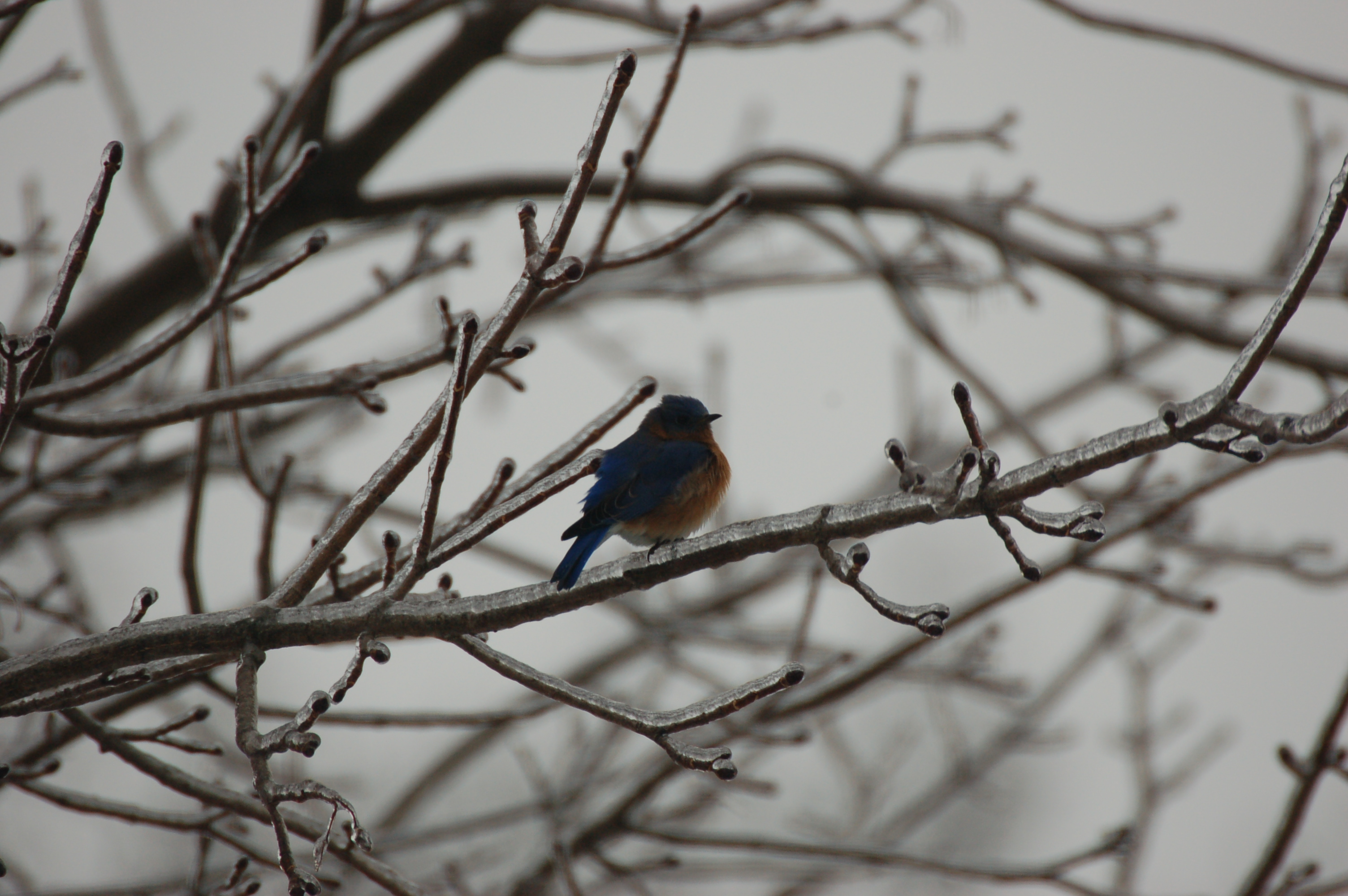
A male Eastern Bluebird perched on an ice-covered limb outside my office window.

Anticipating spring from on high

buggyandsnowbybrucestambaugh
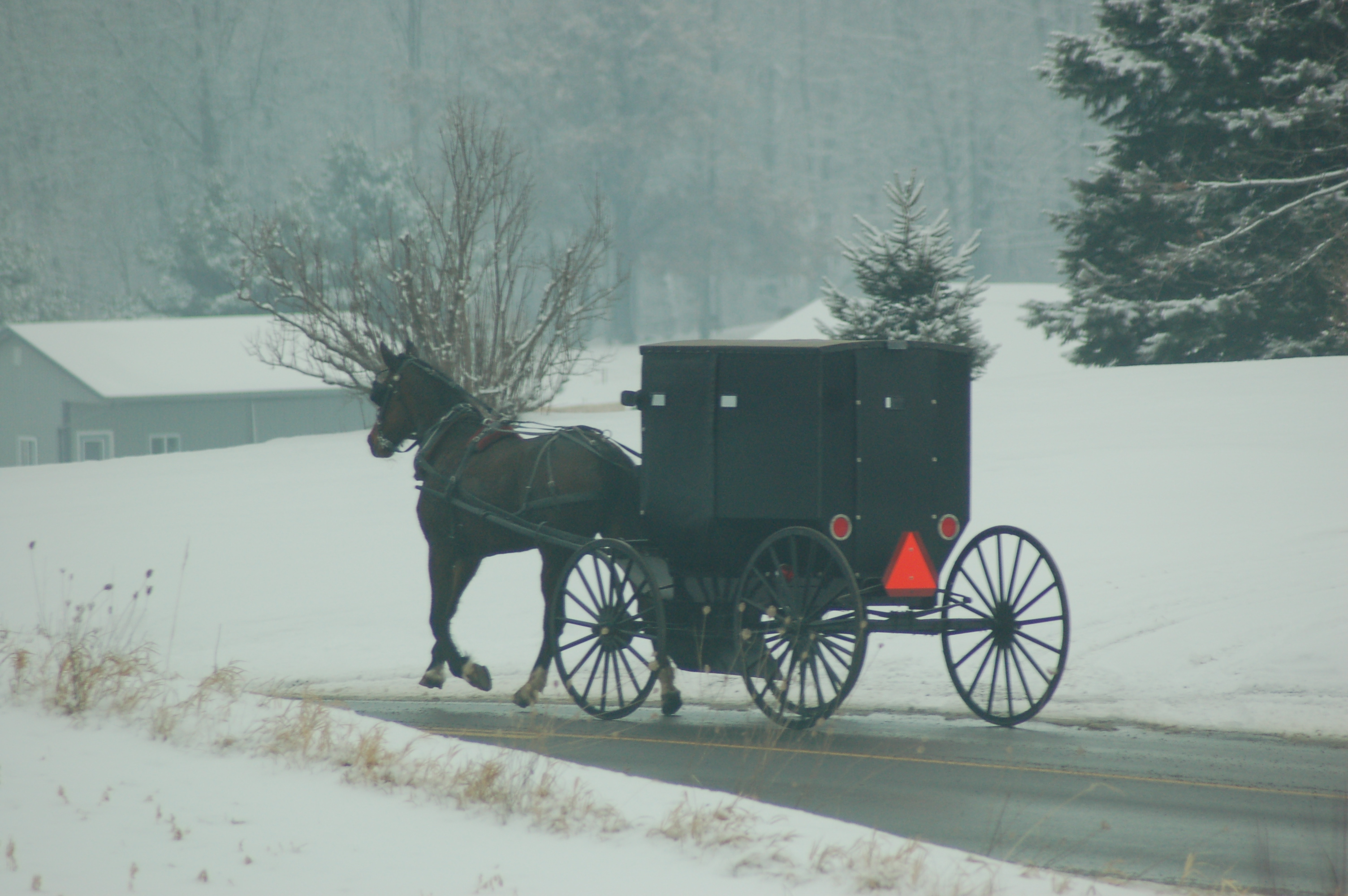
Horse and buggies braved the weather no matter what it was.

By Bruce Stambaugh

I don’t know about you, but I am more than ready for spring. It’s been a long, long winter.

True, this year residents of Ohio’s Amish Country avoided the huge snowstorms of last winter, and overall we didn’t compile as much snowfall as last year. Instead, ice, as in freezing rain ice, predominated the snows. The nasty combination made the lesser snow amounts just as slippery and difficult to maneuver in as the previous year’s foot-deep accumulations.

Ice sparkles by Bruce Stambaugh
Ice sparkled in the morning sun.

Last fall, my wife and I made a major decision that we thought prudent. We had our home’s original windows and spouting replaced. Since the house was built in the mid-70s, both were overdue to be changed.

After all, building materials had greatly improved in the last three decades. Windows were manufactured to be tighter and more energy efficient. Spouting became seamless long ago. It was time we caught up.

With our rural property full of trees, and a dense deciduous thicket not far to the south and west, leaves and pine needles tended to clog our gutters and downspouts year-round. It’s amazing how much debris gets blown around long after the trees have dropped their foliage.

If a storm was forecast during any season, I would trudge to the garden shed, take down the eight-foot wooden ladder, grab the stepladder, and head to the roof to clean the gutters and downspouts. I used the bigger ladder to access the garage roof, and leaned the stepladder next to the stubby brick chimney to climb onto the house roof.

I really didn’t mind this labor-intensive exercise. Heights never bothered me either. I enjoyed my periodic roof excursions. The views were great. I could see the neighbor’s faded white barn a mile to the east. Belgian workhorses and chestnut buggy horses intermingled in the pasture with the Holsteins.

The north afforded the best scenery, a panoramic landscape of hills and valleys miles away. I peered over roof’s edge at the back of the house to spy on the school of goldfish swimming carefree in the little garden pond.

As I aged over the 31 years in this home however, I realized my balance wasn’t what it used to be. With safety in mind, I decided to quit the climbing and go for the new gutters with leaf guards.

The guards installed were u-shaped channels with tiny perforations that would allow the water to enter but nothing else, not even the thin, burnt orange pine needles. I was more than contented with this overdue addition until winter’s initial ice storm.

Icecycles by Bruce Stambaugh
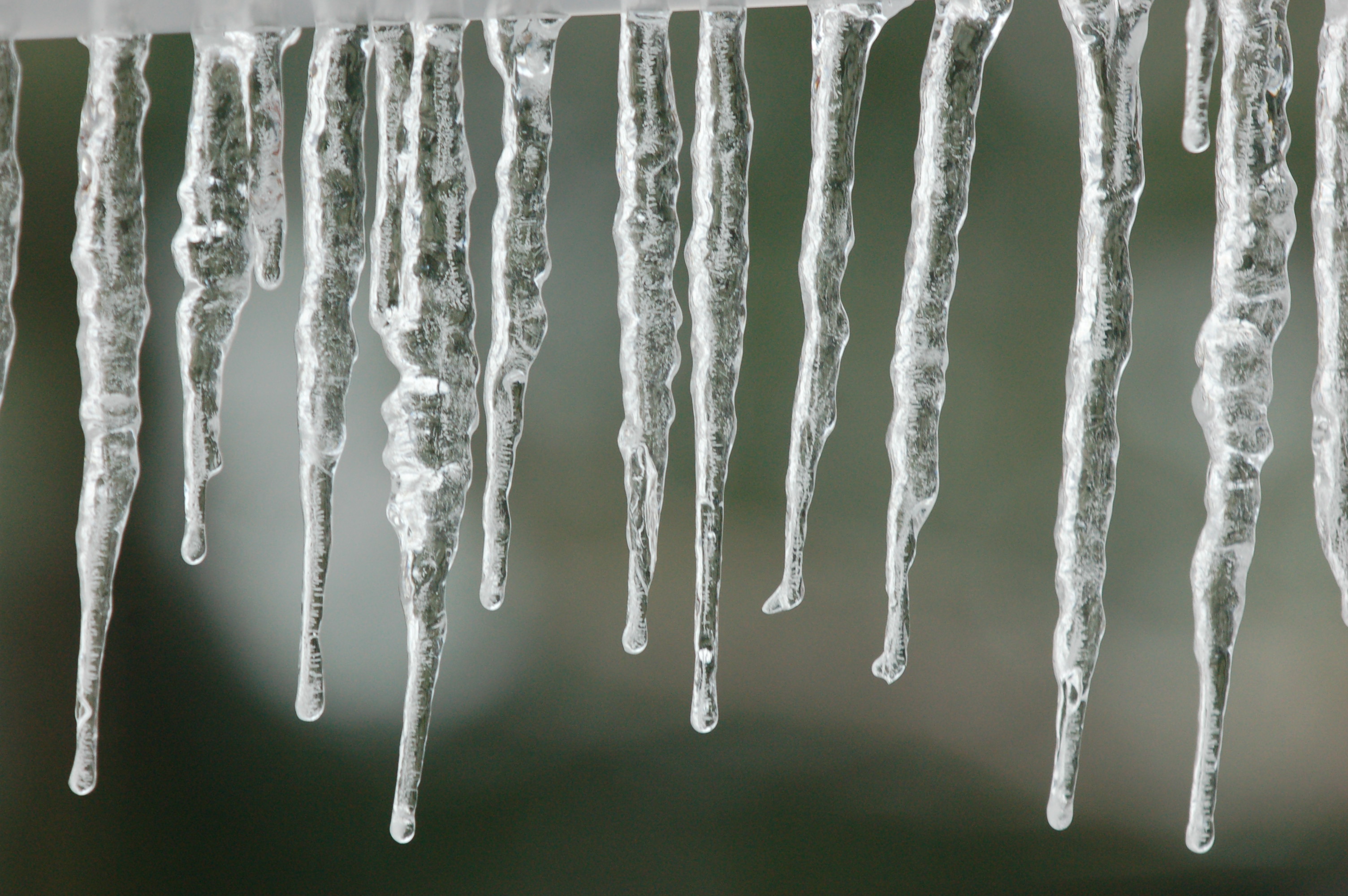
Ice cycles hanging from the spouting were the first signs of potential problems.

The first glaze of ice sealed the pinholes of the gutter guards. With the freeze and thaw, freeze and thaw cycles of the storms, thick layers of ice easily accumulated on the new gutters. Ice cycles dangled the full length of the gutters on the front and back of the house.

When I realized what was happening, out came the ladders again, and back up on the treacherous roof I went. Given the series of storms with their mixed bag of precipitation that we experienced, I kept handy the rubber mallet and metal scraper needed to break loose the stubborn ice.

Icy gutters by Bruce Stambaugh
Ice clogged the gutters more than once this winter.

If for no other reason than saving my own neck, I for one will be glad when the vernal equinox says goodbye to winter and hello to spring. Just to be safe, I probably won’t put the deicing tools away until June. It is Ohio after all.

A big day filled with colorful people and events

Sunrise on 201 by Bruce Stambaugh
Sunrise on CR 201.

By Bruce Stambaugh

Avid birders love to do Big Days. Big Days are when a group of dedicated birders sets a goal of seeing as many bird species as possible in a span of 24 hours.

I had a big day recently, too. My big day was a kaleidoscope of activities, some bright and cheery, others light and muted, and a few dark and fearsome. Knowing that this day’s lively landscape would also be an emotional roller coaster, my faithful wife held my hand all along the adventuresome path.

My shifting pattern of colors didn’t involve any feathers, however. Rather, the palette I experienced involved people and their comparative connectedness to me.

After breakfast, my wife and I headed into Berlin, Ohio considered by default the center of the largest Amish population in the world. I surprised Neva with a brief stop at the local coffee shop for mochas. She got decaf, but I needed some caffeine to get me through the day’s busy agenda.

Slurping our coffee, we headed up the stairs to our financial advisor. He wanted us to make some tweaks in some of our monetary investments. But you can only do so much with a $1.95.

From Ohio’s Amish Country, we were off to my hometown, Canton, to see my urologist for a consultation. The previous week I had had a biopsy for prostate cancer. This meeting alone would have qualified as it’s own big day.

But being the thrifty couple that we are, we packed the day with a purposeful assortment of activities and conversations. My good doctor got right to the point. He spent more than an hour with us, mostly reviewing the several choices for treating my cancer.

While the kindly doctor clearly itemized the wide range of options and their side effects for me, Neva furiously took notes. All the while my head swam. We set a follow-up date for deciding which procedure would be best for me, and we were off to our next encounter.

The timing couldn’t have been better. Neva and I each got a one-hour massage. I could actually feel the tension ooze out of my body, and my mind stopped racing about what I had just heard and anticipating what was to come for me.

I had a brief but important business appointment just down the road. With my mind clearer, the meeting went well.

From there, we delivered some furniture we no longer needed to one of Neva’s cousins, who lived just a few miles away. We made our delivery, visited a little and were off to our next rendezvous, dinner with my older brother and his wife.

The date with Craig and Shirley was well-timed, too. A year and a half earlier, Craig had had prostate surgery similar to what my doctor recommended for me. Over absolutely marvelous entrees, we casually discussed my brother’s procedure and other various maladies that seem to be dominating baby boomer lives more and more.

We skipped dessert, and walked a few hundred steps to our son and daughter-in-law’s lovely New York style loft on the square of Wooster, Ohio of all places. Craig and Shirley, whose youngest daughter lives in New York City, were mightily impressed with the stylish apartment and its accompanying minimalist furnishings.

On the 20-minute drive home, the color wheel of events of my big day flashed before me. So did the fear and uncertainty of what lies ahead. But given the loving and colorful characters who surround me, I know all will be well no matter what.

Foggy sunrise by Bruce Stambaugh
Life can be a little tangled and foggy sometimes, but the sun still shines.

Making whoopee over Whoopie pies

Whoopie pies by Bruce Stambaugh
Whoopie pies are actually two cookies stuck together with some kind of filling or icing. These have marshmellow cream, and were not purchased in Maine.

By Bruce Stambaugh

For two consecutive nights, I sat with hundreds of others in a College of Wooster, Wooster, Ohio performance hall and listened to real experts share about urgent current events in the world.

The first evening, the speaker was an Iranian journalist who told his story of being arrested and tortured in Iran for reporting newsworthy events. The country’s autocratic leadership didn’t take kindly to him telling the world what was happening.

The next evening, two career diplomats from Egypt took the same stage and mesmerized an even larger crowd with Egyptian political history and their observations on the unfolding events in their home country. They were ecstatic that the mostly peaceful revolution had succeeded, and were nearly giddy about the country’s potential to finally embrace democracy.

All the while in our democratic nation’s capital, Congress raucously debated the necessity and wisdom of spending federal dollars on programs to feed and educate children. This version of democracy in action numbed me.

Amid all this critical confusion, a ludicrous verbal war had broken out between two states. Maine and Pennsylvania were at loggerheads over the origin of the Whoopie pie, of all things.

If you are not familiar with this delectable snack, Whoopie pies look like two cookies held together on their bottom sides with white frosting. They look that way because that’s what they are.

Things got serious between Maine and Pennsylvania.

When a Maine legislator introduced legislation to make the delicious treat the state dessert, the keystone state took it personally. Pennsylvania’s tourism bureau set up an online petition for people to sign. It was titled “Save Our Whoopie” as if Maine was going to round them all up for themselves.

The original Whoopie pies were chocolate, and most still are. But other flavors and colors have found their way into recipes, like pumpkin, red velvet, and carrot. I even saw some pink ones in honor of Valentine’s Day. The filling is generally sugary vanilla icing, although alternatives could be whipped cream, ice cream and marshmallow cream, which is Maine’s claim to fame. In some areas, they are known as Chocolate Gobs.

Most Whoopie pies are the size of hamburger buns. Others are more bite sized.

Things got so testy about where and how the first Whoopie pie was made that major metropolitan newspapers picked up on the story. It probably was a nice diversion from all the nasty news they had to report.

The tone of the rhetoric between Maine and Pennsylvania nearly matched that of the sound bite D. C. politicians. This was more than just a publicity stunt. Why couldn’t both states have the same dessert as their state’s favorite? After all, seven states claim the Cardinal as their state bird, and I have not seen any feathers fly over those duplicate designations.

In all the Whoopie pie war reporting, never once did I either hear or see anything about how popular Whoopie pies were here in the world’s largest Amish population. Here, the delectable treats show up regularly at family gatherings, reunions, at picnics and in school lunch boxes.

I thought it admirable that our own plain people paid little heed to this confectionery war. They had better, more productive things to do.

As for Egypt, Iran, Congress and all the others, we’ll have to hope for the best. While Maine and Pennsylvania make whoopee over their Whoopie pies, I think I’ll just enjoy mine.

Bay Photos by Donna

Wildlife photos from the Chesapeake Bay region

ROAD TO NARA

Culture and Communities at the Heart Of India

K Hertzler Art

Artist and nature journalist in the Shenandoah Valley of Virginia.

Maria Vincent Robinson

Photographer Of Life and moments

Gabriele Romano

Personal Blog

Jennifer Murch

Art is the only way to run away without leaving home. -Twyla Tharp

Roadkill Crossing

Writing generated from the rural life

ANJOLI ROY

writer. teacher. podcast cohost.

Casa Alterna

El amor cruza fronteras / Love crosses borders