
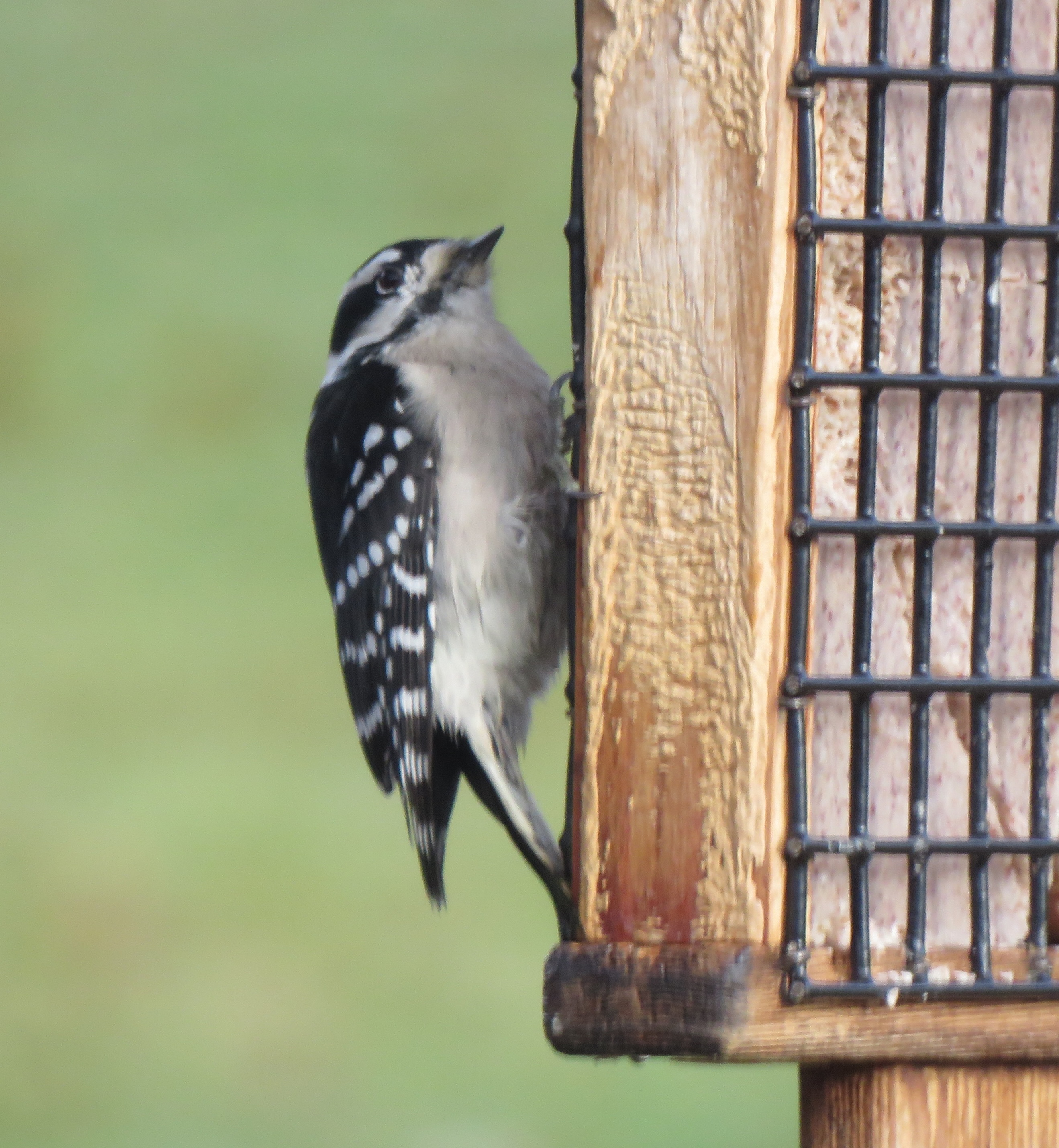
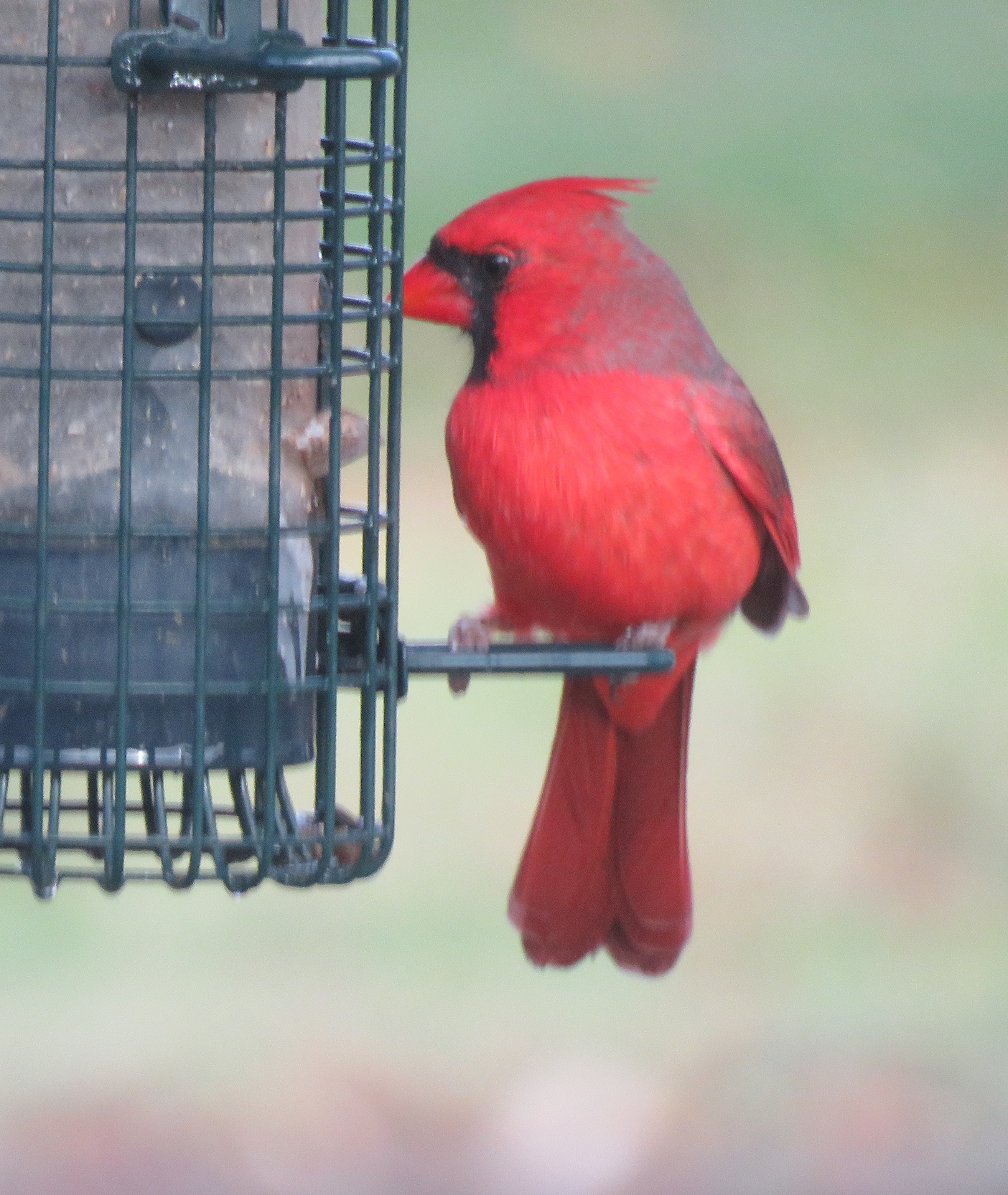
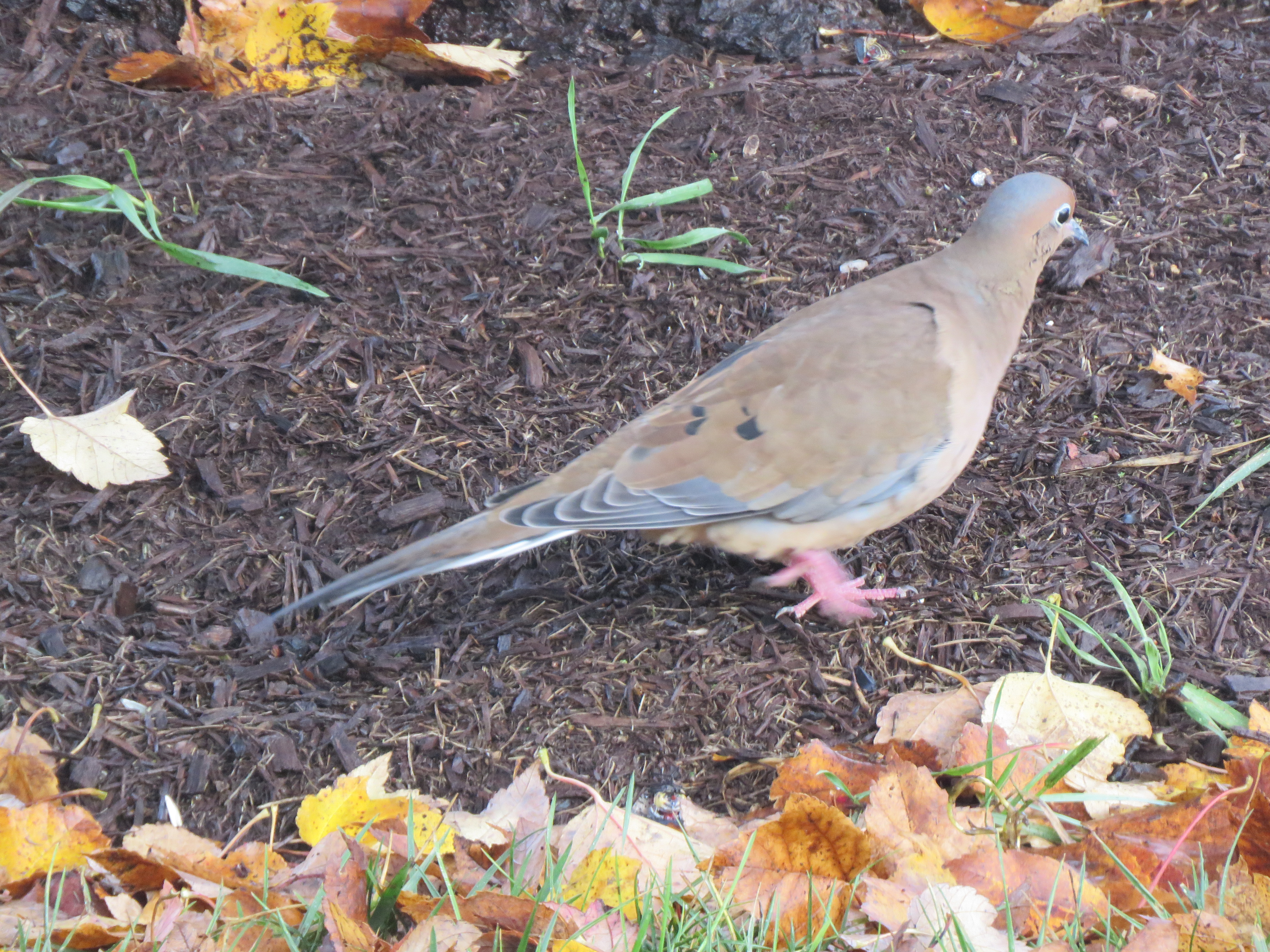
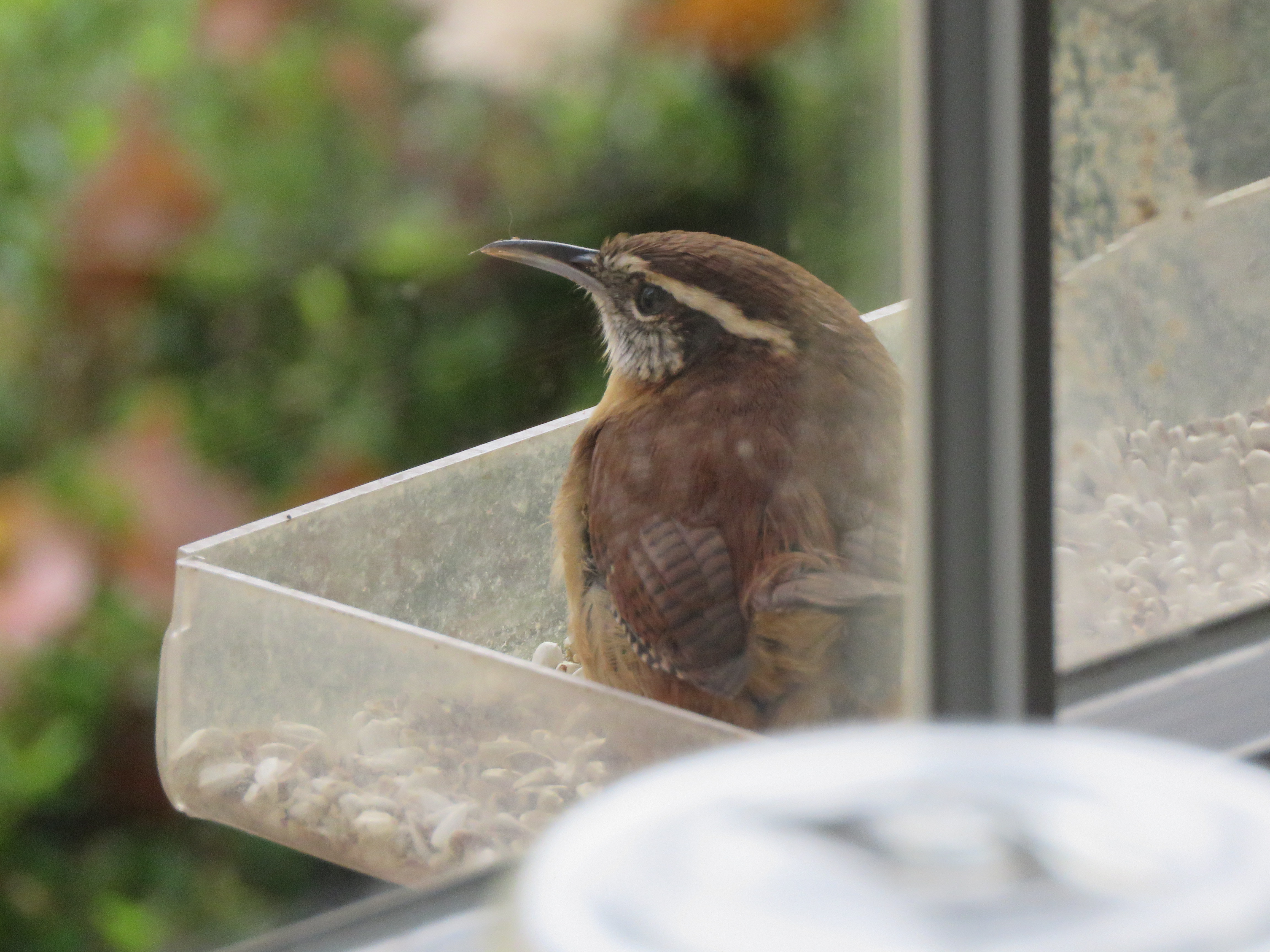
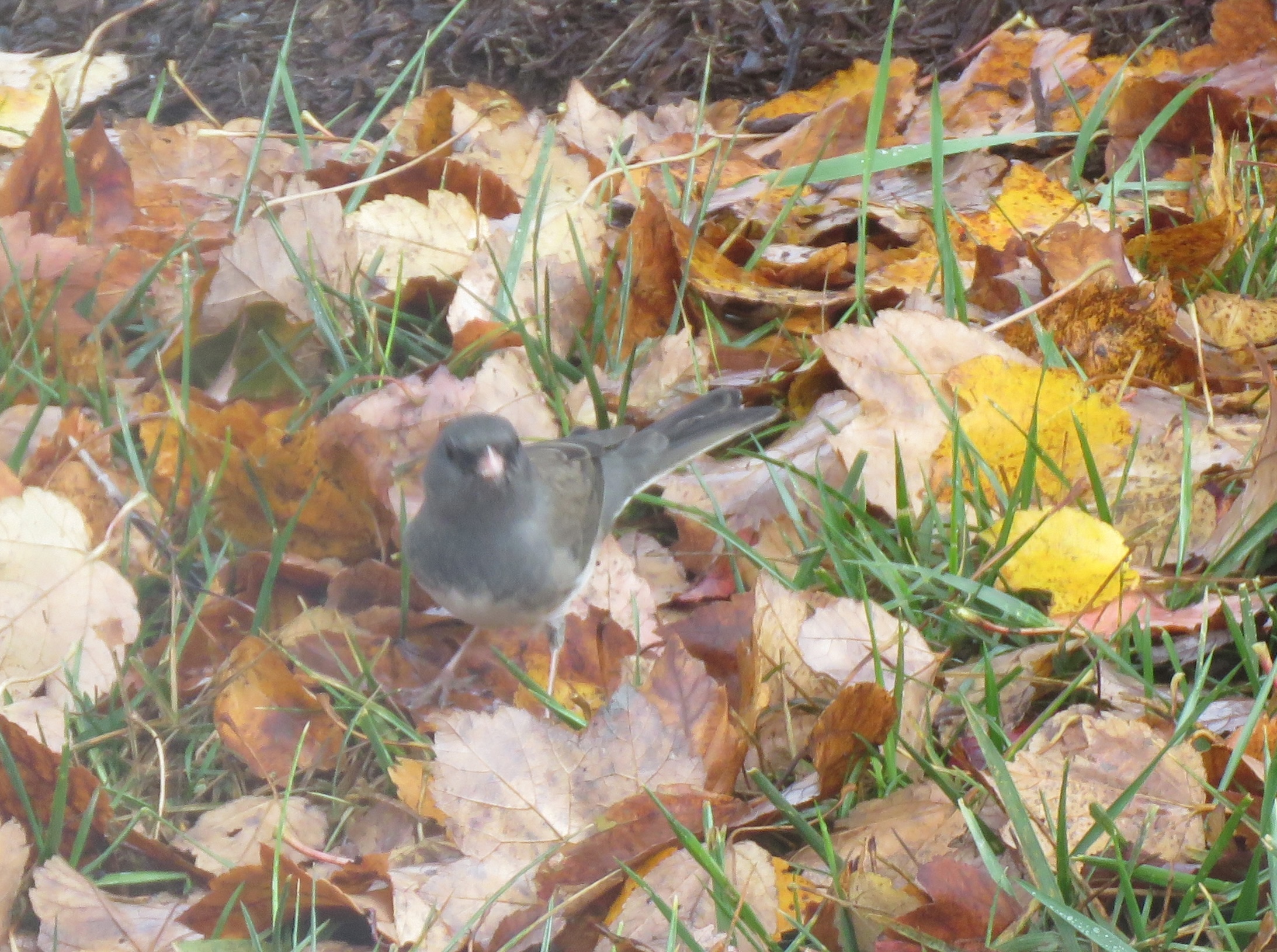
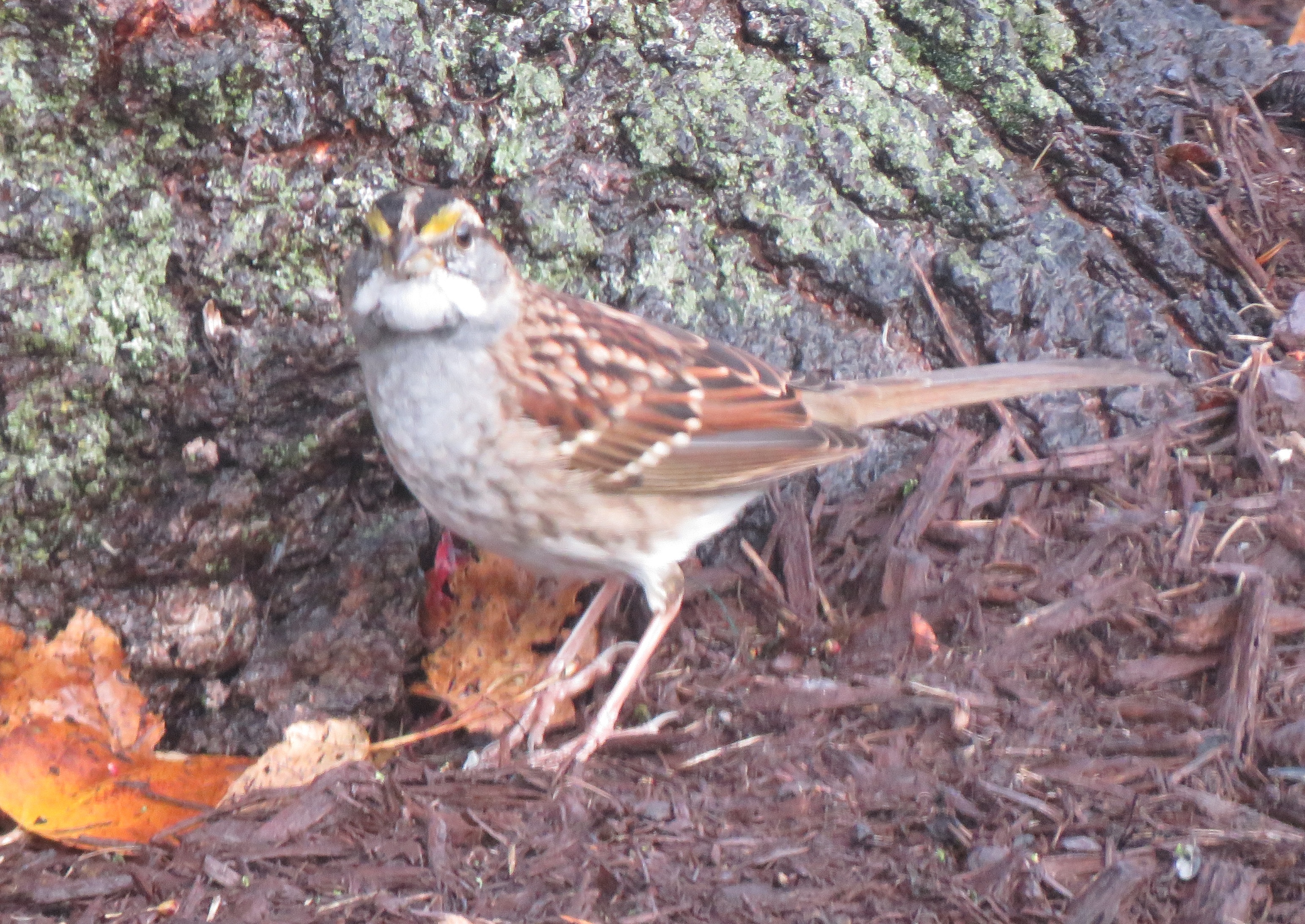
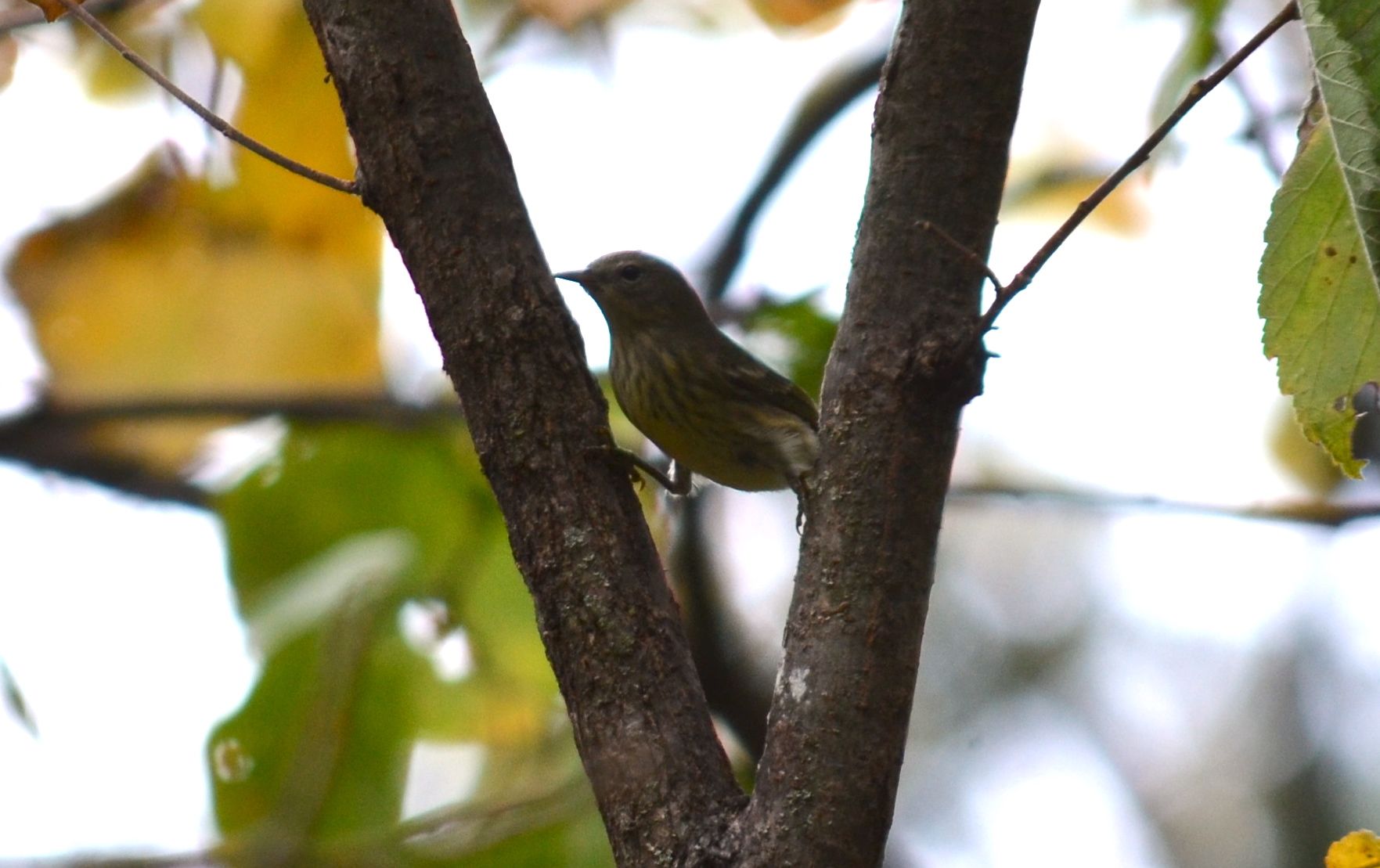
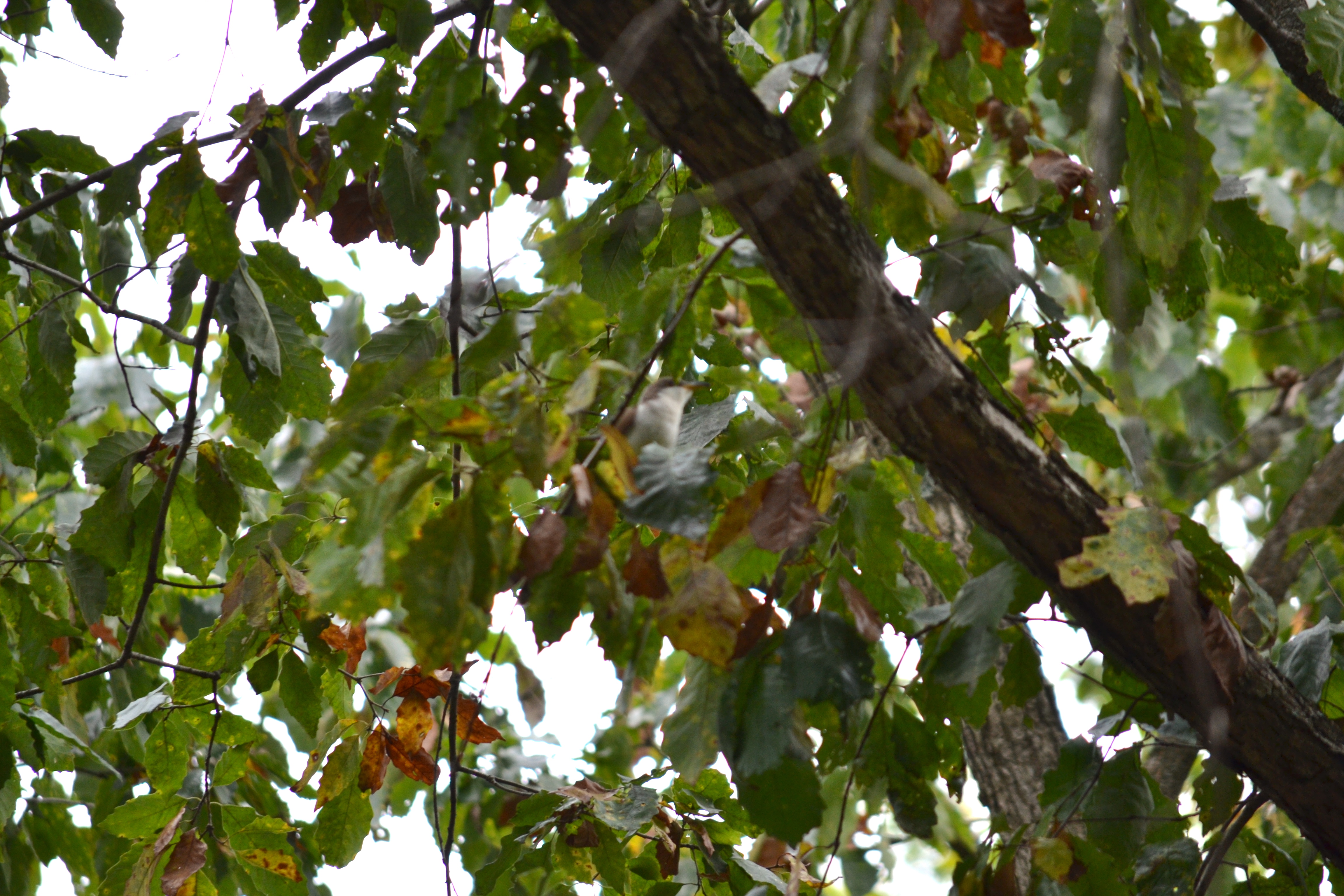
I have had only a few opportunities to go birding this autumn. Here are a few of the birds I’ve seen so far as the fall migration nears its end.
Click on the photos to enlarge and ID them.





© Bruce Stambaugh 2025
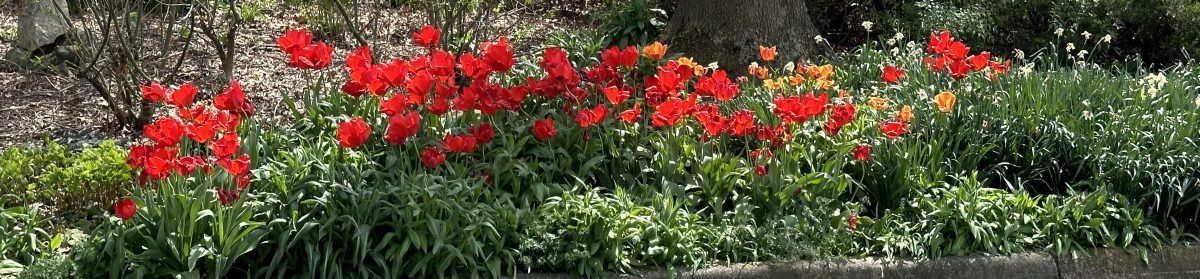
I have had only a few opportunities to go birding this autumn. Here are a few of the birds I’ve seen so far as the fall migration nears its end.
Click on the photos to enlarge and ID them.
© Bruce Stambaugh 2025
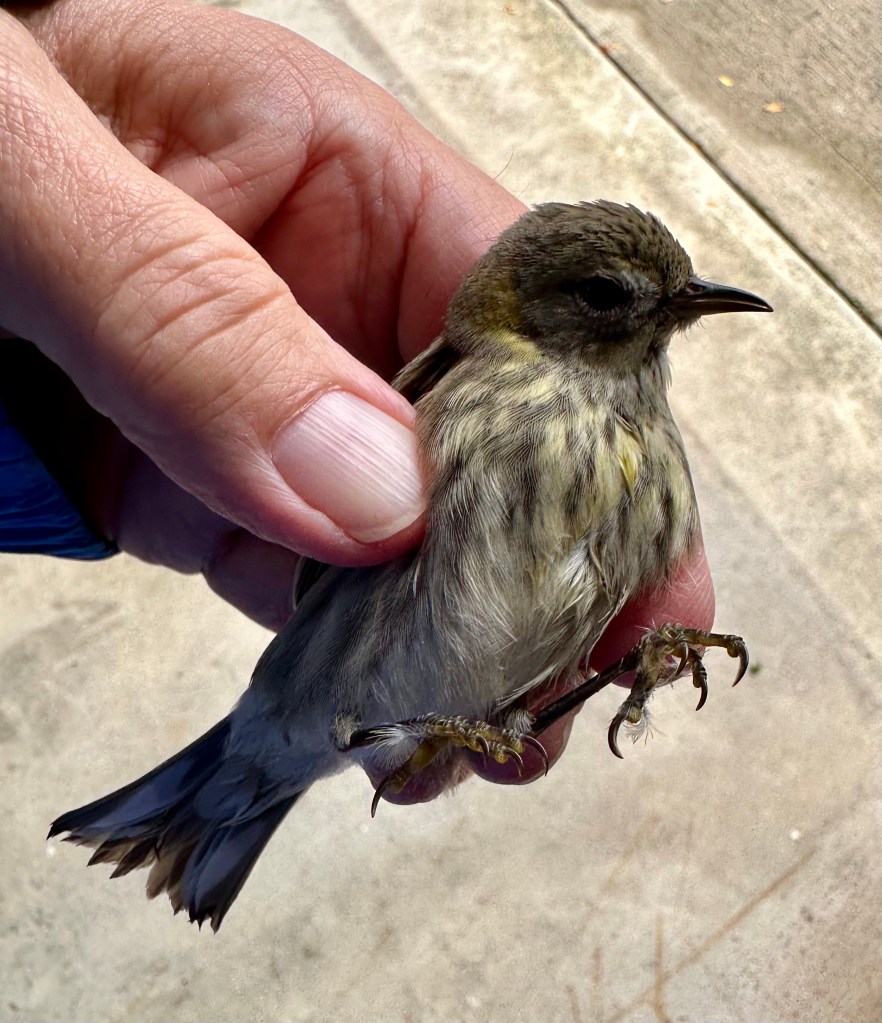
I had lots to do. My first destination was the pharmacy, where I was to pick up a couple of prescriptions. As I started inside, a little bird stopped me.
The bird lay on the sidewalk upside down, twitching. I looked up and saw a large plate glass window. Another bird strike, I thought to myself.
I decided to leave the bird there. If it were still there when I returned after getting my prescriptions, I would see if I could help the poor critter. The other items on my to-do list could wait.
The tiny bird was still in the same spot in the few minutes I was away. It had managed to flop onto its feet but gave every sign of being injured. I bent down and gently picked it up. I thought the stripes on its belly and a faint yellow color indicated a Pine Siskin. I shared a photo of the bird with better birders than me and was happy to learn it was a Cape May Warbler.
This bird’s coloration would be much brighter in springtime, dressed in its mating attire. It was fall migration, and Cape May Warblers, like many other songbirds, turned dull for protection on their way to the Caribbean Islands from their summer nesting grounds in the far north’s spruce forests.
I returned to my vehicle and placed the stunned bird in the only thing I had: a grocery store tote bag. I called the nearest bird rehab center and was instructed to put the bird in a small box with airholes and secure it to keep it in place.
Back home, I found an appropriate box, laid a hand towel in the bottom, and placed another smaller box with slits over it so the bird could breathe. I headed for the rehab center 40 minutes away.
A mile from the rehab center, more rain from the remnants of Hurricane Helene began to fall. This wildlife hospital was in a mountainside woods outside a small city in Virginia’s Shenandoah Valley. I pulled up to the front door, and a volunteer soon arrived. Because I had called, they were waiting for me.
Just like a human hospital, I had forms to fill out. I wrote down my contact information and specific details on where and when I had found the bird. I was handed a card with the patient’s number on it to use should I inquire about the bird’s status. And just like that, I was on my way home.
I emailed the rehab center to correct my misidentification, but I didn’t hear back until two days later when I received a phone call. They thanked me for taking the time to bring them the warbler. The lab tech confirmed that the bird injured itself by hitting the window.
It was having trouble breathing and had internal inflammation. The rehabbers gave it oxygen, water, food, and the proper medication. The bird responded to the expert treatment and was ready for release, and their protocol requested that it be set free close to where it was found.
The caller wanted to know if I would pick up the bird and take it to a park near where I found the warbler. Without hesitation, I again cast aside my plans for the afternoon and gladly drove down to pick up the bird and release it at the park.
Returning with my healed patient, I wondered what my reaction might be. I was glad the bird had recovered, but emotionally, there was more to it than that. As a long-time avid bird watcher, I had found many birds dead from window strikes. I would freeze their bodies until I could take them to a local wilderness education center. The carcasses would be preserved and put on display for schoolchildren to inspect. As a birder and a retired educator, that gave me satisfaction.
But this case was different. I checked both the rescuer and transporter boxes on the form I filled out at the rehab center entrance. I felt joy for the bird and the rehabbers’ successful efforts. As for me, I rejoiced that I had forgone those errands to save the dainty bird.
I wasn’t any avian hero. Still, I was thrilled when I opened the box. After a brief hesitation, the recovered Cape May Warbler beautifully flew into the woods nearby, never to be seen again. I couldn’t stop smiling.

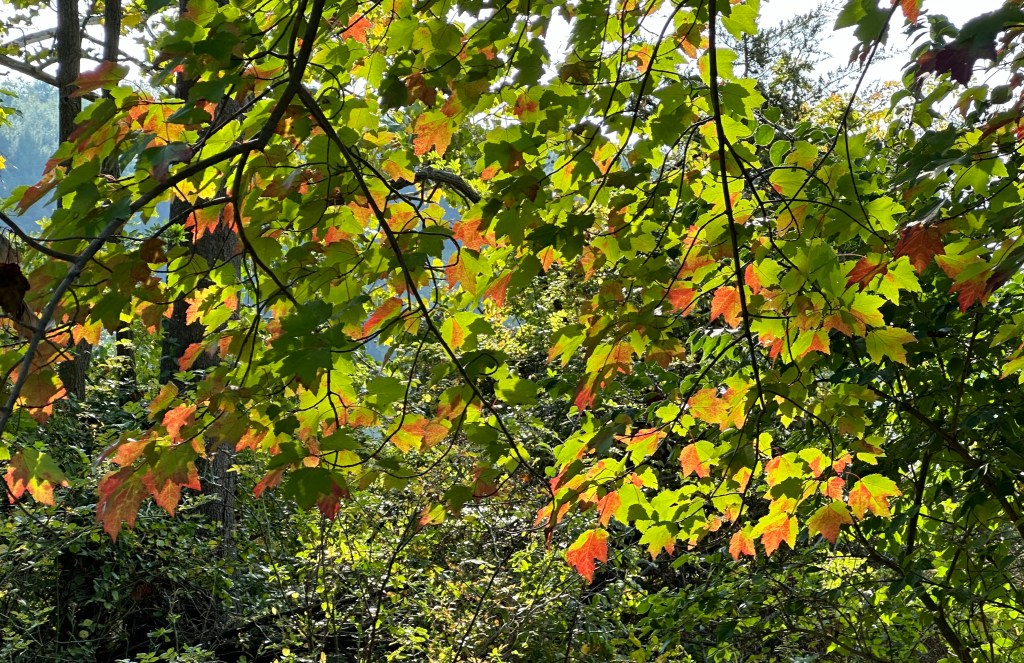
The signs of fall are everywhere in Virginia’s Shenandoah Valley. Whether hiking in a park, walking around the neighborhood, or taking a country drive, hints of autumn’s imminent arrival catch people’s attention.
Impatient warm colors tint the once vibrant green of sugar maple leaves. Other maples blush reds on one branch and greens on the rest of the canopy. Scan hillside woodlots, and it’s clear autumn’s rapid approach has infringed on the once variety of hues of greens.
Some of the dulling and browning result from the severe summer drought. Rain has been sparse. Large and small trees continue to be stressed, some to the point of no return.
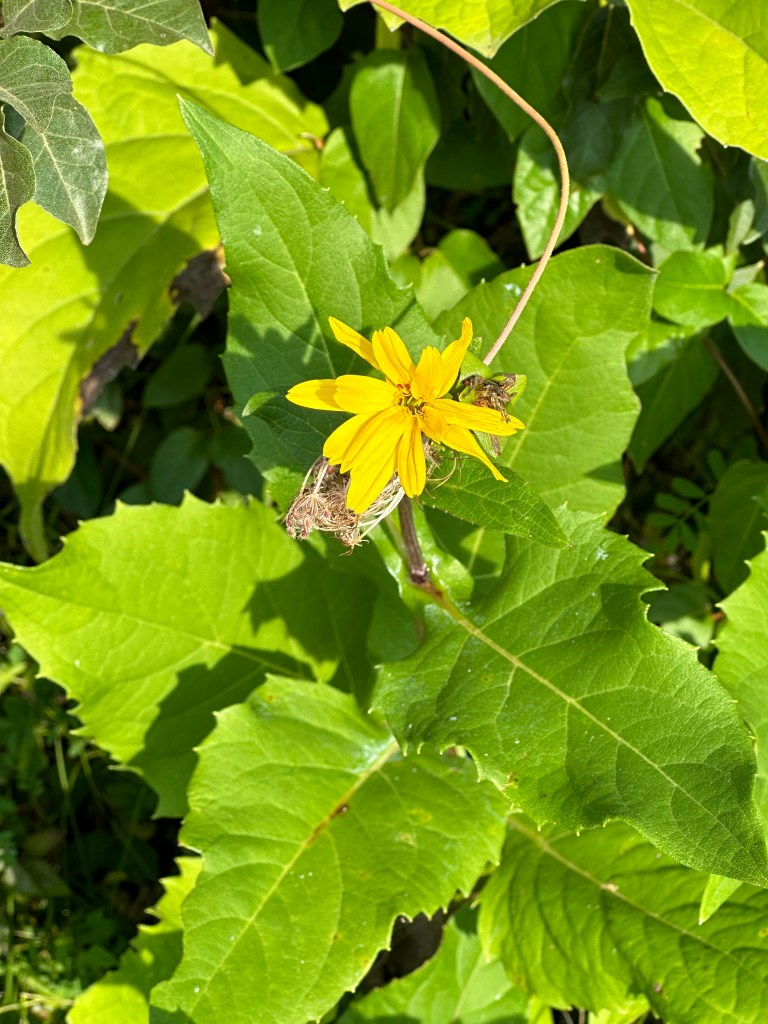
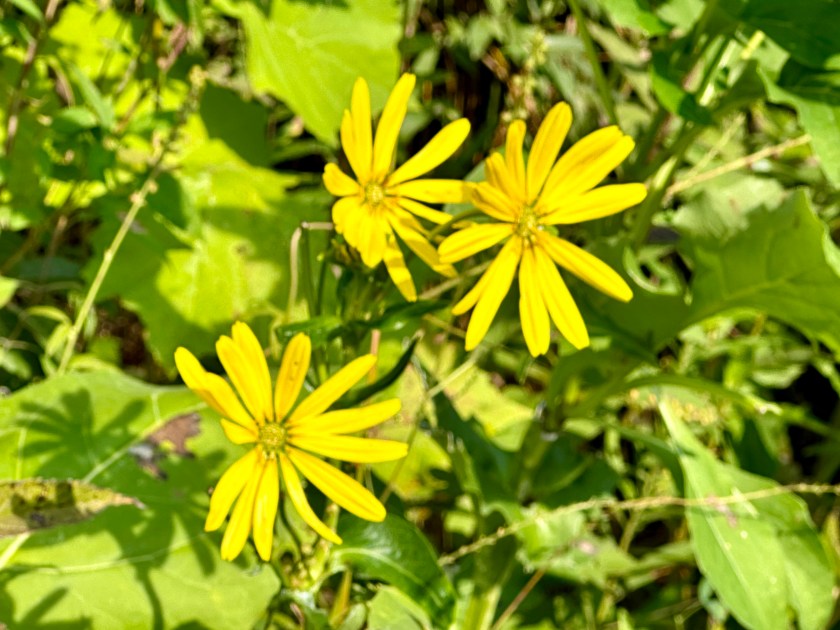
The wildflowers seem bedraggled, save for multiple stands of goldenrods waving in the wind. Still, blossoms persist despite the dryness and display their showy blooms.
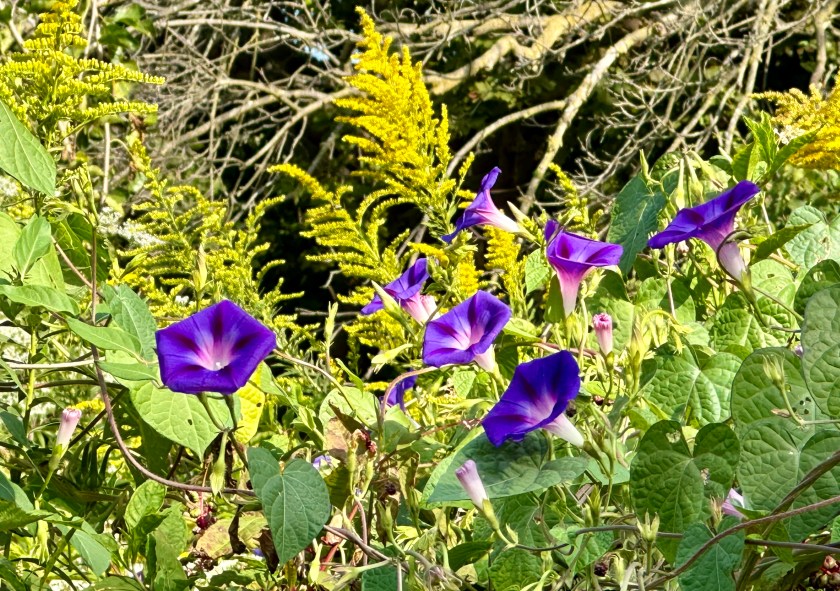
The deep purple of wild morning glories contrasts beautifully with the ubiquitous goldenrod blooms. Different species of wildflowers display various versions of yellow only feet apart.
Sunsets come too soon. Even on cloudless days, the western horizon glows golden. Unfortunately, particles from wildfires hundreds of miles away, carried by the jetstreams, subdue the grateful human emotions.
The heat and dryness, not the season’s first frost, have stunted too many stands of cornstalks and singed their long, drooping leaves. Going consecutive weeks with little to no precipitation has that effect.

Insects also make their annual fall appearances. Caterpillars gorge on their host plants to prepare for the next phase of the metamorphosis. Praying mantis look for any opportunity to dine among the garden foliage.
The heavy dews of cool mornings reveal the stealthy spider webs with their glistening moisture. As the dew evaporates from the warming air, butterflies search for nector, powering up for their southern journies.
Scores of warbler species dressed in duller, non-breeding colors migrate to their southern haunts. Other species, including singers and shorebirds, also flee for more moderate climes.


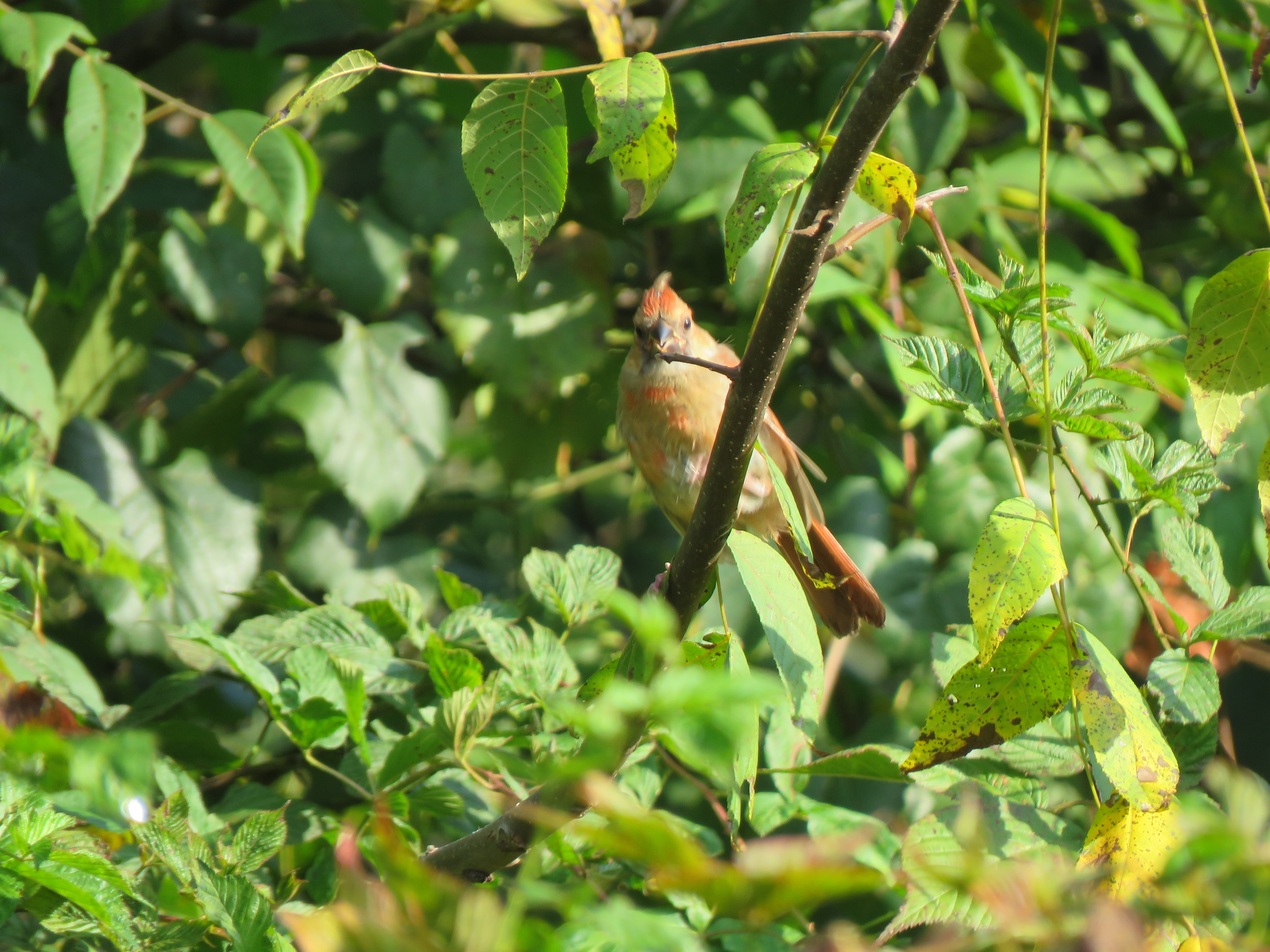


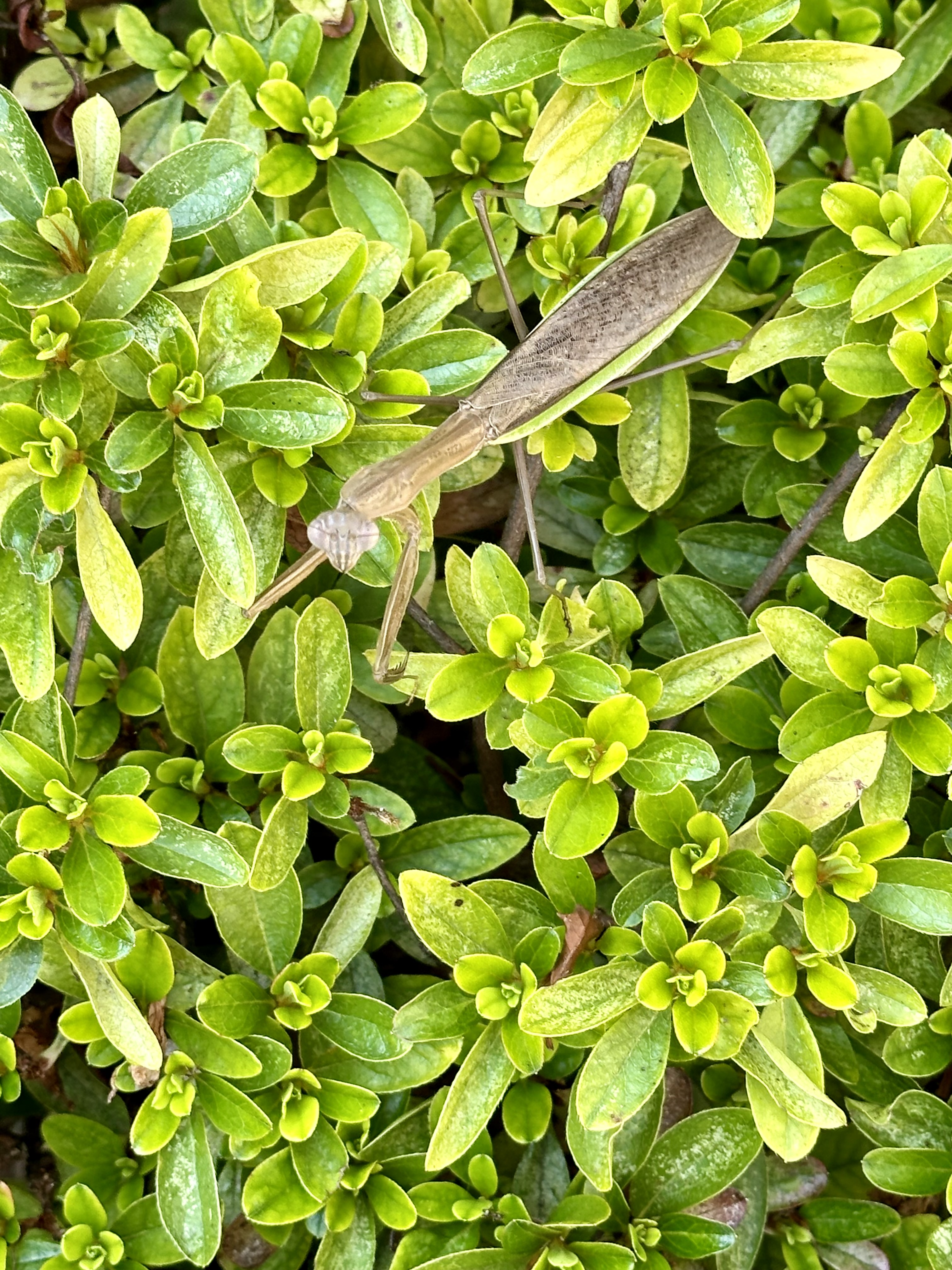

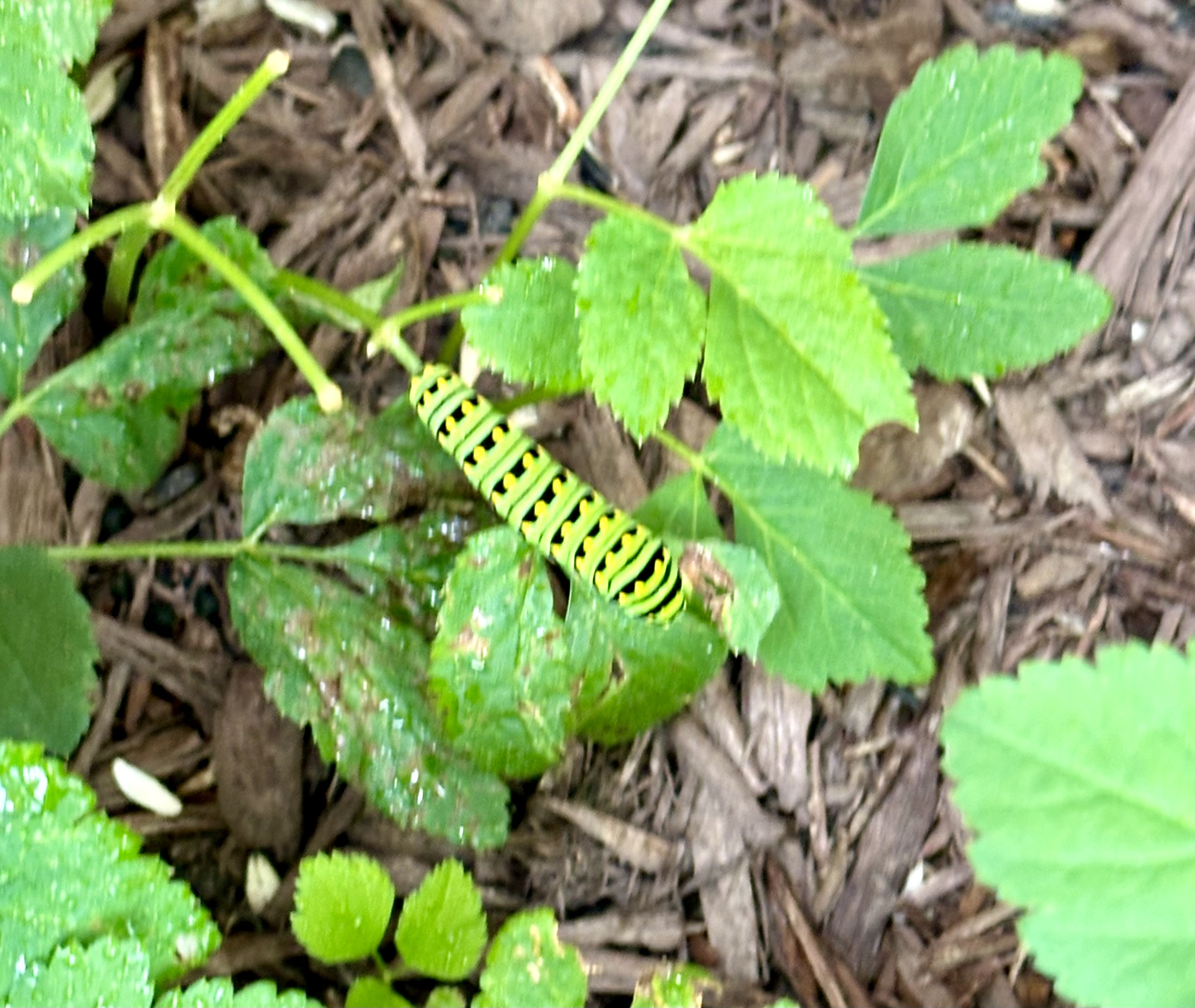
It won’t be long until northern snowbirds, primarily the gray-haired versions, follow behind them in cram-packed cars and campers of all shapes, sizes, and colors. Warmer weather attracts all kinds of birds.
Of course, the turning of the leaves, the blooming wildflowers, the trimming of daylight, and cooler temperatures is as it should be. Fall is officially around the corner. The autumnal equinox is Sunday, September 22, at 8:47 a.m. EDT.

© Bruce Stambaugh 2024

With the calendar turning from February to March, bird migration has officially begun. True, several bird species had already started the arduous task of returning north from their southerly winter habits.
To account for that, birders divide the seasonal calendar in the Northern Hemisphere much differently than humans do. Bird spring runs in March, April, and May when most migrating birds return to the nesting homelands in the northern United States and Canada.
Surprisingly, summer is the shortest season for birds. It lasts just two months, June and July. It’s prime mating, nesting, egg laying, and hatching time. Once the young are self-sufficient, the first migrating birds begin their long trips south.
The fall season for birds runs from August through November. Different species have more than one brood and migrate on a different schedule based on habitat, food supplies, and other factors. For birds, December, January, and February comprise the winter months.
So, now that March has arrived, birders scout their favorite ponds, lakes, rivers, streams, wetlands, and fields for any early arrivals on their way north. Birders especially prize waterfowl and songbirds to spot and photograph.
Locations where migrating birds frequent are called hot spots. I checked a few on March 1. Though I didn’t find many bird species, I enjoyed seeing and photographing new migrants.

My first stop was one of my favorite locations for birds and sunsets, Silver Lake in Dayton, Virginia. It’s a 12-acre lake built in 1822 for a mill. The shallow lake is perfect for diving and dabbling ducks. I saw only a trio of female Buffleheads and one muskrat this time.
A few miles away is the Cooks Creek Arboretum, tucked away at the end of a cul-de-sac. I spotted three birders with binoculars aimed at a hillside farm field. Birders tend to be pleasant people, so I didn’t hesitate to ask what they were seeing.
“About 150 American Pipits are flying and landing in the field,” one of them said. “Unfortunately, they seem to land over the crest of the hill.”
We walked together down the path to get a better look, but with a heavy cloud cover in the late afternoon, the birds were only visible during their short, rapid flights. However, I followed the birds to the flatter, more southern part of the field.
I captured a relatively poor photo of a few of the pipits flying. Patience, though, is a venture for birders. I saw a few birds foraging in the green vegetation of the field. I captured one of the small brown pipits as it began to fly. After wintering in the extreme southern U.S. and Mexico, the pipits were on their way to the far north Arctic tundra.
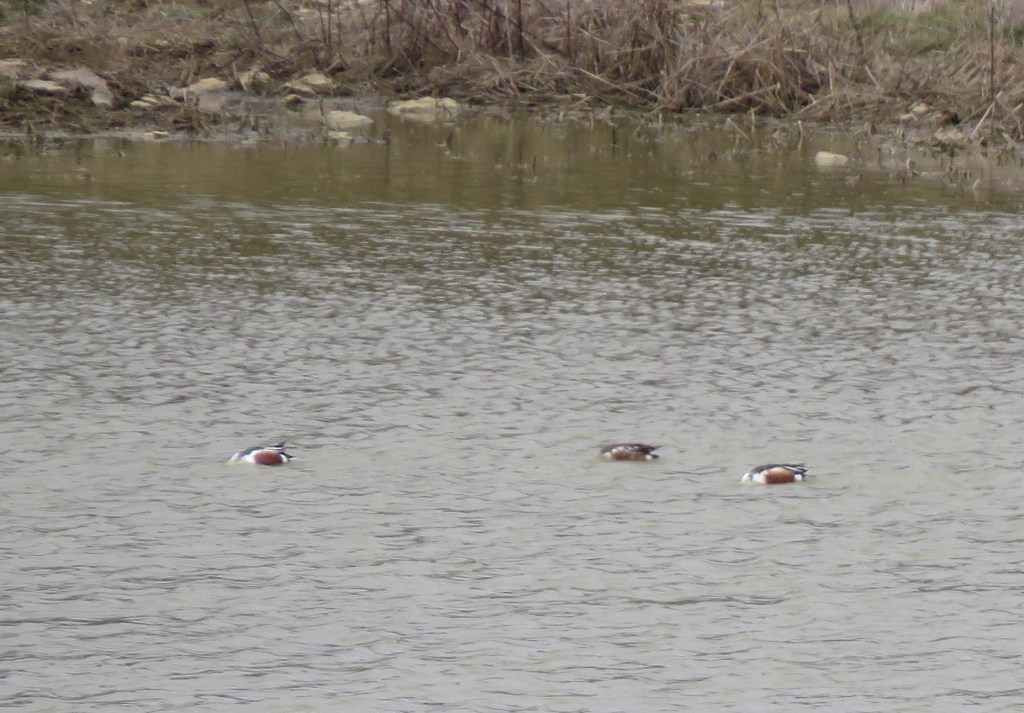

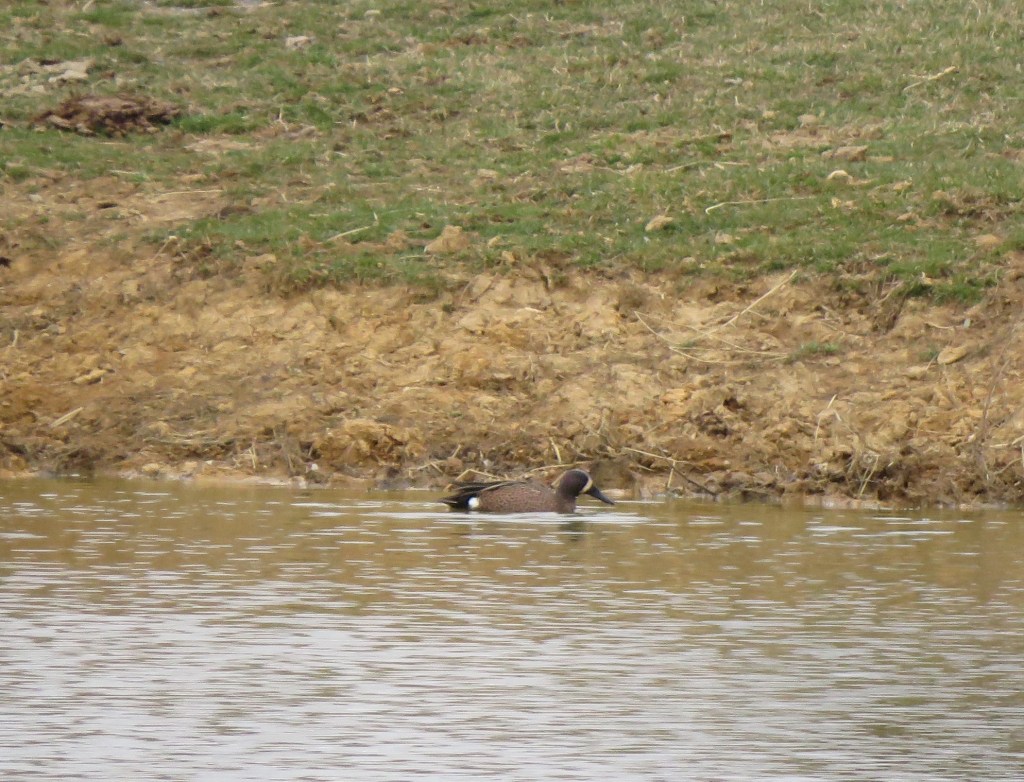
Please click the photos to enlarge them. Photos by Bruce Stambaugh
Happy seeing these fascinating visitors, I was pleased at my next stop just a few miles east. A local hot spot farm pond held dozens of Green-winged Teals and a handful of Northern Shovelers. Since the pond is on private property, I stood on a knoll across the road from the pond. With the distance of the pond, the chilly wind, and my inability to hold the camera steady, I felt fortunate to get some shots of these lovely birds.
I drove several miles to another farm pond much closer to the road. A lone Blue-winged Teal swam with a pair of Mallards while two Canada Geese watched from the shoreline.
On the way home, I detoured to a local arboretum and quickly found a nesting Great Horned Owl with two owlets in the fork of a sycamore tree. Friends had told me about it the day before.
Though spring doesn’t officially arrive until March 19, the birds are on the wing for spring migration. I intend to catch as much of the birding splendor as I can.
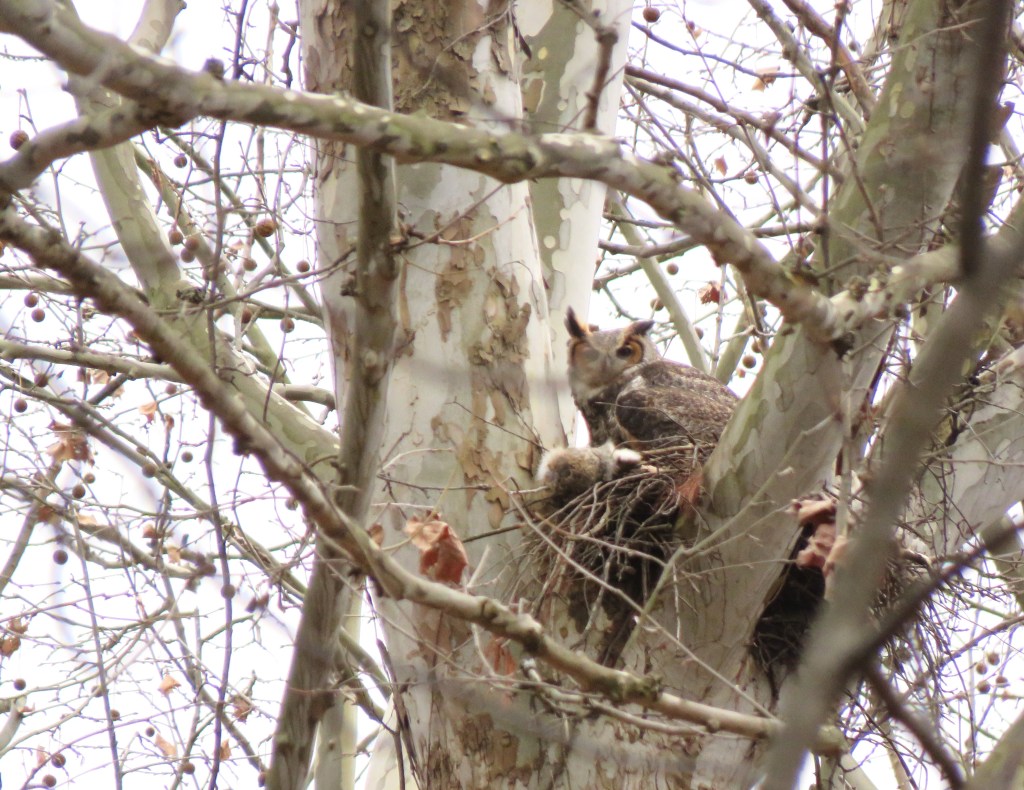
© Bruce Stambaugh 2024

This is how birding works. Just before my wife and I left to visit our 16-month-old grandson and his parents in Rochester, NY, a friend in Florida posted on social media about American Flamingos being spotted in a farm pond in south-central Pennsylvania.
I knew we couldn’t stop on the way up, but I hoped beyond hope that the birds would still be there when we left for our home in the Shenandoah Valley on Monday. I checked the American Birding Association’s rare bird alert daily as we enjoyed visiting with our son and his young family.
On Monday morning, the birds were still there and reportedly very easy to see. In all my years of birding, I’ve heard that before, only to arrive five minutes after the birds flew off into the sunset. In the birding world, that’s called “dipping.”
It was a six-hour drive from Rochester to St. Thomas Township, Franklin County, Pennsylvania. When we left Rochester, the day was partly sunny. By the time we reached the state line of the Keystone State, it started to rain. I kept my mind on my driving. I wanted to see those birds, but we had to get there first. So, I drove carefully.
The ABA rare bird alert included the GPS coordinates, so I figured we would drive right to the farm pond, which we almost did. We had Waze plugged into the car’s GPS system while I used my Google Maps for backup. I wasn’t taking any chances.
I am so glad I did because Waze said we had arrived when all we had were fields on the right and a line of houses on the left. My Google Maps saved the day, and we circled around and found Pond Lane.
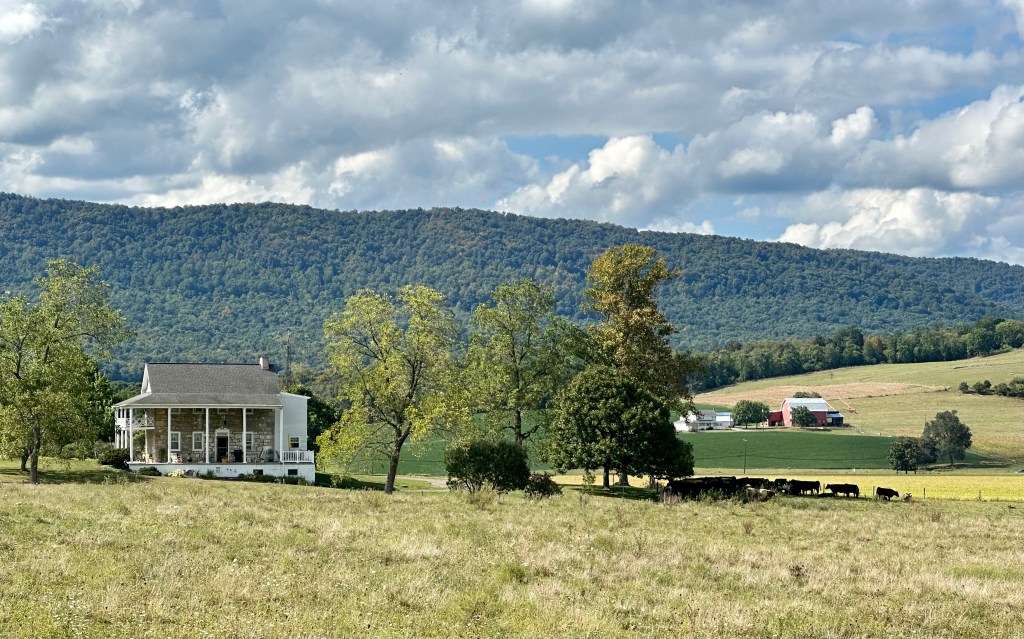
The countryside was gorgeous. Puffy white clouds floated by in a bright blue sky. The large, rolling fields of soybeans served as a two-tone yellow and green carpet below. Fieldstone farmhouses and red barns dotted the landscape.
As we approached from the west, I smiled because I could see a string of cars parked along the road and birders on the opposite side looking through spotting scopes and binoculars. As I slowly approached the scene, my wife shouted, “I see one!” I parked the car in the first space on the north side of the road and raced to the spot where my wife saw the flamingo.
Sure enough, there it was. The beautiful pink bird was standing on one leg in the middle of the shallow pond. It had its head tucked under its left wing, sleeping. I got a quick photo between two trees and then walked up to where most birders stood with an unobstructed view. It was a little farther away, but we could see it clearly through the binoculars and my camera’s viewfinder.
My wife helped steady me in the warm wind rushing over and down the nearby Appalachian Mountains to the west. Once the bird awoke, it waded, fed, and preened in the afternoon sun. I asked another birder where the second flamingo was. I didn’t like the answer.
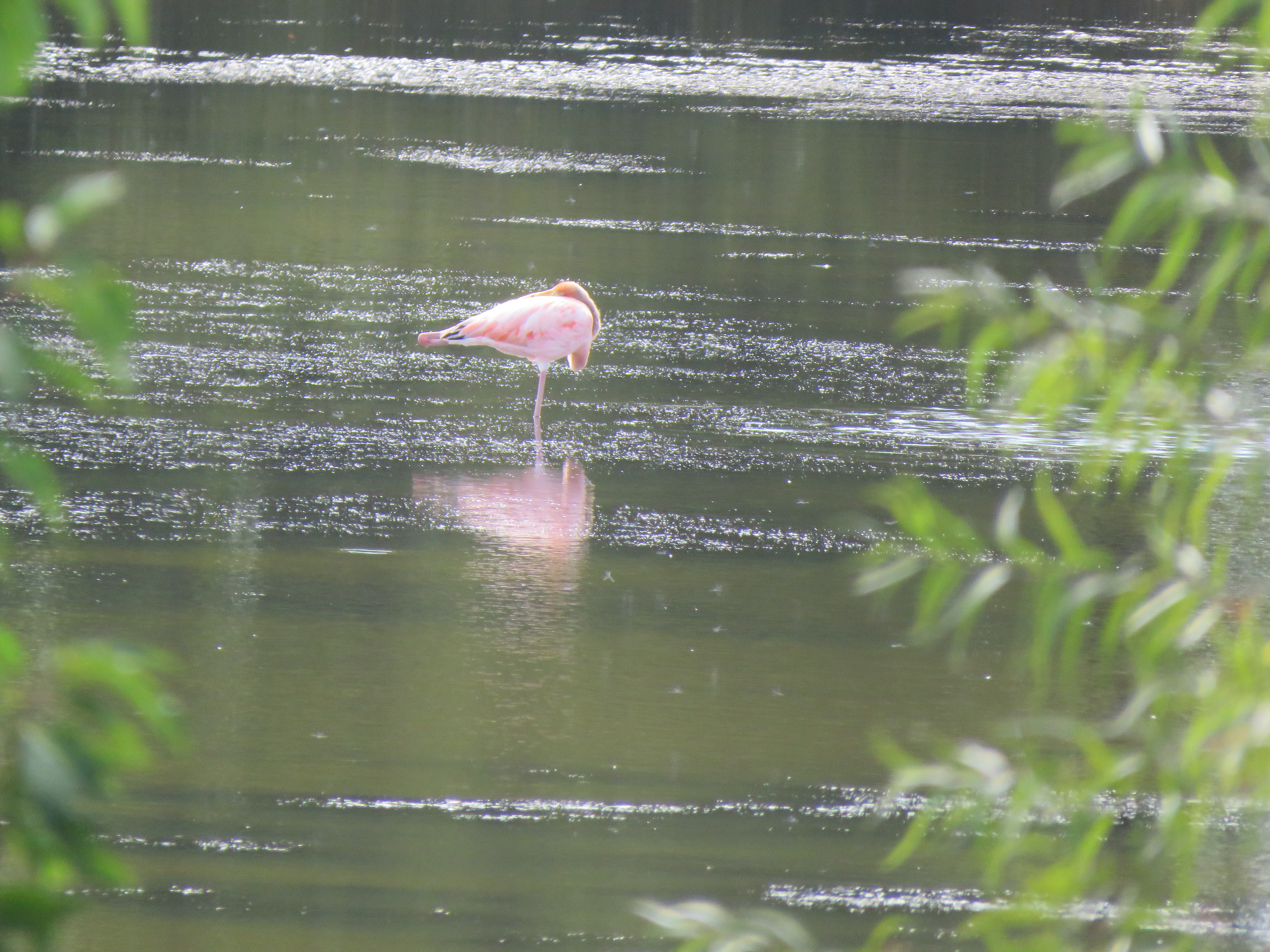

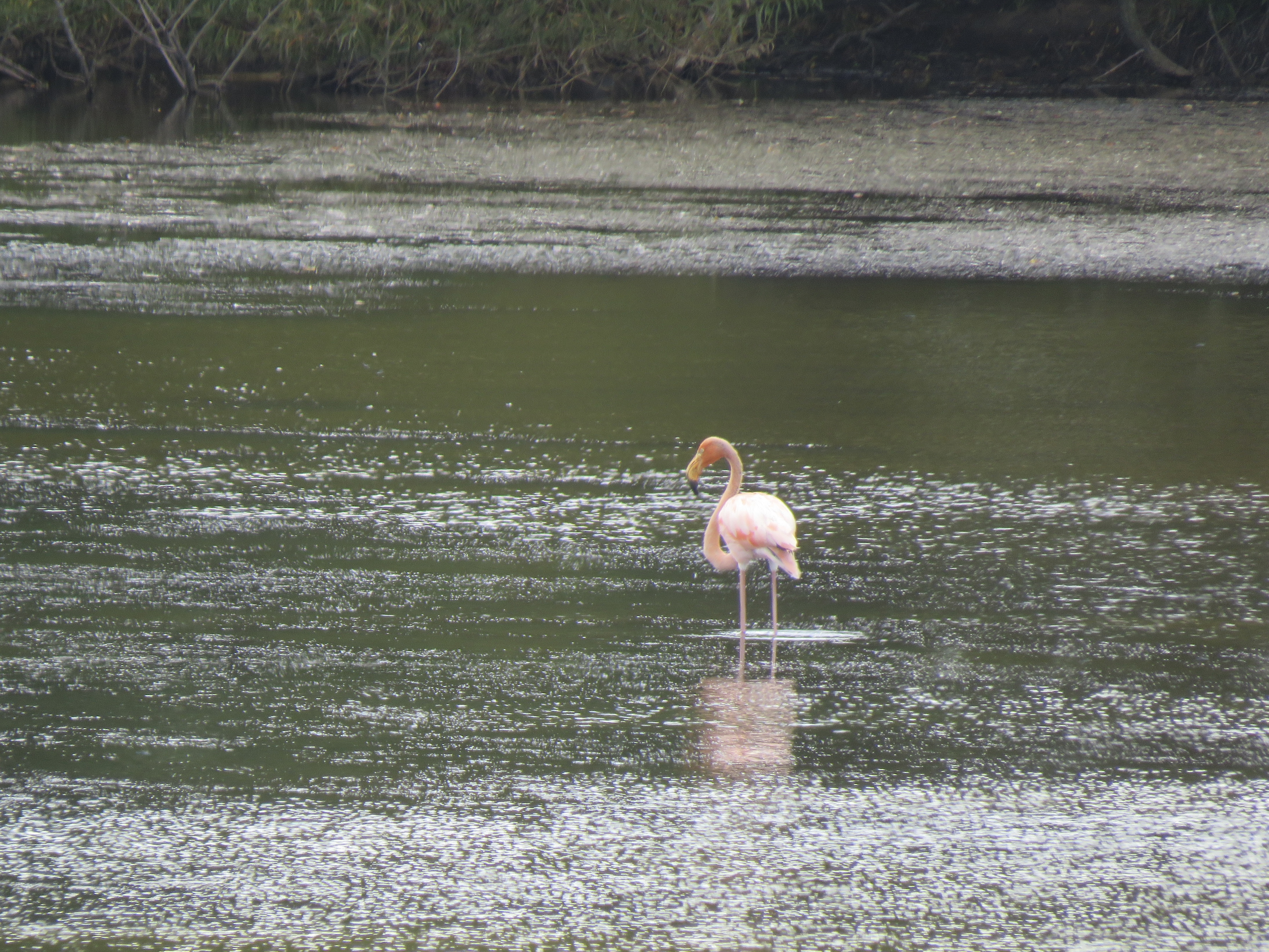
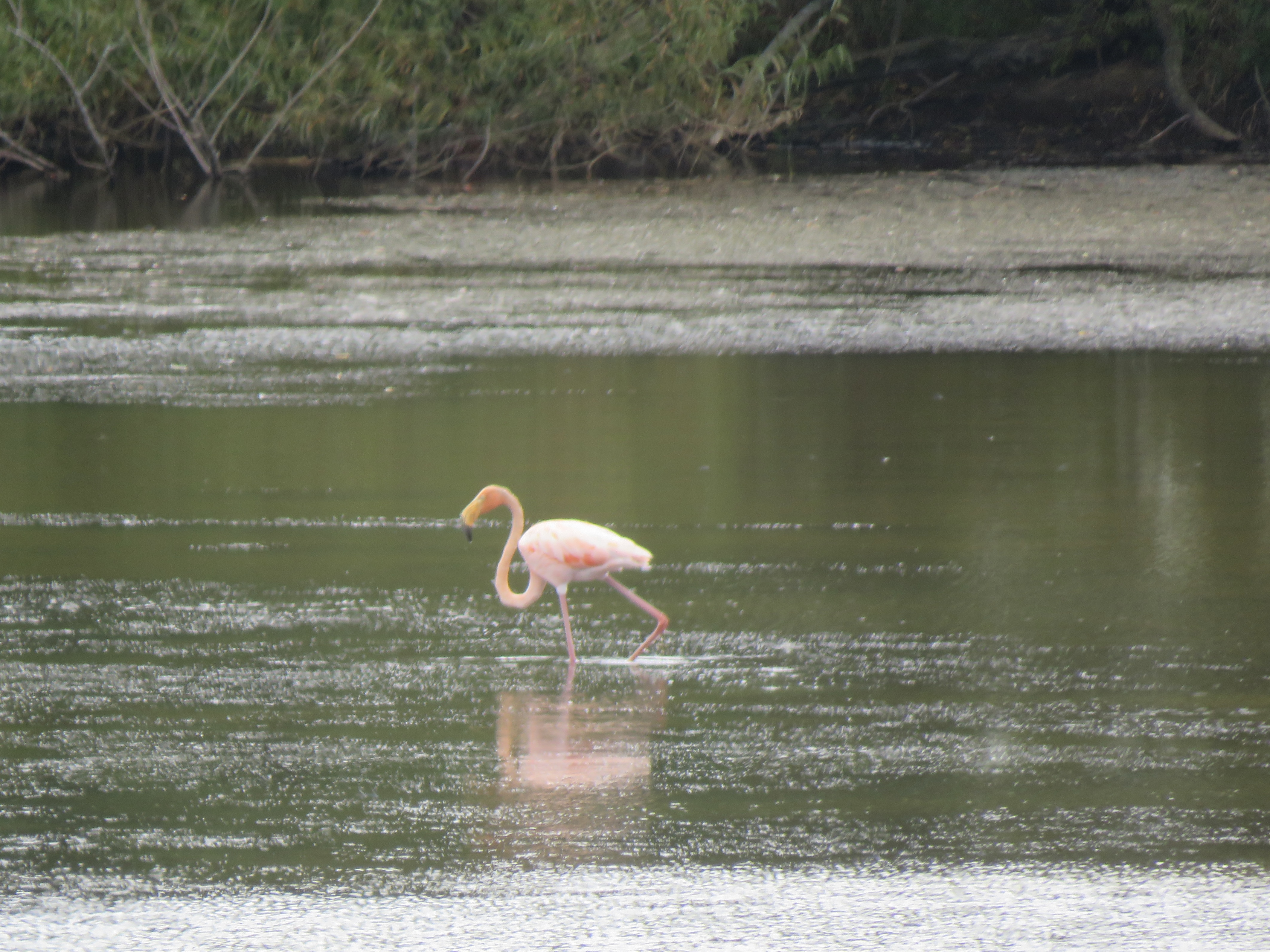

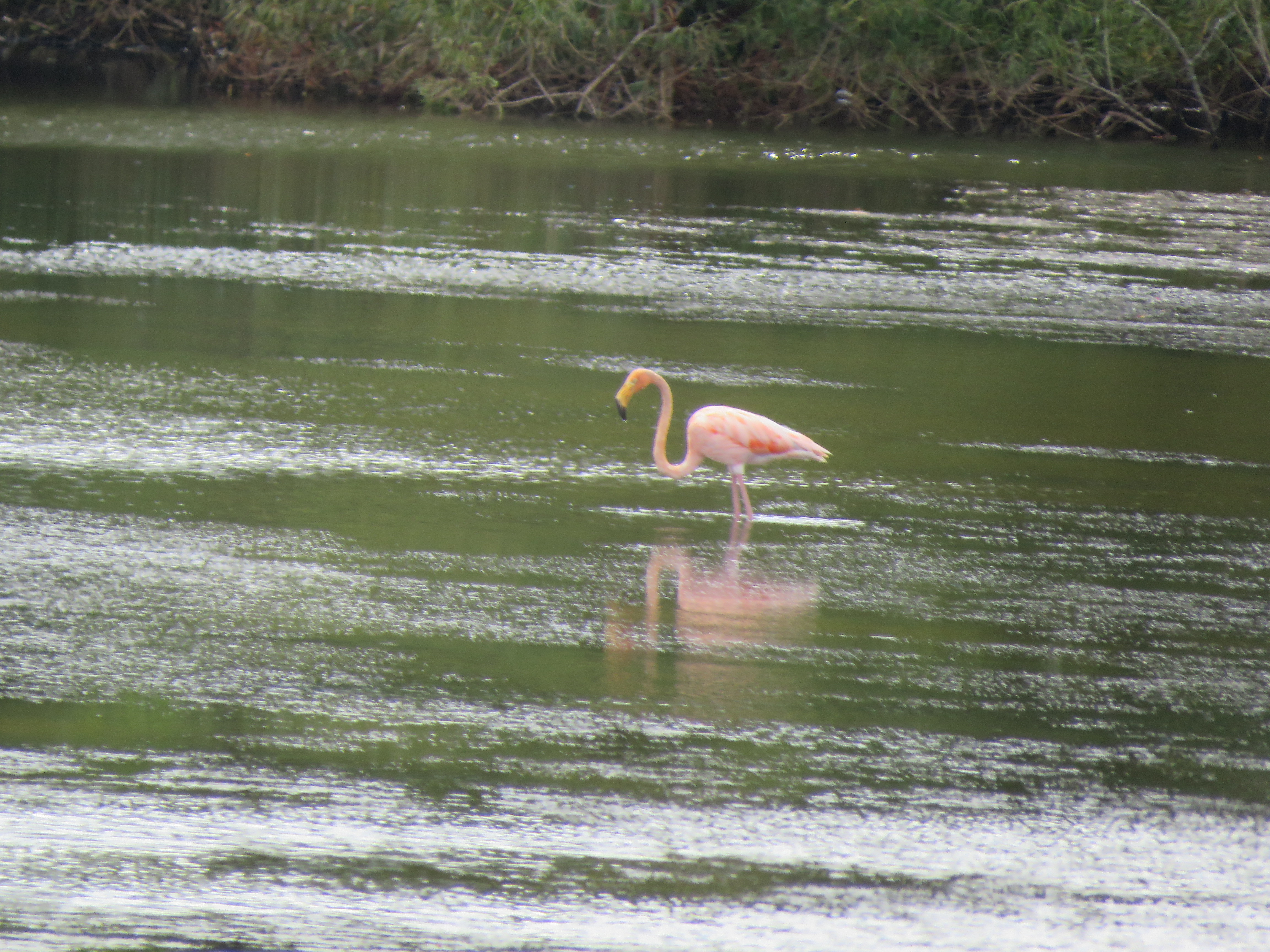

Please click on the photos to enlarge them.
In the early morning hours after sunrise, a snapping turtle bit the other flamingo in the leg, injuring it. A wildlife rehab center was notified, and personnel arrived and captured the injured bird. Surgery was performed to fix the broken leg. It still remains in their care.
The other flamingo continued to thrill birders who arrived from near and far. How did birds that should be in the Bahama Islands and the Florida Keys get to Pennsylvania? The most plausible answer is that Hurricane Idalia blew them north.
That is the accepted answer because American Flamingos were located in 10 states, some well inland like these birds. Birders from other states were chiming in on the social media conversations, wishing for the flamingos to be found in their states, too.
Why such fuss over the flamingos? Well, in every state except Florida, the sighting of the flamingos was a record first for each of those states. Birders take their hobby seriously. Consequently, they keep many lists and records by recording the bird species, where it was seen, the date(s), and times. The Cornell Laboratory in Ithaca, New York, is the official state and national records compiler.
I had seen flamingos in Florida and Texas before, but seeing this beautiful bird so far inland was extra special. And it was all thanks to a hurricane.
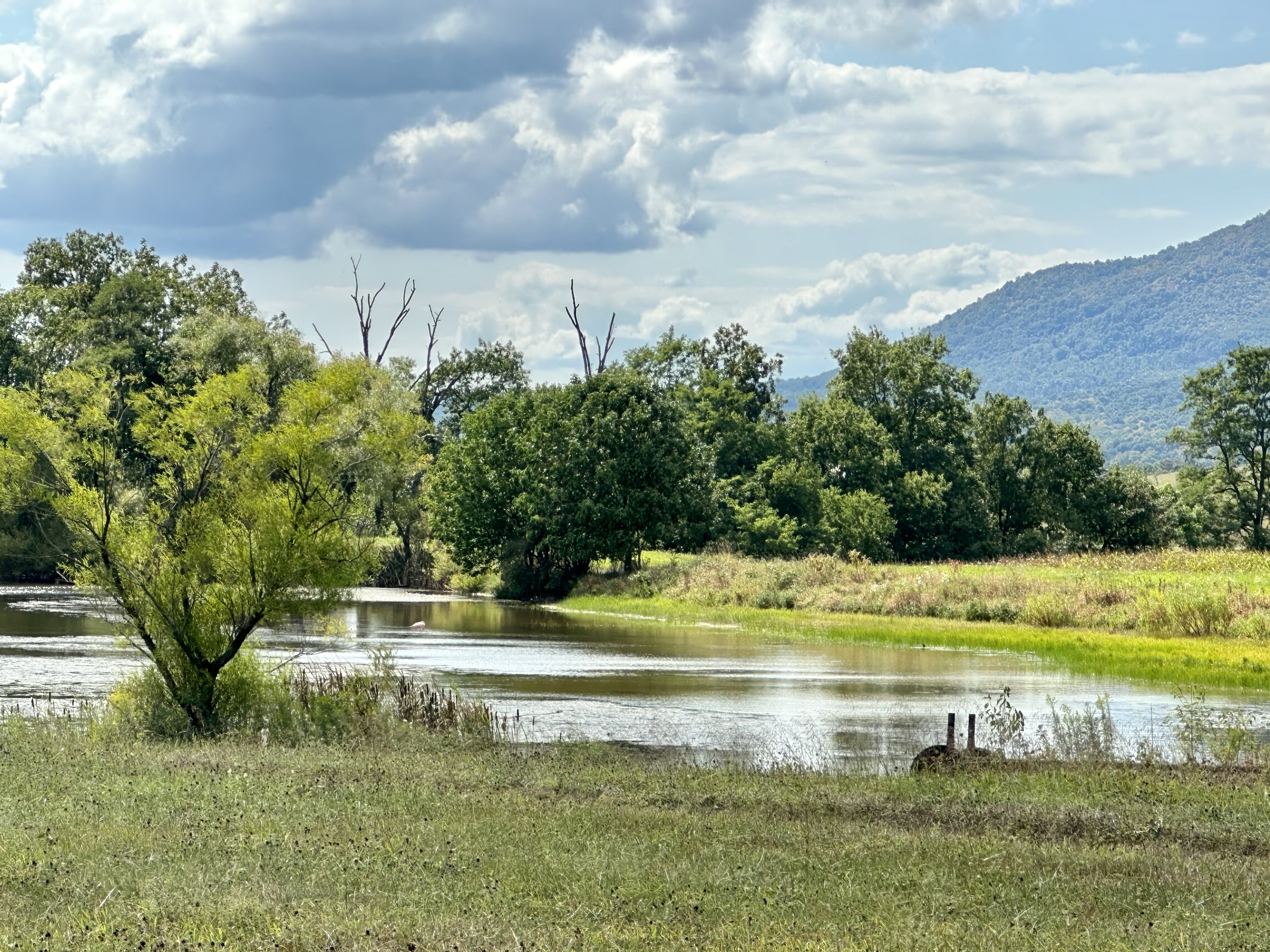
© Bruce Stambaugh 2023
Two treasures in one photo

Bird migration is in full flight. To check for any waterfowl and shorebirds that might be passing through, I head to nearby Silver Lake in Dayton, Virginia. It’s also a favorite spot for sunrise and sunset photos.
On a recent afternoon, I found this flotilla of ducks in the sparkle of the afternoon sun at the south end of the lake. Among this group were Ring-necked and Redheaded Ducks and Greater Scaups.
“Diamonds and Ducks” is my Photo of the Week.
© Bruce Stambaugh 2021

I’m sitting at my desk, looking out the window, enjoying my favorite pastime. Several winter birds have returned and are feeding on and under the feeders that I hang each fall.
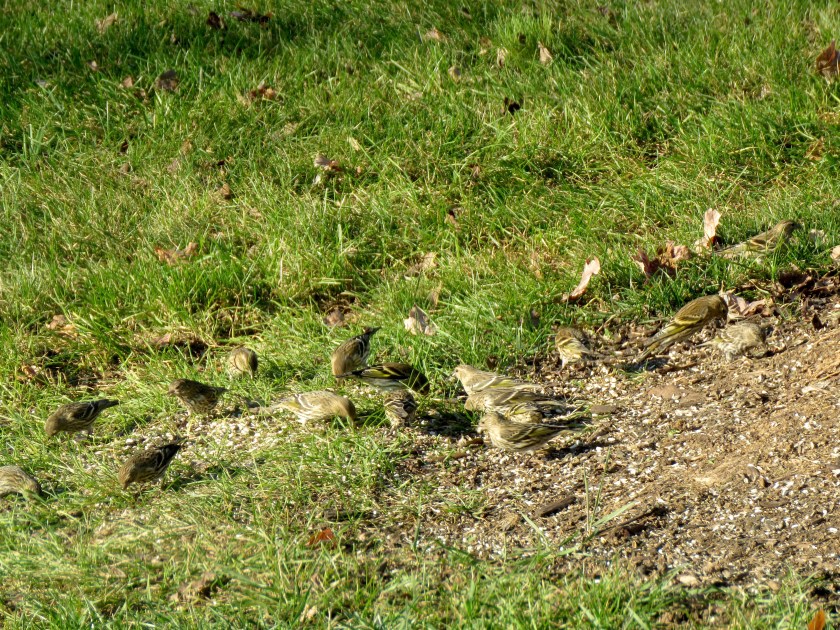
In this case, it’s a flock of chattering pine siskins partaking of black oil sunflower and safflower seeds. I mix the two varieties in a tube feeder that dangles from the lowest red maple branch in our front yard.
That’s what the sociable pine siskins were devouring. They are a dainty bird with a pointy little beak. Unlike other species, the siskins don’t seem to be too competitive. They dine cooperatively. The pesky house finches could learn a lesson from their smaller cousins.
I consider the siskins a real treat, an honor to have them partaking of my offerings. They tend to move around a lot in the colder months. They can be here one day and gone the next. So, I enjoy them and the other birds while they are here. I do hope they stick around.
The purple finches have returned, too. Like the siskins, I never know how long they will stay. I just keep filling the feeders and appreciate their beauty. Birders ogle over having purple finches, and the glorious but unpredictable evening grosbeaks even more so.
The white-throated sparrows have also arrived for their six-month hiatus from the Canadian provinces and the northeastern forests. They are marvelous birds to both watch and hear. I never tire of their hop and kick approach to feeding on the ground.
The song of the white-throated is the delight of winter. Neva and I hear their distinctive, lyrical whistle when we walk in the morning. Their cheery call quickens our step on chilly mornings.
The dark-eyed juncos and white-crowned sparrows have just begun to arrive. More will likely appear as the weather grows colder.
I enjoy the year-round birds, too. Is there anything more beautiful than a bright red northern cardinal perched on an evergreen branch? If it happened to have snowed, it creates a Christmas card moment for sure.
I can always tell when the neighborhood Cooper’s hawk is on the prowl. Stealth as it is, the songbirds can’t always fly for safety. So, they freeze in place by staying still and low or press tightly against a tree trunk, hoping not to be spotted.
I don’t mind if the sly hawk captures one. It has to eat, too. However, my preference would be to snag a few of the noisy, hoggish European starlings. They devour the suet cakes like they are candy.
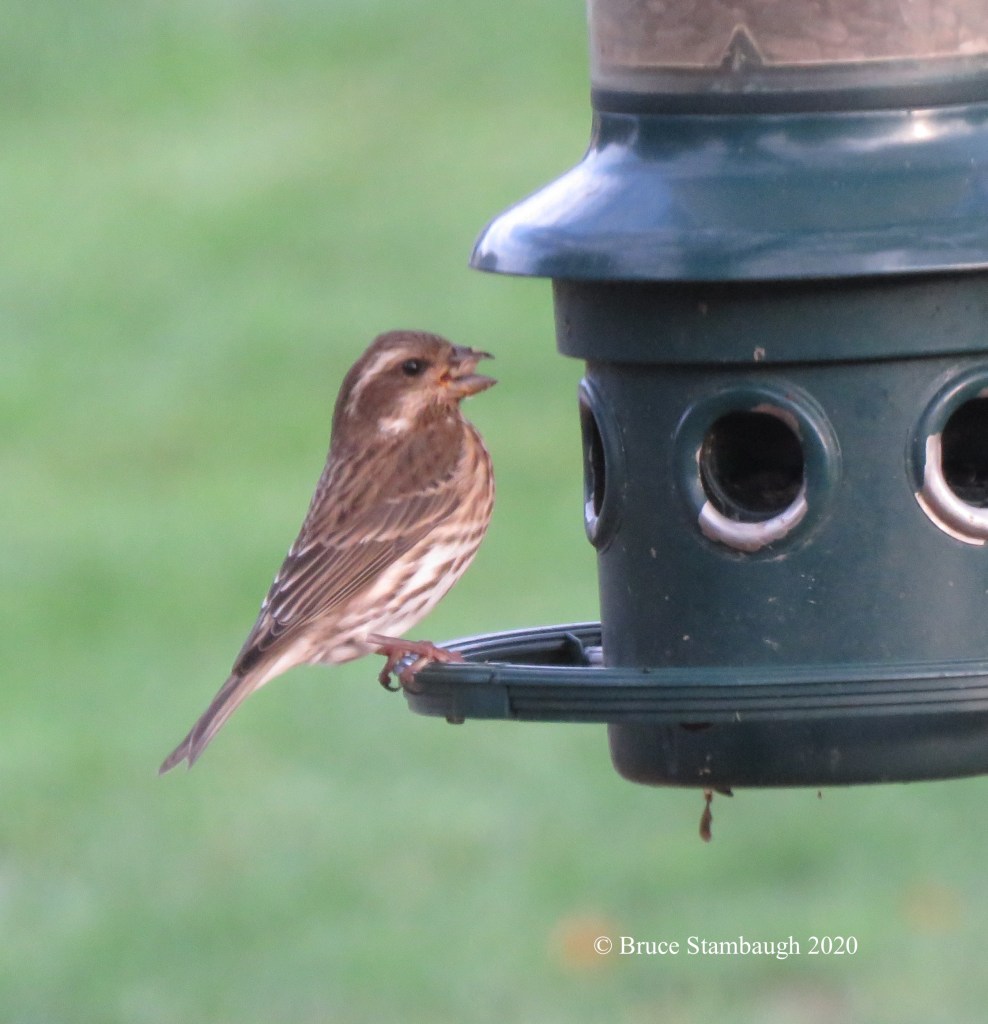

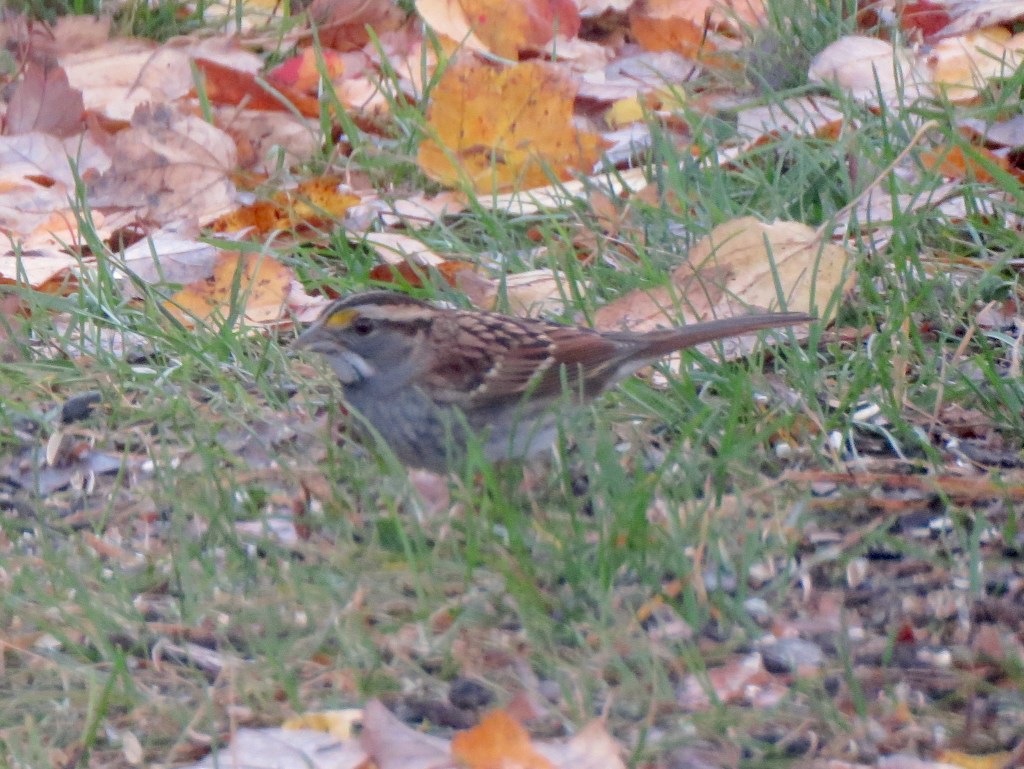

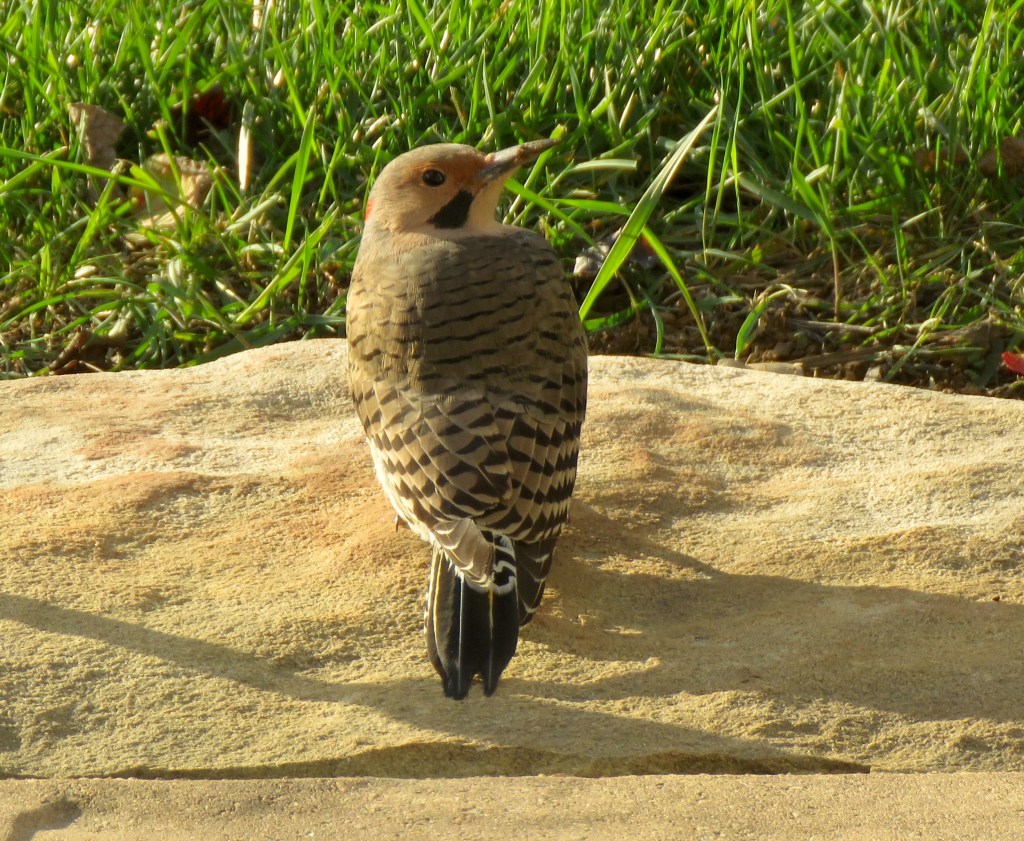
I enjoy the various antics and interactions of my feathered friends. The Carolina wren’s repertoire of songs alerts me to be on the lookout. Sure enough, it bounces around our front porch, checking nooks and crannies for any dead insects.
The wren also partakes of the seeds and suet. Birds need their protein, too. That explains why American robins peck beneath the suet feeder while the starlings sloppily gorge themselves. The robins gobble up the dropped suet pieces from the unruly gang overhead.
I always am pleased when the northern mockingbird makes an appearance at the suet, too. Even the starlings yield to this aggressor.
I marvel at the various woodpeckers that make infrequent stops. The downy is the most faithful, followed by the red-bellied and northern flickers. I’m still waiting on the pileated to make its initial appearance this year.
That’s half the enjoyment of being a birder. You never know what to expect next. You just have to keep watching and appreciate what arrives, starlings excepted.

© Bruce Stambaugh 2020
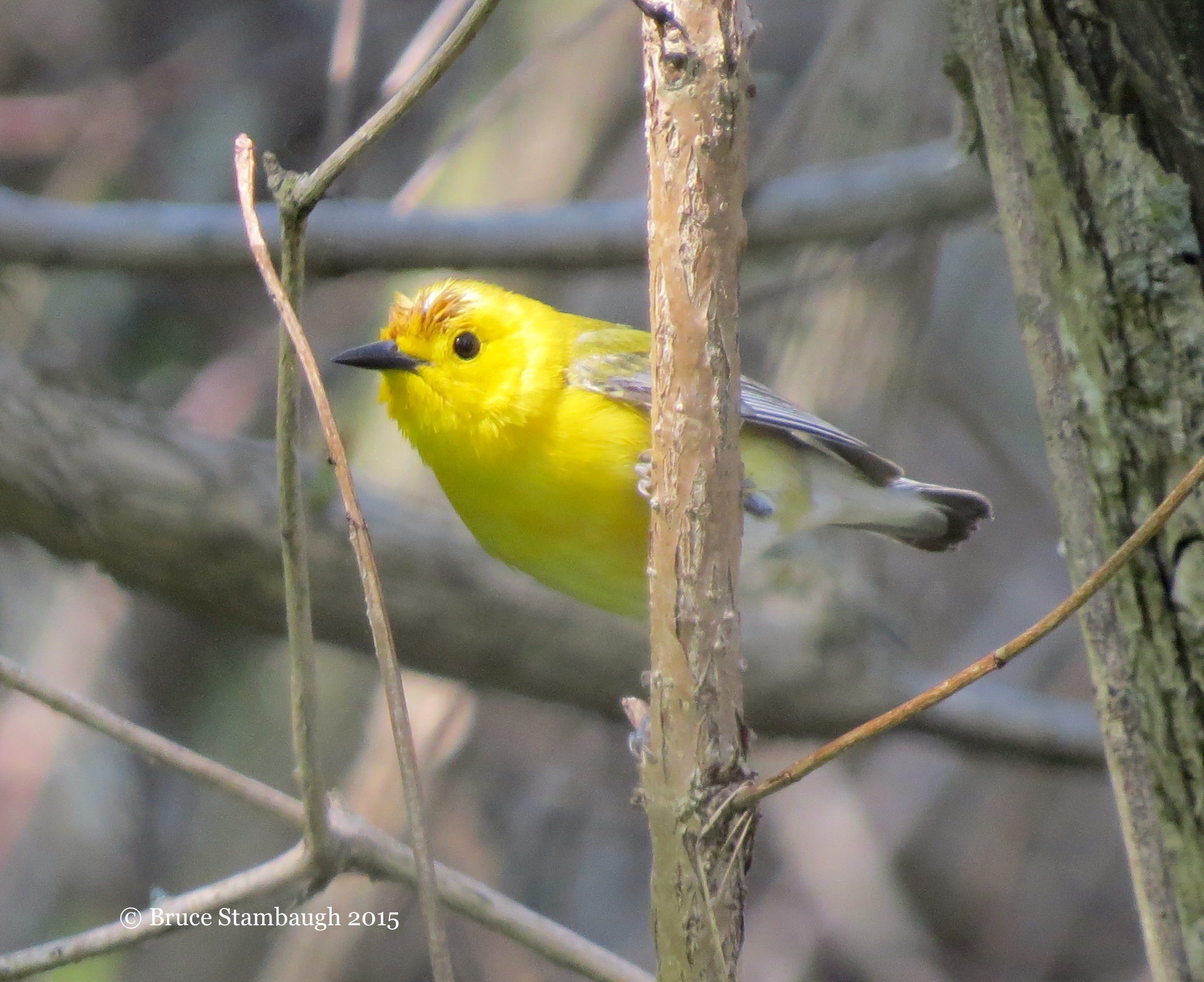
I had to let the birds come to me during this year’s spring bird migration. Due to the coronavirus pandemic, I only occasionally ventured out on short excursions that often included a grocery pick up after a brief search for migrating birds.
So, I decided to look back in my photo files for a bird that I had never shared before. This Prothonotary Warbler caught my attention and sent me back to when and where I had photographed it. It was a cool, damp day at Magee Marsh Wildlife Area along Lake Erie’s shore in northwest Ohio. The boardwalk was crowded with other birders of all ages from around the world. The cameras clicked away when this bright yellow fellow appeared. Unfortunately, Magee Marsh is closed this year due to the Covid-19 pandemic.
Prothonotary Warblers are only one of two warbler species that nest in tree cavities. They prefer marshy thickets as their habitats. They are named for Roman Catholic papal clerks known as prothonotaries who wear bright yellow robes.
“Prothonotary Warbler” is my Photo of the Week.
© Bruce Stambaugh 2020
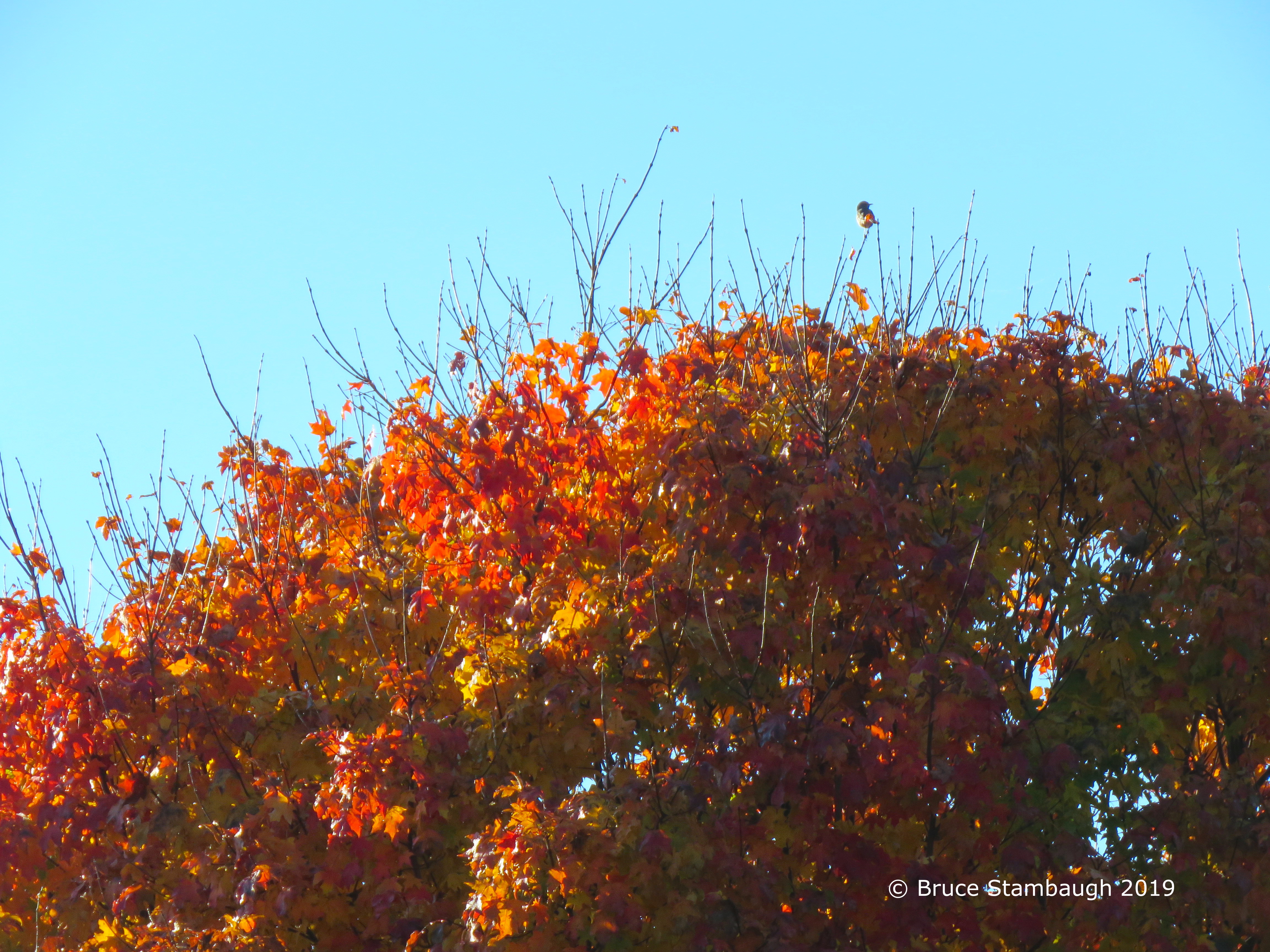
As the colorful leaves fade and twirl in the wind, another splash of luster arrives to dot the landscape. Migrating birds appear to see the winter through. I relish their return.
Many of the birds, of course, merely pass through on their way to much warmer southern climes. The ruby-throated hummingbirds, for example, have long been gone. A stray late one might yet be seen. Most are far south of Virginia’s Shenandoah Valley by now.
I’ve had two tube feeders hanging from the red maple trees in the front and back yards for weeks now. Many of the year-round regulars have begun to partake in the free sunflower seed buffet.

The noisy red-bellied woodpeckers are hard to miss. Their iridescent red-striped head and contrasting black and white ladder back are as flashy as their aggressive behavior. They’re not bullies. They just know what they want and help themselves.
Our smallest woodpecker, the downy, is much more pensive and much less flashy. Only a blotch of red on the back of the head identifies the male from the similarly marked black and white feathered female.
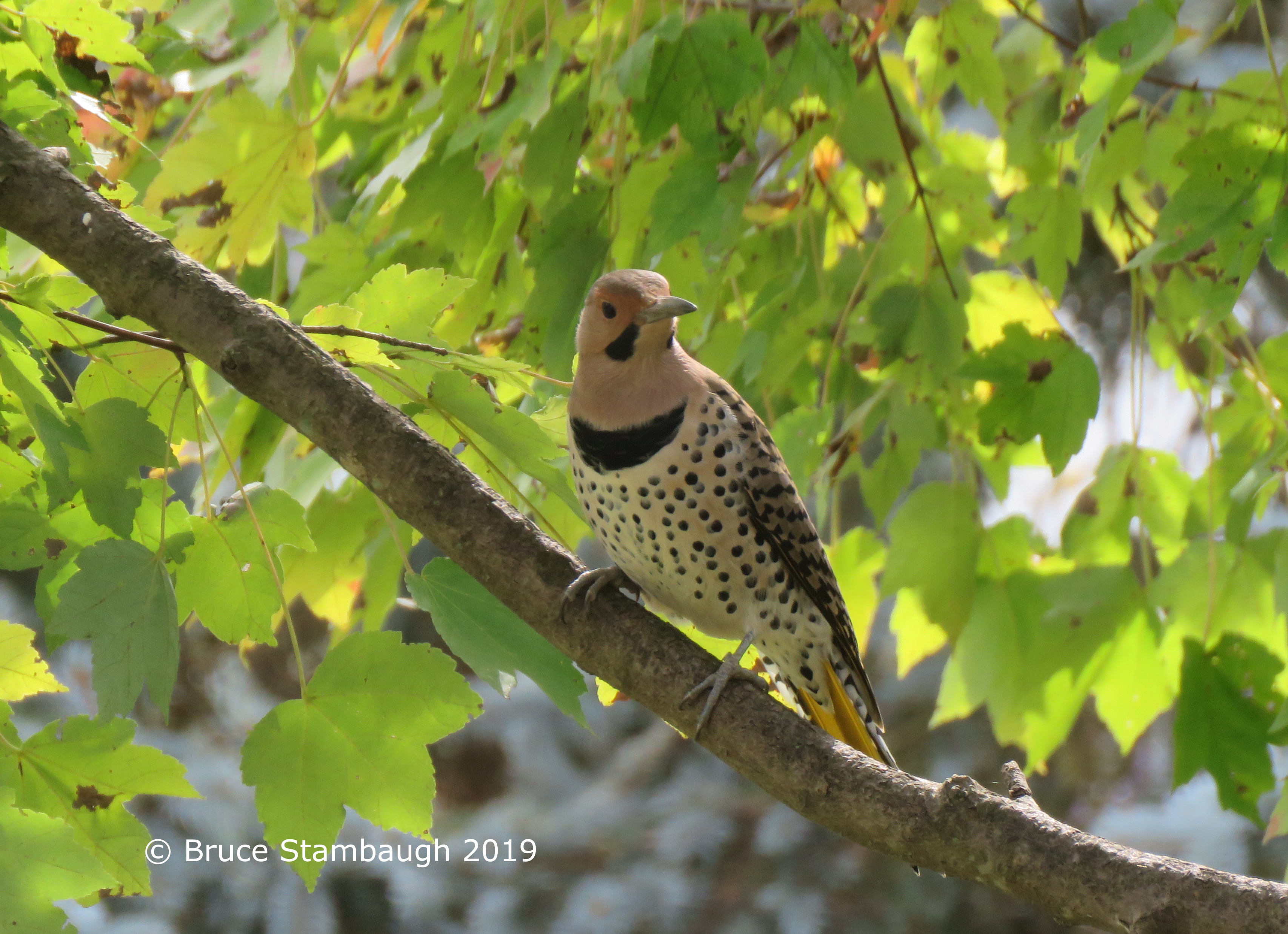
Every now and then, a northern flicker or two will show up at the birdbaths or forage for ants in the mulch on warmer days. With their earth-tone coloration, they are handsome birds for sure.
An array of bedecked songbirds frequents the feeders, too. A cheery chip, chip, announces the presence of the bright red northern male cardinals and their khaki-colored mates. That color combination enhances any bird feeding station.
It’s the richly feathered Carolina wrens, however, that keep the cooler fall air filled with music. Their protein preference is to search for dead insects than to settle for seeds. Even the peanut butter suet isn’t their first choice.
The beautifully patterned song sparrows might belt out a chorus or two. However, it’s the plaintive call of the white-throated sparrows that thrills me. They have only now just begun to arrive. Their hop, kick, and scratch feeding tactic is a joy to watch as well.
The white-crowned sparrows are the showpieces of the sparrow species. Their distinctive black and white stripes can’t be missed. Their looks alone qualify them as the feeder referees.
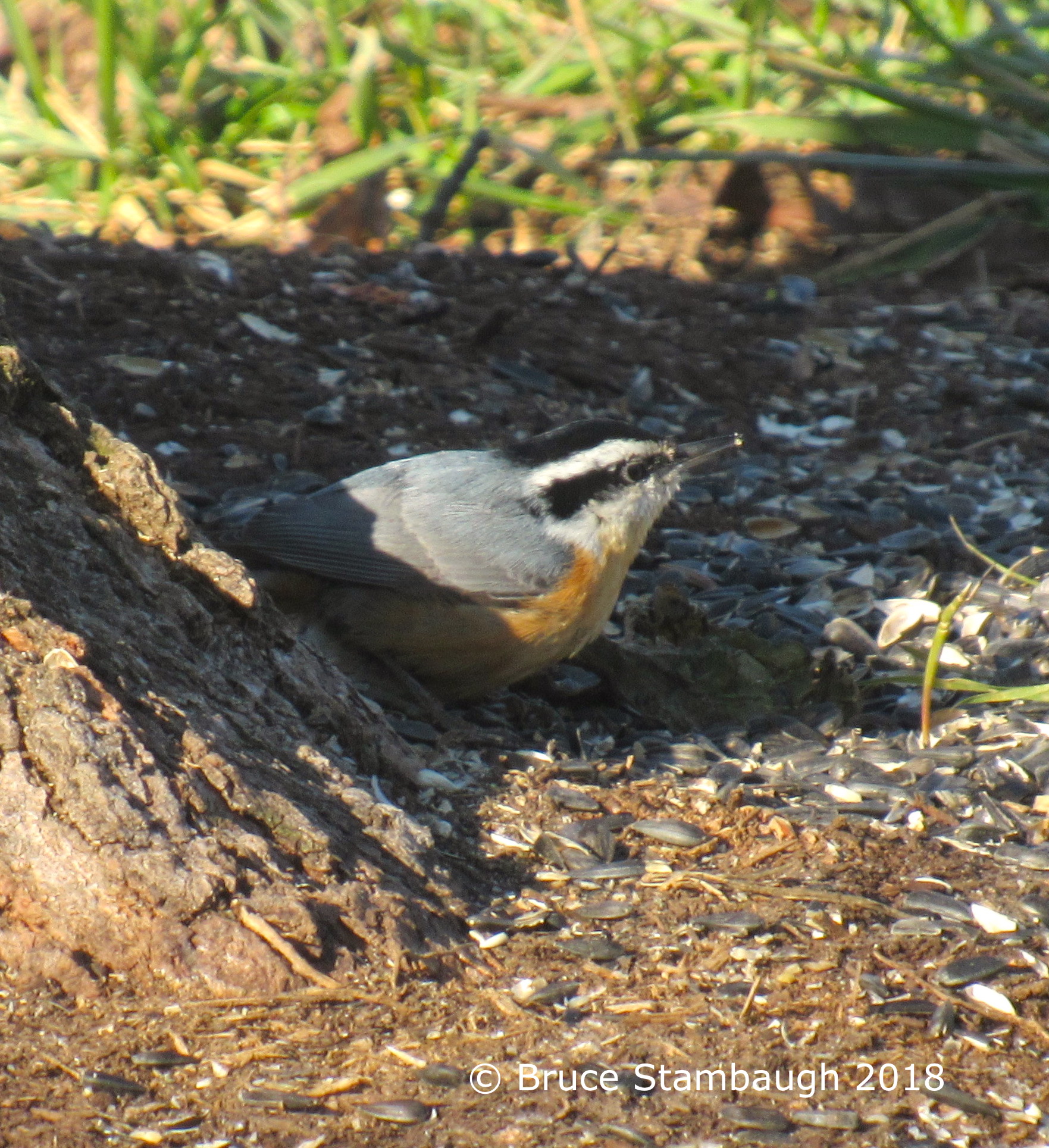
A lone eastern towhee made a brief appearance in the back yard recently. It foraged beneath the pines that border the neighbor’s property. It was a first for my Virginia yard list.
Last year, I was pleasantly surprised by the appearances of a small flock of purple finches. Though less colorful than their male counterparts, the females stood out with their creamy patches and brown streaks. Neatly attired red-breasted nuthatches also appeared intermittingly. I’m hoping all of them return.
Given the recent report on the loss of nearly 30 percent of North America’s bird population in the last 50 years, I’ll be happy with whatever birds do arrive. Several species have even been declared extinct. Europe is experiencing similar losses of bird species.
The extensive study covered nearly the exact timeframe that I have been watching and feeding birds. All the while, bird populations have slowly been declining. Losses of habitats in nesting, migrating, and wintering locales have hurt the bird numbers. Climate change and herbicide usage are other suspected causes of the birds’ demise.
Despite the bad news, I’ll continue to feed the birds in the fall and winter. The birds provide welcome entertainment during the dormant months. The way it’s going, the birds will need all the help they can get.
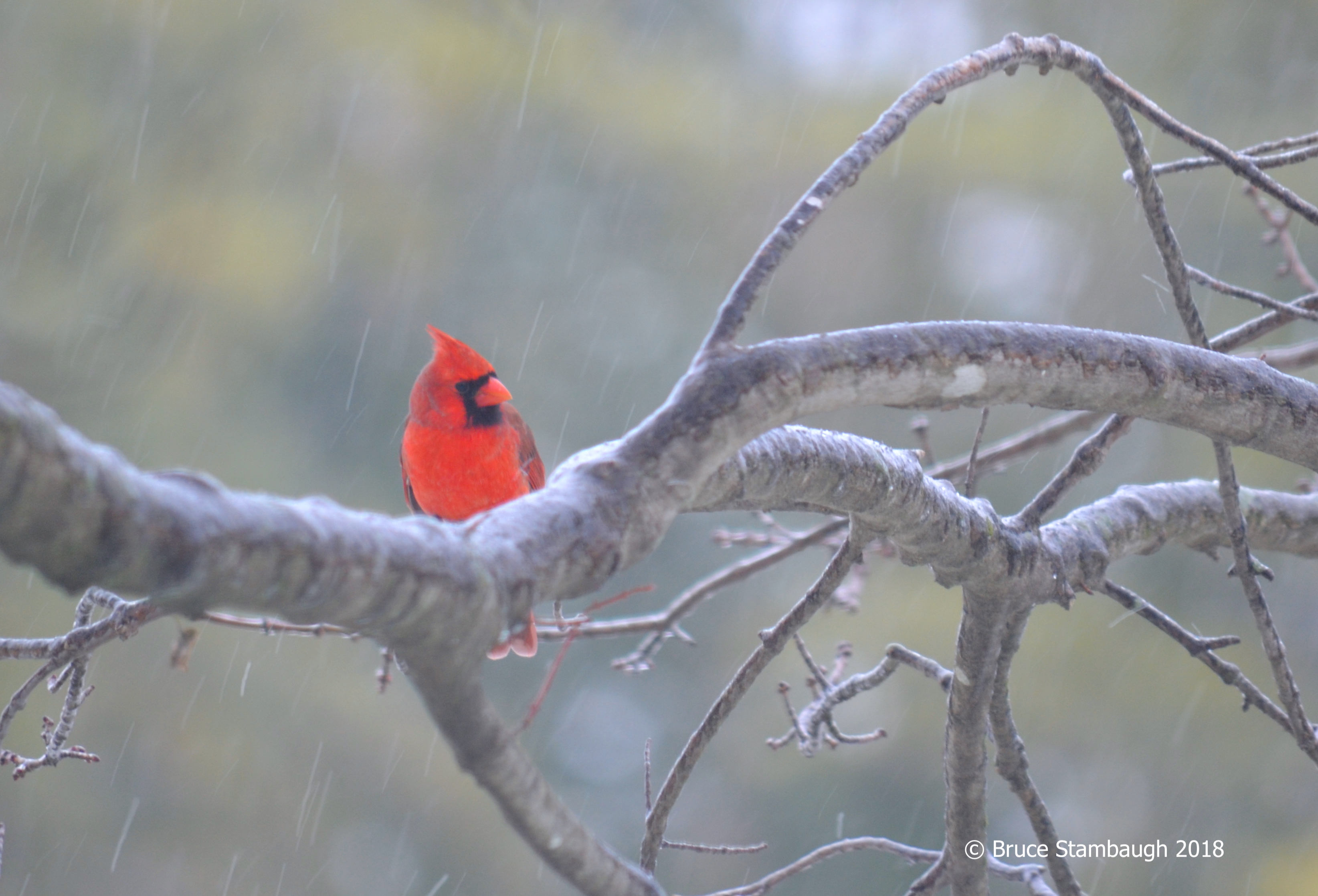
© Bruce Stambaugh 2019
May is for the birds. Thousands of bird lovers young and old clearly would understand what I mean.
Birders live for spring migration. Birds large and small that headed south for warmer winter climes return north to their annual breeding grounds. May is the peak month for such movement.

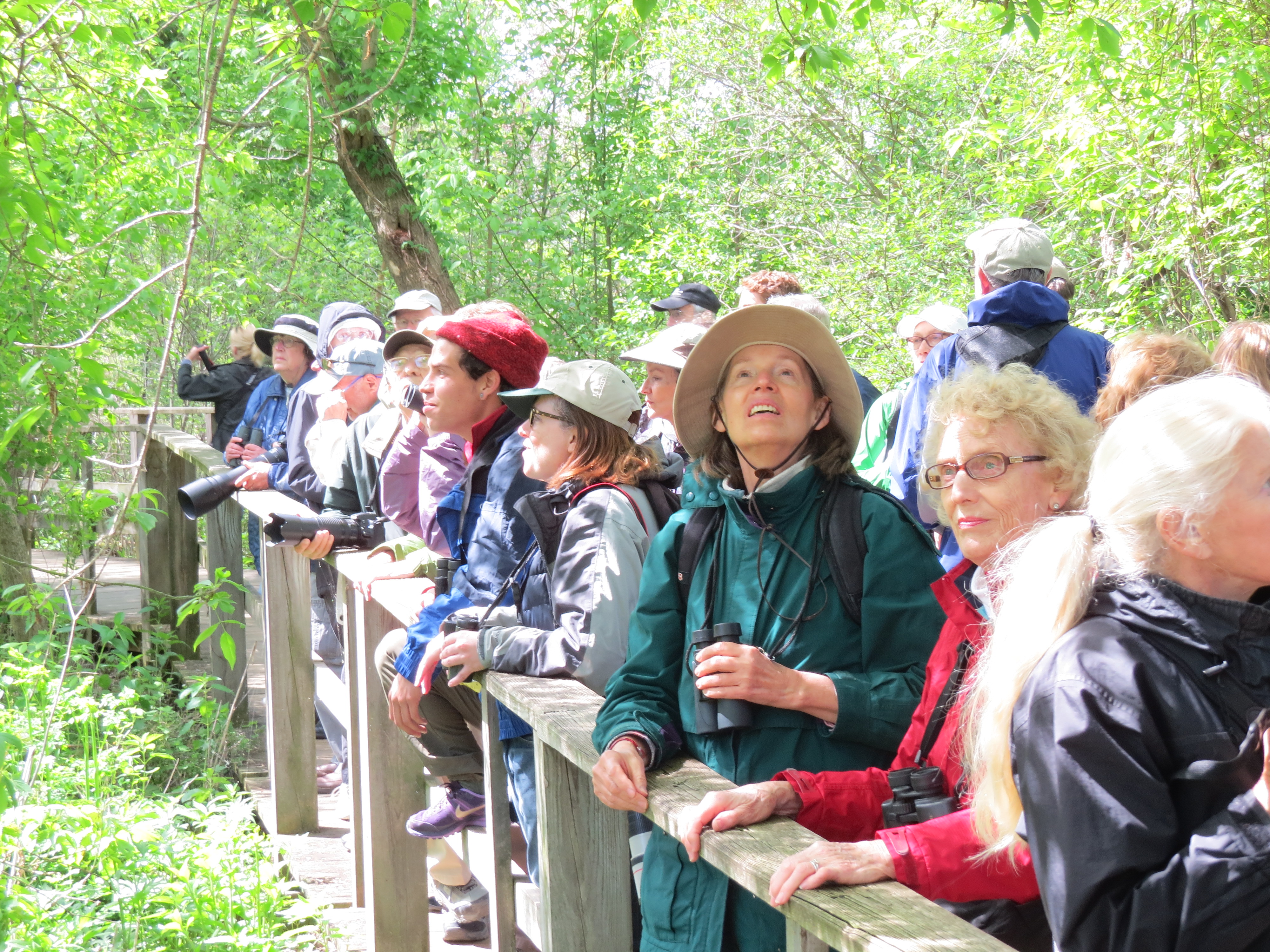
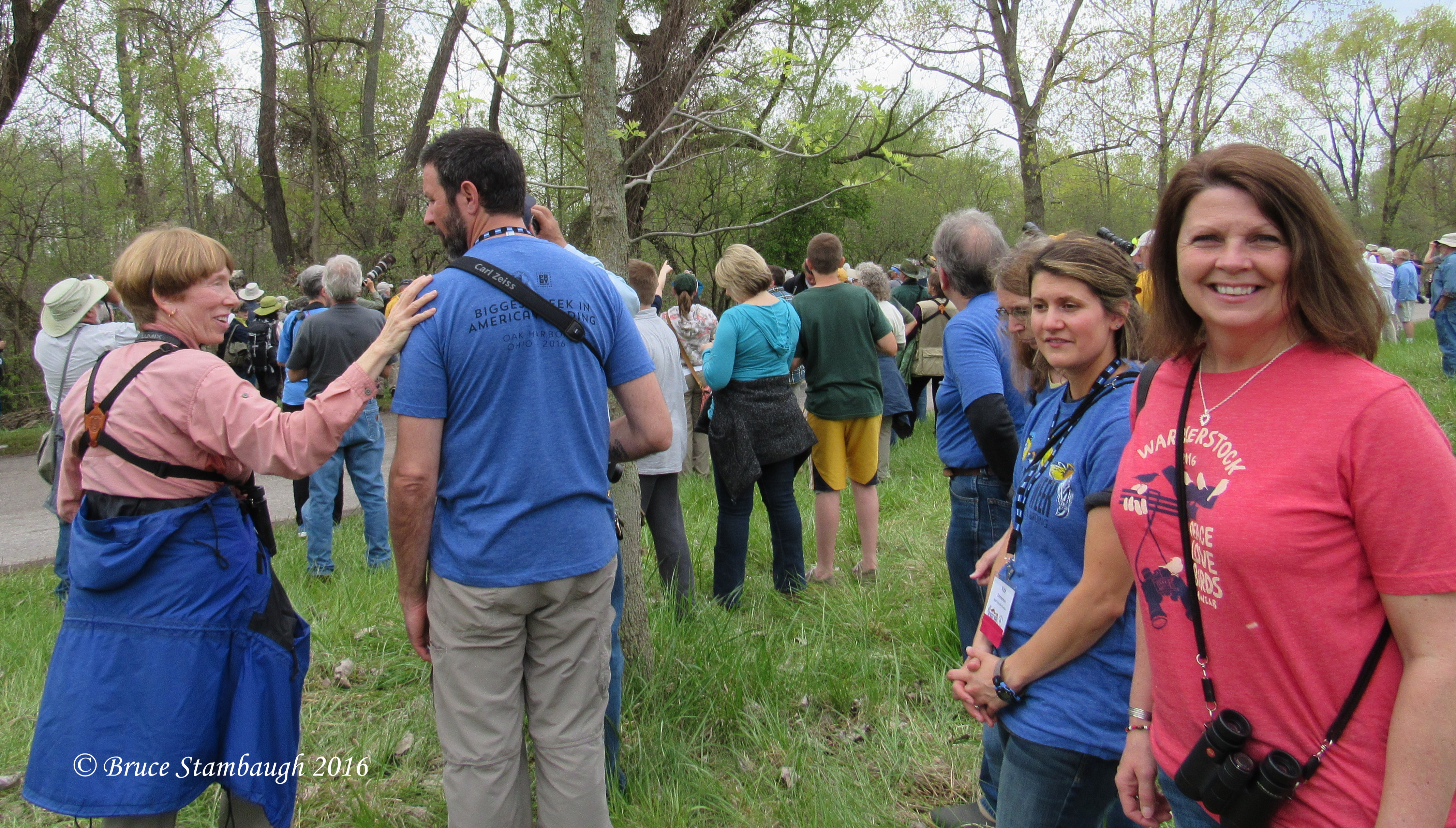
Birders clamor for any and every chance to find rare birds or to compile as many species as they can see or hear in a day or week or month. There is no better place in North America to do that than a small state-managed wildlife area in northwest Ohio called Magee Marsh. Birds and birders both flock to the estuaries, marshlands, and small woodlots that abut Lake Erie’s southwestern shore.
Even if you don’t count yourself among the aviary flock, it’s worth a trip just for the experience. Cruise through the expansive parking lot, and you’ll find vehicles of all shapes and sizes with license plates from across the country and Canada. Human participants even fly in from foreign countries for the spectacular migratory happening.
Part of the draw is an organized and orchestrated event tabbed “The Biggest Week in American Birding,” sponsored by a little non-profit known as the Black Swamp Birding Observatory.
The “week” is actually multiple days in early May. This year it’s May 3-12. Many species of birds, especially warblers, use Magee Marsh and surrounding protected wetlands as rest stops before winging it over Lake Erie into Canada. The first landing spot for many is Point Pele near Leamington, Ontario, just across the lake.
The colorful songbirds sometimes hang like Christmas tree ornaments from tree branches. Birders ogle from boardwalks that wind their way through the trees and along ponds and wetland habitats.
Workshops and lectures are also held to inform interested parties about the latest findings on bird populations, behaviors, and dwindling habitats. Guided field trips are also available. Of course, you can also buy birding supplies, books, and equipment.
But it’s the birds that matter. Youngsters and oldsters, groups and individuals ply their skills at searching for the latest arrived species. Word of a Canadian warbler, a secretive bird with a quiet call, spreads quickly among the birders. Just locate the crowd with spotting scopes and binoculars aimed in search of the prize.
If by chance a real rarity shows, like the endangered Kirtland’s warbler, the crowd suddenly shifts to add to their life list of seeing this worshiped species. Only a small number still summer in the jack pines of the Lower Michigan peninsula.


Yes, that is a Kirtland’s Warbler, and another one was spotted there yesterday, May 3, 2019.
Of course, northwest Ohio is not the only migration hotspot on the continent. Cape May, New Jersey, southern Arizona, the coastlines of Florida and California to name a few also host migrating birds and curious birders. Coastal regions and contiguous topography with natural waterways, ponds, and habitat provide flyways for the returning birds.
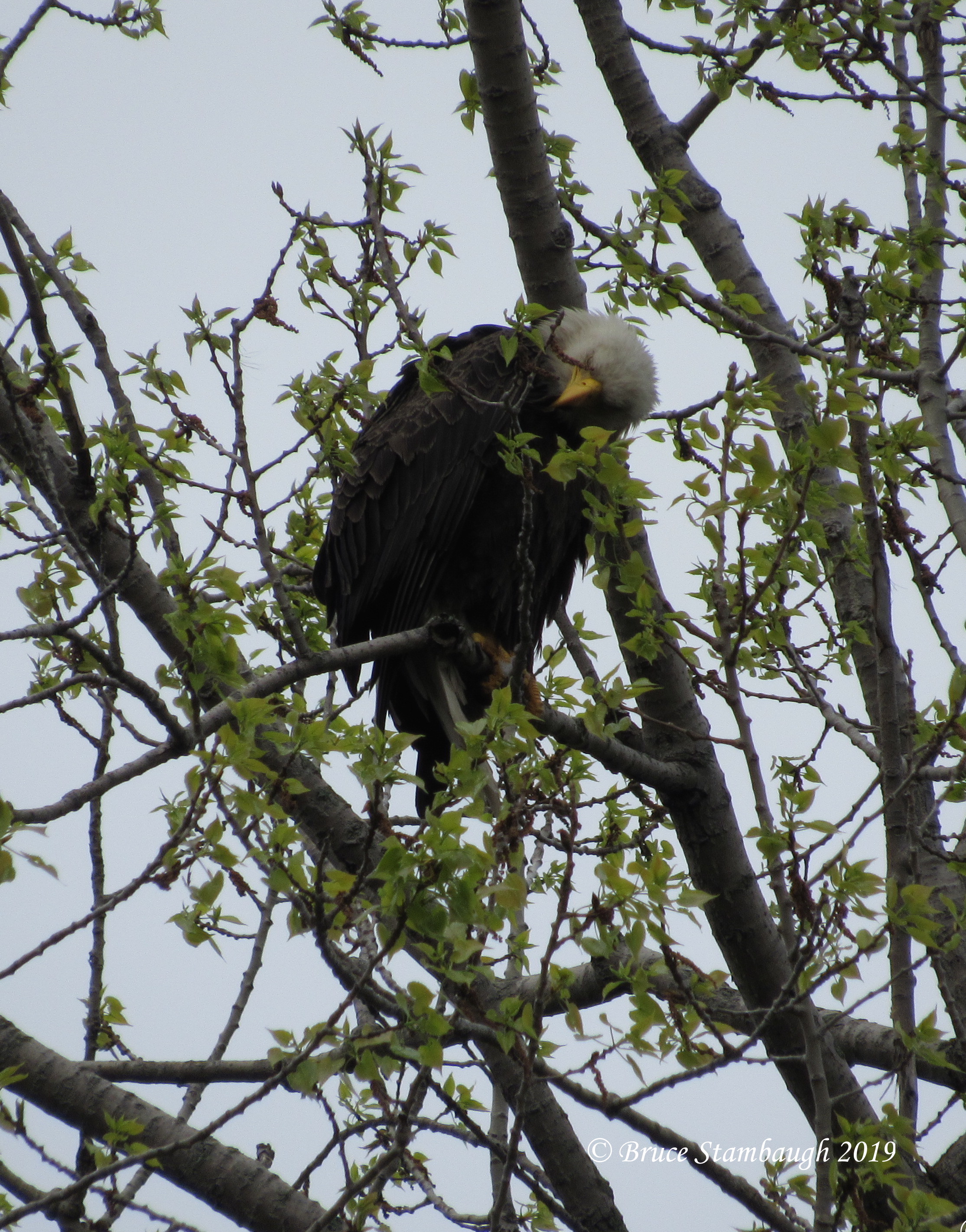
Birds need cover, food, water, and safe spaces to rest and refuel to continue their journey and reach their destination. In the fall, they’ll repeat the process in reverse, only dressed in more camouflaged colors.
In many species, it’s the flashy colors that birders love to view, if only for a few precious seconds. Some of the species call northern Ohio home for the summer.
School groups, church groups, family groups, young birder groups, birding clubs, and just curious individuals celebrate these early spring days searching for any shorebirds, songbirds, waterfowl, and birds of prey that happen to be passing through.
It’s spring migration after all when May really is for the birds.
© Bruce Stambaugh 2019
Wildlife Photos From The Chesapeake Bay Region
Culture and Communities at the Heart Of India
Artist and nature journalist in the Shenandoah Valley of Virginia.
Photographer Of Life and moments
Personal Blog
Art is the only way to run away without leaving home. -Twyla Tharp
Writing generated from the rural life
writer. teacher. podcast cohost.
El amor cruza fronteras / Love crosses borders







 Roadkill Crossing
You must be logged in to post a comment.