After this June and July, do we really need August?

Ohio chaparral by Bruce Stambaugh
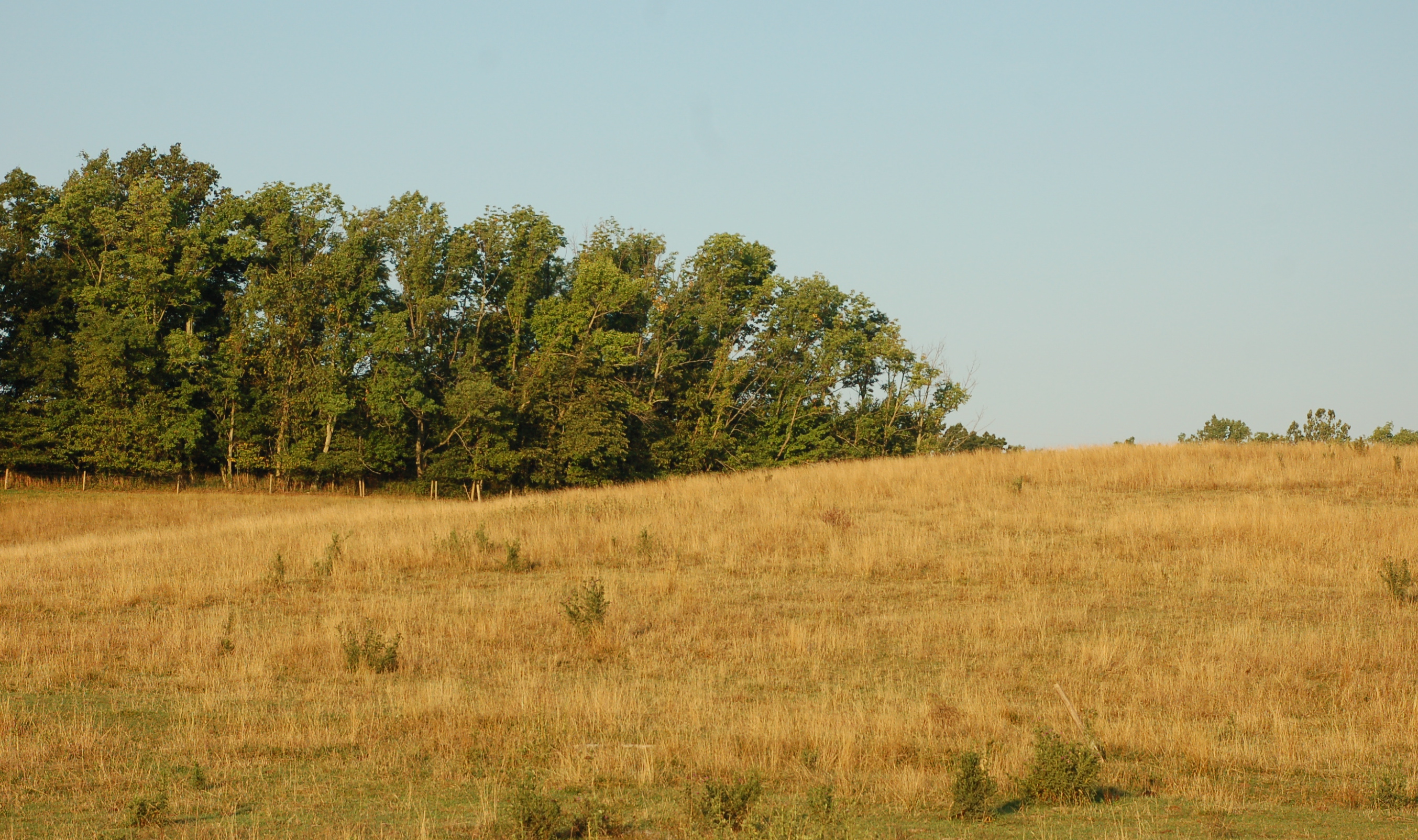
Parched pastures in Ohio more resembled California chaparral.

By Bruce Stambaugh

The dog days of August are upon us. The month is notorious for hot, humid and mostly dry weather. Haven’t we already experienced enough of that without adding to the enduring misery?

Once June arrived, the lovely spring weather we had enjoyed literally evaporated. The weather turned unusually warm and dry, not just in Ohio, but also across much of North America. Many record high temperatures were recorded. Geographic areas that had been moist quickly joined other regions that have had ongoing, long-term drought conditions.

Artesian well by Bruce Stambaugh
This artesian well normally runs steady year-round. It dried up by the end of July.
Water became a precious commodity. Wells were taxed. Perpetual springs slowed to a trickle. Local streams, normally gurgling with water from occasional rains, displayed more creek bed than flow.

I pitied those who had to work outside for a living. Many businesses had their employees arrive early to take advantage of the morning coolness, and then let them leave mid-afternoon at the height of the heat.

National Weather Service offices all across the country regularly posted heat advisories and excessive heat warnings. In the cities, where concrete and steel intensified the heat, people sweltered.

It was bad enough here in the country. Lawn care services, usually swamped for work or used to rushing to beat the rain to complete their jobs, simply lost business. They were used to mowing green, not brown. Indeed, there was no need to do so.

Brown lawn by Bruce Stambaugh
Lawns that were mowed short took a beating from the heat.

Farmers watched helplessly as their corn curled and parched pastures more resembled California chaparral. In America’s breadbasket, farm animals were sold off since feed and hay prices soared. By July’s end, two-thirds of the country was in some stage of drought.

Wild animals sought cooler climes, too. Groundhogs abandoned their normal burrows in hayfields and ranged outside their normal habitat for scarce food and water. A young one dug a hole under our back porch for protection from predators. It munched on our herbs and flowers, and boldly drank from our little garden pond in broad daylight.

Curled corn by Bruce Stambaugh
Field corn was so stressed from the heat and drought that it curled.

A pose of raccoons was more cautious. Being nocturnal, they regularly fished and splashed at night. The groundhog and seven of the masked bandits were captured in live traps baited with a gourmet meal of apple slices and marshmallows.

What really stood out though was how people seemed to adjust to the oppressive conditions. Sure complaints were lodged to nobody in particular. The only moisture to fall on some farmland was from farmers’ tears. Still I found people overall to be as congenial as ever. They seemed determined not to let the heat get the best of them.

One exception to that was on the highway. Drivers appeared more aggressive than usual, perhaps incited by the blazing sun and warm car interiors. In my various road trips, I noticed an unusually high number of vehicles, large and small, abandoned along highways or sitting with their hoods up. Their operators peered into the engines or talked on cell phones while waiting for help to arrive.
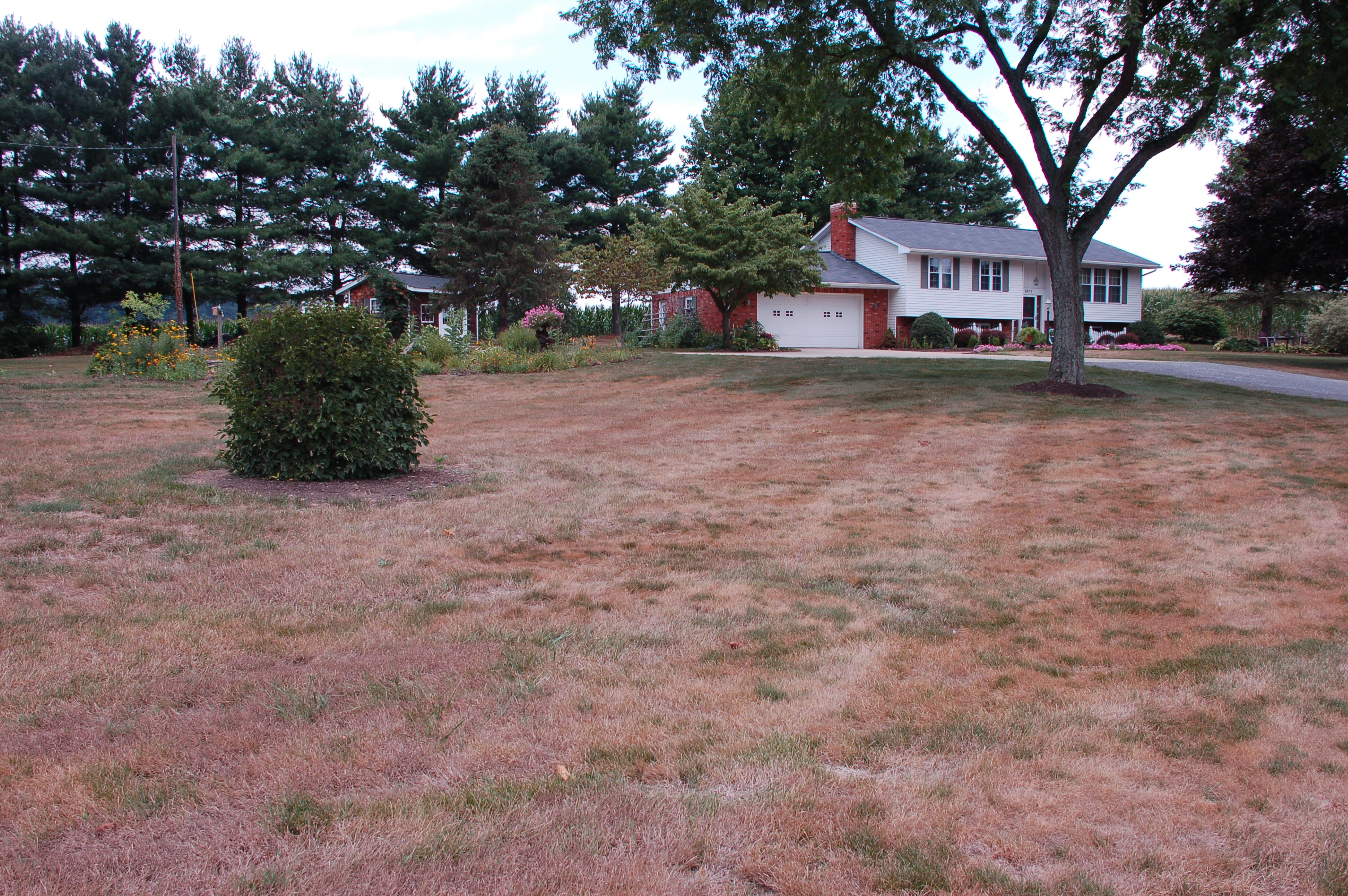
Brown grass by Bruce Stambaugh
Burned out lawns and parched flowerbeds like these were common all across the midwest part of the United States.

Trees and flowers, too, were stressed. Leaves turned yellow or brown. Some gave up the ghost altogether. When I walked to the mailbox to get the mail, the grass crunched beneath my feet like snow. Right now, I’d rather have the snow. Can’t we just skip the dog days of August and sashay right into a normal fall?

Given such a notion, maybe the heat has gotten to me after all.

This column appeared in The Bargain Hunter, Millersburg, OH.

© Bruce Stambaugh 2012
August is the quiet month

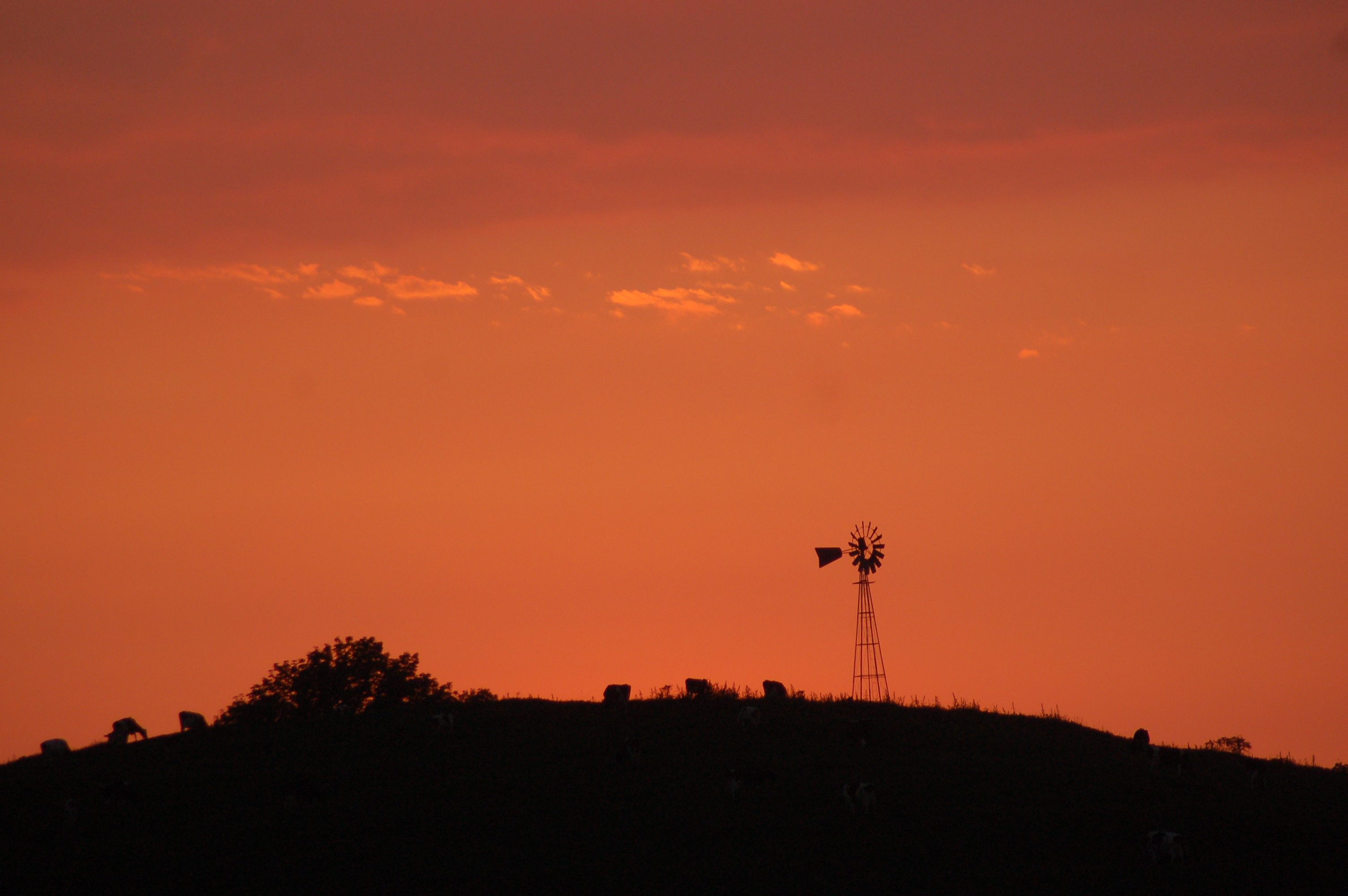
August sunset by Bruce Stambaugh
A typical August susnet in Ohio's Amish country.

By Bruce Stambaugh

I have always thought of August as a transitional month, the days between busy, boisterous July and the revitalizing September.

August is the stepping-stone from summer’s onslaught of activities into a pre-fall mentality. Vacations wind down for most people. It’s back to school and back to work.

If we take time to halt our busyness, our clamor to re-ready ourselves for the new school year at hand, we can take note of this calendar bridge from tilling to harvest, from clamor to order. In its intermediary mode, August seems to quietly take it in stride.

The songbirds no longer need to announce their territory or impress their mate. The young have flown the coop, or more properly stated, the nest, and bird life has returned to seeking daily subsistence. The American Robin precisely models the point.

From April to July, the Robins paired off, warbled their luxurious choruses almost continuously sunup to sundown. They pecked on windows, noisily flitted off their nests when disturbed and faithfully fed their young.

The Robins were ubiquitous in both presence and song. People often comment when they see their first Robin of the spring.

First Robin by Bruce Stambaugh
People often remark when they spot their first Robin of the spring.

Now, in late August, the Robins have all slyly retreated to their preferred nomenclature. They are more than content to while away the day searching for food deep in the recesses of the shade and forest.

Think about it. When was the last time you either heard or saw a robin? They simply and silently slipped away unnoticed.

If they haven’t already, other bird species will soon be disappearing from the area altogether. The Purple Martins, Barn Swallows and Common Nighthawks all heed their interior instinctive urgings and vanish unseen much like the Robin. We under-appreciate their massive consumption of insect protein until it’s too late to thank them.

Just as quietly, the multiple greens of fields and pastures have grown taller, richer. Chameleon-like, they have morphed into emeralds, tans and russets with hardly a rustle.

August harvest colors by Bruce Stambaugh
The colors of August change from day to day.

Farmers have taken in their wheat and most of their oats matter-of-factly, and now tolerantly wait the drying of the later cash crops, corn and soybeans. There is no mechanized clanking in patience.

Song Sparrow by Bruce Stambaugh
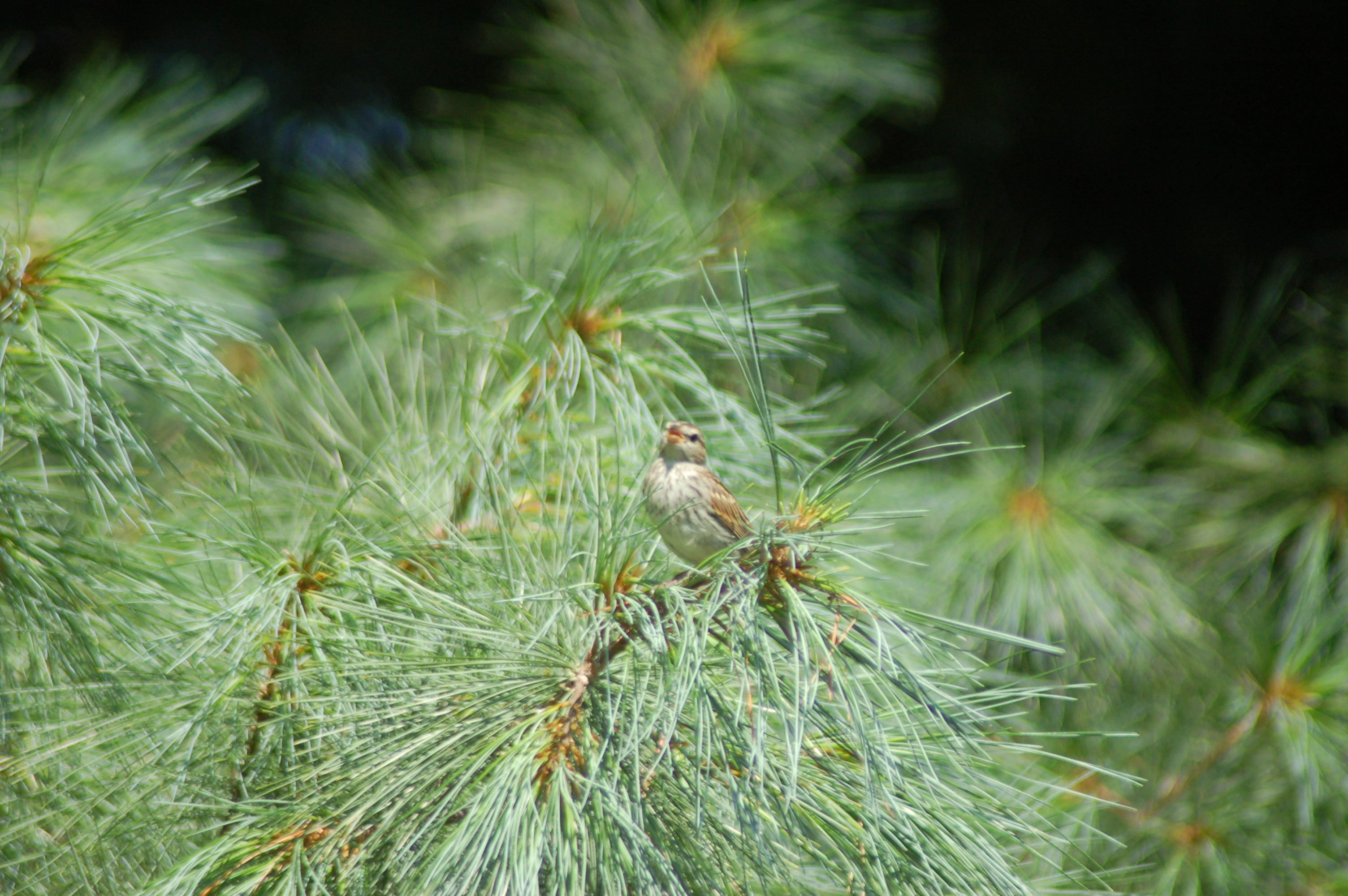
A Song Sparrow sings away.
The Song Sparrow still belts out an occasional composition, but nothing as regular as it had been earlier in the season. The House Wrens, once so noisy they approached annoyance, have taken to the underbrush, giving their last brood endurance lessons.

August’s atmosphere also has been quieter than the previous months, save for a couple of late night thunderstorms. The brilliant flashes and deep, rolling booms shattered my sleep like Civil War cannon fire might have. Midnight imaginations run wild when deafeningly jolted.

The few sounds of August we can count on are more monotonous and so commonplace we may not even notice their calls. Cicadas and crickets signal day and night. With windows thrown open to catch the unusual August twilight coolness, the insect symphony has helped humans settle in for sound sleeping.

Every now and then a ranging coyote howls from atop the neighbor’s pastured hill, if for no other reason than to drive the tethered neighborhood canines crazy. The feral call is one thing. The domesticated is another.

Now that school years in most locales begin well ahead of September, the playful echoes of children rollicking at recess again fill the air. It’s a timbre I love to hear over and over again, even if it does break August’s amazing silent spell.
Amish school by Bruce Stambaugh

From every angle, August is golden

Golden sunset by Bruce Stambaugh
Hazy sunsets in Amish country are the norm in August.

By Bruce Stambaugh

These are what I call August’s golden days. If I only referenced orangey sunrises and the hazy, citrus sunsets, that moniker would apply.

August is so much more than lovely solar appearances and disappearances. It is always full of golden moments that make golden memories.

I realize my reflections are provincial. In a world full of disease, disaster, dismay and hostilities, not all would share my august perspectives. However, I cannot deny what I have observed and experienced in this transitional month in Amish country.

In calling August golden, I mean to take the broadest definition possible. Everywhere you turn, deep, rich yellows and golds appear. August is golden, too, in that it is good, providing success and satisfaction as the harvesting begins.

Mowing oats by Bruce Stambaugh
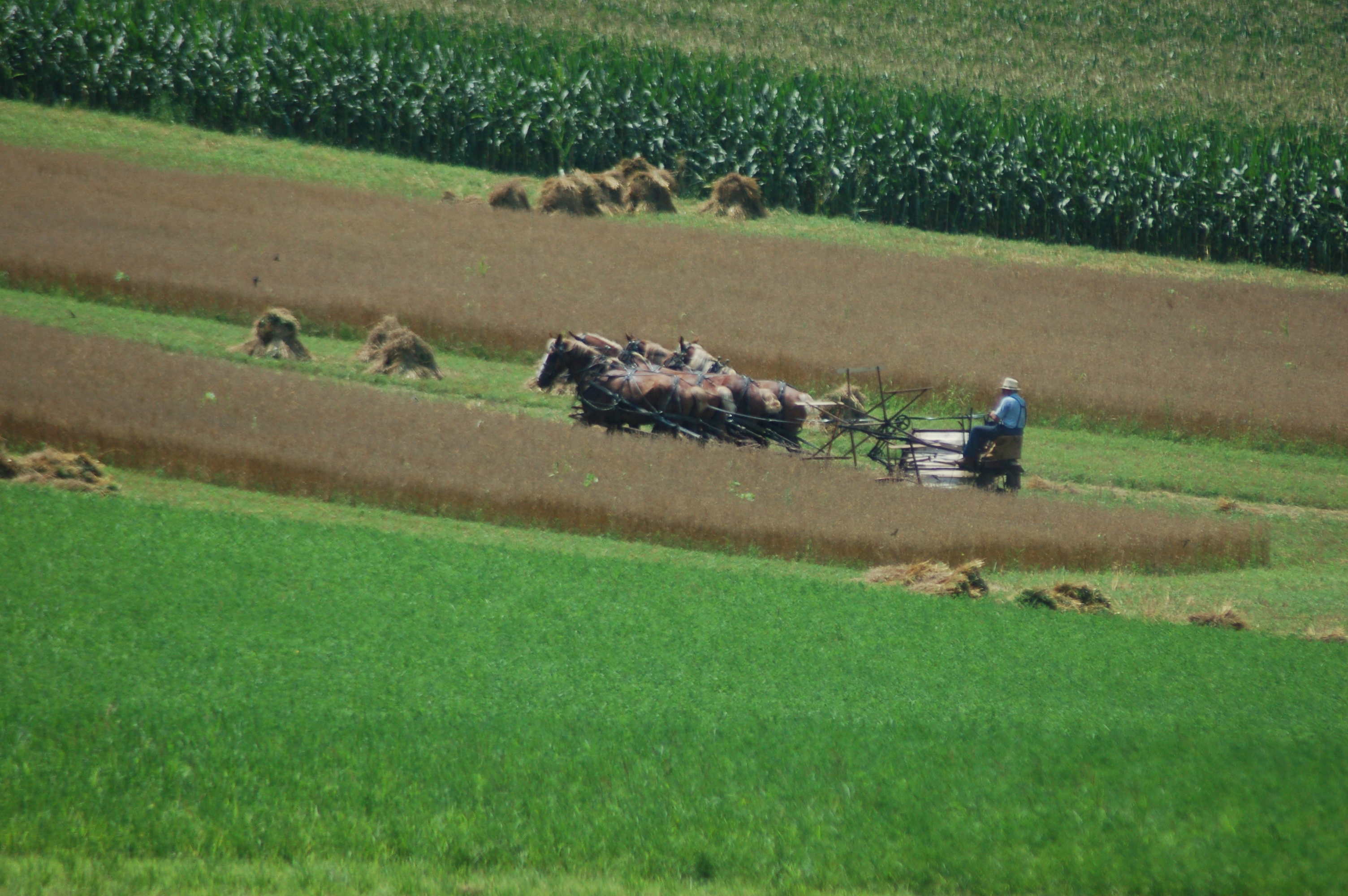
Mowing and stacking the oats into shocks is the first step in the harvesting process for the Amish.

August is usually a hot month in most of the northern hemisphere. Even the poor people in Moscow, Russia, where temperatures have seemed more like Dallas, Texas, have been especially suffering.

True to form, hot and humid have been the bywords in Ohio, too. Those who have had to work out in these blazing elements would argue for sizzling and sultry as better descriptors. But no matter how we describe the daily dog days of August, the benefits surely outweigh the negatives, no matter how muggy.

Coming and going by Bruce Stamabugh
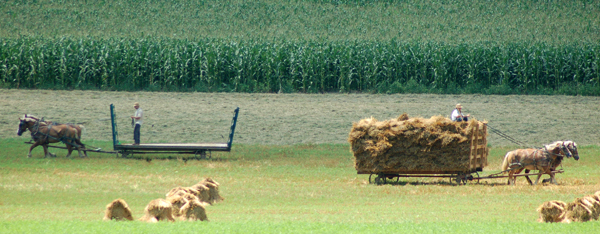
One wagon heads to the barn while the other returns to the field to be loaded again.

My Amish neighbor’s circle of friends purposefully gathers the air-dried, ripened oat shocks wagonload after wagonload. Their water thermos got a workout, too. With their cooperative efforts, the impressive stand of honey-colored sheaves had disappeared by day’s end.

I always find it a miracle that once the sea of grain is cut and shocked, a carpet of bright green immediately replaces it. The hardy clover thrives all the more once it has the ground to itself.

There are other kinds of gold in August, too. The Incredible sweet corn arrives almost simultaneously with the transparent apples. It’s husking, cutting, cooking and freezing corn one day, making tartly sweet applesauce the next.

Ripe tomatoes by Bruce Stambaugh
Heirloom tomatoes ripen on the vine.

The growth of the heirloom tomato plants my wife and son planted in late May is so
prolific, the plant runners get tied daily. Their yellow, red and green-striped fruit add to the festivities.

House wren by Bruce Stambaugh
A house wren leaves the nest after feeding her brood.

The noisy tan house wrens worked frantically to satisfy their last brood of the summer. Their hungry youngsters consumed an amazing amount of worms, caterpillars and insects.

When the little ones began to greet their parents at the entrance to their birthplace, it’s nearly time for them to fly. In our case, the babies were there before church, but not when we got home. The grandsons and I found them learning to forage and hide in the brush pile under the pines near the hammock where other golden moments were made.

Monarch and swallowtail butterflies joined the goodness of the month as they enjoyed the nectar of the milkweed and wild and domestic flowers. Both the black and yellow-billed cuckoo birds announced their arrivals as the tent caterpillars hatched.

The much publicized but often under performing Perseid meteor showers still managed to send enough bright streaks though the new moon sky to extend the month’s goldenness 24/7.

Next week the full moon will strut its stuff, casting a golden glow across landscapes, rural and urban alike. Ready or not, summer vacation has yielded to elongated yellow buses and excited, golden voices of children beginning a new school year.

All things considered, August is a positively golden time of year.

Hammock fun by Bruce Stambaugh
Playing on a hammock in the cool shade serves as a diversion from the August heat and humidity.
Bay Photos by Donna

Wildlife Photos From The Chesapeake Bay Region

ROAD TO NARA

Culture and Communities at the Heart Of India

K Hertzler Art

Artist and nature journalist in the Shenandoah Valley of Virginia.

Maria Vincent Robinson

Photographer Of Life and moments

Gabriele Romano

Less Noise. More Meaning

Jennifer Murch

Art is the only way to run away without leaving home. -Twyla Tharp

Roadkill Crossing

Writing generated from the rural life

ANJOLI ROY

writer. teacher. podcast cohost.

Casa Alterna

El amor cruza fronteras / Love crosses borders