August is the quiet month

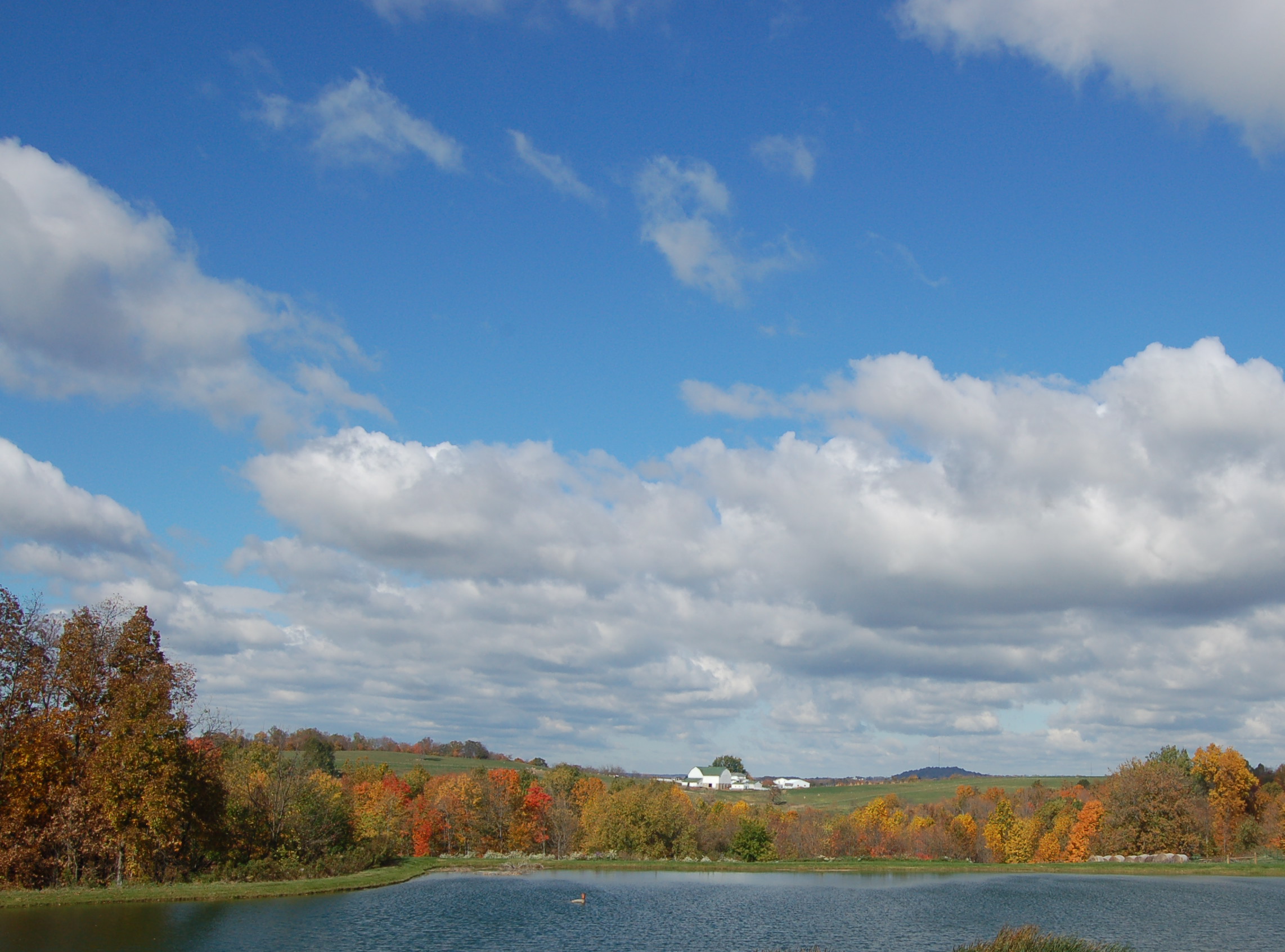
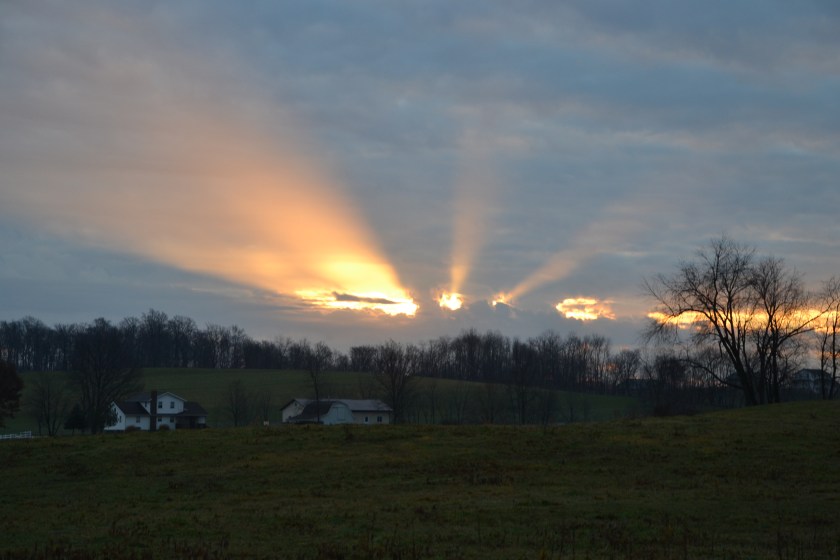
August sunset by Bruce Stambaugh
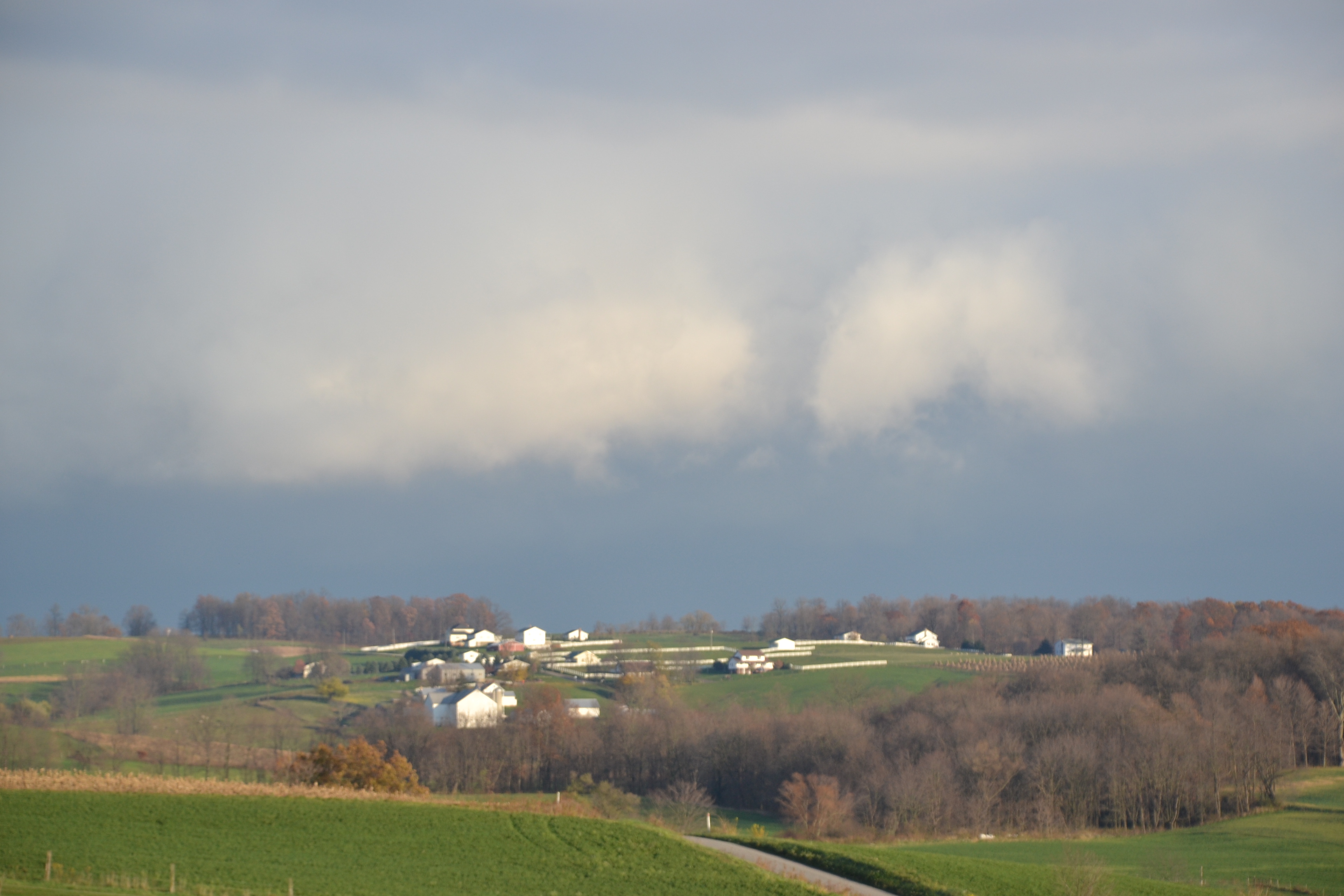
A typical August susnet in Ohio's Amish country.

By Bruce Stambaugh

I have always thought of August as a transitional month, the days between busy, boisterous July and the revitalizing September.

August is the stepping-stone from summer’s onslaught of activities into a pre-fall mentality. Vacations wind down for most people. It’s back to school and back to work.

If we take time to halt our busyness, our clamor to re-ready ourselves for the new school year at hand, we can take note of this calendar bridge from tilling to harvest, from clamor to order. In its intermediary mode, August seems to quietly take it in stride.

The songbirds no longer need to announce their territory or impress their mate. The young have flown the coop, or more properly stated, the nest, and bird life has returned to seeking daily subsistence. The American Robin precisely models the point.

From April to July, the Robins paired off, warbled their luxurious choruses almost continuously sunup to sundown. They pecked on windows, noisily flitted off their nests when disturbed and faithfully fed their young.

The Robins were ubiquitous in both presence and song. People often comment when they see their first Robin of the spring.

First Robin by Bruce Stambaugh
People often remark when they spot their first Robin of the spring.

Now, in late August, the Robins have all slyly retreated to their preferred nomenclature. They are more than content to while away the day searching for food deep in the recesses of the shade and forest.

Think about it. When was the last time you either heard or saw a robin? They simply and silently slipped away unnoticed.

If they haven’t already, other bird species will soon be disappearing from the area altogether. The Purple Martins, Barn Swallows and Common Nighthawks all heed their interior instinctive urgings and vanish unseen much like the Robin. We under-appreciate their massive consumption of insect protein until it’s too late to thank them.

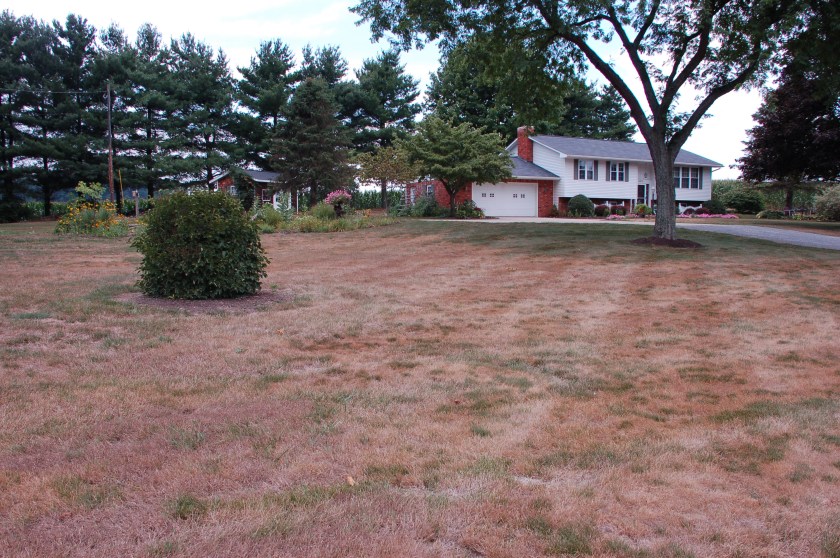
Just as quietly, the multiple greens of fields and pastures have grown taller, richer. Chameleon-like, they have morphed into emeralds, tans and russets with hardly a rustle.

August harvest colors by Bruce Stambaugh
The colors of August change from day to day.

Farmers have taken in their wheat and most of their oats matter-of-factly, and now tolerantly wait the drying of the later cash crops, corn and soybeans. There is no mechanized clanking in patience.

Song Sparrow by Bruce Stambaugh
A Song Sparrow sings away.
The Song Sparrow still belts out an occasional composition, but nothing as regular as it had been earlier in the season. The House Wrens, once so noisy they approached annoyance, have taken to the underbrush, giving their last brood endurance lessons.

August’s atmosphere also has been quieter than the previous months, save for a couple of late night thunderstorms. The brilliant flashes and deep, rolling booms shattered my sleep like Civil War cannon fire might have. Midnight imaginations run wild when deafeningly jolted.

The few sounds of August we can count on are more monotonous and so commonplace we may not even notice their calls. Cicadas and crickets signal day and night. With windows thrown open to catch the unusual August twilight coolness, the insect symphony has helped humans settle in for sound sleeping.

Every now and then a ranging coyote howls from atop the neighbor’s pastured hill, if for no other reason than to drive the tethered neighborhood canines crazy. The feral call is one thing. The domesticated is another.

Now that school years in most locales begin well ahead of September, the playful echoes of children rollicking at recess again fill the air. It’s a timbre I love to hear over and over again, even if it does break August’s amazing silent spell.
Amish school by Bruce Stambaugh

Response to disaster defines community

Buggy charm by Bruce Stambaugh
A horse and buggy rolled by some snapped off trees north of Charm, Ohio.

By Bruce Stambaugh

If anyone ever wanted a snapshot of what defines this community, the beehive of activity in the aftermath of the storm that recently hit the Charm, Ohio area would perfectly frame that picture.

No sooner had the trees plummeted onto homes, buildings and roadways, than residents were out and about checking on one another. With the good fortune of finding no injuries, the cleanup began in earnest.

Helping hands by Bruce Stambaugh
Neighbors pitched in immediately to help clean up the debris left by the severe thunderstorm.

Four-wheelers, tractors, Bobcats, track hoes, and even monster skid loaders ran up and down skinny township roads. Their drivers and passengers stopped to assist wherever help was needed.

A man driving through the area just happened to have his chain saw in his pickup. With trees in his way, he did the logical thing. He cranked up his chain saw and began cutting. Drivers of a trio of semitrailers lined up behind him exited their cabs and joined in. He sawed. They pulled the limbs aside.

That proactive scenario was repeated a multitude of times throughout the Charm area. The volunteers weren’t asked to do this important work. They simply did so because it needed to be done, and they had the tools and the talent to do it. More than that, the desire to assist their neighbors in need drove them into action.

This was no time to feel sorry for yourself. Those receiving the aid worked side-by-side with the volunteers.

The response to this latest calamity in Holmes County was immediate and spontaneous, as it always seems to be no matter where the misfortune happens. Whether it’s a fire, devastating illness, serious flood or a severe thunderstorm, citizens come to the aid of others. Time and again people automatically go above and beyond the call of duty.

Barn destroyed by Bruce Stambaugh
My friends' barn roof was ripped off by the microburst.

My wife and I got caught up in the flurry of activity in Charm. We went to check on the property of friends who live near Charm but were on vacation. The 80 mph microburst winds ripped the roof off their small barn and scattered anything not nailed down for hundreds of yards.

What we witnessed as we made our way to and from the farmstead was truly amazing, though not unexpected. In disasters like this, citizens in Holmes County by and large do the right thing. No police supervision was needed.

Road crews by Bruce Stambaugh
Residents, neighbors and road crews pitched in to clear roadways.

An hour and a half after the storm, roadways had been cleared of giant trees and other debris strewn by the incredible hurricane-force, straight-line winds. Houses, too, were already being repaired.

Everywhere we went people and machines were working to clean up the mess. They didn’t call the fire department. They didn’t wait on road crews, though at least one township had its personnel out clearing roads.

People saw the needs, and their inherent work ethic simply kicked in. The cleanup was on. Strangers helped strangers. Friends helped friends. It was a marvelous operation to observe and be a part of.

House damage by Bruce Stambaugh
This house sustained heavy damage from the large pines blown onto it.

One particular setting ideally modeled both the community spirit and gracious gratitude. Hands that had cut up a large severed pine gathered around a picnic table. Grateful hands placed offerings of nourishing food for the thoughtful helpers. Together they shared a simple meal. Kindness is contagious.

By any definition, that is how a community is supposed to work and commune. That scene has been duplicated many times in the past, and most likely will be again in any future adversity that hits our rural haven.

It was hotter than _____ (fill in the blank)

Hazy sunset by Bruce Stambaugh
Hazy sunsets culminated the hot, humid days.

By Bruce Stambaugh

I have never written an interactive column or blog until now.

With the onslaught of the recent blast of extreme hot and humid weather that affected the country from The Great Plains states to the Outer Banks to Maine’s rocky coast, I heard and saw a lot of comments about the heat.

Some can’t and shouldn’t be repeated, much less printed. I took the prudent approach and attributed the more lewd orneriness to heat stroke.

Here are a few of the ones that can be shared. It was hotter than a firecracker on the Fourth of July. It was hotter than a pistol. It was hotter than two goats in a pepper patch. It was hotter than a cat on a tin roof. Not the most imaginative offerings I know.

Others focused on an end result retort about the oppressive heat. It’s so hot the chickens are laying hard-boiled eggs. It’s so hot I can fry eggs on the sidewalk. It’s so hot that the trees are creeping around looking for shade. These platitudes seem a little more comprehensible.

The interactive part of the post comes in here. Perhaps you have your own heat related ditty. If so, I invite you to complete the headline with your own personalized version or post it in the comments section.

With the lengthy duration of this very hot weather, there can be no doubt that summer has arrived in all its glory in Ohio and across the nation. The National Weather Service was proactive in advising the public about heat related conditions, and offered suggestions on how to avoid heat exhaustion and heat stroke. Both are serious illnesses with their own specific symptoms.

Hard work by Bruce Stambaugh
Outdoor work required laborers young and old to stay hydrated.

I felt for people who had to work outside. I was pleased to learn that many such workers were asked to begin work earlier in the coolness of the morning so they could finish up before the really extreme heat of the late afternoon. Some shops simply shut down for a day to save their workers from the oppressive conditions.

Those who had to labor out in the elements soldiered on, improvising ways to stay cool. Construction and landscape workers removed their T-shirts and wore colorful bandanas around their heads for protection from the sun and to soak up the sweat.

Popsicle days by Bruce Stambaugh
Taking frequent, cooling breaks is especially important on extremely warm and humid days.

Even though the National Weather Service warned the public with Heat Advisories and Excessive Heat Warnings, people still got sick. Unfortunately, several people nationwide died from difficulties brought on by the incredible heat. Most were elderly, who are the most susceptible to heat related health problems.

Taking the proper precautions can help avoid complications from being overheated. Keeping hydrated, taking needed breaks, and staying out of the direct sun as much as possible are the safest measures.

Horses in snow by Bruce Stambaugh
Last winter was an especially long and cold one for people and animals alike.

Besides the silly sayings, I didn’t really hear a lot of complaining about the heat. Perhaps the memories of the long, cold, wet winter and spring came to mind, and people just bit their lips and endured as best they could.

Much as I preferred not to be, I was out and about on the hottest days of the year. When I stepped from the refreshing and safe air conditioning into the outside elements, the heat overwhelmed me. It felt like I was walking into an oven. Getting back into the car after an hour’s meeting was no fun either.

I’m not complaining mind you. I’m just reporting. It was hotter than…?

I am my father’s son

By Bruce Stambaugh

My son has been trying not so subtly to tell me this for a long time. I am my father’s son.

What he means of course is that I act just like my late father did. Out of principle, I deny it of course, or at least I did. I didn’t think I was like my father at all, especially not his bad points.

Stambaugh men by Bruce Stambaugh
My older brother, Craig, our late father, Richard "Dick", and myself at the World War II Memorial in Washington, D.C.

I could clearly see that both my older and younger brothers each had many of Dad’s characteristics. The older is outgoing and antsy. The younger most physically resembles Dad, and is an avid sportsman.

But me be like Dad. No way. Dad wasn’t the best driver. I was once a certified driver education teacher. Dad was consistently late. I like being early. I wasn’t like my father at all, or so I thought.

As I have aged, I have humbly swallowed my pride. I realize that my son is right, although I probably don’t exactly see the resemblances that he sees.

I love some of the same things my late father did: nature, history, geography, travel, sports, antiques, community involvement, a sense of humor, and family. Dad poured his entire being into activities and organizations that revolved around those topics. That was especially true after he retired.

Dad helped found, foster and lead a private sportsmen’s club. He served on a regional planning board for 36 years. I wonder how much Dad’s involvement influenced my own participation in the organizations and institutions with which I affiliated over the years.

Dad’s love of travel took our family on many day trips to art and history museums, parks and other points of interest around the state. We got to know Ohio well.

That desire to explore and learn rubbed off onto me. My wife and I traveled with our two children, and like my own youthful experiences, many of our jaunts were day trips throughout the Buckeye State.

Dad wasn’t afraid to venture beyond Ohio’s boundaries either. He would travel with our mother when she attended out of state art classes. While Mom painted, Dad scoured field after field for Native America artifacts, one of his favorite pastimes.

In the evening, when it was time to share what each artist had accomplished, Dad was invited to show what he had found. Of course, he had to expound on the exact type of artifact, how it was used, and made. Dad knew a lot, much of it self-taught.

Storm clouds by Bruce Stambaugh
The backside of a severe thunderstorm.

My special hobby is the weather, especially extreme weather. I enjoy watching storms, and telling others about them. When people’s eyes start to glaze over, I realize it’s time to quit. That never bothered my father, however.

Dad taught me the value of preserving the old things, especially if the items happened to have been in the family. He and Mom gave my wife and I several well worn but personally valuable antique pieces that go back three family generations.

Dad’s handwriting was hardly legible. Mine is worse. Dad often mispronounced words. He always exchanged a “l’ for the “n” in chimney. When I catch myself garbling words, or more likely, when my son catches me doing that, my thoughts happily connect to Dad.

There it is. I gladly acknowledge that for better or for worse, I am my father’s son. I wonder if my son realizes he is, too.

Siblings by Bruce Stambaugh
The Stambaughs, Craig, Claudia Yarnell, Jim, Elaine Barkan, our mother Marian, and me.

The days we have waited for

Wildflowers by Bruce Stambaugh
A wildflower patch in our backyard.

By Bruce Stambaugh

The days we have long awaited are at hand. After a winter that wouldn’t quit, and a spring that seemed more like November threefold, these desired days have sprung upon us as if a seasonal switch suddenly had been flipped, albeit belatedly.

Like much of the northern part of the country, Ohio spent the first five months of 2011 snowed in, flooded out, and shivering. Officially northeast Ohio had recorded a grand total of six sunny days between Jan. 1 and May 1.

Squall line by Bruce Stambaugh
A squall line charged into Ohio's Amish country.

The predominance of the gloomy, damp and cold days translated into depressed spirits and confined activities. But even as the days of May warmed and trees and flowers budded and bloomed, human outdoor activity remained restricted by wave after wave of heavy rainstorms.

Though we were mostly spared the severe weather that other parts of the country received, outside work and play remained limited. Now all that is behind us. The rich warm days of summer are here, and it is marvelous to inhale and embrace their arrival.

The anxious anticipation for sunnier, warmer days ended seemingly overnight. Farmers all across America’s breadbasket couldn’t wait to get into their fields, though many had to due to the saturated soil. Even teams of workhorses labored extra hard to break the soggy earth.

Plowing by Bruce Stambaugh
Plowing with horses is a long, steady process.

One week wood ducks floated on temporary lakes. The next the waterfowl were gone, replaced by plowed, harrowed and planted fields. That’s what a string of sunny days accompanied by strong warm southwest breezes can do to excess moisture.

Contractors and landscapers worked sun up to sundown to make up for lost time in pouring footers, building, excavating, and planting annuals. Commerce was renewed.

Planting by Bruce Stambaugh
My wife planted some heirloom tomatoes.

Motorcycle clubs and bicycle enthusiasts basked in the opportunities to wind their way all across rural byways. Children rode up and down lanes in pony carts and four-wheelers alike.

Gardeners finally could set their vegetable seeds and plants. In some locales, cooperative groups gathered to make the pleasant process all the more so and speedier.

Teenagers plunged without complaint into chilly lake waters just because they could. The outboard motors of both boaters and fishermen hummed in unison at the freedom to finally be able to play.

Sunset splash by Bruce Stambaugh
Teenagers took the plunge off the dock at Lakeside, OH.

Backyard birds coaxed their fledglings out of their secure nests and into the environs of the real world. Often they paused to collectively sun themselves like gaggles of bathers at the beach sans the bikinis.

Baby robin by Bruce Stambaugh
A young robin enjoyed the nice weather.collectively sun themselves like gaggles of bathers at the beach sans the bikinis.

The deciduous trees unfolded their canopy without delay, painting the landscape green on green. Soon the leaf cutters were hard at work thinning the verdant crop.

Irises, lilacs, peonies, poppies and roses created fragrant rainbows in every neighborhood. Azaleas and rhododendrons revealed their lovely petals just as the dogwoods dropped theirs.

Flower garden by Bruce Stambaugh
One of my wife's beautiful flower gardens.

Sitting on the airy deck of our woodland cottage in southeast Ohio, a single butterfly exactly symbolized the temporal jubilance. An impressive yellow and black tiger swallowtail zipped erratically through forest openings forged by gravel roadways and power line cuts.

Woods by Bruce Stambaugh
Where the butterfly roamed.

The butterfly darted unpredictably from shade to sun repeatedly among the emerald lushness. The butterfly improvised its quixotic dance back and forth all afternoon and well into the evening hours. I never saw it land.

Butterfly by Bruce Stambaugh
A Tiger Swallow Tail enjoyed our backyard wildflowers.

These are the days we have longed for, hoped for, prayed for. Like the innocent butterfly, let us rejoice and be glad in them, dancing a celebrative dance as if our sole purpose was to simply extol life’s goodness. Perhaps it is.

A window with an ever-changing view

Ohio sunrise by Bruce Stambaugh
One of the many spectacular sunrises I've seen through my office window.

By Bruce Stambaugh

I’m glad I have a window with a view in my home office. That view is forever changing, sometimes subtly, sometimes dramatically.

When our daughter flew the coop 13 years ago to marry the love of her life, her mother and I converted her bedroom into our home office. The room was just the right size to meet our workplace needs. The cheery double window to the outside world was an added bonus.

My work area occupies the space right beside the window on the east side of our east-facing home. My wife’s computer desk is to my right. The window affords me some periodic and necessary breaks from the long-term sitting I do at the computer.

I’ve seen a lot over all the years peeking out that office window. Keep in mind our house is built on an Amish farm on a very busy county road that cuts through the heart of the world’s largest Amish population.

Horse and buggy on CR 201 by Bruce Stambaugh
Horse and buggy traffic is common along Holmes County Road 201.

The surface of County Road 201 routinely carries an amazing array of cargo. If I were to create a catalog of the movements north and south along the road, I would have a pretty thick document.

The booklet’s index would include several categories. A random representation of the locomotion I’ve witnessed would include canoes atop buggies, bicyclists, strings of antique cars, wagon trains, tractor-trailer parades, tractors pulling wagon loads of people sitting on lawn chairs, speeding motorcycles and dedicated joggers.

Of course, not everything I have seen has buzzed by on the highway. We rejoice when we see our neighbors readying their equipment to head out for their work away from home jobs. Given the economy, that surely is a happy sight.

Hoar frost by Bruce Stambaugh
Hoar frost stuck to twigs on a dogwood bush.

Some of the prettier things we’ve observed through the window include incredible sunrises, spiny hoar frost stuck to everything it touched, and triple rainbows. I have watched as golf ball sized hail covered the ground. Blinding snow squalls prevented me from seeing the roadside mailbox.

I have seen some rather ugly images out that window, too. Auto accidents and insensitive people pitching litter from passing vehicles make that unpleasant list.

My favorite observations, however, are the animals I see. And just like the highway bill of lading, I have watched a variety of wildlife engaged in assorted activities in every season. Eastern Bluebirds have perched atop the lamppost positioned along the front sidewalk. Deer scurried for cover by taking a shortcut through the front yard.

Cooper's Hawk by Bruce Stambaugh
A Cooper's Hawk pinned its catch, a Mourning Dove, to the snowy ground.

After one of last winter’s heavy snows, I spied a Cooper’s Hawk pinning its Mourning Dove breakfast to the ground, feathers scattered in a broad oval around the crime scene. I shot lots of pictures through the window for evidence just in case the assault ever got called into court.

Recently, a curious flash drew my attention away from the computer, through the window to the greening yard. A Red-tailed Hawk had swooped down to claim a fox squirrel that had been run over on the road earlier that day.

Hawk and squirrel by Bruce Stambaugh
The dead fox squirrel was simply too heavy for the Red-tailed Hawk to lift for any distance.

As the hawk tried to roost in one of our Norway maple trees, it dropped the flattened rodent. Try as it might, the hawk could not fly away with its fortunate find.

Finally, the frustrated hawk left still hungry. I took pity on the poor dead squirrel, went outside and placed the mutilated carcass at the base of the tree trunk.

The next morning I discovered the squirrel was gone. Though curious as to what had happened to it, I was really thankful that was one incident I didn’t have to view out my window.

Bluebird on ice by Bruce Stambaugh
A male Eastern Bluebird perched on an ice-covered limb outside my office window.

Sunset haiku

Mackerel clouds at sunset by Bruce Stambaugh
Mackerel clouds at sunset.

Mackerel clouds sail
above the gilded sunset,
trees silhouetted.

Bruce Stambaugh
Feb. 21, 2011

Cold Moon haiku

Full moon by Bruce Stambaugh
February's full moon is called the Cold Moon.

The icy landscape
glistened the pearly soft light
of the cold full moon.

Bruce Stambaugh
Feb. 20, 2011

Finding the good in the bad weather

Snow scene by Bruce Stambaugh
Snowy scene in Holmes County, Ohio.

By Bruce Stambaugh

Weather is one of my favorite hobbies. Living in Ohio’s Amish Country affords me plenty of climatological variety to enjoy.

That is especially true in the winter. We never know what winter will bring here when it comes to weather. It could be mild. It could be cold. It could be dry. We could be buried in snow. And all of those scenarios could happen in the same winter season.

I especially like an occasional heavy snow. I love the beauty, the peacefulness, the serenity an abundant snowfall brings. The landscape comes alive, green pine boughs heavy laden with a snowy burden, fire engine red Cardinals searching for seeds, chestnut horses romping in the white, fluffy playground, children bundled up to build snowmen.

Cardinal and corn by Bruce Stambaugh
A male cardinal at an ear corn feeder.

Of course, such a snow causes headaches for travel and unwanted expenses for municipalities expected to clean every last flake from the roadways. Tow truck drivers, on the other hand, revel in the bounty of pulling vehicle after vehicle out of ditches.

For my part, the good far outweighs the bad when it comes to snow. I can’t say the same thing about an ice storm, however.

Our most recent experience with a widespread ice event is example enough. Ice-coated trees crashed onto power lines and highways. I both pitied and admired the road and utility workers who braved the dangerous elements trying to restore order out of the icy chaos.

Stores lost valuable business. Schools altered schedules, academic and extracurricular alike. People who lost power and didn’t have access to a generator had to wait it out, sometimes for days.

Ice clogged by Bruce Stambaugh
The ice storm clogged roads and gutters alike.

Eventually, though, some good managed to find its way through the gloom and dismay of the ubiquitous ice. Ice-coated branches sparkled, even from nighttime’s artificial light.

Moon crescent by Bruce Stambaugh
Even the light from a thin creasent moon reflected off of the icy landscape.

But often it takes us awhile to see the glimmering light of an ice storm. The most obvious benefits came in the first light of day. Once the clouds diminished, the low angled rays of sunrise and later sunsets ricocheted across the icy landscape. Even the light of a thin crescent moon slid its tiny light across the shiny, slippery iced-over acres of fallow fields.

The light came in other natural forms, too. A kind neighbor sauntered over to sprinkle calcium on the inch thick, hard blanket of ice that covered the walk and parking pad. After a few minutes, he began chipping the icy glaze just because it needed to be done. I joined him, and a congenial conversation brightened the otherwise dull day.

A township resident called to say that he and his neighbors had cleaned up the downed tree limbs save the one they couldn’t reach that still dangled above the roadway. The lone highway worker would not have to clear that section of the road of debris thanks to their thoughtfulness and commitment to doing the obvious for safety sake. Why wait on paid personnel when a volunteer effort gets the job done just as well?

As we saw again last week, an ice storm can be devastating. Urban and rural commerce and individual residents alike suffer the cold consequences.

Conversely, an ice storm can also be a bright ray of sunshine in an otherwise dismal winter. I enjoyed the enhanced scenery and the visit of the friendly neighbor.

However, having experienced this most recent icy incident and the one in late 2004, the next one can wait awhile as far as I’m concerned. That weather is a bit too extreme, even for me.

Oceans and the weather

Gulf storm clouds by Bruce Stambaugh
Storm clouds gather at sunrise near Port Aransas, TX.

By Bruce Stambaugh

If it weren’t for the oceans of the world, the earth probably wouldn’t have weather as we know it. The landmasses then bear the brunt of nature’s bad weather and embrace her best. Considering that more than half of the world’s population lives within 60 miles of an ocean, their importance in weather making cannot be overstated.

Earth’s oceans occupy 71 percent of the world’s surface, and contain more than 97 percent of all the water contained on the globe. That huge volume of water helps create the weather that arrives on the planet’s landmasses.

Surprisingly, it is not so much the amount of water in the oceans that affects the weather as it is the temperature of the water. Just a degree or two warmer or cooler, and the oceans can have a dramatic effect on the weather experienced from season to season.

Oceans have an incredible ability to absorb, store and release heat into the atmosphere. It is this characteristic alone that affects the weather received around the world, even far inland.

Shelf cloud by Bruce Stambaugh
A shelf cloud of a severe thunderstorm moved over Ohio's Amish country.

This quality of ocean water also has the most dramatic affect on both climate and weather. Consider that the first 10 feet of ocean surface contains more heat than the earth’s entire atmosphere.

Major climate events, such as El Nino, result from ocean temperature changes. These temperature changes then impact weather events like hurricanes, typhoons, floods and droughts. Of course, those disasters directly relate to the success or failure of crops, and greatly affect the price of fruits, vegetables and grains, for example.

Just as the atmosphere is divided into layers, so are the oceans. The surface layer, the Epipelagic Zone, is also called the sunlight zone and extends from the surface to 660 feet deep. It is here that most of the visible light exists.

Naturally, with the light comes heating from the sun. This heating is responsible for the wide change in temperature that occurs in this zone seasonally and in latitudes. For example, surface water in the Persian Gulf can be 97 degrees Fahrenheit, while the water at the North Pole is 28 degrees.

Ocean circulations, waves, tides and sea breezes are other aspects of the ocean. Individually and collectively, they all influence the weather to some degree.

This article first appeared in the winter issue Farming Magazine.

Bay Photos by Donna

Wildlife photos from the Chesapeake Bay region

ROAD TO NARA

Culture and Communities at the Heart Of India

K Hertzler Art

Artist and nature journalist in the Shenandoah Valley of Virginia.

Maria Vincent Robinson

Photographer Of Life and moments

Gabriele Romano

Personal Blog

Jennifer Murch

Art is the only way to run away without leaving home. -Twyla Tharp

Roadkill Crossing

Writing generated from the rural life

ANJOLI ROY

writer. teacher. podcast cohost.

Casa Alterna

El amor cruza fronteras / Love crosses borders