The sweetest part of summer

Cooking corn by Bruce Stambaugh
By Bruce Stambaugh

Growing up in my post-World War II world, our family always had a garden. It was a logical way to keep the expenses down for our energetic family of seven.

Even as children, we knew Dad didn’t make much money. He worked hard at his white-color job. He left early and arrived home in time for the staple supper Mom always had waiting for him and the five of us ornery kids, although I think I was easily the best behaved of the bunch.

Mom worked hard, too, without a paycheck. Like most women of the era, she was a professional homemaker. She was at home all day, and during the summer months so were her five children.

She trusted us to roam the neighborhood as long as we checked in from time to time. Cell phones and texting weren’t even bad ideas then.

When Dad arrived home, the tempo changed. If my two brothers and I weren’t playing baseball, we, along with our two sisters, piled into the 1947 two-door, cream-colored Chevy, and headed to the garden two miles away. The land around our suburban home was too small to support a substantial garden.

A friend of Dad’s allowed us to use a portion of his property to garden. We planted, hoed, weeded and watched the crops grow. We cared for potatoes, green beans, radishes, carrots, peppers, and my favorite, sweet corn.

Rainbow of peppers by Bruce Stambaugh

Like a kid on Christmas morning, I couldn’t wait for the corn to ripen. Every trip to the garden I would squeeze the ears to see if they were filling out. When the tassels turned from blonde to brown, I knew the corn was close to being ready.

I loved the smell of corn, stalks and ears alike. Dad showed us how to carefully peel back the husks for a peek to confirm that the ears were ripe. For me, there was something special about the sharp sound of Dad yanking the corn free from its mother stalk. We took turns carrying the plump ears to the wheelbarrow at the end of the rows.

Husking corn by Bruce Stambaugh
Husking sweet corn is still a family affair in our household.

We loaded the car trunk with our golden treasure and headed home. We all helped husk the tender ears. We worked as fast as we could, knowing full well that the quicker we got the corn cleaned, the sooner we could enjoy it.

We ate some, and we froze some. By we, I mean my mother of course. Cooking the corn in the pressure cooker always unnerved me. I guess I was fearful of its scary hissing sound. Thankfully, my wife now just cooks the corn in a kettle on the stove.

Freezing corn by Bruce Stambaugh
Though my wife cuts the kernels from the cob before cooking the sweet corn, she still uses Tupperware and other similar contains to hold the corn in the freezer.
Mom ran the cooked corncobs down a wooden corn cutter. The yellowy kernels and sweet juice dripped into a marbled blue and white porcelain bowl. We helped fill the Tupperware containers, and once they cooled ushered them downstairs to the freezer.

Having sweet creamed corn in the middle of winter was a special treat. Still, it couldn’t compare to holding a freshly buttered and salted ear and crunching those tasty rows of kernels.

The ripening corn crop did have one drawback, however. When we were done harvesting and freezing the Iowa Chief, we knew it was time to start school.

Years later, here we are again near summer’s end. School is set to begin or already has. The tender sweet corn is already in the freezer, although it’s now Incredible, not Iowa Chief.

Sipping my morning coffee, I watch the school buses pass by the house. At my age, it’s the sweetest part of summer.

This column appeared in the Bargain Hunter, Millersburg, OH.

© Bruce Stambaugh 2012
After this June and July, do we really need August?

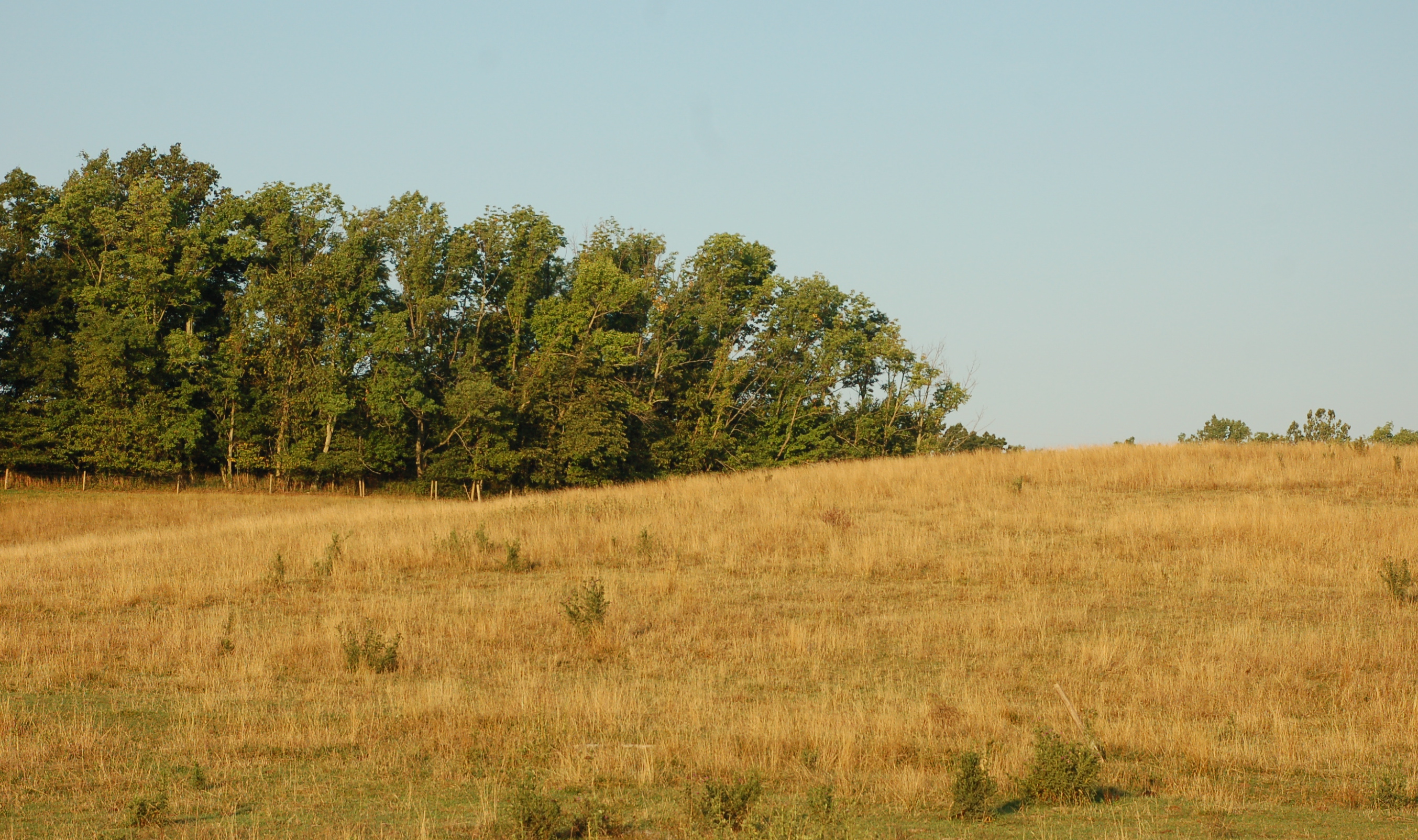
Ohio chaparral by Bruce Stambaugh
Parched pastures in Ohio more resembled California chaparral.

By Bruce Stambaugh

The dog days of August are upon us. The month is notorious for hot, humid and mostly dry weather. Haven’t we already experienced enough of that without adding to the enduring misery?

Once June arrived, the lovely spring weather we had enjoyed literally evaporated. The weather turned unusually warm and dry, not just in Ohio, but also across much of North America. Many record high temperatures were recorded. Geographic areas that had been moist quickly joined other regions that have had ongoing, long-term drought conditions.

Artesian well by Bruce Stambaugh
This artesian well normally runs steady year-round. It dried up by the end of July.
Water became a precious commodity. Wells were taxed. Perpetual springs slowed to a trickle. Local streams, normally gurgling with water from occasional rains, displayed more creek bed than flow.

I pitied those who had to work outside for a living. Many businesses had their employees arrive early to take advantage of the morning coolness, and then let them leave mid-afternoon at the height of the heat.

National Weather Service offices all across the country regularly posted heat advisories and excessive heat warnings. In the cities, where concrete and steel intensified the heat, people sweltered.

It was bad enough here in the country. Lawn care services, usually swamped for work or used to rushing to beat the rain to complete their jobs, simply lost business. They were used to mowing green, not brown. Indeed, there was no need to do so.

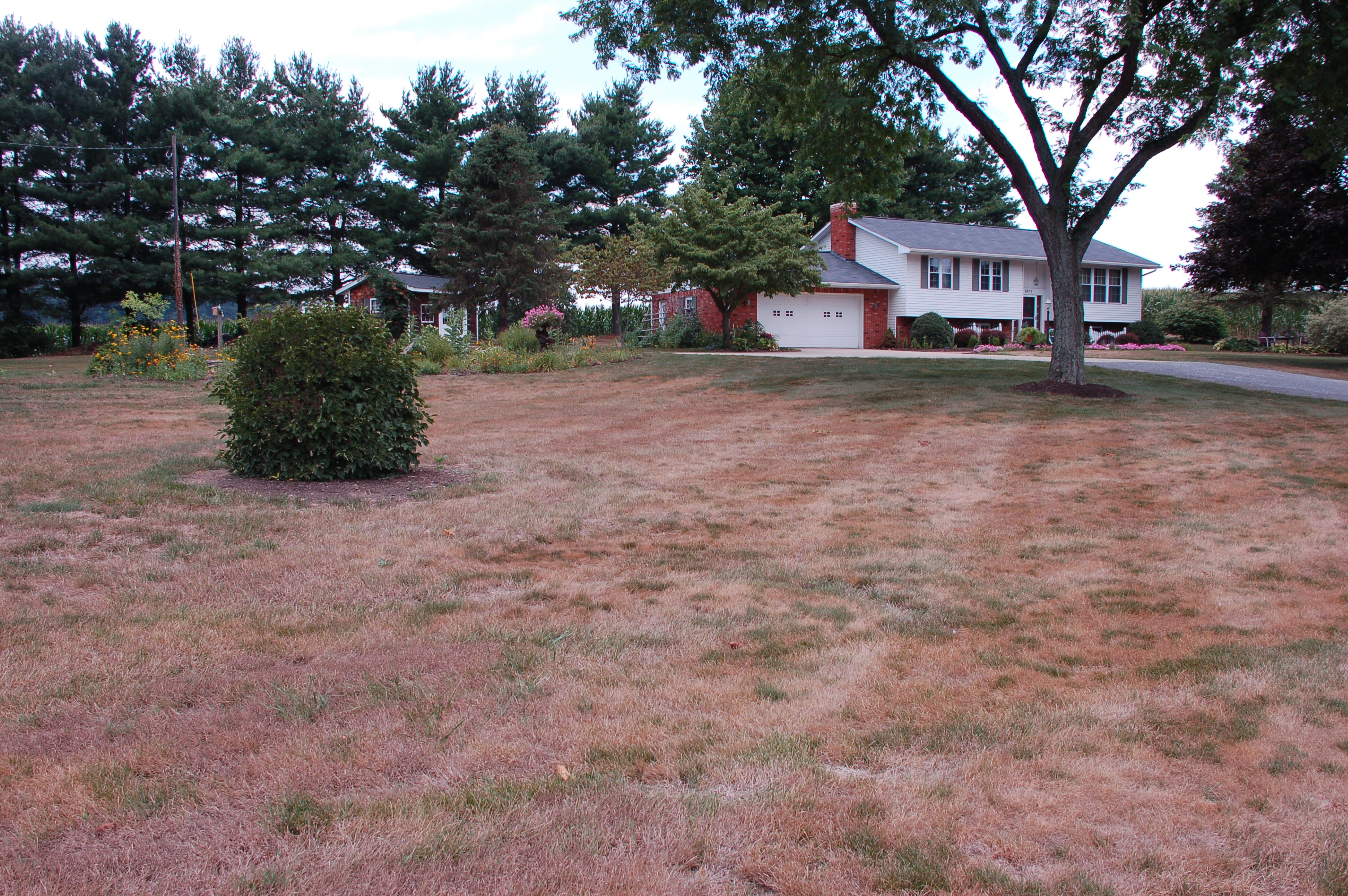
Brown lawn by Bruce Stambaugh
Lawns that were mowed short took a beating from the heat.

Farmers watched helplessly as their corn curled and parched pastures more resembled California chaparral. In America’s breadbasket, farm animals were sold off since feed and hay prices soared. By July’s end, two-thirds of the country was in some stage of drought.

Wild animals sought cooler climes, too. Groundhogs abandoned their normal burrows in hayfields and ranged outside their normal habitat for scarce food and water. A young one dug a hole under our back porch for protection from predators. It munched on our herbs and flowers, and boldly drank from our little garden pond in broad daylight.

Curled corn by Bruce Stambaugh
Field corn was so stressed from the heat and drought that it curled.

A pose of raccoons was more cautious. Being nocturnal, they regularly fished and splashed at night. The groundhog and seven of the masked bandits were captured in live traps baited with a gourmet meal of apple slices and marshmallows.

What really stood out though was how people seemed to adjust to the oppressive conditions. Sure complaints were lodged to nobody in particular. The only moisture to fall on some farmland was from farmers’ tears. Still I found people overall to be as congenial as ever. They seemed determined not to let the heat get the best of them.

One exception to that was on the highway. Drivers appeared more aggressive than usual, perhaps incited by the blazing sun and warm car interiors. In my various road trips, I noticed an unusually high number of vehicles, large and small, abandoned along highways or sitting with their hoods up. Their operators peered into the engines or talked on cell phones while waiting for help to arrive.

Brown grass by Bruce Stambaugh
Burned out lawns and parched flowerbeds like these were common all across the midwest part of the United States.

Trees and flowers, too, were stressed. Leaves turned yellow or brown. Some gave up the ghost altogether. When I walked to the mailbox to get the mail, the grass crunched beneath my feet like snow. Right now, I’d rather have the snow. Can’t we just skip the dog days of August and sashay right into a normal fall?

Given such a notion, maybe the heat has gotten to me after all.

This column appeared in The Bargain Hunter, Millersburg, OH.

© Bruce Stambaugh 2012

A much needed respite at Lakeside, Ohio

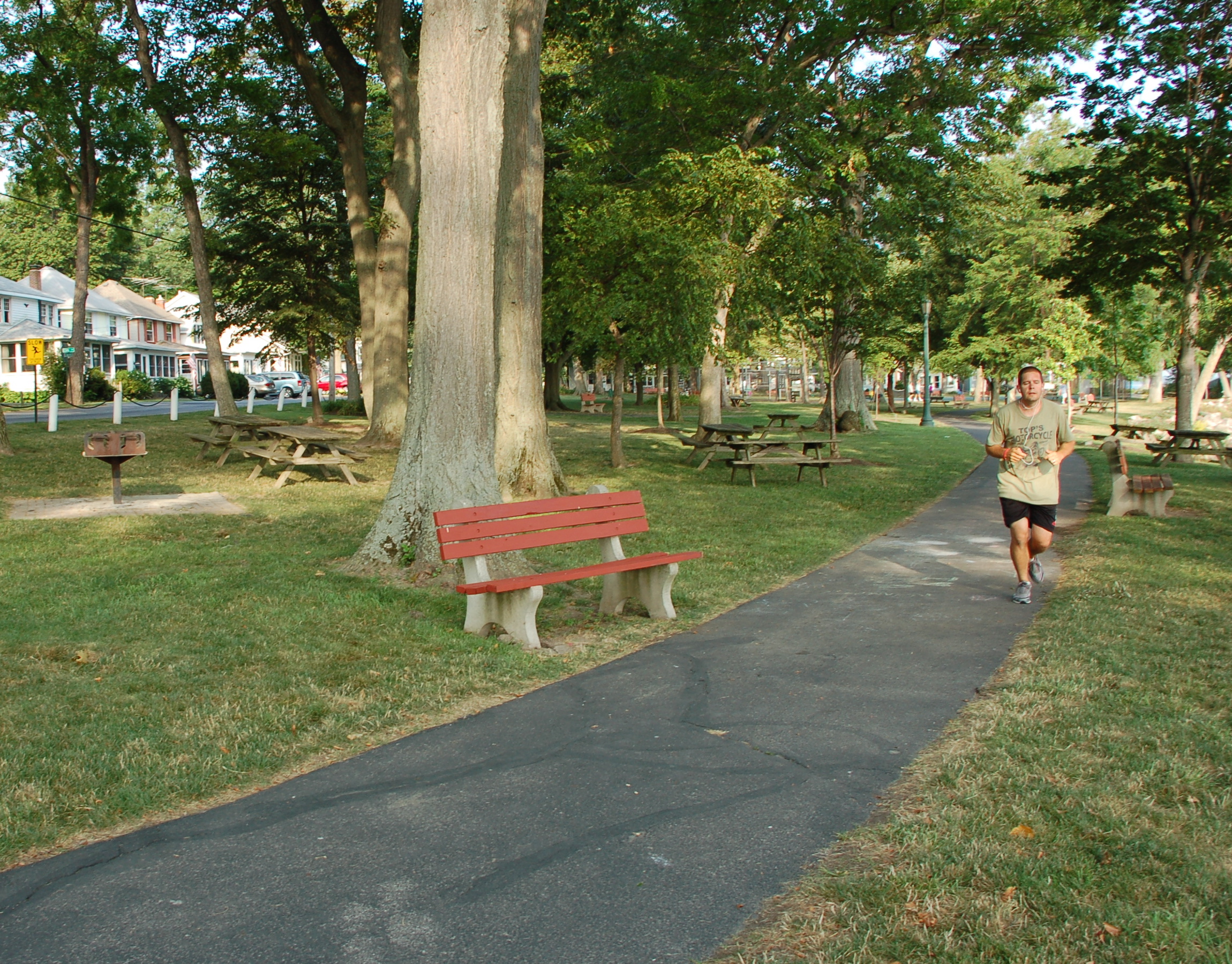
Perry Park by Bruce Stambaugh
Perry Park, located at the east gate of Lakeside, Ohio, is a beautiful place to rest, relax, read a book, jog, play tennis or just enjoy the peace and quiet.

By Bruce Stambaugh

After the week we had had, my wife and I needed a respite. The most logical place for that was Lakeside, Ohio, our favorite place to relax.

We had begun our annual weeklong stint at the Chautauqua on Lake Erie. Early the second morning we received a call to return home. Neva’s mother was gravely ill.

The call wasn’t unexpected. We quickly packed up and returned home. Neva joined her sister in watching over their elderly mother, Esther Miller. Esther died the next evening at age 90.
Hollyhocks by Bruce Stambaugh
Expected or not, a death is still a death. All of the grieving emotions overwhelm family members in different ways and at different times. Time seems to stand still. All the while, the necessary preparations need to be completed. They tend to take their toll on already frayed feelings.

My wife and her sister met with the funeral home director about the services. They met with the pastor to plan the funeral. Next day, they cleaned out their mother’s room at the retirement home.

The family arrived at the church well ahead of the visitation time to set up pictures and meaningful memorabilia, followed by the greeting of mourners and the funeral itself. Afterwards, we hosted the immediate family for an evening meal at our home.

As you can imagine, it was all very draining mentally and physically. We needed a break.

Neva and I held a one-sentence discussion. There could be no doubt that the best place to renew and recharge was to return to our beloved Lakeside. The next morning we were on our way.

Lakeside homes by Bruce Stambaugh

Despite the sweltering heat, it was good to be back at Lakeside with its lovely cottages, inviting dock, marvelous entertainment and multiple activity options.

With its shaded parks and marvelous vistas, Lakeside’s location on Lake Erie makes it idyllic. Really, though, Lakeside is more about people than anything else. From staff to strangers to long-time acquaintances, everyone is family at Lakeside.

A television reporter once did an expose on this special town. He wasn’t unfamiliar with the resort. He had vacationed there as a youngster.

The reporter knew how friendly Lakesiders could be. To prove his point, the reporter casually walked into a cottage without knocking and asked for lemonade. He wasn’t quizzed as to who he was or why he had barged in. Nor was he told to get out. No. Without a second thought, the homemaker poured him his icy drink.

Lakeside cottage by Bruce Stambaugh

On our recent extended weekend retreat, my wife and I had a similar experience. After finishing a very informative walking tour of Lakeside, one of the other participants invited us and another couple to tour her newly remodeled cottage. She didn’t even know us, and yet showed us every corner of her beautiful place. That’s just the way people are at Lakeside.

Lakeside flowers by Bruce StambaughAt the end of our visit of this lovely summer home, I realized that the kind lady didn’t even know our names. We made our introductions as we profusely thanked her.

What nicer place than Lakeside is there to sit back and forget your worries? You can read a book, play dominoes, go for a lovely morning walk, or just enjoy the view while eating a refreshing ice cream cone. If you’re at the right place at the right time, you just might get an unexpected tour, too.

That’s just how Lakeside and its gracious summer citizenry are. They invigorate you just when you need it the most.

The column appeared in the Bargain Hunter, Millersburg, OH.

© Bruce Stambaugh 2012

A drought of a different kind

Miller farm by Bruce Stambaugh
The farm of my late in-laws, Wayne and Esther Miller, as painted by my recently deceased mother, Marian Stambaugh.

By Bruce Stambaugh

Our family has experienced a drought far beyond the on-going dryness that our area and much of the country is currently enduring. My mother died in April, and now my mother-in-law, Esther Miller, recently passed away. Both were 90.

The word drought is usually defined as a long period of dry weather. Wherever they live, Florida, Ohio, Pennsylvania or Virginia, all of Esther’s grandchildren have had to endure this drought. In some areas, the drought is considered moderate while in others it is much more serious.

Funeral flowers by Bruce StambaughThe second definition of drought encompasses a much wider, deeper meaning. Drought is a lengthy serious lack of something. When you lose your mother and your mother-in-law within three months of each other, one cannot help but sense a serious lack of something.

I know I do. My brothers and sisters do. Now my wife and her sister do as well. All of our parents are gone. We are now the elder generation. I’m not sure I’m ready for that distinction yet.

I also know the grandchildren, though they are scattered across the country pursuing their various careers, feel that certain dryness, too. They don’t have to say anything. I can see it in their eyes, their non-verbal sorrowful expressions.

Like my mother, Esther was a good, God-fearing person, dedicated to rearing her family the best way she knew how. She learned those loving skills from her mother, and perhaps her own grandparents.

Reality has set in for all of us. The torch has been passed. It is up to us to carry on what was modeled for us for all those years.

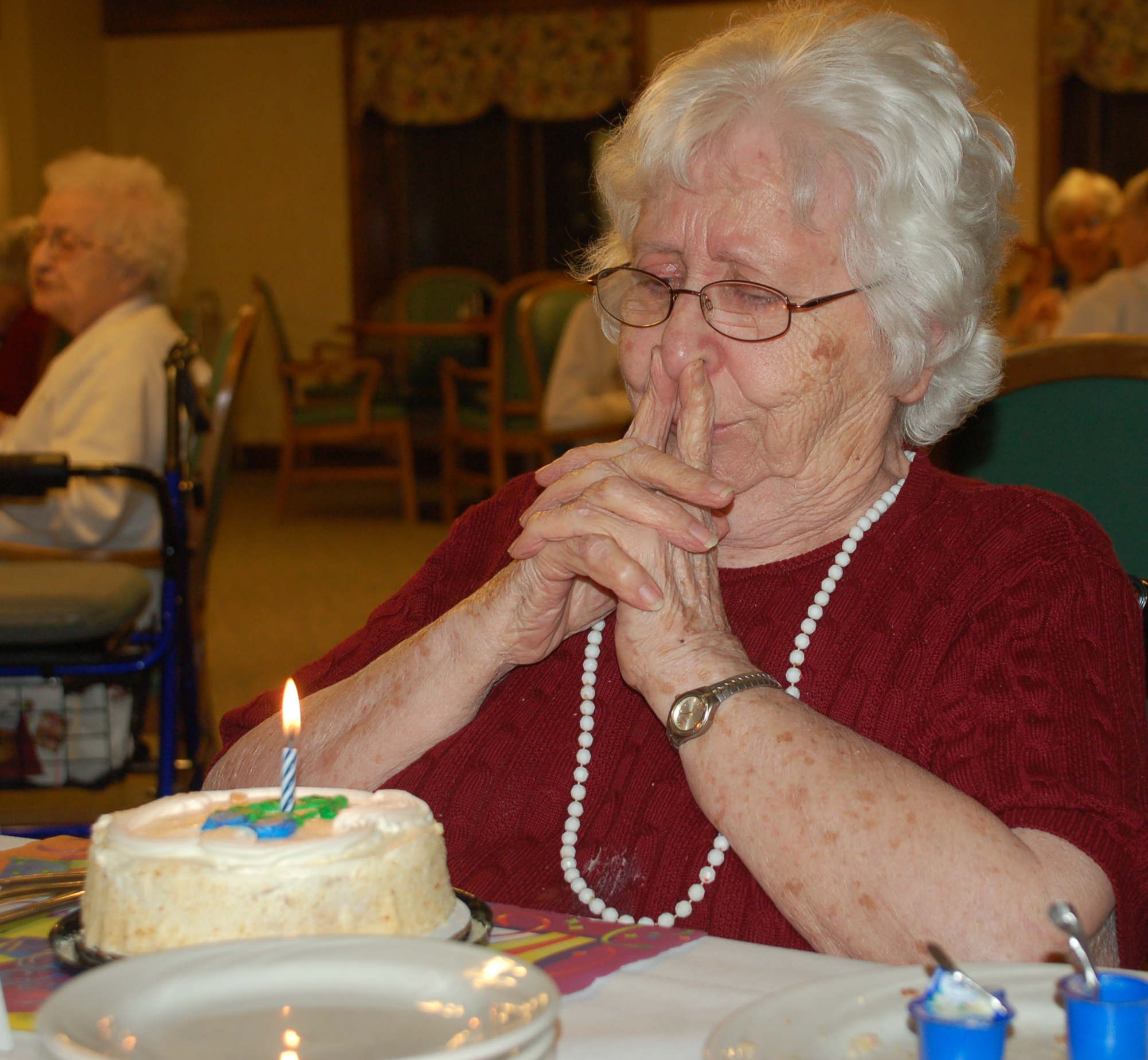
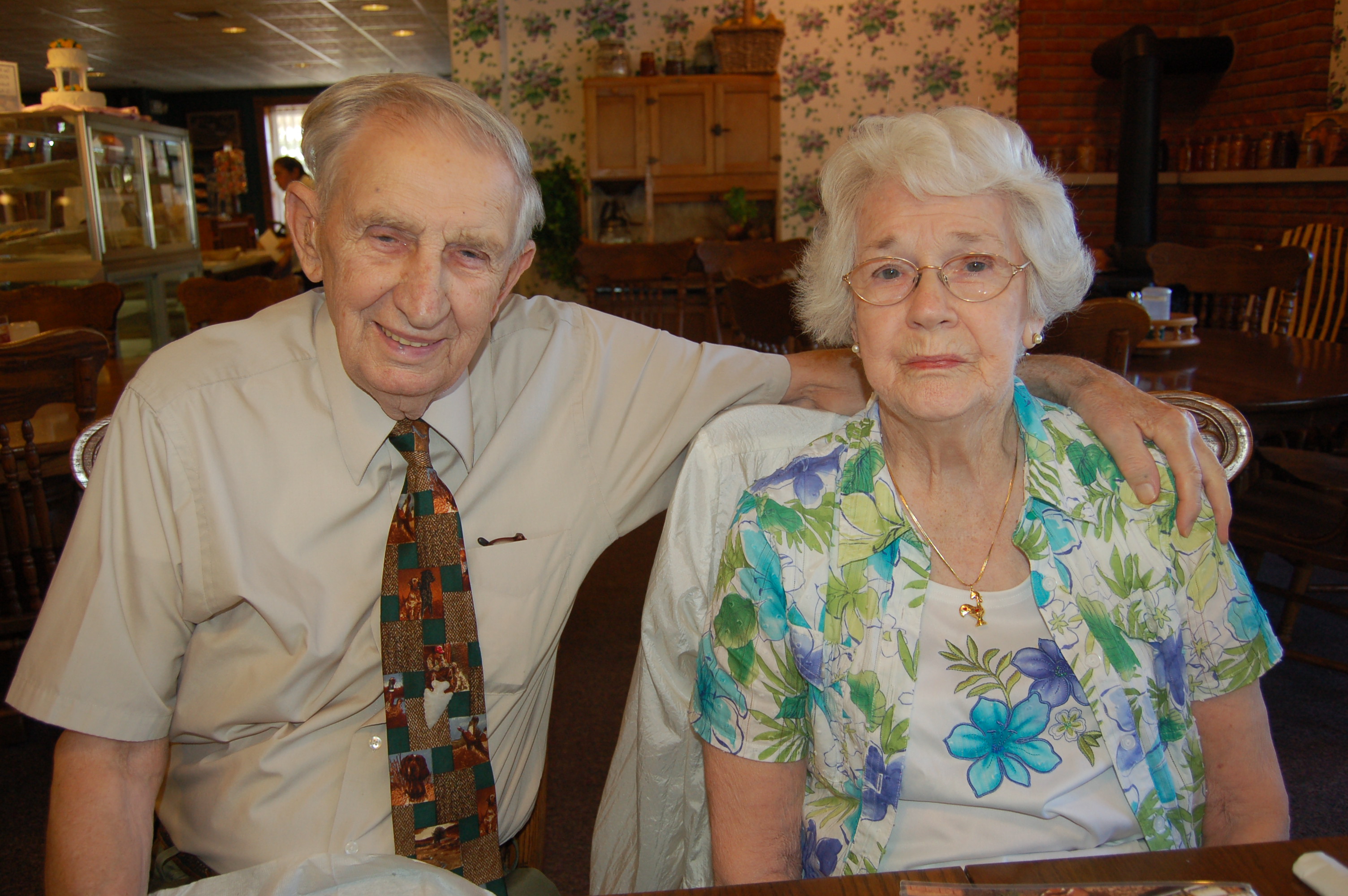
Esther Miller by Bruce Stambaugh
Emotion overcame Esther Miller at her 90th birthday celebration.
I remember the very first time I met my future in-laws at their 80-acre farm east of Louisville, Ohio. I hadn’t been there long when Neva’s father asked me if I wanted to see the pigs. How could I turn down that offer?

I not only got to see the pigs, but also the milk cows and the heifers, too, and the grain bins and hayloft and the tiny milkhouse. At the time I thought Wayne was just being nice. On the way home, Neva told me that she knew her father liked me because I got to see the pigs on the first visit. It took other suitors at least three visits.

Esther welcomed me with equal warmth. Excellent host that she was, she offered me a beverage and a delicious homemade snack. She could have written a book on being a homemaker. When Neva and I announced our engagement to her parents, Esther responded in a most amicable way.

“We are glad to have you in the family,” she said. “If we had had a son, we were going to name him ‘Bruce’.” I was at home away from home.

I remember hustling our young daughter and son into the Miller farmhouse one Christmas Eve in the teeth of a blizzard. Once inside, the warmth of the gracious hospitality far exceeded that of the comfortably heated home.

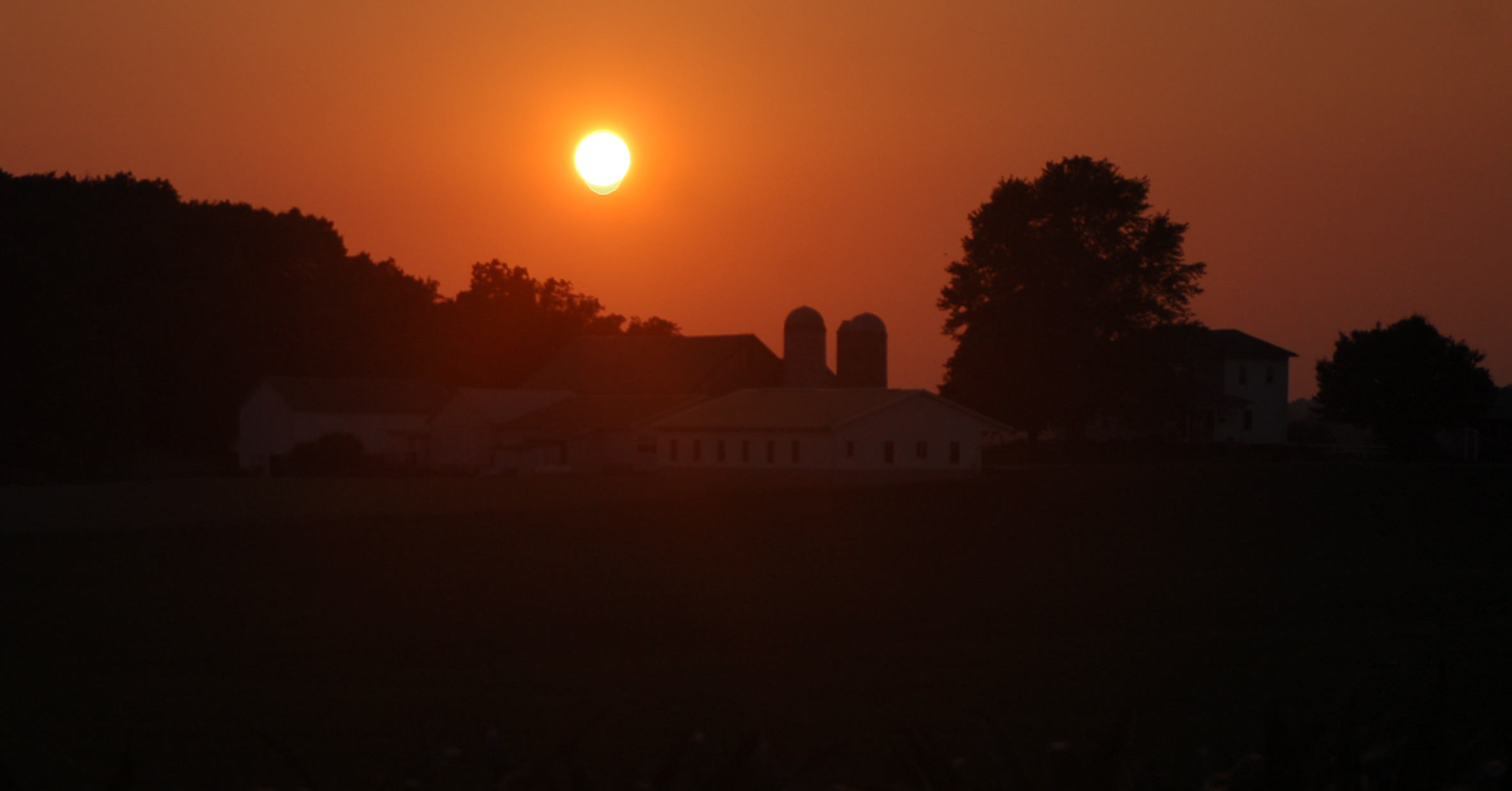
Farm sunset by Bruce Stambaugh

During our times of loss this year, we have experienced the kindness and thoughtfulness of many, many others. They each found their own ways to share in our mourning via food, flowers, cards, emails or calls. We felt blessed by those expressions of sympathy.

In addition, the family has found a wellspring of refreshing comfort despite our maternal losses. We rejoice that our parents enjoy an eternity that will never know any kind of drought whatsoever.

This column appeared in The Bargain Hunter, Millersburg, OH.

© Bruce Stambaugh 2012

Walking by myself, but never alone

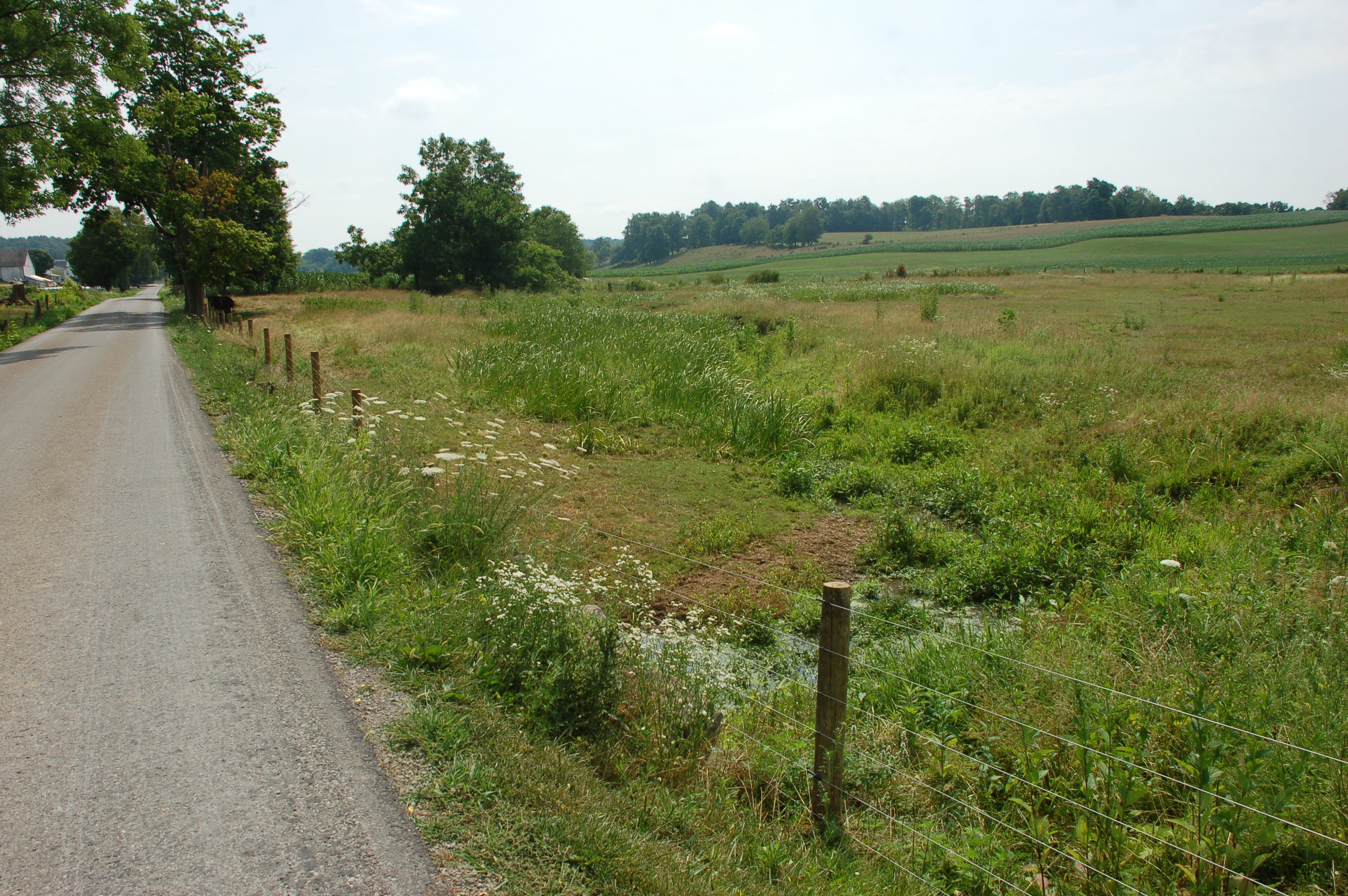
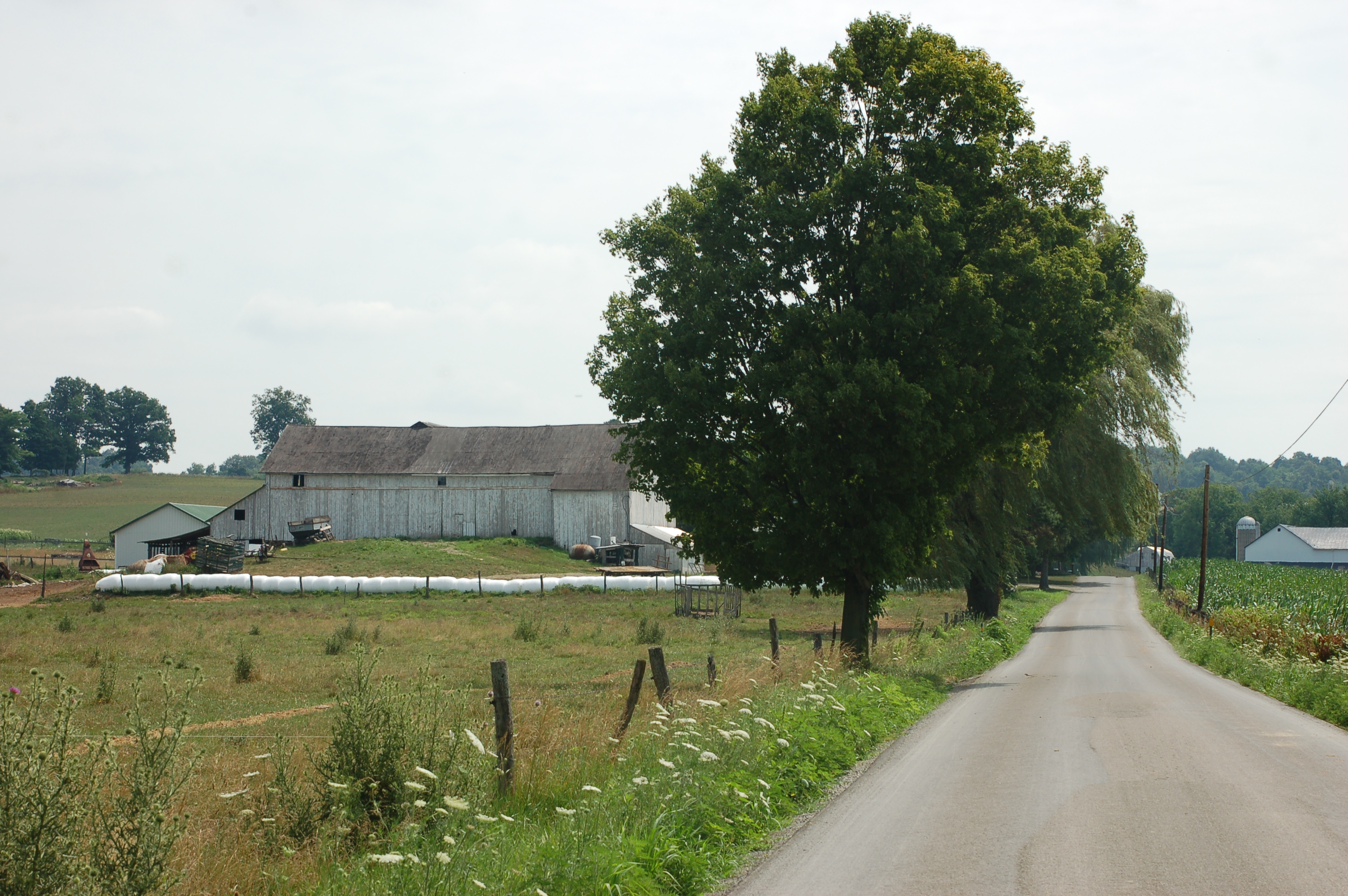
Countryside by Bruce Stambaugh

By Bruce Stambaugh

Even though I am usually alone, I always have plenty of company on my regular morning walk on the township road near our home.

I walk for the exercise of course, but the benefits far exceed staying physically fit. On these hot and humid summer days, I like to get an early start if my schedule permits.

If I can survive the tricky first tenth of a mile on our busy county highway to get to the road less traveled, I can relish the rest of the walk. Common sense tells me to stay alert for oncoming traffic and dodge the fleet of various vehicles by stepping to the side.

Sunny walk by Bruce Stambaugh

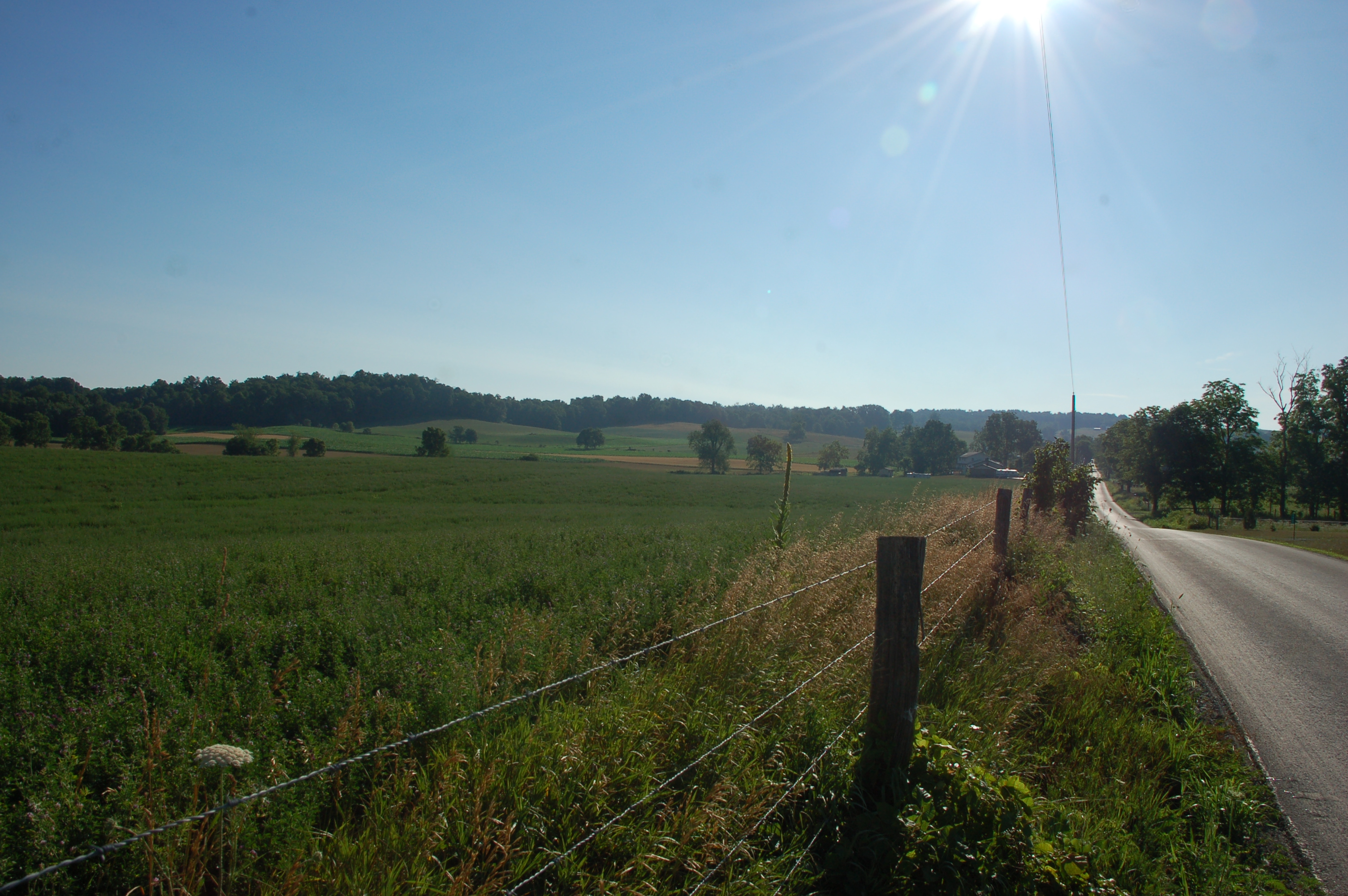
Once I’ve completed the macadam gauntlet to the safety of the township road, I turn east into the morning sun. After a few steps uphill, the road unfolds before me, rolling gradually down into a low, sweeping valley formed by the Wisconsin Glacier 10,000 years ago. Farm fences on both sides squeeze against the chip and seal roadway, making it seem even narrower than it already is.

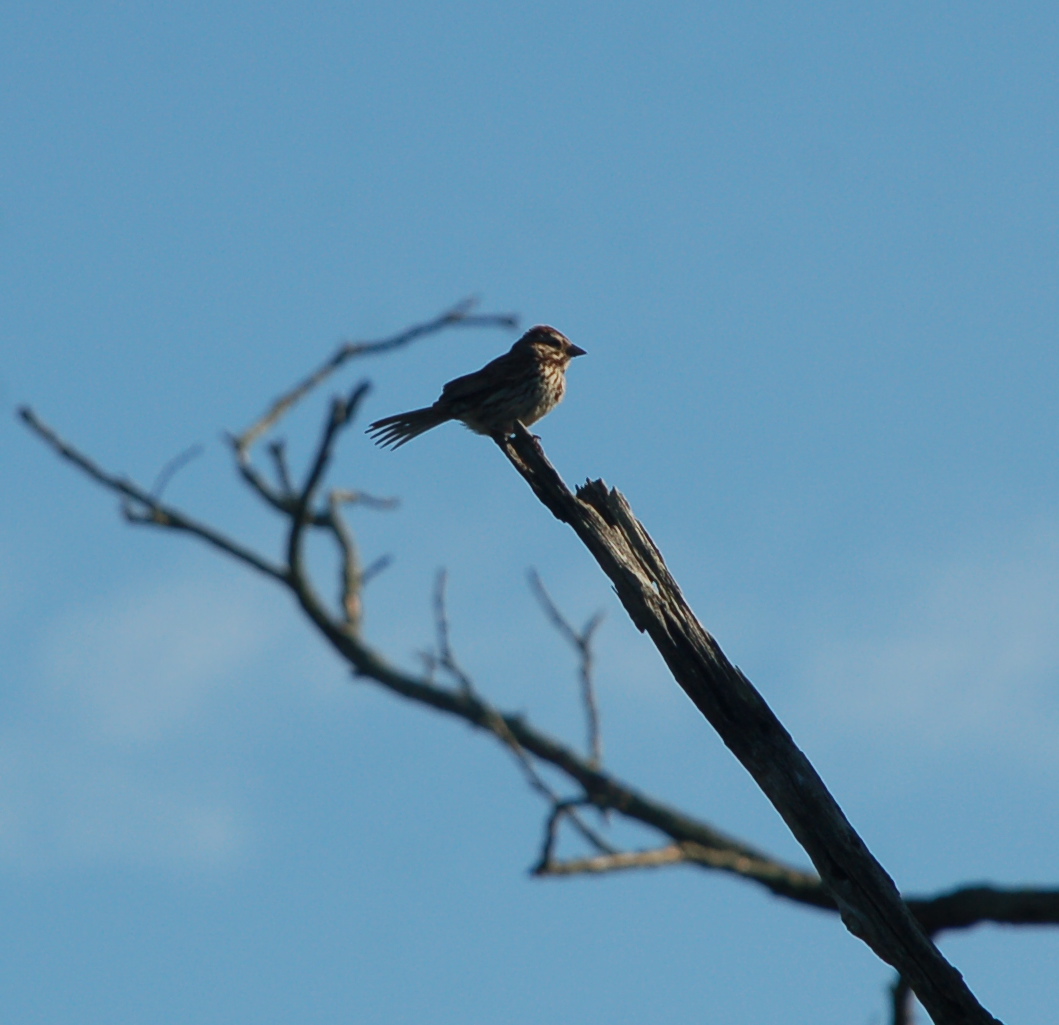
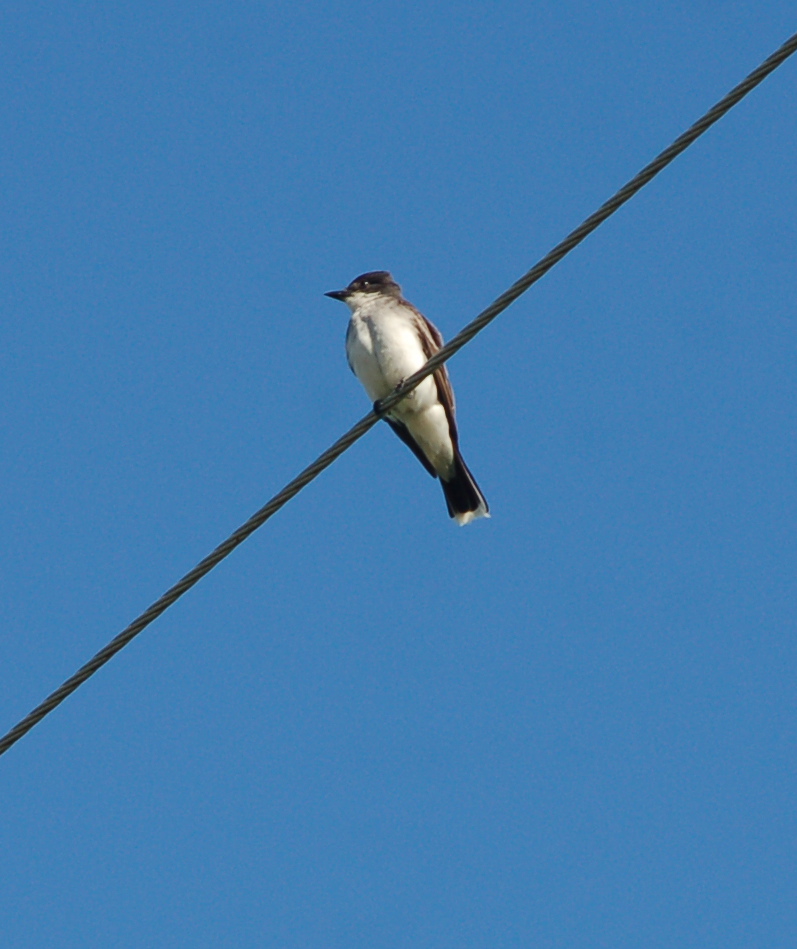
Eastern Kingbird by Bruce Stambaugh
This Eastern Kingbird and it’s mate often greet me as I walk along the township road.
I fondly anticipate these next moments. It’s the same road, but never the same walk. My audience waits, and every crowd is different. It’s not the Olympics by any means. In fact, it more closely resembles a circus.

I especially enjoy the high wire acts. The Eastern Bluebirds, including the juveniles still testing their wings, play their own version of leapfrog with me from the roadside power lines. Greeting me with melodious songs, the furtive birds wait until I nearly reach them before they flutter a few yards down the lines and land again.

I walk some more. They fly some more. The pattern is repeated a quarter-mile until the power lines run out. At that point, the beautiful birds make an arch over the hayfield and light upon the wires behind me to await my return trip.

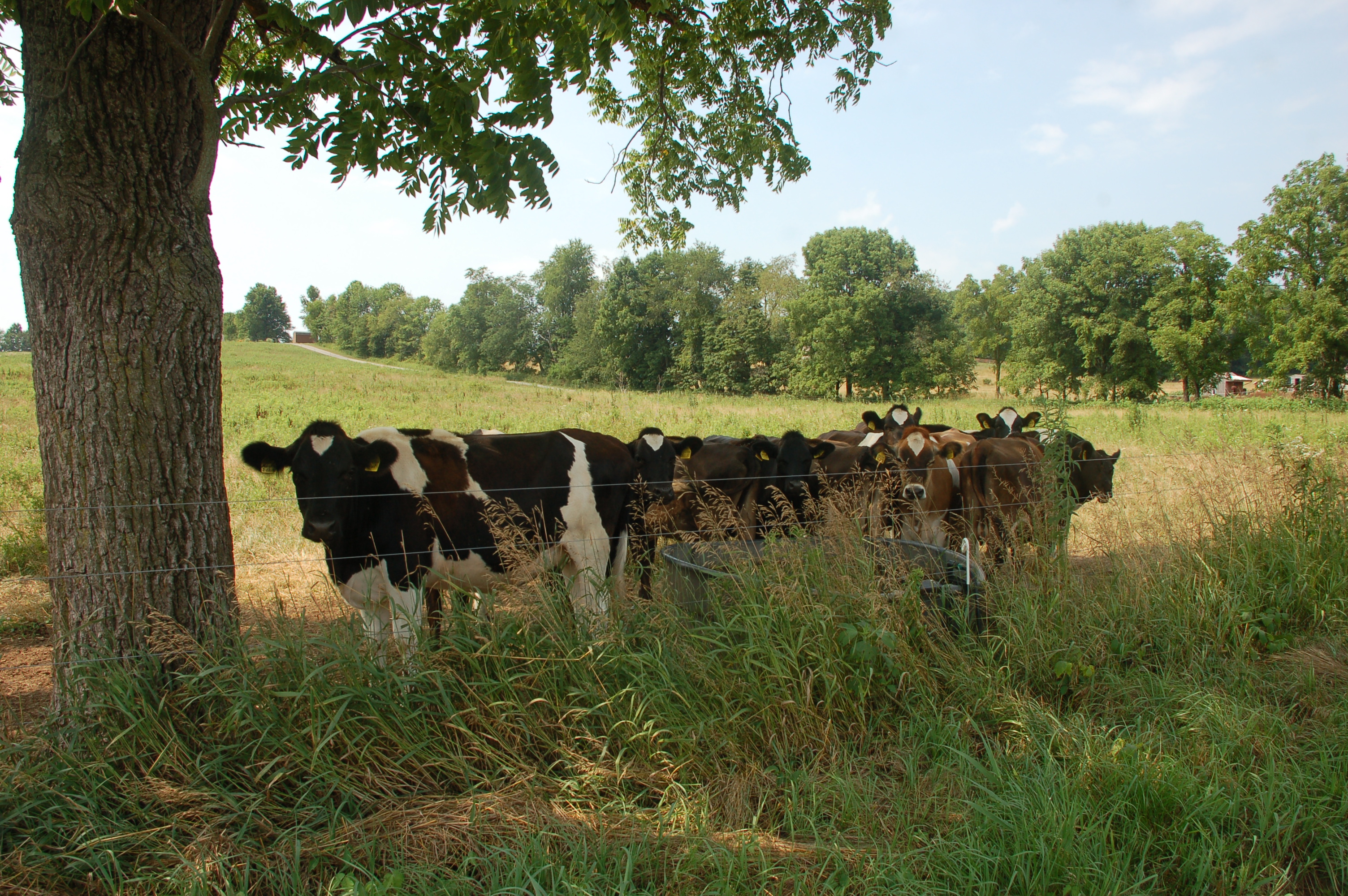
Heifers by Bruce Stambaugh

Once the road flattens out, a congregation of Holstein heifers crowded head to tail beneath a black walnut tree suspiciously eye me. As I stroll, their heads turn as one, ears twitching, tails swatting pesky flies. Sensing a potentially easier prey, a few of the flies follow me.

Thankfully, a flashy yellow ball cap saved my baldhead. Still, I flail away at the persistent insects. I’m glad no other humans are around to witness my comical machinations. By the time I reach the valley’s shallow brook, the flies relent.

Jonas Yoder farm by Bruce Stambaugh
I usually turn around and head back home at the Jonas Yoder farm a mile east of my home.

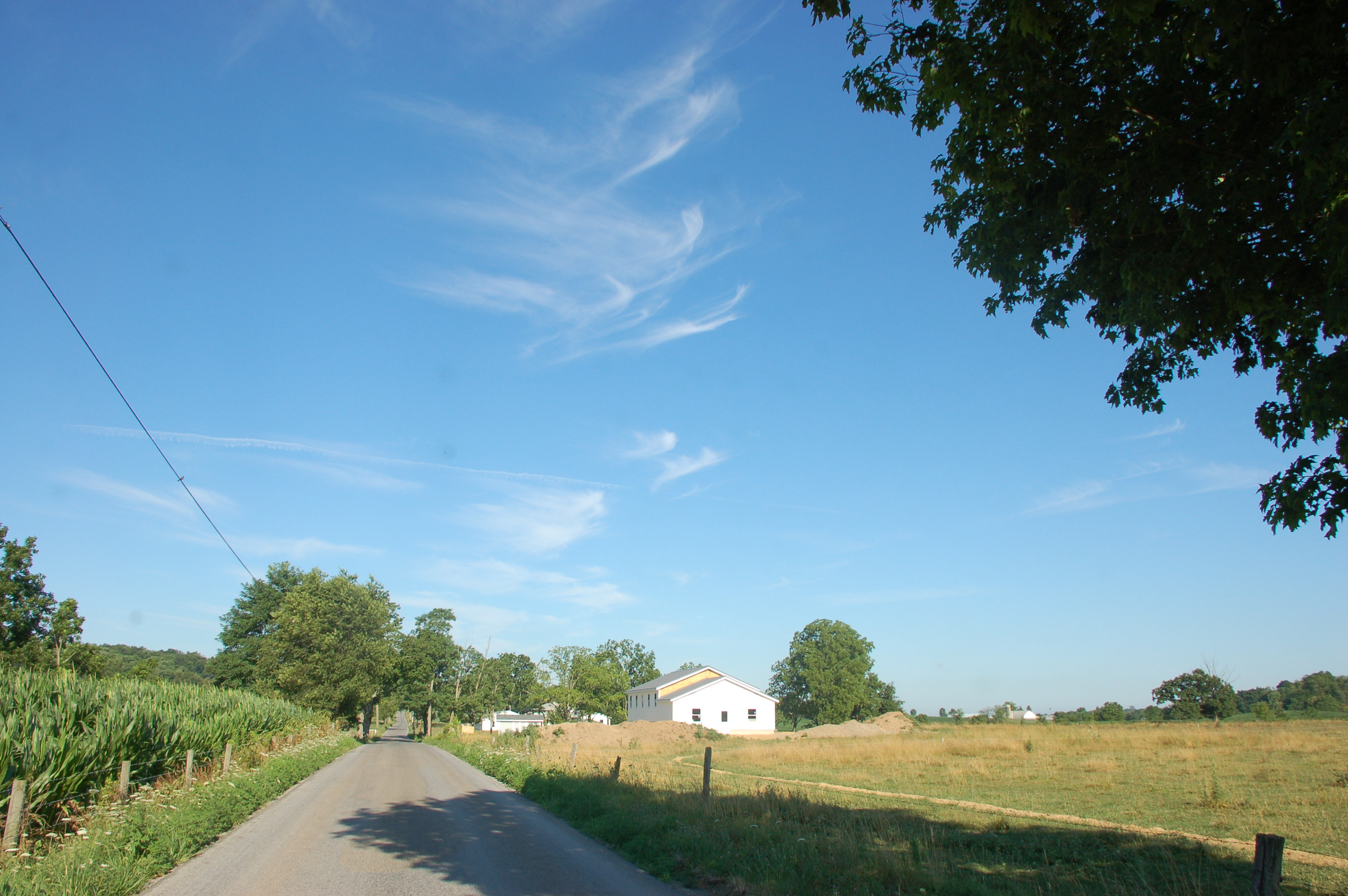
Continuing east past the newly built Amish schoolhouse, the Barn Swallows, Tree Swallows and Purple Martins all start chattering to me at once, circling overhead as if they were asking me to follow.

Buggy by Bruce Stambaugh

At Jonas Yoder’s farm, I break the law. A U-turn begins my return trip. I usually walk down the center of the road until I hear a vehicle or buggy. On average, only one or the other passes me on the township road.

Song Sparrow by Bruce Stambaugh
One of several Song Sparrows that I see on my walk.
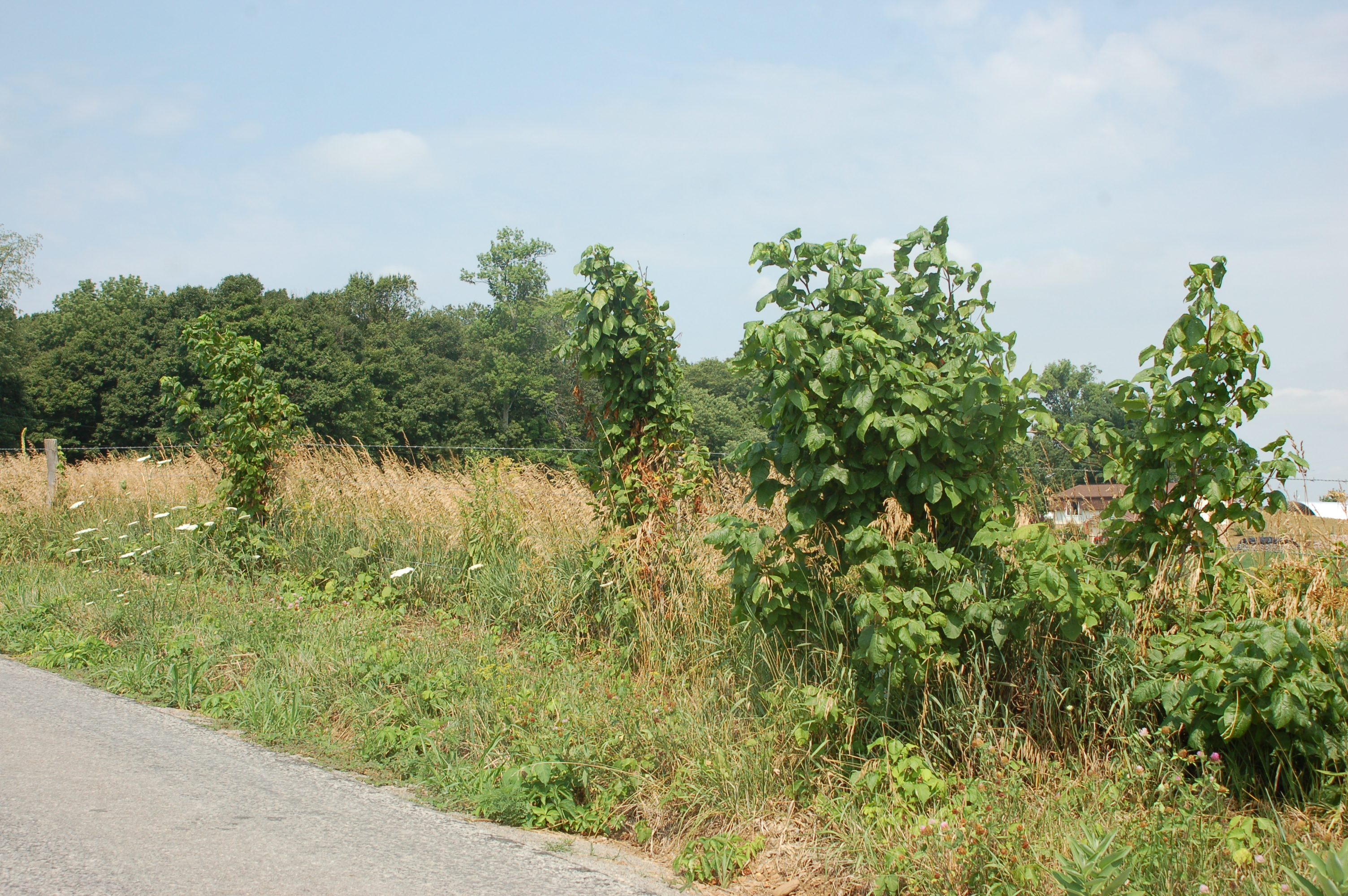
The American Robins and Song Sparrows are all used to me by now, and keep on singing in place. A young flicker, still with no brilliant red on the back of its head, flits from fence post to tree to utility pole. Poison ivy vines, leaves shiny as Christmas holly, have nearly over grown every locust post. A Green Heron escorts me back up the incline until it settles atop the tallest tree in a dense woodlot.

Down the arduous homestretch again, my next-door neighbor’s dogs unceremoniously announce my arrival. I hit the trifecta. I feel welcomed, renewed and refreshed.

Purple Martins by Bruce Stambaugh
Young Purple Martins wait patiently on a dead tree limb while being fed.
Poison ivy by Bruce Stambaugh
Poison ivy vines have over run many of the locust fence posts along the roadway.
Female Mallard by Bruce Stambaugh
This female Mallard, and sometimes its male mate, is often swimming in a pool of the small stream when I walk by.

Amish school by Bruce Stambaugh
An Amish school is being built in the pasture of Jonas Yoder’s farm.

This column appeared in The Bargain Hunter, Millersburg, OH.

© Bruce Stambaugh 2012
Lunch on the porch includes more than just good food

Porch view by Bruce Stambaugh

By Bruce Stambaugh

Everyone needs a sanctuary. For my wife and me, our back porch is our quick retreat from life’s demands. A few short steps and we are in a special place. Over the years our back porch has given us many marvelous memories.

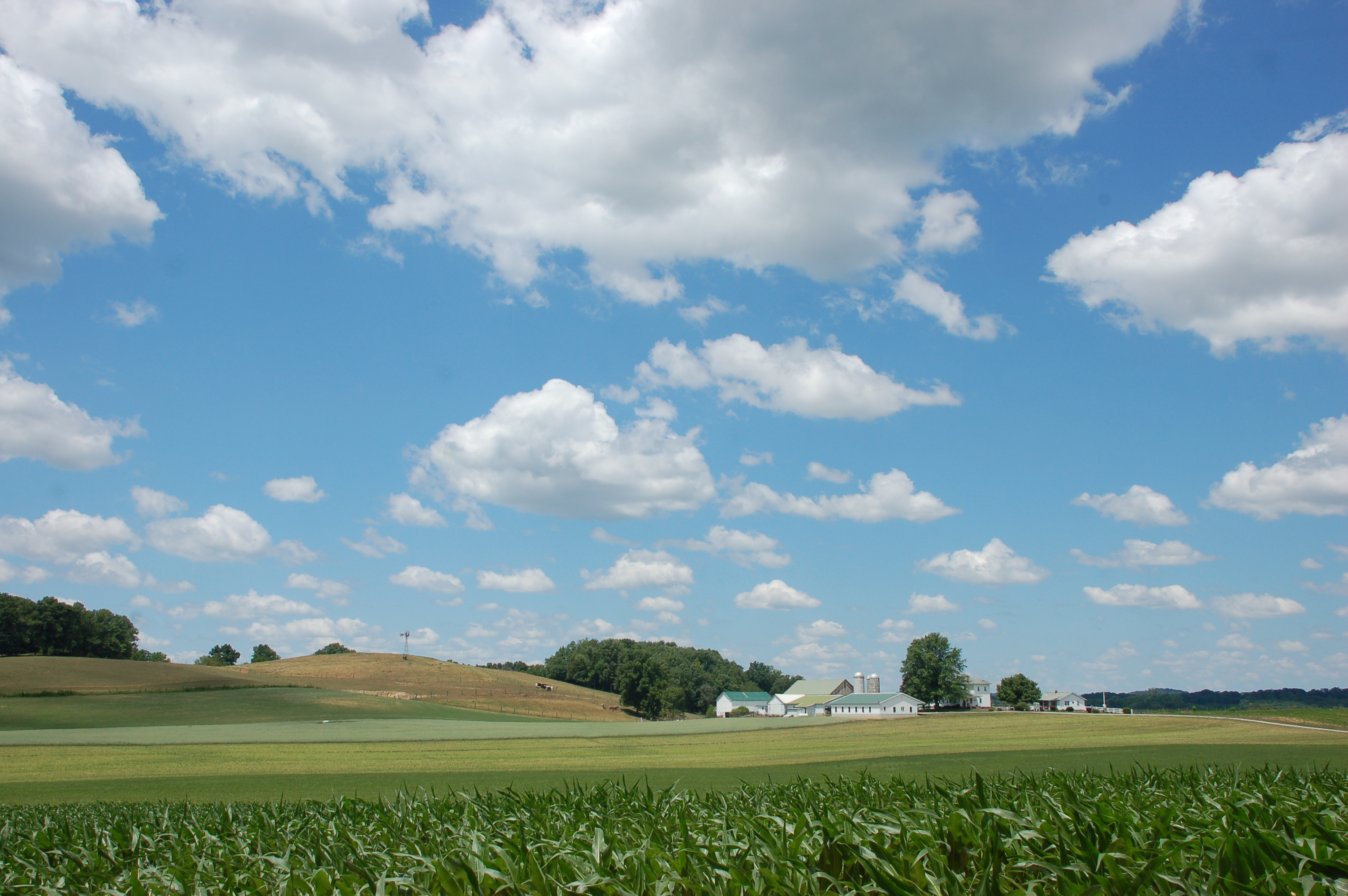
We recognize that we are fortunate to live where we do. Our home, built three decades ago off an Amish farm, is situated between Benton, Berlin and Mt. Hope, all in Holmes County, Ohio. Our back porch provides panoramic, inspiring scenes.
Girls in buggy by Bruce Stambaugh
The open-air porch was added to our modest home several years ago. We wanted a quiet place to relax during Ohio’s warmer climes. When the weather does cooperate, we especially enjoy lunches together there. It helps to have a wife who is a great cook. I’m no chauvinist, but I’m no chef either. Neva rules the kitchen and I reap the rewards and help clean up.

Lunch by Bruce Stambaugh
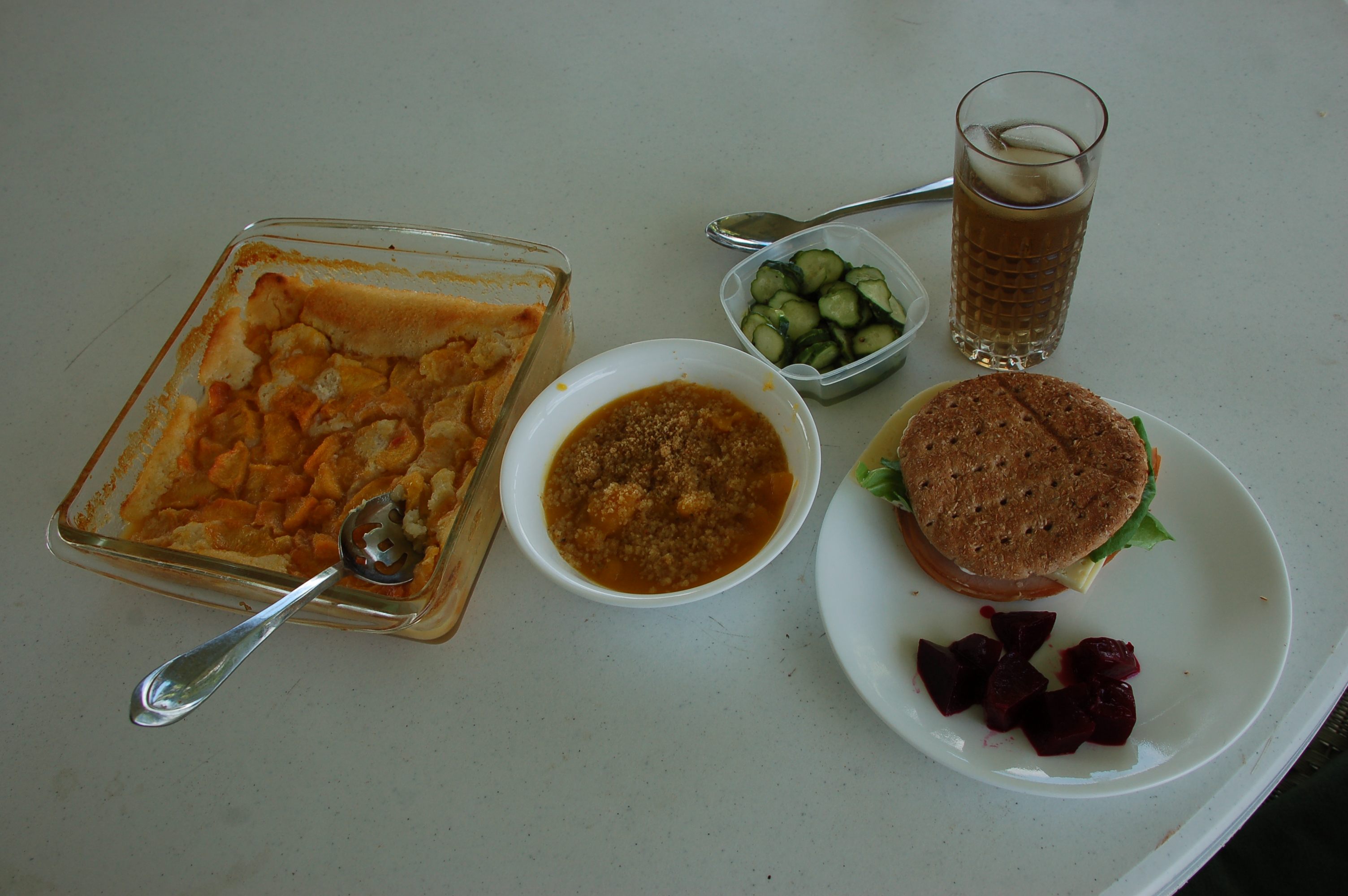
A recent lunch that we enjoyed on the porch.
Somehow the food tastes even better on the porch. One recent lunch featured her homemade butternut squash soup, sprinkled lightly with toasted bread crumbs. A fresh spinach salad with crasins and vinaigrette nicely complemented the soup.

A simple dessert of sweet cherries was washed down with fresh sweet peppermint tea, spiked with basil, giving the tea a sweet-tart taste. The mint was picked just minutes before being doused in boiling water. Other than the tea, no seconds were needed. A single course of each was plenty.
Mowing hay by Bruce Stambaugh
The house serves as a buffer between our busy highway and the backyard, minimizing the traffic noise. We love the quiet.

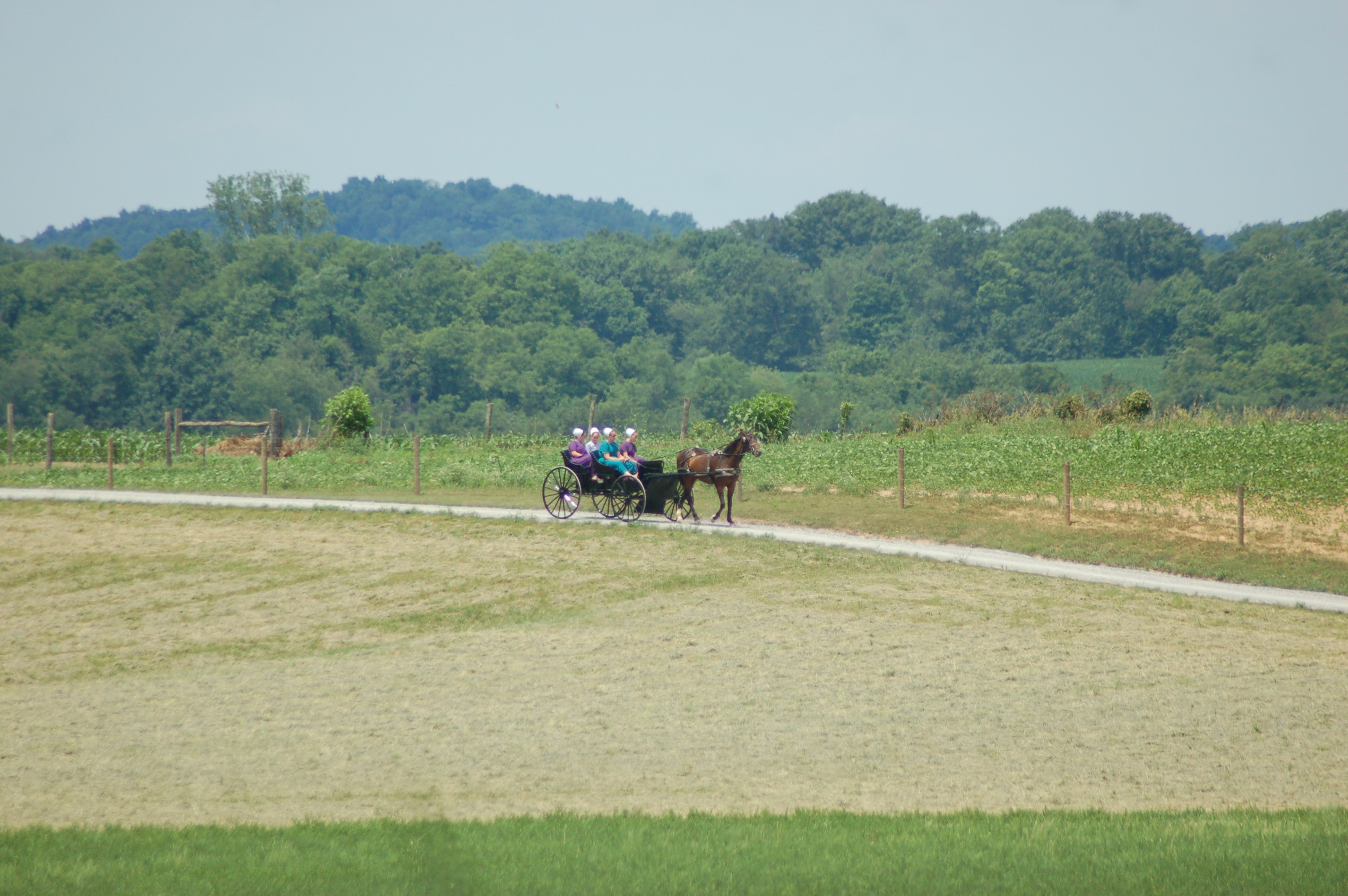
Well, perhaps quiet isn’t the proper word. Abundant backyard activity breaks any hint of silence. While we dined, we heard the undulating hum of a mower and the rattle of horse harnesses as our Amish neighbor completed his second cutting of hay before taking his own lunch break.

Downy by Bruce StambaughIn the meantime, the birds and wildlife kept us entertained as they also dined. With the porch open on the sides, it’s not unusual for birds to zip over our heads to the feeders. That is especially true for the acrobatic hummingbirds. Their feeder hangs from the edge of the porch near the kitchen window. It is fun to watch the territorial hummers chatter and chase each other away from their own version of lunch. They wouldn’t have to do that. There are several places to perch.

If we stay immobile, even the woodpeckers light upon the peanut butter suet feeder that dangles next to a hanging basket of flowers. The little downys, however, are the only ones that aren’t spooked off by our presence. Still, they nervously but needlessly chip and jerk their heads warily as they jab at the rich mixture, making sure we keep our distance.

Wildflowers by Bruce StambaughA green frog, one of six that inhabit our little garden pond, waits patiently for lunch to fly by. The green frogs that patrol our little garden pond adjacent to the porch patiently wait in the sun for their own lunch to fly by. When I hear a plop, I know they are as satisfied as we are.

Beyond the pond, monarch, swallowtail and red admiral butterflies partake in their own flowery buffet on the patch of ever-changing wildflowers. Along with volunteer sunflowers, the coneflowers, Black-eyed Susan’s, daisies, gaillardia and bachelor buttons paint a colorful palette in the shade of the canopy of pines and giant sugar maple.

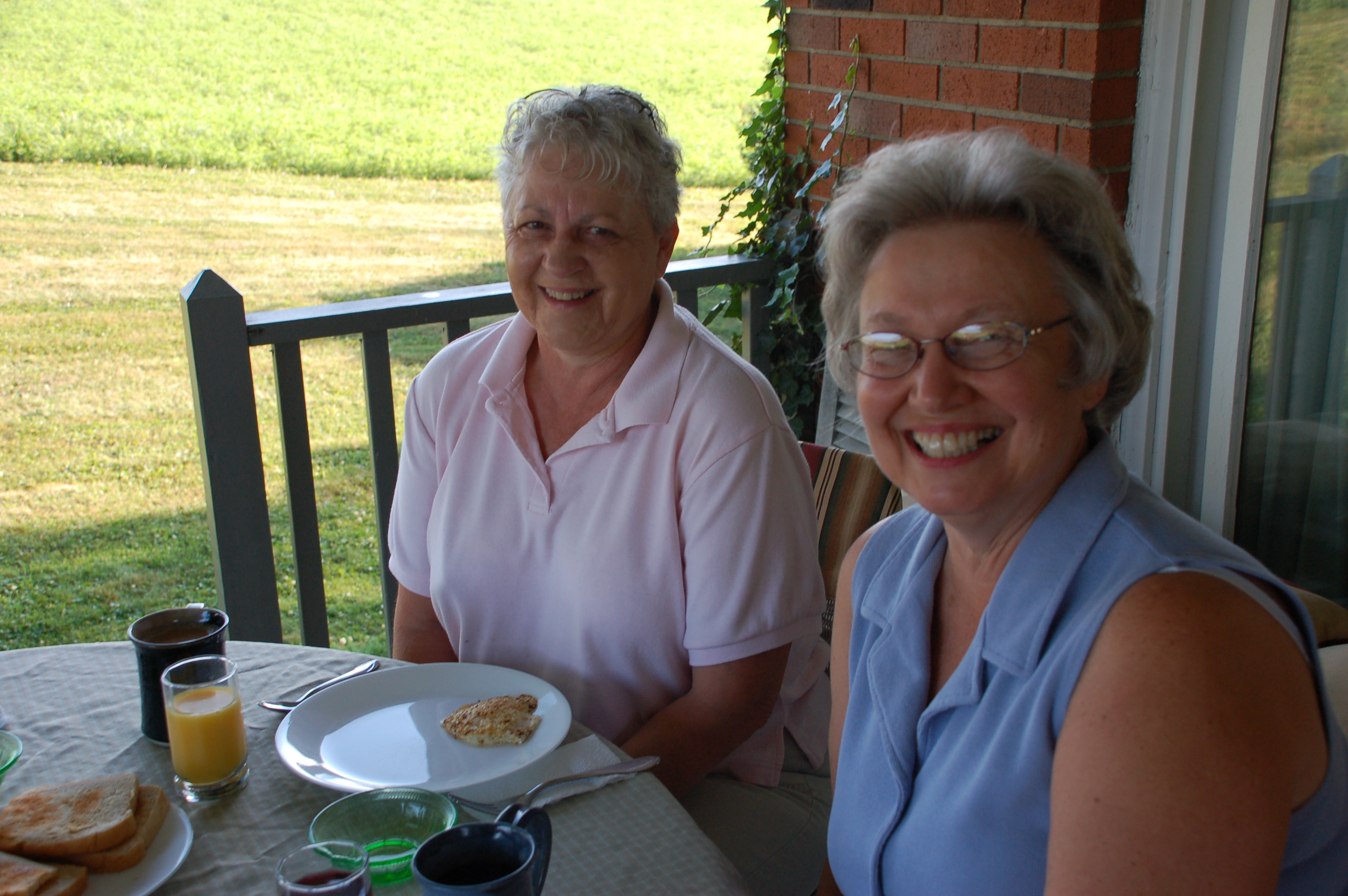
When human guests arrive, their smiles reveal their appreciation for our sanctuary. Added together these pure and pleasurable ingredients always make for enjoyable and hardy gatherings. I’m more than happy to share the recipe.

Guests by Bruce Stambaugh

© Bruce Stambaugh 2012

The real reason to celebrate July 4th

D.O.G. Street by Bruce Stambaugh
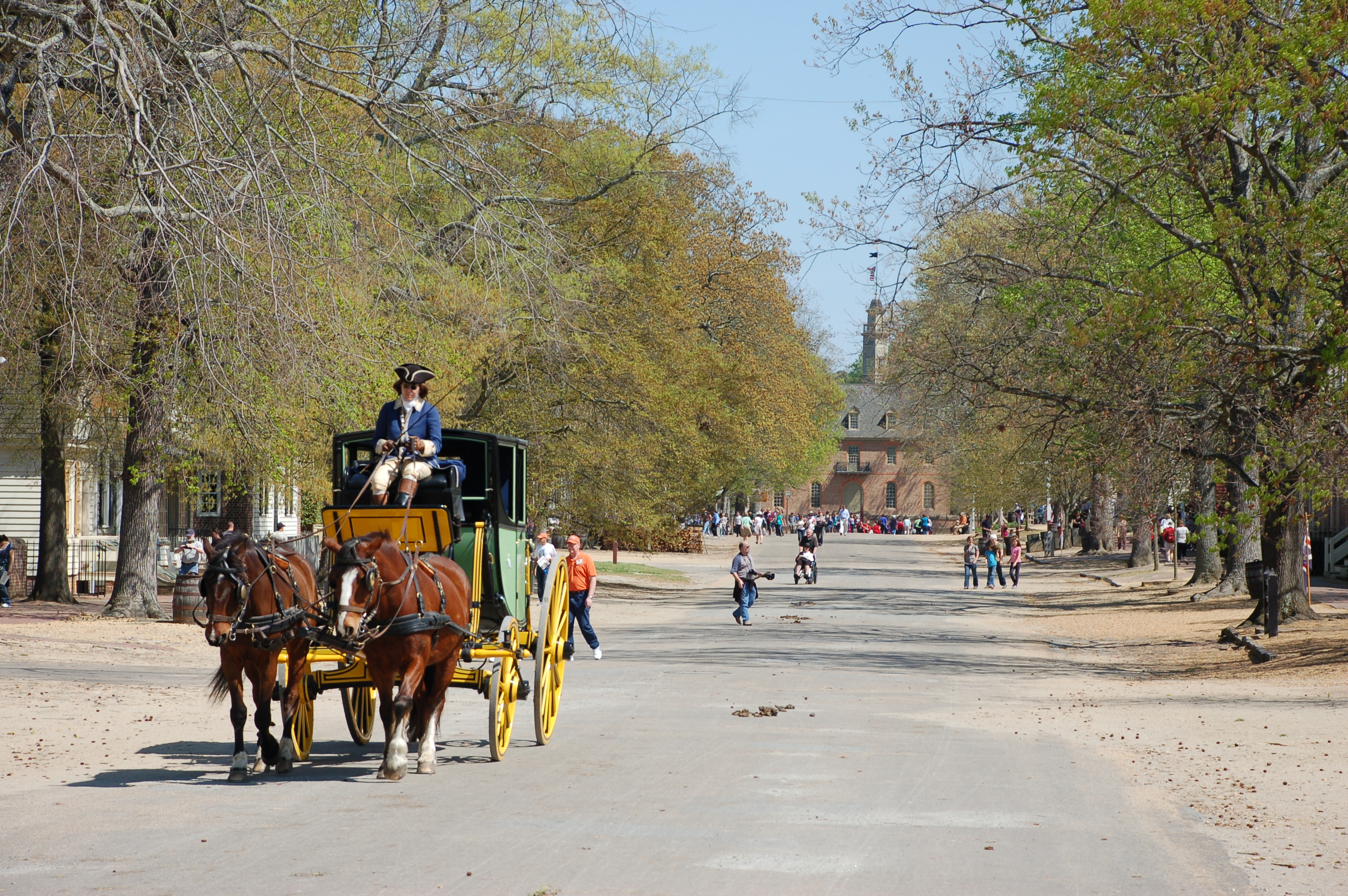
Many of the tenets of our democratic republic were formed in Williamsburg, VA along D.O.G. Street.

By Bruce Stambaugh

Watching starbursts of fireworks from five miles above the earth was an unexpected treat.

My family and I were flying back from vacation late on July 3, 1988. Our hour-long flight path took us along the southern shores of Lake Michigan and Lake Erie. Shortly after we were airborne, the sky began to pop with burst after colorful burst of fireworks.

Parade by Bruce Stambaugh
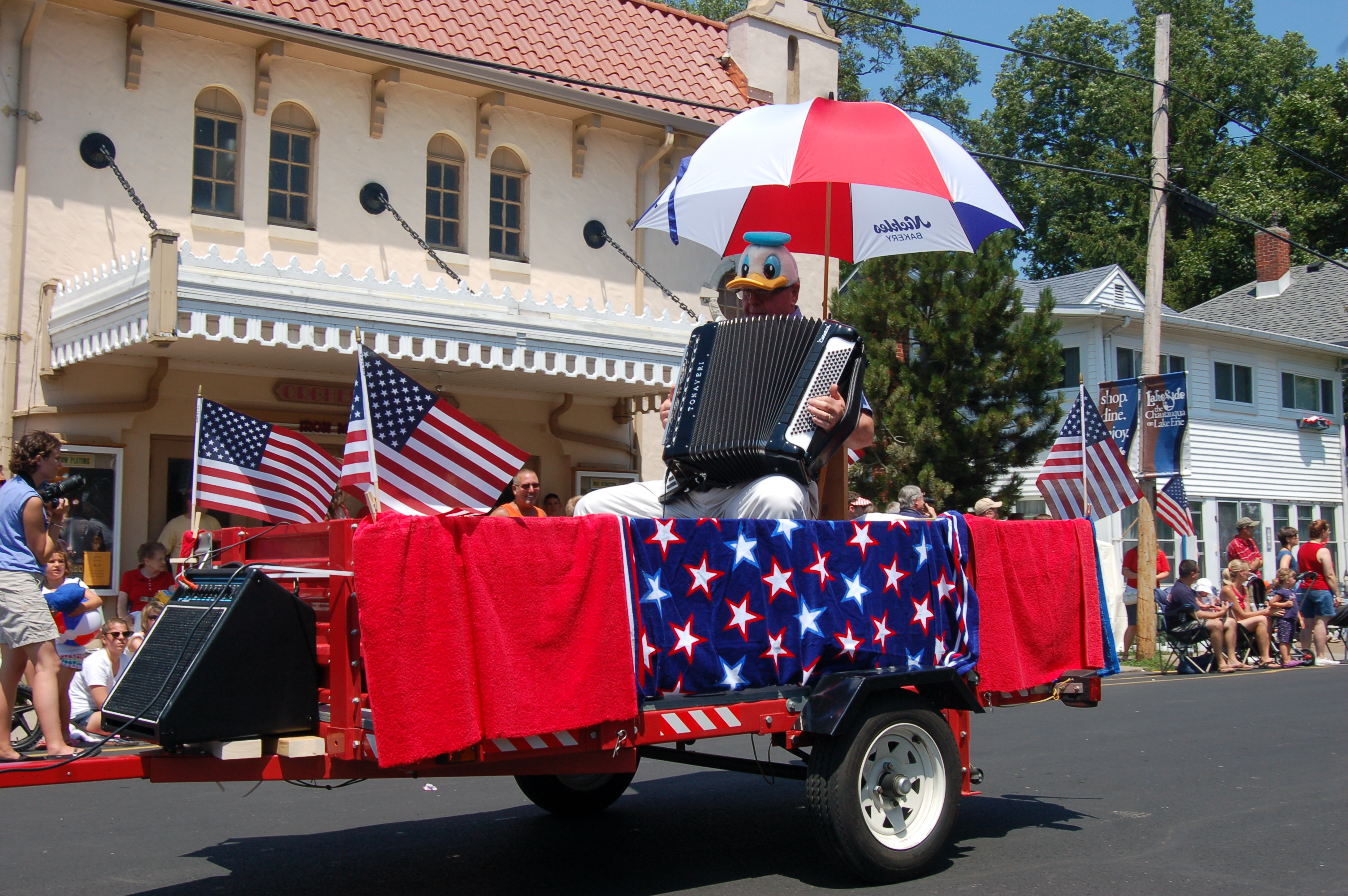
Parades are just part of the annual Fourth of July celebrations in the United States.
All along the route towns large and small expressed their jubilation for America’s Independence Day holiday with pyrotechnic displays. From high above I imagined the various sparkling bursts reflecting the broad diversity of folks that comprise this great country. Necks craned skyward, people from many cultures, races and religions in urban parks, county fairgrounds or on their own back porches had to also be admiring their local kaleidoscope of explosions.

As the last sparks flickered, I had to wonder then, as I wonder now, if the real meaning behind the celebratory fireworks is fully understood. As they picked up their chairs and folded their blankets to return home, what were they thinking? Was it just another fireworks display or did they truly comprehend the meaning of the day?

Those are questions that needed to be asked then just as they need to be asked today. Remembering our historic roots helps us to focus on where we are now and where it is we need to be going tomorrow.

Fourth of July decorations by Bruce Stambaugh
Homes like this one in Lakeside, OH will be decorated for the Fourth of July all across the U.S.

As we celebrate another Independence Day in the United States, here are a few historical facts that cannot be changed, though some have tried to distort the truth. The Continental Congress actually declared its independence from Great Britain on July 2, 1776. The revolutionary document, penned by Thomas Jefferson, was signed July 4, 1776, making the radical pronouncement official.

At great risk to their fame, fortune and reputations, these bold men, and they were all men, set down the groundwork of a new nation. That foundation was based on one essential notion, freedom.

A few years later that central idea wove its way into the heart of the U.S. Constitution in the form of the first 10 amendments commonly called the Bill of Rights. They itemized specific freedoms, including the freedom of religion, the freedom of speech, and the freedom to gather, among others.

British flag by Bruce StambaughThe people of the American colonies wanted to shake the hold of Great Britain’s rule and run their own lives. This great document announced a new form of government for all peoples. Without it, anarchy would have ruled.

Since its initial adoption the Constitution of the United States has been amended to appropriately represent rights and freedoms for all of the country’s peoples, regardless of gender, race or creed as the population and society’s mores have evolved. To be sure, that evolution has had its civil rough spots to say the least.

From our present perspective, it can be easy to think that some things always were. “In God We Trust,” for example, was added to our coins and currency in 1864 at the end of the Civil War. The phrase “under God” in the Pledge of Allegiance was not added until 1954 during the McCarthy communism scare era.

The altitude at which we enjoy the July 4th fireworks isn’t terribly important. The attitude of appreciation and a clear understanding and application of how and why our basic freedoms exist, however, are essential for appropriate social discourse.

As the fireworks explode in honor of this July 4th, what will you revere about Independence Day?

Amber waves of grain by Bruce Stambaugh
Religious freedom was the primary moving force for Amish immigrating to the United States, where their amber waves of grain still roll today.

© Bruce Stambaugh 2012
Mountains of fun on the beach

Sunset Beach NC by Bruce Stambaugh
The pier and beach at Sunset Beach, NC.

By Bruce Stambaugh

I’m not a sun worshipper. I prefer an exhilarating hike in the cool, refreshing mountain summer air where the views are spectacular and the flora and fauna inspirational.

How did we end up vacationing on a North Carolina beach? When our daughter asked my wife and I to join her family on their beach vacation, we didn’t hesitate. It’s what grandparents are supposed to do. It’s what grandparents live to do.

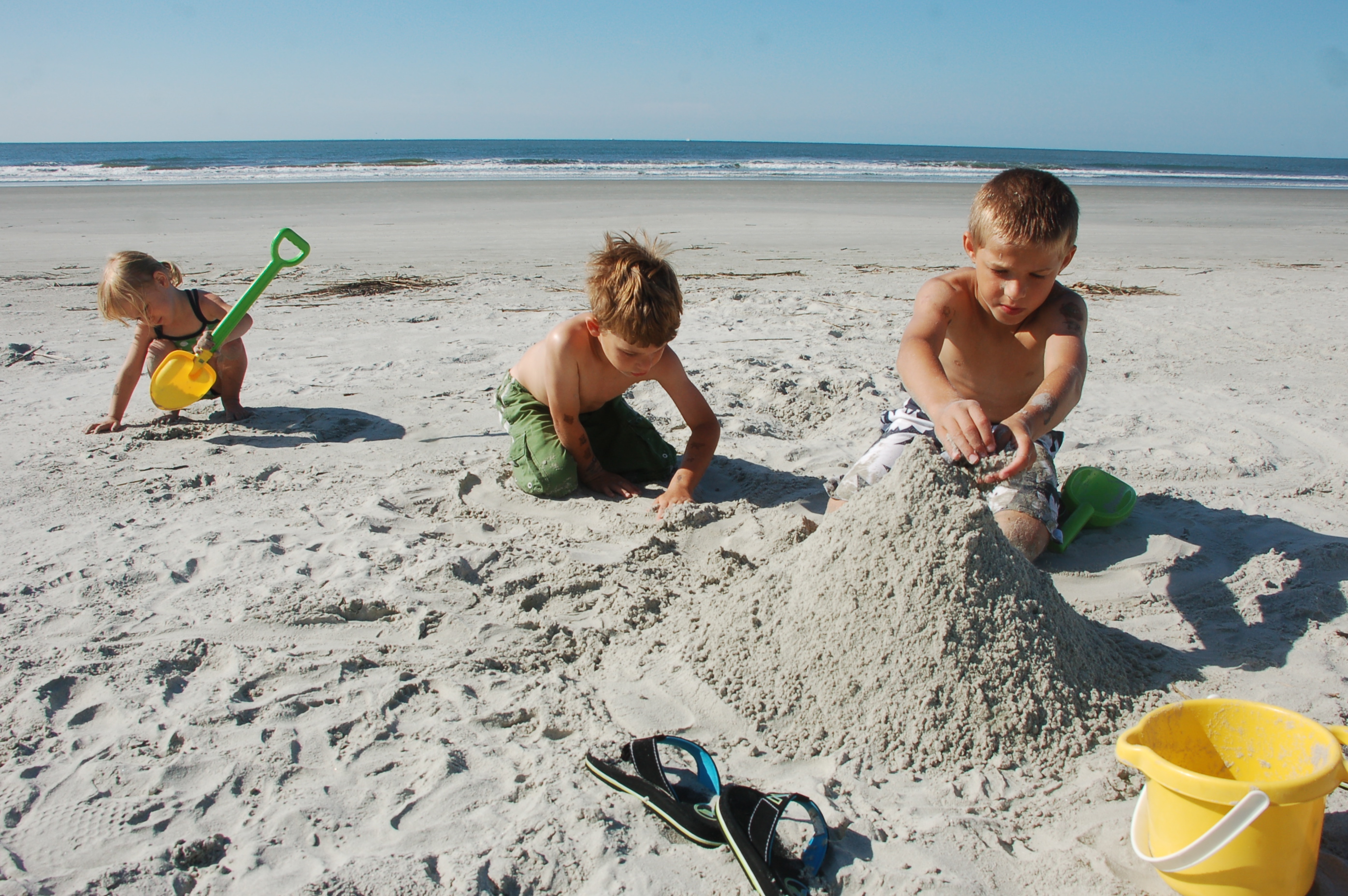
Watching our grandchildren’s initial reaction to being on the beach was alone worth the eight-hour drive from their Virginia home. After getting things settled for the week in our rental home, we walked to the beach with the intention of simply taking a look. The three grandkids, ages eight, five and two, had other ideas.
First encounter by Bruce Stambaugh
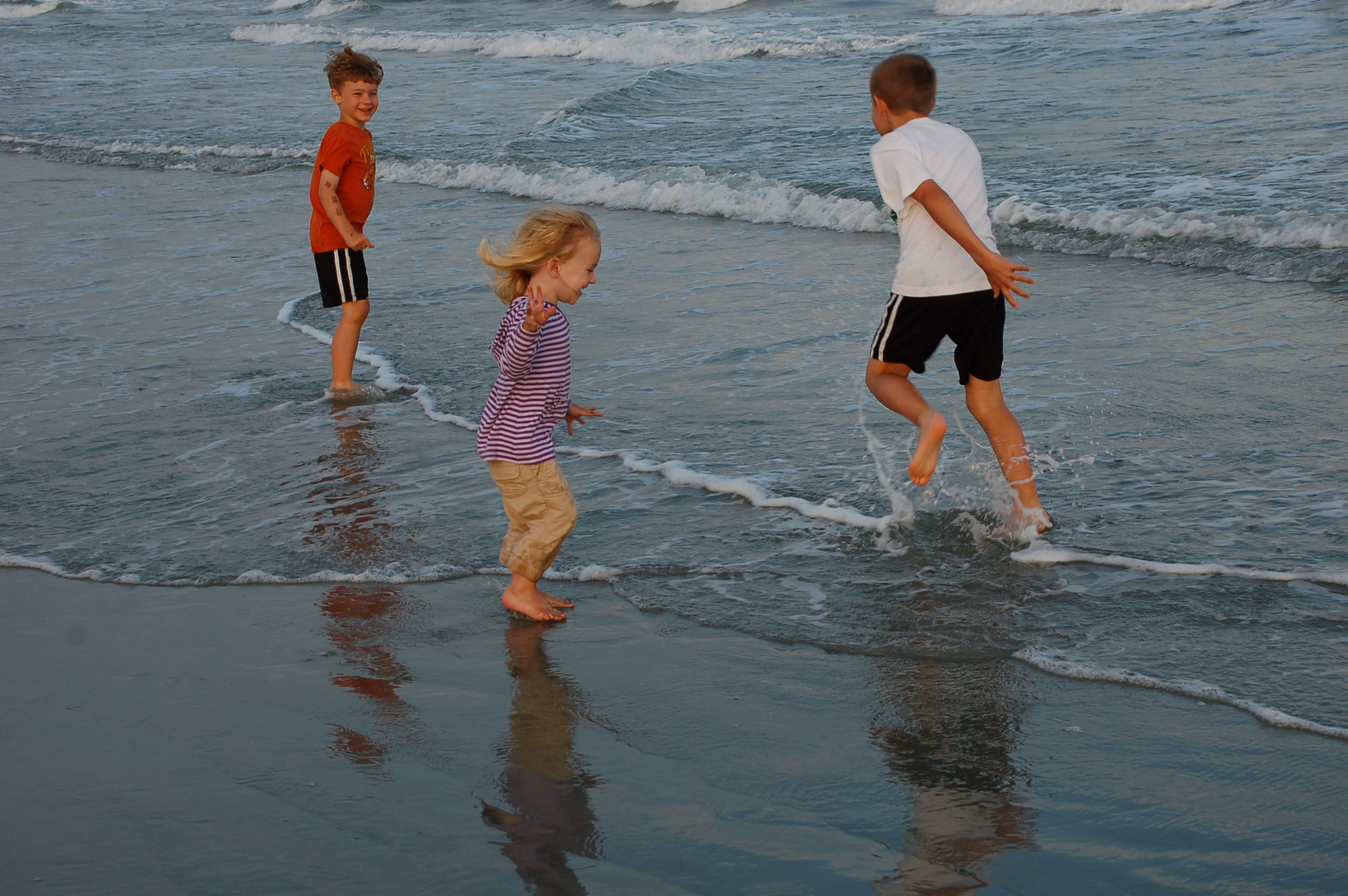
At low tide, the impressive sandy beach served as a gradual launching ramp into the soft, rolling tide. With their parents’ approval, all three grandkids dived right in fully clothed sans shoes, laughing and giggling away.

The adults kicked off their shoes and waded in as well. The water was unusually warm for mid-June.

For a week, save for one rainy day, the weather was absolutely perfect. The morning air warmed enough that we could hit the beach before 10 each day. Steady ocean breezes kept down the humidity and the sweating while we played with the grandchildren both in the gentle, silvery surf and on the sandy shore.
Empty beach by Bruce Stambaugh
Arriving early at the beach had another advantage. We nearly had the expansive seascape to ourselves. At that time of day, beach walkers and runners easily outnumbered the swimmers.

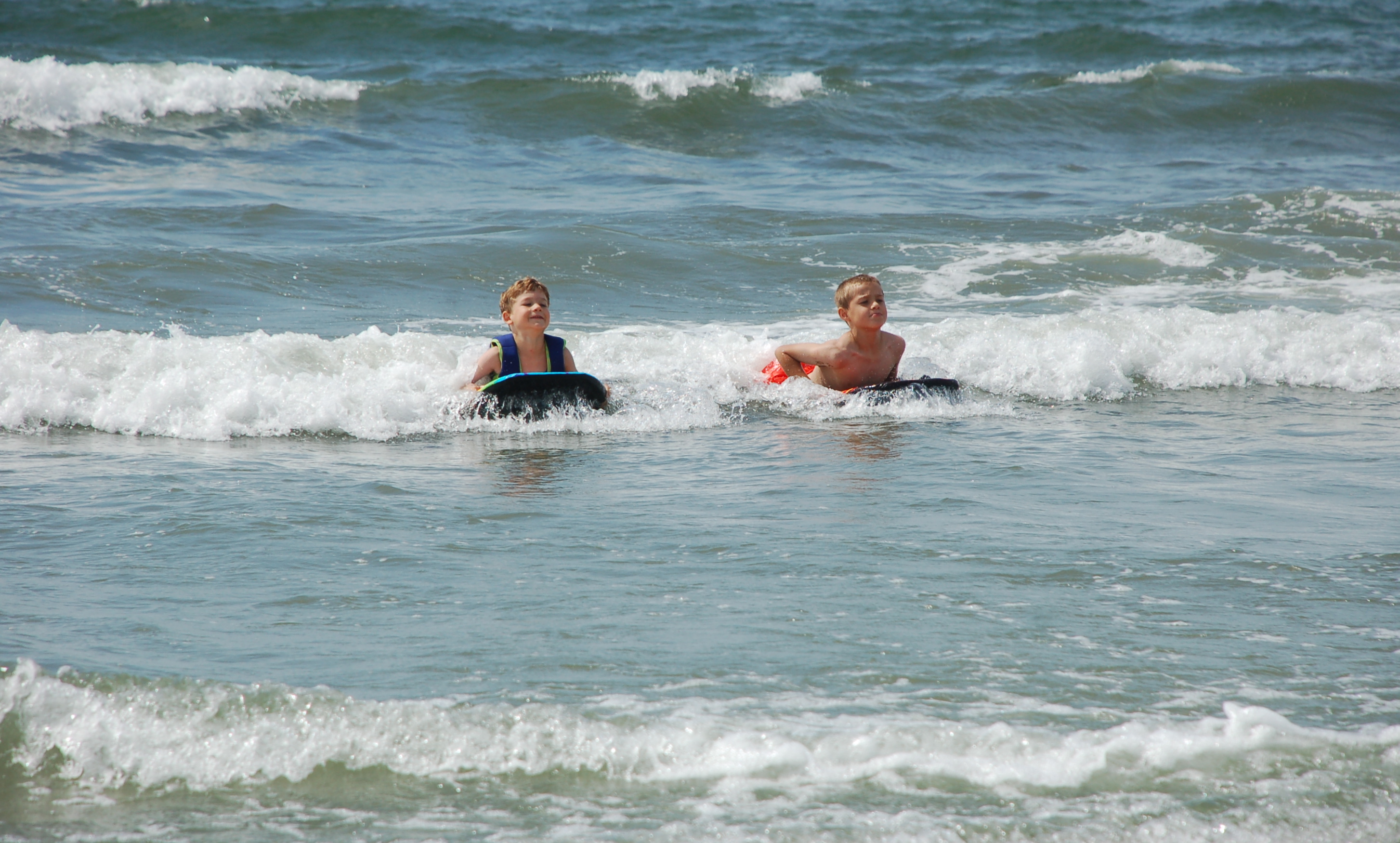
Boogie boards by Bruce StambaughThe kids enjoyed the boogie boards they had borrowed and brought along. The two boys ventured out into waist high water to await waves sufficient enough to carry them gently onto the moist sand. Of course they didn’t always make it that far, which made it all the more enjoyable. Either way they jumped and shouted and repeated the playful process.

Breaking water by Bruce StambaughTheir sister, the two-year-old, took a more delicate approach. She marched to where the water lapped the shore and laid down atop a little boogie board facing the ocean. Apparently she reasoned that with the tide coming in why not simply let the waves come to her. That way she didn’t have to face the force of the rolling water head on.

Her plan worked. Once the water reached her, she raised her head, pushed back her blond locks and enjoyed the gentle saltwater buffeting.
Bicycles by Bruce Stambaugh
Between interplays with the sun, sand and the waves, the children and their parents enjoyed bicycle forays around the small island. The two-year old rode in the bicycle trailer. The combination of the bumpy roads and the arduous times at the beach took their toll. She returned to the beach house sound asleep.

Toward the end of our stay, the kids turned more toward plying their sandcastle construction skills than they did dips in the ocean. The relentless waves served as an excellent cleanser for their sand-plastered skin.
Sandcastles by Bruce Stambaugh
The last full day of the vacation, the two-year-old already had on her swimsuit before breakfast. With arms stretched wide, her excited “Ta Da” entrance and her big smile summed up the entire week.

We may have been at the beach, but we all had mountains and mountains of fun.

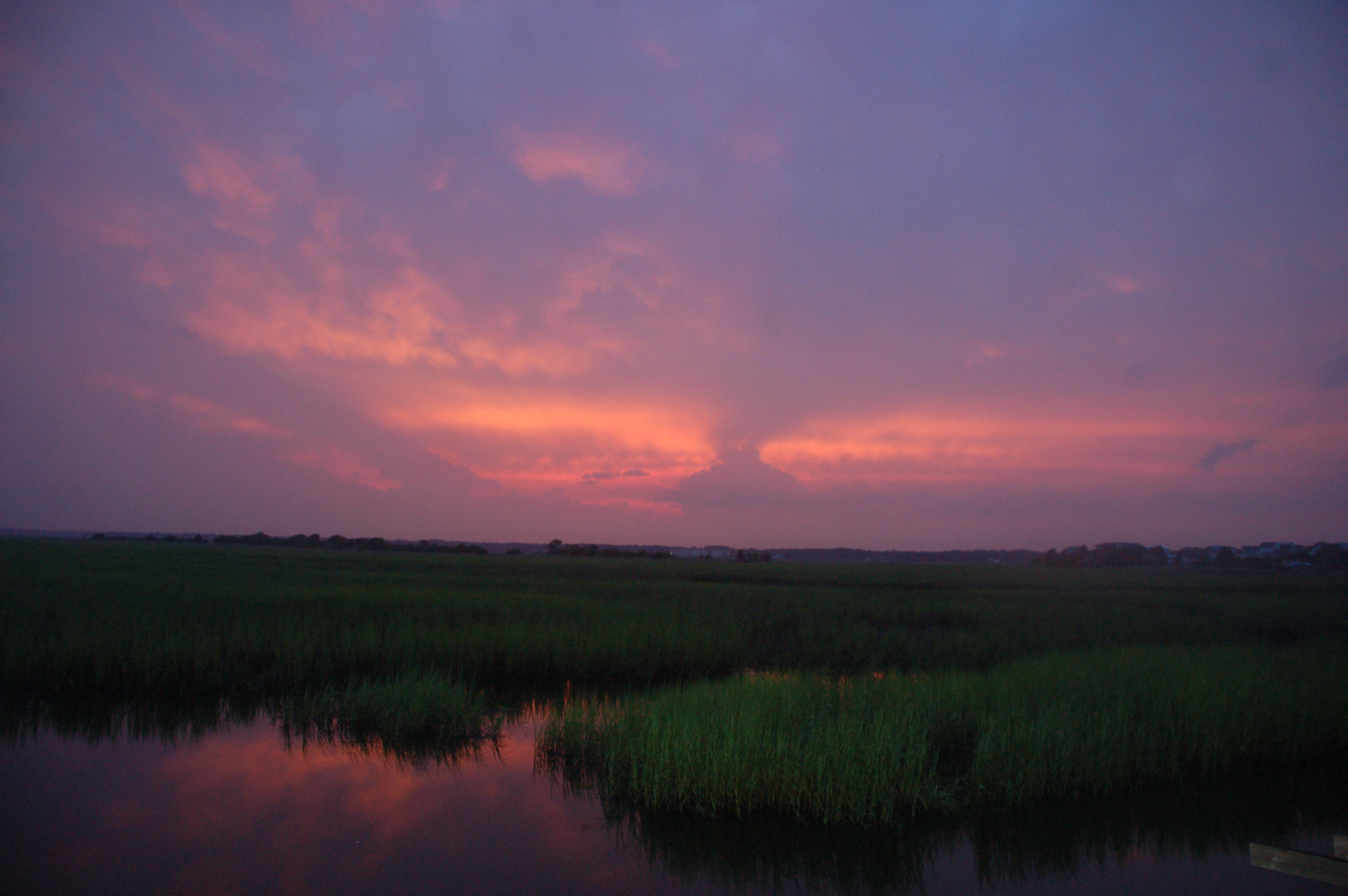
Marsh sunset by Bruce Stambaugh
Sunset over the marsh at Sunset Beach, NC.

© Bruce Stambaugh 2012
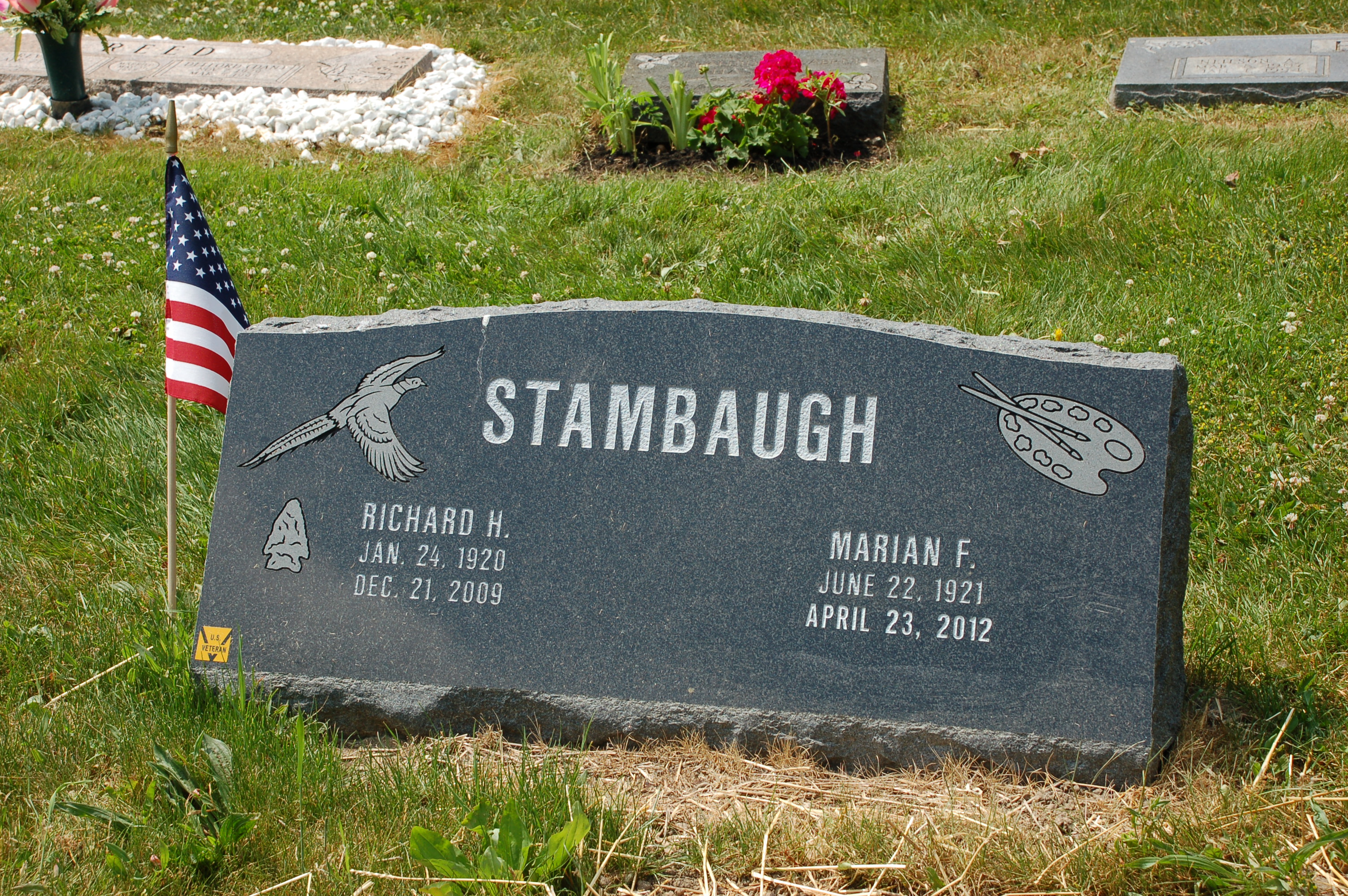
A father who loved life, sometimes too much

Stambaughs by Bruce Stambaugh
My older brother, Craig (middle), and I accompanied our father, Richard H. Stambaugh, on an Honor Flight to Washington, D.C. on Sept. 12, 2009.

By Bruce Stambaugh

My father loved life and his family, sometimes with reckless abandon. He seldom realized the latter. Dad chose to express his affection through actions rather than words. He enjoined his family in whatever he enjoyed doing, and Dad had a wide range of interests throughout his long life.

Dad especially had an affinity for all things outdoors. My brothers, sisters and I learned much about nature and sportsmanship. We also learned about safety, although I don’t think that was the primary lesson Dad had in mind.

Dad’s uninhibited fervor occasionally overrode practicality. The tricky tandem of affability and naiveté resulted in some memorable if not scary situations.

Parents by Bruce Stambaugh
Dad and Mom on their 66th wedding anniversary.
Take the time my older brother and I nearly drowned while Dad was supposed to be watching us. I was too young to remember this incident, but I heard the story so often, I can visualize it in my mind. Craig was six. I was two. We lived on a channel that connected two lakes.

My brother and I wandered on to the boat dock behind our house. According to the neighbor, the next thing she heard was plop, plop. When she no longer saw us standing on the dock, she assumed the worst, jumped in the water and pulled us both to safety. I understand our mother gave our father a good going over, and with that fearful incident firmly ingrained in my psyche I never learned to swim.

My first actual memory of my father is less dramatic, although it, too, was problematic. Dad handed me a bottle of soda. That gesture certainly was tame enough. Problem was I was only three and at the time sitting on the ceiling rafters of the house in which I grew up. Dad and my great uncle Elmer built the brick bungalow together. Dad wanted his family to see the progress to date.

There I was a toddler dangling over what was to be the dining room, Dad proudly smiling, handing me a Coca Cola from the floor below. Either they had nailed me to the 2 x 6 or they were overly trusting that I wouldn’t fall.

Sometimes the unsettling consequences weren’t necessarily Dad’s fault. Dad signed up the family for a special all day passenger train excursion from our hometown of Canton, Ohio to Cambridge, Ohio and back, a distance of about 120 miles roundtrip. The only problem was the train’s locomotive had so many mechanical issues we were gone for 24 hours. No food service or sleeping quarters were available on the train. We arrived home at 6 a.m., and once again Mom was not pleased.

Clendening by Bruce Stambaugh
Over the years, Dad spent many enjoyable days hunting and fishing with family and friends in the Clendening Lake region of southeastern Ohio.

On a family outing to Leesville Lake, Dad rented a boat with a capacity of four for a family of seven. Dad thought two kids counted for one adult. The boat patrol officer thought otherwise.

Should I even mention the time Dad left Craig, our cousin and me in a drenching rainstorm 40 miles from home? In honor of Father’s Day, let’s just say that it all worked out in the end. Mom, of course, had the last say.

Certainly not all of our experiences with our gung-ho Dad were harrowing in nature. We had many, many good times together. I do believe that our vicarious adventures with Dad taught my siblings and me to both enjoy life and to do so responsibly.

Dad was a loving, lovable guy who at times simply couldn’t help himself. I am forever grateful for his headlong dives into life.

Headstone by Bruce Stambaugh

The reality of being a forlorn Cleveland Indians fan

Field box seats by Bruce Stambaugh
The view from our seats keeps you in the game.

By Bruce Stambaugh

I have always been a fan of the Cleveland Indians. It must be the masochist in me.

Cleveland was and remains geographically the closest city with a major league baseball team. It was only logical that I follow them. Loyalist that I am, I have remained a true fan through thick and thin. Believe me, there have been a lot of lean years in my lifetime.

In part, that’s why I was a bit taken aback by the recent remarks of Indians’ closer Chris Perez. The young relief pitcher, not one to be shy with his words, vehemently chastised the Cleveland fan base for not supporting the team. At the time, the Tribe, as they are affectionately known, was in first place in the standings and last in attendance in the major leagues. That displeased Perez.

Roommates by Bruce Stambaugh
One of my college roommates met me at Progressive Field for an Indians game.

In a sport where clichés are the standard, it’s not how well you start the season, but where you end it. After winning 30 of their first 45 games last year, the Indians finished the season with a losing record. Like so many seasons before, their fast start melted with the summer heat.

Although I understood Perez’ point, I don’t think he comprehended the perspective of lifetime Indians fans. We have seen it all before. I doubt Perez knows about Max Alvis tripping over third base, turning a routine popup into a double. Or watching Tony Horton crawl back to the dugout on his knees after striking out on a blooper pitch. Or the embarrassing fiasco of “Ten Cent Beer Night.” More to his point, the Indians have been in this position time and time again.

Pick off by Bruce Stambaugh
Over the years, the Cleveland Indians have done about as much diving out of first place as they have diving back to first base.
Take 1961. On Father’s Day weekend, the perennial powerhouse New York Yankees were in town for a four game series. I watched the first two games on black and white television, and had tickets for the doubleheader on Father’s Day.

Cleveland won Friday’s game and then came back in dramatic fashion to beat the hated Yankees on Saturday 10-9. This was in the old Municipal Stadium, a cavern of a place that held 80,000 people. The Sunday games were standing room only. In those days, you could see two games for the price of one, which made doubleheaders so popular.

Fans stood five and six people deep behind the chain-linked fence, which arched the parameters of the outfield from foul pole to foul pole. The meshed fence then was not padded, which allowed the fans to see the action. Cleveland handily won both games, sweeping the series from the mighty Yankees.

Choo at bat by Bruce Stambaugh
Over the years, the Indians have had many good players like Shin-Soo Choo, only to lose them to free agency or trade them.

In the traffic jam outside the stadium, people were nearly delirious with joy. They were already celebrating as if the Indians had won the American League pennant. That proved slightly premature. By season’s end, the Yankees had won the league with the Indians far down in the standings.

In the off-season, the manager was fired. Players were traded, and that pattern was repeated for the next 30 years with no better results. Try as they might, the Indians always fell flat. The reality for the Indians fans was first place at the 4th of July, last place by September 30.

Verlander by Bruce Stambaugh
Late in a recent game vs. Detroit, Justin Verlander was still throwing 102 m.p.h., possibly out of frustration. The Indians won 2-1.
Of course that all changed in the 1990s when the Indians built a new stadium, spent big bucks acquiring free agent stars and grooming outstanding players in the farm system. Tribe fans were hysterical when the Indians went to the World Series in 1995 and 1997, only to lose both times.

The Indians haven’t won a World Series since 1948. Only the beloved Chicago Cubs have had a longer dry spell. And yet, there is no stigma to being a Cubs fan like there is cheering for the Indians.

I won’t let that deter me, however. It’s not yet July 4th. There’s always hope, and of course, if this season goes as previous ones, always next year.

© Bruce Stambaugh 2012
Bay Photos by Donna

Wildlife photos from the Chesapeake Bay region

ROAD TO NARA

Culture and Communities at the Heart Of India

K Hertzler Art

Artist and nature journalist in the Shenandoah Valley of Virginia.

Maria Vincent Robinson

Photographer Of Life and moments

Gabriele Romano

Personal Blog

Jennifer Murch

Art is the only way to run away without leaving home. -Twyla Tharp

Roadkill Crossing

Writing generated from the rural life

ANJOLI ROY

writer. teacher. podcast cohost.

Casa Alterna

El amor cruza fronteras / Love crosses borders