A peanut butter suet feeder hangs from the limb of the red maple tree in our front yard. I have a perfect view of it from my desk in the study.
Since the feeder is midway between our home and the street, the birds that visit the feeder are often cautious. People walking dogs, runners, and passing vehicles frighten the birds.
The neighborhood Cooper’s Hawk and Sharp-shinned Hawk also pose threats with stealth-like swoops at unsuspecting birds at the other nearby feeders. So, all the avian species remain on high alert.
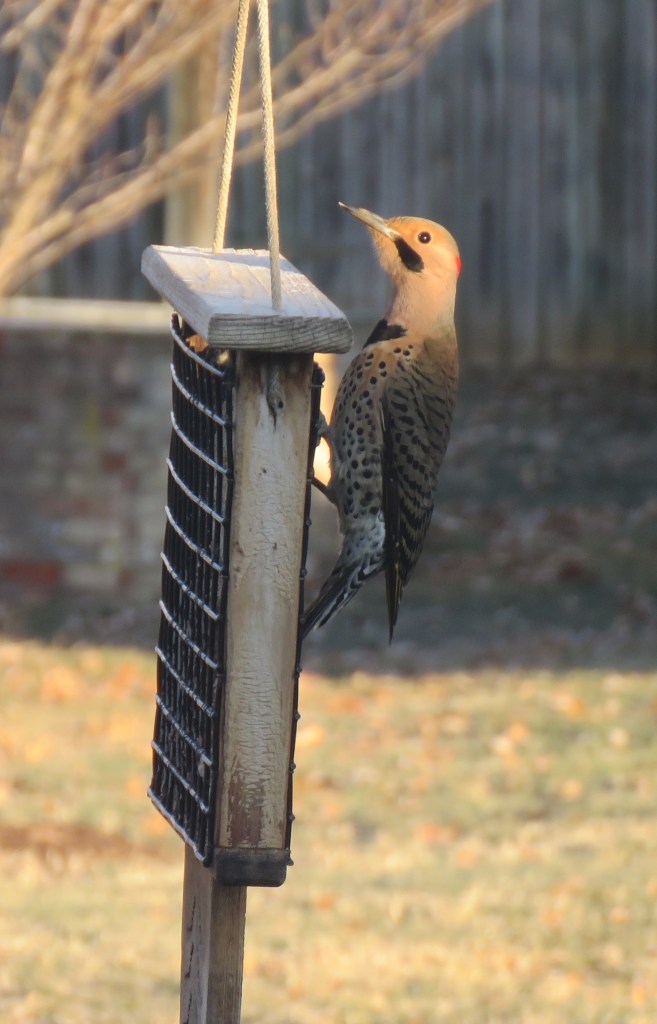
On one recent afternoon, a striking male Northern Flicker was the lone bird at the suet feeder. First, however, it approached carefully. Male flickers have a prominent black mustache on both sides of their bills. It landed on a limb near the feeder and sat perched before it shimmied down the shady side of the tree trunk.
Soon, it moved closer, with part of its lovely, patterned body in the sun. It turned its head toward the feeder and quickly flitted onto it. The magnificent bird only took a few pecks of the suet before a car spooked it, and off it flew.
My front yard birdfeeders are all on or under the red maple tree just outside my office window. That allows me to keep a keen eye on the comings and goings of the birds that frequent the feeders.
The birds really flock to the feeders before and during a snowstorm. The mix of birds includes the ground-feeding White-throated and White-crowned Sparrows and Dark-eyed Juncos. American Goldfinch, Purple Finch, and House Finch dominate the squirrel-proof hanging tube feeders. They also will feed on the ground, savaging for any seeds that drop from the feeders overhead.
If the army of European Starlings arrives, chaos ensues. The desired birds yield to the noisy and aggressive Starlings. That includes the dependable Northern Cardinals, which brighten the scene with their attractive colors. The female’s red-tinged olive feathers keep her camouflaged during nesting time, while her mate stands out in his all-red coat.
As brightly colored as the black-masked male Northern Cardinals are, they are fairly skittish and passive compared to other birds, like the Carolina Wrens and especially the Starlings.
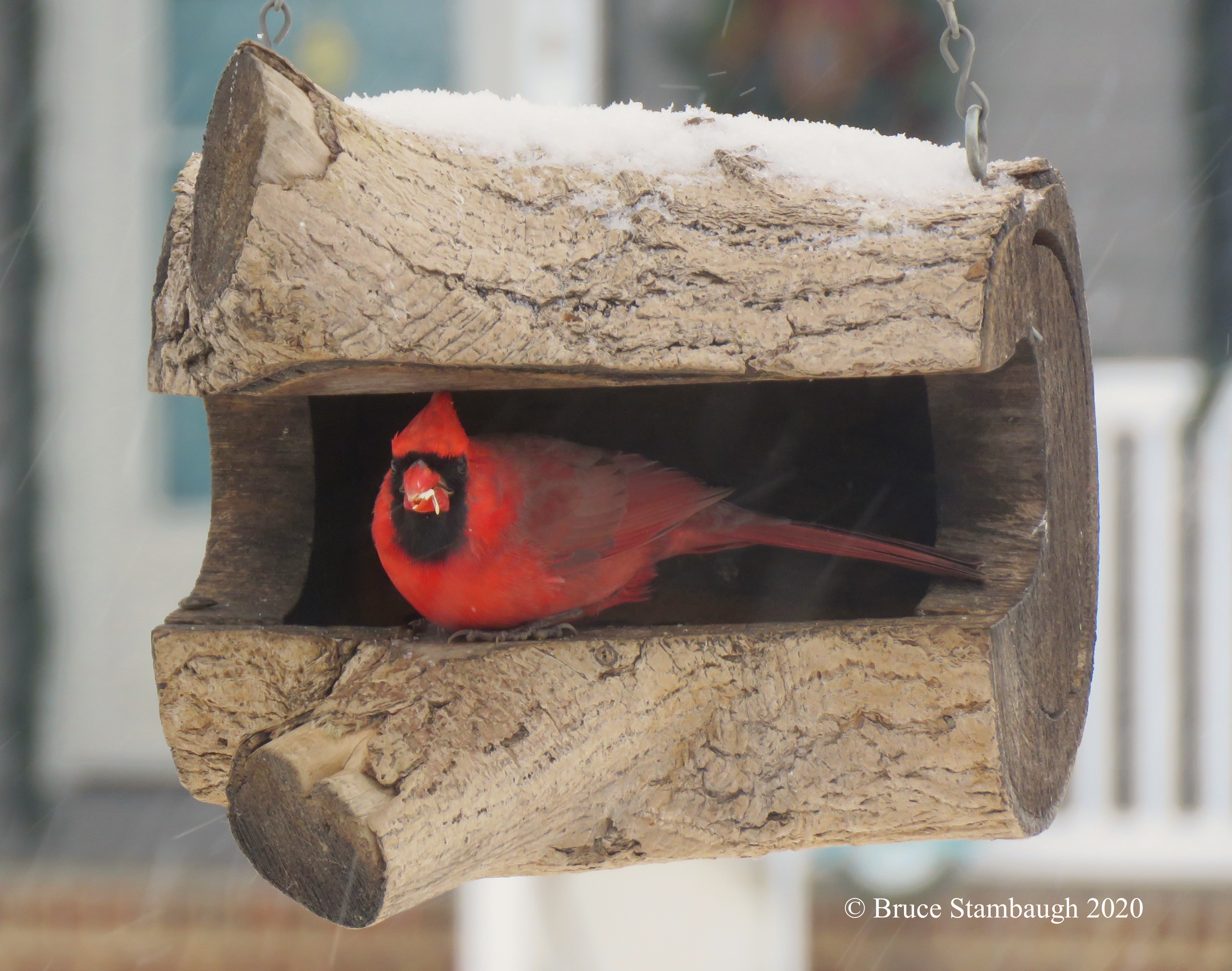
The male Northern Cardinal in the photo waited on a branch above the feeding frenzy, awaiting an opportunity to fuel up undisturbed. That allowed me to capture the brilliant red in the falling snow.
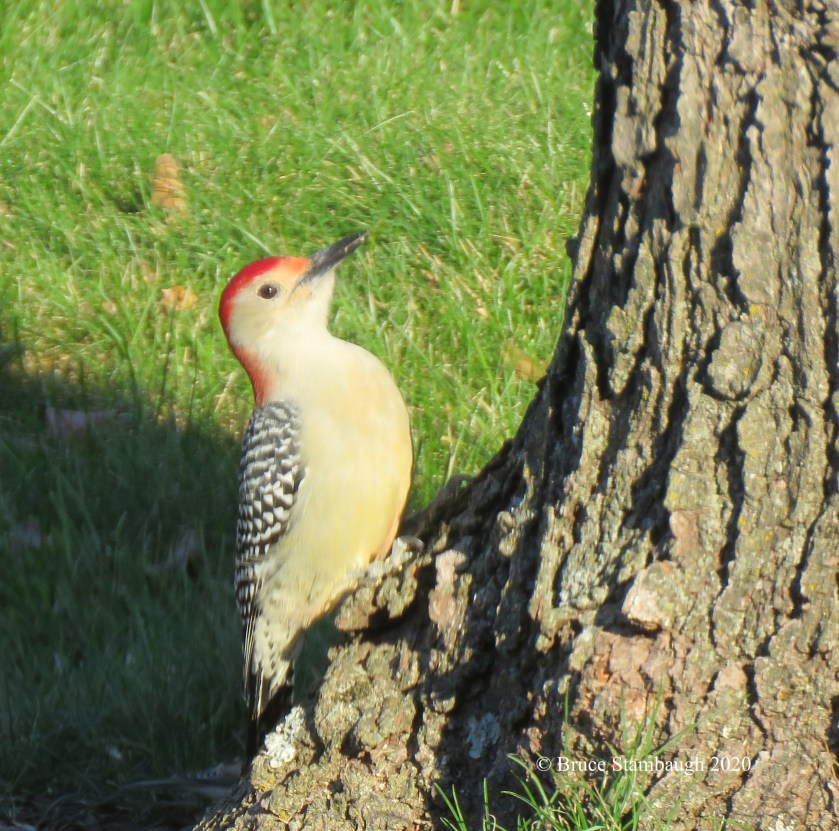
A male Red-bellied Woodpecker at the suet feeder. Photo by Bruce Stambaugh
It’s been a slow winter for feeding birds. Both the number of birds and the kind of species coming to my birdfeeders are down.
I have my suspicions, but I’m not exactly sure why. It could be the two roaming black cats that wait stealthily for lunch. Or, it could be the loss of cover. My neighbor cut down two mature trees on our property line. Or, it could be the inconsistent weather of cold and warming here in the Shenandoah Valley. Or, more likely, there are simply fewer birds. In a recent report, Cornell University estimated three billion birds have been lost in North America since 1970.
However, I am happy with the variety of woodpeckers that have made a regular appearance at our feeders. They have especially frequented the peanut butter suet feeder in the front yard. The feeder hangs from the large red maple, only 30 feet from the street. Others prefer the black oil sunflower seeds, while some peck at the cracked corn I spread on the ground.
All the woodpeckers announce their arrival in one manner or another. The Red-bellies and the Flickers want the bird world to know that they are arriving, so their harsh, loud screeches warn other birds to get out of their way. I have not seen the two species at the feeders together.
The Downy Woodpeckers are the most discrete. Their soft squeak or rapid-fire drumming on a tree limb gets my attention. Other times they just show up.
Here are a few of my favorite shots of the various woodpeckers at my feeders.
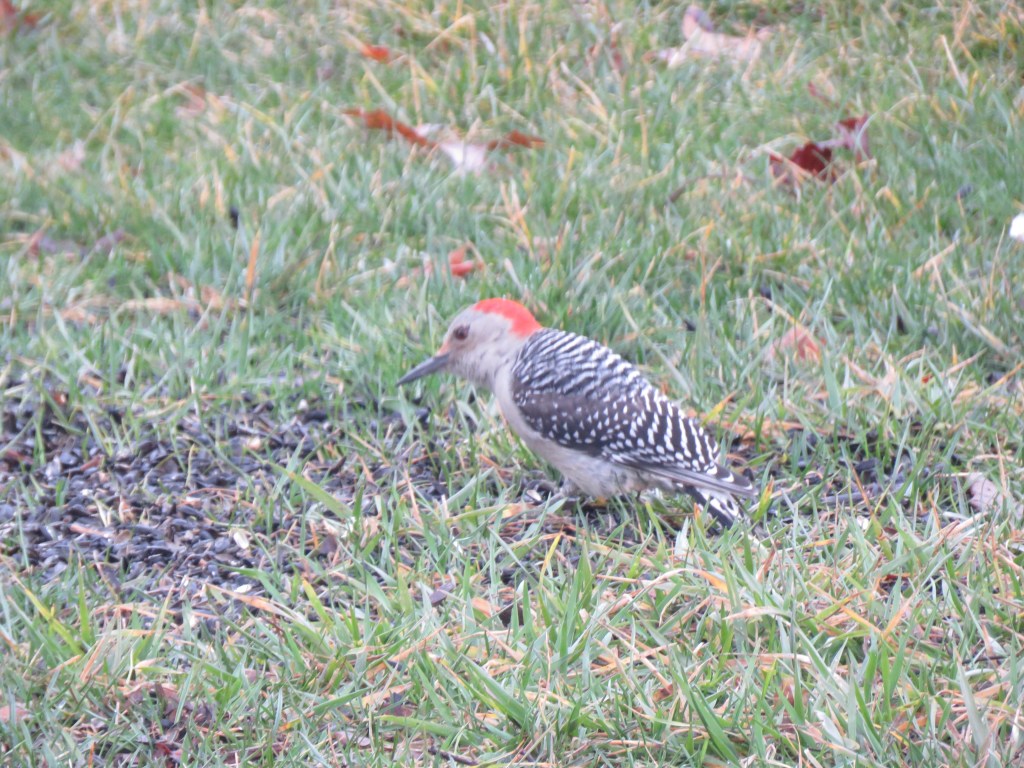
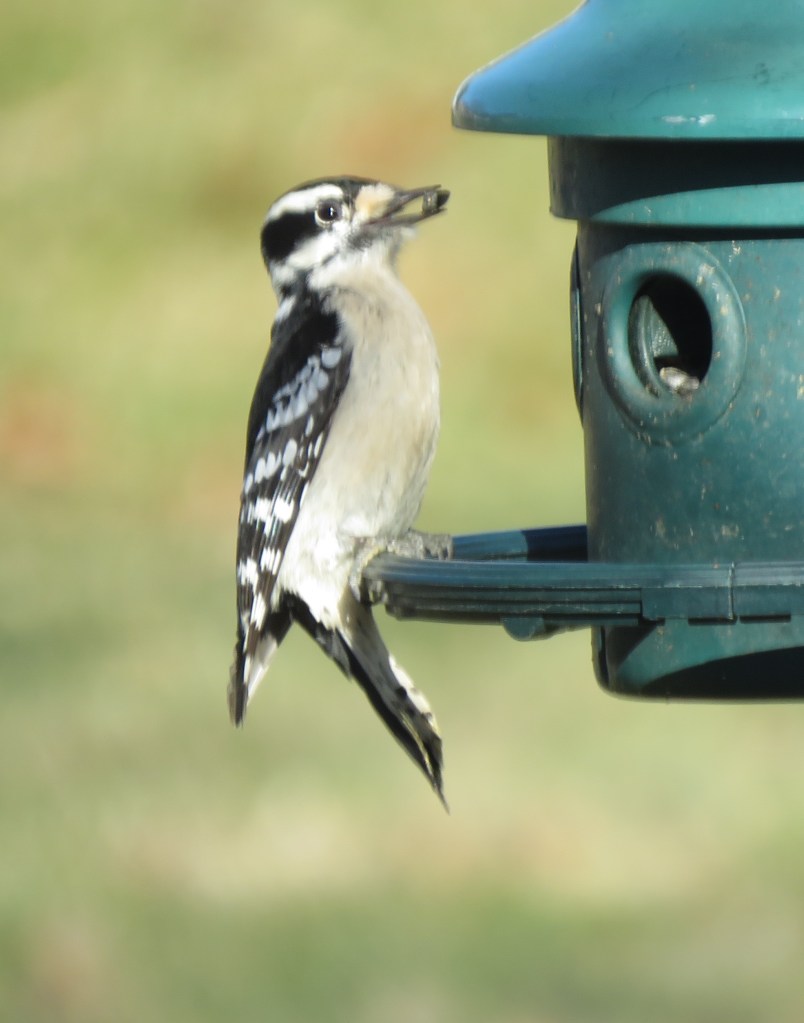
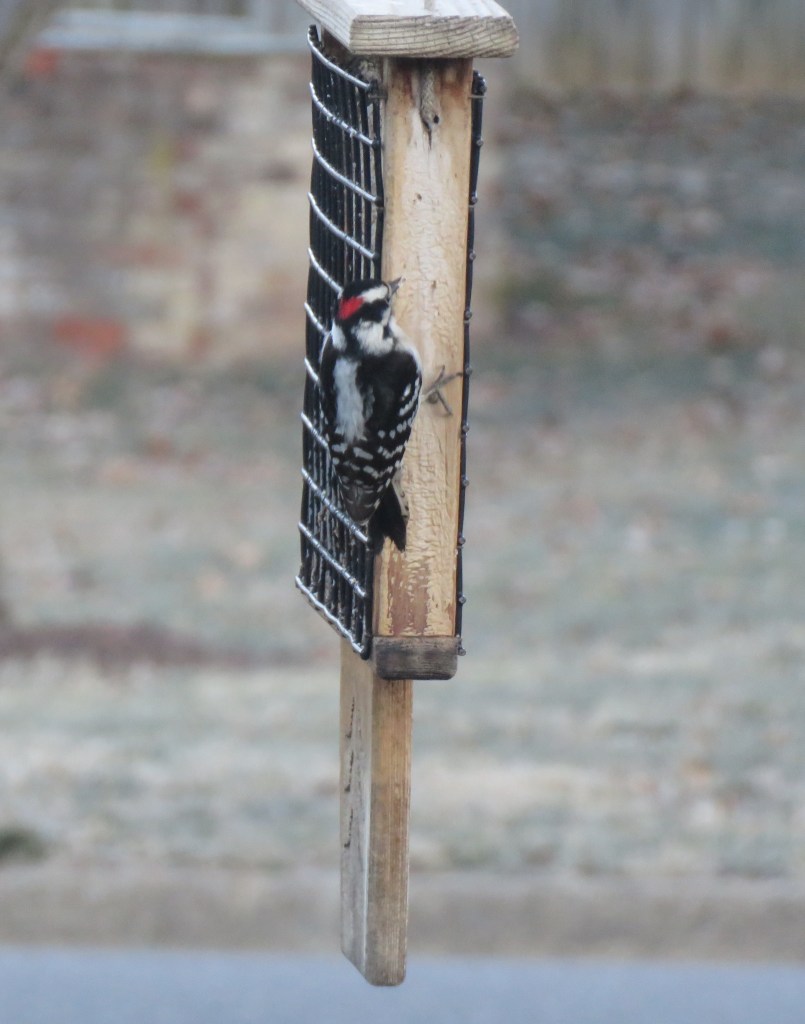
A female Red-bellied Woodpecker searches for black oil sunflower seeds on the ground. Photo by Bruce StambaughA female Downy Woodpecker snatches a sunflower seed. Photo by Bruce StambaughThe morning sunshine highlighted a male Northern Flicker at the suet feeder. Photo by Bruce StambaughA male Downy Woodpecker at the suet feeder. Photo by Bruce Stambaugh
A male Northern Cardinal chows down on safflower seeds.
I’m thankful for birds. That’s one reason I spend the money, time, and effort to keep them happy most of the year-round. That’s never been truer than now.
Usually, my wife and I would be on Amelia Island, Florida, right now, enjoying the birds, wildlife, and strolls on the beach. The coronavirus, of course, changed all of that. We decided to continue to stay close to home. We also didn’t want to miss out on getting the vaccines to protect us from the virus.
So, instead of searching for great egrets, little blue herons, American white pelicans, willets, sanderlings, and black skimmers, I’m settling for mostly seedeaters this winter. I’m just as happy.
Watching the various birds interact, feed at the different stations I have set up in the front and back yards, and at the heated birdbaths helps the time pass. Like humans, food and water are essential ingredients for the birds and too many aggressive squirrels during the cold and dark days of winter.
I have the feeders placed where I can watch them from where I spend most of my time. I can observe the comings and goings from my office window facing the street or enjoy the multiple feeders in the backyard from the bathroom window. Those who know me well will clearly understand that logic.
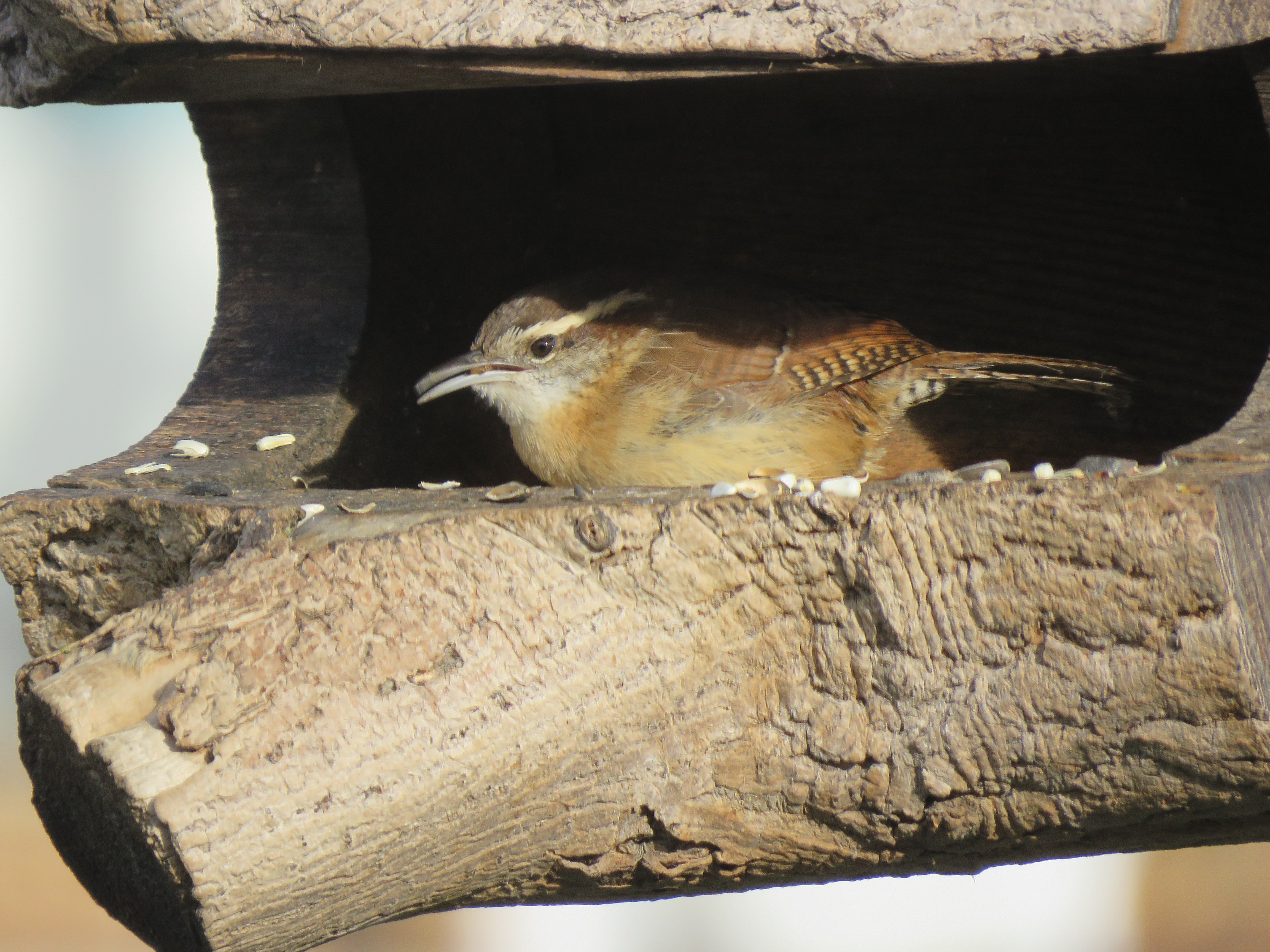
Three feeders dangle from the front yard red maple, and cracked corn is spread around its trunk. In the back, a suet feeder attracts members of the woodpecker family, the neighborhood northern mockingbird, and Carolina wrens, to name a few.
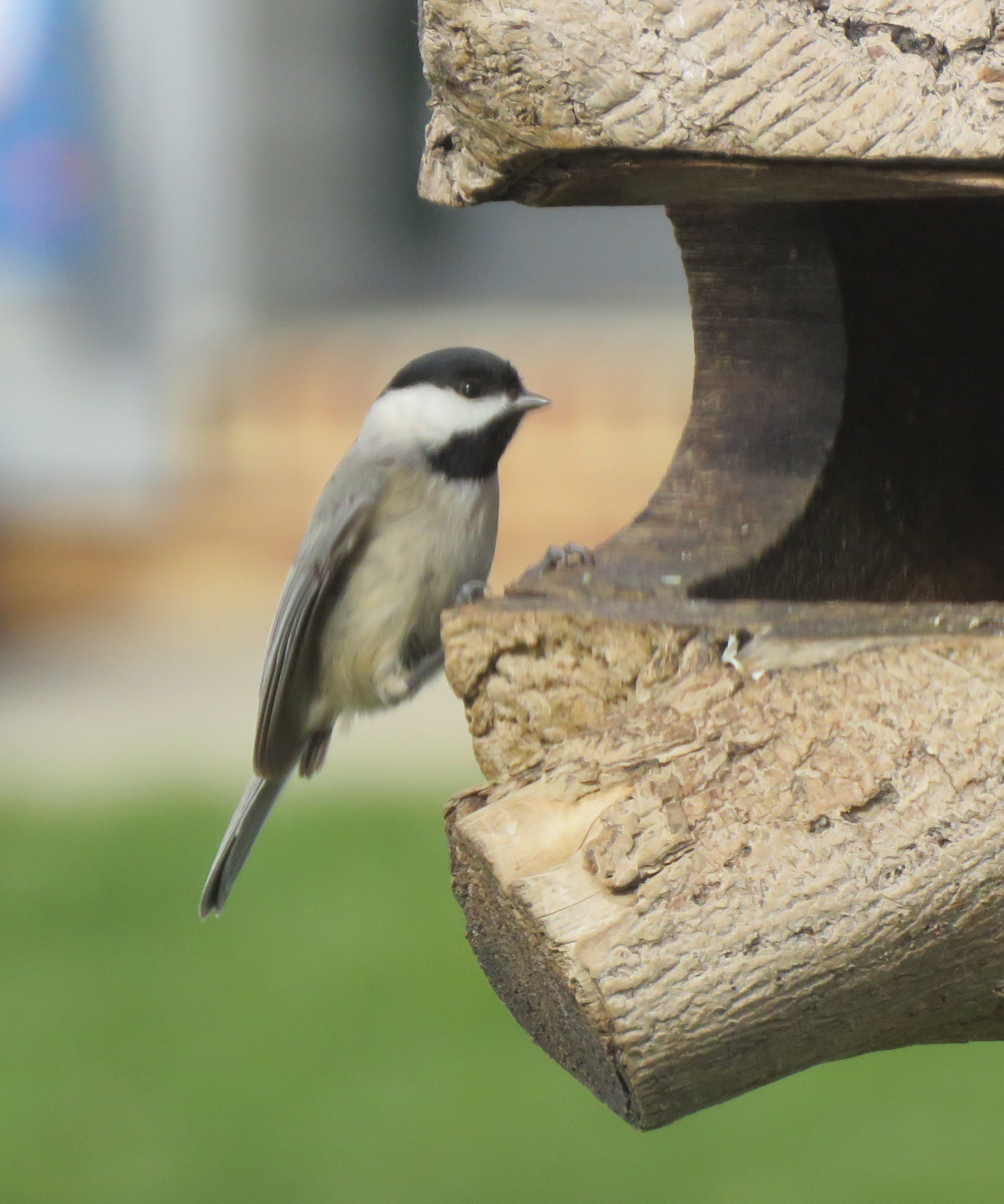
A squirrel-proof tube feeder filled with black oil sunflower seeds draws in northern cardinals, house finches, Carolina chickadees, a few tufted titmice, and white-throated nuthatches. Dark-eyed juncos peck the ground for what other birds drop or miss.
Most of these birds are relatively regular to the feeders. The more elusive birds, like the purple finches and pine siskins, are inconsistent with their visits. Still, I am delighted when they arrive, even if it is only for a brief time.
Of course, I miss heading to Spoonbill Pond on Big Talbot Island to see an everchanging variety of shorebirds, waterfowl species, and raptors. But an occasional strafe of a sharp-shinned or Cooper’s hawk or a pair of bald eagles soaring overhead helps keep my mind focused.
Last year was a universally challenging year in nearly every aspect of life. A year into the virus, hope for relief grows closer by the day. The virus, however, has likely yet to peak.
Red-bellied Woodpecker.
Red-breasted Nuthatch.
Tufted Titmouse.
Blue Jays.
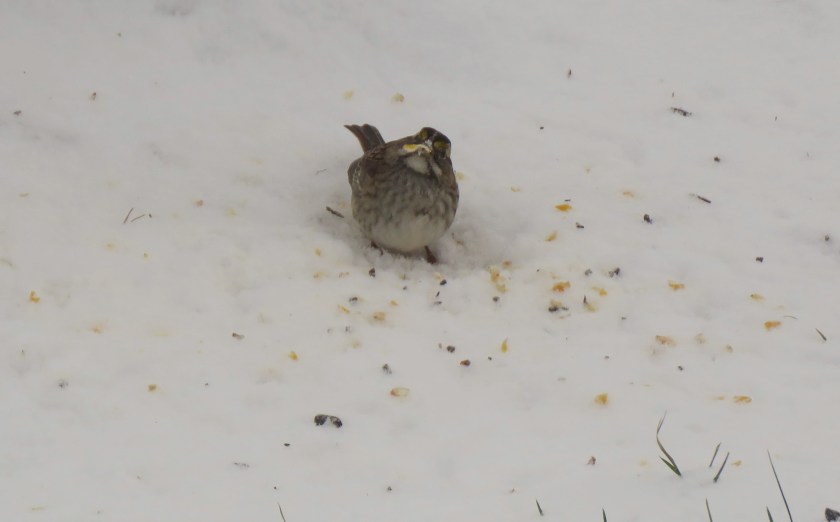
White-throated Sparrow.
Pine Siskins.
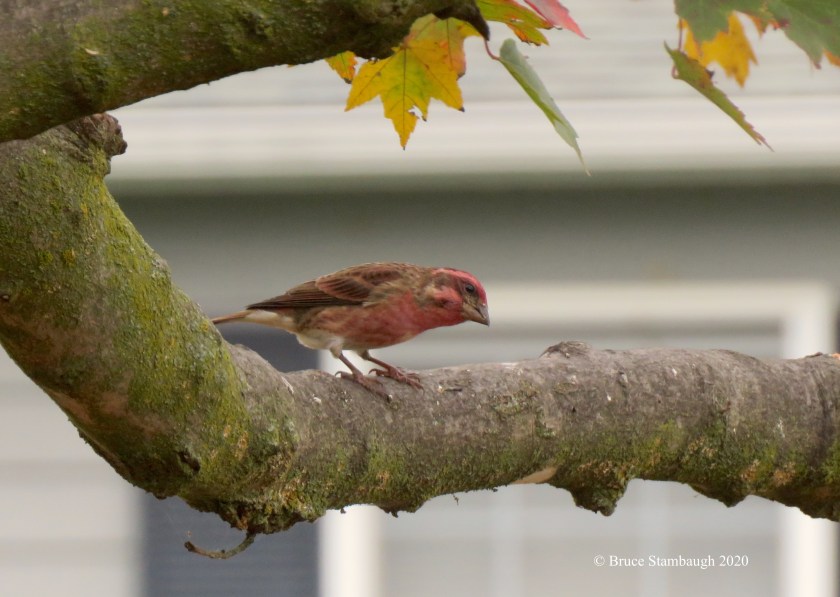
Purple Finch.
Female Purple Finch and female House Finch.
In the meantime, my wife and I will continue to stay close to home and enjoy whatever birds come our way. I like watching the different habits and behaviors of the birds and their wildlife counterparts.
One particular white-throated sparrow prefers the confines of a hanging feeder made of a hollowed-out limb. This sparrow jumps and kicks at the safflower and black oil sunflower seeds as if it were on the ground scratching for food. That’s what the rest of the white-throated do.
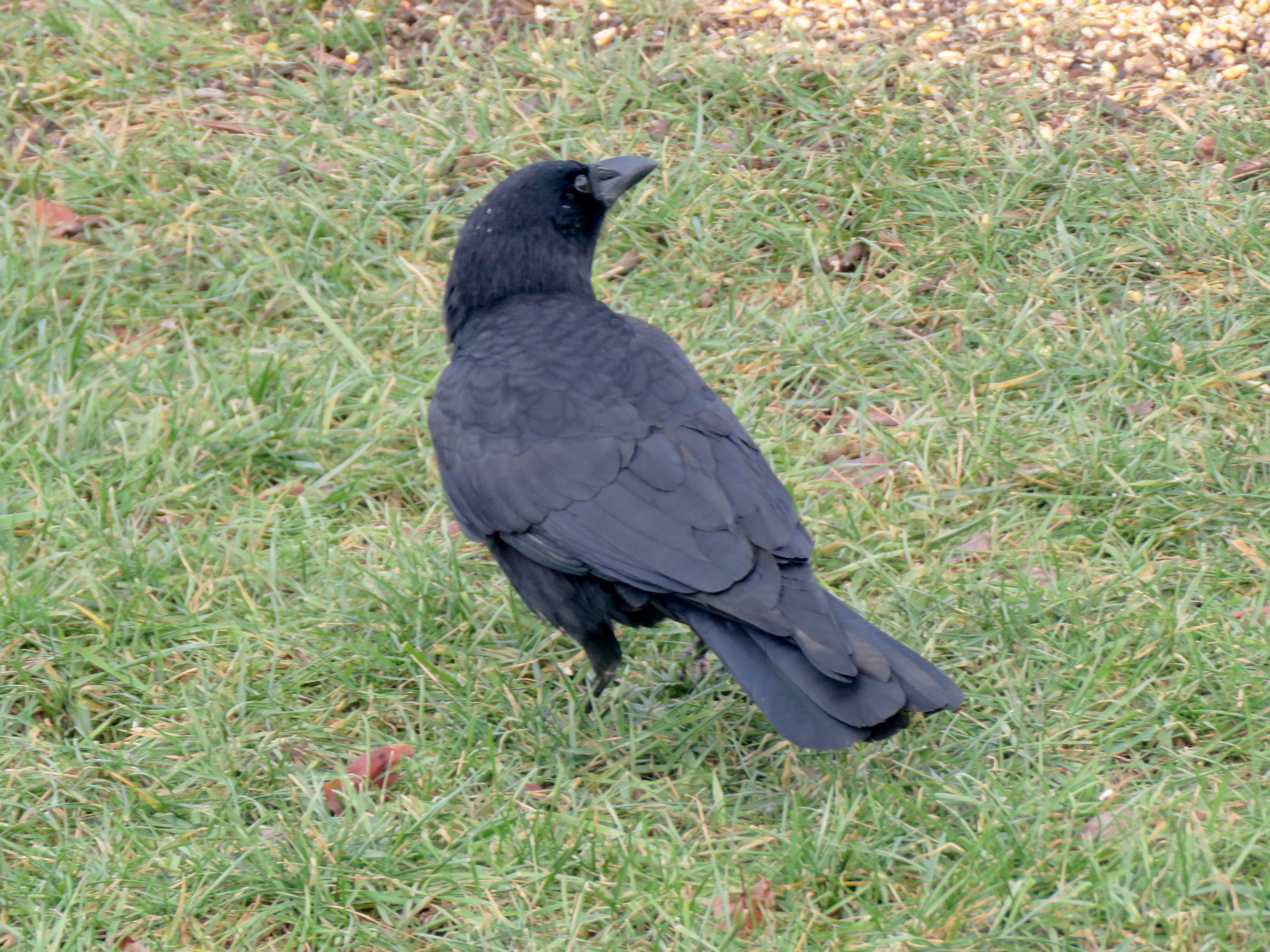
Recently, a lone American crow began visiting. It feeds on the cracked corn spread beneath the red maple. I know it’s the same bird because of its persistent limp.
Despite their bossiness, I even enjoy the squadron of blue jays that loudly announce their arrival as a warning to the other birds. Then they divebomb onto the feeders and ground and gulp down dozens of seeds.
I miss Florida’s birds, but I enjoy the birds that fill each day here at home. They salve my soul.
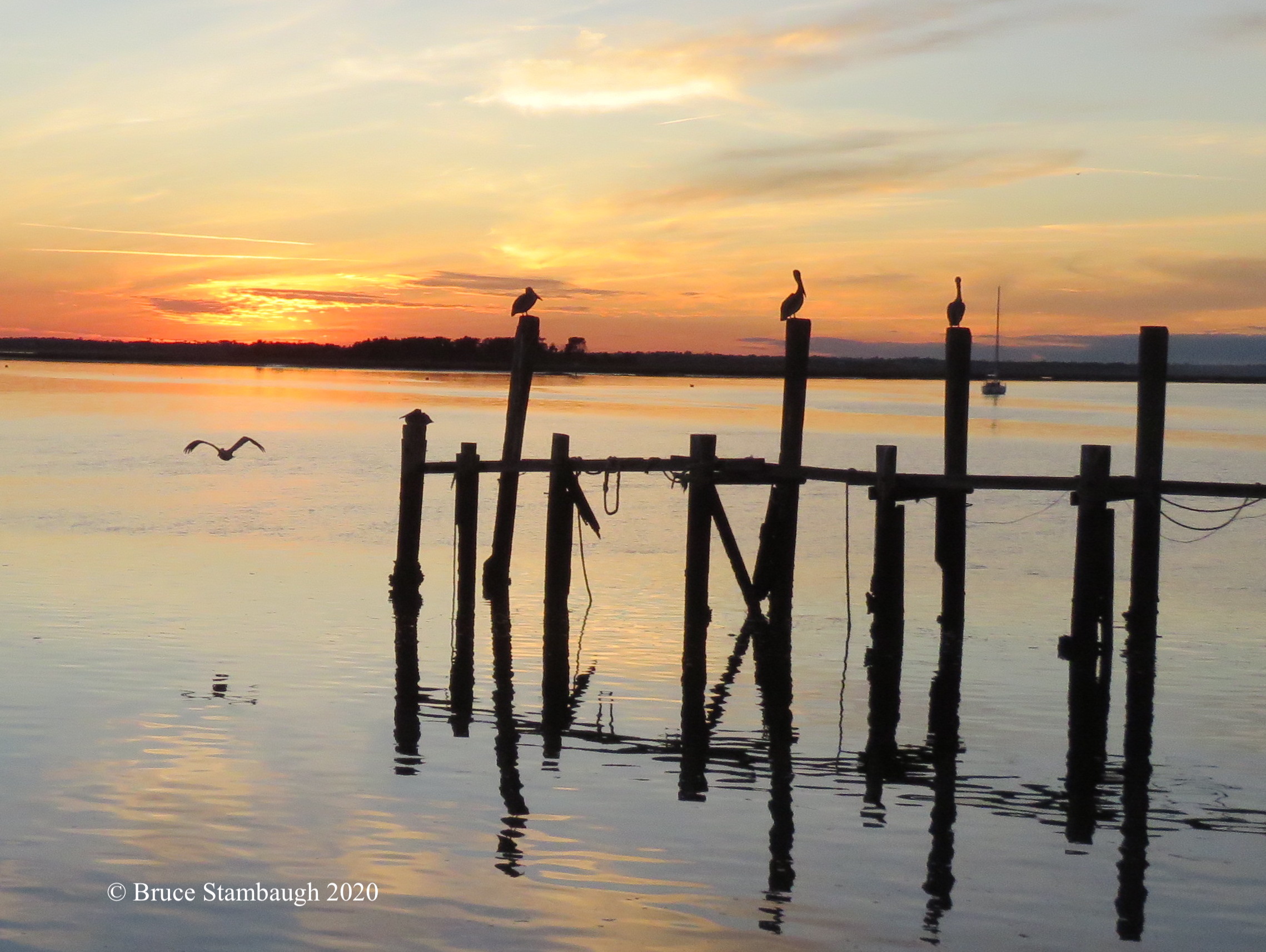
Brown Pelicans arrive to roast for the evening along the Amelia River, Fernandina Beach, FL.








 Roadkill Crossing
You must be logged in to post a comment.