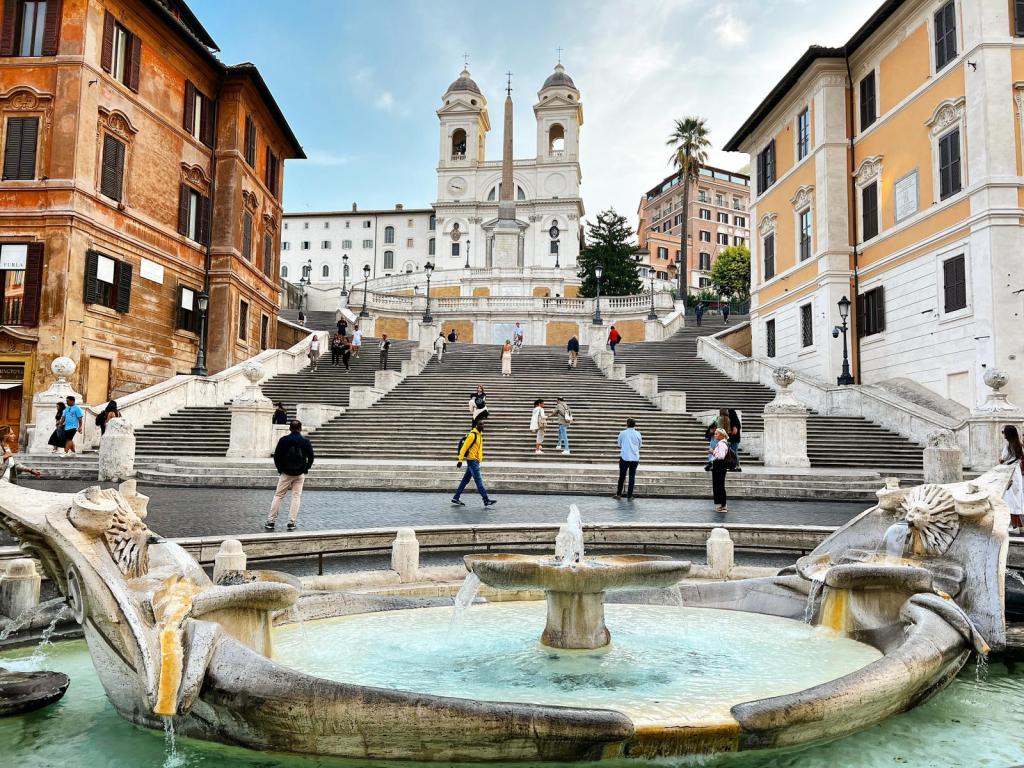
A Photo Essay: Following the Path of Apostle Paul – Our Final Days in Rome

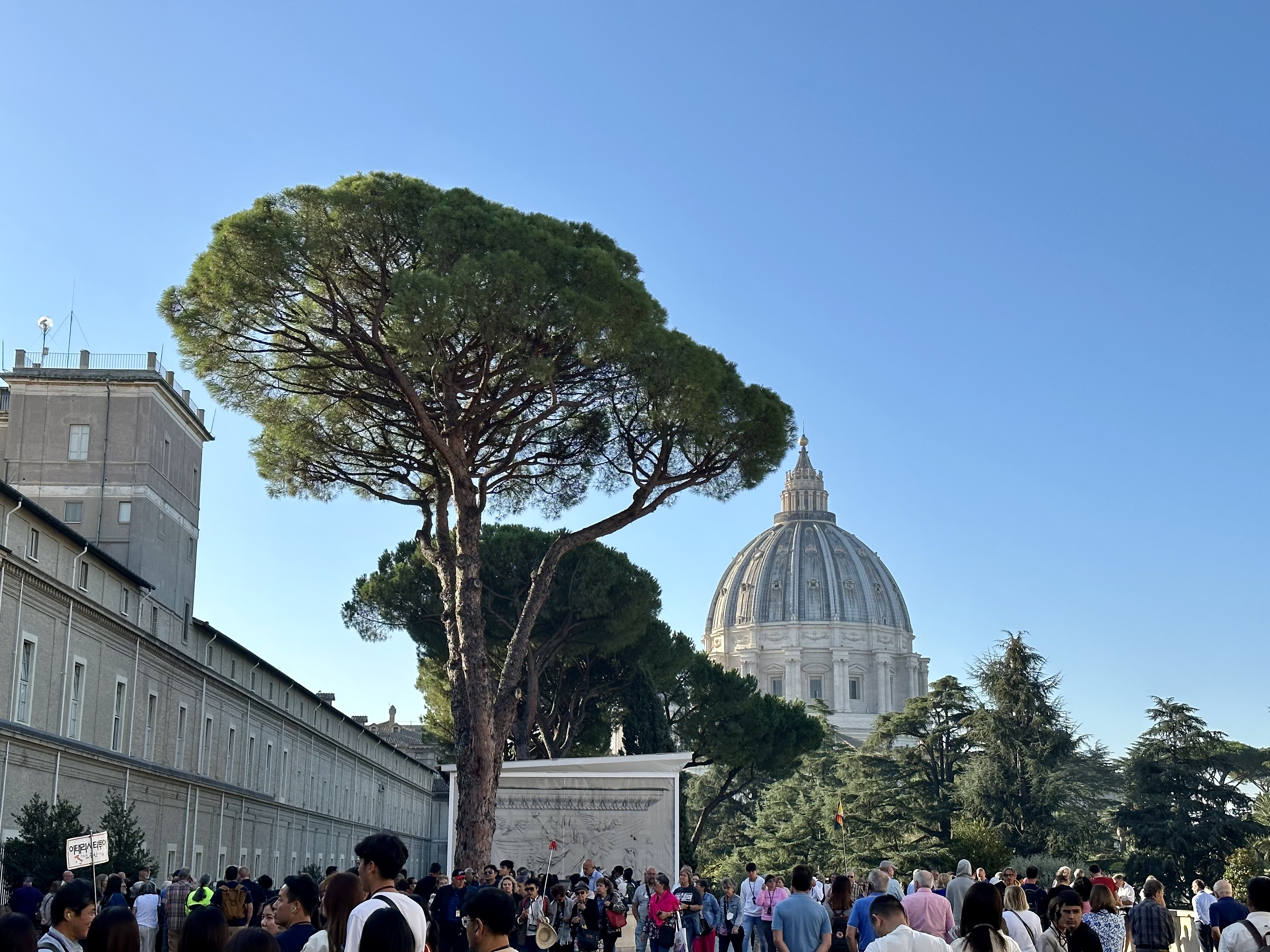
The entrance to the Vatican Museums.

Our final two days in Rome were rich in architecture, sculpture, art, museums, and churches. At times, it seemed to blend all together. But now, as I reflect on these final days, I can finally appreciate all we experienced in Rome and the rest of the trip.

Our excellent leaders, Linford and Janet, acquired tickets from a local guide for the Museums of the Vatican. Doing so permitted us to skip the long ticket line, which ran around the block.

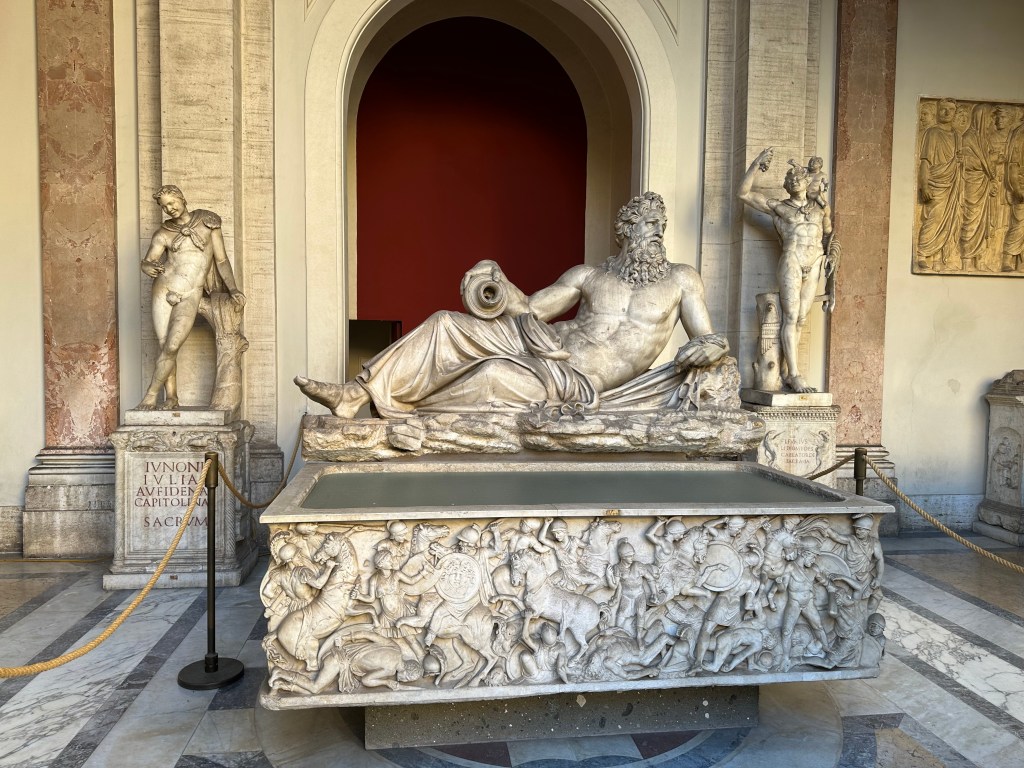
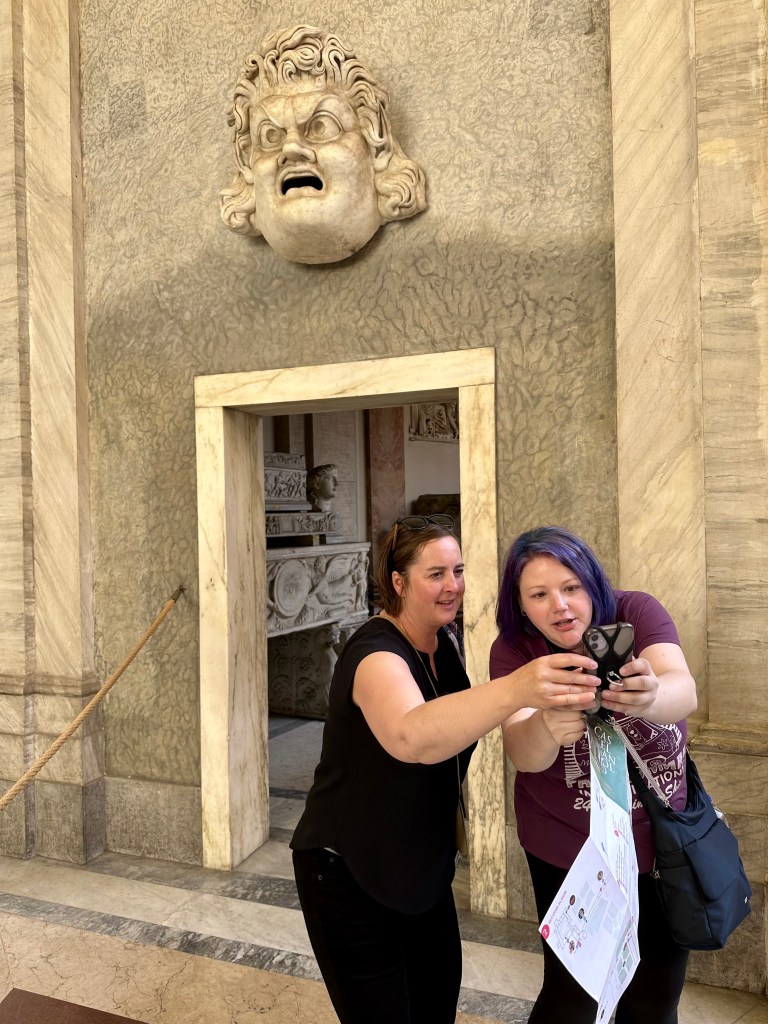
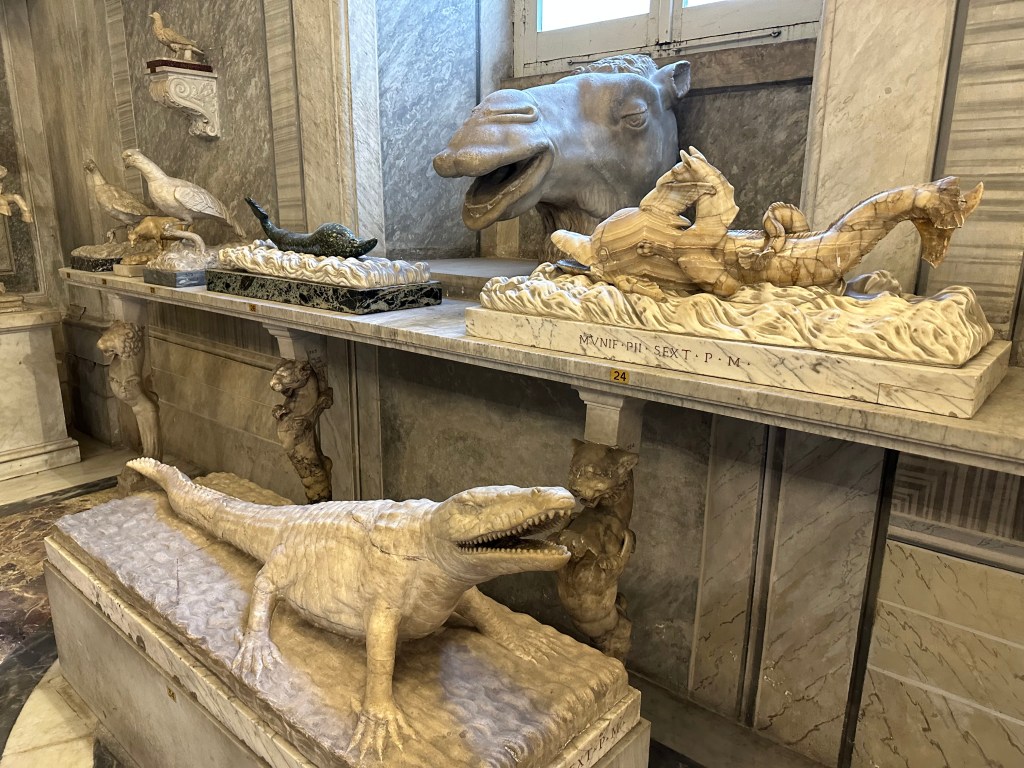
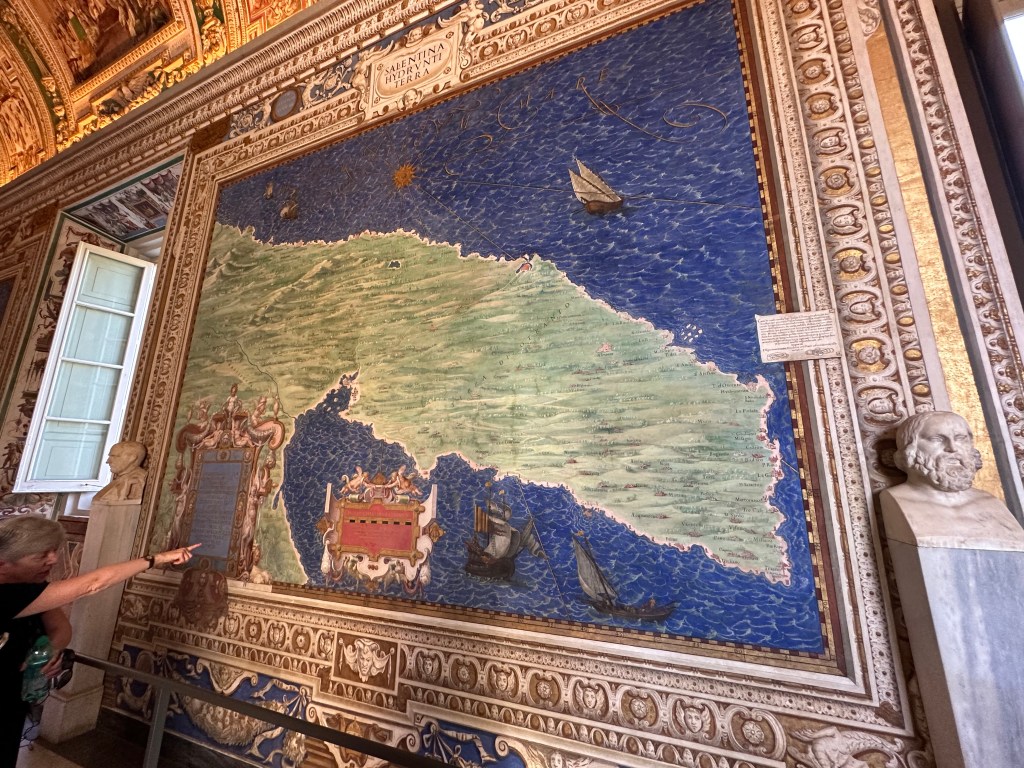
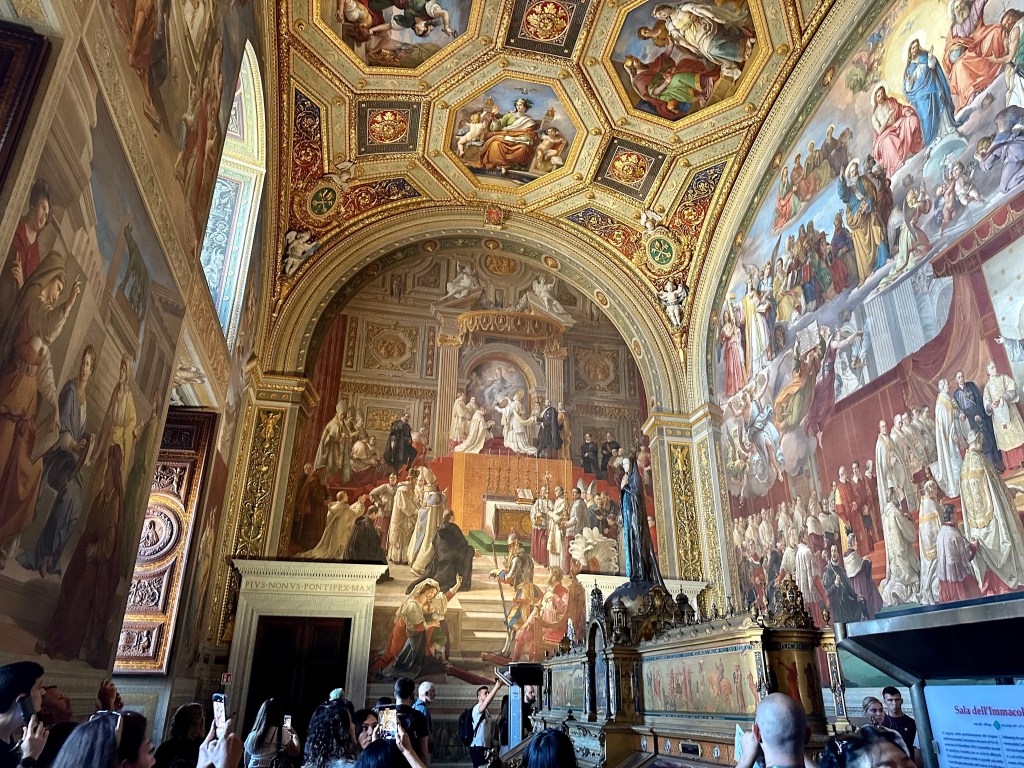
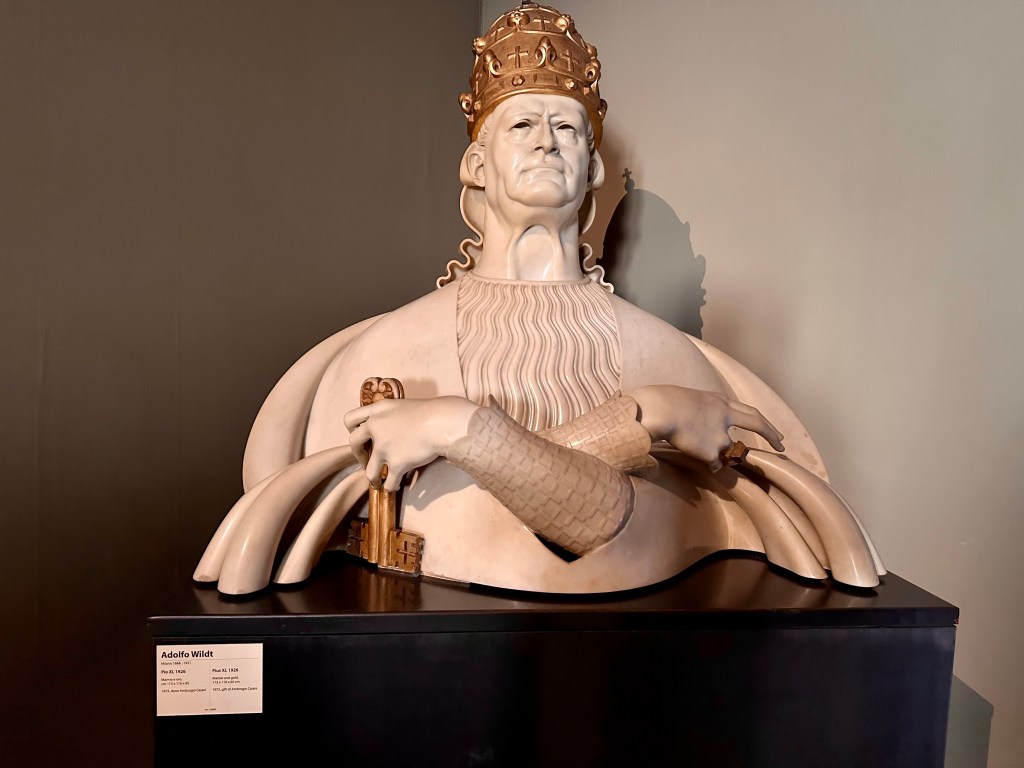
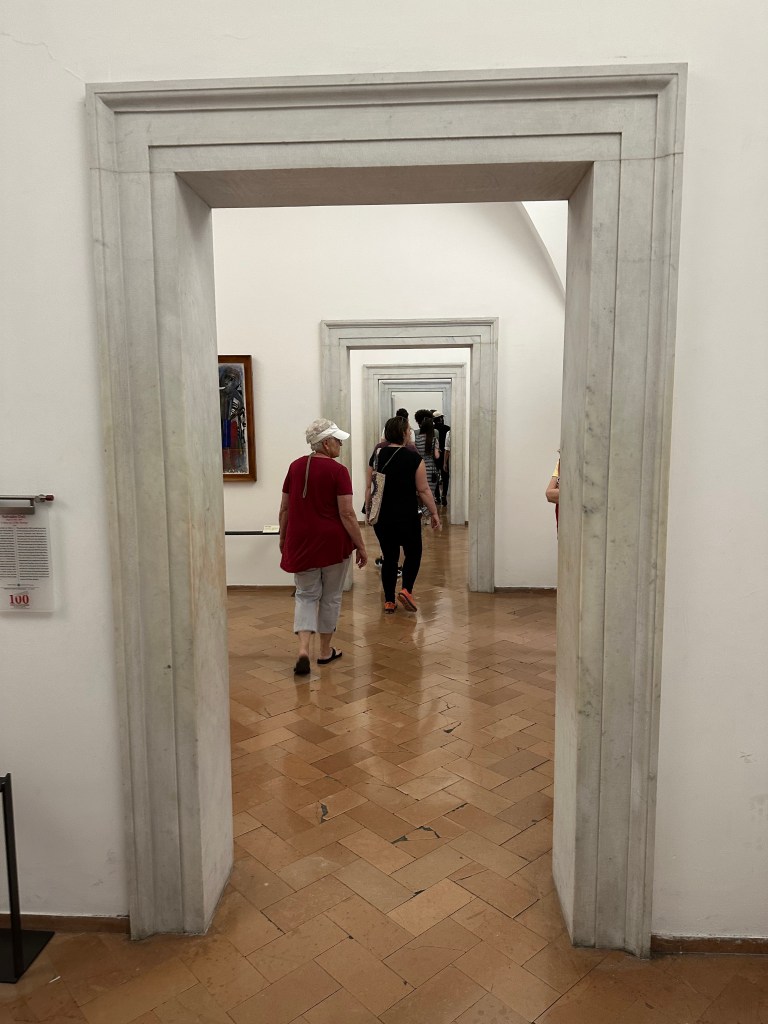
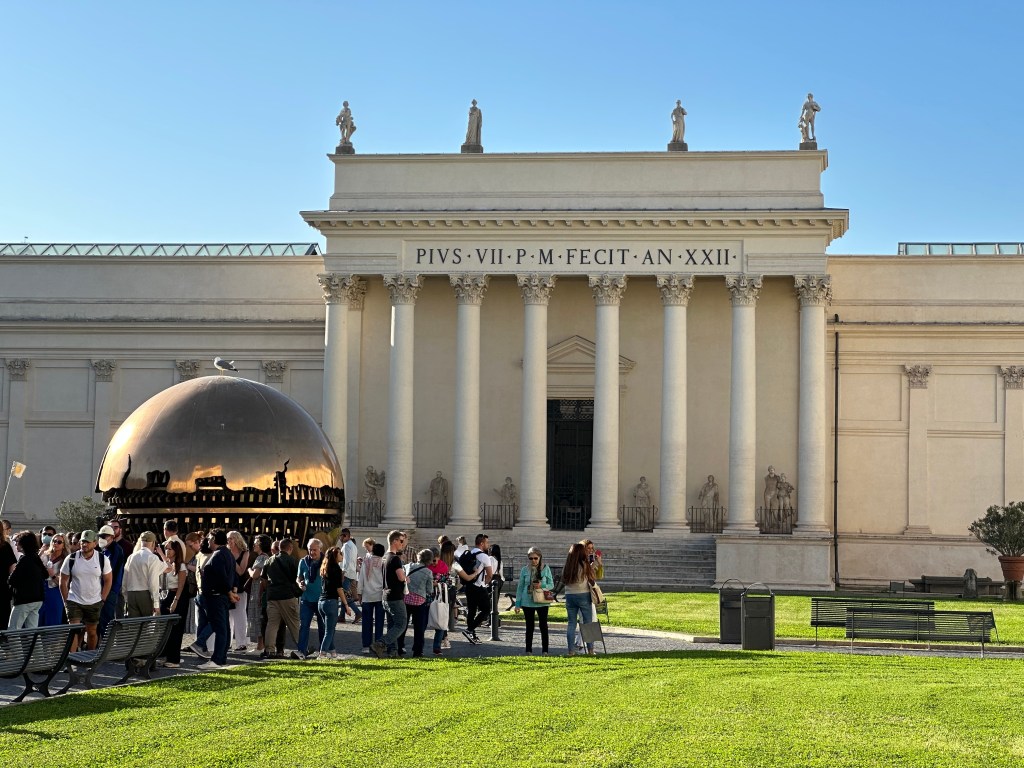
Our time in the interconnected museums transported us through centuries of fantastic artwork, sculptures, maps, murals, and artifacts. The Sphere Within Sphere by Arnoldo Pomodoro was most impressive in the courtyard. As for the rest of the museums, I’ll let the photos speak for themselves.
Exiting the museum was just as exciting. We traversed the famous spiral staircase of the museum. When we stepped outside, the line still stretched around the corner. I felt extremely fortunate to be in our group.

The spiral staircase in the Vatican Museums.

In the afternoon, I got a reprieve for missing the Roman Forum. Three younger members of our tour group agreed to accompany me to the Forum. While Molly and I went to the Forum, cousins Alicia and Brittany snagged tickets to the Colosseum. The plan was to meet at the Arch of Constantine between the Forum and the Colosseum.

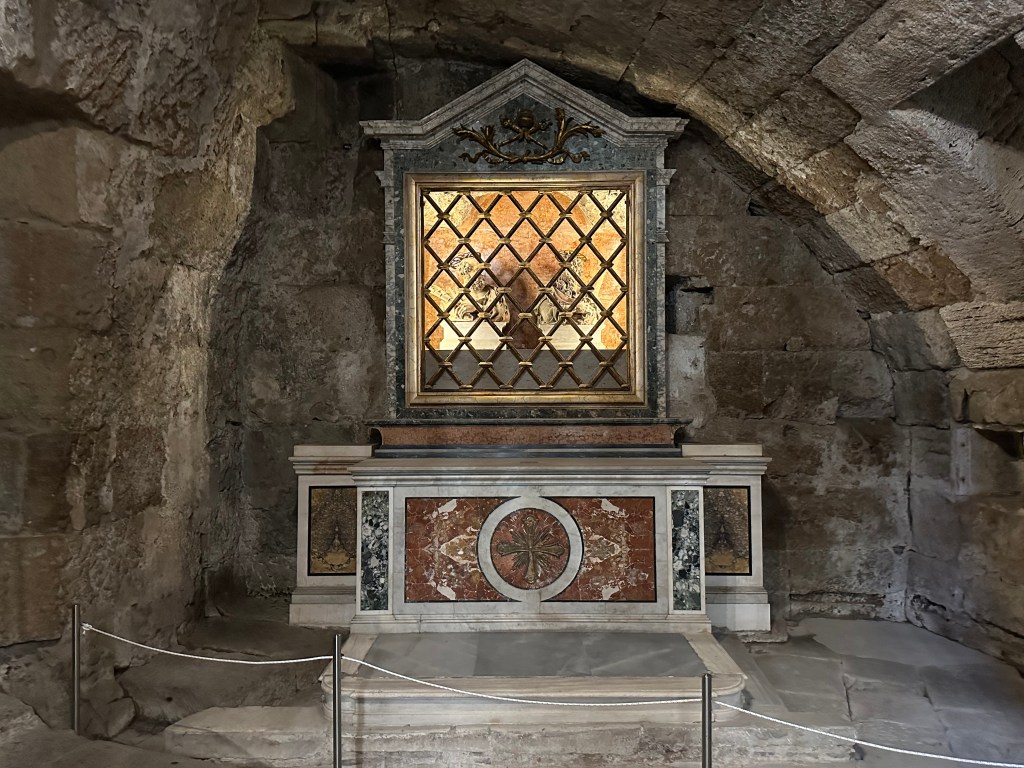
Before exploring the Forum, Molly and I decided to tour the jail cells where the Apostles Peter and Paul were imprisoned. I was moved by the harshness of their dungeon-like confines.
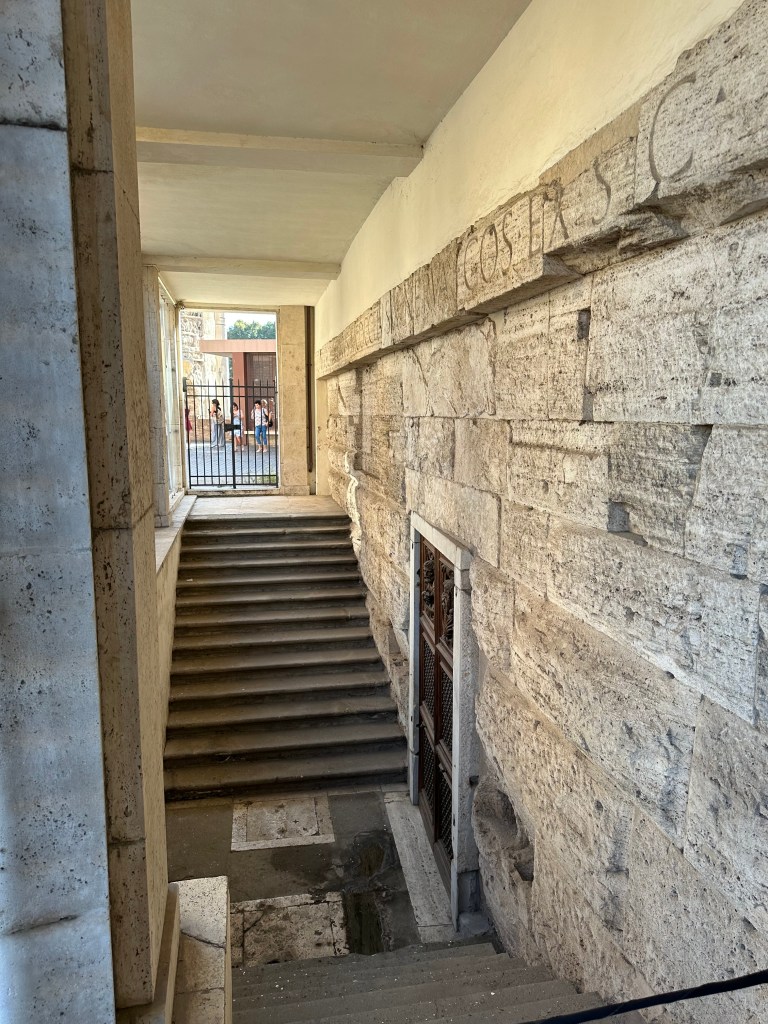
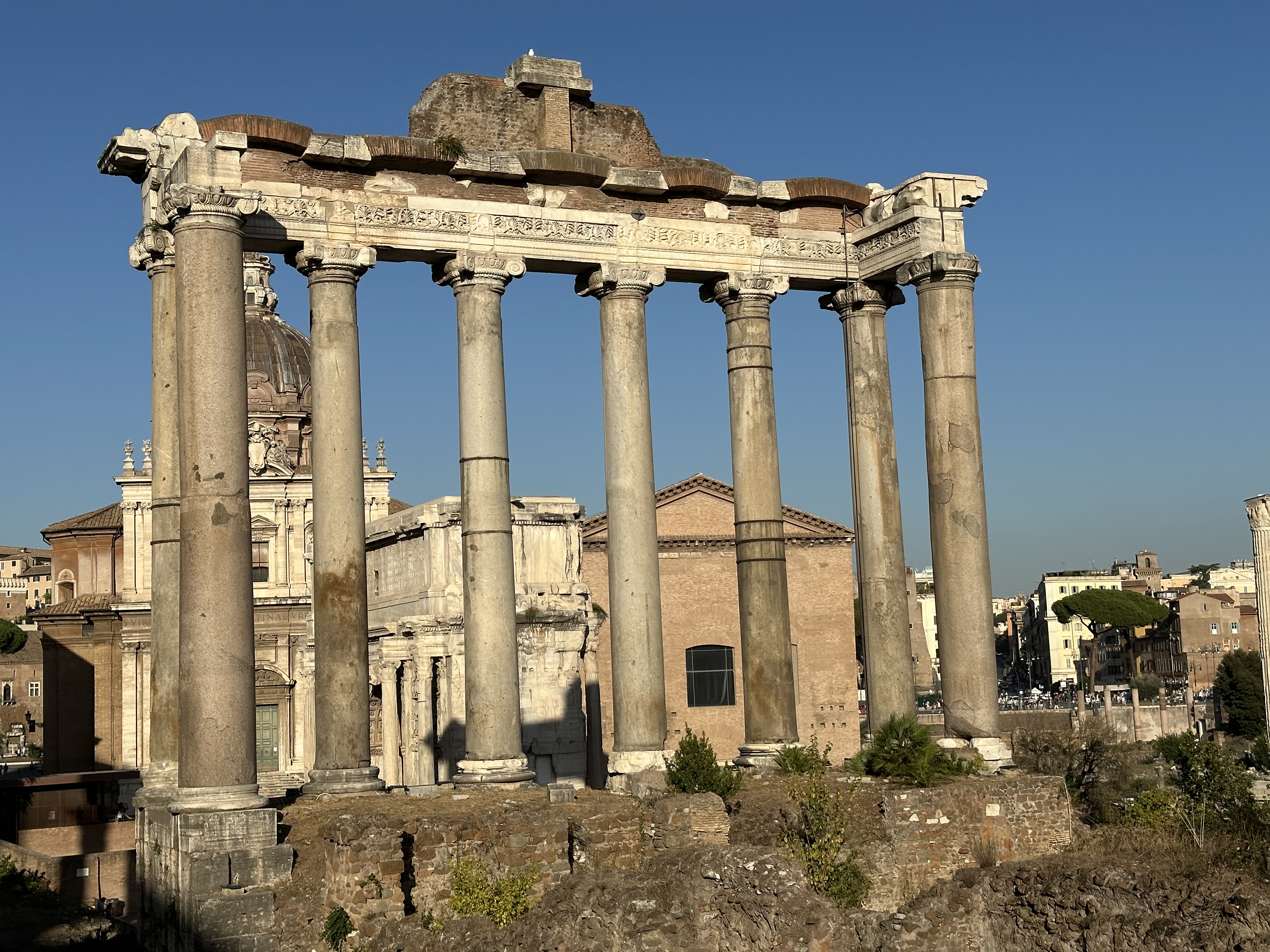
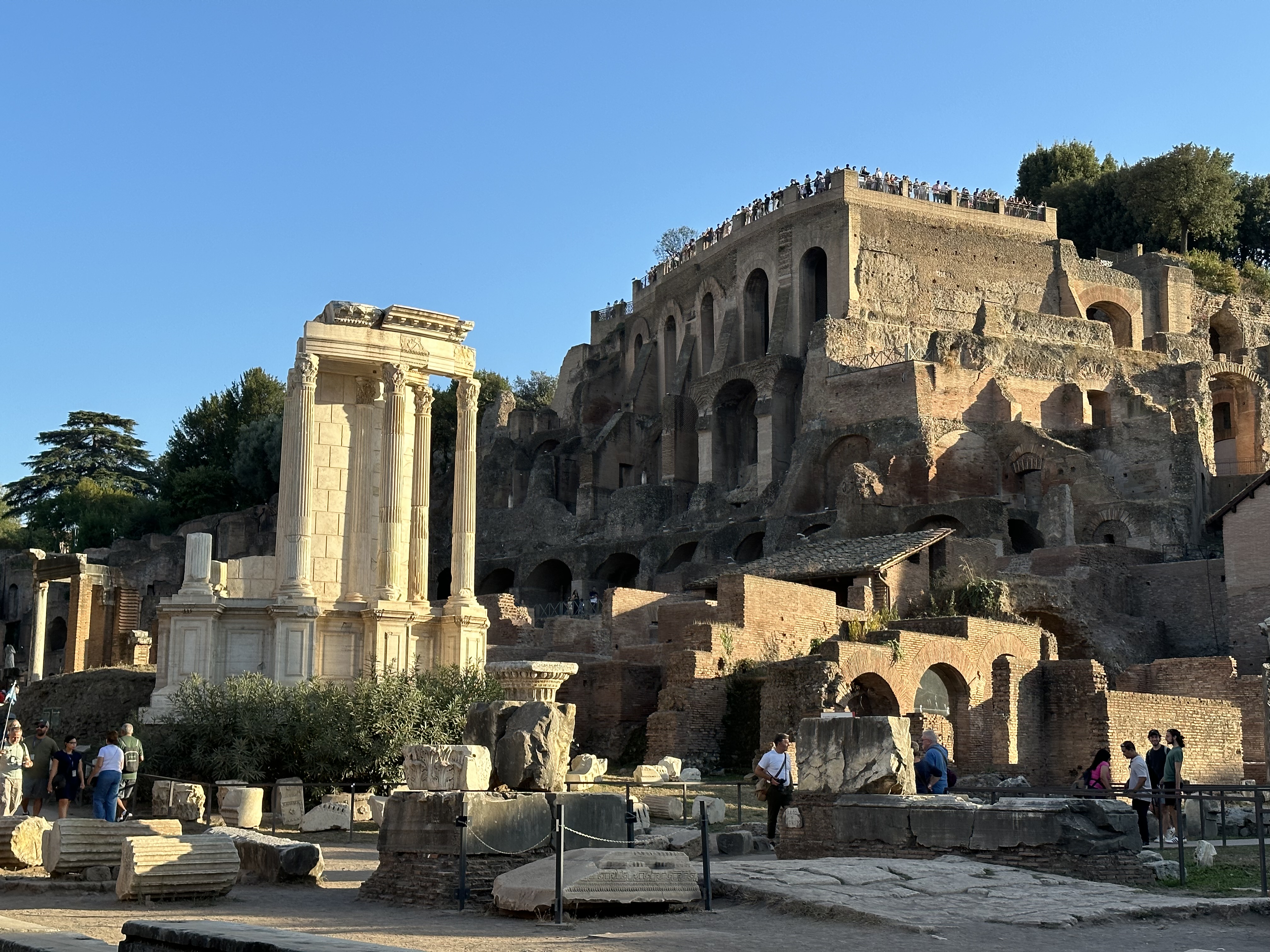
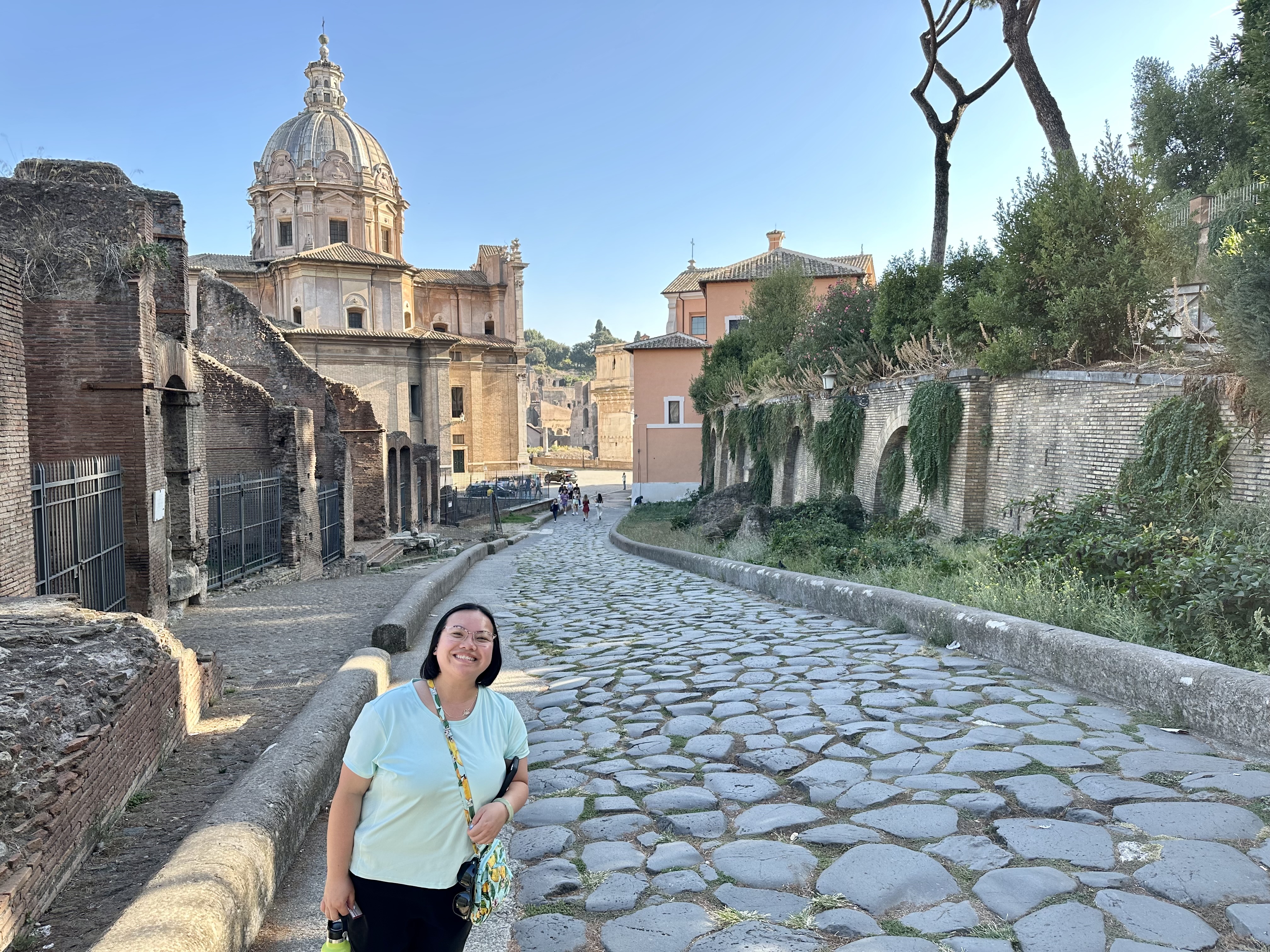
The cells were located in the Forum, where Molly and I ventured next. I marveled at the stone-paved roads preserved after all these centuries. We wandered by old temples and meeting places. A steep section of a cobblestone way was closed to traffic. I guess too many people had fallen on the slippery, well-worn stones.

As we entered the main section of the Forum, I stopped in my tracks. My mind flashed back 60 years to a black-and-white photo in my high school Latin book. I had to be standing close to where the old photo was taken. I had chills, and the hair on my arms stood up, realizing I was living that photograph decades later.

The spot where I flashed back to my high school Latin class.

Molly and I continued to meander around the Forum, taking in the sites. For me, I was almost in disbelief that I was there. It was difficult to absorb it all in so few minutes as the shadows of the relics and ruins grew longer. The afternoon sun sank lower in the western sky, a reminder that we needed to keep moving to our rendezvous with Alicia and Brittany.
Please click on the photos to enlarge them.

They had texted Molly that they had completed their tour of the Colosseum and were waiting for us at the arch. Molly and I finished our stroll down Via Sacra, the central avenue of the Forum. The Colosseum glowed in the evening’s Golden Hour. It was incredible timing.
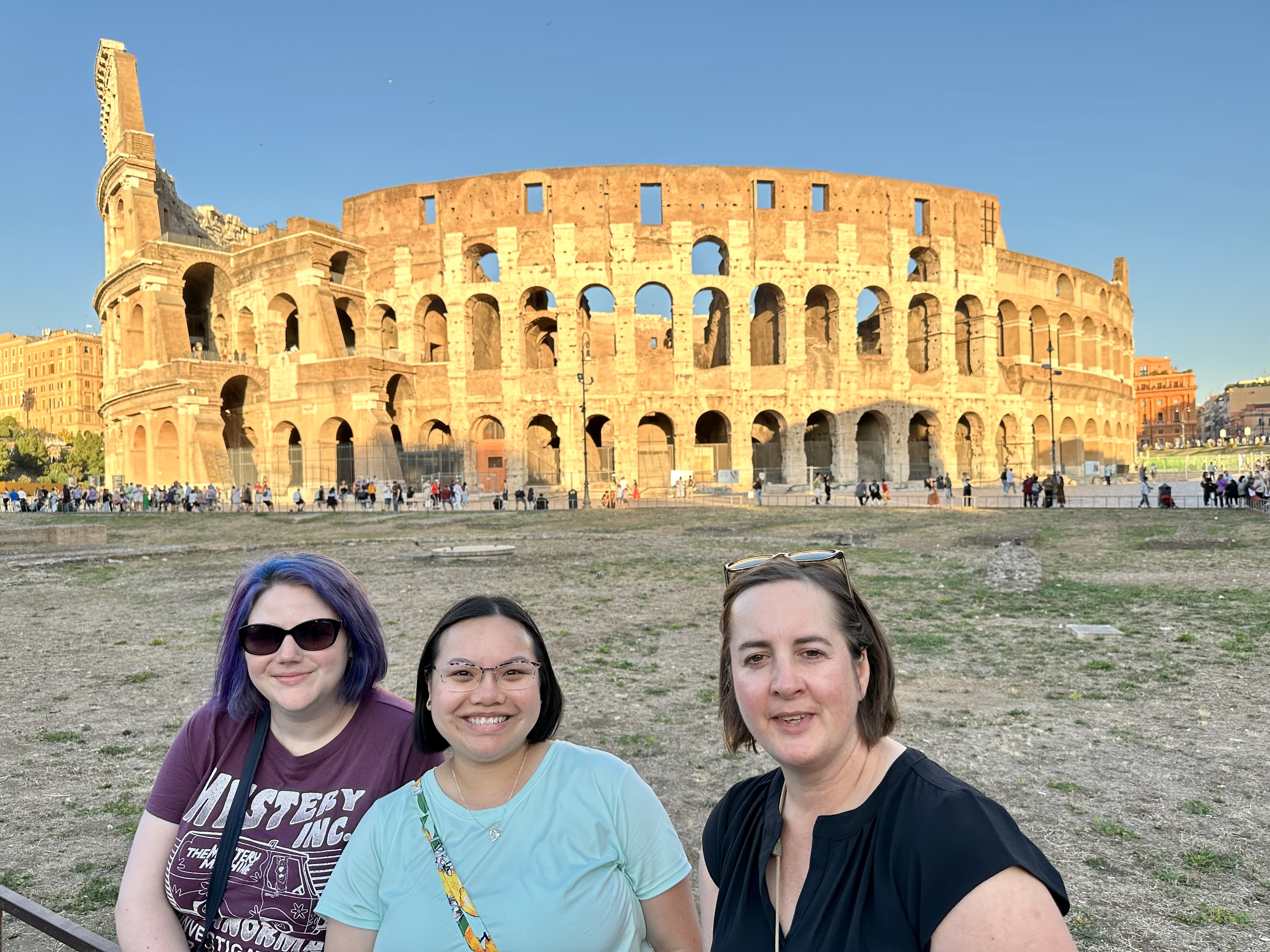
The shot of a lifetime, with much thanks to Brittany, Molly, and Alicia.

I greatly appreciated these three young women’s willingness to drag this old guy along on their afternoon adventure. It was one of the benefits of having a diverse age range in our tour group of like-minded folks.

The next day, we visited the Church of St. Peter in Vincoli, Rome. The enormous church has many marble columns and houses a famous sculpture. In 1505, Pope Julius II commissioned Michaelangelo to create the Biblical Moses for his tomb. It took two years for Michaelangelo to complete the marble statue, based on a description of Moses in Chapter 34 of Exodus in the Vulgate, a Latin version of the Bible used during the Renaissance.
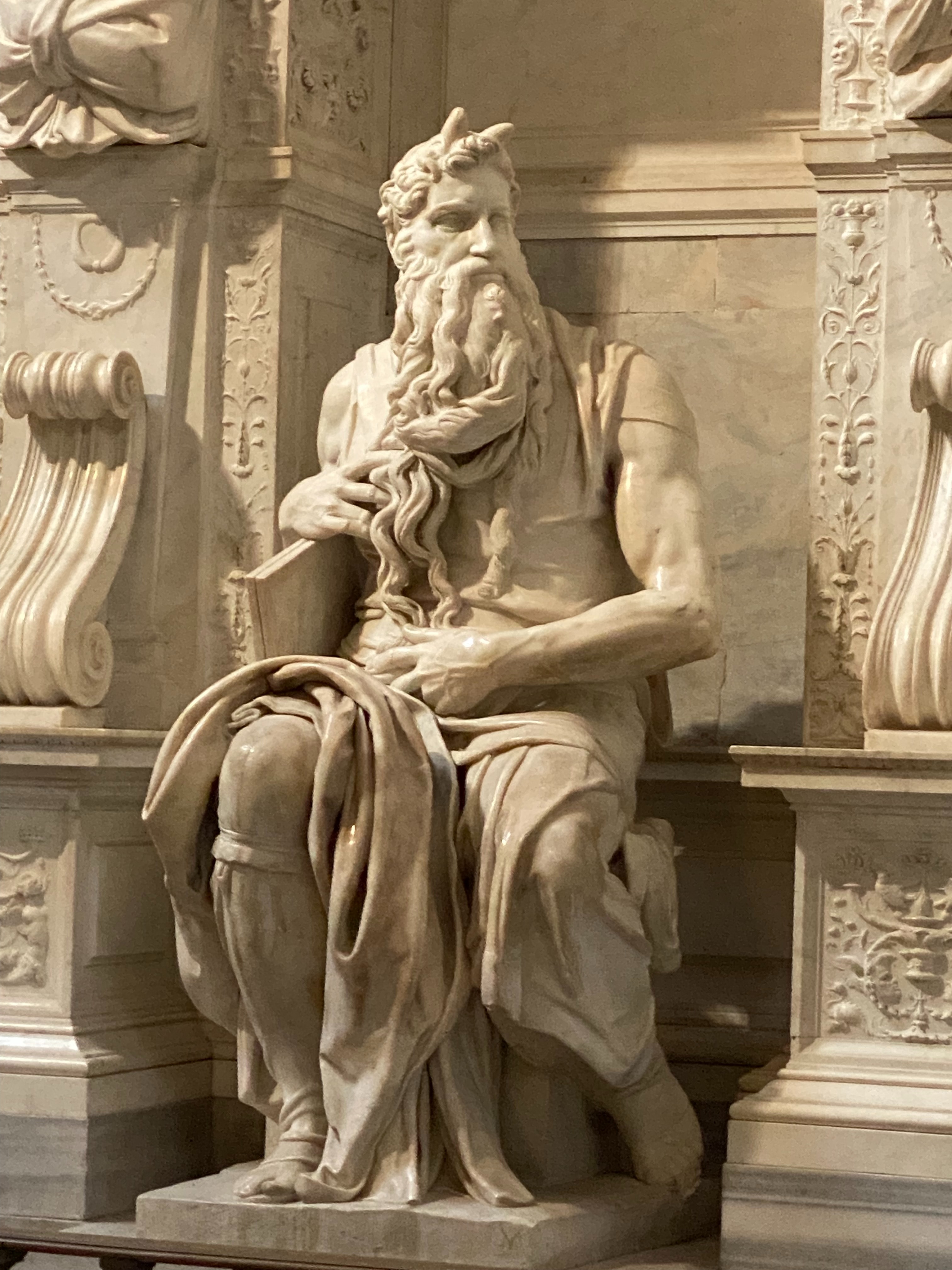
Moses by Michaelangelo (1513-1515). Photo by Jason Steele on Unsplash.

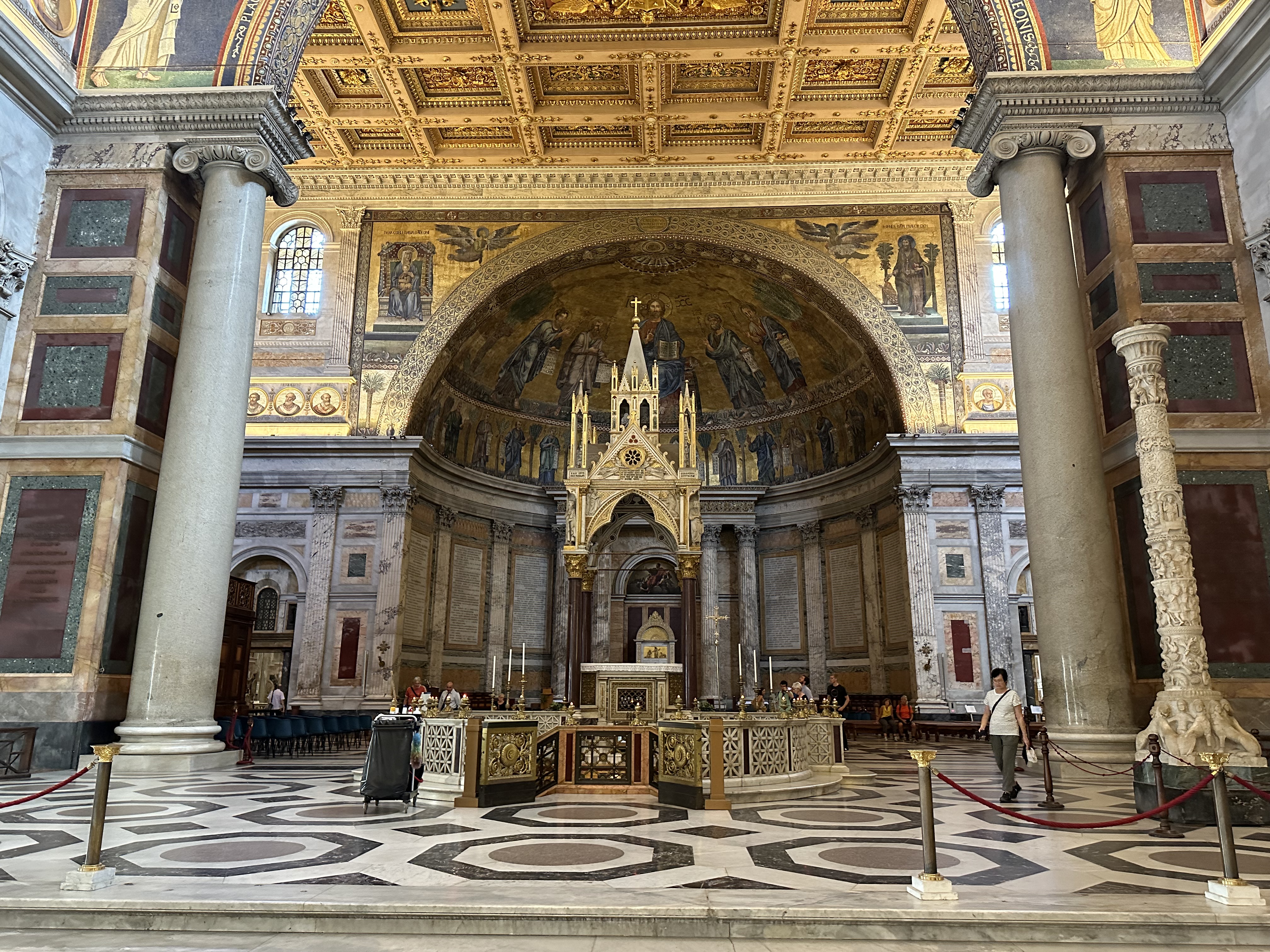
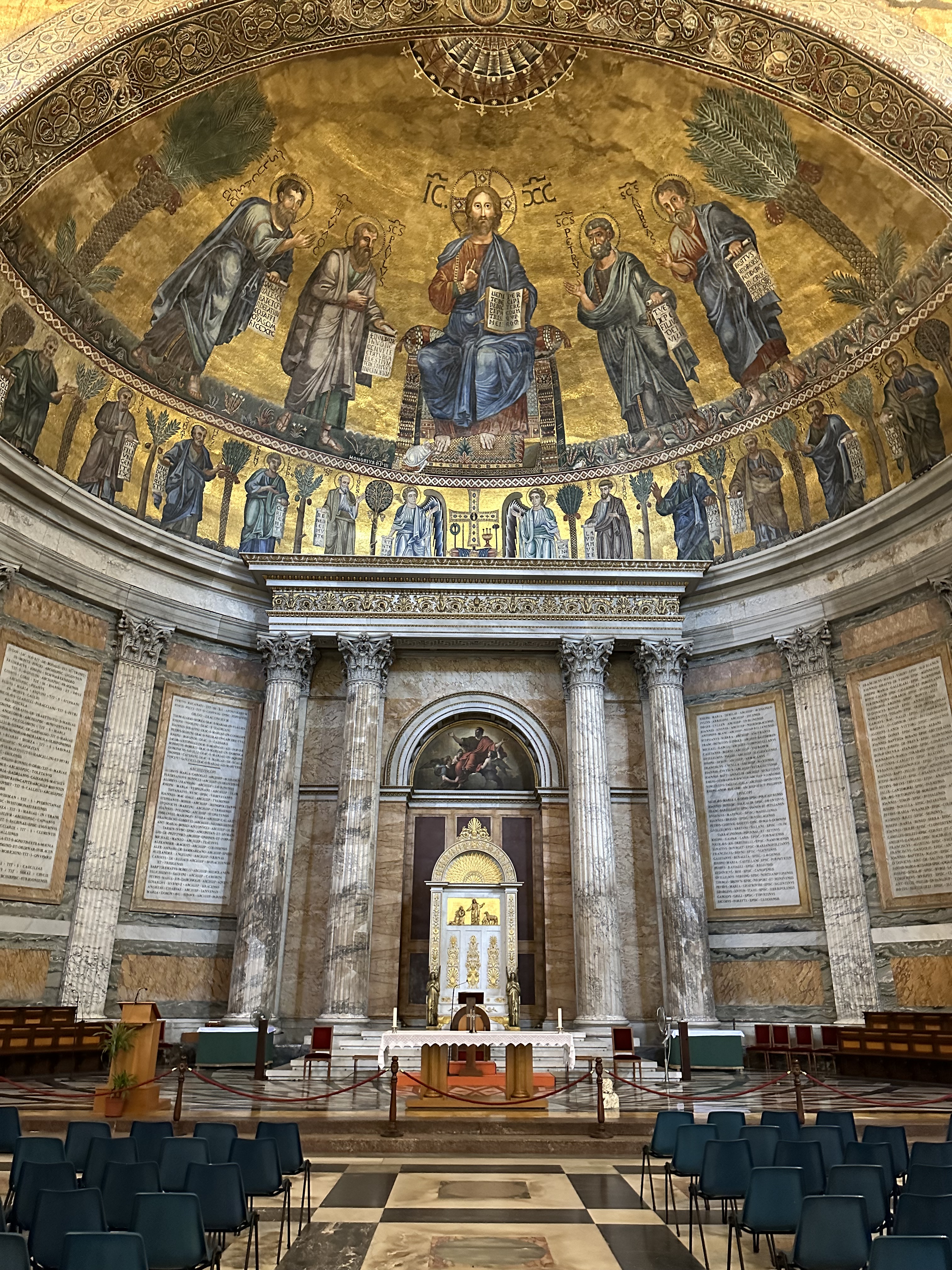
The church was impressive all on its own, with its finely gilded ceilings and scores of massive marble columns. It is built over the tomb of St. Peter. After seeing the church, we returned to our hotel to pack for our flight home early the following day. For once, the Metro wasn’t crowded.

In the evening, our entire group gathered for one final meal together at a restaurant where Janet and Linford knew the owners. We celebrated our travel and time together and the great joy that we all made it through.

Our fantastic travel group.

Yes, some of us got sick with bronchitis and pneumonia; one even had Covid-19 when she arrived home. But we all got along, helped each other, ate great food, and explored new places together. It was a great group with fantastic leaders.

Most of us headed home the next day. Others extended their time in Europe, visiting other locales in different cities and countries. Some even got to spend time with children and grandchildren who live in Europe.

Below are photos group members took at locations I didn’t visit. I appreciated their willingness to share their photos with me so I can share them with you.
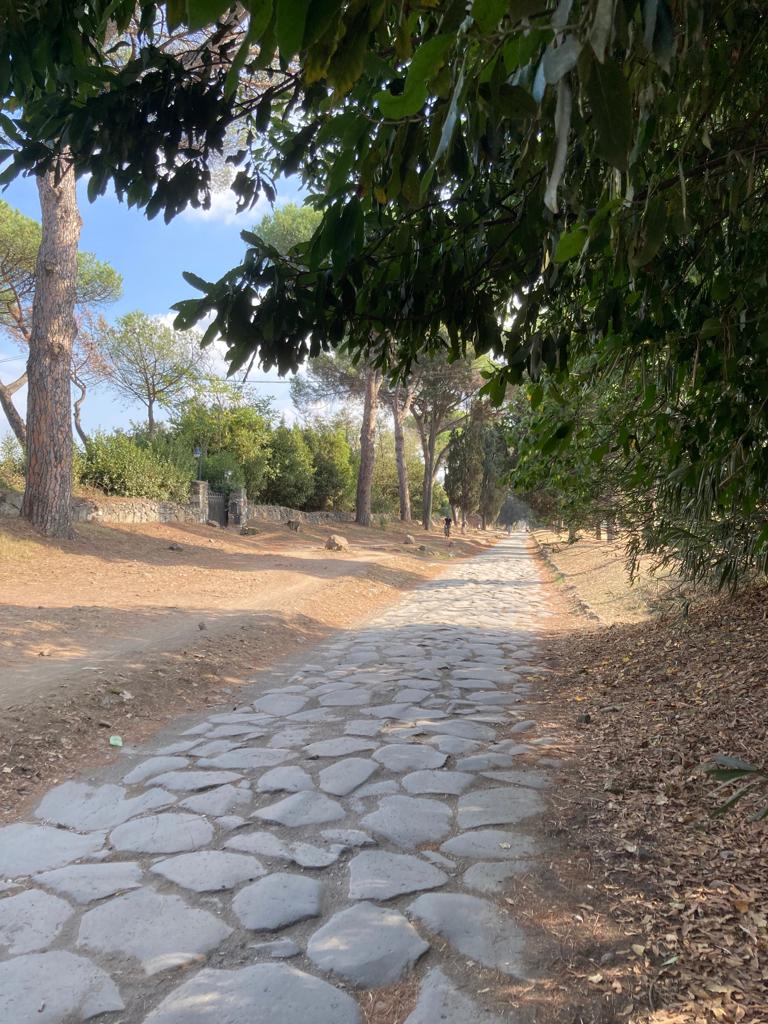
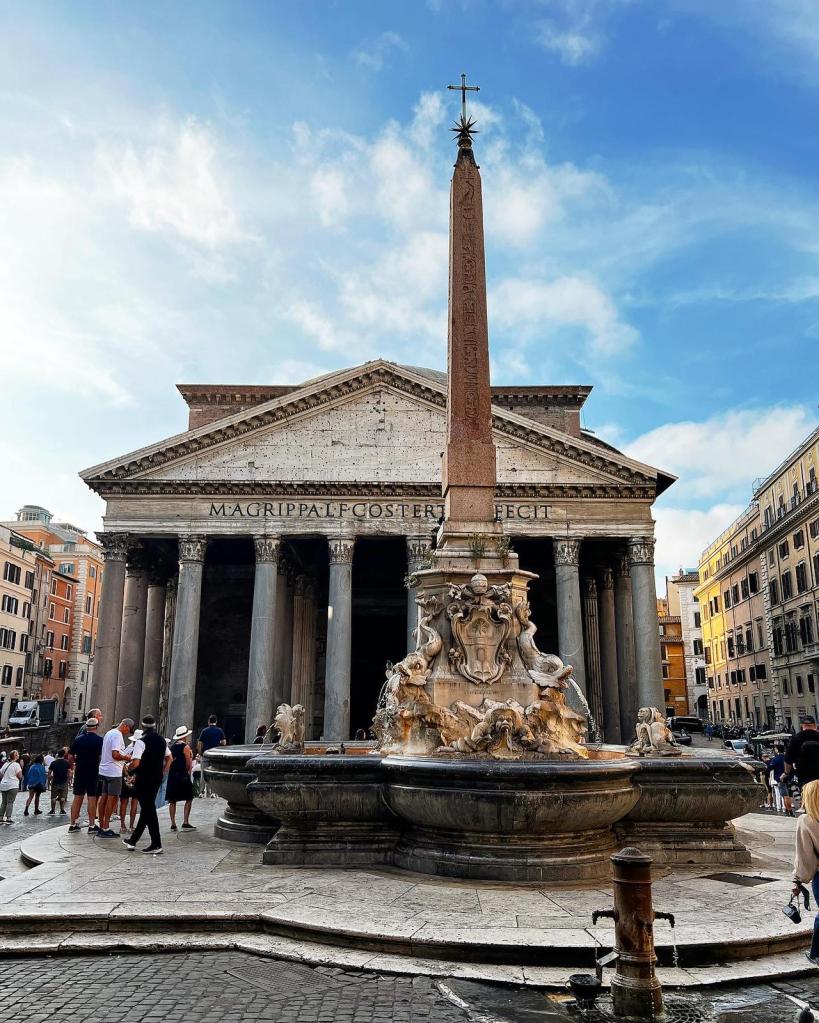
Thanks for traveling with me to Athens, some lovely Greek islands, and Rome.

© Bruce Stambaugh 2023
A Photo Essay: Following the Path of Apostle Paul – Day 9

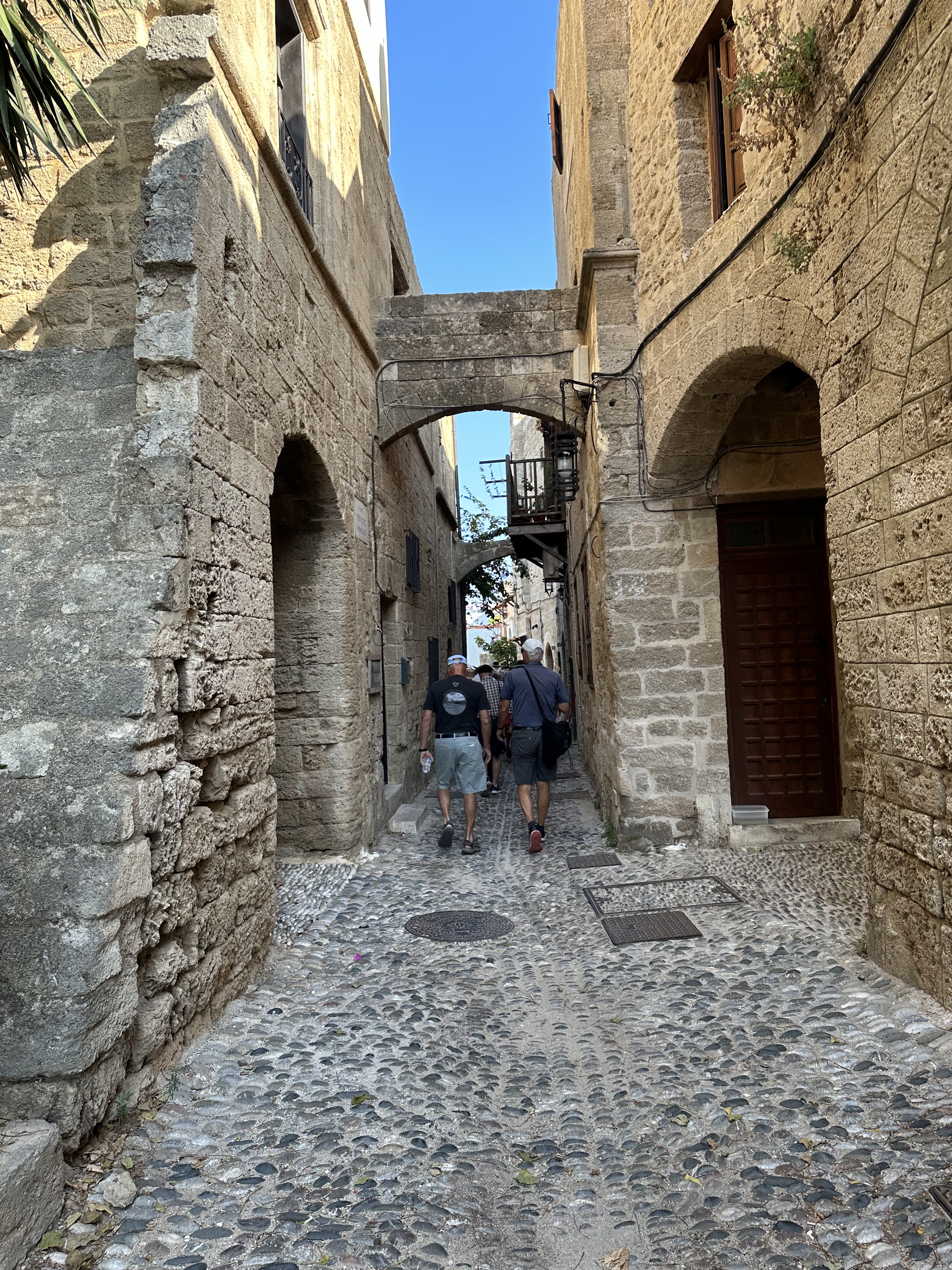
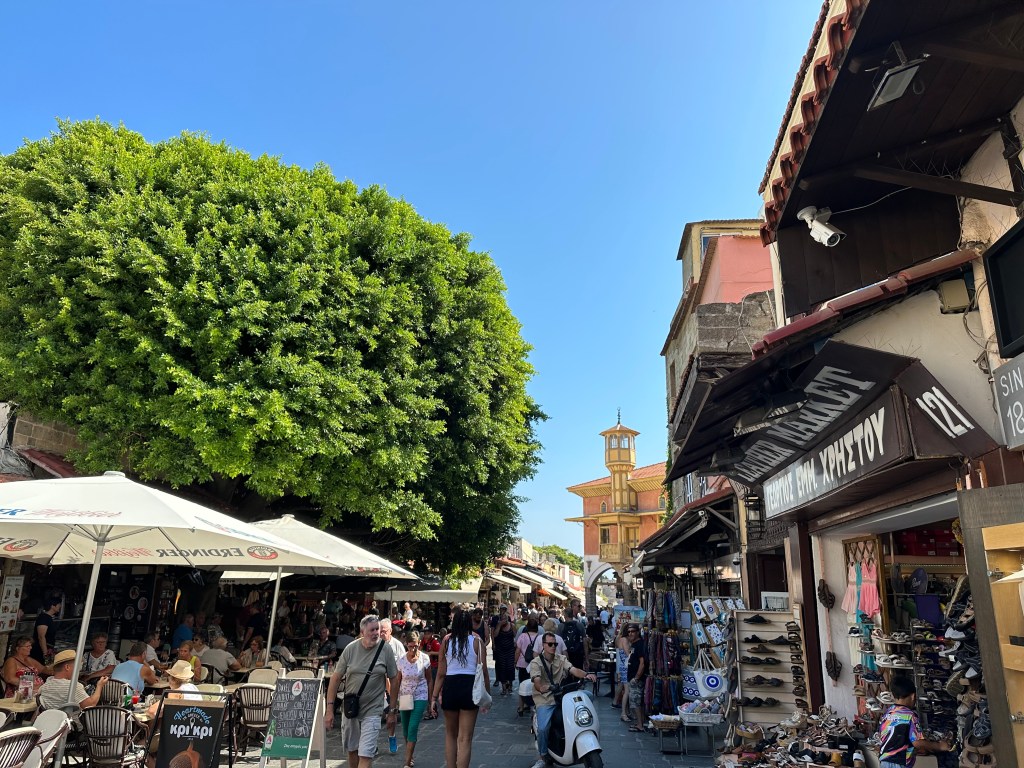
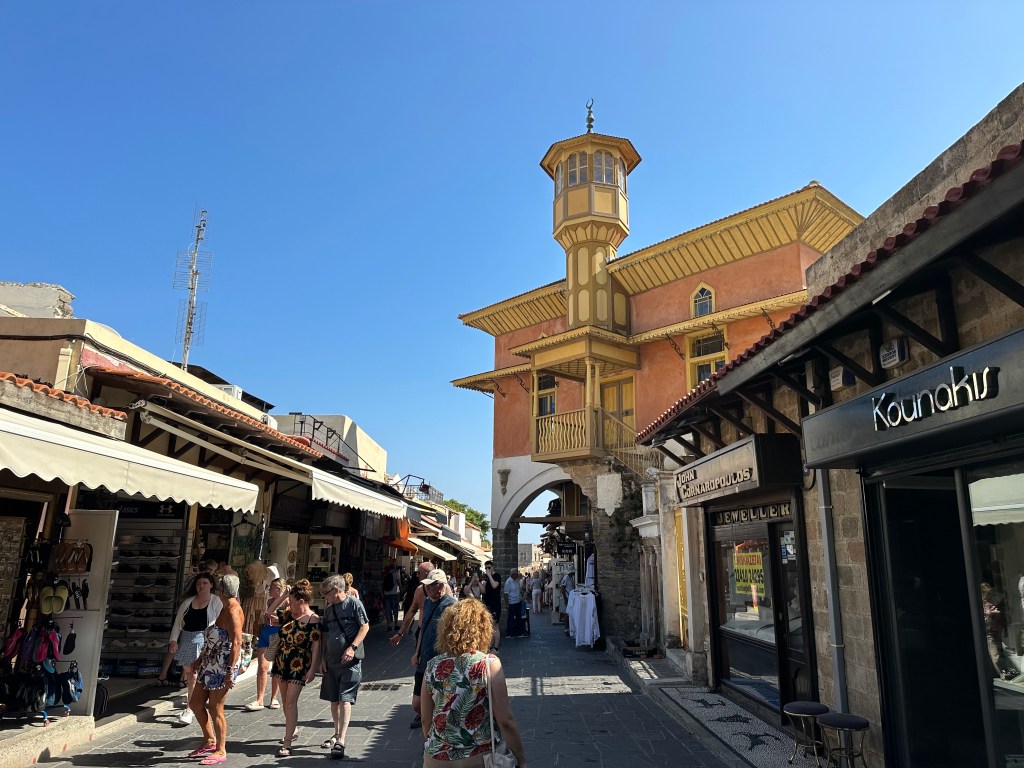
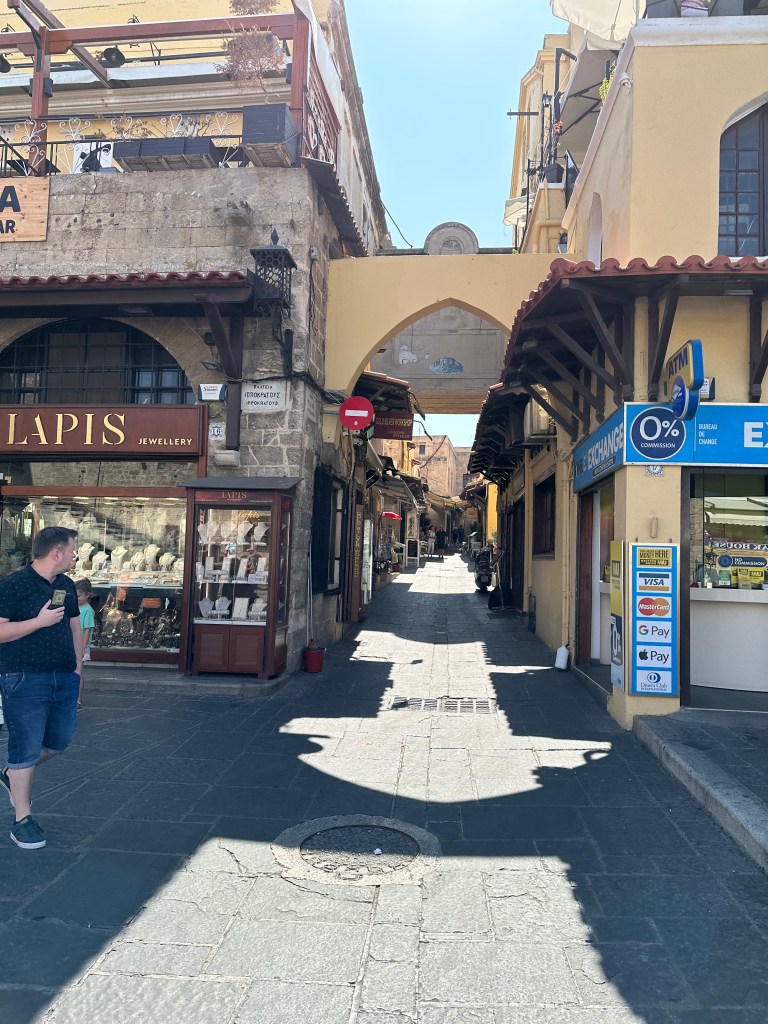
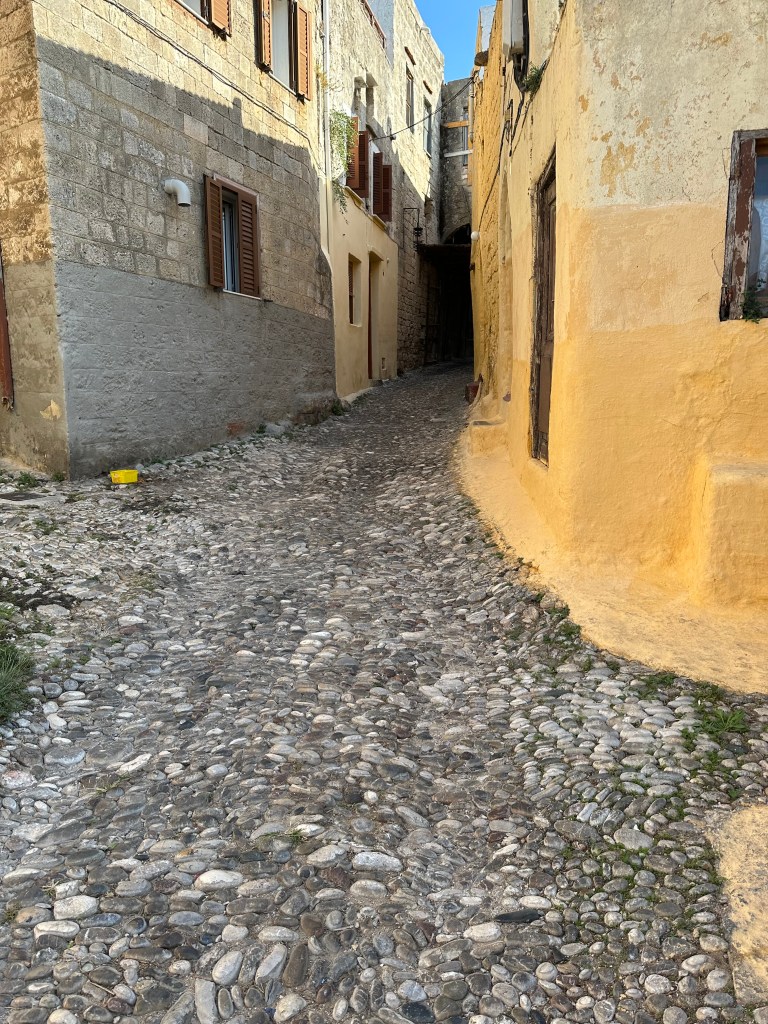
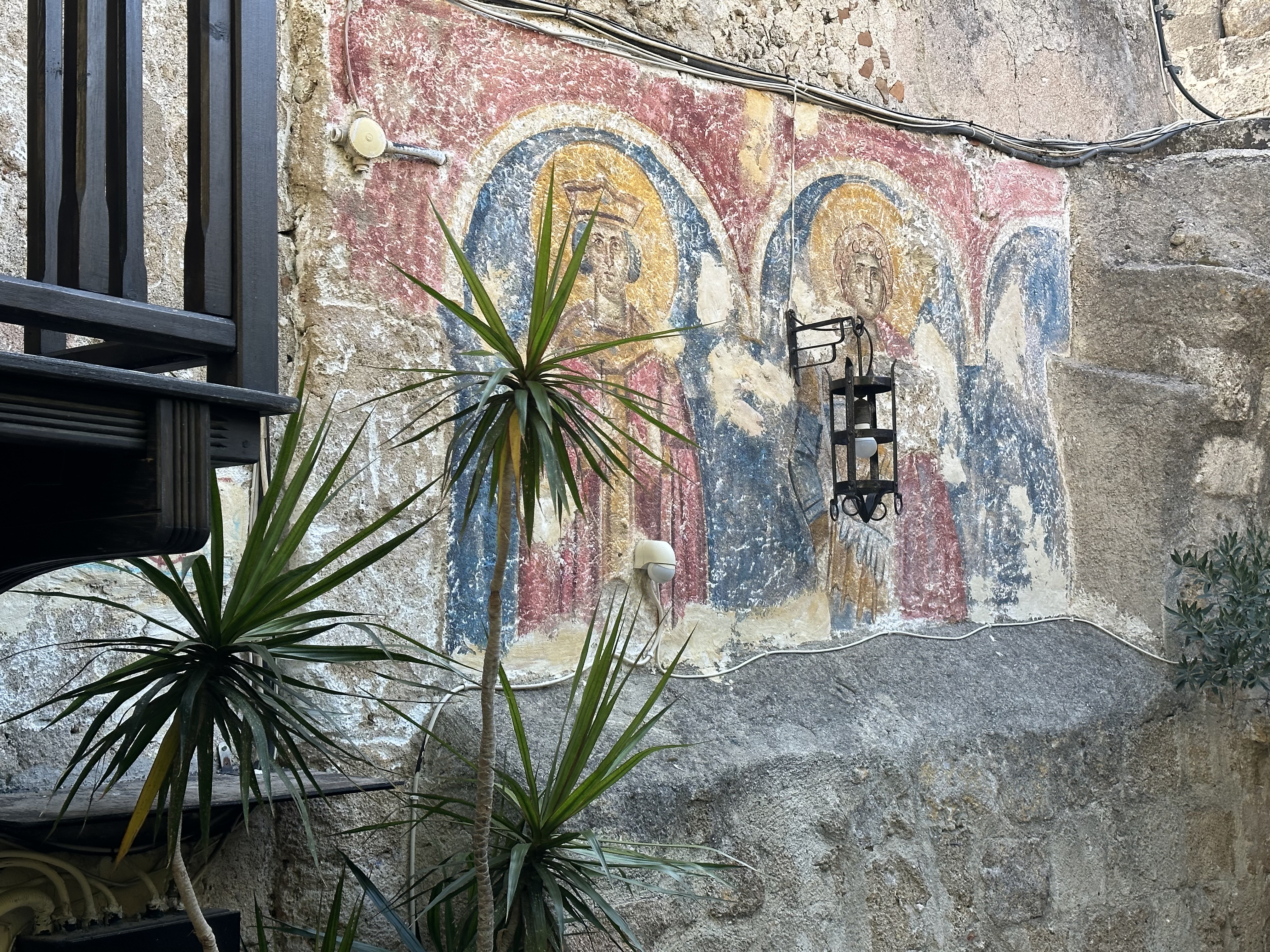
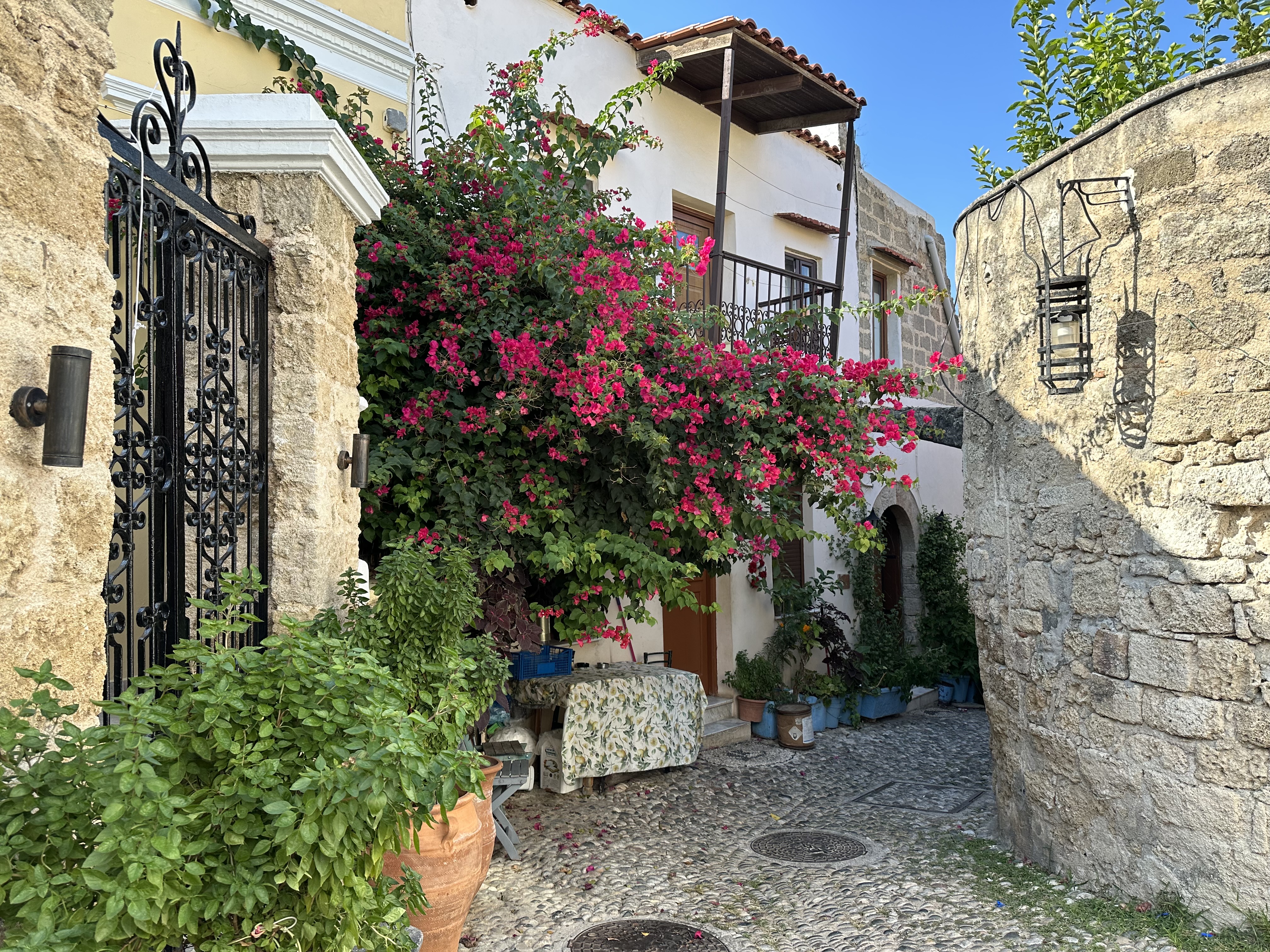
A typical back alley in the Old Medieval city of Rhodes.

We landed in Rhodes well after dark. We hauled our luggage off the ferry, along the Old City wall, through an ancient gate, and along the inside of the wall to our hotel. The medieval city is a UNESCO World Heritage site.

Because the boutique hotel didn’t have enough rooms for our group of 24, some of us were assigned to other properties farther up the hill and around a corner to our little abode for the next two nights. Ironically, we spent only one full day in this walled paradise, much like the Apostle Paul, according to Acts 21: 1.

On this leg of our journey, we followed the exact path of Paul on his third and final missionary trip and return to Jerusalem. After leaving Kos, his ship stopped in Rhodes and then to Patara.

The memorial to the Rhodes Jews killed in World War II.

After breakfast, our group first headed to Hippocratous Square, where a memorial stood to the 1,604 Jews from Rhodes who were murdered by the Nazis in concentration camps near the end of World War II. To me, it also served as a symbol of the history of persecution of peoples throughout history until our current time.

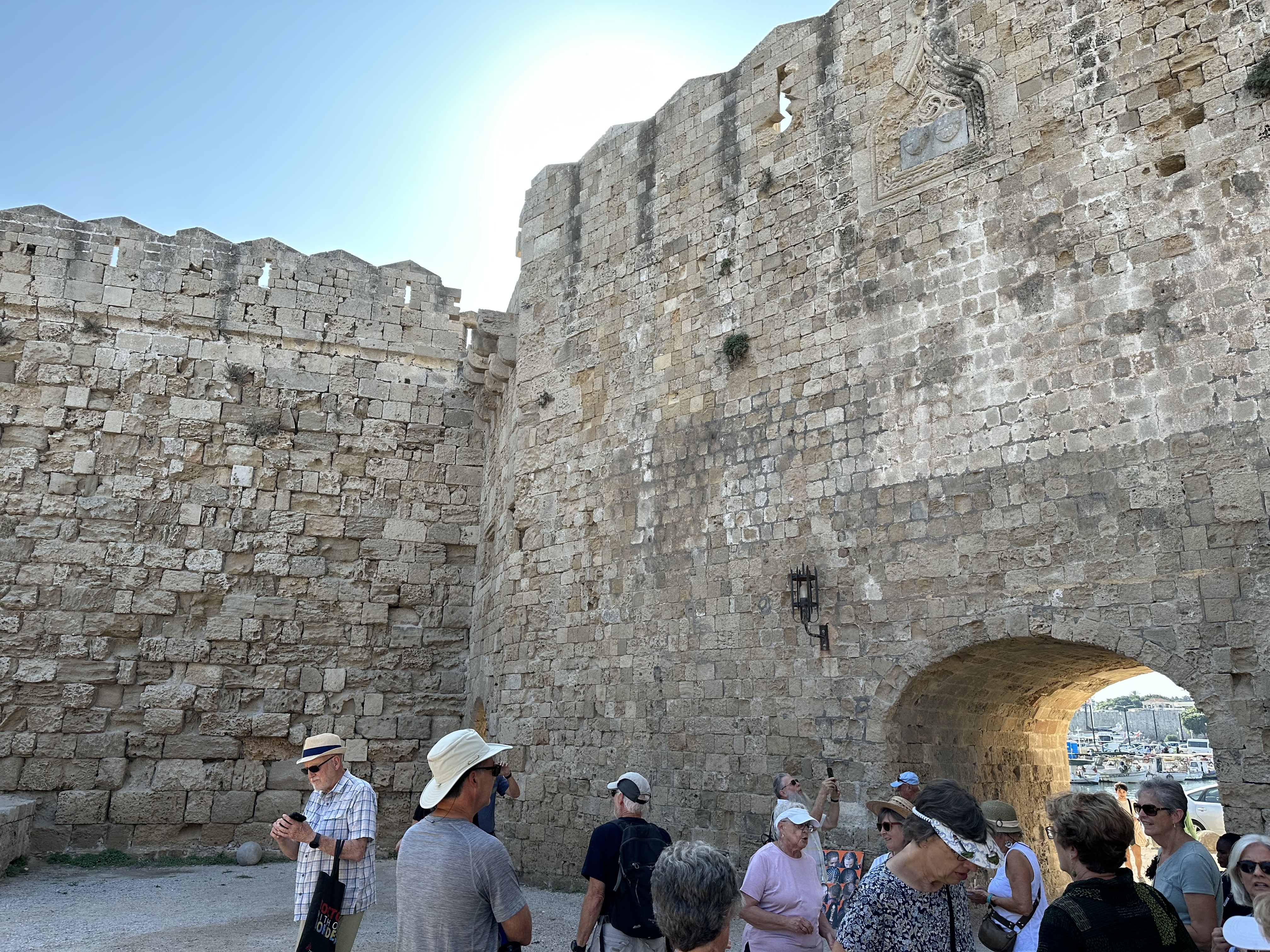
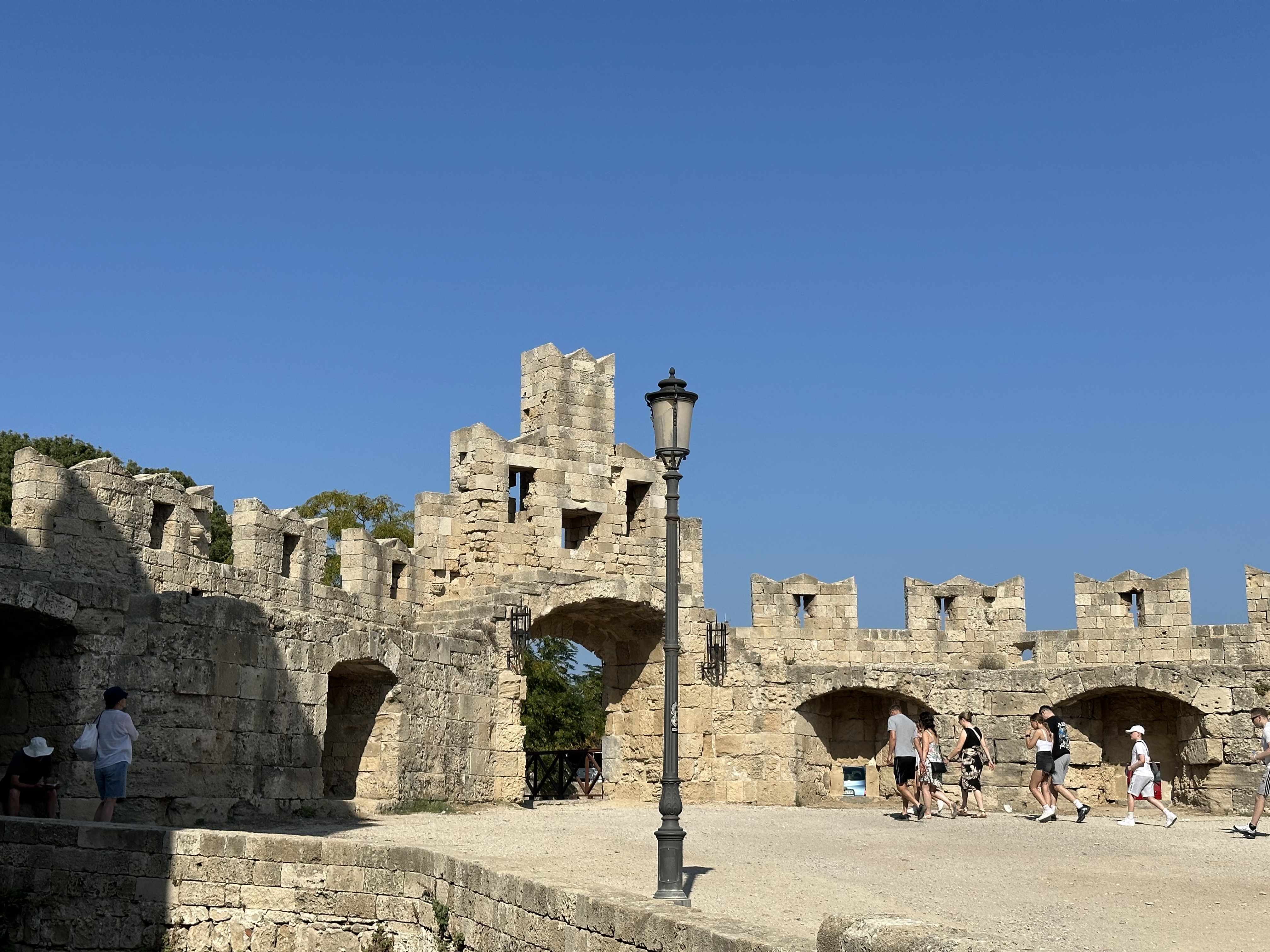
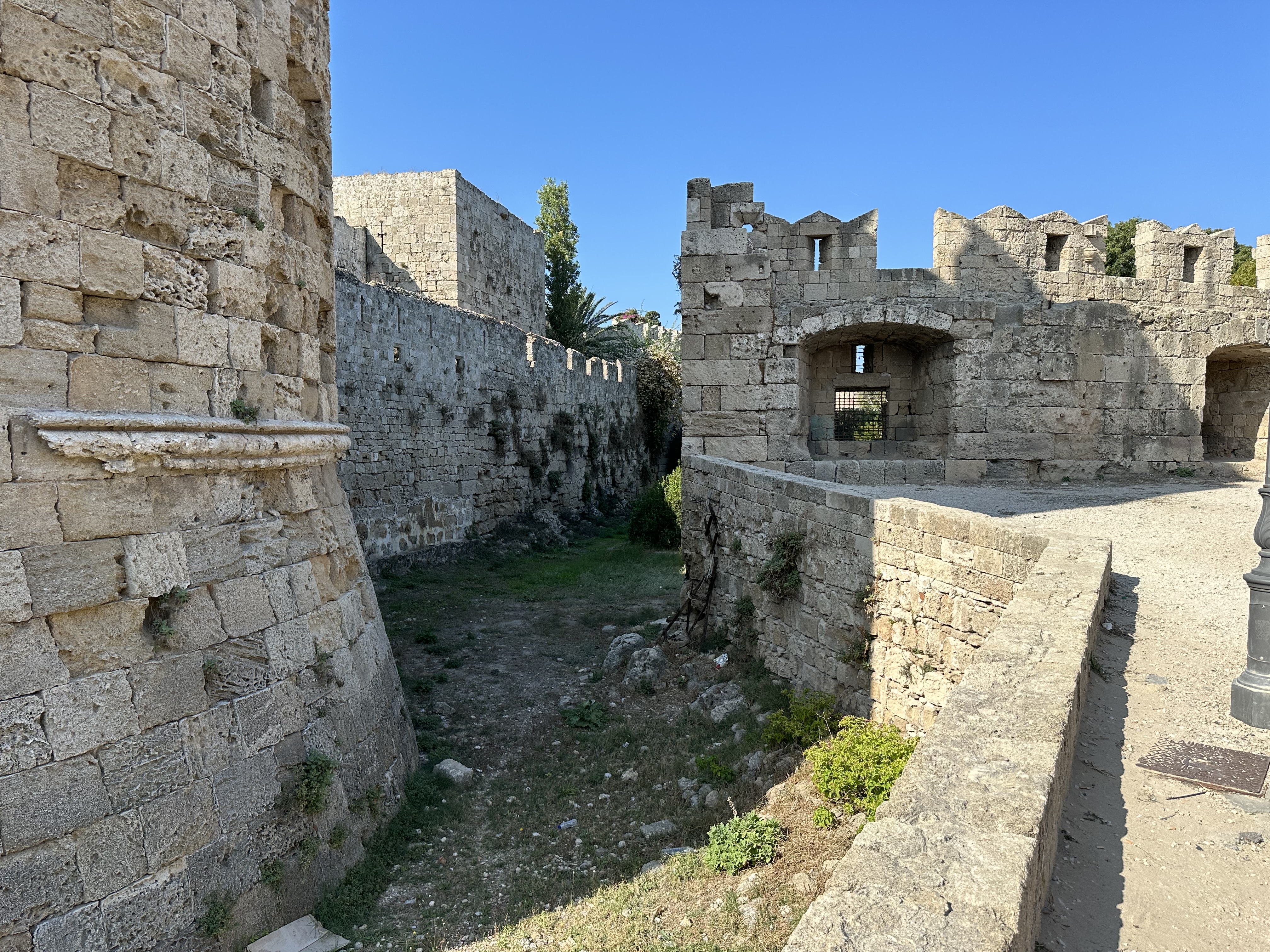
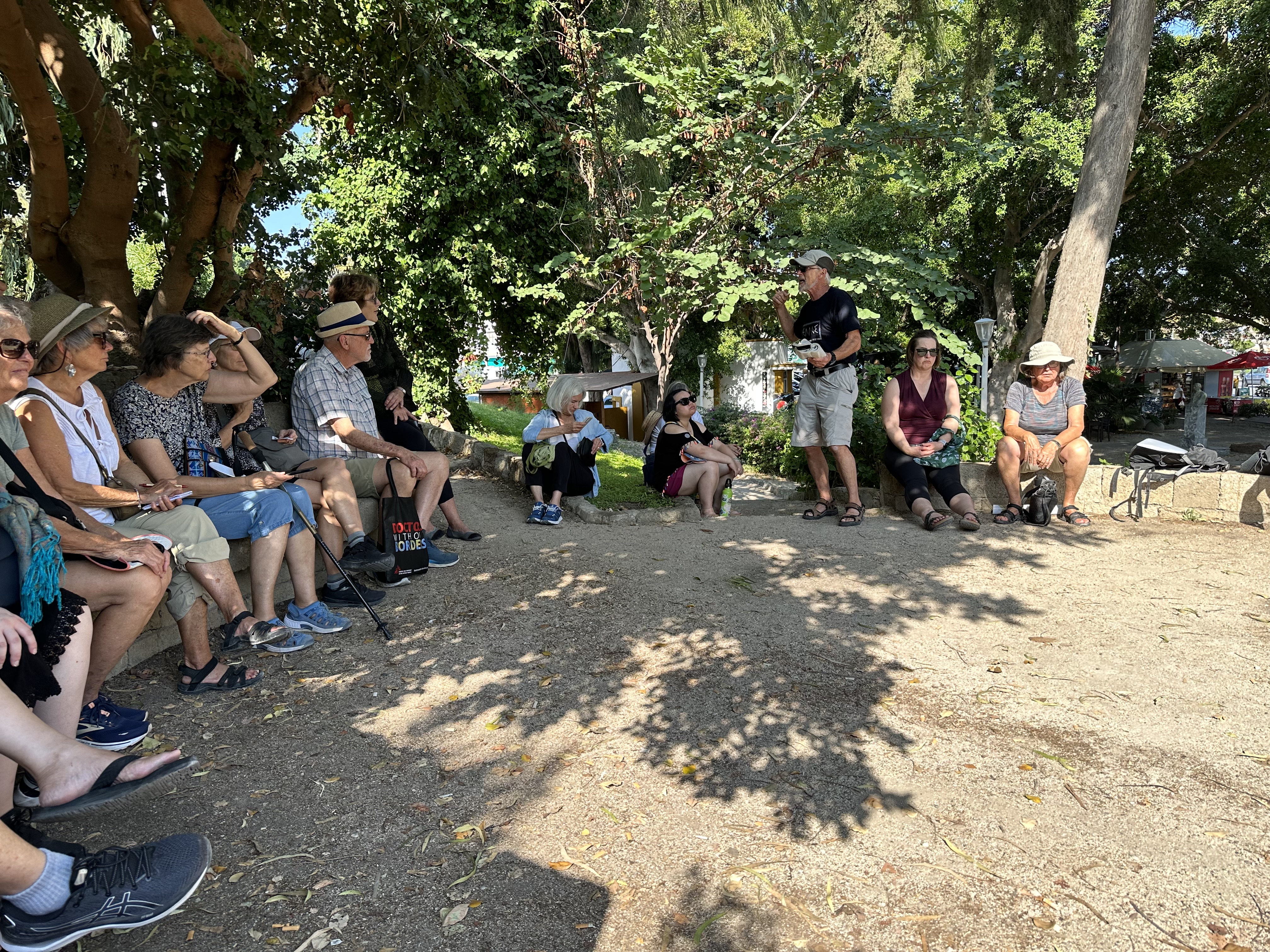
We headed outside the wall along the harbor’s edge to St. Paul’s Gate. On the way, we saw a section of the now-dry moat surrounding the Old City. Beneath the shade of a large tree, Linford focused on the importance of Rhodes during the Crusades. Because of its strategic location in the southern Aegean, Rhodes was an important trading city and a desired military location.

Please click on the photos to enlarge them.

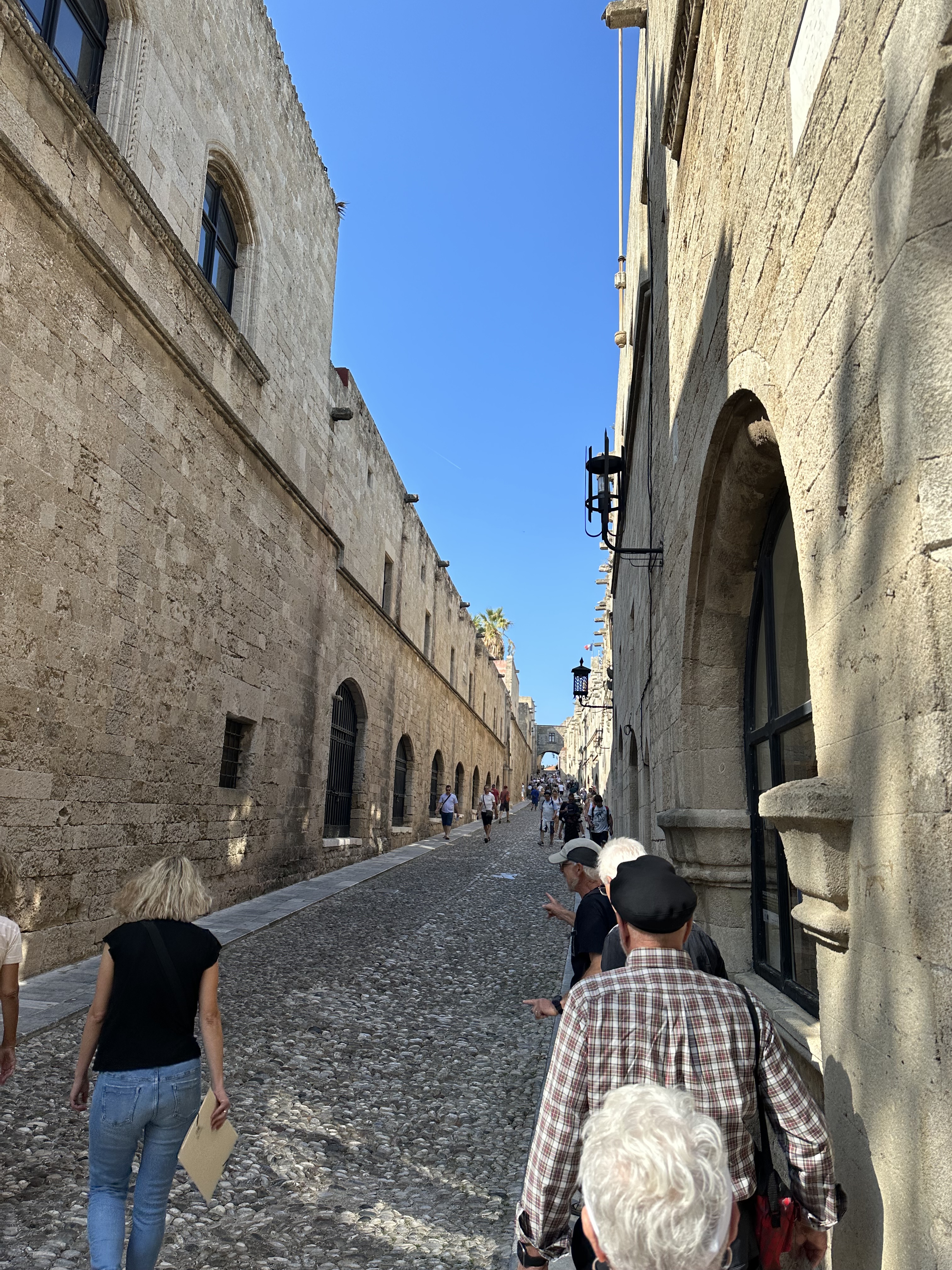
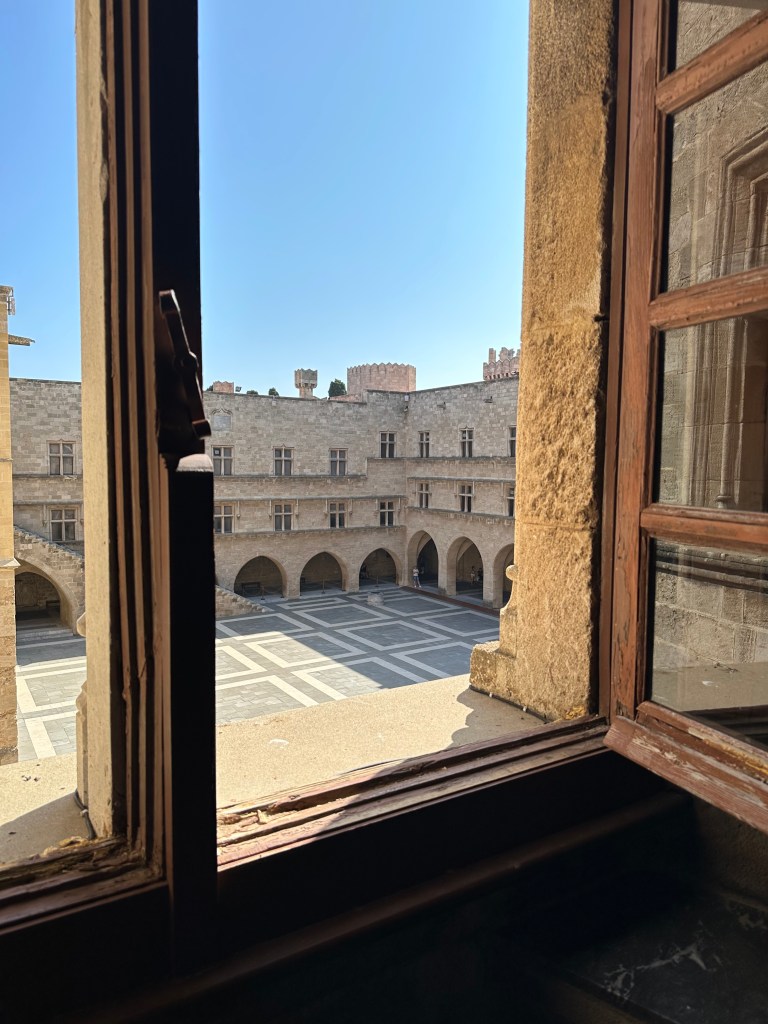
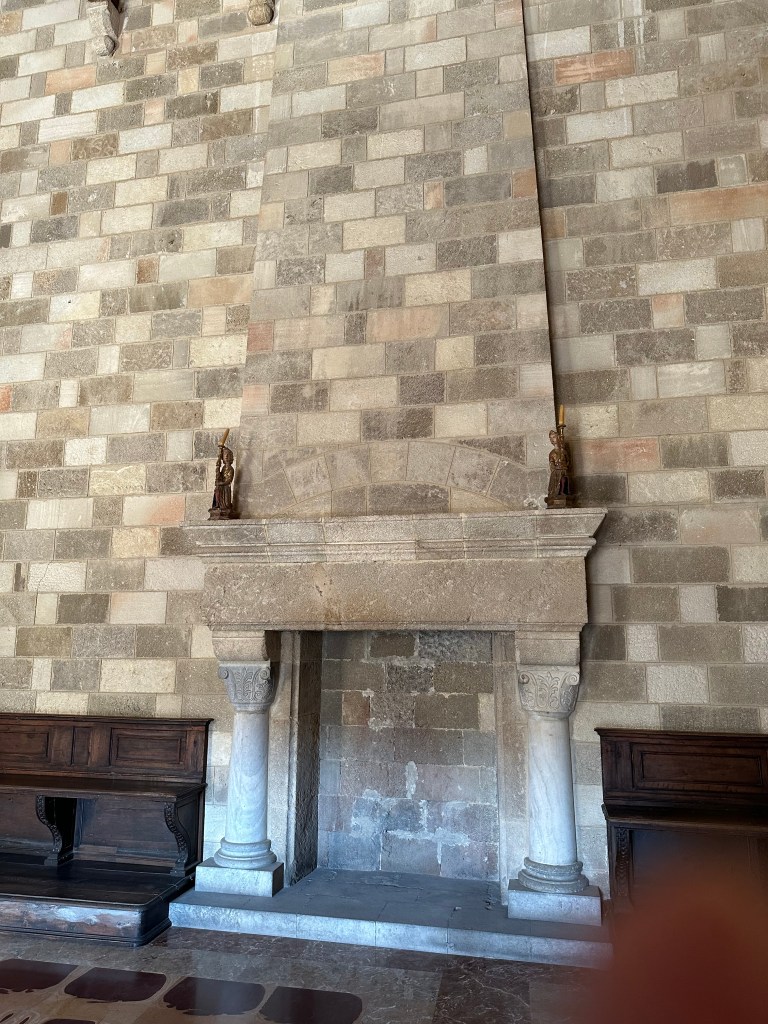
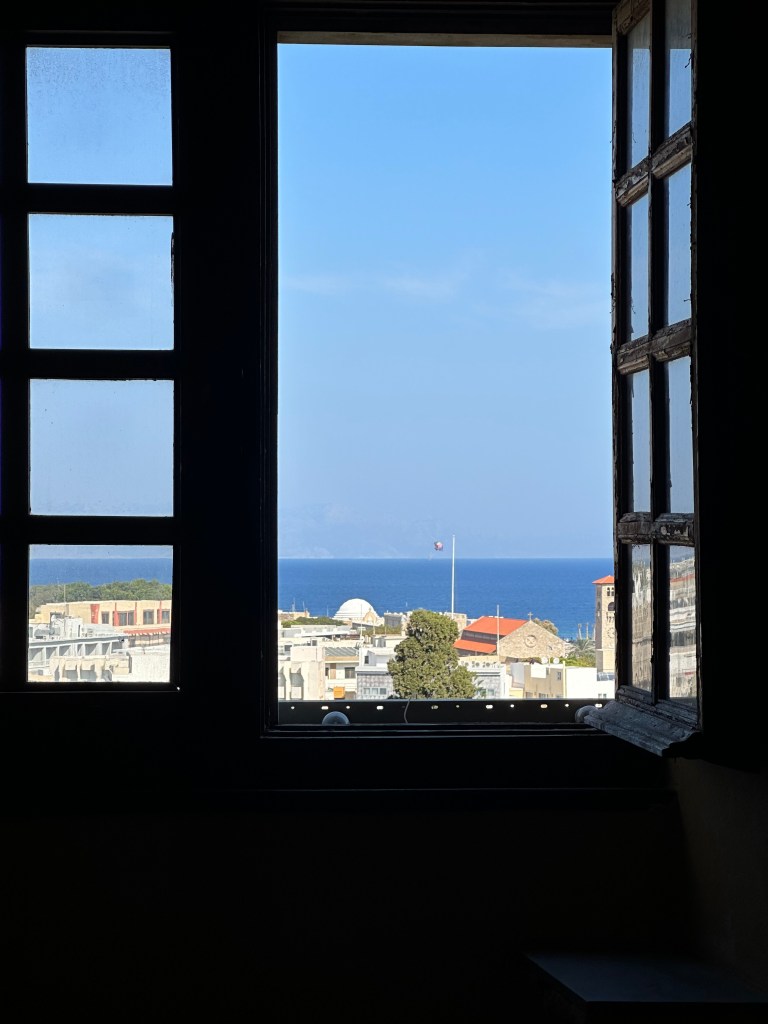
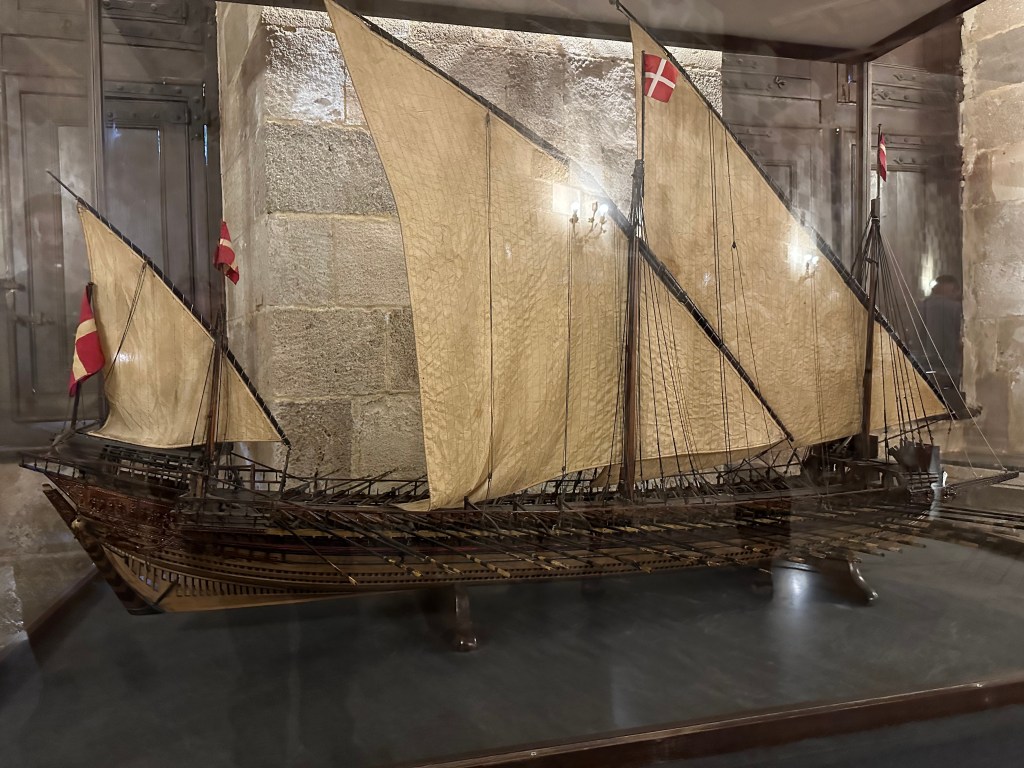
We marched up the steep incline of the Avenue of the Knights, with its pebbled cobblestones, to the Palace of the Grand Master. The Old Town owes its present-day appearance mainly to the Knights of St. John from the 14th and 15th centuries AD. The Knights closely followed the city’s Hippodamean grid plan, and sometimes, some streets follow the exact route of the 5th century BC streets. The main street today, Sokratous Street, was also the main commercial street in the Hellenistic period.

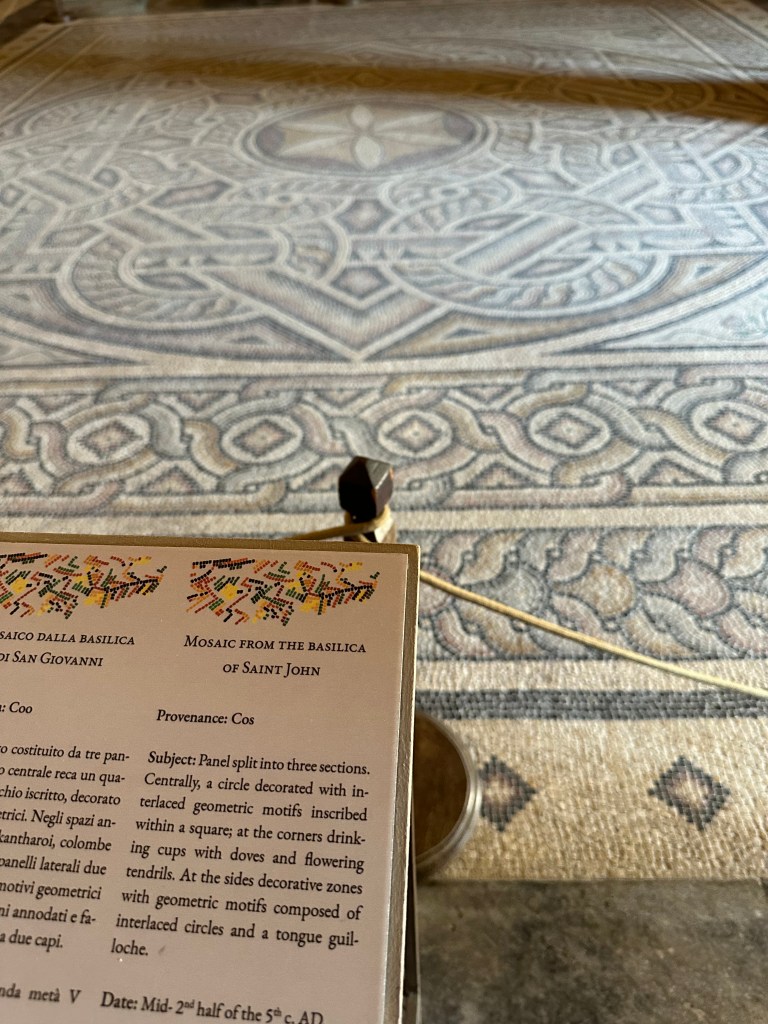
My wife and I toured the castle for an hour, marveling at its many striking mosaics, opulence, and thick stone walls. Unfortunately, by the time we exited, I wasn’t feeling well at all.

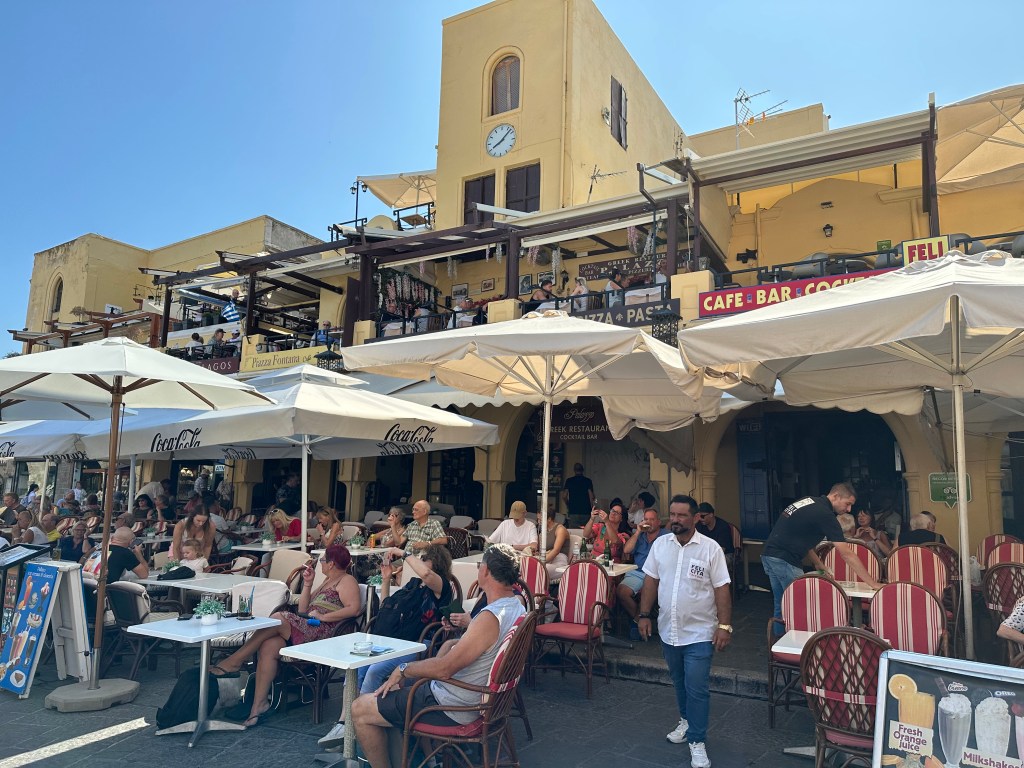
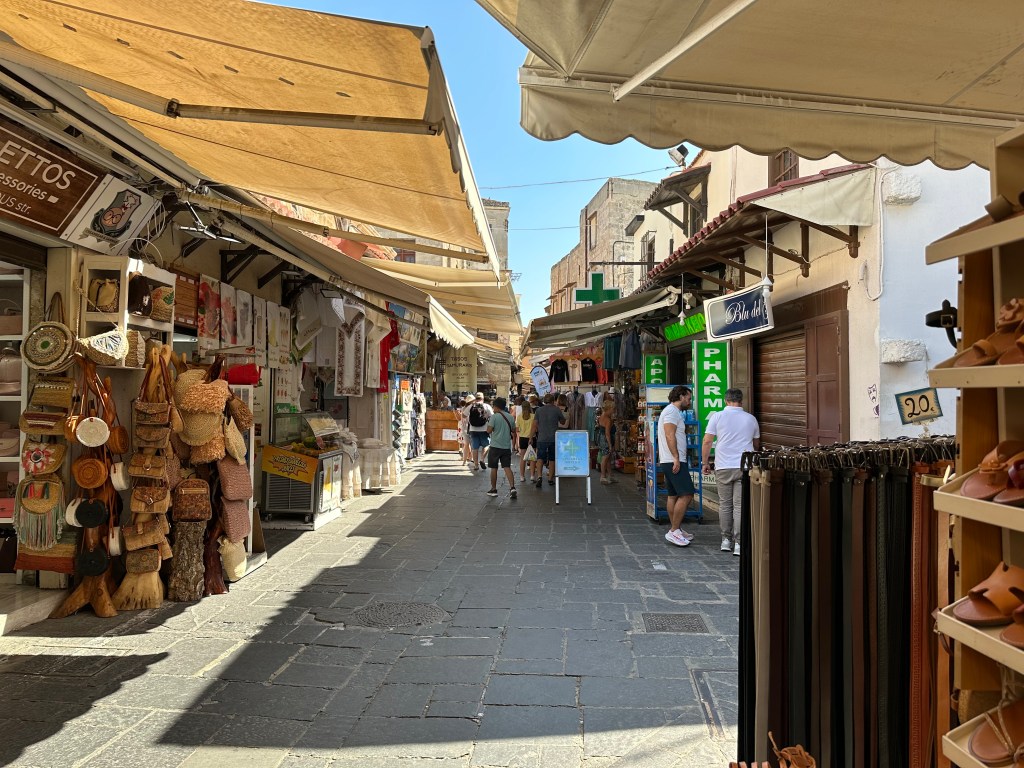
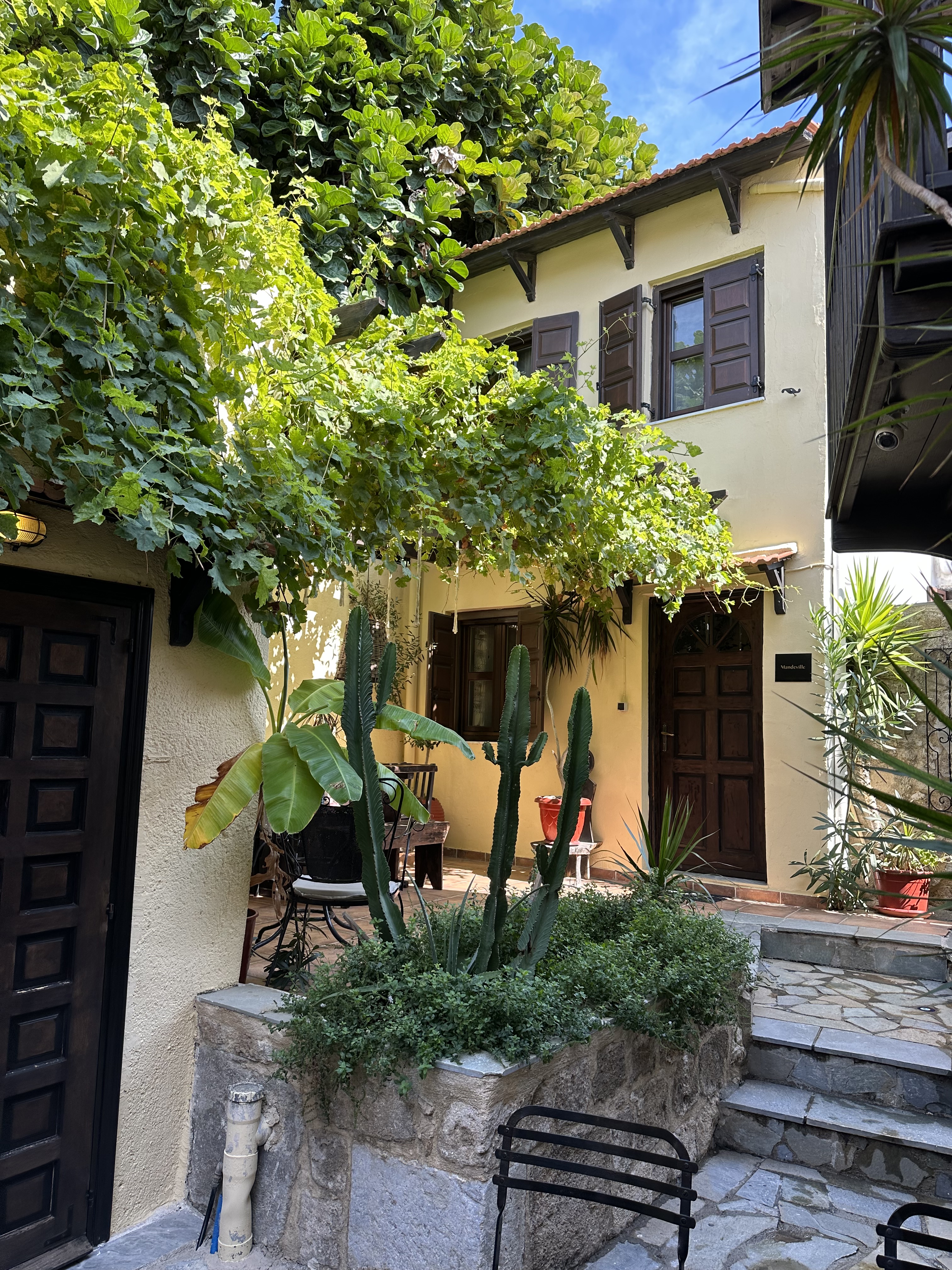
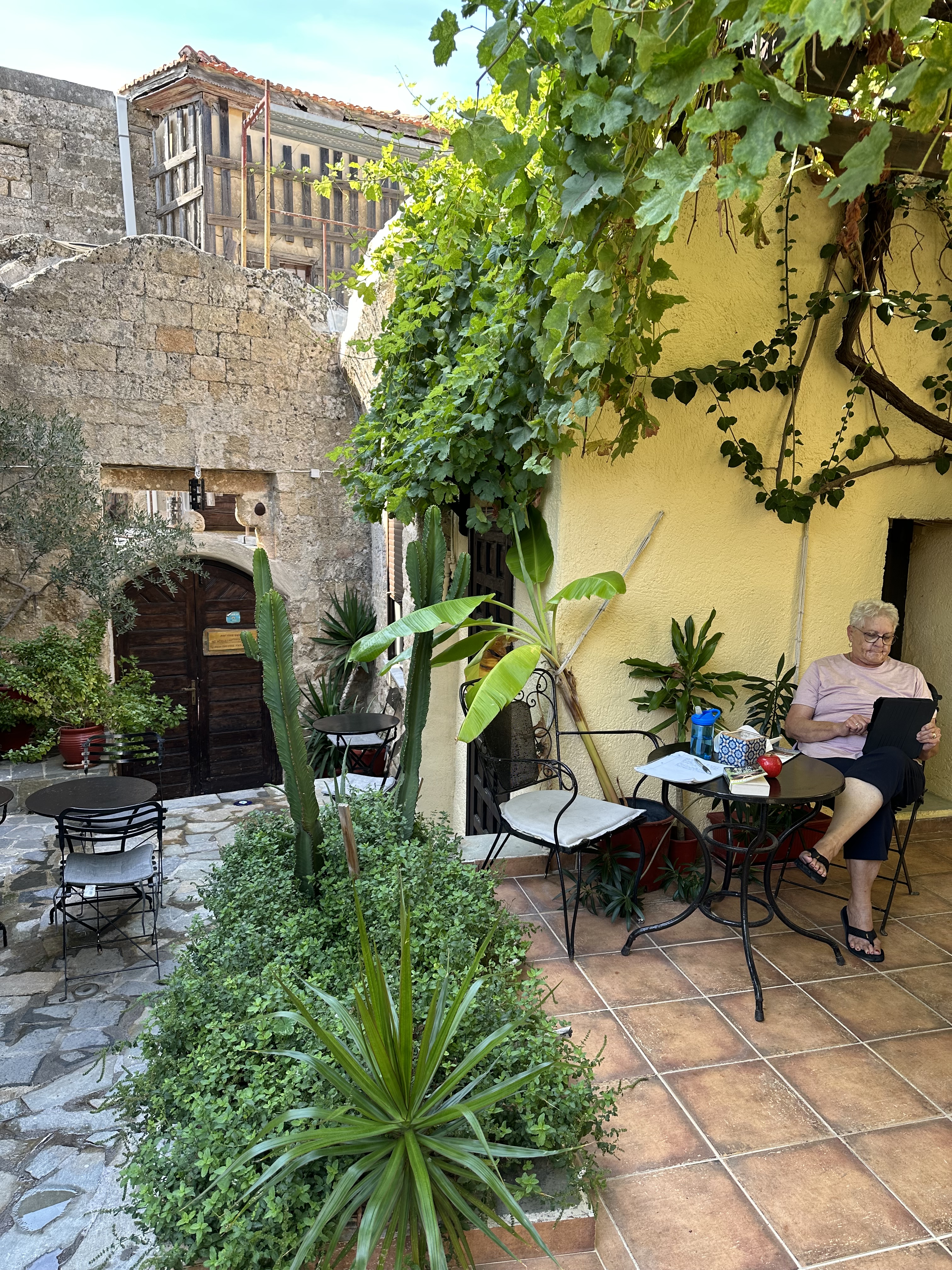
We decided to head back to our apartment. We walked through one marketplace after the other and stopped to rest and have a light lunch and beverage. Returning to our little abode and relaxing in the quiet courtyard was good. We only had to look up to see the old wall surrounding the town.

Please click on the photos to enlarge them.

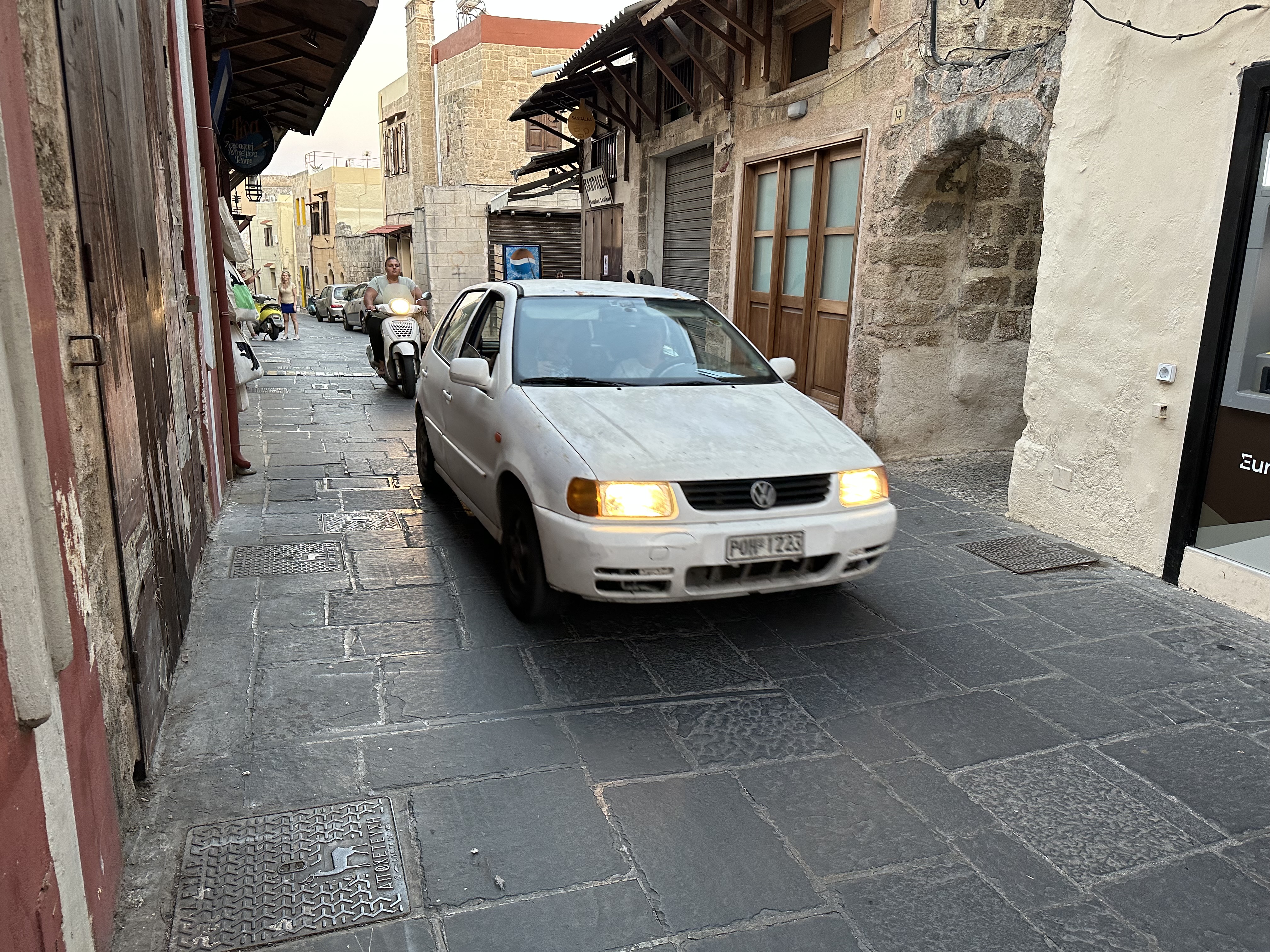
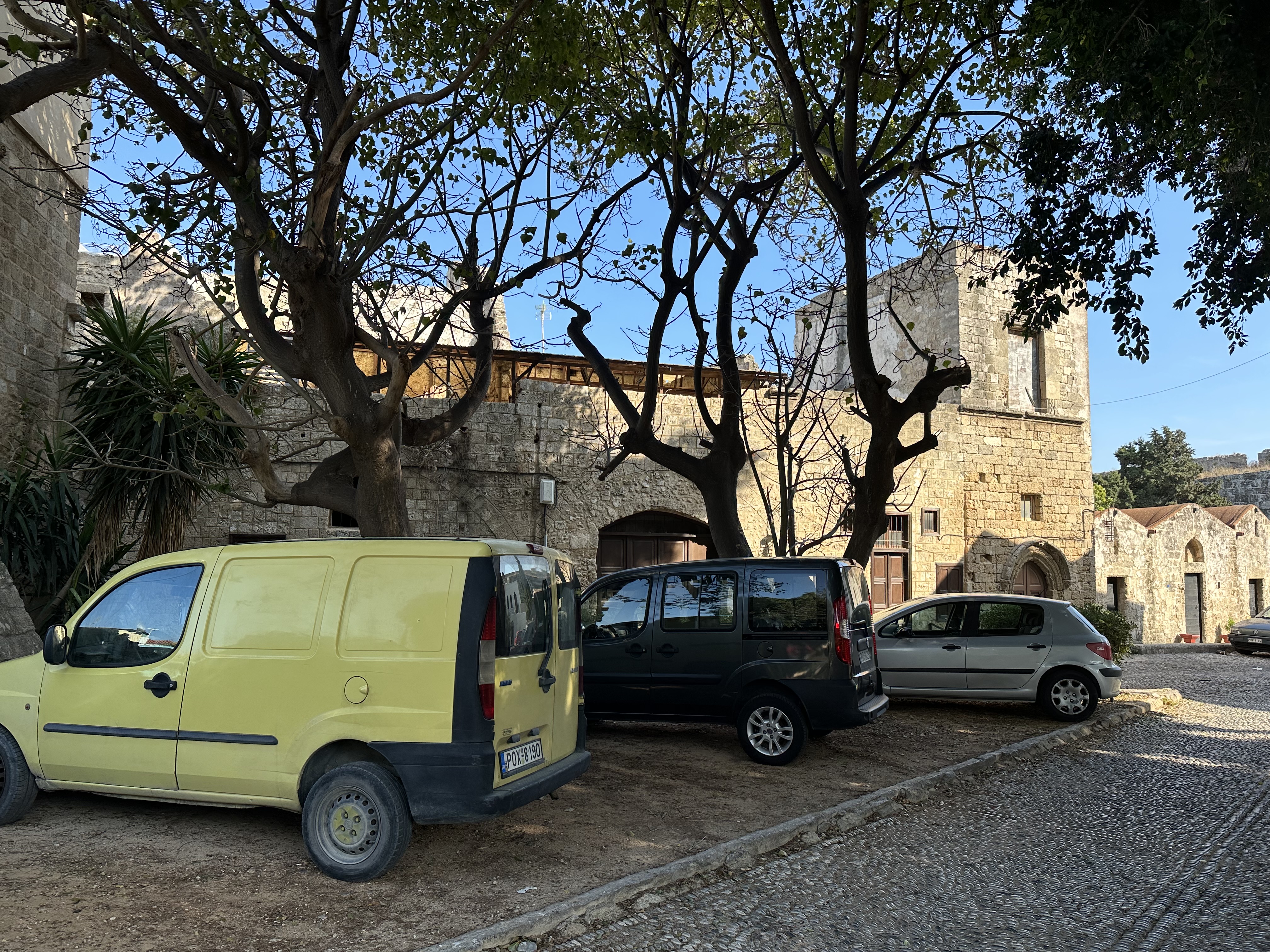
We also had to watch when we exited our little villa. After opening the protective iron gate, we entered a busy, narrow street. We squeezed against the stone walls as motorbikes and cars whizzed by. I was intrigued with where and how the vehicles were parked in a town built long before motor-driven transportation. The answer was they parked where they could and sometimes where they shouldn’t.

We finished our time in Rhodes with a group meal served by the chef at the boutique hotel. We needed to get to bed early since we had an early flight back to Athens and a connecting flight to Rome, our next destination.

Tomorrow: On to Rome.

Trees are greatly appreciated for their cooling shade on a hot afternoon.

© Bruce Stambaugh 2023

A Photo Essay: Following the Path of the Apostle Paul – Day 3

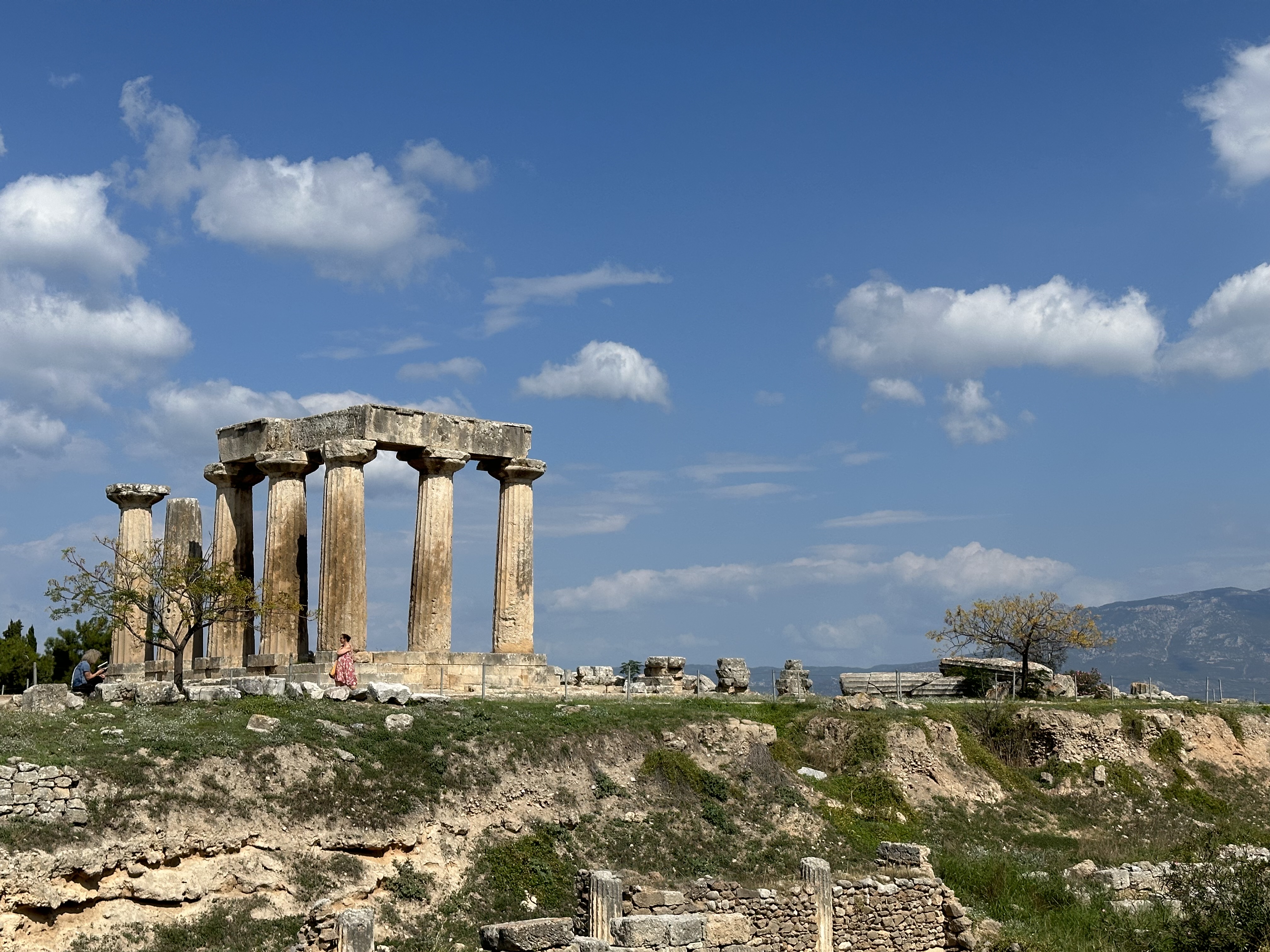
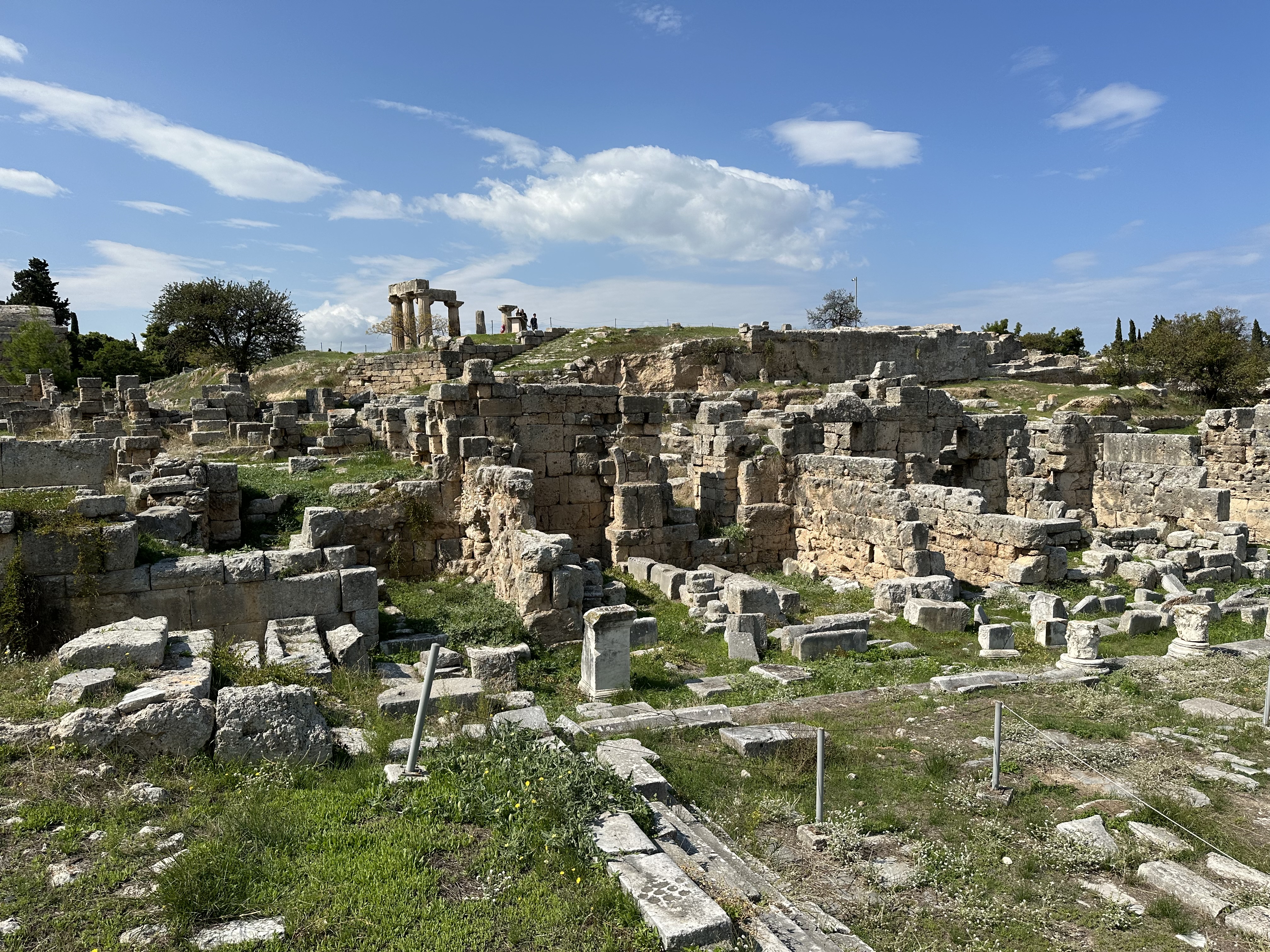
Temple of Apollo, Ancient Corinth, Greece.

On the third day, we boarded a bus and drove to Ancient Corinth, where the Apostle Paul spent at least a year and a half. He joined Aquila and Priscilla, who were also tentmakers. Emperor Claudius had banned them and all other Jews from Rome, so they fled to Corinth.

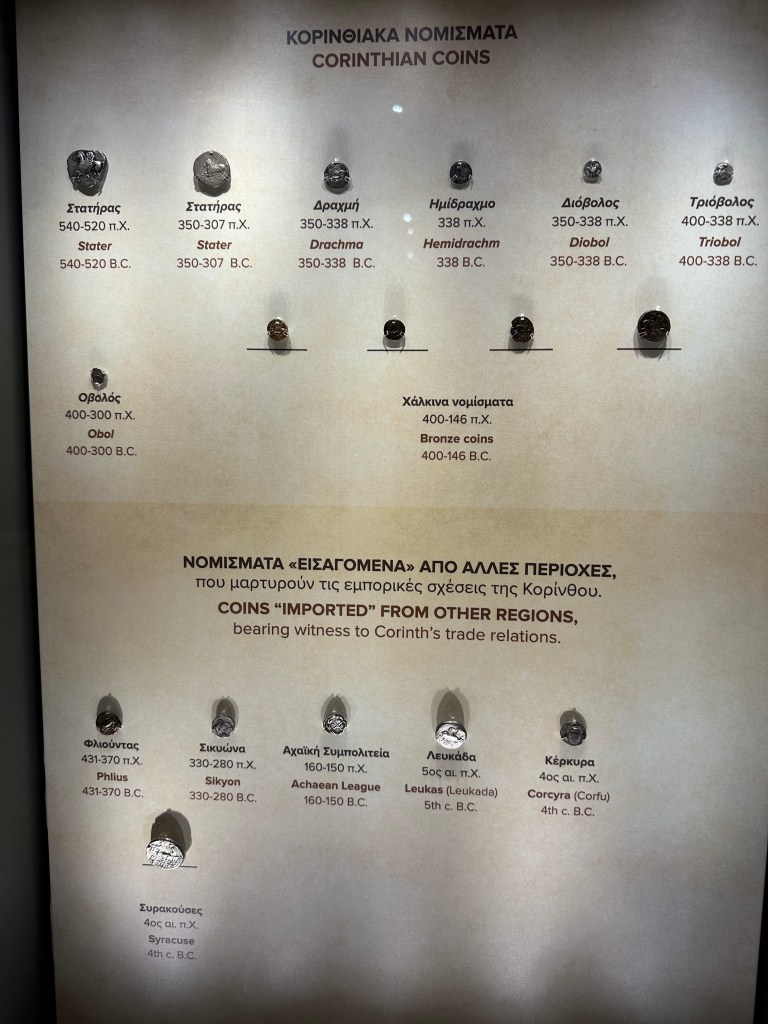
In its time, Corinth was a prominent trading port for goods going east and west. Consequently, Corinth buzzed with the wide assortment of folks, many sailors happy to have their feet back on the ground. Paul took note of the various cultures, ethnic groups, and religions represented in this mass of people coming and going.

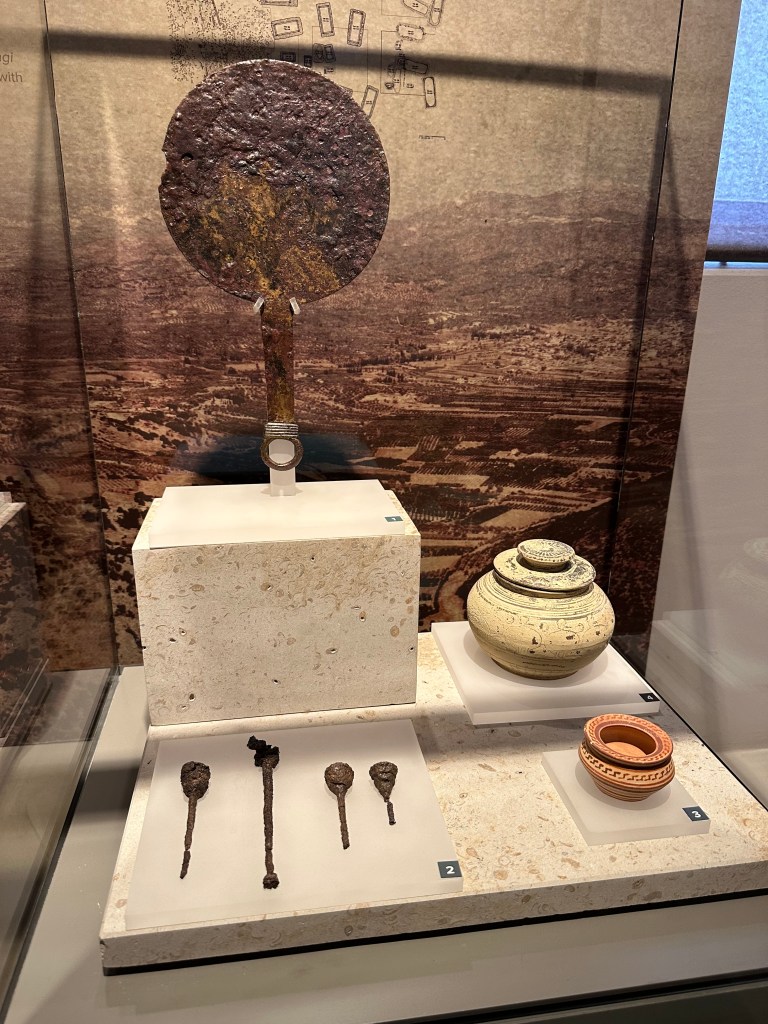
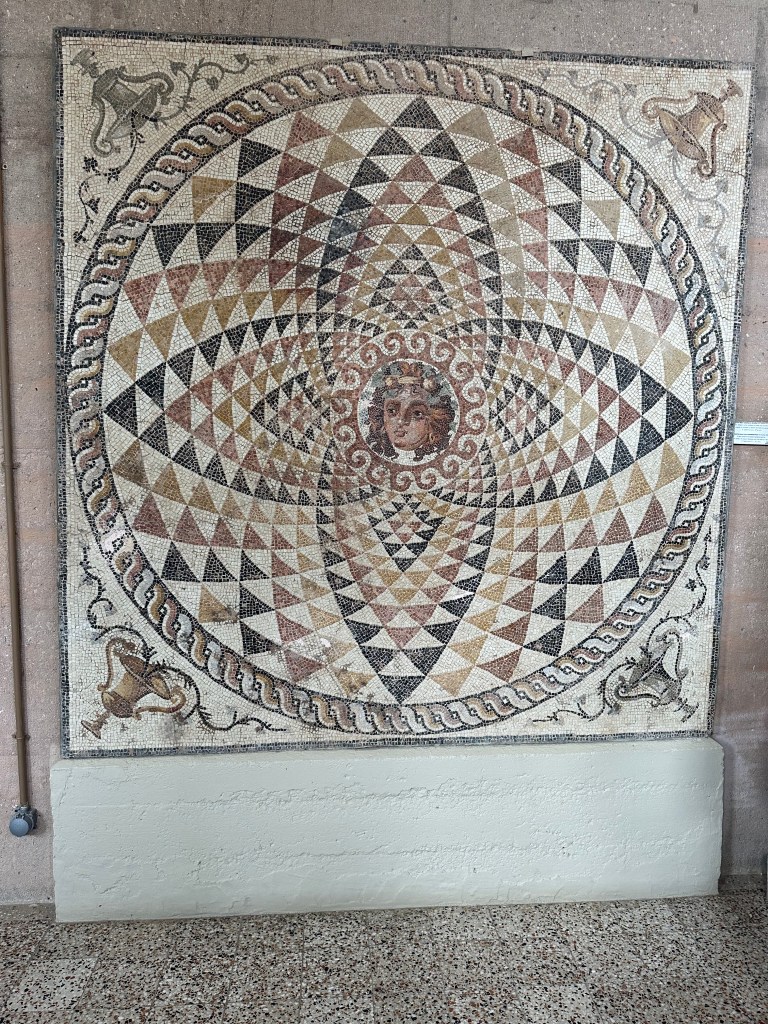
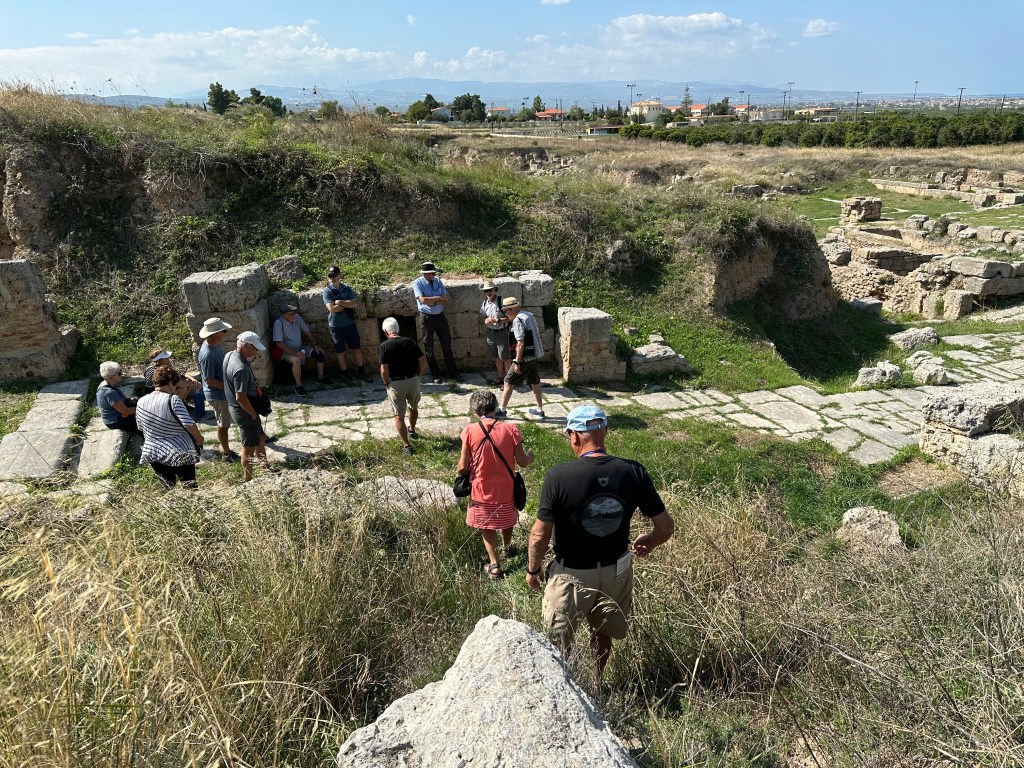
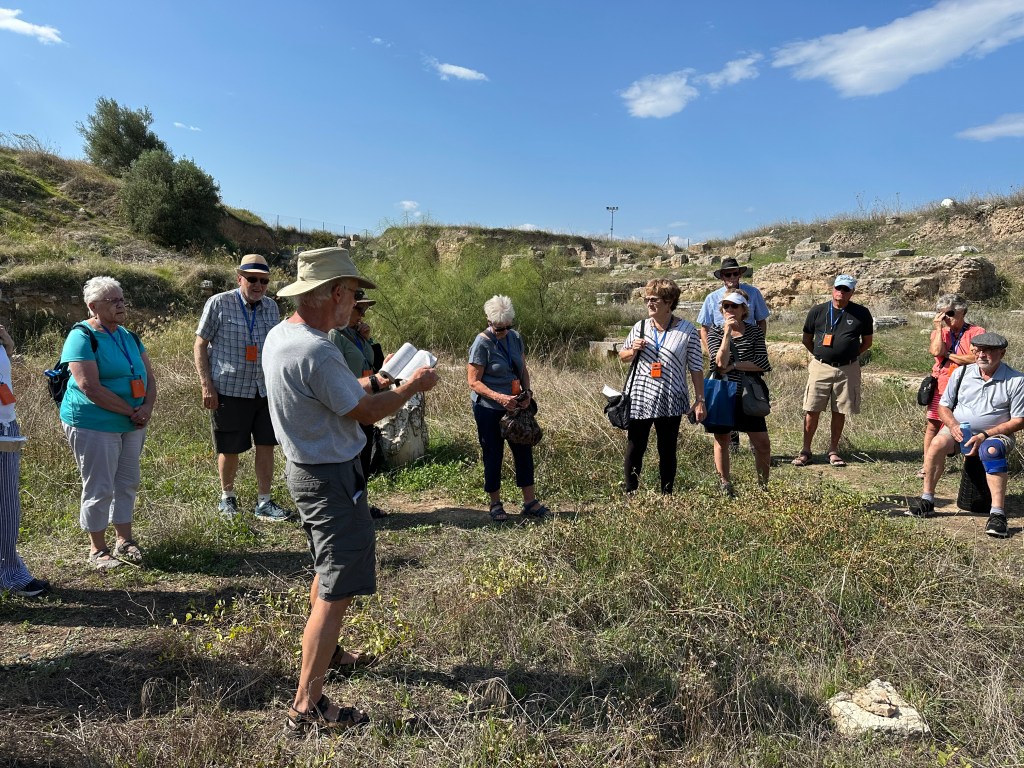
Our local guide gave us a tour of the Corinthian Museum, which displayed many curious artifacts. We sat under the shade of a large tree as our tour guide, Linford, gave us the biblical background and scriptures of Paul’s time in Corinth.

We were then free to roam the ruins under a beautiful blue sky. It was clear that Corinth was booming when Paul lived there in the first century.

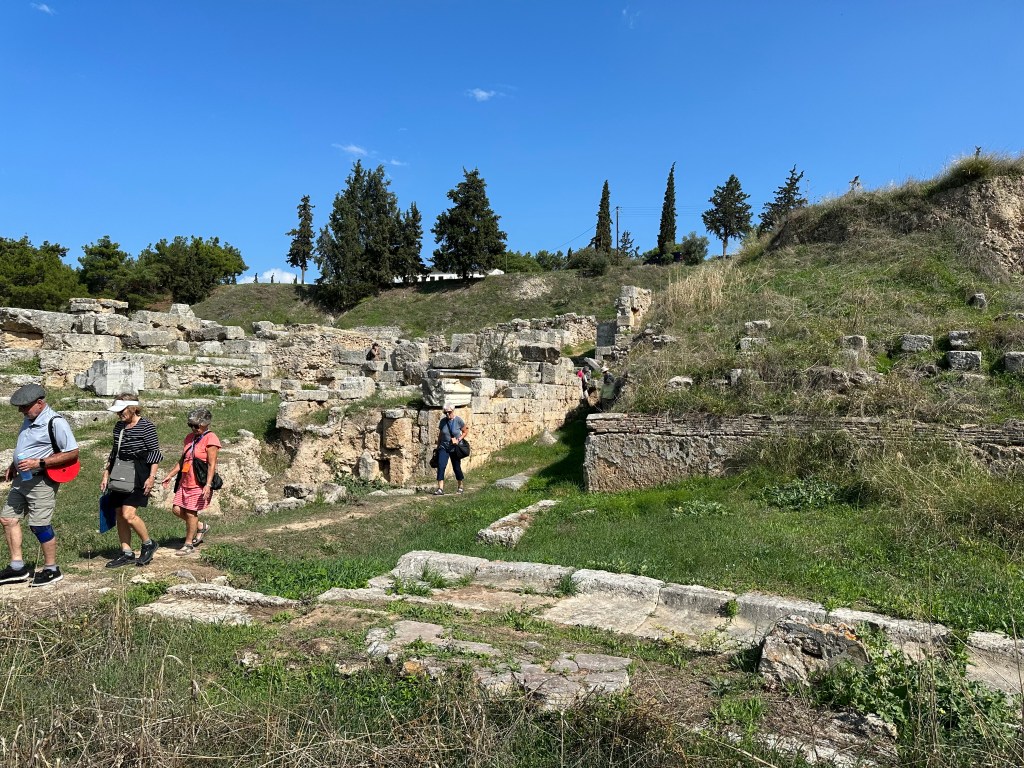
After a light lunch in a family-owned cafe outside the gates of Corinth, Linford led us down a hill towards the Gulf of Corinth. He had a couple surprises for us. We walked across an ancient Roman road into the ruins of an old theater, where the sailors, merchants, and residents were entertained.

The first surprise was that this theater could be flooded to allow for seafaring-themed performances with which the sailors in the audience could connect. The second surprise was an etching on a large stone that bordered the road just outside the theater.

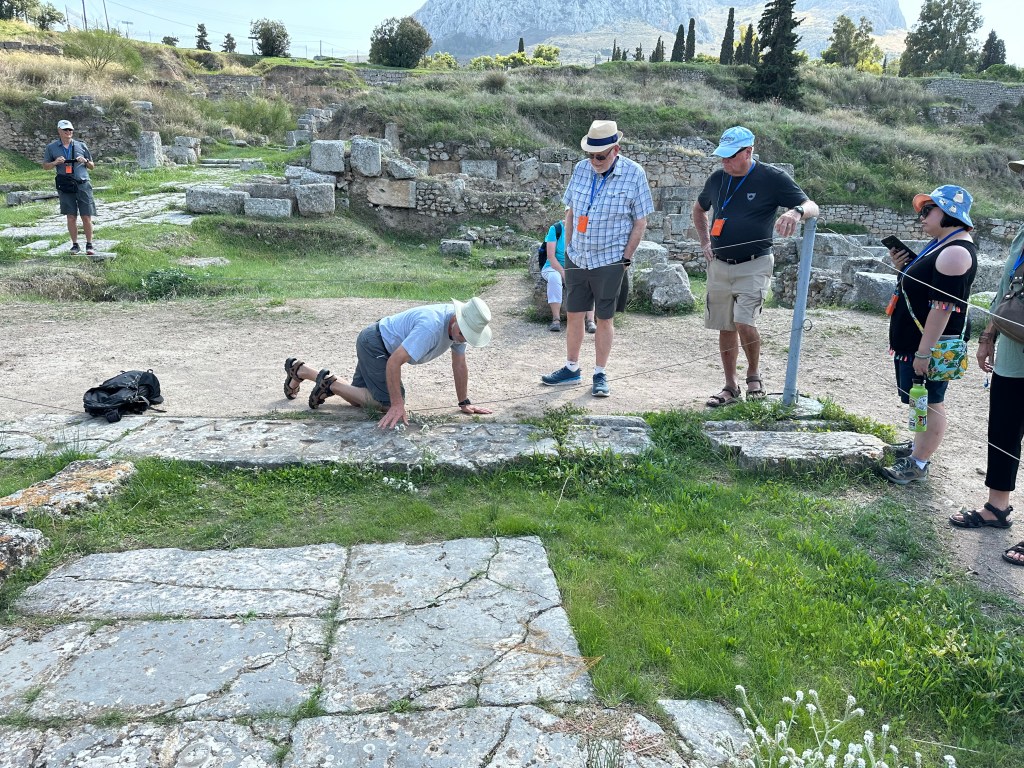
The engraving honored Erastus, the city’s director of public works. Paul mentioned Erastus in Romans 16:23, giving unequivocal evidence that Paul was indeed in Corinth.

Please click on the photos to enlarge them.

Before leaving the area, the bus took us to the Acrocorinth, a fortification on the mountain beyond Old Corinth. We had a beautiful view of the sea below. On the way to Cornith, we had stopped at the Cornith Canal, a four-mile-long channel cut through solid rock designed to shorten the route for sailing boats.

Tomorrow: On to the islands.

The Corinth Canal.

© Bruce Stambaugh 2023

A Photo Essay: Following the Path of Apostle Paul – Day 2

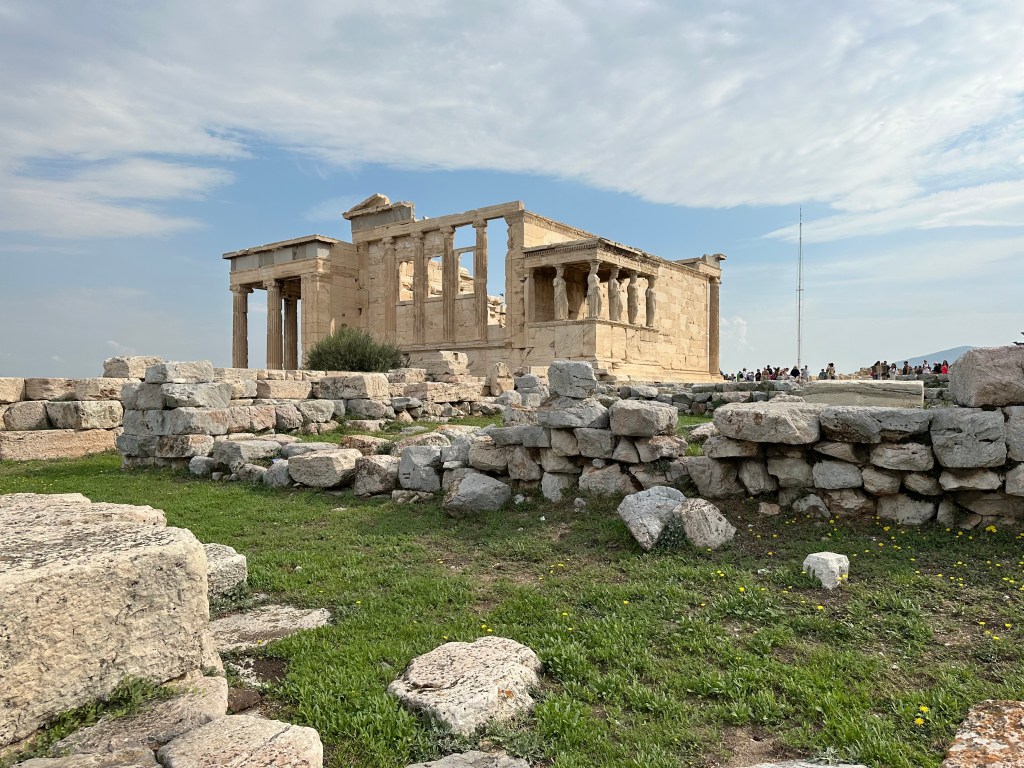
The Parthenon.

This was a day I had long anticipated. Neither my wife nor I had ever been to Greece, and I especially looked forward to visiting the Acropolis. Our tour group of two dozen people saw some of the locations the Apostle Paul did on his multiple trips around the Mediterranean Sea. Linford Stutzman, a retired professor from Eastern Mennonite University in Harrisonburg, Virginia, and his wife, Janet, led the trip.

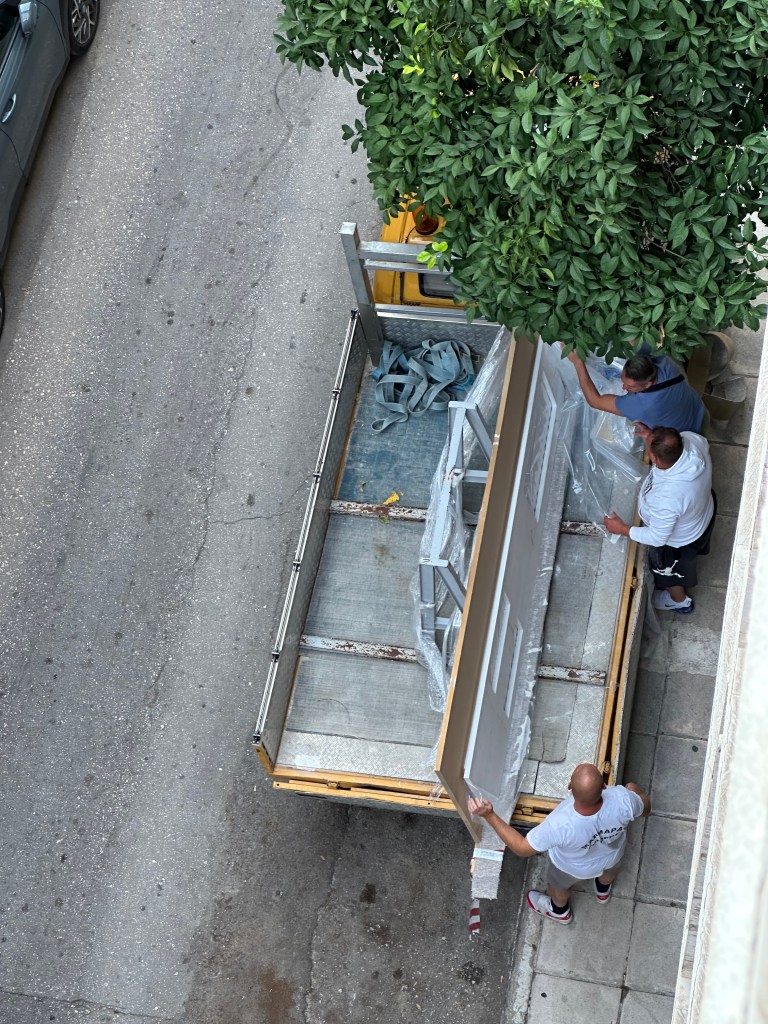
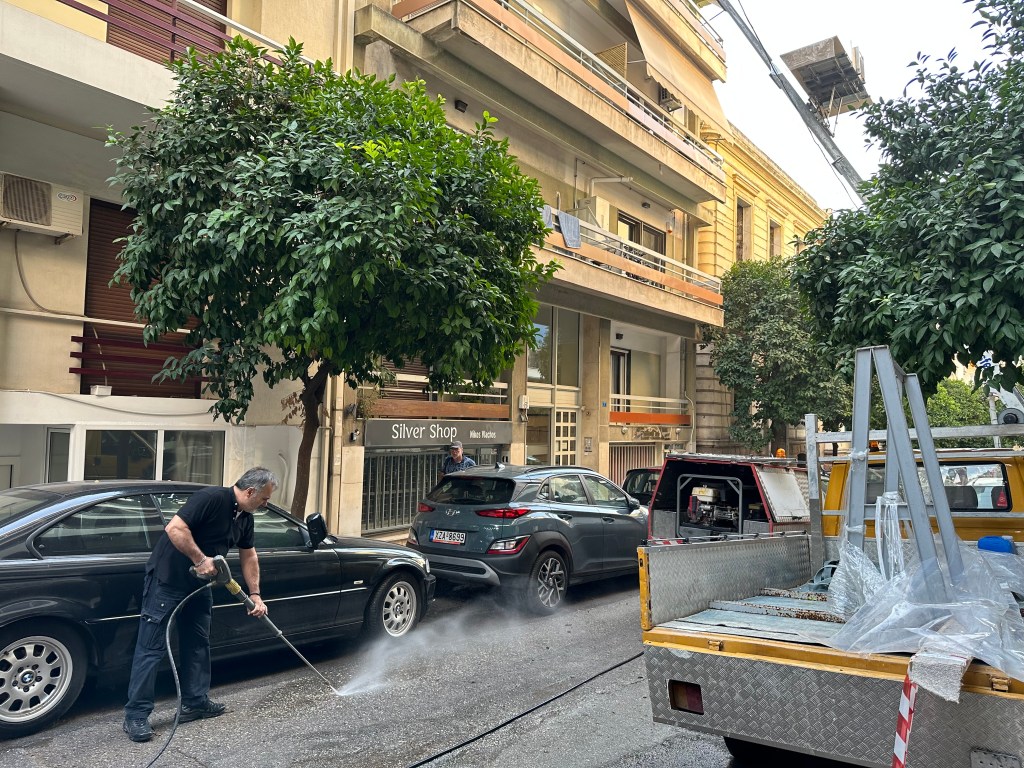
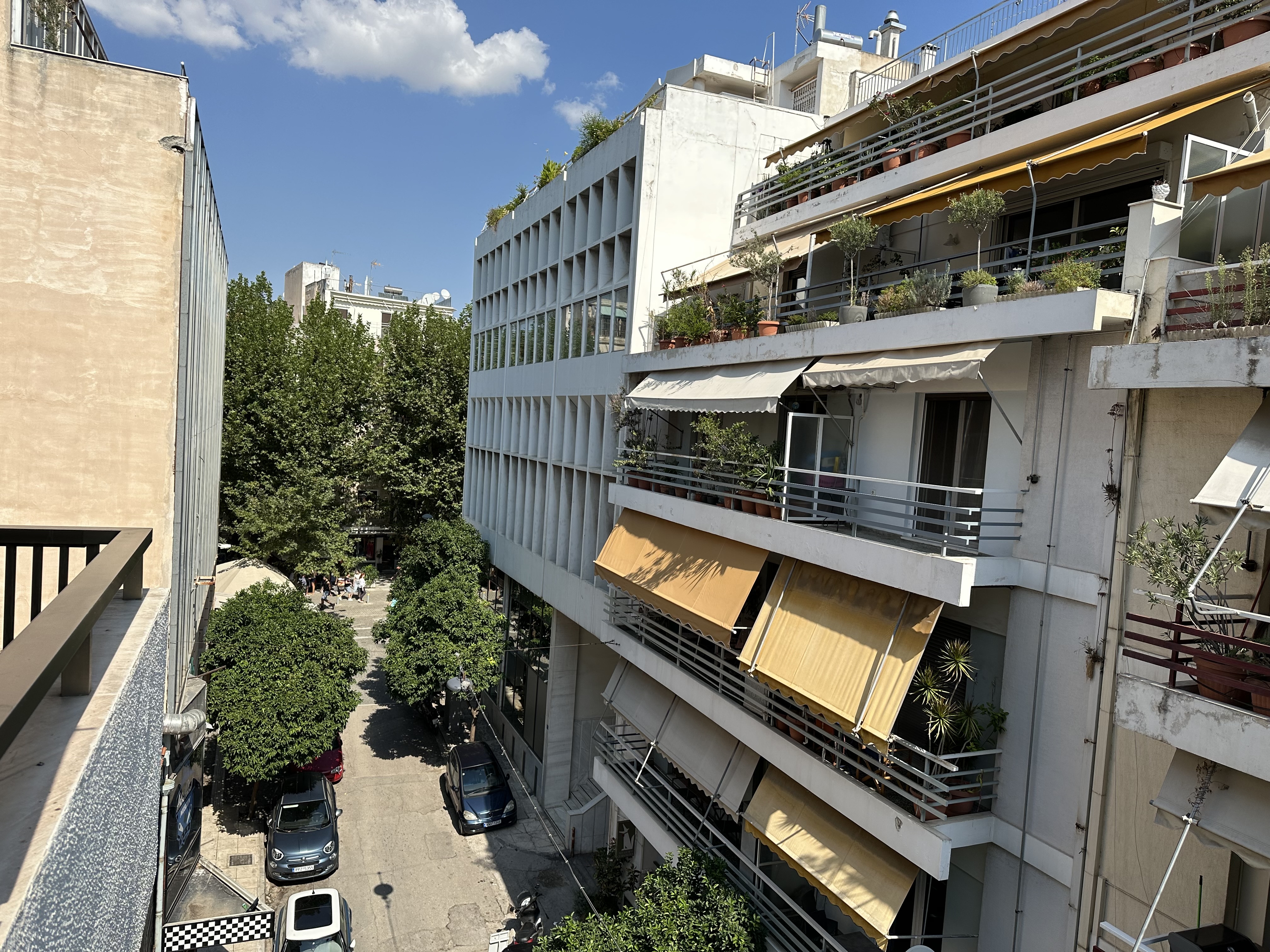
The Acropolis was an easy walk from our hotel in Athens. Before we gathered on the narrow street in front of the hotel, I noticed a large crane extending from our side of the street to the top floor of the apartment building across the way. It was set up to deliver some heavy marble countertops for the kitchen that was being remodeled.

Walking down to street level, I noticed a young woman photographing every step. I asked her if that was her apartment, and she said she was a civil engineer in charge of the project. She was documenting how the crane would get the heavy pieces up to the apartment for another client in London, England, who would do the same thing.

About that time, city workers came down the alley, pressure washing the sidewalks and the street. No construction crew would stop them. They merely worked around them and kept going.

The rest of the group arrived, and we were off for the Acropolis. However, before entering the historic grounds, Linford wanted to give us some background on Paul and the sermon he delivered on Aropagus Hill, sometimes referred to as Mars Hill, as outlined in Acts 17:22–31.

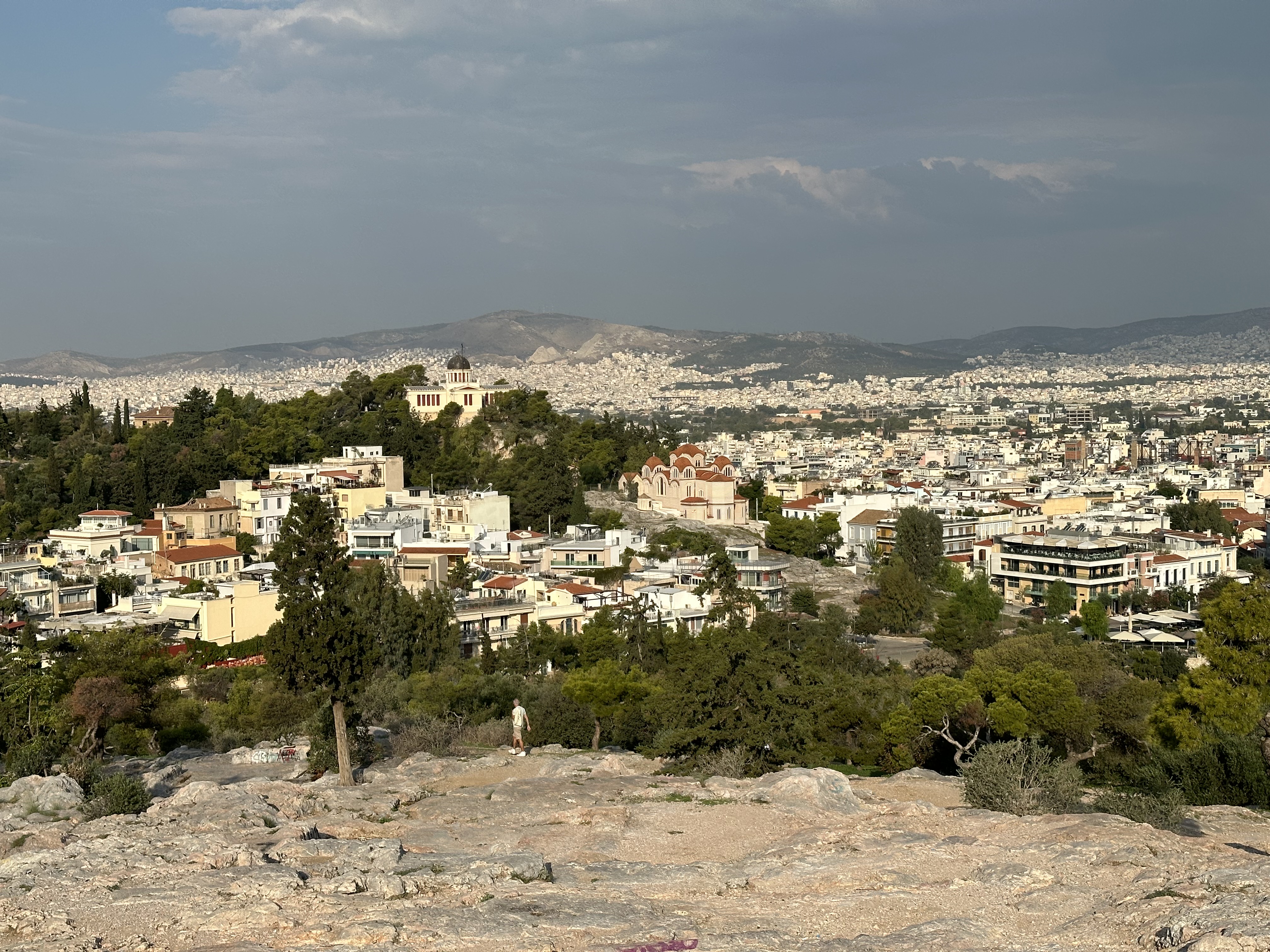
From the hill, we could see the reconstructed Stoa of Attalos next to the Ancient Agora of Athens, where Paul spent time observing and conversing. Beyond was the sprawling city of modern Athens.

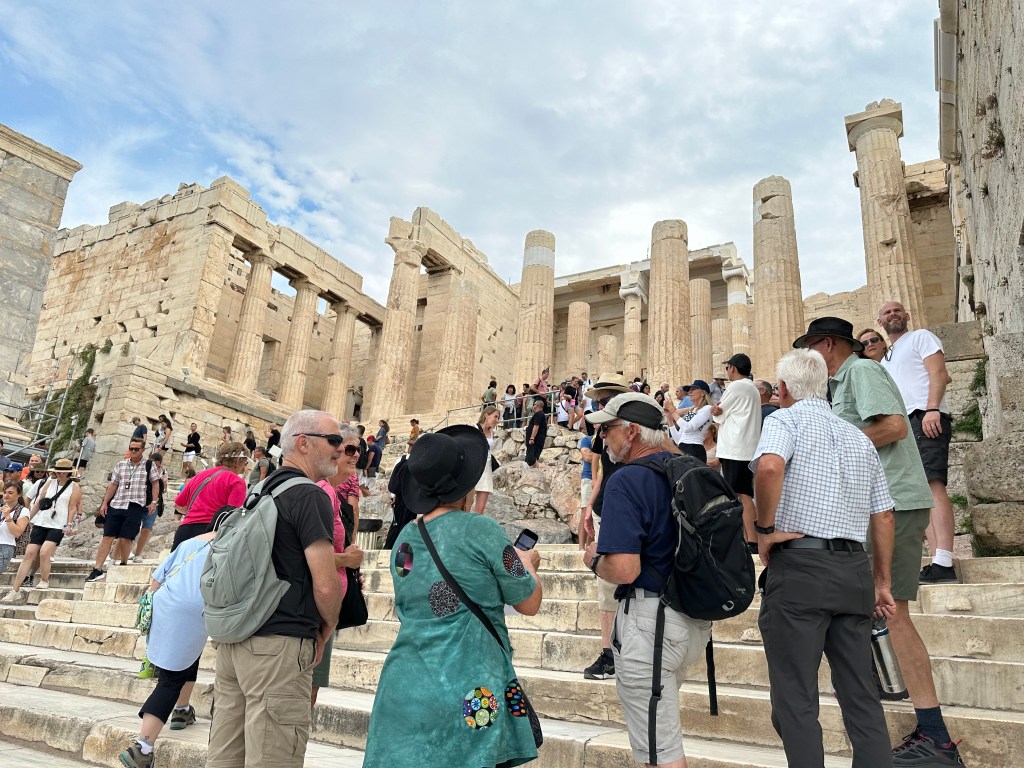
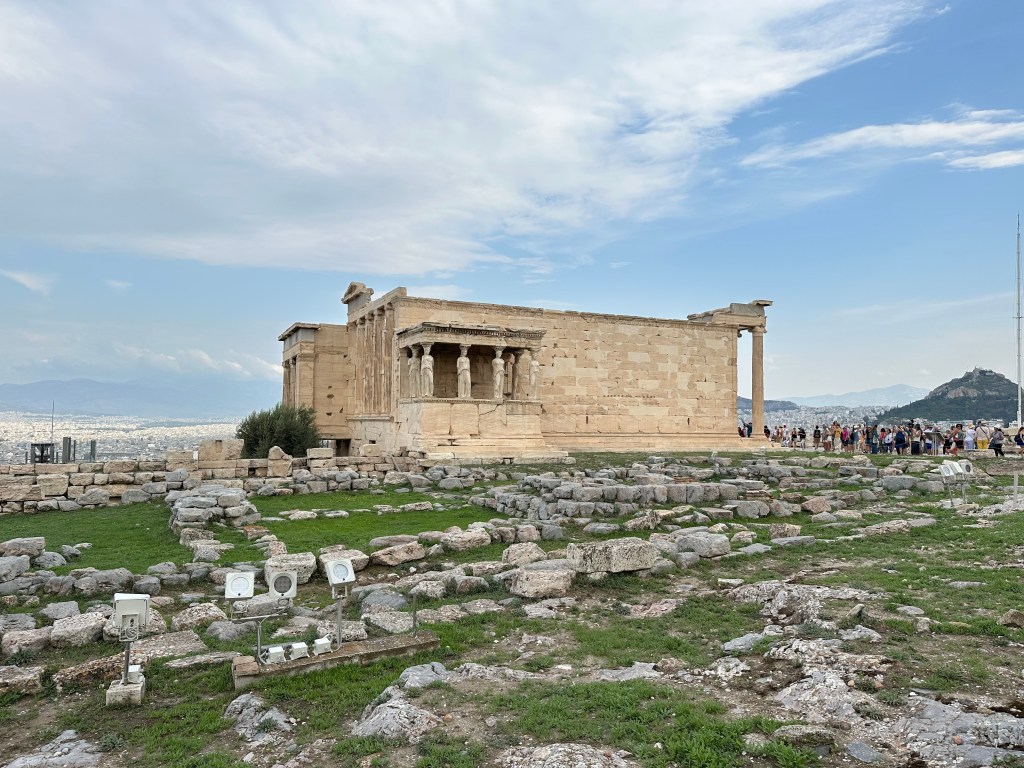
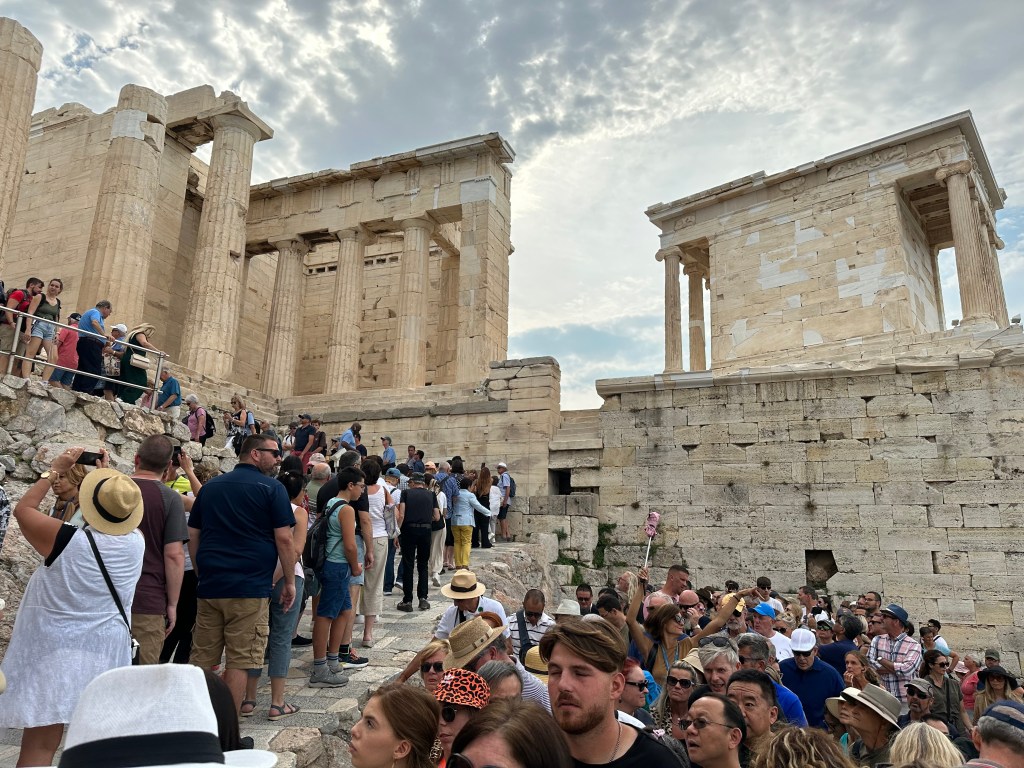
After Linford’s talk, we were free to explore the Acropolis independently. The lines for tickets were long, but since we had tickets for mid-morning, we walked right in. Climbing the steps through and around those ancient columns was thrilling. When we reached the top, the Parthenon dominated the view.

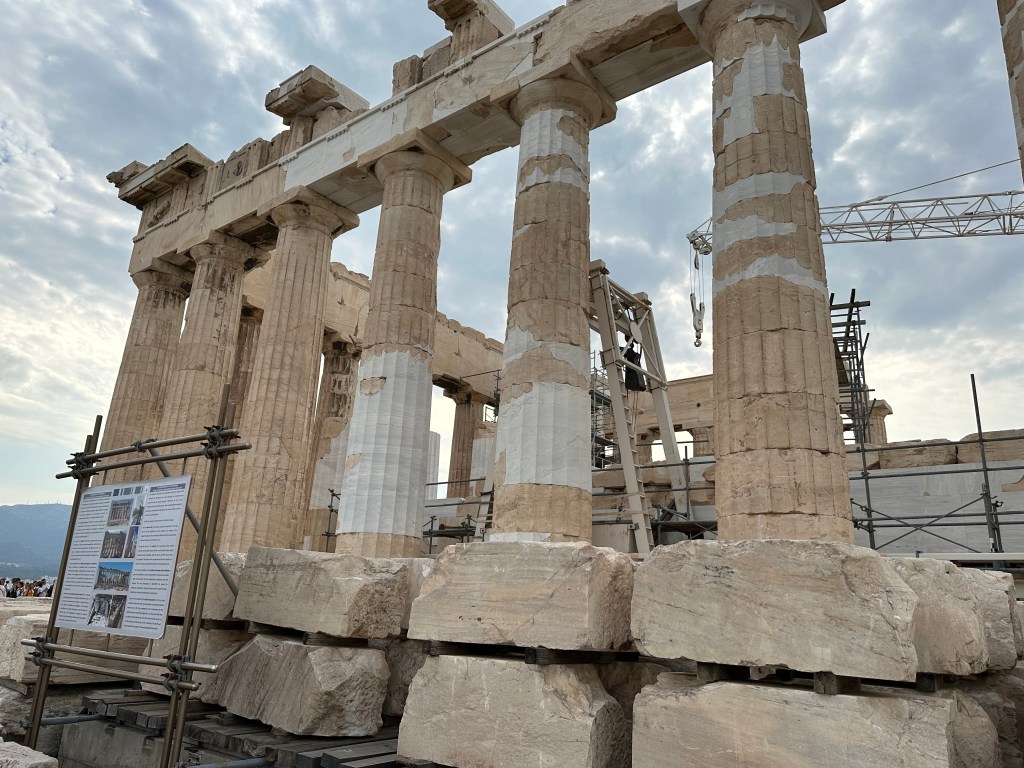
Like many old structures, the Parthenon is being repaired and stabilized for future generations. We had to watch our steps as we went. Old and worn rocks protruded from the walkways or were sunken into them. On the far side of the Parthenon, one elderly lady had fallen because of the uneven footing. Trained emergency personnel were working with her.

I was amazed at all the broken columns and cornices lying around. Most were roped off so visitors wouldn’t bother them. Many were piled up and cataloged in other areas atop the Acropolis.

As the sun rose higher in the sky, the temperature heated up. We decided to head back down the way we came. I was shocked at the number of people working their way up, making our exit difficult.

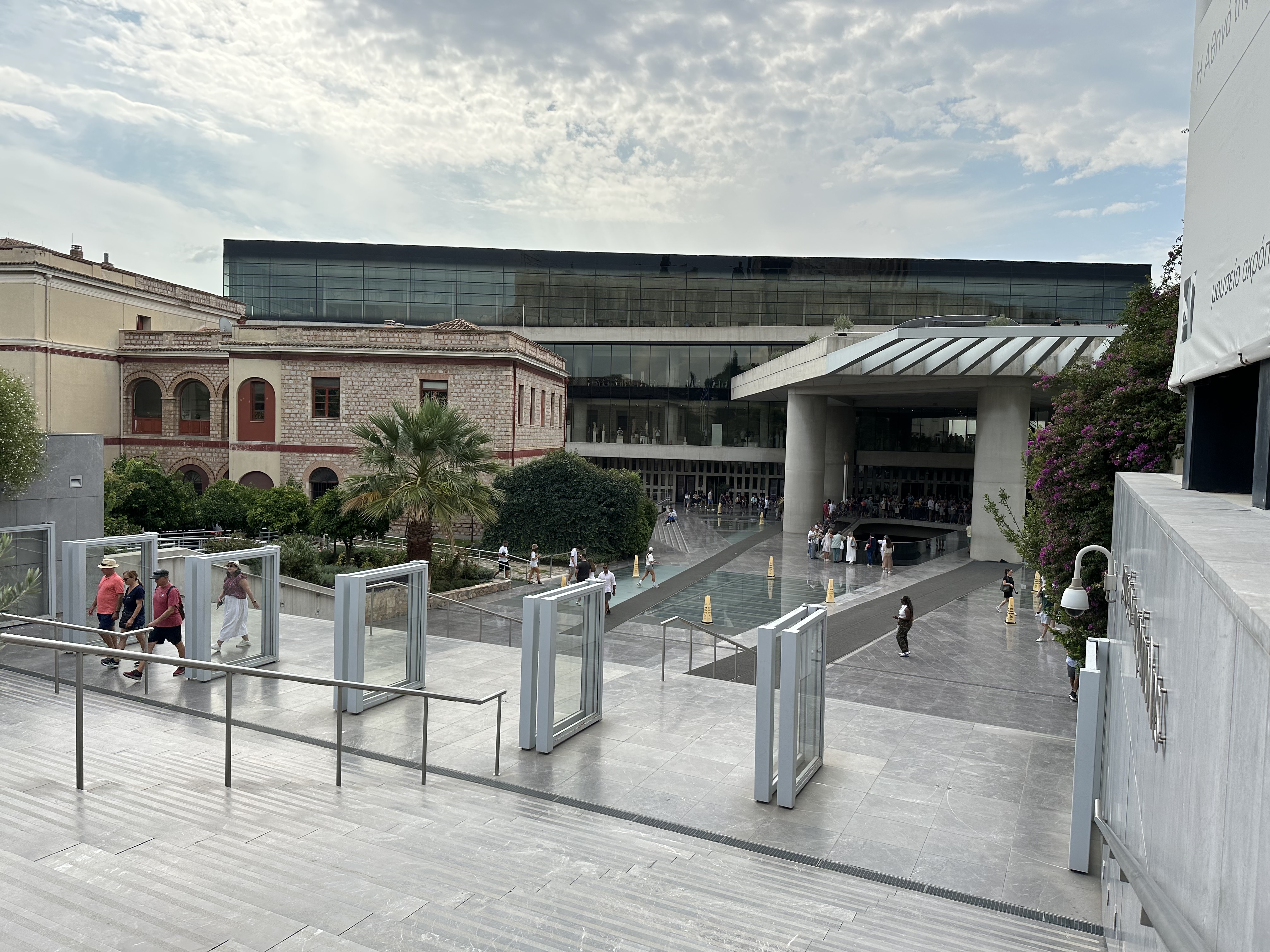
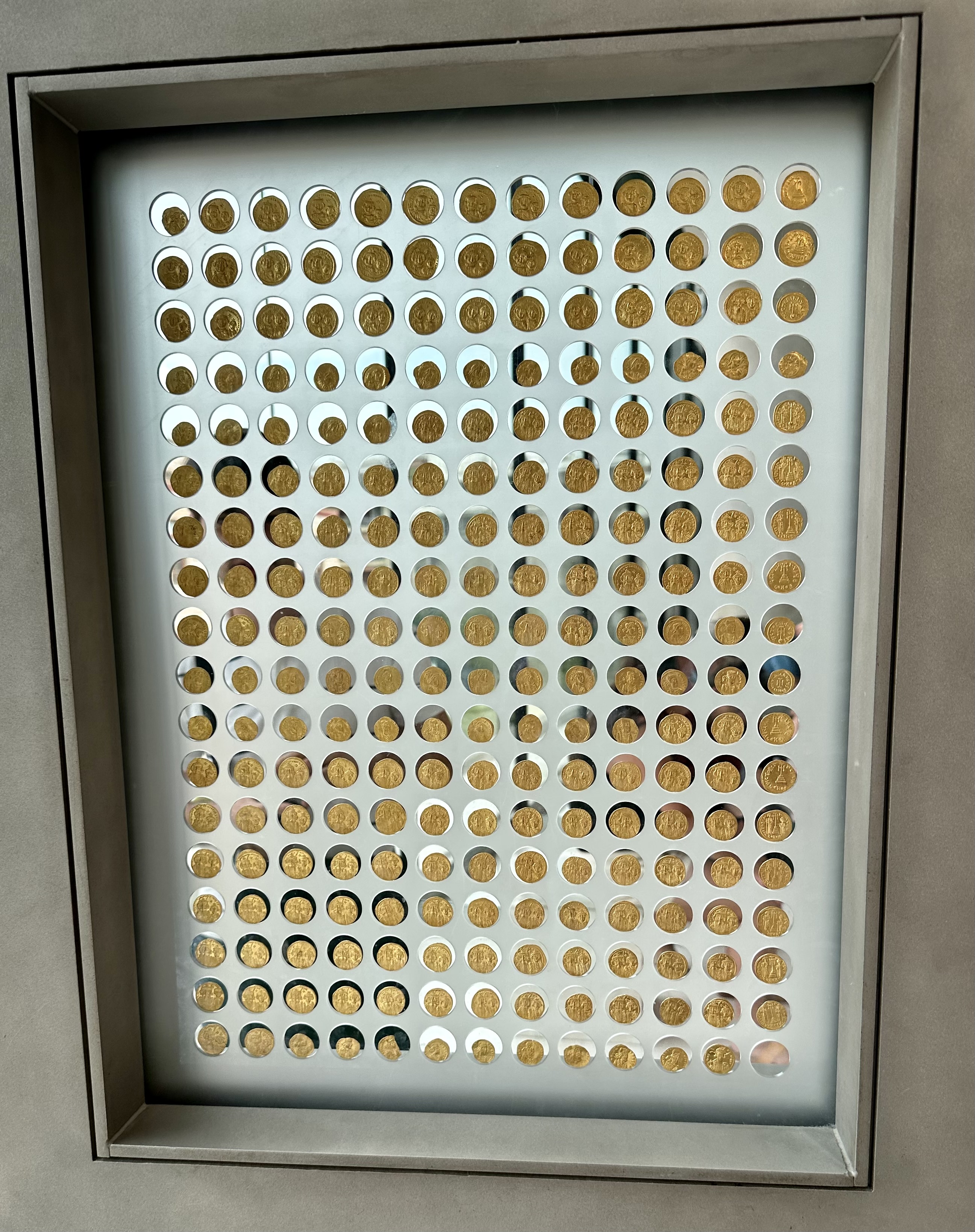
We headed for the Museum of the Acropolis just down the hill. Our first stop was the cafe for a light lunch and to cool off. The museum was huge and had thousands of artifacts from the Acropolis and explanations of their meaning and importance.

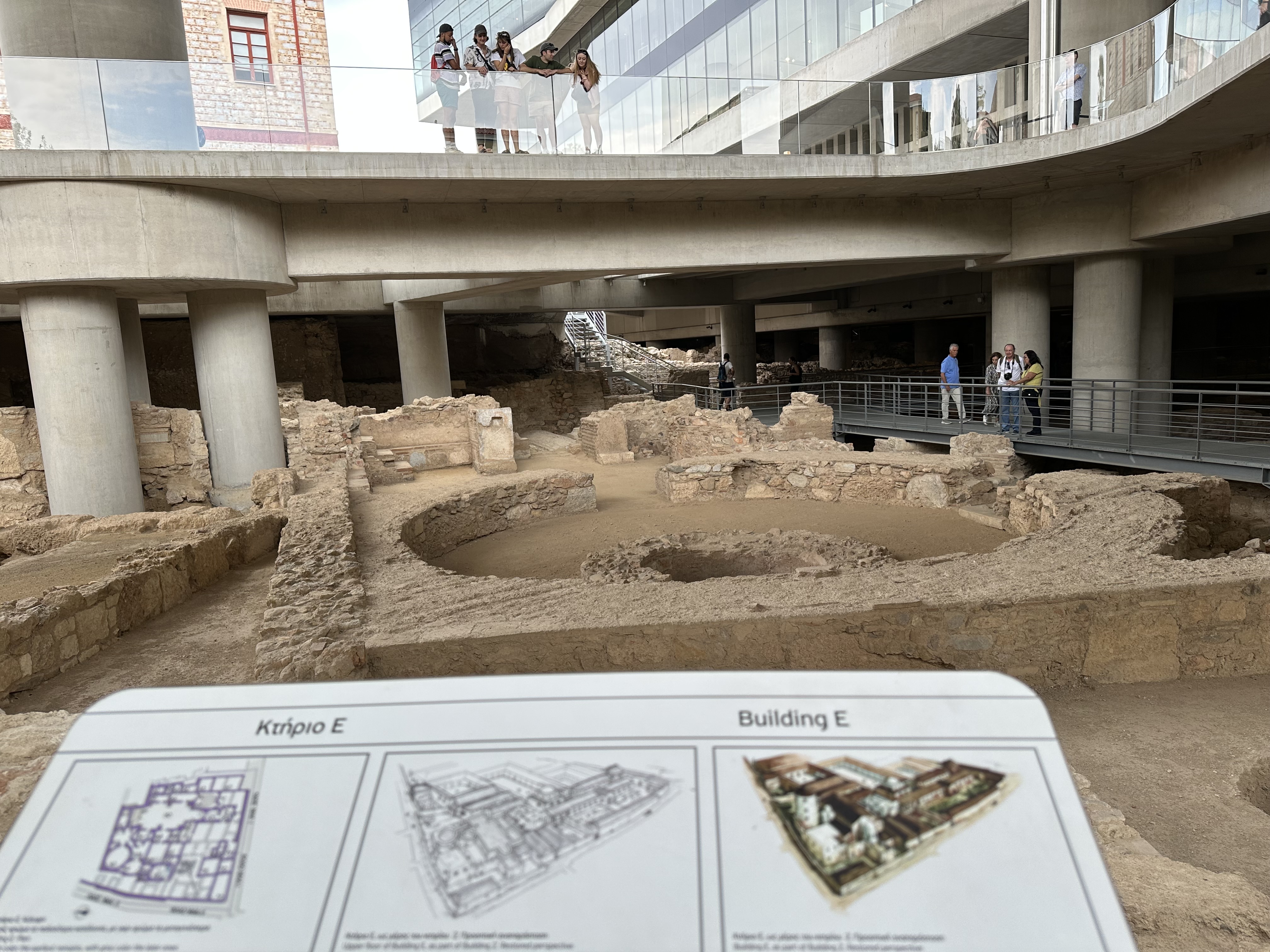
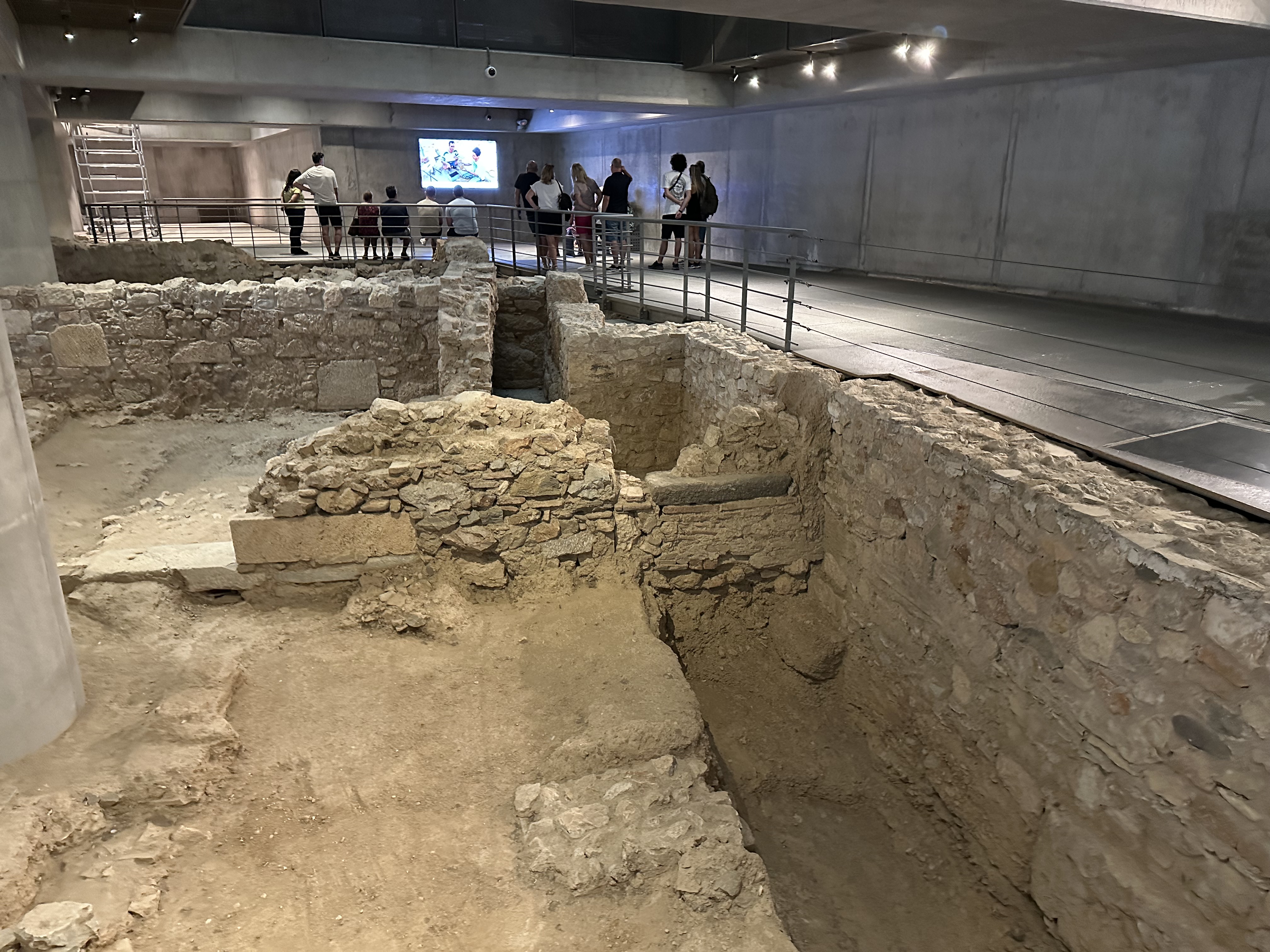
Another interesting feature was that the museum was built over an active archeological dig. I found that fascinating and enjoyed seeing the various rooms of the homes being excavated. The water and sewer systems were equally interesting.

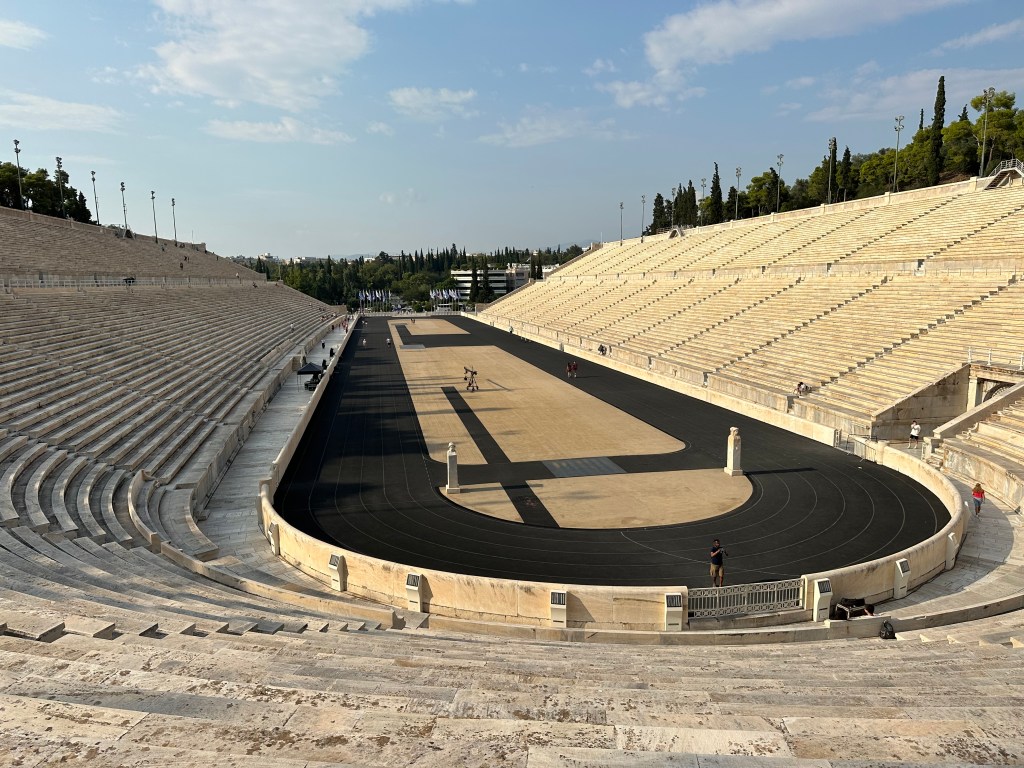
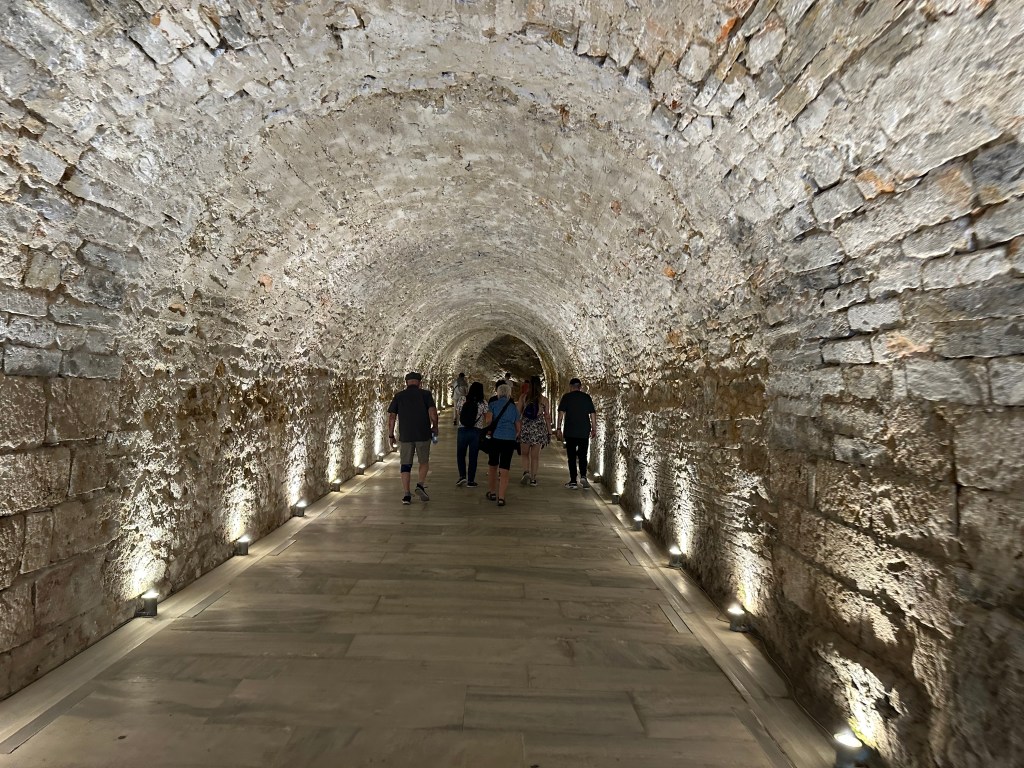
After resting a while, the group hiked to the site of the original modern-day Olympics, which began in 1896. The stadium is now reconstructed but does contain a few pieces of masonry from the original Olympic stadium. Of course, we visited the museum and gift shop. Our group ended the day with a nice meal together.

Tomorrow: On to Corinth.

© Bruce Stambaugh 2023
A Photo Essay: Following the Path of the Apostle Paul – Day 1

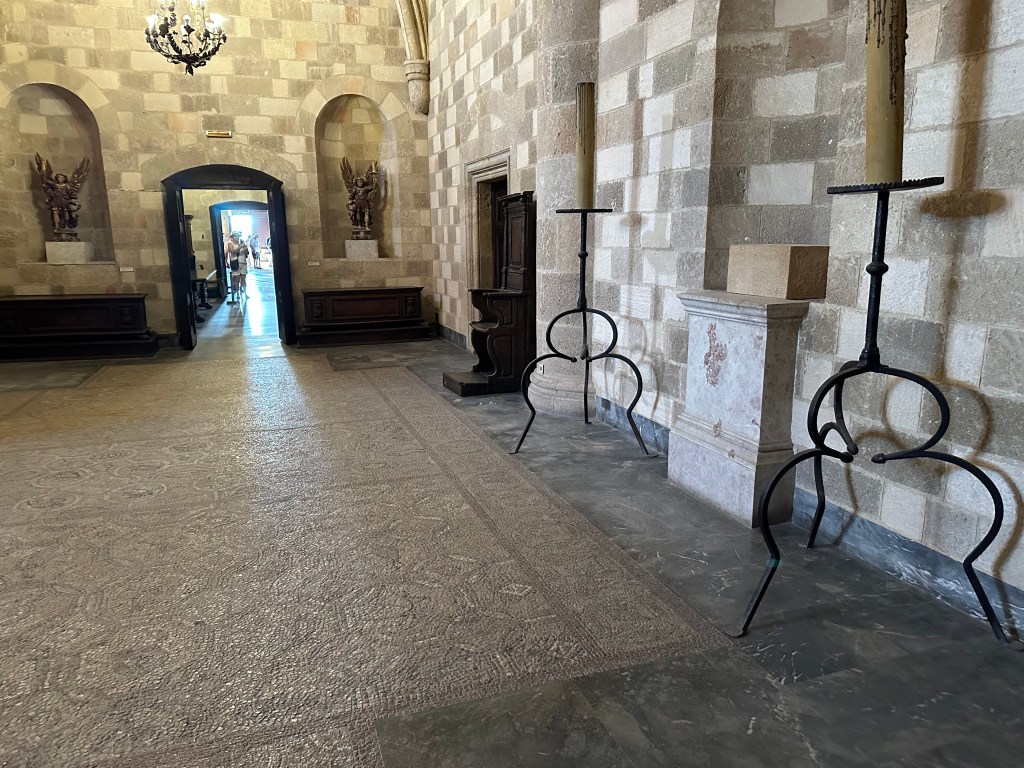
Our first glimpse of the Acropolis.

My wife and I recently returned from a two-week trip to Greece and Rome. I will share our experiences through a series of photo essays beginning today.

The trip’s theme was to follow parts of the Apostle Paul’s three trips between Jerusalem and Rome. Our guides were Linford and Janet Stutzman.

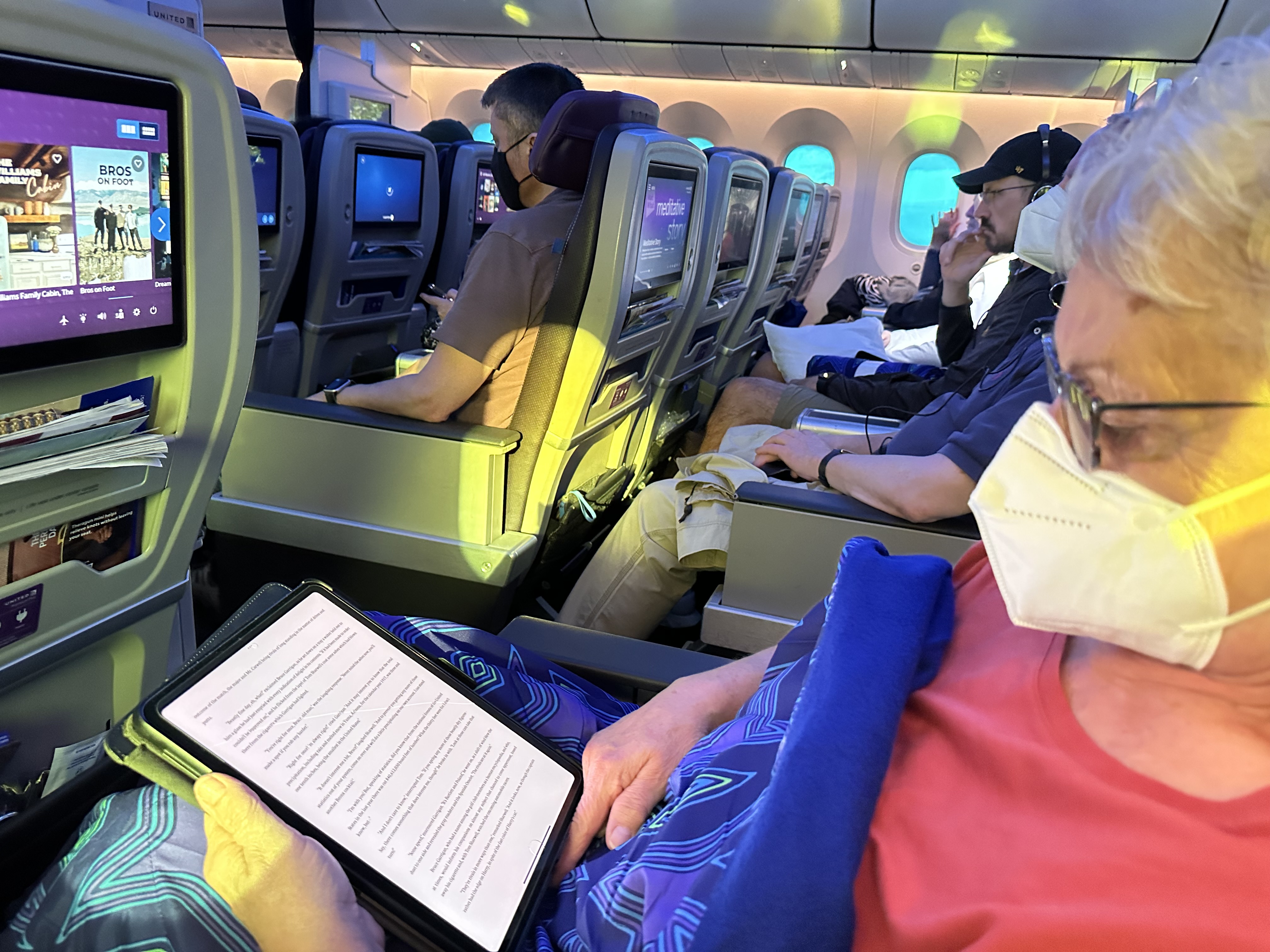
My wife spent part of the nearly 10-hour flight reading.

In 2004, Linford and Janet bought an old sailboat in Greece, fixed it up, and sailed the paths and ports of Paul while on sabbatical from Eastern Mennonite University, where Linford was a professor of religion. Their epic trip led to Linford writing an excellent book about their adventures, SailingActs.

Our itinerary began in Athens, where Paul preached a sermon on Aropagus Hill, just south of the Acropolis and the Parthenon. But first, we had to wait for all 24 group members to arrive, which they did by nightfall.

Consequently, our first day of the trip was spent traveling by air from Washington/Dulles International Airport to Athens. Once on the ground in Greece, our taxi took a circuitous route from the airport to the hotel due to a race for a cancer cure near the Acropolis. Many streets were blocked off for the 40,000 race participants.

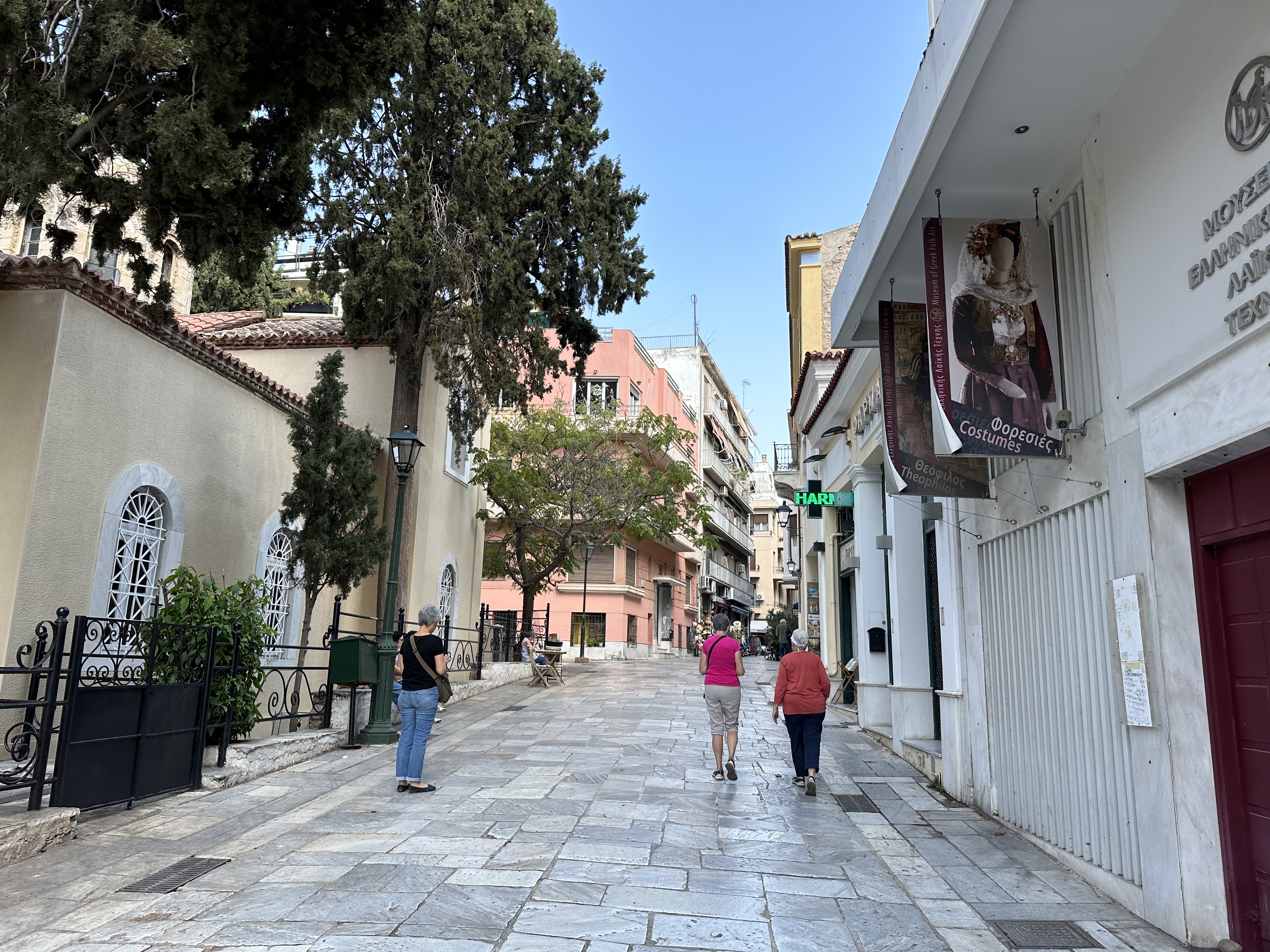
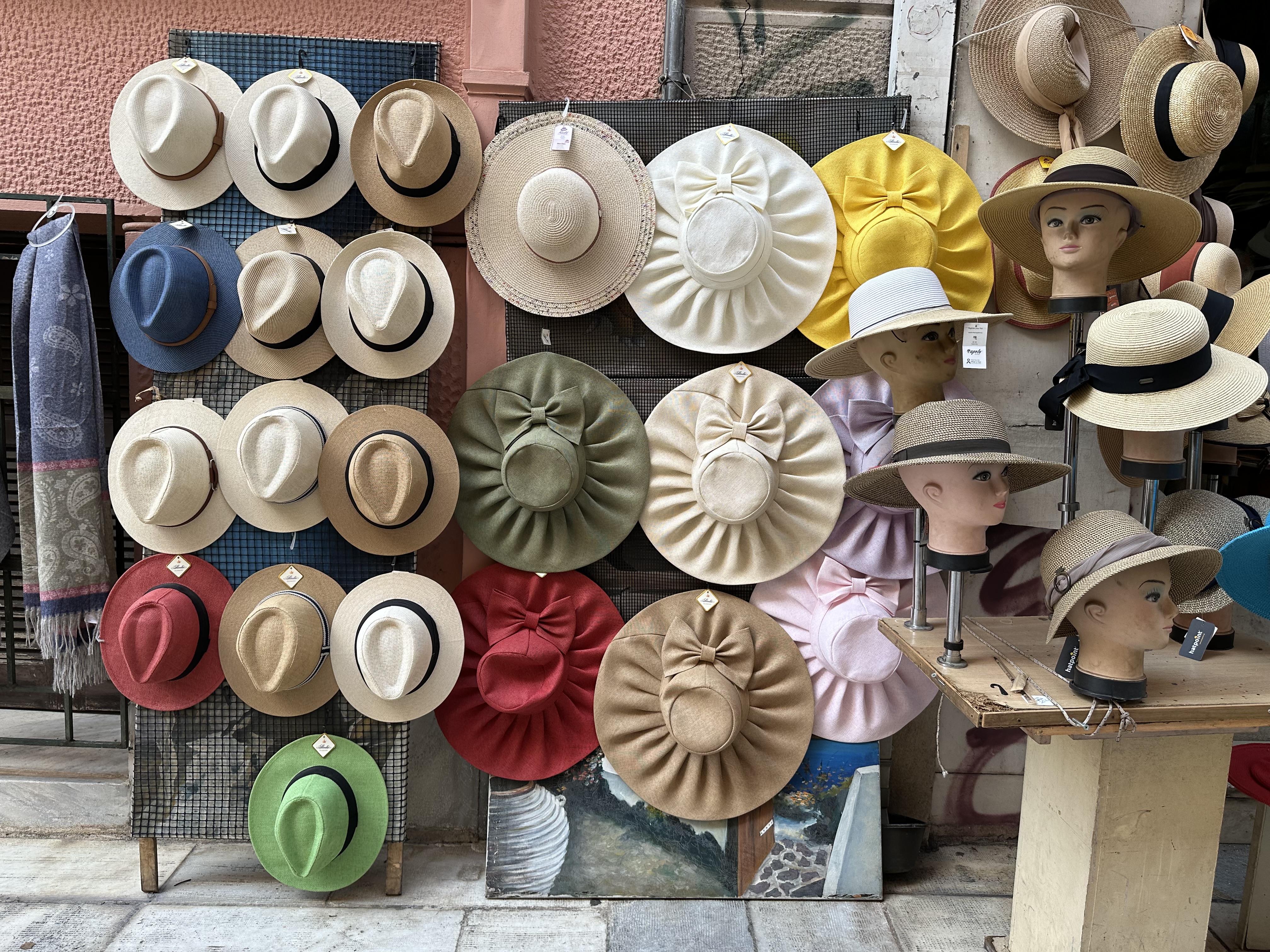
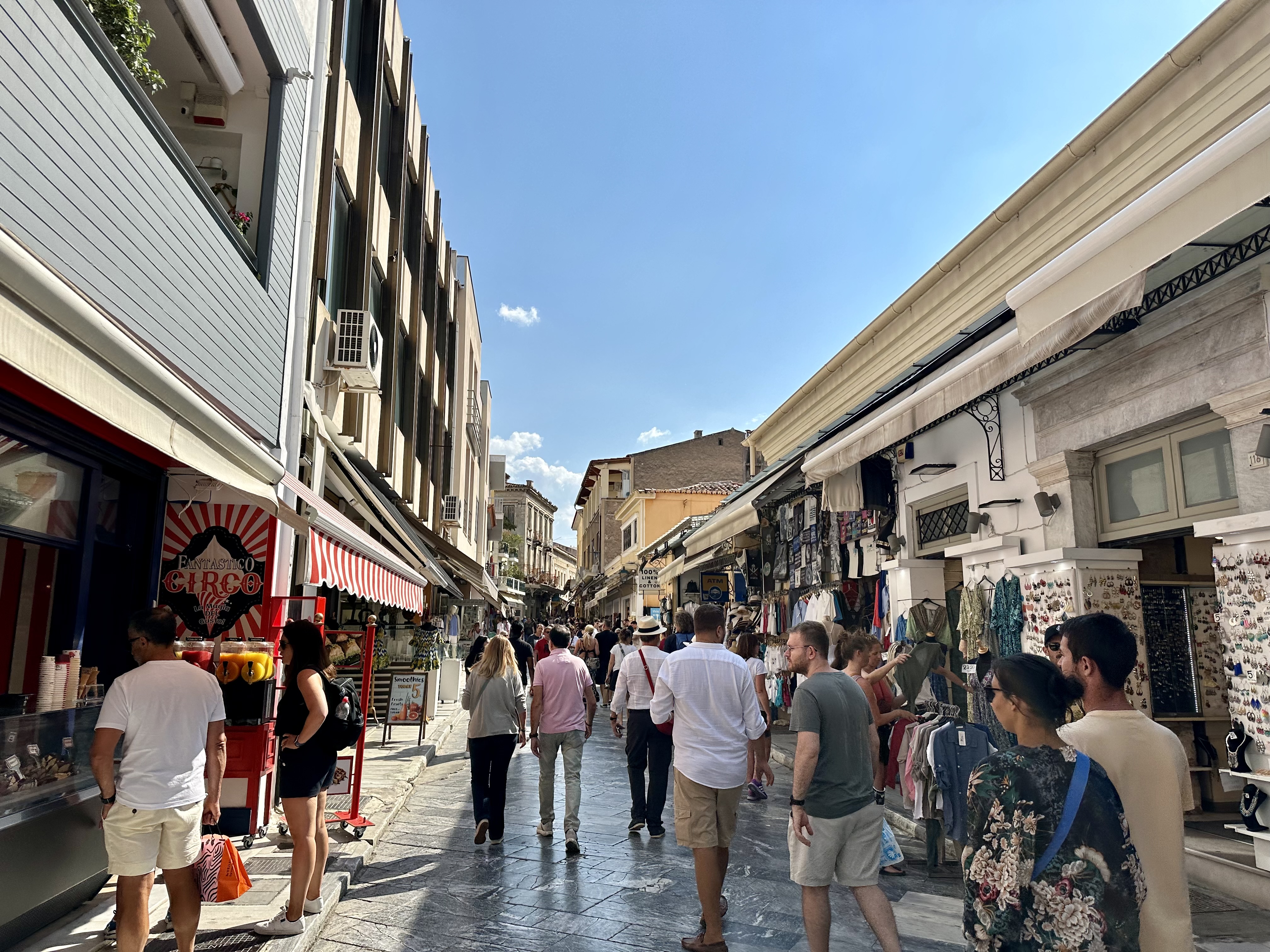
We spent the evening familiarizing ourselves with the area and shopped in the Plaka, a market/restaurant area between the Acropolis and our hotel. On our stroll around the area, we did get our first glimpse of the Acropolis.

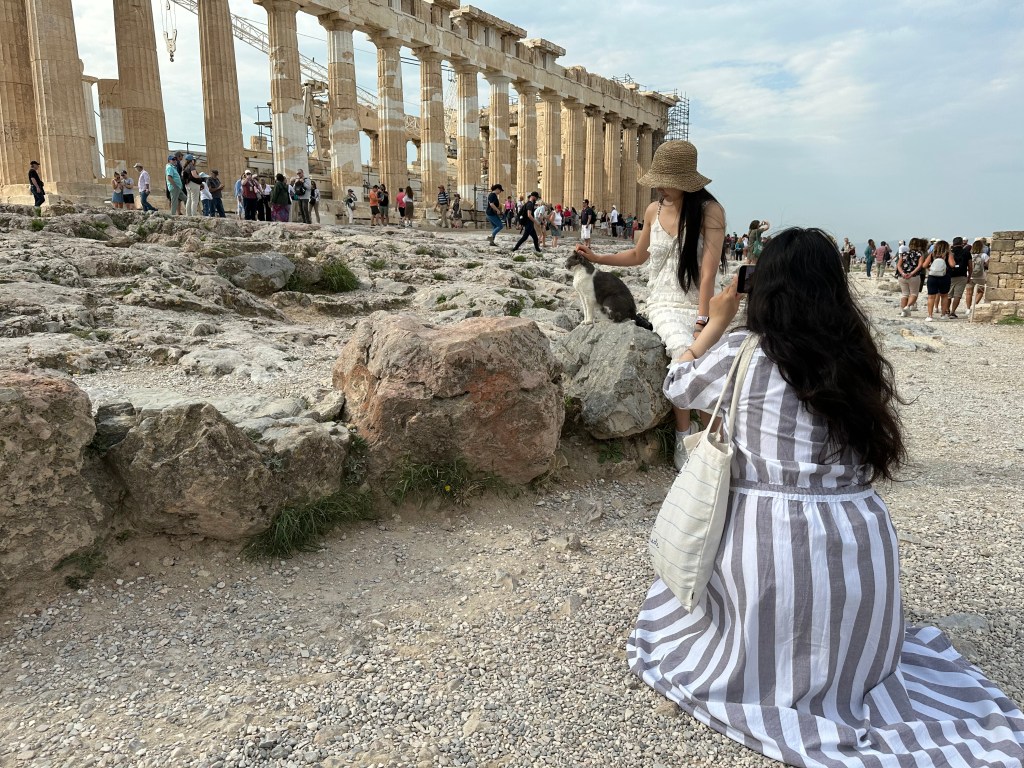
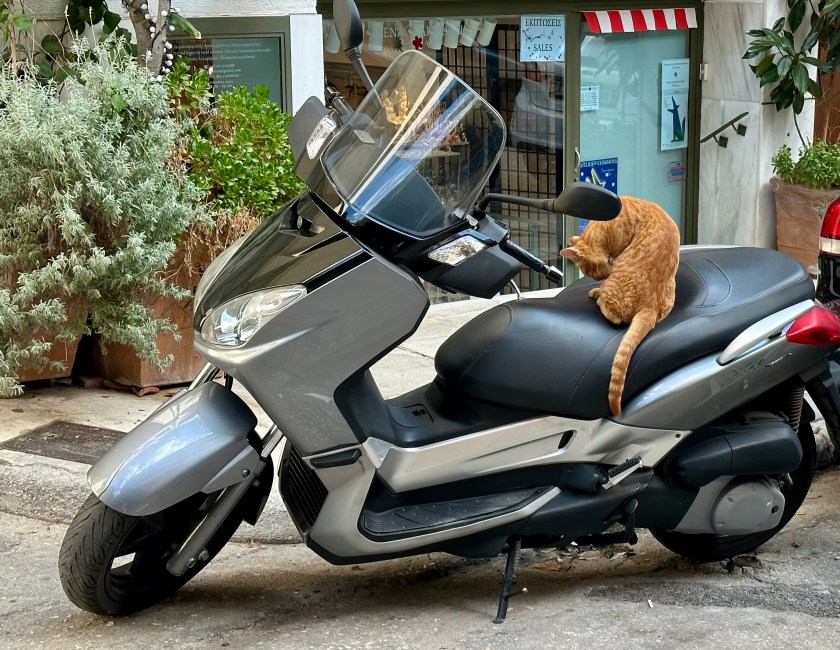
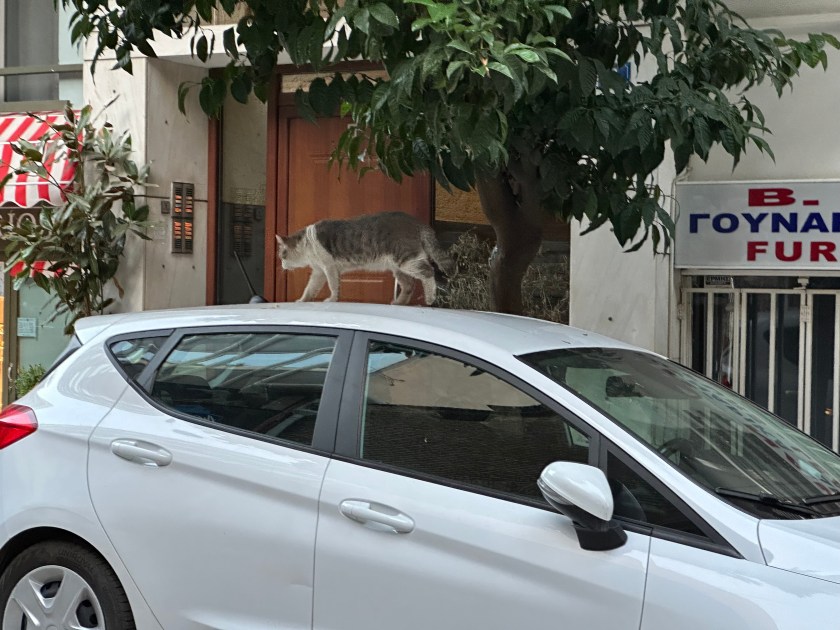
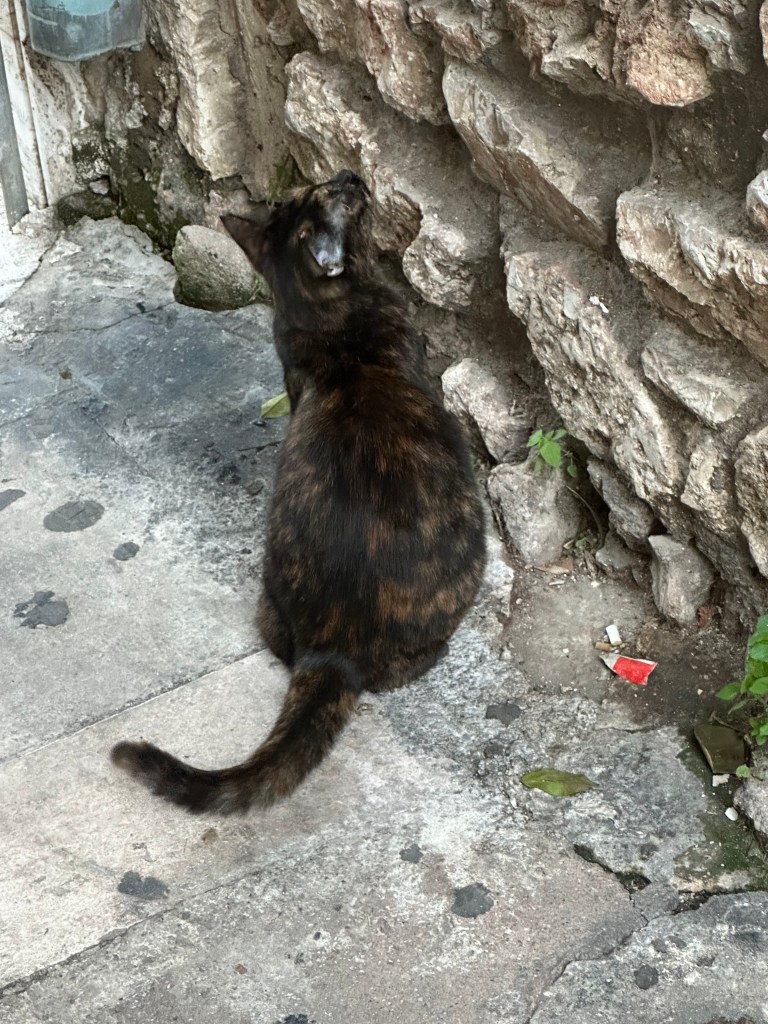
I was surprised to see so many cats running loose in the city. Apparently, felines are revered in Athens and likely help keep the critter population down. Many cats roamed the narrow streets, businesses, apartment buildings, and restaurants.

Tomorrow: The Acropolis.

© Bruce Stambaugh 2023

Bay Photos by Donna

Wildlife photos from the Chesapeake Bay region

ROAD TO NARA

Culture and Communities at the Heart Of India

K Hertzler Art

Artist and nature journalist in the Shenandoah Valley of Virginia.

Maria Vincent Robinson

Photographer Of Life and moments

Gabriele Romano

Personal Blog

Jennifer Murch

Art is the only way to run away without leaving home. -Twyla Tharp

Roadkill Crossing

Writing generated from the rural life

ANJOLI ROY

writer. teacher. podcast cohost.

Casa Alterna

El amor cruza fronteras / Love crosses borders