Fireplaces provide benefits far beyond warmth

By Bruce Stambaugh

When I asked if anyone wanted to help bring in wood for the fireplace, only one person volunteered. Our two-year old granddaughter said she wanted to help.

On went her hat, coat, mittens, and the mini-muck boots that her older brothers wore when they were her age. Maren followed me around like a miniature shadow, constantly asking questions.
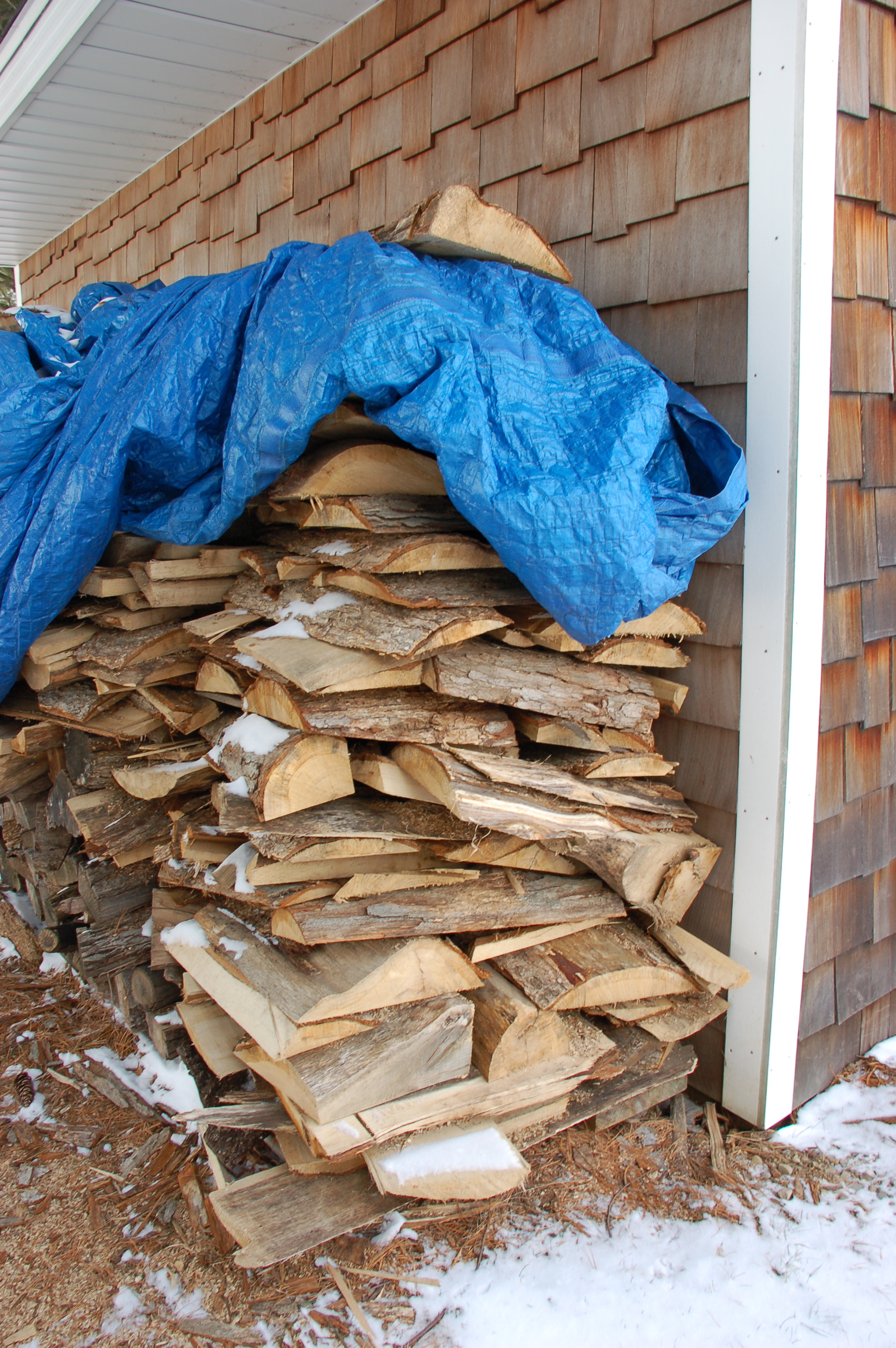
Firewood by Bruce Stambaugh
To play along, I asked questions too, like what color the blue wheelbarrow was. “Yellow,” she said without hesitation. I wheeled it behind the shed to the winter’s stacked wood supply.

I carefully tossed the split hardwood into the wheelbarrow. Of course, Maren wanted to imitate her Poppy. I handed her the kindling pieces. Now and then I gave her a weightier one, and the sharp little blonde quickly let me know that it was “too heavy.”

Maren hung in there like a trooper despite the cold. The tip of her nose turned red within minutes, quickly followed by her cheeks. She never complained, just kept helping to load and unload the wood from pile to wheelbarrow to garage. She even learned where the “little ones” went and correctly deposited them all on her own, while Poppy stacked the heavy pieces just outside the door to the family room.

Gathering wood is just one of the satisfying rituals of having a fireplace. The effort reaps more than needed wood. I enjoy the exercise, and find the aromatic discharge from the chimney invigorating as it mingles with the cold air. I even gain a certain satisfaction in watching the light smoke swirl from the top of the stubby brick chimney. Altogether it spells contentment.
Dancing fire by Bruce Stambaugh
Indeed, having a fireplace is really all about enjoyment. A fireplace may be inefficient. But I savor the all-inclusive ambiance of a blazing fire, its fragrance, its crackling sounds, the penetrating warmth and the simple beauty of a dancing fire.

There is nothing quite like the pure warmth of a fireplace fire to take the chill off of a frosty fall evening, to enhance the beauty of a snowbound day in Amish country, or to free you from the numbness of a damp and miserable spring day. In each situation, I sit in front of the fire until my bones are warmed.

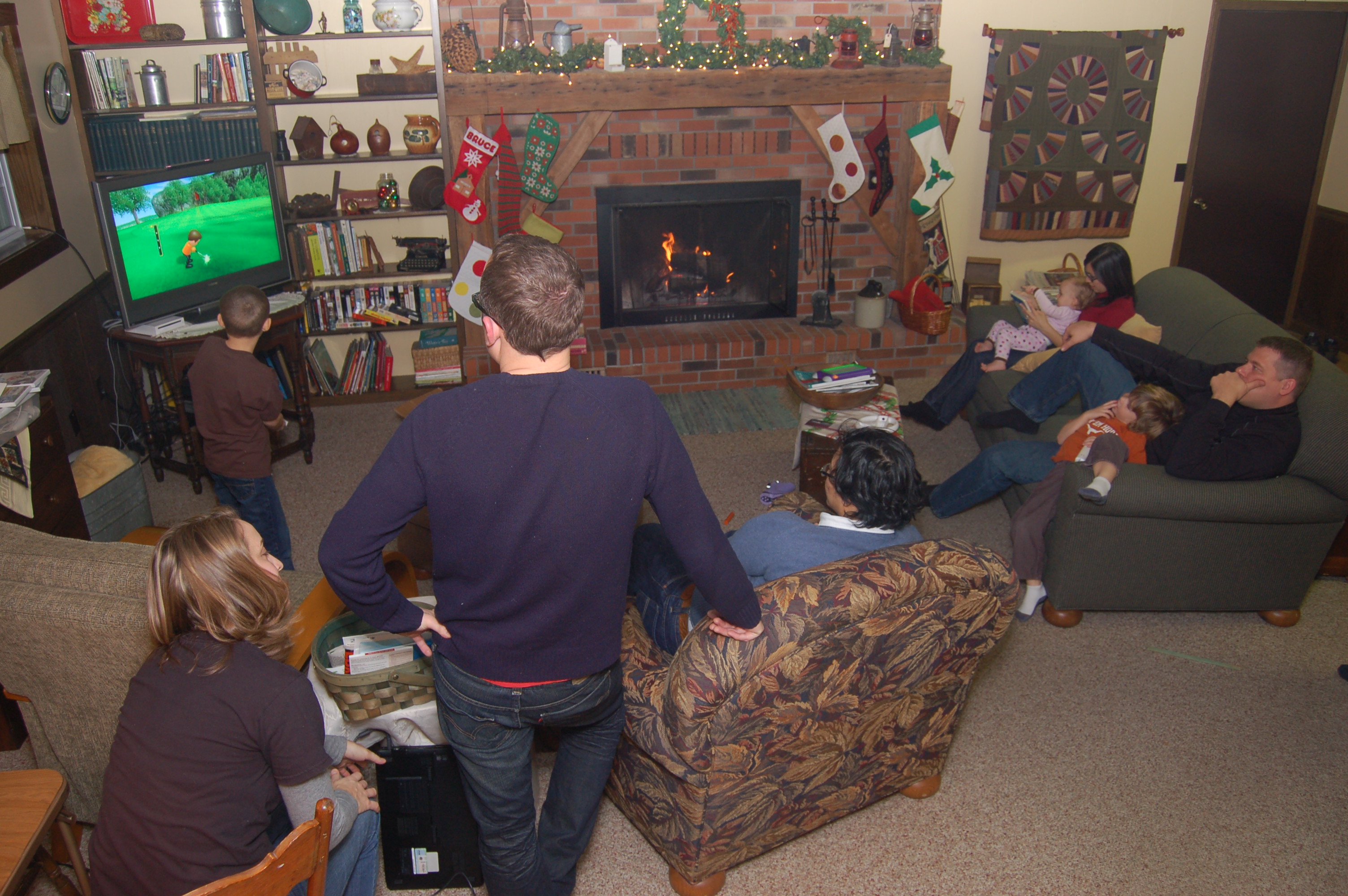
Watching the fire flicker away in multiple colors, constantly changing shape and posture, and occasionally spraying golden sparks warms both body and soul. When family is home, like they were at the holidays, the fireplace becomes the center of activity Holiday gathering by Bruce Stambaughexcept at mealtime, unless roasted hotdogs and toasted marshmallows are on the menu.
I think I got this affection for fireplaces from my father. On rare occasion, he would light a fire in the living room fireplace at home. When that happened, it was truly a special family time.

Each home we have owned has had a fireplace for all of the aforementioned reasons. Even our cottage, which my parents built, hasCottage fireplace by Bruce Stambaugh two fireplaces, one on the main floor, and one in the walk out basement.

At home I buy my firewood each year, usually from a local farmer. It provides his family with extra income, and my family and me with immeasurable joy. Since the cottage is built in an expansive woods, we gather and split dead wood for our fireplace.

We often have a firewood frolic to get the job done there. The neighbor volunteers his hydraulic splitter. I round up some young, willing helper who enjoys showing off his youthful prowess to lift the heavy logs. My expertise is stacking the split wood just so.

Having a fireplace may be considered a luxury in some corners, an inefficient heating effort in others. Maren by Bruce StambaughI take a different view. Added altogether, the affable socialization, the exhilarating labor, the fire’s soothing pleasantries, yield rewarding results.
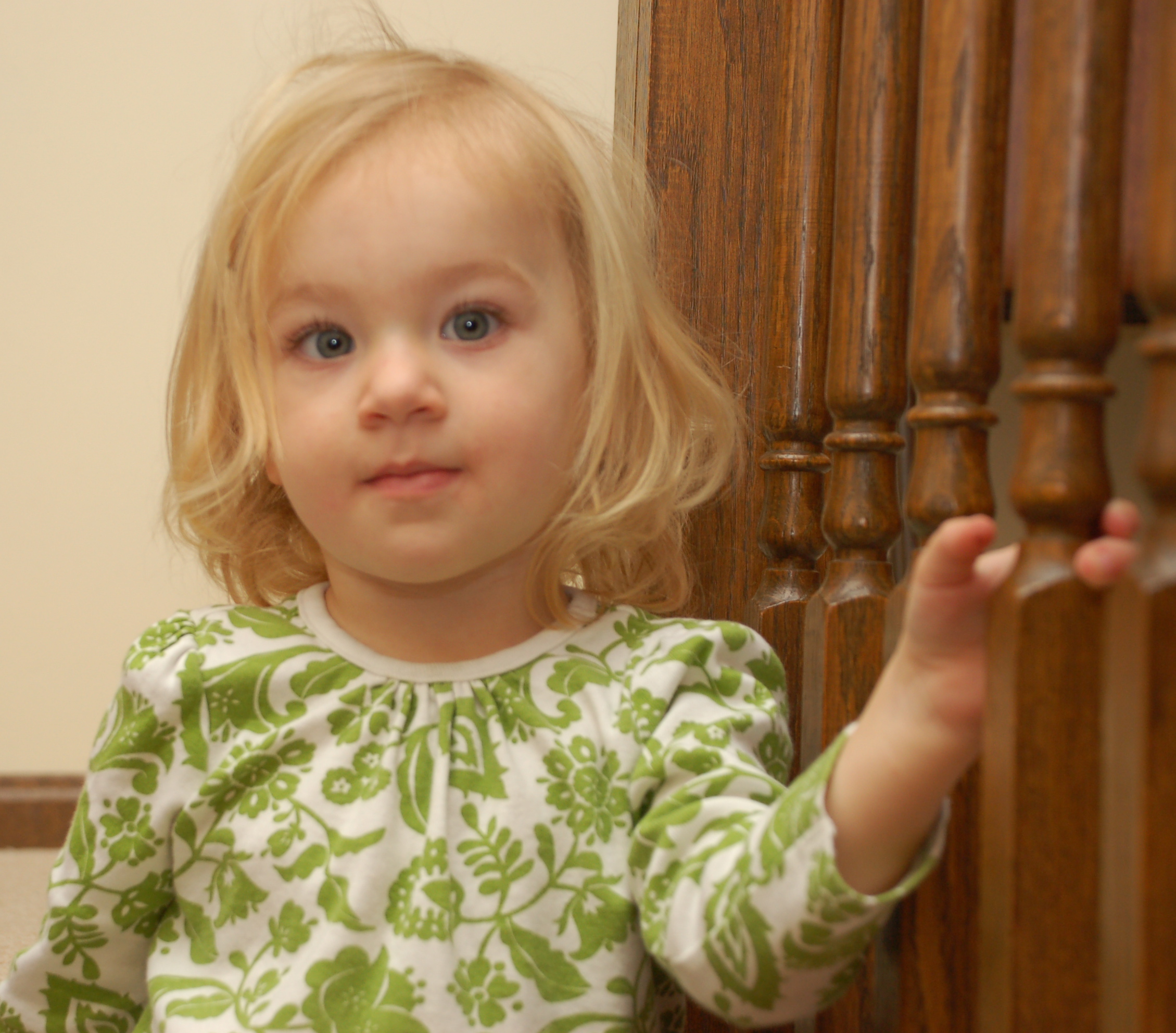
If your granddaughter helps bring in the wood, it’s all the better.

Checking the roads and the scenery

Fall haying by Bruce Stambaugh
By Bruce Stambaugh

When I moved to Holmes County, Ohio more than four decades ago, one of my initial purchases was a county road map. I wanted to learn my way around the ridges, valleys and hamlets of the area.

I drove both the highways and back roads in order to get to know the topography and citizenry of this place. Geography buff that I am, landscape variations between the glaciated and the unglaciated portions of the county greatly intrigued me.

I marveled equally at the steep wooded hills that defined the broad Killbuck Valley, and the rolling farmlands and rivulets in the county’s northern section. The common elements of picturesque scenery and practical people reoccurred despite the demographic differences.

All these years later I still drive the roads, still learn, still enjoy my bucolic and human encounters. I think about that often, especially when I inspect the roads for which I am responsible as a township trustee.

Washout by Bruce StambaughMy main objective is to ensure safe road conditions, and check for potential problems like plugged culverts, leaning trees and slippery roads. I do those duties, but the pastoral vistas and the genial people I encounter along the way can easily distract me. I don’t mind in the least. The diversity of the countryside and characters in my township are truly remarkable.

My regular route takes me up hill and down vale, through densely wooded ravines with sharply slanting walls that rise abruptly on both sides. In several places road and stream are pinched with just enough room to navigate side-by-side.
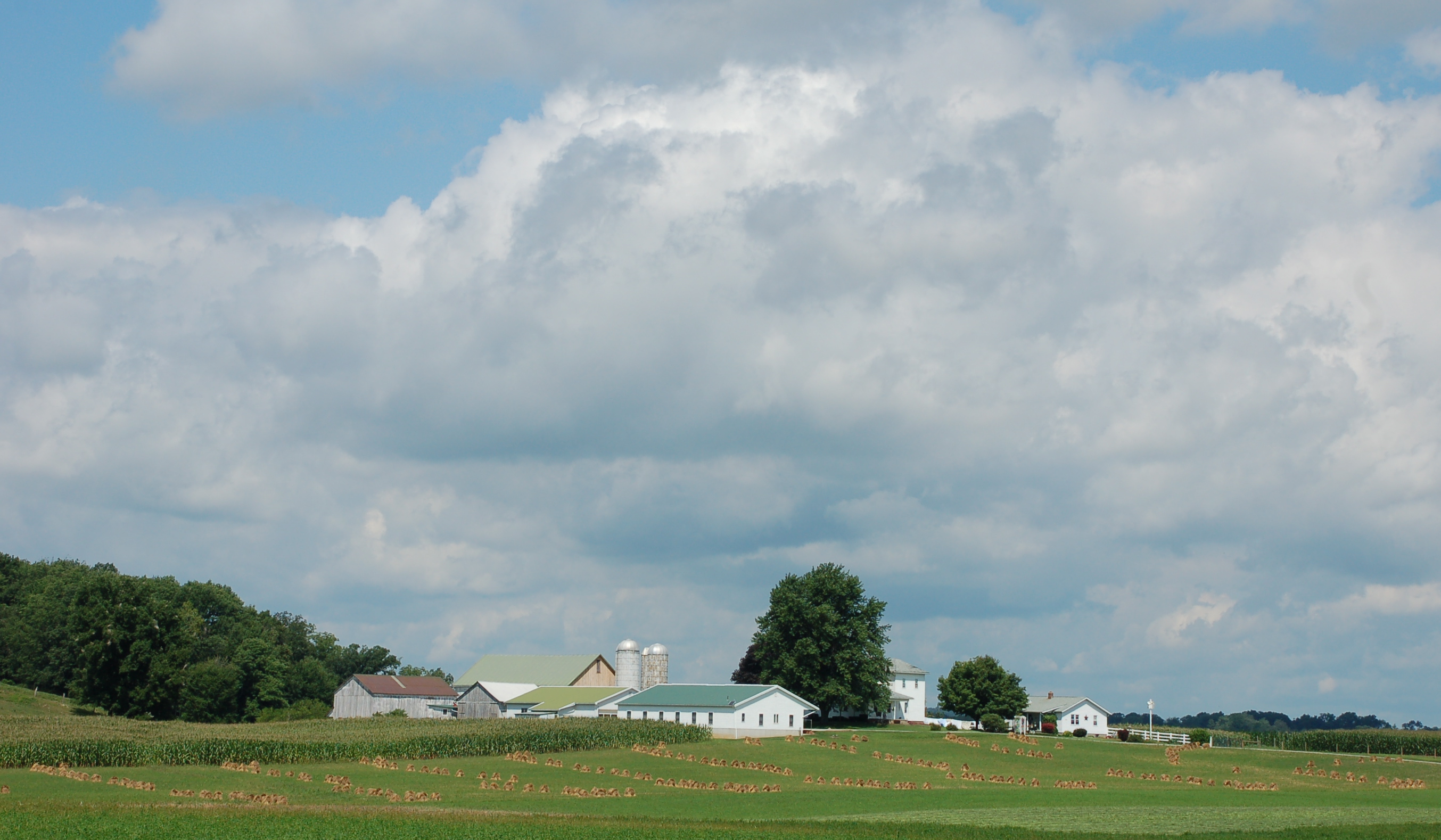
Amish farm by Bruce Stambaugh
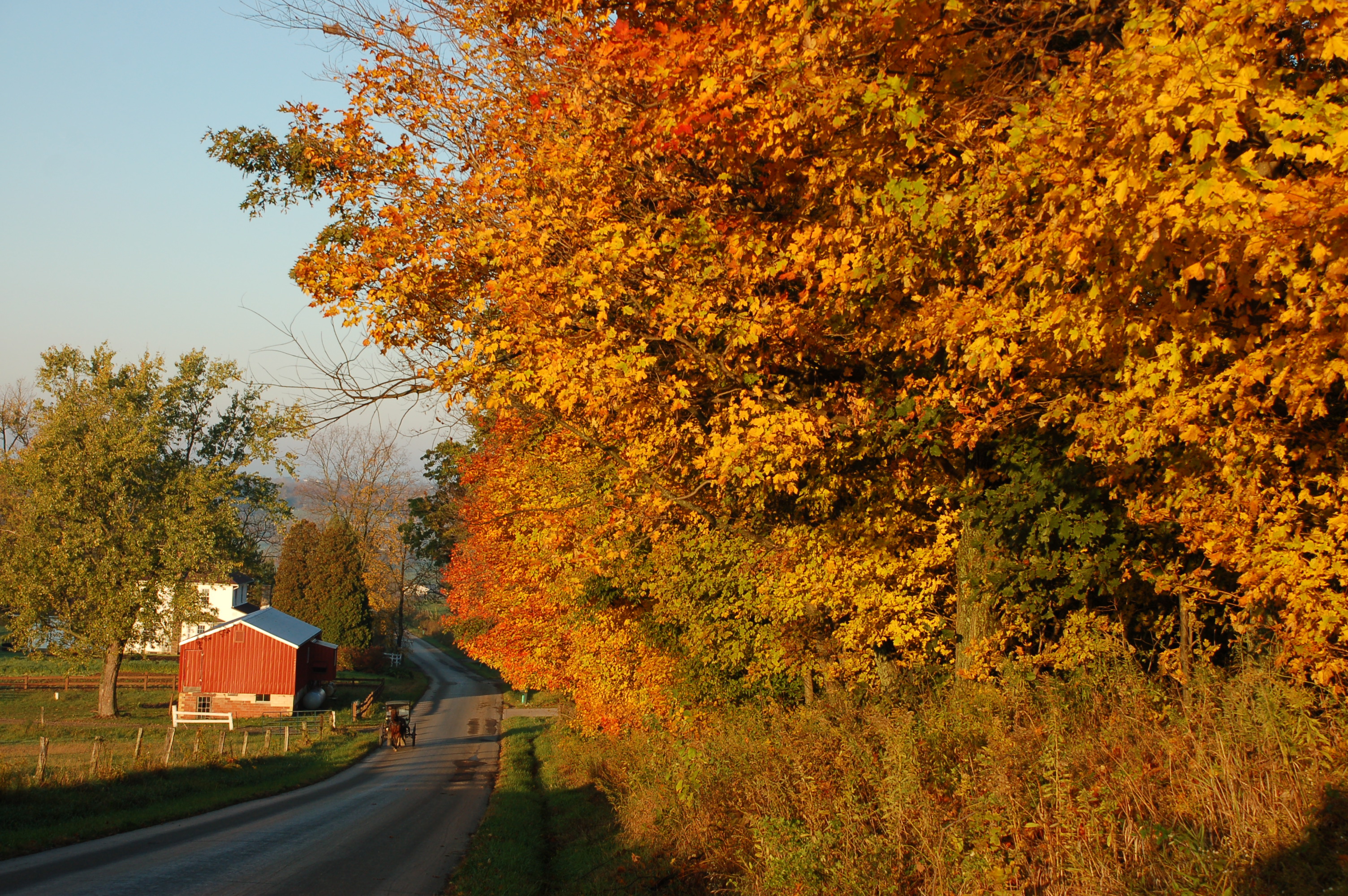
In minutes, I can motor from forested valley to high, rolling fertile fields that surround coffin red bank barns and white farmhouses. Various shapes and sizes of purposeful farm buildings cluster around the intentionally unadorned agrarian castles.

It was inevitable that over the years the views would be altered. With the population regularly expanding and the land not, cottage businesses and manufacturing buildings sprouted up out of necessity. Many are Amish run and involve some aspect of the lumber industry. Other shops create products specifically for the benefit of the Amish lifestyle, like buggy shops and farriers.

The commerce is nice. The views and residents are better.
Saltcreek farm by Bruce Stambaugh
Near one of my favorite hilltops, the land falls away gradually, cascading toward the Killbuck lowlands. It is a sacred place for me, and yet it is at this precise spot where a new Amish country murder mystery novel is set. When I read about the book’s release, I wondered if the writer had ever met the good folks on the homestead he had impugned.

Last winter, during a fierce snowstorm, a semi-tractor trailer truck got stuck on the slippery incline in front of this very farmstead. The kind farmer cranked up his bulldozer, puttered out the long lane in blinding snow and pushed the teamster and his rig over the hill and on his way.
Wash line by Bruce Stambaugh
When it comes to beauty, seasons are really insignificant as I traverse my lovely township. Refreshing summer breezes flap wash lines loaded with pastel clothing. Gaggles of youth skate and play on frozen ponds. A Golden Eagle roosts on a chubby fence post. Leafy rainbows of the mixed hardwoods compete with those in post-storm skies.

Then, too, rounds from paintball guns plaster stop signs, runaway streams wash away road banks, and citizens rankle at impassible roads. Fear not. Repairs can be made, relationships mended.

Peace is restored to my Camelot, at least until my next dreamy drive.
Amish school by Bruce Stambaugh

The year in pictures

By Bruce Stambaugh

I had the grandiose idea to post photos I had taken in 2011 in four categories, people, floral and fauna, scenery and weather. As I sorted through the nearly 4,000 imagines I had taken this year, I quickly realized that the task was too daunting, especially given the limited time I had.

Instead, I chose to select a picture for each month of the year. Most were taken near my home near Millersburg in Ohio’s Amish country. Others were shot while on vacation or out of our area. What I assembled turned out to be an eclectic collection that ends up serving both as a through the lens summary of my year and a representation of each of the original categories.

Here, then, are my pictures of the month for 2011.

January

American Goldfinch by Bruce Stambaugh
Bird lover that I am, I enjoy feeding and photographing birds. This female American Goldfinch posed nicely for me on a porch post while waiting for an opening at a feeder.

February

Eastern Bluebird by Bruce Stambaugh
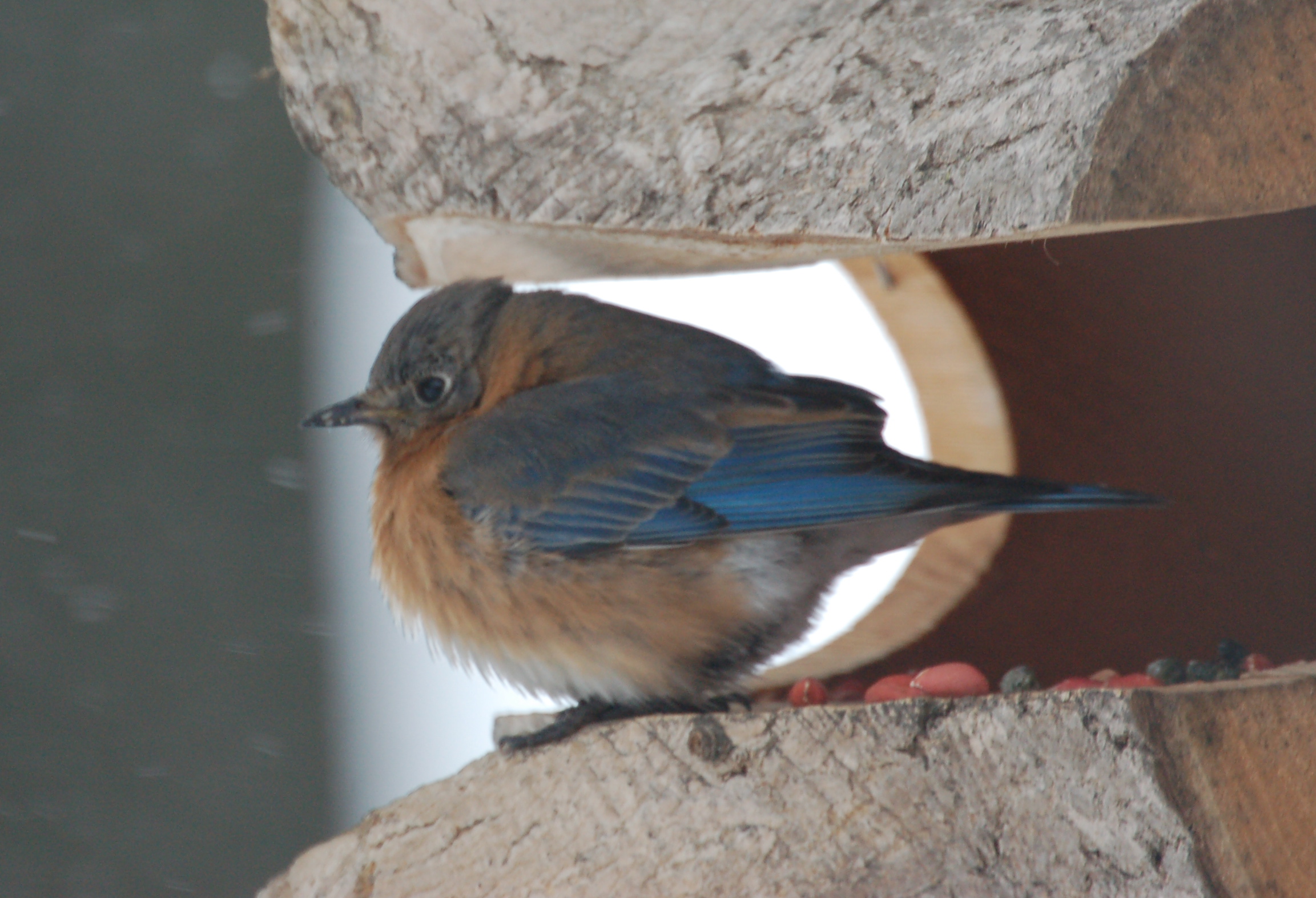
Though this shot is of another bird, this chilly female Eastern Bluebird served as model for both the birds that I love and the weather that I watch. With the stinging, horizontally blowing snow on a late February day, she sought food and shelter and found both in the hollowed out log peanut feeder that hung on our back porch.

March

Espresso art shot by Bruce Stambaugh
I chose this shot as a symbol of how the year unfolded. Taken outside a café in downtown Charlottesville, Virginia, I couldn’t help notice the irony of the dark gray shadow of the white window lettering on the back of the chair inside the shop. The rest of the picture is busy and blurred with multiple reflections, much like my 2011 life experience.

April

Family photo by Bruce Stambaugh
Inscribed on my grandfather Stambaugh’s tombstone is the simple yet profound phrase, “He liked people.” Well, so do I, especially family. Whenever family gathers, like my daughter’s family did at Easter with us, we try to get a family photo. But with young children, getting a perfect picture is a challenge. I thought this imperfect one to perfectly represent that point. The middle child, the long-haired lefty on the left, distains set up shots about as much as me. His older brother enjoyed Davis’ tantrum while the boys’ father tried to settle number two. The granddaughter ignored the silliness and played with a toy, while our photogenic daughter stayed focused on the camera as best she could.

May

Two birds by Bruce Stambaugh
Yep, another bird picture. It wasn’t the subject matter as much as the color that made this the May pick. Plus, it’s a rarity to have a male Baltimore Oriole and a male Red-headed Woodpecker on a suet feeder at exactly the same time. Fact is, neither seemed to mind the other since they continued to feed for several minutes.

June

Floral and fauna by Bruce Stambaugh
June was a beautiful month, save the occasional severe weather. After a long, chilly, wet spring, June’s warmth and sun brought out beautiful flowers and insects, like these Sweet Williams and this Tiger Swallow-tail butterfly.

July

Shelf cloud by Bruce Stambaugh
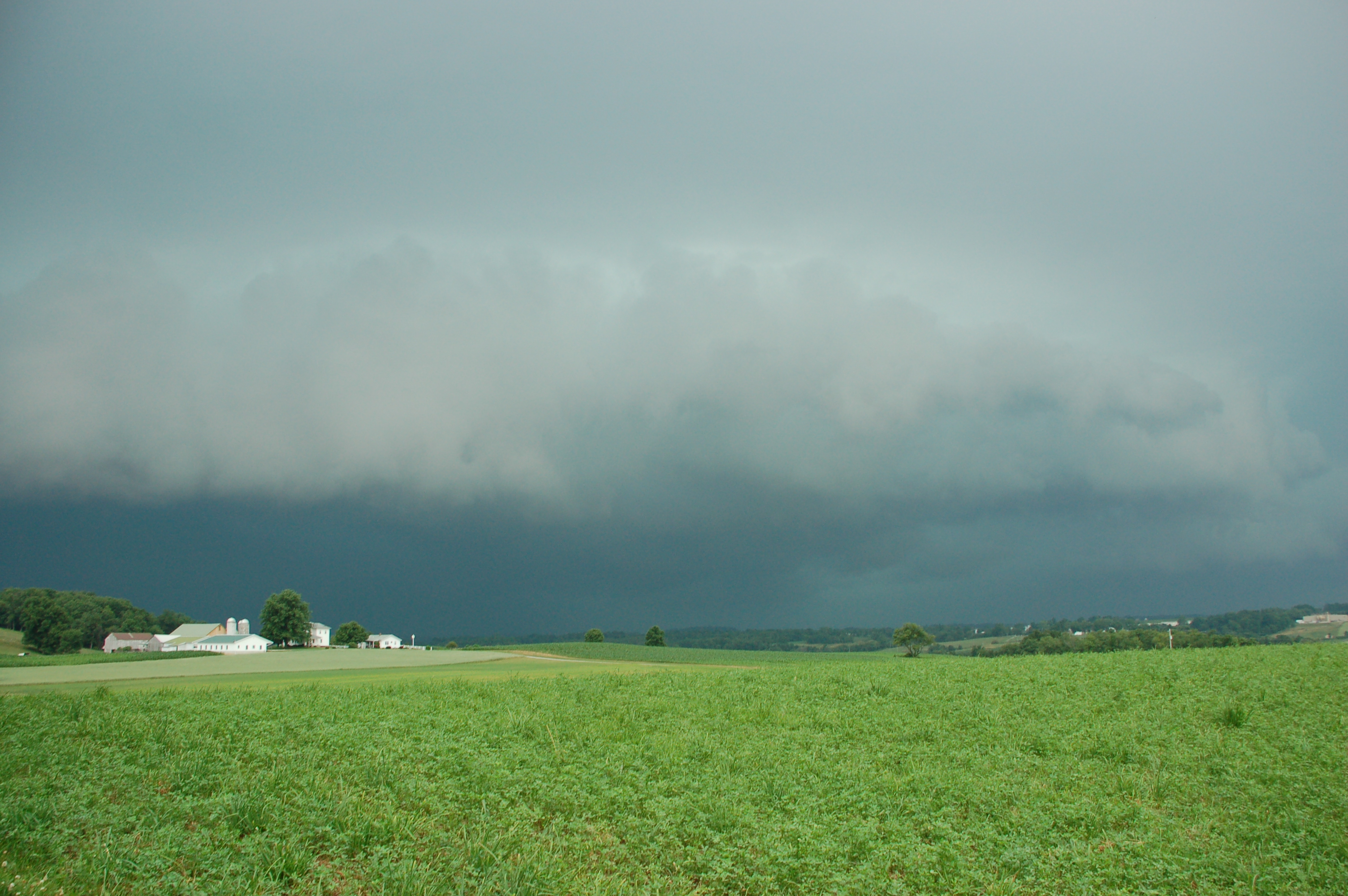
I felt this picture embodied the year we had in northeast Ohio as much as any photo I shot. Precipitation records were broken throughout the state in 2011. Severe thunderstorms, like this one with its foretelling shelf cloud, pelted northern Ohio all spring and well into the fall. Flooding, damaging tornadoes and microbursts, hail and blinding snowstorms were all a part of the year’s complex weather.

August

Lush harvest by Bruce Stambaugh
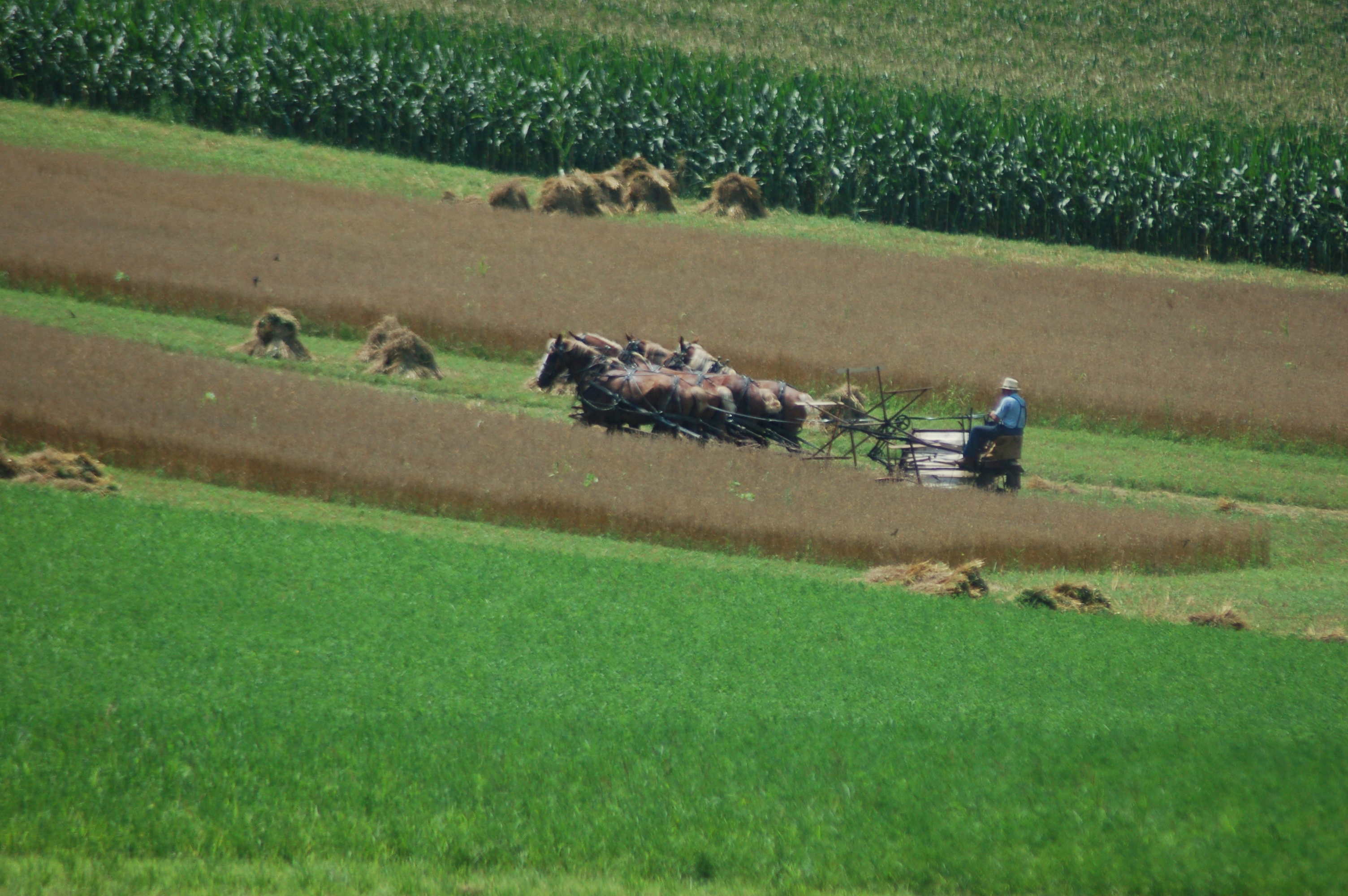
Notorious as a hot, humid and often dry month, August fooled us this year. As lovely as June was, August was even nicer. I thought this shot of my Amish neighbor cutting golden oats between lush alfalfa and emerald field corn best represented the month’s congeniality.

September

Sept. 11 sunset by Bruce Stambaugh
Like millions of other global citizens, September 11 is a special day for me. Mostly out of the desire for peace, I consider this day personally sacred. I tend to use the day for reflection and prayer. I thought the sunset on the 10th anniversary needed no words of explanation as to why it was September’s choice.

October

Fall sunrise by Bruce Stambaugh
Every photographer knows when he or she has taken the shot. On a foggy fall morning, I was fortunate enough to capture this shot two miles east of our home. I still smile when I see it.

November

Benefit auction by Bruce Stambaugh
Our church community is an important ingredient in my life. On the first Saturday in November, Millersburg Mennonite Church held a benefit auction for two couples in our congregation who either have adopted or are in the process of adopting children. Of course, the cost of that process is high. All the items in the auction were donated. Needless to say, the auction was an all-around success.

December

Christmas Bluebird by Bruce Stambaugh
We began this venture with a bird. I figured we might as well end it that way, too, especially when this male Eastern Bluebird came calling at the sunflower heart feeder and basked in the Christmas Day afternoon sun.

People, floral and fauna, scenery and weather all play important parts in my life. I feel fortunate to be able to regularly photograph shots representing each category. If I just happen to stumble upon some scene, bird, flowers, cloud or person that requires that I shoot a shot, I consider myself a happy and blessed person.

Happy New Year everyone!

Bruce

The craziness continued in 2011

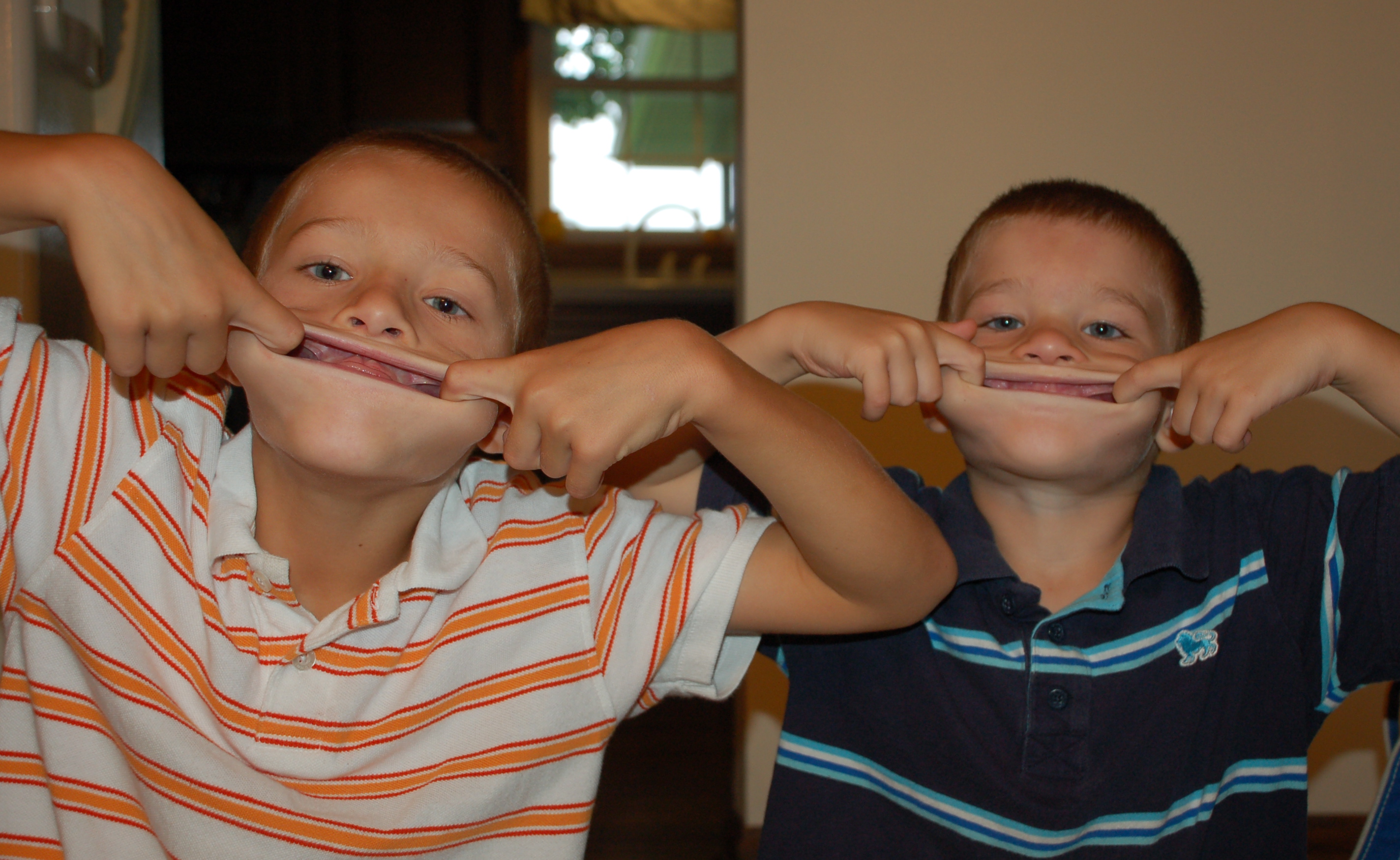
Funny faces by Bruce Stambaugh
By Bruce Stambaugh

This year proved just as crazy as any other. Nose for news person that I am, I kept track of some of the zanier happenings of 2011 that for whatever reasons didn’t quite make the headlines.

Some of the stories involved weather. Others were human driven. Here is just a sampling of the year’s mayhem.

January
1 – By early morning, more than 4,000 red-winged blackbirds fell dead out of the sky over the Beebe, Arkansas.
12 – Florida was the only one of the 50 states without measurable snow on the ground.
28 – A woman in Kent, England returned a dog she had adopted from the local rescue kennel because it clashed with her curtains.

February
21 – Justine Siegal threw batting practice for the Cleveland Indians in Spring Training, becoming the first woman to do so for a Major League baseball team.
23 – Mother Jones magazine reported that since 1979 most income groups in America have barely grown richer, while the income of the top 1 percent has nearly quadrupled.
27 – Frank Buckles, the sole remaining U.S. World War I veteran, died at age 110 at his home in Charles Town, West Virginia.

Amish buggy by Bruce Stambaugh
March
13 – Police in Ashland, Ohio ticketed the driver of an Amish buggy for drag racing another buggy on the way to church.
13 – The massive 9.0 earthquake that struck Japan was so powerful it moved the country’s northern most islands up to 13 feet east.
25 – A report on global health reported that worldwide 4.6 billion people had cell phones while 4.3 billion people had access to a toilet.

April
9 – Rick Baird of Charlotte, North Carolina mad a perfect score in the second round of the Virginia State Putt-Putt tournament by acing all 18 holes in Richmond, Virginia.
11 – Scientists in England determined that April 11, 1954 was the most boring day in the 20th century.
24 – MensHealth magazine reported that the average American consumes 125 pounds of sugar annually.
Peach pie by Bruce Stambaugh
May
17 – Watermelons in China were exploding in the field because farmers there apparently added growth chemicals too late in the seasons.
21 – U.S. Census figures showed that the Hispanic population had surpassed the Amish population in Lancaster County, Pennsylvania.
26 – The Police Executive Research Forum listed Flint, Michigan as the most dangerous city in the United States.

June
4 – Bobby Bradley, nine, became the youngest trained pilot to fly a hot air balloon solo when he launched at Albuquerque, New Mexico and landed a half hour later.
17 – A deer fawn apparently dropped by an eagle onto a high voltage line caused a power outage in East Missoula, Montana.
20 – Maria Gomes Valentim, purported to the world’s oldest person, died in Sao Paulo, Brazil just two weeks shy of her 115th birthday.

July
26 – Sue Fondrie of Oshkosh, Wisconsin won the 2011 Bulwer-Lytton Fiction contest for bad writing with a 26-word opening sentence.
26 – A 200-year-old bottle of French wine sold for $120,000, setting a new Guinness World Record for the most valuable bottle of white wine ever sold.
28 – The U.S. Census showed that rural population totaled just 16 percent of the national population, the lowest rate in history.
Young soccer players by Bruce Stambaugh
August
2 – In trying to get to the Mercury Insurance Open in Carlsbad, California, pro tennis player Bojana Jovanovski flew from Washington, D.C. to Carlsbad, New Mexico.
13 – Real Madrid, a pro soccer team, signed a seven-year old boy from Argentina, to play soccer.
18 – The small Pacific resort island of Aitutaki, part of the Cook Islands, had its first bank robbery, with the thieves making off with $166,000.

September
9 – The Highway Loss Data Institute reported that the number one stolen car in the U.S. was the Cadillac Escalade, while the least stolen was the Mini Cooper Clubman.
24 – A total of 18,000 people attended the annual RoadKill Cook-off and Autumn Harvest Festival held in Marlinton, West Virginia.
30 – Brianna Amat, a senior at Pinckney Community High School in Michigan, was crowned homecoming queen at half time of the football game, and awhile later kicked the winning field goal as a member of the football team.

October
16 – Fauja Singh, 100, completed the Toronto Marathon, becoming the oldest person on record to finish a run of 23.6 miles.
23 – In the first ever-democratic election in Tunisia, where the Arab Spring began, voter turnout was 90 percent.
28 – A 60-year old New Mexico woman went straight to jail after allegedly stabbing her boyfriend over a game of Monopoly.

Buck by Bruce Stambaugh
November
1 – Inside Insurance Magazine rated West Virginia as the state were drivers are most likely to hit a deer.
30 – An 80-year old Chicago man donated an old wool suite to Goodwill, only to remember too late that he had hid his life savings of $13,000 in one of the pockets.
December
4 – A chain-reaction crash on an expressway in Japan resulted in 14 luxury automobiles, including eight Ferraris, three Mercedes-Benzes and a Lamborghini, being destroyed or heavily damaged.
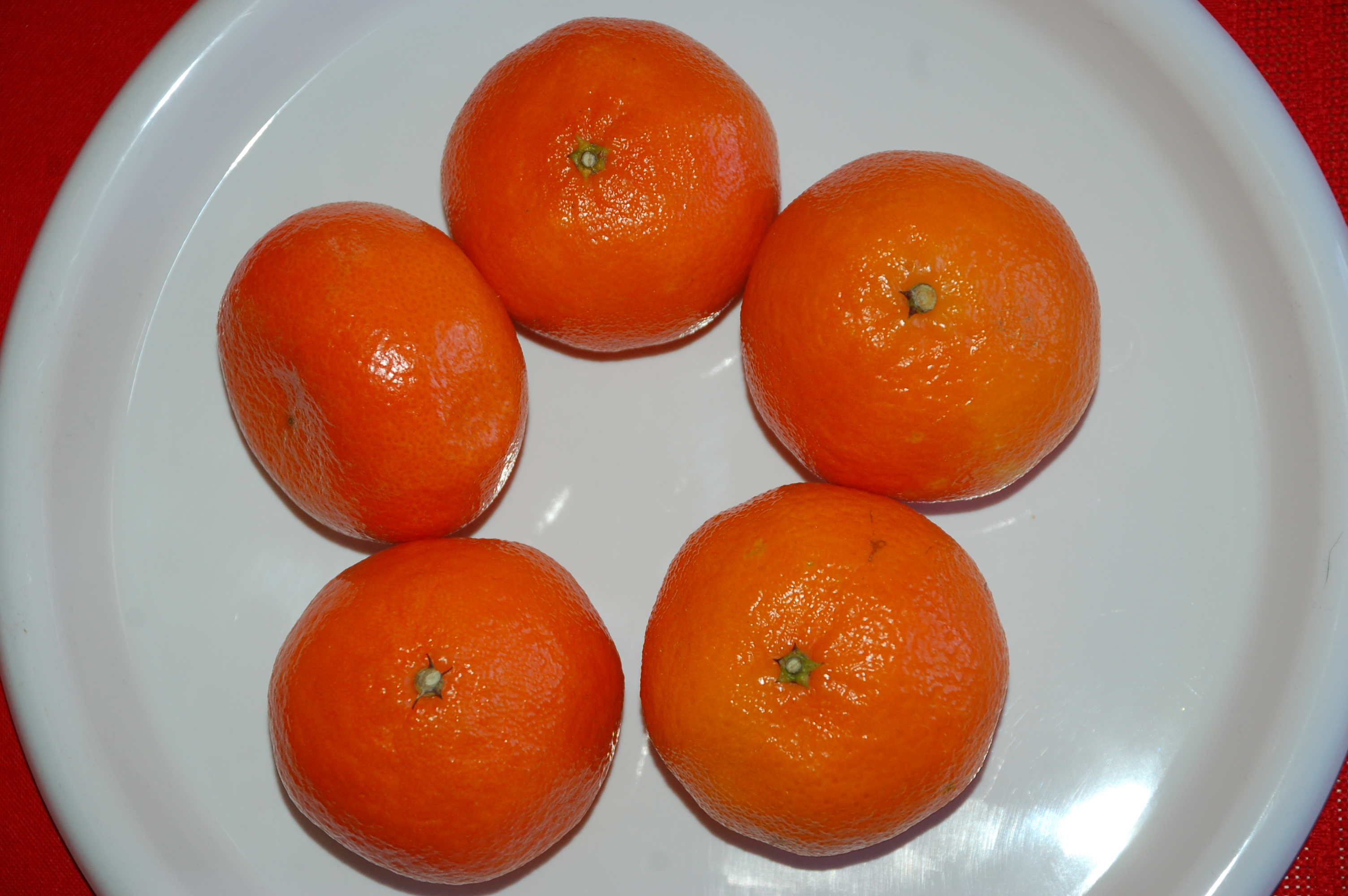
7 – Pantone Inc. announced that Tangerine Tango would be the 2012 color of the year.

Let’s hope 2012 is a better year for you, me, and for all who grace God’s good earth, even if we have to wear some shade of orange.
Tangerines by Bruce Stambaugh

Amish show their thanks through service to community

Amish harvest by Bruce Stambaugh
During harvest, the Amish literally pitch in to help one another.

By Bruce Stambaugh

Once the floodwaters of the historic July 1969 flood had receded, the residents of Killbuck, Ohio were in shock. Homes and businesses were either destroyed or severely damaged by the record high water levels. Townspeople were ready to give up, the cleanup looked so daunting.

Then something amazing and unexpected happened. Scores of Amish and Mennonites arrived from the eastern section of the county, home to the world’s largest Amish population, to help. No one had asked them to come. They just showed up.

The volunteers waded in and did the absolute hardest, dirtiest jobs, clearing out mud and muck with no complaints. They did it all out of a basic foundation of thankfulness.

Helping in times of need affords the Amish a method of connecting with the community. It is their personal and active way of expressing their appreciation for community and country, and the cherished ability to worship freely.

Church buggies by Bruce Stambaugh
Gathering the buggies before church at an Amish home in Holmes Co., Ohio.

Amish do not normally participate in organized governmental positions. They do not take oaths, which such positions often require. Consequently, when opportunities to assist others arise, the Amish respond.

The Amish do not always wait for disaster to strike either. They are proactive in helping the less fortunate.

Donating blood is one of those opportunities. It’s not unusual for a local blood drive to collect 100 or more units every 56 days.

The Amish also show their thankfulness by helping with numerous annual benefit auctions that are held locally. A short list would include The Rainbow of Hope auction, The Ohio Mennonite Relief Sale, the Holmes County Home and the Holmes County Training Center.

Hitching rail by Bruce Stambaugh
The hitching rail at the Mt. Hope, Ohio, Auction is lined with horses and buggies on sale day.

Supporting such causes is borne of a two-fold purpose for the Amish. They recognize the importance to help those who have particular needs, and they also accept that they could possibly be in that situation themselves. They are grateful for whatever happens.

To briefly identify the purpose of the aforementioned benefits helps to understand the depth and breadth of the Amish aid. Funds from the Rainbow of Hope auction assist children with major medical bills. The Relief Sale raises funds for worldwide projects under the direction of Mennonite Central Committee.

MDS house by Bruce Stambaugh
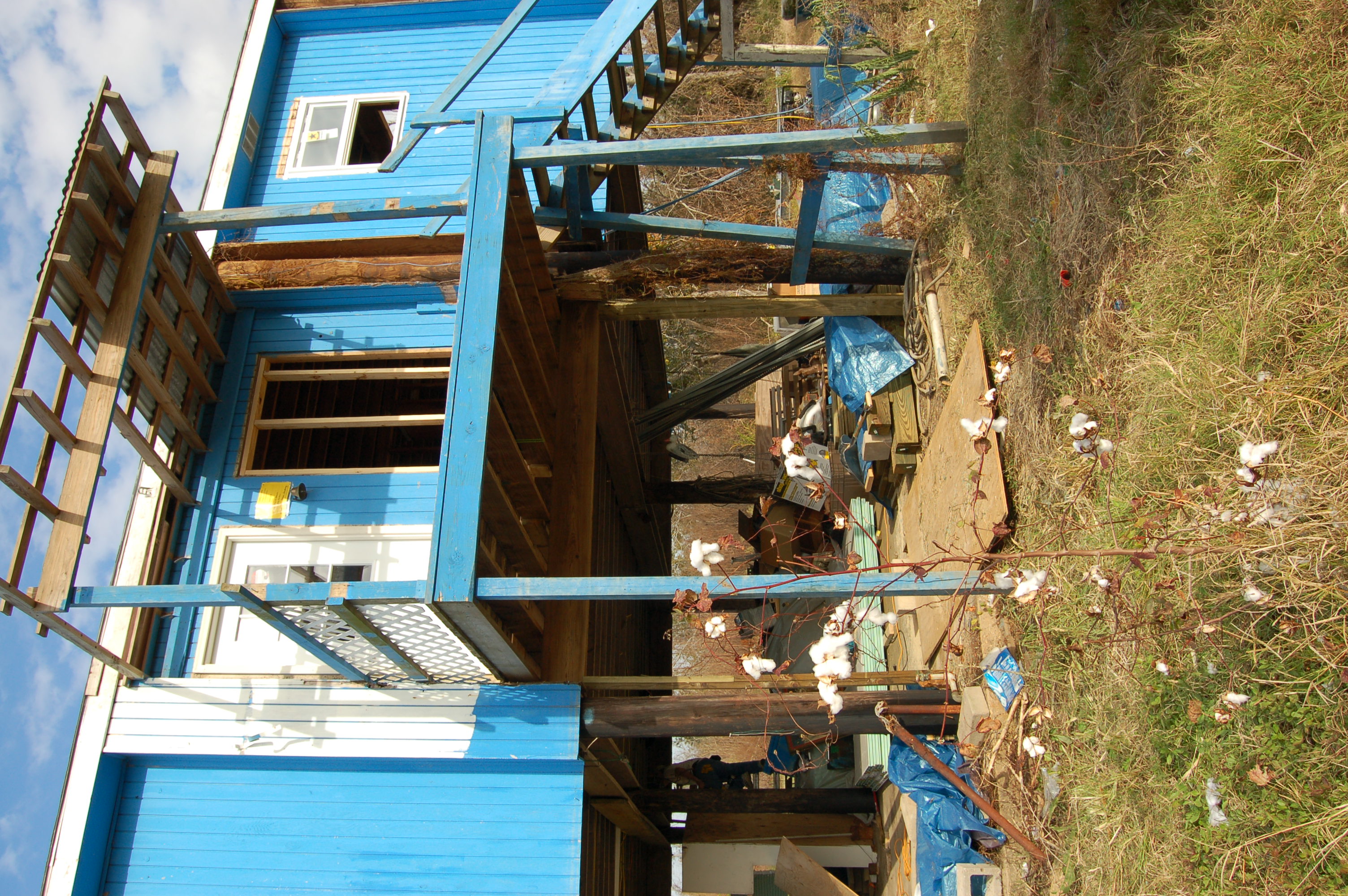
A home damaged by Hurrican Katrina in Boothville, LA was repaired under the direction of Mennonite Disaster Service.

Amish even travel far from their geographic area to put their faith into action. After Hurricanes Katrina and Rita, scores of Amish assisted in the Gulf States cleanup and reconstruction. So many helped, in fact, that Mennonite Disaster Service set up an Amish only camp where the volunteers could live according to their normal lives without the influence of distractions like television and the Internet.

Locally, the auctions for the county home and the Training Center raise operating funds. The county home has some Amish residents, and Amish make up a good percentage of the population at the Training Center, which works with developmentally challenged students and adults.

Another way of contributing to the common good for some Amish is to join the local volunteer fire department. Several area departments have Amish on their rosters as firefighters and emergency medical technicians.

True to their desire for modesty, the Amish want no recognition or publicity for their kind efforts. Their satisfaction comes from the simple act and ability to help others.

Amish help by Bruce Stambaugh
Amish quickly helped their neighbors have a severe thunderstorm hit near Charm, Ohio in July.

Of course, the iconic images of Amish helping at a barn raising are conjured up as the ideal way to help their neighbor. But their generous participation in the community and world at large clearly shows that the Amish think and act out of thankfulness far beyond their own immediate area.

To be sure, most Amish families embrace Thanksgiving as a day of joyous celebration of community, bountifulness and life itself. Even then many Amish approach the day piously, fasting in the morning prior to the feast that includes all the traditional trimmings.

The Amish mark Thanksgiving Day as a pinnacle to a lifestyle of serving. Fittingly, they would be too modest to acknowledge that fact.

Amish farm fall by Bruce Stambaugh
A typical Amish farm in the fall in Holmes County, Ohio.

This article appears in the November 2011 edition of Ohio’s Amish Country magazine.

Whatever happened to the Halloween I once knew?

Amish country fall by Bruce Stambaugh
By Bruce Stambaugh

Halloween didn’t use to have such a bad reputation.

When I was growing up, us post-World War II youngsters looked forward to this benign, unofficial holiday. We just had fun.

Sure. There were mischief-makers, roughnecked teens that crossed the line. But they fortunately were in the minority. They certainly didn’t exhibit the violence and gore that we too often see associated with Halloween today.
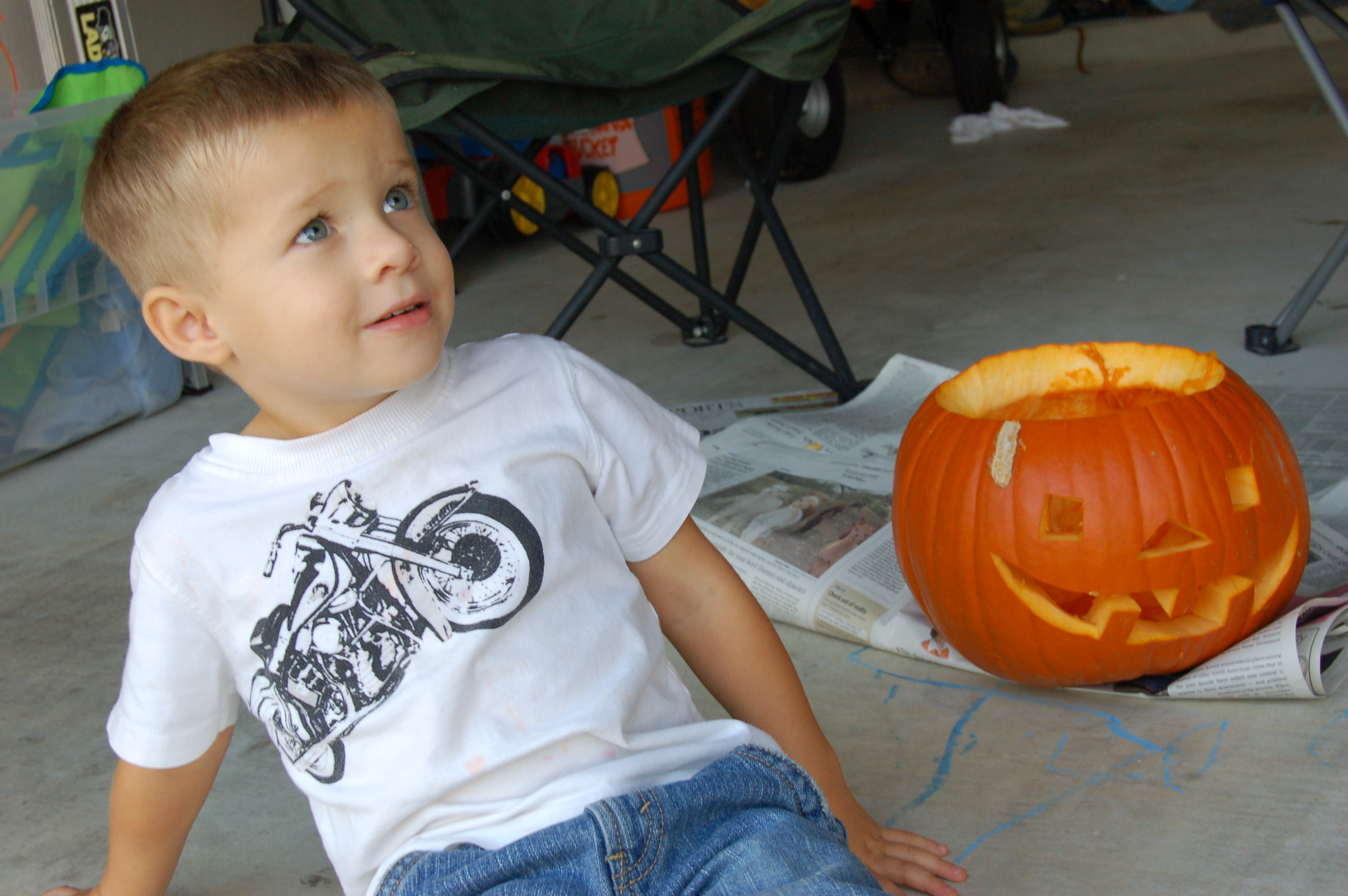
Jack 'O Lantern by Bruce Stambaugh
I remember some bully stealing our carefully carved jack-o’-lantern off our front porch. When I spotted the costumed thief running away with our pumpkin, I yelled at him. The much bigger boy responded posthaste by threatening me. Fearful, I said nothing more. I didn’t want to lose my bulging bag of candy that I had so carefully gleaned from our burgeoning neighborhood.

Other Halloween hooligans would soap windows. The really nasty ones would use paraffin, which was much harder to get off the glass. A silly prank was to throw a handful of shelled corn against someone’s windowpane. That trick was used if you got no treat at the front door, which seldom happened.

Of course there were the unfounded scares of razor blades in apples and tampered with candy. We just took precautions and had a good time.

At school, Halloween parties were held in each classroom. All the kids would dress up, many in mundane outfits like cowboys, ghosts, witches, pirates, and princesses. Homeroom mothers would prepare snacks that usually included punch and homemade cookies.

Even our parents got caught up in the fun. I distinctly remember Mom and Dad going to a Halloween party dressed as outhouses, hers and his of course. They won a prize, which I think was a bag of corncobs.
Trick or Treat by Bruce Stambaugh
My wife and I wanted those same experiences for our own children as they grew up. However, living in the country is much different than living in a suburb. There was and continues to be no Trick or Treat night in our sparsely populated neighborhood.

Local towns held Trick or Treat night, but we never felt comfortable having our children beg for candy at homes where they were not known. Fortunately, local civic groups, including the volunteer fire department, hosted a Halloween parade and a party with judging, games and treats for all area children at the elementary school.
Betsy Ross by Bruce Stambaugh
Our son and daughter went one year dressed as a tube of toothpaste and a toothbrush. Maybe they thought that would counter the cavities they would develop devouring all of that sugary candy.

To be sure, there were and still are other downsides to Halloween in rural America, including Amish Country. Pranks include corn shocks burned or moved into the roadway, and extensive toilet papering. Dozens of rolls of toilet paper are unfurled on trees, utility lines, in yards and on town squares, creating a TP style blizzard.
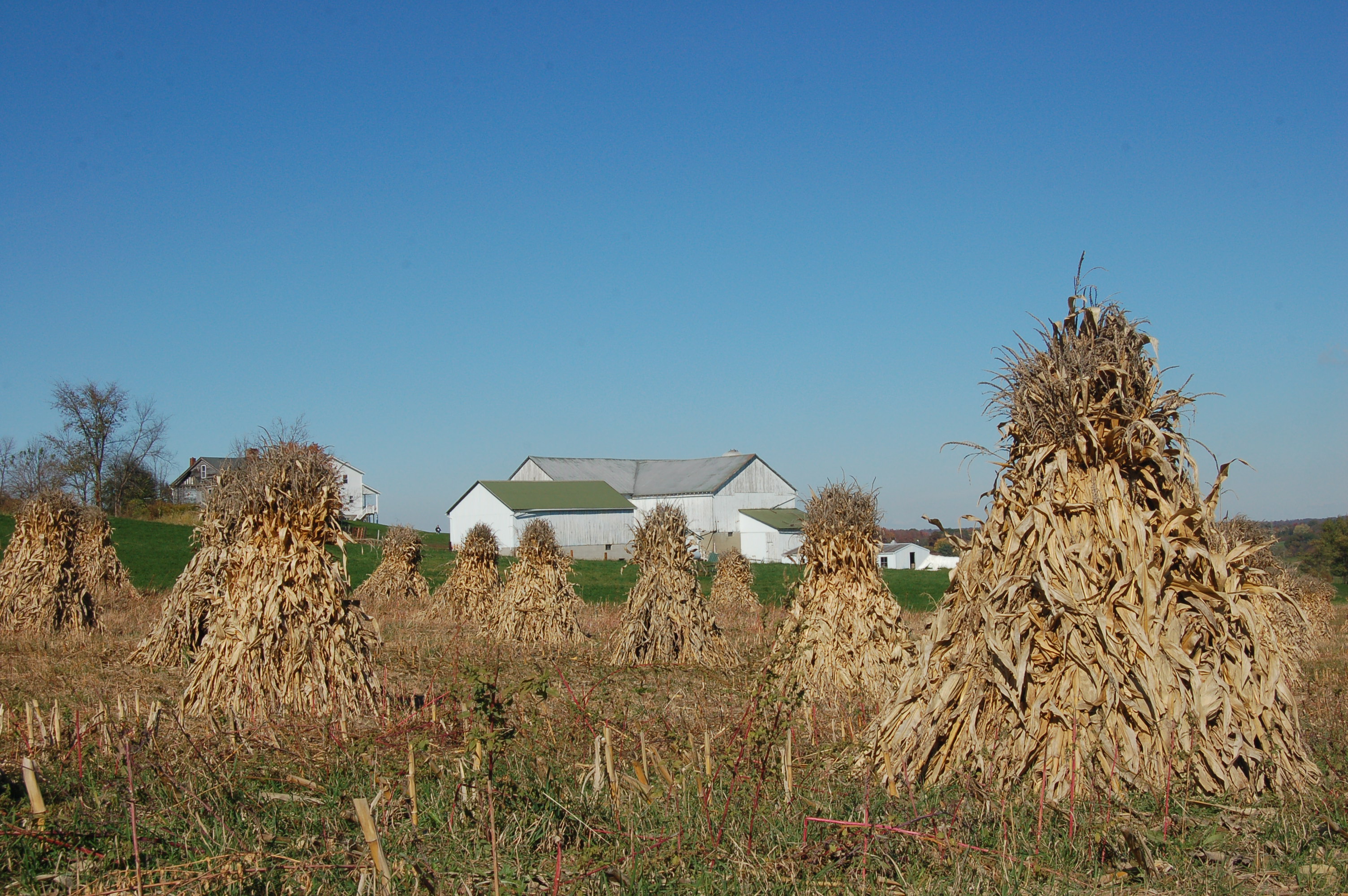
Cornshalks by Bruce Stambaugh
In our hectic world, with an unlimited stream of electronic information vying for our attention 24/7, my nostalgic description of Halloween seems pretty blasé. People today seem to have the desire to be scared out of their wits and often pay good money for the privilege.

In this age of skepticism and trepidation, some see Halloween as a demonic plague on society. They claim there is just too much evil and violence connected with the frightful celebration.

Since I tend to avoid malevolence, I’ll not quibble with that assessment. I do wonder, however, whatever happened to the Halloween that once focused on fun instead of fear.
Fog and trees by Bruce Stambaugh

It’s the plum time of year

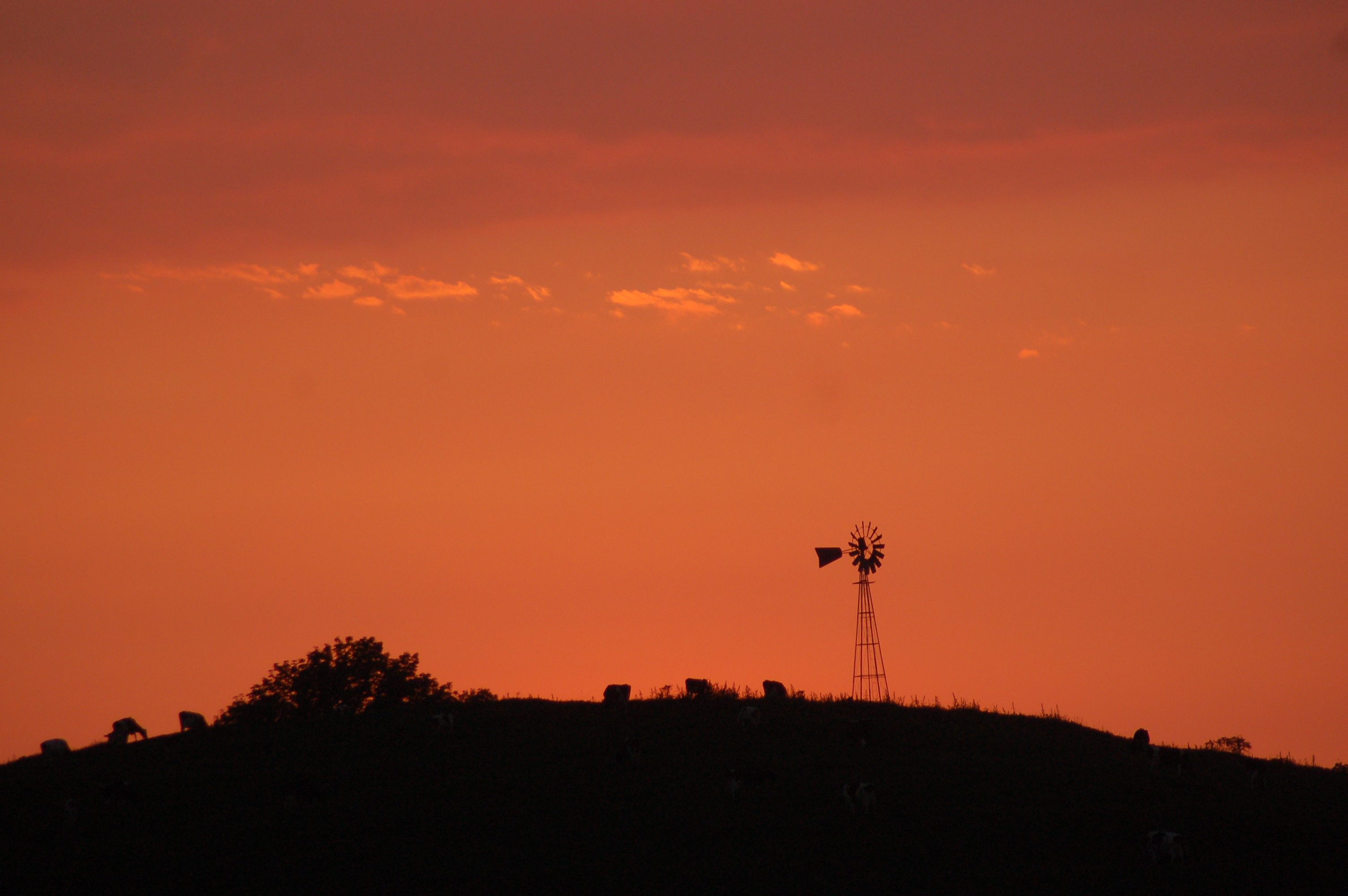
Fall sunset by Bruce Stambaugh
The sunsets in the fall are truly amazing.

By Bruce Stambaugh

For those of us fortunate to live in North America’s temperate zone, this is the plum time of year. I mean that literally and figuratively.

The literal part is that locally grown plums are at the peak of their ripeness. I’m just plum crazy for plums.

I remember traveling with my grandfather, who knew as many people in the world as my gregarious father did. Grandpa Merle loved to stop at roadside produce stands, especially where he knew the proprietors. If they had ripe plums, he always bought a peck or two.

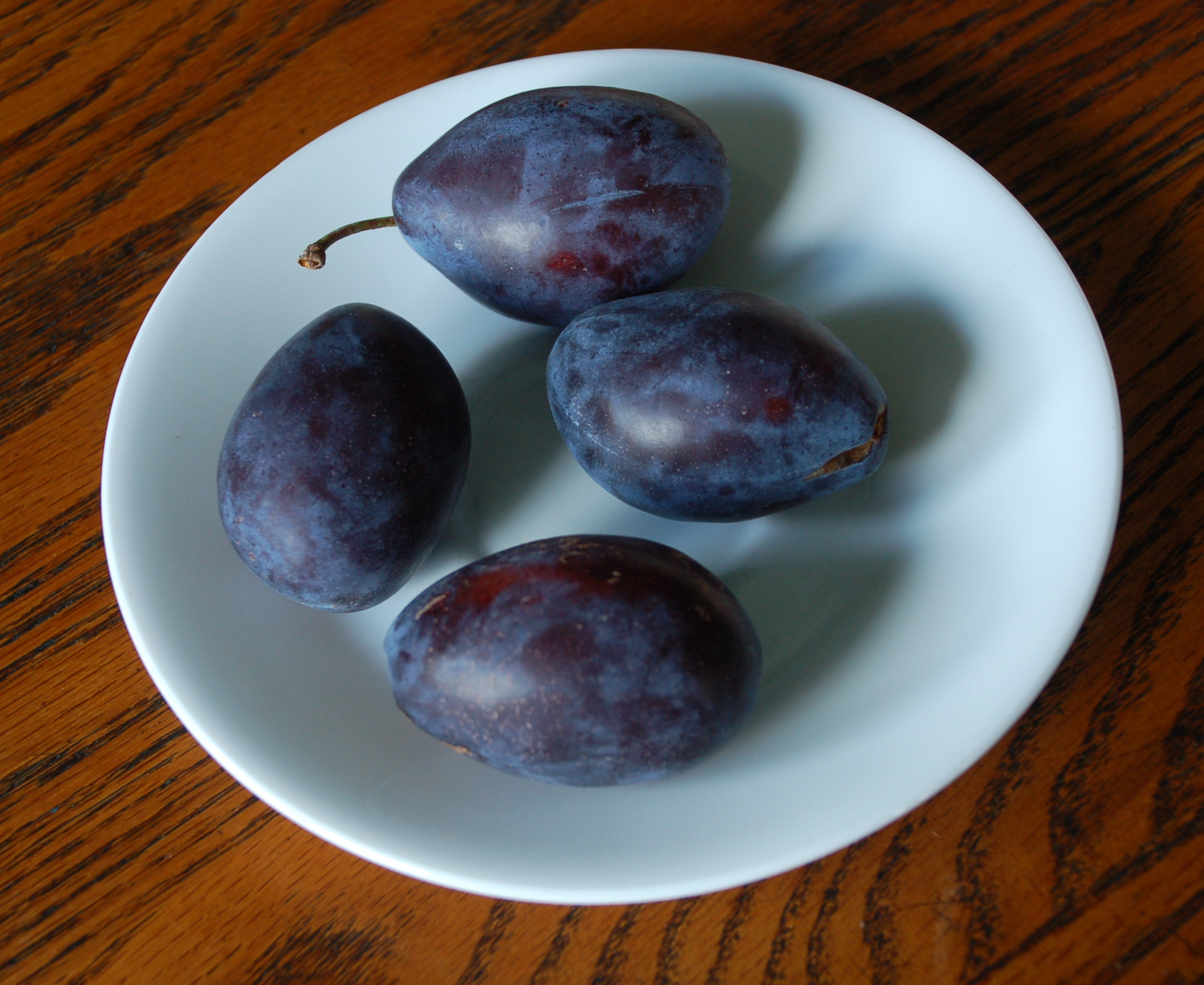
I loved everything about them, their simple size, their football shape, their blue violet sheen, their light greenish-yellow flesh, their sweet tart taste, and even the pit.

Sugar plums by Bruce Stambaugh
The variety of plums locally referred to as sugar plums.

I liked the size because, especially for a kid, they weren’t too big, which meant we could usually eat more than one. I liked their oblong shape because it was easy to bite in to.

I found the plum’s color inviting. The moist sweetness with the tart aftertaste was both delicious and curious. I liked the texture of their meat and the fact that, unlike other fresh fruit, you could bite into them without having juice run down your arm and drip off your elbow.

Much to my mother’s chagrin, I often plopped a whole one in my mouth. My mother highly discouraged my poor manners to no avail. I often eat the lovely plums the same way today.

Once devoured, that left the seed. I didn’t eat it of course. For whatever reason, I tucked the pit, which mirrored the shape of its fruit, into my left cheek and sucked on it for hours. I could play an entire baseball game with a plum seed nestled between my cheek and gum. It seemed to help keep my mouth moist. Besides, it was better than the usual baseball alternative, snuff.

All those memories resurfaced for me when my wife brought home some plums from the local produce stand. They were accompanied by Bartlett pears, squash, zucchini and preserved sugar beets, too. The fall harvest was on, one of the primary symbols of the season.

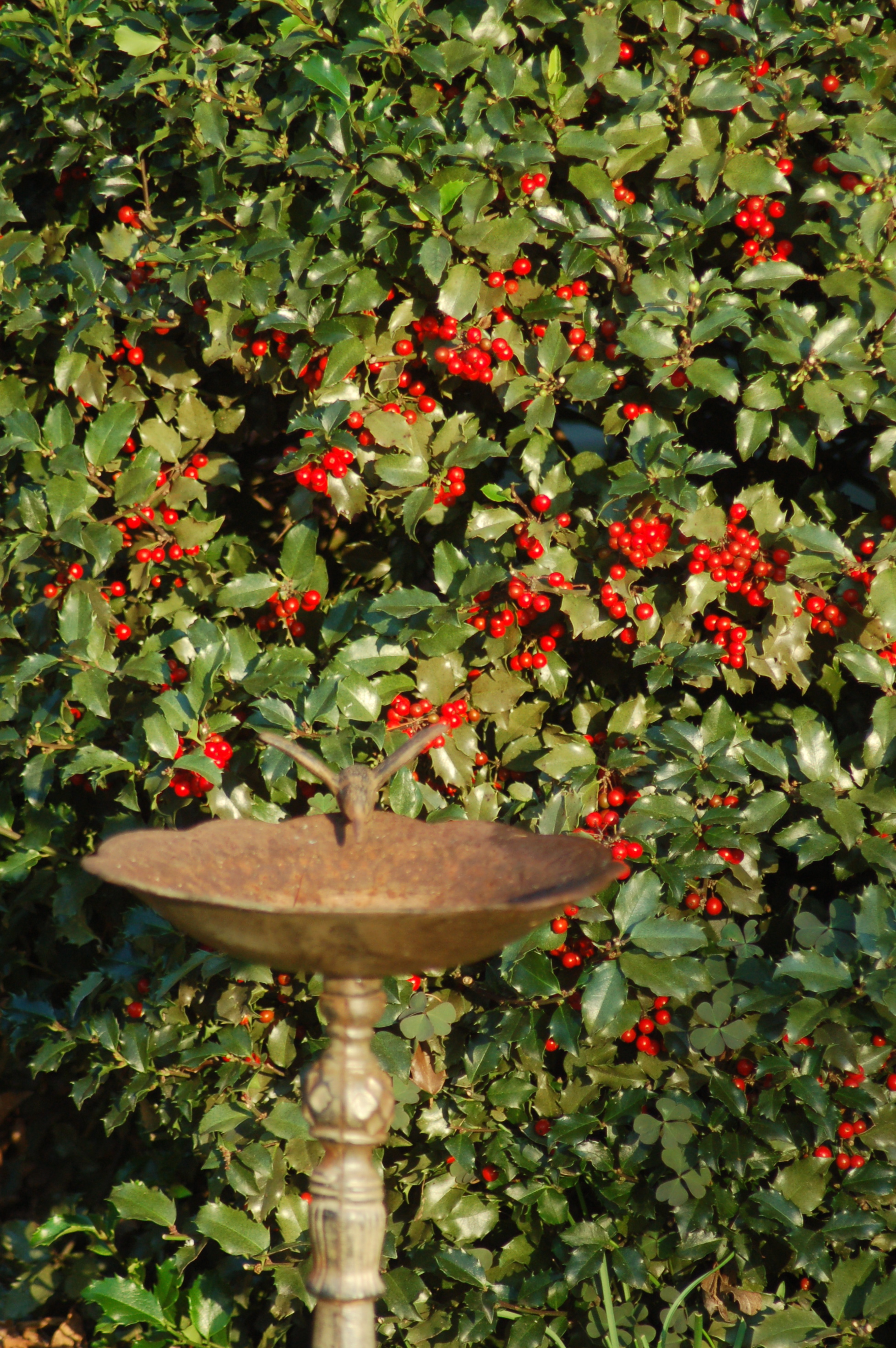
Holly berries by Bruce Stambaugh
The holly berries have turned bright red, a nice contrast against the bush's prickly green leaves.

We are enjoying an abundance of tomatoes that have seemed to ripen in our modest patch all at once. There isn’t one heirloom I don’t enjoy, and they can be eaten in so many different ways, right off the vine, fresh salsa, in sandwiches, sauces, and with pasta.

Our neighbors added to the feast by insisting we help them out by accepting and consuming a sampling of the last of their bumper crop of sweet corn. It was amazingly sweet for this late in the growing season.

The days have grown shorter and cooler, both daytime and night. The leaves on the deciduous trees have begun to turn. They started falling shortly after Labor Day.

The webs of black and yellow garden spiders catch the frequent morning mist and then sparkle diamonds in the sun’s rays. The sunrises and sunsets are breathtaking, each one picture perfect.

Golden rod by Bruce Stambaugh
Though weed that it is, golden rod brightens even the haziest of mornings.

The dogwood and holly berries are bright red. Yellow jackets are everywhere. Unkempt fields, once purple with ironweed blooms, have morphed to mustard with thousands of goldenrod heads bending from their fullness. Wild tickseed sunflowers brighten the dustiest roadside.

Autumn has arrived. Either metaphorically or realistically, transitioning from summer to fall in northern Ohio is a plum time of year.

Five easy steps to attract birds

Amish country by Bruce Stambaugh
By Bruce Stambaugh

Feeding birds is easy, and fall is a great time to start. In fact, if you follow some simple but basic birding steps, you can attract returning migrants and hungry year-round residents to any backyard environment.

Keep in mind that different birds have different feeding habits and nutritional needs. Varying the style of the feeders, the kind of bird food used in each, and the feeders’ placement can greatly determine the popularity of your feeders.

1.            Identify your habitat

Once you decide to feed birds, it’s important to know what habitat you are in and establish the right feeders with the appropriate feed. Hanging out suet on a balcony in the city most likely won’t attract the desired birds. Doing so in the country or a loosely wooded backyard can yield great rewards.

Feeders placed in grassy suburban backyards or rural settings have the chance to attract the biggest variety of birds. Feeders should be placed where they can be easily observed through a window in your home, and stocked and maintained with the appropriate feed.

2.            Select your feeders

The key to successful feeding is to pick the correct feeder or feeders for your situation. A backyard that has even a small grassy opening surrounded by hedges, shrubs fields or trees may be perfect for every kind of bird feeding style. Feeders don’t have to be complicated or expensive either.

Birds feeding by Bruce Stambaugh
Even the top of an old stump can serve as an excellent feeding station for birds.

A simple piece of plywood placed on some bricks or small cement blocks would serve as a nice platform feeder for birds that prefer to feed at ground level. A hopper feeder could be hung from a porch overhang or a firmly planted shepherd’s hook. A hanging feeder, such as an empty mesh citrus sack, could hold high protein suet for birds that can cling to what they are eating.

Place the feeders where they will attract the most birds and are easily observed from the safety and warmth of your home. Placing a hanging feeder or a shelf feeder on your windowsill will bring the birds right to you.

3.            Keep the feeders filled

Once you start to feed the birds, keep at it, even if it takes the birds awhile to find your offerings. The feeders need to be kept filled, too. The ground feeder could be mixed wild birdseed or simply cracked corn spread out.

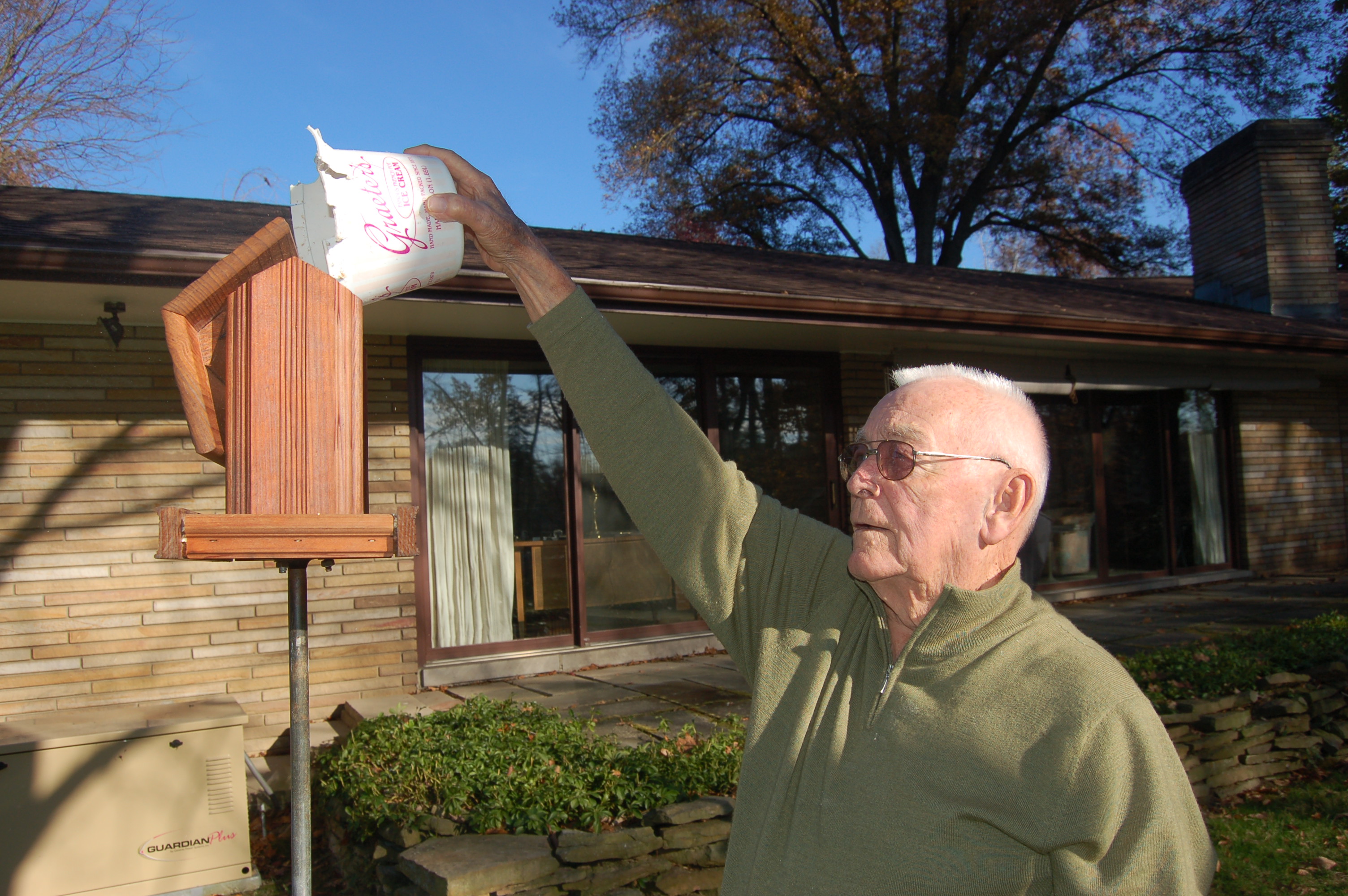
Filling the feeder by Bruce Stambaugh
Keeping feeders filled with seeds the birds like is critical to consistently attracting birds.
Stock hopper and hanging feeders with black oil sunflower seeds which many bird species enjoy. Thistle feeders are also popular with many species of birds in northern Ohio.

Suet feeders can be fat from the butcher, or you can either make or purchase cakes of suet that are loaded with peanuts and seeds. Those fit well into square wire feeders.

4.            Keep them cleaned

In addition to keeping the feeders full, it is critical that the feeders be attended to at least weekly. Even in cold weather, mold and disease can spread from uncared for feeders. Moisture can cause seed residue to crust, creating a potentially unhealthy situation for the birds.

Clean out any clogged holes in hanging or hopper feeders and make sure the seeds appear properly. Clear away any accumulated material. Tray feeders and even the bare ground should be raked periodically to remove spent seed hulls and bird droppings. Suet feeders should be checked for any signs of decay or mold.

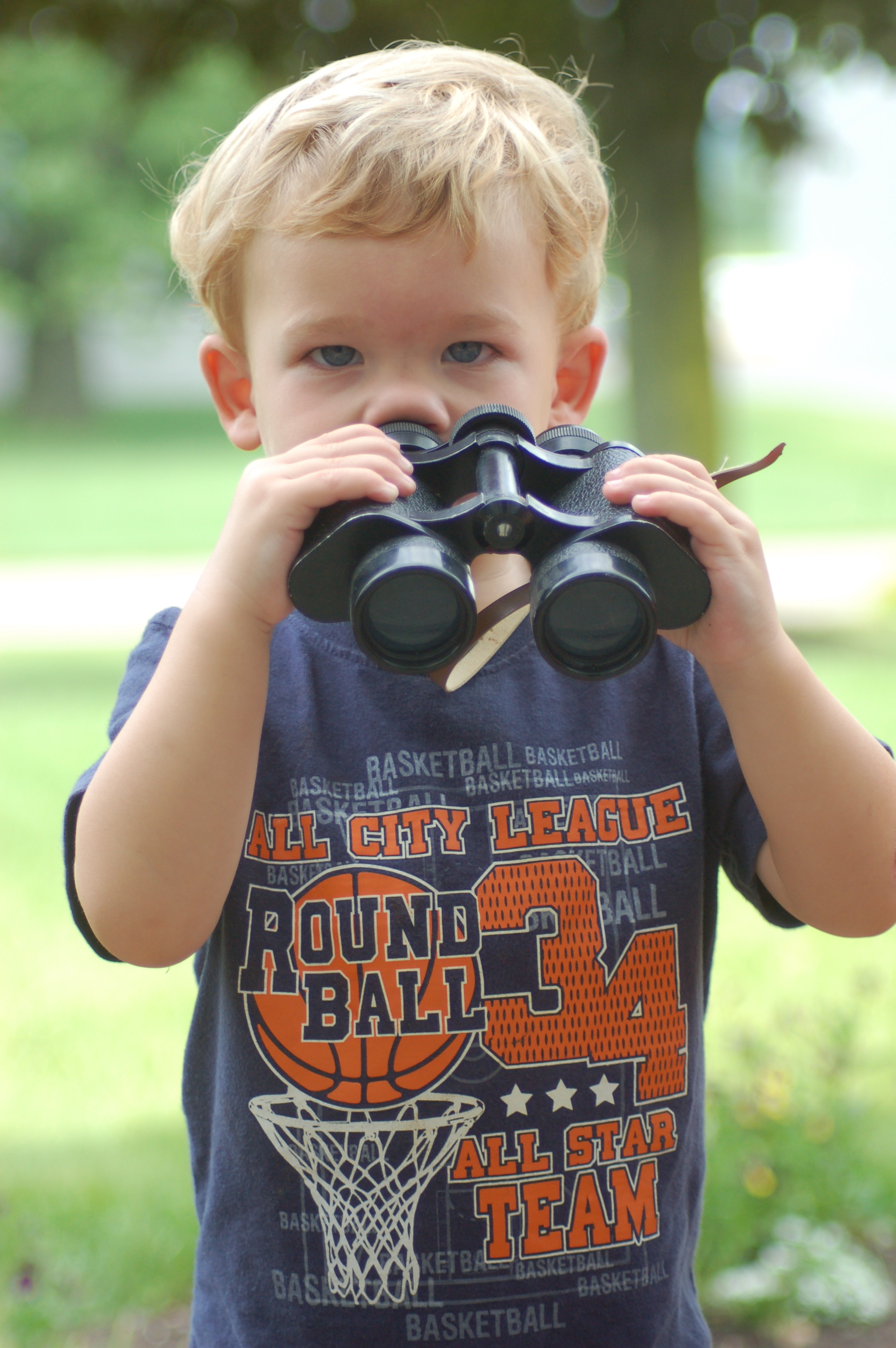
Binoculars by Bruce Stambaugh
A good pair of binoculars, when used properly, can enhance birdwatching.

5.              Keep a record

For most birders, keeping track of what is seen is half the fun. Again, this is not a difficult or time-consuming task. Keep a notebook and pencil handy and record the day, time, weather, and type of bird you saw. You will be surprised how quickly the number of species adds up on your yard list. Do this annually and you will have an accurate and personal record of what birds you saw, when and under what conditions.

A good bird guide is also an essential tool. Easy to use bird books are available at area shops and bookstores. Having a good pair of binoculars can enhance your bird viewing, too. After all, watching the birds eat is the main objective.

Putting up feeders, keeping them filled and cleaned, and keeping track of what you saw is a wonderful way to pleasantly pass the time when the weather outside is frightful. The birds need the food, and with a front row seat you will be glad for the variety of aviary entertainment without having to go out into the elements yourself.

Bluebird by Bruce Stambaugh
Feeding birds sometimes brings pretty surprises, like a hungry Eastern Bluebird.

This story first appeared in Around the House.

Reactions to earthquake many and varied

Amish farm Ohio by Bruce Stambaugh
Life in Holmes County, Ohio went back to normal right after the earthquake on August 23.

By Bruce Stambaugh

The reactions to the reverberations of the 5.8 magnitude earthquake that was felt in the Holmes County, Ohio area on August 23 varied according to individual circumstances. The quake was centered near Mineral, Va., but was felt more than 400 miles away.

Many in the area thought they were experiencing a sudden illness. Some weren’t sure what to think. A few knew that the shaking shortly before 2 p.m. was an earthquake. Others, especially those in vehicles, felt nothing at all.

It didn’t take people long to realize that the shaking was much more than something they felt personally. Some figured it out on their own, while others tuned to TV news, received text messages or saw it posted on social media.

Tim Roth, of Millersburg, said he was sitting in his recliner watching the Cleveland Indians baseball game when he felt the chair shake and the house creak. He wasn’t sure what was happening at first.

The press box at Progressive Field in Cleveland swayed east and west for 30 seconds, stopped briefly, and then shook again, but not as long or as hard. Fans in the upper deck sensed the shaking, too, but were reassured by ushers. The baseball game between the Indians and the Seattle Mariners continued uninterrupted.

Greta Monter, of rural Millersburg, was lying on her couch and suddenly felt her heart race. A registered nurse, she at first thought she was having a medical health issue, but then realized it was more than just her heart.

Lora Stackpole Erclauz, of Lakeville, said she felt just a slight shaking. She said at first she thought it was vertigo, called her husband and he had felt it, too.

Rita Baughman-Dawson said she thought a train had wrecked and fell off of the tracks. She said it was a very eerie feeling.

Mike Pacula, the band director at West Holmes Middle School, said he was at his desk in his office and noticed his chair rocking and his computer monitor wobbling.

Karen Reitz Miller was in her home in Millersburg when the windows began to rattle a little and the house creaked. She said it sounded like someone was on her roof. She turned on the TV and learned of the earthquake.

Joe Heatwole, who lives in Dalton, was on the second floor of Valley View Oak near Mt. Hope when he felt the floor begin to shake. Another employee yelled that his computer monitor was shaking and the floor was moving. Heatwole said it was an exhilarating feeling to experience an earthquake for the first time.

Arlene Yoder, a nurse from Baltic, was at the doctor’s office where she works in Dover. Yoder said their patients were relieved to know that the medical staff also felt the floor shake, too.

Dana Ely-Keiffer reported that it felt like someone was shaking the recliner she was in at the Smith Ambulance office in New Philadelphia.

“I accused my partner of it until I realized he was on the other side of the room,” she said. “He was thinking I was shaking him.”

The Commercial and Savings Bank four-story building in Millersburg was evacuated as a precaution. Employees and customers were allowed back in after a brief wait outside.

Across the street at the Holmes County Education Foundation, Anna Patton reported that the window blinds moved back and forth.

Some buildings in Columbus were also evacuated as a precaution.

The Holmes County Sheriff’s Office reported receiving a few calls from around the county about the trembler. No damage was reported.

August is the quiet month

August sunset by Bruce Stambaugh
A typical August susnet in Ohio's Amish country.

By Bruce Stambaugh

I have always thought of August as a transitional month, the days between busy, boisterous July and the revitalizing September.

August is the stepping-stone from summer’s onslaught of activities into a pre-fall mentality. Vacations wind down for most people. It’s back to school and back to work.

If we take time to halt our busyness, our clamor to re-ready ourselves for the new school year at hand, we can take note of this calendar bridge from tilling to harvest, from clamor to order. In its intermediary mode, August seems to quietly take it in stride.

The songbirds no longer need to announce their territory or impress their mate. The young have flown the coop, or more properly stated, the nest, and bird life has returned to seeking daily subsistence. The American Robin precisely models the point.

From April to July, the Robins paired off, warbled their luxurious choruses almost continuously sunup to sundown. They pecked on windows, noisily flitted off their nests when disturbed and faithfully fed their young.

The Robins were ubiquitous in both presence and song. People often comment when they see their first Robin of the spring.

First Robin by Bruce Stambaugh
People often remark when they spot their first Robin of the spring.

Now, in late August, the Robins have all slyly retreated to their preferred nomenclature. They are more than content to while away the day searching for food deep in the recesses of the shade and forest.

Think about it. When was the last time you either heard or saw a robin? They simply and silently slipped away unnoticed.

If they haven’t already, other bird species will soon be disappearing from the area altogether. The Purple Martins, Barn Swallows and Common Nighthawks all heed their interior instinctive urgings and vanish unseen much like the Robin. We under-appreciate their massive consumption of insect protein until it’s too late to thank them.

Just as quietly, the multiple greens of fields and pastures have grown taller, richer. Chameleon-like, they have morphed into emeralds, tans and russets with hardly a rustle.

August harvest colors by Bruce Stambaugh
The colors of August change from day to day.

Farmers have taken in their wheat and most of their oats matter-of-factly, and now tolerantly wait the drying of the later cash crops, corn and soybeans. There is no mechanized clanking in patience.

Song Sparrow by Bruce Stambaugh
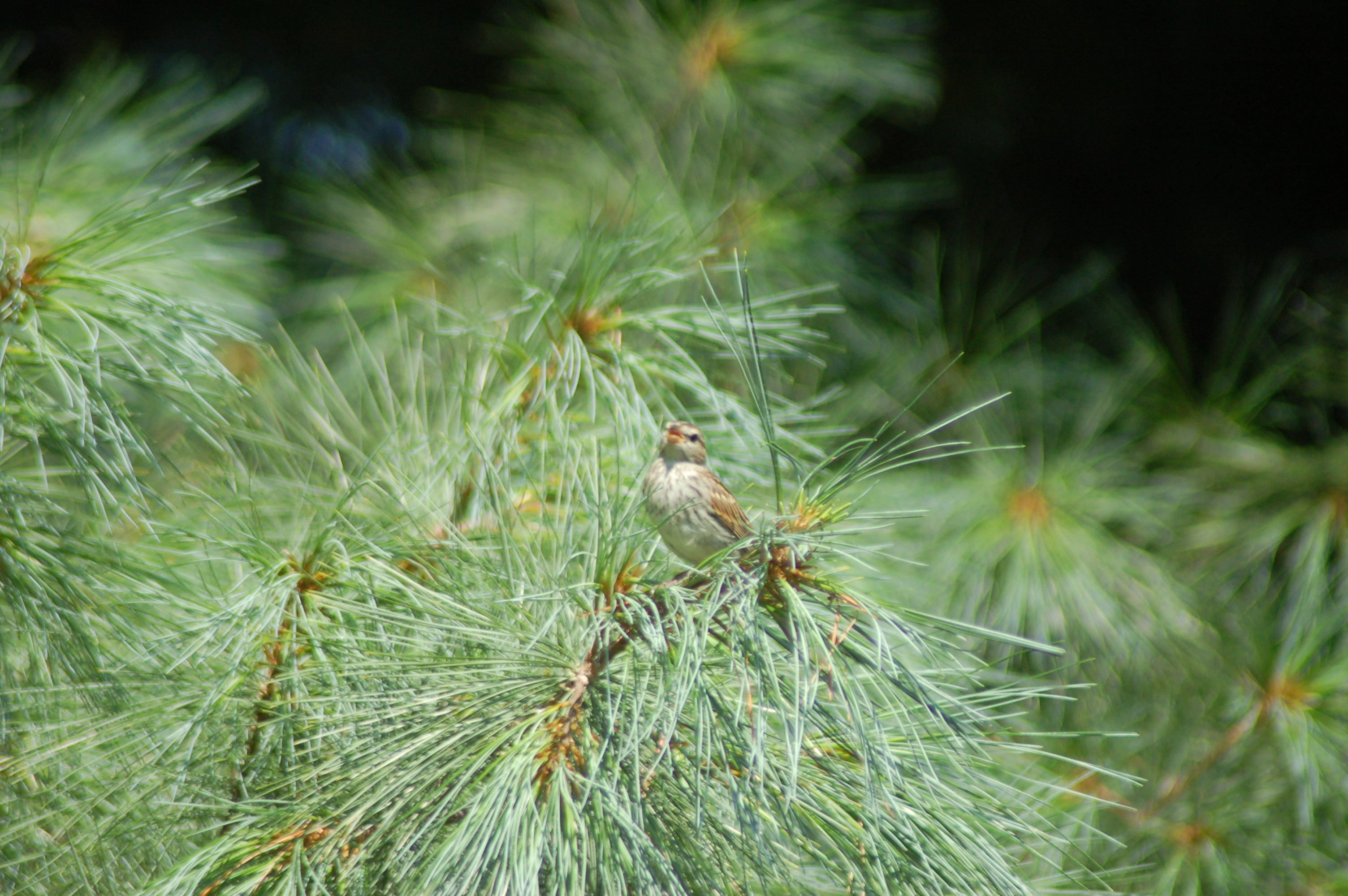
A Song Sparrow sings away.
The Song Sparrow still belts out an occasional composition, but nothing as regular as it had been earlier in the season. The House Wrens, once so noisy they approached annoyance, have taken to the underbrush, giving their last brood endurance lessons.

August’s atmosphere also has been quieter than the previous months, save for a couple of late night thunderstorms. The brilliant flashes and deep, rolling booms shattered my sleep like Civil War cannon fire might have. Midnight imaginations run wild when deafeningly jolted.

The few sounds of August we can count on are more monotonous and so commonplace we may not even notice their calls. Cicadas and crickets signal day and night. With windows thrown open to catch the unusual August twilight coolness, the insect symphony has helped humans settle in for sound sleeping.

Every now and then a ranging coyote howls from atop the neighbor’s pastured hill, if for no other reason than to drive the tethered neighborhood canines crazy. The feral call is one thing. The domesticated is another.

Now that school years in most locales begin well ahead of September, the playful echoes of children rollicking at recess again fill the air. It’s a timbre I love to hear over and over again, even if it does break August’s amazing silent spell.
Amish school by Bruce Stambaugh