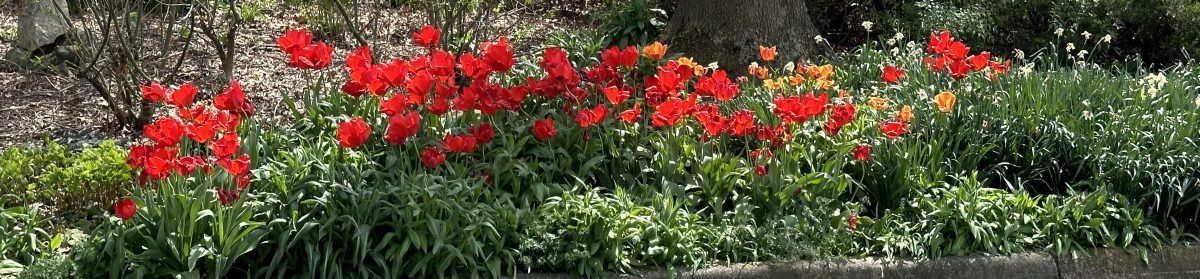

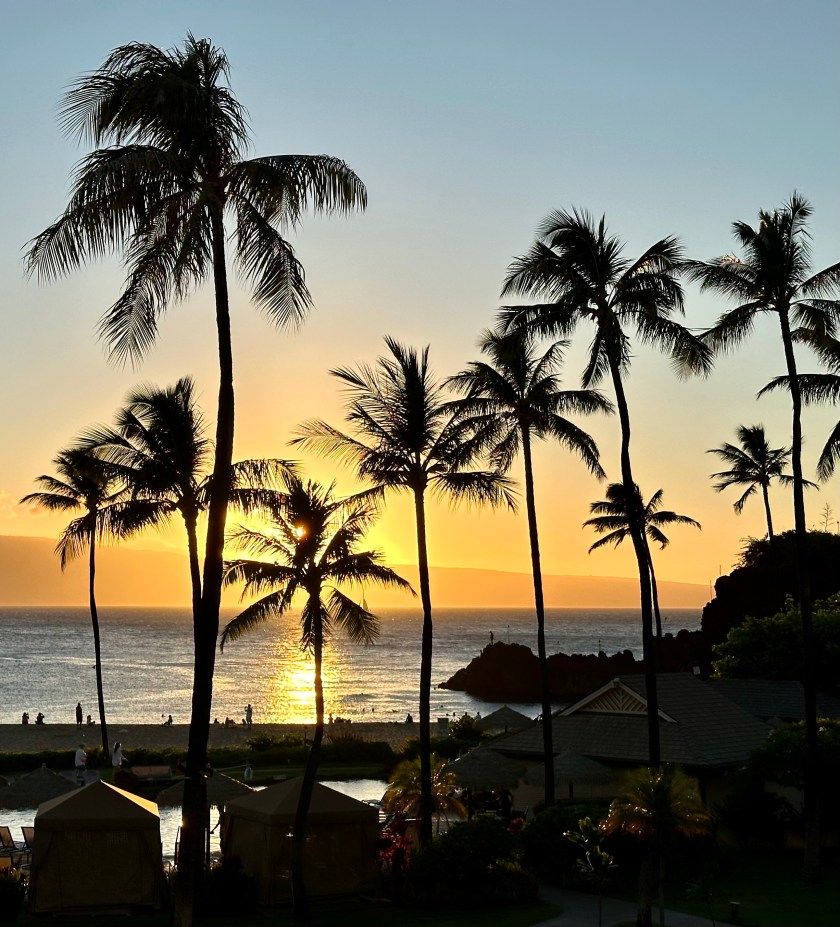
Turquoise waters, large, rolling waves crashing into coves with hidden pristine beaches, majestic palms, and friendly, inclusive residents who love their history and land are reasons enough to visit Hawaii.
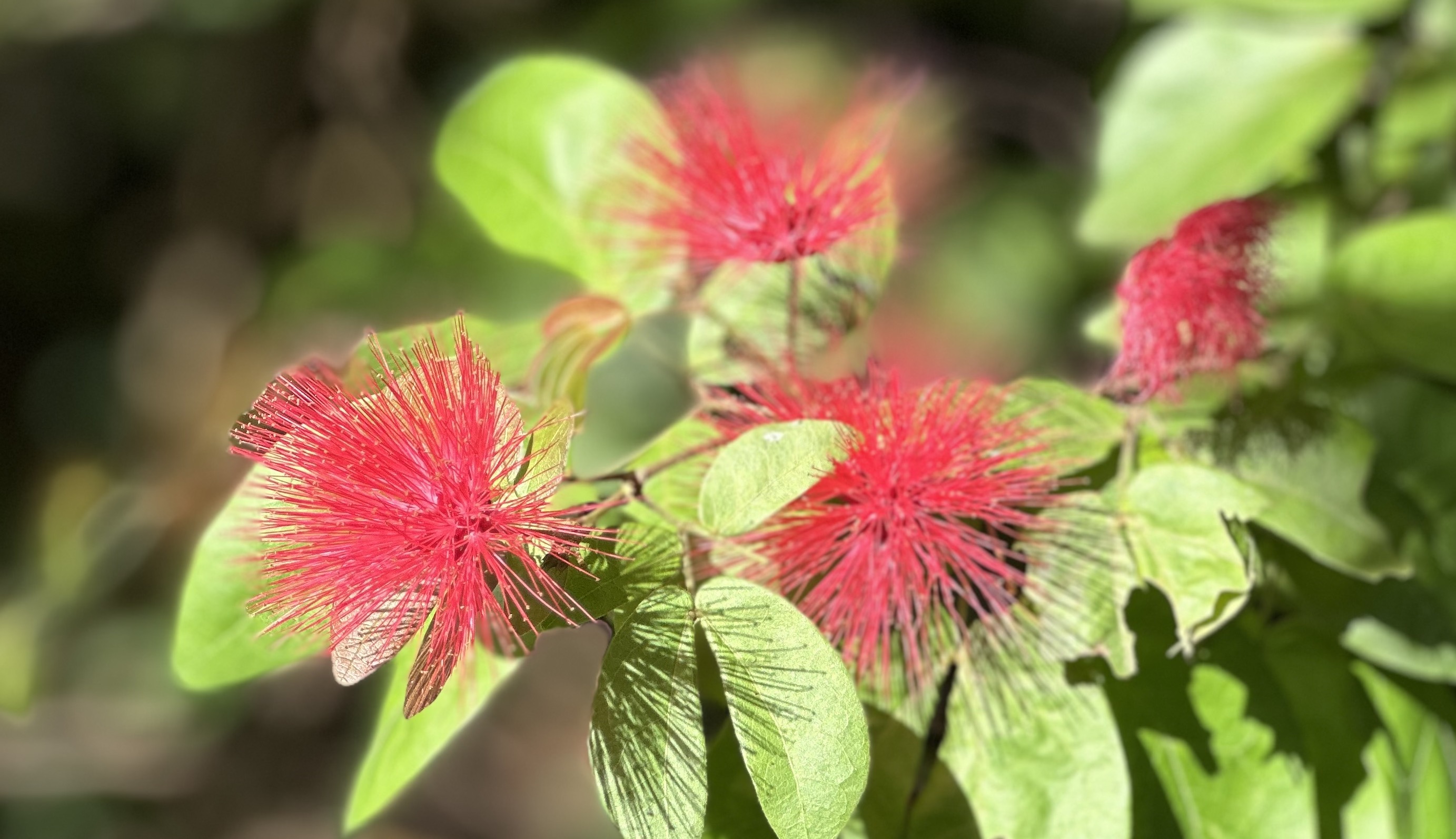
However, our 50th state’s flora and fauna also stand out, as I discovered on a recent trip there. The vegetation, flowers, and wildlife ignited my senses, and I snapped over 1,200 photos. It was that beautiful, and I only visited three islands: Oahu, Kona, and Maui.
You don’t need to be a botanist to appreciate the abundance of lush plants, trees, and flowers on the 132 Hawaiian islands. Hawaii’s wildlife thrives in these varied tropical habitats.
As an avid but amateur birder, I focused on birds. However, since I was on a group tour, my opportunities to do much bird watching were limited. I listened to and looked for birds as much as possible in my free time at the various stops on every excursion.
I was most impressed with how Hawaiians honor sacred lands by caring for them through public parks, wildlife preserves, and national parks. The lack of trash along roadsides, sidewalks, beaches, and in rainforests proved this point.

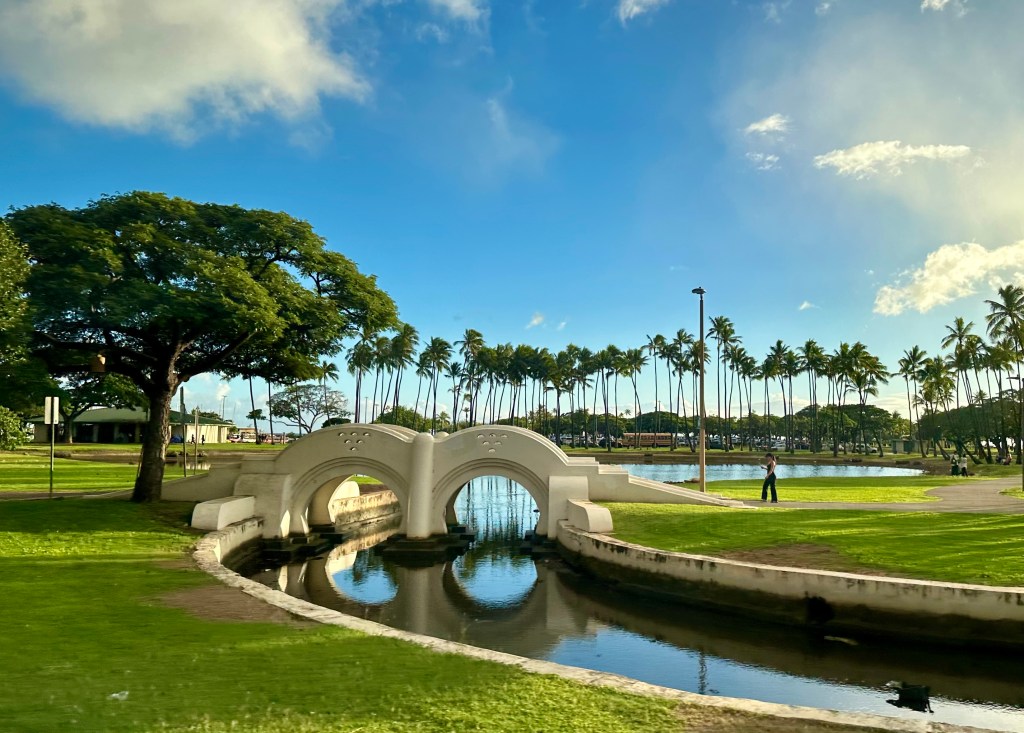
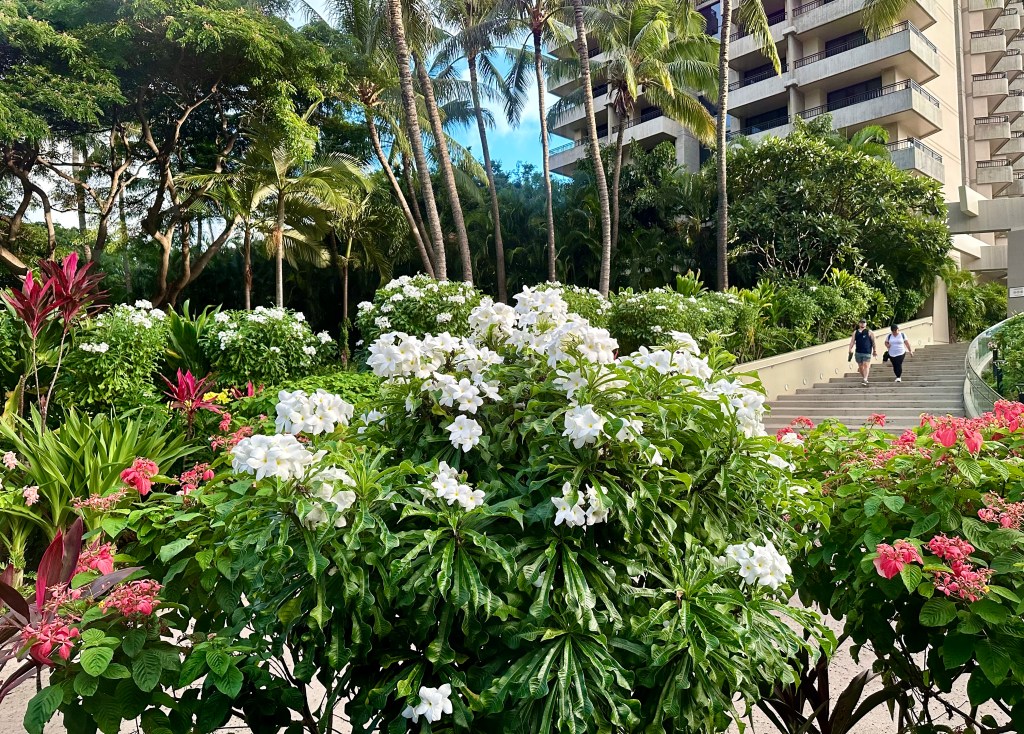
In the capital city of Honolulu, flowers were ubiquitous. They bloomed in neatly manicured flowerbeds, bushes, hedges, and trees, and native flowers filled vases inside nearly every building we entered.
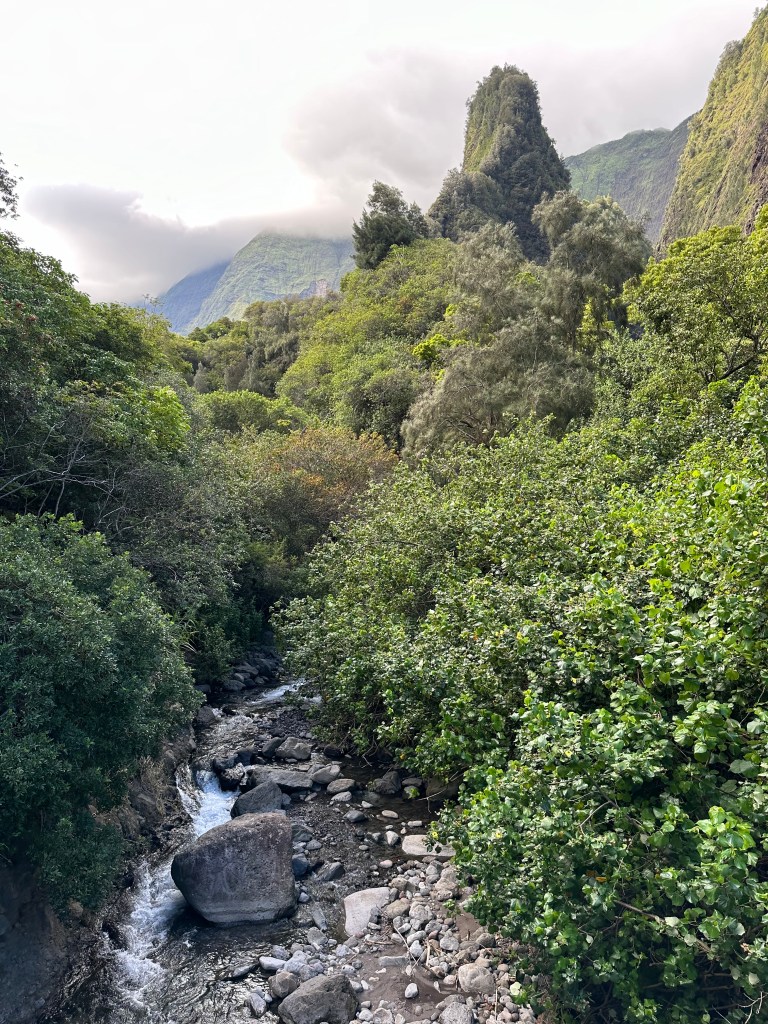
However, the countryside was where the flora and fauna ruled. Thanks to frequent tropical rains, dense rainforests grew on the windward sides of these mountainous islands. Since the clouds had spent their moisture, only scrubby trees, bushes, and grasses grew on the leeward slopes. There was that much difference in the annual rainfall.
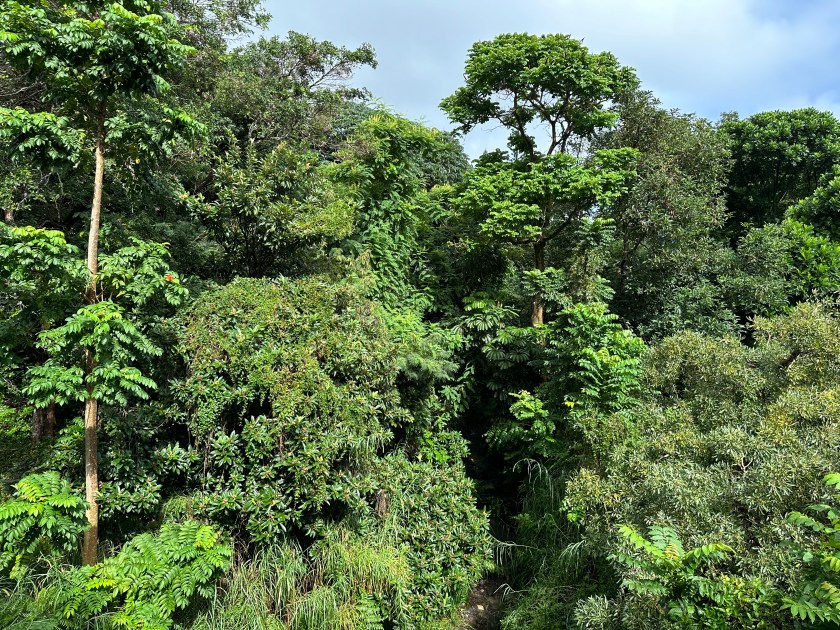

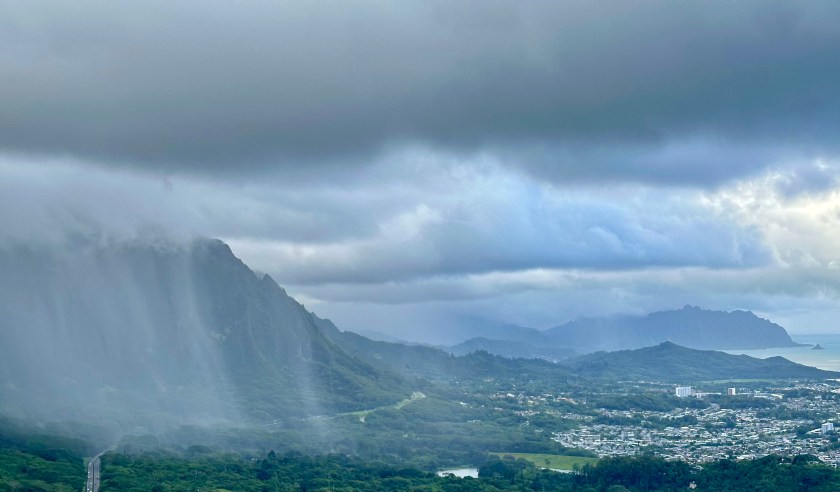
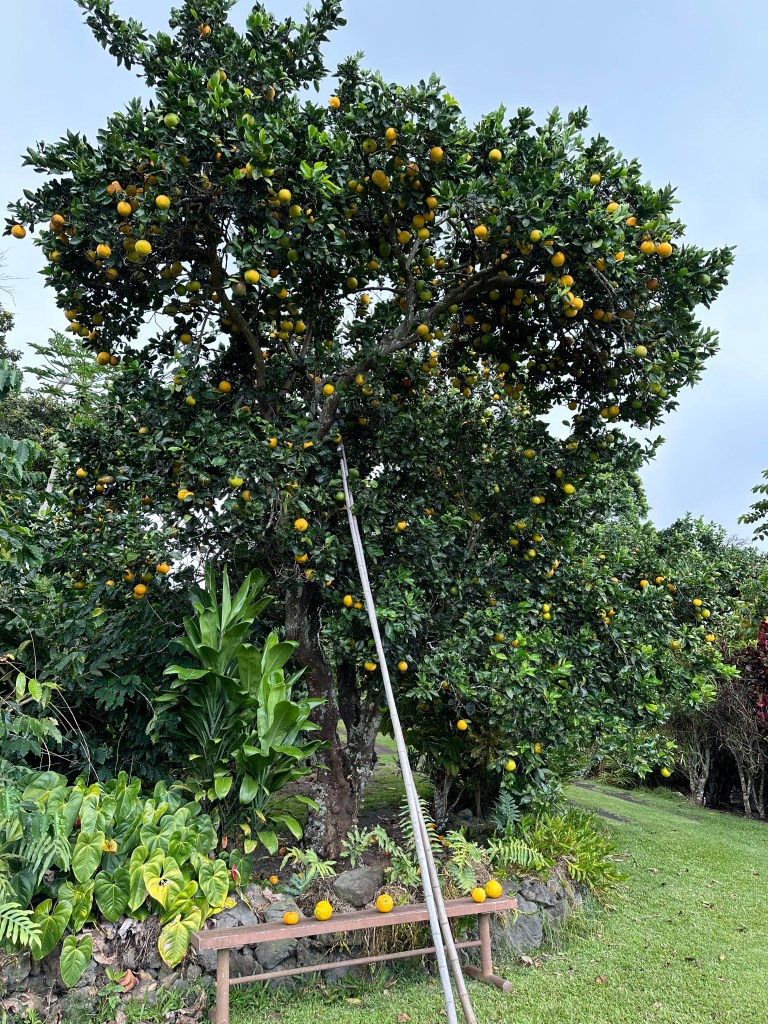
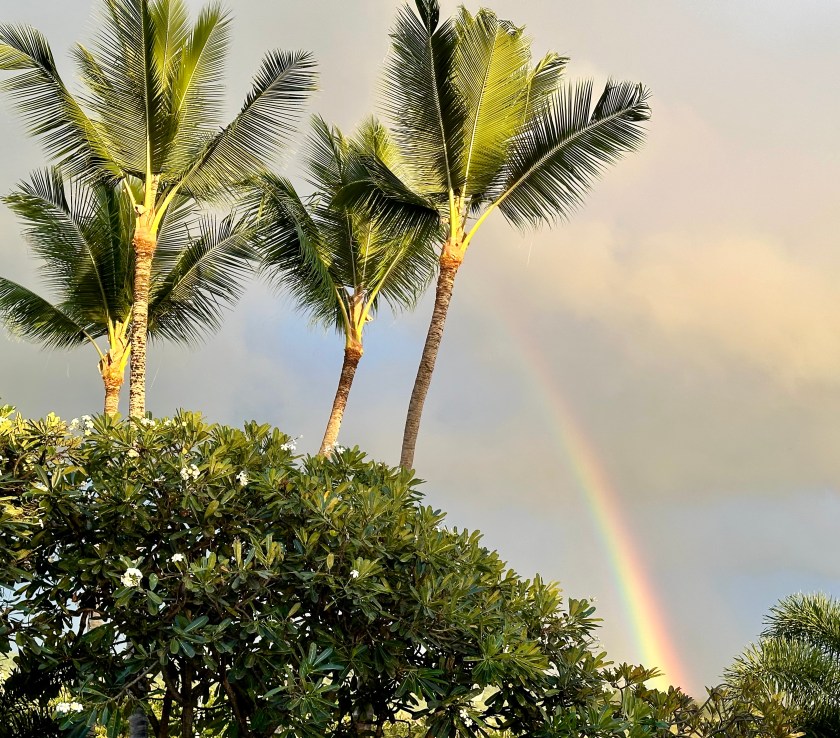

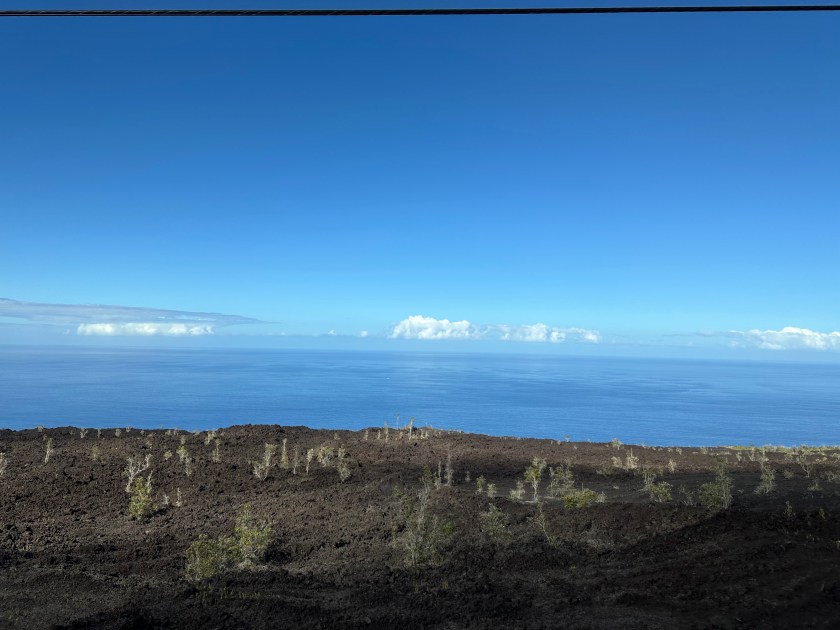
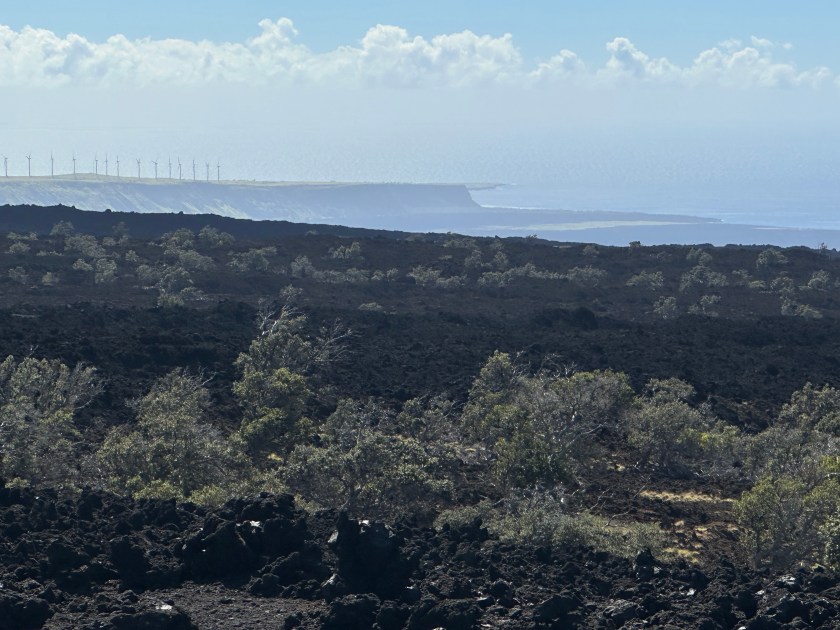
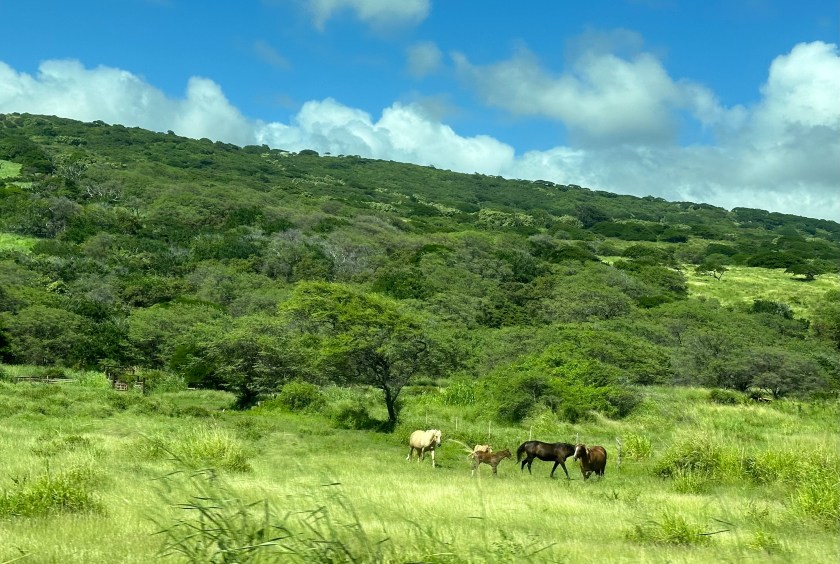
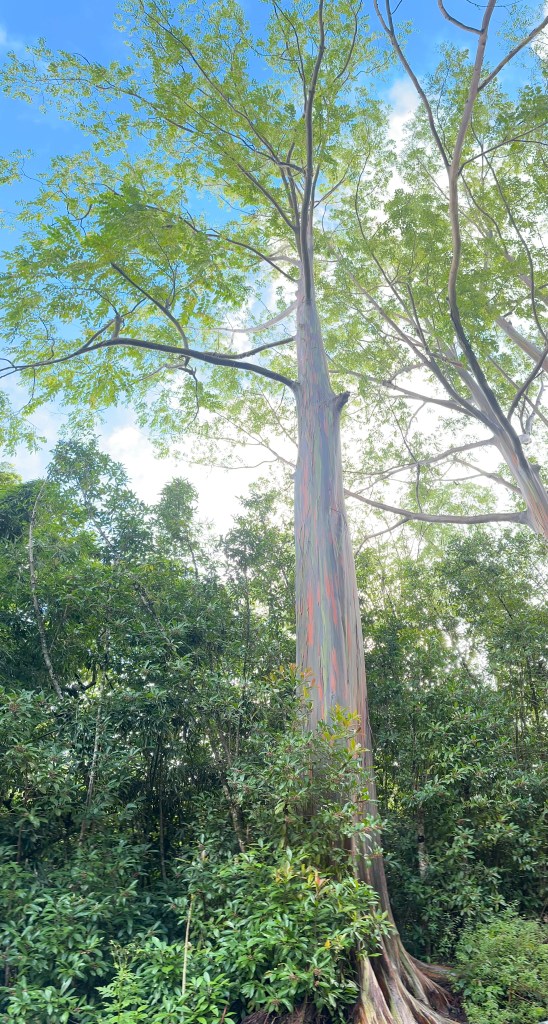
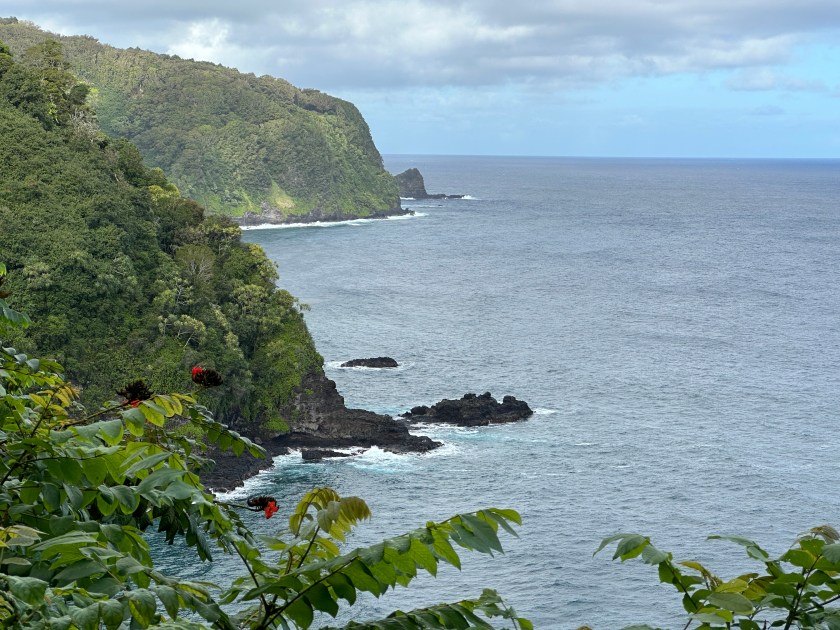
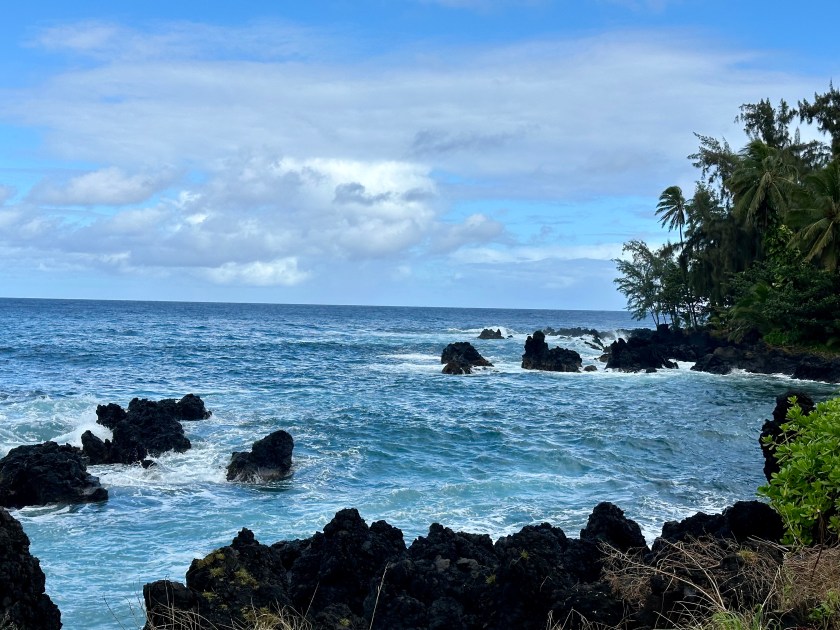

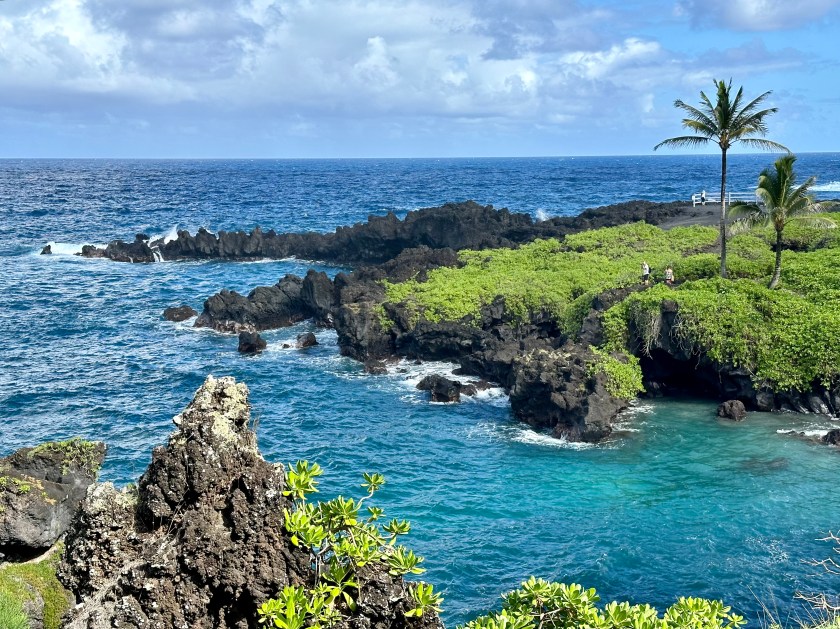


The transition between lush and barren was usually pronounced. However, in some rural locations, ranchers fenced off large, sloping pastures dotted with scrubby trees where cattle, cows, and horses congregated.
Ancient and recent lava flowed to the sea down the mountainsides, disrupting most plant growth. Still, grasses poked through, helping to break down the rock with assistance from winds and rain.


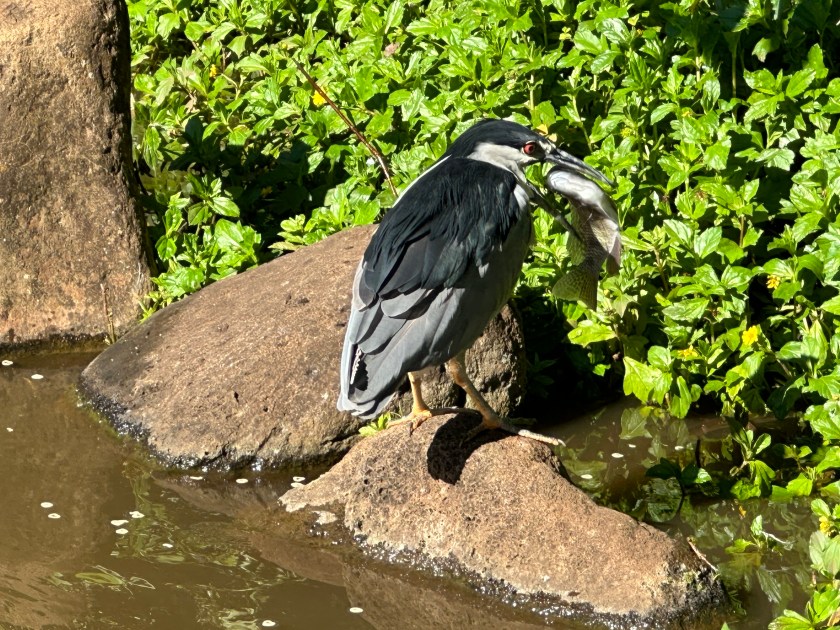
Lush foliage covered steep, sharp mountains while a half mile to the coast, shorebirds waded for any morsel they could snag. That’s the natural consequence of life on the tip of a submerged volcano that would tower over all land-based mountains, including Mount Everest. Animals and birds flourished all around Hawaii Volcanos National Park.
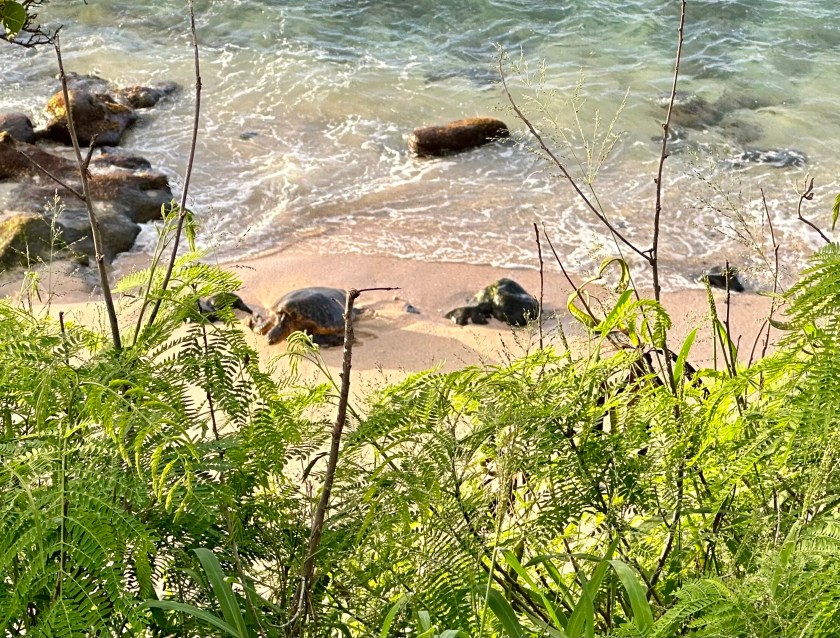
As the vegetation types changed, so did the animal life. In the adjacent ocean waters, manta rays cruised the shorelines for food, and giant Green Sea Turtles basked on sunny beaches to warm themselves.
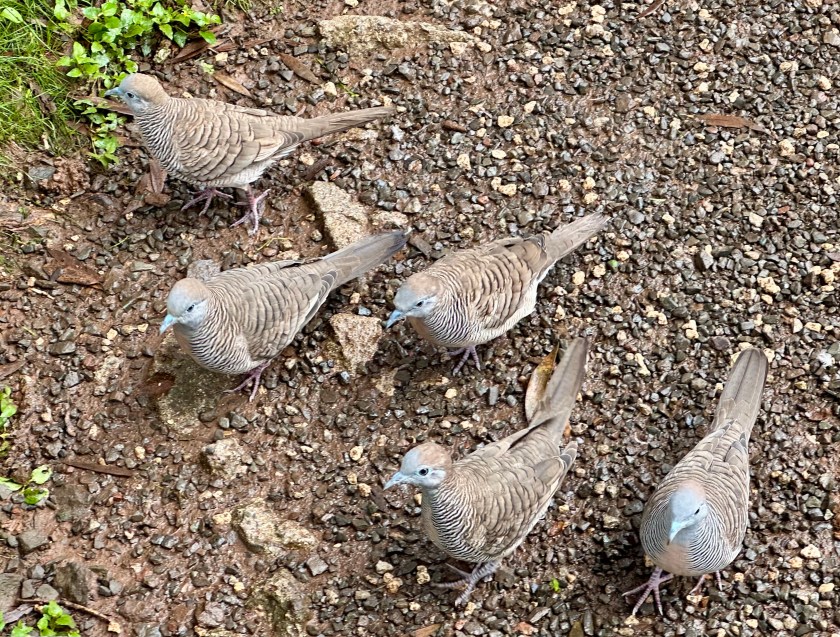
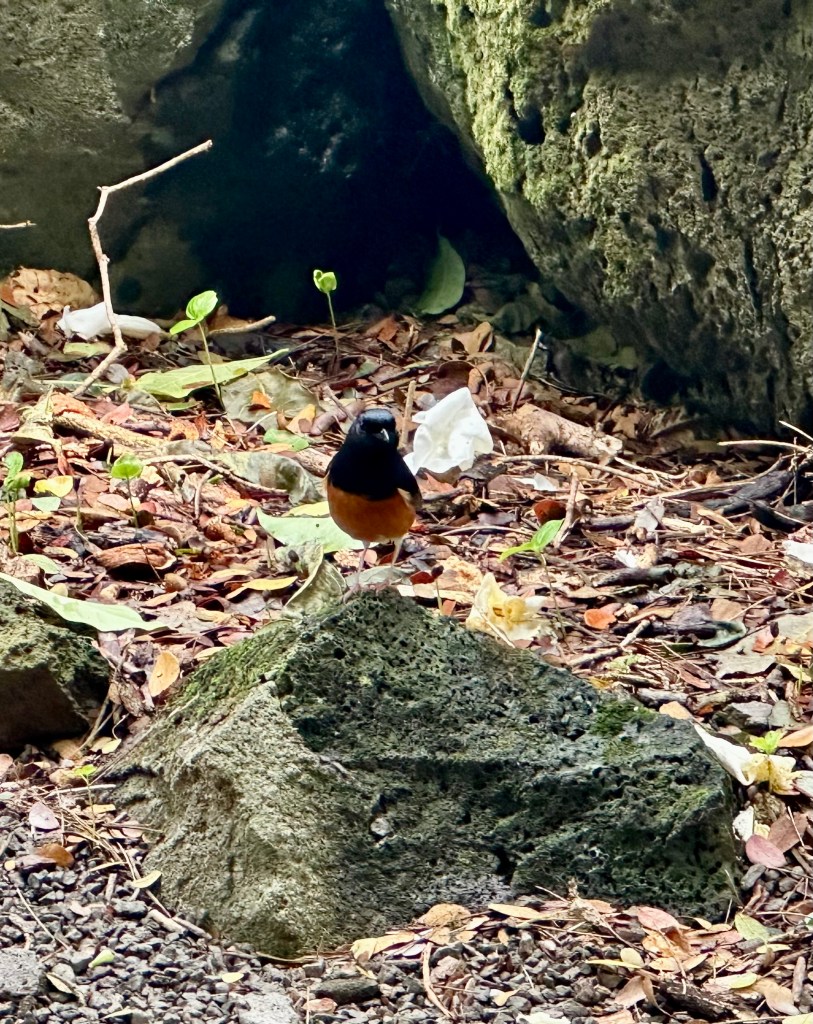

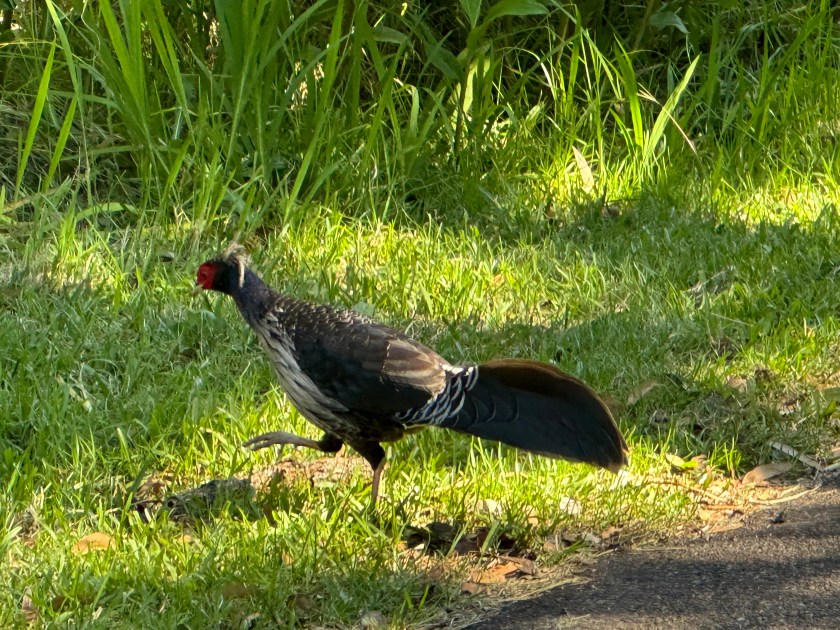


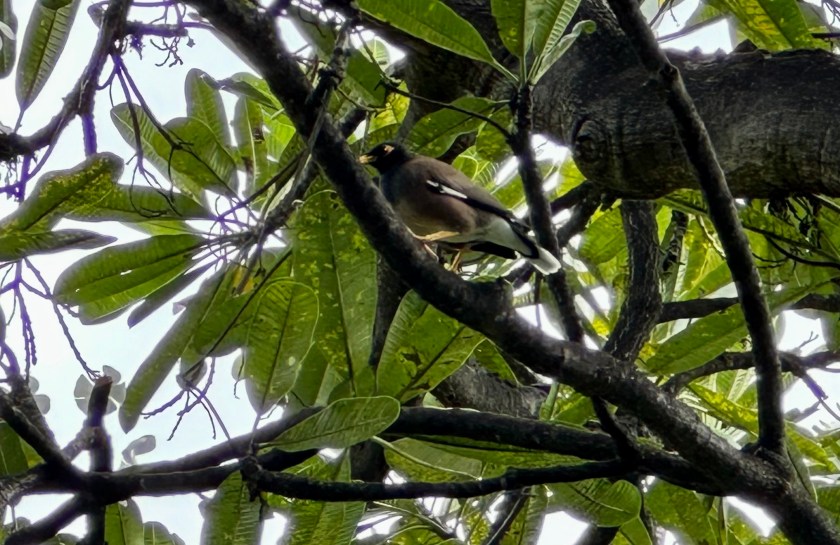
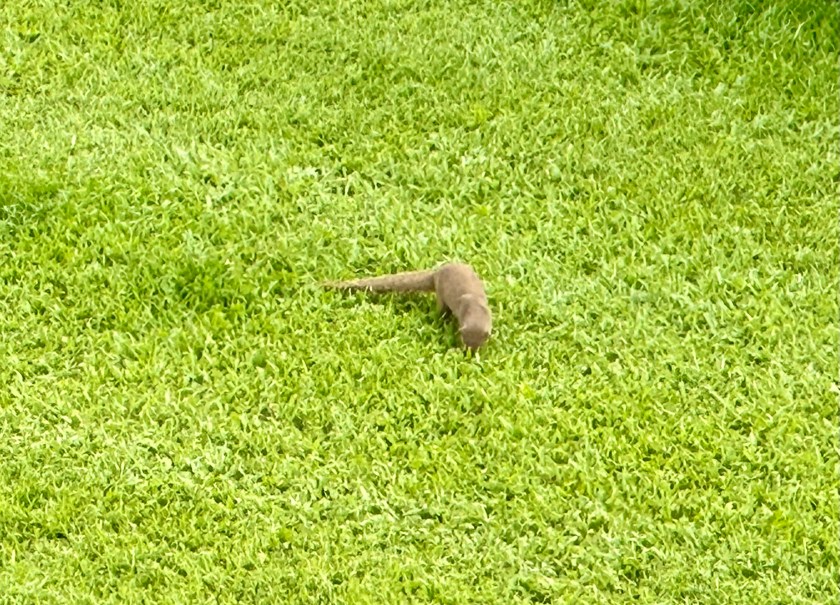


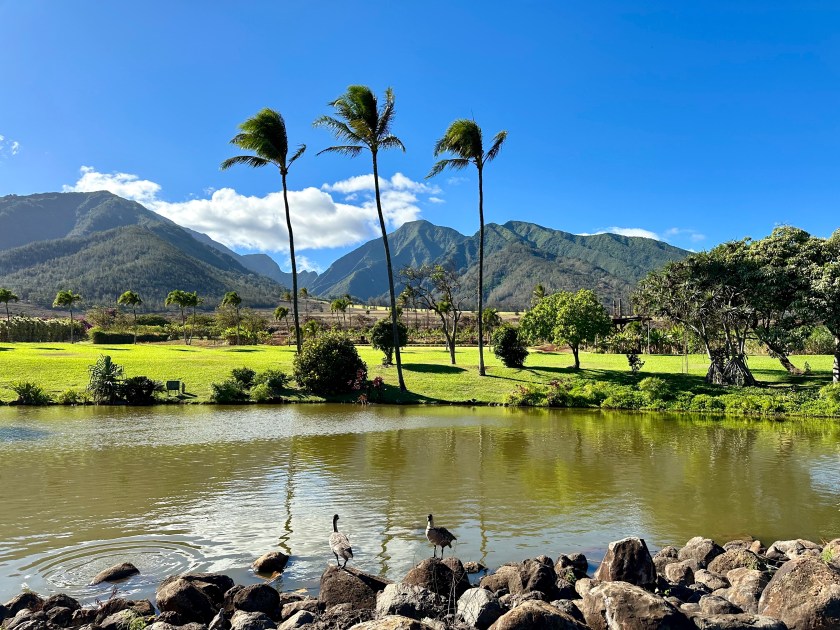

At a historical coffee plantation, songbirds darted from tree to tree, singing and calling high above the shaded coffee bushes. Years ago, I experienced similar scenes multiple times in Honduran coffee farms.
The last full day on Maui proved the most thrilling for scenery and fauna. Driving the Road to Hana and back will do that. Steep mountainsides filled with 50 shades of green surrounded majestic waterfalls, and sharp-angled cliffs dove into inviting waters.
Hidden coves with fine black or white sand beaches held their secrets. Crashing waves instantly transformed into a brilliant white froth that quickly disappeared.
I spied a colony of terns that spend most of the year out to sea fishing. They claimed an old, rugged lava rock that protruded above the sea’s surface, providing a handy, protected nesting sight. Behind me, a small flock of finches waddled through the park’s manicured grasses.
I would be negligent not to mention the free-range hens and roosters roaming the islands. Like many other island animals and plants, they are not native but are now part of the culture.
In my few days in this island paradise, nature’s flora and fauna overwhelmed me with joy. Surrounded by such enchanting environments, who wouldn’t be?

© Bruce Stambaugh 2025
 Roadkill Crossing
You must be logged in to post a comment.