
This was a day I had long anticipated. Neither my wife nor I had ever been to Greece, and I especially looked forward to visiting the Acropolis. Our tour group of two dozen people saw some of the locations the Apostle Paul did on his multiple trips around the Mediterranean Sea. Linford Stutzman, a retired professor from Eastern Mennonite University in Harrisonburg, Virginia, and his wife, Janet, led the trip.
The Acropolis was an easy walk from our hotel in Athens. Before we gathered on the narrow street in front of the hotel, I noticed a large crane extending from our side of the street to the top floor of the apartment building across the way. It was set up to deliver some heavy marble countertops for the kitchen that was being remodeled.
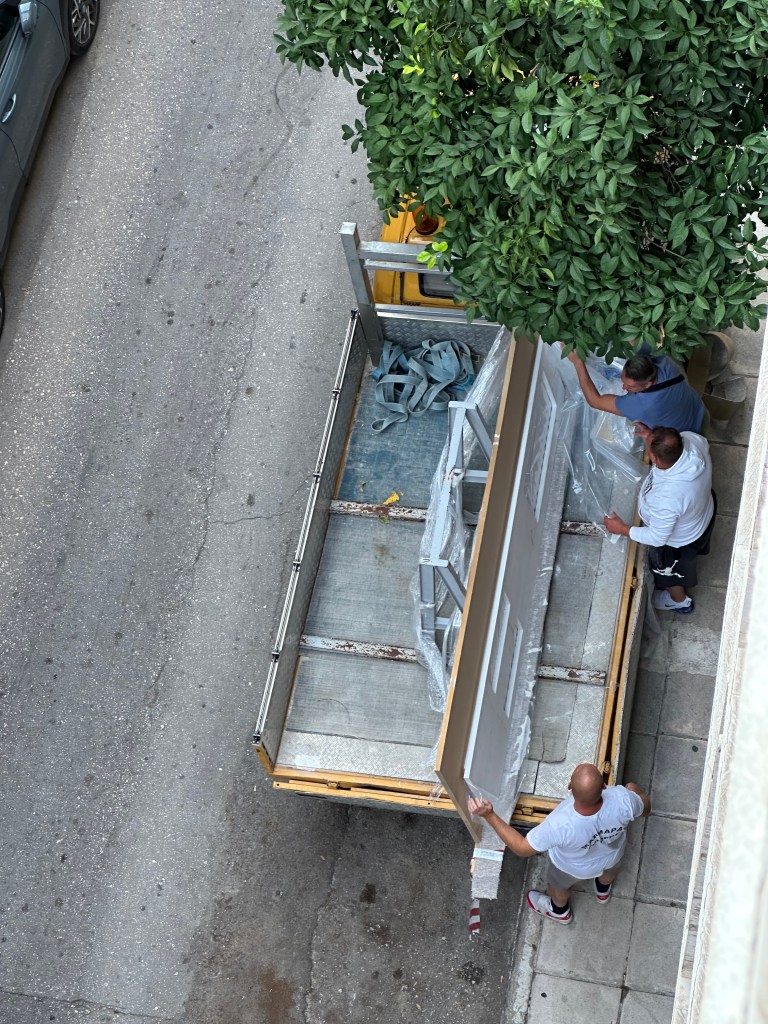


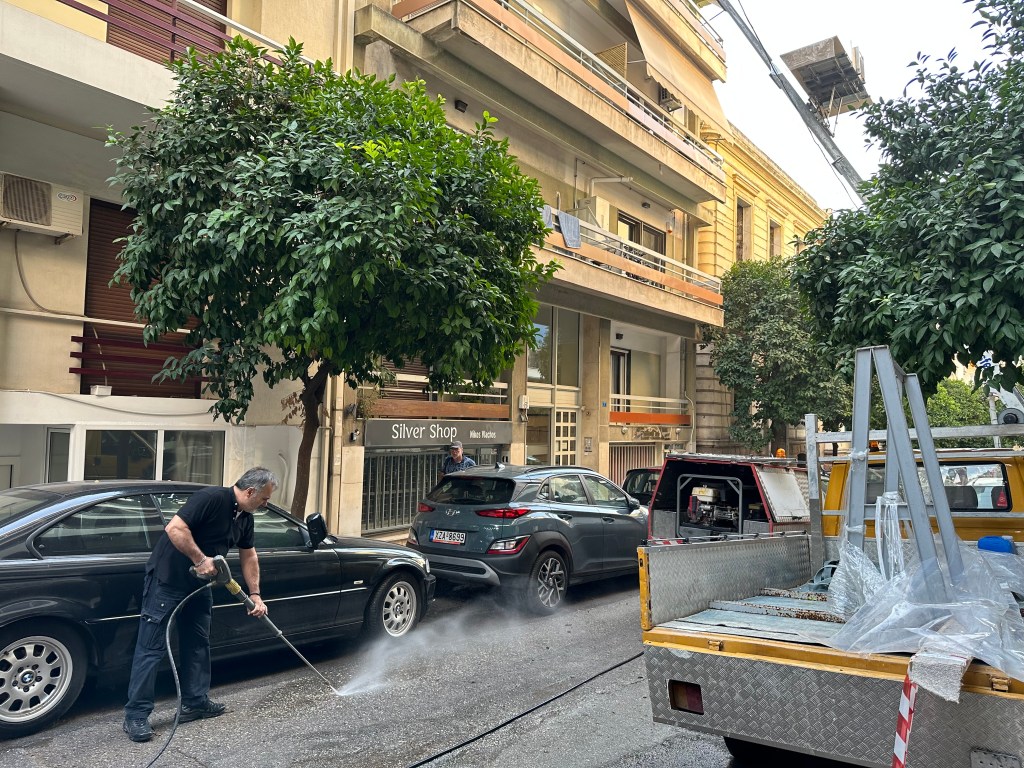

Walking down to street level, I noticed a young woman photographing every step. I asked her if that was her apartment, and she said she was a civil engineer in charge of the project. She was documenting how the crane would get the heavy pieces up to the apartment for another client in London, England, who would do the same thing.
About that time, city workers came down the alley, pressure washing the sidewalks and the street. No construction crew would stop them. They merely worked around them and kept going.
The rest of the group arrived, and we were off for the Acropolis. However, before entering the historic grounds, Linford wanted to give us some background on Paul and the sermon he delivered on Aropagus Hill, sometimes referred to as Mars Hill, as outlined in Acts 17:22–31.

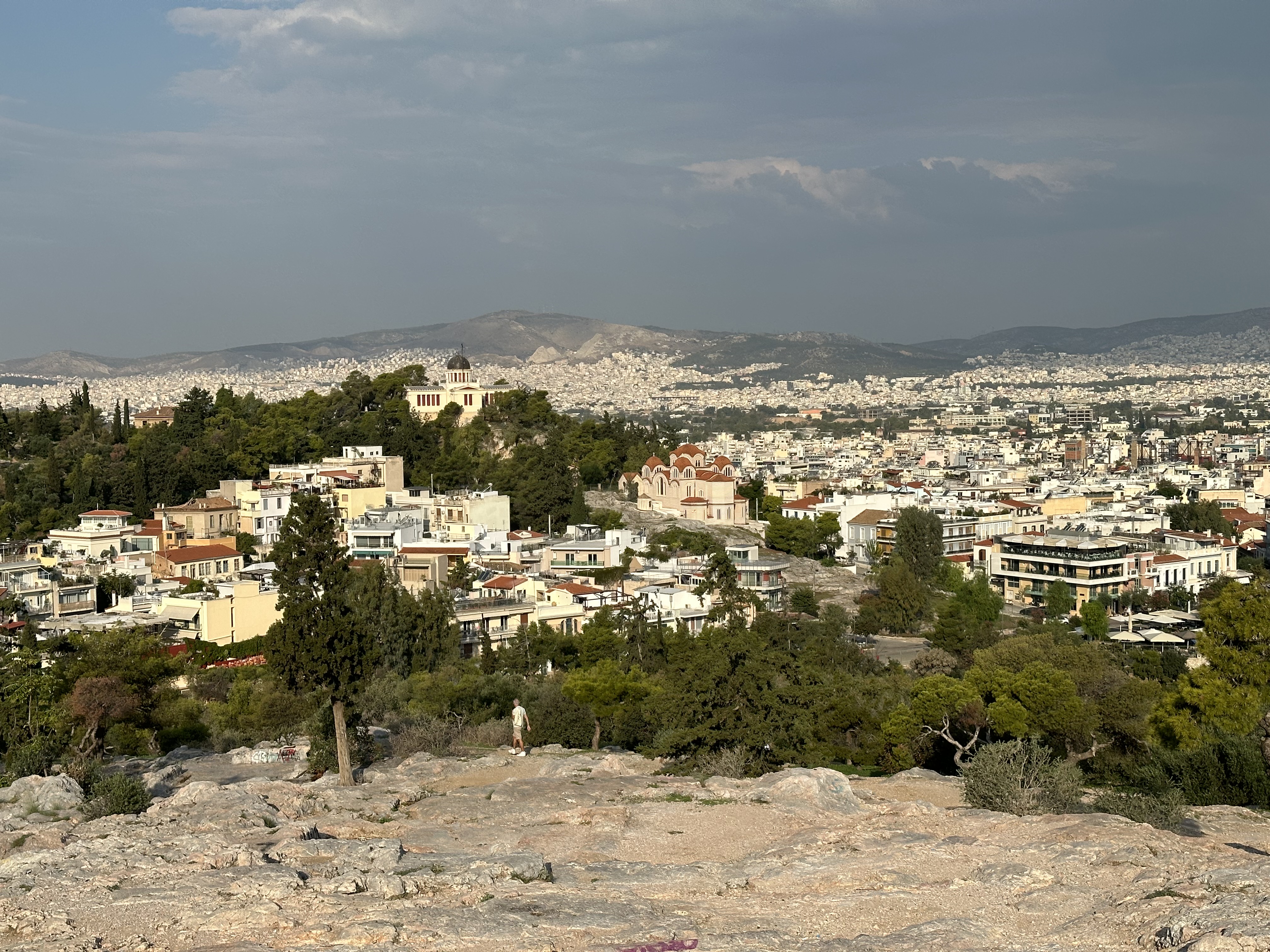


From the hill, we could see the reconstructed Stoa of Attalos next to the Ancient Agora of Athens, where Paul spent time observing and conversing. Beyond was the sprawling city of modern Athens.
After Linford’s talk, we were free to explore the Acropolis independently. The lines for tickets were long, but since we had tickets for mid-morning, we walked right in. Climbing the steps through and around those ancient columns was thrilling. When we reached the top, the Parthenon dominated the view.
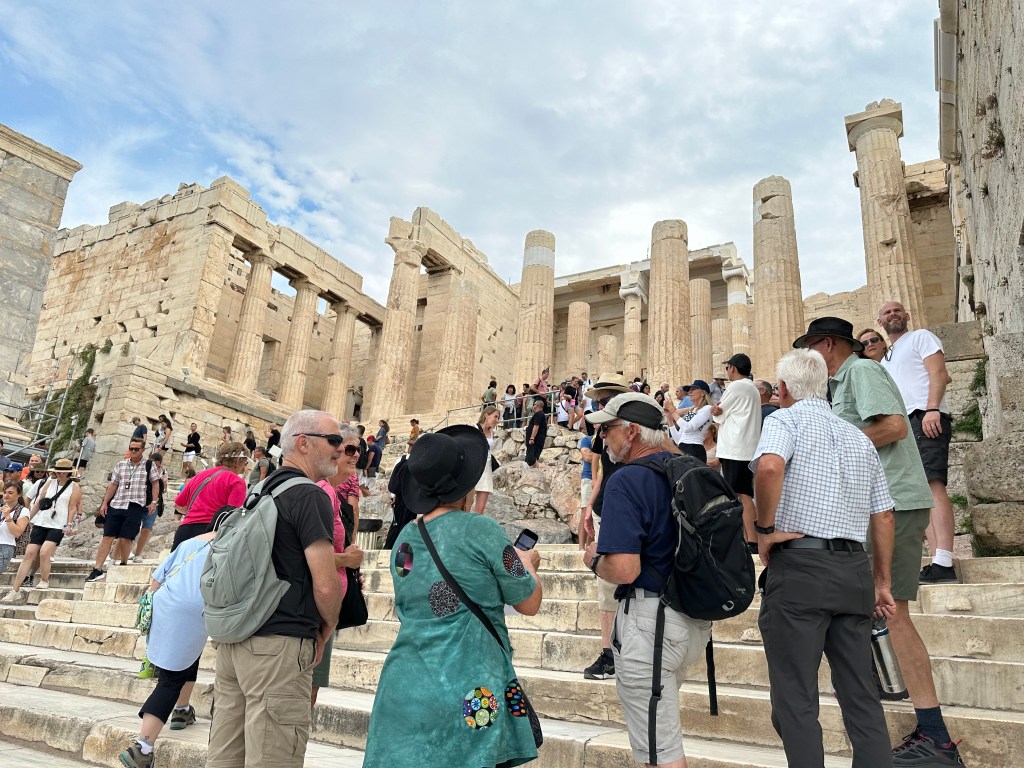


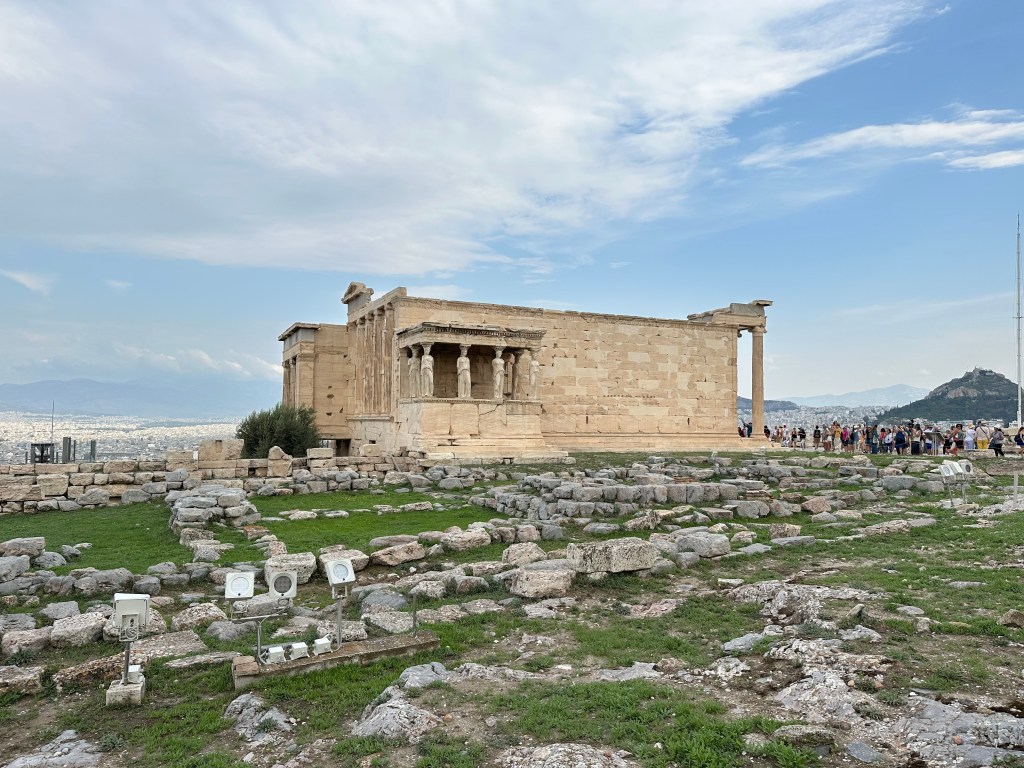
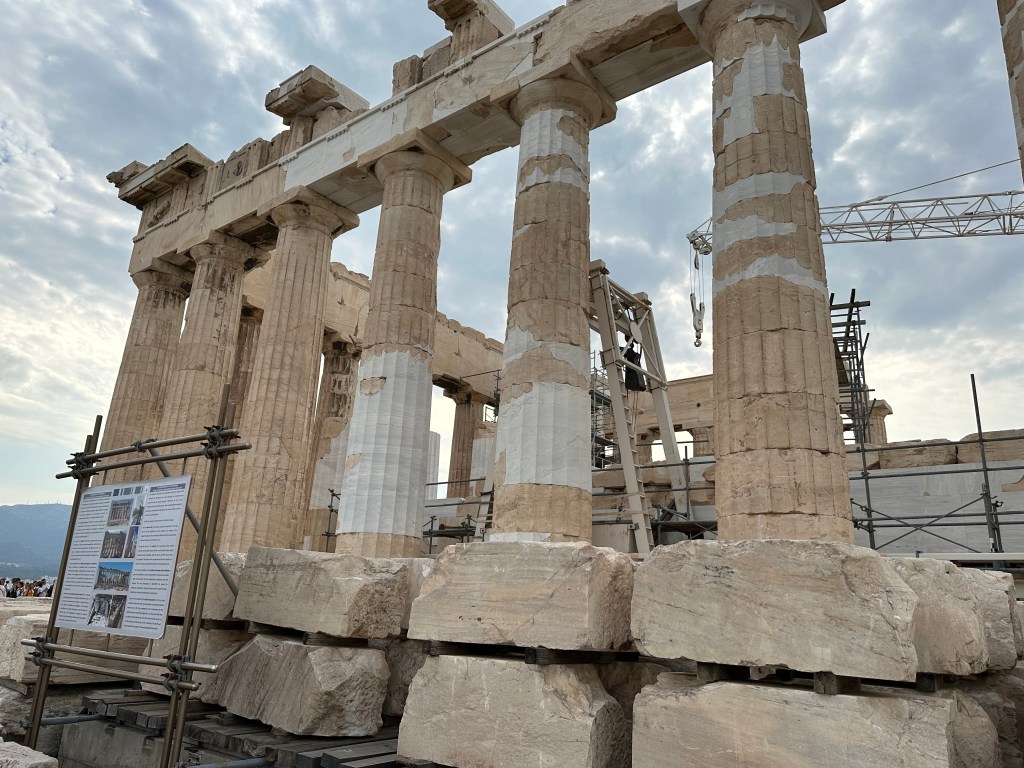

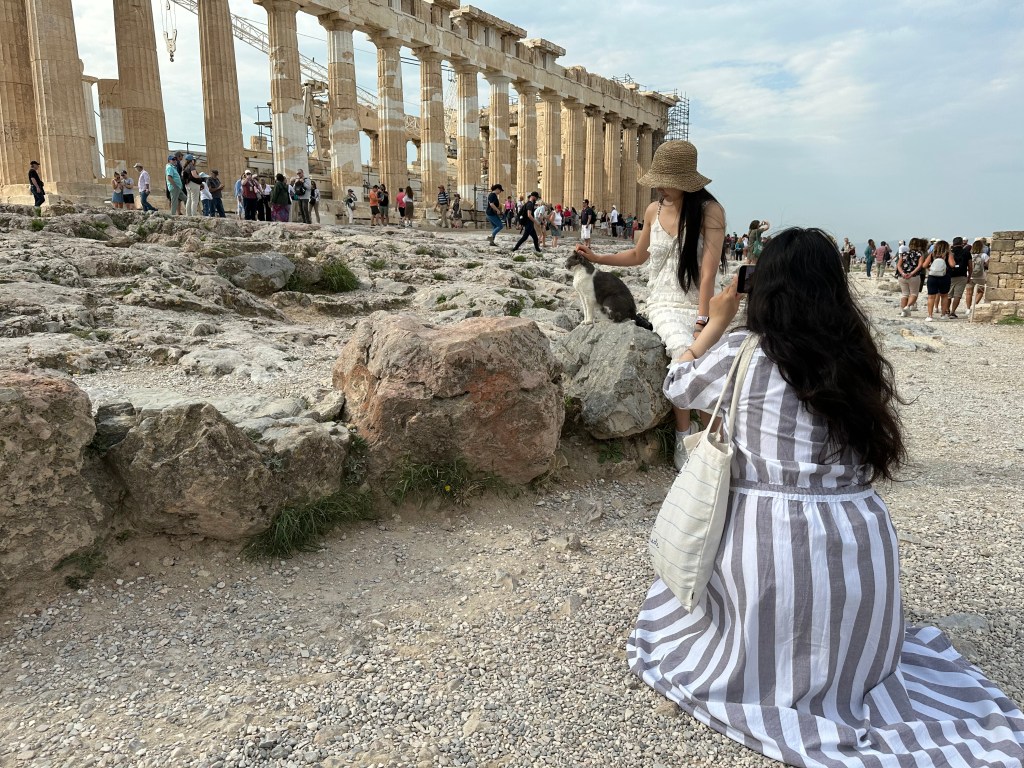
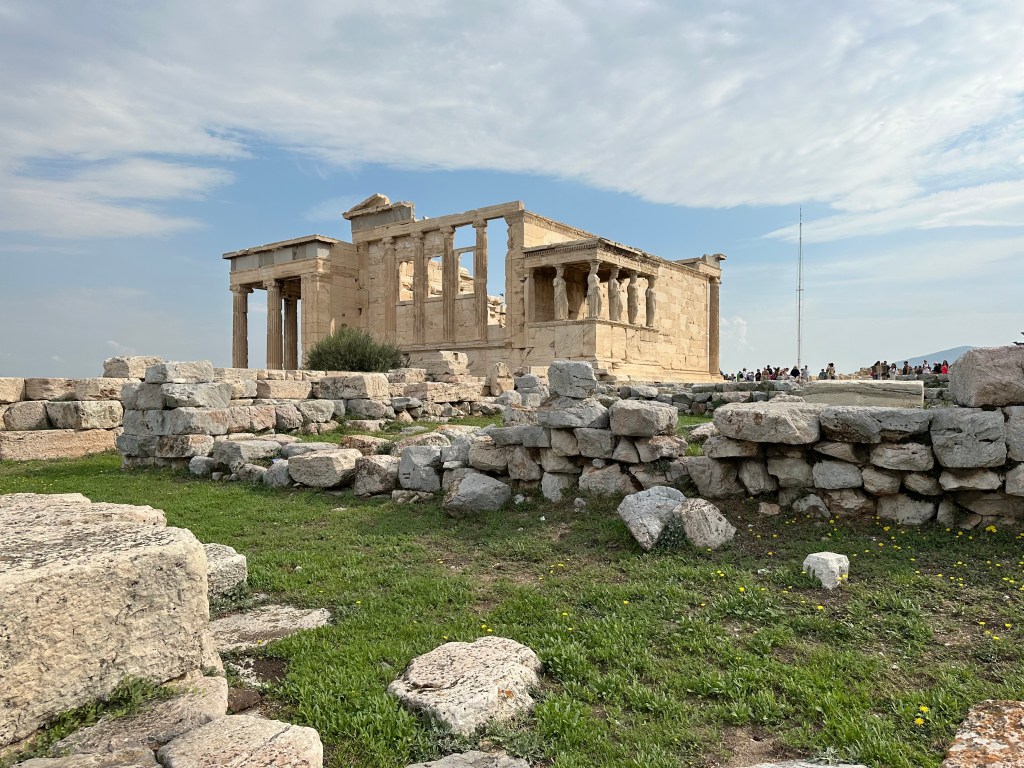

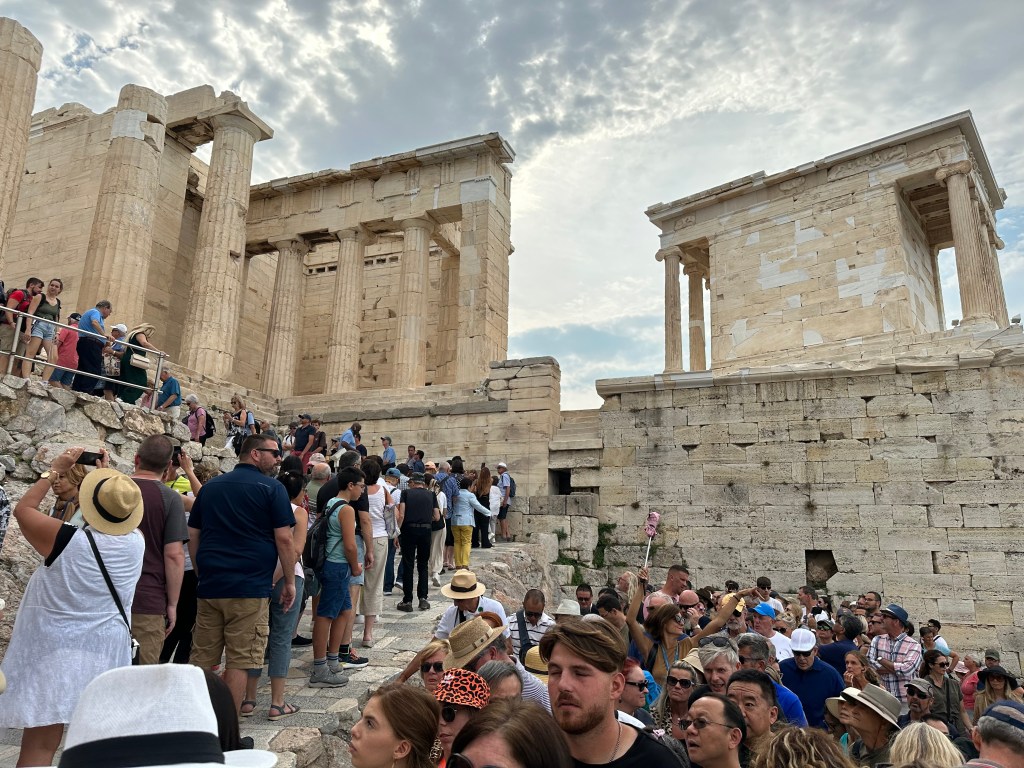
Like many old structures, the Parthenon is being repaired and stabilized for future generations. We had to watch our steps as we went. Old and worn rocks protruded from the walkways or were sunken into them. On the far side of the Parthenon, one elderly lady had fallen because of the uneven footing. Trained emergency personnel were working with her.
I was amazed at all the broken columns and cornices lying around. Most were roped off so visitors wouldn’t bother them. Many were piled up and cataloged in other areas atop the Acropolis.
As the sun rose higher in the sky, the temperature heated up. We decided to head back down the way we came. I was shocked at the number of people working their way up, making our exit difficult.
We headed for the Museum of the Acropolis just down the hill. Our first stop was the cafe for a light lunch and to cool off. The museum was huge and had thousands of artifacts from the Acropolis and explanations of their meaning and importance.

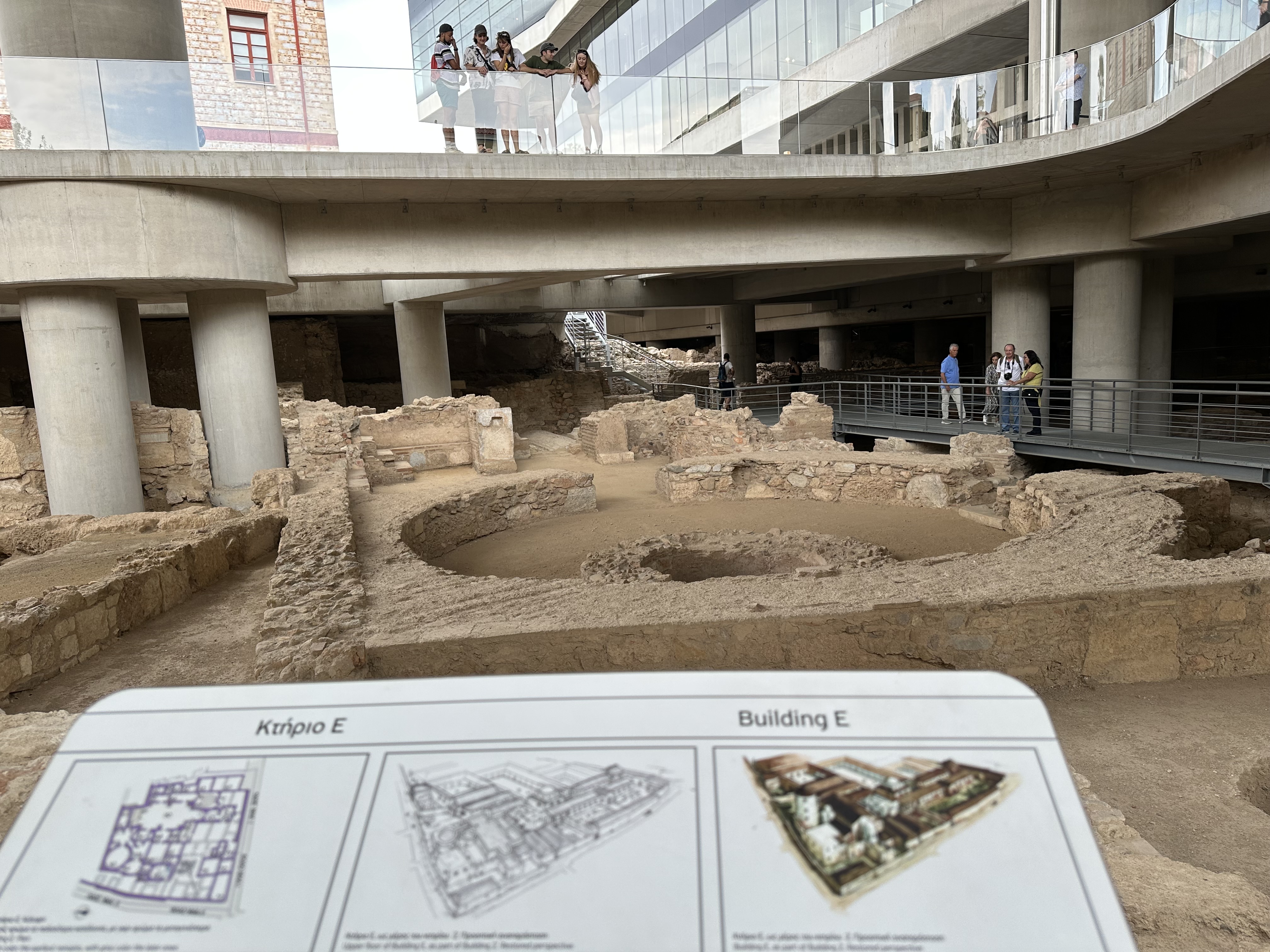


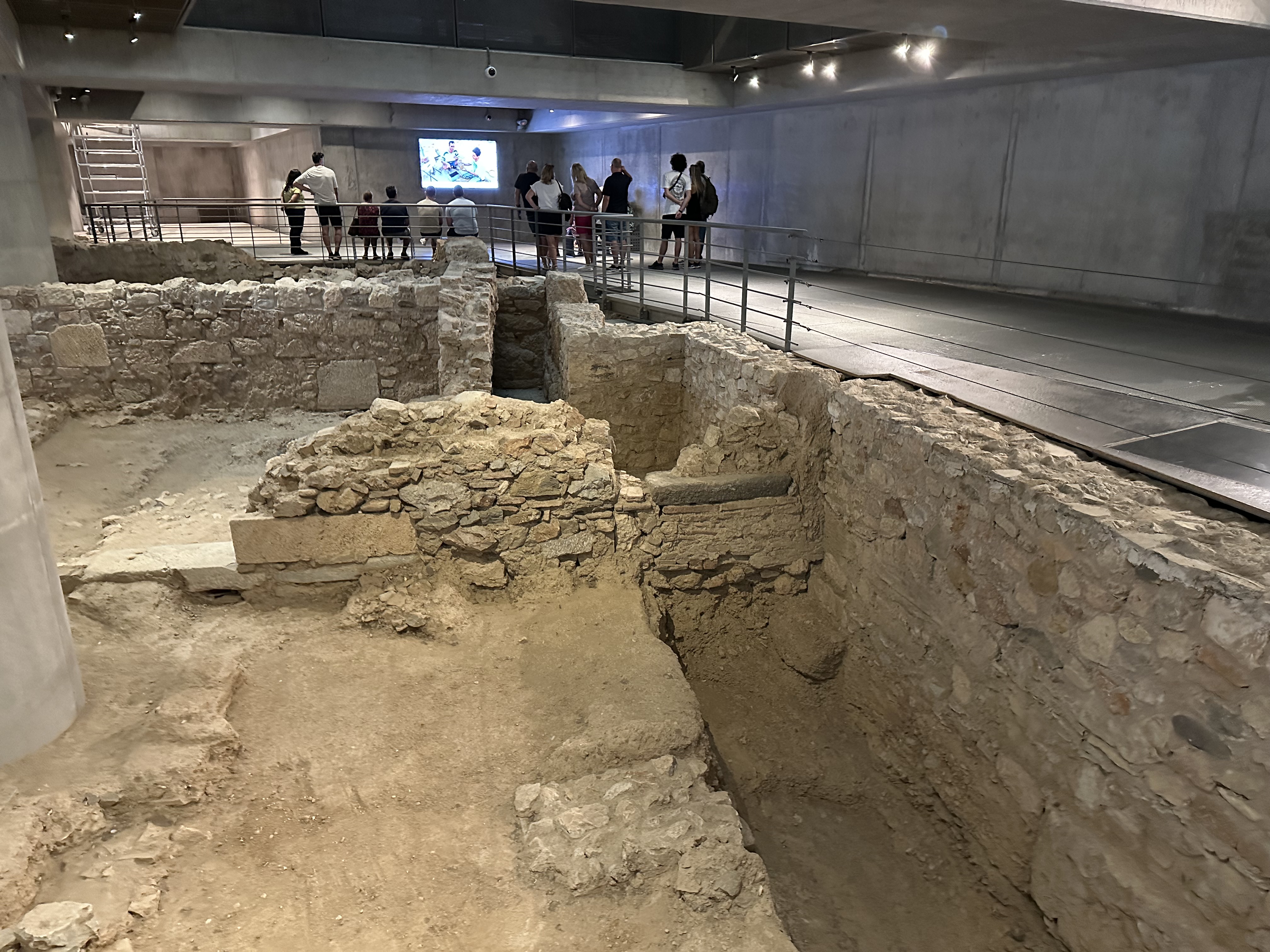
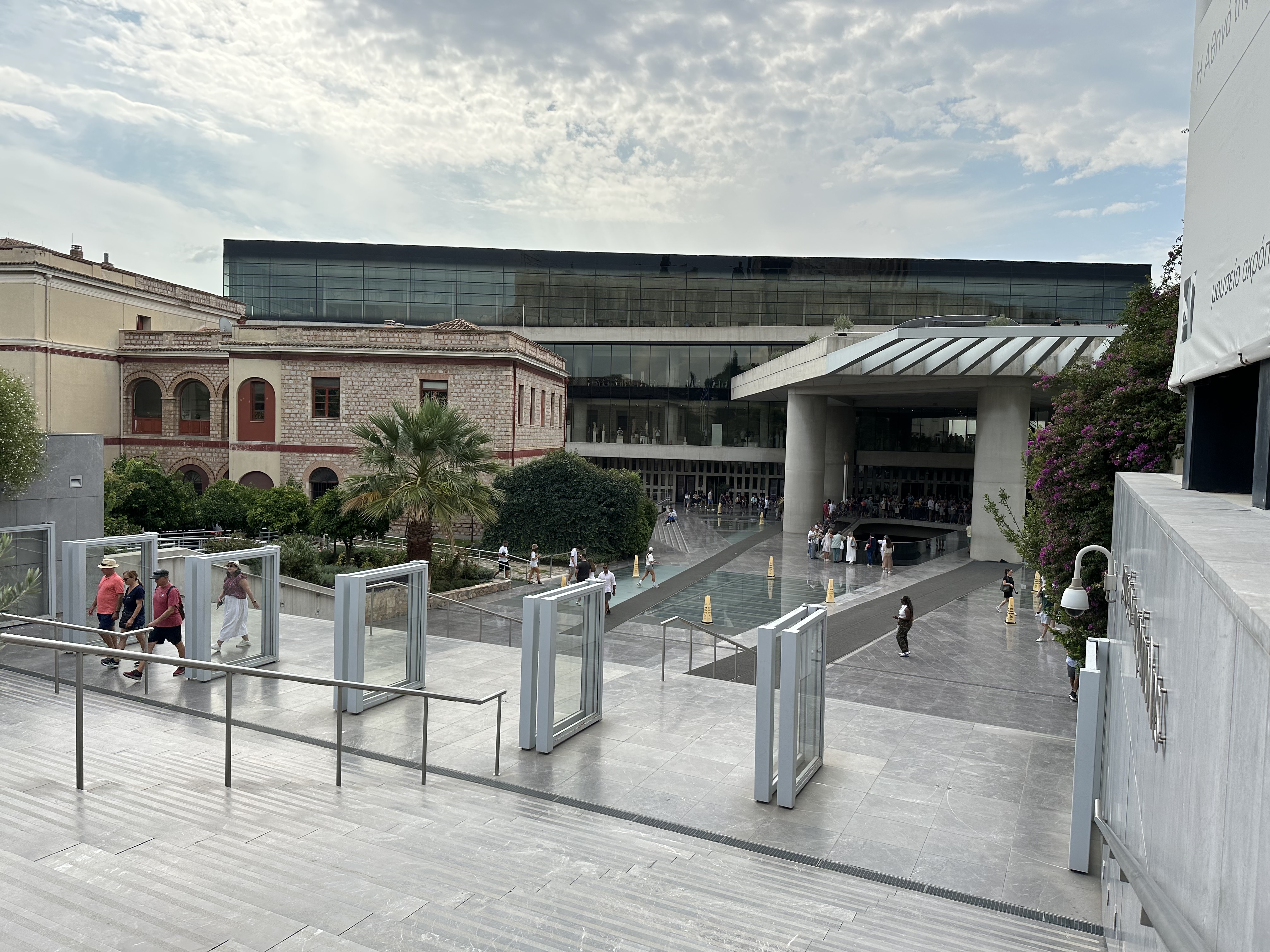

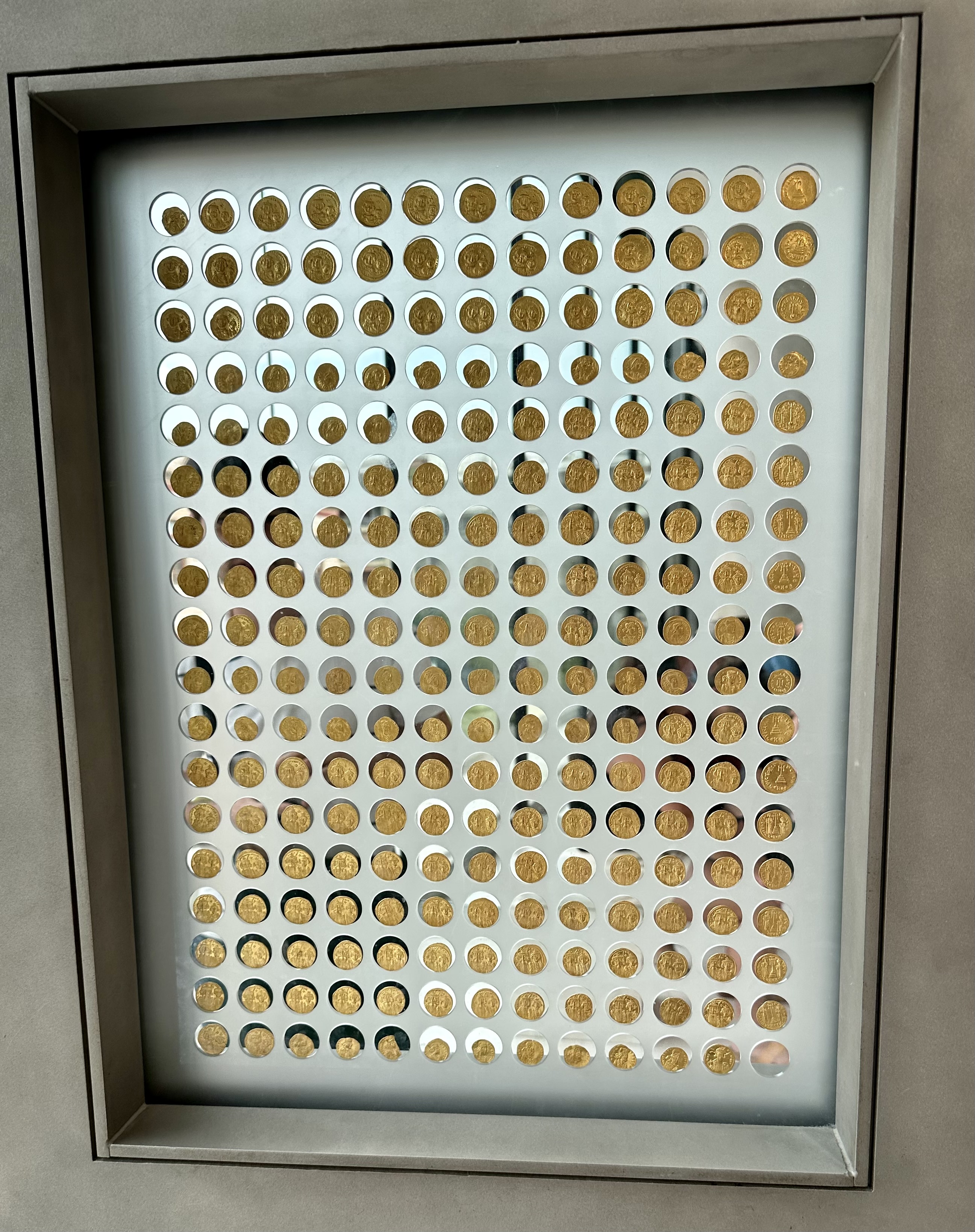


Another interesting feature was that the museum was built over an active archeological dig. I found that fascinating and enjoyed seeing the various rooms of the homes being excavated. The water and sewer systems were equally interesting.
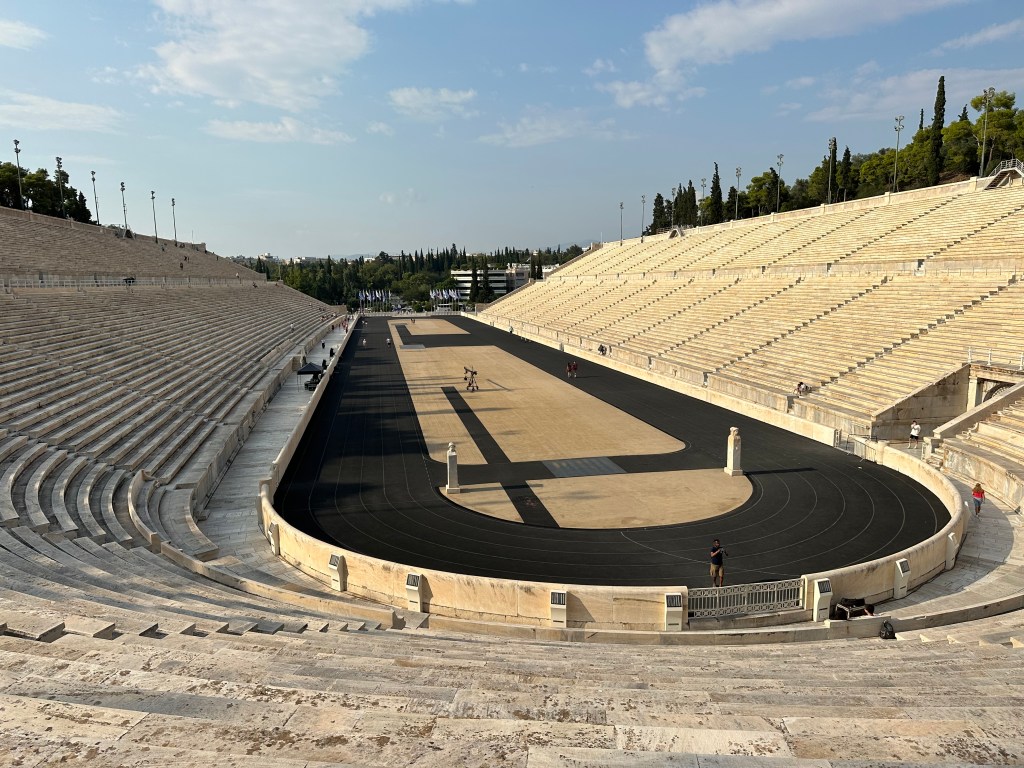
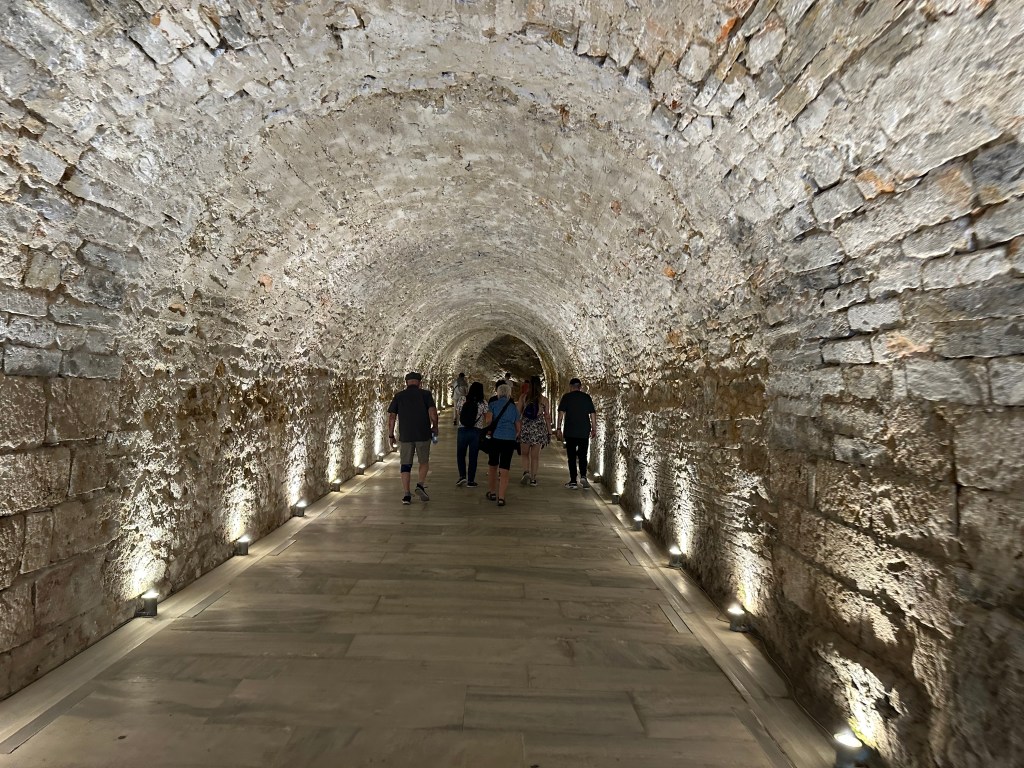
After resting a while, the group hiked to the site of the original modern-day Olympics, which began in 1896. The stadium is now reconstructed but does contain a few pieces of masonry from the original Olympic stadium. Of course, we visited the museum and gift shop. Our group ended the day with a nice meal together.


Tomorrow: On to Corinth.
© Bruce Stambaugh 2023
 Roadkill Crossing
You must be logged in to post a comment.