Five easy steps to attract birds

Amish country by Bruce Stambaugh
By Bruce Stambaugh

Feeding birds is easy, and fall is a great time to start. In fact, if you follow some simple but basic birding steps, you can attract returning migrants and hungry year-round residents to any backyard environment.

Keep in mind that different birds have different feeding habits and nutritional needs. Varying the style of the feeders, the kind of bird food used in each, and the feeders’ placement can greatly determine the popularity of your feeders.

1.            Identify your habitat

Once you decide to feed birds, it’s important to know what habitat you are in and establish the right feeders with the appropriate feed. Hanging out suet on a balcony in the city most likely won’t attract the desired birds. Doing so in the country or a loosely wooded backyard can yield great rewards.
Feeders placed in grassy suburban backyards or rural settings have the chance to attract the biggest variety of birds. Feeders should be placed where they can be easily observed through a window in your home, and stocked and maintained with the appropriate feed.

2.            Select your feeders

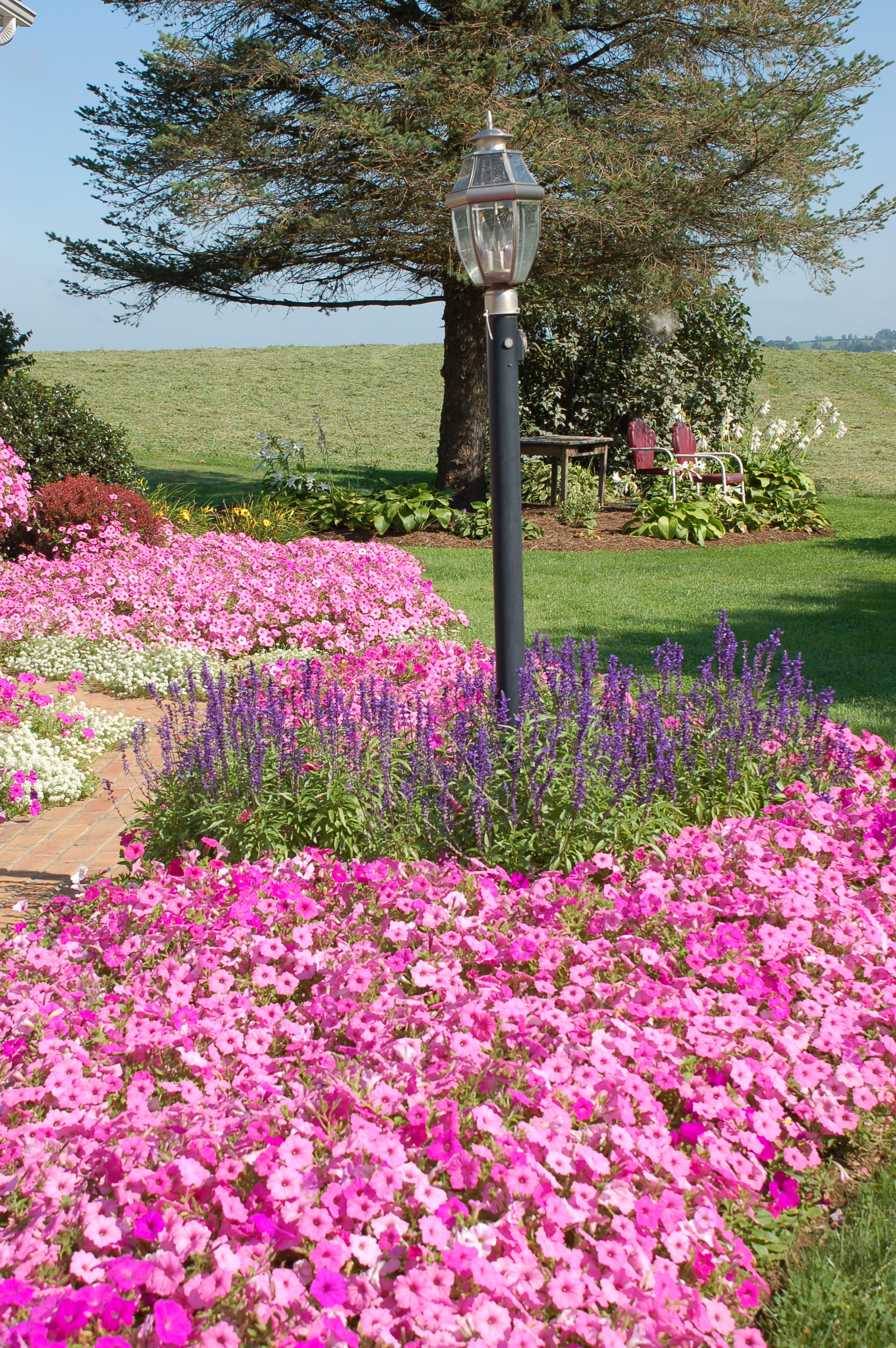
The key to successful feeding is to pick the correct feeder or feeders for your situation. A backyard that has even a small grassy opening surrounded by hedges, shrubs fields or trees may be perfect for every kind of bird feeding style. Feeders don’t have to be complicated or expensive either.

Birds feeding by Bruce Stambaugh
Even the top of an old stump can serve as an excellent feeding station for birds.

A simple piece of plywood placed on some bricks or small cement blocks would serve as a nice platform feeder for birds that prefer to feed at ground level. A hopper feeder could be hung from a porch overhang or a firmly planted shepherd’s hook. A hanging feeder, such as an empty mesh citrus sack, could hold high protein suet for birds that can cling to what they are eating.

Place the feeders where they will attract the most birds and are easily observed from the safety and warmth of your home. Placing a hanging feeder or a shelf feeder on your windowsill will bring the birds right to you.

3.            Keep the feeders filled

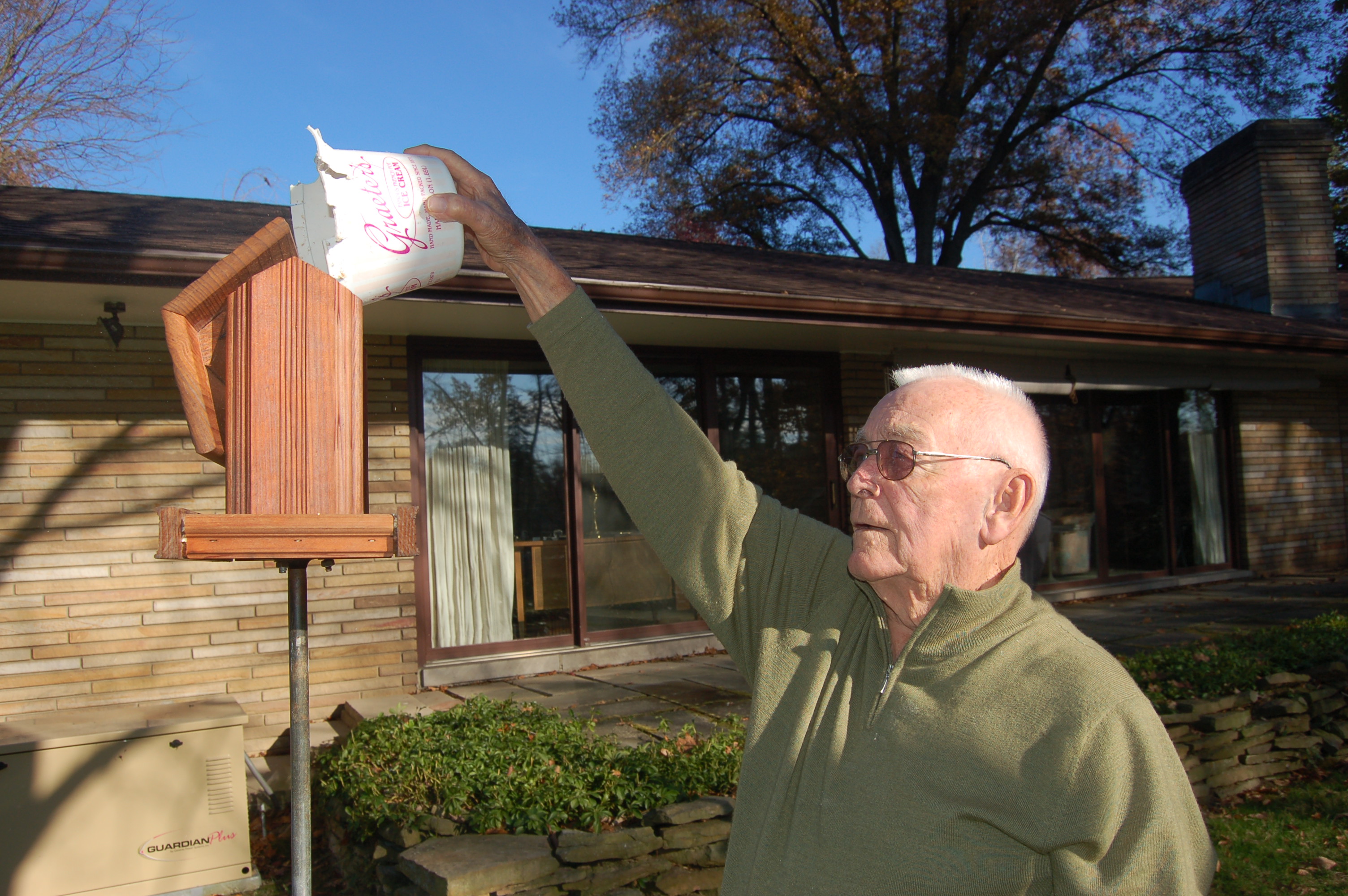
Once you start to feed the birds, keep at it, even if it takes the birds awhile to find your offerings. The feeders need to be kept filled, too. The ground feeder could be mixed wild birdseed or simply cracked corn spread out.

Filling the feeder by Bruce Stambaugh
Keeping feeders filled with seeds the birds like is critical to consistently attracting birds.
Stock hopper and hanging feeders with black oil sunflower seeds which many bird species enjoy. Thistle feeders are also popular with many species of birds in northern Ohio.

Suet feeders can be fat from the butcher, or you can either make or purchase cakes of suet that are loaded with peanuts and seeds. Those fit well into square wire feeders.

4.            Keep them cleaned

In addition to keeping the feeders full, it is critical that the feeders be attended to at least weekly. Even in cold weather, mold and disease can spread from uncared for feeders. Moisture can cause seed residue to crust, creating a potentially unhealthy situation for the birds.

Clean out any clogged holes in hanging or hopper feeders and make sure the seeds appear properly. Clear away any accumulated material. Tray feeders and even the bare ground should be raked periodically to remove spent seed hulls and bird droppings. Suet feeders should be checked for any signs of decay or mold.

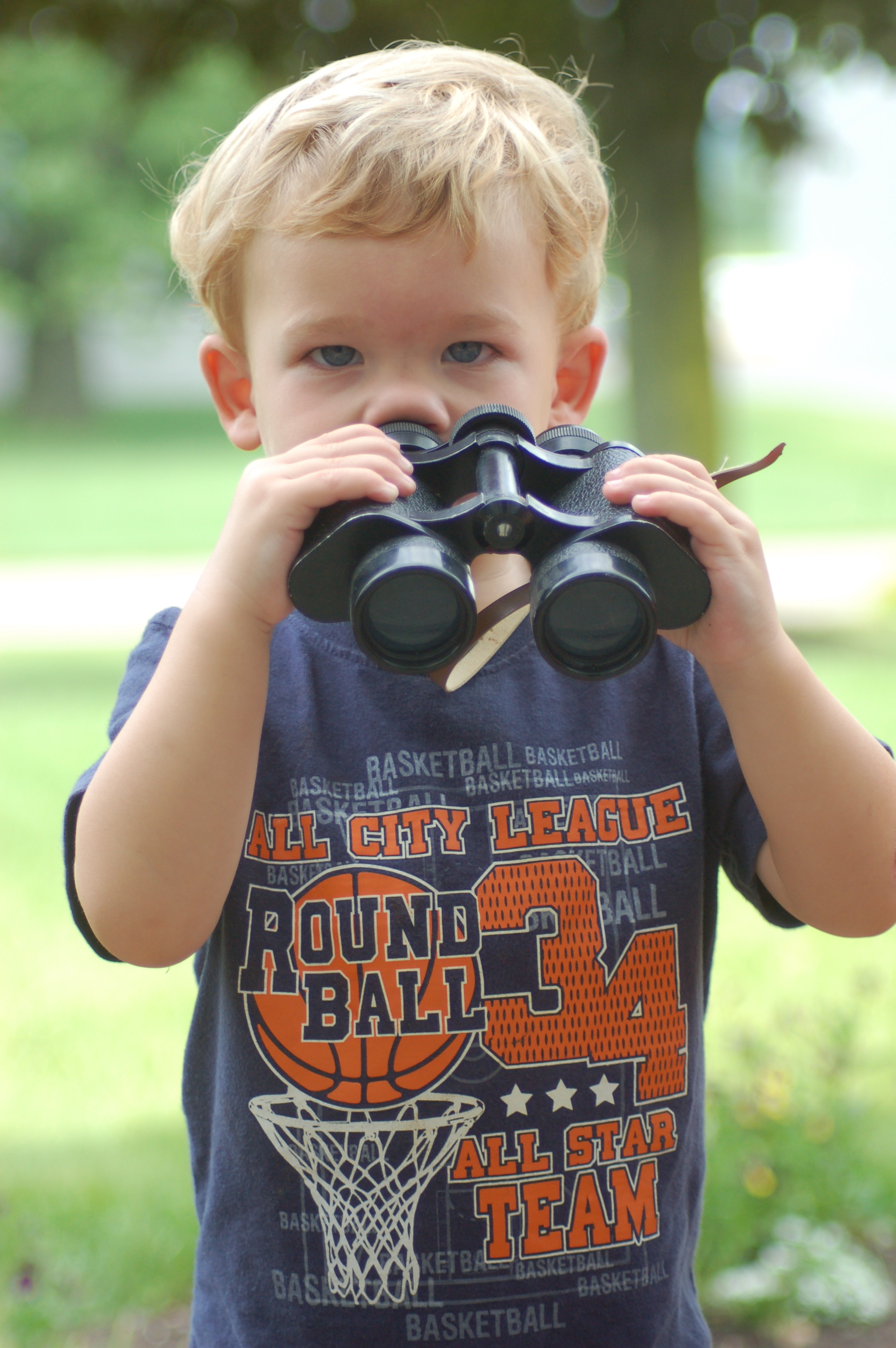
Binoculars by Bruce Stambaugh
A good pair of binoculars, when used properly, can enhance birdwatching.

5.              Keep a record

For most birders, keeping track of what is seen is half the fun. Again, this is not a difficult or time-consuming task. Keep a notebook and pencil handy and record the day, time, weather, and type of bird you saw. You will be surprised how quickly the number of species adds up on your yard list. Do this annually and you will have an accurate and personal record of what birds you saw, when and under what conditions.

A good bird guide is also an essential tool. Easy to use bird books are available at area shops and bookstores. Having a good pair of binoculars can enhance your bird viewing, too. After all, watching the birds eat is the main objective.

Putting up feeders, keeping them filled and cleaned, and keeping track of what you saw is a wonderful way to pleasantly pass the time when the weather outside is frightful. The birds need the food, and with a front row seat you will be glad for the variety of aviary entertainment without having to go out into the elements yourself.

Bluebird by Bruce Stambaugh
Feeding birds sometimes brings pretty surprises, like a hungry Eastern Bluebird.

This story first appeared in Around the House.

Kids these days

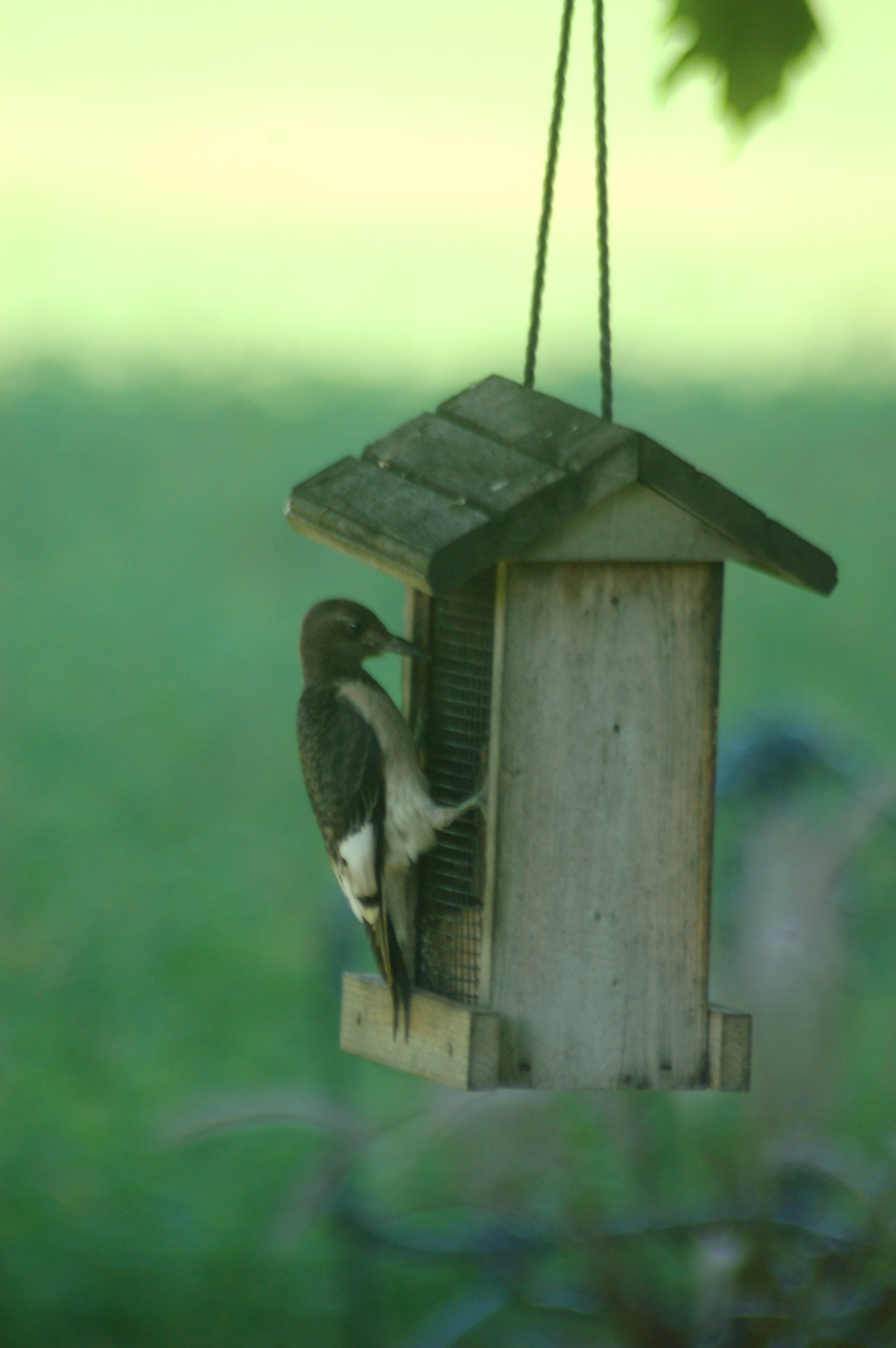
Juvenile Redheaded Woodpecker by Bruce Stambaugh

Boisterous, brassy,
young redheaded woodpecker
posed for photo op.

Bruce Stambaugh
August 30, 2011

August is the quiet month

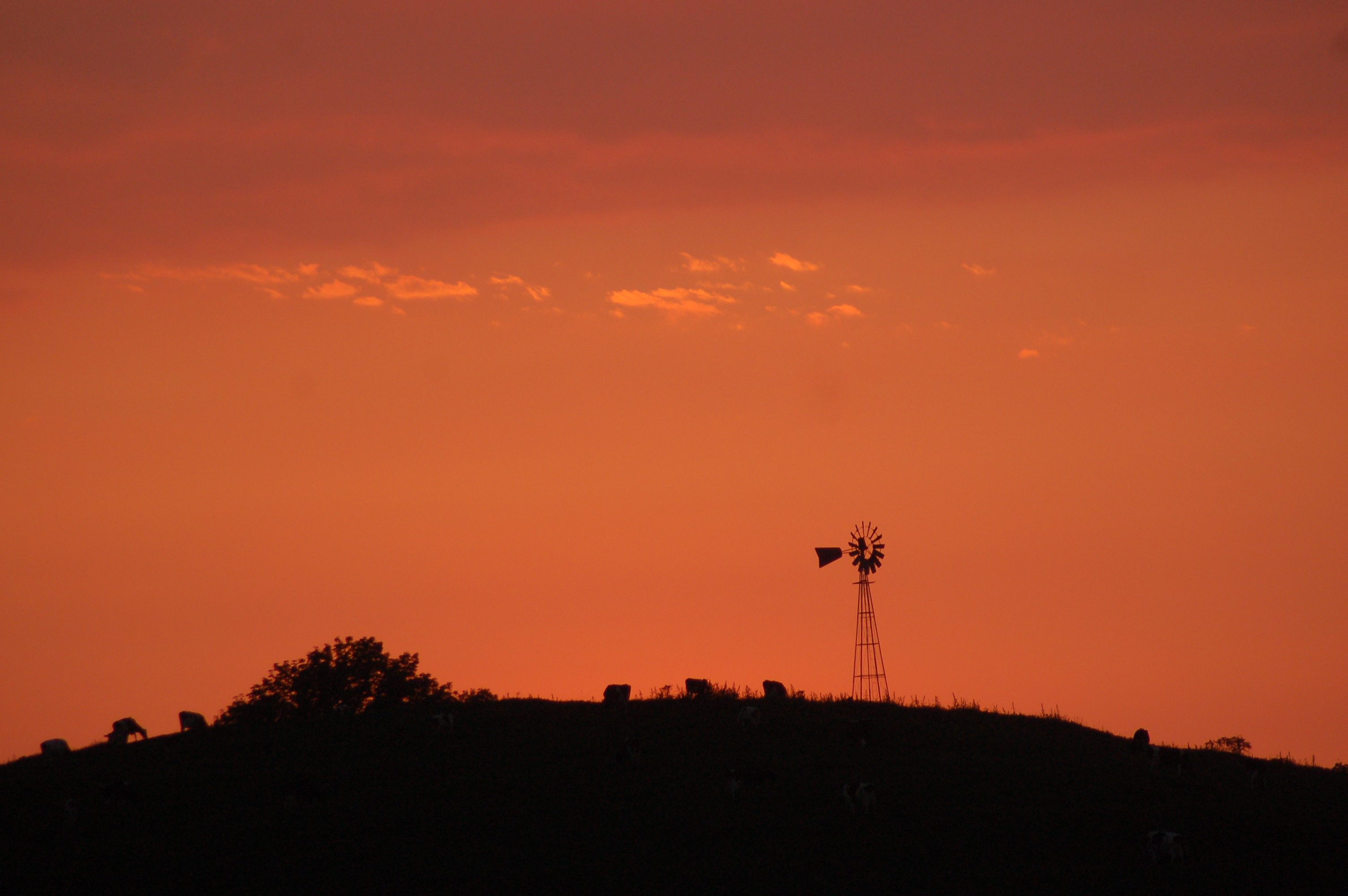
August sunset by Bruce Stambaugh
A typical August susnet in Ohio's Amish country.

By Bruce Stambaugh

I have always thought of August as a transitional month, the days between busy, boisterous July and the revitalizing September.

August is the stepping-stone from summer’s onslaught of activities into a pre-fall mentality. Vacations wind down for most people. It’s back to school and back to work.

If we take time to halt our busyness, our clamor to re-ready ourselves for the new school year at hand, we can take note of this calendar bridge from tilling to harvest, from clamor to order. In its intermediary mode, August seems to quietly take it in stride.

The songbirds no longer need to announce their territory or impress their mate. The young have flown the coop, or more properly stated, the nest, and bird life has returned to seeking daily subsistence. The American Robin precisely models the point.

From April to July, the Robins paired off, warbled their luxurious choruses almost continuously sunup to sundown. They pecked on windows, noisily flitted off their nests when disturbed and faithfully fed their young.

The Robins were ubiquitous in both presence and song. People often comment when they see their first Robin of the spring.

First Robin by Bruce Stambaugh
People often remark when they spot their first Robin of the spring.

Now, in late August, the Robins have all slyly retreated to their preferred nomenclature. They are more than content to while away the day searching for food deep in the recesses of the shade and forest.

Think about it. When was the last time you either heard or saw a robin? They simply and silently slipped away unnoticed.

If they haven’t already, other bird species will soon be disappearing from the area altogether. The Purple Martins, Barn Swallows and Common Nighthawks all heed their interior instinctive urgings and vanish unseen much like the Robin. We under-appreciate their massive consumption of insect protein until it’s too late to thank them.

Just as quietly, the multiple greens of fields and pastures have grown taller, richer. Chameleon-like, they have morphed into emeralds, tans and russets with hardly a rustle.

August harvest colors by Bruce Stambaugh
The colors of August change from day to day.

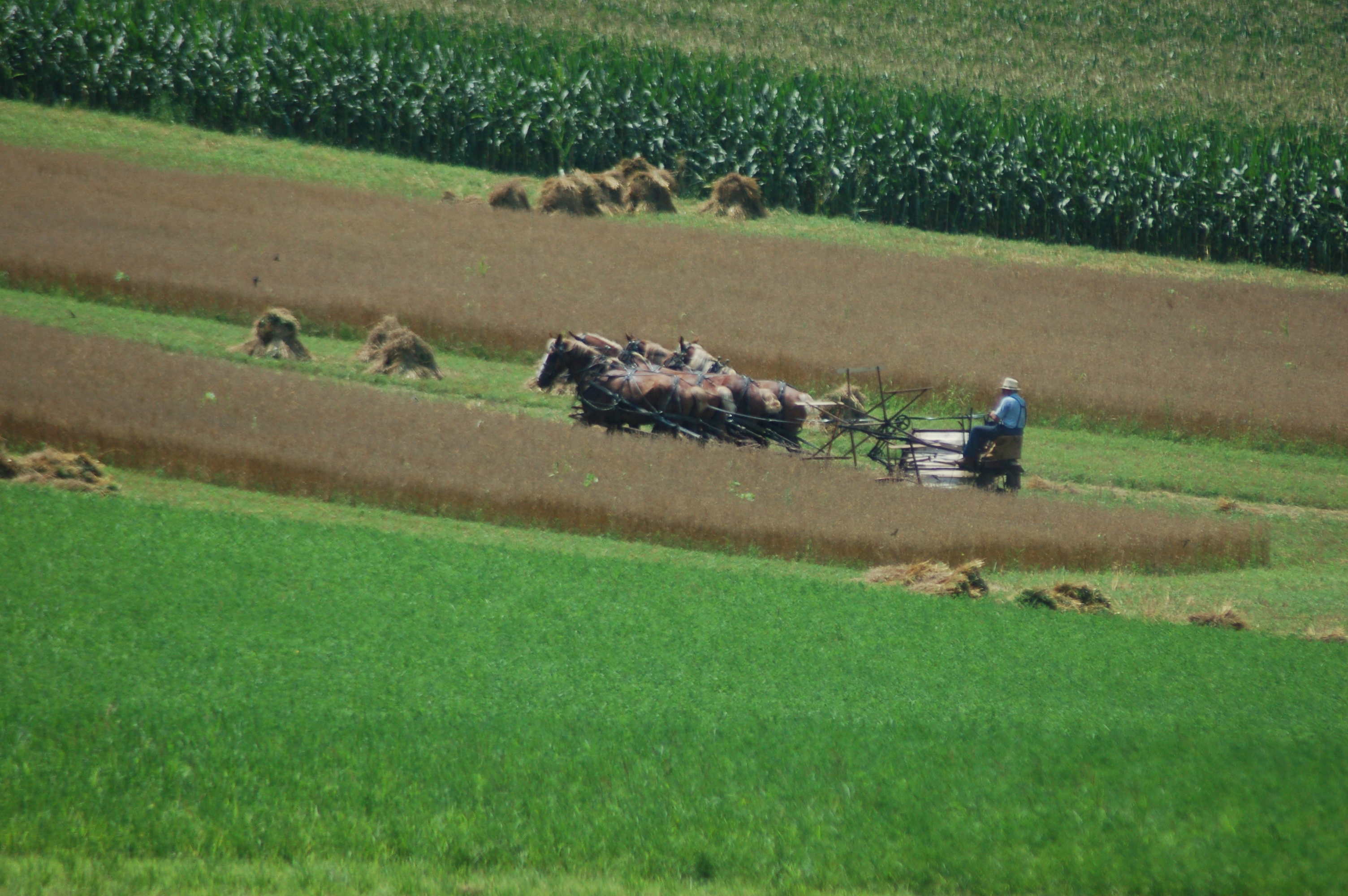
Farmers have taken in their wheat and most of their oats matter-of-factly, and now tolerantly wait the drying of the later cash crops, corn and soybeans. There is no mechanized clanking in patience.

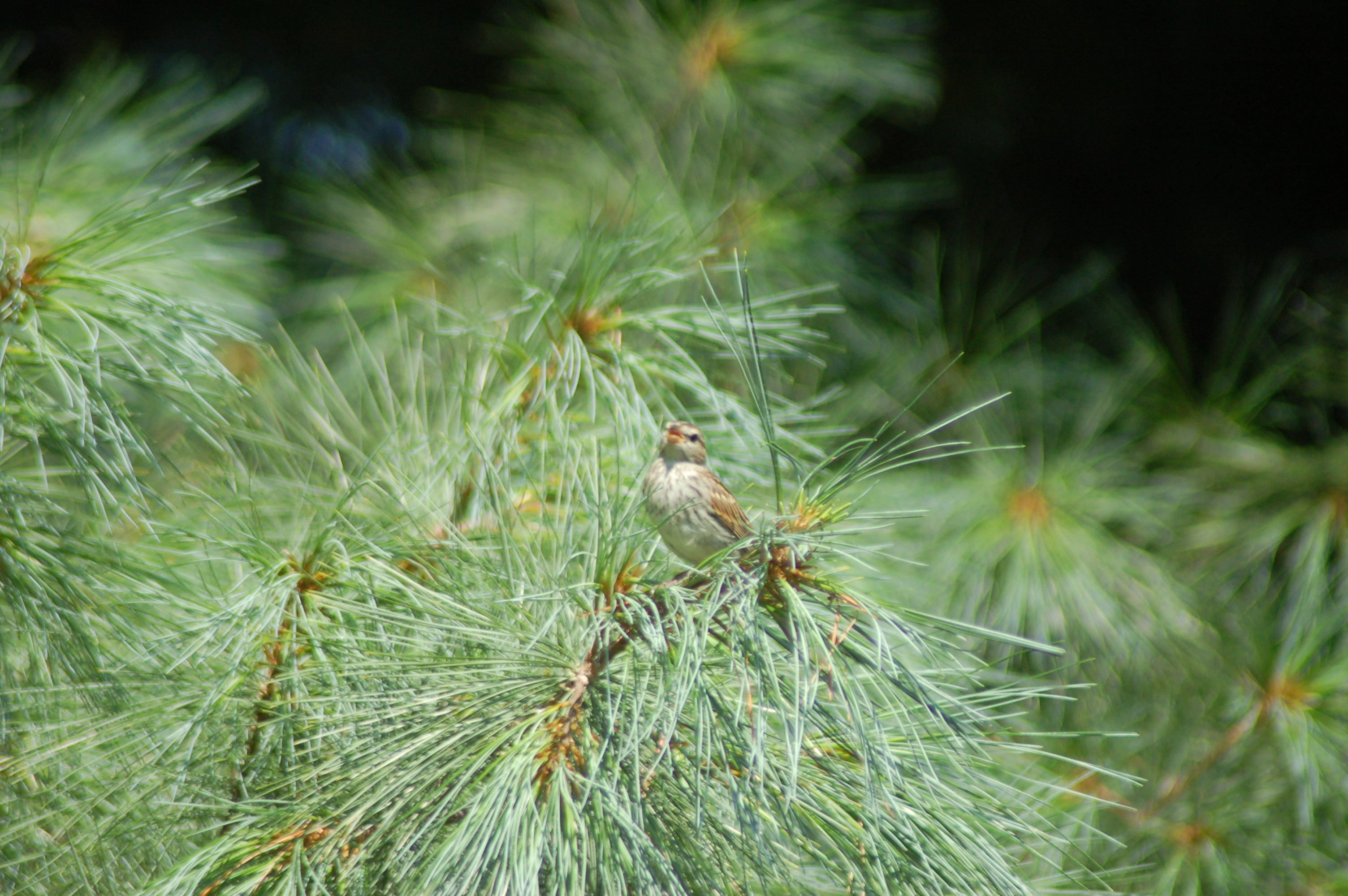
Song Sparrow by Bruce Stambaugh
A Song Sparrow sings away.
The Song Sparrow still belts out an occasional composition, but nothing as regular as it had been earlier in the season. The House Wrens, once so noisy they approached annoyance, have taken to the underbrush, giving their last brood endurance lessons.

August’s atmosphere also has been quieter than the previous months, save for a couple of late night thunderstorms. The brilliant flashes and deep, rolling booms shattered my sleep like Civil War cannon fire might have. Midnight imaginations run wild when deafeningly jolted.

The few sounds of August we can count on are more monotonous and so commonplace we may not even notice their calls. Cicadas and crickets signal day and night. With windows thrown open to catch the unusual August twilight coolness, the insect symphony has helped humans settle in for sound sleeping.

Every now and then a ranging coyote howls from atop the neighbor’s pastured hill, if for no other reason than to drive the tethered neighborhood canines crazy. The feral call is one thing. The domesticated is another.

Now that school years in most locales begin well ahead of September, the playful echoes of children rollicking at recess again fill the air. It’s a timbre I love to hear over and over again, even if it does break August’s amazing silent spell.
Amish school by Bruce Stambaugh

Corn and grandchildren are both Incredible

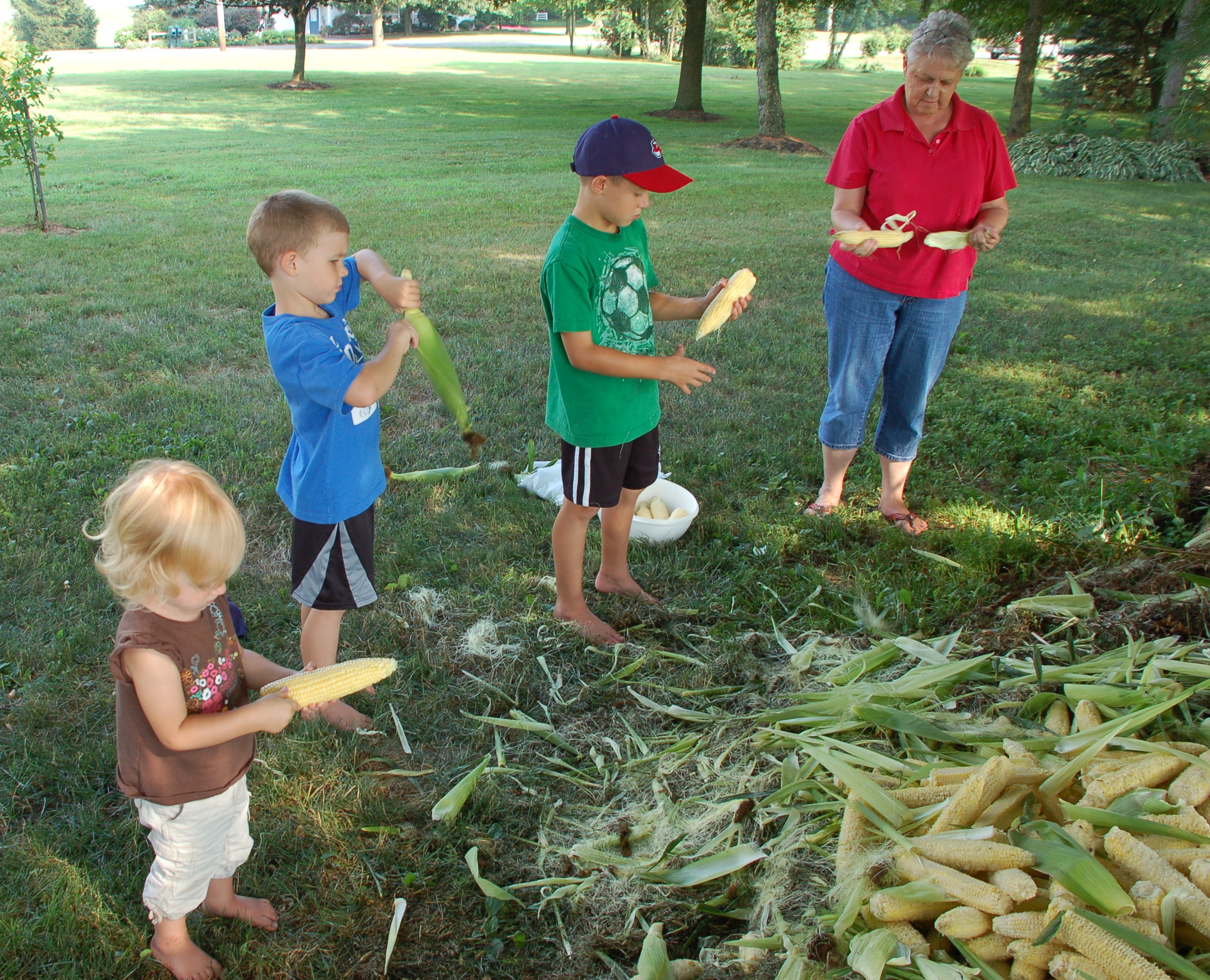
Husking corn by Bruce Stambaugh
Everyone pitched in to help husk the sweet corn.

By Bruce Stambaugh

We have begun a corny, new tradition in the family.

In June 2010, our daughter and her family moved from their beloved Austin, Texas to Harrisonburg, Virginia in the lovely Shenandoah Valley. As much as we enjoyed visiting them in the Lone Star State, we were thrilled that they would be much closer to us geographically.

True, driving the 350 miles across eight mountain passes approximated the flying time to Austin. The cost, however, was much less to travel overland than in the air, and more convenient, too.

My wife and I liked to visit Carrie and her family in Texas in late fall when the weather there was more favorable than the ever-changeable stuff of Ohio. On those autumn excursions, we often packed an extra suitcase, not for us but for them. It was filled with nothing more than several containers of frozen Incredible sweet corn. It was their winter supply of vegetable sweetness.

Slider and grandsons by Bruce Stambaugh
Slider teased our grandsons at a Cleveland Indians game last summer.

Last August our daughter and her three children drove from their Virginia home to ours in Ohio to help with the corn preservation process. Their extended stay gave us a chance to do up the corn and for them to explore the germane niceties of our area. Carrie returned home with the corn and the youngest, Maren, a few days later, leaving us with the two boys, Evan and Davis.

This year they repeated the process, only this time our wise and cunning daughter escaped with the Incredible and in appreciation for the golden gift left us with the trio of grandchildren, ages seven, five and 22 months. We couldn’t have been happier.

Last year, Nana and I took the boys to their first Cleveland Indians game. The highlight of the evening occurred off the field. Slider, the Tribe’s mascot, pounced on the boys, teasing them with hugs and tweaking their ball cap brims.

Last week, we repeated that experience, only with Uncle Nathan, our son, pinch-hitting for Nana, who was home entertaining toddler Maren. Unlike the perfect evening of a year ago, we witnessed two innings of baseball and two hours of drenching rain.

Corn silk by Bruce Stambaugh
Our granddaughter, Maren, was pretty picky when it came to removing the corn silk.

The baseball games were rewards for everyone pitching in to help with the corn process. Evan and Davis helped husk. Even little Maren joined in by removing the tickly corn silk from several cobs. She was meticulous in her task, determined to get every last strand.

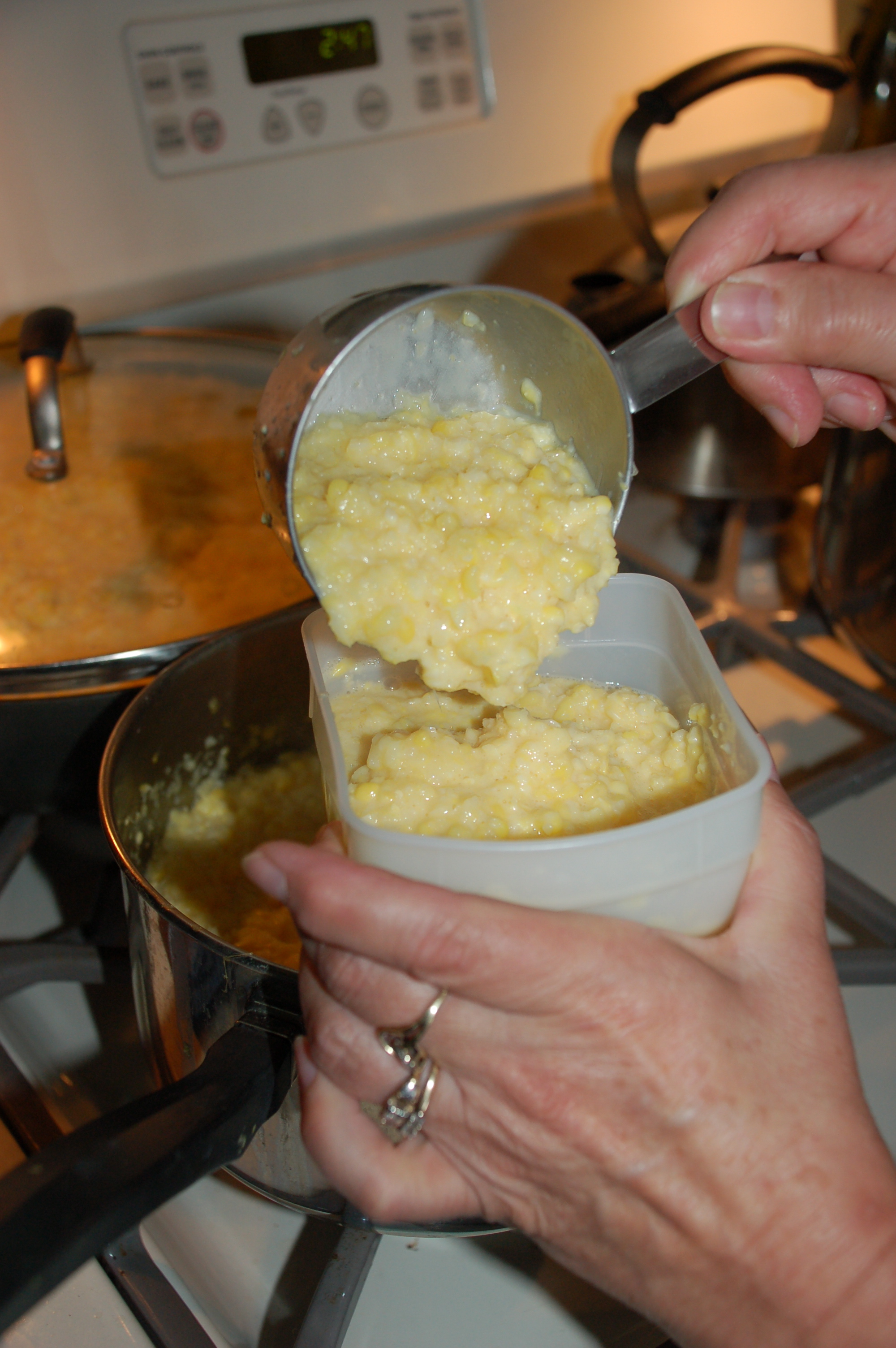
Nana, of course, coordinated the corn coronation. She prefers to cut the kernels from the cobs before cooking it. She says it goes a lot faster. Once the cooking is completed, it’s simply a matter of finding enough containers to cache the corn.

We were amazed at Maren’s vocabulary and inquisitiveness, which included willingly participating in the corn fest. Her long sun-bleached curls matched the shade of the corn’s yellowy ears.

Cooked corn by Bruce Stambaugh
After the corn is cooked, it is ladled into containers to be frozen.

Evan and Davis had grown, too. Lanky and imaginative, they had no trouble keeping busy without getting into too much trouble. Of course, at mealtime, locally raised corn on the cob was a favorite.

At week’s end, we met their mother halfway in southwestern Pennsylvania to return the children to their rightful owner. That’s one of the advantages of being grandparents.

All in all the mix of grandkids and corn made for an Incredible time together. It’s a sweet, new tradition that I hope lasts longer than the frozen corn usually does.

Marshy field

Geese in oats by Bruce Stambaugh

Beside oat soldiers
squads of geese, ducks and shorebirds
glean the marshy field.

Bruce Stambaugh
August 16, 2011

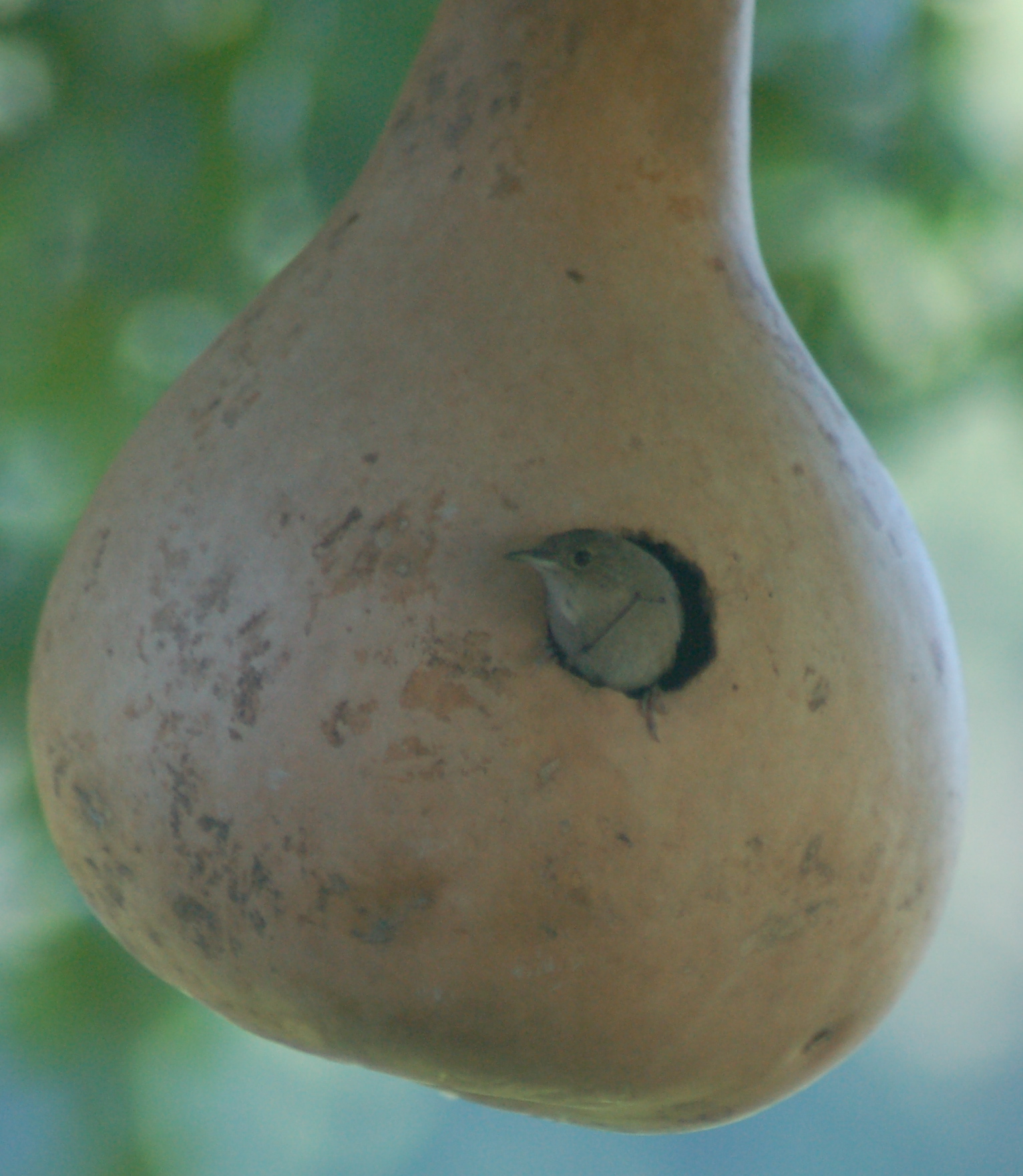
Wren haiku

House Wren by Bruce Stambaugh

Warbling mother wren,
fledglings rattle from gourd house.
Satisfaction reigns.

Bruce Stambaugh
July 29, 2011

It was hotter than _____ (fill in the blank)

Hazy sunset by Bruce Stambaugh
Hazy sunsets culminated the hot, humid days.

By Bruce Stambaugh

I have never written an interactive column or blog until now.

With the onslaught of the recent blast of extreme hot and humid weather that affected the country from The Great Plains states to the Outer Banks to Maine’s rocky coast, I heard and saw a lot of comments about the heat.

Some can’t and shouldn’t be repeated, much less printed. I took the prudent approach and attributed the more lewd orneriness to heat stroke.

Here are a few of the ones that can be shared. It was hotter than a firecracker on the Fourth of July. It was hotter than a pistol. It was hotter than two goats in a pepper patch. It was hotter than a cat on a tin roof. Not the most imaginative offerings I know.

Others focused on an end result retort about the oppressive heat. It’s so hot the chickens are laying hard-boiled eggs. It’s so hot I can fry eggs on the sidewalk. It’s so hot that the trees are creeping around looking for shade. These platitudes seem a little more comprehensible.

The interactive part of the post comes in here. Perhaps you have your own heat related ditty. If so, I invite you to complete the headline with your own personalized version or post it in the comments section.

With the lengthy duration of this very hot weather, there can be no doubt that summer has arrived in all its glory in Ohio and across the nation. The National Weather Service was proactive in advising the public about heat related conditions, and offered suggestions on how to avoid heat exhaustion and heat stroke. Both are serious illnesses with their own specific symptoms.

Hard work by Bruce Stambaugh
Outdoor work required laborers young and old to stay hydrated.

I felt for people who had to work outside. I was pleased to learn that many such workers were asked to begin work earlier in the coolness of the morning so they could finish up before the really extreme heat of the late afternoon. Some shops simply shut down for a day to save their workers from the oppressive conditions.

Those who had to labor out in the elements soldiered on, improvising ways to stay cool. Construction and landscape workers removed their T-shirts and wore colorful bandanas around their heads for protection from the sun and to soak up the sweat.

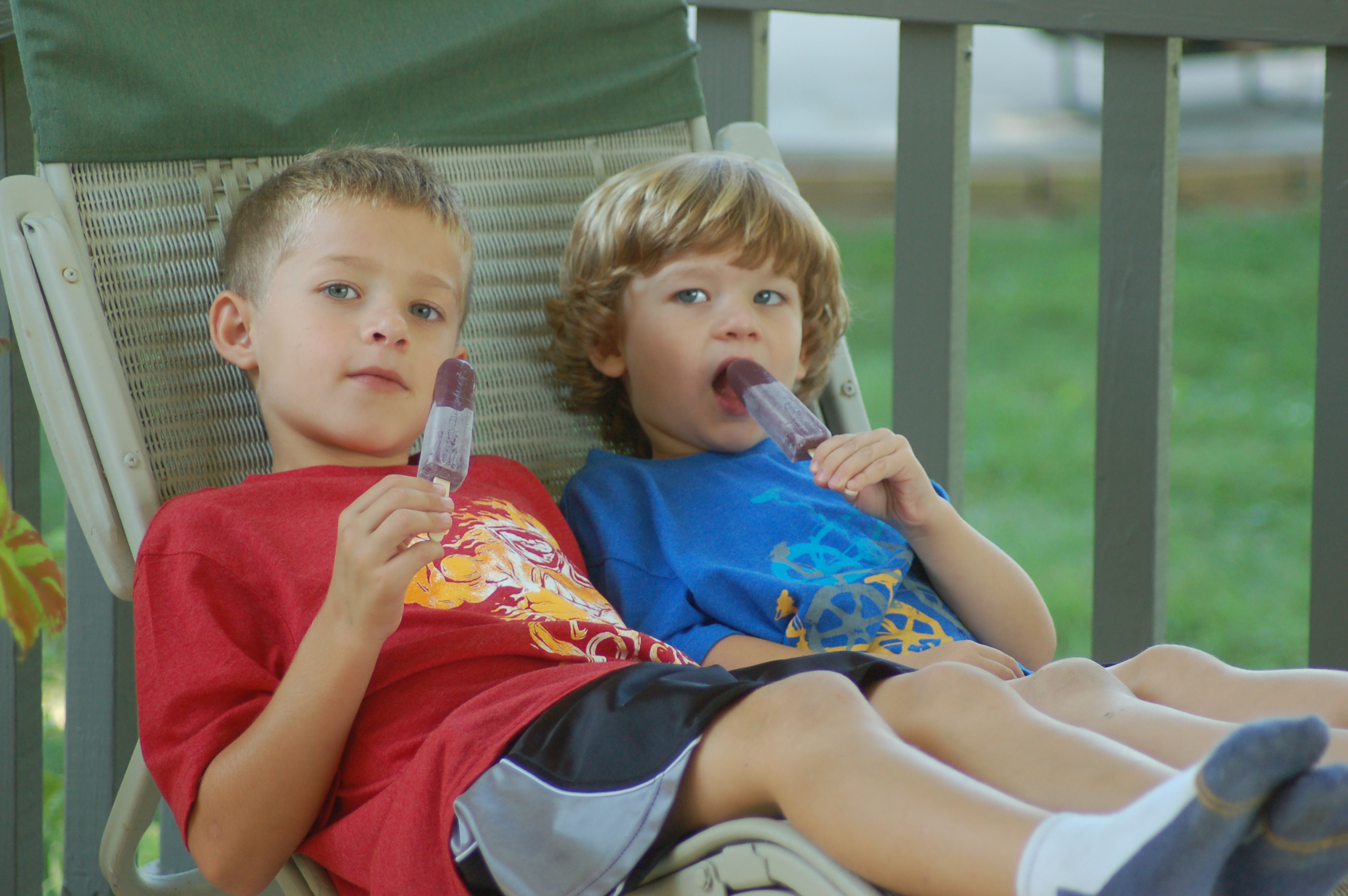
Popsicle days by Bruce Stambaugh
Taking frequent, cooling breaks is especially important on extremely warm and humid days.

Even though the National Weather Service warned the public with Heat Advisories and Excessive Heat Warnings, people still got sick. Unfortunately, several people nationwide died from difficulties brought on by the incredible heat. Most were elderly, who are the most susceptible to heat related health problems.

Taking the proper precautions can help avoid complications from being overheated. Keeping hydrated, taking needed breaks, and staying out of the direct sun as much as possible are the safest measures.

Horses in snow by Bruce Stambaugh
Last winter was an especially long and cold one for people and animals alike.

Besides the silly sayings, I didn’t really hear a lot of complaining about the heat. Perhaps the memories of the long, cold, wet winter and spring came to mind, and people just bit their lips and endured as best they could.

Much as I preferred not to be, I was out and about on the hottest days of the year. When I stepped from the refreshing and safe air conditioning into the outside elements, the heat overwhelmed me. It felt like I was walking into an oven. Getting back into the car after an hour’s meeting was no fun either.

I’m not complaining mind you. I’m just reporting. It was hotter than…?

Harvesting more than produce from your garden

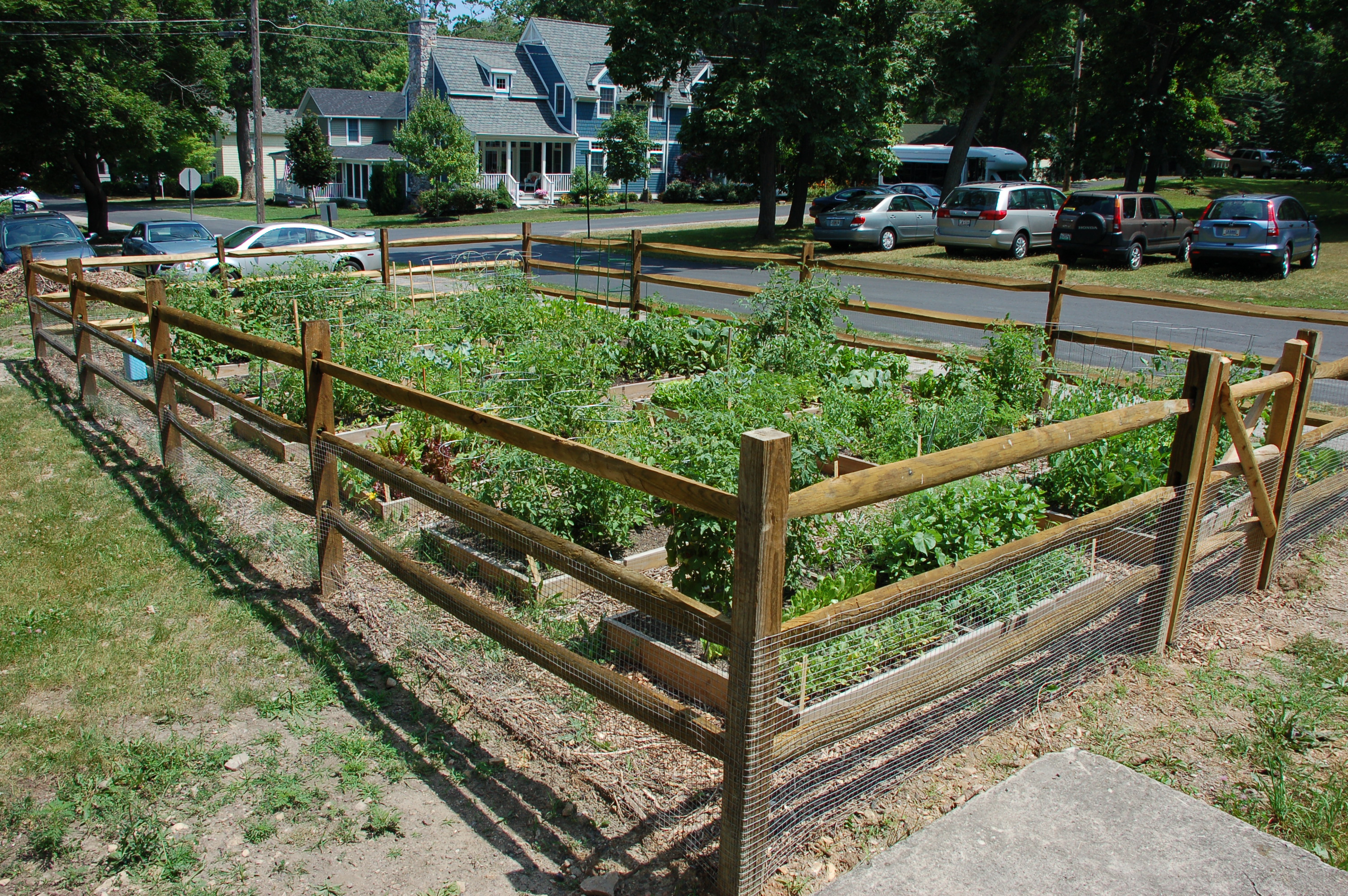
Amish garden by Bruce Stambaugh
Large vegetable gardens like this one are everpresent in Ohio's Amish country.

By Bruce Stambaugh

Lakeside rocks and flowers by Bruce Stambaugh
Creative rock sculptures mirror the Hollyhocks in a Lakeside, Ohio garden.

I’ll make my confession right up front. I am not the most authoritative person to write about gardening.

Still, I like to think that I am observant enough to recognize a good garden when I see one. Whether vegetable, rock or flower, all gardens require much manual effort to keep them manicured and productive.

Growing up in the suburbs of a northeast Ohio blue-collar city, our father loved to garden. He saw it as a way to be out in the fresh air and to simultaneously save money by growing our own food. With five children, it was the practical thing to do. For efficiency’s sake, he recruited his offspring to help cultivate, plant, nurture and reap the garden harvest.

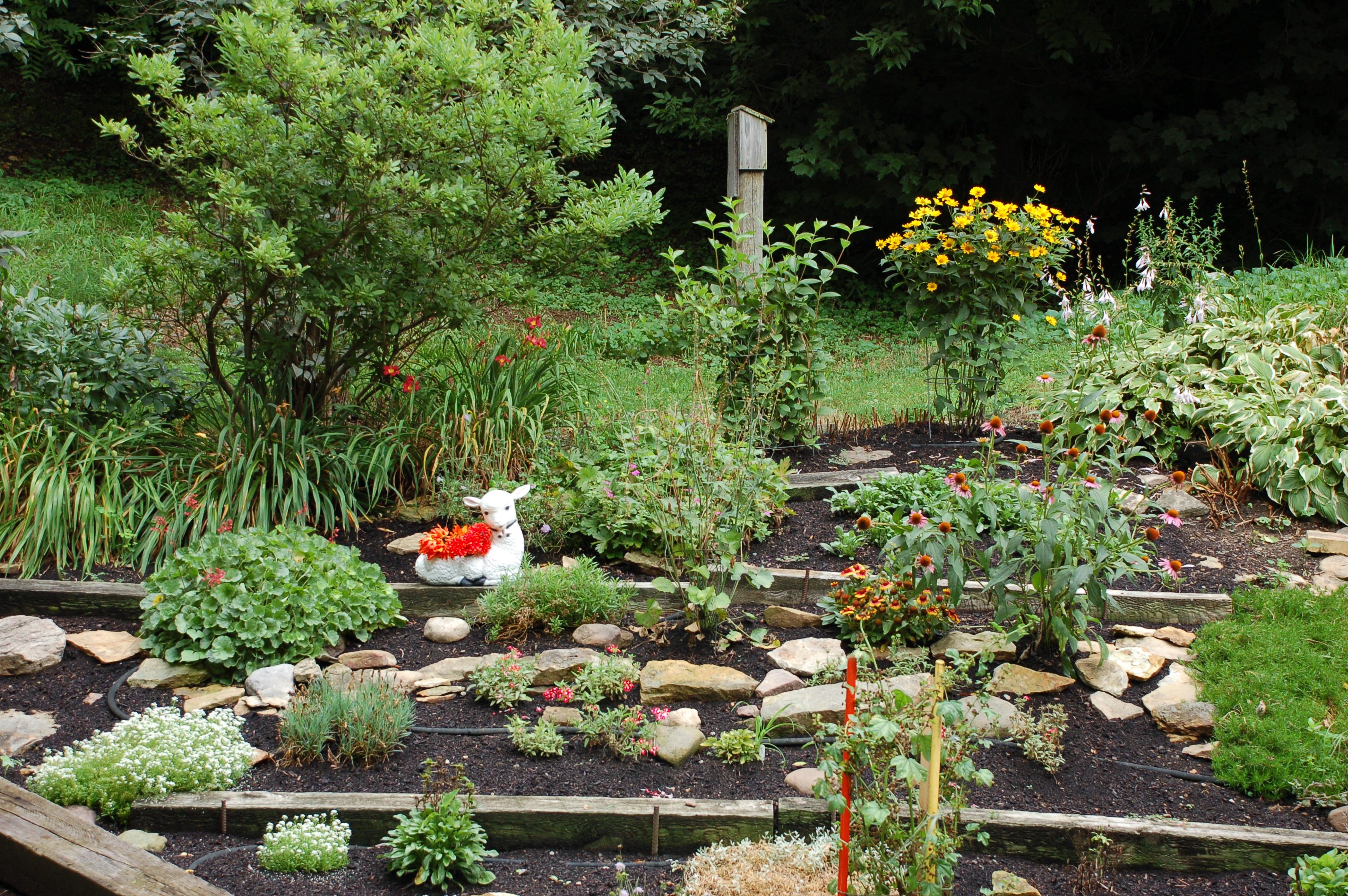
Rock garden by Bruce Stambaugh
Rock gardens add esthetics to any property.
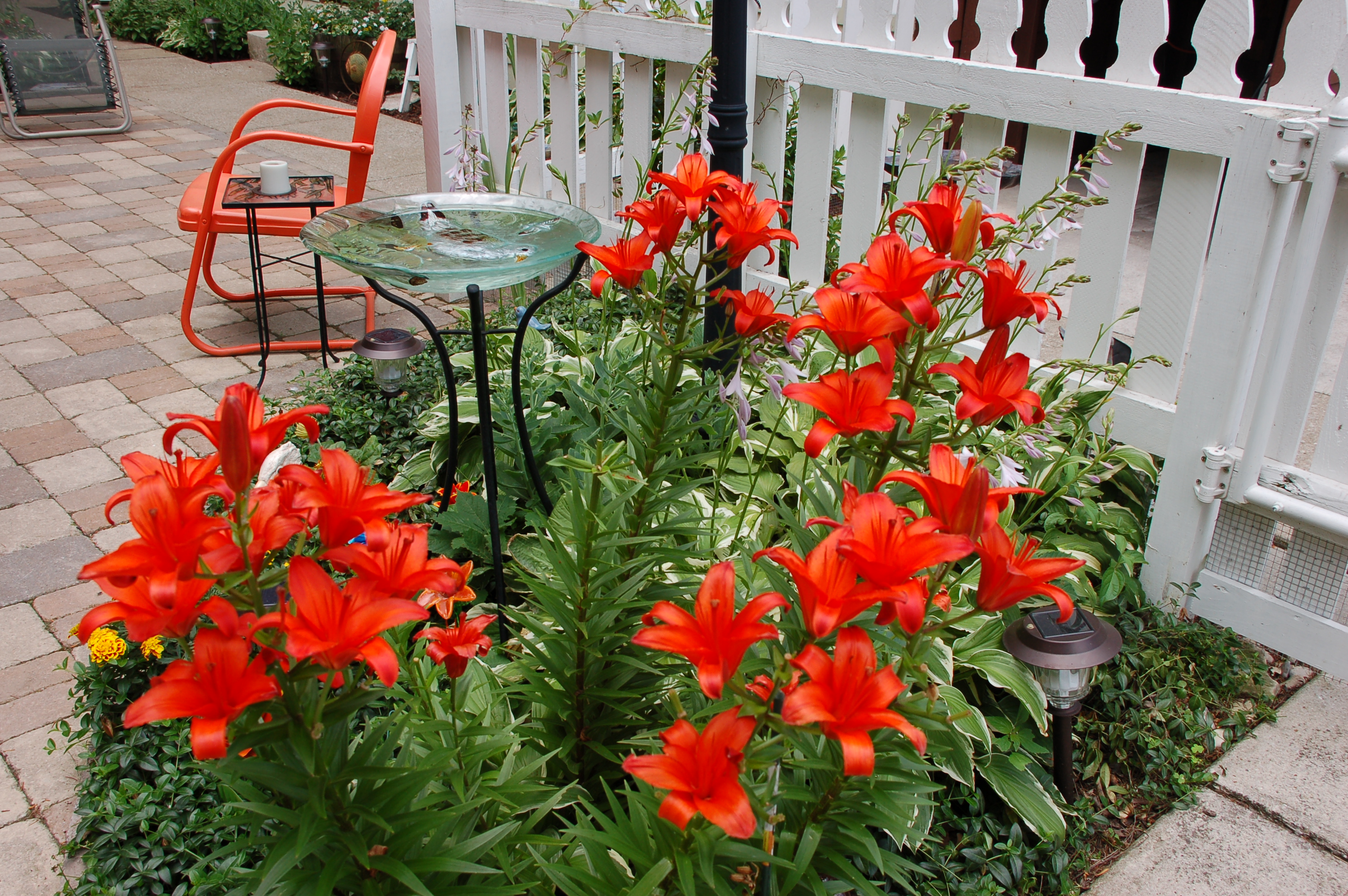
Bright lilies by Bruce Stambaugh
These lilies would brighten any yard.

Our lovely mother would prepare in season feasts that included sweet corn, new potatoes, green beans, cucumbers and beets. She also canned and froze food for the cold winter months ahead. If we had had a bumper crop, we would set up shop in a busy business parking lot and sell sweet corn out of the car’s trunk.

Mom also propagated lovely flower gardens around the parameters of our small piece of suburban property. Mom used her artistic eye with the floral color selection to nicely accent the cherry red brick exterior of our post-war bungalow.

Home canned goods by Bruce Stambaugh
Home canning is back in vogue in rural, suburban and urban settings.

Those pleasant memories returned with the current onslaught of the harvest season in gardens all across the country. Television shows, newspaper stories, Internet blogs and even high-end glossy magazines feature how to properly prepare and preserve your garden gleanings.

Having a plot of garden is almost assumed when you live in one of Ohio’s richest agricultural counties. Don’t be fooled though. Contrary to what some might think, gardening is not confined to rural areas. People garden in suburbs and cities, too.

Herb garden by Bruce Stambaugh
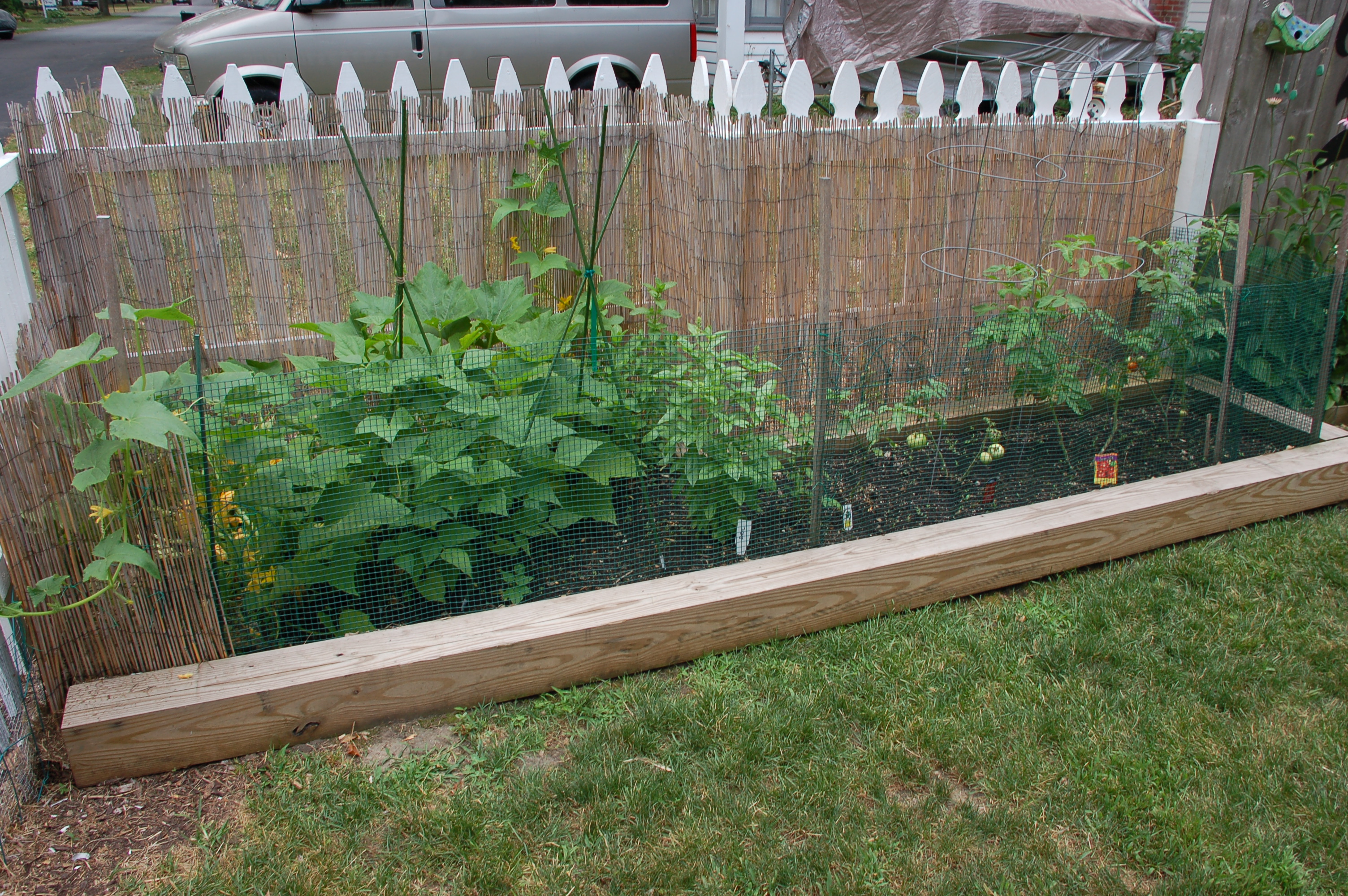
Even small backyard plot provides fresh herbs and vegetables.

With the advent of the organic, all natural craze, and the tough economy, gardening appears to have made a universal comeback. Whether you have an acre or simply a few pots of herbs sitting on an apartment balcony, gardening is good.

Caring for tender plants, watering them, protecting them from weather’s extremes and pesky insects is worthwhile work with tasty rewards. I see it as a way to get us back to our roots, reconnected to the soil from which and on which all life depends.

Lakeside community garden by Bruce Stambaugh
A community garden in Lakeside, Ohio.

If we are mindful, we will recognize that gardening provides a solid base that can lead to other returns as well. Cooperative gardens, sponsored by both church and civic organizations, have sprung up across the country. Besides those who garden, the abundant produce often helps the less fortunate, the homeless and the needy.

An acquaintance told me how his parents would load up their battered family pickup with the excess of their giant two-acre garden, head into town and end up on the wrong side of the tracks. There they would park the truck and hand out the fresh, healthy produce to whomever needed it.

They repeated the routine throughout the growing season. The thankful recipients were so moved by the family’s generosity that they offered to help plant and maintain the garden the next growing season. Their grateful offer was accepted, and new trust and friendships were born.

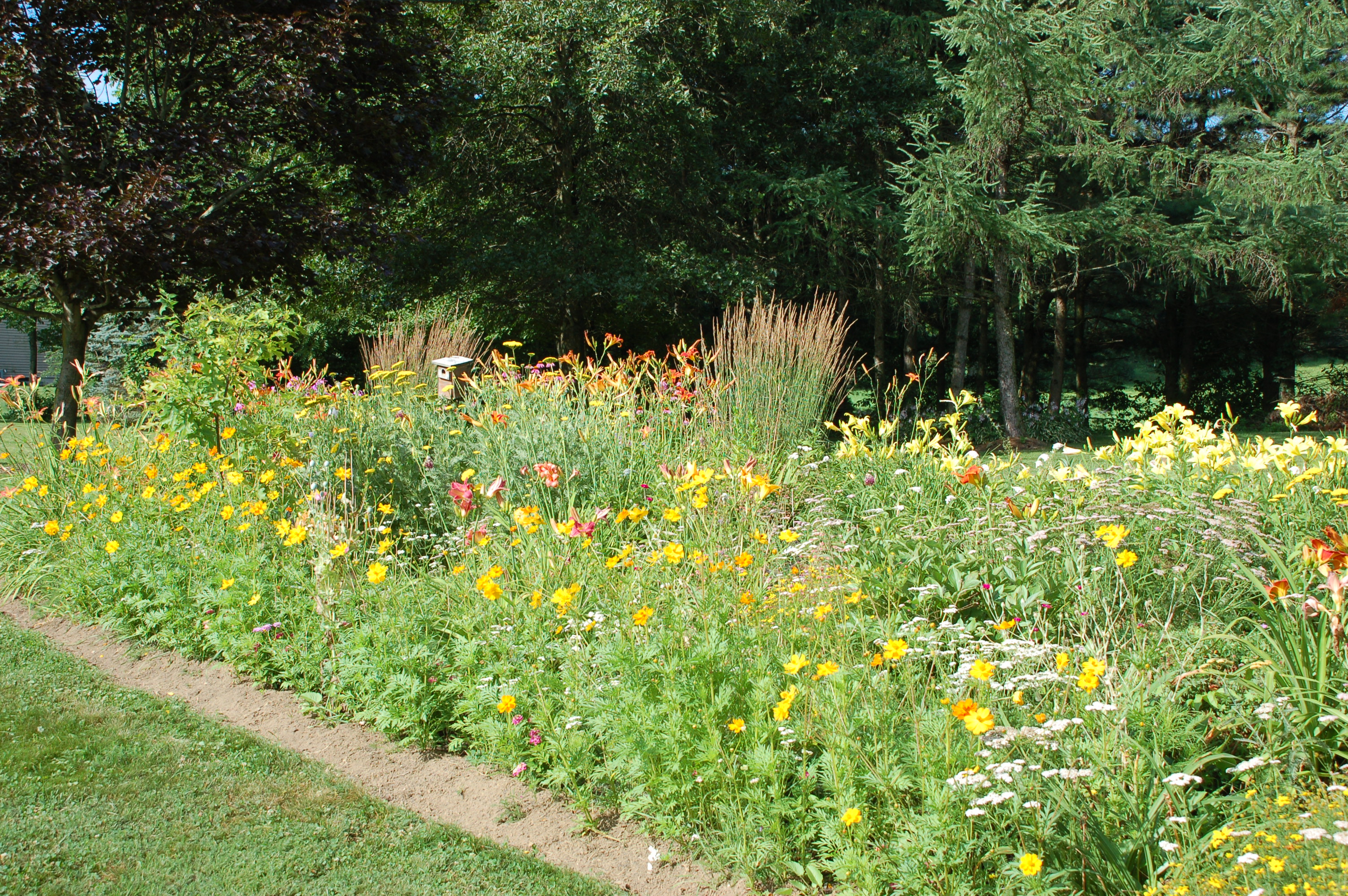
Flower garden by Bruce Stambaugh
If properly planned and planted, flower gardens can brighten a property throughout the growing season.

Gardens connect us to the soil that yields our sustenance. If we are proactive, they also open our lives to much more than delicious food. Gardening doesn’t get any more satisfying and splendid than gathering two crops from one planting.

Lakeside flower garden by Bruce Stambaugh
An award-winning flower garden at Lakeside, Ohio.

No sad faces allowed

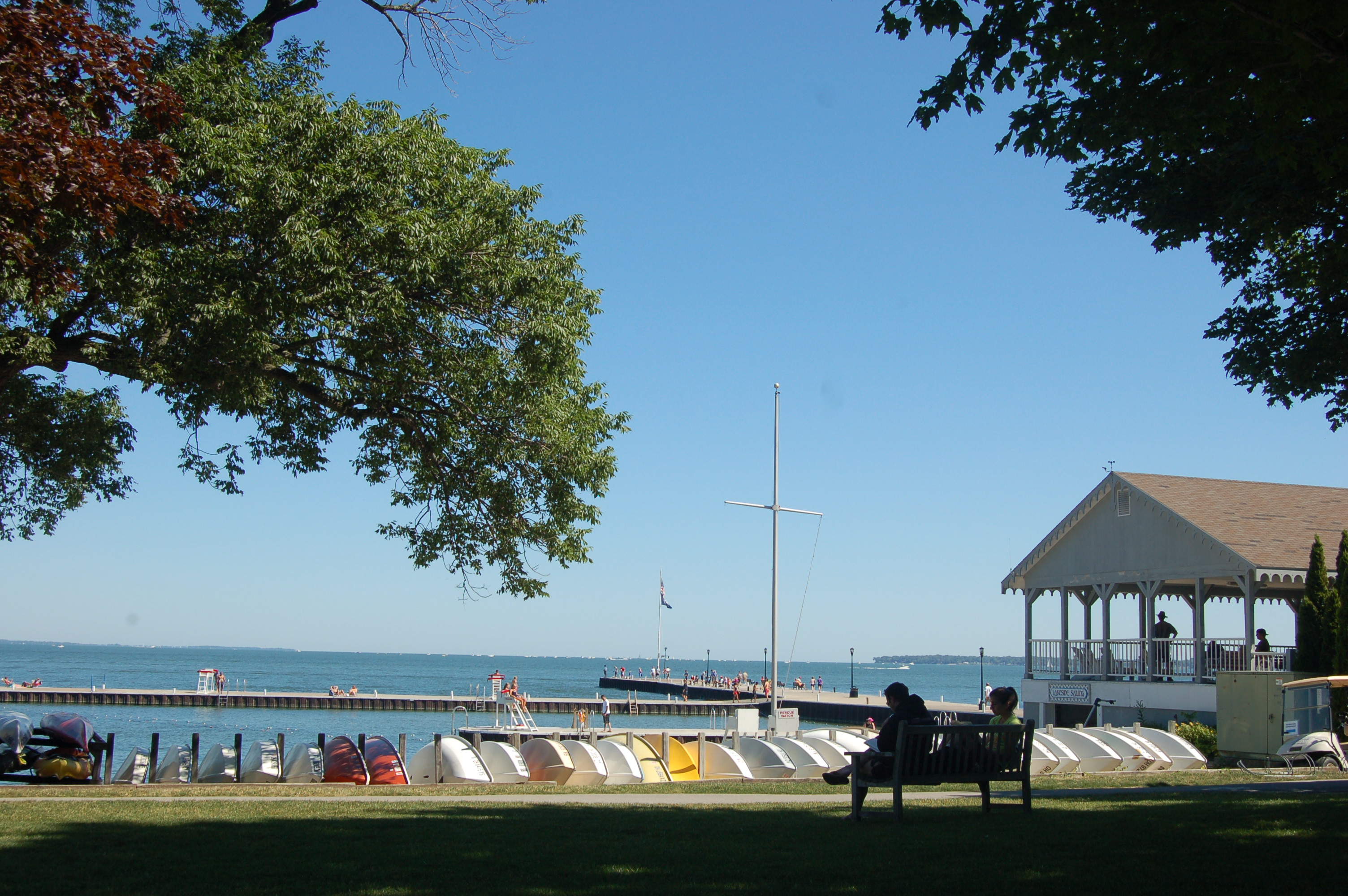
Lakeside OH dock by Bruce Stambaugh
Relaxing in the shade or sunning on the dock are just some of the favorite activities at Lakeside, Ohio.

By Bruce Stambaugh

I overheard a mother tell her pouting adolescent daughter, “There are no sad faces at Lakeside. It’s a rule.”

The mother’s demonstrative point was clear. There was too much fun to be had at Lakeside, Ohio for anyone of any age to be gloomy. It’s a main reason my wife and I return year after year for a week’s vacation.

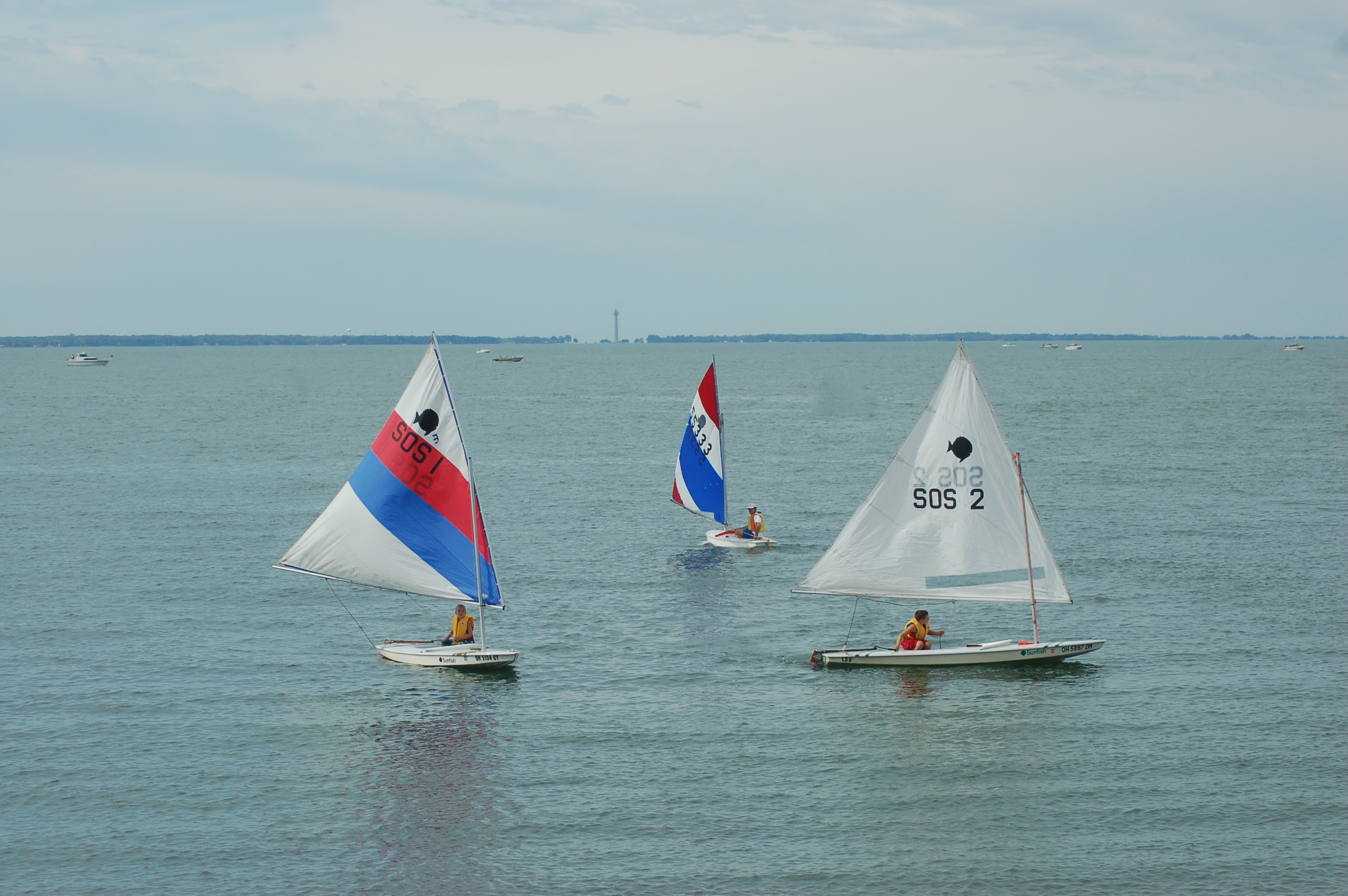
Sailing at Lakeside, Ohio by Bruce Stambaugh
Sailing is popular with children and adults alike at Lakeside, Ohio.

Indeed, Lakeside offers plenty to do. Adults and children alike can choose from a sunup to sundown selection of activities in which to participate. They range from sailing lessons to garden walks and talks to wellness classes.

The fact that the resort town is built on the shores of Lake Erie helps expand the variety. Lakesiders can pick from activities in the categories of religion, education, arts and entertainment, recreation and planned events. It’s all part of the entrance fee.

Visitors can recline with a good book under one of the many towering hardwoods that line the rocky shore and multi-task. Waves crash the hard shore, boats sail by and elations echo from playgrounds, the dock, the beach and front porches.

Lakeside’s unadorned concrete dock is the focal point for daytime fun. Swimming, fishing, tanning, strolling all are legitimate forms of relaxing.

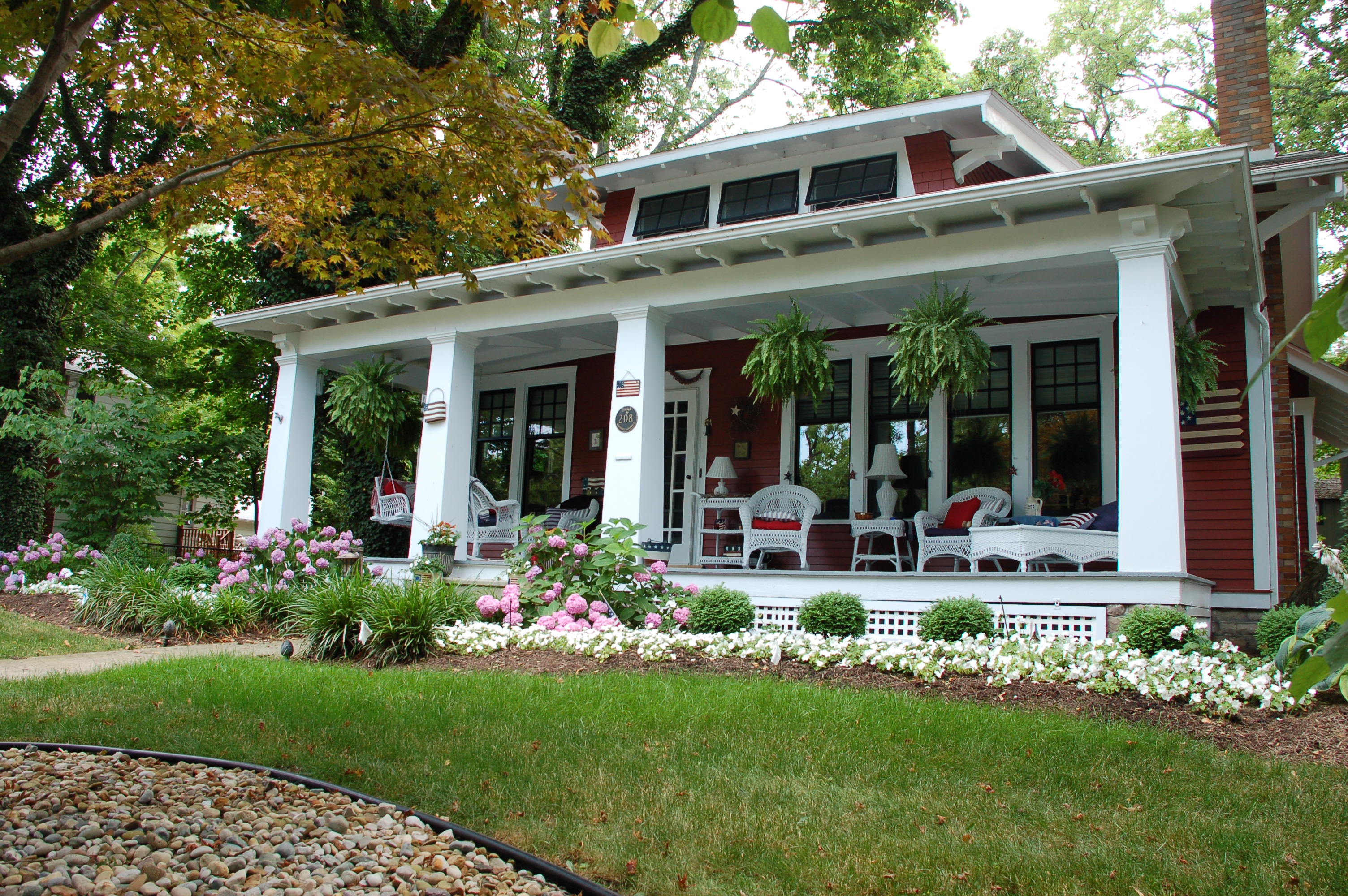
Lakeside OH cottage by Bruce Stambaugh
Many cottages and homes in Lakeside, Ohio feature inviting front porches.

Others prefer a leisurely walk along the tree-lined streets, enjoying the appealing cottages, many with inviting floral gardens. Some cottages date back to the town’s beginning in 1873. Most are seasonal family retreats that have served as a summer getaway for generations. A few hundred hardy souls call Lakeside home year-round.

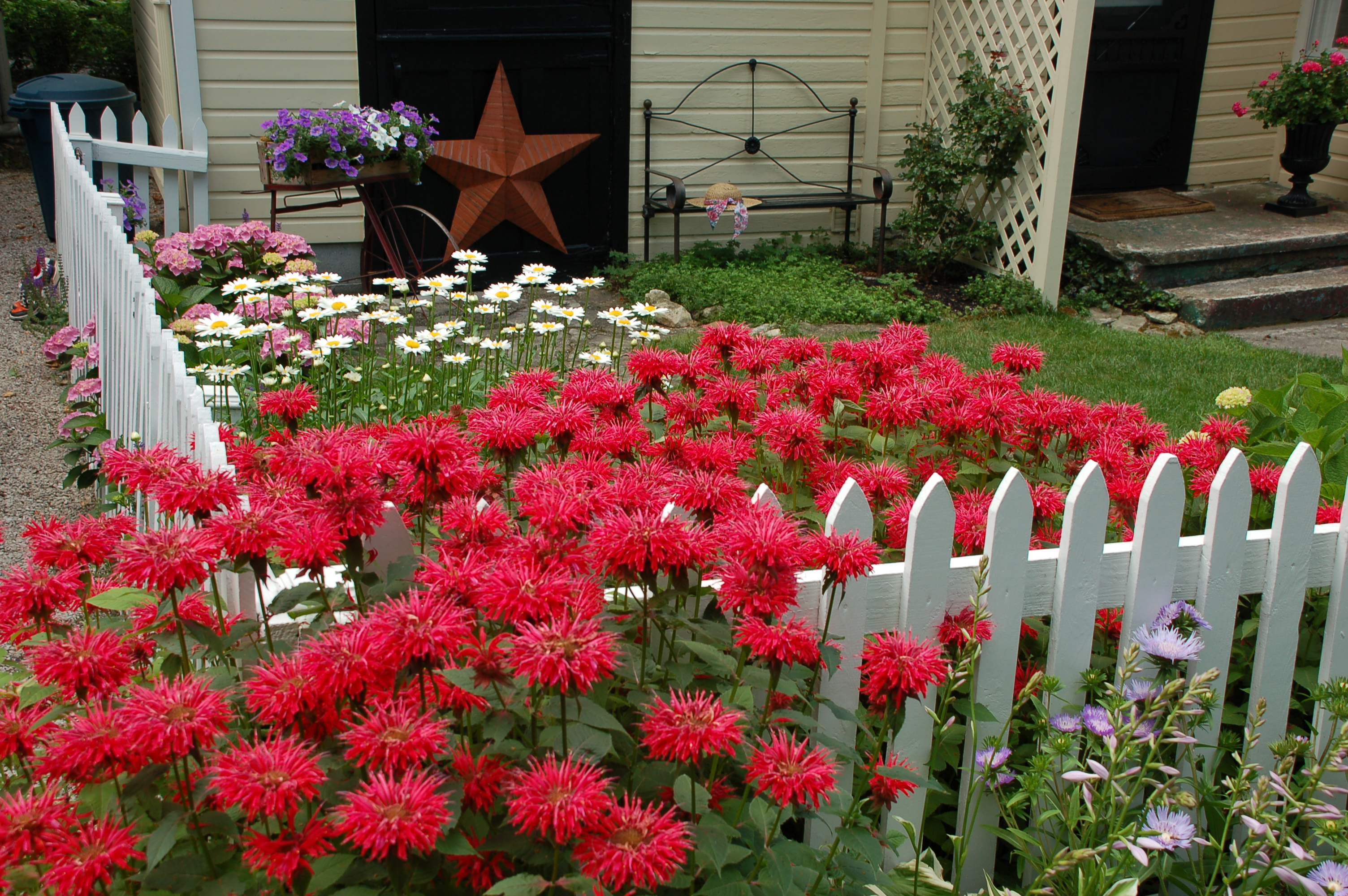
Lakeside, Ohio flower garden by Bruce Stambaugh
Flower gardens enhance picturesque cottages throughout Lakeside, Ohio.

The old-growth hardwoods that predominate the parks and properties of Lakeside bring beauty, birds and relief from stifling summer days. Flower gardens, maintained by the help of many volunteers, are a trademark of Lakeside.

The bustling but small business district offers a break from the boredom of relaxation with an assortment of various shops. Candy, homemade donuts, ice cream, refreshing drinks and toys all offer refuge from the strain of having too much fun.

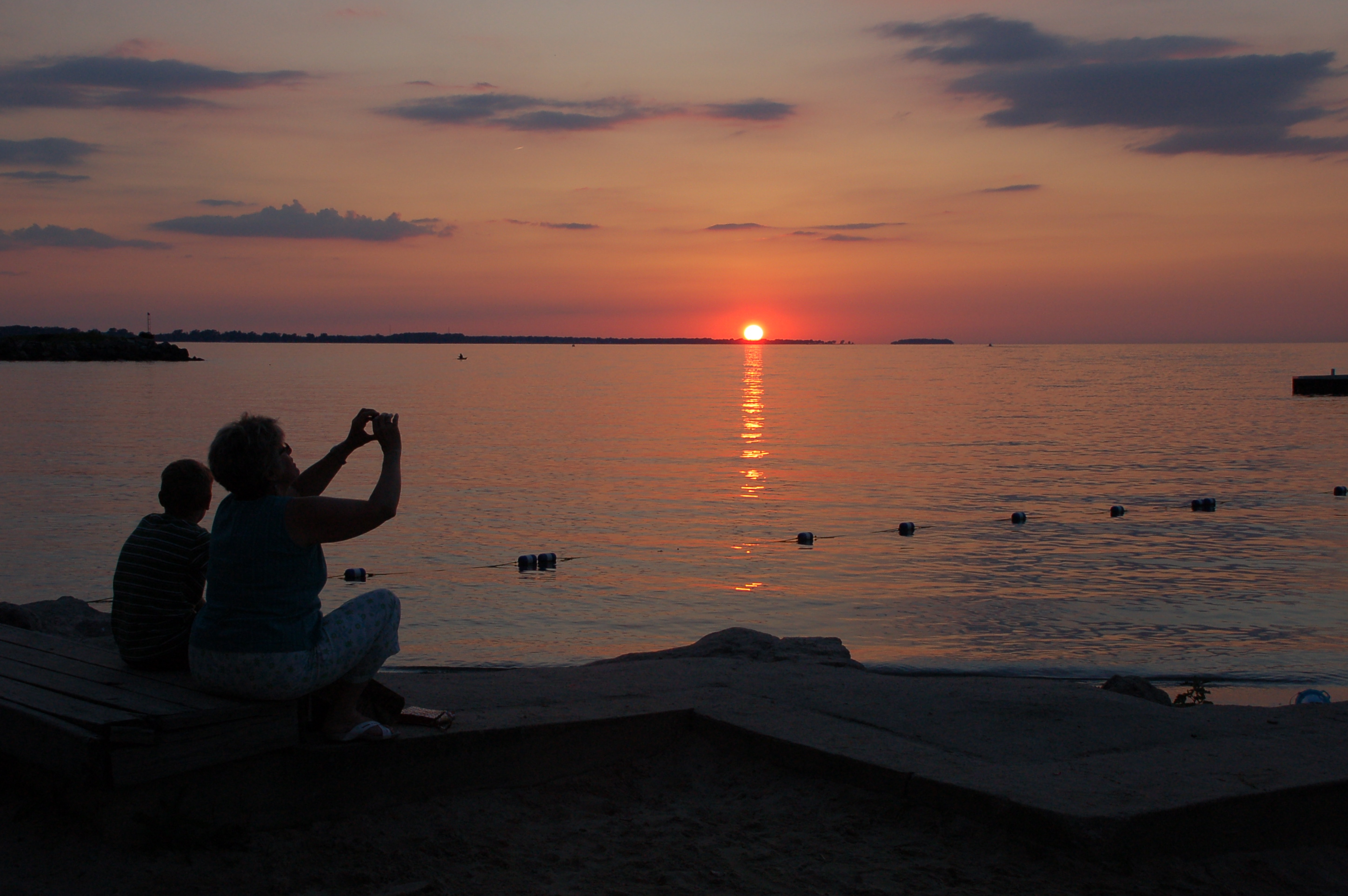
In the evening, variety shows running the gamut of entertainment usually draw a nice crowd. The magnetic dock also attracts toddlers, teens and seniors to watch the nightly disappearance of the sun behind Catawba Island.

Sunset at Lakeside, OH by Bruce Stambaugh
Enjoying a gorgeous sunset is a must for visitors and residents alike at Lakeside, Ohio.

As nice as all that is, the greatest asset of Lakeside is its friendly people. Lakeside is a family-centered, safe place to be.

Merchants routinely leave goods unsecured in front of their storefronts overnight with no theft of inventory. Pedestrians, bicyclists, skateboarders, golf carts and dogs walking their owners have the right of way over motorized vehicles.

The strictest parents casually set their children free to roam inside the gated community with no fear of harm whatsoever. Passersby walk up onto a porch, ask what game is being played, and are invited to join the fun.

Lakeside rightfully bills itself as the Chautauqua on Lake Erie. However, occasional discordant human interactions will naturally occur when 6,000 in-season visitors multiply the regular population tenfold. Still, two-way radios are the closest things to weapons that outfit the town’s entire security staff.

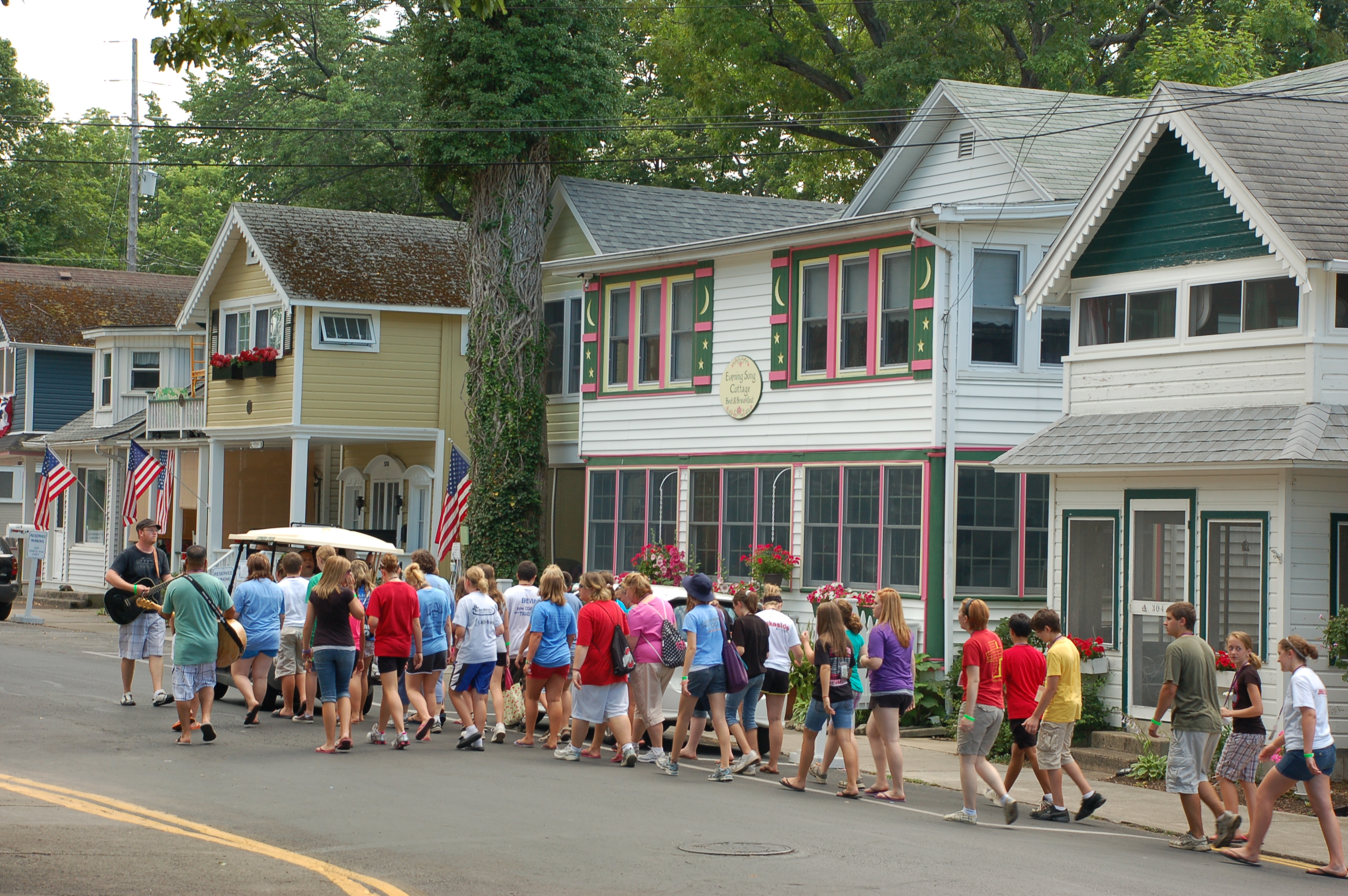
Lakeside youth by Bruce Stambaugh
Youth groups routinely walk the streets singing to summer guests at Lakeside, Ohio.

Youth groups roam the streets serenading local residents, not ransacking their homes. At an impromptu lemonade stand, a grandfather sings and plays a Gibson to attract customers.

Whether they arrive for a day or the summer, Lakesiders all come to relax and have fun. With all there is to do in the resort town, everybody gets their way.

Like the lady said, there are no sad faces in Lakeside. That is a valuable virtue for any town.

The days we have waited for

Wildflowers by Bruce Stambaugh
A wildflower patch in our backyard.

By Bruce Stambaugh

The days we have long awaited are at hand. After a winter that wouldn’t quit, and a spring that seemed more like November threefold, these desired days have sprung upon us as if a seasonal switch suddenly had been flipped, albeit belatedly.

Like much of the northern part of the country, Ohio spent the first five months of 2011 snowed in, flooded out, and shivering. Officially northeast Ohio had recorded a grand total of six sunny days between Jan. 1 and May 1.

Squall line by Bruce Stambaugh
A squall line charged into Ohio's Amish country.

The predominance of the gloomy, damp and cold days translated into depressed spirits and confined activities. But even as the days of May warmed and trees and flowers budded and bloomed, human outdoor activity remained restricted by wave after wave of heavy rainstorms.

Though we were mostly spared the severe weather that other parts of the country received, outside work and play remained limited. Now all that is behind us. The rich warm days of summer are here, and it is marvelous to inhale and embrace their arrival.

The anxious anticipation for sunnier, warmer days ended seemingly overnight. Farmers all across America’s breadbasket couldn’t wait to get into their fields, though many had to due to the saturated soil. Even teams of workhorses labored extra hard to break the soggy earth.

Plowing by Bruce Stambaugh
Plowing with horses is a long, steady process.

One week wood ducks floated on temporary lakes. The next the waterfowl were gone, replaced by plowed, harrowed and planted fields. That’s what a string of sunny days accompanied by strong warm southwest breezes can do to excess moisture.

Contractors and landscapers worked sun up to sundown to make up for lost time in pouring footers, building, excavating, and planting annuals. Commerce was renewed.

Planting by Bruce Stambaugh
My wife planted some heirloom tomatoes.

Motorcycle clubs and bicycle enthusiasts basked in the opportunities to wind their way all across rural byways. Children rode up and down lanes in pony carts and four-wheelers alike.

Gardeners finally could set their vegetable seeds and plants. In some locales, cooperative groups gathered to make the pleasant process all the more so and speedier.

Teenagers plunged without complaint into chilly lake waters just because they could. The outboard motors of both boaters and fishermen hummed in unison at the freedom to finally be able to play.

Sunset splash by Bruce Stambaugh
Teenagers took the plunge off the dock at Lakeside, OH.

Backyard birds coaxed their fledglings out of their secure nests and into the environs of the real world. Often they paused to collectively sun themselves like gaggles of bathers at the beach sans the bikinis.

Baby robin by Bruce Stambaugh
A young robin enjoyed the nice weather.collectively sun themselves like gaggles of bathers at the beach sans the bikinis.

The deciduous trees unfolded their canopy without delay, painting the landscape green on green. Soon the leaf cutters were hard at work thinning the verdant crop.

Irises, lilacs, peonies, poppies and roses created fragrant rainbows in every neighborhood. Azaleas and rhododendrons revealed their lovely petals just as the dogwoods dropped theirs.

Flower garden by Bruce Stambaugh
One of my wife's beautiful flower gardens.

Sitting on the airy deck of our woodland cottage in southeast Ohio, a single butterfly exactly symbolized the temporal jubilance. An impressive yellow and black tiger swallowtail zipped erratically through forest openings forged by gravel roadways and power line cuts.

Woods by Bruce Stambaugh
Where the butterfly roamed.

The butterfly darted unpredictably from shade to sun repeatedly among the emerald lushness. The butterfly improvised its quixotic dance back and forth all afternoon and well into the evening hours. I never saw it land.

Butterfly by Bruce Stambaugh
A Tiger Swallow Tail enjoyed our backyard wildflowers.

These are the days we have longed for, hoped for, prayed for. Like the innocent butterfly, let us rejoice and be glad in them, dancing a celebrative dance as if our sole purpose was to simply extol life’s goodness. Perhaps it is.