
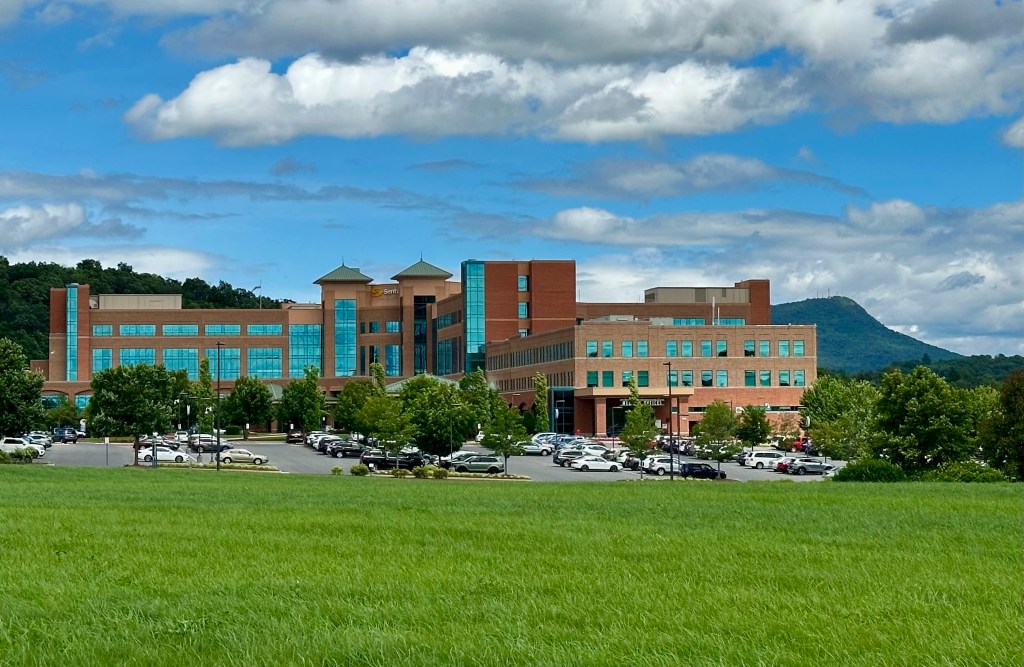
I got the cruelest call on April Fool’s Day. My doctor’s office informed me that the MRIs I had the previous day indicated an aneurysm on my left carotid artery and some disturbing white spots on my brain.
My head spun with all sorts of possibilities, none of them good. My primary care physician (PCP) referred me to a hospital in another city. I anxiously waited for a call to schedule an appointment at the hospital. It never came.
Instead, my PCP notified me days later that the hospital declined to see me. I needed something they didn’t have: a neuro intervention team. That made me even more concerned.
My PCP then referred me to a teaching hospital in the same city, more than an hour away. She also told me not to do anything strenuous, and to begin to take a baby aspirin.
I started the 81 mg aspirin right away. I also curtailed my nearly daily exercises for my lower back, which had bulged and degenerative discs. And I waited, and waited.
Days passed, and I didn’t hear anything. So, I called the hospital’s neurosurgeon department to ask about the referral. They couldn’t find it.
Of course, I contacted my doctor via the patient portal to indicate that the hospital didn’t have my referral. She faxed another one, this time stamped urgent.
After two weeks had passed with still no communication from the hospital, I called them, but had to leave voicemails, which were not returned. I decided to check for other hospitals that specialized in my condition. I found three in the United States.
Fortunately, one hospital was only three hours away. So, I called the head neurosurgeon’s office, and the receptionist answered the phone on the second ring. She provided me with easy-to-understand instructions on how to send my records to them. I contacted my doctor to provide the hospital’s fax number to forward my records.
There was one catch. I had to deliver the MRI images myself, but not necessarily in person. The hospital had a link where I could upload the images and the written diagnoses.
I contacted our local hospital where I had the MRIs, and they said I could pick them up the next day, which I did.
I placed the disc in the external DVD player since my laptop, like most nowadays, doesn’t have a slot for CDs or DVDs. I tried uploading the images, but the webpage wouldn’t take them.
I called the hospital, and by some good fortune, I was connected with a very understanding and helpful technician who kindly guided me through the process. She said I wasn’t the first patient to have the same issue.
I immediately received emails confirming that the hospital had received my images and documents, which I found reassuring. Finally, I thought to myself, an institution that gets how frustrating technology can be for their senior patients.
However, I waited several more days. I called the neurosurgeon’s office again. The office manager told me the doctors were deciding which one would review my records.
Finally, more than a month later, I received a call from the hospital to set an appointment. The good news was that it would be a remote video session with the neurosurgeon. The bad news was that my wife and I would be traveling on the dates they offered.
However, I settled on one, which happened to be exactly six weeks since my MRIs. It was also our son’s birthday, and the 14th anniversary of my prostate cancer surgery. Taking that appointment meant we had to alter our travel plans slightly. It was a small sacrifice to make if I wanted to see the neurosurgeon.
When the late-afternoon appointment arrived, my wife and daughter-in-law joined me. I relied on them to keep notes and to ask questions, since at 77 years old, my memory wasn’t what it once was.
My wife was of great help to me as we navigated my cancer episode together. She attended every appointment with me and took excellent notes. She helped me at every step of the way from biopsy to surgery to rehab. So, she attended this appointment without hesitation.
The neurosurgeon was excellent. He said I had a pseudo-aneurysm, and the spots on my brain were not unusual for my age. He reassured me that the chance of the pseudo-aneurysm rupturing was near zero. And he listened to and answered all our questions.
However, he did refer me to a stroke neurologist due to the bulge in my carotid. He did so in case I had a blood clot, which would potentially block the carotid at the pseudo-aneurysm’s location. I have a scheduled appointment for that.
I recognize that my experience is anecdotal. I also know that many of my peers have had similar experiences with the medical system.
So, what did I learn through all of this?
I learned to be persistent if doctors’ offices or hospitals don’t follow up with patients as expected. I also learned to be patient. They are busy after all.
Through it all, I tried my best to be kind to everyone I spoke with. Medical personnel work with many patients and other staff members daily. Why add to their frustration by being rude or angry? That wouldn’t help my blood pressure, and probably not theirs either.
I also tried to be as gracious and courteous as possible, even if it was simply putting me on hold on the phone for a few minutes. Gratitude benefits everyone.
Don’t go it alone. Having a spouse, relative, or friend attend a medical appointment with you helps the patient better understand what is being said and what the patient should and should not do. In my case, it also helped catch any information I missed. When diagnoses cause consternation, one can only absorb so much. Designate a person to advocate on your behalf if you are unable to do so yourself.
In all of this, be communicative. That ensures everyone is on the same page and prevents you from getting lost in the system. Too often, medical digital systems don’t talk to one another, so you have to speak up for yourself. But the communications need to be considerate and respectful.
The bottom line is to be proactive for yourself and your health. A positive and respectful approach goes a long way with professionals who too often hear just the opposite.
Finally, I wanted to share my story in the hope that patients who have experienced similar challenges will understand that they are not alone. And for other retirees who may encounter the same roadblocks that I did, I hope they recognize the importance of persistence and self-advocacy in achieving their best medical outcomes.

© Bruce Stambaugh 2025
 Roadkill Crossing
You must be logged in to post a comment.