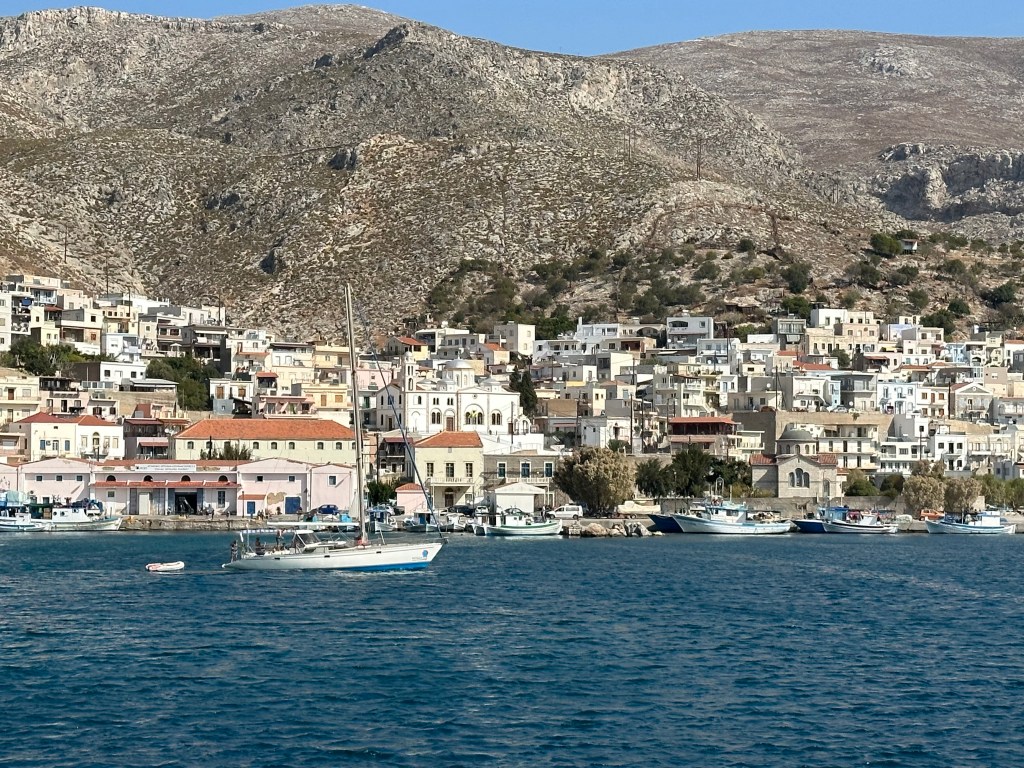
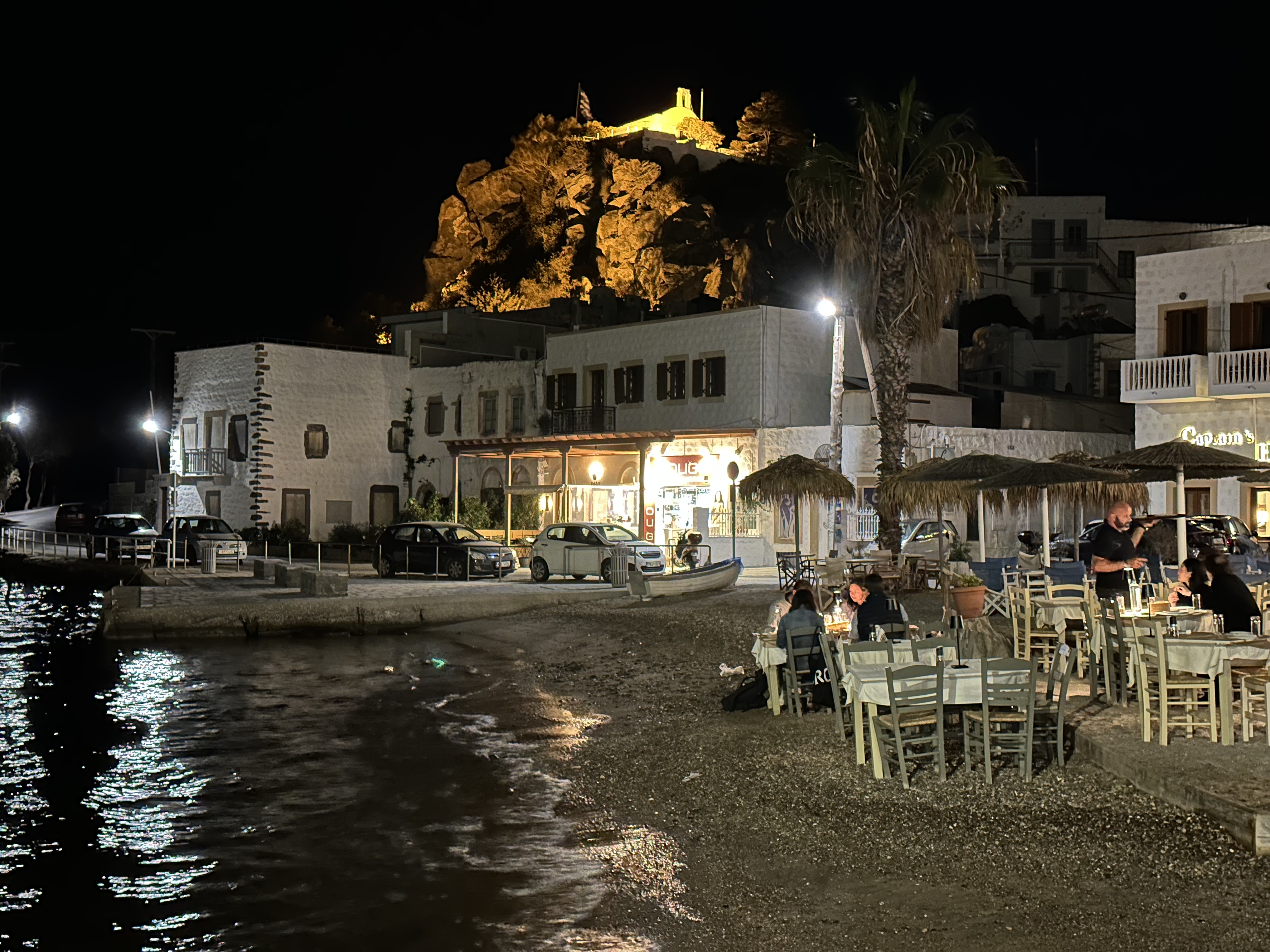
Patmos won over my heart, even though we were only there for a day. I hated leaving its clean, white-washed buildings, friendly residents, and beautiful waterfront.
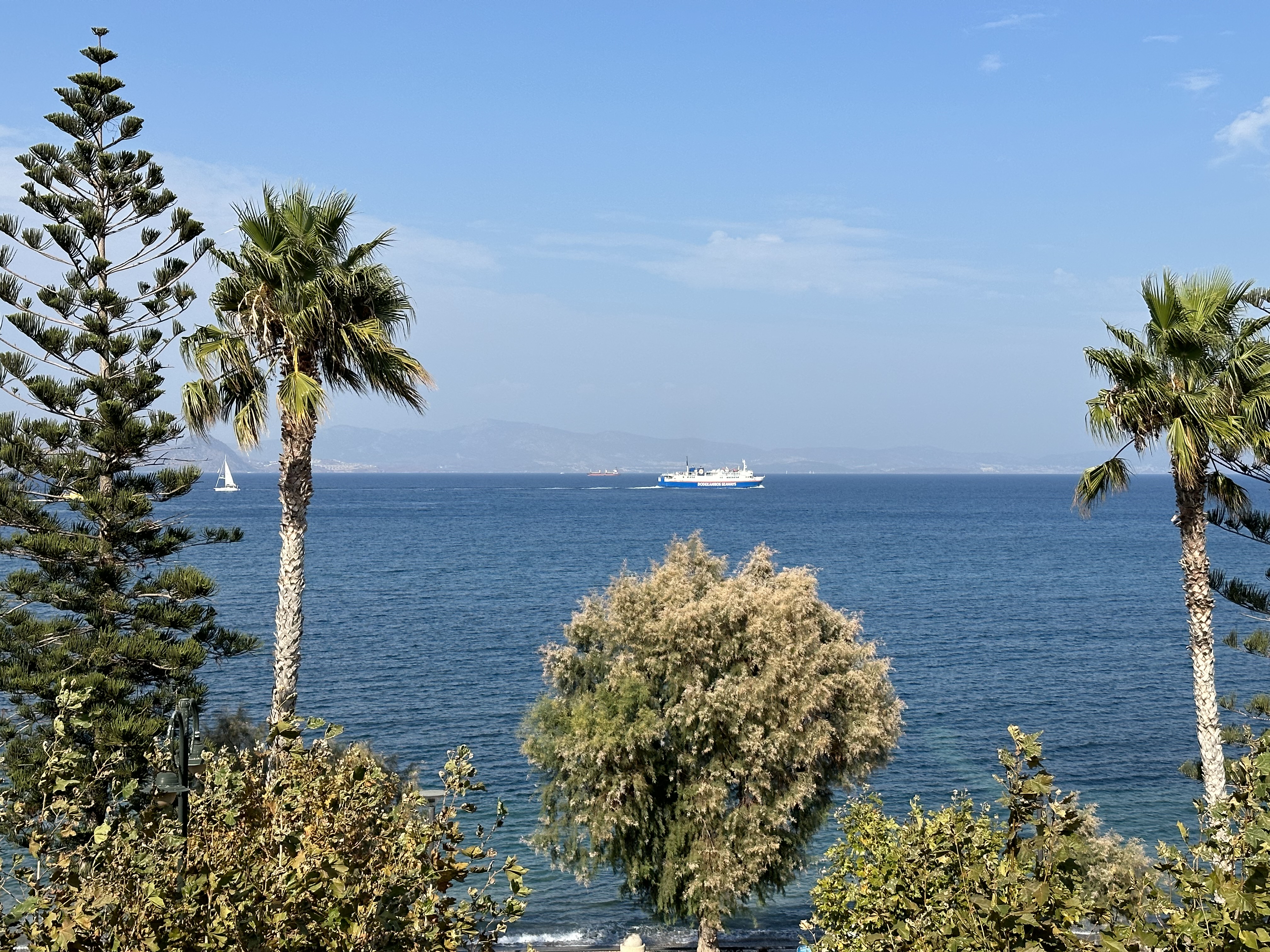
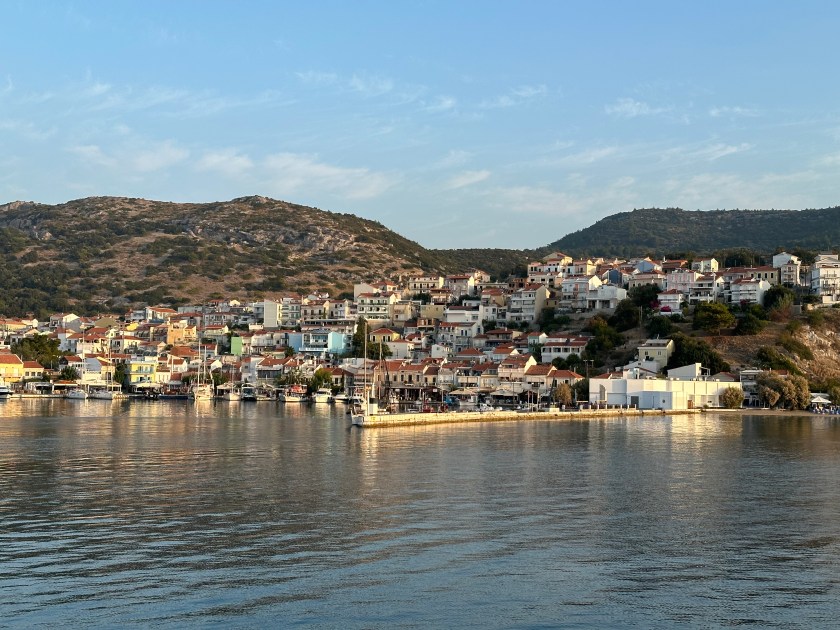
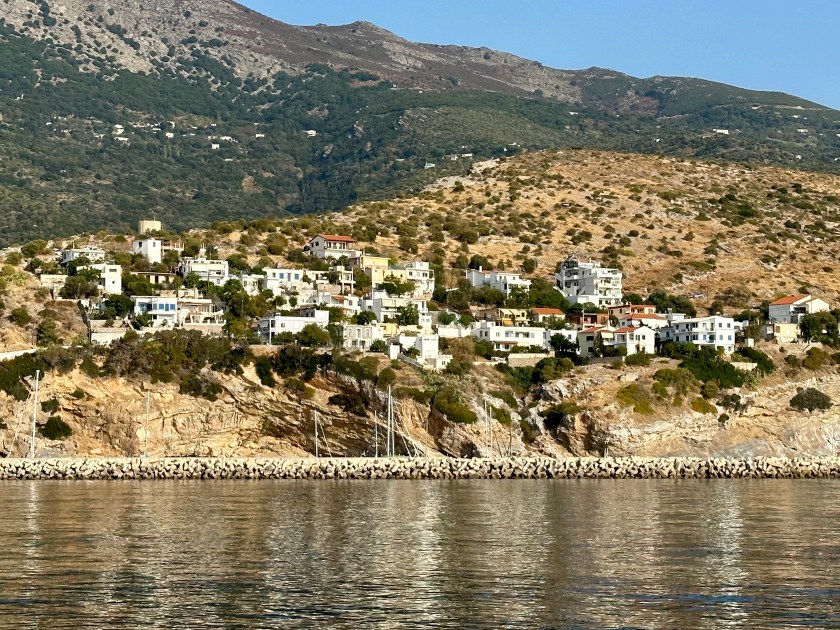
But our island hopping continued. We boarded the ferry for Kos just after sunrise. I stood on the top deck at the stern of the boat as we bid farewell to Skala and Patmos. The three-hour trip to Kos included several quick stops at quaint village ports to take on new passengers and drop off others.



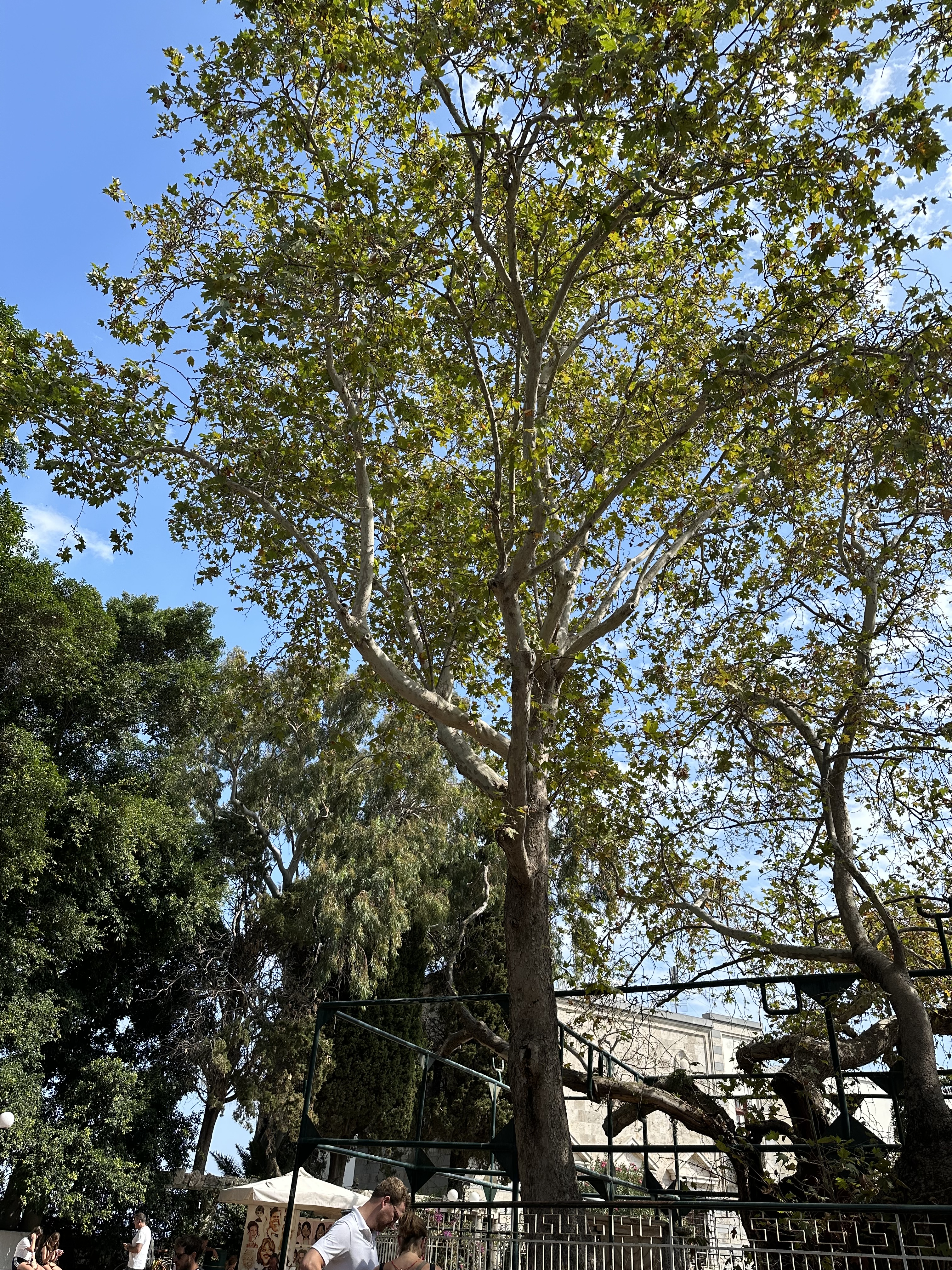
We arrived at Kos’ more modern port, not the ancient one where the Apostle Paul’s ship had moored. We hauled our luggage along cobblestone walkways between the Aegean Sea and an old fortress wall to our hotel. We dropped off our suitcases and gathered in a nearby park at the Plane Tree of Hippocrates.
Legend has it that Hippocrates taught his students about medicine beneath the shade of this old tree. Today, this vernal icon, a close relative of the sycamore, is struggling. The Apostle Paul purportedly taught here as well.
Nearby is the newly unveiled statue of Hippocrates. It stands on a knoll overlooking the old harbor of Kos, where Paul’s ship would have put in. On this, Paul’s third and final trip back to Jerusalem, Luke accompanied Paul.


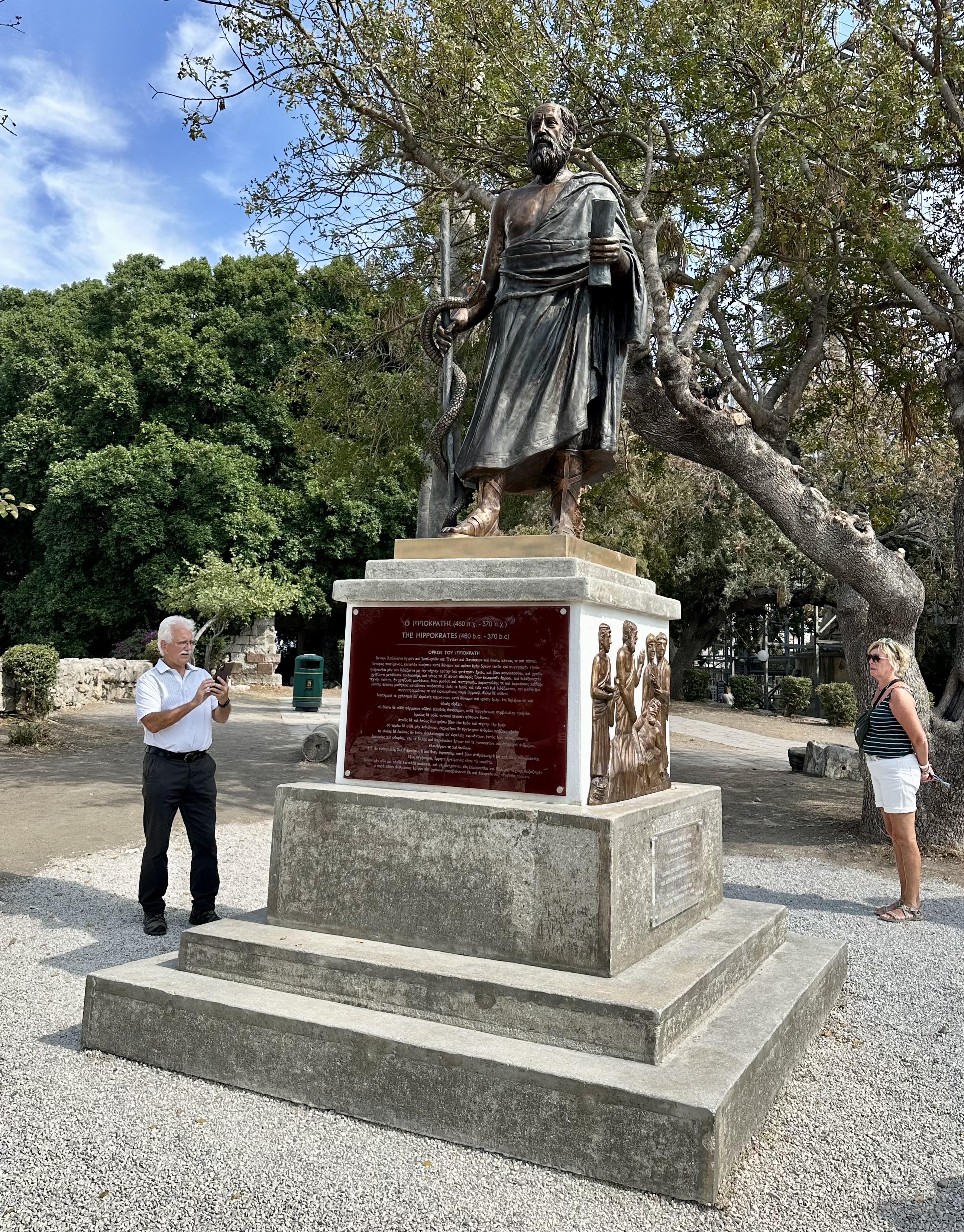
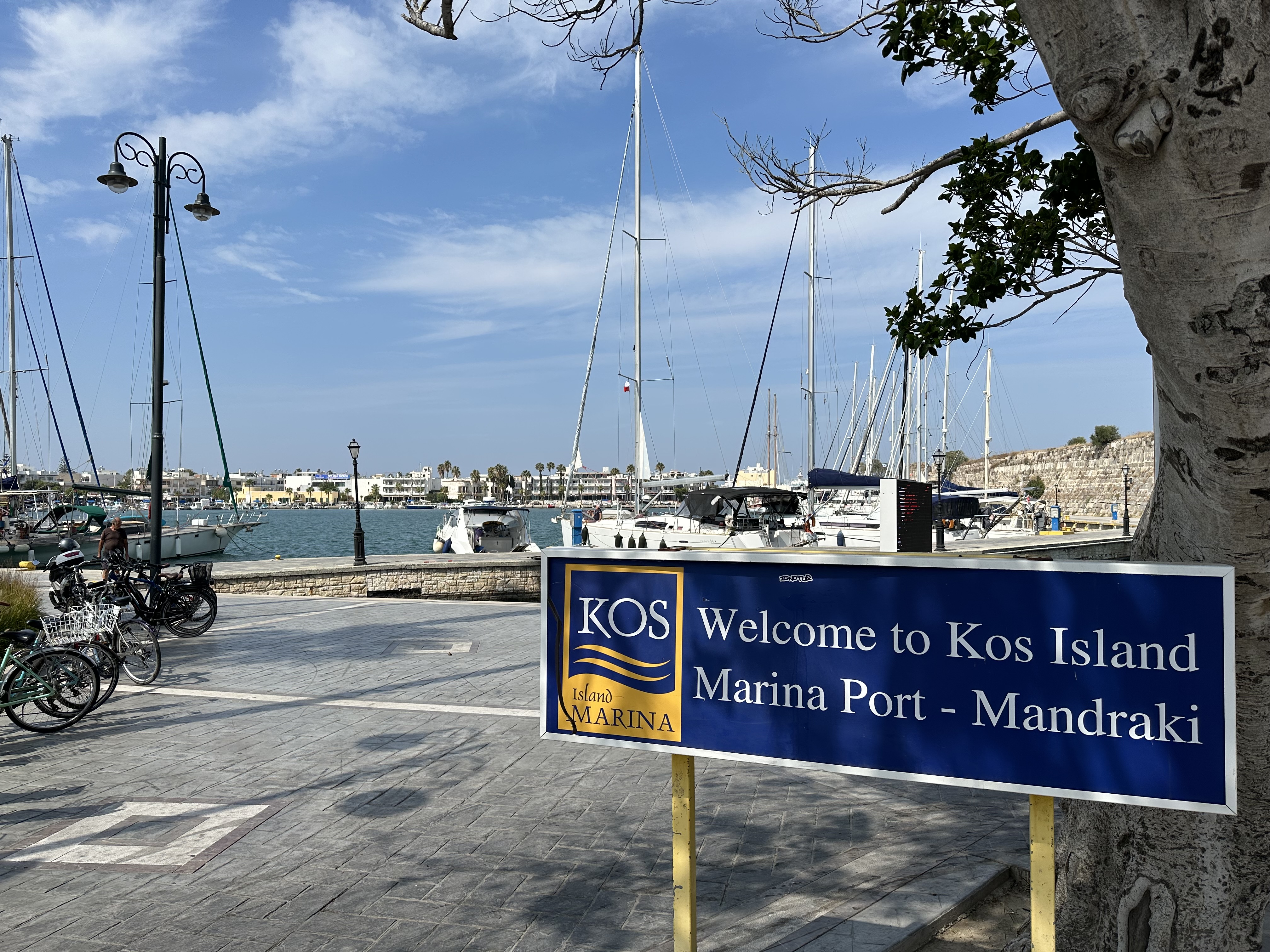
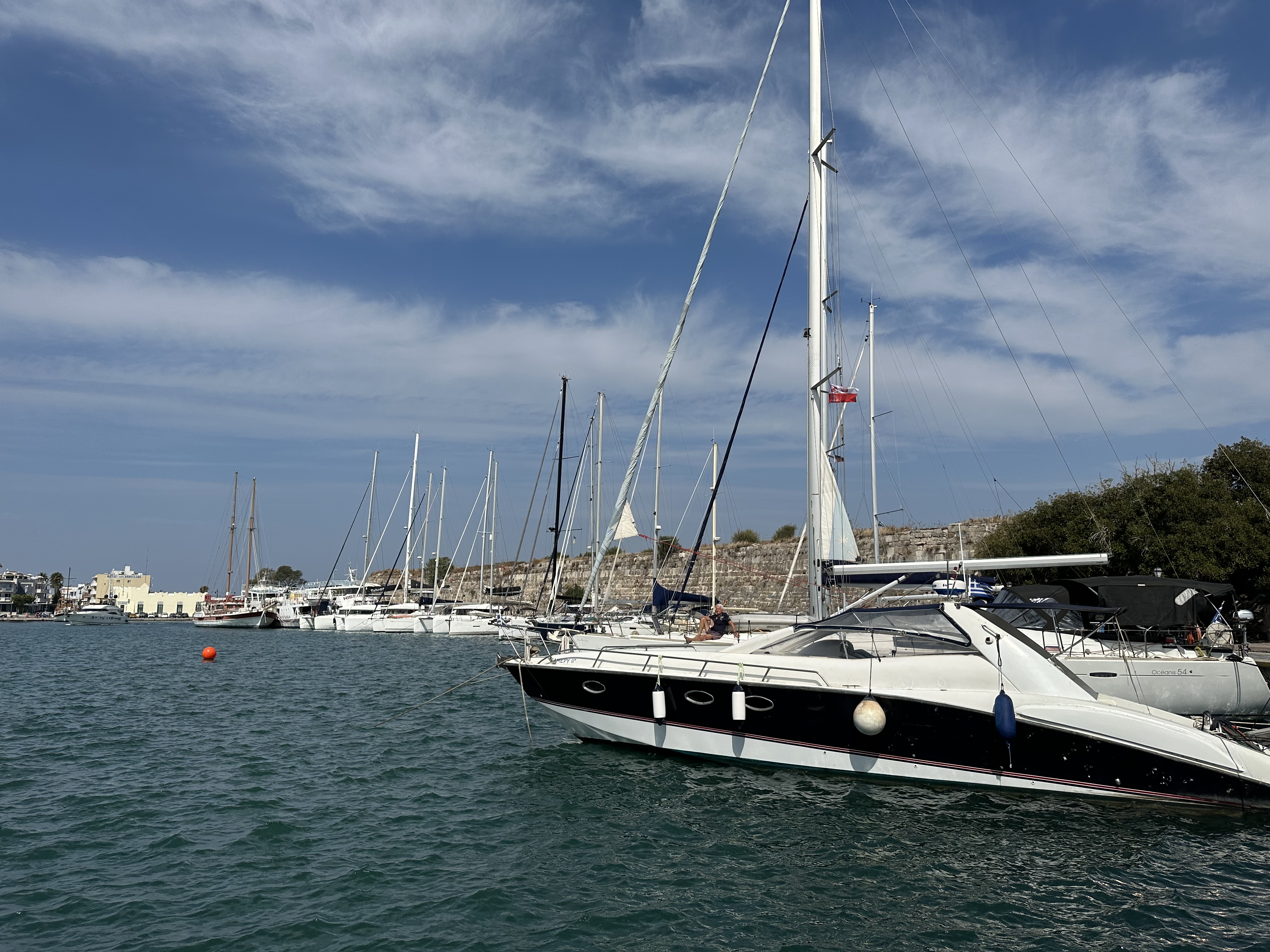

Please click on the photos to enlarge them.
My wife and I found a bench and enjoyed the refreshing ocean breeze across the little harbor filled with sailing and local fishing boats. We watched with interest as a sailing boat carefully backed into an open berth while folks on other ships eyed their maneuvering.
We had a light lunch at one of the many open-air restaurants. I walked the harbor parameters while Neva rested on a bench in the cool breeze.
In the late afternoon, our group met a local tour guide at Asclepion, Hippocrates’ healing center of the Hellenistic world. It was a fantastic place with an equally impressive history.
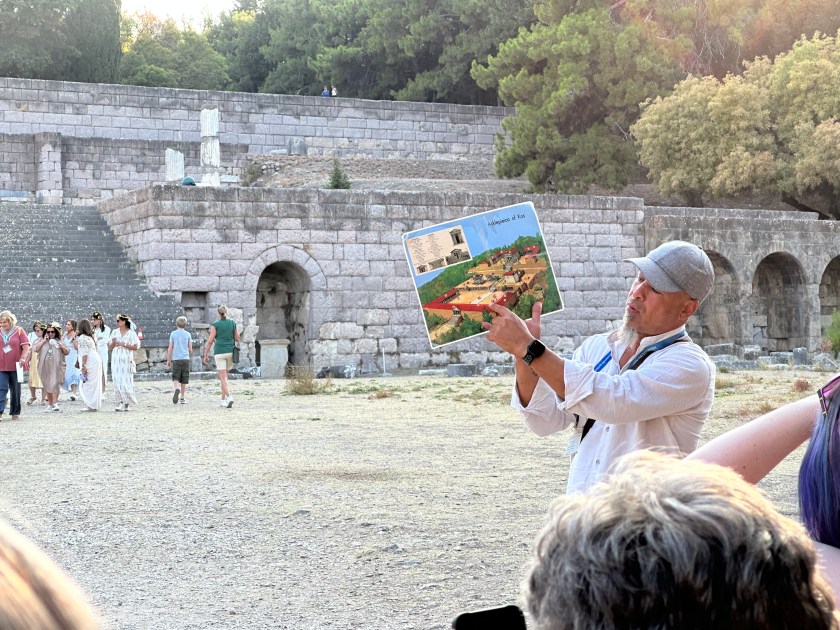
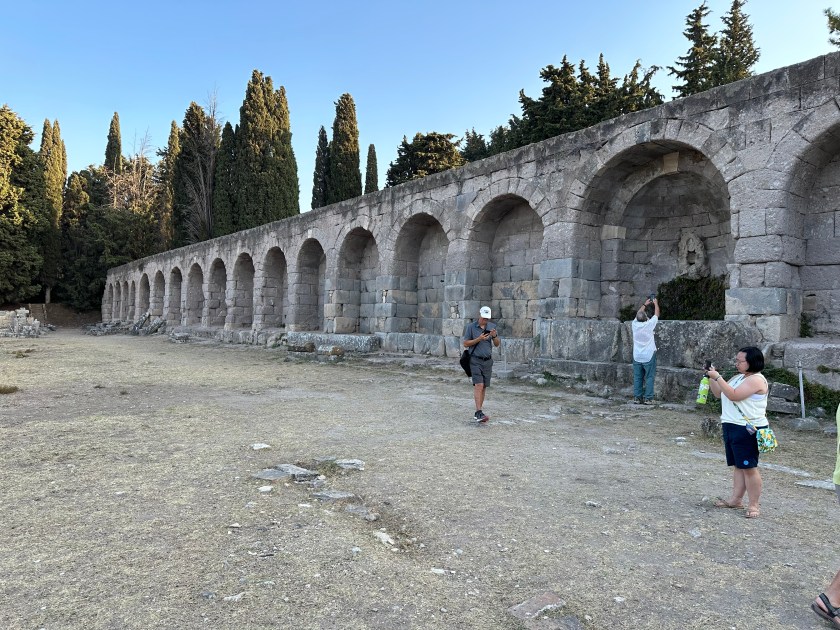
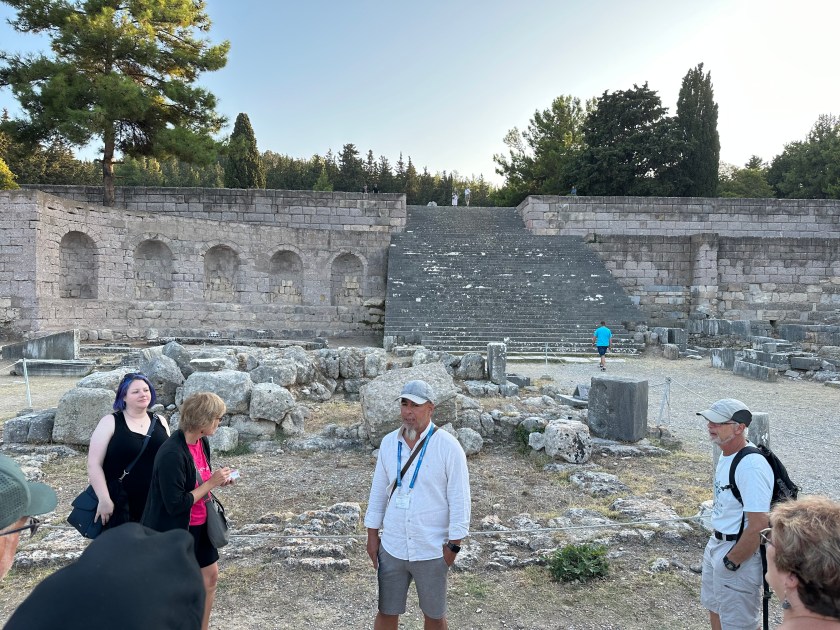
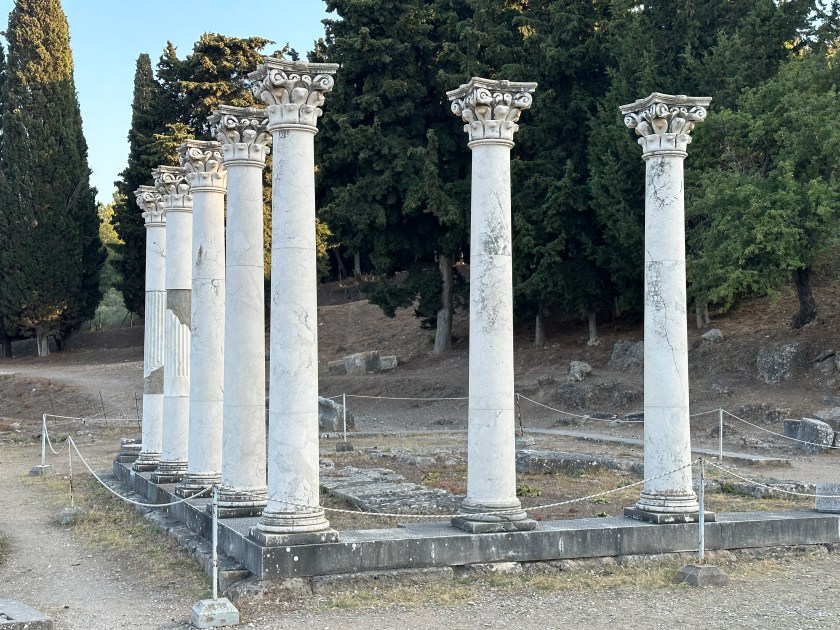


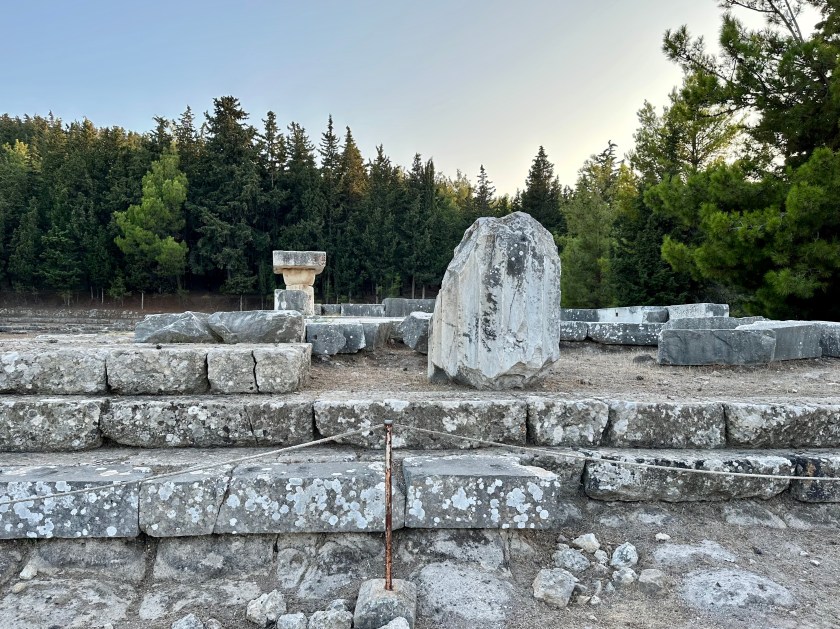


People throughout the Mediterranean region came to Asclepion to be healed of all sorts of ailments. The ancient hospital was built high on a hill sloping away from the Aegean Sea. The three-tiered grounds enabled patients to be evaluated and prioritized by need and ailment.
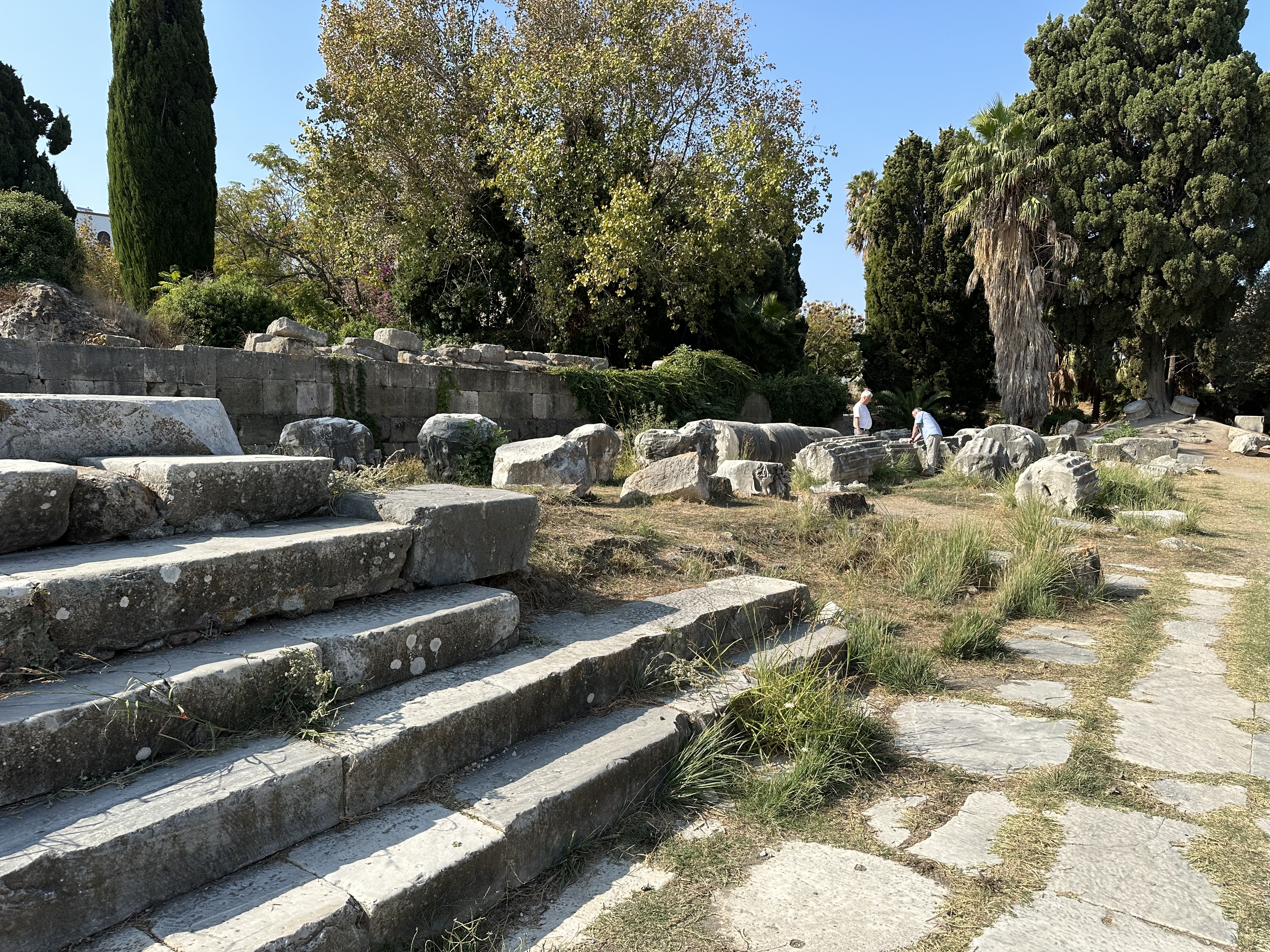
A series of steps connected the terraced levels of Asclepion. Walls once held statues of gods and flowing fountains. There was even an area beyond the terraces for patients who needed quarantined.
A few of the marble steps at each level were original. The view from the top level made it worth the climb.
We had a brief worship service in the Roman Agora in Kos in the morning. I pondered the setting and the centuries of history that haunted this place. Massive marble columns lay askew everywhere, like giant pick-up sticks. The remains of old buildings, including apartments, filled the once bustling gathering place. All of these thoughts seasoned the talk by a chaplain in our group.

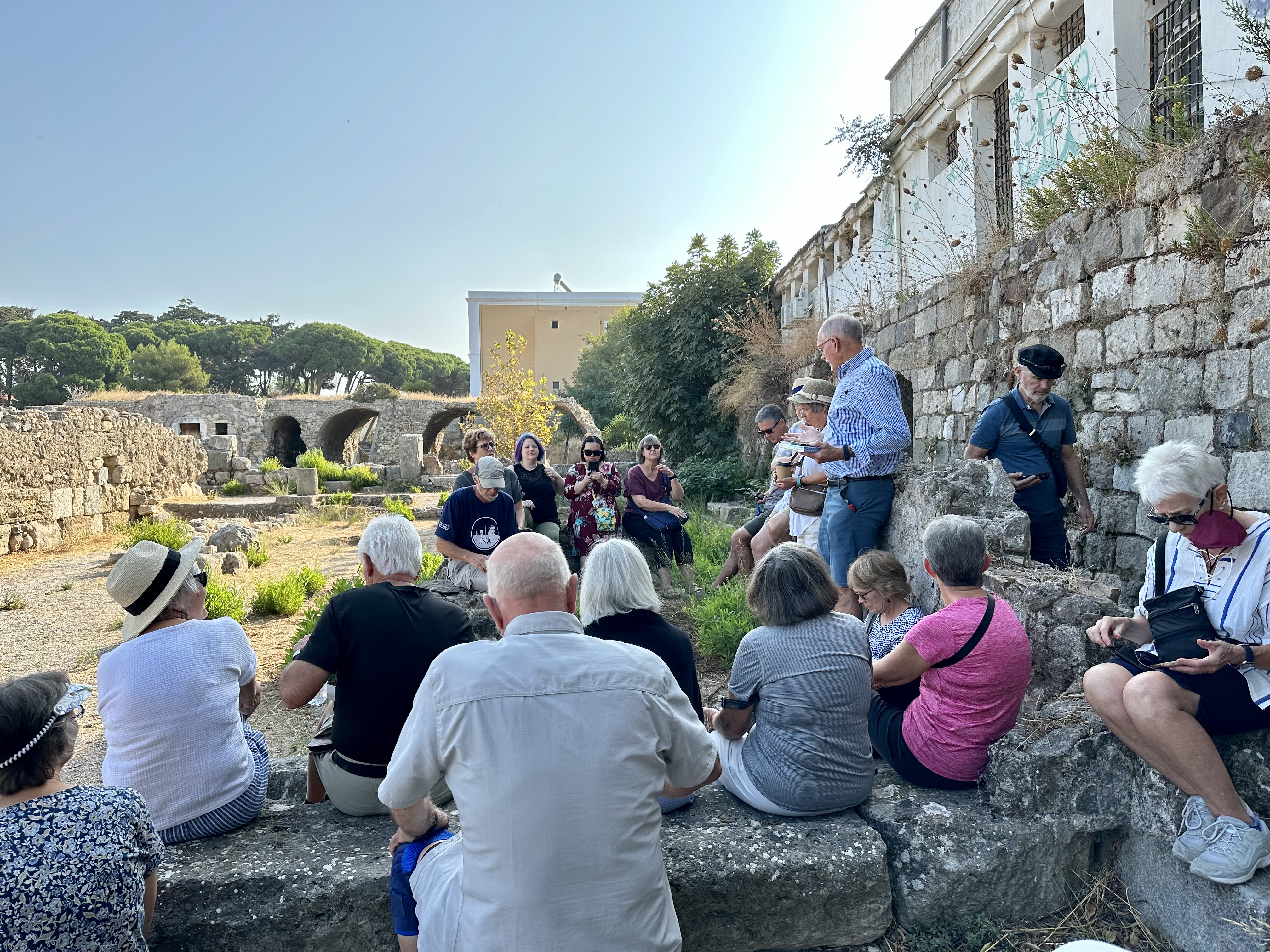

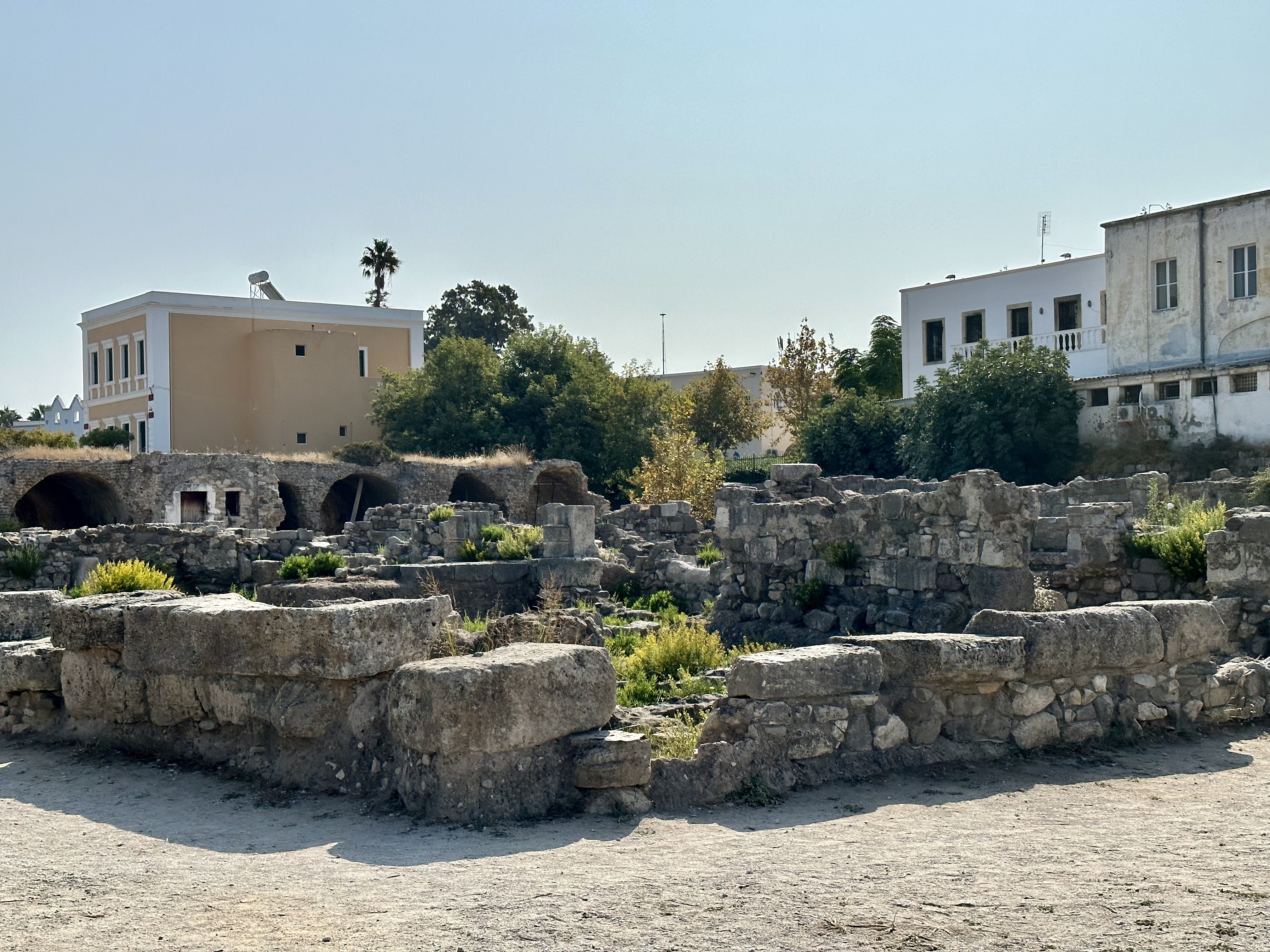

Please click on the photos to enlarge them.
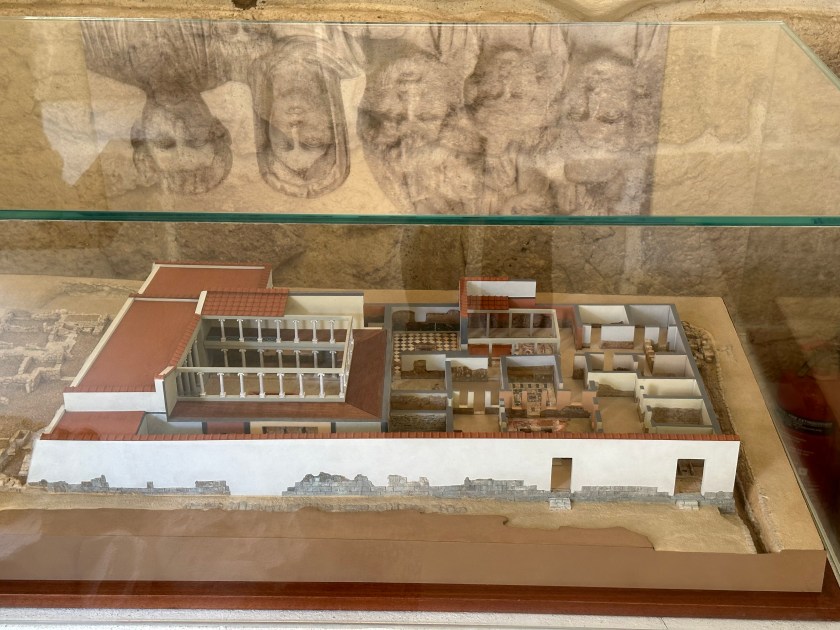
Since the ferry departure time to Rhodes had been changed to early evening, we had the rest of the day to explore Kos on our own. My wife and I chose to tour a reconstructed Roman villa, which was large even by today’s standard for McMansions.
The villa was filled with artifacts from the period it would have been lived in. Mosaics, typical of the Greek and Roman cultures, adorned several rooms.
We walked a short distance from there to view an old Roman road. The stones looked as if you could drive on them today.



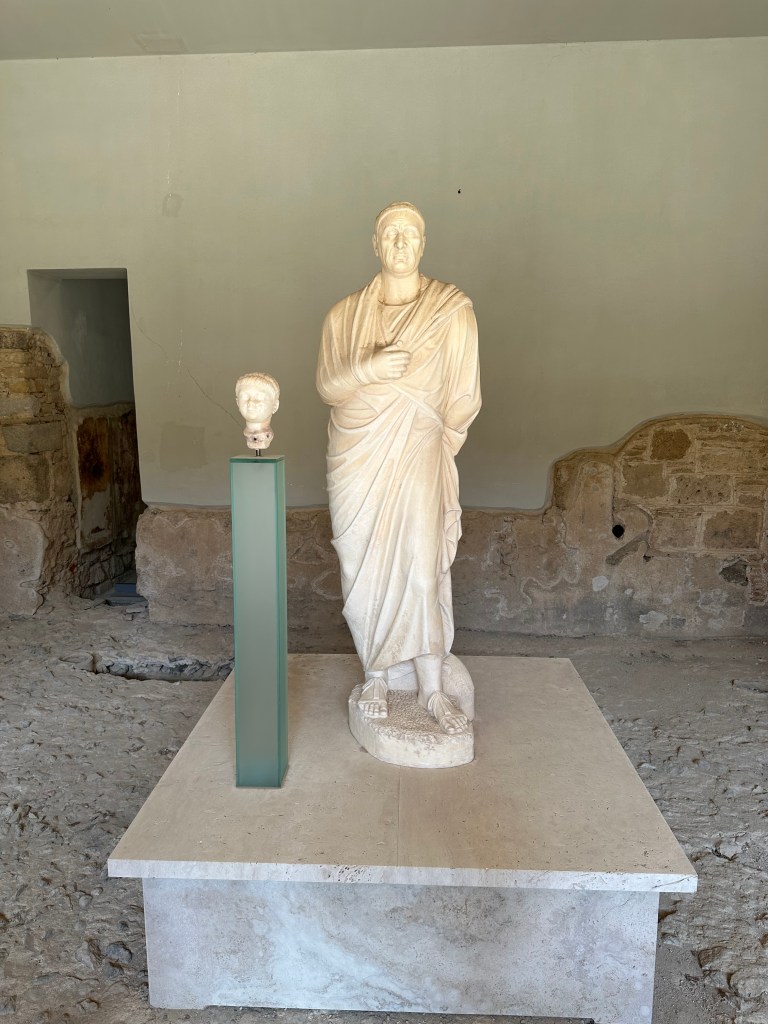
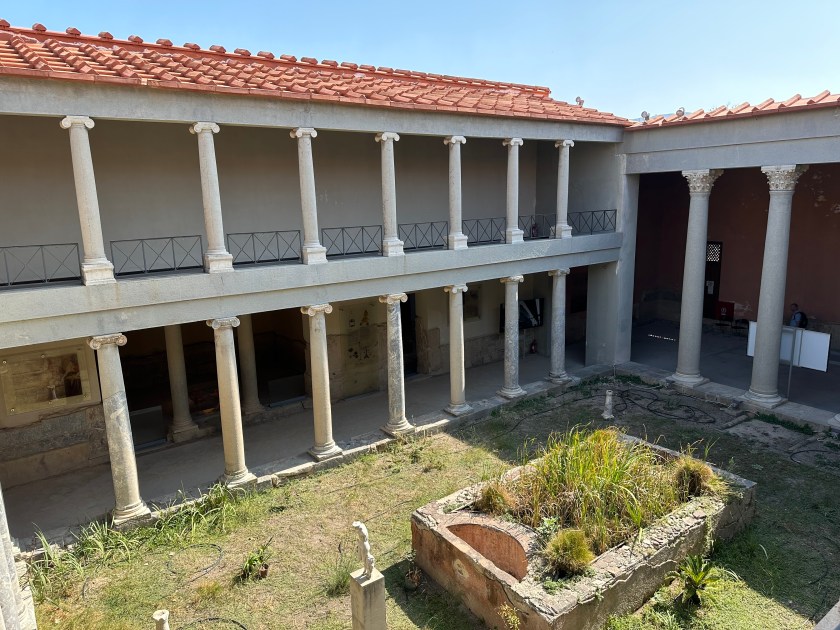

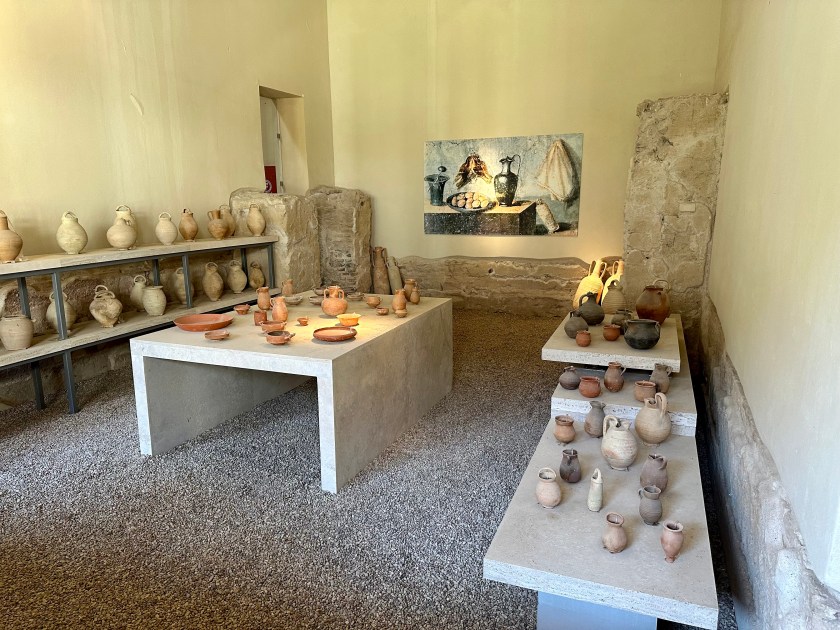


With the heat of the afternoon building, we headed back to the hotel to rest and for refreshments before boarding the ferry. Some in our group, including my wife and me, had picked up a bug. With our persistent coughing, we took a cab to the pier.
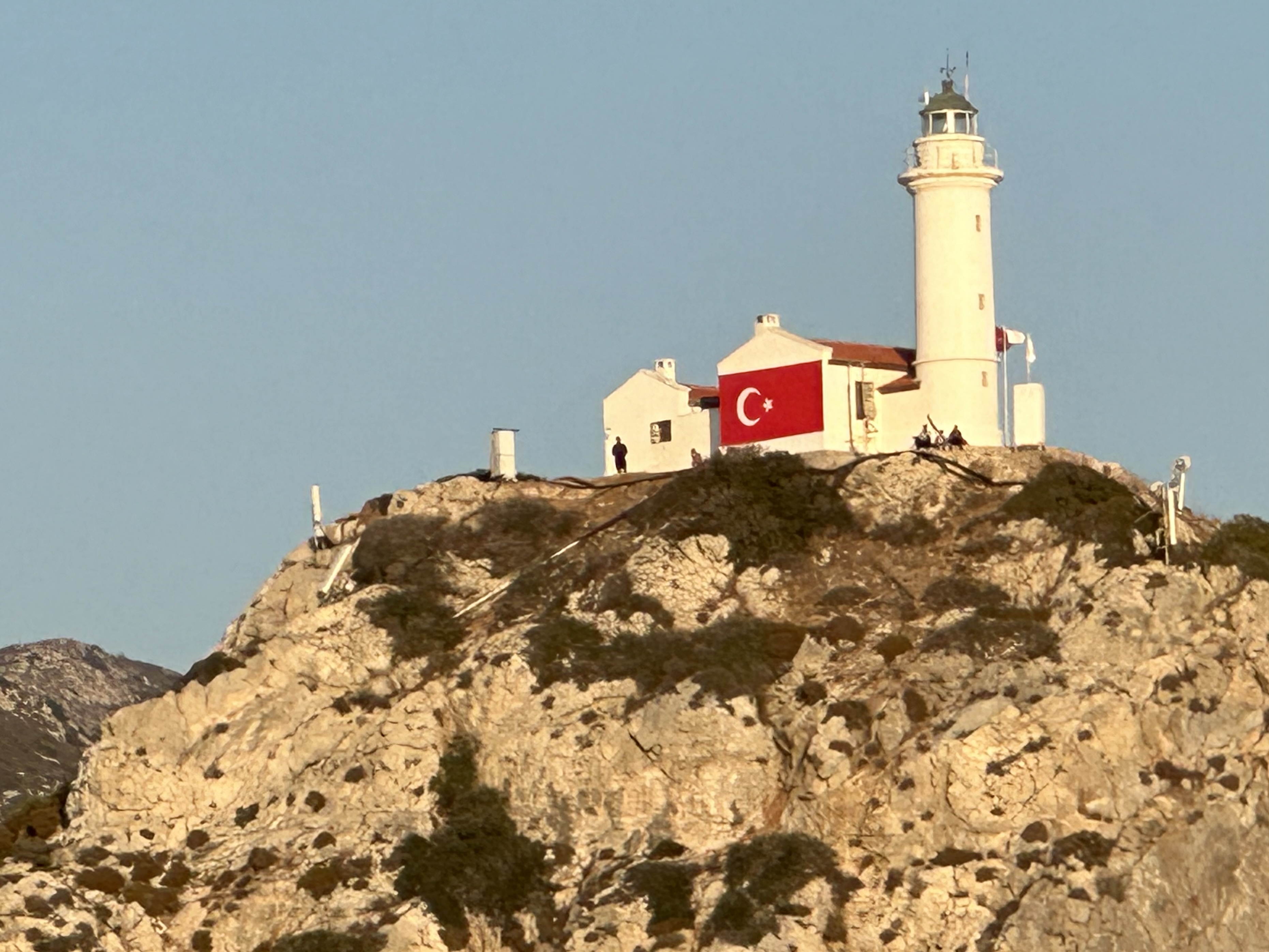
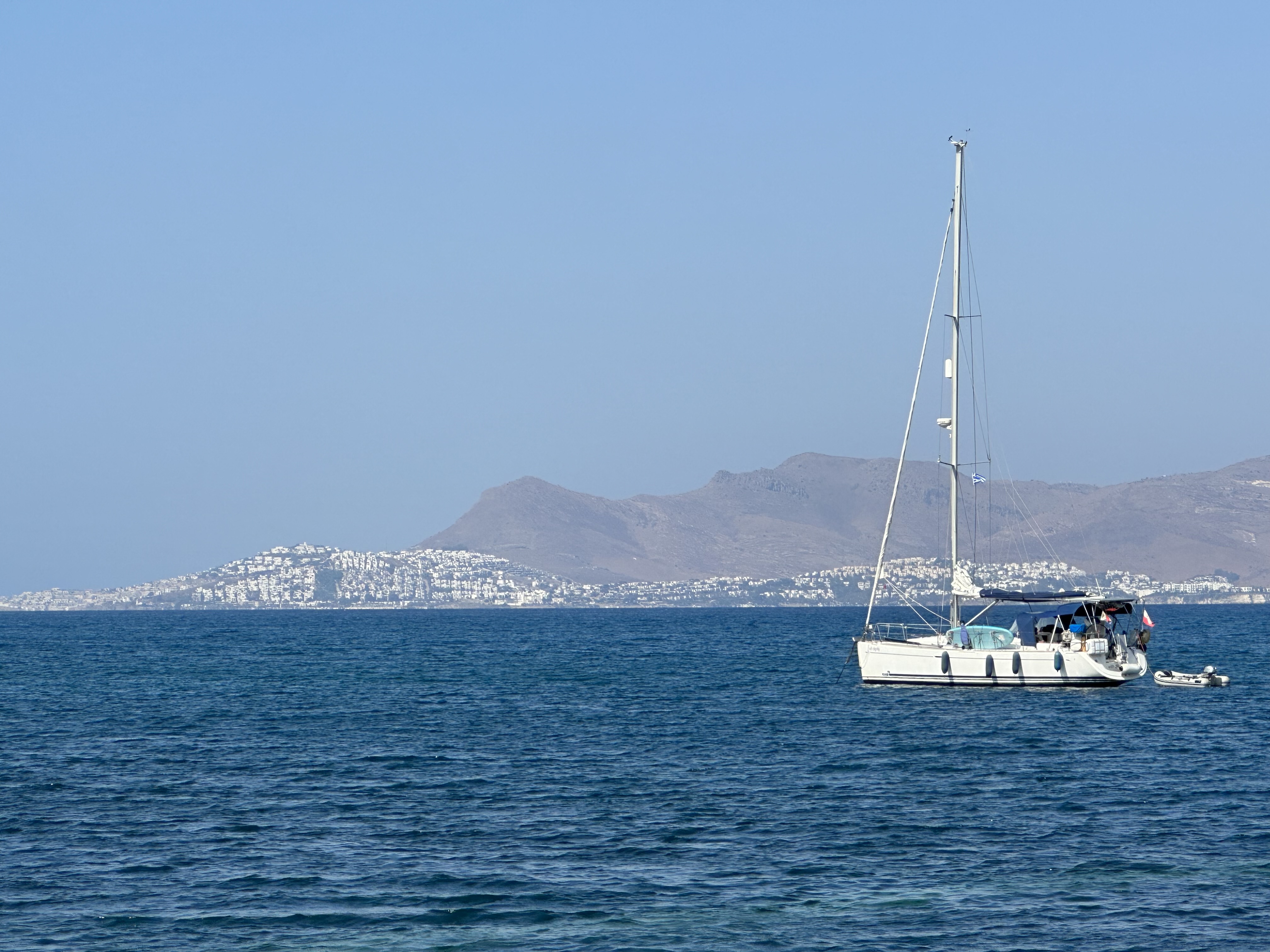
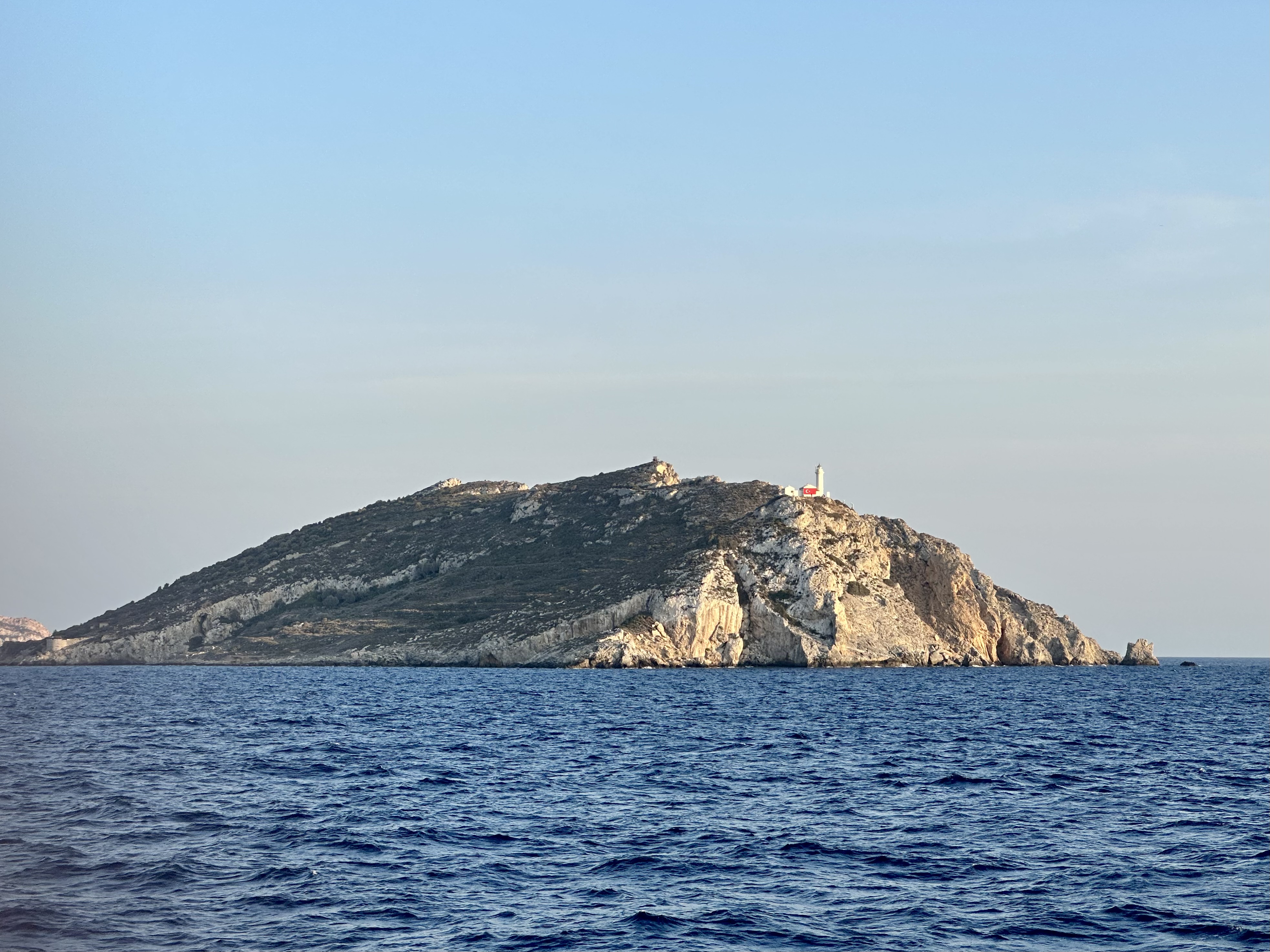
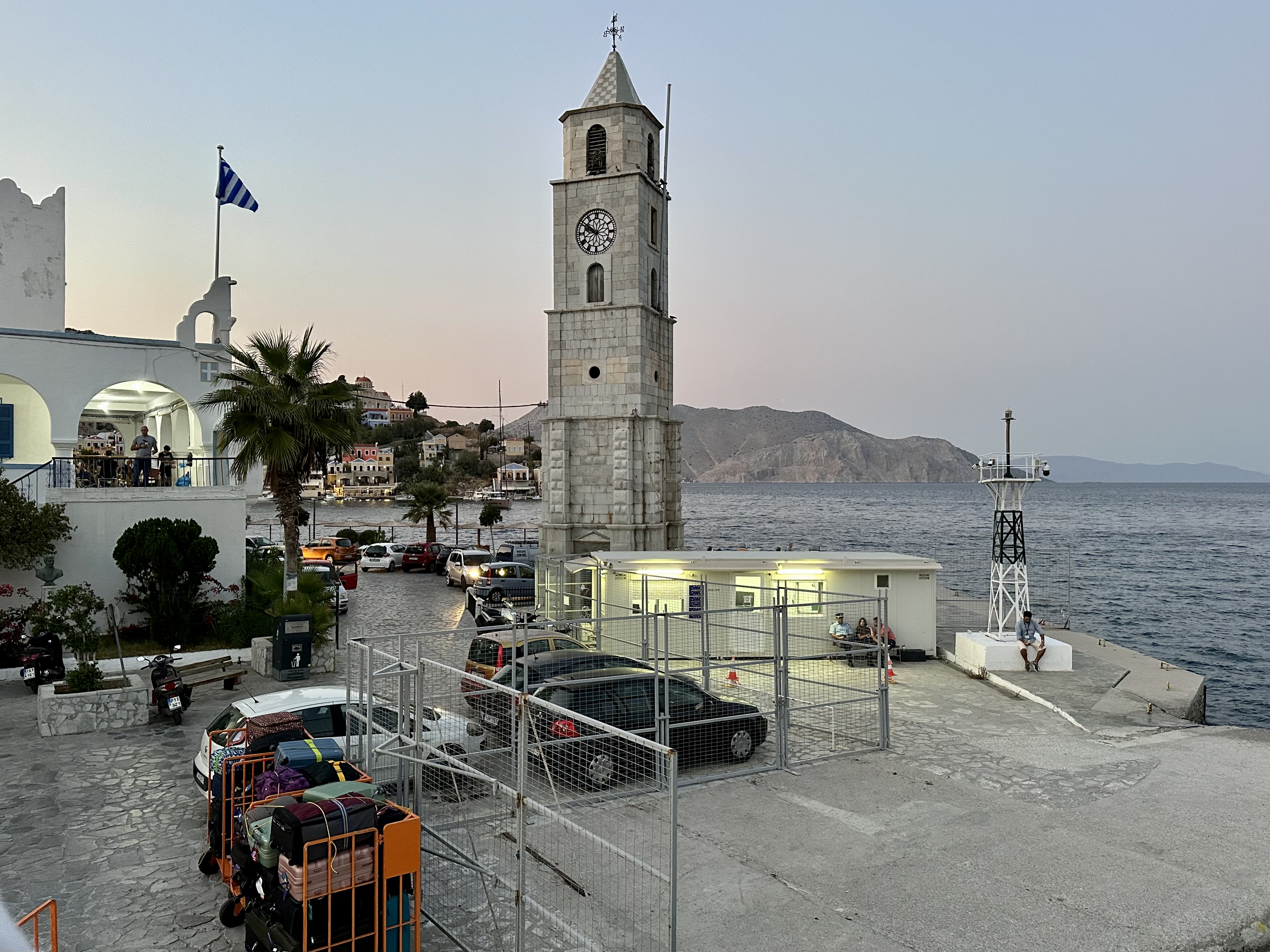


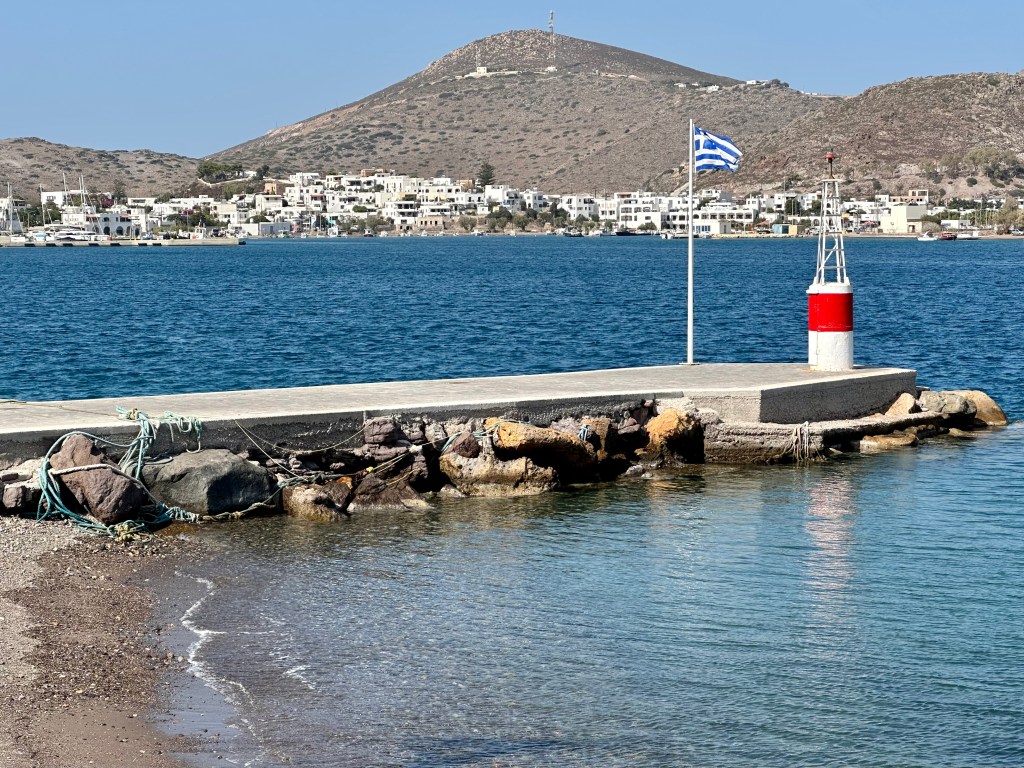
The ferry was on time, and we prepared for an extended cruise to Rhodes. Of course, we had several stops in picturesque seaside towns. On the way to Symi, we passed a lighthouse high on a steep ledge in Turkey. Later, a stunning sunset sunk behind a mountainous island.
Tomorrow: The island of Rhodes.

© Bruce Stambaugh 2023








 Roadkill Crossing
You must be logged in to post a comment.