A Photo Essay: Following the Path of Apostle Paul – Day 9

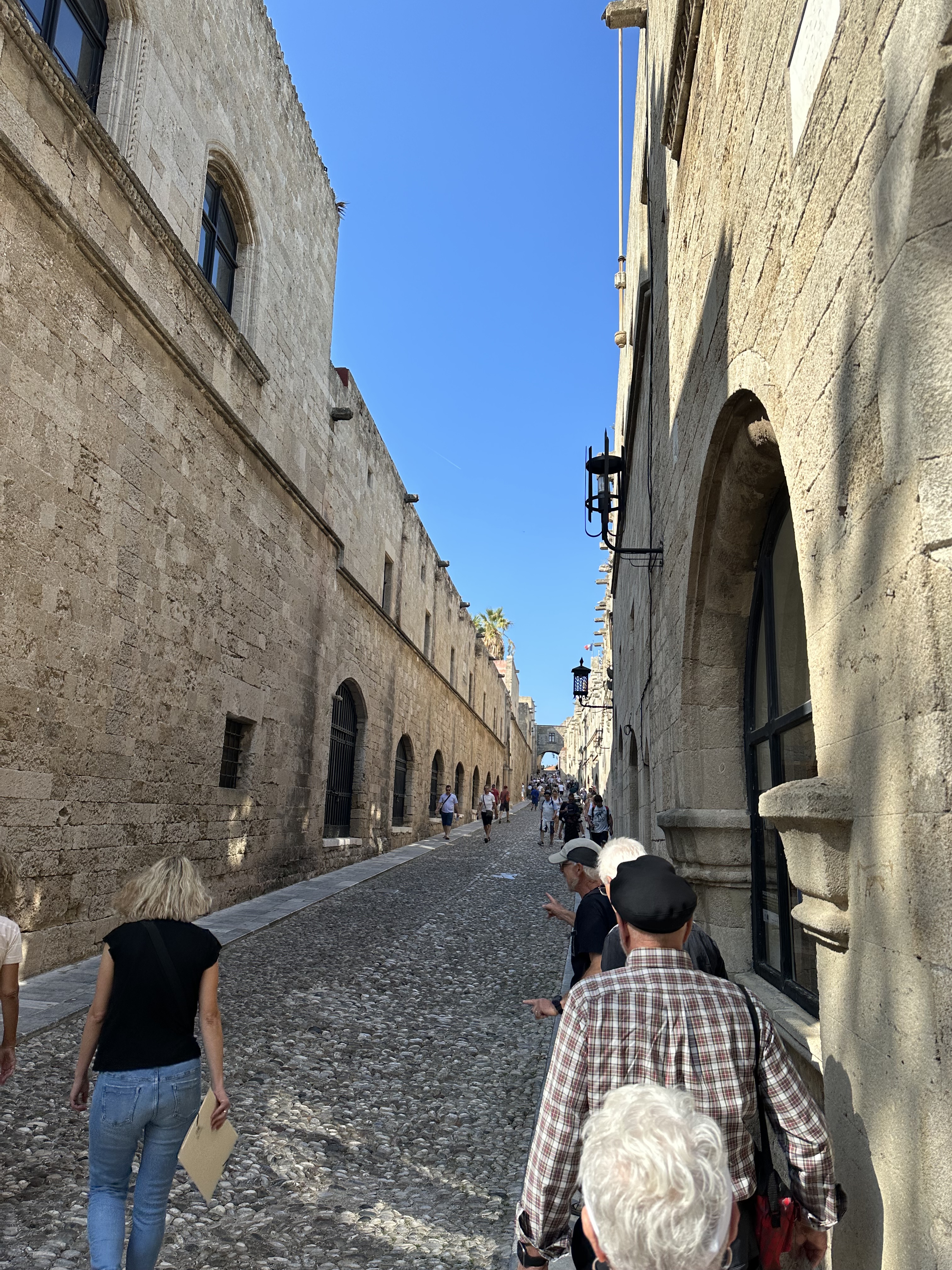
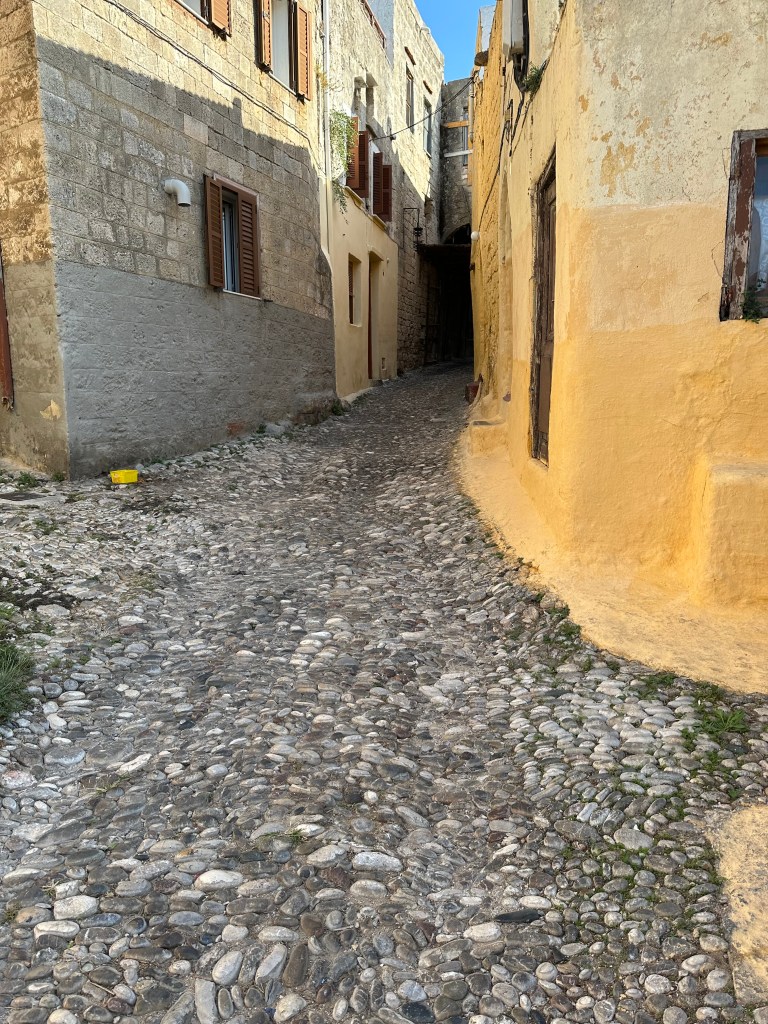
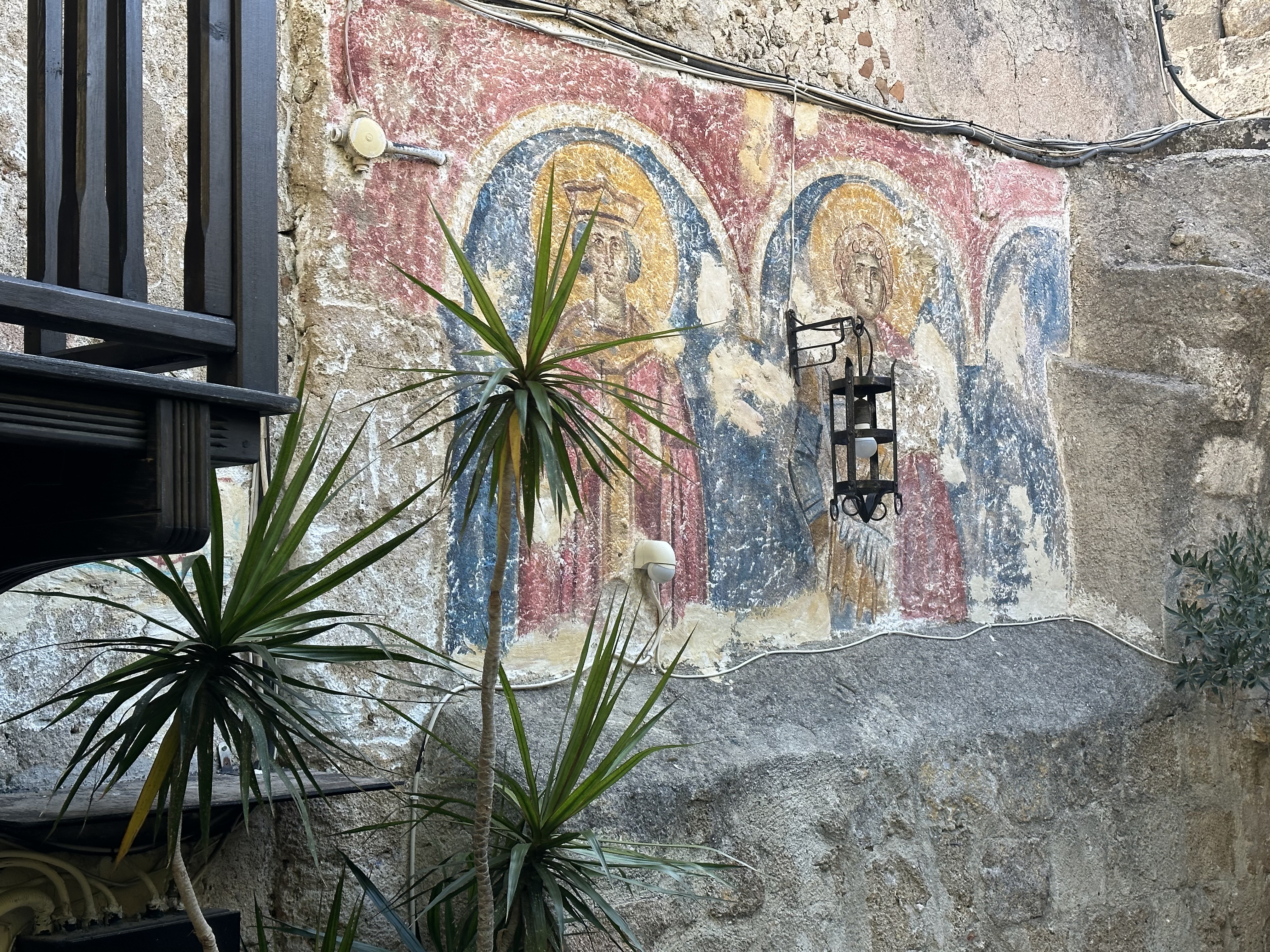
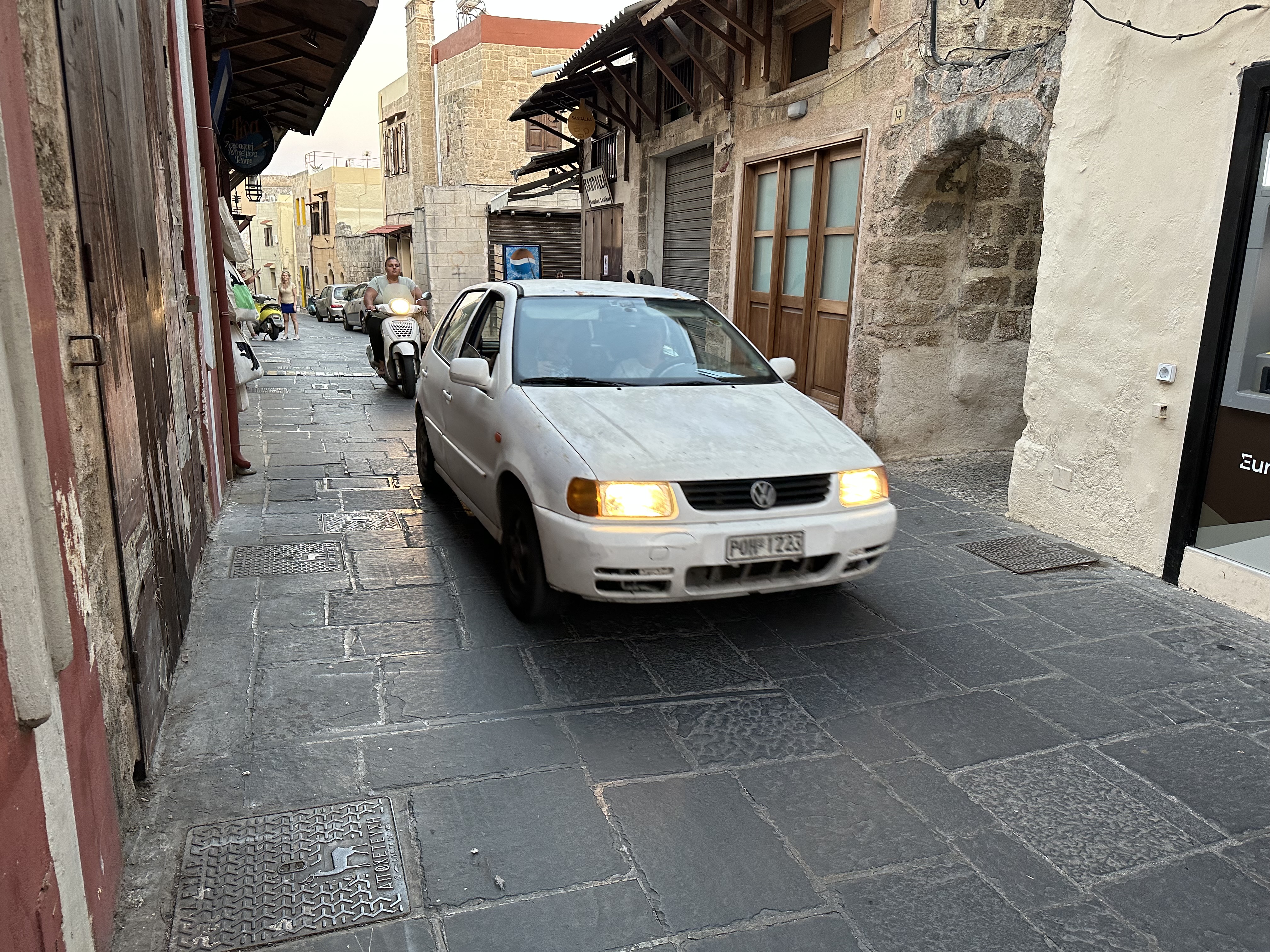
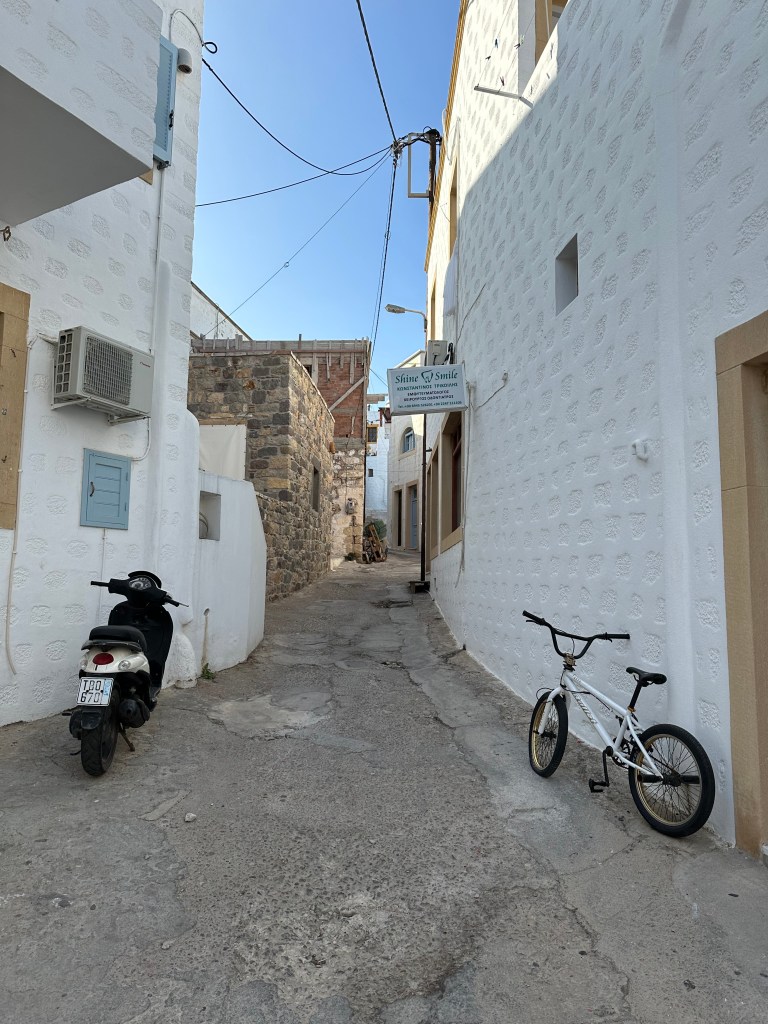
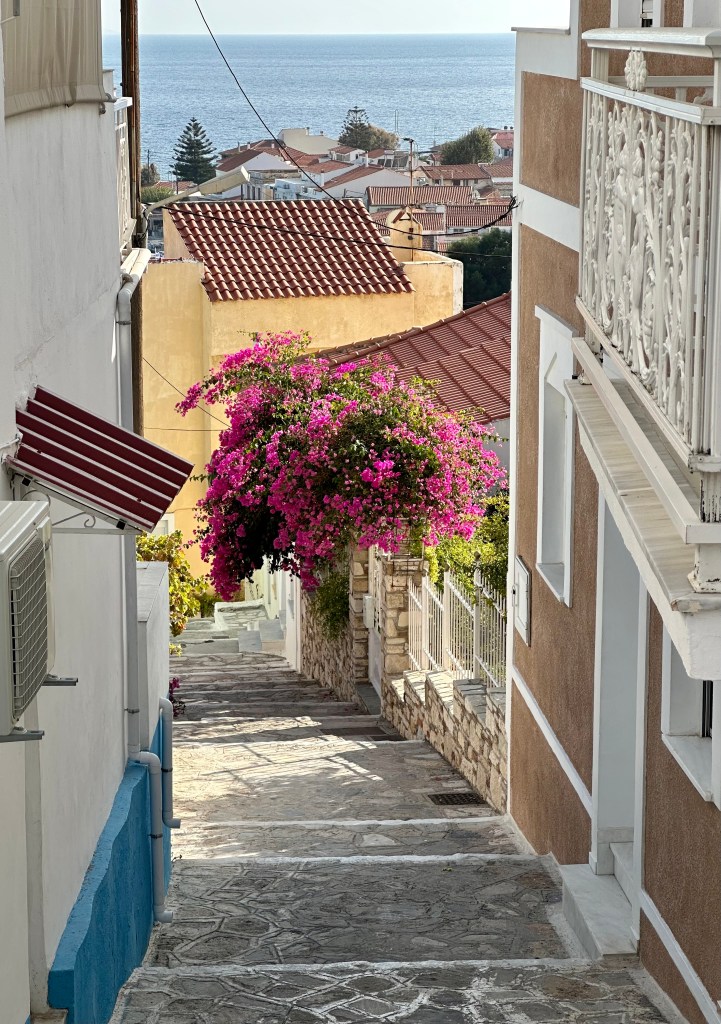
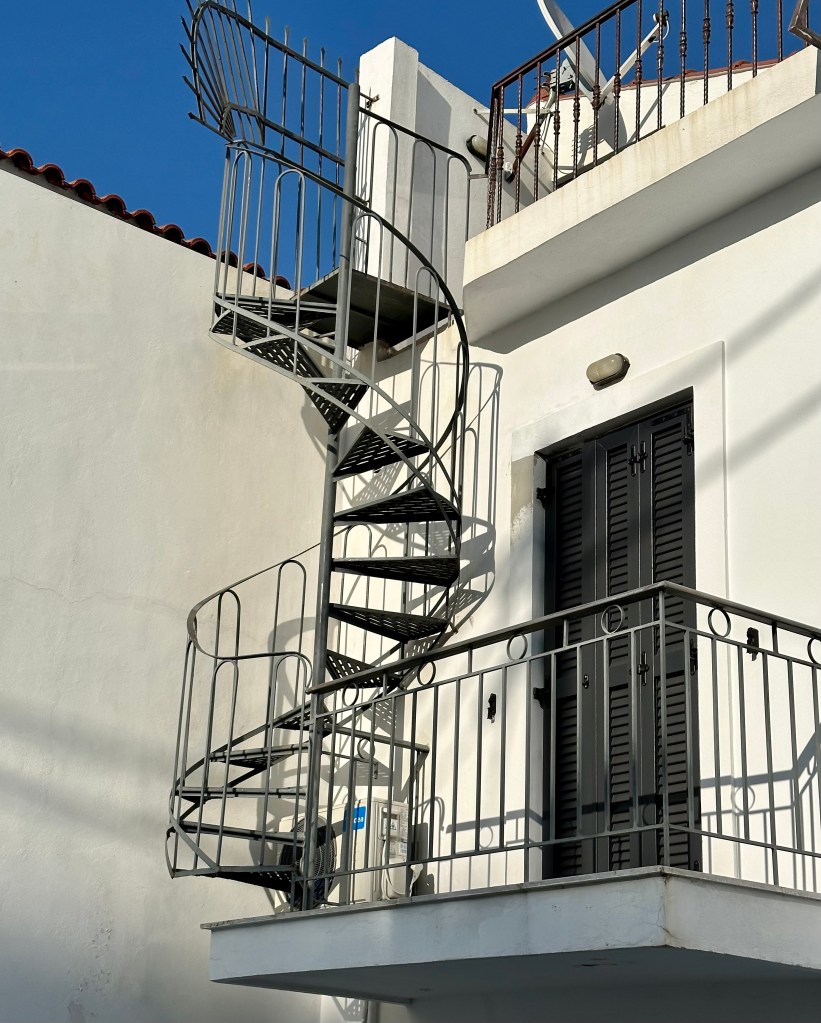
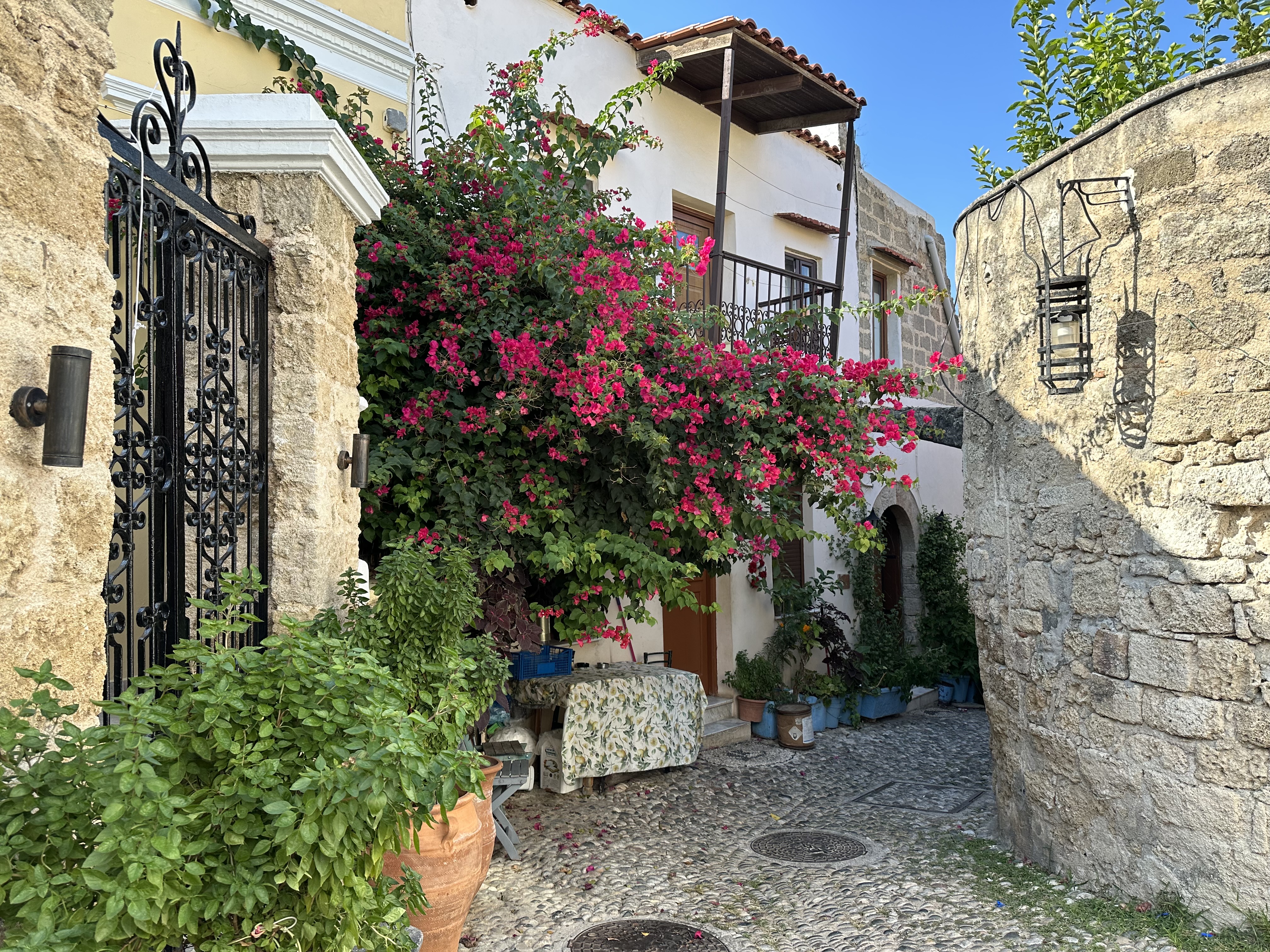
A typical back alley in the Old Medieval city of Rhodes.

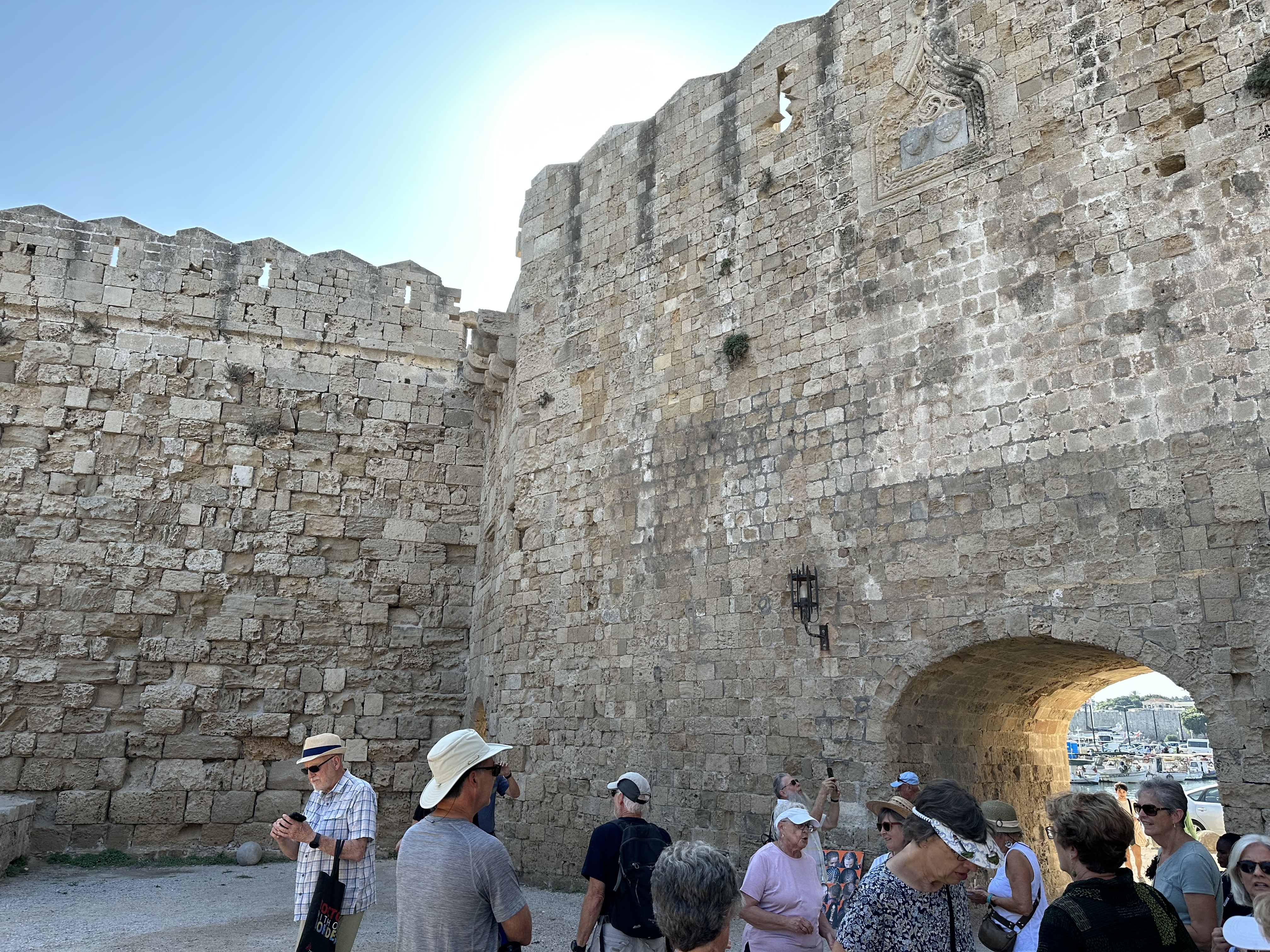
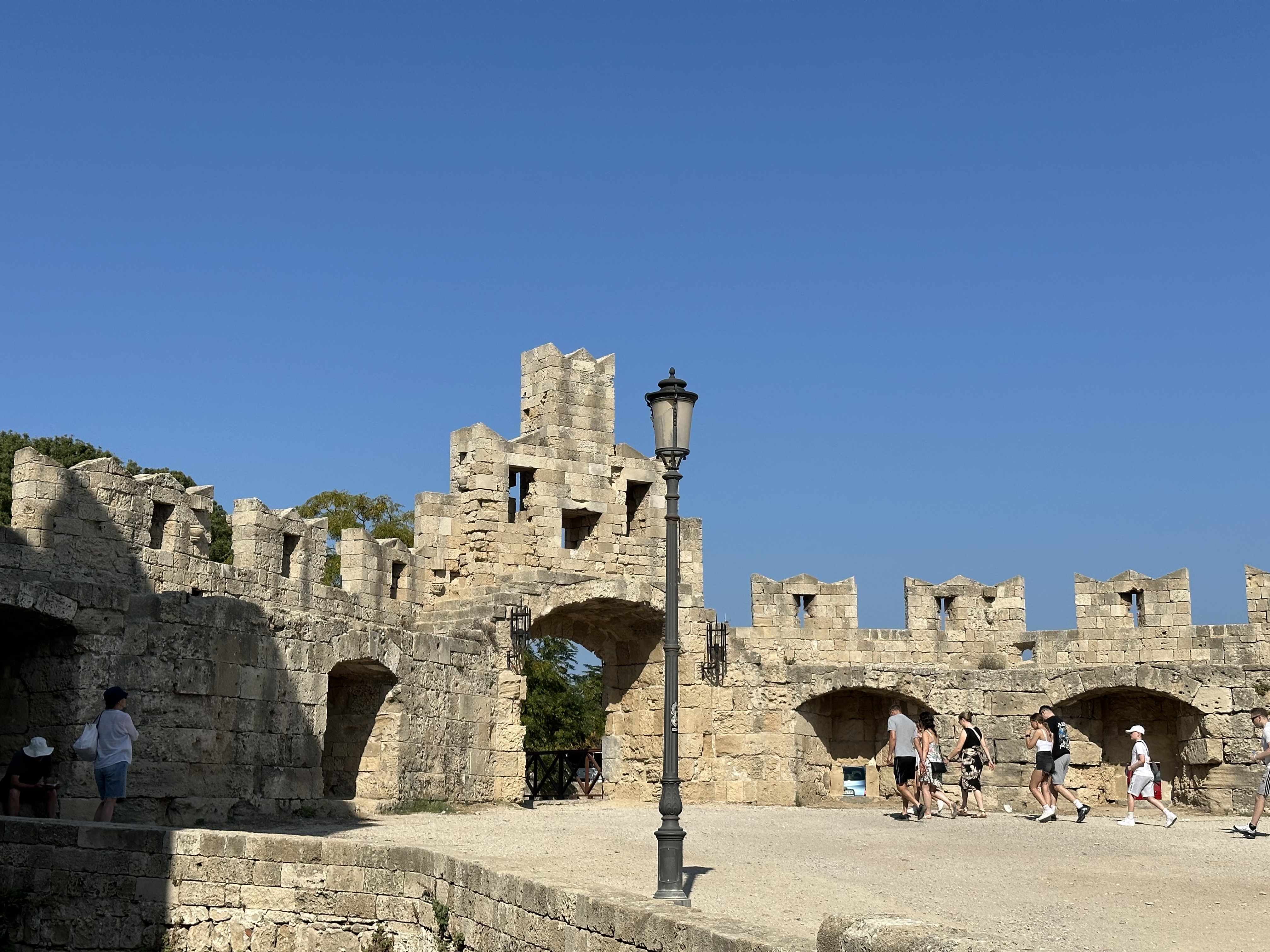
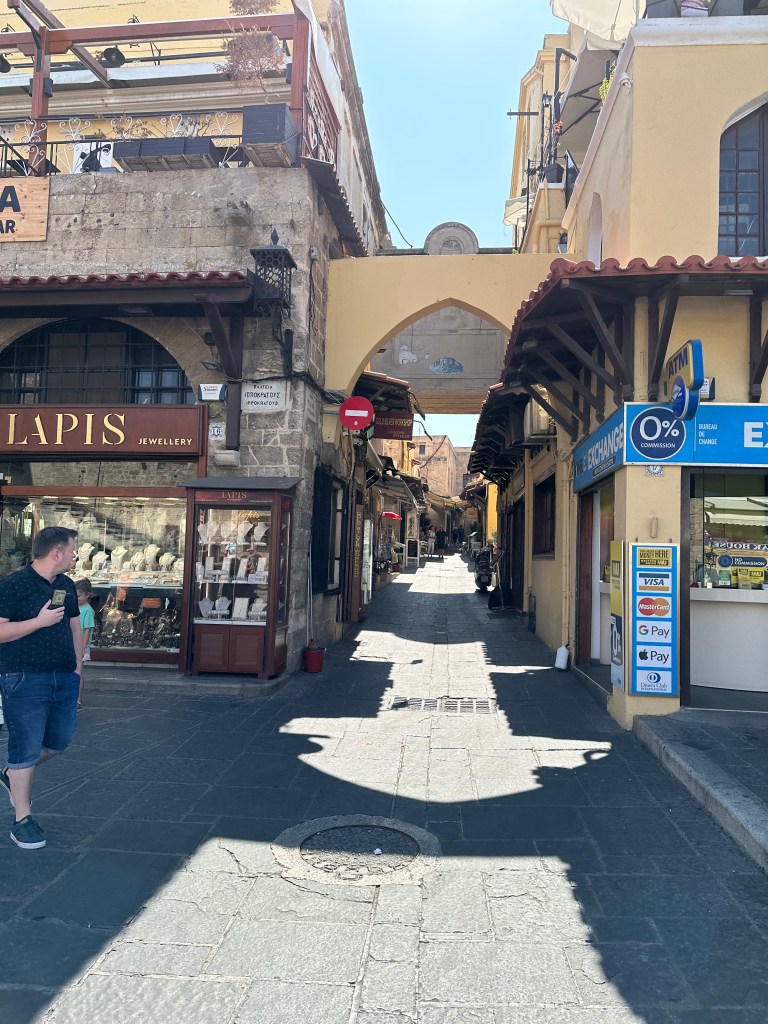
We landed in Rhodes well after dark. We hauled our luggage off the ferry, along the Old City wall, through an ancient gate, and along the inside of the wall to our hotel. The medieval city is a UNESCO World Heritage site.

Because the boutique hotel didn’t have enough rooms for our group of 24, some of us were assigned to other properties farther up the hill and around a corner to our little abode for the next two nights. Ironically, we spent only one full day in this walled paradise, much like the Apostle Paul, according to Acts 21: 1.

On this leg of our journey, we followed the exact path of Paul on his third and final missionary trip and return to Jerusalem. After leaving Kos, his ship stopped in Rhodes and then to Patara.

The memorial to the Rhodes Jews killed in World War II.

After breakfast, our group first headed to Hippocratous Square, where a memorial stood to the 1,604 Jews from Rhodes who were murdered by the Nazis in concentration camps near the end of World War II. To me, it also served as a symbol of the history of persecution of peoples throughout history until our current time.

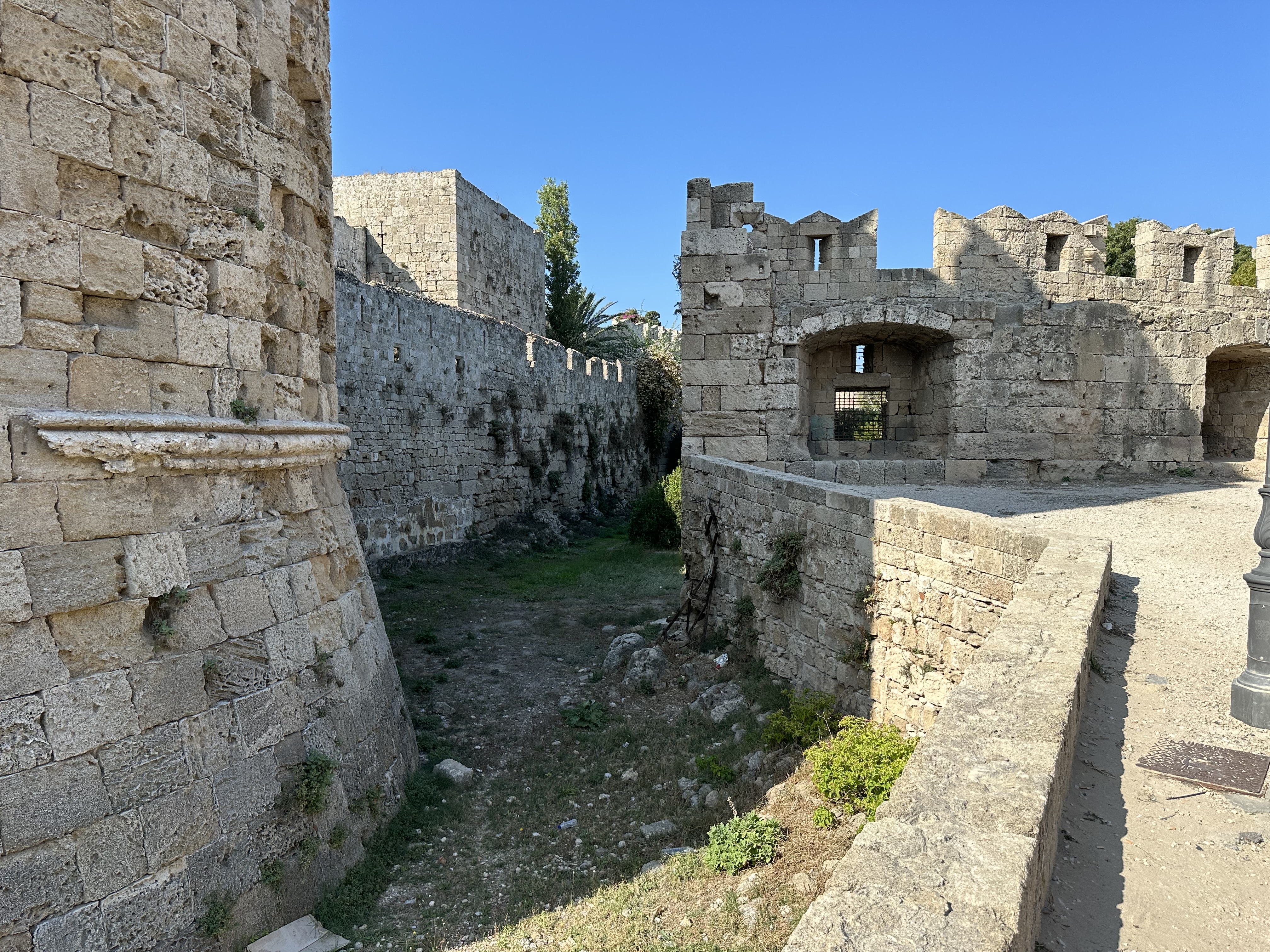
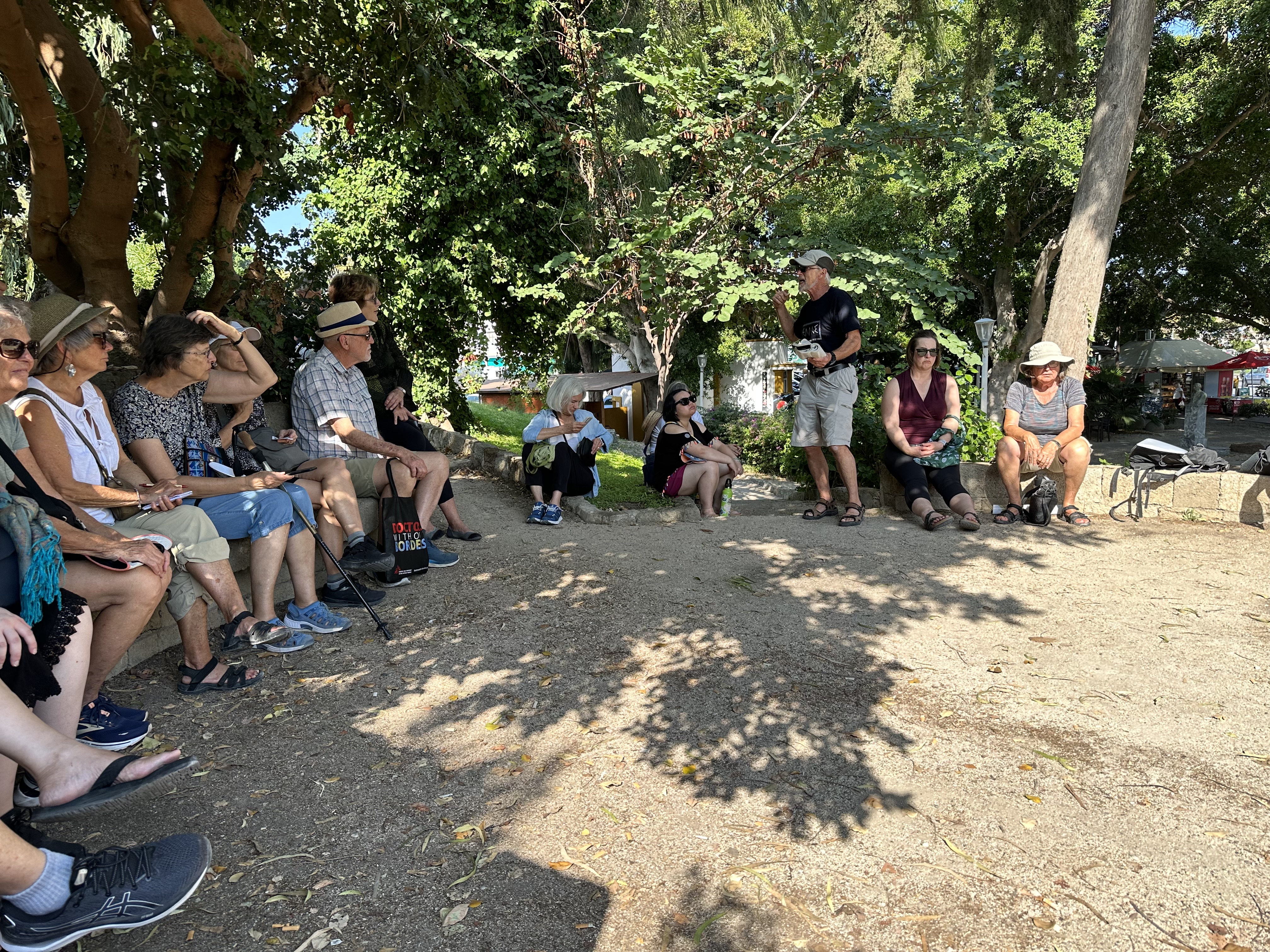
We headed outside the wall along the harbor’s edge to St. Paul’s Gate. On the way, we saw a section of the now-dry moat surrounding the Old City. Beneath the shade of a large tree, Linford focused on the importance of Rhodes during the Crusades. Because of its strategic location in the southern Aegean, Rhodes was an important trading city and a desired military location.
Please click on the photos to enlarge them.

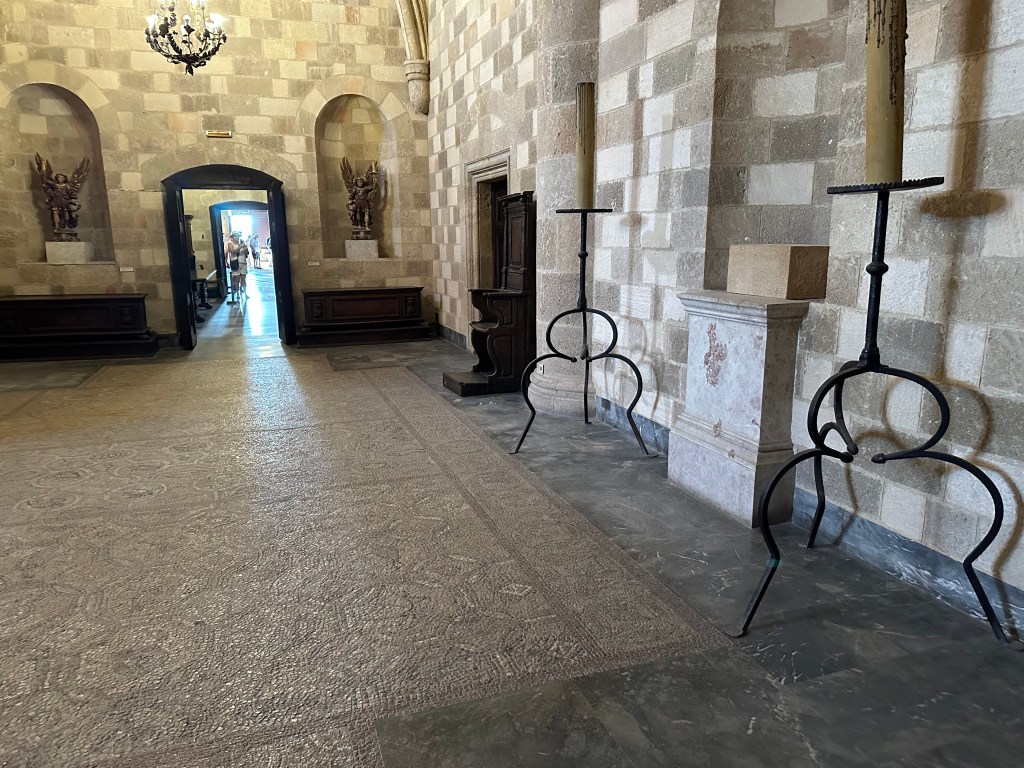
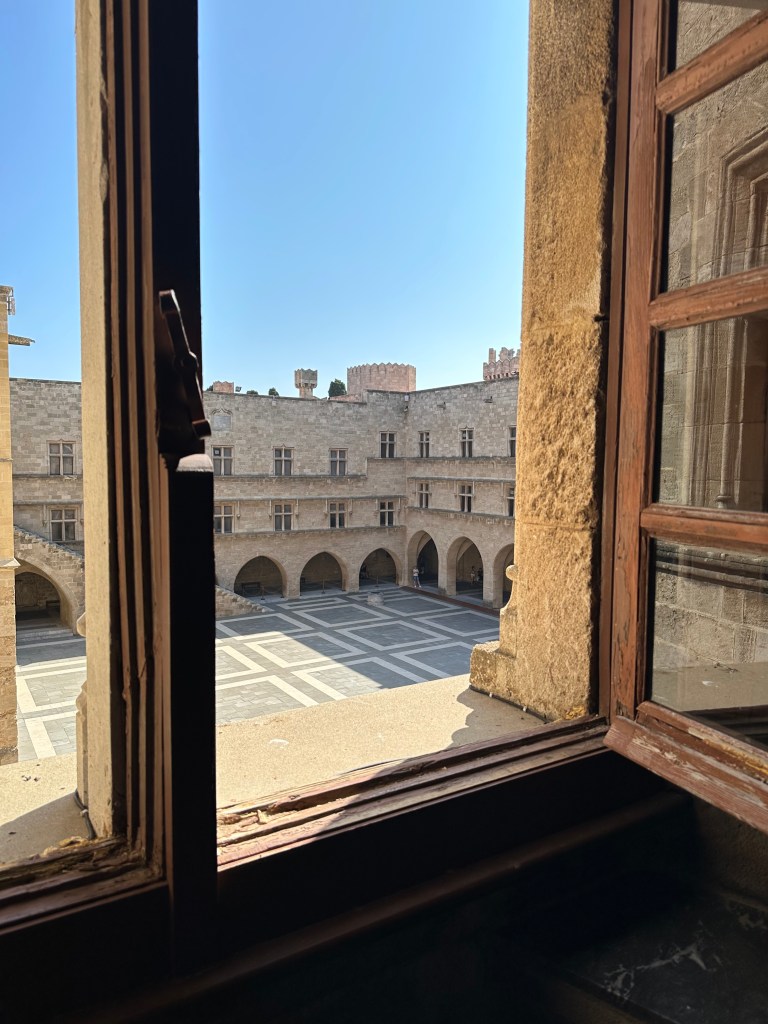
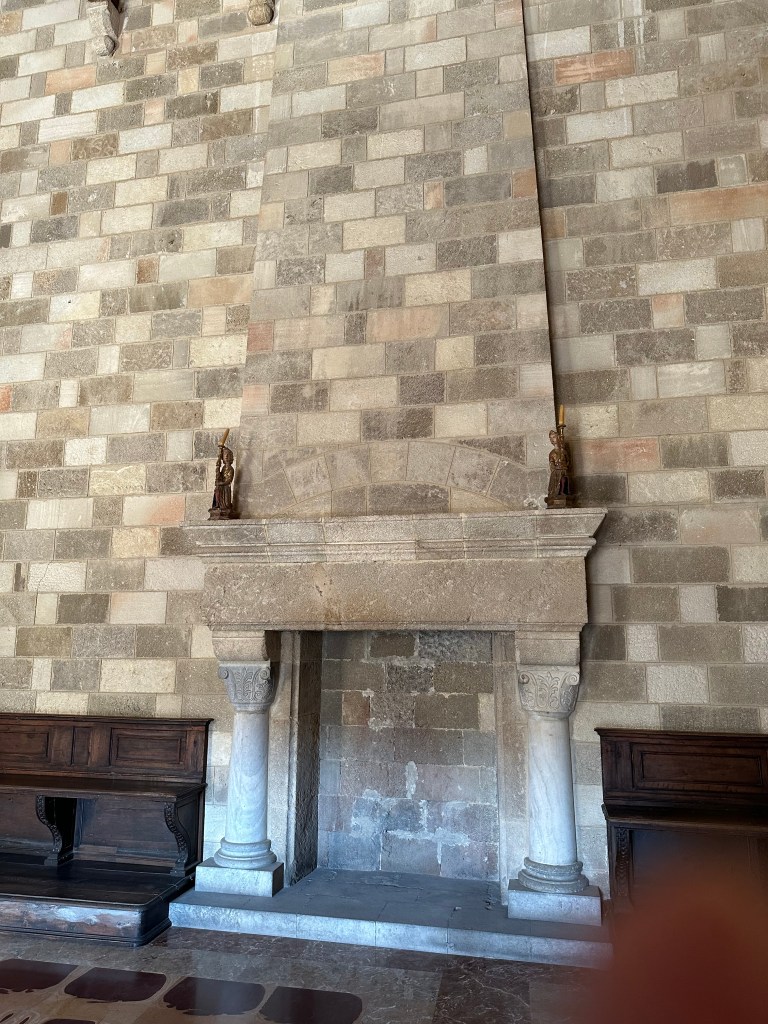
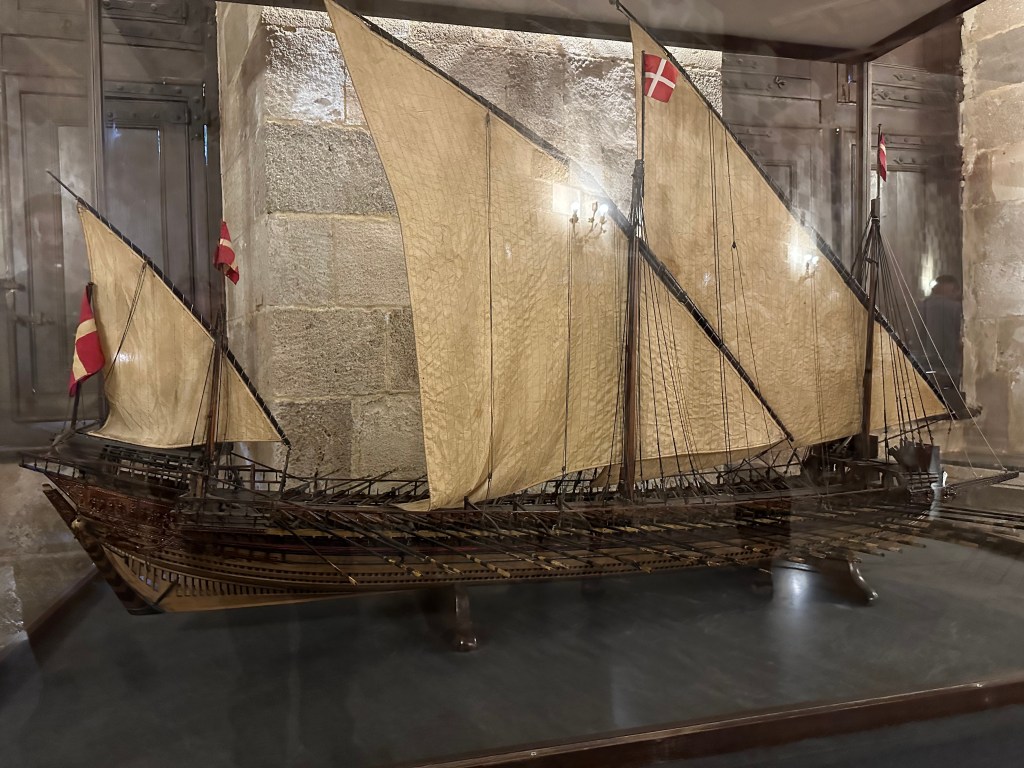
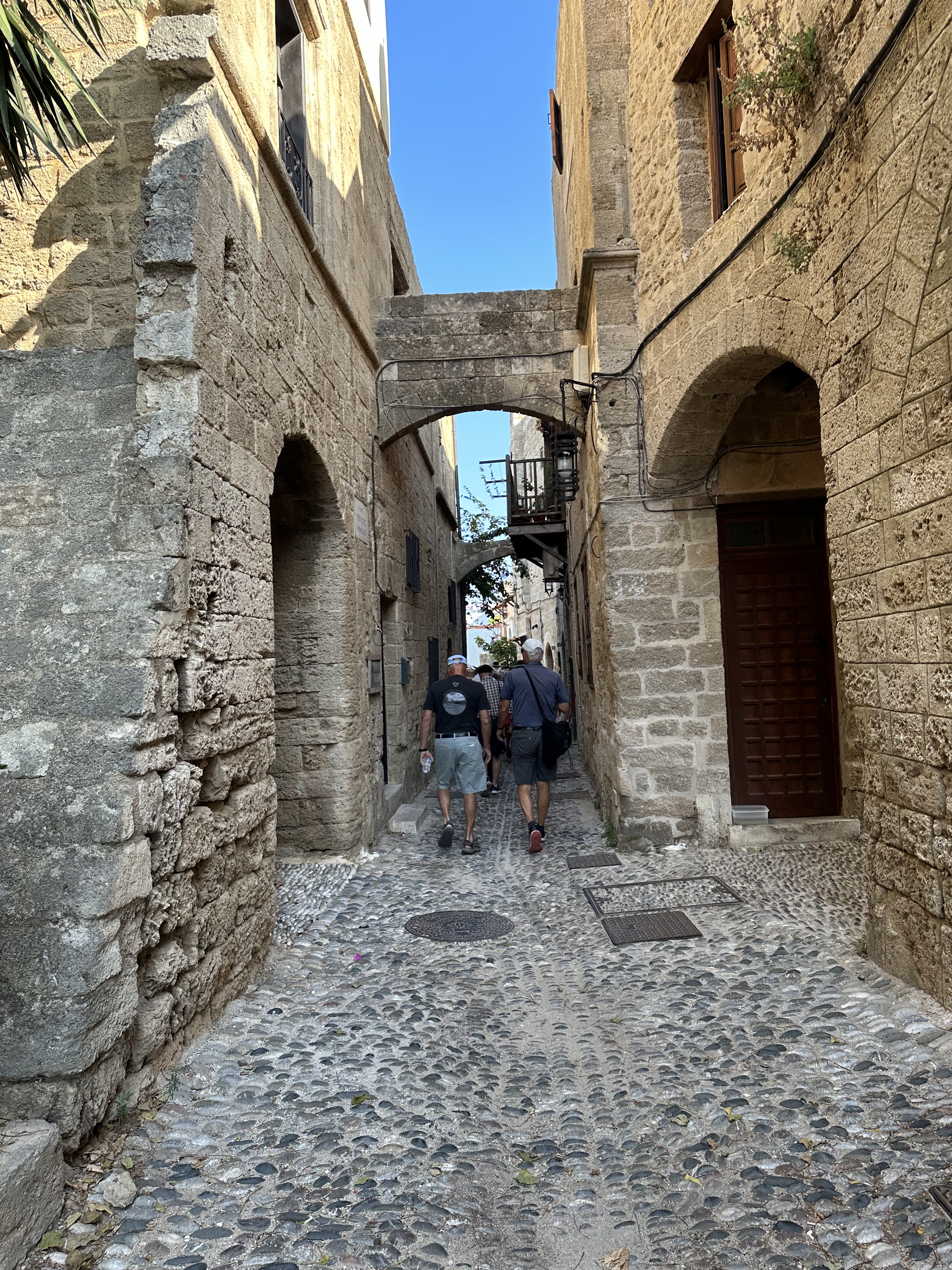
We marched up the steep incline of the Avenue of the Knights, with its pebbled cobblestones, to the Palace of the Grand Master. The Old Town owes its present-day appearance mainly to the Knights of St. John from the 14th and 15th centuries AD. The Knights closely followed the city’s Hippodamean grid plan, and sometimes, some streets follow the exact route of the 5th century BC streets. The main street today, Sokratous Street, was also the main commercial street in the Hellenistic period.

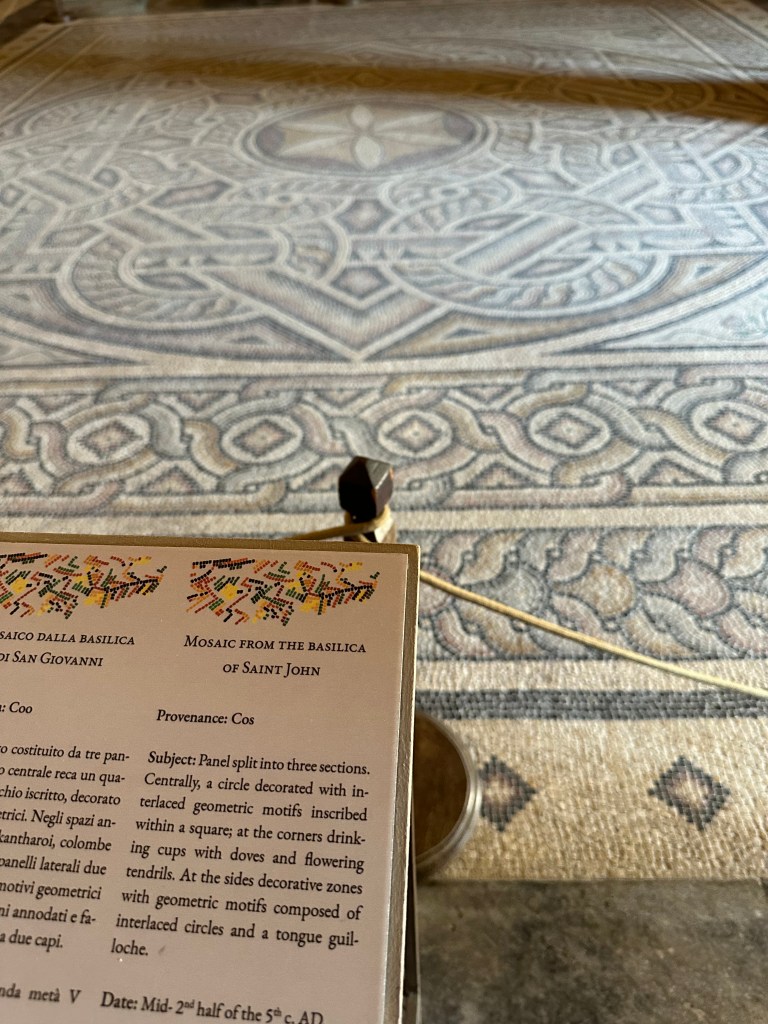
My wife and I toured the castle for an hour, marveling at its many striking mosaics, opulence, and thick stone walls. Unfortunately, by the time we exited, I wasn’t feeling well at all.
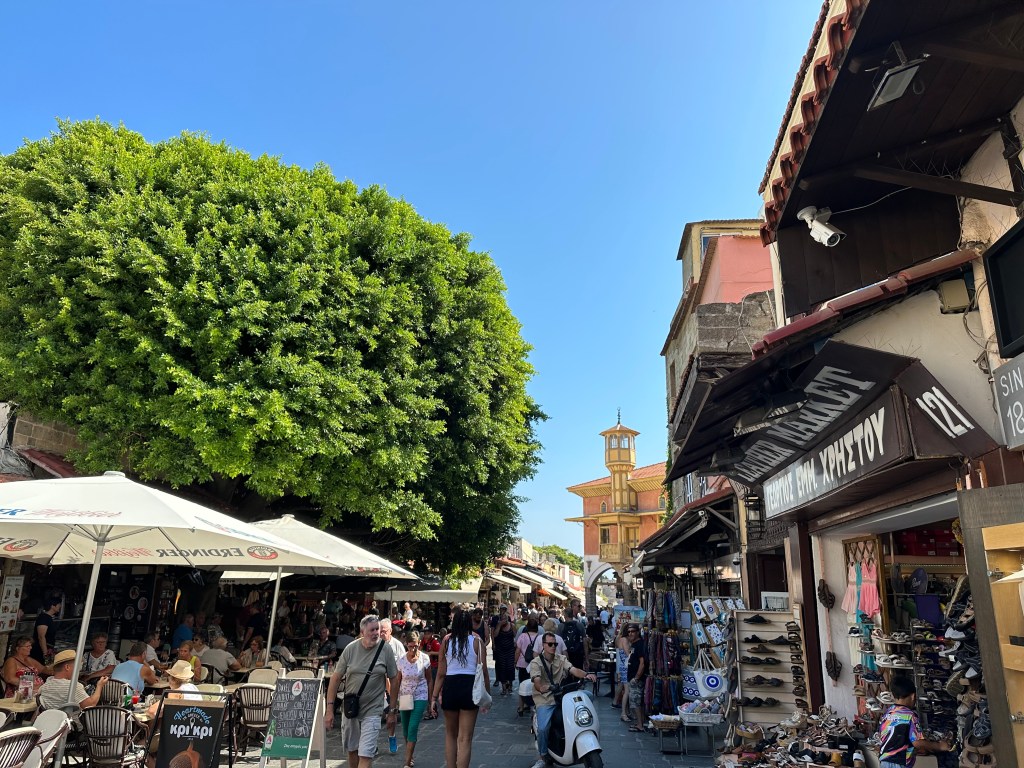
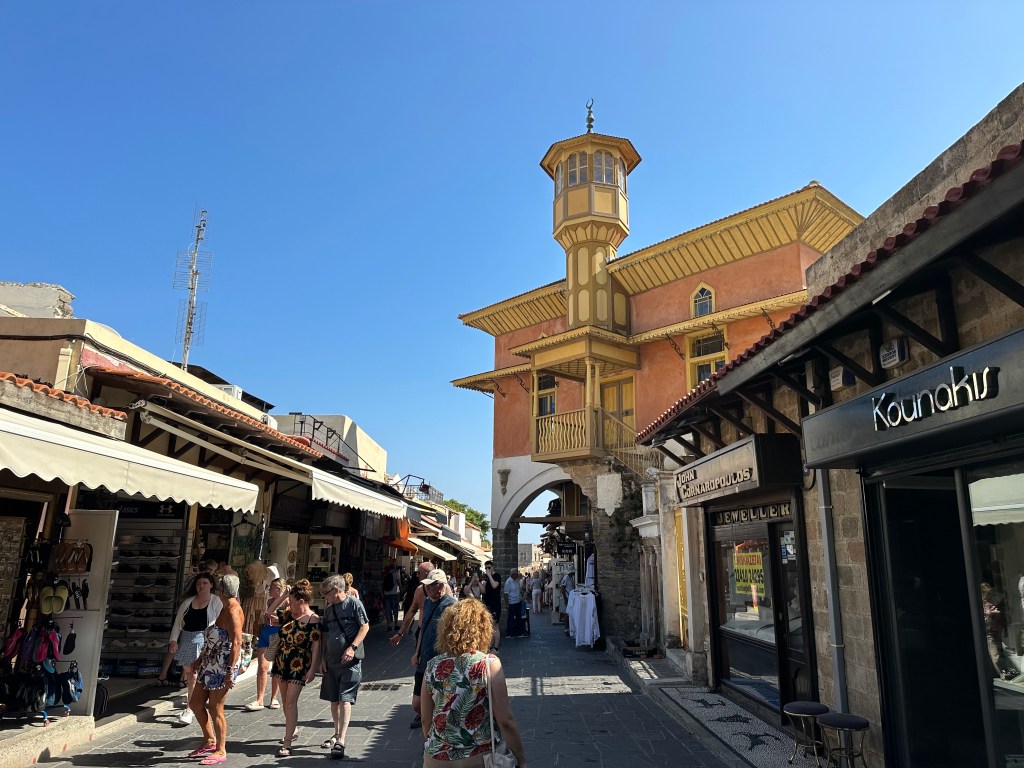
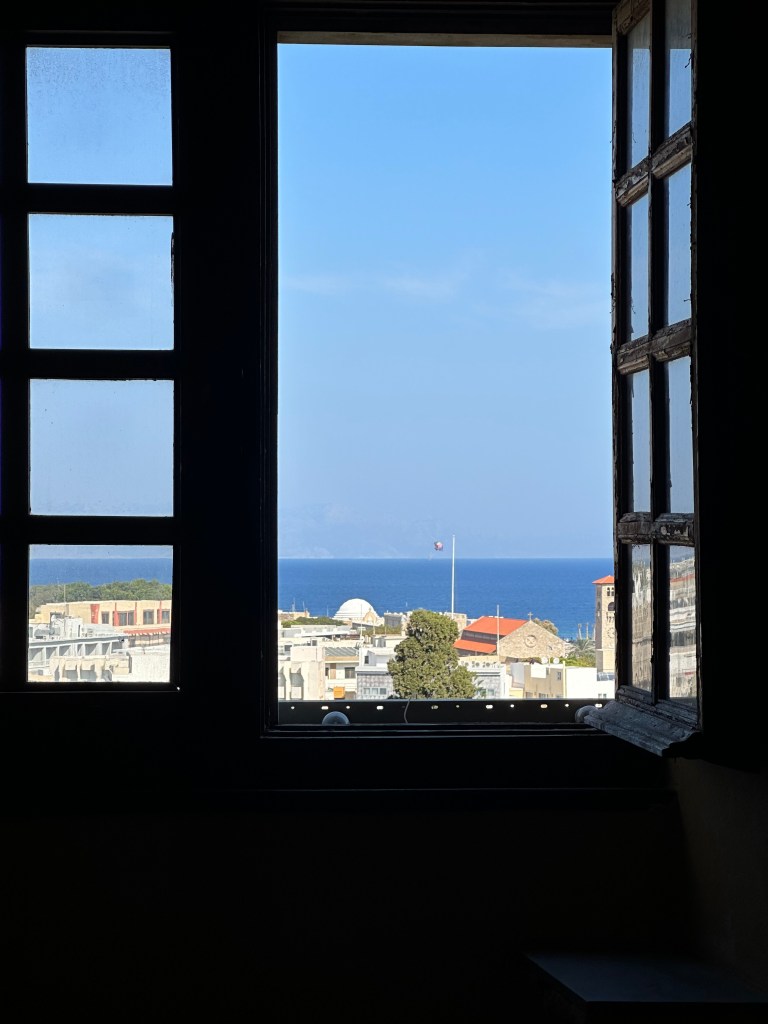
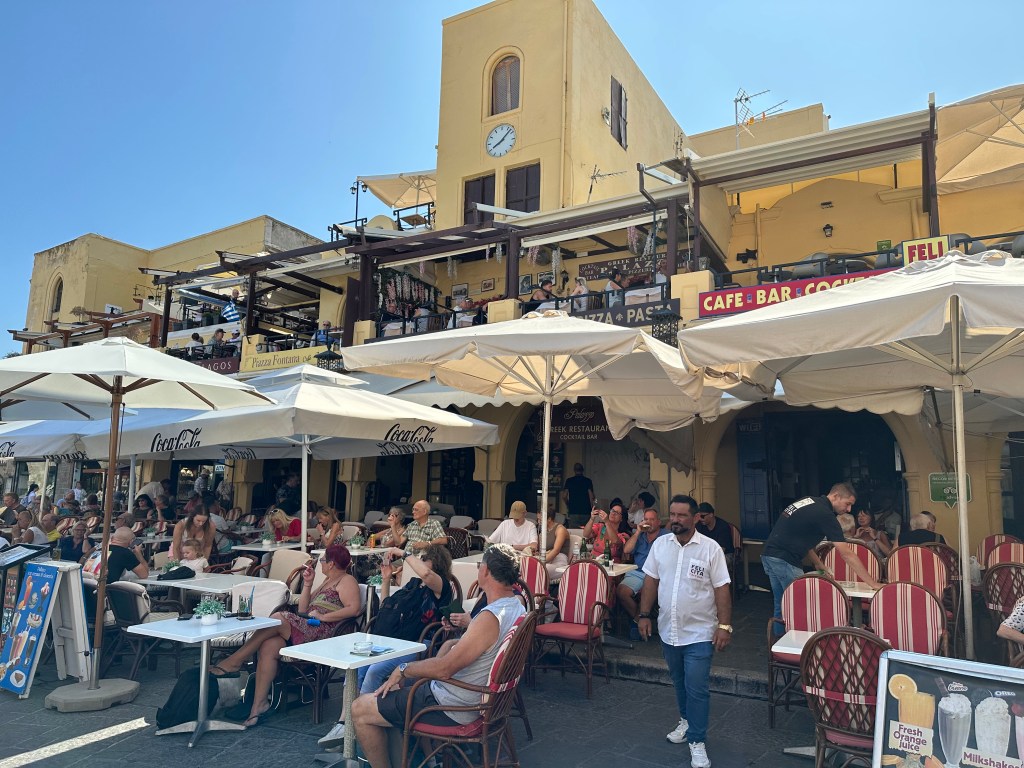
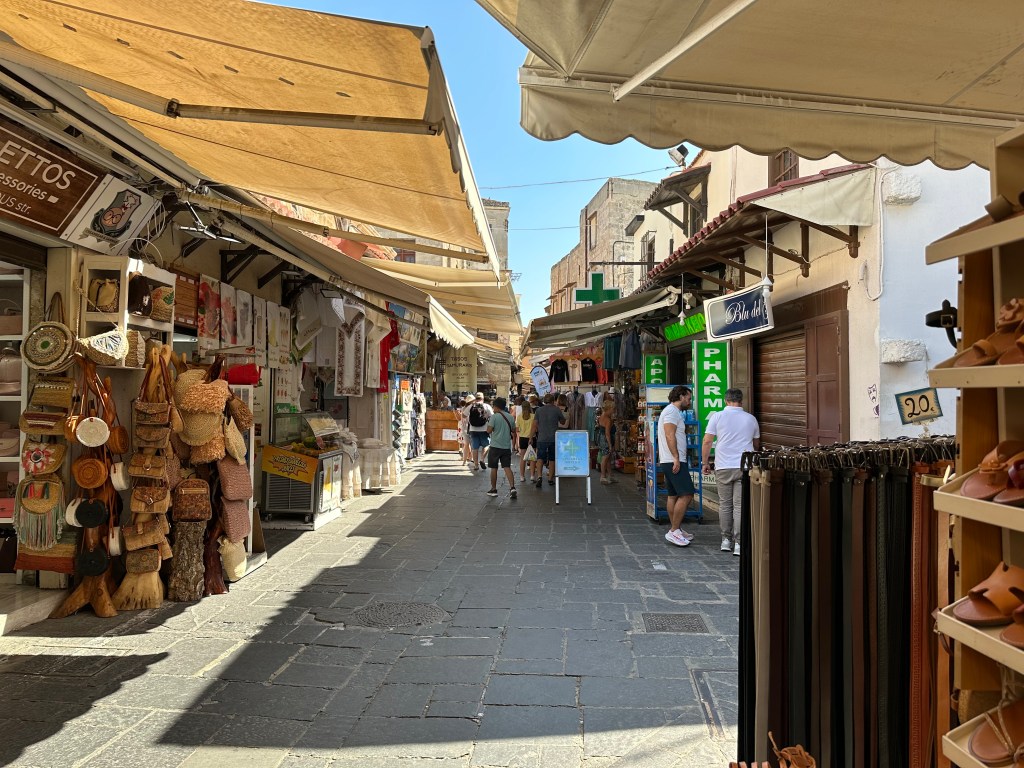
We decided to head back to our apartment. We walked through one marketplace after the other and stopped to rest and have a light lunch and beverage. Returning to our little abode and relaxing in the quiet courtyard was good. We only had to look up to see the old wall surrounding the town.
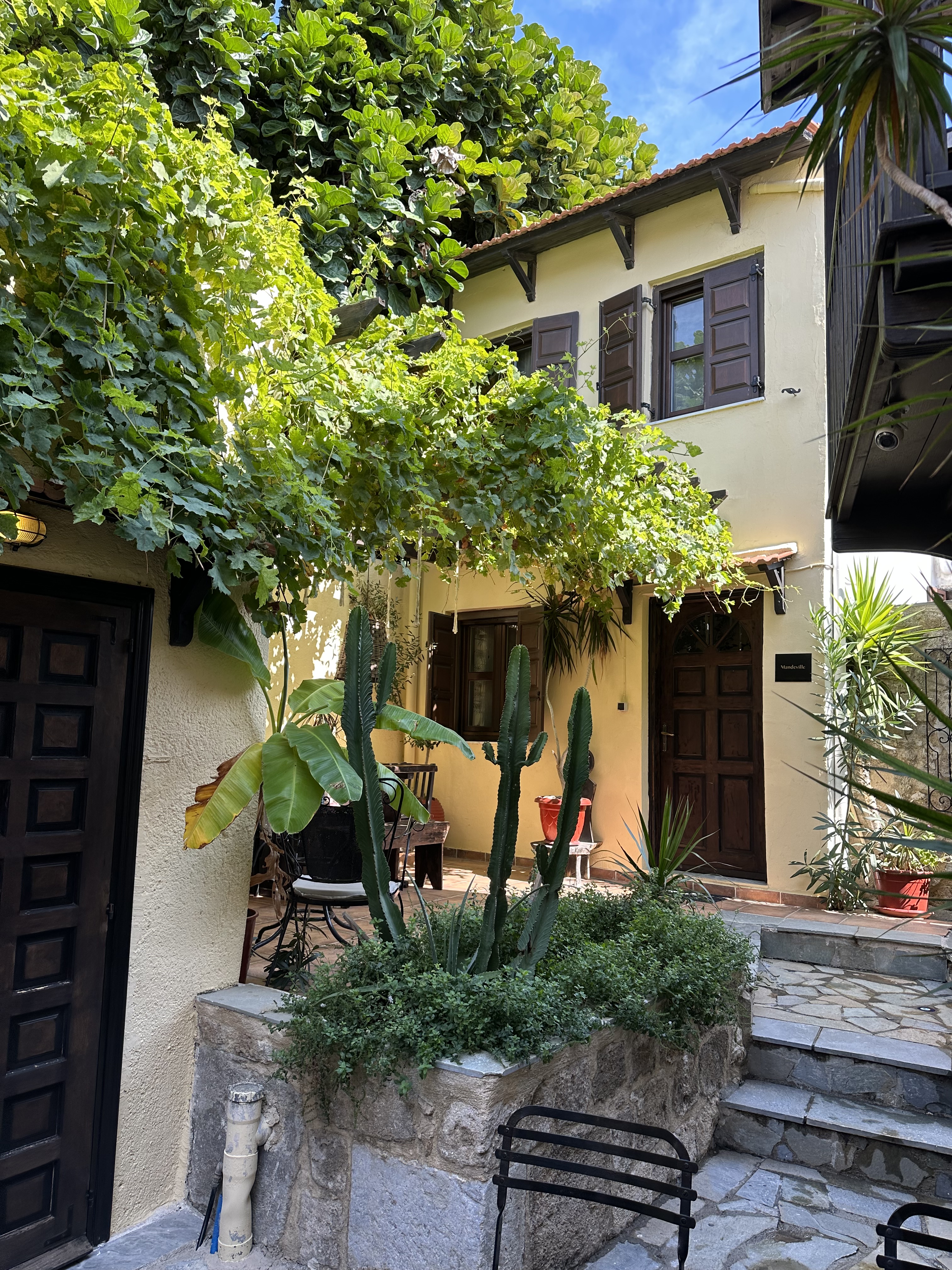
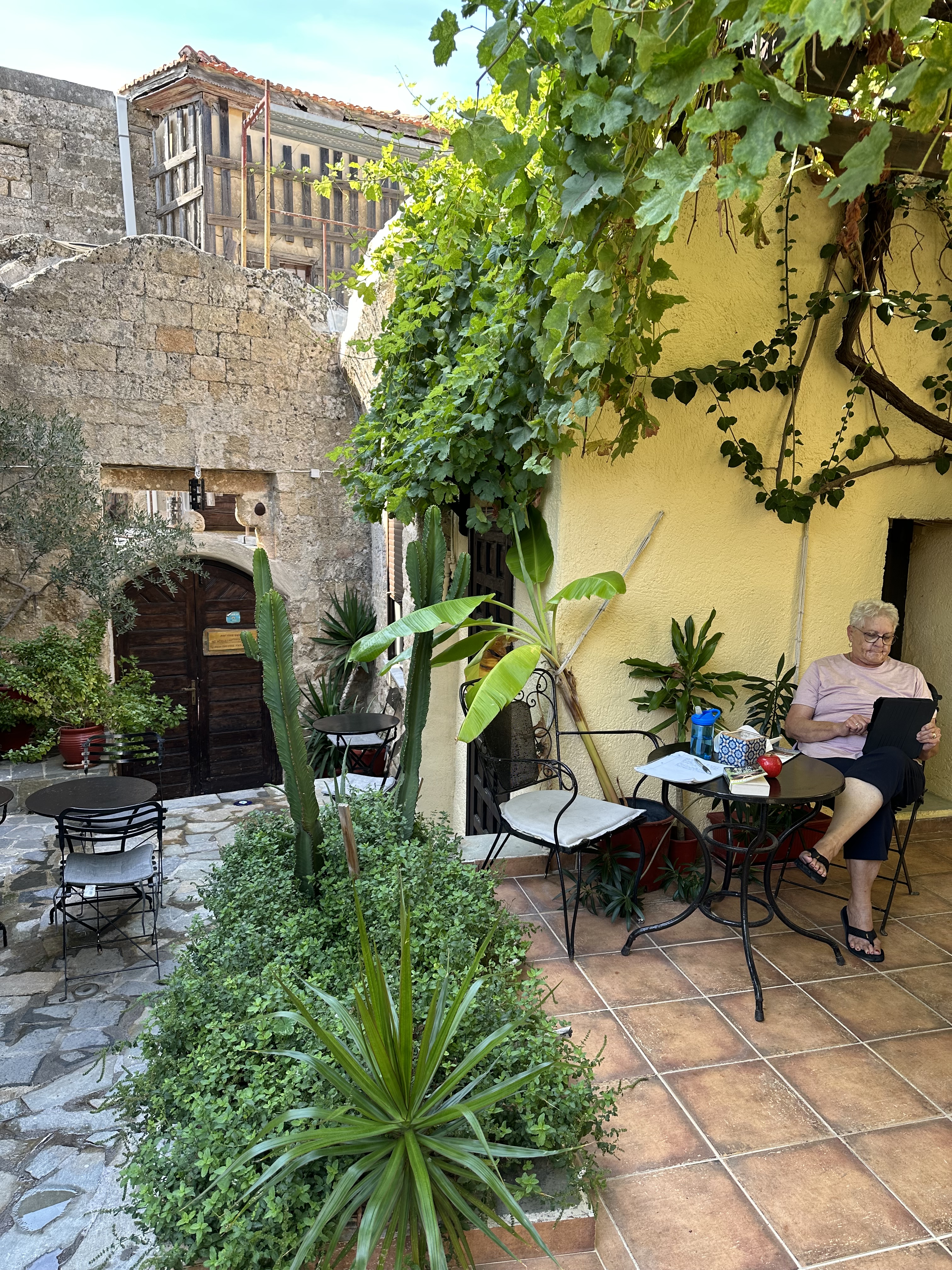
Please click on the photos to enlarge them.

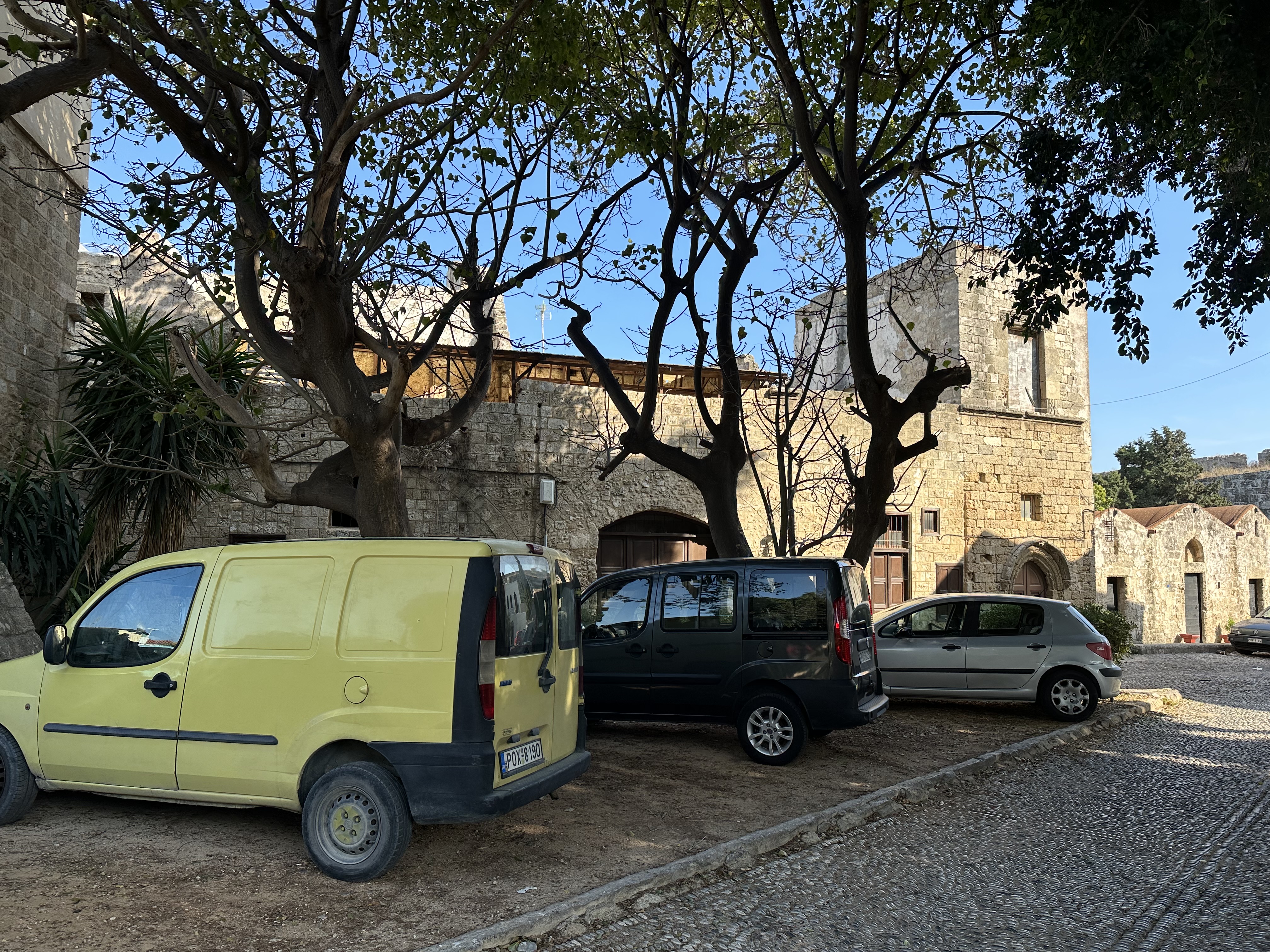
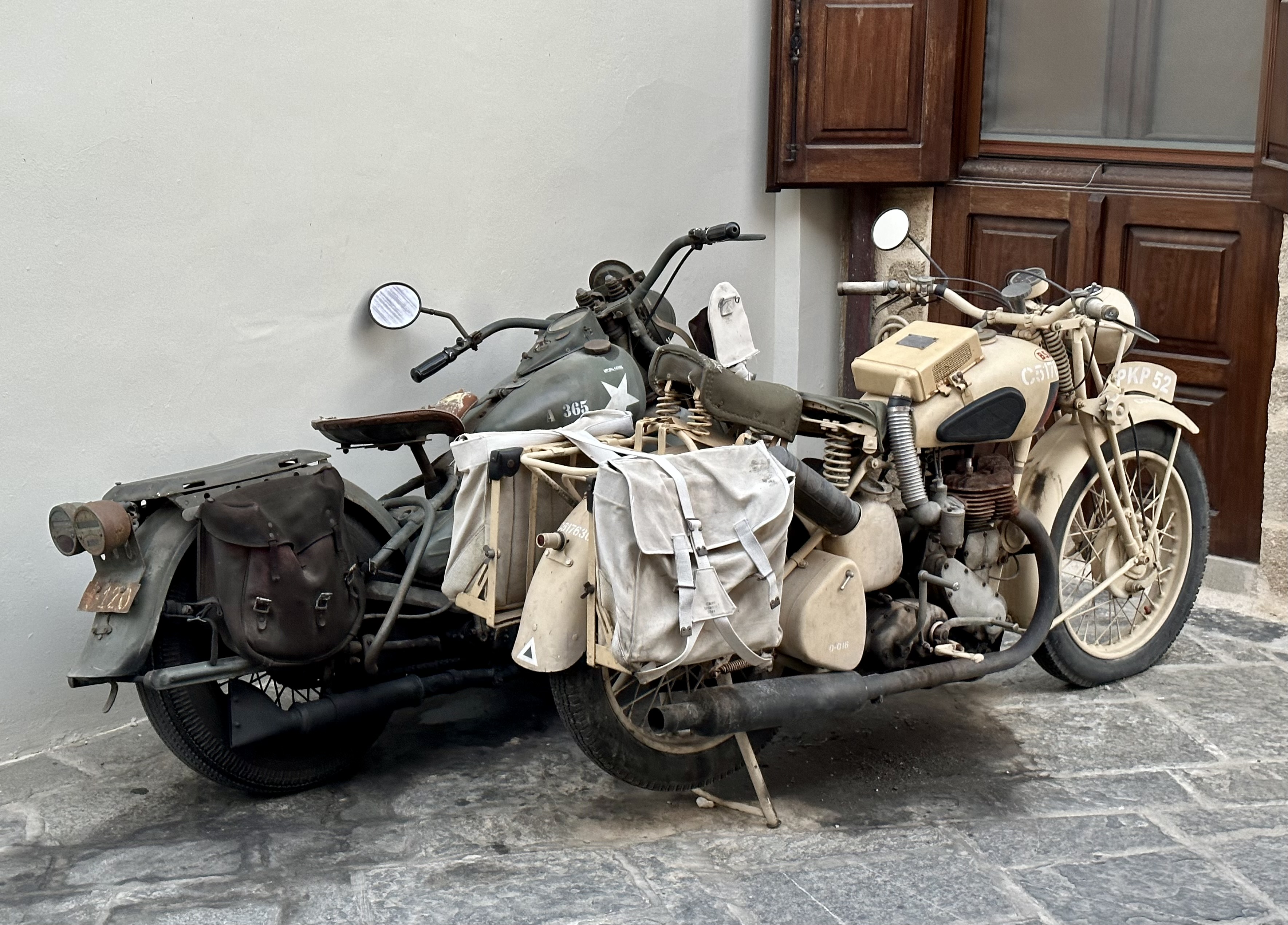
We also had to watch when we exited our little villa. After opening the protective iron gate, we entered a busy, narrow street. We squeezed against the stone walls as motorbikes and cars whizzed by. I was intrigued with where and how the vehicles were parked in a town built long before motor-driven transportation. The answer was they parked where they could and sometimes where they shouldn’t.

We finished our time in Rhodes with a group meal served by the chef at the boutique hotel. We needed to get to bed early since we had an early flight back to Athens and a connecting flight to Rome, our next destination.

Tomorrow: On to Rome.

Trees are greatly appreciated for their cooling shade on a hot afternoon.

© Bruce Stambaugh 2023

A Photo Essay: Following the Path of Apostle Paul – Days 7 & 8

The lovely view from our hotel.

Patmos won over my heart, even though we were only there for a day. I hated leaving its clean, white-washed buildings, friendly residents, and beautiful waterfront.

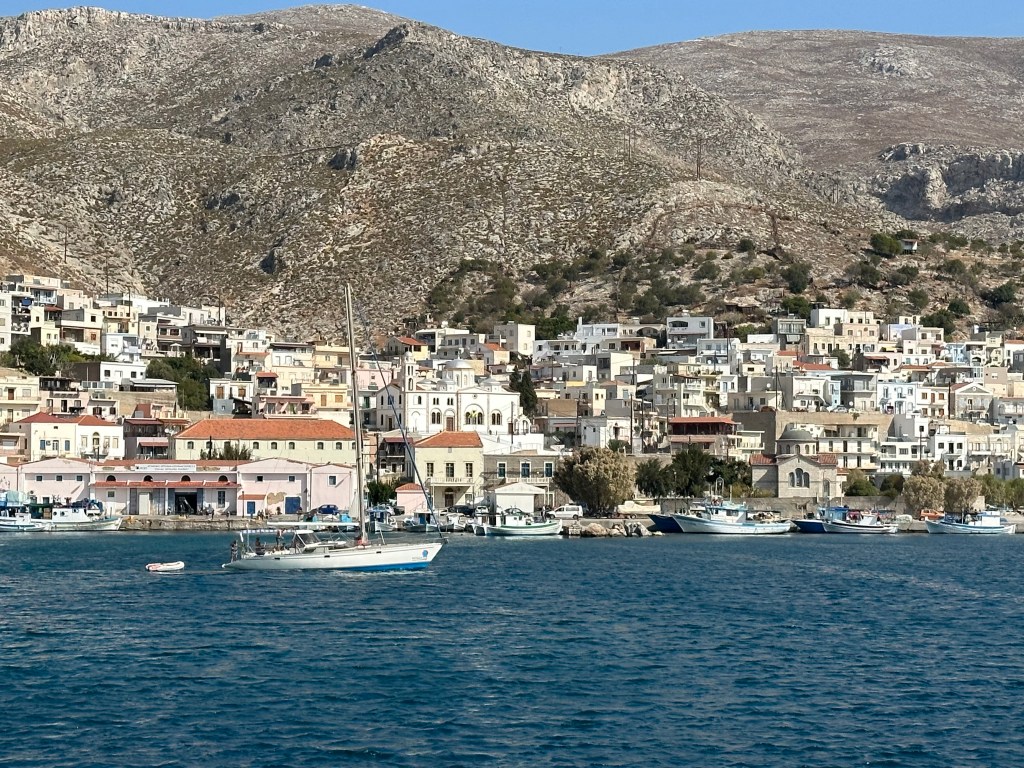
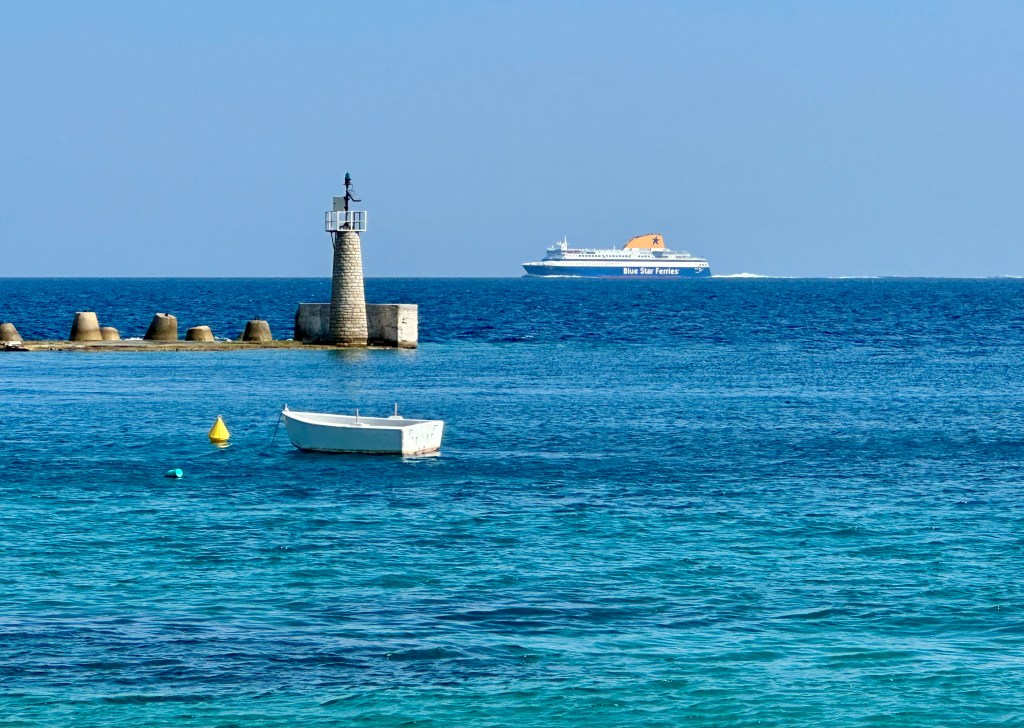
But our island hopping continued. We boarded the ferry for Kos just after sunrise. I stood on the top deck at the stern of the boat as we bid farewell to Skala and Patmos. The three-hour trip to Kos included several quick stops at quaint village ports to take on new passengers and drop off others.

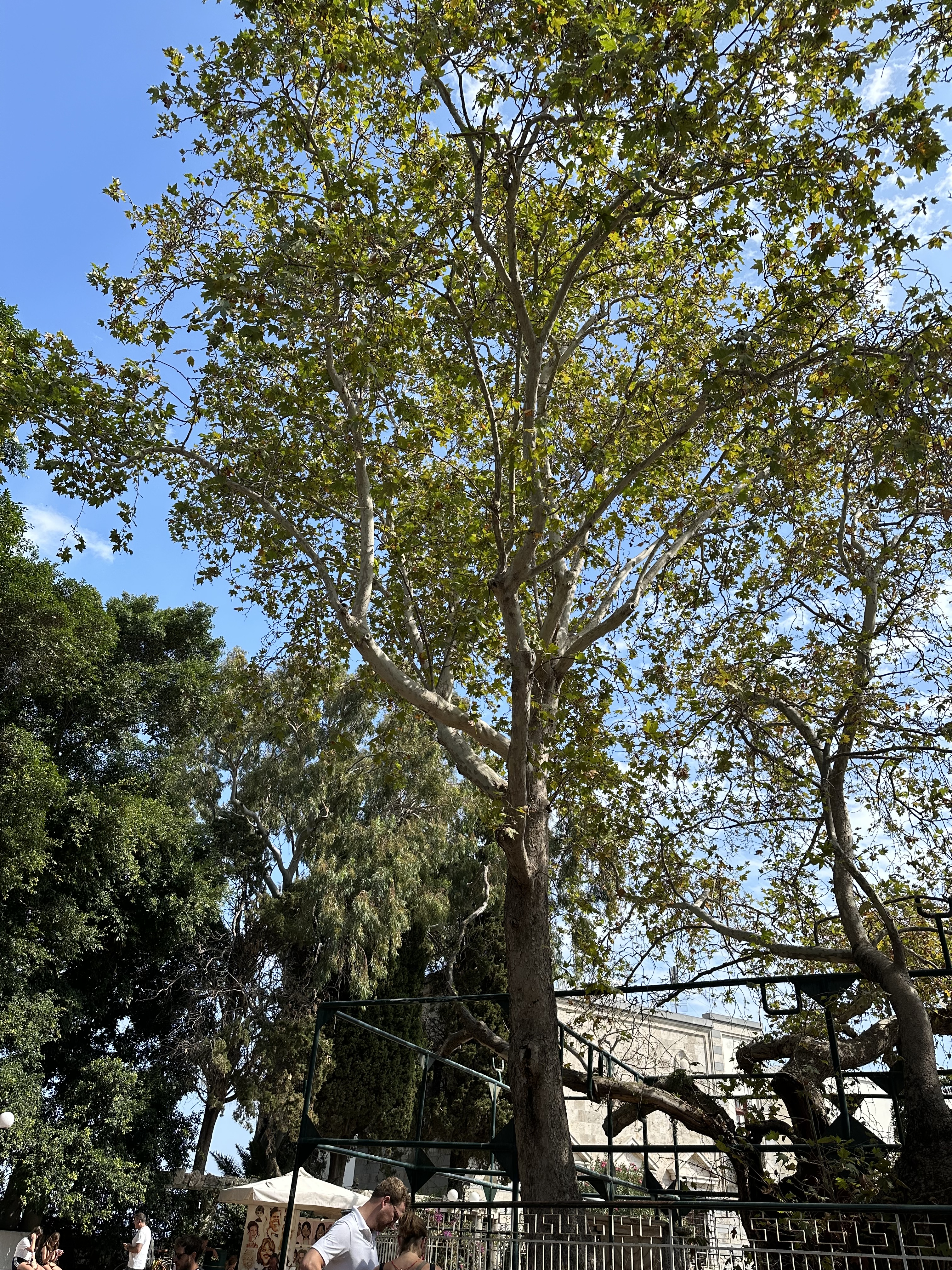
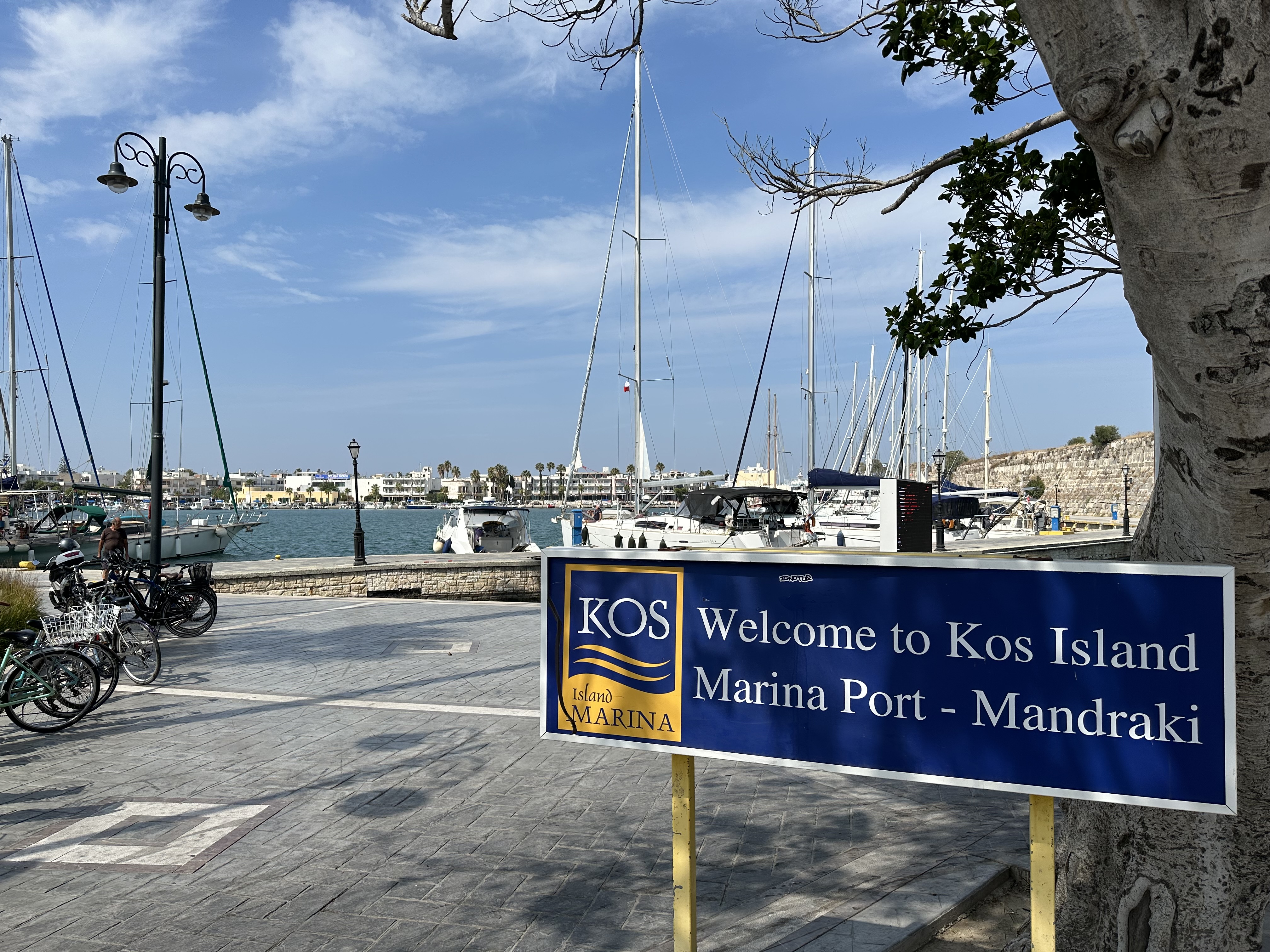
We arrived at Kos’ more modern port, not the ancient one where the Apostle Paul’s ship had moored. We hauled our luggage along cobblestone walkways between the Aegean Sea and an old fortress wall to our hotel. We dropped off our suitcases and gathered in a nearby park at the Plane Tree of Hippocrates.

Legend has it that Hippocrates taught his students about medicine beneath the shade of this old tree. Today, this vernal icon, a close relative of the sycamore, is struggling. The Apostle Paul purportedly taught here as well.

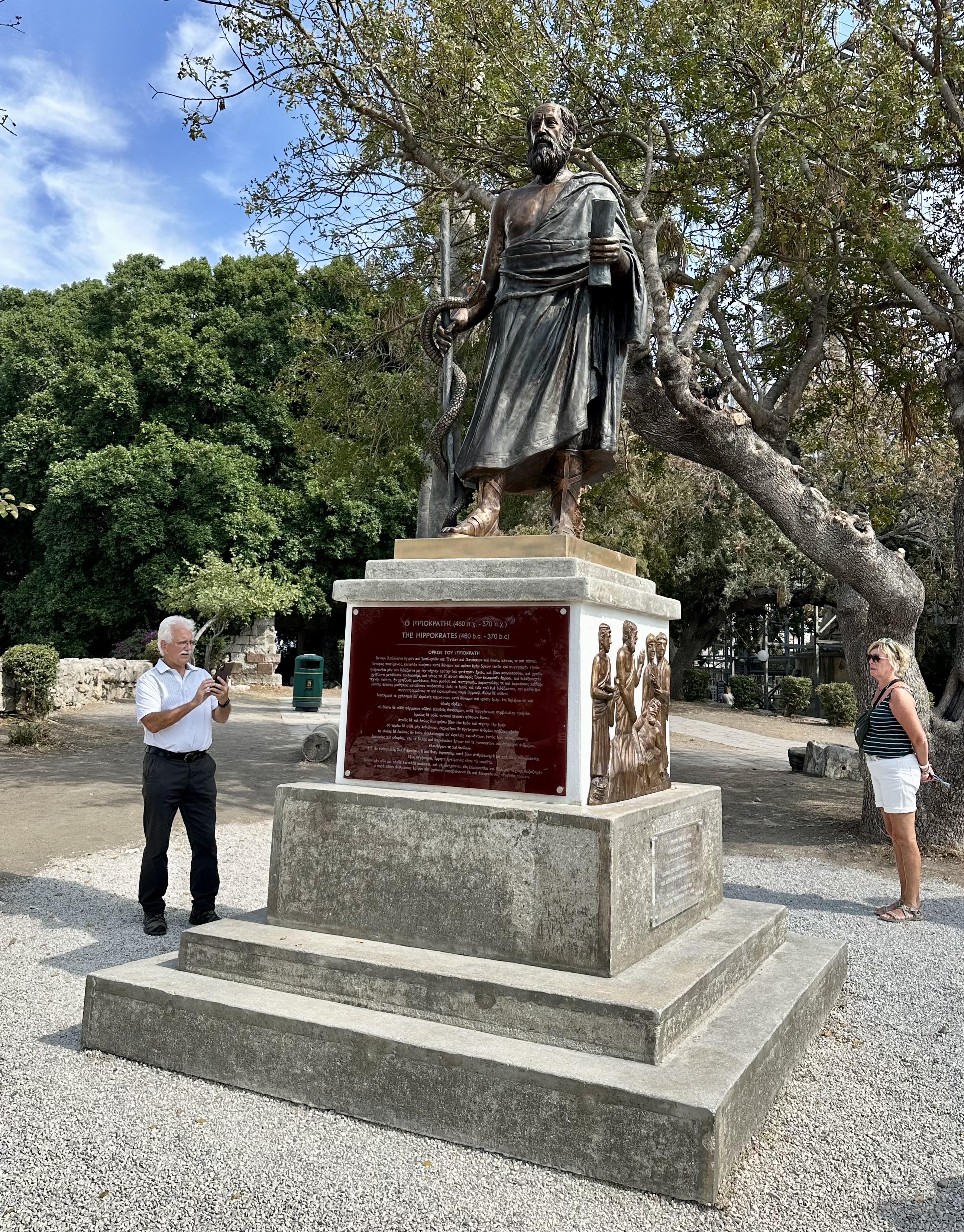
Nearby is the newly unveiled statue of Hippocrates. It stands on a knoll overlooking the old harbor of Kos, where Paul’s ship would have put in. On this, Paul’s third and final trip back to Jerusalem, Luke accompanied Paul.

Please click on the photos to enlarge them.

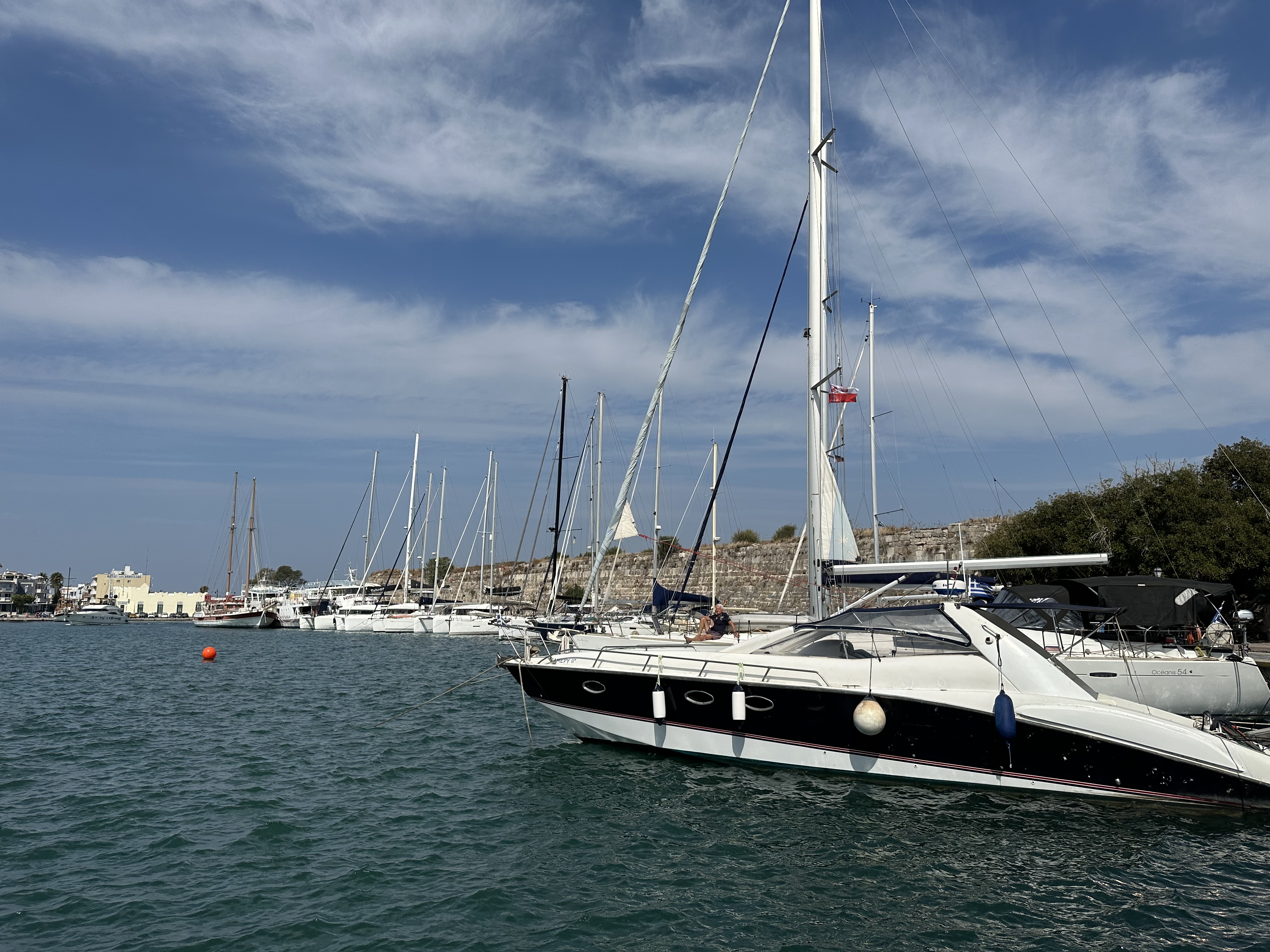
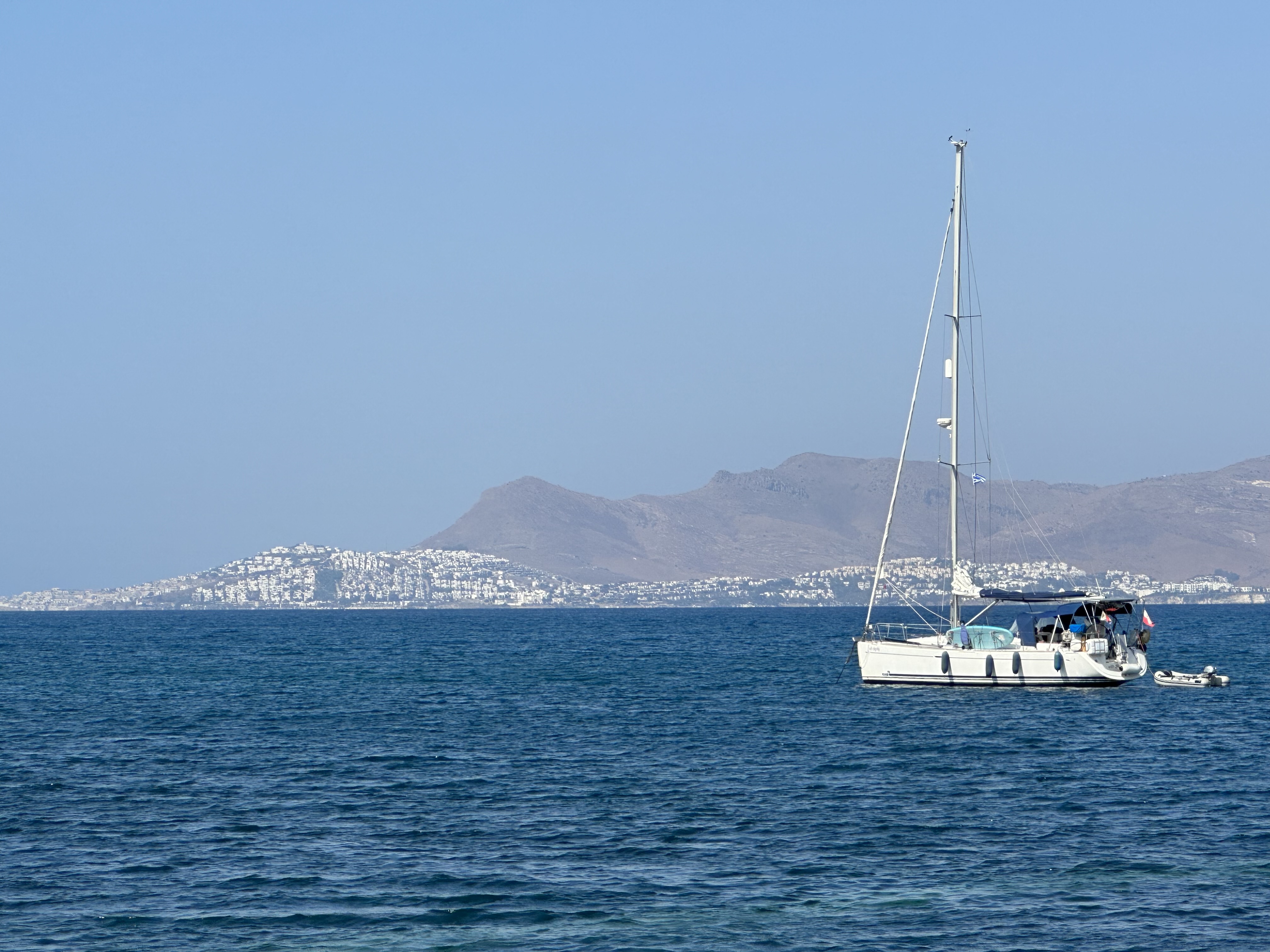
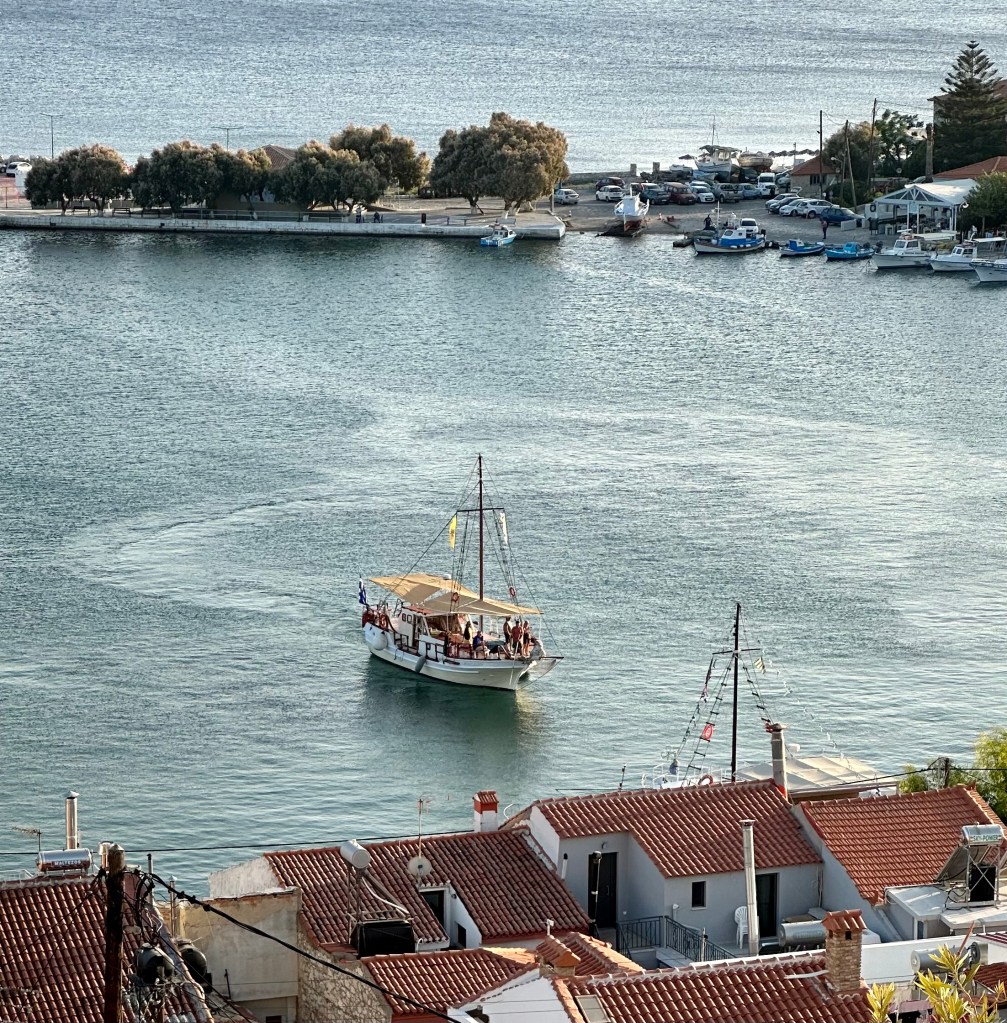
My wife and I found a bench and enjoyed the refreshing ocean breeze across the little harbor filled with sailing and local fishing boats. We watched with interest as a sailing boat carefully backed into an open berth while folks on other ships eyed their maneuvering.

We had a light lunch at one of the many open-air restaurants. I walked the harbor parameters while Neva rested on a bench in the cool breeze.

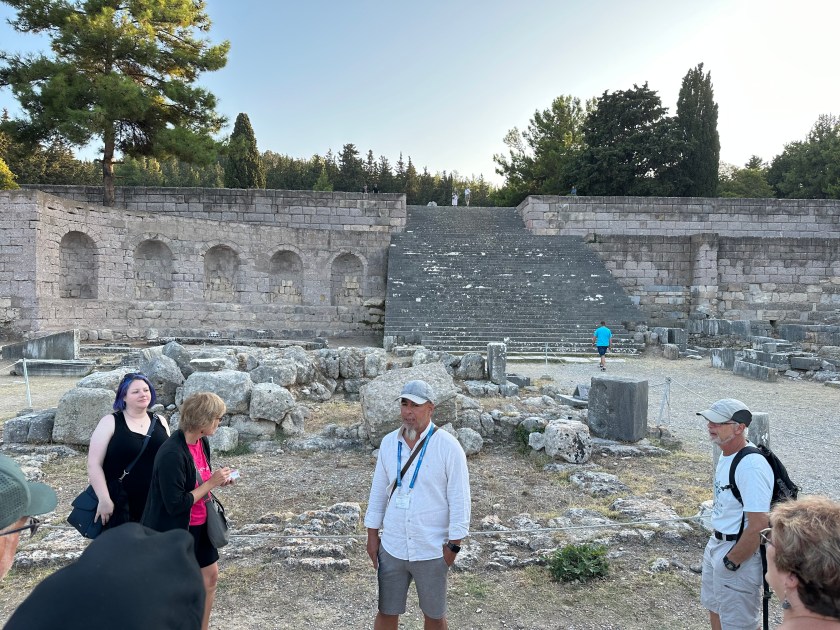
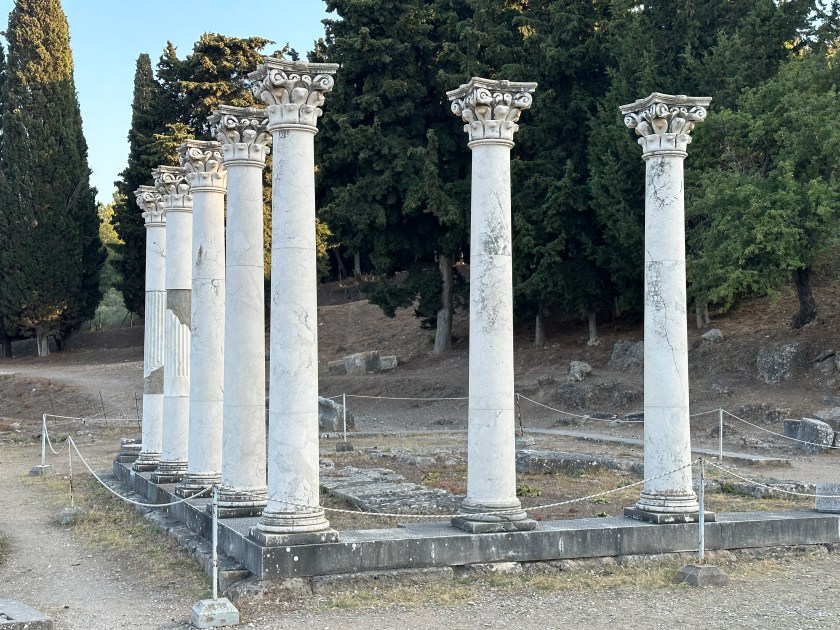
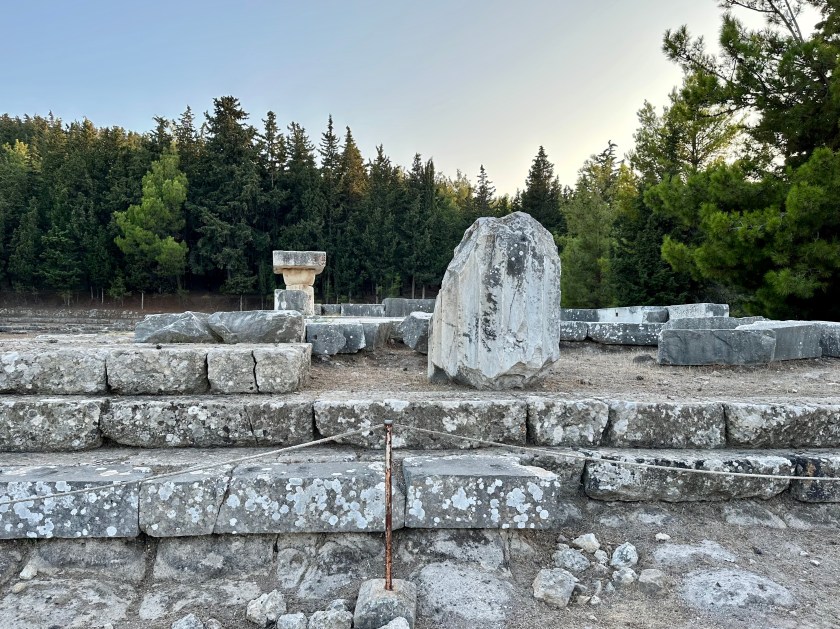
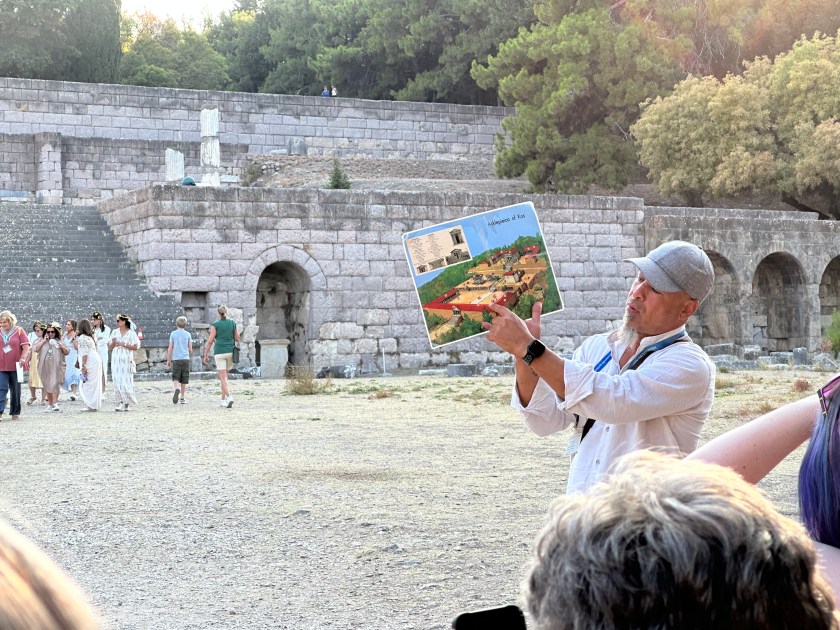
In the late afternoon, our group met a local tour guide at Asclepion, Hippocrates’ healing center of the Hellenistic world. It was a fantastic place with an equally impressive history.

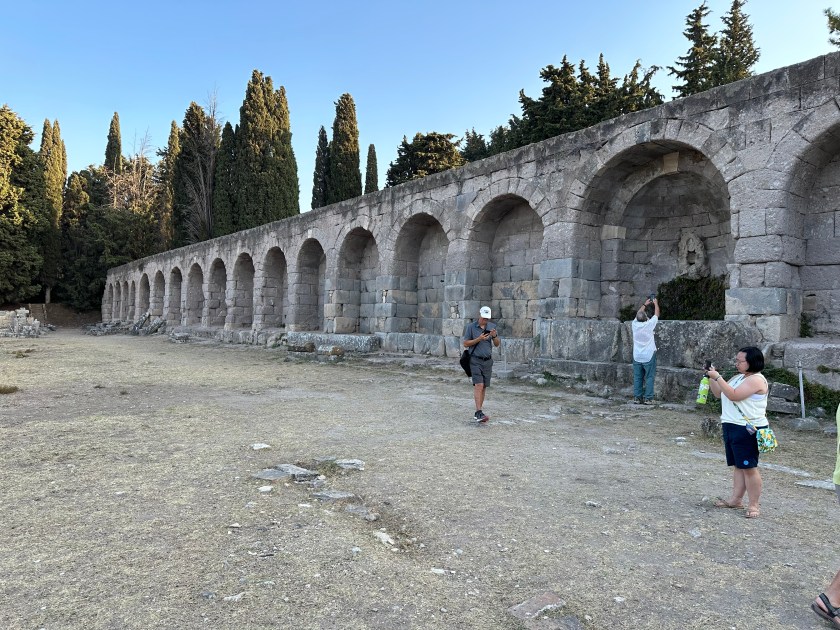
People throughout the Mediterranean region came to Asclepion to be healed of all sorts of ailments. The ancient hospital was built high on a hill sloping away from the Aegean Sea. The three-tiered grounds enabled patients to be evaluated and prioritized by need and ailment.

A series of steps connected the terraced levels of Asclepion. Walls once held statues of gods and flowing fountains. There was even an area beyond the terraces for patients who needed quarantined.

A few of the marble steps at each level were original. The view from the top level made it worth the climb.

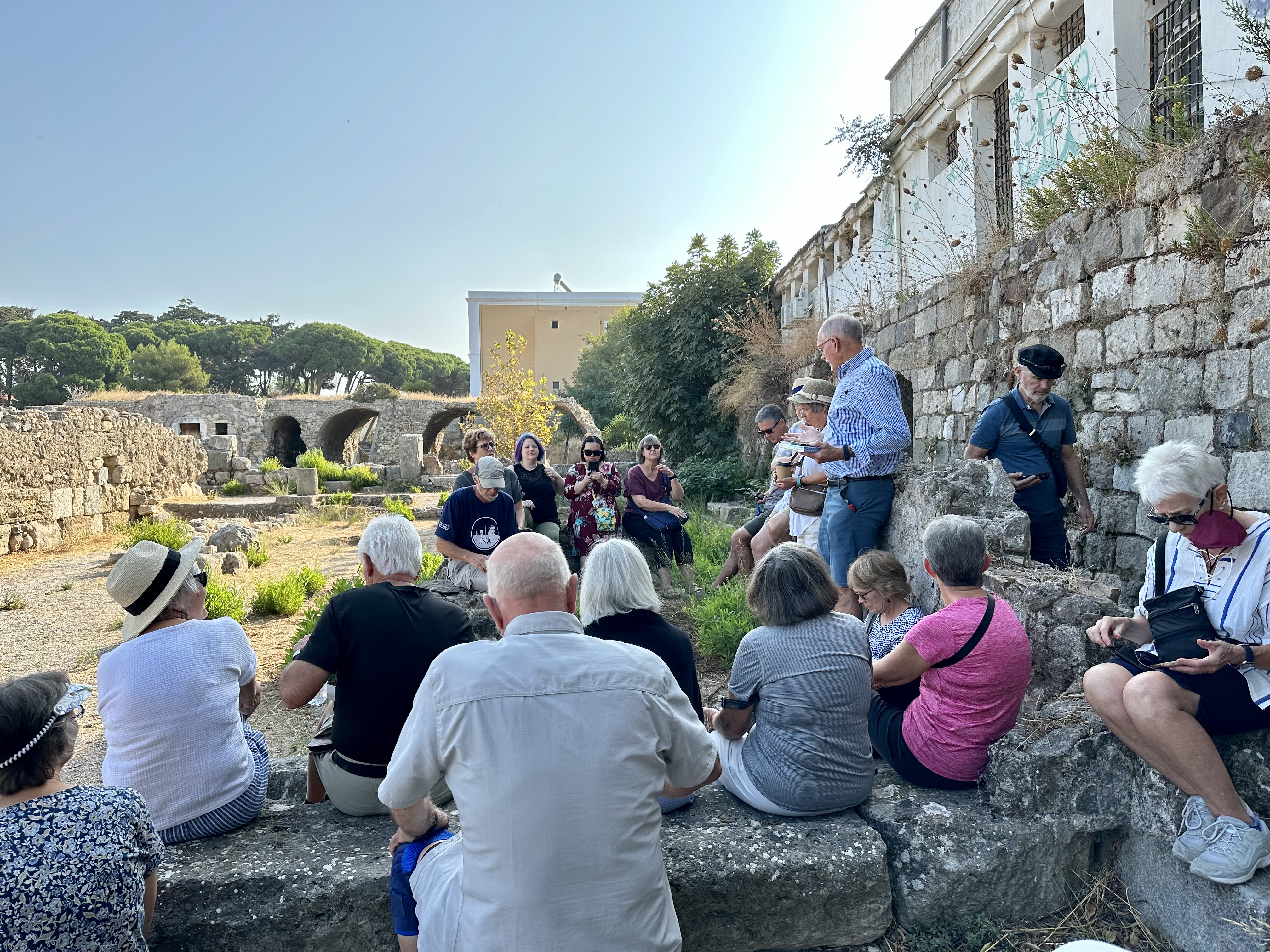
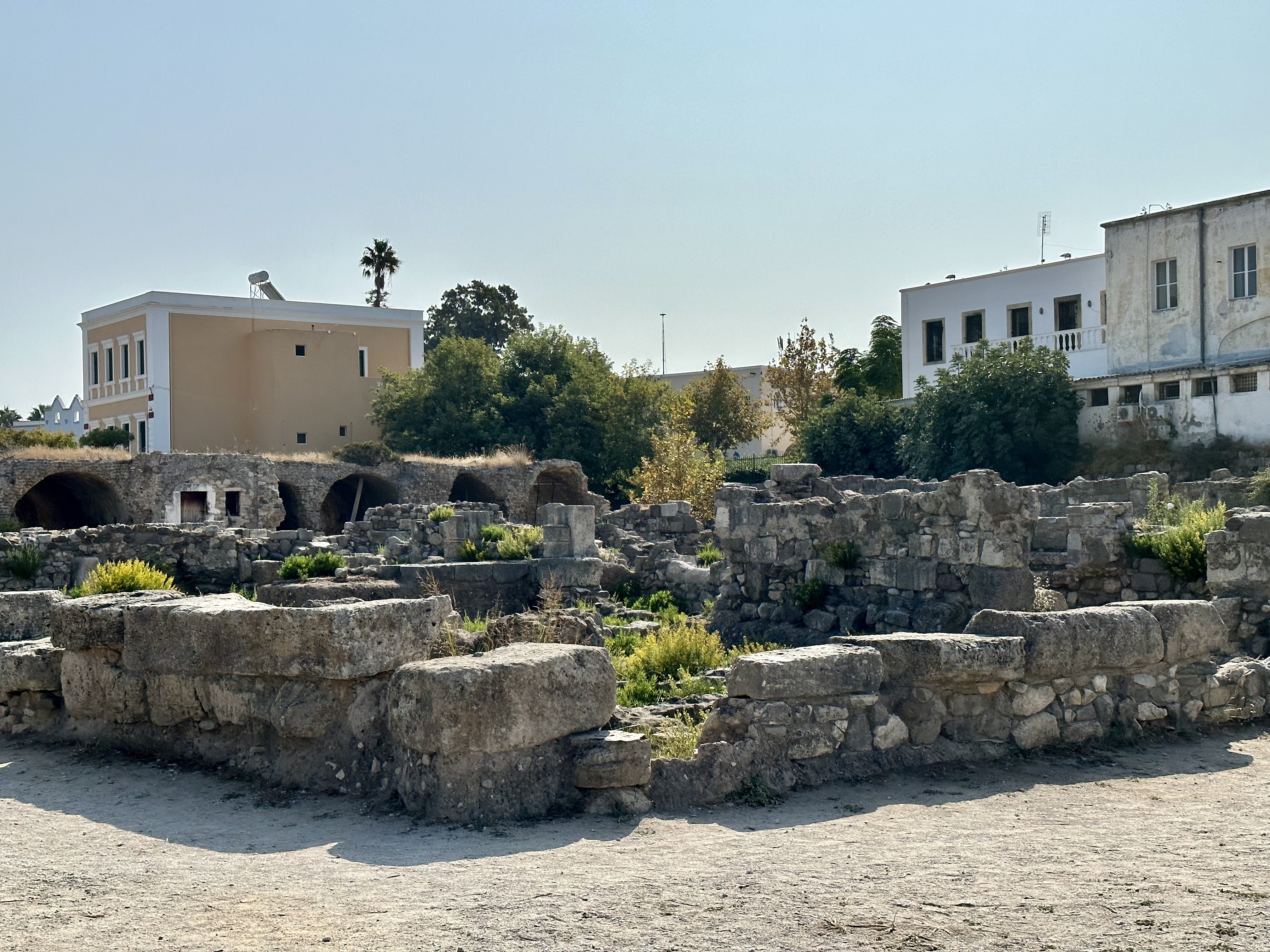
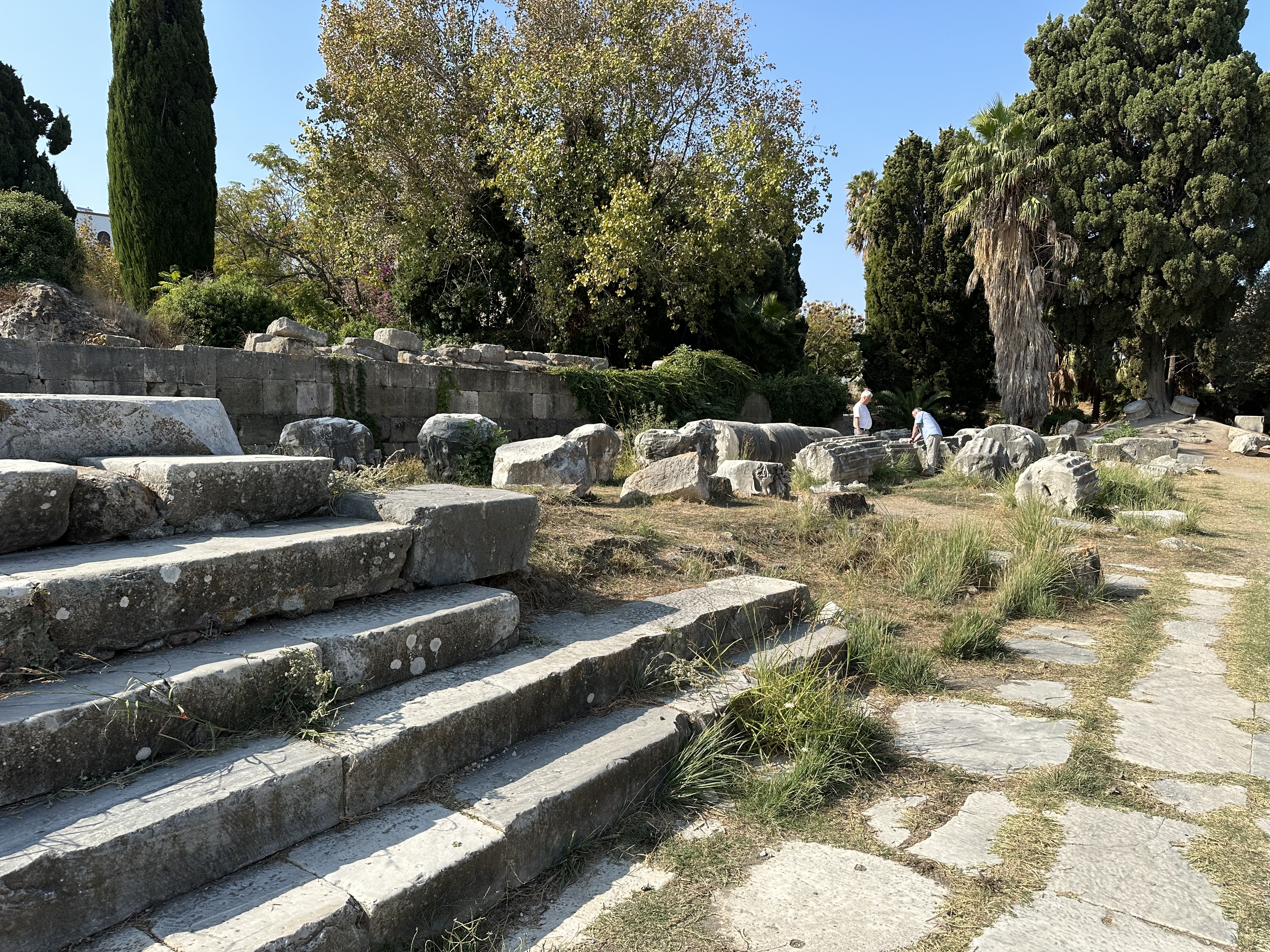
We had a brief worship service in the Roman Agora in Kos in the morning. I pondered the setting and the centuries of history that haunted this place. Massive marble columns lay askew everywhere, like giant pick-up sticks. The remains of old buildings, including apartments, filled the once bustling gathering place. All of these thoughts seasoned the talk by a chaplain in our group.

Please click on the photos to enlarge them.

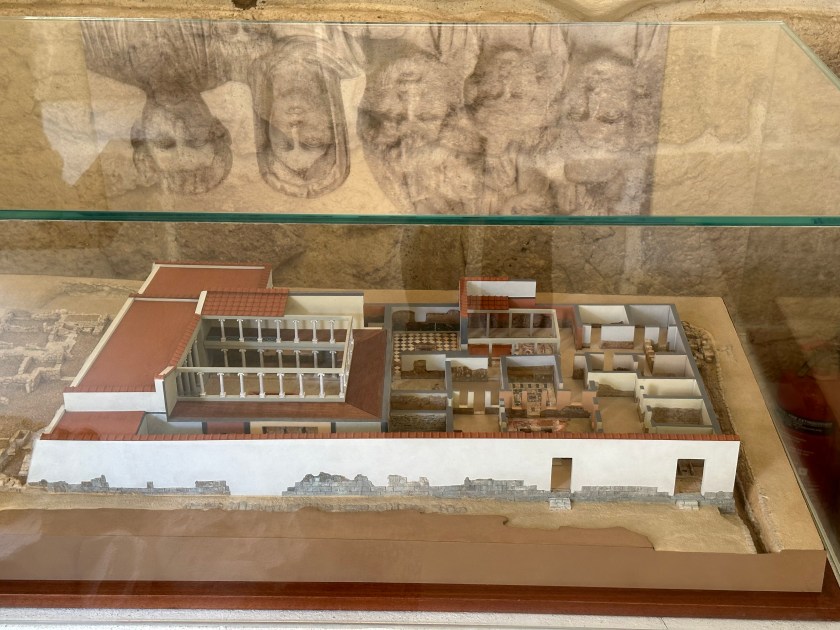
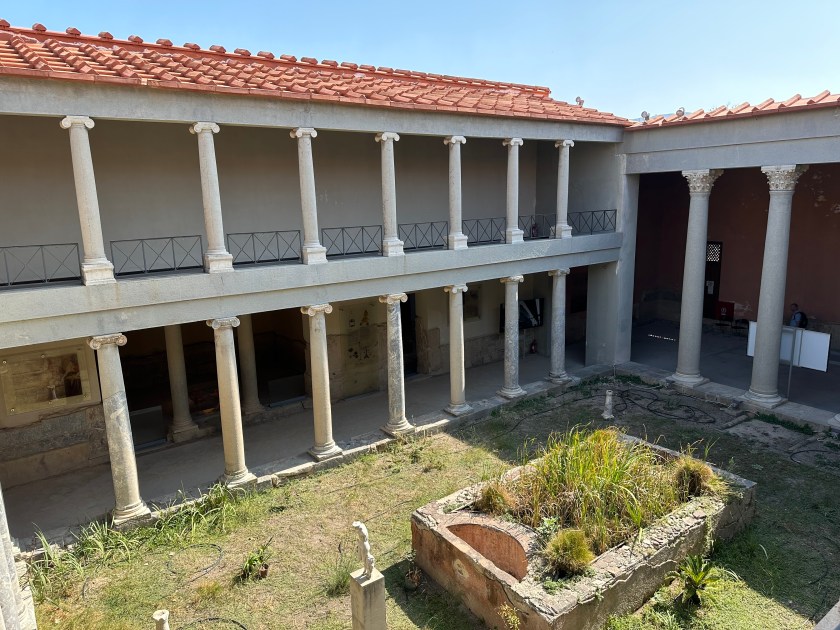
Since the ferry departure time to Rhodes had been changed to early evening, we had the rest of the day to explore Kos on our own. My wife and I chose to tour a reconstructed Roman villa, which was large even by today’s standard for McMansions.

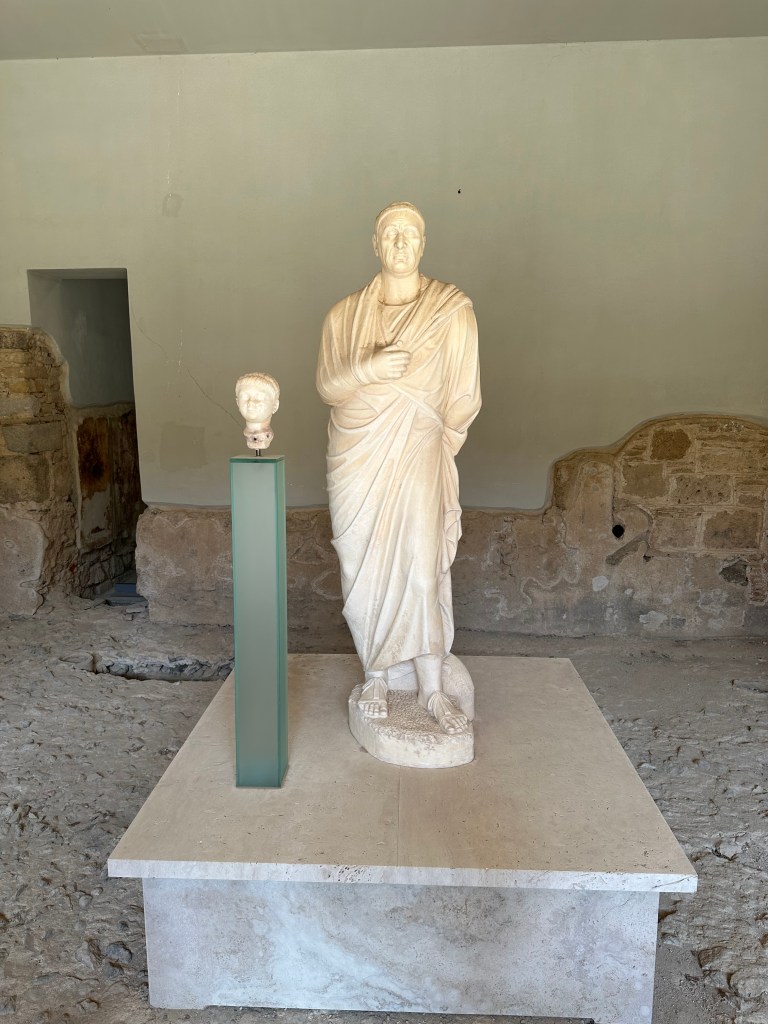
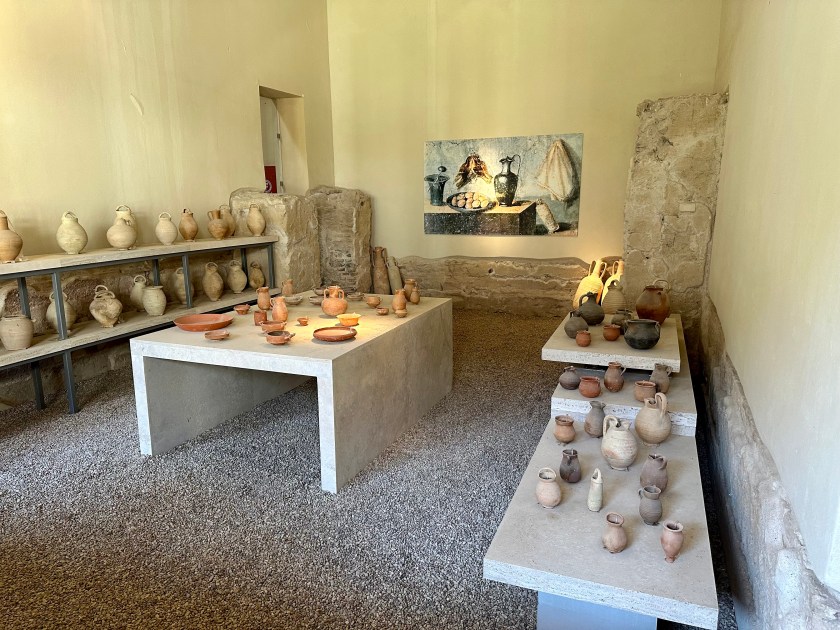
The villa was filled with artifacts from the period it would have been lived in. Mosaics, typical of the Greek and Roman cultures, adorned several rooms.

We walked a short distance from there to view an old Roman road. The stones looked as if you could drive on them today.

With the heat of the afternoon building, we headed back to the hotel to rest and for refreshments before boarding the ferry. Some in our group, including my wife and me, had picked up a bug. With our persistent coughing, we took a cab to the pier.

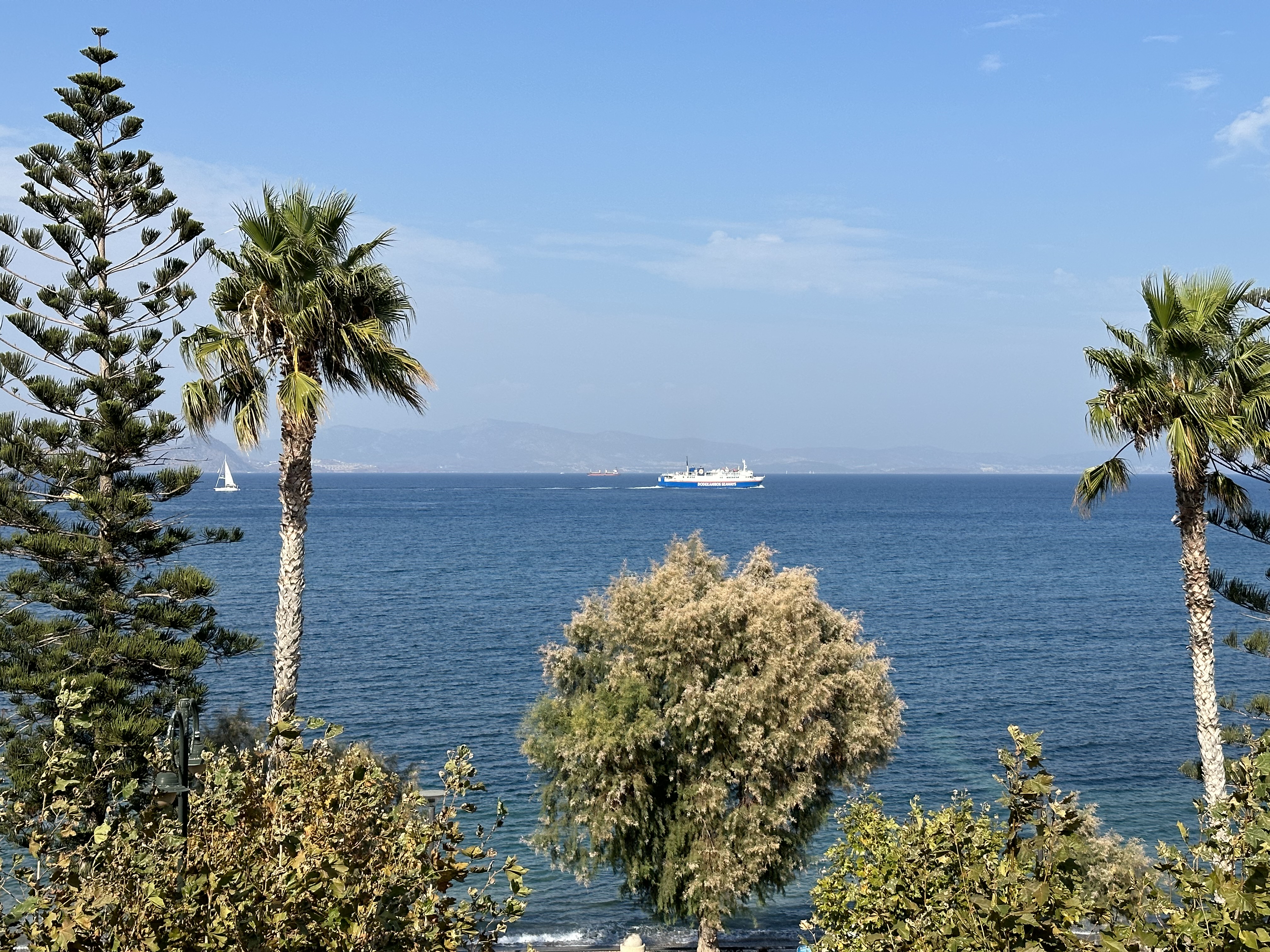
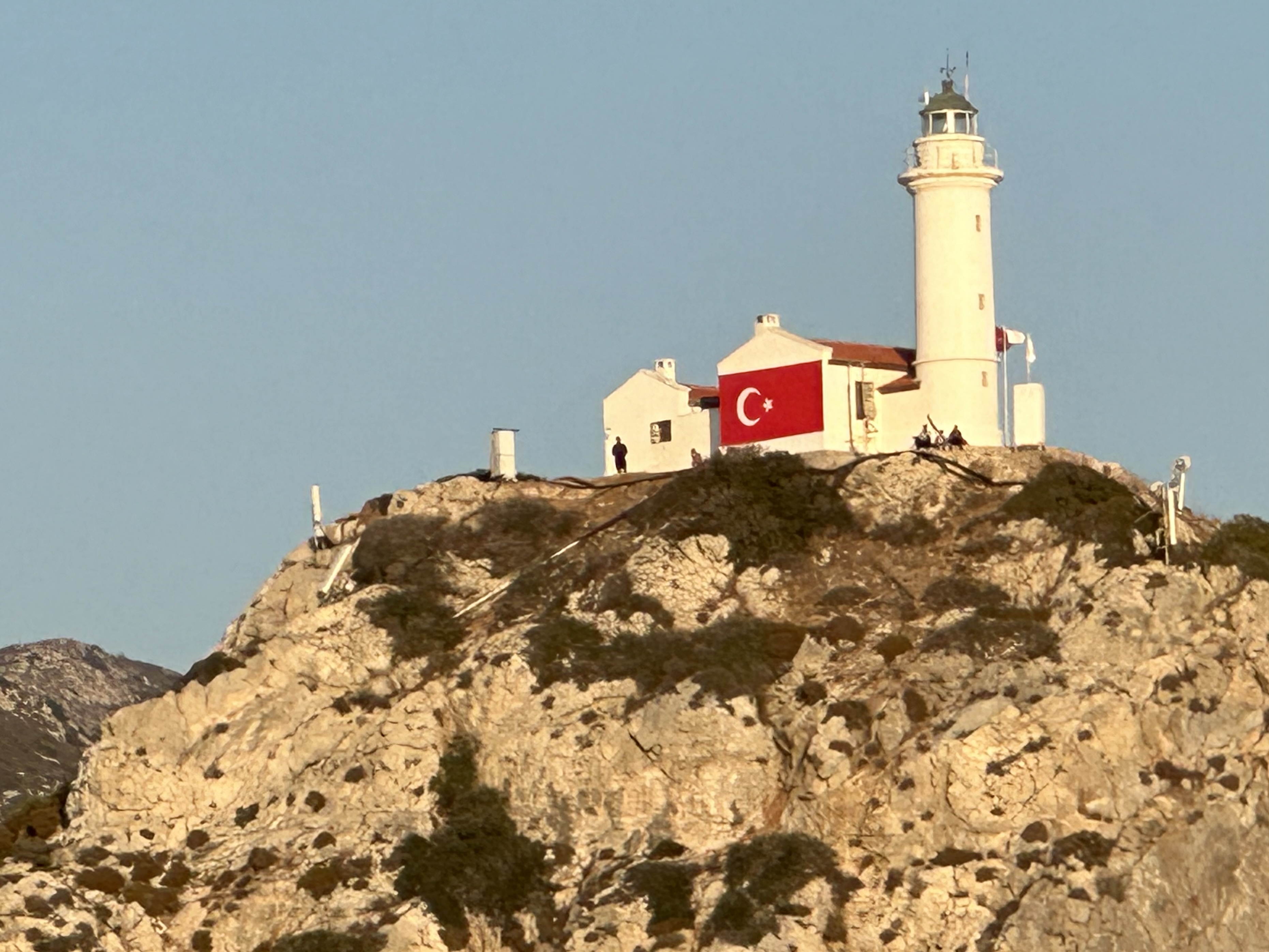
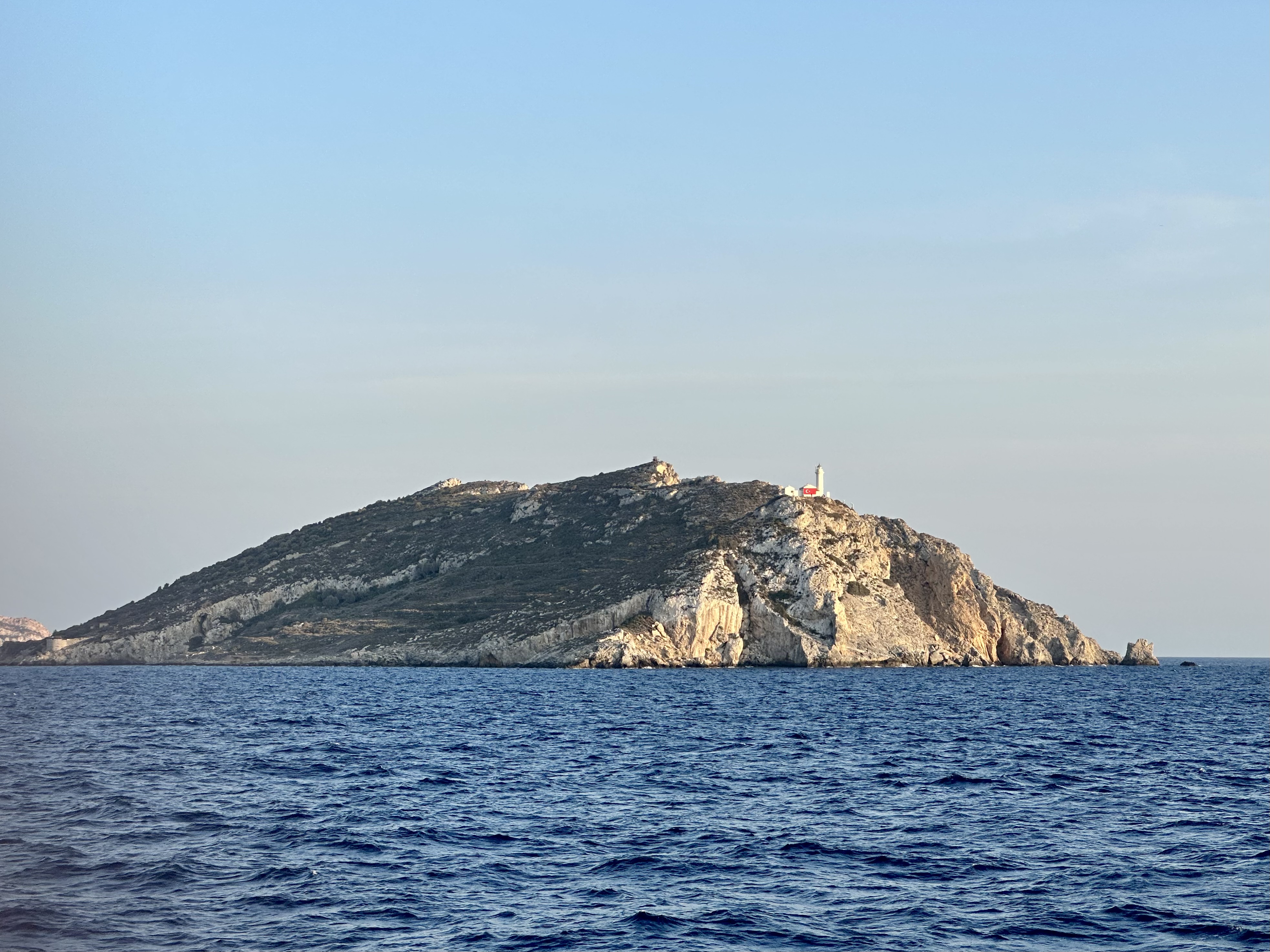
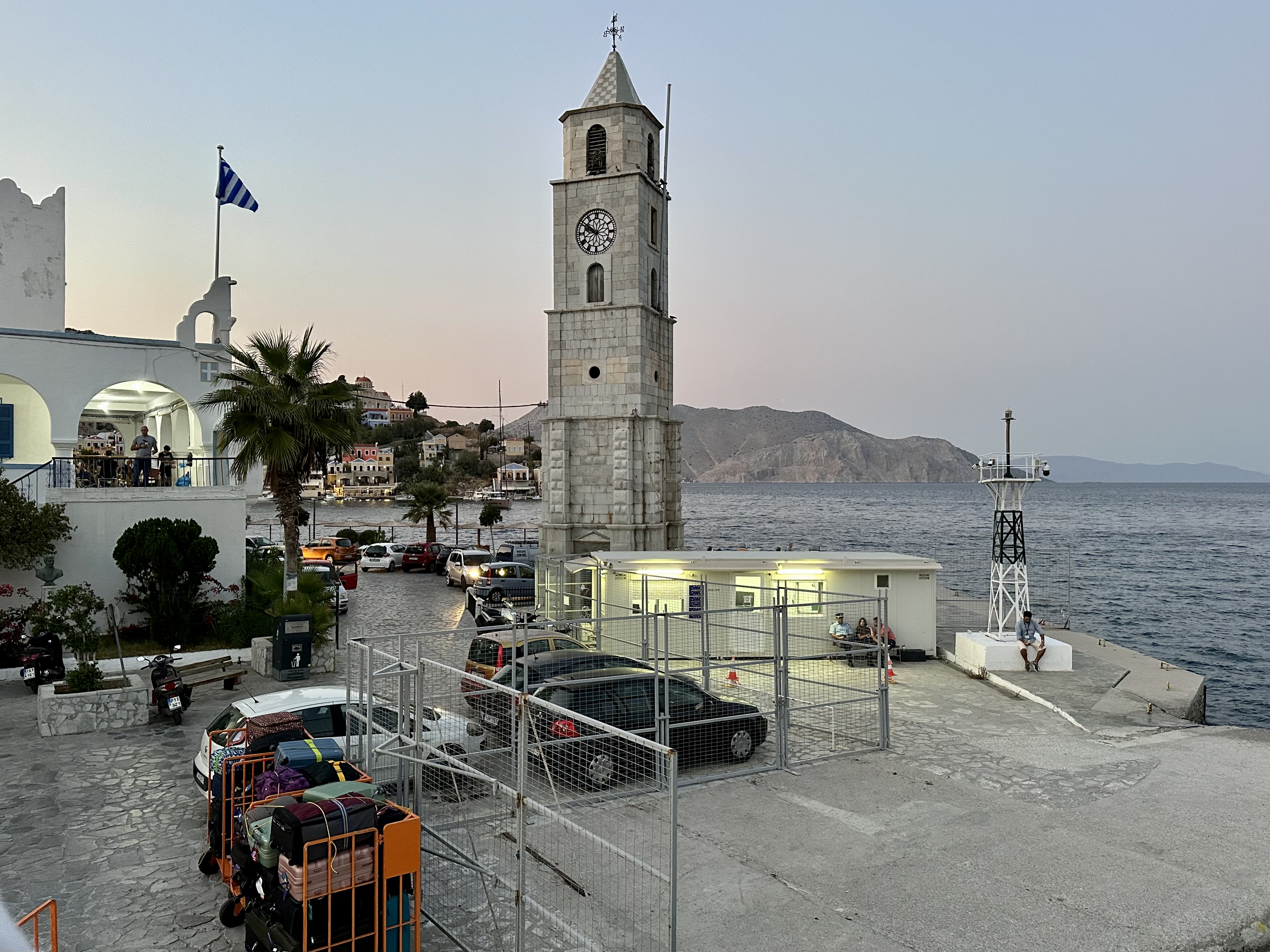
The ferry was on time, and we prepared for an extended cruise to Rhodes. Of course, we had several stops in picturesque seaside towns. On the way to Symi, we passed a lighthouse high on a steep ledge in Turkey. Later, a stunning sunset sunk behind a mountainous island.

Tomorrow: The island of Rhodes.

The sun sank behind a mountainous island on the way to Rhodes.

© Bruce Stambaugh 2023

A Photo Essay: Following the Path of Apostle Paul – Day 6

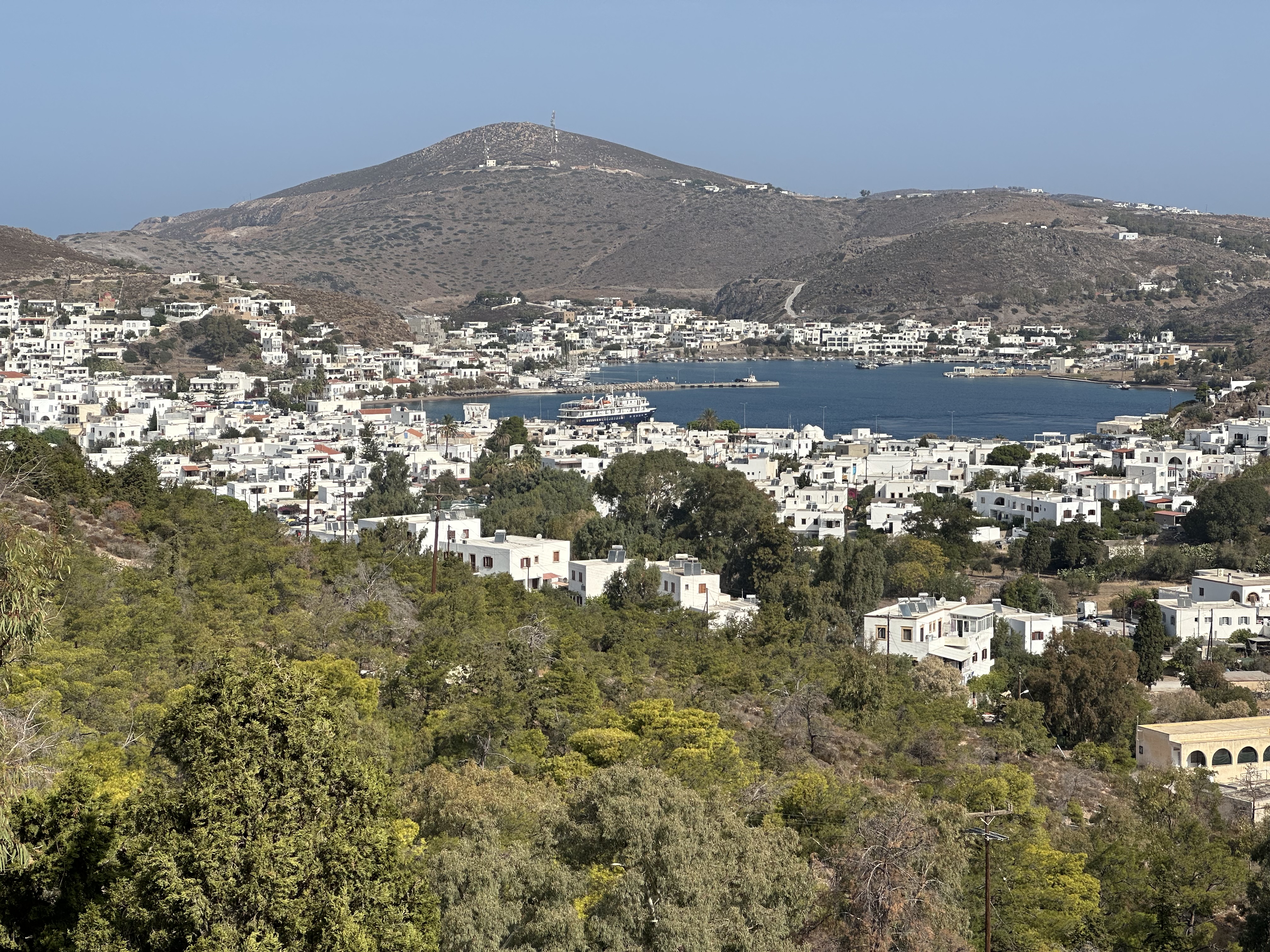
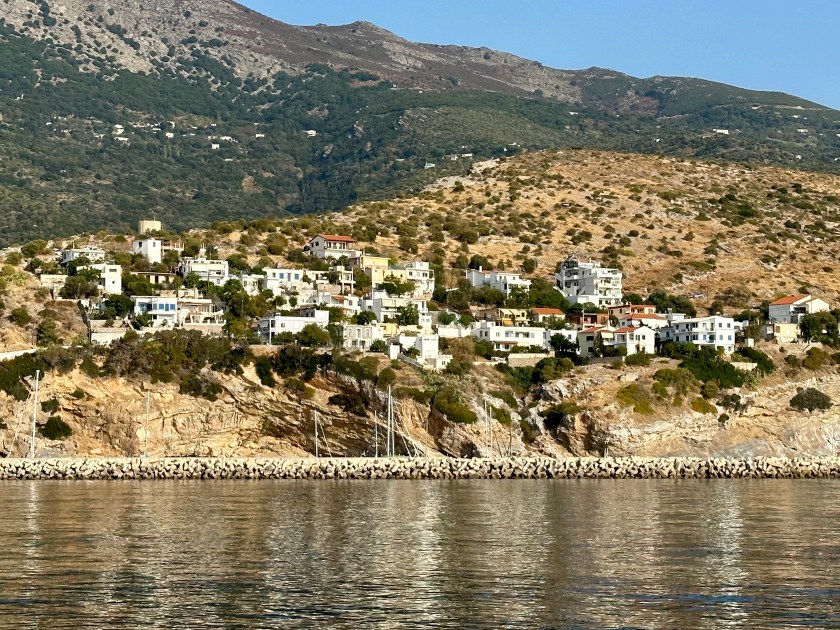
Skala on the island of Patmos, Greece.

We hated to leave Samos. We enjoyed it so much.

Nevertheless, we were up early again to catch the ferry to our next adventure, the island of Patmos. The island hopping via ferry began in earnest.

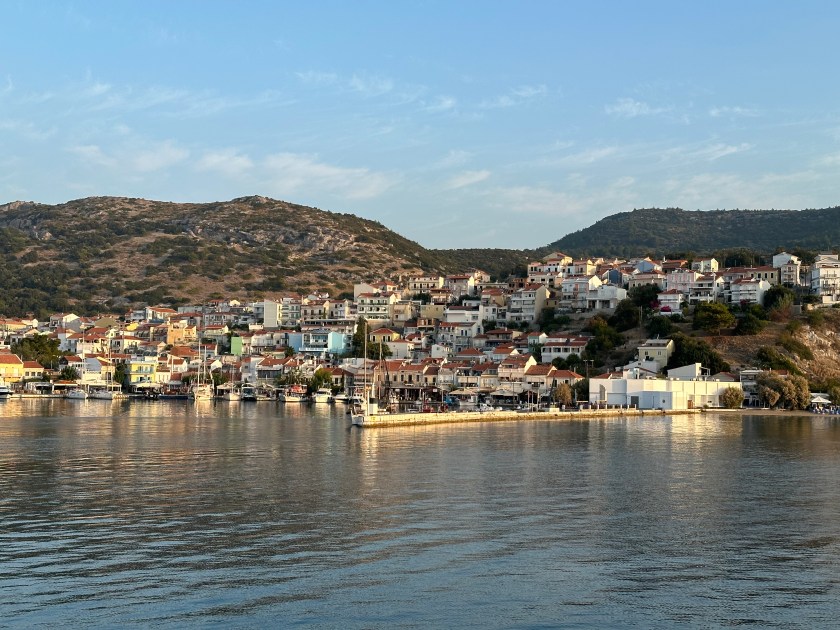
I took a few photos of Pythagereio as the ferry sped away. We stopped at a few small island villages to pick up and drop off passengers. The island ferries have their routine down pat. Some passengers deboarded while we welcomed others on board and were off at one stop in just over a minute. We arrived in Skala harbor, Patmos, Greece, right on time. The ferry operators clearly run a tight ship.

As soon as Skala came into view, Samos became a pleasant memory, and I focused on new, unknown adventures on Patmos. We walked briefly from the port’s pier to our lovely Blue Bay hotel.

The entrance to the cave.
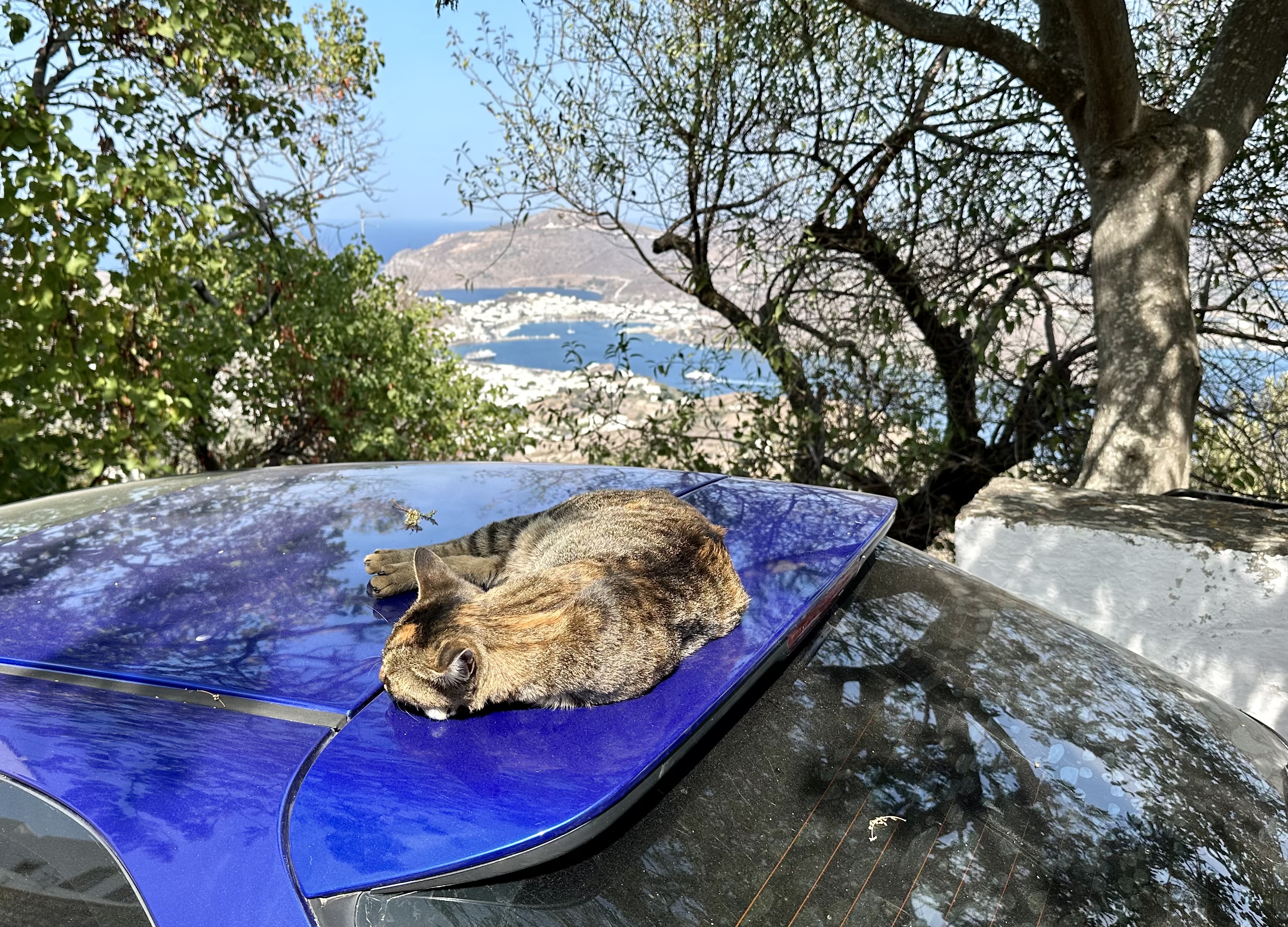
The view John had from the cave.

It wasn’t long before we boarded a bus and rode halfway up the mountain to the Cave of the Apocalypse. Here, the Apostle John saw his vision that became the book of Revelation in the Bible. We entered the room leading to the cave with awe and reverence. No photos of the cave itself were permitted.

John had been banished to Patmos from Ephesus by the Romans. Patmos was considered a barren island, where prisoners were often sent. On a clear day, John could just about see his beloved Ephesus from his cave. Ironically, John later returned to Ephesus, where he died naturally, the only disciple to do so.

We retreated to a shaded area in bleachers above the building built around the sacred cave. Our leader, Linford, had a message for us. He couldn’t speak very loud since another group was holding a mass just below us. Rather than summarize the talk, please watch the informative video below. Please turn your sound up all the way to hear the talk.

After Linford finished his fun sea shanty, we went to the mountain’s top via bus and visited the Greek Orthodox Monastery of St. John the Theologian. Both the monastery and the cave are UNESCO World Heritage Sites. The town of Chora is built around the monastery.

After a light lunch, we rode back down the mountain and checked in at our hotel. We had the rest of the day to tour Skala, a town as beautiful and quaint as Pythagereio on Samos.

Please click on the photos to enlarge them.

Neva and I found a recommended family-owned seafood restaurant away from the harbor area. We were the only customers at 6:30 p.m., but by 7, every table was filled. The restaurant’s owner doubled as our waiter. I ordered sea bass, which he caught in the morning.

Once the sun went down, the little town came alive. A political rally near the harbor may have contributed to that crowd and excitement. It was a very fulfilling day we’ll remember for a long time.

Tomorrow: On to the island of Kos

Nightlife in Skala, Patmos, Greece.

© Bruce Stambaugh 2023

A Photo Essay: Following the Path of Apostle Paul – Days 4 & 5

The town of Pythagoreio, Samos, Greece.

We were up early to catch a short flight to the island of Samos. In fact, the trip to the airport took longer than the flight.

Morning traffic on the way to the Athens airport.

We went to Samos because it was one of the ports where a ship carrying the Apostle Paul stopped. From Acts 20, verse 15, it appears it was simply an overnight stay. The island was the birthplace of two influential men, Pythagoras and Epicurus.

The town where Paul stayed is called Pythagoreio in honor of the famous mathematician. A statue honoring Pythagoras is situated midway on one of the town’s harbor piers.

It wasn’t just his math abilities that garnered great respect for Pythagoras. A giant underground aqueduct was dug through the mountainside in the 6th century B.C. to gain a regular fresh water supply. The Eupalinian Tunnel ran nearly 3,400 feet through Mount Kastro to bring potable water from the island’s west side.

The Cup of Justice.

Conditions for digging the tunnel were horrible, and workers argued about the fairness of their wages, paid in wine and bread. Workers claimed they had slaved harder than others. To solve this dilemma, Pythagoras invented the Cup of Justice, also called the Pythagorean Cup, so that all workers received their fair share.

The cup has a protrusion in its middle and a line around the inside to show how much wine should be poured into it. Should a worker fill the cup beyond the line, the cup would rapidly drain its contents via a siphon system. That ingenious device halted the arguing and greed of some of the workers. Artisans produce the cups and decorate them to be sold to tourists. Of course, we bought one.

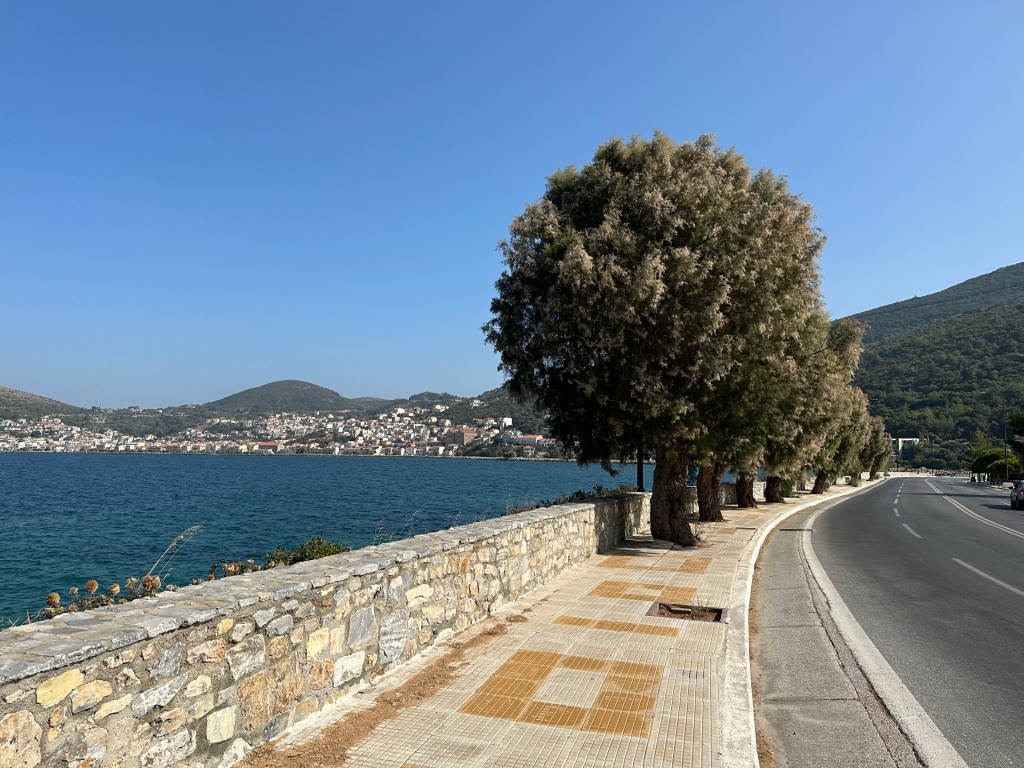
Our time in Samos was joyous and relaxing. We had lots of free time to explore the town with its cobblestone streets and sidewalks, find our own restaurants, and enjoy the quiet and beauty.

As we explored Pythagereio, we discovered many wonderful alleys and buildings. An old castle and the adjacent church were still closed due to damage from an earthquake a few years ago.

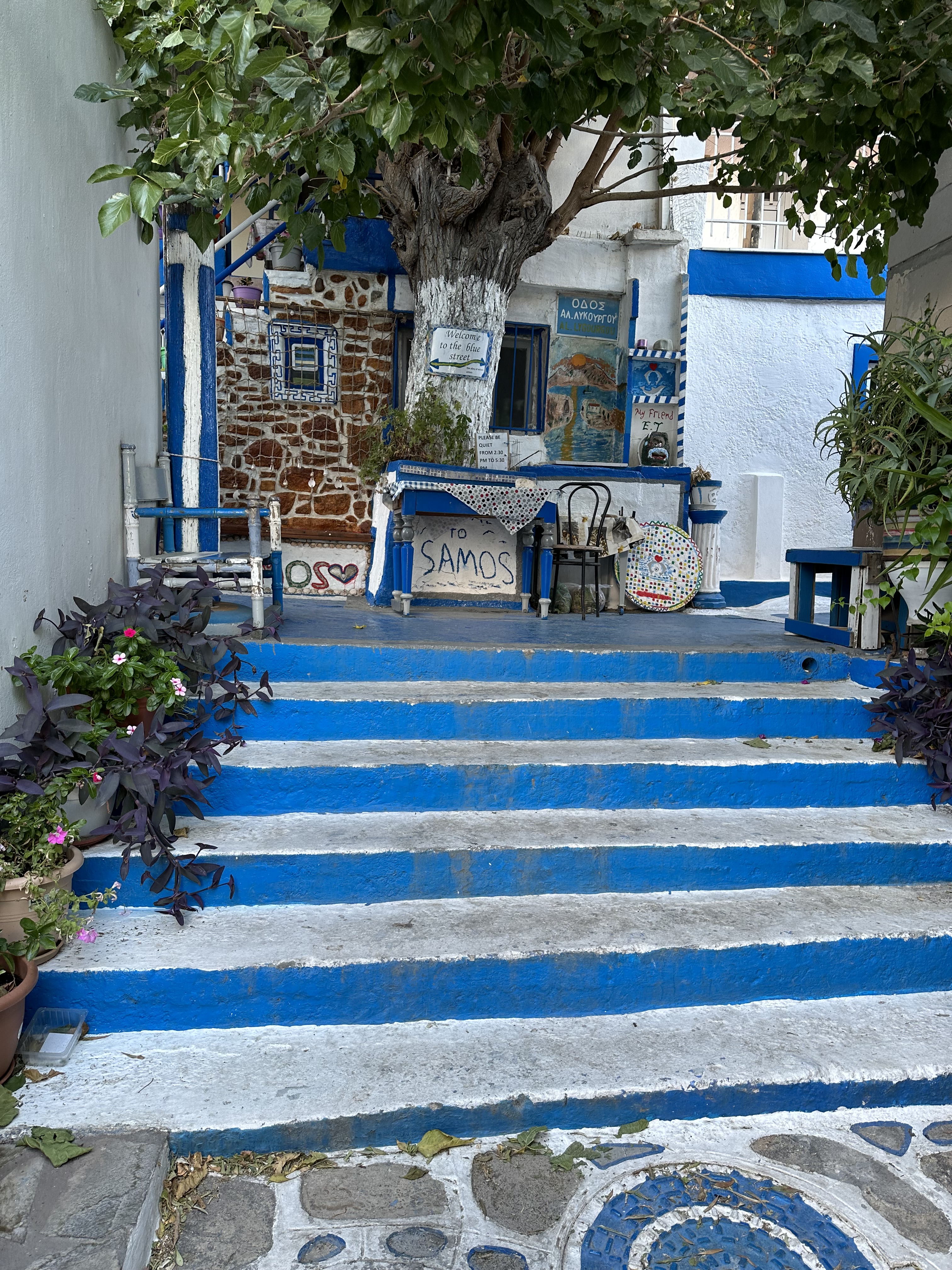
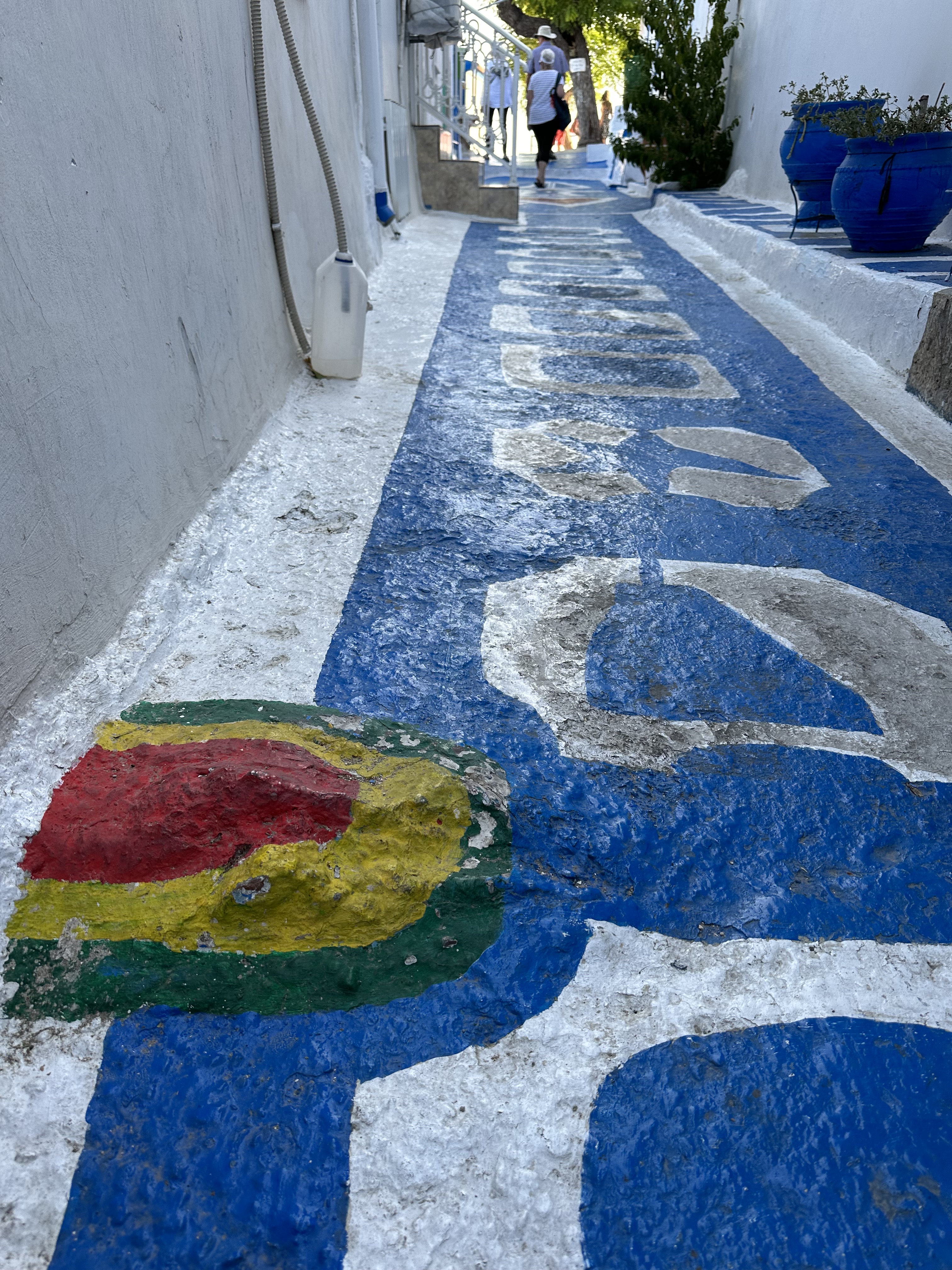
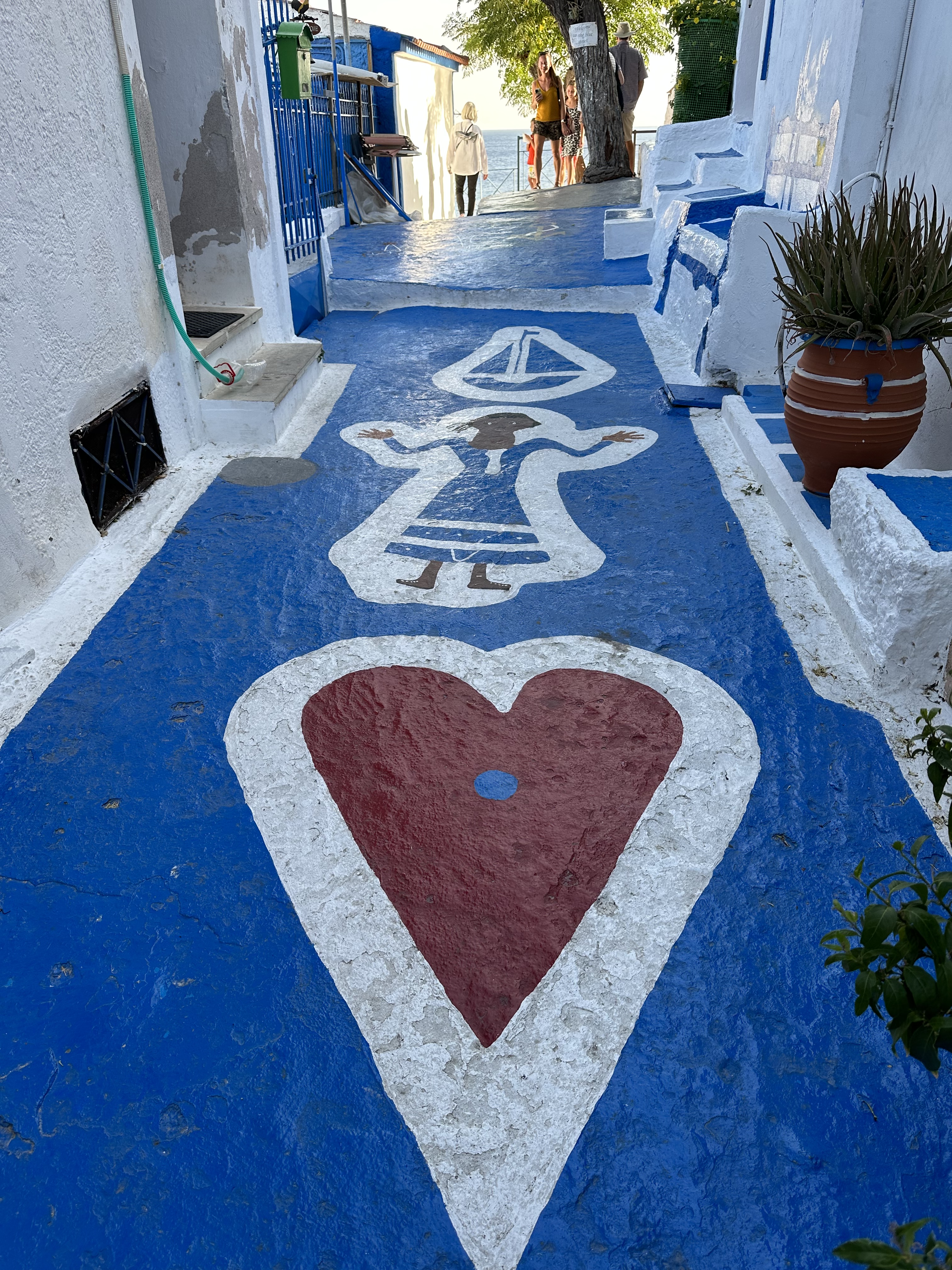
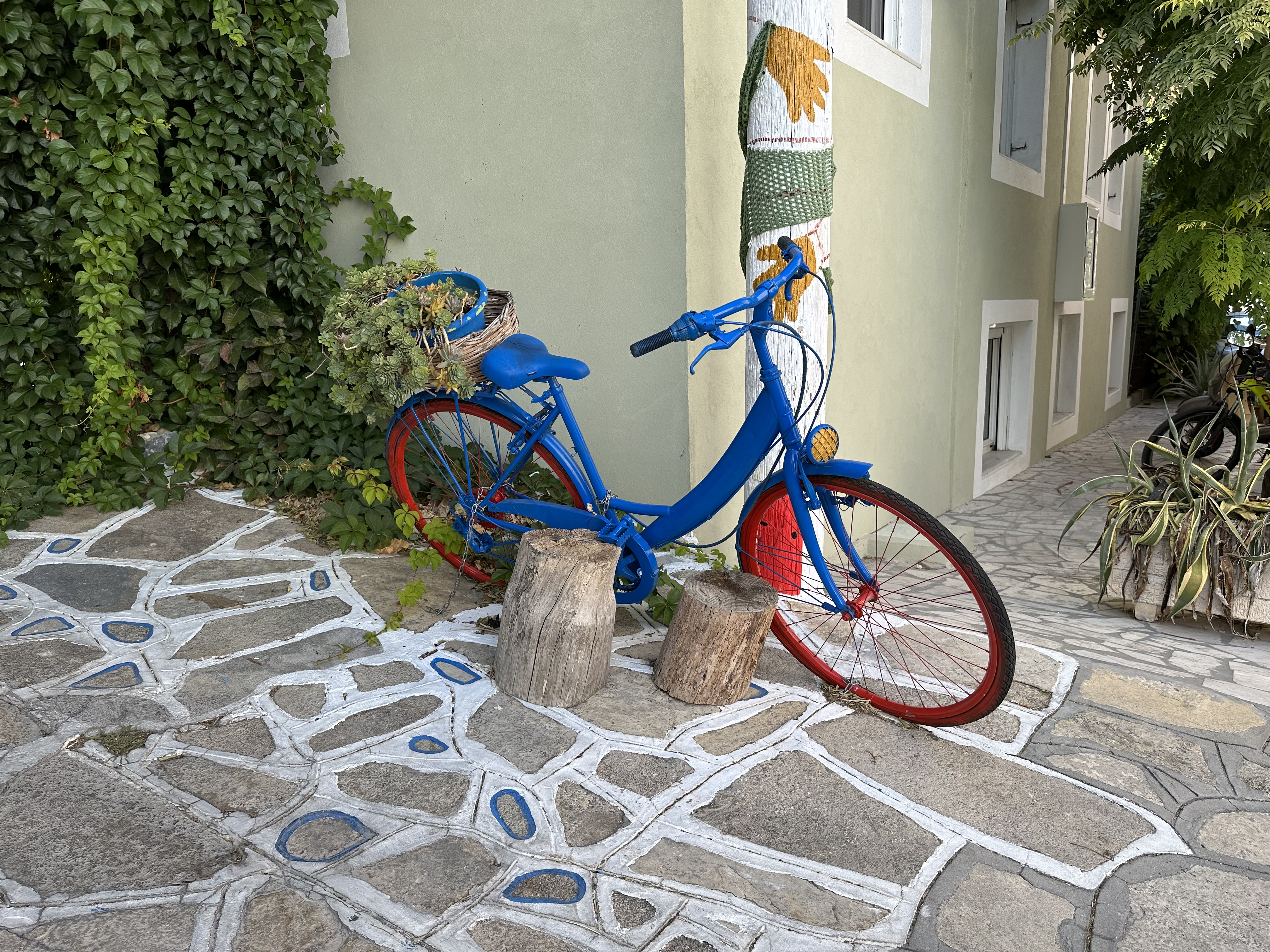
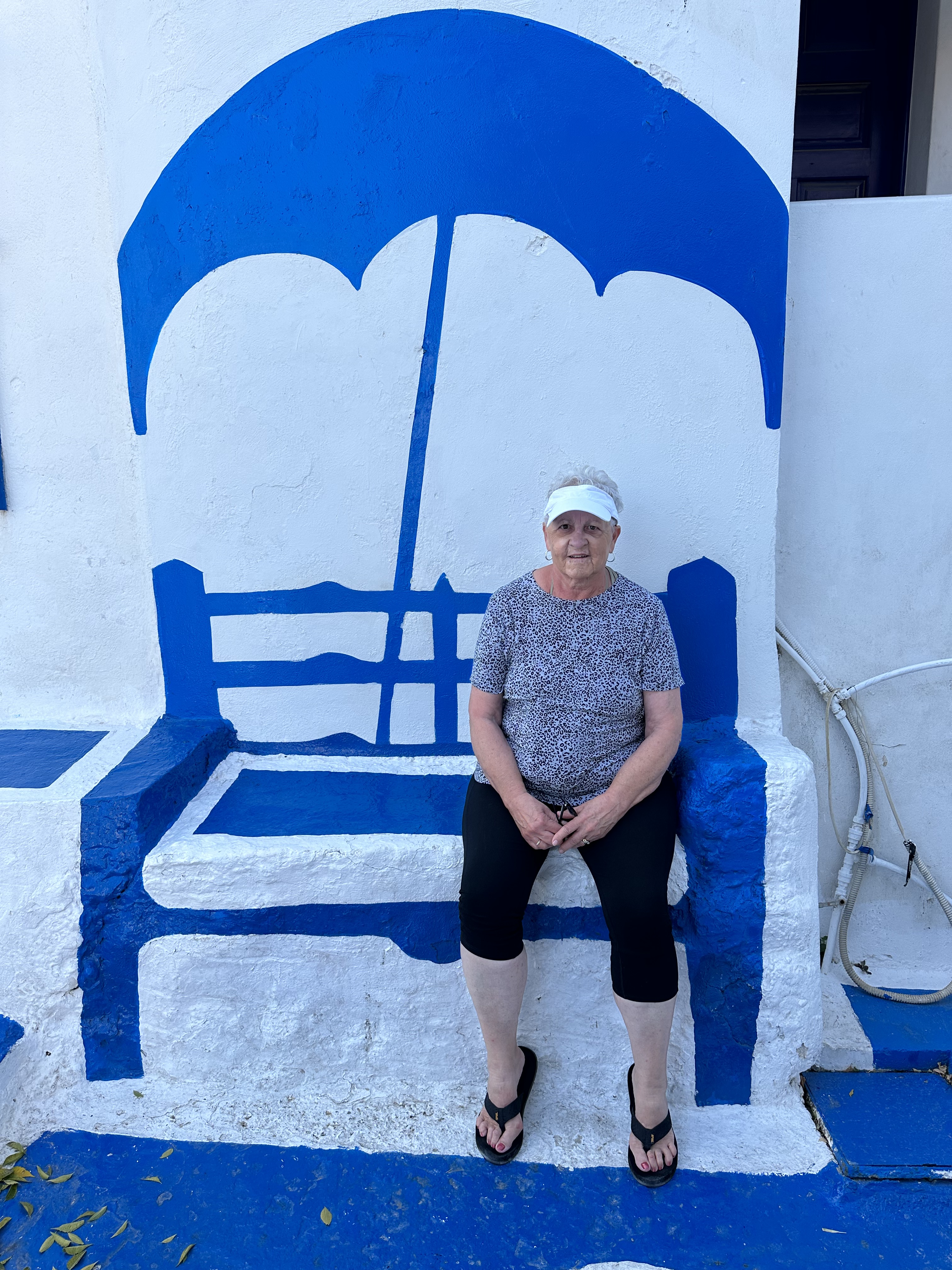
Just down the hill was Blue Street, not much more than a sidewalk with most everything painted blue by the local retired artists who lived there. We found their creations fun and attractive. They painted everything from manhole covers to doorways.

Most of all, though, my wife and I simply enjoyed sitting on a bench near the customs station on the harbor. We viewed the quaint town from our seats and enjoyed watching a few boats come and go.

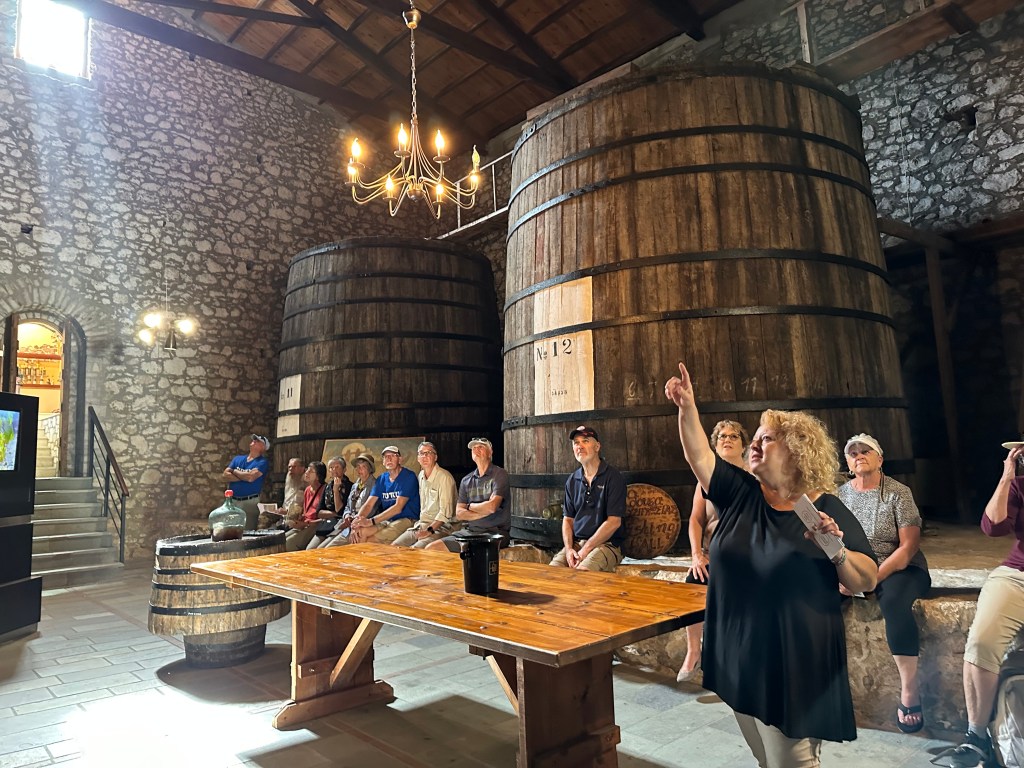
On the second day, we rode a bus to the western part of the island and toured a wine museum. Samos is famous for its sweet Muscot wine. The island’s western side is much more lush than the leeward side since it rains more.

Once we started downhill toward the town of Vathy, the greenery of trees, shrubs, and grasses stood in stark contrast to the arid brushy topography on the eastern side. We also visited a monastery above Pythagereio containing a cave and a chapel. It wasn’t far from the aqueduct tunnel.

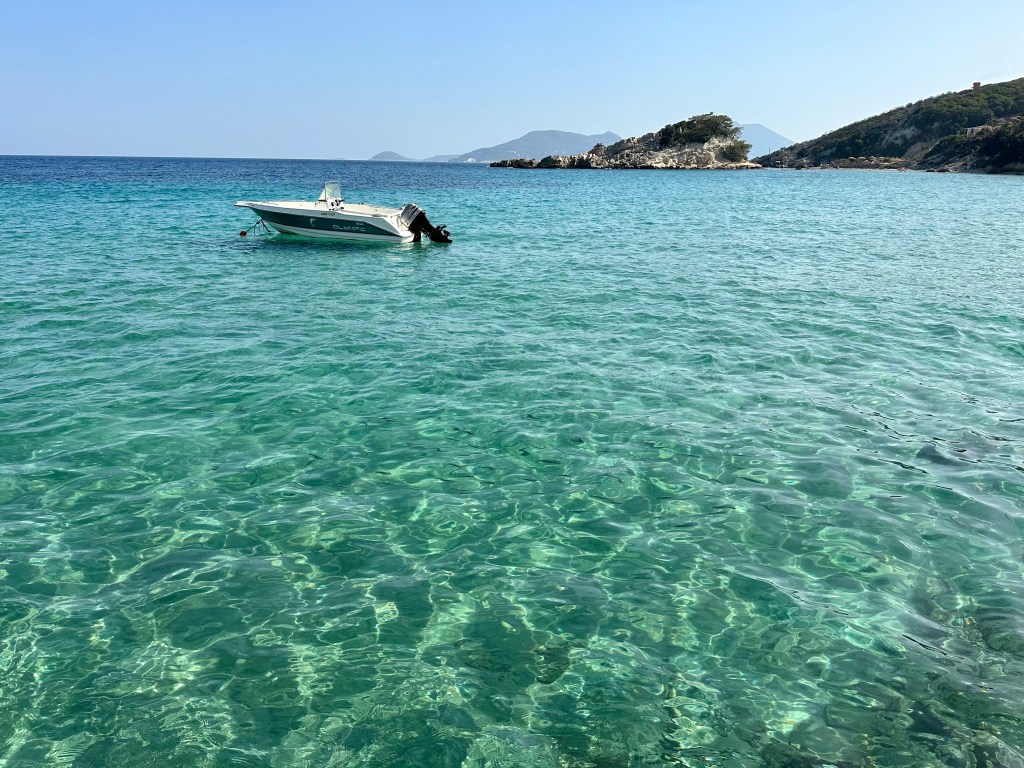
Samos is separated from Turkey by the mile-wide Mycale Strait in the eastern Aegean Sea. The Greek navy maintains a station on Samos with several boats moored in the harbor. We enjoyed the sunrises over the mountains in Turkey.

Tomorrow: The island of Patmos

Sunrise over the mountains in Turkey.

© Bruce Stambaugh 2023
A Photo Essay: Following the Path of the Apostle Paul – Day 1

Our first glimpse of the Acropolis.

My wife and I recently returned from a two-week trip to Greece and Rome. I will share our experiences through a series of photo essays beginning today.

The trip’s theme was to follow parts of the Apostle Paul’s three trips between Jerusalem and Rome. Our guides were Linford and Janet Stutzman.

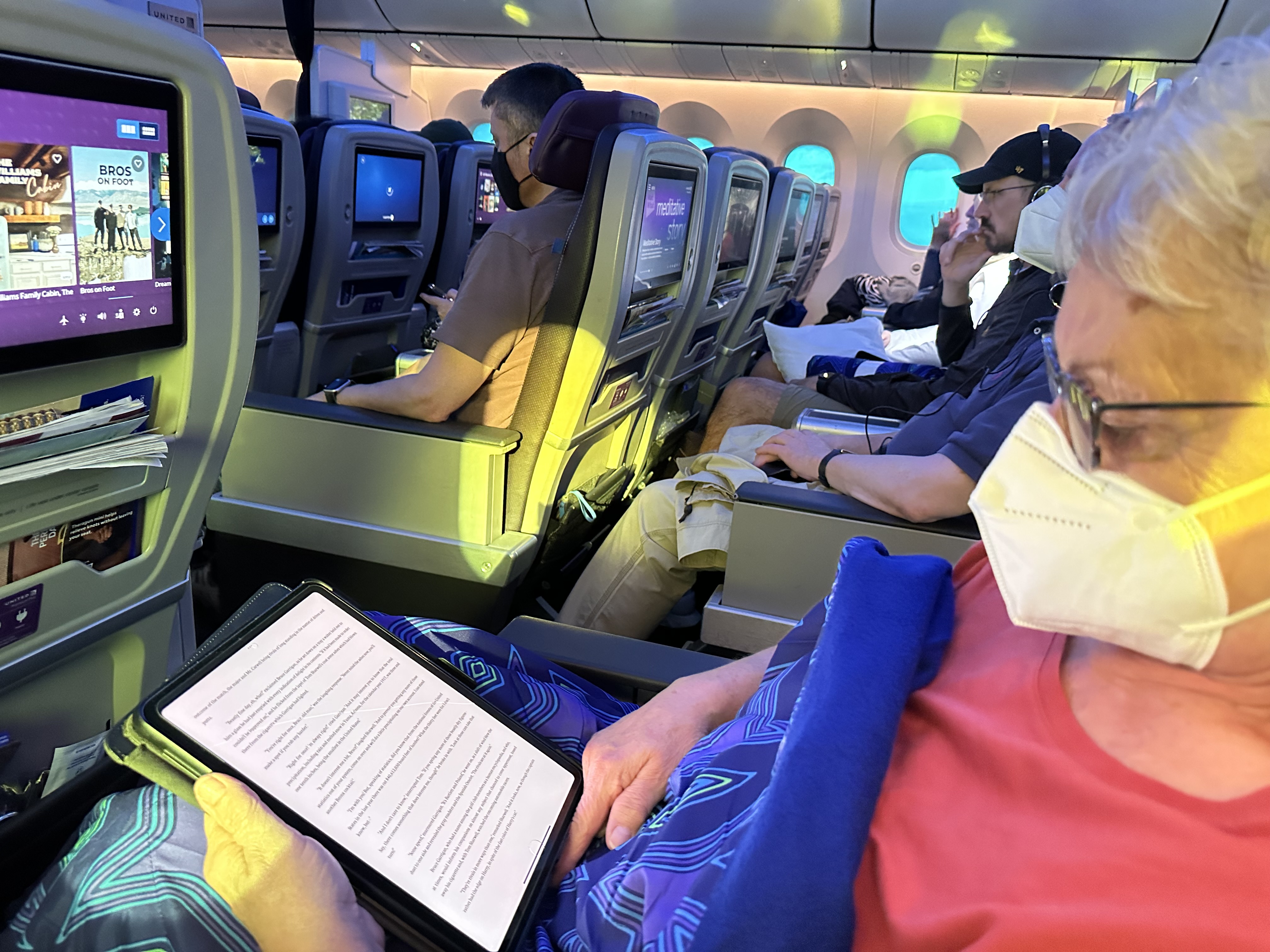
My wife spent part of the nearly 10-hour flight reading.

In 2004, Linford and Janet bought an old sailboat in Greece, fixed it up, and sailed the paths and ports of Paul while on sabbatical from Eastern Mennonite University, where Linford was a professor of religion. Their epic trip led to Linford writing an excellent book about their adventures, SailingActs.

Our itinerary began in Athens, where Paul preached a sermon on Aropagus Hill, just south of the Acropolis and the Parthenon. But first, we had to wait for all 24 group members to arrive, which they did by nightfall.

Consequently, our first day of the trip was spent traveling by air from Washington/Dulles International Airport to Athens. Once on the ground in Greece, our taxi took a circuitous route from the airport to the hotel due to a race for a cancer cure near the Acropolis. Many streets were blocked off for the 40,000 race participants.

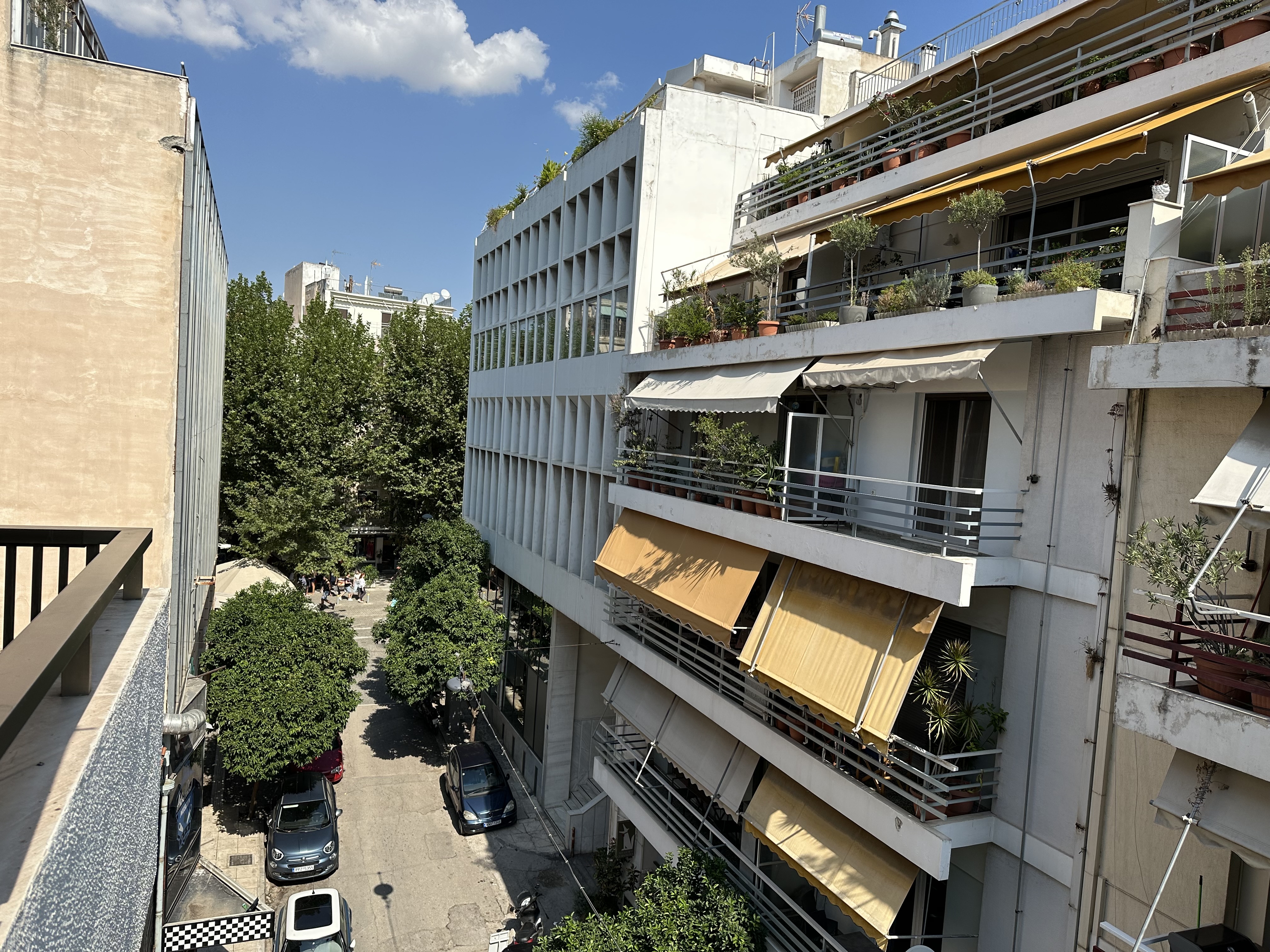
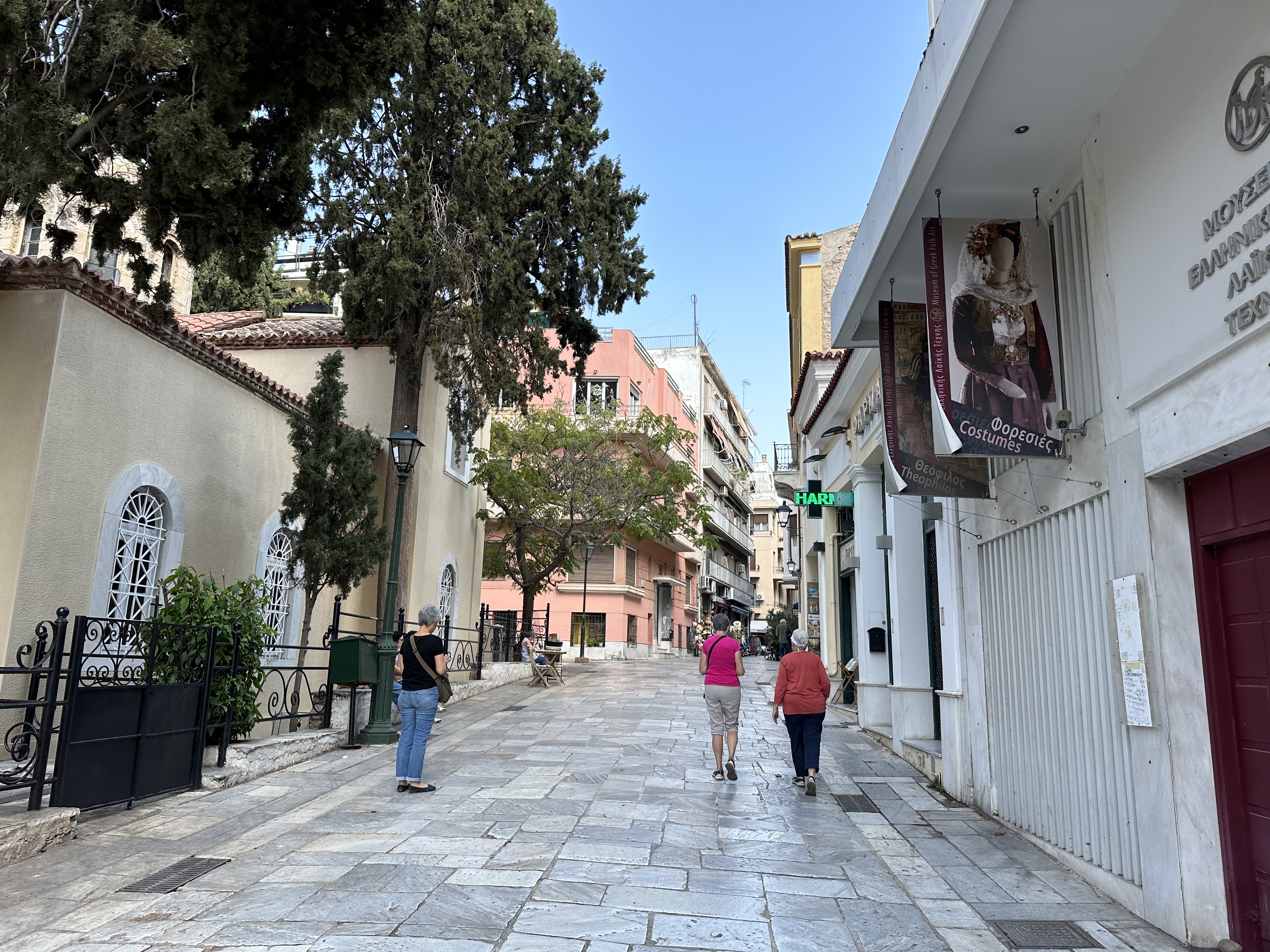
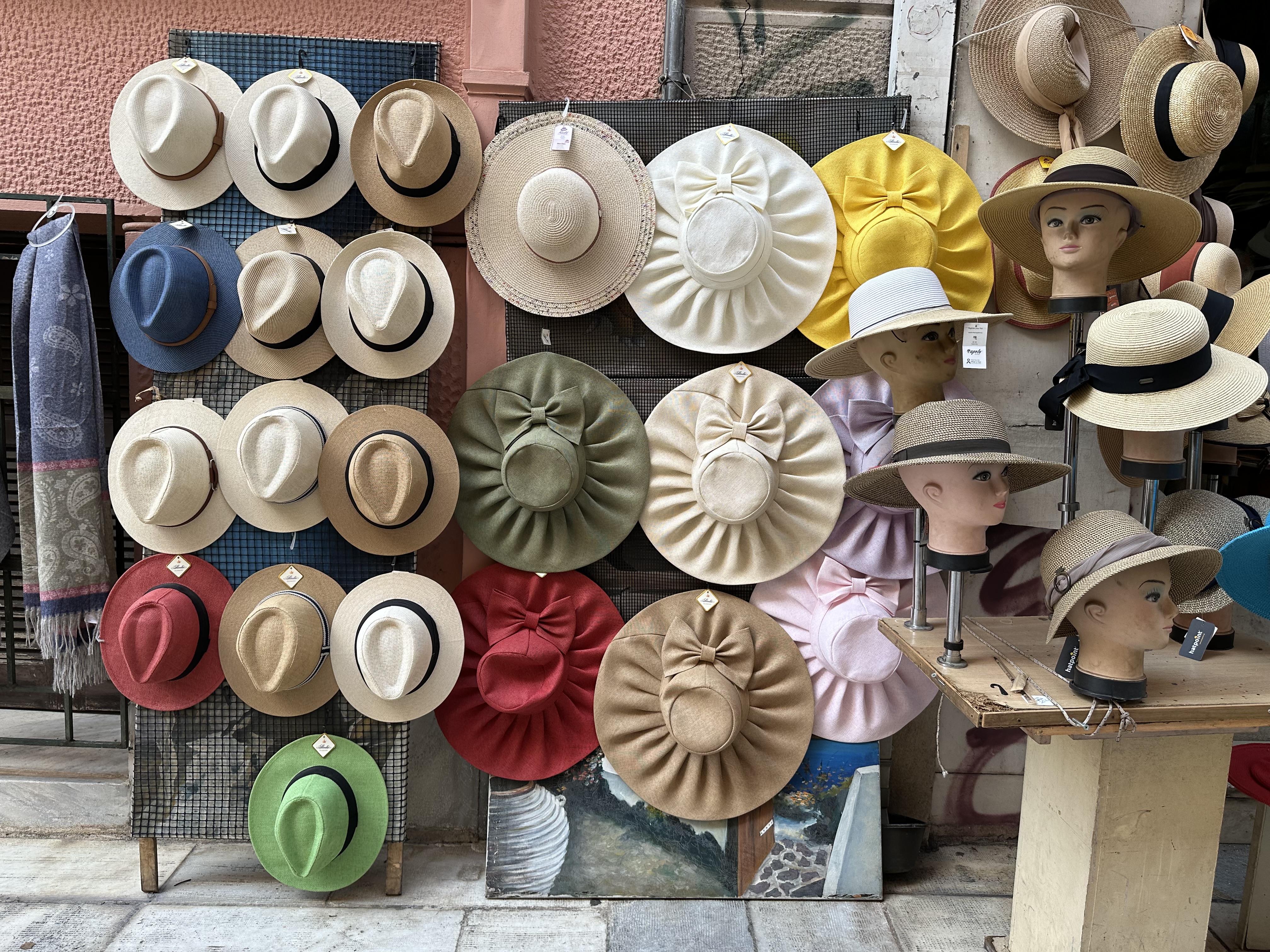
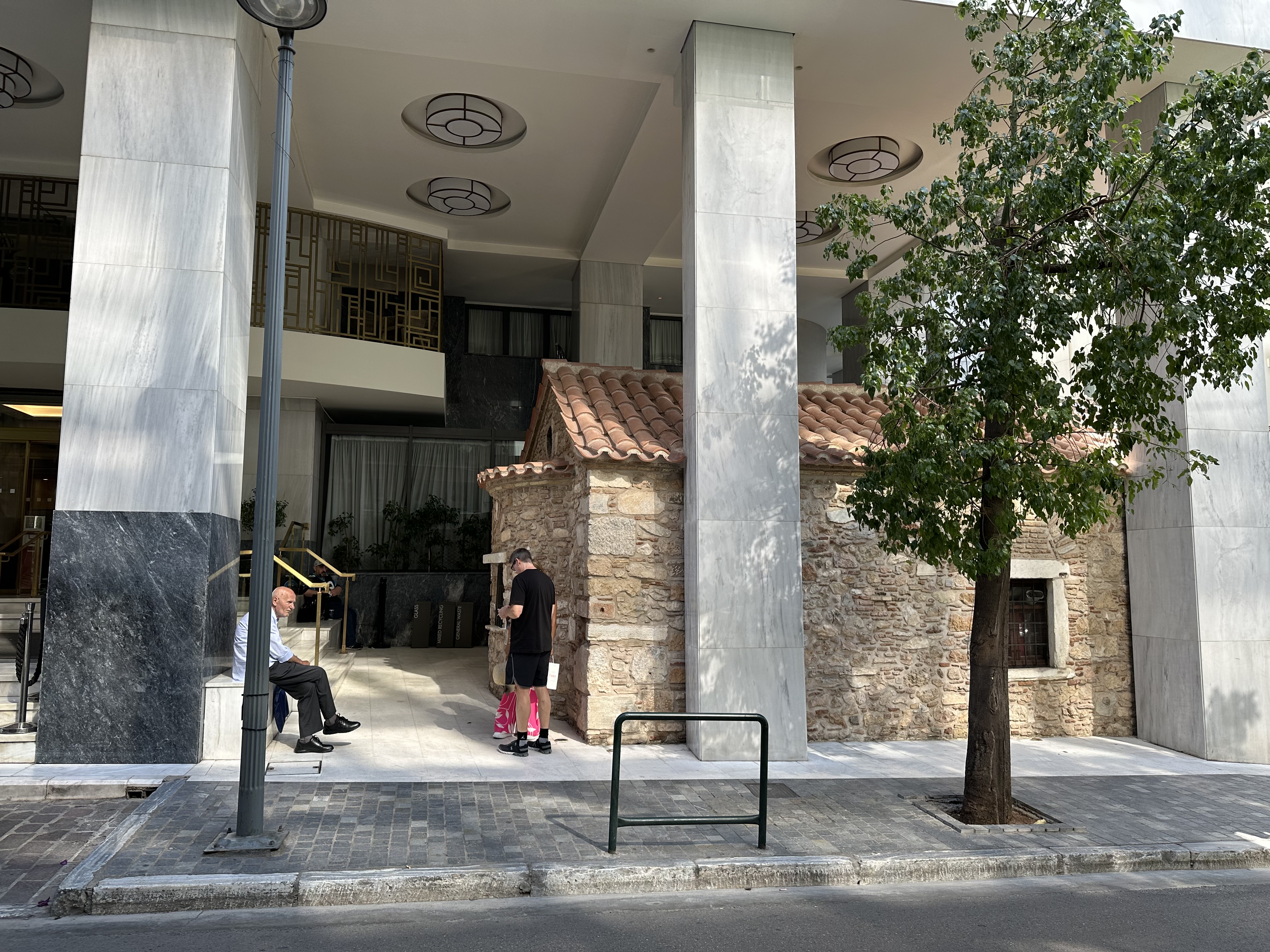
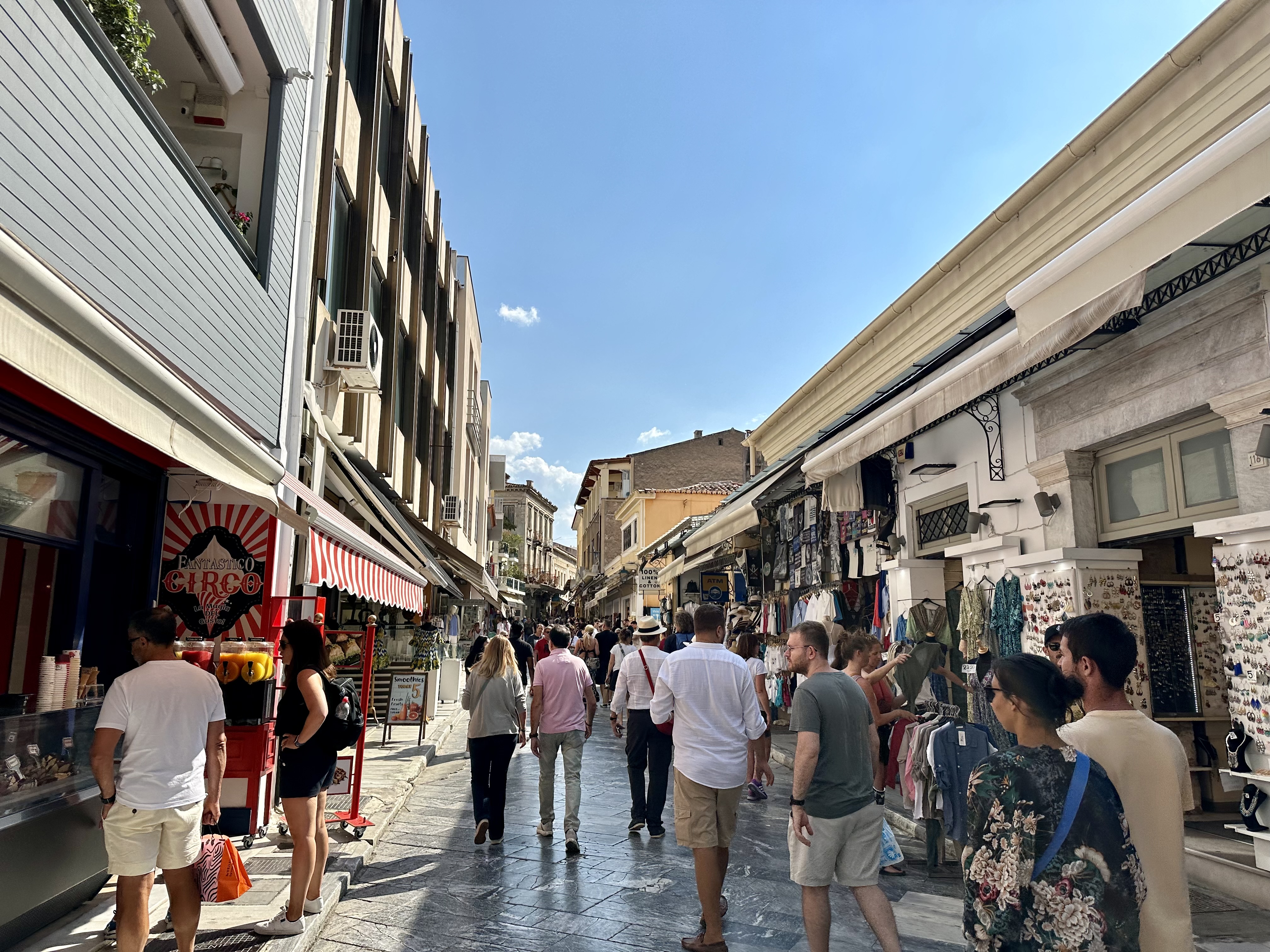
We spent the evening familiarizing ourselves with the area and shopped in the Plaka, a market/restaurant area between the Acropolis and our hotel. On our stroll around the area, we did get our first glimpse of the Acropolis.

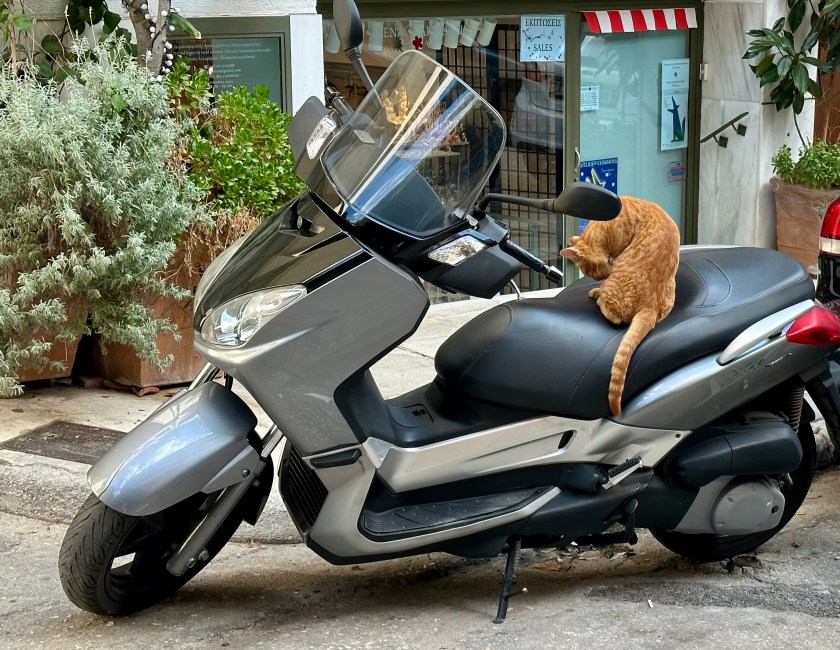
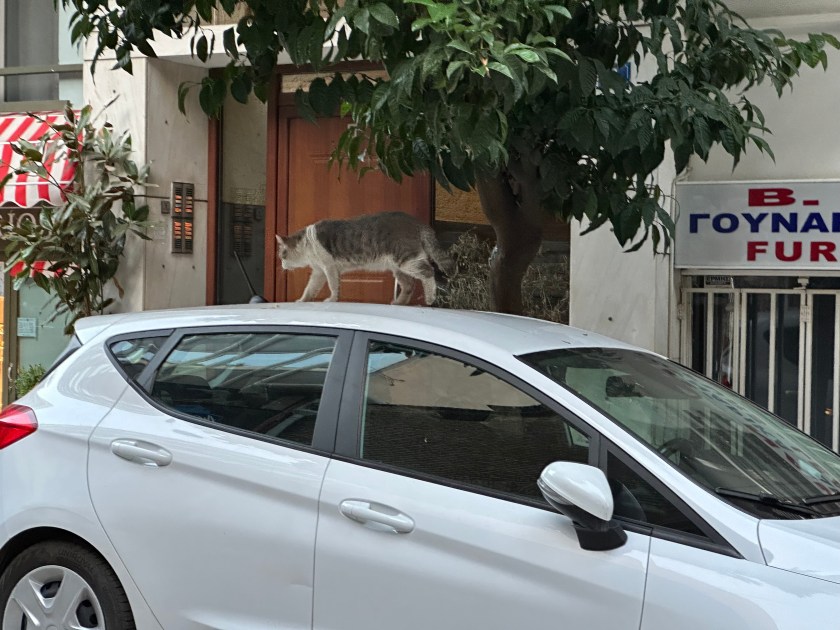
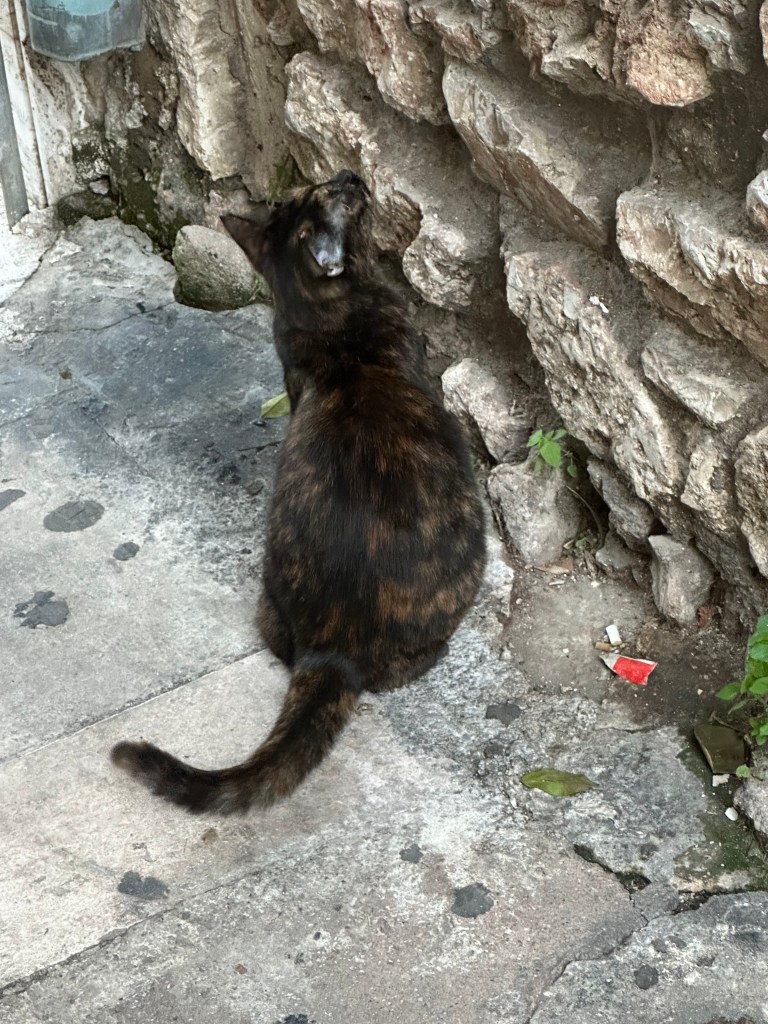
I was surprised to see so many cats running loose in the city. Apparently, felines are revered in Athens and likely help keep the critter population down. Many cats roamed the narrow streets, businesses, apartment buildings, and restaurants.

Tomorrow: The Acropolis.

© Bruce Stambaugh 2023
Bay Photos by Donna

Wildlife photos from the Chesapeake Bay region

ROAD TO NARA

Culture and Communities at the Heart Of India

K Hertzler Art

Artist and nature journalist in the Shenandoah Valley of Virginia.

Maria Vincent Robinson

Photographer Of Life and moments

Gabriele Romano

Personal Blog

Jennifer Murch

Art is the only way to run away without leaving home. -Twyla Tharp

Roadkill Crossing

Writing generated from the rural life

ANJOLI ROY

writer. teacher. podcast cohost.

Casa Alterna

El amor cruza fronteras / Love crosses borders