Fireplaces provide benefits far beyond warmth

By Bruce Stambaugh

When I asked if anyone wanted to help bring in wood for the fireplace, only one person volunteered. Our two-year old granddaughter said she wanted to help.

On went her hat, coat, mittens, and the mini-muck boots that her older brothers wore when they were her age. Maren followed me around like a miniature shadow, constantly asking questions.
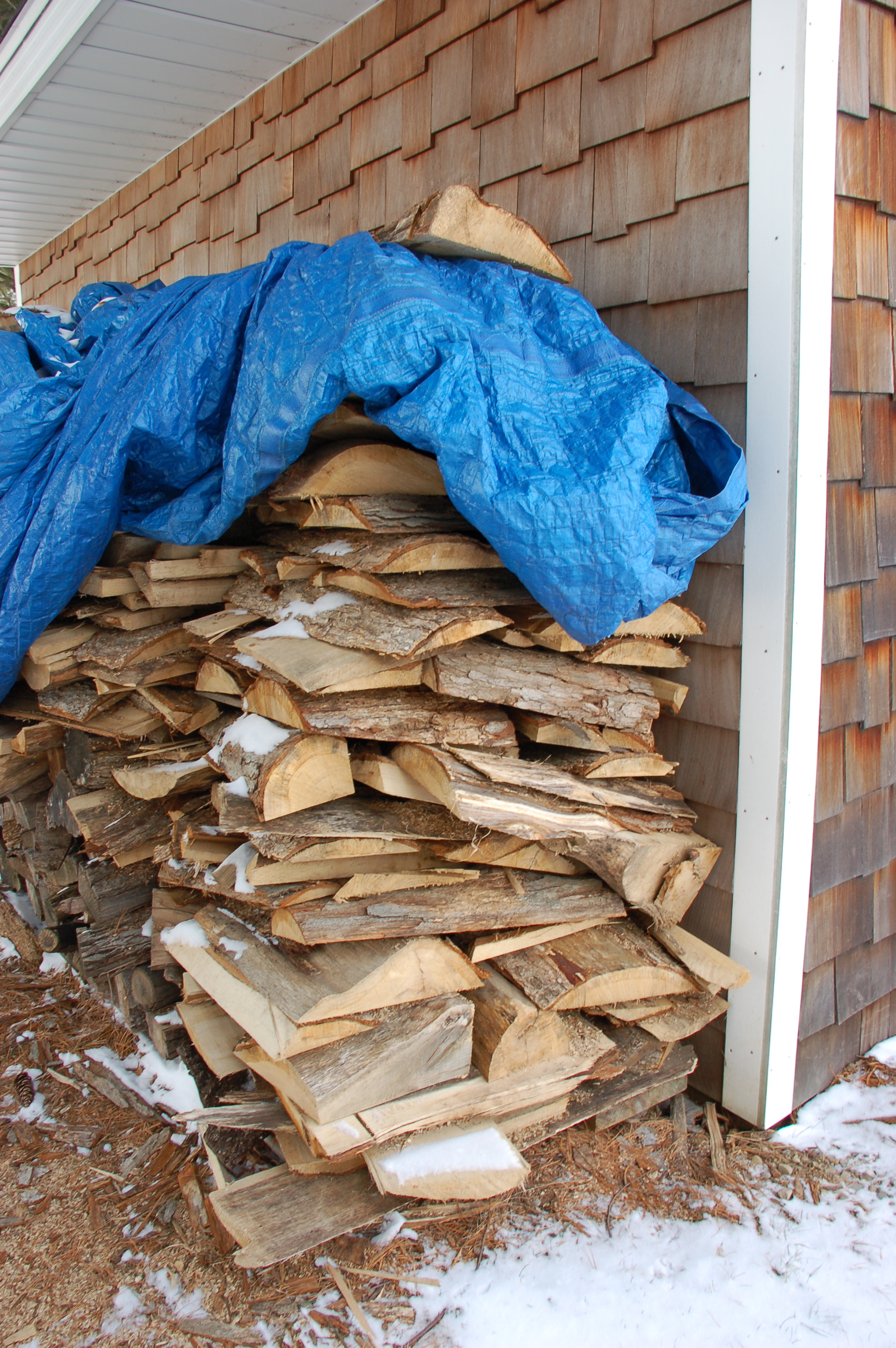
Firewood by Bruce Stambaugh
To play along, I asked questions too, like what color the blue wheelbarrow was. “Yellow,” she said without hesitation. I wheeled it behind the shed to the winter’s stacked wood supply.

I carefully tossed the split hardwood into the wheelbarrow. Of course, Maren wanted to imitate her Poppy. I handed her the kindling pieces. Now and then I gave her a weightier one, and the sharp little blonde quickly let me know that it was “too heavy.”

Maren hung in there like a trooper despite the cold. The tip of her nose turned red within minutes, quickly followed by her cheeks. She never complained, just kept helping to load and unload the wood from pile to wheelbarrow to garage. She even learned where the “little ones” went and correctly deposited them all on her own, while Poppy stacked the heavy pieces just outside the door to the family room.

Gathering wood is just one of the satisfying rituals of having a fireplace. The effort reaps more than needed wood. I enjoy the exercise, and find the aromatic discharge from the chimney invigorating as it mingles with the cold air. I even gain a certain satisfaction in watching the light smoke swirl from the top of the stubby brick chimney. Altogether it spells contentment.
Dancing fire by Bruce Stambaugh
Indeed, having a fireplace is really all about enjoyment. A fireplace may be inefficient. But I savor the all-inclusive ambiance of a blazing fire, its fragrance, its crackling sounds, the penetrating warmth and the simple beauty of a dancing fire.

There is nothing quite like the pure warmth of a fireplace fire to take the chill off of a frosty fall evening, to enhance the beauty of a snowbound day in Amish country, or to free you from the numbness of a damp and miserable spring day. In each situation, I sit in front of the fire until my bones are warmed.

Watching the fire flicker away in multiple colors, constantly changing shape and posture, and occasionally spraying golden sparks warms both body and soul. When family is home, like they were at the holidays, the fireplace becomes the center of activity Holiday gathering by Bruce Stambaughexcept at mealtime, unless roasted hotdogs and toasted marshmallows are on the menu.
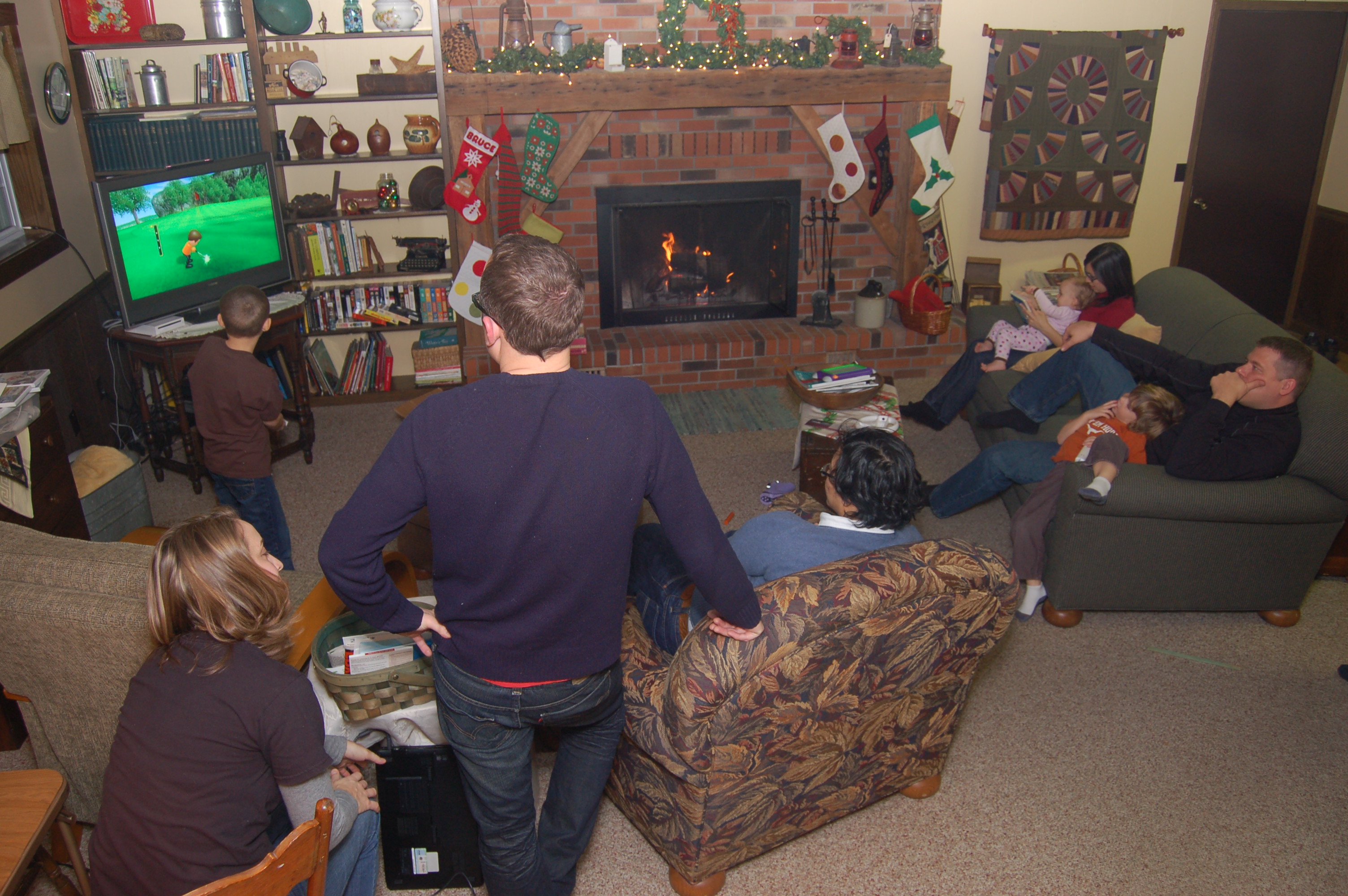
I think I got this affection for fireplaces from my father. On rare occasion, he would light a fire in the living room fireplace at home. When that happened, it was truly a special family time.

Each home we have owned has had a fireplace for all of the aforementioned reasons. Even our cottage, which my parents built, hasCottage fireplace by Bruce Stambaugh two fireplaces, one on the main floor, and one in the walk out basement.

At home I buy my firewood each year, usually from a local farmer. It provides his family with extra income, and my family and me with immeasurable joy. Since the cottage is built in an expansive woods, we gather and split dead wood for our fireplace.

We often have a firewood frolic to get the job done there. The neighbor volunteers his hydraulic splitter. I round up some young, willing helper who enjoys showing off his youthful prowess to lift the heavy logs. My expertise is stacking the split wood just so.

Having a fireplace may be considered a luxury in some corners, an inefficient heating effort in others. Maren by Bruce StambaughI take a different view. Added altogether, the affable socialization, the exhilarating labor, the fire’s soothing pleasantries, yield rewarding results.
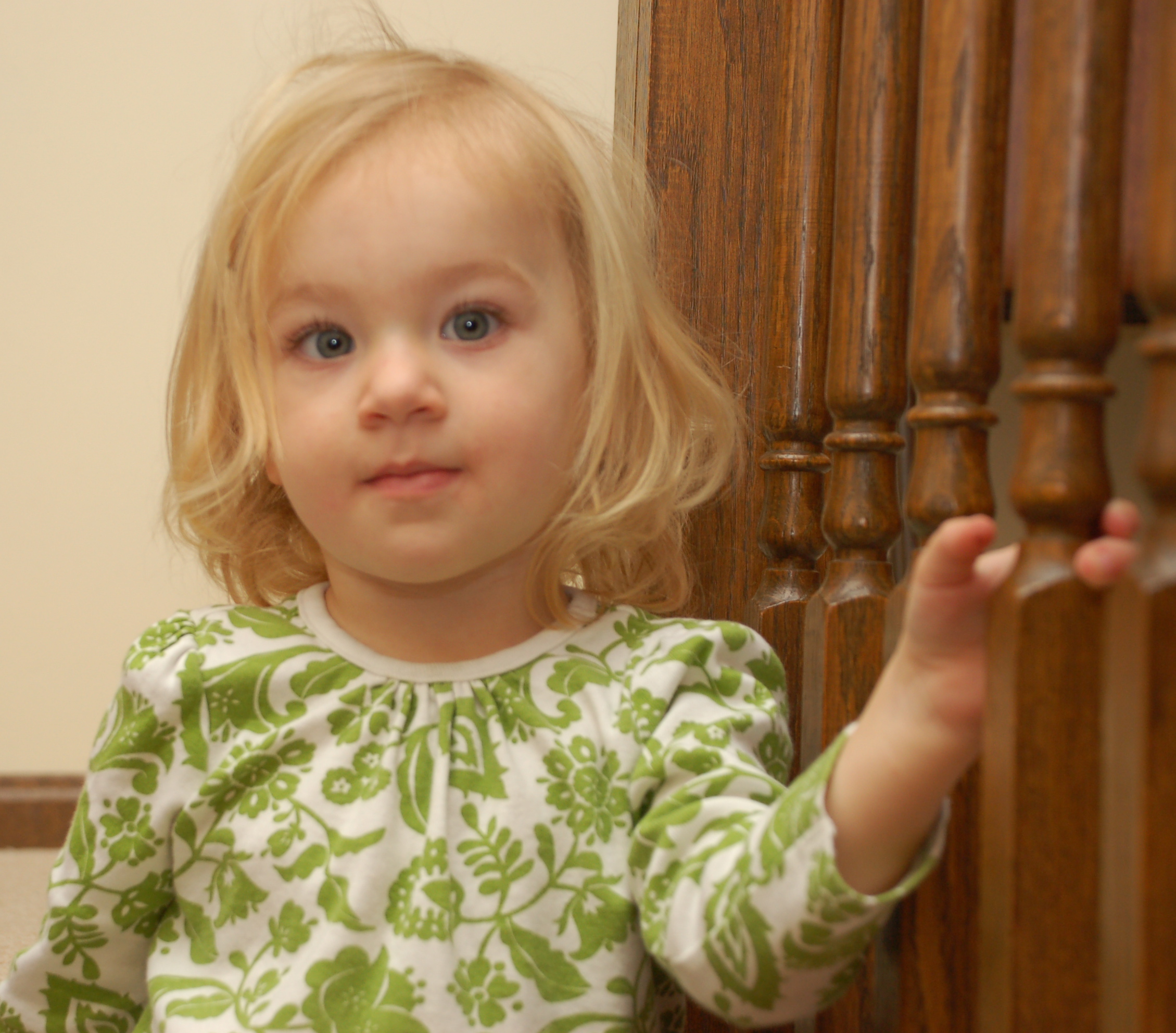
If your granddaughter helps bring in the wood, it’s all the better.

An empty nest is a good thing

By Bruce Stambaugh

We humans can learn a lot from bird behavior.

A pair of Rose Breasted Grosbeaks had frequented a backyard hanging feeder filled with sunflower seeds for much of the summer. Time and again they ferried nourishment to their young somewhere deep in the woods. When they were ready, the young fledged and flew the coop. The nest was empty.

Rose Brested Grosbeak by Bruce Stambaugh
A male Rose Breasted Grosbeak at the oil sunflower feeder.

My wife and I knew early on in our child rearing that the day would come when our daughter and our son would both be gone. They would grow up and begin lives of their own. That’s as it should be.

The main role of parents is to raise your children the best you know how, imperfectly to be sure, and then let them go. They are adults. They can use their own wings to fly through this crazy world of ours.

Still, I have encountered parents who long for the days when their children were younger. They just can’t give them up, even though they are adults. The comments have not only come from newbie nesters, also known as helicopter parents, who hover over their college freshmen. Veteran parents whose “children” left long before our own also seem melancholy.

Empty nest by Bruce Stambaugh
No post about the empty nest would be complete without a picture of an empty nest, in this case a House Wren's nest in an Eastern Bluebird box.

Ideally, the child/parent relationship should go something like this. As infants, the children are totally dependent on the parents. As they grow and mature, they change from children to young adults, responsible for their own actions.

By their late teens, the kids may go off to college, like our children did, or simply leave home to begin life on their own. It is at this critical point in the family relationship cycle that parents need to freely release their offspring.

Unfortunately, given the current extended downturn in the global economy, jobs are harder to come by. The reality for some is that out of financial necessity adult children and sometimes grandchildren have had to move back in with parents and grandparents.

In the 16 years since our nest has been empty, my wife and I have had opportunities to travel without the constraints of busy teenagers’ schedules. More often, we have simply enjoyed our quiet times together. Of course we continue to interact with our grown children and the grandchildren as frequently as we can. But we have also learned to give them their own space.

Flower garden by Bruce Stambaugh
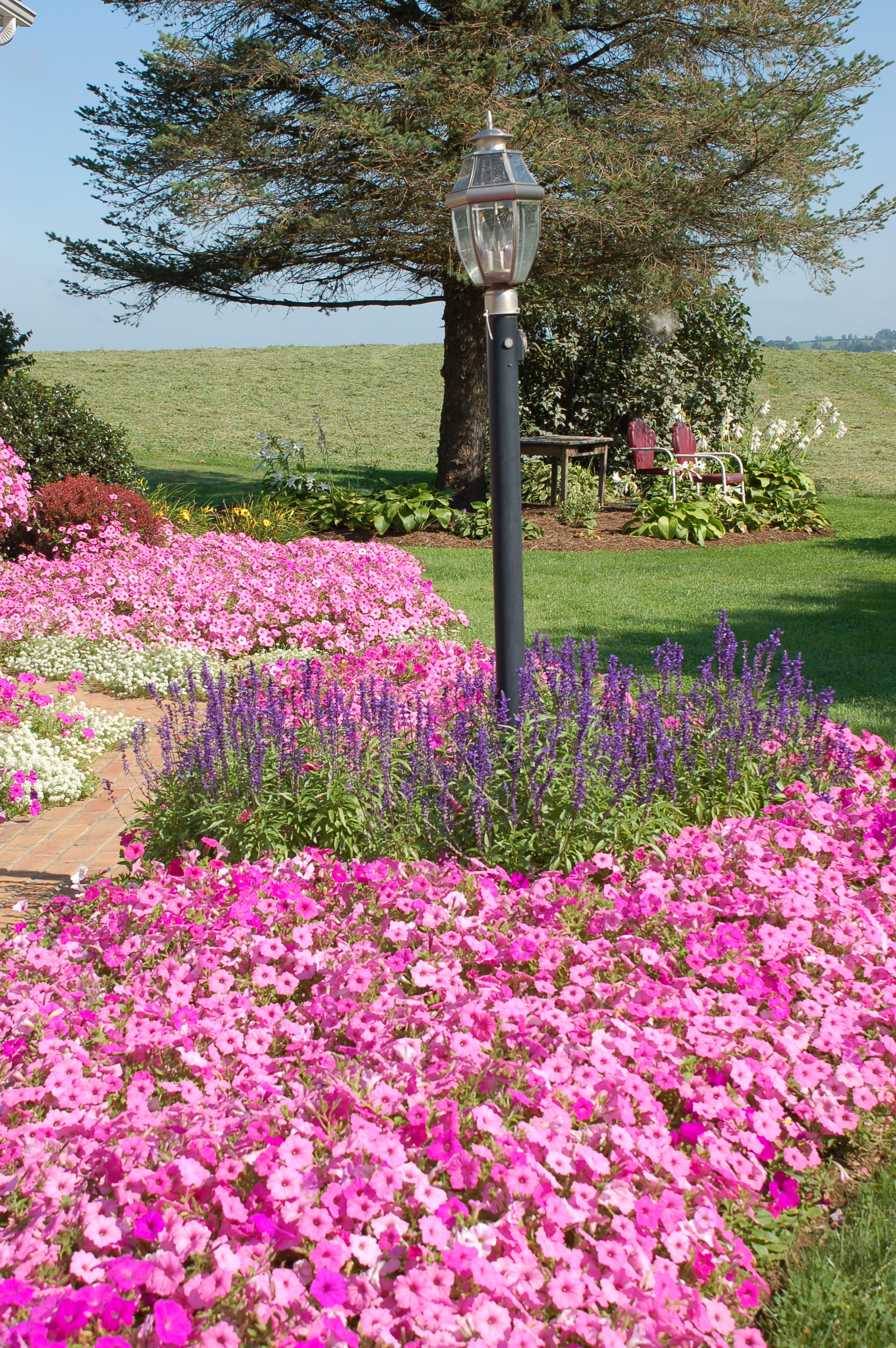
My wife gets many compliments on her beautiful flower gardens.

The empty nest has had another unexpected benefit. My wife and I have also rediscovered one another, and learned to enjoy our own hobbies and interests. Some we do as a couple. Others, like gardening for Neva and birding for me, we enjoy separately. We have gained individually and as partners.

I know humans have a higher calling than birds. Birds at least instinctively know that their role as parents is to sit on those eggs until they hatch, feed the chicks until they fly, teach them how to forage for food and to fear predators. After that, they are generally on their own.

For me, that’s where the comparison tilts to our advantage. We should strive for interdependence with our adult children, keeping in contact with them, always loving and communicating with them, without controlling or smothering them. Achieving that optimum goal can help combat the emptiness of the empty nest.

A healthy, nurtured interdependence between parents and adult children can result in the empty nest being a good thing for all involved, birds included.
Family by Bruce Stambaugh

The lights of September 11, 2001

By Bruce Stambaugh

My memories from September 11, 2001 are bathed in an emotional kaleidoscope of lights that seemed to guide me through that infamous day.
Sun rays by Bruce Stambaugh
The first light broke with the sunrise as I readied for work. I stood awestruck at the beauty that played out before me. The light from the morning sun glinted in bright shafts of beams through and around the leafy branches of the giant black oak tree directly across from our home. A misty ground fog was rising, reflecting and refracting light beams every which way.

The haze had dissipated and the sky turned pure sapphire by the time I reached my workplace. The sun had no competition now. The brightness of the crystal clear day buoyed me.

A lengthy phone call interrupted my regular startup office routine, which included turning on the radio. The caller went on and on, unnecessarily repeating point after point.

The second line on my phone rang. By the time I could rid myself of the windy caller, the other call had already gone into my voice mail.

Soon the little red light on the phone began to blink, the signal that I had a message. It was from our son, who lived and worked in New York City. Despite the passage of time, I can still distinctly hear his words.

“Dad,” Nathan’s message said, “Something has happened at the World Trade Center. We don’t have Internet or TV. Can you tell me what’s going on?”

I hung up and quickly turned on the radio. The first thing I heard was that a plane had crashed into the Pentagon in Washington, D.C. I bolted to the receptionist’s desk to find out what was happening. I was told that a plane had flown into one of the Twin Towers in New York City.

I tried to reach my son at his workplace, which was just south of Times Square. Neither his office phone nor cell phone would ring through. Fear gripped me.

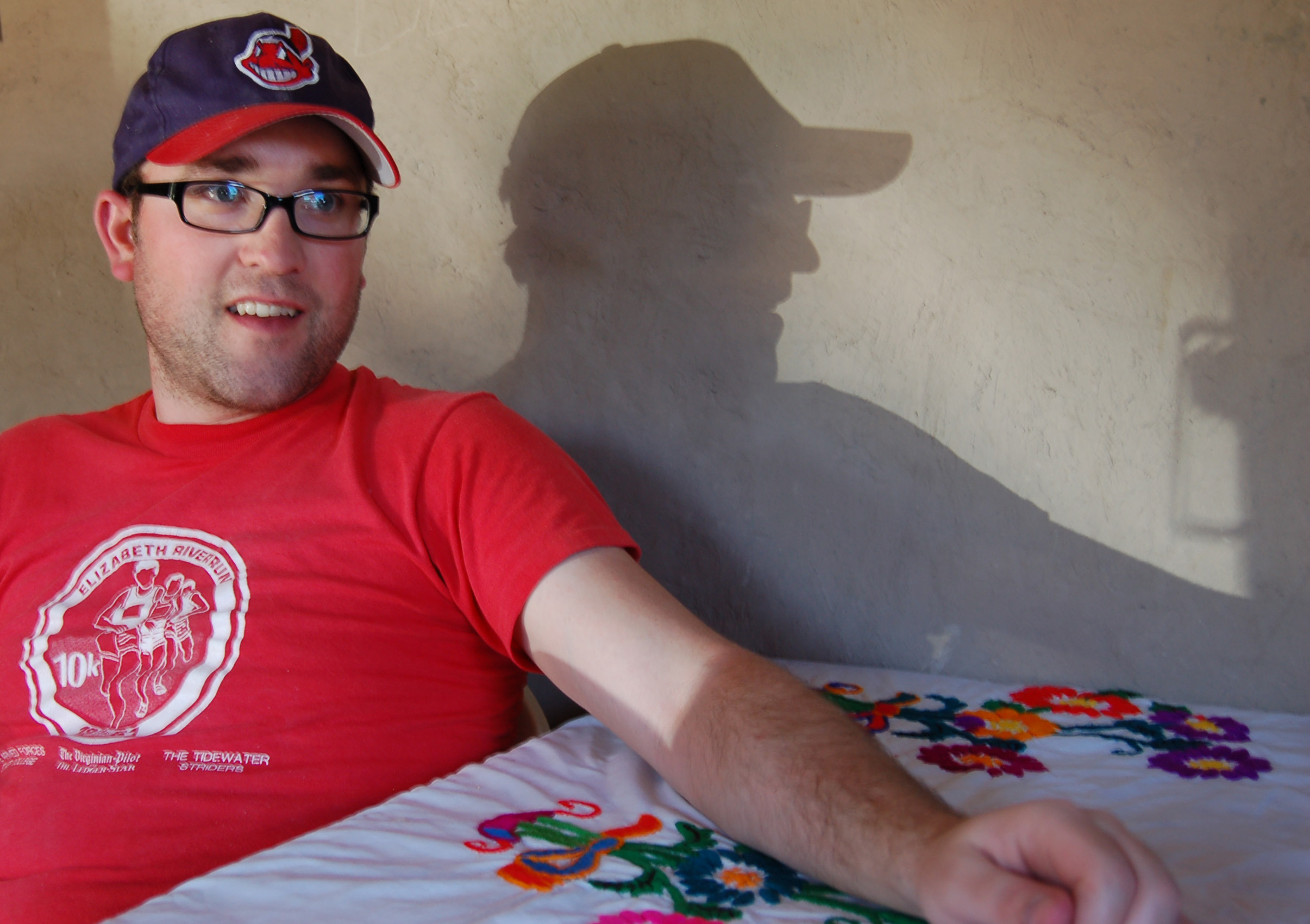
Nathan's shadow by Bruce Stambaugh
Our son, Nathan, during a break while on a work project near San Marcos, Ocotopeque, Honduras

I went to a TV to watch what was happening. By then, the second tower had been hit, and reports were coming in of another plane down in southwestern Pennsylvania.

At 10:45 a.m., I was paged for a phone call. I picked up the line and it was my son.

“Dad,” he said trying to cover his anxiety, “I don’t know how I got a line out to you. I just wanted you to know that I’m OK but that Manhattan is locked down. No one is going in or out.”

Despite our mutual fears, an indescribable light of love connected my son and I through those phone wires. We spoke for about 10 minutes until Nathan said that others wanted to use his phone. By late afternoon we were calmed with the news that our son had safely returned to his apartment.
Holding hands by Bruce Stambaugh
At the end of that incredibly long, exhausting day another light shown. The live TV coverage broadcast a surreal scene. The evening’s sun filtered through the gray, smoldering debris at Ground Zero. A ghostly spire, all that structurally remained of the Twin Towers, reflected and refracted light beams eerily similar to those at the oak that morning. I hoped that some good could come of this horrific international catastrophe.

Now a decade removed, I still cling to that desire, though too many lives have had their own individual lights snuffed out. I long for the light of peace among all peoples, even if it means the need to share that light one person at a time.

“It’s a bird, it’s a plane, it’s a…”

Granddaughter by Bruce Stambaugh

Toddler granddaughter
Spots dihedral overhead,
Points, declares, “Airplane!”

Bruce Stambaugh
August 28, 2011

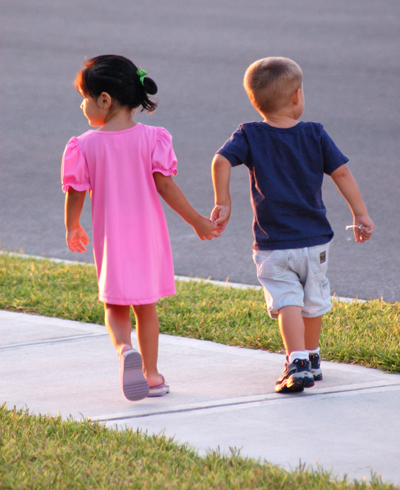
Walking with grandsons

Amish oak shocks by Bruce Stambaugh

“Hold my hand, Poppy.”
The sweetest words ever heard
on my daily stroll.

Bruce Stambaugh
August 19, 2011

A love affair with baseball

Slider with grandsons by Bruce Stambaugh
When Slider, the Indians maskot, hammed it up with our two grandsons, the score of the game became insignificant.

By Bruce Stambaugh

Baseball and I go way back.

I can’t remember exactly when I saw my first major league baseball game. But I do recall attending several as a youngster, often with my family.

I also recollect one of my first Little League games as a player. I was 7 years old, the youngest and smallest kid on the team. The coach put me at second base, possibly thinking that was the safest spot on the field for me. It didn’t work out that way.

Grandsons by Bruce Stambaugh
Our grandsons share my enthusiasm for baseball.

Those were the days when real baseball rules were followed no matter how young you were. The pitcher pitched, not the coach. The batters batted. T-ball was unheard of.

One hallmark of baseball is its pithy clichés. One axiom says put an inexperienced player on the field and “the ball will find him.” Well, it did me that day.

A batter lashed a one hopper right at me. The hardball jumped off the compacted all dirt infield and smashed right into my mouth. I walked to the bench with loose front teeth, bleeding gums, a fat lip and a bruised adolescent ego.

That should have been an omen. As much as I loved the game, I really wasn’t a very good player. Maybe that’s why I focused so much on my favorite team, the Cleveland Indians. I got my baseball fix by dreaming of playing third base for the Tribe.

In those days, before our home had a television, I listened to the games on the radio. I loved the cadence and opinionated passion that Jimmy Dudley, the Indians play-by-play announcer, put into calling the games. Each play came alive in my mind.

In the 1950s, the Indians were consistently good with great, inspiring players. Some made the Baseball Hall of Fame. Paige, Doby, Lemon, Wynn, Feller, Minoso, Score, and Colavito were just some of my idols.

Because we lived 60 miles south of Cleveland, we could only go to a couple of games each year. It was just too far and too expensive.

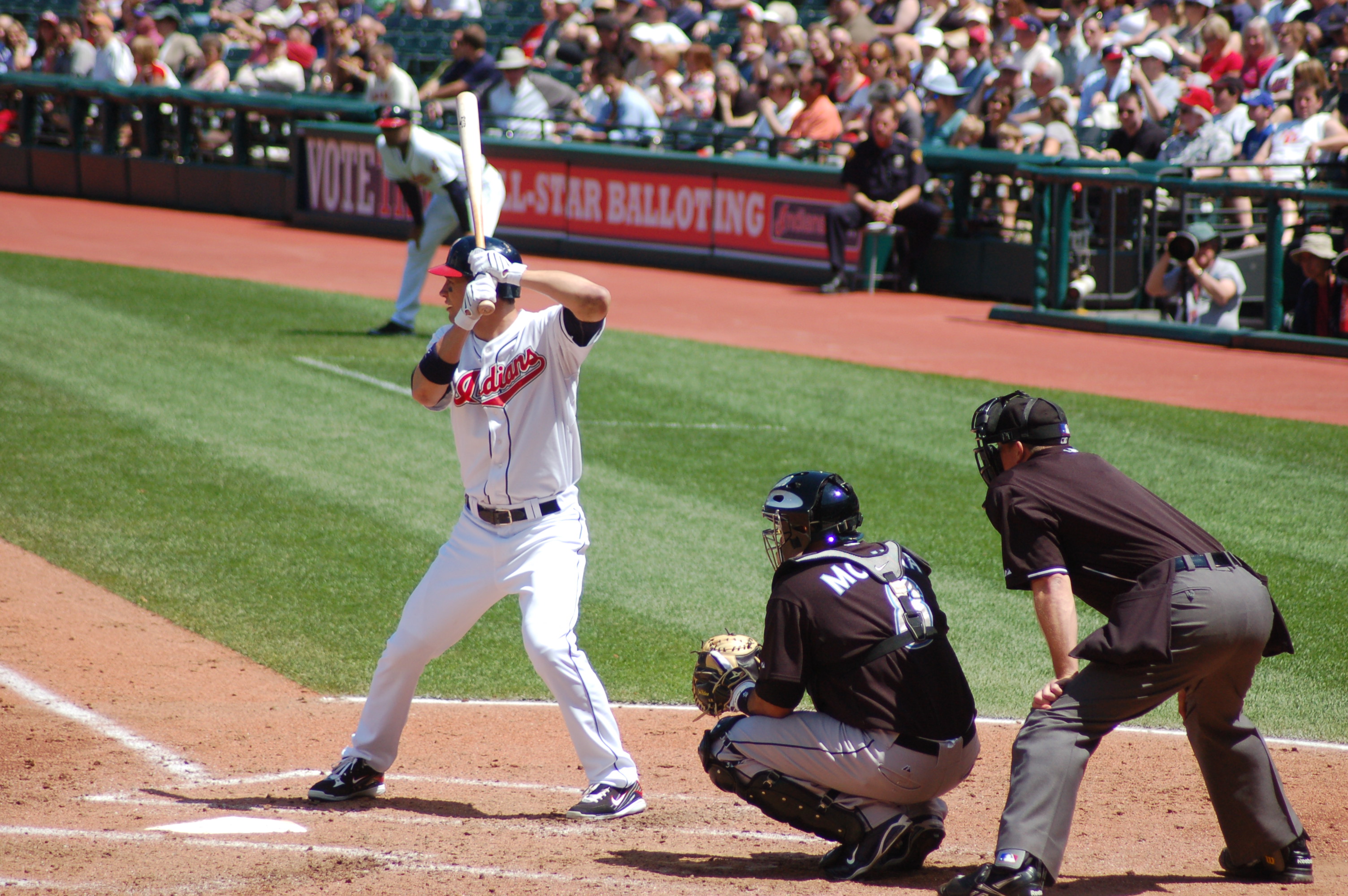
Grady at bat by Bruce Stambaugh
Excellent players like Grady Sizemore continue to be the exception rather than the rule for the Cleveland Indians.

But because he loved baseball, too, Dad made every effort to take us to a game or two when time and cash allowed. To get his money’s worth, we often went to doubleheader games. Dad reveled at seeing two games for one price. Those were the days when doubleheaders were played 20 minutes apart, not as two separately ticketed games like they are today.

You could take coolers and thermoses into the ballpark then, too. We must have been quite the sight with five children in tow carrying a big, red, metal cooler into the stadium. Dad wasn’t about to pay for food and drink when you could take your own.

Just as I was entering my formative years, a life-changing event occurred for the Indians and me. They traded my favorite player, Rocky Colavito, the previous year’s homerun champ, for Harvey Kuenn, the previous year’s batting champ.

The team’s fortunes soured after that. The players’ names changed, too. Tasby, Latman, Mahoney, Phillips, Klimchock and Kirkland were the regulars to root for, although there really wasn’t much to cheer about. The teams often started out well, but usually faded by late summer.

Baseball friends by Bruce Stambaugh
Enjoying a baseball game with friends is always a treat.

I still love our national pastime and attend as many games as I think I can afford. Despite my nostalgic affection for baseball and the cost of ballpark food, I am glad for one 21st century policy. Big red coolers are prohibited.

I am my father’s son

By Bruce Stambaugh

My son has been trying not so subtly to tell me this for a long time. I am my father’s son.

What he means of course is that I act just like my late father did. Out of principle, I deny it of course, or at least I did. I didn’t think I was like my father at all, especially not his bad points.

Stambaugh men by Bruce Stambaugh
My older brother, Craig, our late father, Richard "Dick", and myself at the World War II Memorial in Washington, D.C.

I could clearly see that both my older and younger brothers each had many of Dad’s characteristics. The older is outgoing and antsy. The younger most physically resembles Dad, and is an avid sportsman.

But me be like Dad. No way. Dad wasn’t the best driver. I was once a certified driver education teacher. Dad was consistently late. I like being early. I wasn’t like my father at all, or so I thought.

As I have aged, I have humbly swallowed my pride. I realize that my son is right, although I probably don’t exactly see the resemblances that he sees.

I love some of the same things my late father did: nature, history, geography, travel, sports, antiques, community involvement, a sense of humor, and family. Dad poured his entire being into activities and organizations that revolved around those topics. That was especially true after he retired.

Dad helped found, foster and lead a private sportsmen’s club. He served on a regional planning board for 36 years. I wonder how much Dad’s involvement influenced my own participation in the organizations and institutions with which I affiliated over the years.

Dad’s love of travel took our family on many day trips to art and history museums, parks and other points of interest around the state. We got to know Ohio well.

That desire to explore and learn rubbed off onto me. My wife and I traveled with our two children, and like my own youthful experiences, many of our jaunts were day trips throughout the Buckeye State.

Dad wasn’t afraid to venture beyond Ohio’s boundaries either. He would travel with our mother when she attended out of state art classes. While Mom painted, Dad scoured field after field for Native America artifacts, one of his favorite pastimes.

In the evening, when it was time to share what each artist had accomplished, Dad was invited to show what he had found. Of course, he had to expound on the exact type of artifact, how it was used, and made. Dad knew a lot, much of it self-taught.

Storm clouds by Bruce Stambaugh
The backside of a severe thunderstorm.

My special hobby is the weather, especially extreme weather. I enjoy watching storms, and telling others about them. When people’s eyes start to glaze over, I realize it’s time to quit. That never bothered my father, however.

Dad taught me the value of preserving the old things, especially if the items happened to have been in the family. He and Mom gave my wife and I several well worn but personally valuable antique pieces that go back three family generations.

Dad’s handwriting was hardly legible. Mine is worse. Dad often mispronounced words. He always exchanged a “l’ for the “n” in chimney. When I catch myself garbling words, or more likely, when my son catches me doing that, my thoughts happily connect to Dad.

There it is. I gladly acknowledge that for better or for worse, I am my father’s son. I wonder if my son realizes he is, too.

Siblings by Bruce Stambaugh
The Stambaughs, Craig, Claudia Yarnell, Jim, Elaine Barkan, our mother Marian, and me.

My mom, beautiful in so many ways

By Bruce Stambaugh

My four siblings and I were very fortunate to have the mother we did growing up.

The two decades that followed World War II were some of the most eventful yet tumultuous of the 20th century. However, I don’t remember feeling afraid in our modest household. I think Mom helped us stay focused on the positive aspects of life.

Mom, along with Dad, trusted us. Yes, we had rules, but they weren’t suffocating to us energetic, adventuresome youth. They just kept us connected and safe. We were taught to be polite, seek justice fairly, and to always be honest.

Marian Stambaugh by Bruce Stambaugh
Marian Stambaugh

As was the custom in that era, Dad was the breadwinner and Mom the housewife. Right or wrong, few seemed to question that model until my teenage years. It was just the way it was. I think I found a certain comfort in that daily arrangement.

Mom didn’t smother us, but we saw and sensed her love in how she handled every situation. Besides doing all of the housework, and there was a lot of it with five children and a working husband, Mom somehow managed time for each one of us.

She was there to mend both our scrapes and our clothes. We weren’t rich by any stretch of the imagination. Mom somehow made do with the meager salary Dad earned.

Busy as she was, Mom would always take time to interact with us personally as much as she could. Once, when no other kids were around, I asked Mom to play pitch and catch with me. She dropped what she was doing, found a glove and threw the ball back and forth with me for several minutes in the summer sun. And Mom didn’t throw like a girl either.

When we were ill, Mom was there to comfort us. When we were bad, she knew how to discipline justly and accordingly. I will confess that I always enjoyed watching my brothers and sisters getting the what for. I never did of course.

As a teenager, I felt my relationship with my mother growing stronger, better, yet different. Mom and I would regularly engage in protracted conversations covering a wide range of topics, including stories from her past that I had never heard before. Those were precious moments indeed.

Mom was as wise as she was talented and beautiful. She was smart enough to give us the space and freedom we each needed to find our own way in the world.

Mom was more than a mother and a wife, however. She had a life, too. She learned to drive at age 40.

Mom bowled with her sisters and mother. She was an accomplished artist. Even though she won awards and sold many of her watercolors, Mom seldom was satisfied with her vibrant renderings. I must have gotten my modesty from Mom.

Watercolor by Bruce Stambaugh
One of the many watercolor landscapes painted by Marian Stambaugh

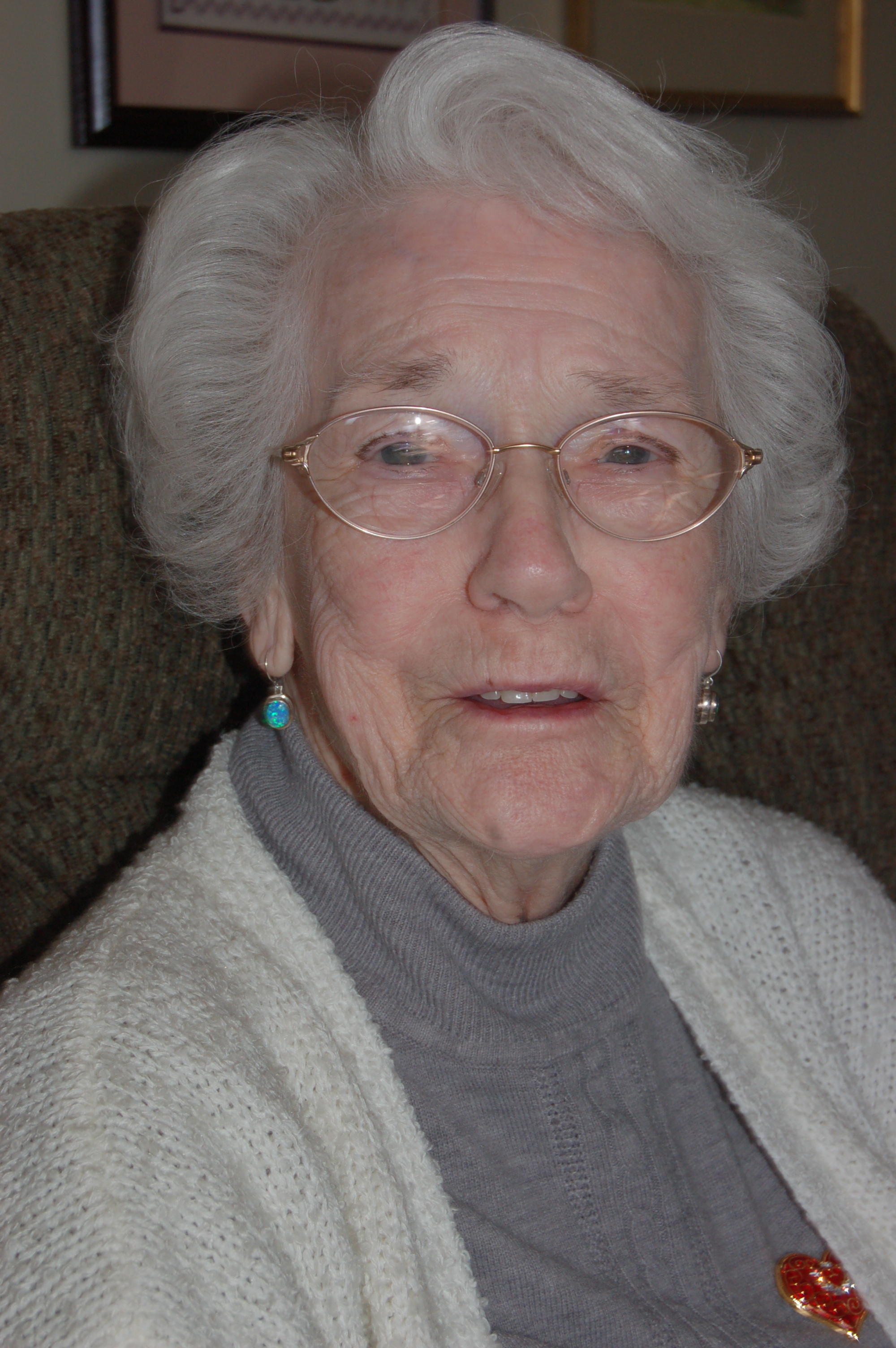
Those snippets of memories can’t compare though to the love my siblings and I still have for her today. Out of necessity, Mom, who will soon be 90, is now the one receiving kindly care.

She is happy. She is still friendly and polite. And I wish I had a dollar for every time I have heard others remark about how beautiful a woman she is. She always was, and still is.

The five of us siblings were fortunate to have such a wonderful mother to guide and nurture us. Today we are fortunate to still be able to thank Mom for the many forms of beauty she modeled for us all.

Christmas isn’t about hustle and bustle

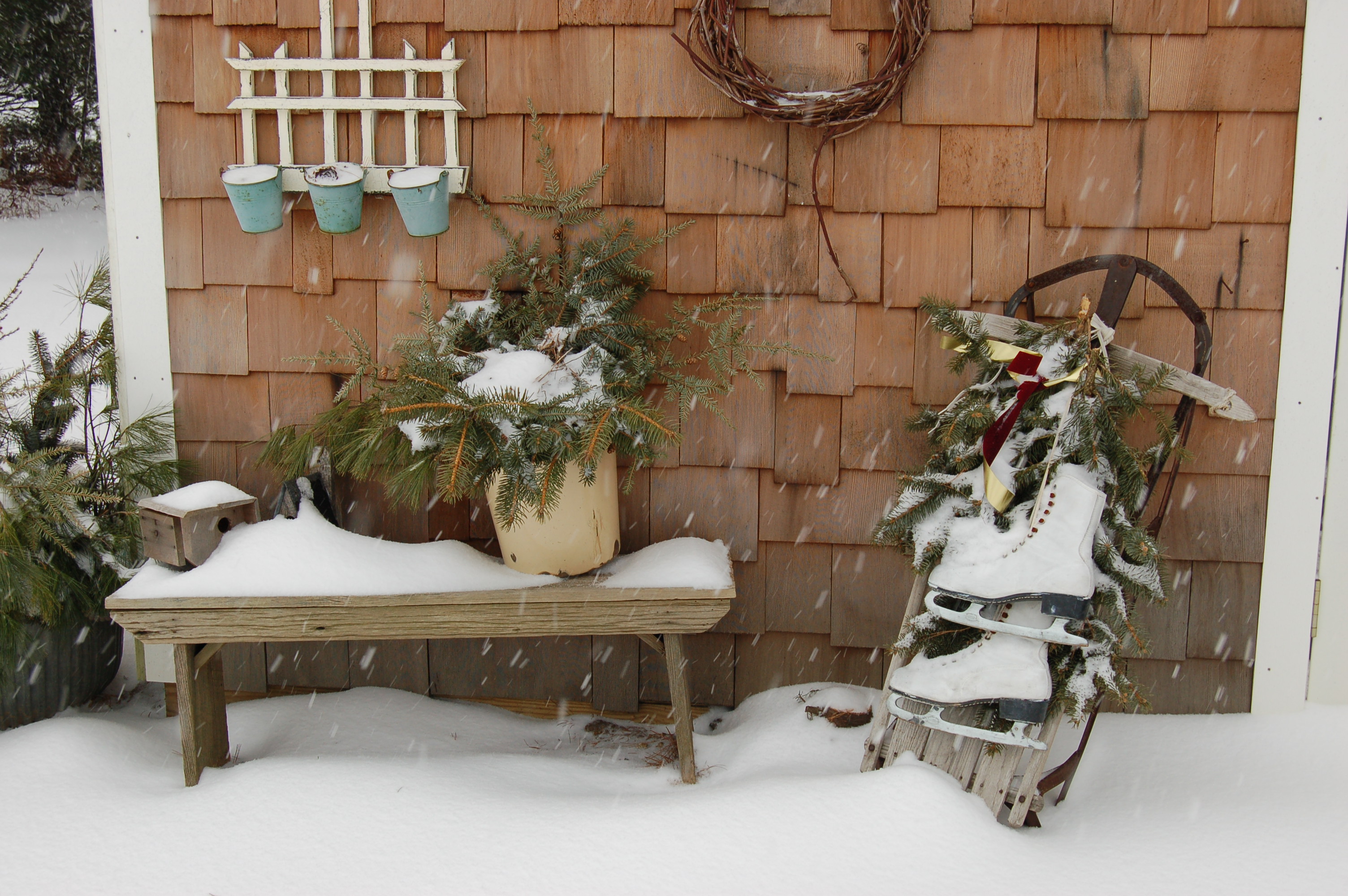
Snowy decorations by Bruce Stambaugh
Snowy decorations always add to the Christmas celebrations.

By Bruce Stambaugh

I don’t watch much television. But what little I do, I can’t help but notice how the torrent of holiday-oriented commercials focuses on the urgency of buying something really nice for that special someone in your life.

Celebrating Christmas in our advanced society seems distorted. A brand new car wrapped with a huge red ribbon and bow sitting in the driveway, a sparkling diamond ring and a gold necklace cannot supersede the original gifts of the Magi.

Eager for customers, the ads have managed to push their way to the forefront of the holiday season much too early. Growing up, the countdown to Christmas started the day after Thanksgiving, now known as Black Friday. Today, it seems to start the day after Labor Day.

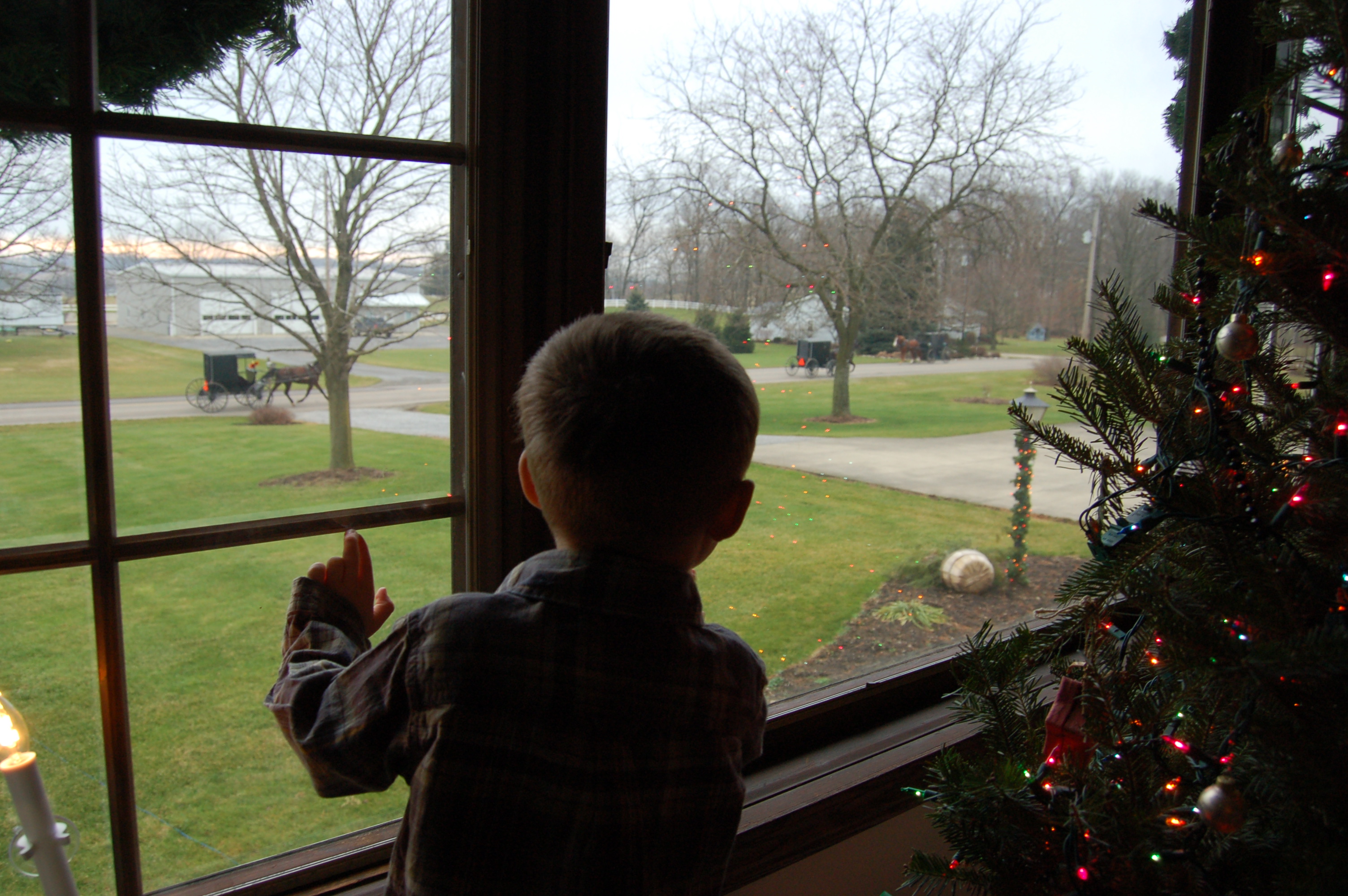
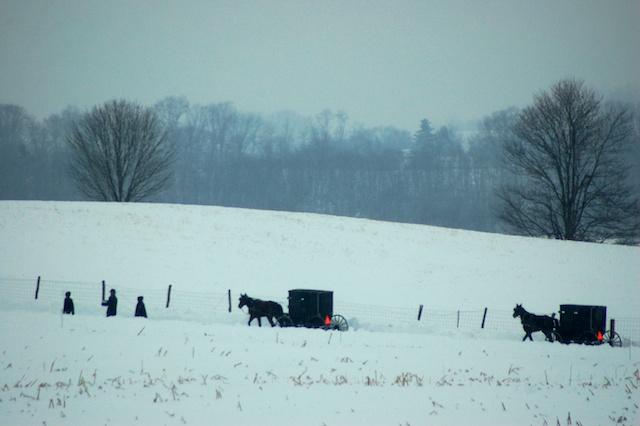
Watching for buggies on Christmas Day by Bruce Stambaugh
Watching for buggies on Christmas Day.

Even here in the heart of Ohio’s Amish country, we feel the hustle and bustle of the season. Without admitting it, we might even add to it. It’s always easier to see the fault of others than your own.

Wreath on frosty window by Bruce Stambaugh
A frosty holiday decoration.

I don’t want to be negative about Christmas. It’s my favorite holiday of the year.

I just think that given all the commercialization of Christmas, we need a different approach. As I reflect on the historical account of the Advent season that I learned early in life, it seems more and more obvious to me that Christmas really is more about patience than it is presents.

I have many fond childhood memories of readying for Christmas, and the excited anticipation of Christmas morning. My brothers and sisters and I couldn’t wait to raid the pretty packages strewn beneath the tree on Christmas morning. That scene was not the model of patience.

Mom and Dad had stayed up late assembling and wrapping the gifts for us kids. We always pushed our luck at getting up before the crack of dawn to undo what it had taken Santa and our folks hours to prepare.

But what a happy morning it was, with the excitement of surprise with every unwrapping. Those days were simple compared to what passes as season’s greetings today. I find the entire holiday hubbub of shopping, buying and spending exhausting.

Opening gifts by Bruce Stambaugh
Exchanging gifts at Christmas is part of the family tradition.

I long for the true peace and quiet of Christmas, with the family gathered, the fireplace blazing, the tree’s lights sparkling. Of course, we maintain the gift-giving tradition. We have just toned it down so that reason rules. We want the gifts to represent personal quality instead of absurd quantity.

The stockings hang by the chimney with care. They are filled on Christmas Eve, and emptied on Christmas morn. Just like when I was a child, an orange will be the last to tumble out of each.

The grandkids will watch The Polar Express over and over until the DVR wears out. We’ll play games, eat, and bask in the glow of the moment and the season.

Decorating the tree by Bruce Stambaugh
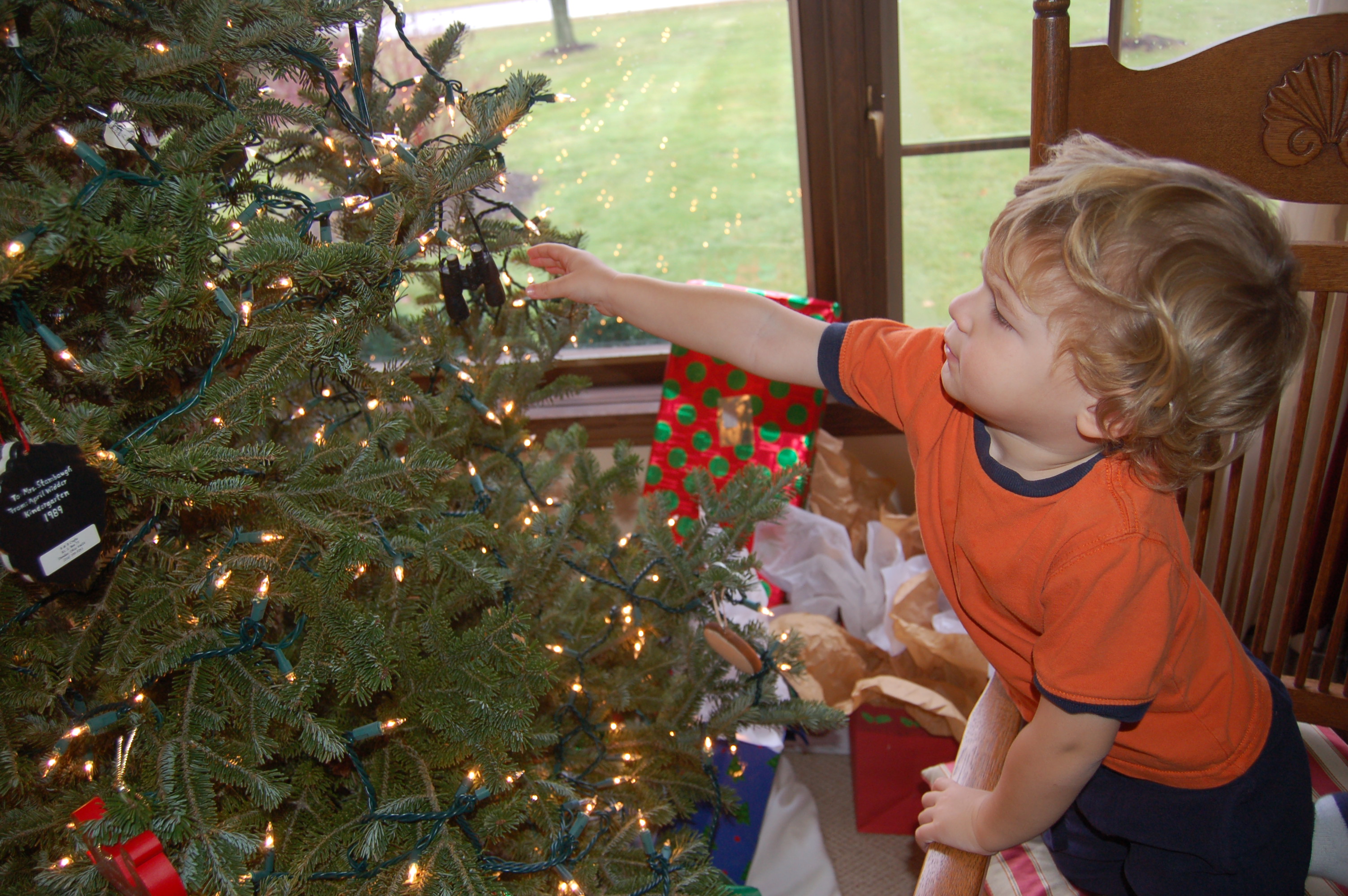
The grandchildren enjoy helping to decorate the Christmas tree.

Our modern society may rush the Advent season and judge it by its economic success. But as for me and my family, we will enjoy each others company, joyously share our humble appreciation and rejoice that it is Christmas once again.

Those are Christmas gifts worth waiting for.

How Amish celebrate the holidays

Amish church by Bruce Stambaugh
Amish on their way to church near Mt. Hope, Ohio. Church was held in a member's home.

By Bruce Stambaugh

The Amish enjoy celebrating the holidays just as much as anyone else. They simply go about it a bit differently.

Defining how the Amish celebrate America’s most time-honored holidays deserves an introductory explanation. The Amish are divided into church groups, usually about 100 persons per church. And by church, they mean fellowship, since they hold church in their homes, shops or barns.

There are actually many different types or orders of Amish. The Swartzentruber Amish are considered to be the lowest order, with the New Order Amish the highest, since they hold Sunday school on the alternate worship Sundays.

Using the terms “lowest” and “highest” is not intended to be derogatory or even hierarchical. It simply is the way it is with the Amish. Those in between are the Old Order, by far the most numerous in among the Amish population. The orders are simply determined by rules of the church leaders.

Clearly, defining the Amish is a lot harder than their simple lifestyles might let on. Nevertheless, they all celebrate the holidays one way or another.

The key to understanding how the Amish do so lies in this understanding. You can’t generalize about the Amish. Their holiday traditions and rituals vary from family to family, church-to-church and sect-to-sect, not much different that any other culture or ethnic group.

Modesty is a major principle in the values of the Amish. That fact can be seen in exactly how the Amish keep the holidays. In living out their faith beliefs, they do so joyously surrounded by food, family and friends.

Here then is an overview of how any given Amish family, save those in the Swartzentruber order, might celebrate the holidays.

Thanksgiving

Most Amish take advantage of this national holiday just the way the rest of the country would. They gather with family, extended family and friends and enjoy turkey, mashed potatoes and gravy, cranberry sauce, a vegetable and of course dessert, usually homemade pie.

However, instead of breakfast, many of the Amish fast prior to the large noon meal. Fasting is a physical sign of purification in preparation for the celebration.

The lower order Amish, however, have a different take on Thanksgiving. They see it as an opportunity to prepare for the winter months ahead. For them, Thanksgiving is the big hog-butchering day. They’ll save their substantial meal for another later.

Christmas

From the Amish perspective, anyone not Amish is considered “English.” The Amish recognize and respect the “English” demarcation of Christmas on December 25. For them, Christmas is a sacred day in honor of the birth of God’s only son, Jesus Christ. And here again, many, though not all, will fast prior to their family gathering.

Amish actually celebrate Christmas twice, once on the standard date of December 25, and again on January 6, commonly referred to as Old Christmas. In higher religions, that day is known as Epiphany.

Unlike the rest of society that celebrates Christmas, the Amish do not have Christmas trees or decorations. They will, however, burn Christmas candles in honor of the day.

After the usual Christmas meal of turkey or ham and all the trimmings, the Amish will spend the afternoon and evening away playing table games, board games and cards. None of the card games would involve using face cards.

Of course, it wouldn’t be Christmas without gifts and the Amish carry out this tradition of gift giving as well. The gifts will be wrapped, but usually nothing elaborate. Children will receive toys.

Since not all of Amish Country is Amish, the usual holiday decorations and activities occur like in the rest of Christendom. Millersburg, the Holmes County, Ohio seat,  holds a Christmas parade, Santa included, and on December 10 will initiate its first candlelight church walk from 6 to 8 p.m.

Berlin, Ohio, the hub of Amish Country, has a luminary ceremony. Even little Mt. Hope, where mostly Amish live, has a Christmas parade and a live nativity scene. Santa, however, is nowhere to be found.

Old Christmas

Old Christmas harkens back to the change from the Julian calendar to the Gregorian calendar during the latter stages of the Reformation when Pope Gregory XIII switched Christmas to December 25. Out of tradition and reverence for their forefathers, the Amish have continued to honor Christ’s birth on January 6.

Unlike the more jovial December 25 celebrations, Old Christmas is more solemn. It begins with fasting, followed by another typical Christmas meal and some more gift giving. However, the emphasis is on reflecting and visiting as apposed to reveling.

No matter which holiday is being celebrated, family is always an important element in any get-together for the Amish. And that is true for any Amish order.

Bay Photos by Donna

Wildlife photos from the Chesapeake Bay region

ROAD TO NARA

Culture and Communities at the Heart Of India

K Hertzler Art

Artist and nature journalist in the Shenandoah Valley of Virginia.

Maria Vincent Robinson

Photographer Of Life and moments

Gabriele Romano

Personal Blog

Jennifer Murch

Art is the only way to run away without leaving home. -Twyla Tharp

Roadkill Crossing

Writing generated from the rural life

ANJOLI ROY

writer. teacher. podcast cohost.

Casa Alterna

El amor cruza fronteras / Love crosses borders