
Beside oat soldiers
squads of geese, ducks and shorebirds
glean the marshy field.
Bruce Stambaugh
August 16, 2011
Beside oat soldiers
squads of geese, ducks and shorebirds
glean the marshy field.
Bruce Stambaugh
August 16, 2011
By Bruce Stambaugh
If anyone ever wanted a snapshot of what defines this community, the beehive of activity in the aftermath of the storm that recently hit the Charm, Ohio area would perfectly frame that picture.
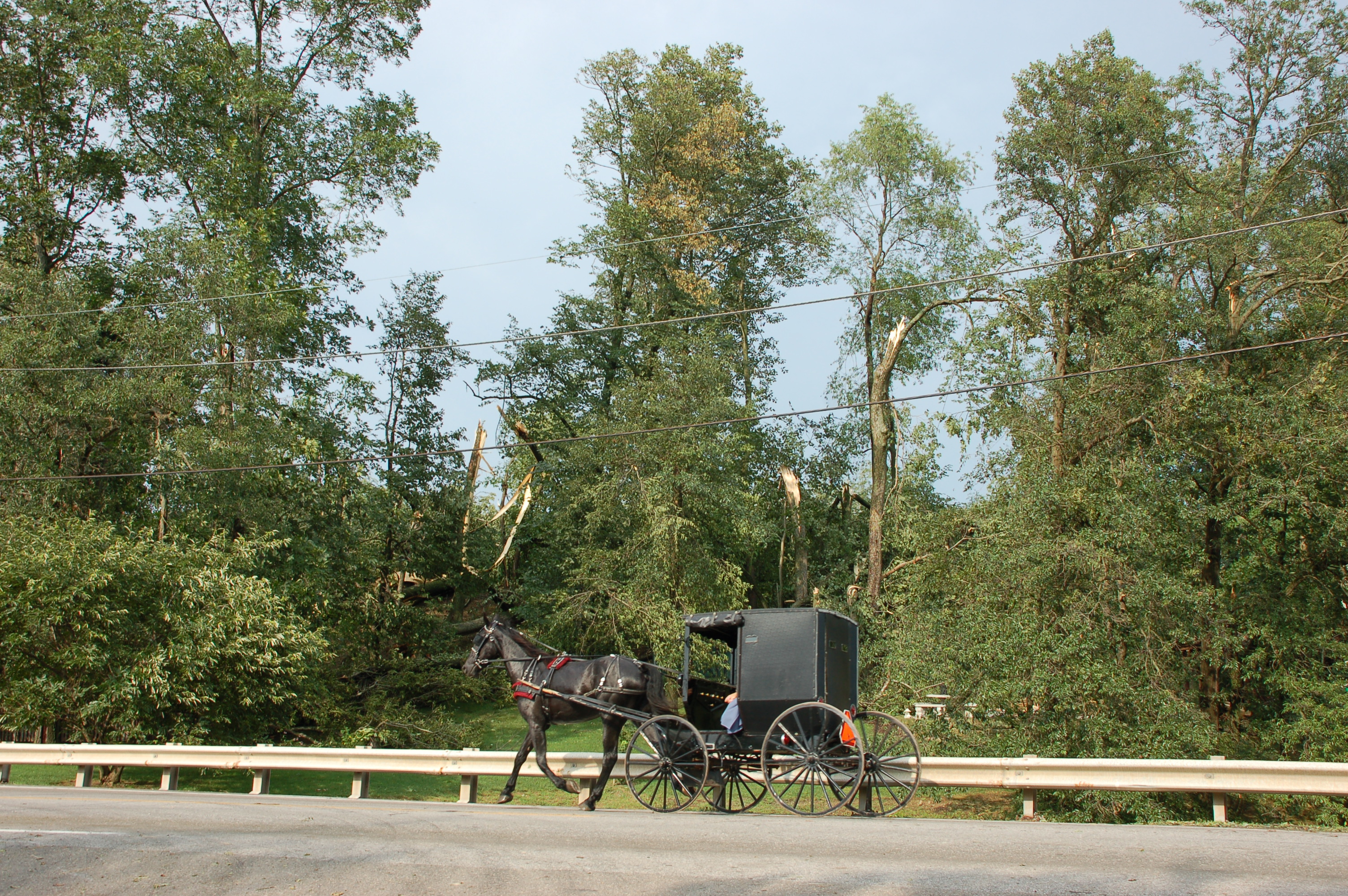
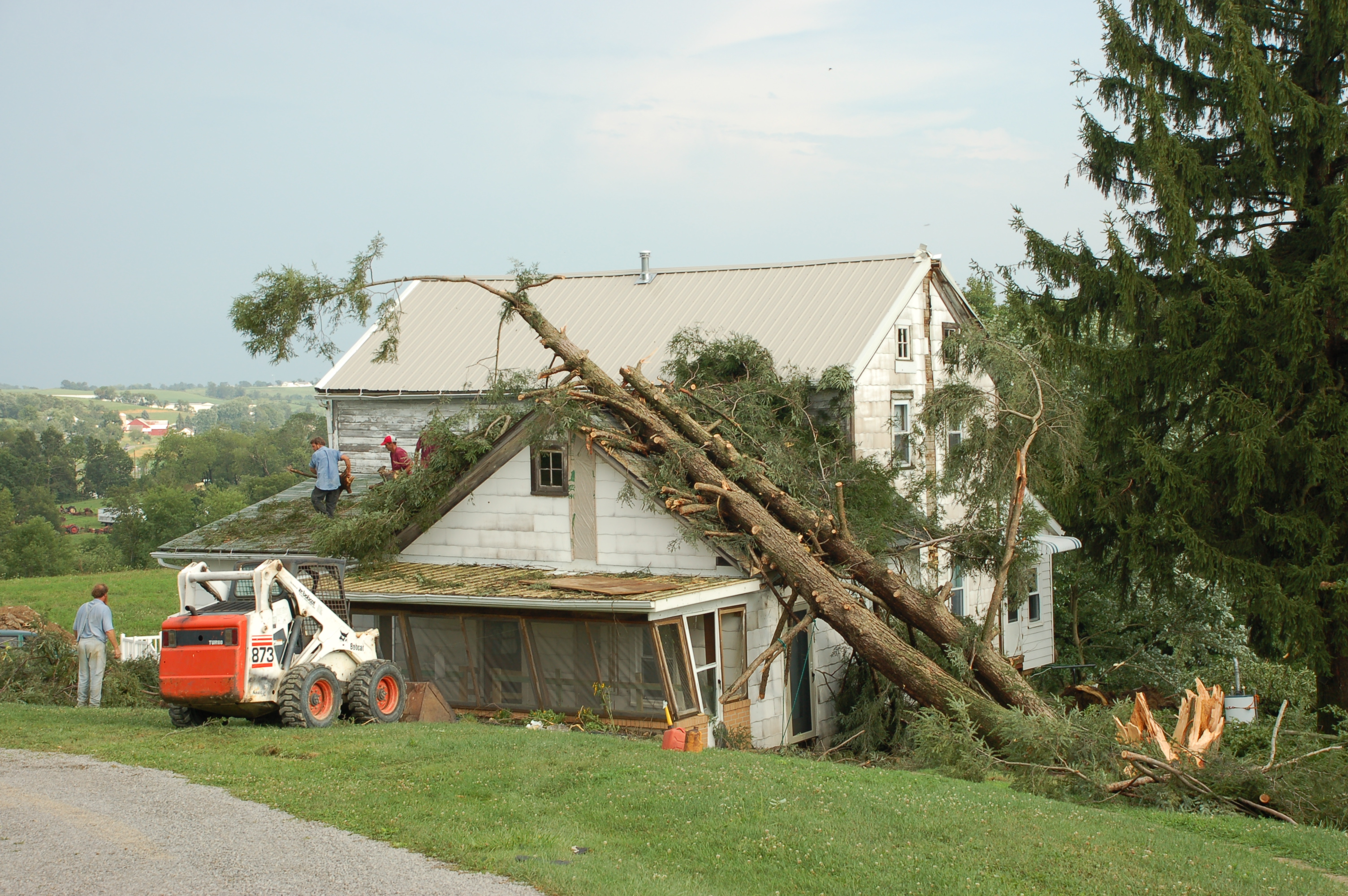
No sooner had the trees plummeted onto homes, buildings and roadways, than residents were out and about checking on one another. With the good fortune of finding no injuries, the cleanup began in earnest.

Four-wheelers, tractors, Bobcats, track hoes, and even monster skid loaders ran up and down skinny township roads. Their drivers and passengers stopped to assist wherever help was needed.
A man driving through the area just happened to have his chain saw in his pickup. With trees in his way, he did the logical thing. He cranked up his chain saw and began cutting. Drivers of a trio of semitrailers lined up behind him exited their cabs and joined in. He sawed. They pulled the limbs aside.
That proactive scenario was repeated a multitude of times throughout the Charm area. The volunteers weren’t asked to do this important work. They simply did so because it needed to be done, and they had the tools and the talent to do it. More than that, the desire to assist their neighbors in need drove them into action.
This was no time to feel sorry for yourself. Those receiving the aid worked side-by-side with the volunteers.
The response to this latest calamity in Holmes County was immediate and spontaneous, as it always seems to be no matter where the misfortune happens. Whether it’s a fire, devastating illness, serious flood or a severe thunderstorm, citizens come to the aid of others. Time and again people automatically go above and beyond the call of duty.
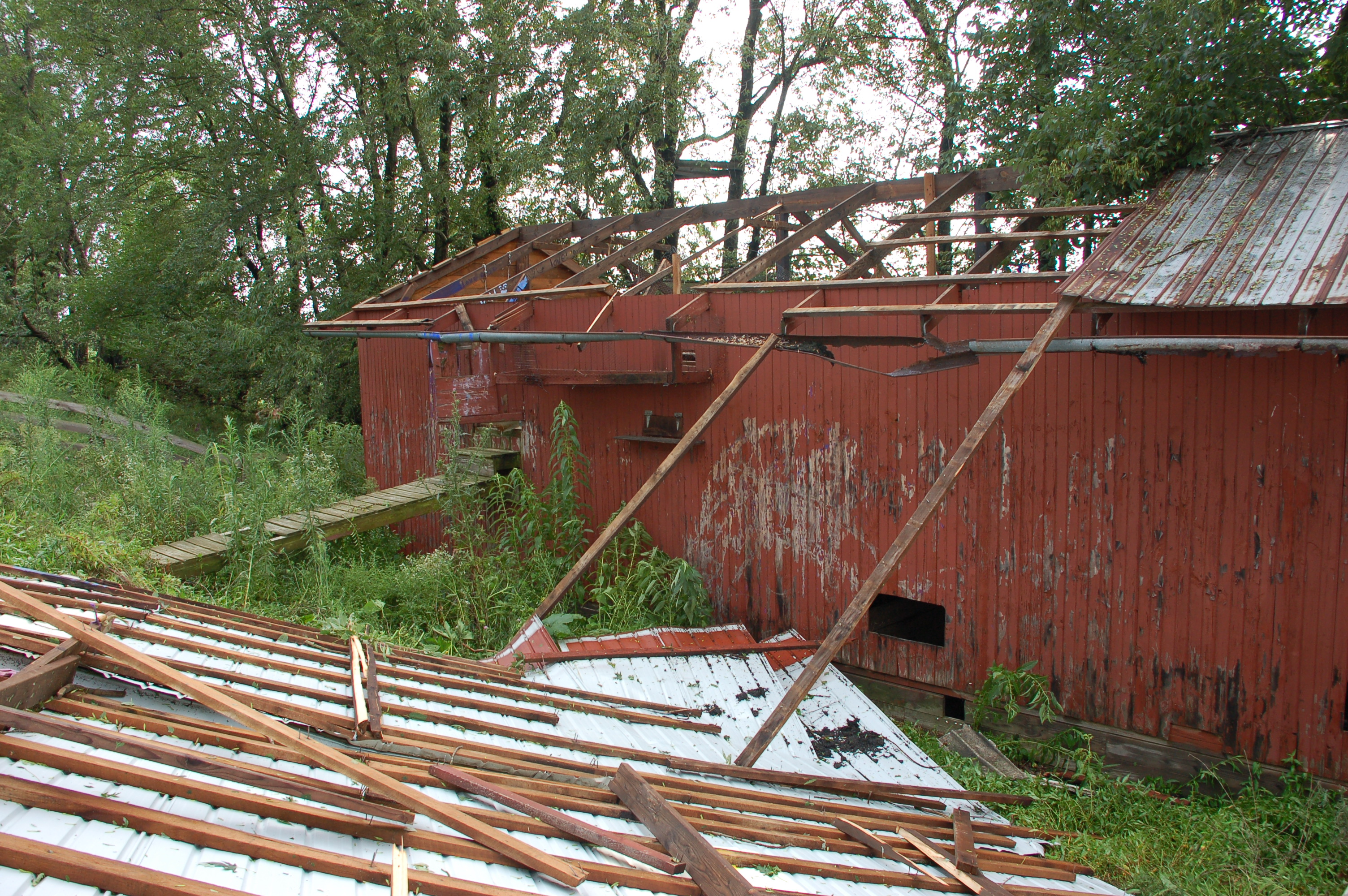
My wife and I got caught up in the flurry of activity in Charm. We went to check on the property of friends who live near Charm but were on vacation. The 80 mph microburst winds ripped the roof off their small barn and scattered anything not nailed down for hundreds of yards.
What we witnessed as we made our way to and from the farmstead was truly amazing, though not unexpected. In disasters like this, citizens in Holmes County by and large do the right thing. No police supervision was needed.

An hour and a half after the storm, roadways had been cleared of giant trees and other debris strewn by the incredible hurricane-force, straight-line winds. Houses, too, were already being repaired.
Everywhere we went people and machines were working to clean up the mess. They didn’t call the fire department. They didn’t wait on road crews, though at least one township had its personnel out clearing roads.
People saw the needs, and their inherent work ethic simply kicked in. The cleanup was on. Strangers helped strangers. Friends helped friends. It was a marvelous operation to observe and be a part of.
One particular setting ideally modeled both the community spirit and gracious gratitude. Hands that had cut up a large severed pine gathered around a picnic table. Grateful hands placed offerings of nourishing food for the thoughtful helpers. Together they shared a simple meal. Kindness is contagious.
By any definition, that is how a community is supposed to work and commune. That scene has been duplicated many times in the past, and most likely will be again in any future adversity that hits our rural haven.

By Bruce Stambaugh
Baseball and I go way back.
I can’t remember exactly when I saw my first major league baseball game. But I do recall attending several as a youngster, often with my family.
I also recollect one of my first Little League games as a player. I was 7 years old, the youngest and smallest kid on the team. The coach put me at second base, possibly thinking that was the safest spot on the field for me. It didn’t work out that way.

Those were the days when real baseball rules were followed no matter how young you were. The pitcher pitched, not the coach. The batters batted. T-ball was unheard of.
One hallmark of baseball is its pithy clichés. One axiom says put an inexperienced player on the field and “the ball will find him.” Well, it did me that day.
A batter lashed a one hopper right at me. The hardball jumped off the compacted all dirt infield and smashed right into my mouth. I walked to the bench with loose front teeth, bleeding gums, a fat lip and a bruised adolescent ego.
That should have been an omen. As much as I loved the game, I really wasn’t a very good player. Maybe that’s why I focused so much on my favorite team, the Cleveland Indians. I got my baseball fix by dreaming of playing third base for the Tribe.
In those days, before our home had a television, I listened to the games on the radio. I loved the cadence and opinionated passion that Jimmy Dudley, the Indians play-by-play announcer, put into calling the games. Each play came alive in my mind.
In the 1950s, the Indians were consistently good with great, inspiring players. Some made the Baseball Hall of Fame. Paige, Doby, Lemon, Wynn, Feller, Minoso, Score, and Colavito were just some of my idols.
Because we lived 60 miles south of Cleveland, we could only go to a couple of games each year. It was just too far and too expensive.

But because he loved baseball, too, Dad made every effort to take us to a game or two when time and cash allowed. To get his money’s worth, we often went to doubleheader games. Dad reveled at seeing two games for one price. Those were the days when doubleheaders were played 20 minutes apart, not as two separately ticketed games like they are today.
You could take coolers and thermoses into the ballpark then, too. We must have been quite the sight with five children in tow carrying a big, red, metal cooler into the stadium. Dad wasn’t about to pay for food and drink when you could take your own.
Just as I was entering my formative years, a life-changing event occurred for the Indians and me. They traded my favorite player, Rocky Colavito, the previous year’s homerun champ, for Harvey Kuenn, the previous year’s batting champ.
The team’s fortunes soured after that. The players’ names changed, too. Tasby, Latman, Mahoney, Phillips, Klimchock and Kirkland were the regulars to root for, although there really wasn’t much to cheer about. The teams often started out well, but usually faded by late summer.

I still love our national pastime and attend as many games as I think I can afford. Despite my nostalgic affection for baseball and the cost of ballpark food, I am glad for one 21st century policy. Big red coolers are prohibited.
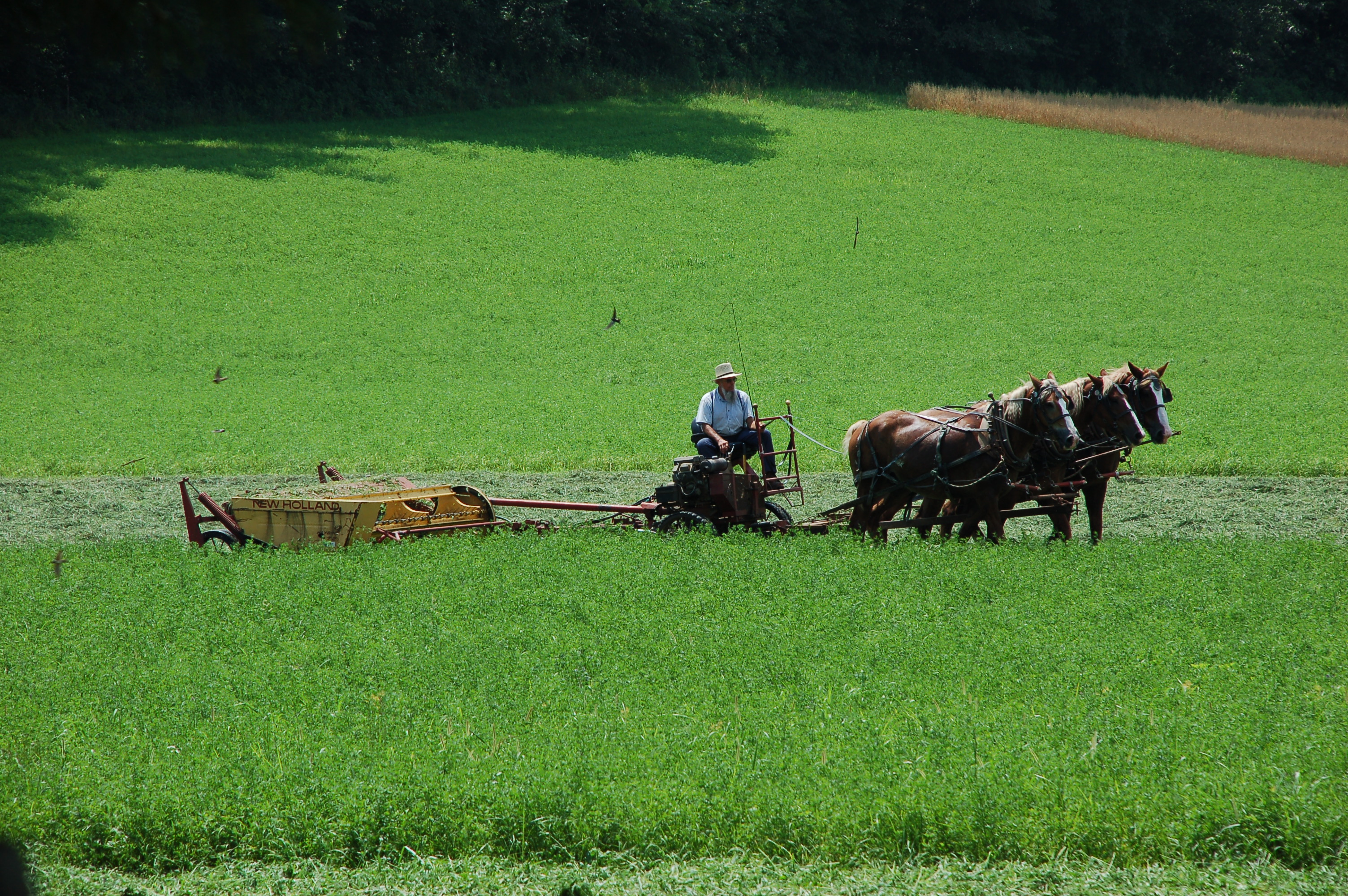
Swallows encircle
the farmer and his mower,
a whirling harvest.
Bruce Stambaugh
July 30, 2011
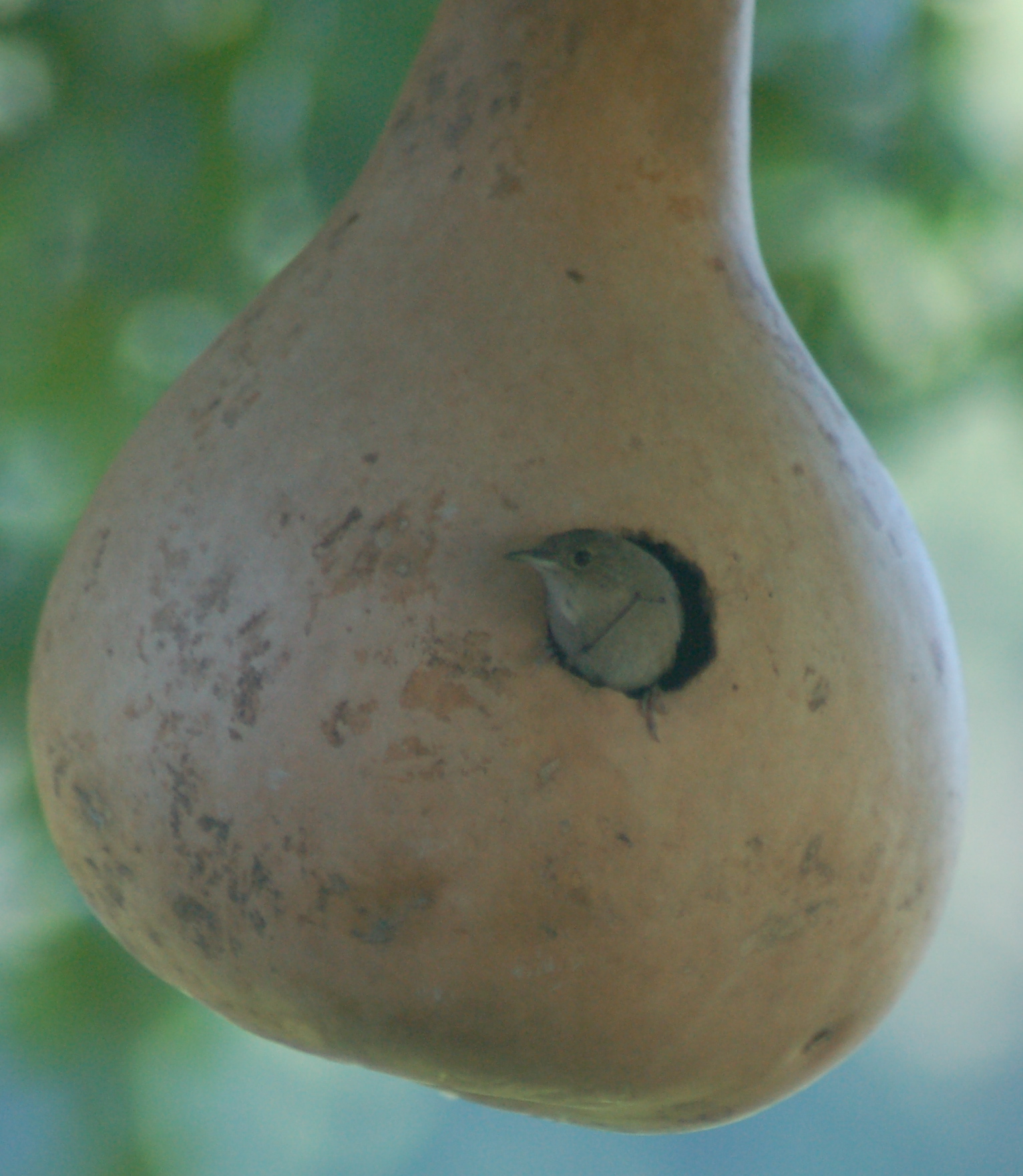
Warbling mother wren,
fledglings rattle from gourd house.
Satisfaction reigns.
Bruce Stambaugh
July 29, 2011

By Bruce Stambaugh
I have never written an interactive column or blog until now.
With the onslaught of the recent blast of extreme hot and humid weather that affected the country from The Great Plains states to the Outer Banks to Maine’s rocky coast, I heard and saw a lot of comments about the heat.
Some can’t and shouldn’t be repeated, much less printed. I took the prudent approach and attributed the more lewd orneriness to heat stroke.
Here are a few of the ones that can be shared. It was hotter than a firecracker on the Fourth of July. It was hotter than a pistol. It was hotter than two goats in a pepper patch. It was hotter than a cat on a tin roof. Not the most imaginative offerings I know.
Others focused on an end result retort about the oppressive heat. It’s so hot the chickens are laying hard-boiled eggs. It’s so hot I can fry eggs on the sidewalk. It’s so hot that the trees are creeping around looking for shade. These platitudes seem a little more comprehensible.
The interactive part of the post comes in here. Perhaps you have your own heat related ditty. If so, I invite you to complete the headline with your own personalized version or post it in the comments section.
With the lengthy duration of this very hot weather, there can be no doubt that summer has arrived in all its glory in Ohio and across the nation. The National Weather Service was proactive in advising the public about heat related conditions, and offered suggestions on how to avoid heat exhaustion and heat stroke. Both are serious illnesses with their own specific symptoms.

I felt for people who had to work outside. I was pleased to learn that many such workers were asked to begin work earlier in the coolness of the morning so they could finish up before the really extreme heat of the late afternoon. Some shops simply shut down for a day to save their workers from the oppressive conditions.
Those who had to labor out in the elements soldiered on, improvising ways to stay cool. Construction and landscape workers removed their T-shirts and wore colorful bandanas around their heads for protection from the sun and to soak up the sweat.
Even though the National Weather Service warned the public with Heat Advisories and Excessive Heat Warnings, people still got sick. Unfortunately, several people nationwide died from difficulties brought on by the incredible heat. Most were elderly, who are the most susceptible to heat related health problems.
Taking the proper precautions can help avoid complications from being overheated. Keeping hydrated, taking needed breaks, and staying out of the direct sun as much as possible are the safest measures.

Besides the silly sayings, I didn’t really hear a lot of complaining about the heat. Perhaps the memories of the long, cold, wet winter and spring came to mind, and people just bit their lips and endured as best they could.
Much as I preferred not to be, I was out and about on the hottest days of the year. When I stepped from the refreshing and safe air conditioning into the outside elements, the heat overwhelmed me. It felt like I was walking into an oven. Getting back into the car after an hour’s meeting was no fun either.
I’m not complaining mind you. I’m just reporting. It was hotter than…?

By Bruce Stambaugh

I’ll make my confession right up front. I am not the most authoritative person to write about gardening.
Still, I like to think that I am observant enough to recognize a good garden when I see one. Whether vegetable, rock or flower, all gardens require much manual effort to keep them manicured and productive.
Growing up in the suburbs of a northeast Ohio blue-collar city, our father loved to garden. He saw it as a way to be out in the fresh air and to simultaneously save money by growing our own food. With five children, it was the practical thing to do. For efficiency’s sake, he recruited his offspring to help cultivate, plant, nurture and reap the garden harvest.

Our lovely mother would prepare in season feasts that included sweet corn, new potatoes, green beans, cucumbers and beets. She also canned and froze food for the cold winter months ahead. If we had had a bumper crop, we would set up shop in a busy business parking lot and sell sweet corn out of the car’s trunk.
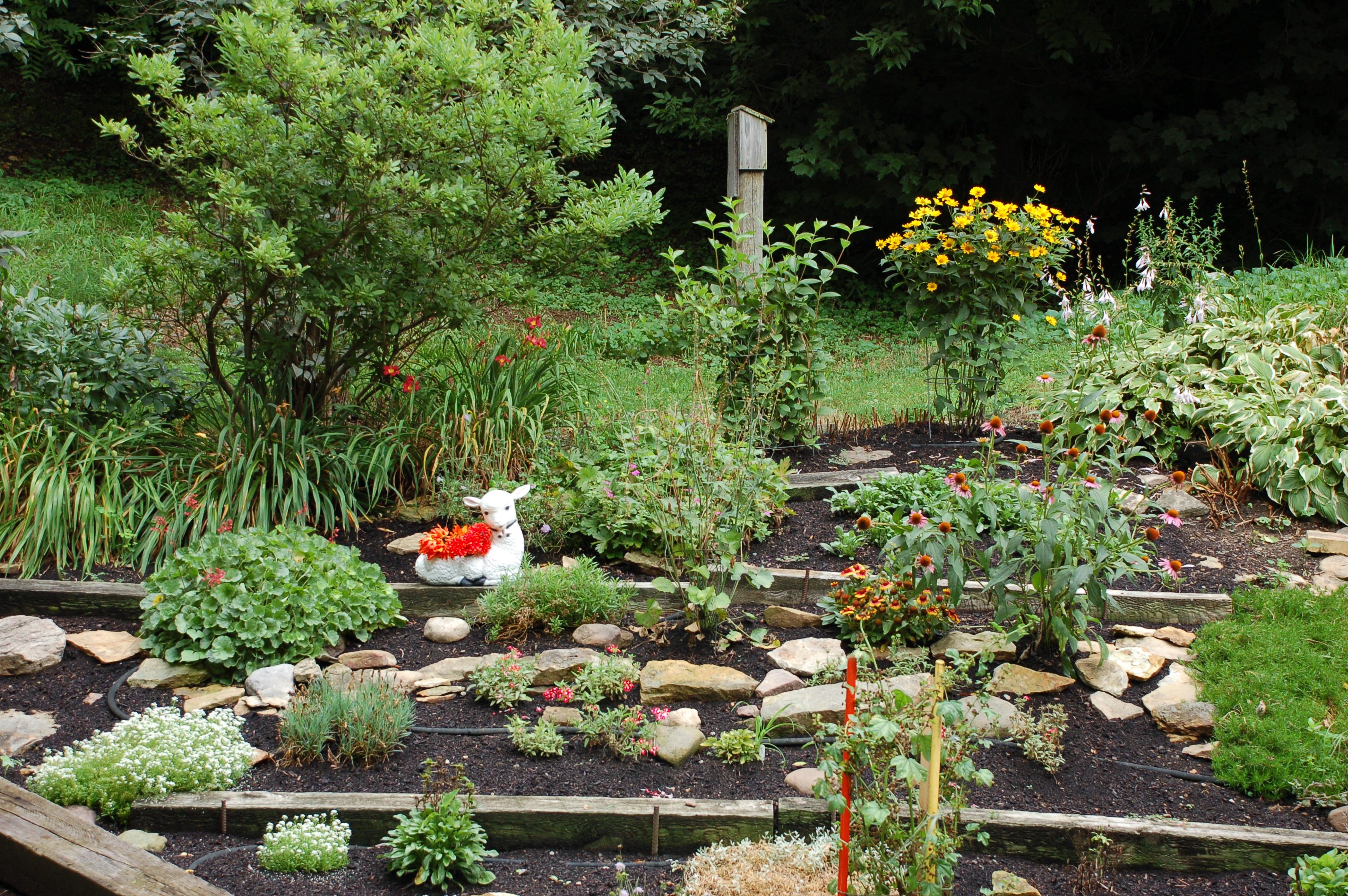
Mom also propagated lovely flower gardens around the parameters of our small piece of suburban property. Mom used her artistic eye with the floral color selection to nicely accent the cherry red brick exterior of our post-war bungalow.

Those pleasant memories returned with the current onslaught of the harvest season in gardens all across the country. Television shows, newspaper stories, Internet blogs and even high-end glossy magazines feature how to properly prepare and preserve your garden gleanings.
Having a plot of garden is almost assumed when you live in one of Ohio’s richest agricultural counties. Don’t be fooled though. Contrary to what some might think, gardening is not confined to rural areas. People garden in suburbs and cities, too.
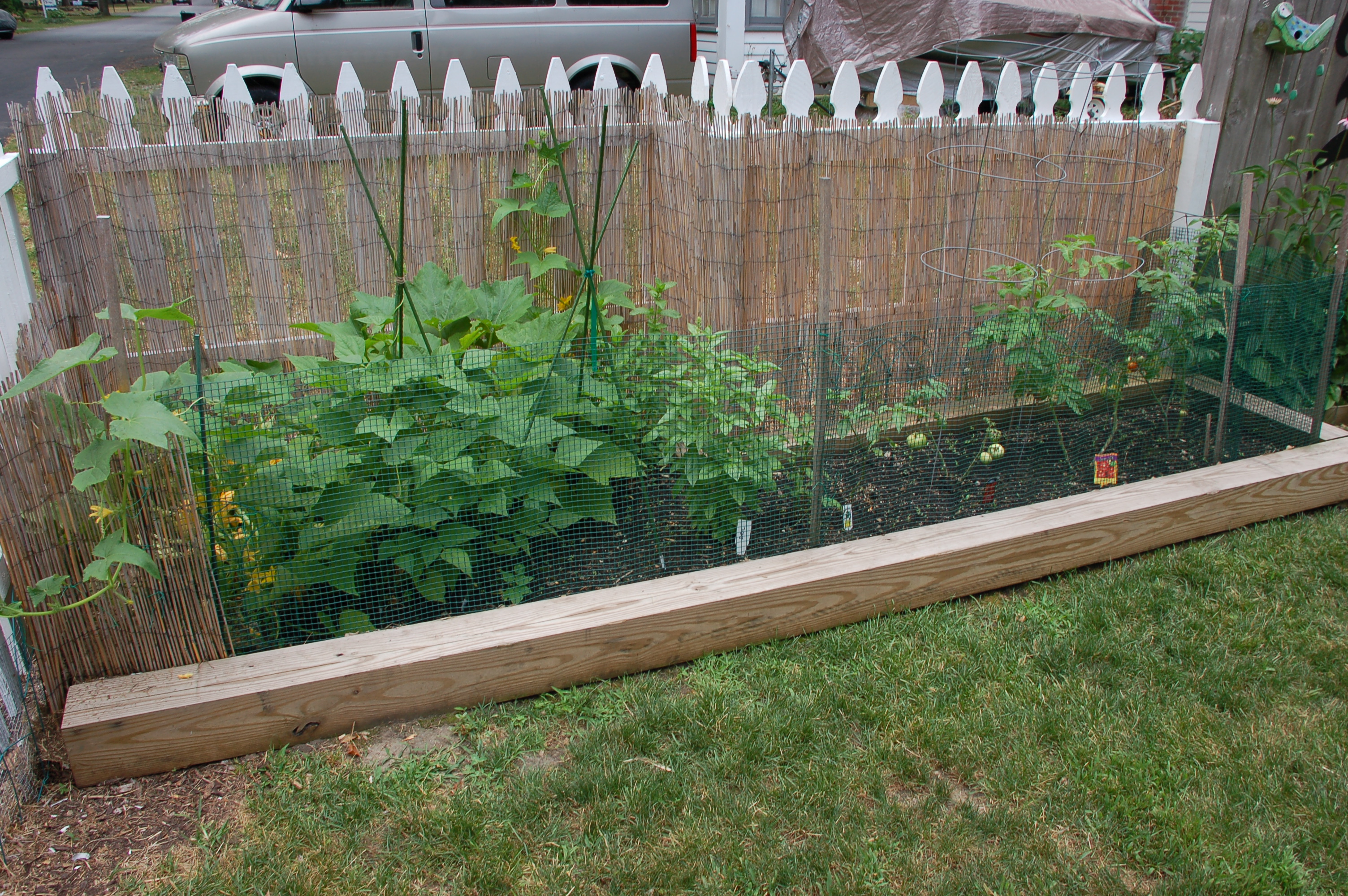
With the advent of the organic, all natural craze, and the tough economy, gardening appears to have made a universal comeback. Whether you have an acre or simply a few pots of herbs sitting on an apartment balcony, gardening is good.
Caring for tender plants, watering them, protecting them from weather’s extremes and pesky insects is worthwhile work with tasty rewards. I see it as a way to get us back to our roots, reconnected to the soil from which and on which all life depends.
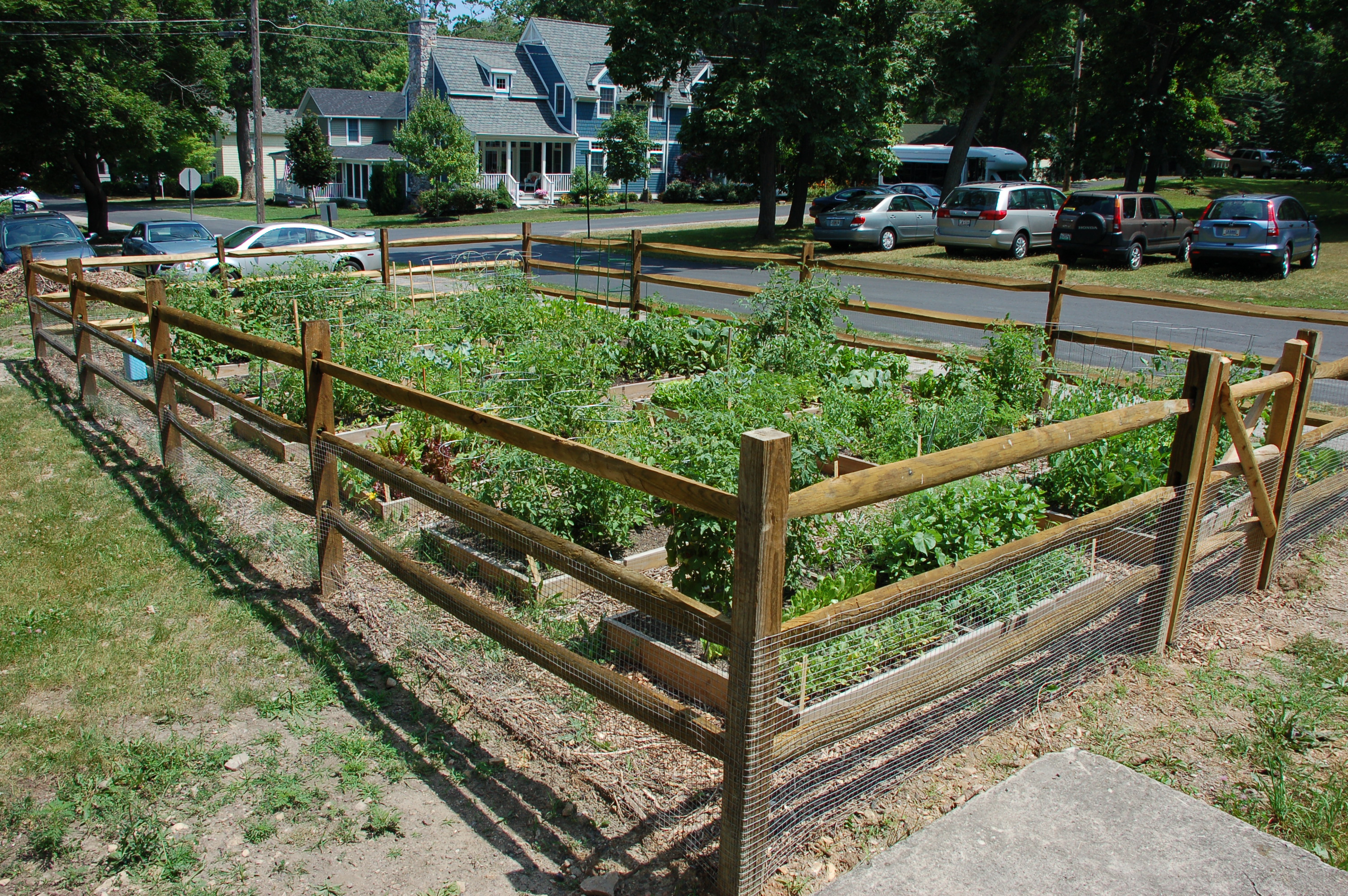
If we are mindful, we will recognize that gardening provides a solid base that can lead to other returns as well. Cooperative gardens, sponsored by both church and civic organizations, have sprung up across the country. Besides those who garden, the abundant produce often helps the less fortunate, the homeless and the needy.
An acquaintance told me how his parents would load up their battered family pickup with the excess of their giant two-acre garden, head into town and end up on the wrong side of the tracks. There they would park the truck and hand out the fresh, healthy produce to whomever needed it.
They repeated the routine throughout the growing season. The thankful recipients were so moved by the family’s generosity that they offered to help plant and maintain the garden the next growing season. Their grateful offer was accepted, and new trust and friendships were born.
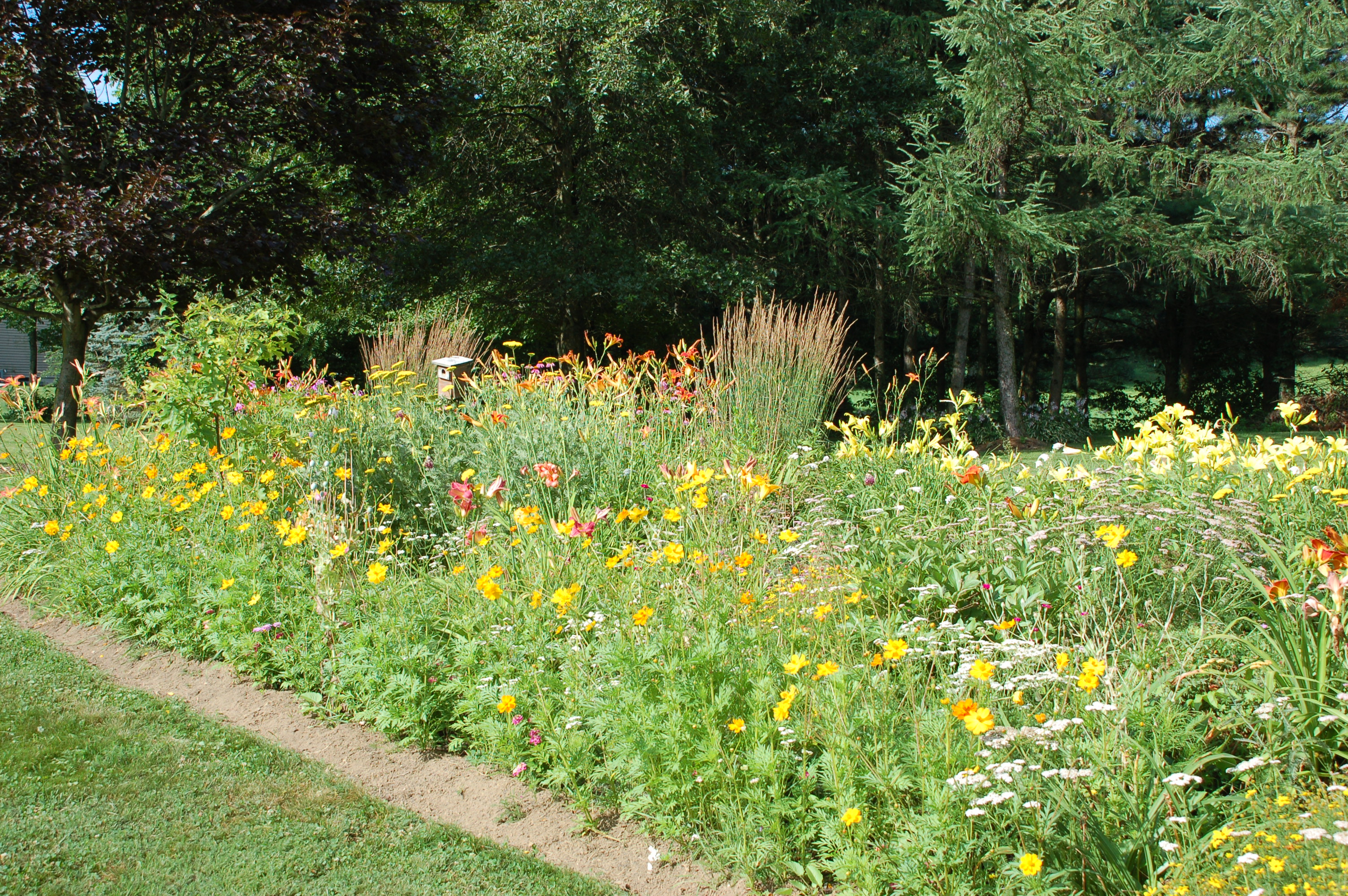
Gardens connect us to the soil that yields our sustenance. If we are proactive, they also open our lives to much more than delicious food. Gardening doesn’t get any more satisfying and splendid than gathering two crops from one planting.

By Bruce Stambaugh
I overheard a mother tell her pouting adolescent daughter, “There are no sad faces at Lakeside. It’s a rule.”
The mother’s demonstrative point was clear. There was too much fun to be had at Lakeside, Ohio for anyone of any age to be gloomy. It’s a main reason my wife and I return year after year for a week’s vacation.

Indeed, Lakeside offers plenty to do. Adults and children alike can choose from a sunup to sundown selection of activities in which to participate. They range from sailing lessons to garden walks and talks to wellness classes.
The fact that the resort town is built on the shores of Lake Erie helps expand the variety. Lakesiders can pick from activities in the categories of religion, education, arts and entertainment, recreation and planned events. It’s all part of the entrance fee.
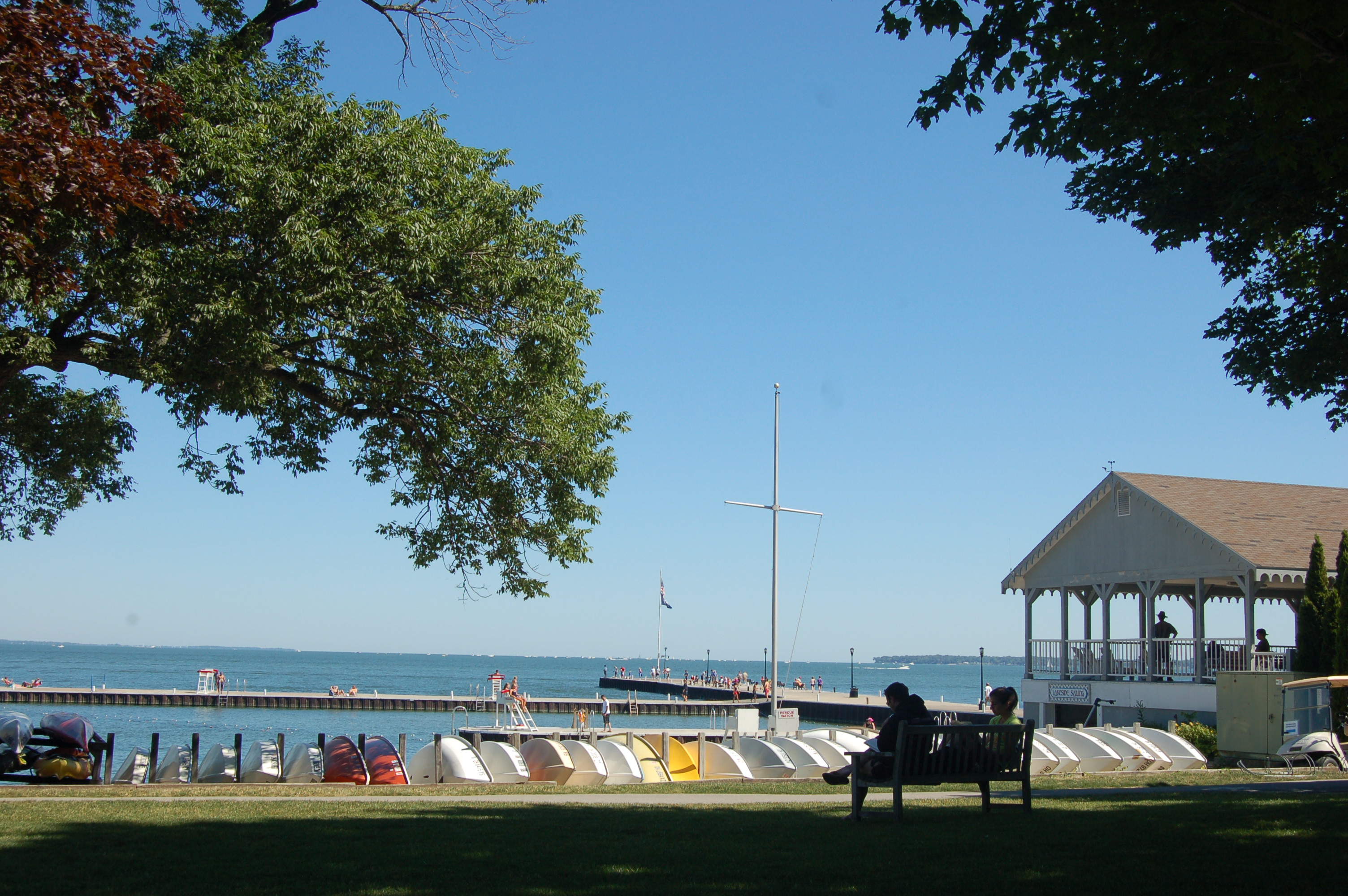
Visitors can recline with a good book under one of the many towering hardwoods that line the rocky shore and multi-task. Waves crash the hard shore, boats sail by and elations echo from playgrounds, the dock, the beach and front porches.
Lakeside’s unadorned concrete dock is the focal point for daytime fun. Swimming, fishing, tanning, strolling all are legitimate forms of relaxing.

Others prefer a leisurely walk along the tree-lined streets, enjoying the appealing cottages, many with inviting floral gardens. Some cottages date back to the town’s beginning in 1873. Most are seasonal family retreats that have served as a summer getaway for generations. A few hundred hardy souls call Lakeside home year-round.

The old-growth hardwoods that predominate the parks and properties of Lakeside bring beauty, birds and relief from stifling summer days. Flower gardens, maintained by the help of many volunteers, are a trademark of Lakeside.
The bustling but small business district offers a break from the boredom of relaxation with an assortment of various shops. Candy, homemade donuts, ice cream, refreshing drinks and toys all offer refuge from the strain of having too much fun.
In the evening, variety shows running the gamut of entertainment usually draw a nice crowd. The magnetic dock also attracts toddlers, teens and seniors to watch the nightly disappearance of the sun behind Catawba Island.

As nice as all that is, the greatest asset of Lakeside is its friendly people. Lakeside is a family-centered, safe place to be.
Merchants routinely leave goods unsecured in front of their storefronts overnight with no theft of inventory. Pedestrians, bicyclists, skateboarders, golf carts and dogs walking their owners have the right of way over motorized vehicles.
The strictest parents casually set their children free to roam inside the gated community with no fear of harm whatsoever. Passersby walk up onto a porch, ask what game is being played, and are invited to join the fun.
Lakeside rightfully bills itself as the Chautauqua on Lake Erie. However, occasional discordant human interactions will naturally occur when 6,000 in-season visitors multiply the regular population tenfold. Still, two-way radios are the closest things to weapons that outfit the town’s entire security staff.
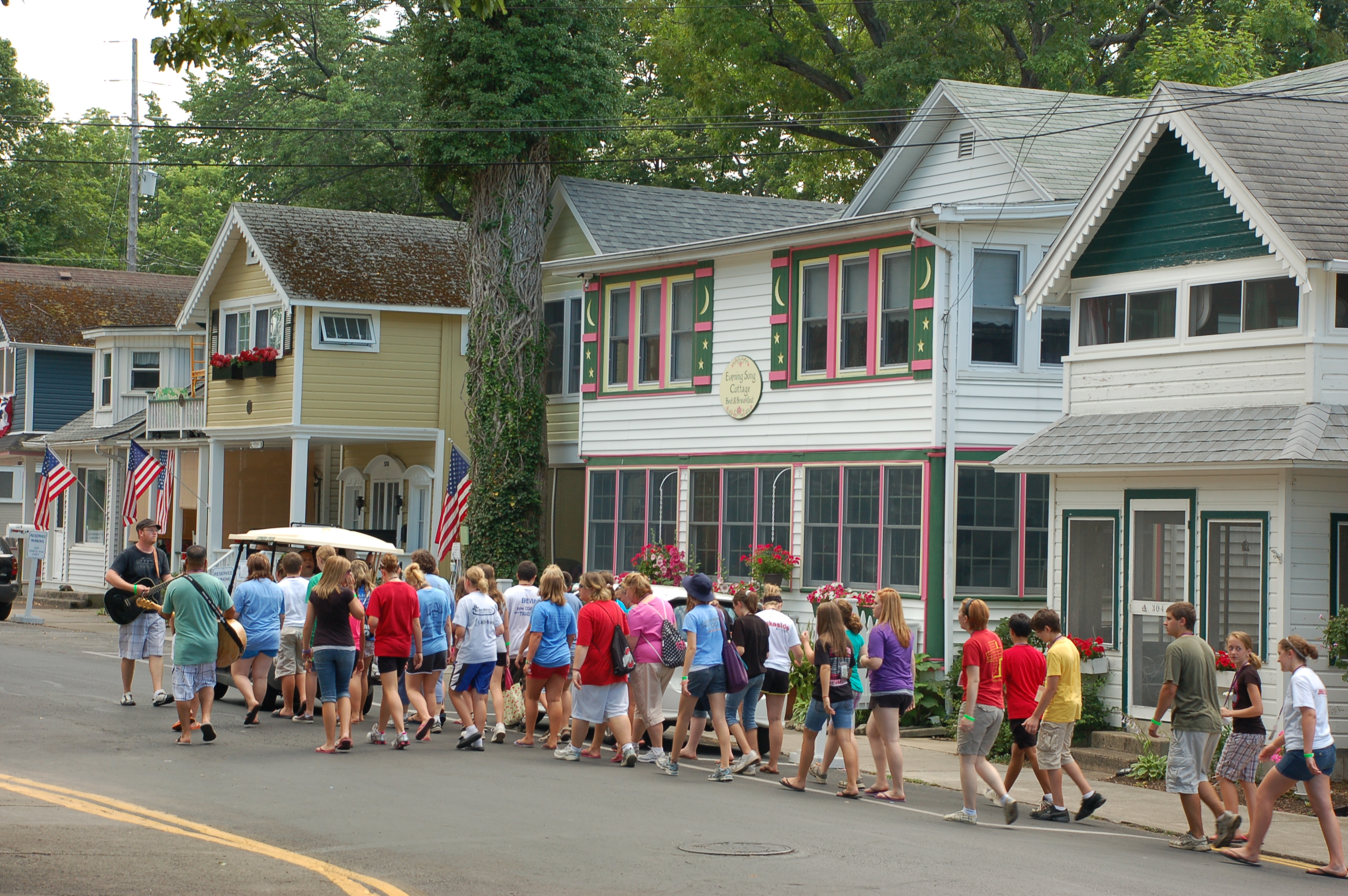
Youth groups roam the streets serenading local residents, not ransacking their homes. At an impromptu lemonade stand, a grandfather sings and plays a Gibson to attract customers.
Whether they arrive for a day or the summer, Lakesiders all come to relax and have fun. With all there is to do in the resort town, everybody gets their way.
Like the lady said, there are no sad faces in Lakeside. That is a valuable virtue for any town.

By Bruce Stambaugh
I have loved words for as long as I can remember. That’s a good thing for a writer.
Following the instruction of a highly regarded journalism professor, I never tried to use highfalutin words in my written endeavors. To be absolutely clear, it was best to write with everyday, run-of-the-mill words.
I have tried to stick to that advice ever since, earnestly desiring to avoid platitudes. Over the years though, I endeavored to expand my vocabulary. I noted catchy words that I either liked or sent me to the dictionary. I gradually created a latent lexis cache for future use.
Procrastinator that I am, I never got around to incorporating most of those exotic words in my dissertations. Consequently my verbose hoard burgeoned.
I figured a quick way to rectify that error would be to incorporate a multitude of those expressive descriptors in one fell swoop. My writer’s itch would then be scratched.
If and when I did such a deed, I pontificated that I had better generate a productive manuscript that actually resonated with the readers. I didn’t want to simply create a haberdashery of verbiage. I saw no need to hemorrhage words just for the sake of typographical splaying.
No matter how many syllables they contained or how obscure, the use of the words had to make sense. I wanted such exhortation to be both sanguine and seminal. That amalgamation would be a challenge. I emphatically didn’t want my text to be blowviating.
It would be inscrutable of me if the sentences were disparate. Therein lay the quandary. There could be no dissonance to what I wrote. I had to maintain my own aplomb. I certainly didn’t want my writing to be disingenuous. The content had to be sublime and easily assimilated.
I had to be succinct, too. A sheer plethora of words would not be acceptable. I couldn’t fathom allowing hubris to interfere with my communiqué. By my own volition, my certitude had to temper my cognition to avoid a panacea of a wanton wordy warren.
I could not permeate my writing with supercilious words that meant zilch to the readers. This discourse had to have evocative consonance. I certainly didn’t want the piece to be an Archipelago of disassociated declarations.
Intuition told me that the document had to be symbiotic. Being glib would never do. Creating a cacophony of jibber would not suffice either.
I knew I had to approach this sensitive assignment with both timidity and temerity. It would be a narrow literary line to walk. I would simply have to conjure up the pluck to pull it off.
Simultaneously, I understood that this nuance of style could not be maniacal in any way, shape or form. There was no room for duplicity.
To be true to both my readers and myself, I absolutely had to use discretion. Otherwise, the entire peripatetic piece would culminate into nothing more than an oxymoron. Such a paroxysm would be extremely unfortunate.
Whether you are agog, aglow or have a sense of animus after reading this, I just hope that this quixotic, idiosyncratic reverie of mine hasn’t dissuaded you. Otherwise I will have orchestrated my own demise with this effusive enigma, this pretentious prattle, this demonstrative claptrap.
Ergo, I would have to plead for impunity. Wait. I better go look up that one.

By Bruce Stambaugh
Driving in Amish Country is usually pleasurable and relaxing until the unexpected happens. A couple of recent experiences served as reminders of both the dangers and the benefits of traversing the winding, hilly highways in Holmes County.
A friend of mine, Glenda, and I recently each experienced amazingly similar situations only days apart. We each came away from our separate but comparable incidents feeling bathed in the beauty of humanity’s best behavior.
Glenda was on her way to her office when she came upon a buggy accident only seconds after it had happened. The buggy was crumpled, the horse lay injured in the roadway, and a young Amish woman was seriously hurt.
Glenda said everything happened in a whirl. Someone called 911 while she tended to Katie, the injured buggy passenger. Others came to settle the horse, releasing it from the tangled wreckage, getting it to a safe place and calling a vet.
The ambulance arrived, and transported Katie to the hospital. Glenda continued on the way to her office, wondering how the young girl would be.
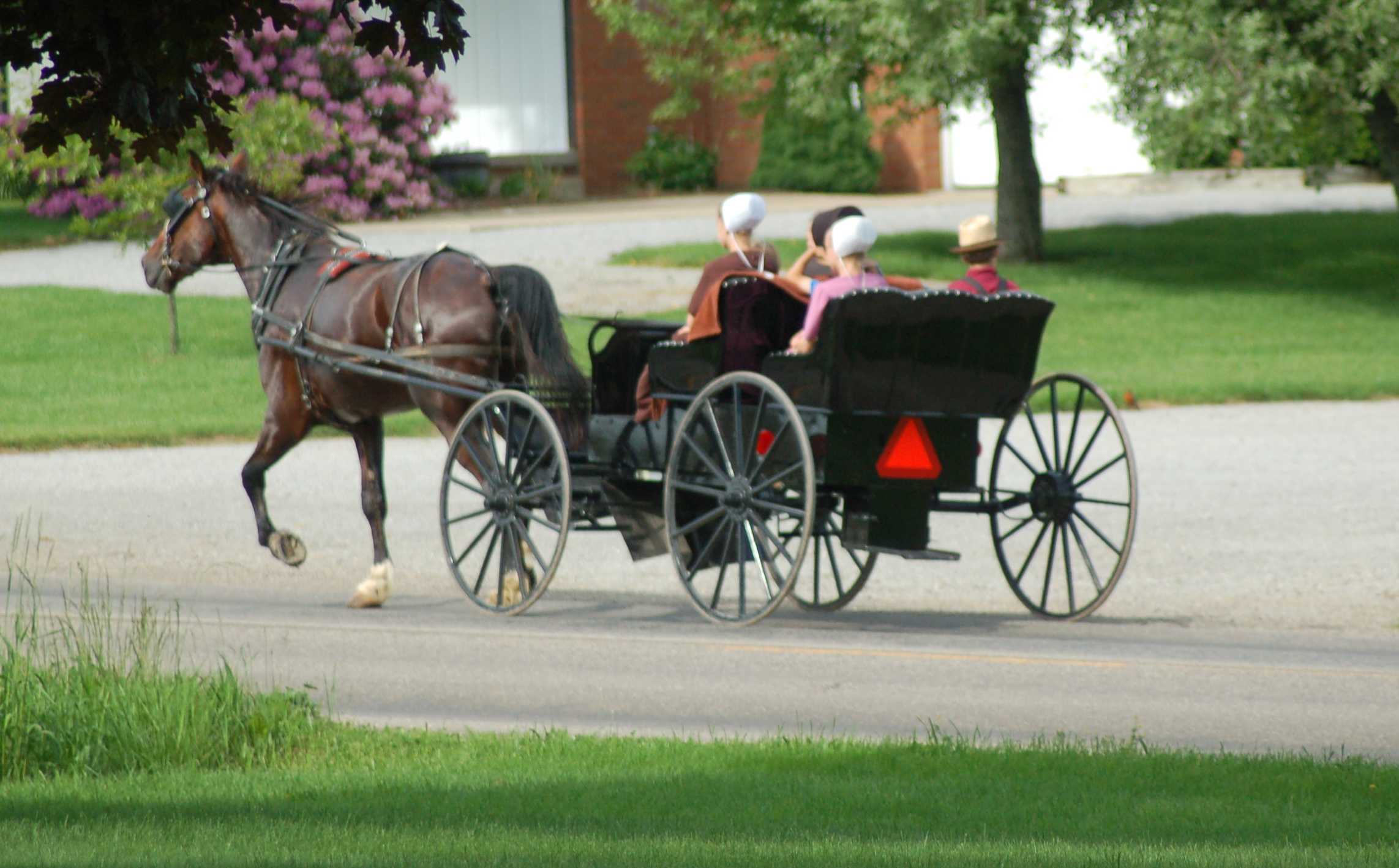
The following Sunday evening it was my turn. A friend had just arrived at our home for a visit when we heard a muffled crunch, followed by curdling screams of despair. We rushed to the front of our home to watch a horse bolt away, harnesses wildly whipping along the pavement.
A young Amish woman was slumped on the ground in front of a damaged buggy. Blood gushed from her forehead. John, our visitor, was a registered nurse and rushed to the girl’s aid. My wife retrieved towels from the house to help control the girl’s bleeding, and I called 911 on my cell phone.
Neighbors who had also heard the girl’s cries came running from every direction to help. Some brought blankets. Others lit flares to warn approaching traffic of danger on the other side of the hill. John continued to control the bleeding, and reassured the girl, whose name was Ellen.
A wave of bicycles all ridden by young Amish girls glided over the hillcrest. They had been with Ellen at a gathering, and retraced their path when they recognized her runaway horse. They came to see what had happened to their friend.
A few minutes later a pickup rolled up and out jumped Ellen’s parents and siblings. Someone had told them about the accident and they arrived to console their daughter. In addition, a passerby had corralled the horse and taken it to a neighboring farm. All this and the ambulance had yet to arrive.
Fortunately, Ellen was alert and with the bleeding stopped, she became more coherent and said the horse simply spooked. Unlike the accident Glenda happened upon, no other vehicle was involved.
Once the rescue squad arrived, treated and transported Ellen, the scene quieted dramatically. Our neighbors offered a flat trailer to haul away the damaged buggy. It was loaded and transported home. In a few minutes, the pickup returned the borrowed trailer.
The scene soon cleared after that, and we returned to visiting with John as if nothing had happened. Yet much had.
In both trauma situations, good citizens arrived to do what they could. What could have been very tragic instead turned humanitarian spontaneously.
As these two examples reveal, the beauty of driving in Amish Country isn’t always found in the scenery. The compassion of its citizens can outshine any pastoral vista.
Wildlife Photos From The Chesapeake Bay Region
Culture and Communities at the Heart Of India
Artist and nature journalist in the Shenandoah Valley of Virginia.
Photographer Of Life and moments
Personal Blog
Art is the only way to run away without leaving home. -Twyla Tharp
Writing generated from the rural life
writer. teacher. podcast cohost.
El amor cruza fronteras / Love crosses borders
 Roadkill Crossing
You must be logged in to post a comment.