The days we have waited for

Wildflowers by Bruce Stambaugh
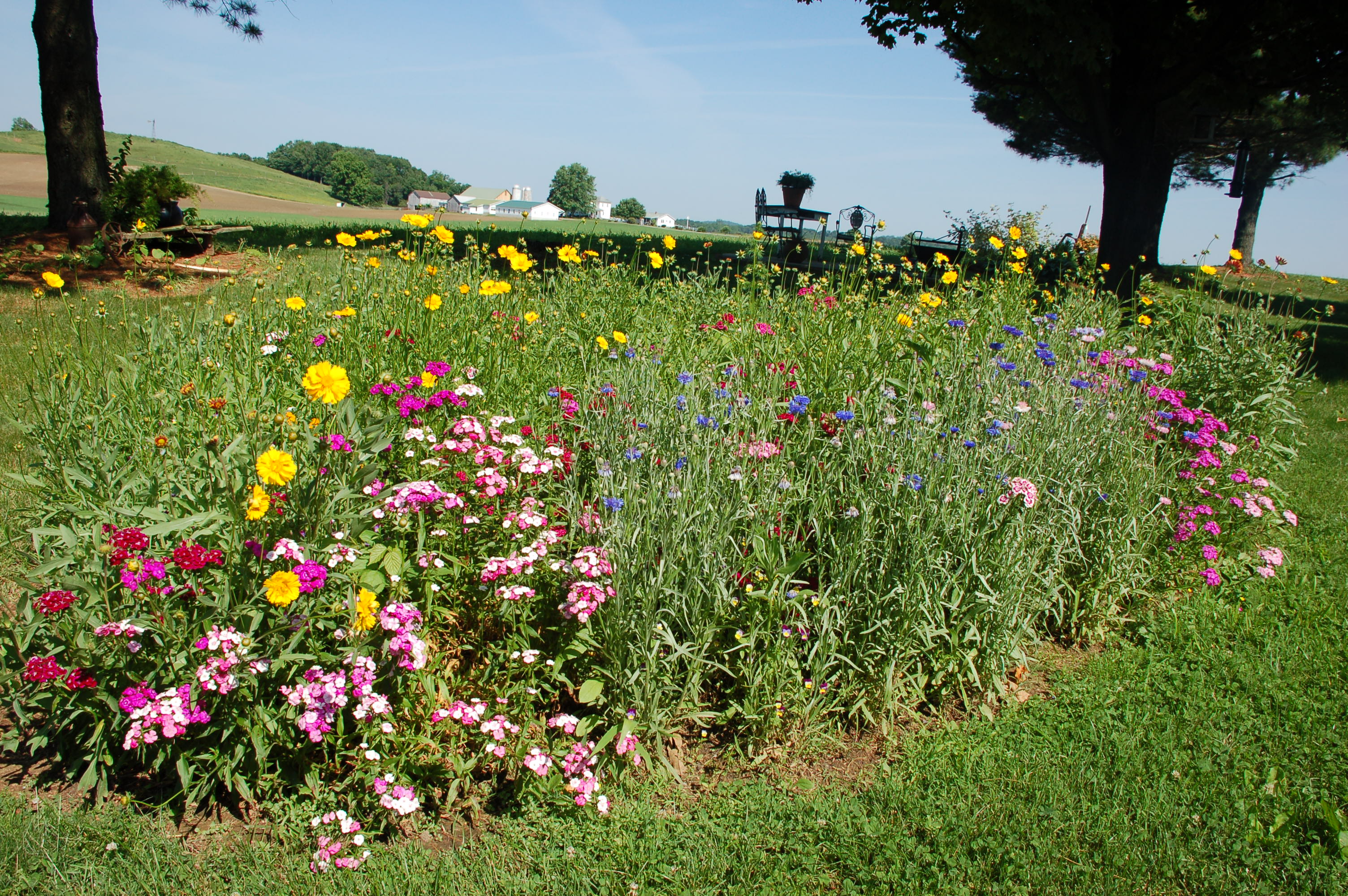
A wildflower patch in our backyard.

By Bruce Stambaugh

The days we have long awaited are at hand. After a winter that wouldn’t quit, and a spring that seemed more like November threefold, these desired days have sprung upon us as if a seasonal switch suddenly had been flipped, albeit belatedly.

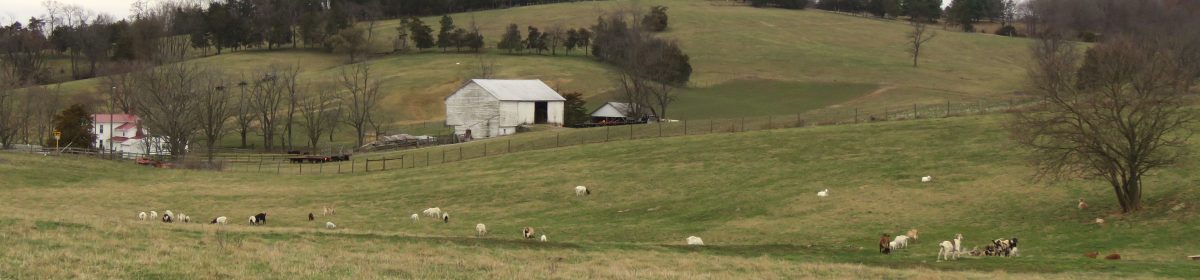
Like much of the northern part of the country, Ohio spent the first five months of 2011 snowed in, flooded out, and shivering. Officially northeast Ohio had recorded a grand total of six sunny days between Jan. 1 and May 1.
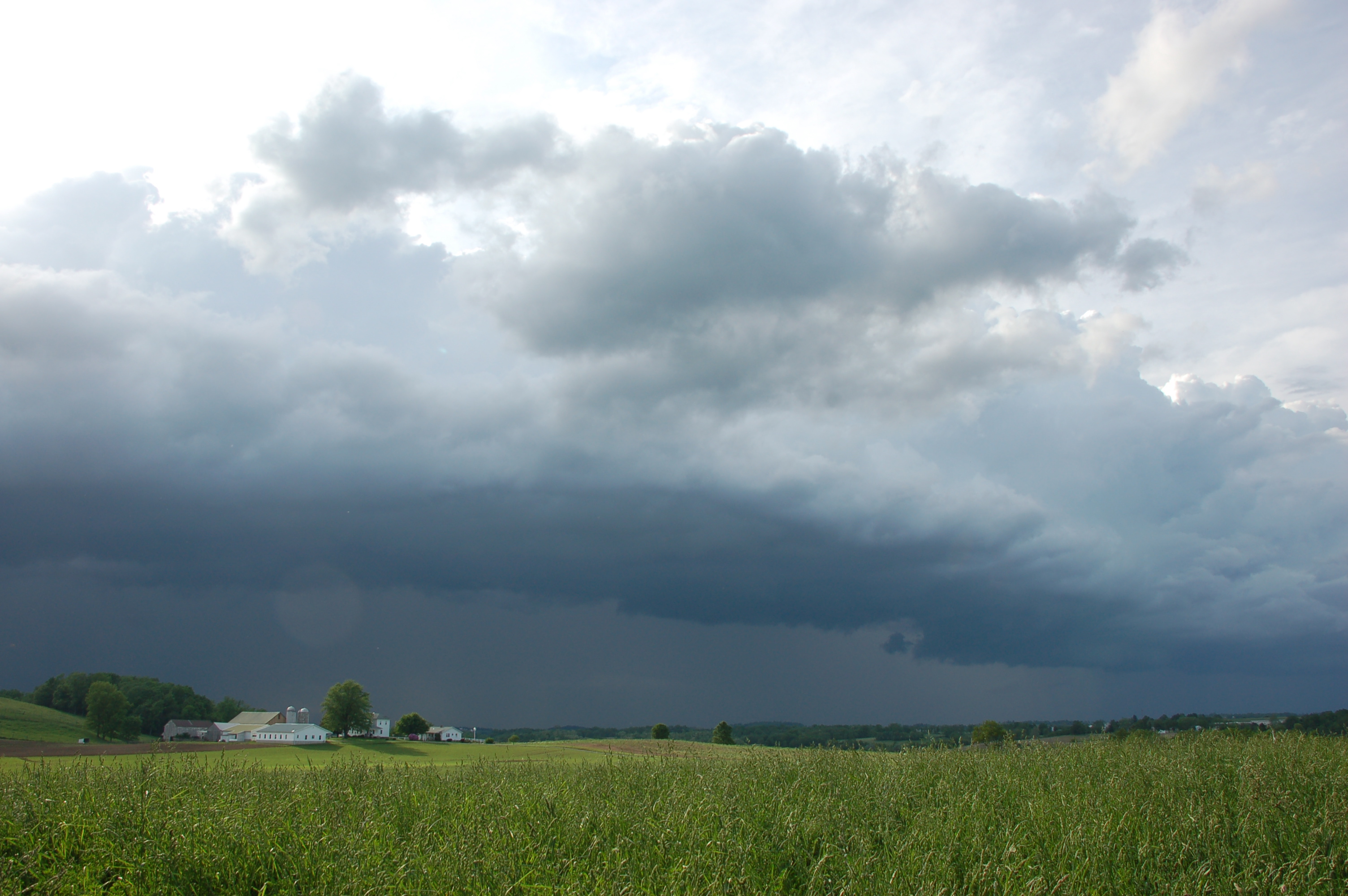
Squall line by Bruce Stambaugh
A squall line charged into Ohio's Amish country.

The predominance of the gloomy, damp and cold days translated into depressed spirits and confined activities. But even as the days of May warmed and trees and flowers budded and bloomed, human outdoor activity remained restricted by wave after wave of heavy rainstorms.

Though we were mostly spared the severe weather that other parts of the country received, outside work and play remained limited. Now all that is behind us. The rich warm days of summer are here, and it is marvelous to inhale and embrace their arrival.

The anxious anticipation for sunnier, warmer days ended seemingly overnight. Farmers all across America’s breadbasket couldn’t wait to get into their fields, though many had to due to the saturated soil. Even teams of workhorses labored extra hard to break the soggy earth.
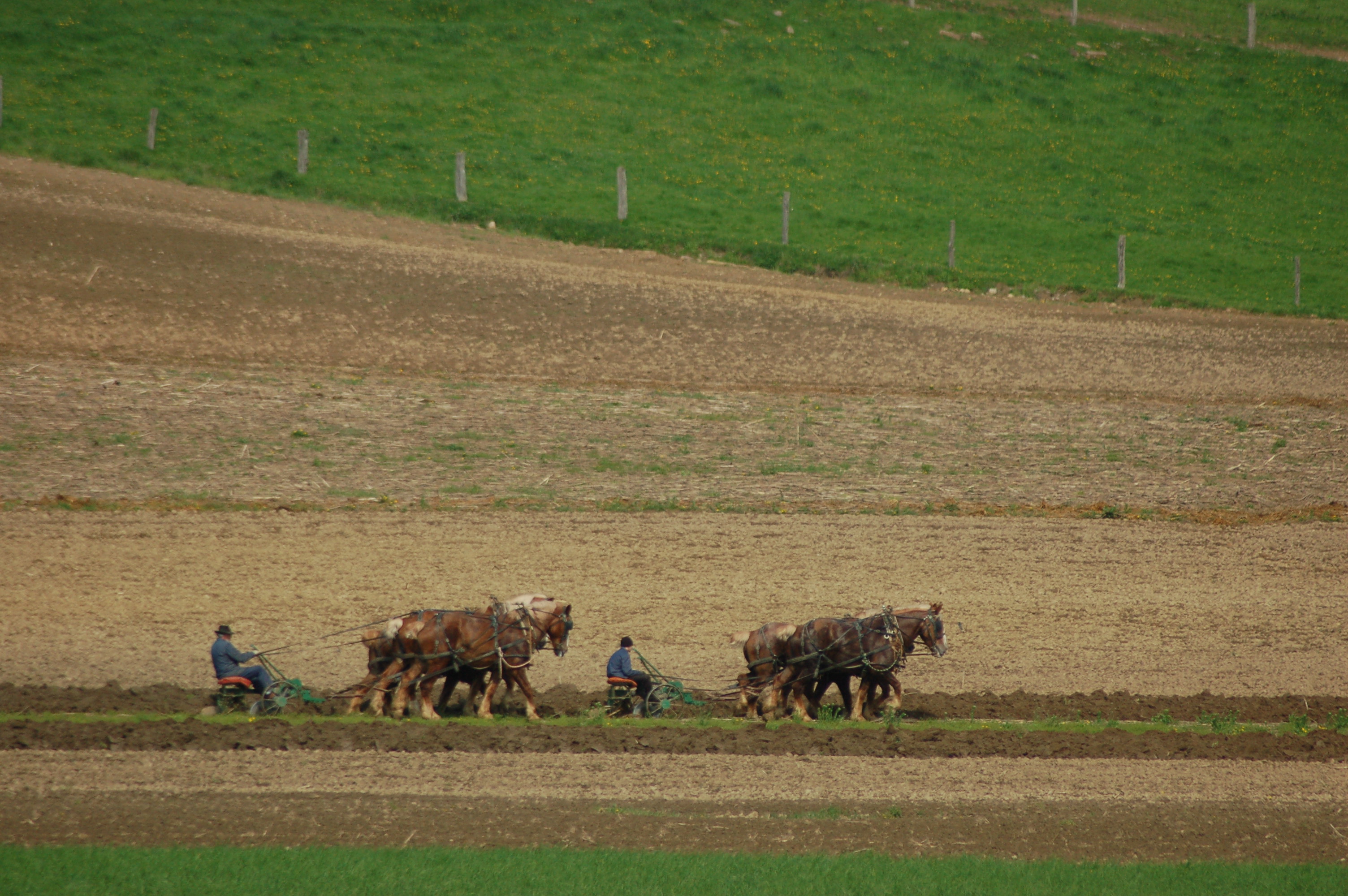
Plowing by Bruce Stambaugh
Plowing with horses is a long, steady process.

One week wood ducks floated on temporary lakes. The next the waterfowl were gone, replaced by plowed, harrowed and planted fields. That’s what a string of sunny days accompanied by strong warm southwest breezes can do to excess moisture.

Contractors and landscapers worked sun up to sundown to make up for lost time in pouring footers, building, excavating, and planting annuals. Commerce was renewed.
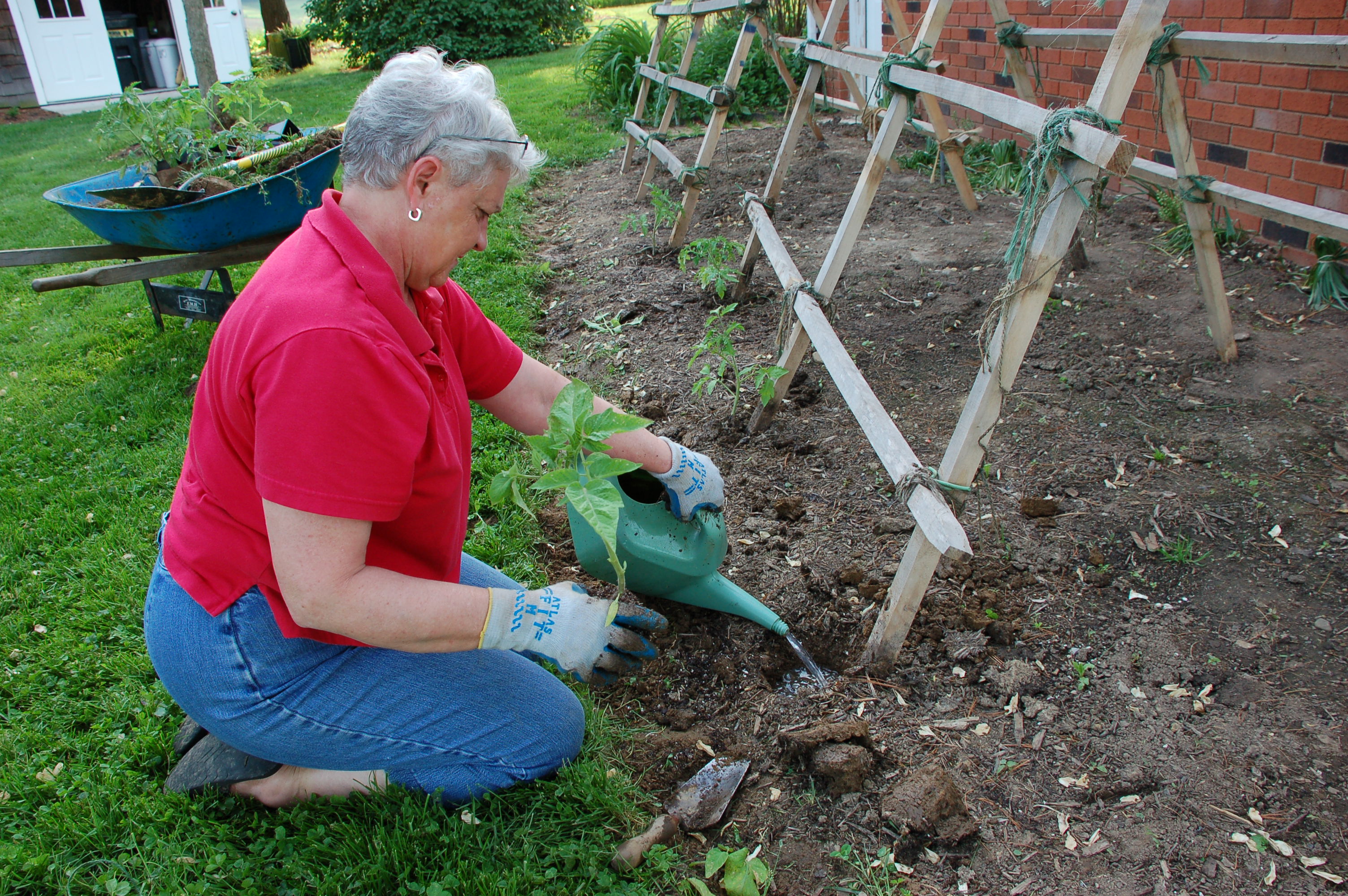
Planting by Bruce Stambaugh
My wife planted some heirloom tomatoes.

Motorcycle clubs and bicycle enthusiasts basked in the opportunities to wind their way all across rural byways. Children rode up and down lanes in pony carts and four-wheelers alike.

Gardeners finally could set their vegetable seeds and plants. In some locales, cooperative groups gathered to make the pleasant process all the more so and speedier.

Teenagers plunged without complaint into chilly lake waters just because they could. The outboard motors of both boaters and fishermen hummed in unison at the freedom to finally be able to play.

Sunset splash by Bruce Stambaugh
Teenagers took the plunge off the dock at Lakeside, OH.

Backyard birds coaxed their fledglings out of their secure nests and into the environs of the real world. Often they paused to collectively sun themselves like gaggles of bathers at the beach sans the bikinis.
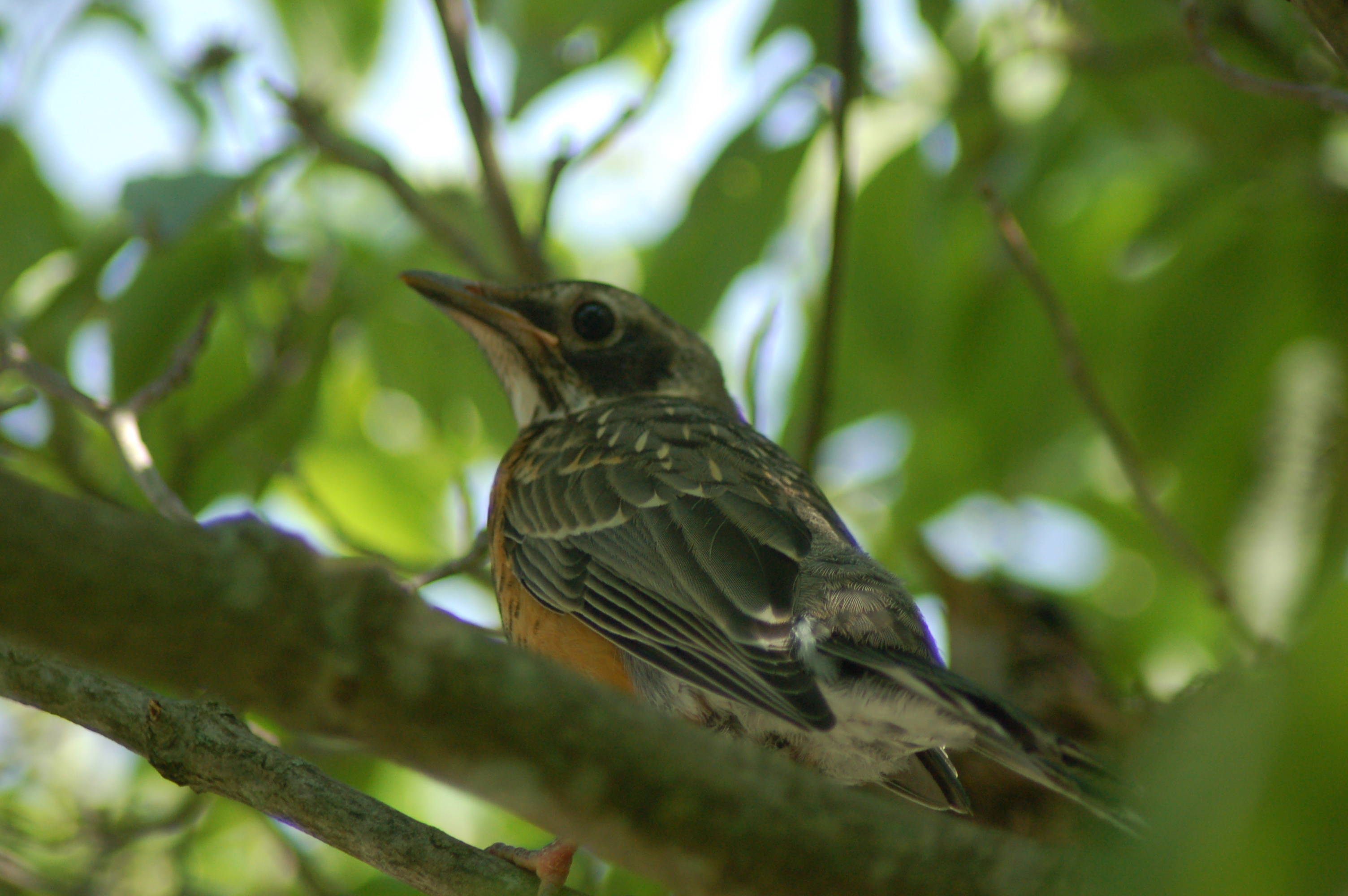
Baby robin by Bruce Stambaugh
A young robin enjoyed the nice weather.collectively sun themselves like gaggles of bathers at the beach sans the bikinis.

The deciduous trees unfolded their canopy without delay, painting the landscape green on green. Soon the leaf cutters were hard at work thinning the verdant crop.

Irises, lilacs, peonies, poppies and roses created fragrant rainbows in every neighborhood. Azaleas and rhododendrons revealed their lovely petals just as the dogwoods dropped theirs.

Flower garden by Bruce Stambaugh
One of my wife's beautiful flower gardens.

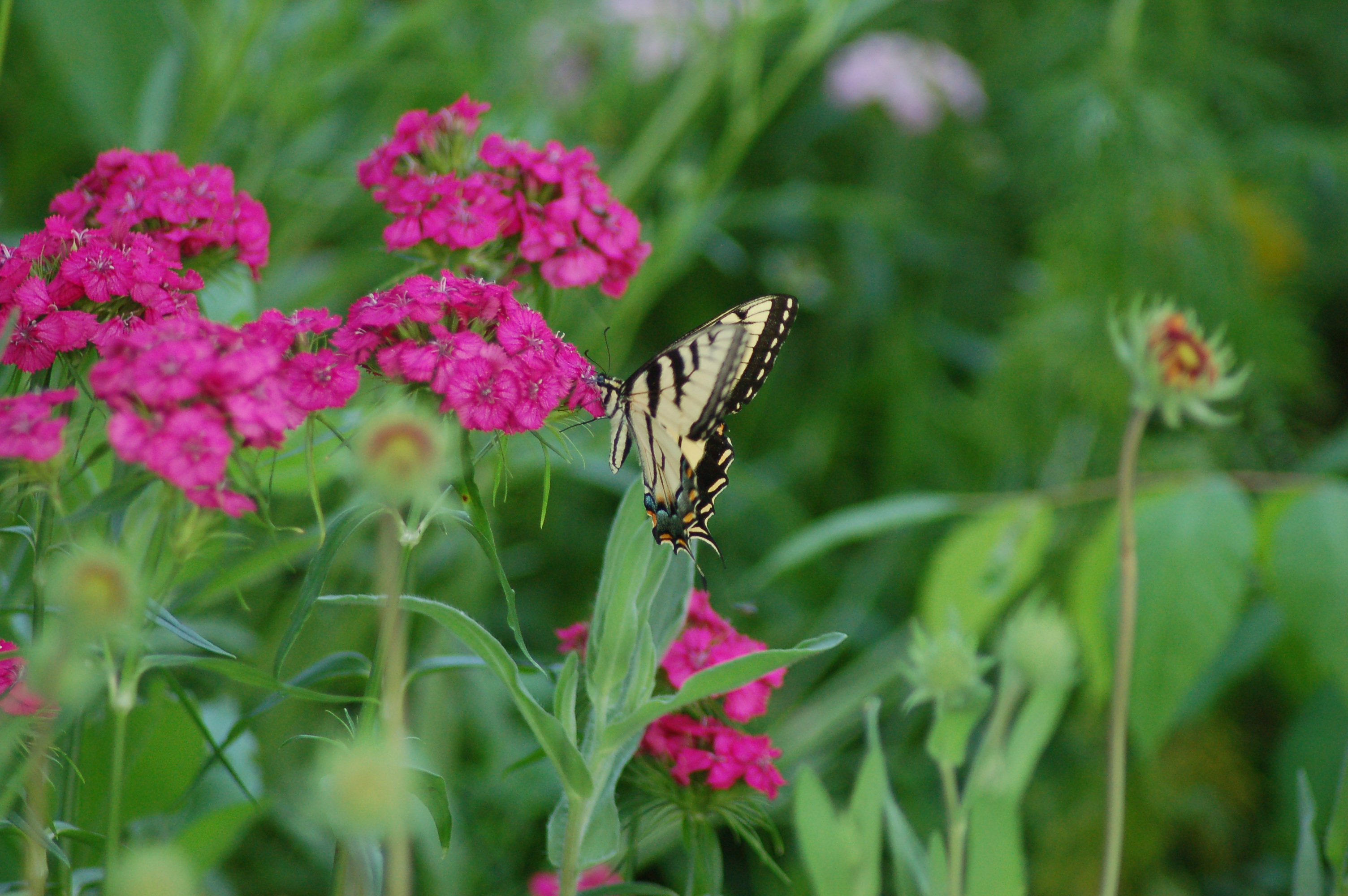
Sitting on the airy deck of our woodland cottage in southeast Ohio, a single butterfly exactly symbolized the temporal jubilance. An impressive yellow and black tiger swallowtail zipped erratically through forest openings forged by gravel roadways and power line cuts.
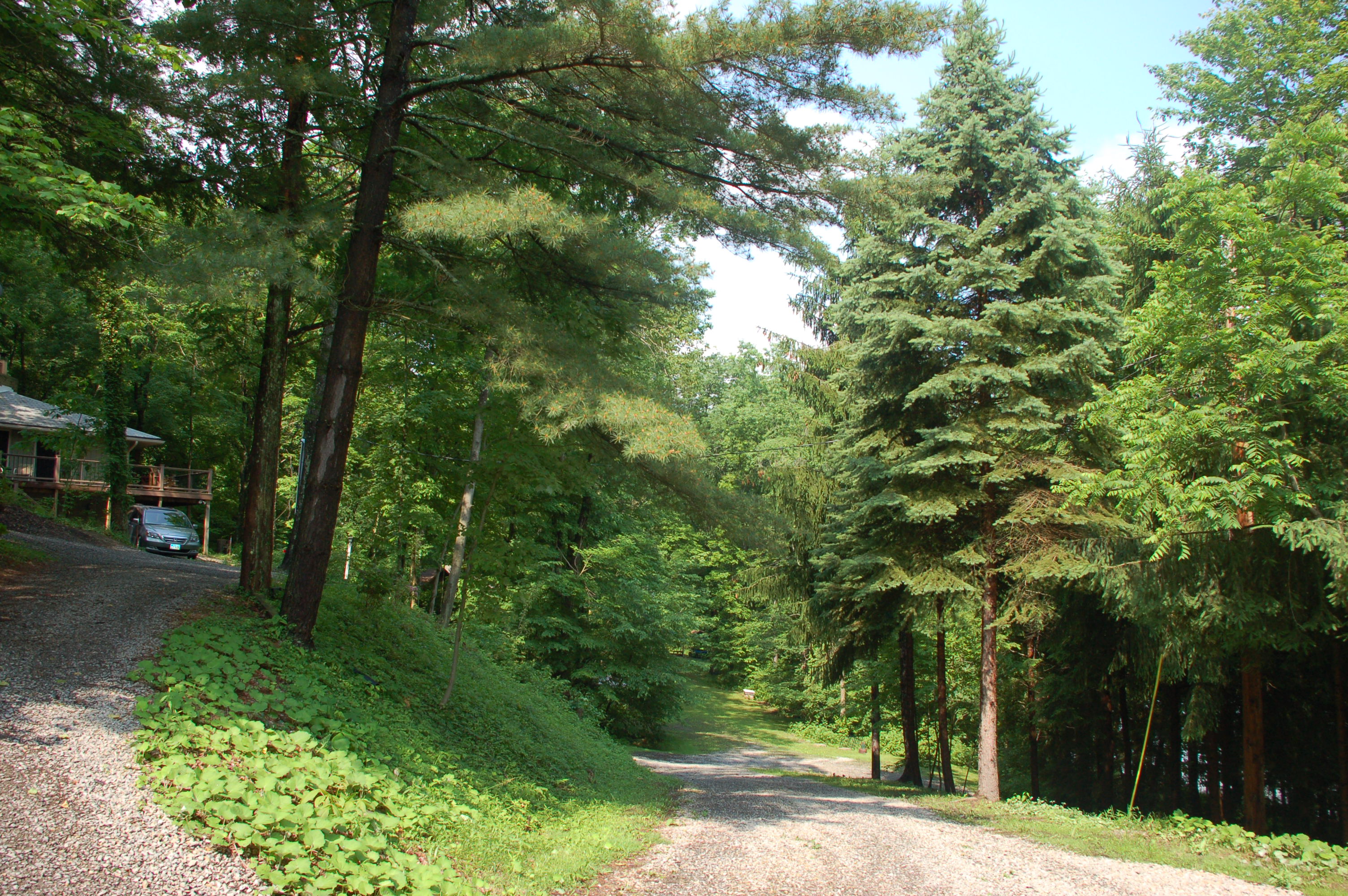
Woods by Bruce Stambaugh
Where the butterfly roamed.

The butterfly darted unpredictably from shade to sun repeatedly among the emerald lushness. The butterfly improvised its quixotic dance back and forth all afternoon and well into the evening hours. I never saw it land.
Butterfly by Bruce Stambaugh
A Tiger Swallow Tail enjoyed our backyard wildflowers.

These are the days we have longed for, hoped for, prayed for. Like the innocent butterfly, let us rejoice and be glad in them, dancing a celebrative dance as if our sole purpose was to simply extol life’s goodness. Perhaps it is.

In praise of bathrooms and healing

By Bruce Stambaugh

I normally don’t write about politics. I try to keep my news on the bright side.

That said, I had a lot of time to fill while recuperating from my recent surgery to remove my cancerous prostate. I listened to the radio, watched television, reflected on life’s really important matters, and appreciated the kindness and generosity of family, friends, neighbors, churches, businesses, organizations and even strangers.

Their cards, visits, well wishes, prayers, flowers and food all rather overwhelmed me. I found it humbling and heartwarming to be told that so many people in so many ways love you.

The post-surgery visit to the doctor was positive, although we will have to wait a month for the results of my next PSA test to be able to say that I am “cancer free.” All things considered, I am very upbeat about my progress so far.

That brings me back to the beginning. While recuperating, I was astonished to already hear so many detailed reports on who might be running for the opportunity to oppose our current president in the 2012 election.

That’s right. Next year’s presidential election was commanding headline media time and it’s only Spring 2011. It was enough to make you nauseous, more so than the pain medication did for me.

The recovery process required that I also listen to my body. Much of that dualistic listening took place in the bathroom, which may be the perfect spot to have to endure premature political discourse.

Even without having had surgery, I’ll confess that I have always loved both bathrooms and politics. In today’s age of sound bite mania, it’s hard to tell the two apart.

In being sensitive to what my body was telling me as it slowly healed, I had to carefully respond appropriately. After they mess with your plumbing, believe me, you don’t want to stray too far from the water closet.

But then, I already had that reputation. As a kid, I got ribbed about using the bathroom so much. I tried not to let it bother me. I knew my business better than others, so to speak, and I learned early on to make sure I took care of business as needed.

Honduran outhouse by Bruce Stambaugh
An outhouse in rural western Honduras.

I used to say that I never saw a bathroom I didn’t like, until I went to Honduras. And even then, I learned the valuable necessity of compromise. As I matured, which is still being debated, medical tests proved what I already knew. Bathrooms were my best friends.

When I go to meetings, I always sit on an end chair just in case. In junior high school, I had a permanent hall pass. I made NASCAR pit stops seem inconsequential.

Minutes, hours, days and now weeks after my delicate, nerve-sparing robotic prostate surgery, I have learned that spending quality time in bathrooms is both a necessity and a positive sign of healing. In that unmentionable course of action, I have learned that patience is definitely a virtue.

I am looking forward to the continued healing and to hopefully hearing the words “cancer free” at my next doctor’s appointment. About 218,000 men in the United States are diagnosed each year with prostate cancer and more than 35,000 die from it annually. (See BlueCure.com for more information.)

Given those statistics, I absolutely feel fortunate to be able to share, even if it is about bathrooms. Premature presidential politics, on the other hand, is another matter.

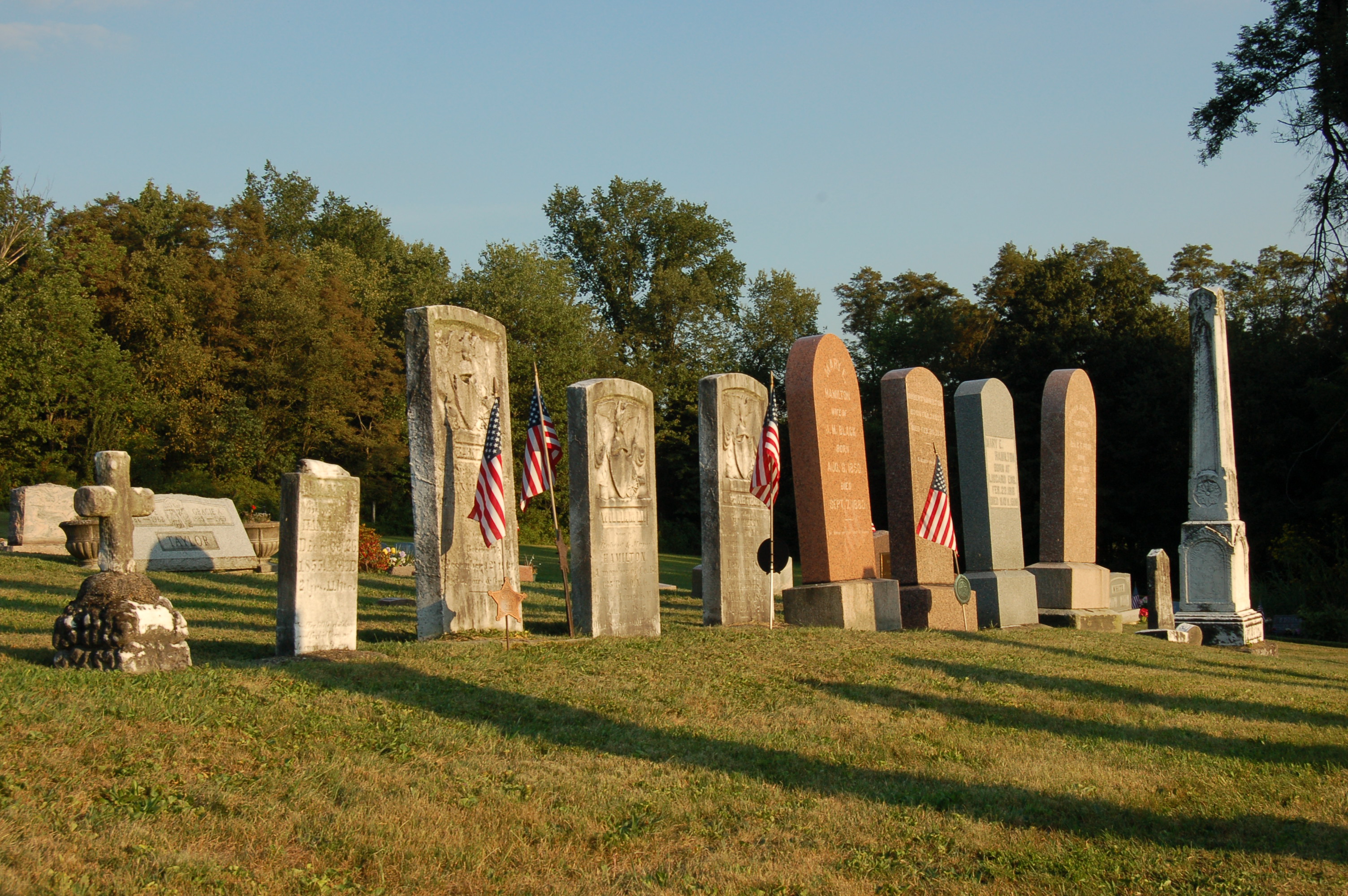
Memorial Day is for remembering

cemetery by Bruce Stambaugh

By Bruce Stambaugh

Memorial Day is for remembering.

Originally, the day was set aside to remember those who had lost their lives in military service. Most research points to the American Civil War as the primary reason for Memorial Day. Graves of confederate and Union soldiers alike were decorated with flowers.

New York was the first state to officially observe a Memorial Day in 1873, with the rest of the northern states quickly joining in. The South, however, held its own day, separate from the date observed up north.

After World War I, that all changed. Memorial Day, then called Decoration Day, was established to remember all who had died serving the country in conflict. That’s how I remember the day growing up. Parades with bands, fire trucks, flags, and veterans marched by.

In 1971, Memorial Day was moved to the last Monday of May to create another three-day weekend. With that, the emphasis switched again. It was a time to remember all those who had gone before.

Yet Memorial Day became more of a celebrative affair that lasted the entire weekend than a singular time of showing respect. Picnics, softball tournaments, fireworks, and family gatherings overshadowed a time of reflection on the sacrifices and horrors of war.

When my parents built their beloved cottage in southeast Ohio in 1975, they always invited the entire family down for a Memorial Day picnic. We went fishing, boating, played games, and generally enjoyed each other’s company.

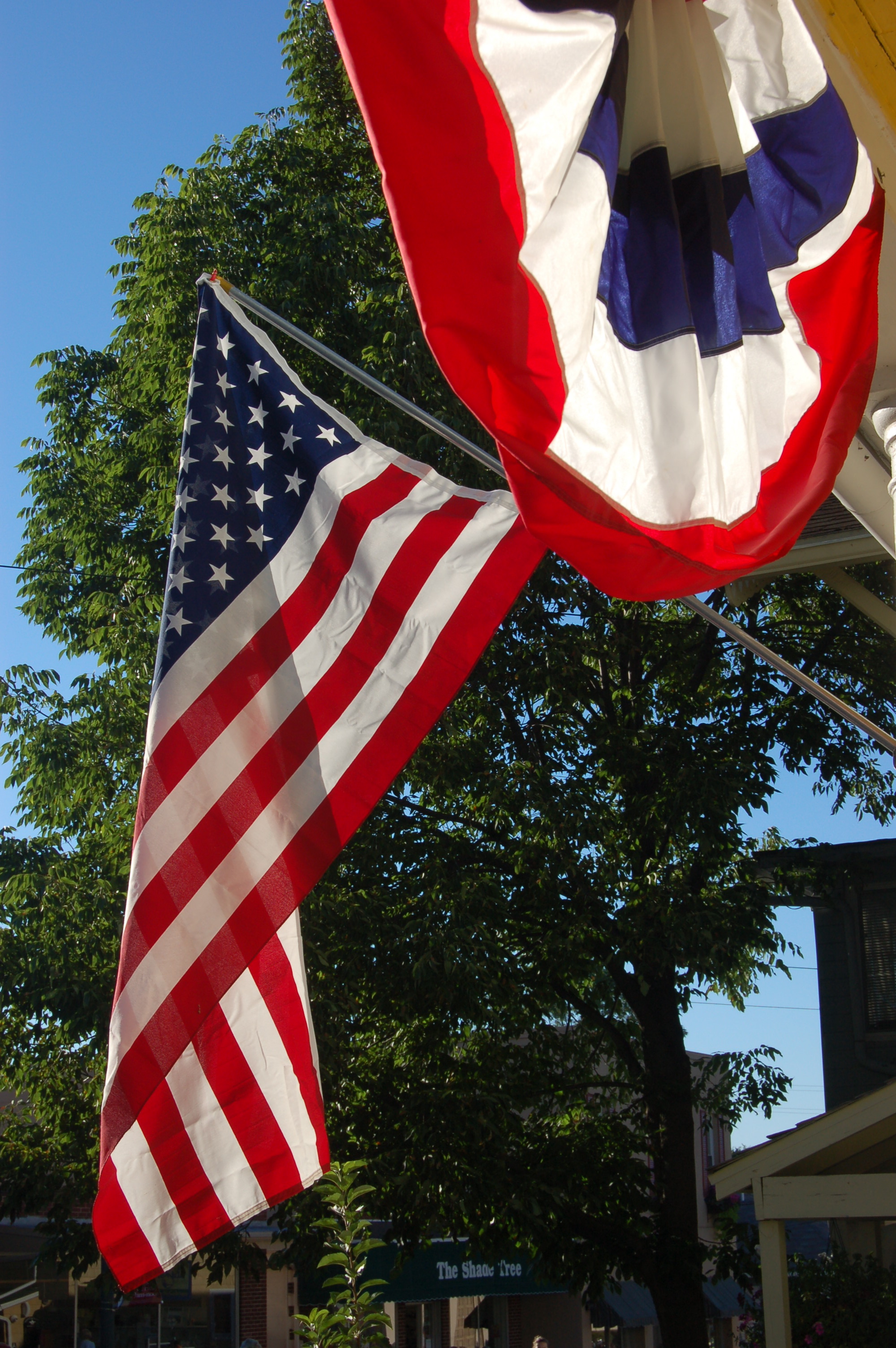
With the kids grown and gone, my wife and I began celebrating Memorial Day at our favorite vacation spot, Lakeside, Ohio. We enjoyed the company of Flag and bunting by Bruce Stambaughfriends, along with food and games. Patriotic events were staged, too, but my preference leaned more toward remembering in silent contemplation than engaging in nationalistic revelry.

As a young boy, I remembered spending hours sorting through the hundreds of black and white photographs that my father had taken during his stint in World War II. I was fascinated with the exotic South Pacific images I saw depicted in those old photos. Water buffalo, island natives selling goods, and intended to be silly equator-crossing ceremonies all intrigued me.

Dad, like his father before him, never wanted to talk much about the war. They each only shared briefly about their individual involvement. I came away from those limited discussions with the impression that both Dad and Grandpa Merle had abhorred their wartime experiences. They wouldn’t give details, but I concluded that it was the fearsomeness of it all from which they wanted to protect me.

Grandpa had served in the trenches in France during World War I, and was hit with mustard gas. He was only treated at a field hospital, and since they had no record of his injury, he suffered with chronic coughing the rest of his life.

Dad, on the other hand, chose a rosier route, avoiding the negatives. He bragged about being on the first ship into Tokyo Bay and how movies were traded from ship to ship via pulley and cable systems. In his retirement years, Dad enjoyed periodic reunions with his U.S.S. San Diego shipmates.

Neither my father nor my grandfather celebrated Memorial Day in grandiose, red, white and blue style. Rather, they chose to personally remember the horrific effects of war silently, privately. All the while, they relished in being surrounded by family and friends, enjoying the precious moments at hand.

This Memorial Day, I plan to do the same.

A long answer to a simple question

Garden pond by Bruce Stambaugh
The little garden pond in our backyard.

By Bruce Stambaugh

During his last visit to Ohio, my Virginian grandson, Davis, asked me a simple yet rather analytical question, befitting the inquisitive four-year-old, left-handed boy.

Davis and I were outside filling birdfeeders near the little garden pond positioned a few feet away from the back porch and just outside our kitchen window. Davis approached the pond’s edge, lined with mostly flat rocks scavenged from the neighbor’s farm fields.

“Poppy,” Davis queried, “Why do you have a pond?”

The bluntness of the simple question gave me pause. I straightened up, and thought long and hard before I answered him. The tone and intensity of his uncomplicated question told me that Davis really wanted to know.

As I contemplated my answer, Davis waited patiently, searching for the resident frogs and trying to count the darting goldfish. His long, strawberry blonde curls bounced with even the slightest move.

I was impressed with his youthful inquisitiveness. His question piqued my own consciousness regarding the purpose of the pond. I gave Davis the long answer.

I told him that when I retired as a principal, the staff and students at one of my schools gave me a gift certificate to build a garden pond. Apparently, I had let it slip that the pond was one thing I wanted to create once my school days were completed.

Of course, all that was probably too much information for Davis to process. Perhaps it mimicked a politician’s answer to a reporter’s intrusive direct question. Davis looked at me with his big blue eyes and repeated, “But why?”

I changed tactics. I gave him the words I figured he knew and that I loved.

Red-bellied Woodpecker by Bruce Stambaugh
A male Red-bellied Woodpecker enjoyed a sip from the little waterfalls on a cold December day.

I told Davis that the pond attracts life. I itemized a quick catalog of what I meant. The birds I enjoy watching, squirrels, rabbits, deer.

“Deer?” Davis quizzed long and slow, head tilted, hands thrown into the air.

I explained that although I had never actually seen deer drink there, I had found their hoof marks in the mud and snow around the oblong pool. We stepped away, and soon a chipping sparrow flitted to the gurgling little waterfall for a refreshing sip.

Grandson by Bruce Stambaugh
Davis, my inquisitive grandson.

I could almost see Davis’ gears churning beneath those flowing locks. I knew the inquisition would continue.

“Why do you have goldfish?” Davis asked next.

I lovingly touched his curly head and simply said, “So you and your brother can feed them.” Davis looked up at me and smiled, as if he sensed the patronization.

“The fish help keep the pond clean,” I continued. “They eat things that float in the water.” I prayed he didn’t ask for their scientific names.

My grandson’s pointed question helped me step back and appreciate my little garden pond all the more. I enjoy its abundant life, the alluring sound, the attractive and useful greenery in and around the pond, along with the attraction of fur and feathered wildlife year-round.

Those intrinsic pleasures more than compensate for the necessary regular maintenance required to keep the pond in a habitable state. Now, whenever I clean the pump filters, watch birds revel in the water and hear the frogs croak late at night, I’ll remember Davis’ clear question, too.

I know why I have a little pond with a miniature waterfall, brilliant orange goldfish and complementary water plants. “Because I like it,” which is what I should have told Davis in the first place.

My journey with cancer so far

By Bruce Stambaugh

On the morning of Dec. 14, 2010 I got the call I had dreaded. My preliminary test for prostate cancer was positive. A follow up biopsy confirmed the results. My journey with cancer had begun.

My immediate reaction was more of disappointment than surprise. My father had died of prostate cancer, and my older brother had had his cancerous prostate removed a year and a half earlier.

I saw the miseries my father had been through, and I knew what inconveniences my brother dealt with. Still, it was that immediate family history that resulted in my early diagnosis, for which I was most thankful. My doctors tested my PSA level twice a year.

Nevertheless, my initial emotions resembled the steepest, most winding roller coaster at any amusement park. Only, this turn of events wasn’t amusing. It was sad, frustrating, discouraging, lonesome, unacceptable, and agonizing all rolled into one.

At the same time, I knew that with the early diagnosis that I likely would have many more options than other cancer patients with much worse prognosis. And yet, this cancer was in my body and I was not happy about it.

I had been close to cancer before. Besides my father and my older brother, other close relatives and friends had had cancer. Too many acquaintances, former students and friends have either had cancer, are currently in their own battle with cancer, or have died because of it.

Each of their experiences touched me. Still, when the doctor tells you that you have cancer, everything changes.

Yes, it had been detected early. Yes, it likely could be removed or radiated. But it was still cancer. There is no good cancer. Cancer is cancer. Any action to counter the disgusting disease had the potential for unwelcome and unwanted physical, mental and emotional consequences.

Even so, I have found both friends and renewed friendships so far along this rocky path. I have been proactive in asking questions, and others have reached out to me.

Blues Brothers by Bruce Stambaugh
Kim Kellogg, Millersburg, OH, Randy Murray, Orrville, OH and I have formed our own prostate cancer support group. We meet about once a month at a local restaurant.

I meet periodically with two friends, both also in the midst of dealing with prostate cancer. Hearing their stories helps me to understand that each situation is different, and requires decisions that are best for each individual. The road to being cured from prostate cancer is different for every patient. Indeed, for some, there is no cure.

My route took me to a new urologist who laid out the best options for me, naming one by one the potential side effects, both short and long-term. None of them were pretty, including incontinency and impotency.

I have chosen robotic surgery as the best way to deal with my cancer. It is the least invasive, least painful, has the least blood loss, and the quickest recovery time, assuming all goes well. Plus, the surgery will remove the cancer from my body.

My particular prognosis for recovery is good, much better than hundreds of thousands of other cancer patients. I don’t find much solace in that, however.

Statistics show that one in six men get prostate cancer, and some of them are as young as 30. Early detection through testing is paramount, especially with a family history of the disease.

Others who have been down this road ahead of me say it’s important to maintain a positive attitude. That is how I am approaching my surgery. With supportive friends and family, I am comforted knowing that I do not have to walk this journey with prostate cancer alone.

Footnote: I especially appreciate the information and support received so far from Gabe Canales and his Blue Cure Foundation, along with all the good folks who post on Gabe’s Journey with Prostate Cancer Facebook page.

My mom, beautiful in so many ways

By Bruce Stambaugh

My four siblings and I were very fortunate to have the mother we did growing up.

The two decades that followed World War II were some of the most eventful yet tumultuous of the 20th century. However, I don’t remember feeling afraid in our modest household. I think Mom helped us stay focused on the positive aspects of life.

Mom, along with Dad, trusted us. Yes, we had rules, but they weren’t suffocating to us energetic, adventuresome youth. They just kept us connected and safe. We were taught to be polite, seek justice fairly, and to always be honest.

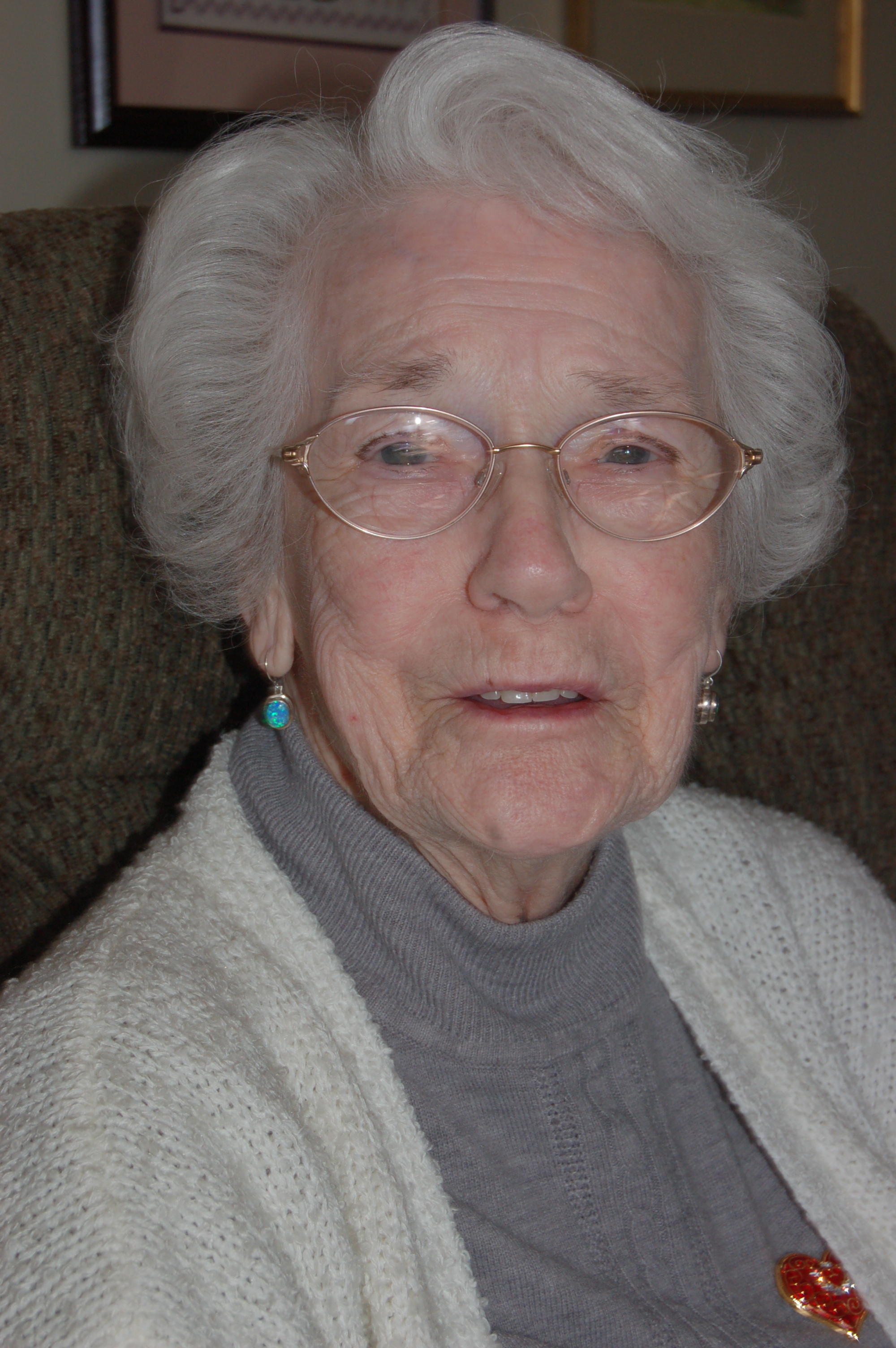
Marian Stambaugh by Bruce Stambaugh
Marian Stambaugh

As was the custom in that era, Dad was the breadwinner and Mom the housewife. Right or wrong, few seemed to question that model until my teenage years. It was just the way it was. I think I found a certain comfort in that daily arrangement.

Mom didn’t smother us, but we saw and sensed her love in how she handled every situation. Besides doing all of the housework, and there was a lot of it with five children and a working husband, Mom somehow managed time for each one of us.

She was there to mend both our scrapes and our clothes. We weren’t rich by any stretch of the imagination. Mom somehow made do with the meager salary Dad earned.

Busy as she was, Mom would always take time to interact with us personally as much as she could. Once, when no other kids were around, I asked Mom to play pitch and catch with me. She dropped what she was doing, found a glove and threw the ball back and forth with me for several minutes in the summer sun. And Mom didn’t throw like a girl either.

When we were ill, Mom was there to comfort us. When we were bad, she knew how to discipline justly and accordingly. I will confess that I always enjoyed watching my brothers and sisters getting the what for. I never did of course.

As a teenager, I felt my relationship with my mother growing stronger, better, yet different. Mom and I would regularly engage in protracted conversations covering a wide range of topics, including stories from her past that I had never heard before. Those were precious moments indeed.

Mom was as wise as she was talented and beautiful. She was smart enough to give us the space and freedom we each needed to find our own way in the world.

Mom was more than a mother and a wife, however. She had a life, too. She learned to drive at age 40.

Mom bowled with her sisters and mother. She was an accomplished artist. Even though she won awards and sold many of her watercolors, Mom seldom was satisfied with her vibrant renderings. I must have gotten my modesty from Mom.

Watercolor by Bruce Stambaugh
One of the many watercolor landscapes painted by Marian Stambaugh

Those snippets of memories can’t compare though to the love my siblings and I still have for her today. Out of necessity, Mom, who will soon be 90, is now the one receiving kindly care.

She is happy. She is still friendly and polite. And I wish I had a dollar for every time I have heard others remark about how beautiful a woman she is. She always was, and still is.

The five of us siblings were fortunate to have such a wonderful mother to guide and nurture us. Today we are fortunate to still be able to thank Mom for the many forms of beauty she modeled for us all.

A window with an ever-changing view

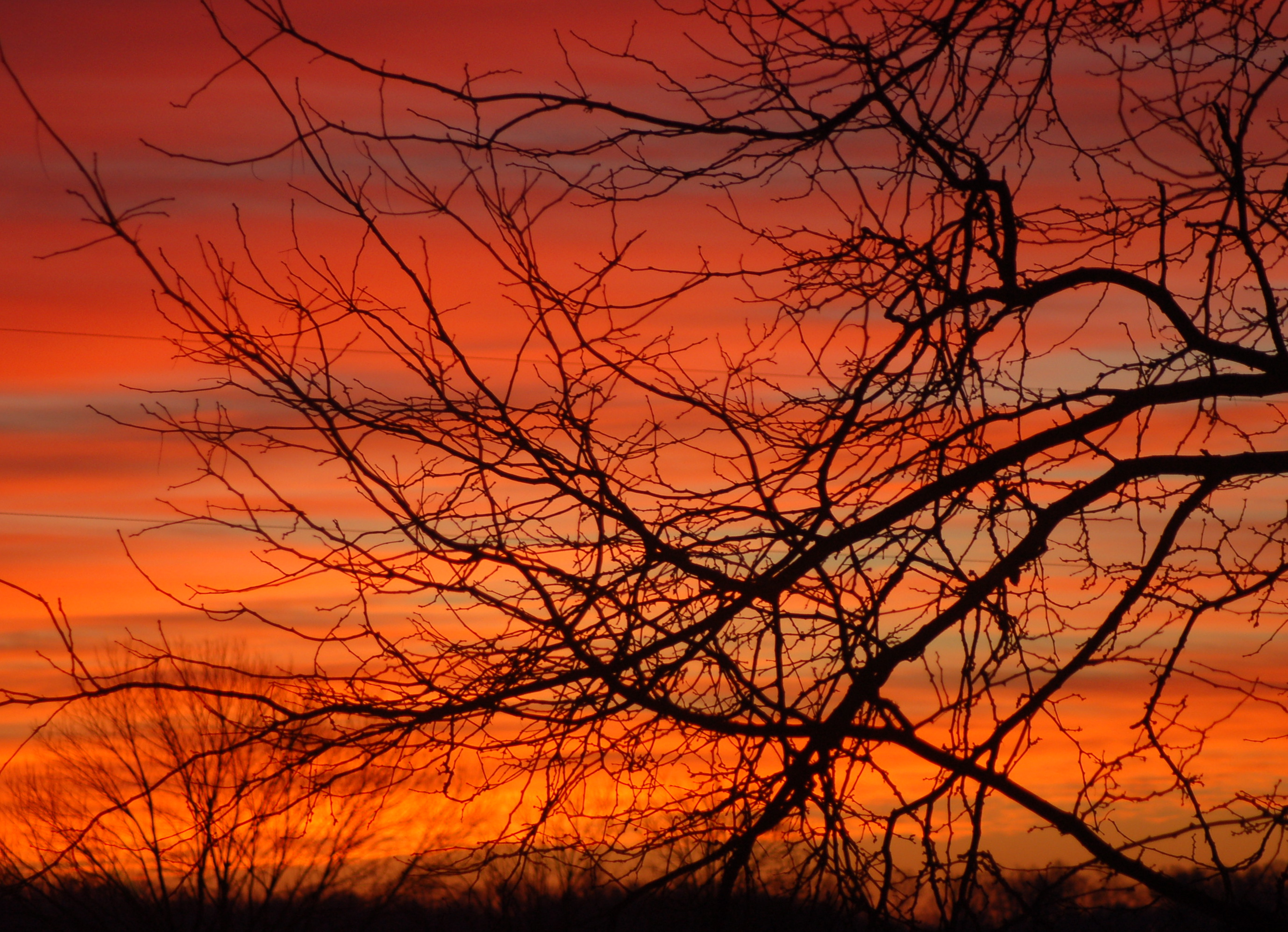
Ohio sunrise by Bruce Stambaugh
One of the many spectacular sunrises I've seen through my office window.

By Bruce Stambaugh

I’m glad I have a window with a view in my home office. That view is forever changing, sometimes subtly, sometimes dramatically.

When our daughter flew the coop 13 years ago to marry the love of her life, her mother and I converted her bedroom into our home office. The room was just the right size to meet our workplace needs. The cheery double window to the outside world was an added bonus.

My work area occupies the space right beside the window on the east side of our east-facing home. My wife’s computer desk is to my right. The window affords me some periodic and necessary breaks from the long-term sitting I do at the computer.

I’ve seen a lot over all the years peeking out that office window. Keep in mind our house is built on an Amish farm on a very busy county road that cuts through the heart of the world’s largest Amish population.

Horse and buggy on CR 201 by Bruce Stambaugh
Horse and buggy traffic is common along Holmes County Road 201.

The surface of County Road 201 routinely carries an amazing array of cargo. If I were to create a catalog of the movements north and south along the road, I would have a pretty thick document.

The booklet’s index would include several categories. A random representation of the locomotion I’ve witnessed would include canoes atop buggies, bicyclists, strings of antique cars, wagon trains, tractor-trailer parades, tractors pulling wagon loads of people sitting on lawn chairs, speeding motorcycles and dedicated joggers.

Of course, not everything I have seen has buzzed by on the highway. We rejoice when we see our neighbors readying their equipment to head out for their work away from home jobs. Given the economy, that surely is a happy sight.

Hoar frost by Bruce Stambaugh
Hoar frost stuck to twigs on a dogwood bush.

Some of the prettier things we’ve observed through the window include incredible sunrises, spiny hoar frost stuck to everything it touched, and triple rainbows. I have watched as golf ball sized hail covered the ground. Blinding snow squalls prevented me from seeing the roadside mailbox.

I have seen some rather ugly images out that window, too. Auto accidents and insensitive people pitching litter from passing vehicles make that unpleasant list.

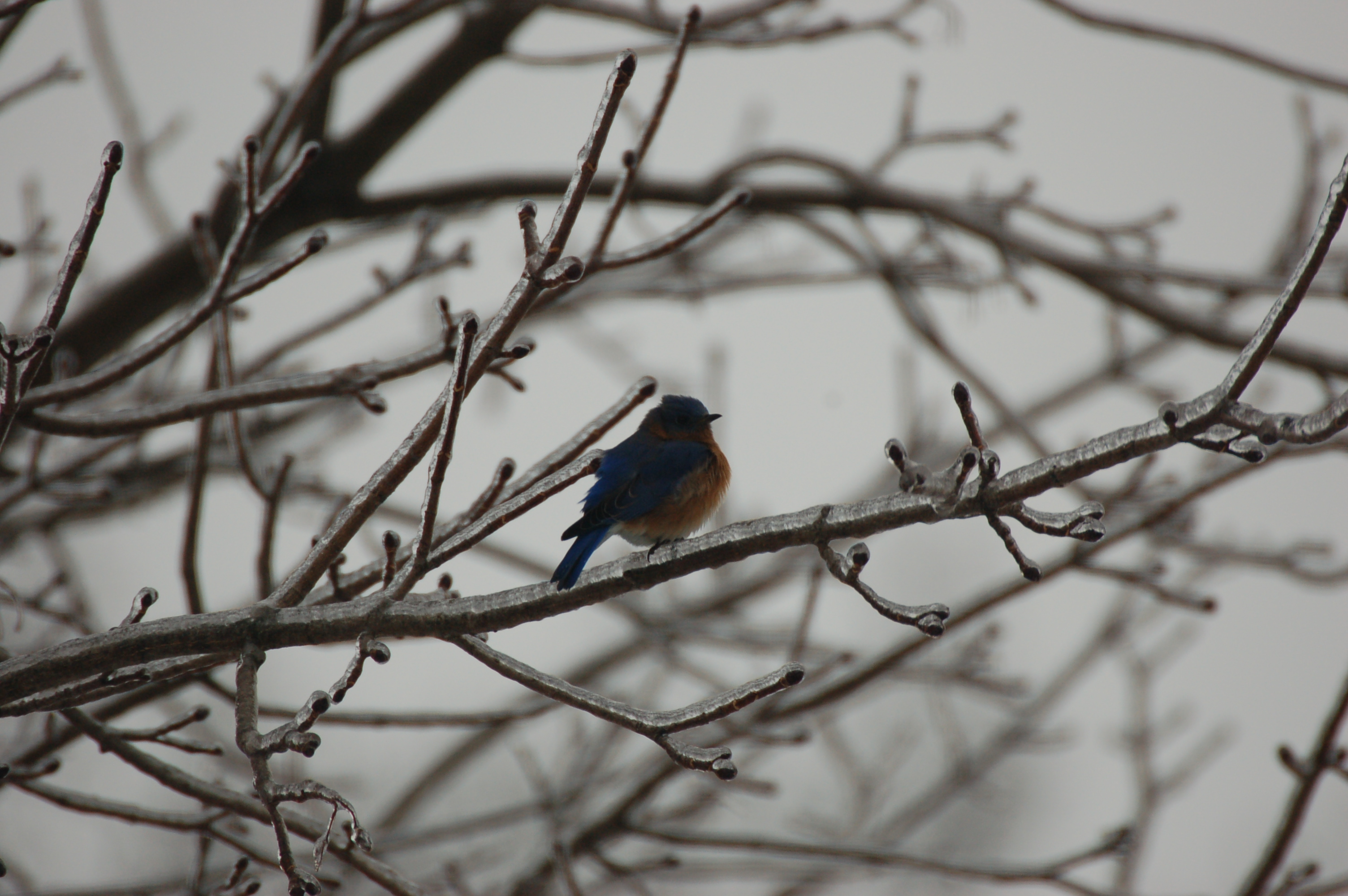
My favorite observations, however, are the animals I see. And just like the highway bill of lading, I have watched a variety of wildlife engaged in assorted activities in every season. Eastern Bluebirds have perched atop the lamppost positioned along the front sidewalk. Deer scurried for cover by taking a shortcut through the front yard.

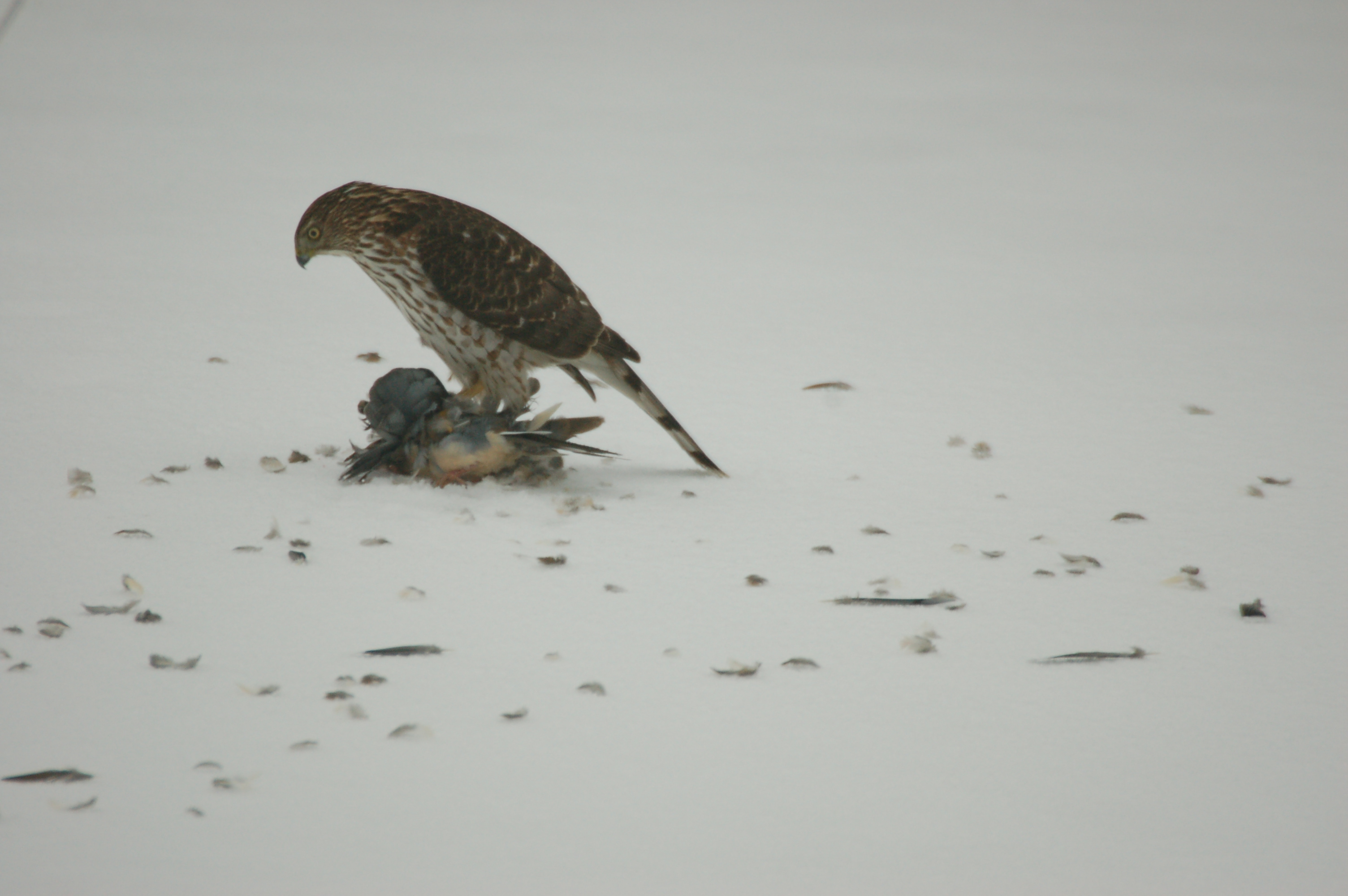
Cooper's Hawk by Bruce Stambaugh
A Cooper's Hawk pinned its catch, a Mourning Dove, to the snowy ground.

After one of last winter’s heavy snows, I spied a Cooper’s Hawk pinning its Mourning Dove breakfast to the ground, feathers scattered in a broad oval around the crime scene. I shot lots of pictures through the window for evidence just in case the assault ever got called into court.

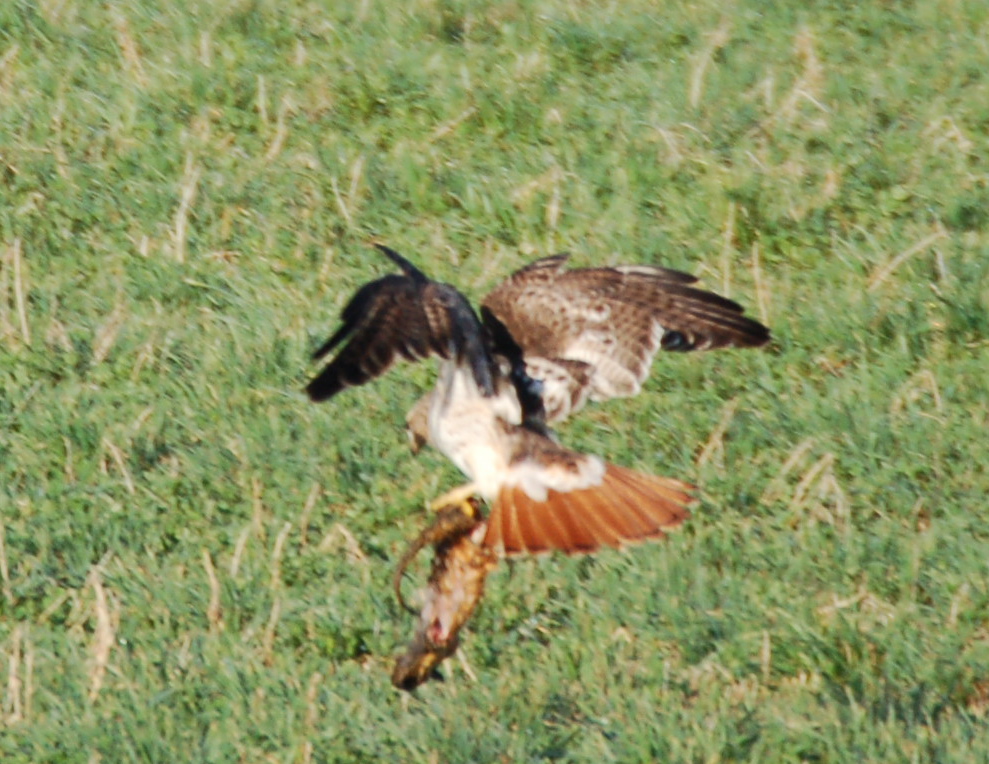
Recently, a curious flash drew my attention away from the computer, through the window to the greening yard. A Red-tailed Hawk had swooped down to claim a fox squirrel that had been run over on the road earlier that day.

Hawk and squirrel by Bruce Stambaugh
The dead fox squirrel was simply too heavy for the Red-tailed Hawk to lift for any distance.

As the hawk tried to roost in one of our Norway maple trees, it dropped the flattened rodent. Try as it might, the hawk could not fly away with its fortunate find.

Finally, the frustrated hawk left still hungry. I took pity on the poor dead squirrel, went outside and placed the mutilated carcass at the base of the tree trunk.

The next morning I discovered the squirrel was gone. Though curious as to what had happened to it, I was really thankful that was one incident I didn’t have to view out my window.

Bluebird on ice by Bruce Stambaugh
A male Eastern Bluebird perched on an ice-covered limb outside my office window.

Staying connected is really important

By Bruce Stambaugh

It didn’t take long for our year and a half old granddaughter to warm up to me when my wife and I visited with her and her family recently in Virginia. Since we live in Ohio, we don’t get to interact with them as much as we would like.

Once Maren felt comfortable in my presence, she was fascinated with my bald head. When I bent down to her toddler level, the beautiful little girl boldly reached out and patted my baldness.

Now and then, after patting and rubbing my head, she would move her hand down, and jab her dimpled index finger into my beard. That little gesture generated an ornery laugh from the precocious Maren.

Granddaughter by Bruce Stambaugh
Poppy and Maren

It was as if she were saying, “If Poppy can grow hair on his face, why can’t he grow it on top of his head?” I’d like to know the answer to that question, too.

Maren was connecting with me inquisitively, creatively. Her affectionate patting and prodding warmed my heart. I truly felt connected.

Near the end of our extended stay in the beautiful Shenandoah Valley, I attended a two-day conference entitled “Conversations on Attachment.” It was about how we humans interconnect with one another, and why it’s so important, even for bald guys.

The words of the various articulate speakers evoked mental examples of meaningful interactions with others. I felt blessed.

Here were renowned psychologists, doctors, therapists, professors and theologians providing well-researched and published theories and studies confirming what I already believed. Humans are social beings designed to be interdependent. We are intended to live in community and in close relationships. One speaker described the collective process of positively relating with others as “a shared humanity.”

Before my wife and I left for our Virginia visit, our son and his wife graciously hosted us for dinner. Knowing how well they cook, I was more than glad to accept their kind invitation in honor of our 40th anniversary.

In addition to the magnificent food, we were pleasantly surprised with the inclusion of the best man at our wedding and his wife. The couple has been lifetime best friends with us. It was an engaging evening of delightful conversation and cuisine.

Texas BBQ smoker by Bruce Stambaugh
Son-in-law, Daryl Bert, and his Texas barbecue smoker

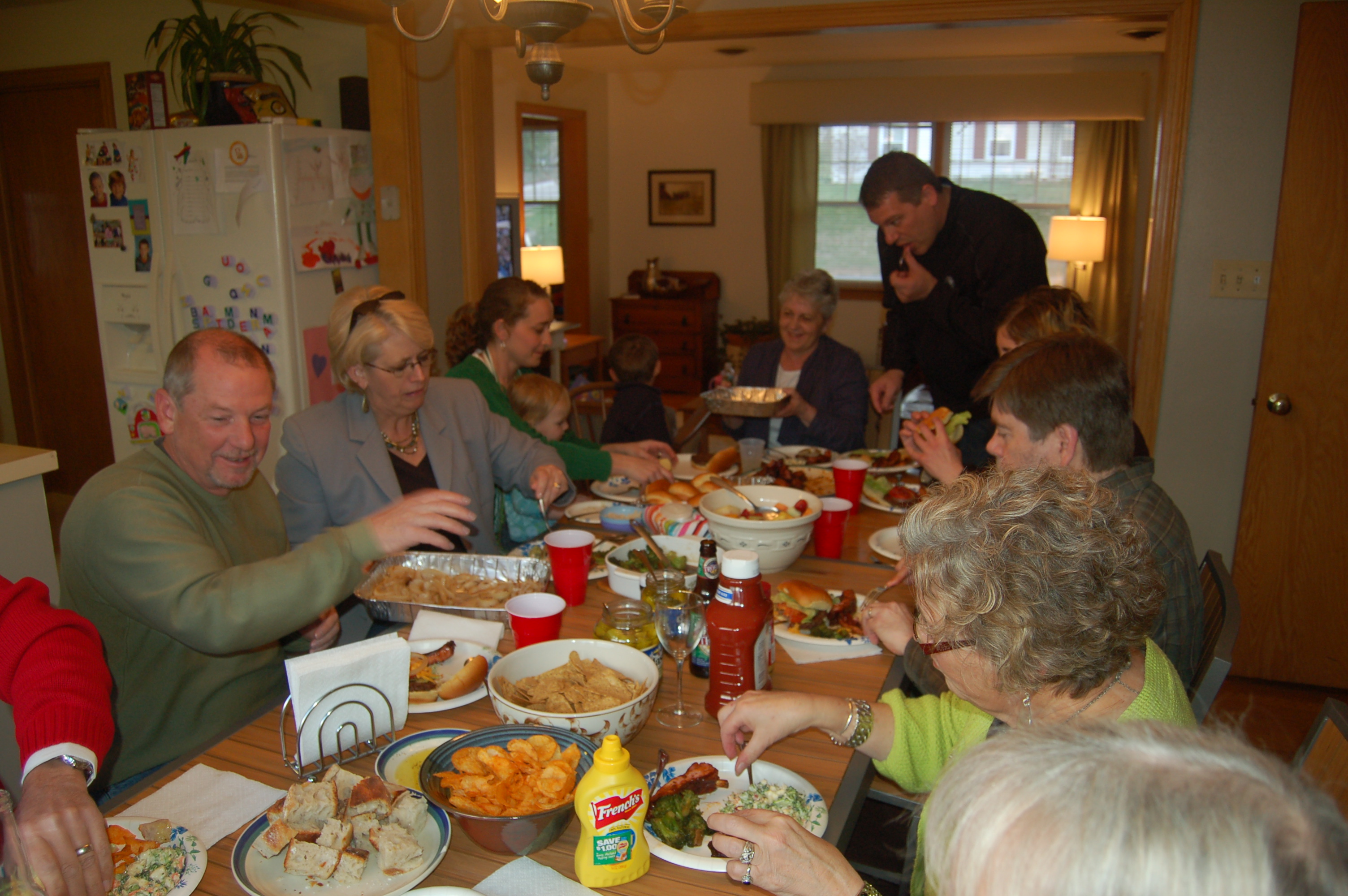
Before leaving Virginia, our daughter and son-in-law repeated the surprise performance at our last supper there. Using his best transplanted Texan barbecue skills, we dined on smoked pork ribs and incredible grilled burgers.

Again, we didn’t feast alone. Our daughter clandestinely invited four couples we had known over the years and with whom we had oft interacted. Now they all lived near her. She also invited our niece, a fellow Virginian. Just like before, we had no idea they were coming.

They each brought their own delicious dishes to complement the meaty main course. When the scrumptious meal wound down, our daughter had the guests disclose how they knew us. As the sharing evolved, something truly amazing unfolded. Though some around the table had never met, as they listened they realized they knew some of the same people mentioned in the various stories.

Their connecting with one another generated joyous revelation. The combination of the great food, inspiring conversation and spontaneous connectivity made it a truly fulfilling gathering. We had held our own attachment conference.

The great food, lively conversing and personal discoveries around the table equated with patting me on the head and poking my beard. I couldn’t get more attached than that.

Traveling the Constitution Route, then and now

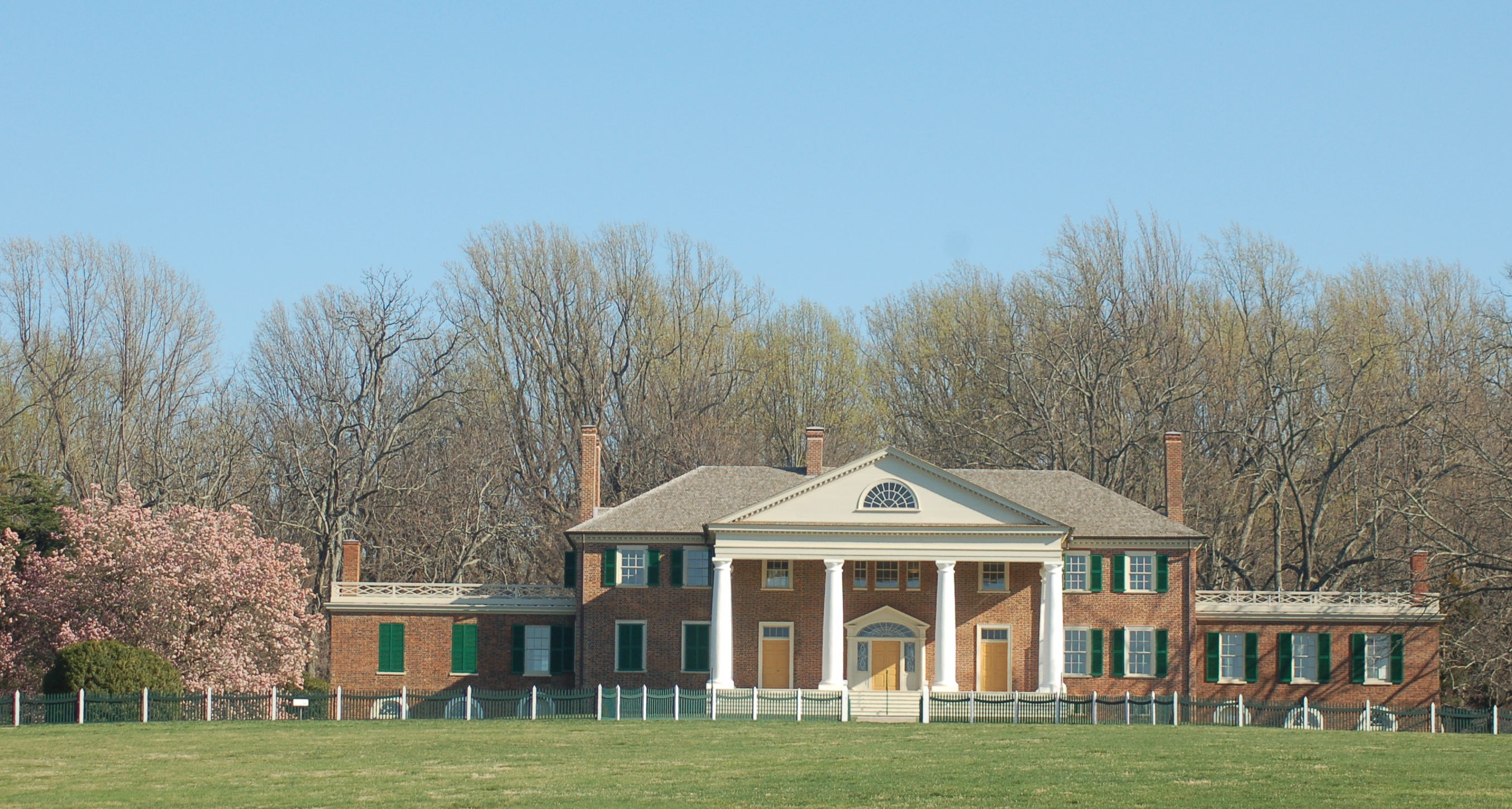
Montpelier by Bruce Stambaugh
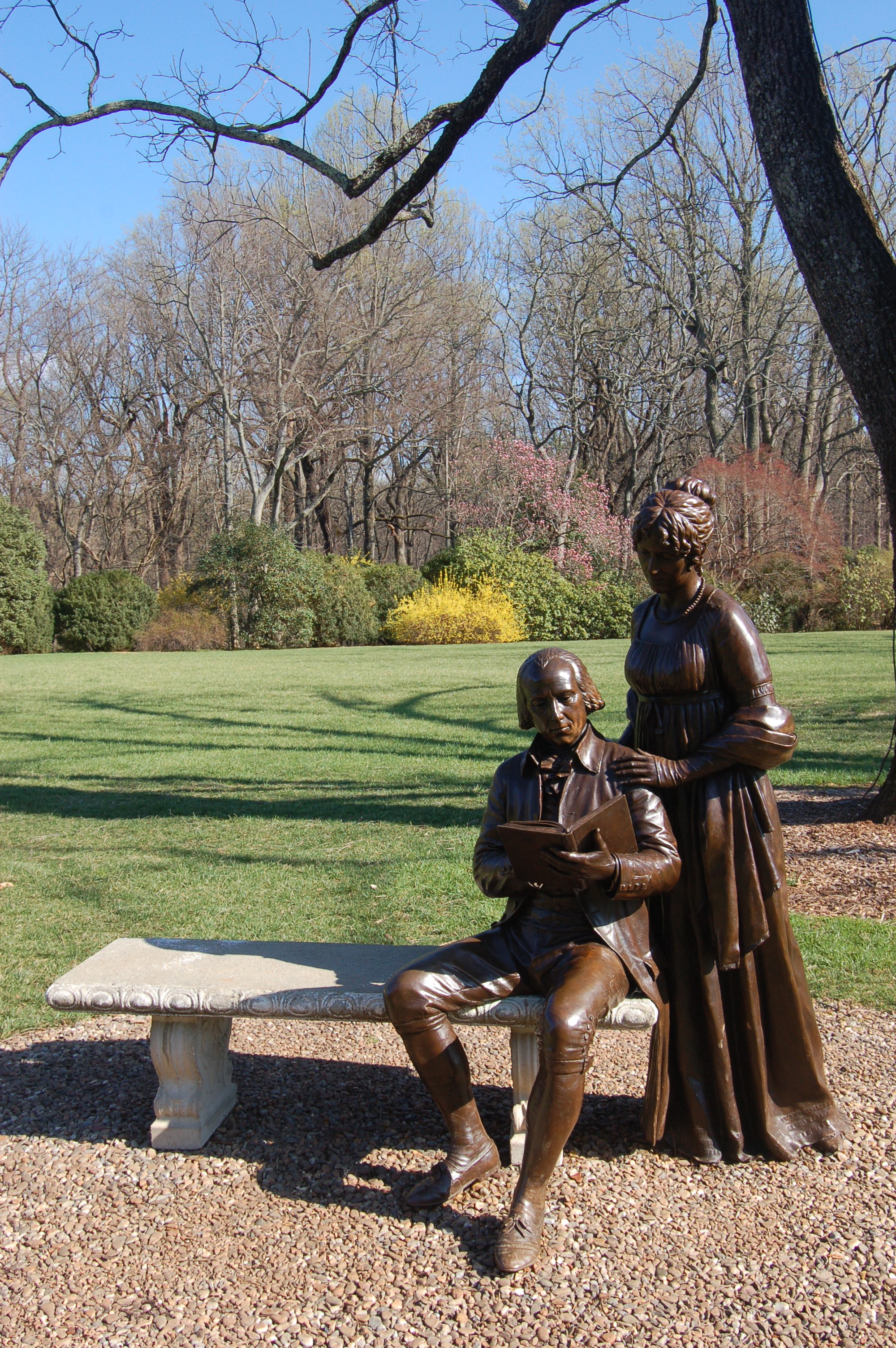
Montpelier, home of James and Dolly Madison.
By Bruce Stambaugh

White, pink and yellow floral displays, both wild and domesticated, brightened the cold, steely overcast morning, invigorating our drive along Virginia’s historic Constitution Route.

Pastels predominated in the form of flashy forsythia bushes and clusters of buttery daffodils, showy pink magnolia petals, peach, cherry and redbud blossoms. Serviceberry bushes and flowering ornamentals showed their whites against winter’s dormant and dull remnants.

Familial signs at the gates of long lanes announced the names of many old money mansions of the sprawling plantations that now operate as horse and cattle farms all along the serpentine trail, officially known as Virginia Route 20. Mint Meadow, Gaston Hall, Hershey Hill, and Somerset were only a few of the rolling farms’ monikers.

Blooms at UVA by Bruce Stambaugh
Ornamental trees were in full bloom in Virginia.

Miles of fences, some white as the tree blossoms that kept them company, others stained soot black, still others meshed wire, lined the curvy route between Montpelier, James Madison’s home, and Monticello, Thomas Jefferson’s architectural wonder.

Most of the meandering highway on the 40-minute drive closely followed the very route that these two founding fathers and United States presidents had traveled by horseback or carriage more than two centuries earlier.

At one of the lazy s-curves, with a greening meadow on the east side and a dense deciduous woodlot on the other, a Bald Eagle flew across in front of us. Its talons clutched a trailing tangle of leafy vines, likely the softer lining for its bulky stick nest.

Though we were traveling at a much faster pace in a much faster world, I couldn’t help but sense the history that had happened along this path and at the dignified homes we passed. Only now farmhands groomed the horses and fed the cattle instead of slaves.

Madison statue by Bruce Stambaugh
A lifesize statue of James and Dolly Madison accentuates the beautiful backyard at their historic homestead, Montpelier in Virginia.

At Montpelier, a spreading magnolia in full-bloom served as the backdrop for a life-sized bronze statue of James and Dolly Madison. Though slight in stature, both were giants in establishing the democratic and social courses for our fledgling republic.

The ingenious Jefferson, author of our Declaration of Independence, and the meticulous Madison, the father of the Constitution, regularly rode the Constitution Route to each other’s homes to both socialize and pontificate.

To walk in their footsteps and see first hand their magnificent homes, slave quarters included, and to learn more about their magnificent minds and accomplishments was beyond inspirational. It was humbling and moving.

Exploring there was a refreshing retreat from the current turbulent and often selfish political times in which we find ourselves. Silently I wondered what these two great men would say about today’s state of affairs. At each location, the informative visitor centers helped answer that pondering.

Montpelier slave quarters by Bruce Stambaugh
Excavating the living and working areas of Madison's slaves at Montpelier is underway.

Jefferson and Madison, both learned visionaries who lived at opposite ends of the Constitution Route, were united in determining the direction the Constitution should take, that all people are created equal and endowed with specific freedoms.

Virginians will quickly point out that both men played prominent rolls in developing the Virginia Statute of Religious Freedom. Their joint influence is revealed in the law: “The religion then of every man must be left to the conviction and conscience of every man.” That concept was the first point Madison made in the Bill of Rights.

The two homesteads were fascinating to tour. The dedicated commitment of Jefferson and Madison to form, frame and cement certain rights, including the choice of religion sans government endorsement or coercion, made the Constitution the jewel in the crown neither president ever wanted to wear.

Monticello by Bruce Stambaugh
Thomas Jefferson's masterpiece, Monticello.

Things don’t always go as planned

Monticello by Bruce Stambaugh
Pastel blooms accented Monticello's architectural beauty.

By Bruce Stambaugh

I’m a planner. So is my wife.

When we arrange a trip, like we did for our 40th anniversary that we recently celebrated, we share completing the travel details. We also recognize that not everything can be foreseen.

We have come to expect the unexpected, especially in our travels. The motel room doesn’t look half as good in person as it did on the website. Highway construction forces us to take an alternate route. A storm cancels our scheduled flight.

Those examples of inconveniences can be amended. Add in the human factor, however, and unanticipated events can throw a real curveball into the most detailed itinerary.

Robert Burns immortalized this phenomenon in his poem, “To a Mouse,” when he wrote, “The best laid plans of mice and men oft go astray.” That’s what happened on our anniversary trip.

Our 11-day Virginia vacation seemed simple enough. The first couple of days we would watch our grandchildren while our daughter was away and her husband had several business meetings. We would then escape a few days for our anniversary, and finish up the trip back at our daughter’s place.

We devised all sorts of ideas to occupy the trio of grandchildren, ages six, four and one and a half. Before we left Ohio, we knew the oldest one was ill. By the time we arrived, the youngest had a double ear infection.

Obviously our activity scheme had to be altered. Baby-sitting now included health care. I did squeeze in some individual playtime with the middle child. But even that was limited due to the raw, dank weather. The south had had a harsh winter, too, and although spring had officially arrived, winter still held its heavy hand on the Virginia landscape.
Virginia snow by Bruce Stambaugh
On our anniversary morning, we awoke to four inches of fluffy white snow and the third grandchild also sick. Things weren’t going the way we had hoped.

With reservations made in the historic Charlottesville area, we reluctantly headed out, but only after the temperature warmed enough to slowly melt the snow. Knowing our son-in-law would be home to help a couple of days lessened any grandparent guilt for leaving.

We enjoyed our time away, visiting just some of the several significant places in the history of our country. The weather cleared for our visits to the architecturally amazing University of Virginia campus, picturesque Montpelier, Thomas Jefferson’s masterpiece, Monticello, and James Monroe’s estate.

Montpelier by Bruce Stambaugh
James and Dolly Madison's Montpelier.

Then it was off to quaint, revitalized Staunton for a night before returning to our daughter’s place further up the beautiful Shenandoah Valley. At Staunton, our plans were again derailed. The flu bug caught up to my wife, and when we awoke the next morning snow was again flying. On top of that, I wasn’t feeling the best myself.

Fortunately, the snow didn’t reach the forecasted amount. Unfortunately, our daughter let us know that she was on the way to the doctor with the four-year-old.

By the time we arrived back at our daughter’s, the kids were playing and glad to see us. Our granddaughter kept calling my name, Poppy. Poppy just wished he had felt well enough to answer her call.

Instead, after a bowl of chicken noodle soup, it was off to bed. Like much of our time away, that’s not what I had wanted or planned, an all too personal example of what poet Burns had penned.

Bay Photos by Donna

Wildlife photos from the Chesapeake Bay region

ROAD TO NARA

Culture and Communities at the Heart Of India

K Hertzler Art

Artist and nature journalist in the Shenandoah Valley of Virginia.

Maria Vincent Robinson

Photographer Of Life and moments

Gabriele Romano

Personal Blog

Jennifer Murch

Art is the only way to run away without leaving home. -Twyla Tharp

Roadkill Crossing

Writing generated from the rural life

ANJOLI ROY

writer. teacher. podcast cohost.

Casa Alterna

El amor cruza fronteras / Love crosses borders