
By Bruce Stambaugh
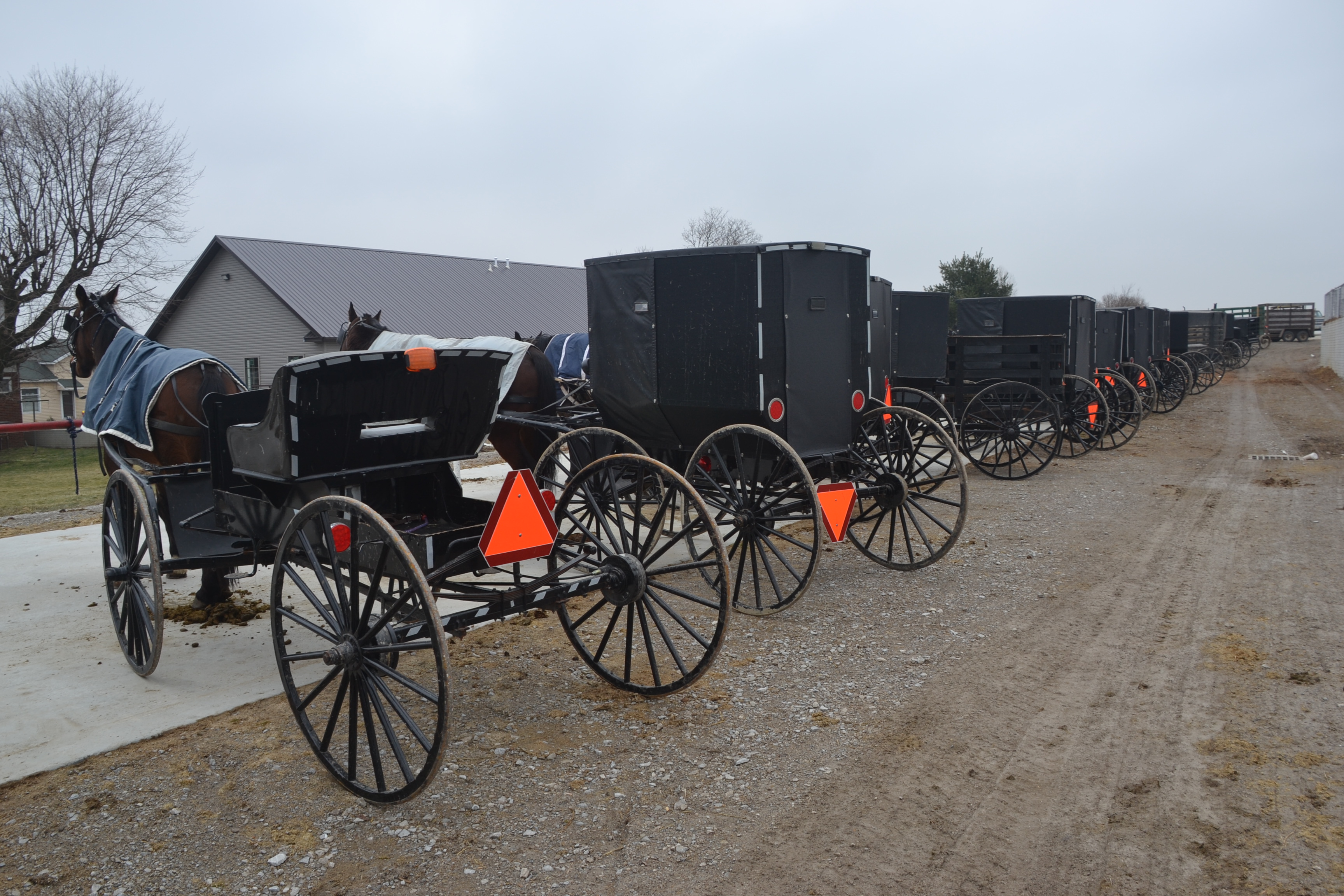
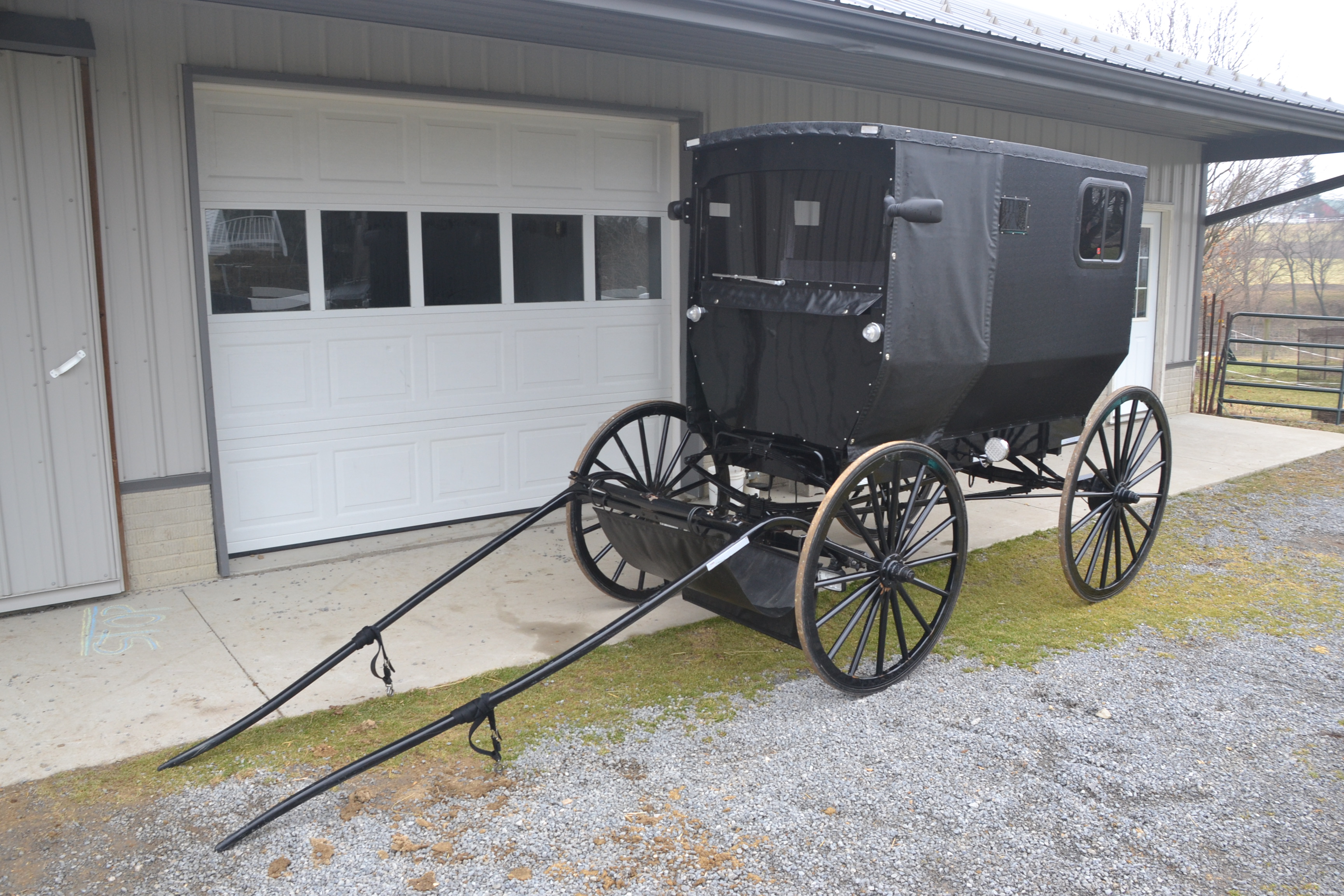
Amish buggies in Ohio’s Amish Country may be all black, but they definitely aren’t all the same. The nondescript, unobtrusive color merely keeps them uniform and modest.
Even if they all are black, a closer look reveals that there are many differences in buggies. These variances are especially true for buggies owned by younger Amish men. Particular attention is paid to the kind of accessories included on their buggies. After all, a buggy can last for 30 years if it is well maintained.
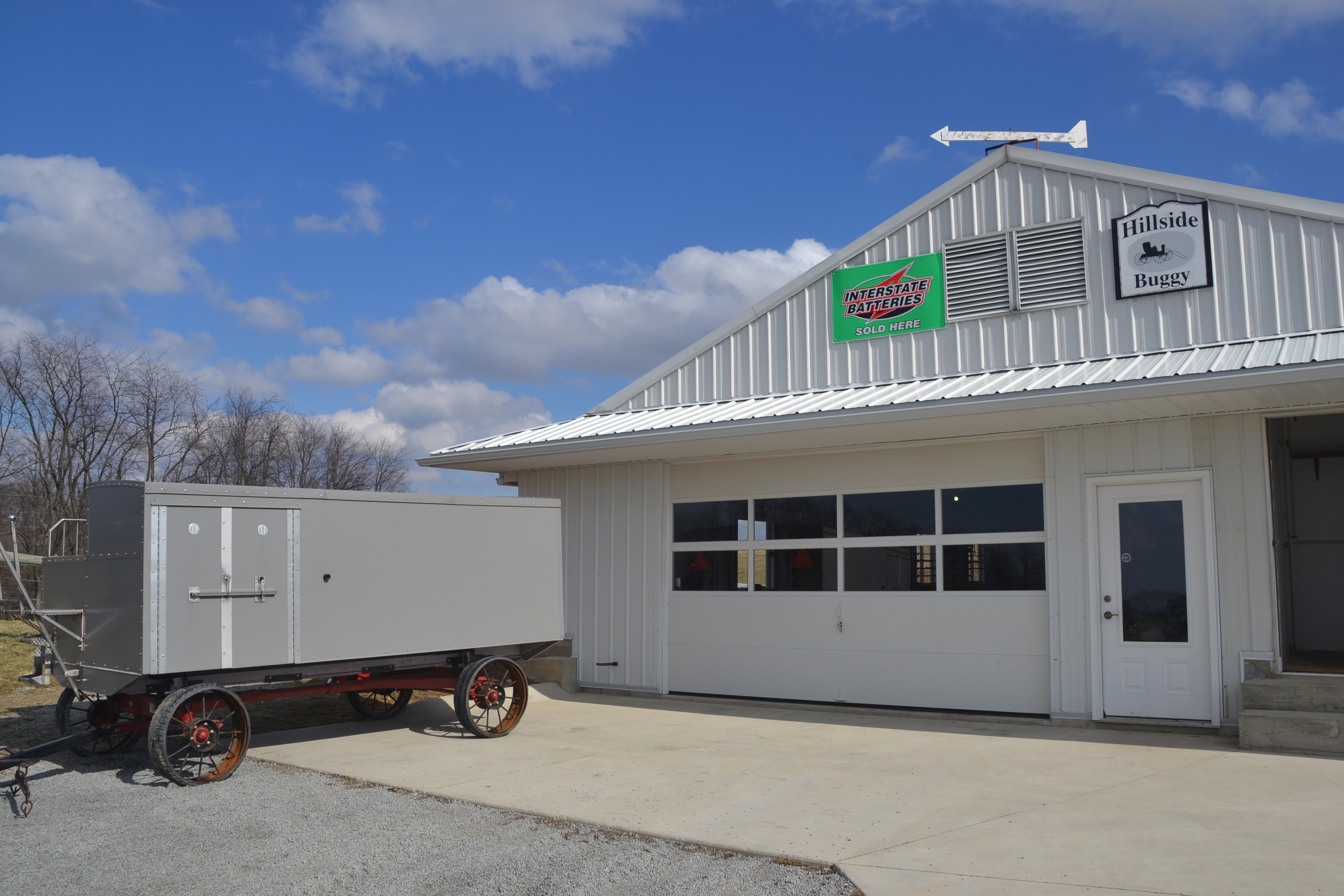
Demand for new buggies is high. Most buggy shops reported a year’s wait for a new buggy. Depending on the size of the shop and the kind of buggies being built, buggies are produced at the rate of no greater than one per week. Buggy repairs are worked in accordingly. Should a buggy be damaged in an accident or lose a wheel, for example, it would receive priority status.
Most buggy shops are family operations. A father and his son or sons may run the shop, assisted by an apprentice or even wives and daughters. This way the trade can be passed from generation to generation.

Because each buggy is custom-built one at a time, assembling a buggy is a prolonged process, taking as long as a year to complete. To build a sturdy, useful buggy, shop owners and workers need a variety of skills. They must be a carpenter, welder, upholsterer, painter and mechanic all in one.
According to Menno Schlabach, owner and operator of M & S Coach near Berlin, buggies start with a wooden base. Reinforced with metal braces, a wood framed structure is attached. The sides and tops are covered with a grained, vinyl coated black cloth.
“With 150 church districts in the area, customization of each buggy varies a great deal,” Schlabach said.
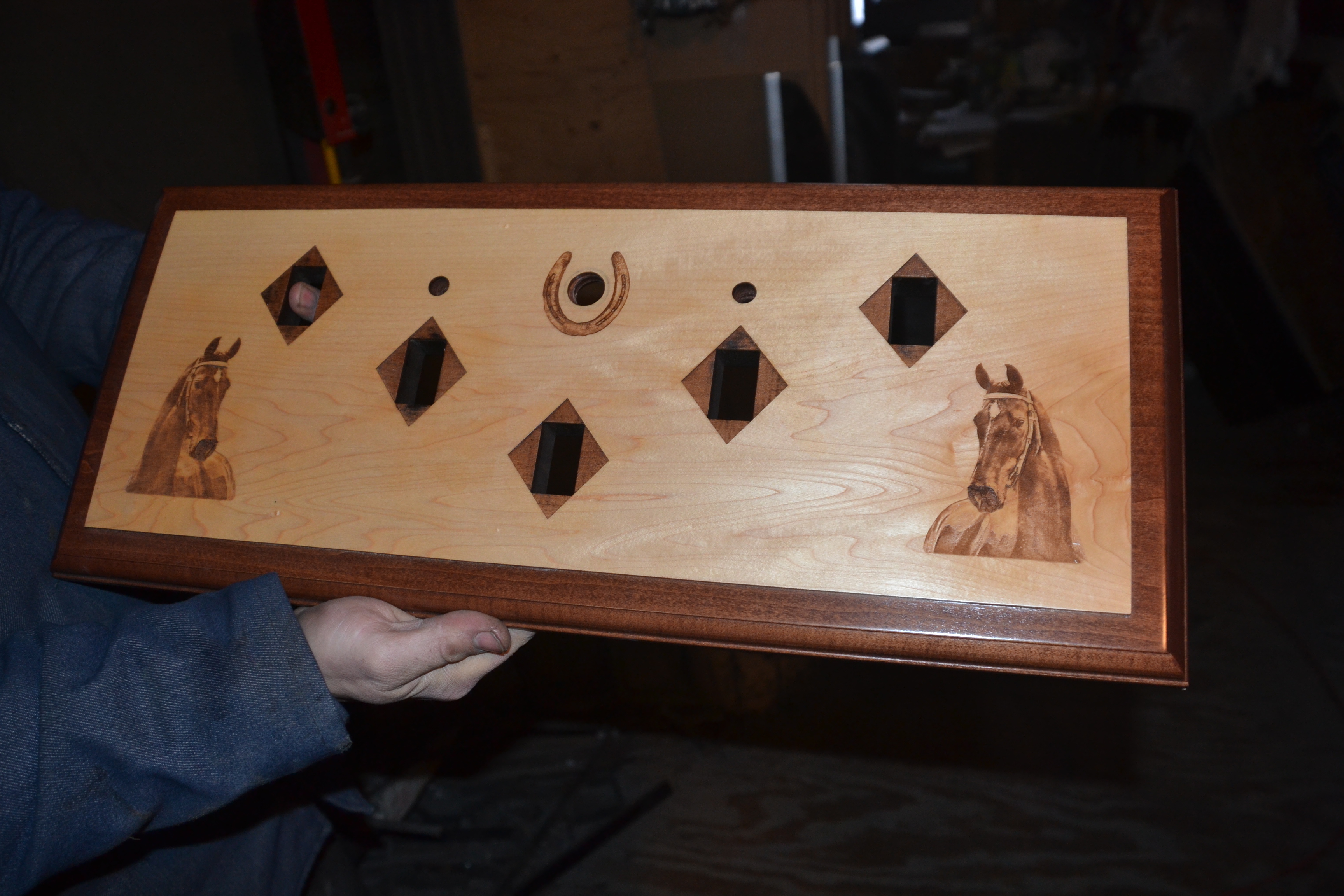
Indeed, it is the customization that allows the customer to put personal preferences into the new buggy to give it character. That process also slows the construction. With all the various options, Schlabach said it takes an average of 150 hours to build a new buggy.
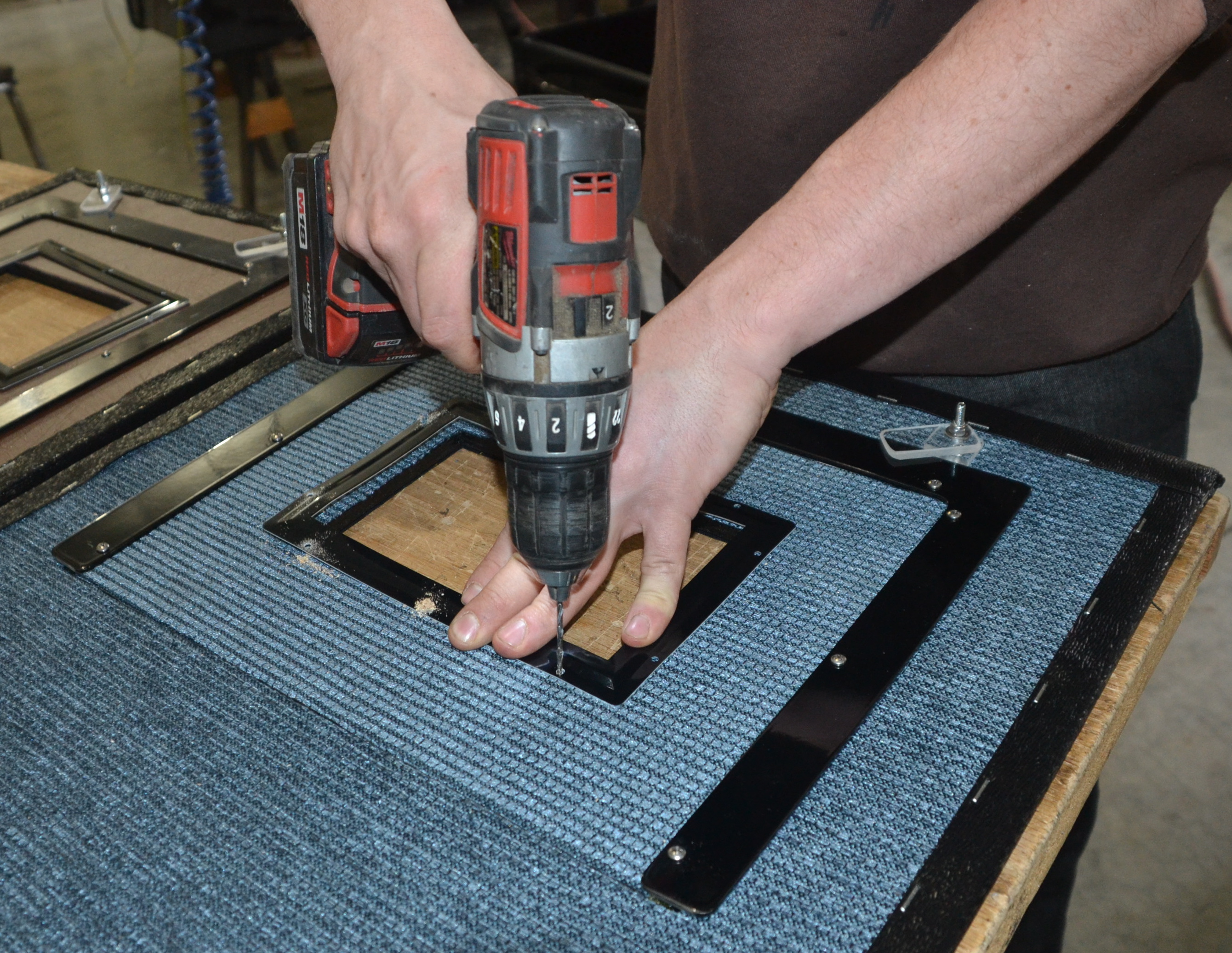
Dashboards seem to be the telling tale of the owners’ preferences. Some are intricately made using inlaid or exotic wood. The dashboards are mounted on the inside of the front piece of the buggy. They generally house switches for exterior and interior lights and turn signals.

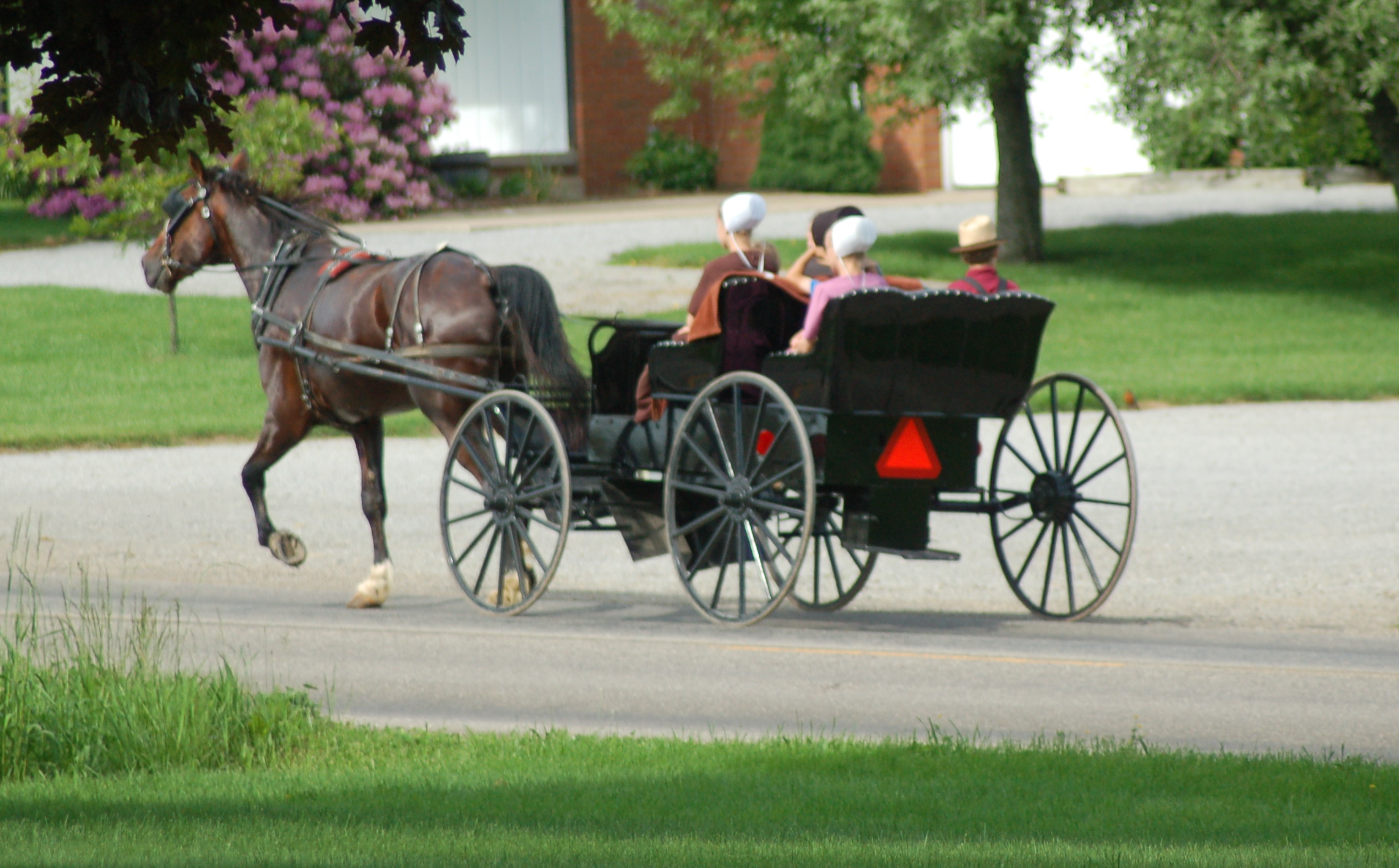
The style of buggy is determined by its purpose. A two-wheeled cart is the simplest of all buggy types and is used for quick, local trips. The hack is the Amish equivalent to a pick up truck. Sometimes called buckboards, a hack is a four-wheel buggy that is designed for hauling livestock and other bulk items. Some driver compartments of hacks are covered, while others are open.
The most common buggy type is the surrey. They are built with a bench seat and a storage area in the back that also has an option for two small flat seats along the insides. The side seats can be removed to increase storage. Usually children use those rear seats.

Surreys come covered or open. Covered buggies are called top buggies. The family version of a surrey has two bench seats and four openings for access, plus some storage space in the rear with a door or curtain that rolls up.

The cost of new buggies varies depending on the type and size of the buggy and the kind and amount of accessories included. A new cart could cost $1,500 while a new, well-equipped mini-surrey could run up to $7,000.
With a horse for an engine, the buggy’s driver steers with a set of reins instead of a steering wheel. Still, the purpose of a buggy is the same as a motorized vehicle. It transports its passengers from one place to the other, just at a much slower speed.
Buggies may be black. But they are an important element that helps keep the Amish culture moving in every way.
© Bruce Stambaugh 2013



 Roadkill Crossing
You must be logged in to post a comment.