Sunset haiku

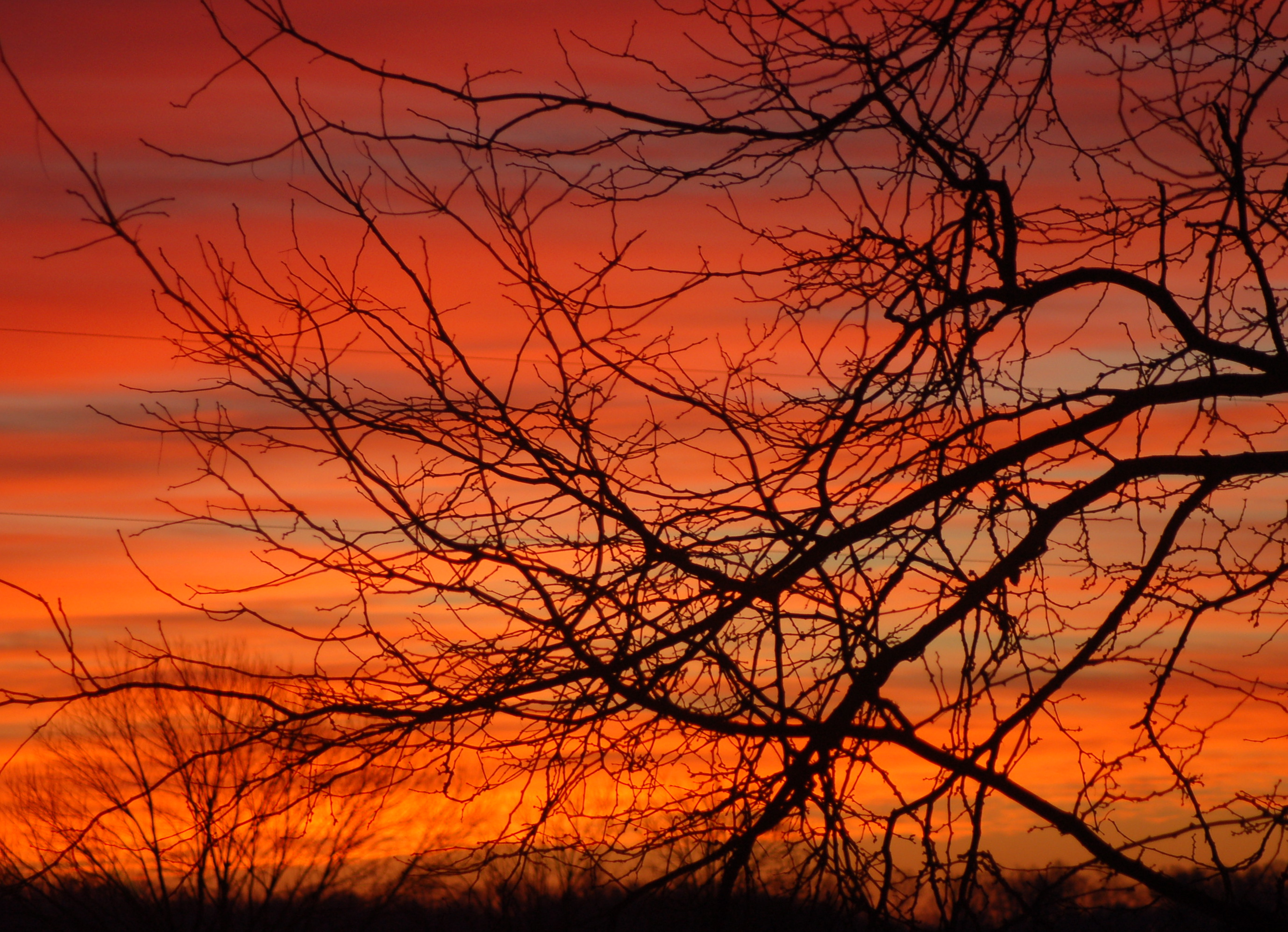
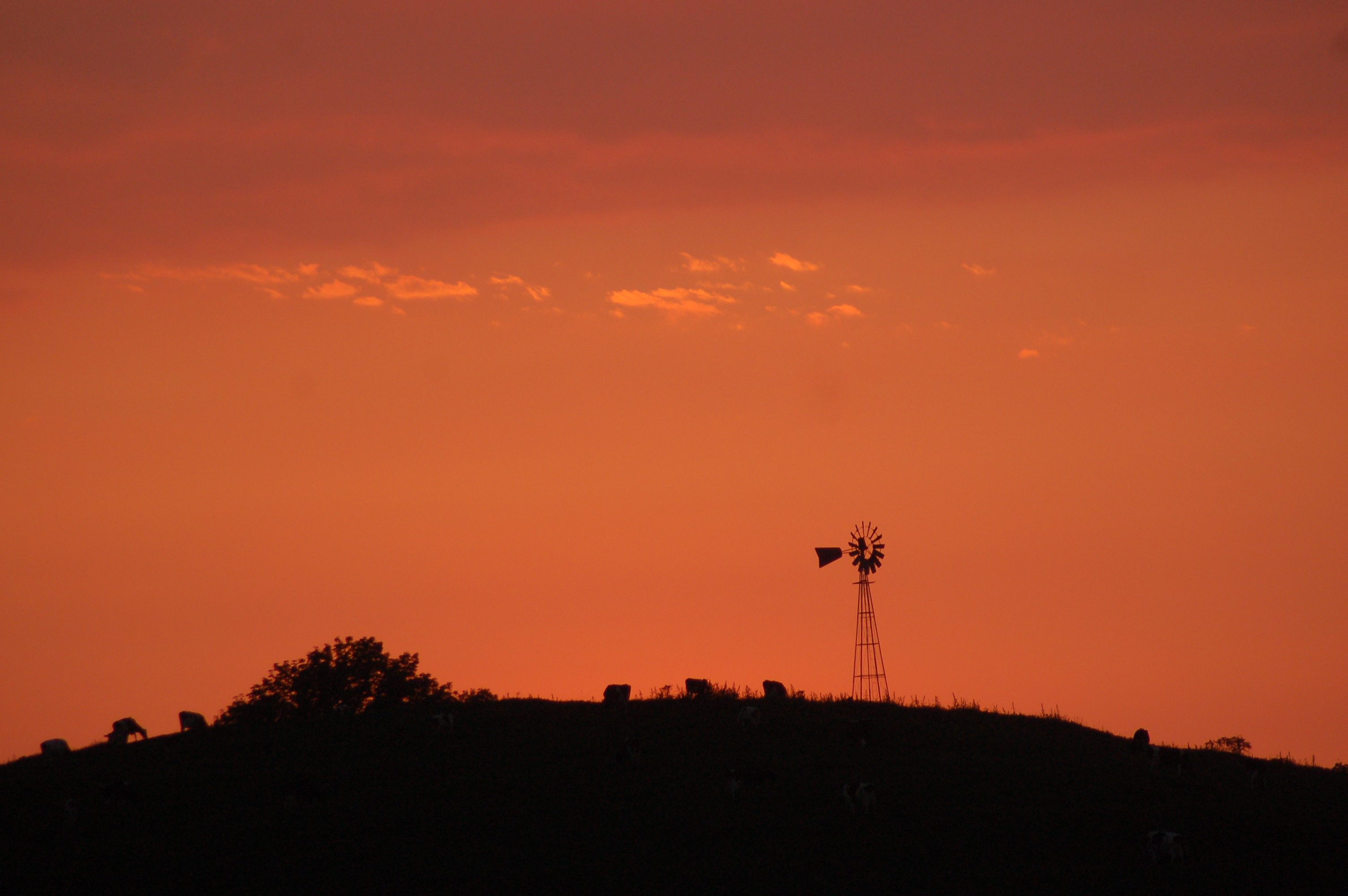
Mackerel clouds at sunset by Bruce Stambaugh
Mackerel clouds at sunset.

Mackerel clouds sail
above the gilded sunset,
trees silhouetted.

Bruce Stambaugh
Feb. 21, 2011

Cold Moon haiku

Full moon by Bruce Stambaugh
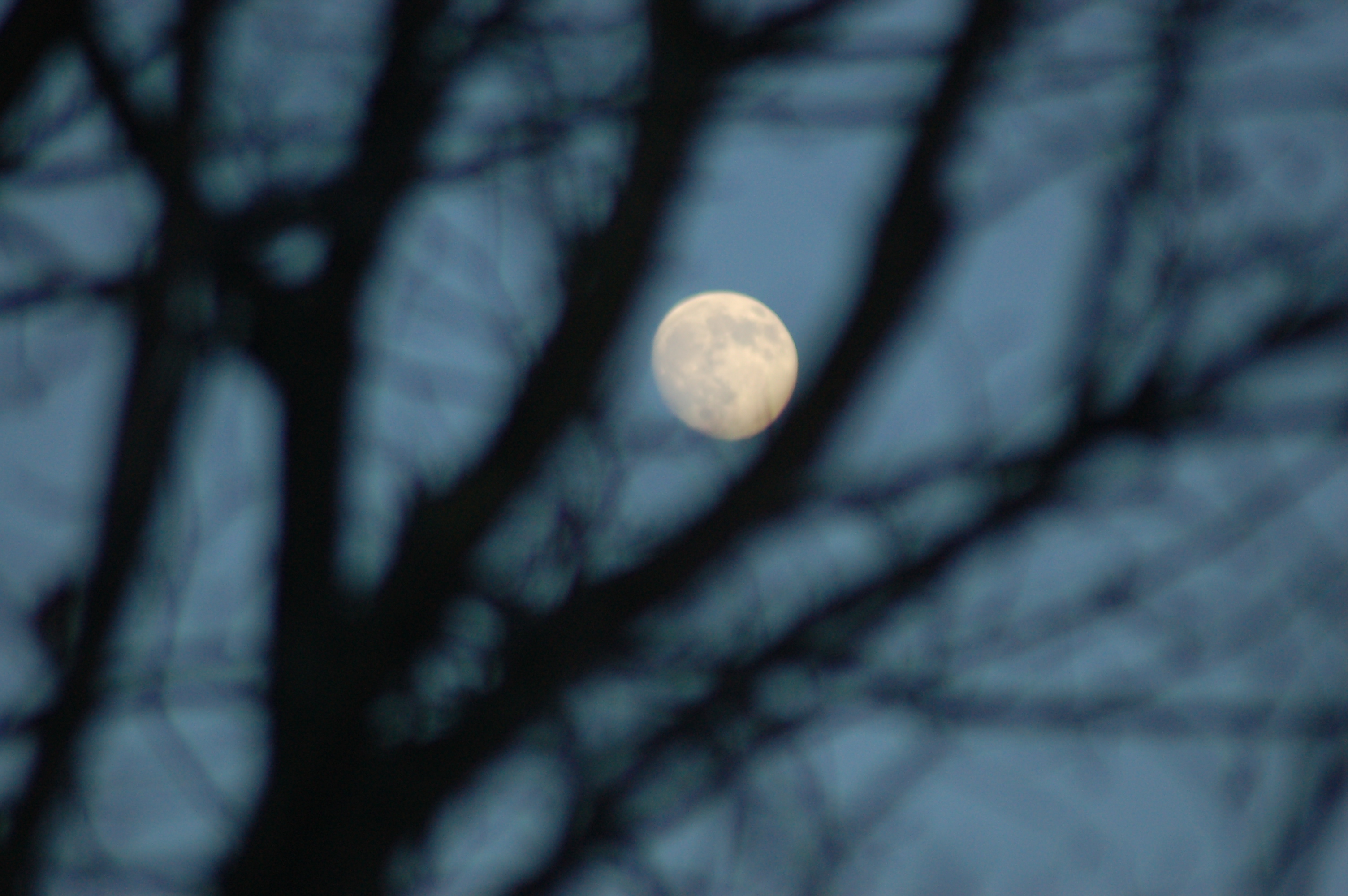
February's full moon is called the Cold Moon.

The icy landscape
glistened the pearly soft light
of the cold full moon.

Bruce Stambaugh
Feb. 20, 2011

Finding the good in the bad weather

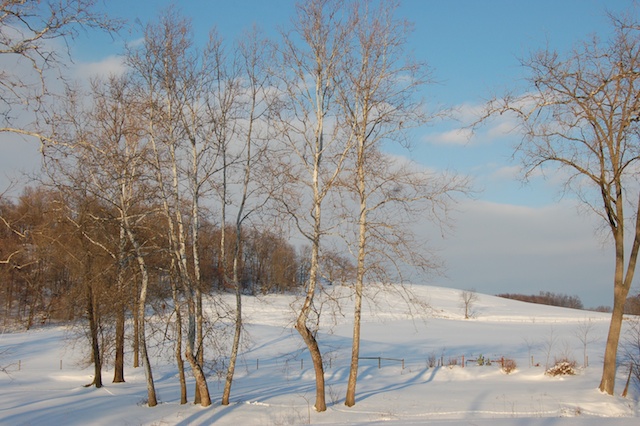
Snow scene by Bruce Stambaugh
Snowy scene in Holmes County, Ohio.

By Bruce Stambaugh

Weather is one of my favorite hobbies. Living in Ohio’s Amish Country affords me plenty of climatological variety to enjoy.

That is especially true in the winter. We never know what winter will bring here when it comes to weather. It could be mild. It could be cold. It could be dry. We could be buried in snow. And all of those scenarios could happen in the same winter season.

I especially like an occasional heavy snow. I love the beauty, the peacefulness, the serenity an abundant snowfall brings. The landscape comes alive, green pine boughs heavy laden with a snowy burden, fire engine red Cardinals searching for seeds, chestnut horses romping in the white, fluffy playground, children bundled up to build snowmen.

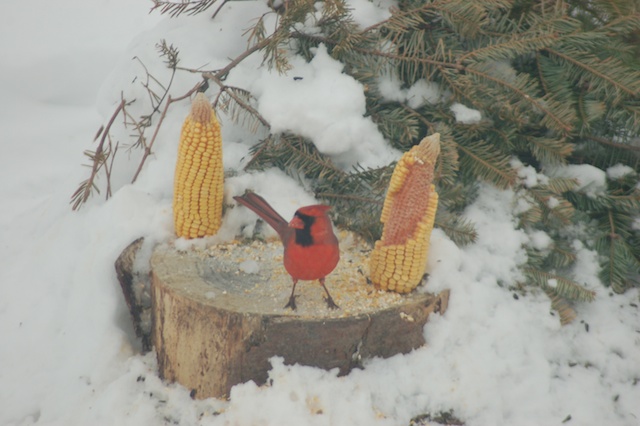
Cardinal and corn by Bruce Stambaugh
A male cardinal at an ear corn feeder.

Of course, such a snow causes headaches for travel and unwanted expenses for municipalities expected to clean every last flake from the roadways. Tow truck drivers, on the other hand, revel in the bounty of pulling vehicle after vehicle out of ditches.

For my part, the good far outweighs the bad when it comes to snow. I can’t say the same thing about an ice storm, however.

Our most recent experience with a widespread ice event is example enough. Ice-coated trees crashed onto power lines and highways. I both pitied and admired the road and utility workers who braved the dangerous elements trying to restore order out of the icy chaos.

Stores lost valuable business. Schools altered schedules, academic and extracurricular alike. People who lost power and didn’t have access to a generator had to wait it out, sometimes for days.

Ice clogged by Bruce Stambaugh
The ice storm clogged roads and gutters alike.

Eventually, though, some good managed to find its way through the gloom and dismay of the ubiquitous ice. Ice-coated branches sparkled, even from nighttime’s artificial light.

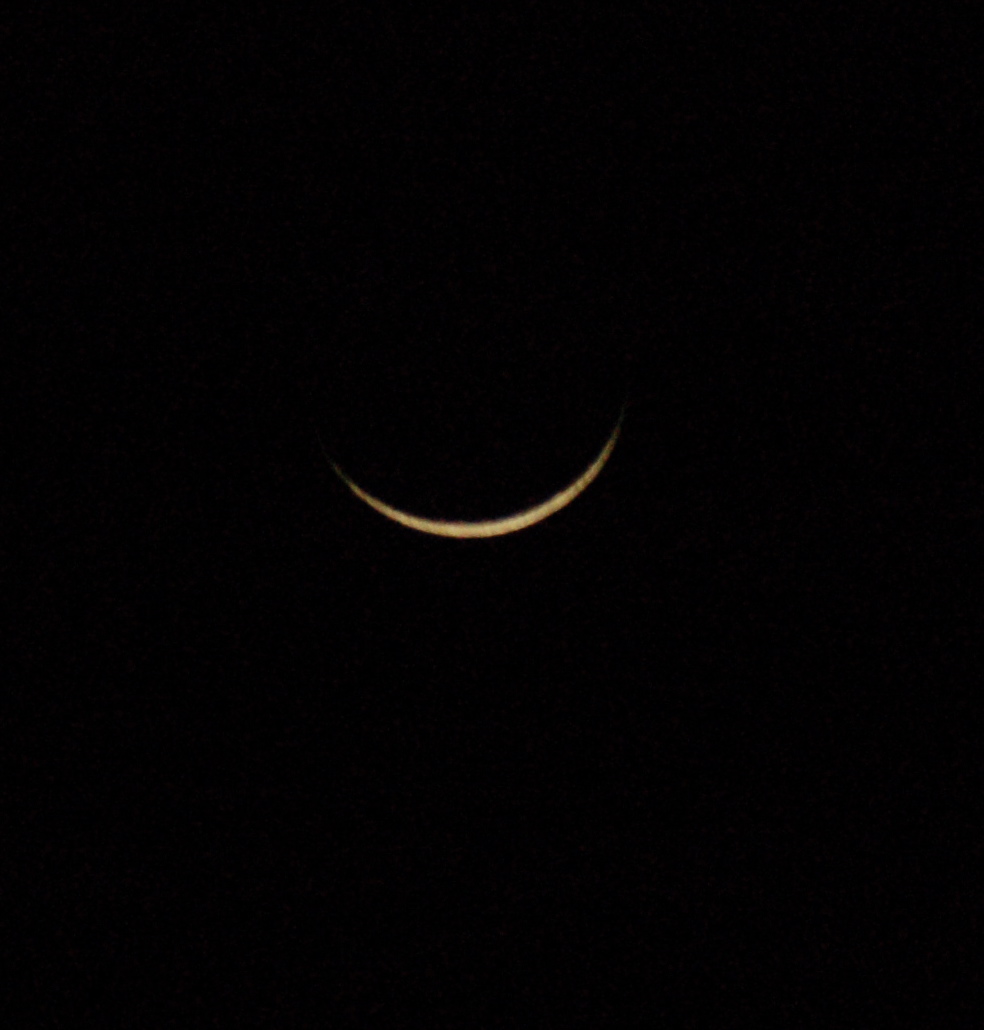
Moon crescent by Bruce Stambaugh
Even the light from a thin creasent moon reflected off of the icy landscape.

But often it takes us awhile to see the glimmering light of an ice storm. The most obvious benefits came in the first light of day. Once the clouds diminished, the low angled rays of sunrise and later sunsets ricocheted across the icy landscape. Even the light of a thin crescent moon slid its tiny light across the shiny, slippery iced-over acres of fallow fields.

The light came in other natural forms, too. A kind neighbor sauntered over to sprinkle calcium on the inch thick, hard blanket of ice that covered the walk and parking pad. After a few minutes, he began chipping the icy glaze just because it needed to be done. I joined him, and a congenial conversation brightened the otherwise dull day.

A township resident called to say that he and his neighbors had cleaned up the downed tree limbs save the one they couldn’t reach that still dangled above the roadway. The lone highway worker would not have to clear that section of the road of debris thanks to their thoughtfulness and commitment to doing the obvious for safety sake. Why wait on paid personnel when a volunteer effort gets the job done just as well?

As we saw again last week, an ice storm can be devastating. Urban and rural commerce and individual residents alike suffer the cold consequences.

Conversely, an ice storm can also be a bright ray of sunshine in an otherwise dismal winter. I enjoyed the enhanced scenery and the visit of the friendly neighbor.

However, having experienced this most recent icy incident and the one in late 2004, the next one can wait awhile as far as I’m concerned. That weather is a bit too extreme, even for me.

Oceans and the weather

Gulf storm clouds by Bruce Stambaugh
Storm clouds gather at sunrise near Port Aransas, TX.

By Bruce Stambaugh

If it weren’t for the oceans of the world, the earth probably wouldn’t have weather as we know it. The landmasses then bear the brunt of nature’s bad weather and embrace her best. Considering that more than half of the world’s population lives within 60 miles of an ocean, their importance in weather making cannot be overstated.

Earth’s oceans occupy 71 percent of the world’s surface, and contain more than 97 percent of all the water contained on the globe. That huge volume of water helps create the weather that arrives on the planet’s landmasses.

Surprisingly, it is not so much the amount of water in the oceans that affects the weather as it is the temperature of the water. Just a degree or two warmer or cooler, and the oceans can have a dramatic effect on the weather experienced from season to season.

Oceans have an incredible ability to absorb, store and release heat into the atmosphere. It is this characteristic alone that affects the weather received around the world, even far inland.

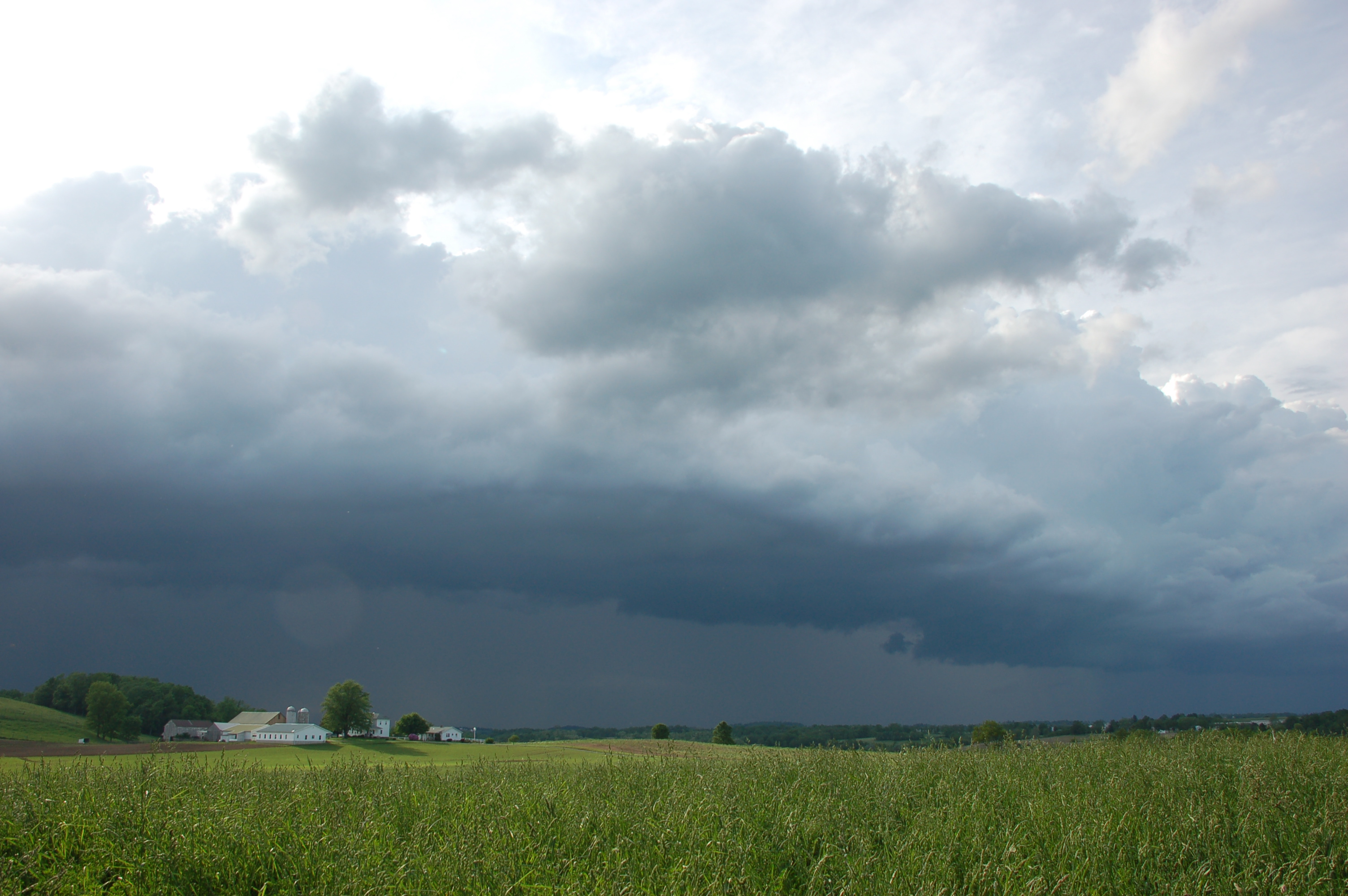
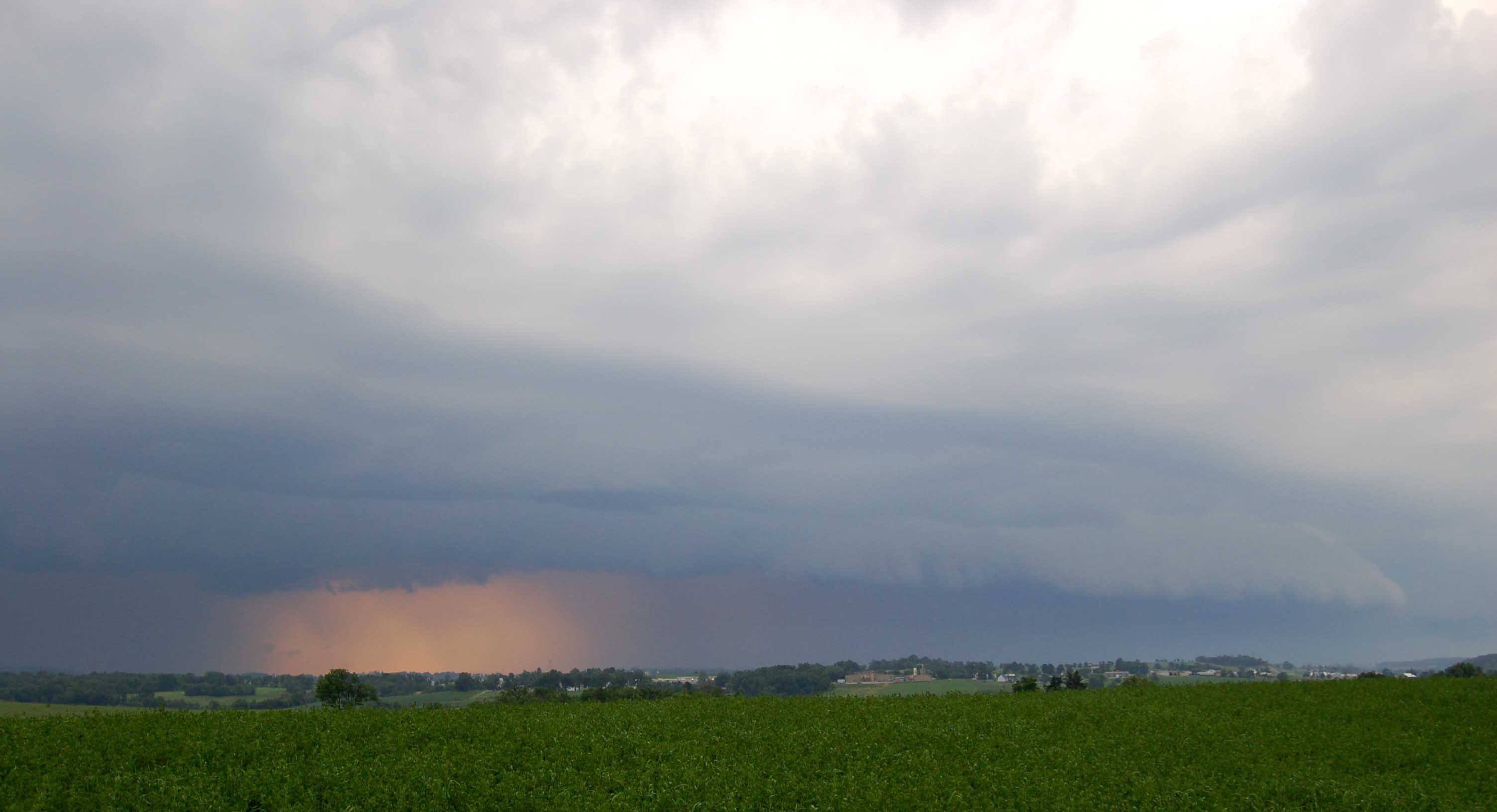
Shelf cloud by Bruce Stambaugh
A shelf cloud of a severe thunderstorm moved over Ohio's Amish country.

This quality of ocean water also has the most dramatic affect on both climate and weather. Consider that the first 10 feet of ocean surface contains more heat than the earth’s entire atmosphere.

Major climate events, such as El Nino, result from ocean temperature changes. These temperature changes then impact weather events like hurricanes, typhoons, floods and droughts. Of course, those disasters directly relate to the success or failure of crops, and greatly affect the price of fruits, vegetables and grains, for example.

Just as the atmosphere is divided into layers, so are the oceans. The surface layer, the Epipelagic Zone, is also called the sunlight zone and extends from the surface to 660 feet deep. It is here that most of the visible light exists.

Naturally, with the light comes heating from the sun. This heating is responsible for the wide change in temperature that occurs in this zone seasonally and in latitudes. For example, surface water in the Persian Gulf can be 97 degrees Fahrenheit, while the water at the North Pole is 28 degrees.

Ocean circulations, waves, tides and sea breezes are other aspects of the ocean. Individually and collectively, they all influence the weather to some degree.

This article first appeared in the winter issue Farming Magazine.

Bay Photos by Donna

Wildlife Photos From The Chesapeake Bay Region

ROAD TO NARA

Culture and Communities at the Heart Of India

K Hertzler Art

Artist and nature journalist in the Shenandoah Valley of Virginia.

Maria Vincent Robinson

Photographer Of Life and moments

Gabriele Romano

Personal Blog

Jennifer Murch

Art is the only way to run away without leaving home. -Twyla Tharp

Roadkill Crossing

Writing generated from the rural life

ANJOLI ROY

writer. teacher. podcast cohost.

Casa Alterna

El amor cruza fronteras / Love crosses borders