Corn and grandchildren are both Incredible

Husking corn by Bruce Stambaugh
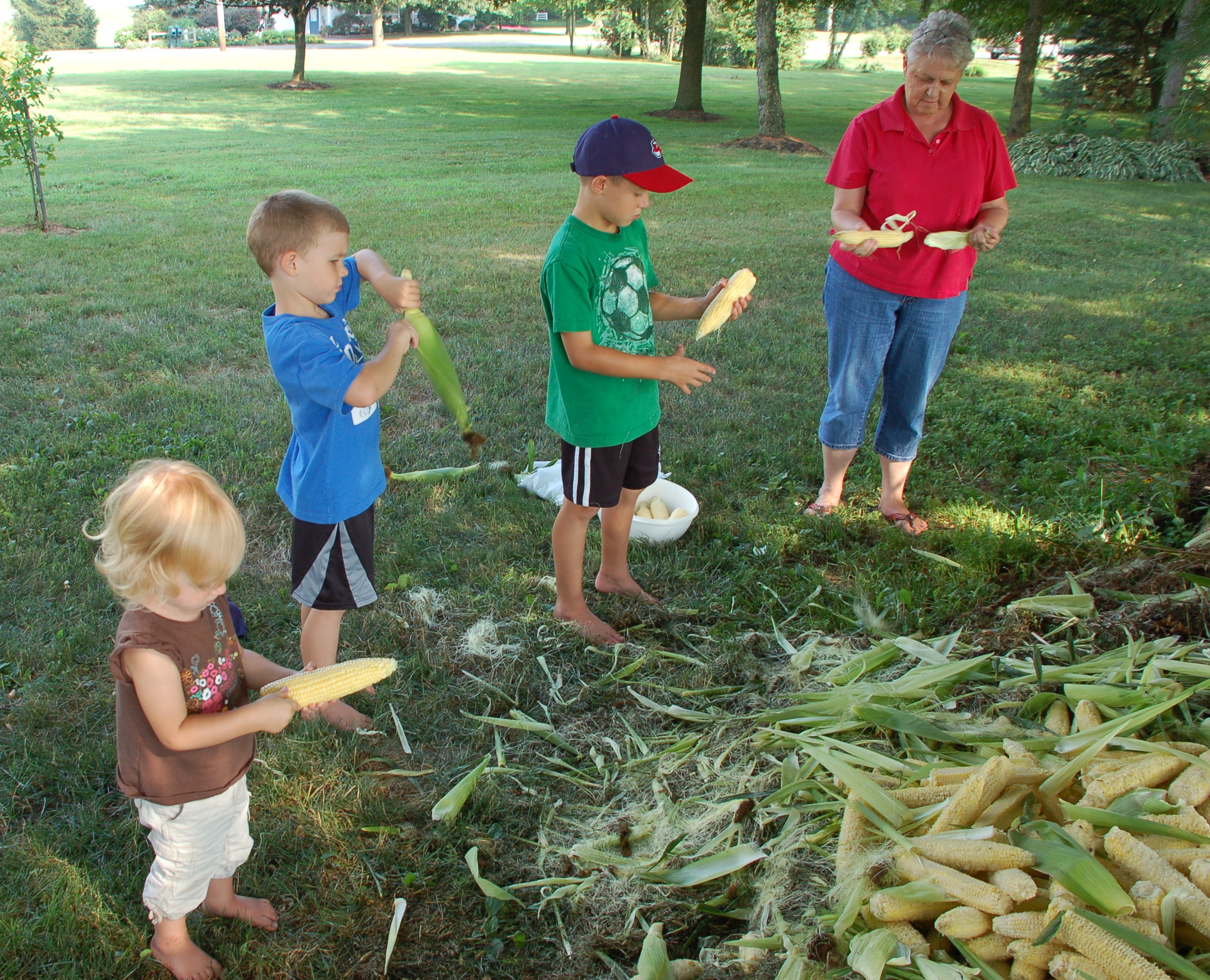
Everyone pitched in to help husk the sweet corn.

By Bruce Stambaugh

We have begun a corny, new tradition in the family.

In June 2010, our daughter and her family moved from their beloved Austin, Texas to Harrisonburg, Virginia in the lovely Shenandoah Valley. As much as we enjoyed visiting them in the Lone Star State, we were thrilled that they would be much closer to us geographically.

True, driving the 350 miles across eight mountain passes approximated the flying time to Austin. The cost, however, was much less to travel overland than in the air, and more convenient, too.

My wife and I liked to visit Carrie and her family in Texas in late fall when the weather there was more favorable than the ever-changeable stuff of Ohio. On those autumn excursions, we often packed an extra suitcase, not for us but for them. It was filled with nothing more than several containers of frozen Incredible sweet corn. It was their winter supply of vegetable sweetness.

Slider and grandsons by Bruce Stambaugh
Slider teased our grandsons at a Cleveland Indians game last summer.

Last August our daughter and her three children drove from their Virginia home to ours in Ohio to help with the corn preservation process. Their extended stay gave us a chance to do up the corn and for them to explore the germane niceties of our area. Carrie returned home with the corn and the youngest, Maren, a few days later, leaving us with the two boys, Evan and Davis.

This year they repeated the process, only this time our wise and cunning daughter escaped with the Incredible and in appreciation for the golden gift left us with the trio of grandchildren, ages seven, five and 22 months. We couldn’t have been happier.

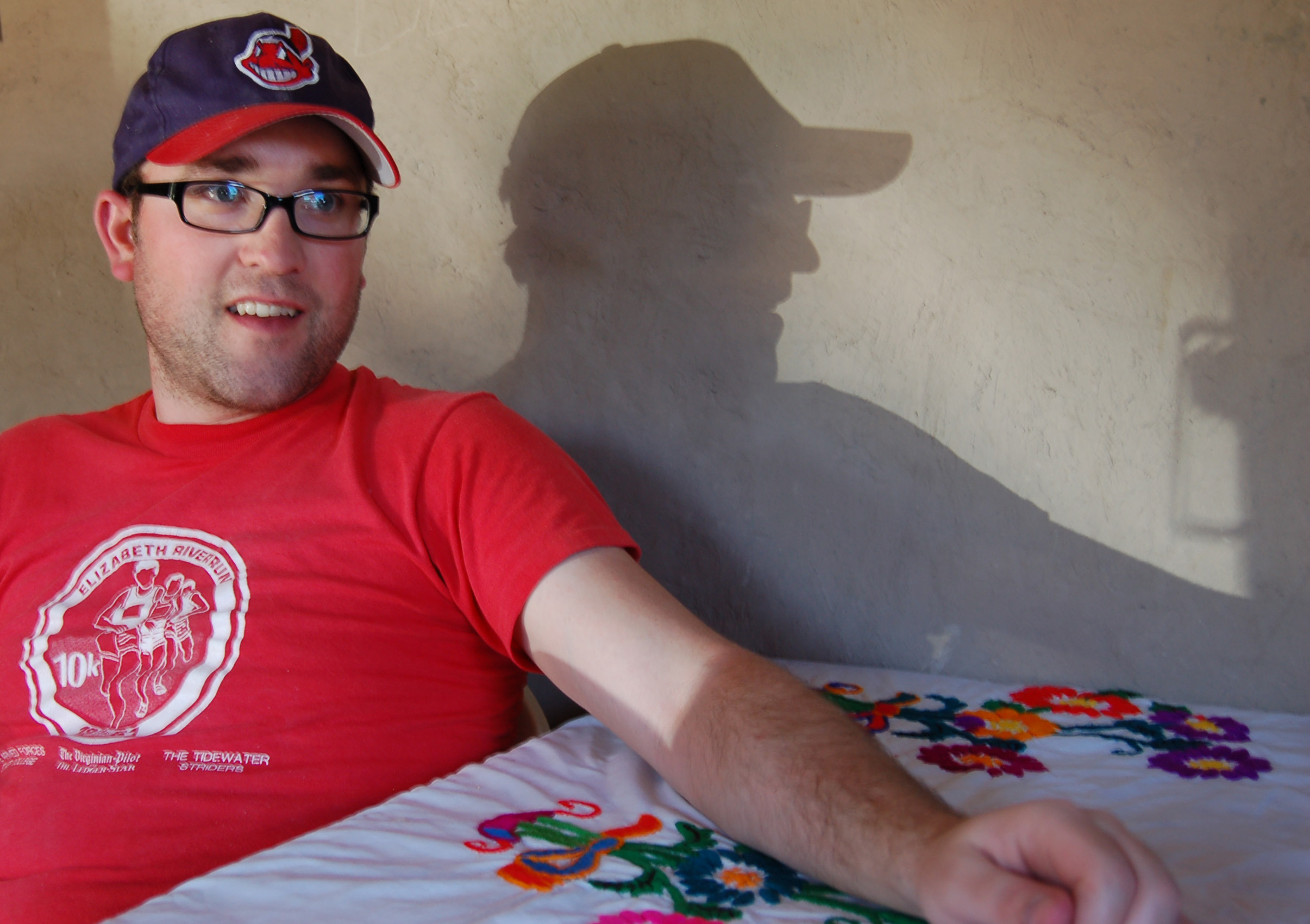
Last year, Nana and I took the boys to their first Cleveland Indians game. The highlight of the evening occurred off the field. Slider, the Tribe’s mascot, pounced on the boys, teasing them with hugs and tweaking their ball cap brims.

Last week, we repeated that experience, only with Uncle Nathan, our son, pinch-hitting for Nana, who was home entertaining toddler Maren. Unlike the perfect evening of a year ago, we witnessed two innings of baseball and two hours of drenching rain.

Corn silk by Bruce Stambaugh
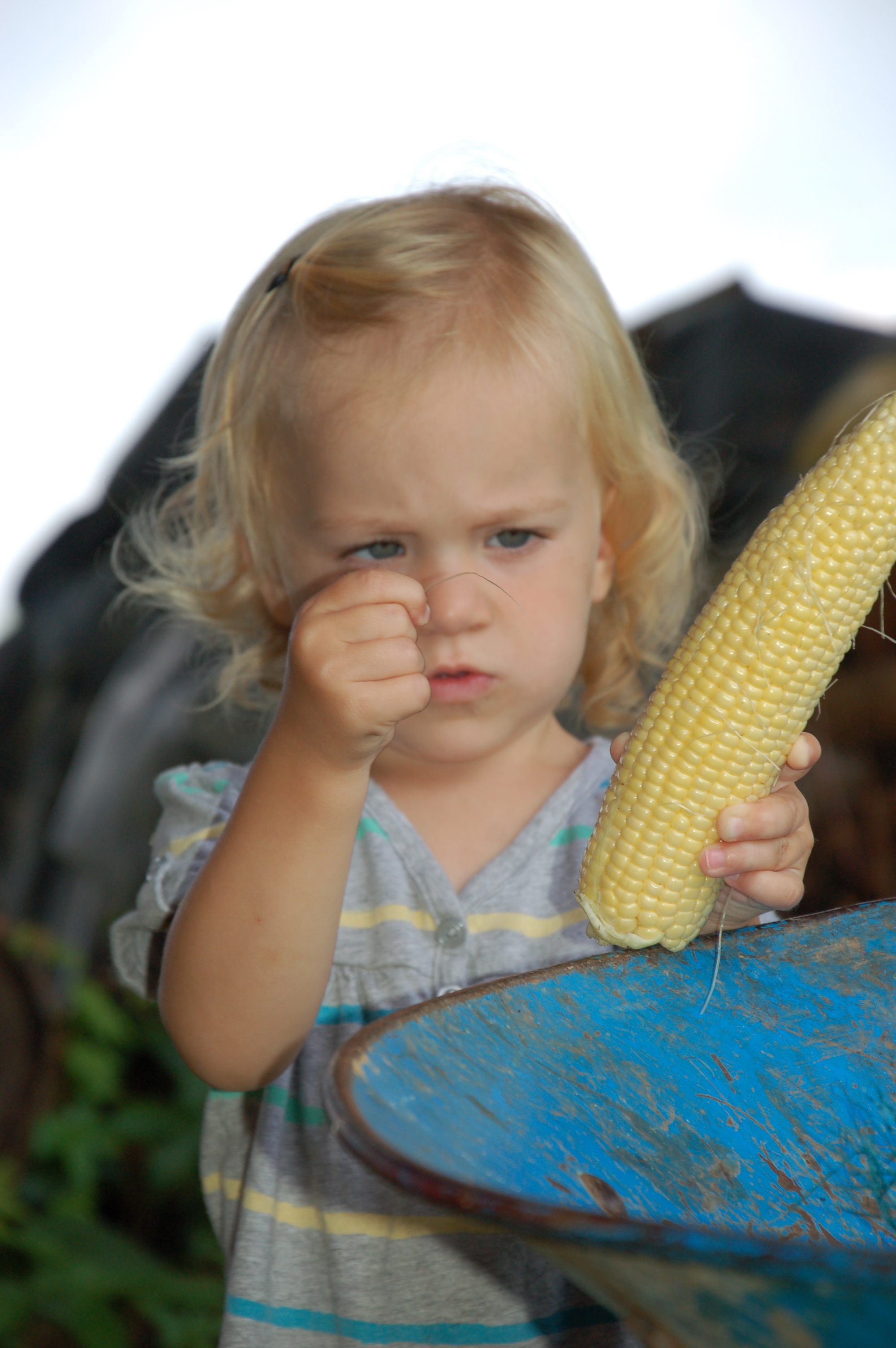
Our granddaughter, Maren, was pretty picky when it came to removing the corn silk.

The baseball games were rewards for everyone pitching in to help with the corn process. Evan and Davis helped husk. Even little Maren joined in by removing the tickly corn silk from several cobs. She was meticulous in her task, determined to get every last strand.

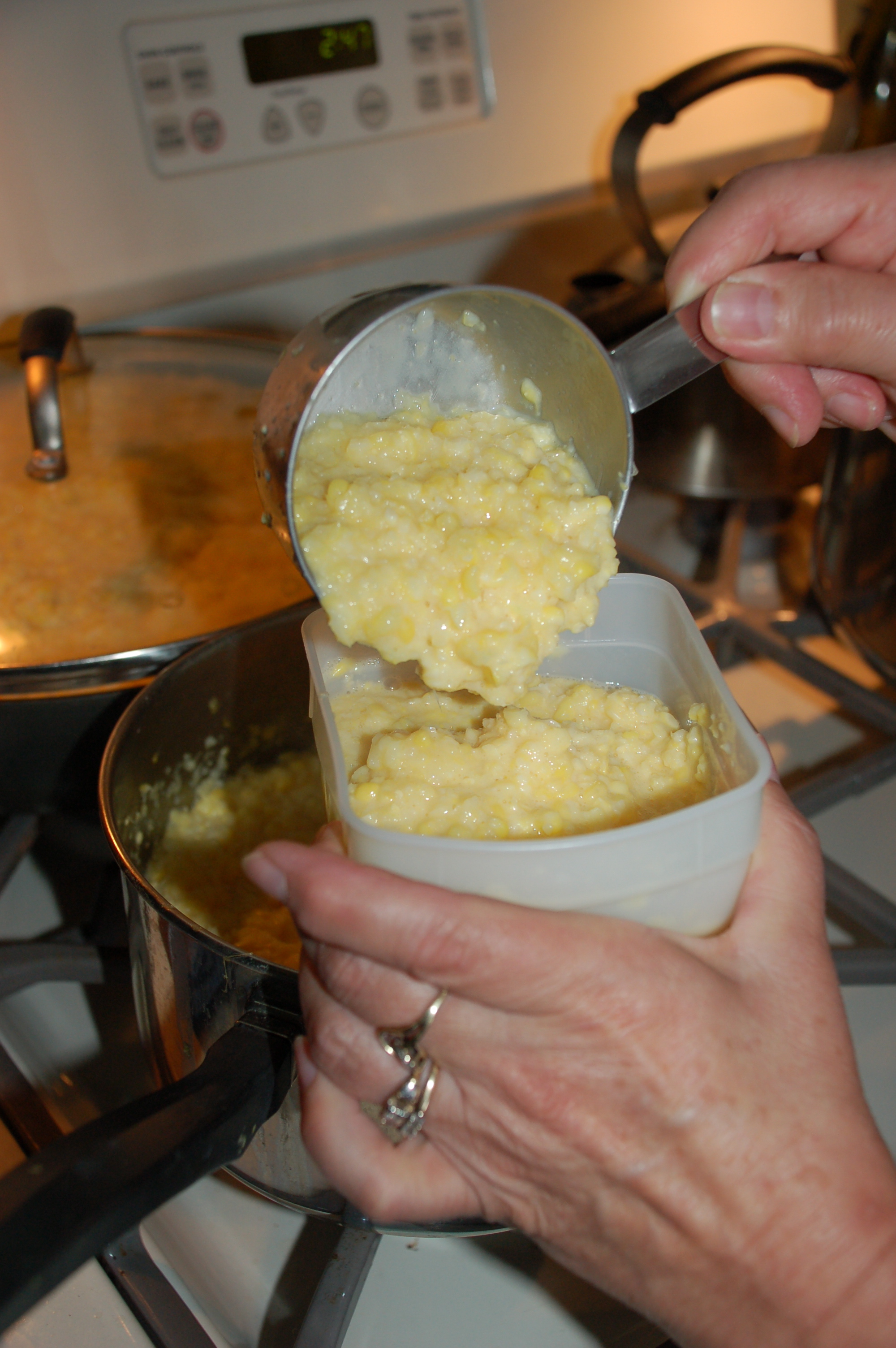
Nana, of course, coordinated the corn coronation. She prefers to cut the kernels from the cobs before cooking it. She says it goes a lot faster. Once the cooking is completed, it’s simply a matter of finding enough containers to cache the corn.

We were amazed at Maren’s vocabulary and inquisitiveness, which included willingly participating in the corn fest. Her long sun-bleached curls matched the shade of the corn’s yellowy ears.

Cooked corn by Bruce Stambaugh
After the corn is cooked, it is ladled into containers to be frozen.

Evan and Davis had grown, too. Lanky and imaginative, they had no trouble keeping busy without getting into too much trouble. Of course, at mealtime, locally raised corn on the cob was a favorite.

At week’s end, we met their mother halfway in southwestern Pennsylvania to return the children to their rightful owner. That’s one of the advantages of being grandparents.

All in all the mix of grandkids and corn made for an Incredible time together. It’s a sweet, new tradition that I hope lasts longer than the frozen corn usually does.

A love affair with baseball

Slider with grandsons by Bruce Stambaugh
When Slider, the Indians maskot, hammed it up with our two grandsons, the score of the game became insignificant.

By Bruce Stambaugh

Baseball and I go way back.

I can’t remember exactly when I saw my first major league baseball game. But I do recall attending several as a youngster, often with my family.

I also recollect one of my first Little League games as a player. I was 7 years old, the youngest and smallest kid on the team. The coach put me at second base, possibly thinking that was the safest spot on the field for me. It didn’t work out that way.

Grandsons by Bruce Stambaugh
Our grandsons share my enthusiasm for baseball.

Those were the days when real baseball rules were followed no matter how young you were. The pitcher pitched, not the coach. The batters batted. T-ball was unheard of.

One hallmark of baseball is its pithy clichés. One axiom says put an inexperienced player on the field and “the ball will find him.” Well, it did me that day.

A batter lashed a one hopper right at me. The hardball jumped off the compacted all dirt infield and smashed right into my mouth. I walked to the bench with loose front teeth, bleeding gums, a fat lip and a bruised adolescent ego.

That should have been an omen. As much as I loved the game, I really wasn’t a very good player. Maybe that’s why I focused so much on my favorite team, the Cleveland Indians. I got my baseball fix by dreaming of playing third base for the Tribe.

In those days, before our home had a television, I listened to the games on the radio. I loved the cadence and opinionated passion that Jimmy Dudley, the Indians play-by-play announcer, put into calling the games. Each play came alive in my mind.

In the 1950s, the Indians were consistently good with great, inspiring players. Some made the Baseball Hall of Fame. Paige, Doby, Lemon, Wynn, Feller, Minoso, Score, and Colavito were just some of my idols.

Because we lived 60 miles south of Cleveland, we could only go to a couple of games each year. It was just too far and too expensive.

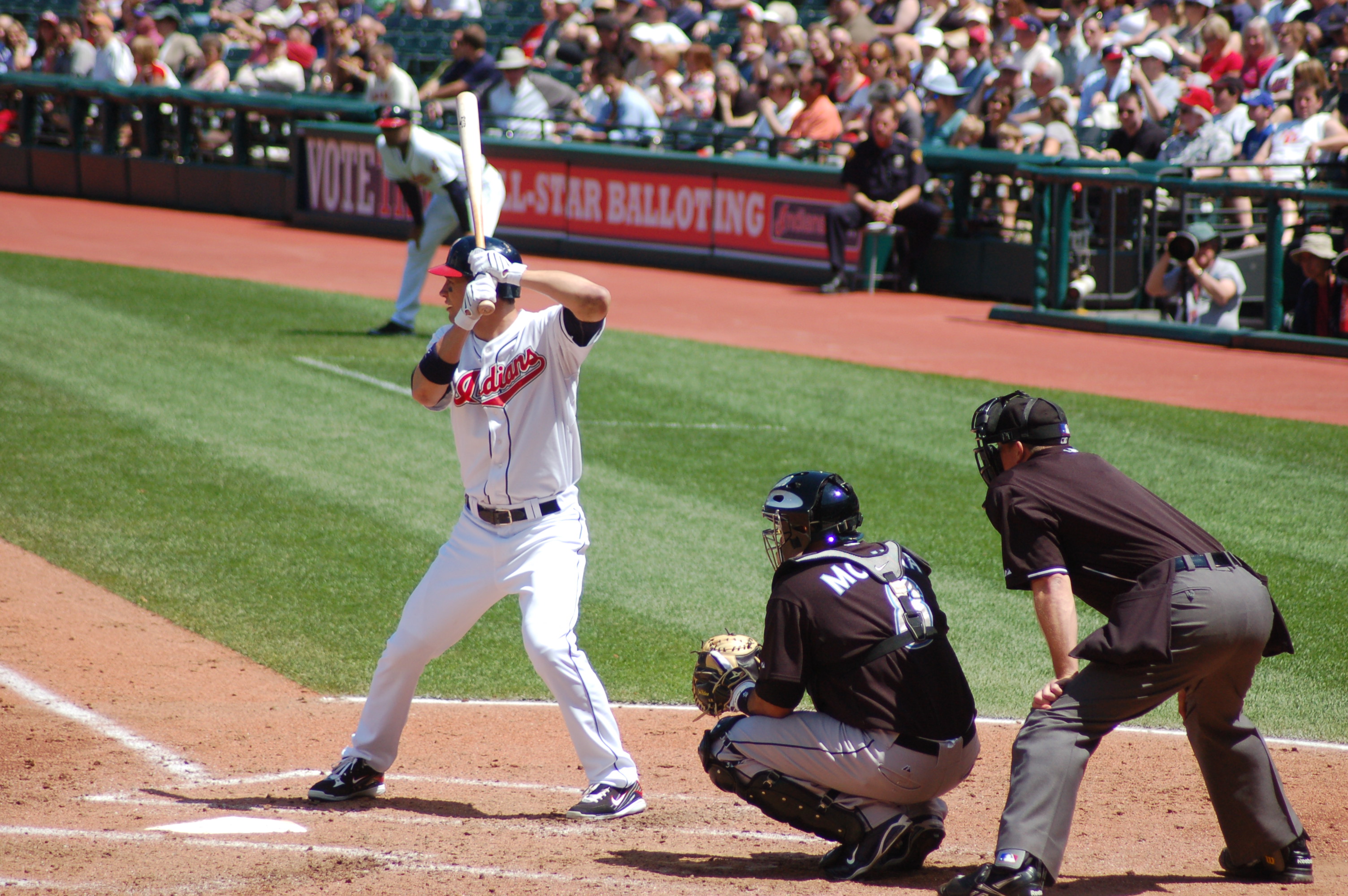
Grady at bat by Bruce Stambaugh
Excellent players like Grady Sizemore continue to be the exception rather than the rule for the Cleveland Indians.

But because he loved baseball, too, Dad made every effort to take us to a game or two when time and cash allowed. To get his money’s worth, we often went to doubleheader games. Dad reveled at seeing two games for one price. Those were the days when doubleheaders were played 20 minutes apart, not as two separately ticketed games like they are today.

You could take coolers and thermoses into the ballpark then, too. We must have been quite the sight with five children in tow carrying a big, red, metal cooler into the stadium. Dad wasn’t about to pay for food and drink when you could take your own.

Just as I was entering my formative years, a life-changing event occurred for the Indians and me. They traded my favorite player, Rocky Colavito, the previous year’s homerun champ, for Harvey Kuenn, the previous year’s batting champ.

The team’s fortunes soured after that. The players’ names changed, too. Tasby, Latman, Mahoney, Phillips, Klimchock and Kirkland were the regulars to root for, although there really wasn’t much to cheer about. The teams often started out well, but usually faded by late summer.

Baseball friends by Bruce Stambaugh
Enjoying a baseball game with friends is always a treat.

I still love our national pastime and attend as many games as I think I can afford. Despite my nostalgic affection for baseball and the cost of ballpark food, I am glad for one 21st century policy. Big red coolers are prohibited.

Harvesting more than produce from your garden

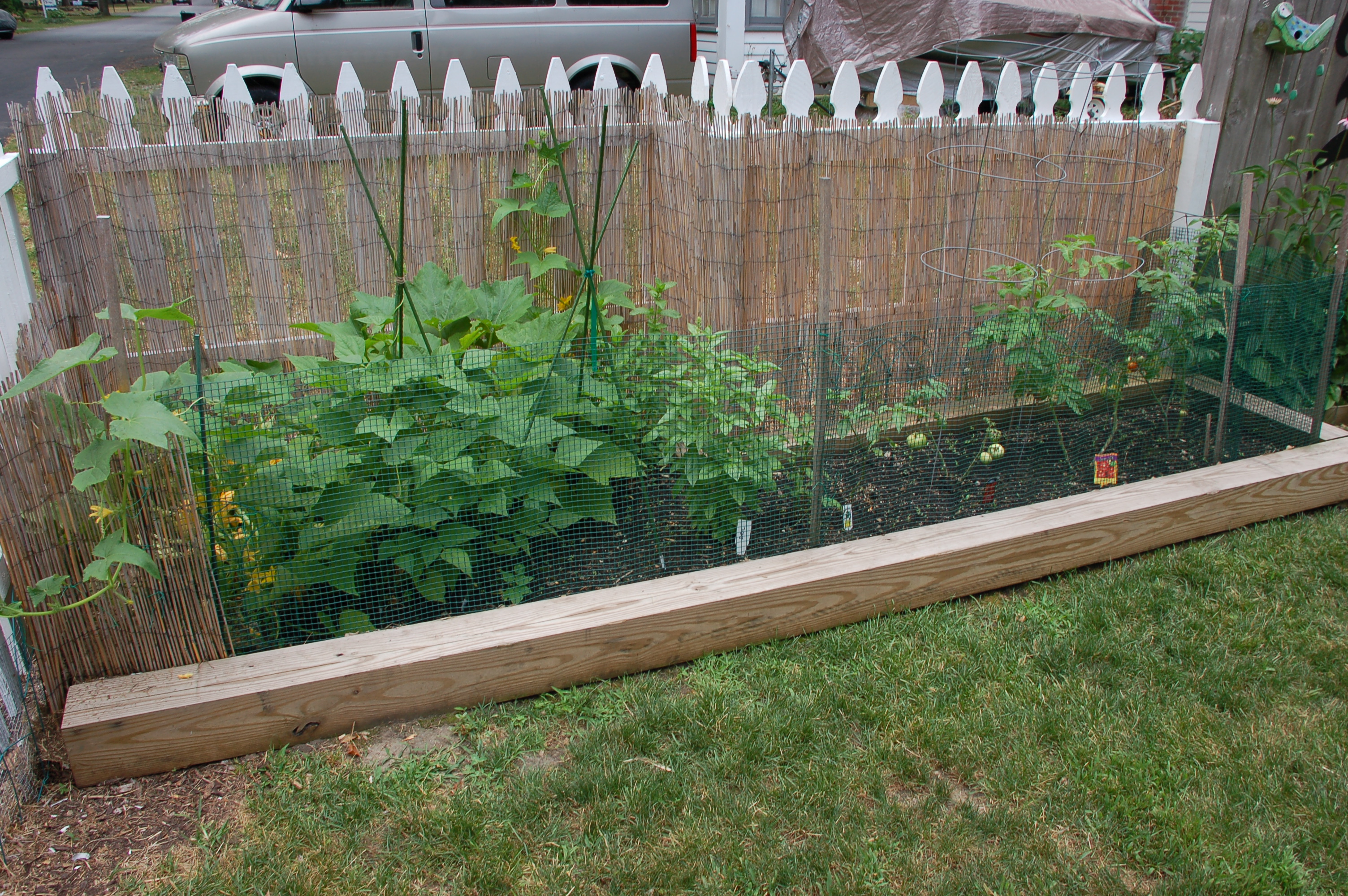
Amish garden by Bruce Stambaugh
Large vegetable gardens like this one are everpresent in Ohio's Amish country.

By Bruce Stambaugh

Lakeside rocks and flowers by Bruce Stambaugh
Creative rock sculptures mirror the Hollyhocks in a Lakeside, Ohio garden.

I’ll make my confession right up front. I am not the most authoritative person to write about gardening.

Still, I like to think that I am observant enough to recognize a good garden when I see one. Whether vegetable, rock or flower, all gardens require much manual effort to keep them manicured and productive.

Growing up in the suburbs of a northeast Ohio blue-collar city, our father loved to garden. He saw it as a way to be out in the fresh air and to simultaneously save money by growing our own food. With five children, it was the practical thing to do. For efficiency’s sake, he recruited his offspring to help cultivate, plant, nurture and reap the garden harvest.

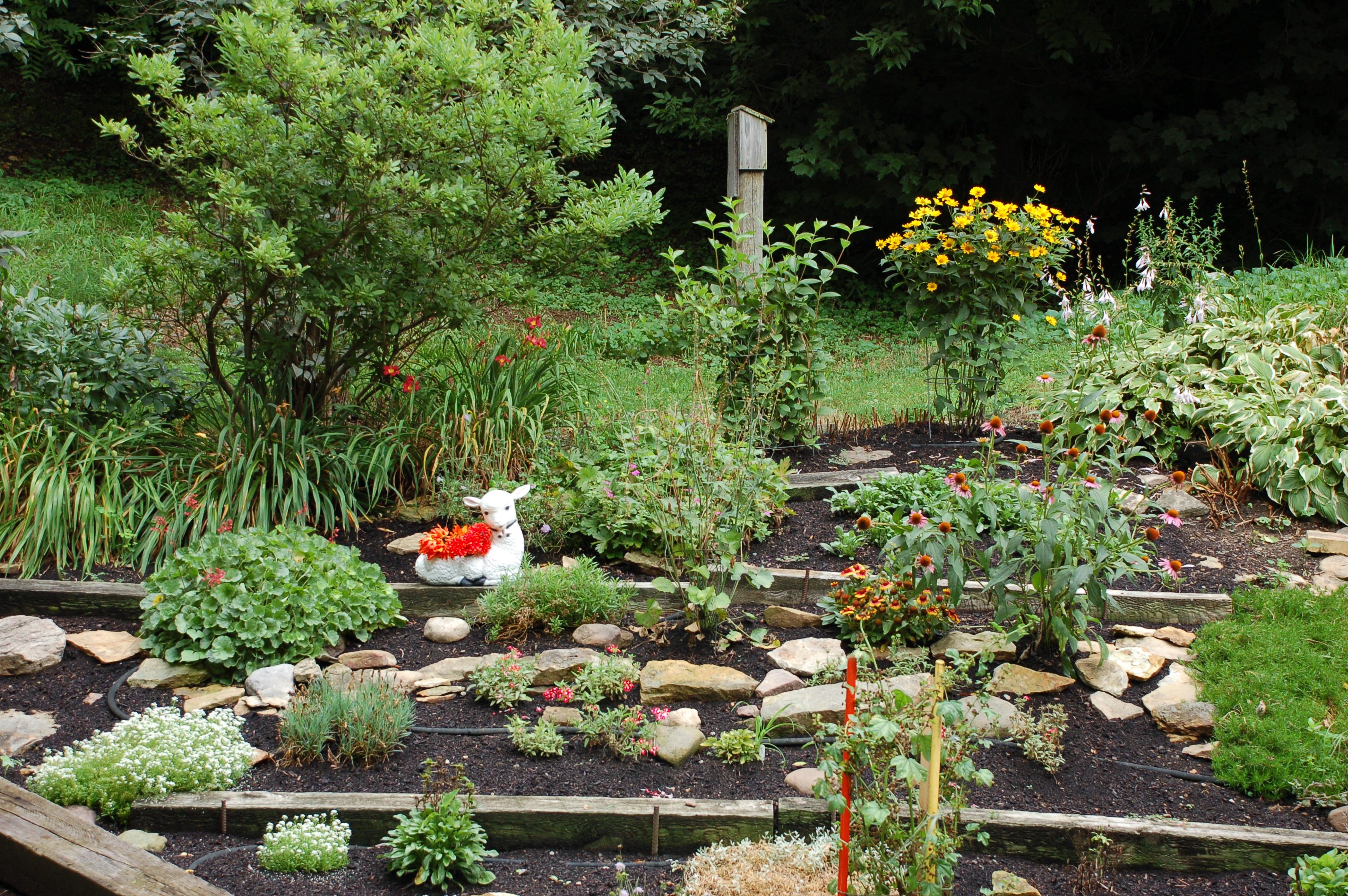
Rock garden by Bruce Stambaugh
Rock gardens add esthetics to any property.
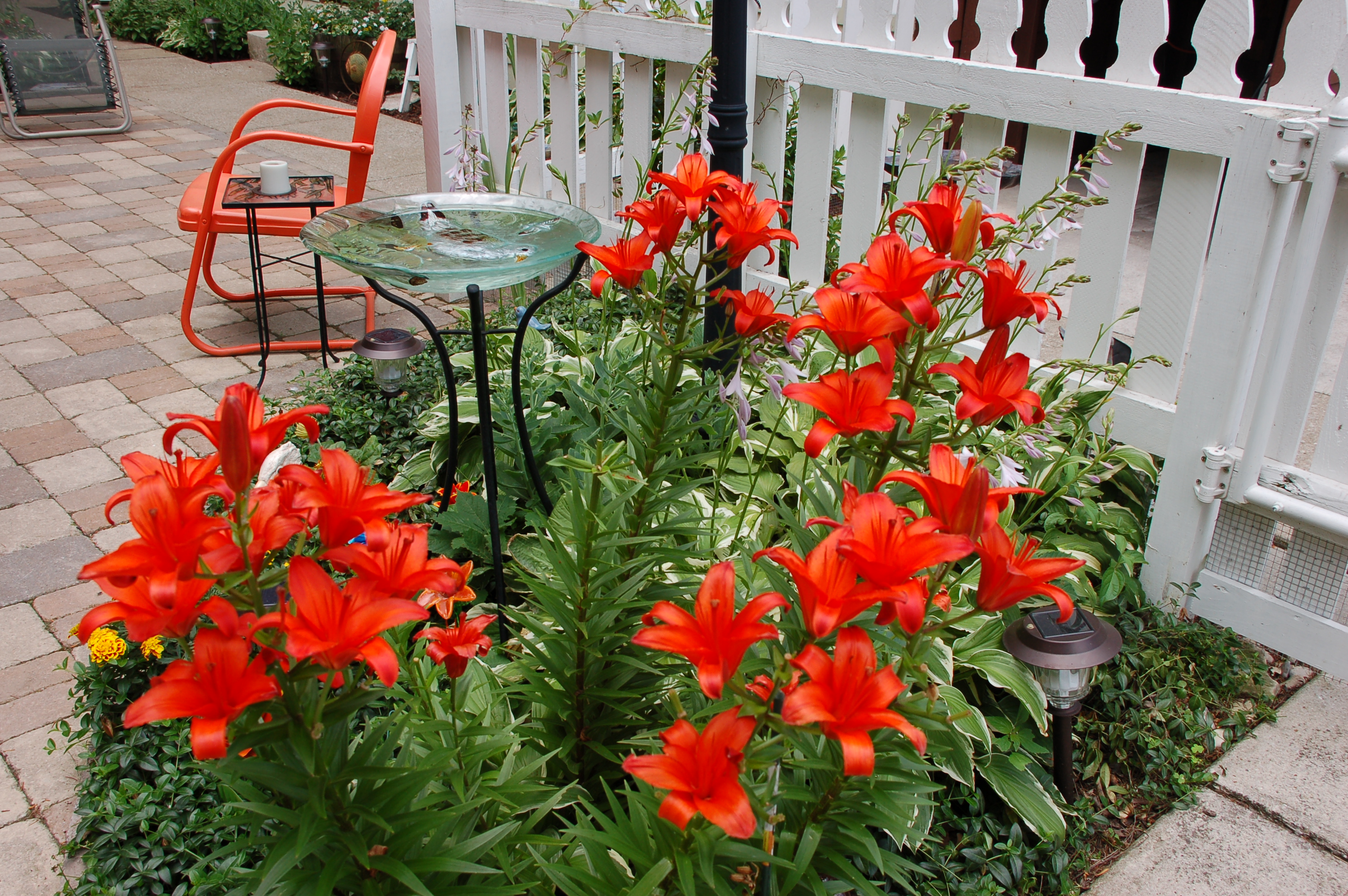
Bright lilies by Bruce Stambaugh
These lilies would brighten any yard.

Our lovely mother would prepare in season feasts that included sweet corn, new potatoes, green beans, cucumbers and beets. She also canned and froze food for the cold winter months ahead. If we had had a bumper crop, we would set up shop in a busy business parking lot and sell sweet corn out of the car’s trunk.

Mom also propagated lovely flower gardens around the parameters of our small piece of suburban property. Mom used her artistic eye with the floral color selection to nicely accent the cherry red brick exterior of our post-war bungalow.

Home canned goods by Bruce Stambaugh
Home canning is back in vogue in rural, suburban and urban settings.

Those pleasant memories returned with the current onslaught of the harvest season in gardens all across the country. Television shows, newspaper stories, Internet blogs and even high-end glossy magazines feature how to properly prepare and preserve your garden gleanings.

Having a plot of garden is almost assumed when you live in one of Ohio’s richest agricultural counties. Don’t be fooled though. Contrary to what some might think, gardening is not confined to rural areas. People garden in suburbs and cities, too.

Herb garden by Bruce Stambaugh
Even small backyard plot provides fresh herbs and vegetables.

With the advent of the organic, all natural craze, and the tough economy, gardening appears to have made a universal comeback. Whether you have an acre or simply a few pots of herbs sitting on an apartment balcony, gardening is good.

Caring for tender plants, watering them, protecting them from weather’s extremes and pesky insects is worthwhile work with tasty rewards. I see it as a way to get us back to our roots, reconnected to the soil from which and on which all life depends.

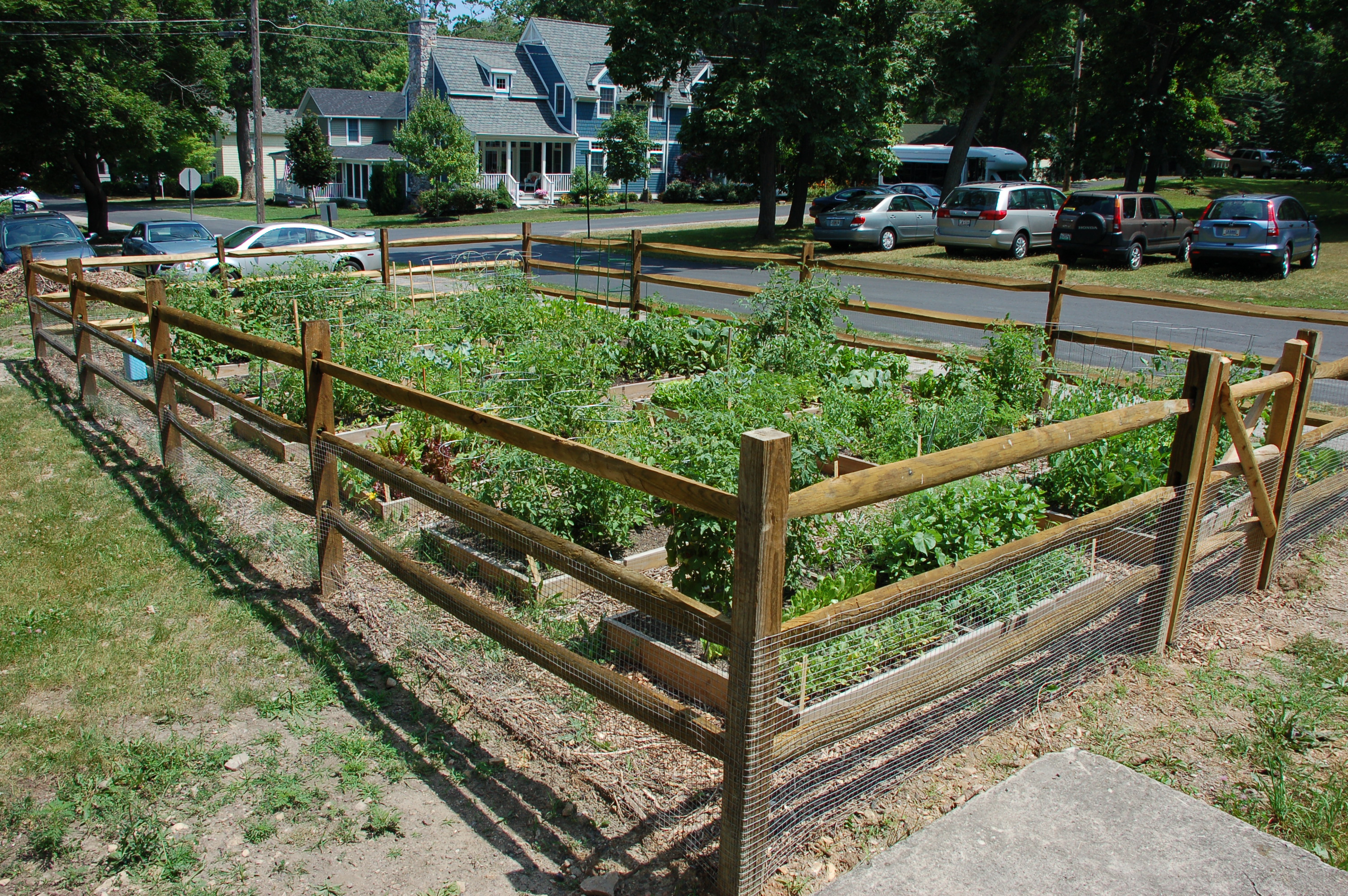
Lakeside community garden by Bruce Stambaugh
A community garden in Lakeside, Ohio.

If we are mindful, we will recognize that gardening provides a solid base that can lead to other returns as well. Cooperative gardens, sponsored by both church and civic organizations, have sprung up across the country. Besides those who garden, the abundant produce often helps the less fortunate, the homeless and the needy.

An acquaintance told me how his parents would load up their battered family pickup with the excess of their giant two-acre garden, head into town and end up on the wrong side of the tracks. There they would park the truck and hand out the fresh, healthy produce to whomever needed it.

They repeated the routine throughout the growing season. The thankful recipients were so moved by the family’s generosity that they offered to help plant and maintain the garden the next growing season. Their grateful offer was accepted, and new trust and friendships were born.

Flower garden by Bruce Stambaugh
If properly planned and planted, flower gardens can brighten a property throughout the growing season.

Gardens connect us to the soil that yields our sustenance. If we are proactive, they also open our lives to much more than delicious food. Gardening doesn’t get any more satisfying and splendid than gathering two crops from one planting.

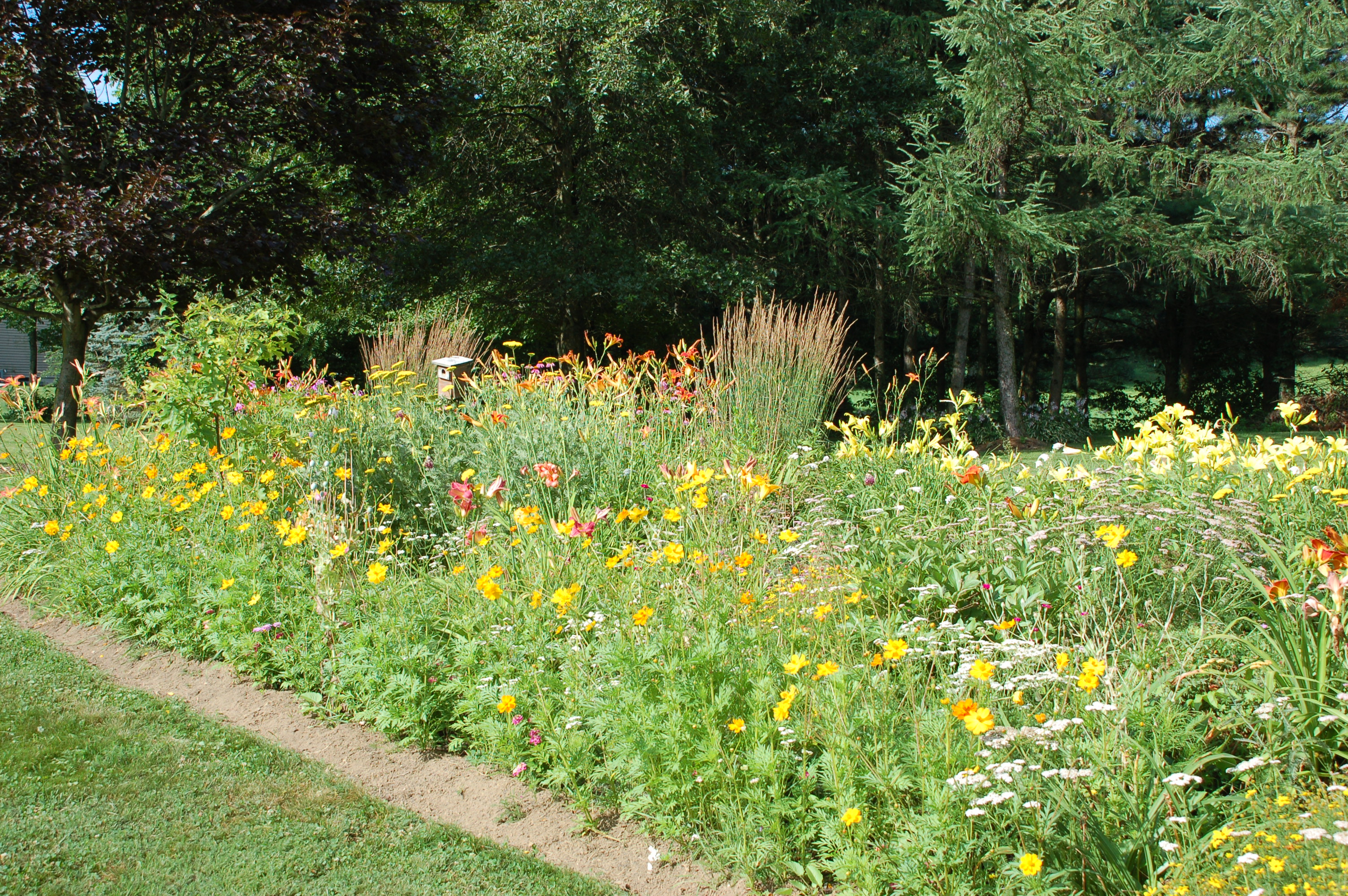
Lakeside flower garden by Bruce Stambaugh
An award-winning flower garden at Lakeside, Ohio.

I am my father’s son

By Bruce Stambaugh

My son has been trying not so subtly to tell me this for a long time. I am my father’s son.

What he means of course is that I act just like my late father did. Out of principle, I deny it of course, or at least I did. I didn’t think I was like my father at all, especially not his bad points.

Stambaugh men by Bruce Stambaugh
My older brother, Craig, our late father, Richard "Dick", and myself at the World War II Memorial in Washington, D.C.

I could clearly see that both my older and younger brothers each had many of Dad’s characteristics. The older is outgoing and antsy. The younger most physically resembles Dad, and is an avid sportsman.

But me be like Dad. No way. Dad wasn’t the best driver. I was once a certified driver education teacher. Dad was consistently late. I like being early. I wasn’t like my father at all, or so I thought.

As I have aged, I have humbly swallowed my pride. I realize that my son is right, although I probably don’t exactly see the resemblances that he sees.

I love some of the same things my late father did: nature, history, geography, travel, sports, antiques, community involvement, a sense of humor, and family. Dad poured his entire being into activities and organizations that revolved around those topics. That was especially true after he retired.

Dad helped found, foster and lead a private sportsmen’s club. He served on a regional planning board for 36 years. I wonder how much Dad’s involvement influenced my own participation in the organizations and institutions with which I affiliated over the years.

Dad’s love of travel took our family on many day trips to art and history museums, parks and other points of interest around the state. We got to know Ohio well.

That desire to explore and learn rubbed off onto me. My wife and I traveled with our two children, and like my own youthful experiences, many of our jaunts were day trips throughout the Buckeye State.

Dad wasn’t afraid to venture beyond Ohio’s boundaries either. He would travel with our mother when she attended out of state art classes. While Mom painted, Dad scoured field after field for Native America artifacts, one of his favorite pastimes.

In the evening, when it was time to share what each artist had accomplished, Dad was invited to show what he had found. Of course, he had to expound on the exact type of artifact, how it was used, and made. Dad knew a lot, much of it self-taught.

Storm clouds by Bruce Stambaugh
The backside of a severe thunderstorm.

My special hobby is the weather, especially extreme weather. I enjoy watching storms, and telling others about them. When people’s eyes start to glaze over, I realize it’s time to quit. That never bothered my father, however.

Dad taught me the value of preserving the old things, especially if the items happened to have been in the family. He and Mom gave my wife and I several well worn but personally valuable antique pieces that go back three family generations.

Dad’s handwriting was hardly legible. Mine is worse. Dad often mispronounced words. He always exchanged a “l’ for the “n” in chimney. When I catch myself garbling words, or more likely, when my son catches me doing that, my thoughts happily connect to Dad.

There it is. I gladly acknowledge that for better or for worse, I am my father’s son. I wonder if my son realizes he is, too.

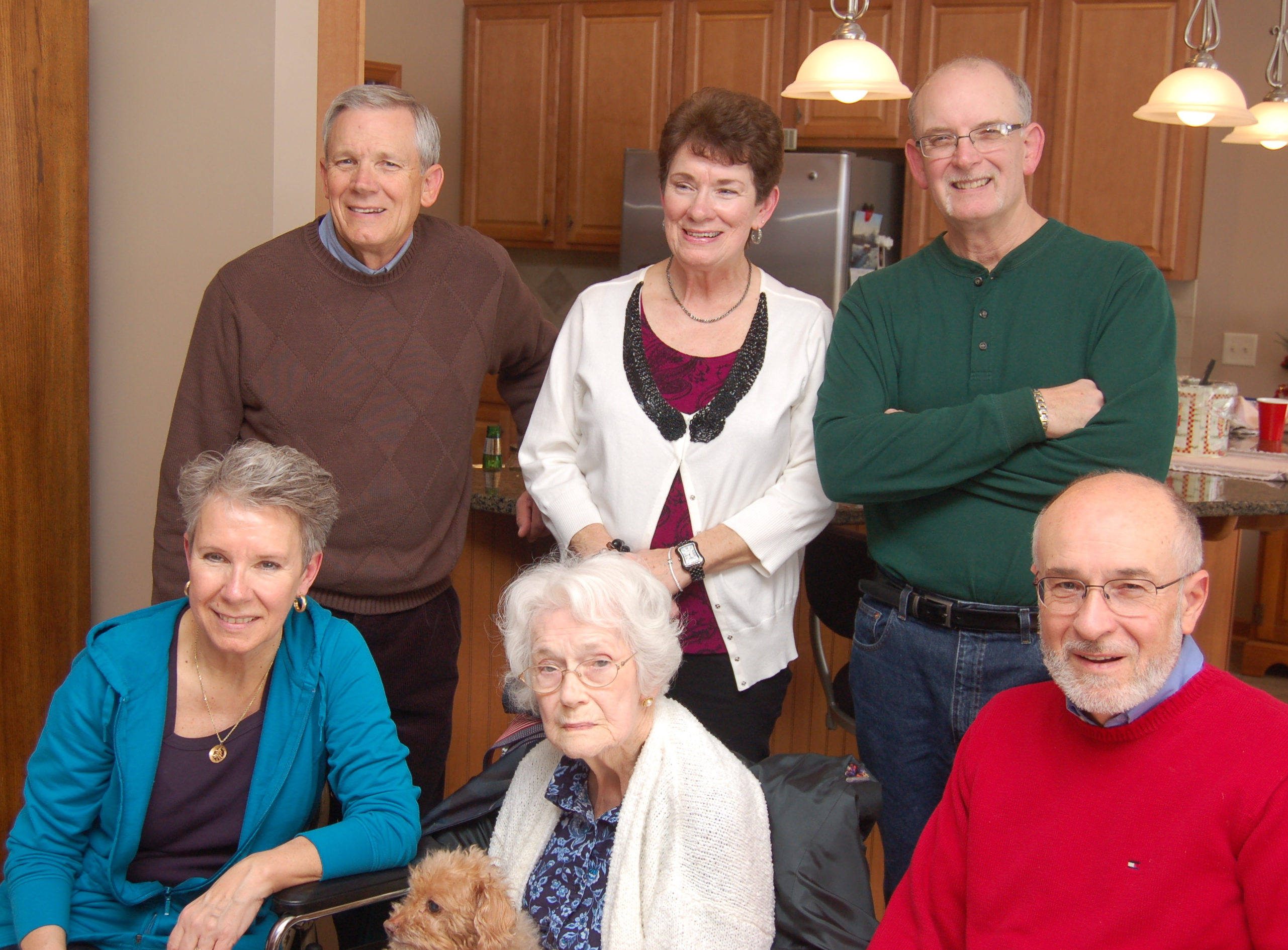
Siblings by Bruce Stambaugh
The Stambaughs, Craig, Claudia Yarnell, Jim, Elaine Barkan, our mother Marian, and me.
Bay Photos by Donna

Wildlife photos from the Chesapeake Bay region

ROAD TO NARA

Culture and Communities at the Heart Of India

K Hertzler Art

Artist and nature journalist in the Shenandoah Valley of Virginia.

Maria Vincent Robinson

Photographer Of Life and moments

Gabriele Romano

Personal Blog

Jennifer Murch

Art is the only way to run away without leaving home. -Twyla Tharp

Roadkill Crossing

Writing generated from the rural life

ANJOLI ROY

writer. teacher. podcast cohost.

Casa Alterna

El amor cruza fronteras / Love crosses borders