It took a rare bird sighting to get me out of our warm home and into the frigid weather after a snowstorm dumped six inches of snow and sleet onto Rockingham County, Virginia.
A lone Snow Bunting had been spotted along with small flocks of Horned Larks in an area noted for rarities. A Snowy Owl was spotted there in November 2024.
I was familiar with the birds’ location, but I still took the long way around to get there. I wanted to drive the main roads to ensure my safety.
Like most areas hit by the recent storm, the temperatures dropped to record or near-record marks as the system slowly moved away. Consequently, the snowpack froze as the nighttime temperatures dropped to single digits.
That made snow removal difficult, and salting highways inefficient. Still, the roads were clear, but the plowed snow piled up like concrete construction barriers on both sides of the road, blocking roads and sidewalks.
Before I ever turned onto Lumber Mill Road, a flock of Lapland Longspurs flew in front of my stopped vehicle. A passing car spooked them, ruining my photo opportunity.
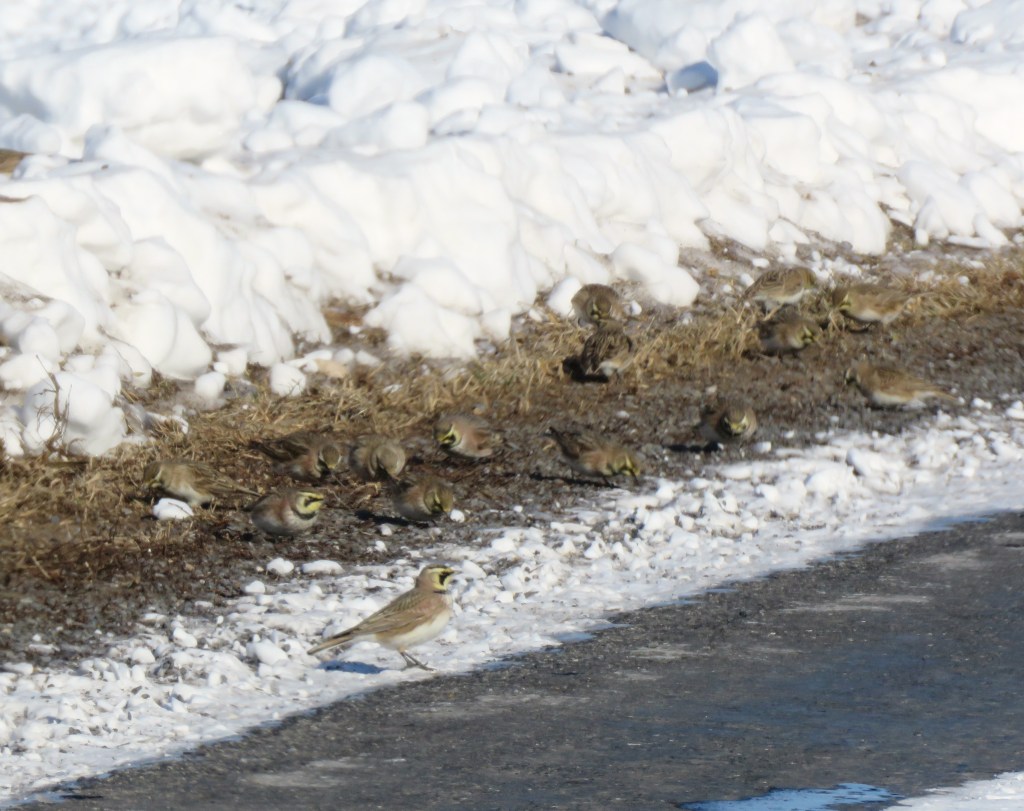
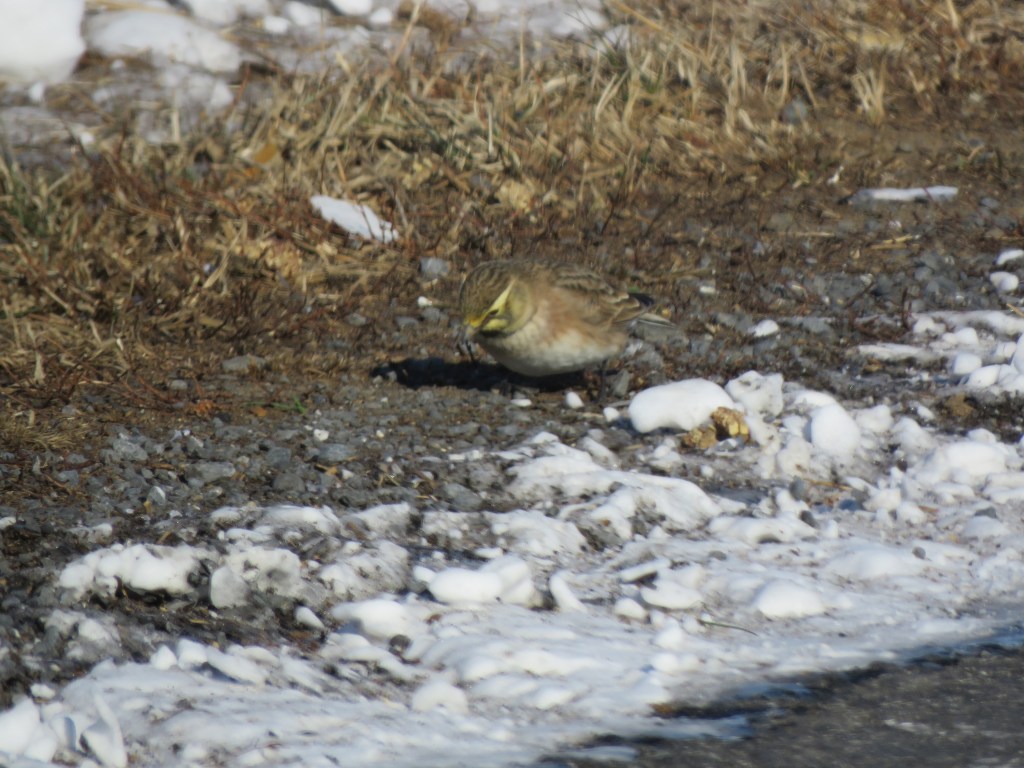
As I approached the area where the Snow Bunting had been seen, small flocks of Horned Larks flew in loops over the snow-covered farm fields on either side of the roadway, then landed close to where they had launched. The birds were feeding along the roads where the snowplow had exposed patches of weedy grass. The birds also used the grit and salt to help digest the seeds they ate.
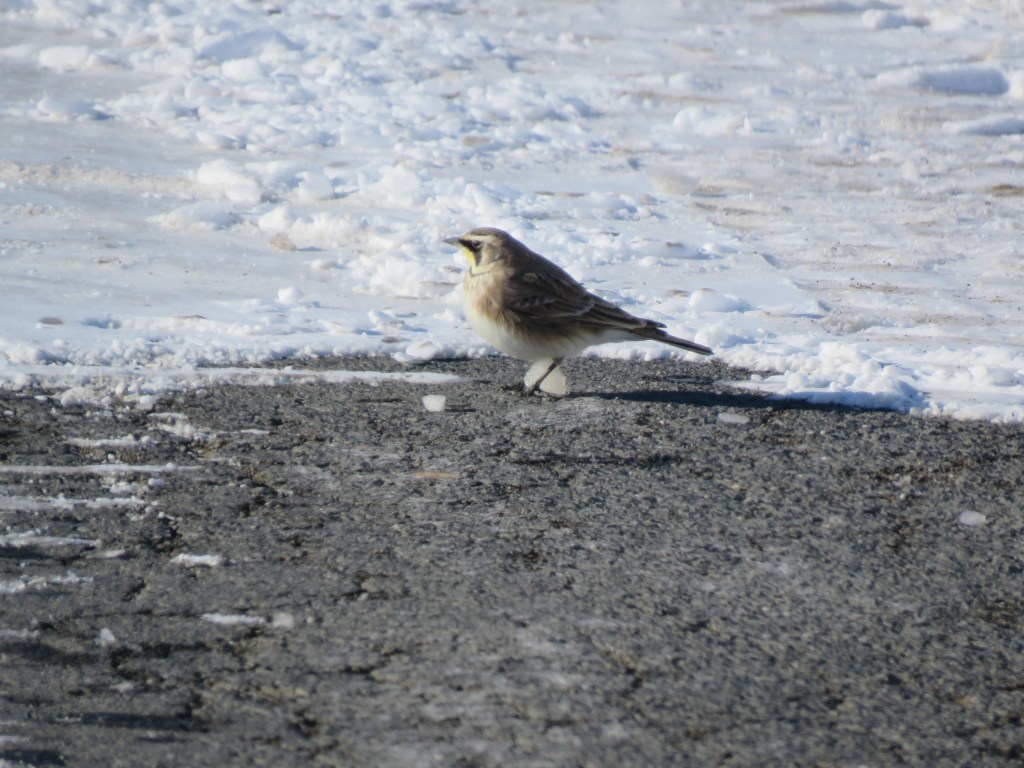
Please click on the photos to enlarge them.
Having photographed the Horned Larks, I proceeded a few yards down the road, and the Snow Bunting flitted farther ahead. I stopped my SUV and used my telephoto lens, not wanting to scare the bird again.
Given the harsh weather conditions, schools and many businesses had closed. Sidewalks and parking lots in the more urban areas had yet to be plowed. The extreme cold weather compounded the problem.
With the sun bright during the day, the surface layer of the snow cover melted slightly, and the snow froze harder as nighttime temperatures fell. Those conditions kept most people at home, significantly reducing the traffic on roadways.
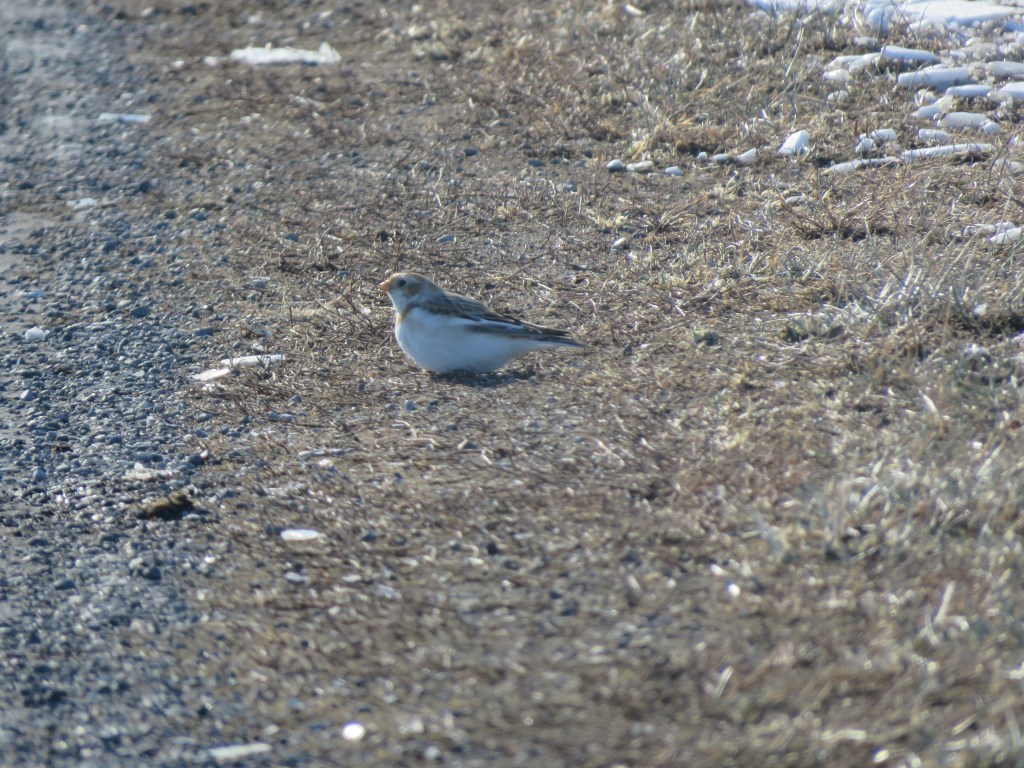
Alerted by an email, other birders soon arrived, and I was happy to point out where the Snow Bunting had appeared. I was excited to see it myself, since I had never seen Snow Buntings in Virginia. Plus, it was unusual to see only one. Snow Buntings commonly appear in small flocks, and the only other time I had seen them was 50 years ago in my backyard during a rare blizzard in Ohio.
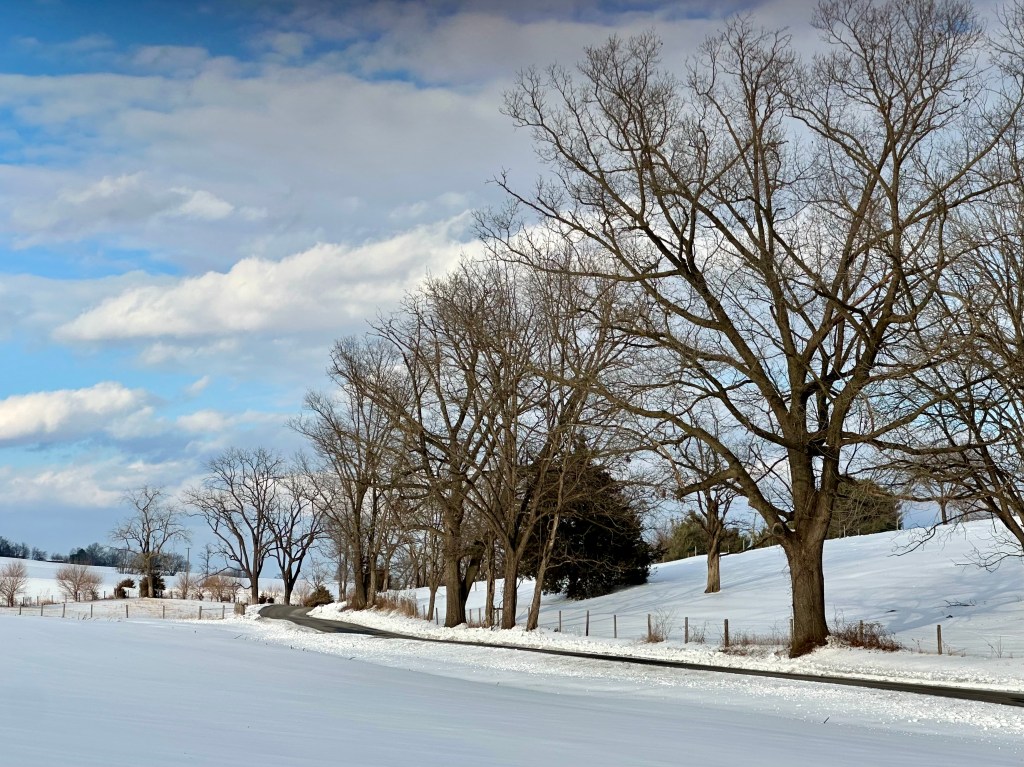
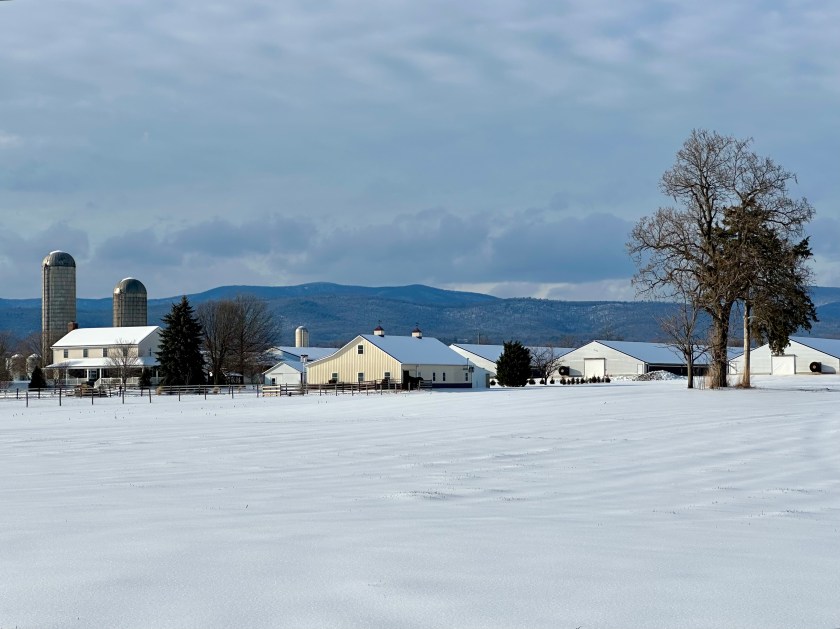
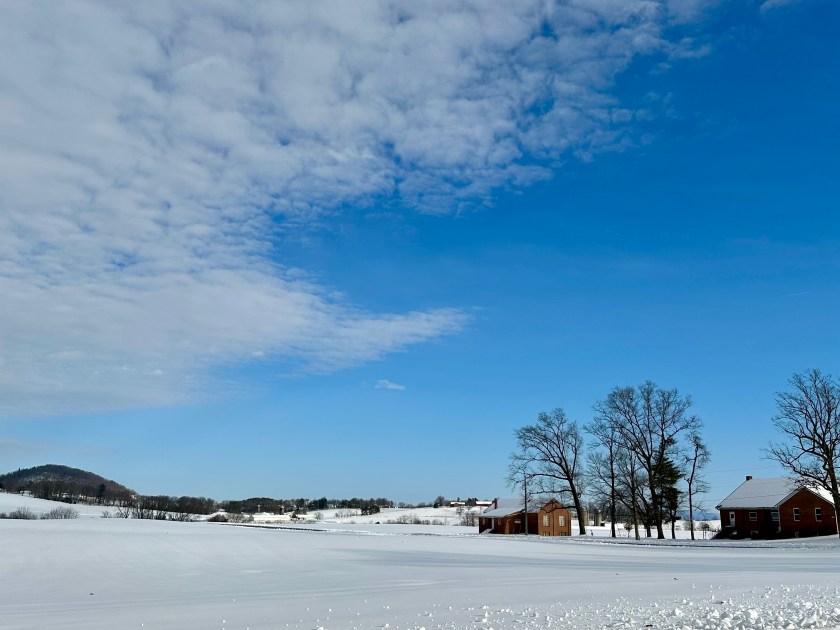
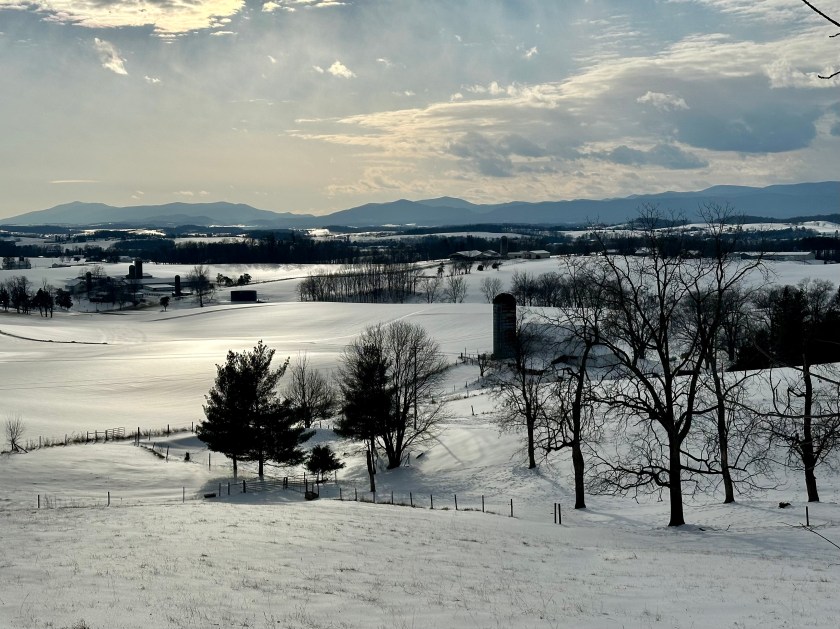
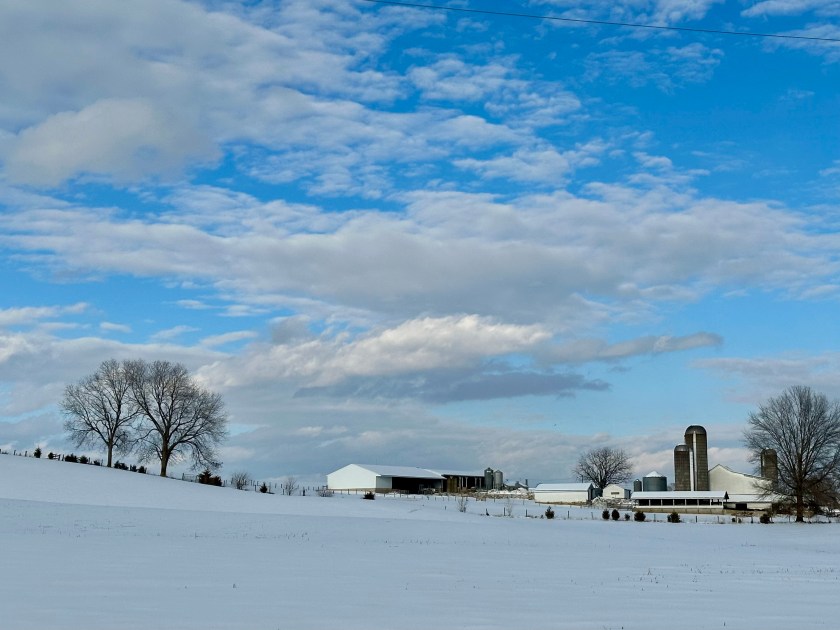
With the birds photographed, I turned my attention to capturing the winter wonderland all around me. The farmsteads glowed in the afternoon sunshine, and the snow and cold, clear air made everything bright and clean.
Fencerows and trees contrasted with the white blanket below them. The Allegheny Mountains hovered over the scenic countryside like anxious mothers.
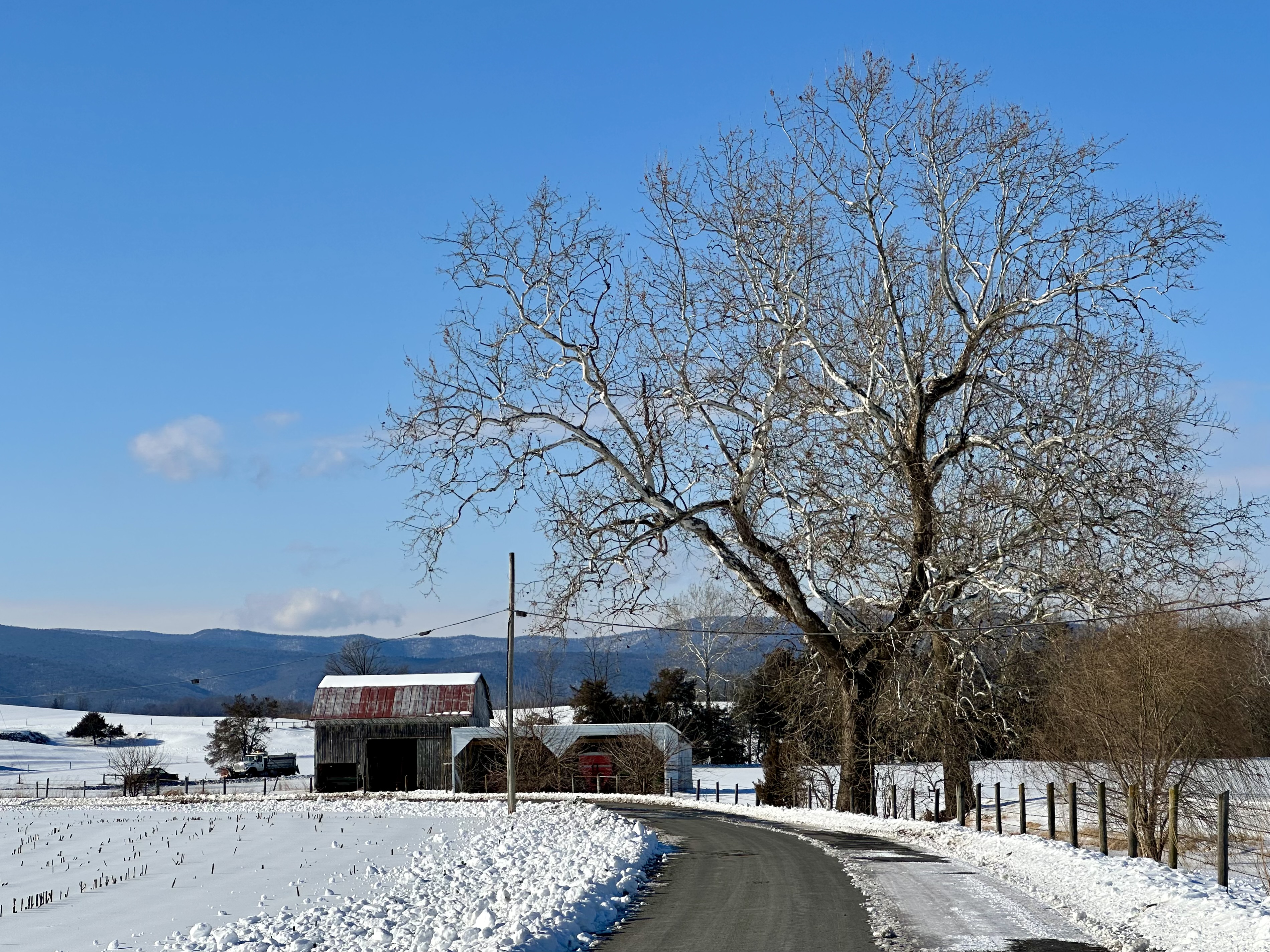
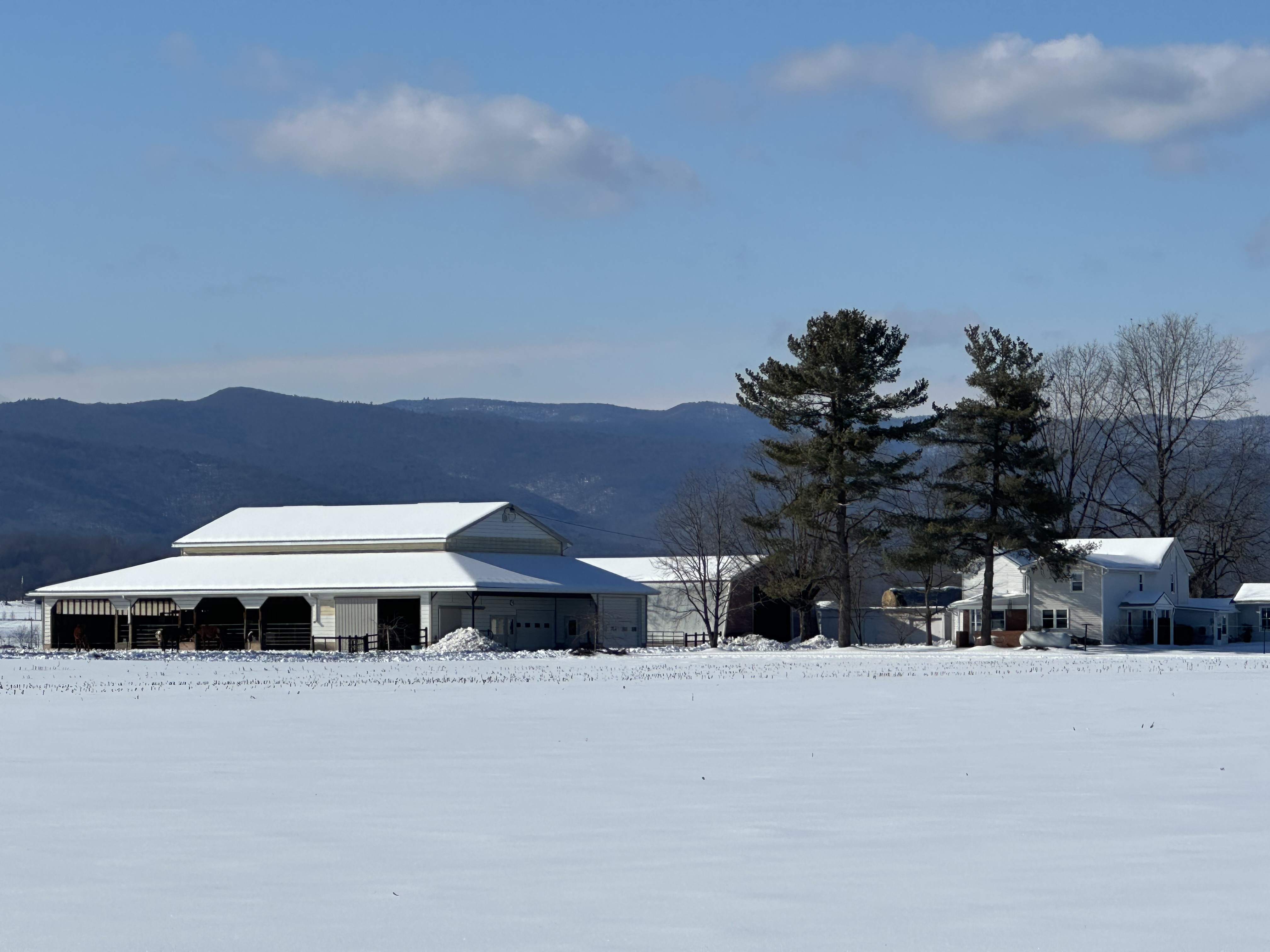
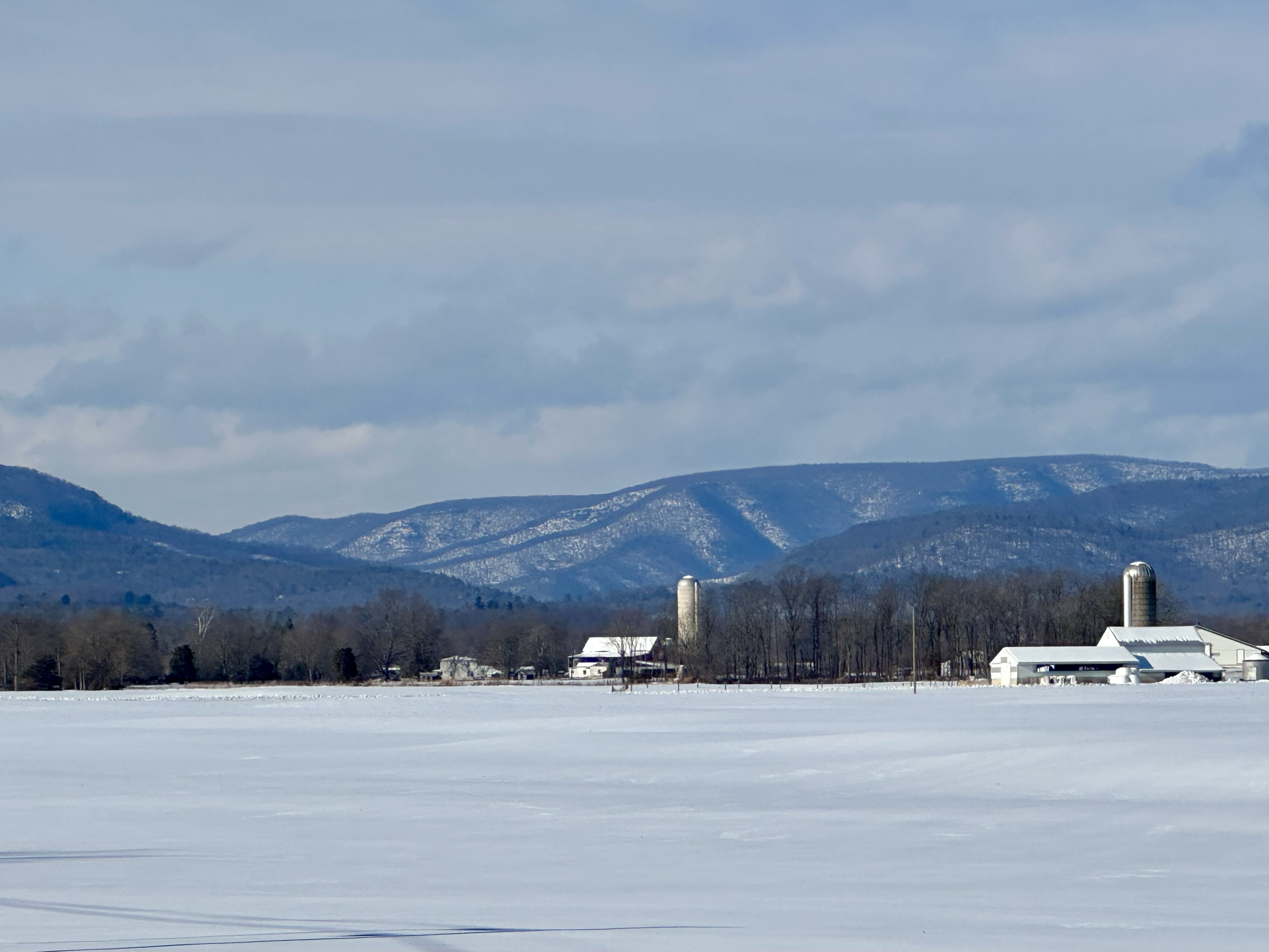
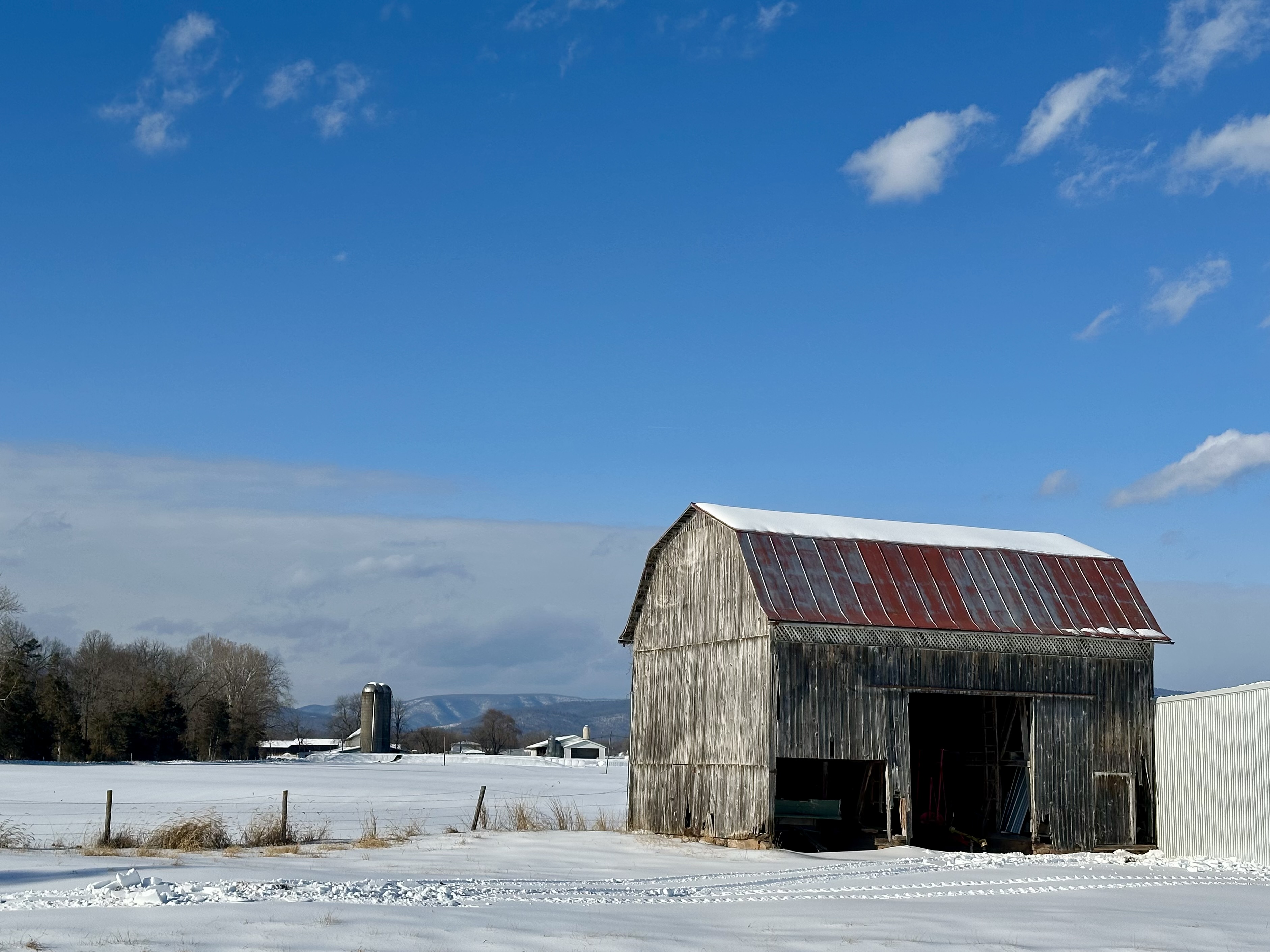
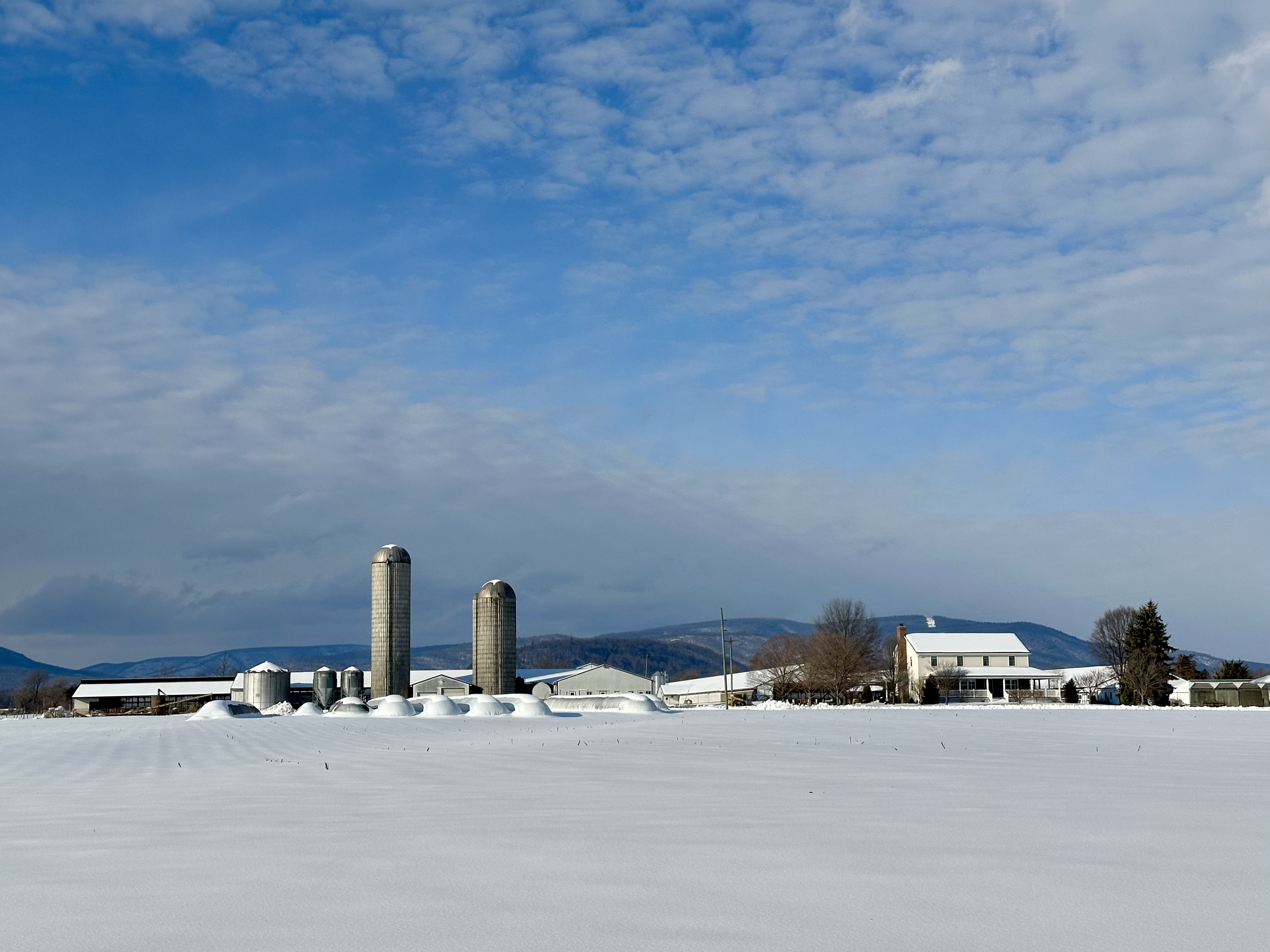
I scared up other flocks of Horned Larks as I continued meandering along narrow limestone roads that connected one Old Order Mennonite farm to the other. Holsteins crowded into feeding troughs, devouring hay the farmers had recently pitch-forked into the stanchions for them.
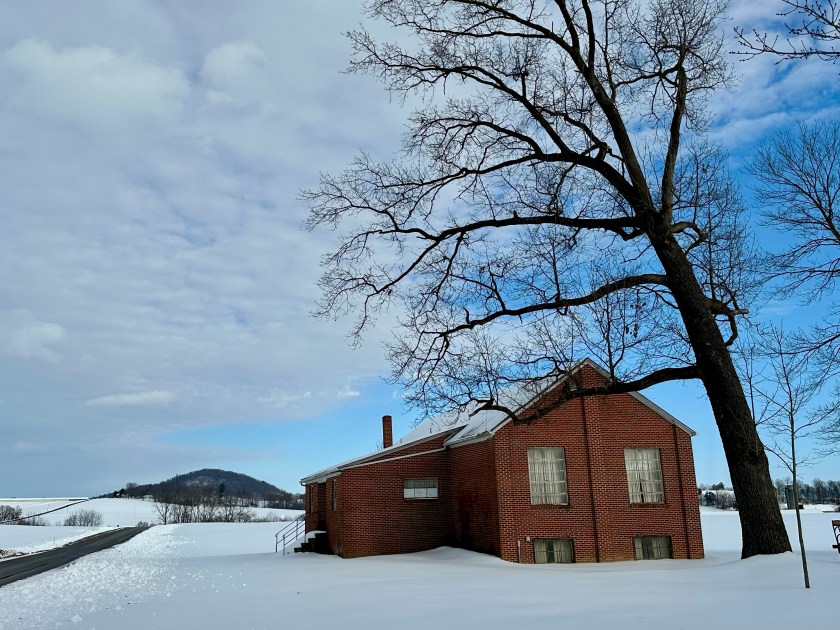
Knowing that the roads were at least passable, I felt more comfortable driving as I made a loop around Mole Hill toward home. In the southwest, the afternoon’s slanting sun radiated a glistening sheen across the hard-packed snowy landscape.
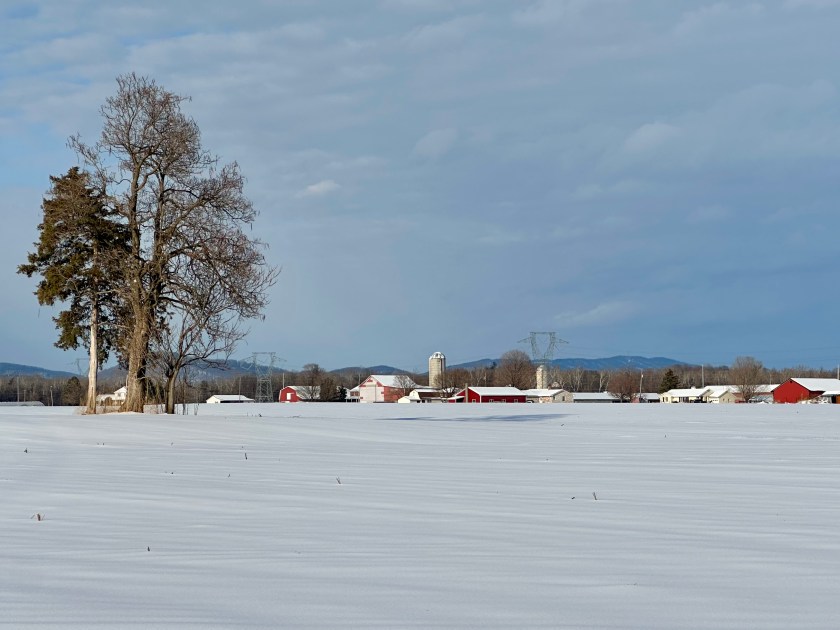
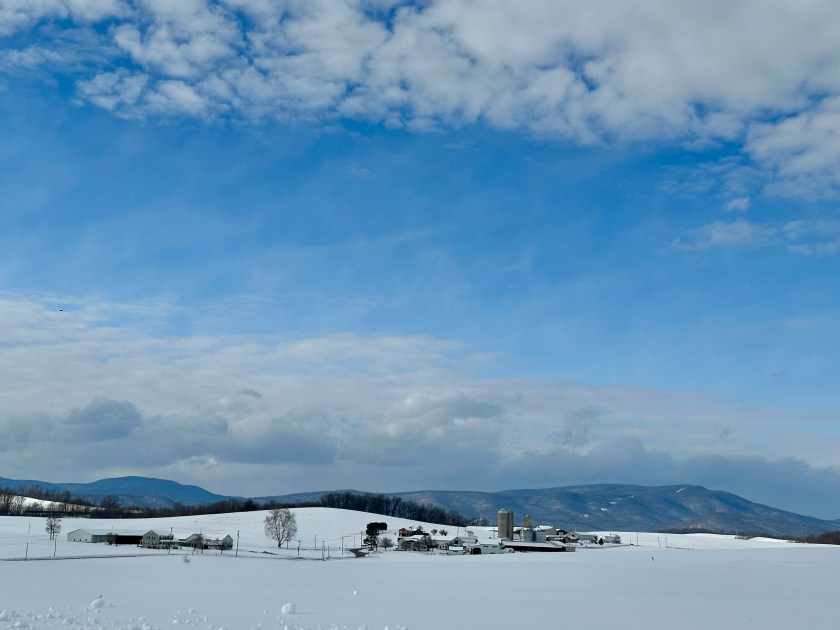
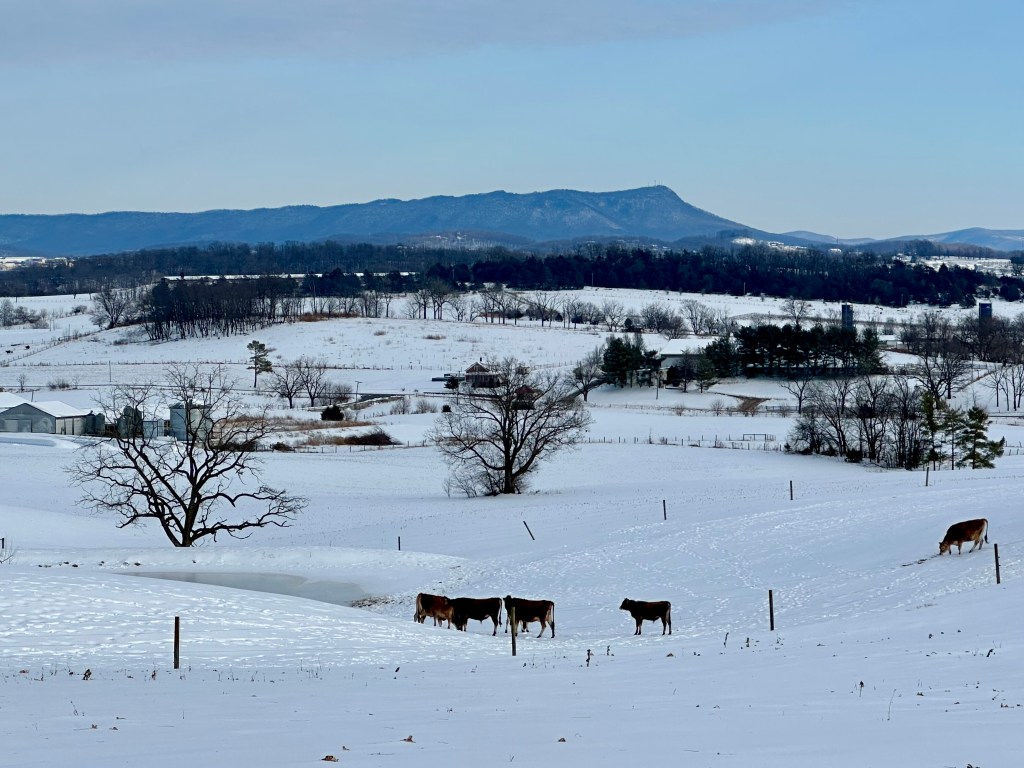
On the east side of the local landmark, Massanutten Mountain stood tall above the undulating lands of the Shenandoah Valley. I crunched my way a few yards from the road to capture black Angus cattle exiting a barn into the snowy pasture.
The dark macadam and the tree branches reaching for the sky sharply contrasted with the snow-white countryside. It was a sight almost as inspiring as seeing the lone Snow Bunting.
© Bruce Stambaugh 2026
 Roadkill Crossing
You must be logged in to post a comment.